Vietnam Launches First Global Coffee Heritage Festival

Vietnam – Qahwa World

Vietnam continues to strengthen its presence in the global coffee market, standing as the world’s second-largest coffee exporter. This status is supported not only by production volume but also by a rich cultural heritage and a unique identity in the coffee world. In this context, the country has launched its first-ever Global Coffee Heritage Festival, aiming to highlight Vietnamese coffee as both a cultural and economic product, far beyond a simple agricultural commodity.

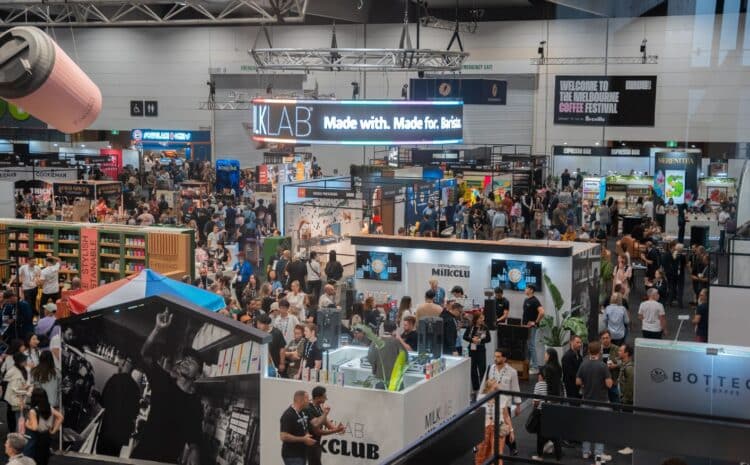
From December 21, 2025, to January 2, 2026, Lam Vien Square in the Xuan Huong Ward of Da Lat hosted the inaugural “Global Coffee Heritage Festival 2025,” attracting large crowds of local residents and visitors from Vietnam and abroad. The festival aimed to document the journey of coffee in Vietnam over nearly two centuries, from the first plantations in the Central Highlands to the development of a distinct coffee culture that has become a national identity.

A Platform to Celebrate Coffee Culture

The festival was organized by TNI King Coffee Co., Ltd. (Ho Chi Minh City) and featured 34 exhibition booths showcasing coffee products, culinary offerings, and a comprehensive program of cultural, artistic, experiential, and interactive activities throughout the festival.

Highlights included live roasting and manual brewing demonstrations linked to global coffee culture experiences, exhibitions of historical coffee beans, a record-setting artwork made from robusta coffee beans, and a display of a giant coffee cup. These activities became prominent attractions for visitors and coffee enthusiasts.

  • Records and Heritage Values

The World Records Alliance, in collaboration with Vietnam Records Association, recognized Vietnam as the largest global producer and exporter of robusta coffee in terms of volume and yield. The festival also documented Vietnam’s unique coffee preparation heritage, including Ê-đê coffee, traditional cloth-filtered coffee, and drip coffee.

Vietnamese coffee culture is also distinguished by its diverse and creative approaches to blending and serving coffee, with signature drinks and dishes such as egg coffee and iced milk coffee reflecting the country’s ability to innovate while preserving tradition.

  • Coffee and Art: A Visual Narrative

One of the festival’s highlights was the artwork “Vietnamese Robusta Coffee Aspiration,” the first of its kind created from Buon Ma Thuot robusta beans, combined with natural Vietnamese materials such as coffee powder, burlap, bamboo, rattan, and coffee ink. The artwork draws inspiration from Central Highlands culture, merging art with agricultural heritage.

  • A Window to Global Coffee Cultures

Festival visitors explored manual brewing methods linked to international coffee traditions, including the Moka Pot (Italy, 1933), Aeropress (USA, 2005), and Cold Drip, a method originating in 17th-century Netherlands when sailors sought to preserve coffee flavor during long voyages. Cold Drip involves slow dripping of cold water through coffee over extended periods, resulting in a smoother cup with lower acidity and bitterness. In the 20th century, it became popular in Japan for its artistic and precise brewing style.

  • Filter Coffee: A Symbol of Local Identity

Filter coffee remains a hallmark of Vietnamese coffee culture since the 19th century, when coffee was first introduced by the French. Over time, the small metal drip filter became a staple in homes and cafes, promoting slow, mindful consumption characterized by strong flavors and a sweet finish—an embodiment of the Vietnamese way of enjoying coffee. Today, filter coffee remains the most widespread brewing method, representing the nation’s coffee identity.

  • Coffee as a Human and Economic Journey

Through these diverse experiences, visitors gain a holistic understanding of Vietnamese coffee, from the labor of farmers in the fields to roasting and preparation techniques, resulting in cups infused with the aroma of time and personal experience.

  • Coffee Train: A Unique Heritage Experience

The “Coffee on the Train – Heritage Journey” space at Da Lat station was a standout feature, recreating a historic train carriage dedicated to coffee experiences. The Da Lat Coffee Train was organized in partnership with the Saigon Railway Transport Branch, Vietnam Railway Transport Joint Stock Company, and TNI King Coffee Co., Ltd.

Visitors enjoyed coffee while listening to soothing music performed on violins and saxophones inside the train carriages, combining heritage, taste, and art in one immersive experience.

  • Building the Vietnamese Coffee Brand

In 2024, Vietnamese coffee exports reached USD 5.48 billion. During the first half of 2025, exports nearly matched the total of 2024 at USD 5.45 billion. The Global Coffee Heritage Festival 2025 is expected to drive the coffee sector toward a creative industry model and open new opportunities for investment, cooperation, and exports.

The festival also aims to bring together leading experts, artisans, and companies worldwide to reshape the future of Vietnamese coffee sustainably and innovatively, enhancing its international profile and paving the way for global collaboration initiatives, including the establishment of the Vietnam-Global Coffee Alliance.

  • Coffee from Vietnam and the World

The festival featured not only Vietnamese coffee varieties but also coffees from major producing countries such as Colombia, Ethiopia, and Brazil, including rare specialty coffees. A notable highlight was Geisha coffee from Ethiopia’s Geisha region, one of the world’s rarest and most expensive coffees, auctioning for up to VND 700 million per kilogram. Geisha coffee is distinguished by complex flavors, including citrus fruits, floral notes, and a hint of jasmine, offering a market value far above other high-quality coffees.

  • Decades of Expertise and Passion

Mr. Do Tan Truong, Roasting and Product Development Manager at TNI King Coffee, emphasized that creating high-quality coffee requires a complete story—from selecting beans, processing, to understanding consumer tastes in different regions. Each coffee variety has its own characteristics and roasting techniques, and learning in this field is continuous regardless of years of experience.

  • Coffee Beyond Numbers

At the festival opening, Ms. Le Hoang Diep Thao, Founder and CEO of TNI King Coffee, highlighted that coffee has been present in Vietnam for over 150 years. Today, more than 600,000 hectares of coffee plantations sustain millions of households. Vietnamese coffee is exported to over 100 countries and territories, contributing billions of dollars to the national economy.

She added that the value of Vietnamese coffee lies not only in volume or numbers but also in identity, perseverance, and pride encapsulated in every coffee bean. The festival represents a long-term journey to preserve, elevate, and promote sustainable values of Vietnamese coffee, particularly robusta heritage, within the global coffee landscape.

Brazilian Coffee Becomes Brazil’s Top Export to Russia

Moscow – Qahwa World

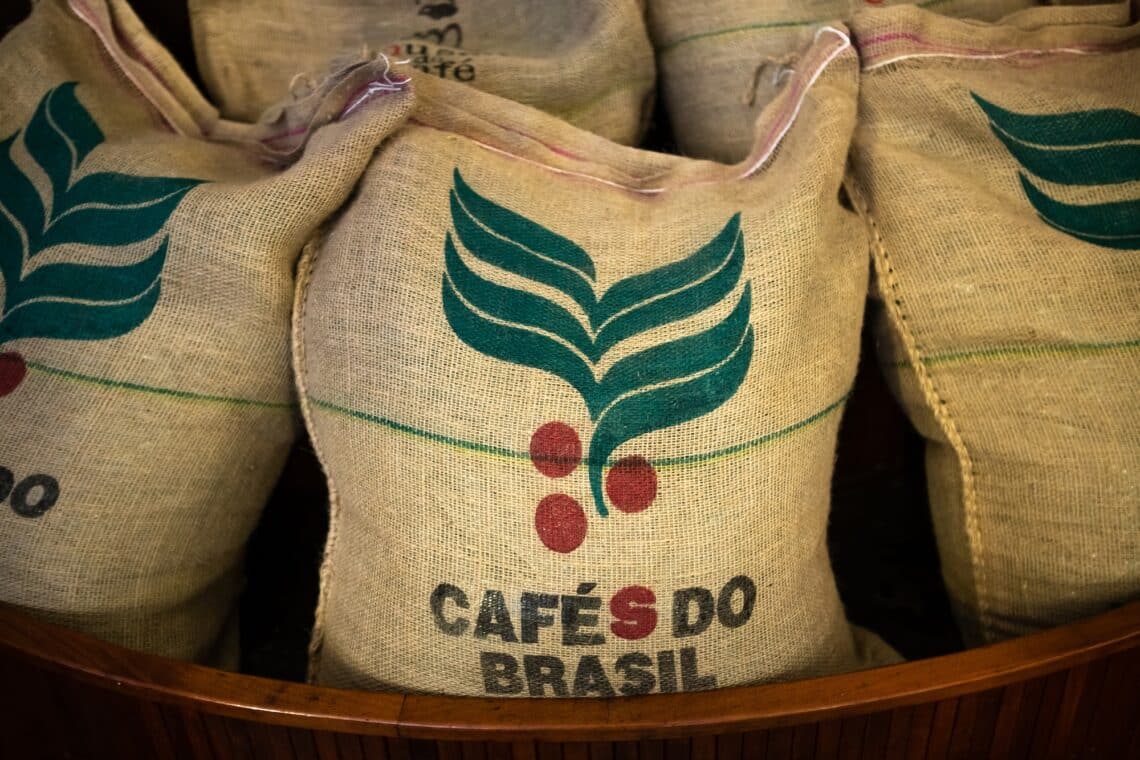
Brazilian coffee exports to Russia have surged sharply in 2025, making coffee the country’s leading export commodity to the Russian market for the first time, surpassing soybeans. This was confirmed by Brazil’s Ambassador to Russia, Sergio Rodrigues dos Santos, who stated that coffee shipments are expected to grow by around 70% by the end of the year.

According to the ambassador, coffee has now taken the top position among Brazilian exports to Russia, a role previously held by soybeans. A key factor behind this shift is the expansion of coffee deliveries beyond green beans to include processed coffee products.

In an interview with TASS, dos Santos emphasized that Russia imports not only raw coffee beans from Brazil but also processed coffee, which carries higher added value. He noted that this is particularly important for Brazil, as it reflects a more advanced export structure and strengthens the quality of bilateral trade.

The rise of coffee exports comes alongside a significant decline in South American soybean supplies to Russia. Since the start of the season, soybean shipments have dropped by 63%, falling to approximately 150,000 tonnes — the lowest level on record. This decline has contributed to coffee emerging as Brazil’s leading export product to the Russian market.

During the first nine months of 2025, Vietnam, Brazil, and Indonesia were the main coffee suppliers to Russia. Vietnam remained the largest exporter by volume over this period, while Brazil continued to rapidly strengthen its position through strong growth in shipments.

Commenting on the global coffee market and rising prices, the ambassador said Brazil has already succeeded in increasing coffee exports to Russia compared with last year. As a result, coffee has replaced soybeans as the country’s number one export product to Russia.

Dos Santos also confirmed that coffee remains one of the key agricultural products Brazil aims to further expand in the Russian market. Alongside increasing volumes, Brazil is focusing on diversifying its coffee exports, particularly by supplying products with a higher level of processing.

In 2025, Brazilian coffee has thus marked a turning point in trade relations with Russia, establishing itself as Brazil’s leading export commodity and underscoring the growing strategic importance of coffee within bilateral trade.

Aveem Opens Allocation for 100 Containers of Colombian Coffee

Strategic expansion targets specialty green coffee supply for Middle East and China re-export

DUBAI – Qahwa World

Aveem Corporation, a prominent DMCC-licensed importer with nearly three decades of logistics expertise, has officially opened allocations for 100 containers of premium Colombian specialty green coffee. This strategic move is designed to stabilize supply chains for industrial roasteries and re-export traders targeting the Middle East and East Asian markets, specifically China.

  • Large-Scale Supply and Strategic Sourcing

The Dubai-headquartered firm is currently finalizing multi-contract negotiations with six key strategic partners to distribute approximately 1.9 million kilograms of high-altitude coffee. Sourced directly from the Nariño region of Colombia, the inventory is slated for shipment beginning in January 2026.

“We deliver more than coffee—we deliver consistency, traceability, and reliability at scale,” stated Avinash Mirchandani, CEO of Aveem Corporation. He emphasized that the company’s 30-year background in container logistics ensures that these advance allocations provide long-term continuity and freshness for regional partners.

  • Premium Portfolio and Compliance

The 2026 allocation features a diverse range of high-scoring specialty varieties:

Geisha: Boasting a cup score of 87.5.

Exotic Bourbon: Scoring 87.

Ecotopo Cusillo: Scoring 85.

Nariño Regional: Traditional high-elevation varieties with a score of 84.25.

To meet the rigorous standards of the GCC and international markets, all coffees are Halal certified and prepared under strict export protocols.

  • Industry Engagement at World of Coffee Dubai

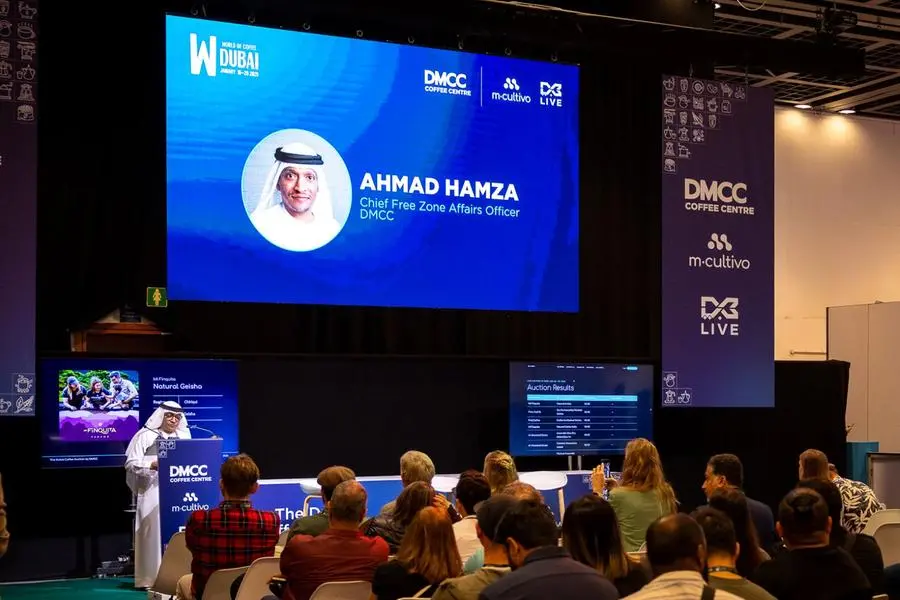
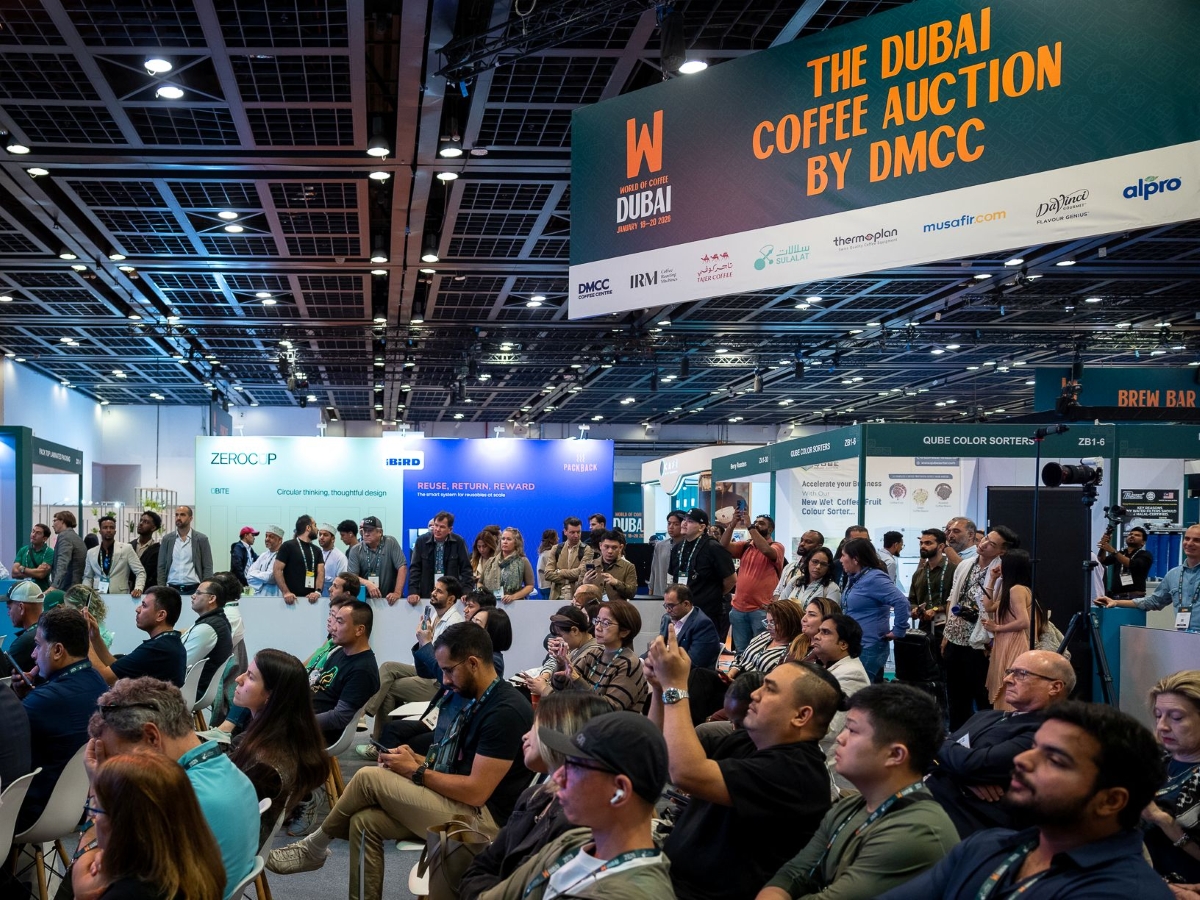
Aveem Corporation will showcase its new specialty portfolio at the upcoming World of Coffee Dubai 2026. Industry professionals can visit the team at Za’abeel Hall 1, Booth ZY1-7, from January 18-20, 2026, to discuss long-term supply agreements.

Forecast and Outlook for Decaffeinated Coffee Demand in the USA

Dubai – Qahwa World

Demand for decaffeinated coffee in the United States is estimated at USD 8.3 million in 2025 and is forecast to increase to USD 16.0 million by 2035, reflecting a compound annual growth rate of 6.8 percent over the forecast period.

Growth is driven by a rising number of consumers seeking to reduce caffeine intake due to concerns related to anxiety, sleep disturbances, and lifestyle preferences. Coffee roasters are expanding their decaffeinated offerings by adopting improved extraction methods that help preserve aromatic compounds and reduce bitterness.

Organic decaffeinated coffee leads demand, supported by health-oriented consumption patterns and expectations for clean-label products. Producers emphasize chemical-free decaffeination methods, including water-based processing and carbon dioxide extraction.

Regional Demand Structure

Demand is strongest in the western, southern, and northeastern regions of the United States. These areas show higher penetration of specialty cafés and a greater share of consumers purchasing artisanal whole-bean and single-origin products.

Distribution channels include:

  • grocery retail,

  • e-commerce subscription services,

  • direct-to-consumer sales from roasters.

Foodservice operators are also expanding decaffeinated beverage menus to cater to a broader audience sensitive to caffeine.

Key Market Indicators

  • Decaffeinated coffee demand value (2025): USD 8.3 million

  • Forecast demand value (2035): USD 16.0 million

  • Compound annual growth rate (2025–2035): 6.8 percent

  • Leading category: organic decaffeinated coffee

  • Key growth regions: western, southern, and northeastern United States

Demand Structure by Category

By Product Nature

Organic decaffeinated coffee accounts for 65.0 percent of total demand, driven by trust in chemical-free processing, clean-label preferences, and sustainability-oriented purchasing behavior. Conventional decaffeinated coffee represents 35.0 percent, supported by competitive pricing and broad availability in mass retail and foodservice channels.

By Roast Type

  • regular roast: 35.0 percent

  • dark roast: 30.0 percent

  • other roast styles: 20.0 percent

  • medium roast: 15.0 percent

Growth in dark roast demand reflects consumer efforts to offset perceived flavor loss historically associated with decaffeination.

Growth Drivers and Constraints

Key growth drivers include:

  • increasing health awareness,

  • expansion of specialty coffee culture,

  • demand for evening-friendly beverage options,

  • growth of ready-to-drink formats.

Key constraints include:

  • lingering perceptions of inferior flavor compared with caffeinated coffee,

  • limited consumer awareness of modern decaffeination technologies,

  • competition from tea and alternative beverages.

Regional Growth Outlook

The western United States is expected to record the highest growth rate at 7.9 percent, followed by the southern region at 7.0 percent, the northeastern region at 6.3 percent, and the midwestern region at 5.5 percent.

Competitive Landscape

The United States decaffeinated coffee market is characterized by stable consumption across retail and direct-to-consumer channels. Purchasing decisions are primarily influenced by flavor retention, transparency of bean origin, and clarity around decaffeination processes. Leading producers strengthen their positions through chemical-free processing methods, low-acidity offerings, and specialty single-origin products designed for caffeine-sensitive consumers.

Toronto Café Serves $99 Coffee as Part of a Wellness Experience

Toronto – Qahwa World

A new café in Toronto’s Midtown is challenging traditional ideas of a coffee break by offering one of the city’s most expensive cups of coffee — alongside yoga sessions, sound therapy, and wellness treatments.

Denovia, a recently opened wellness-focused café, is serving a Panamanian Elida Geisha hand brew priced at $99 per cup. The coffee is produced in extremely limited quantities, with only 50 cups available per supply, positioning it among the most exclusive specialty coffees currently offered in Toronto.

The café’s founder, Nick Wang, describes Denovia as a hybrid space combining specialty coffee with wellness practices. While the ground floor operates as a café serving both rare beans and familiar drinks such as cappuccinos and cold brews, the upper levels are dedicated to wellness services. These include yoga, aromatherapy, sound therapy, sports recovery treatments, and IV drips.

Wang said the concept was shaped by growing post-pandemic stress levels and personal exposure to wellness practices, noting that the space is intended to encourage calm, reflection, and slower consumption rather than rushed routines.

At the center of Denovia’s premium coffee offering is the Elida Geisha, a varietal originally traced to Ethiopia and later refined in Panama. The coffee is widely known for its floral and fruit-forward characteristics, often associated with notes such as jasmine, bergamot, stone fruit, and tea-like sweetness. Its profile contrasts sharply with the heavier, chocolate-driven flavors found in more conventional coffees.

Geisha coffee is also known for its demanding cultivation requirements. It is typically grown at elevations between 1,500 and 2,000 meters, in volcanic soil and highly specific microclimates that include cool temperatures, mist, and stable weather conditions. These constraints significantly limit supply.

According to Wang, beans from the Elida estate have achieved prices of approximately $1,029 per pound at international Best of Panama auctions, attracting buyers from the global specialty coffee market.

Beyond rarity and price, Wang emphasized the experience itself. He said the Geisha is meant to be enjoyed slowly, comparing it to tea culture rather than fast-paced coffee consumption. In his view, the drink is intended to encourage relaxation and creative thinking rather than speed.

While the $99 Geisha attracts the most attention, Denovia’s menu includes other specialty offerings at lower price points. Hand brews and pour-overs sourced from Ethiopia and Colombia begin at $28, including the ALO 74158. Another Geisha option, the Luna Geisha, is priced at $35. Standard menu items such as americanos and matcha lattes start at $6.

Denovia barista Alex Pinzon, who has eight years of experience in the coffee industry, said customers often question the pricing of high-end specialty coffees. He explained that these coffees undergo more careful processing and preparation, resulting in flavor profiles that surprise many first-time drinkers.

Pinzon noted that customers frequently assume fruit has been added to the coffee, only to learn that the flavors come naturally from the beans themselves.

Among the café’s other specialty drinks are the El Pariso Peach hand-brew latte, described as having a tea-like, peach-forward character, and the TOR8NTO — a sparkling coffee mocktail featuring lychee and strawberry notes.

Denovia is currently operating in a soft-opening phase, with its official grand opening scheduled for January 2026.

Indian Coffee Export Earnings Set to Surpass $2 Billion in 2025

Dubai – Qahwa World

Indian coffee exports are on track to cross the $2 billion mark by the close of 2025, driven primarily by strong global prices, even as shipment volumes decline.

According to export permit data issued by the Coffee Board of India, the total value of coffee exports reached approximately $1.968 billion by 16 December. This represents a year-on-year increase of about 21% compared with the $1.63 billion recorded during the same period in 2024. The export value is more than double what the sector generated five years ago, underscoring the impact of sustained price strength in international markets.

In contrast, export volumes moved in the opposite direction. Shipments up to mid-December totaled around 366,000 tonnes, down from 391,000 tonnes during the corresponding period last year, reflecting a decline of roughly 6%.

Industry sources cited by Indian media reports suggest that the reduction in volumes is partly linked to some European buyers opting for lower-priced coffee origins, as Indian coffee prices remained comparatively high throughout the year.

Despite this shift, Indian coffee—both Robusta and Arabica—continues to command solid premiums on global exchanges. Indian Robusta parchment AB is currently trading at an estimated premium of $1,000 to $1,100 per tonne above London LIFFE prices. Robusta cherry AB is fetching an additional $400 to $450 per tonne. Meanwhile, Arabica parchment is selling at a premium of approximately 12 to 15 US cents per pound over New York market prices.

Europe remained the largest destination for Indian coffee exports. Italy accounted for about 18% of total shipments, followed by Germany at 11% and Belgium at 7.5%. Other key markets included the Russian Federation, which absorbed roughly 5.3% of exports, and the United Arab Emirates at around 5%.

India currently ranks as the world’s seventh-largest coffee producer and the fifth-largest exporter, maintaining a strong position in the global coffee trade despite ongoing shifts in demand and pricing dynamics.

30 Million USD EXPANSION FOR TEPI GREEN COFFEE

Addis Ababa – Qahwa World × Buna Kurs

Tepi Green Coffee Estate, owned by Green Coffee Agro-Industry, has announced a landmark 4.5 Billion Birr(approximately $30 million USD) modernization project, signaling a major transformation for one of Ethiopia’s most historic coffee plantations. The initiative aims to replace aging coffee trees, introduce advanced processing machinery imported from Brazil and Colombia, and implement smart farming techniques that will significantly increase productivity from 400 kilograms per hectare to 1,300 kilograms per hectare.

Currently managing 9,040 hectares across the Gambela and South West Ethiopia Peoples’ regions, the estate plans to expand to 20,000 hectares, positioning Tepi Green Coffee to potentially become the largest single coffee estate in Ethiopia. The project also strengthens direct-to-buyer export relationships with global coffee companies, including Starbucks, bypassing traditional channels and enhancing Ethiopia’s presence in international markets.

Founded in 1980 as the Teppi Coffee Development Enterprise, the estate was fully privatized in 2015 and is now owned by Redstars Holding Company, led by Tadele Abraha. Tepi Green Coffee cultivates over 15 Arabica varieties, including the world-renowned Geisha, and holds Rainforest Alliance and Organic certifications. Employing approximately 2,000 permanent staff and up to 8,000 seasonal workers, the estate directly impacts the livelihoods of nearly 20,000 people.

With Ethiopia targeting $3 billion in coffee exports this year, Tepi Green Coffee’s expansion sets a new benchmark for modern, large-scale, and sustainable coffee production in the South West and Gambella regions.

The Intersection of Coffee Consumption and Added Sugar

Dubai – Qahwa World

While clinical research consistently highlights the health-promoting properties of coffee, a critical variable often remains unaddressed in public discourse: the impact of added sugar. A comprehensive study recently published in The Journal of Nutrition has quantified the specific threshold of sweetening that allows the beverage to retain its protective benefits against mortality.

Study Methodology: A Longitudinal Analysis

Researchers utilized a robust dataset from the National Health and Nutrition Examination Survey (NHANES), tracking 46,222 participants over the age of 20 between 1999 and 2018. The study analyzed detailed dietary records to evaluate the correlation between coffee intake and long-term mortality rates, including deaths attributed to cardiovascular disease and cancer.

The Threshold of Bioactivity

The analysis categorized subjects based on their daily consumption and the concentration of additives per serving. The study defined a “low-sugar” threshold as no more than 2.5 grams of sugar per 240 ml (8 oz) serving—roughly equivalent to less than half a teaspoon.

The findings demonstrated a clear correlation between moderate coffee consumption and reduced mortality risks:

  • < 1 cup/day: 11% reduction in mortality risk.

  • 1–2 cups/day: 16% reduction.

  • 2–3 cups/day: 17% reduction.

  • > 3 cups/day: 15% reduction.

The Impact of Added Sweeteners

Critically, these protective benefits were only observed in individuals who consumed their coffee black or within the strict low-sugar limit of 2.5g. For consumers who follow the common habit of adding two to three teaspoons (11–16.5g) of sugar, the metabolic risks associated with the sweetener may neutralize the beverage’s bioactive advantages.

The study concludes that to fully capitalize on the antioxidant and longevity-linked compounds in coffee, consumers should significantly limit or eliminate added sugar, as even moderate amounts can shift the beverage’s nutritional profile from protective to problematic.

The Intersection of Coffee Consumption and Added Sugar

Coffee Prices Find Support Amid Indonesian Flooding

Dubai – Qahwa WORLD

Global coffee prices showed mixed movement on Tuesday, with market sentiment shaped by supply concerns in Southeast Asia and updated production forecasts from major producing countries.

Arabica coffee futures for March delivery edged lower, while robusta contracts for January moved higher. The divergence reflects differing supply dynamics for the two varieties.

Prices have received support from extensive flooding in Indonesia, a key coffee producer. Recent reports indicate that floodwaters have affected roughly one-third of arabica coffee farms in northern Sumatra. Robusta-growing areas, however, appear to have suffered less damage, limiting the overall impact on Indonesia’s export capacity.

Weather developments in Brazil also influenced the market. According to Somar Meteorologia, Minas Gerais — the country’s largest arabica-producing region — recorded 38.3 millimeters of rainfall during the week ending December 19. This amount represents approximately 76% of the historical weekly average, easing concerns about drought stress in key growing zones.

Despite these supportive factors, expectations of ample global supply continue to weigh on prices. Brazil’s agricultural forecasting agency revised its 2025 coffee production estimate upward in early December, projecting total output at 56.54 million bags, compared with a previous estimate of 55.20 million bags.

Robusta prices remain under pressure due to strong export flows from Vietnam. Official statistics showed that Vietnam’s coffee exports surged sharply in November, with shipments rising significantly compared to the same month last year. Cumulative exports for the January–November period also posted strong year-on-year growth.

Arabica prices, meanwhile, found some support from lower Brazilian export volumes. Data from Brazil’s coffee exporters association indicated a notable decline in green coffee exports in November compared with the same period last year.

Inventory levels on ICE exchanges have also played a role in recent price movements. Certified arabica stocks fell to their lowest level in more than a year in late November before rebounding in December. Robusta inventories followed a similar pattern, declining to multi-month lows earlier in the month and then partially recovering.

Trade flows to the United States added another layer of complexity. Purchases of Brazilian coffee by U.S. buyers dropped sharply during the period when higher tariffs were in place earlier in the year. Although those tariffs have since been reduced, U.S. inventories remain tight following the earlier slowdown in imports.

Looking ahead, rising production in Vietnam is seen as a bearish factor. Forecasts for the 2025/26 season suggest higher output, with industry groups indicating that favorable weather conditions could push production well above last year’s levels. Vietnam remains the world’s leading producer of robusta coffee.

At the global level, some indicators point to tighter supply. The International Coffee Organization recently reported a slight decline in global coffee exports for the current marketing year.

However, longer-term projections suggest overall production growth. The U.S. Department of Agriculture expects global coffee output in the 2025/26 season to reach a record level, driven by increased robusta production, even as arabica output is forecast to decline. Ending stocks are projected to fall compared with the previous season, reflecting ongoing demand and inventory adjustments.

SCA Names Option-O World Brewers Cup 2026–2029 Sponsor

SANTA ANA — Qahwa World

The Specialty Coffee Association (SCA) has officially designated Option-O as the Qualified Filter Grinder Sponsor for the World Brewers Cup (WBrC) for the 2026–2029 competition cycle. Featuring the LAGOM 01 Grinder, this marks the first dedicated “Qualified” sponsorship in the history of the Brewers Cup, establishing a new technical benchmark for the global manual brewing community.

Precision Engineering Meets Competition Excellence Option-O, founded in Melbourne, Australia, is renowned for its human-centered engineering and commitment to precision. The LAGOM 01 was selected to provide competitors with a seamless workflow and unparalleled grind consistency, ensuring that the diverse flavor profiles of their coffee are showcased with absolute clarity on the world stage.

2026 Rules & Regulations: A New Era of Standardization In addition to the sponsorship announcement, the SCA has released the 2026 World Brewers Cup Rules and Regulations. This update introduces a pivotal shift in competition standards: for the first time, sponsor-provided grinders will be mandatory in both Compulsory and Open Service rounds. This evolution ensures world-class conditions for all participants and maintains the high technical integrity of the championship.

Key enhancements for the 2026 season include: * Mandatory Equipment: Standardized grinding requirements across all competition rounds.

  • Workflow Optimization: Extended stage setup time for Open Service.

  • Simplified Service: Removal of the previously required additional service vessel.

  • Operational Clarity: Refined timing, penalty definitions, and a fixed six-competitor Final Round.

Event Schedule The 2026 World Brewers Cup will anchor the World of Coffee Brussels, taking place at the Brussels Expo from June 25–27, 2026. Full documentation of the updated regulations is available at wcc.coffee/rules-regulations.

WSJ: US Coffee Prices to Stay High Despite Tariff Rollback

WASHINGTON – Coffee World

The Wall Street Journal reports that U.S. coffee lovers, who hoped President Donald Trump’s recent tariff rollbacks would lower the cost of their daily cup, may need to temper those expectations.

According to the report, the broad import tariffs imposed last summer—which targeted major producers like Brazil—pushed raw coffee prices higher. However, these costs are still filtering through supply chains and have not yet been fully passed on to consumers, industry experts and traders say.

The current spike in U.S. retail coffee prices is largely driven by last year’s global supply shortage, which caused raw coffee bean prices to double in the 12 months leading up to March.

“Most of the retail price increases we’ve seen so far are not tied to tariffs,” said independent coffee analyst Christopher Feran. “They are a result of the record-breaking rally in the raw coffee market that began last year.”

Feran and other industry experts estimate it takes at least nine months for raw coffee price changes to reach consumers due to roasting timelines and pricing negotiations. Consequently, price relief may not appear until well into next year.

American consumers—in the world’s largest coffee market—will likely face elevated prices for longer. This presents a challenge for the White House as it attempts to curb food inflation ahead of the November 2026 midterm elections.

Following political pressure and shifting voter sentiment regarding food costs, Trump recently reversed reciprocal tariffs (ranging from 10% to 41%) on over 200 food items that cannot be easily produced in the U.S., including coffee. This included exempting Brazilian coffee from an additional 40% levy. Brazil currently provides approximately one-third of U.S. coffee needs.

Raw coffee beans account for at least 40% of the cost of producing a bag of roasted and ground coffee. These prices surged last year following three consecutive seasons of production deficits caused by adverse weather.

While experts predict a production surplus for the 2025/26 and 2026/27 seasons, analysts warn that the cooling effect will be slow. U.S. roasters typically maintain 2-3 months of inventory and require several more months for processing and retail negotiations, which usually occur quarterly.

Industry data shows that only a small portion of the 18.8% year-over-year increase in retail prices is directly attributable to tariffs. In contrast, the 35% jump in raw coffee prices seen between August and November has yet to hit store shelves.

Nonetheless, the tariff rollback has slowed the pace of future increases. In late November, J.M. Smucker announced it would skip planned winter price hikes to cover tariff costs, despite a projected $0.50 per share impact on earnings.

“We are glad the tariffs are gone, but that alone won’t lower the market,” said an executive at a mid-sized U.S. roasting firm. He noted that while his company has finished raising prices, larger roasters may still implement hikes next year. “Raw coffee prices remain high, but the consumer often attributes everything to tariffs alone.”

WCR CEO Reviews 2025 Achievements in Coffee Innovation

An annual update from CEO Vern Long highlights scientific progress, global partnerships, and climate resilience

Dubai – Qahwa World

World Coffee Research (WCR) has described 2025 as a defining year for the organization and the wider coffee industry, citing accelerated innovation, strengthened global partnerships, and tangible progress in developing climate-resilient coffee varieties.

In his annual review, WCR Chief Executive Officer Vern Long emphasized that the organization’s achievements this year were driven by sustained investment from more than 200 member companies across 30 countries, alongside close collaboration with national coffee institutes worldwide. These partnerships enabled WCR to move improved coffee varieties from research into farmers’ fields at an unprecedented pace.

According to WCR, the focus on variety development is critical as coffee-producing regions face increasing pressure from climate change, disease, and production volatility. The organization positions its work as essential to safeguarding the long-term stability and diversity of global coffee supplies.

Key achievements in 2025

  • Improving access to proven varieties
    In Peru, WCR installed 10 new arabica seed lots of the varieties IPR 107 and Paraneima in partnership with eight local organizations. These varieties were previously identified as top performers under local conditions through WCR’s International Multilocation Variety Trial, which has been running since 2015.
    In Uganda, WCR supported the installation of 15 mother gardens and nurseries of disease-resilient robusta varieties in cooperation with the national coffee institute NaCORI, expanding farmers’ access to improved planting material.

  • Advancing global arabica breeding efforts
    WCR began arabica field trials and recorded the first harvests under the Innovea Global Coffee Breeding Network. The initiative, recognized as one of TIME magazine’s Best Inventions of 2025, is described as the most ambitious and globally coordinated coffee breeding program to date, aimed at delivering high-performing, high-quality varieties for future generations.

  • Launching robusta breeding under Innovea
    A robusta breeding program was added to the Innovea network, with Vietnam and Ghana joining as national collaborators. This expansion brings total participation to 11 countries, collectively accounting for around 40% of global coffee production. The robusta program is designed to run in parallel with arabica efforts, focusing on resilience while supporting origin diversity.

  • Strengthening scientific collaboration worldwide
    WCR reported unprecedented levels of collaboration among scientists, governments, and coffee companies. One study published in 2025 brought together researchers from 15 countries across 23 trial sites to examine how 29 arabica varieties respond to leaf rust under different growing conditions. The findings are intended to support the development of more resilient coffee trees.

Looking ahead

Despite ongoing challenges facing the coffee industry, WCR underscored that innovation and collaboration remain powerful tools for risk mitigation and long-term sustainability. As the organization enters the new year, it expressed gratitude to its global community of members and partners for their continued commitment to securing the future of coffee.