Starbucks Unveils AI Barista That Predicts Coffee Orders Before Customers Arrive

Dubai – Qahwa World

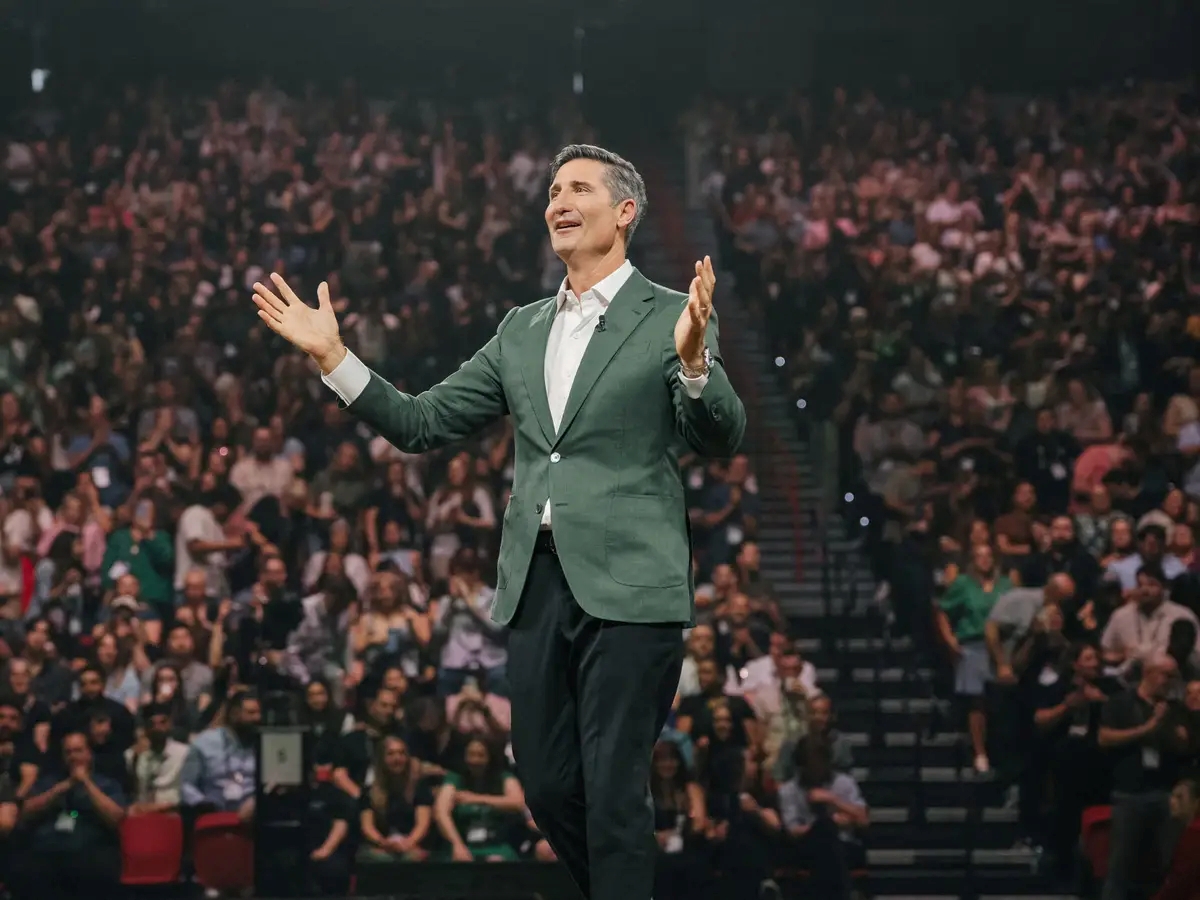
Starbucks is integrating artificial intelligence into its daily operations as part of a broader plan to enhance efficiency and customer experience. CEO Brian Niccol confirmed the company’s AI-driven direction during Salesforce’s Dreamforce 2025 event in San Francisco, according to Fortune.

Niccol explained that Starbucks is developing internal technologies designed to help baristas prepare drinks in real time — and potentially predict customers’ orders before they even place them. While the company is still in the learning and experimentation phase, Niccol emphasized that AI is already helping Starbucks pursue its ambition of becoming “the world’s great customer service company again.”

The “Green Dot Assist”

One of the company’s most advanced tools so far is called Green Dot Assist, described as a “barista assistant.” Piloted in June and now rolled out to additional stores, it operates as a chatbot-like system that supports store leaders in day-to-day operations — including guidance on drink preparation, troubleshooting equipment issues, and managing workflow.

A Starbucks spokesperson told TODAY.com that the tool is intended to assist employees rather than replace them, helping make their work smoother and more efficient.

Predictive Coffee Ordering

Niccol also noted that the Starbucks app remains central to the company’s AI strategy. He outlined a future scenario where customers might not even need to open the app — instead, they could simply say, “Hey, I need my Starbucks order. I’ll be there in 10 minutes,” and the AI system would have the drink ready upon arrival.

Despite these advancements, Niccol clarified that Starbucks is “not near” the stage of using a fully robotic workforce. The company, he said, remains committed to a “real craft” experience by having more human partners in stores to serve customers personally rather than relying on automation.

The Broader AI Movement in Coffee

Starbucks is not alone in exploring AI integration. At Hudson Yards in New York City, an AI-powered robotic barista named Jarvis is already preparing drinks for customers — even engaging with them via gestures and conversation before requesting a tip.

As AI technology continues to evolve, coffee chains around the world are experimenting with automation to strike a balance between innovation and preserving the artistry that defines the coffee experience.

Carlyle and Boyu emerge as likely buyers for Starbucks’ China operations, sources say

Dubai – Qahwa World

Private equity firms Carlyle Group and Boyu Capital have reportedly taken the lead in efforts to acquire a controlling stake in Starbucks’ China business.

Seattle-based Starbucks initiated a formal sales process in May 2025, seeking to bring in strategic partners amid slowing growth and stiff competition from local chains such as Luckin Coffee and Cotti Coffee.

According to sources, up to five firms made the final shortlist by September 2025, with Carlyle and Boyu now viewed as frontrunners for the deal. The transaction is expected to value the China operations at around USD 4 billion, and Starbucks may retain up to a 49 percent interest.

Carlyle already has experience in the coffee and restaurant sector: it acquired South Korea’s A Twosome Place chain and previously held a 28 percent stake in McDonald’s China, which it sold in 2023.

Meanwhile, Boyu has backed major food and beverage enterprises, including a role in investing in Mixue Group, and has co-ownership in the Honeymoon Dessert brand in China and Singapore.

Starbucks currently operates roughly 7,800 stores in China, making it its second-largest market by store count—and roughly 20 percent of its global total—though it contributes only about 8 percent of revenue.
MarketScreener

Unlike most markets where Starbucks licenses some stores, its entire China operation is wholly company-run.

While Starbucks endured three straight quarters of revenue decline in China in 2024, more recently the business has rebounded: it posted three consecutive quarters of year-over-year growth in 2025, including its first six-month stretch of positive same-store sales during the second quarter.
Comunicaffe International

SSP Group Reports Strong Annual Growth

Dubai – Qahwa World

Global travel food and beverage operator SSP Group has announced solid revenue growth for the fiscal year ending 30 September 2025, supported by strong performances in the UK and Asia Pacific. However, the company continues to face headwinds in its Continental European markets.

According to its preliminary financial update, SSP achieved an 8% year-on-year increase in total revenues, reaching £3.7 billion ($4.9 billion). Group-wide like-for-like sales rose by 4%, while operating profit is projected to climb 11% to £230 million ($307 million).

Sales in the UK and Ireland advanced by 8% in the fourth quarter, driven by increased rail passenger spending. Meanwhile, the Asia Pacific and EEME (Eastern Europe, Middle East, and Africa) region recorded a 9% rise, bolstered by the integration of Airport Retail Enterprises (ARE) in Australia, acquired in 2024.

In contrast, Continental Europe posted a 1% sales decline for the same period. SSP cited disruptions in France’s rail network and infrastructure works in Germany as key factors, alongside weaker consumer spending and a gradual withdrawal from its unprofitable partnership with Tank & Rast, the German motorway service operator. The company’s North American operations remained flat due to reduced airport passenger volumes.

To address these challenges, SSP launched a cost-efficiency programme across its 15 Continental European markets in mid-2025. The initiative follows the appointment of Satya-Christophe Menard, formerly of JDE Peet’s, who now leads the group’s European division with profitability as a top priority.

Group CEO Patrick Coveney said SSP’s strategy for enhanced returns is beginning to yield results, though the company remains focused on accelerating improvements in France and Germany. “We recognise the need for rapid progress and are acting decisively as we enter the new financial year,” Coveney stated.

Headquartered in London, SSP operates nearly 3,000 outlets across 38 global markets, including airports and rail hubs. Its portfolio features licensed brands such as Starbucks, Pret A Manger, BackWerk, and Exki, alongside its proprietary concepts Upper Crust, Camden Food Co, and Caffè Ritazza.

The group is set to publish its audited full-year results on 4 December 2025.

Top 16 Fall Coffee Drinks from Healthiest to Unhealthiest

Dubai Qahwa World

As autumn unfolds across the Northern Hemisphere, coffee chains are once again unveiling their most anticipated seasonal creations. While the iconic pumpkin spice latte continues to dominate menus, 2025’s fall offerings reveal a much broader spectrum of flavors from pecan and caramel to cereal-inspired blends and an even wider range of nutritional profiles.

A new analysis by Hers has compared 16 of the season’s most popular fall coffee drinks from major U.S. brands, ranking them from the healthiest to the least healthy based on four key nutrition indicators: calories, sugar, fat, and trans fat. The study included beverages from Starbucks, Dunkin’, McDonald’s, Krispy Kreme, and Einstein Bros., examining each drink’s standard recipe and medium serving size.

The findings highlight major differences between the drinks, reminding coffee lovers that not all cozy fall treats are created equal. Some beverages, particularly cold brews, can offer lower sugar and calorie counts, while others especially blended or cream-based options contain as much sugar and fat as a full meal.

According to the report, two of the five healthiest drinks are cold brews, confirming their reputation as lighter, smoother, and less sugary alternatives to lattes and frappes. Starbucks, unsurprisingly, dominates the list with a wide range of options spanning nearly every position on the ranking from top performers to indulgent desserts in disguise. Pumpkin spice lattes, the hallmark of the season, generally sit in the middle range, offering moderate calorie and sugar levels compared to other festive drinks.

Below is Hers’ full ranking of the Top 16 Fall Coffee Drinks in 2025 from Healthiest to Unhealthiest:

  1. Pecan Oatmilk Cortado Starbucks
  2. Caramel Cream Cold Brew Einstein Bros.
  3. Chai Latte Starbucks
  4. Pumpkin Spice Iced Coffee Krispy Kreme
  5. Pumpkin Cream Cold Brew Starbucks
  6. Pumpkin Spice Latte McCafé (McDonald’s)
  7. Pumpkin Spice Latte Krispy Kreme
  8. Pumpkin Spice Iced Signature Latte Dunkin’
  9. Cereal N’ Milk Iced Latte Dunkin’
  10. Iced Pecan Crunch Oatmilk Latte Starbucks
  11. Iced Pumpkin Spice Latte Starbucks
  12. Pumpkin Spice Crème Frappuccino Blended Beverage Starbucks
  13. Pumpkin Spice Latte Starbucks
  14. Pumpkin Spice Frappuccino Blended Beverage Starbucks
  15. Iced Pumpkin Cream Chai Starbucks
  16. Frozen Pumpkin Spice Latte Krispy Kreme

At the top of the list are the Pecan Oatmilk Cortado and the Caramel Cream Cold Brew, both praised for their balanced flavors and relatively light nutritional footprint. At the bottom sits the Frozen Pumpkin Spice Latte from Krispy Kreme, which packs a hefty 610 calories, 80 grams of sugar, and 25 grams of fat numbers closer to a dessert than a coffee. Similarly, Starbucks’ Iced Pumpkin Cream Chai and Pumpkin Spice Frappuccino also rank among the least healthy, with sugar levels exceeding 60 grams per serving.

In contrast, the cold brews show impressive restraint. Einstein Bros.’ Caramel Cream Cold Brew has just 210 calories and 33 grams of sugar, while Starbucks’ Pecan Oatmilk Cortado contains only 26 grams of sugar the lowest among all drinks reviewed. Even the much-loved Pumpkin Cream Cold Brew from Starbucks performs relatively well, landing in the top five with 250 calories and 31 grams of sugar.

To ensure accurate comparisons, Hers standardized the serving size to 16 ounces for each drink and analyzed them using nutritional data provided by each brand. The study gave trans fat a double weight in the scoring system due to its proven links to cardiovascular disease and inflammation.

Beyond the rankings, the report serves as a timely reminder to enjoy the season’s flavors mindfully. Coffee lovers are encouraged to stay hydrated, balance indulgent drinks with lighter choices, and incorporate fresh fall produce like apples, pumpkins, and squash into their diet for better nutrition and immunity. The study also notes that moderate physical activity even a simple walk with a pumpkin spice latte in hand can significantly reduce the risks of heart disease and diabetes.

Ultimately, the report captures an essential truth of modern coffee culture: fall drinks are as much about experience as flavor. From the first sip of pumpkin spice to the smooth chill of cold brew, the choice now lies not just in taste but in the balance between pleasure and well-being.

Worth $58.5 Billion: US Coffee Market Slows Under Cost Pressures

Dubai Qahwa World

The US branded coffee shop industry, one of the largest in the world, is showing signs of strain as growth slows amid rising costs and a tough economic climate. According to new industry research, the market is now worth around $58.5 billion, achieving 6.6% annual sales growth a dip from last year’s 7%.

Despite the cooling pace, the market continues to expand in size and scale. Net outlet growth reached 4.2% in 2025, bringing the total to more than 45,200 stores across 588 brands, although this marks a slowdown from the 5.1% growth recorded in 2024.

Expansion Meets Resistance

Big players are still adding stores. Starbucks, Dunkin’, Dutch Bros, and 7 Brew each expanded by more than 100 outlets over the past year. Yet, broader growth has been curbed by record-high green coffee costs, persistent inflation, and a 50% tariff on Brazilian imports, which together create unprecedented pressure on operators.

Drive-thru coffee chains are leading the charge. Dutch Bros surpassed 1,000 locations, while Arkansas-based 7 Brew posted the fastest expansion rate in the sector. Black Rock Coffee Bar, following its $294 million IPO in September 2025, is also preparing for nationwide growth.

Adding to the competitive landscape, China’s Luckin Coffee and Cotti Coffee have entered the US market. At the same time, more than 50 independent café businesses grew to five or more outlets, officially stepping into the branded chain category.

Consumers Pay More, Confidence Drops

Sales figures were propped up by higher menu prices. Over the last year, the average cost of a 16oz latte, cappuccino, or filter coffee rose by 3%, while iced coffee went up by nearly 5%.

Although more than half of US industry leaders reported positive sales, fewer than a third described overall trading conditions as favorable down sharply from 2024. Just 20% of executives expect conditions to improve in the coming year, and more than one-third now predict that coffee shop sales will lag behind US GDP growth.

Non-Dairy Options Go Mainstream

One of the most notable shifts in consumer trends has been the removal of surcharges for plant-based milks. Eighteen of the 20 largest coffee chains including Starbucks, Dunkin’, and Dutch Bros now serve oat, almond, and other dairy alternatives without extra charges.

Still, nearly two-thirds of industry leaders believe that surcharges remain justified due to higher costs, and more than half of customers indicated they would pay extra for their preferred alternative milk. Almond milk continues to dominate demand.

Outlook to 2030: Resilience and Adaptation

Even with mounting headwinds, the sector shows long-term resilience. Market forecasts project that the US branded coffee shop industry will exceed $63 billion within a year and reach $82.4 billion by 2030, supported by outlet growth to more than 57,700 stores nationwide.

Industry experts say growth will increasingly depend on portfolio adjustments and new strategies to meet evolving customer expectations in a challenging economy.

From America to Europe: Starbucks Continues Store Closures

Dubai – Qahwa World

In less than two days, Starbucks’ downsizing plan has expanded from North America to Europe. After announcing yesterday the closure of hundreds of stores in the United States and Canada, the company today revealed further closures in the UK, Switzerland, and Austria, underscoring the challenges facing the world’s largest coffee chain.

Starbucks’ EMEA division confirmed that a review of its company-owned stores in Europe, the Middle East, and Africa has resulted in a decision to shutter outlets in three key European markets. The company did not disclose how many stores will close or the exact timeline but stressed the move is part of a broader strategy to align store formats with customer traffic and profitability.

This announcement comes just one day after the company said it would close around 400 stores in the U.S. and Canada and cut 900 non-retail jobs as part of a $1 billion restructuring plan. Read yesterday’s report here

Numbers Tell the Story

Starbucks currently operates nearly 5,000 stores across 42 countries in the EMEA region. The UK is its largest market, with 1,416 stores (521 company-owned). Switzerland has 49 company-owned outlets, while Austria operates 21.

The financial strain is evident in recent results: UK revenues fell 4% year-on-year to £525.6m ($668.9m) for the year ending September 2024, with a pre-tax loss of £35.2m ($44.8m). Across EMEA, revenues declined 9%, gross profit fell 5%, and operating profit dropped 16%.

“Back to Starbucks” Strategy

The closures form part of CEO Brian Niccol’s Back to Starbucks strategy, first launched in late 2024, which aims to return the brand to its “coffeehouse roots.” The strategy emphasizes simpler menus, stronger barista engagement, and encouraging customers to spend more time in stores.

Despite the retrenchment, Starbucks insists it remains committed to expansion. The company plans to open 80 new UK stores and 150 additional EMEA outlets by the end of the current fiscal year on 30 September 2025, with a pledge to return to net positive store growth across the region in 2026.

Starbucks to Close Hundreds of Stores and Cut Thousands of Jobs in a $1bn Austerity Plan

Starbucks is preparing to write off $1bn in costs and assets by closing hundreds of stores in North America and making further corporate layoffs.

Between June and the end of September, 400 US and Canada stores deemed unprofitable and unsuitable for refurbishment were closed or slated for closure. US store managers will find out this week if their outlet has been added to the list, extending cuts that have so far focused on takeaway-only stores.

However, in an open letter to employees, Starbucks CEO Brian Niccol announced that hundreds more sit-in stores deemed unsuitable for refurbishment under the Back to Starbucks strategy would also close. Starbucks has sought to move away from “overly transactional” takeaway stores and focus on longer dwell-time visits and more personalised service as part of a major strategy to reverse faltering sales in the US.

“We have identified coffeehouses where we’re unable to create the physical environment our customers and partners expect, or where we don’t see a path to financial performance, and these locations will be closed,” Niccol said in his letter.

Niccol forecasts that Starbucks will end its fiscal year with nearly 18,300 company-operated and licensed stores across North America, down from 18,734 at the end of its third quarter ended 30 June 2025. The Seattle-based coffee chain, which has posted six consecutive quarters of like-for-like sales decline in the US, plans to return to positive outlet growth across North America next year, as well as modernise more than 1,000 US stores 10% of its company-owned US locations.

Niccol has also announced further layoffs, just seven months after announcing plans to cut 1,100 corporate jobs across its global business. Approximately 900 non-retail roles will be axed as the coffee chain seeks to prioritise investment in retail operations.

“These steps are to reinforce what we see is working and prioritise our resources against them. We will continue to carefully manage costs and stay focused on the key areas that drive long-term growth,” Niccol added.

In a separate SEC filing, Starbucks said $450m of the total $1bn costs will be allocated to exiting leases early, with a further $400m on the disposal of company-operated store assets. The remaining $150m will be allocated to severance and staff support packages.

In July 2025, Starbucks reported 2% year-on-year net revenue growth in North America to reach $6.9bn. However, the coffee chain saw third quarter like-for-like sales and comparable transactions both declined.

“Star Bux” Defeats Starbucks After 12-Year Legal Battle

Karachi – September 14, 2025 – Qahwa World – In a remarkable conclusion to one of the most unusual brand disputes in the coffee industry, a Pakistani café named “Star Bux” has won a 12-year-long legal battle against the global coffee giant Starbucks. The verdict, delivered by the Pakistani court, has not only ended a prolonged legal fight but has also raised important questions about culture, identity, and the limits of trademark law.

The story began in 2013 when Rizwan Ahmed and Adnan Yousuf opened a café in Karachi under the name “Star Bux.” The café’s logo immediately drew attention for its playful resemblance to Starbucks. Instead of the familiar mermaid encircled in green, “Star Bux” featured the face of a mustached man inside a circular green emblem. This visual and phonetic similarity sparked widespread discussion, with some finding it amusing while others considered it too close for comfort. Starbucks, which had not yet opened outlets in Pakistan, quickly filed a complaint, arguing that the café’s identity could mislead consumers and weaken its globally recognized brand.

Starbucks based its case on the established international framework of trademark protection, insisting that “Star Bux” could cause confusion among customers who might assume a link between the two businesses. The company argued that such similarities represented trademark dilution and could undermine the uniqueness of its brand image, even if customers were not directly deceived. The stakes were high: Starbucks was protecting one of the most famous brands in the world, while “Star Bux” defended its right to local identity and creative expression.

The café’s founders, however, presented an unusual but powerful defense. They claimed their brand was not an imitation but a form of parody. According to them, the choice of name and logo was meant as a cultural and humorous statement, not an attempt to deceive customers or steal market value. They highlighted the differences in fonts, artistic styles, and even the character at the center of their logo—a mustached man instead of a mythical figure. Their menu also went beyond coffee, featuring burgers, pasta, pizza, and even items with humorous names inspired by Pakistani culture, underscoring their effort to create a distinct identity rather than a copy of Starbucks.

Over time, the café made small adjustments to its visual identity to further reduce similarities, while adding disclaimers clarifying that it had no connection to Starbucks. These changes reinforced the claim that “Star Bux” was a parody brand rooted in local culture and humor. What might have started as a playful idea eventually turned into a cultural symbol, attracting attention on social media and sparking debates on intellectual property and creative freedom.

After years of hearings and legal back-and-forth, the court finally ruled in favor of the Karachi café. The judge recognized parody as a legitimate form of artistic and cultural expression under Pakistani law, stating that it did not constitute a violation of trademark protections. The ruling emphasized that there were enough visual and conceptual differences between the two brands to prevent real confusion among consumers, and that global corporations must also recognize the role of local culture and creativity.

The outcome represents a rare victory for a small business against a multinational powerhouse. The case has sparked international debate on how far trademark protections should extend, and whether global companies should always be allowed to enforce their rights in markets where local culture gives rise to parody and satire. It also highlights the importance of consumer perception: whether people truly believe two brands are connected, or whether they can recognize parody as parody.

The story of “Star Bux” is no longer just about a trademark dispute. It has become an emblem of how cultural identity and humor can challenge global corporate dominance. By winning this case, the café has established itself as more than a local business—it is now a symbol of resilience, creativity, and the power of parody to stand up to one of the world’s most influential coffee brands.

Twelve years after the first complaint, “Star Bux” has proven that even the smallest businesses can win against global corporations when their case is rooted in originality, culture, and authenticity. This legal battle will be remembered not only as a fight over names and logos but as a story about how creativity, humor, and local heritage can triumph over corporate might.

Starbucks Loses Coffee Battle in China and Prepares to Sell Its Unit

Beijing – September 11, 2025 – Qahwa World – Reuters has revealed that Starbucks, the world’s largest coffee chain, is preparing to sell a controlling stake in its China operations in a deal valued at around $5 billion. The decision marks one of the most dramatic turns in the company’s history as slowing sales and intensifying competition from local rivals force the Seattle-based giant to rethink its strategy in its second-largest market.

According to sources cited by Reuters, Starbucks has drawn up a shortlist of five investment firms: Carlyle Group, EQT, HongShan Capital Group (HSG), Boyu Capital, and Primavera Capital. These firms are expected to submit binding bids in early October, with a final agreement anticipated by the end of next month. Financial analysts estimate that Starbucks China will generate between $400 million and $500 million in EBITDA this year, which supports a valuation close to $5 billion.

For years, China was considered the crown jewel of Starbucks’ international growth, with the company expanding to nearly 7,800 stores, representing almost 20% of its global footprint and around 8% of group revenues. But the tide has turned. Data from Euromonitor shows the company’s market share plunged from 34% in 2019 to just 14% in 2024, as local players like Luckin Coffee, Cotti Coffee, and Lucky Cup captured millions of consumers with lower prices, digital apps, and aggressive promotions.

Despite this decline, Starbucks has no plans for a full exit. The company intends to retain a minority stake in its Chinese unit while keeping its coffee roasting facility to safeguard quality standards. This strategy will allow Starbucks to share financial and operational risks with local partners while maintaining a foothold in a market with immense long-term potential.

The shortlisted bidders bring strong experience in food and beverage operations. HSG owns a stake in Heytea, China’s 4,300-store tea chain. Carlyle Group operates South Korea’s 1,700-store A Twosome Place and previously held a stake in McDonald’s China. Primavera Capital has invested in Yum China, EQT formerly owned global foodservice operator SSP, and Boyu Capital is a backer of e-commerce giant Alibaba.

The sale of a controlling stake in Starbucks China represents more than just a financial transaction—it is a strategic turning point. Once viewed as a symbol of Western modernity in China, Starbucks now finds itself forced into a restructuring move to secure its survival in a market where domestic brands are growing at breakneck speed. For investors, the deal offers a rare chance to gain access to a multibillion-dollar coffee market that continues to expand, though marked by fierce competition and price-sensitive consumers.

Binding offers are due in early October, with a final decision expected by the end of the month. Whatever the outcome, one fact is clear: Starbucks is losing the coffee battle in China and entering a new phase of forced partnerships and strategic recalibration that could reshape not only its presence in the country but also the global coffee landscape.

One Year Into Change: What’s Happening at Starbucks?

DUBAI, September 10, 2025 (Qahwa World) – One year after taking over as CEO of Starbucks, Brian Niccol says the global coffee chain is “ahead of schedule” in its ambitious turnaround efforts. The company is moving faster than anticipated in reshaping its business through aggressive store redesigns, a revamped rewards program, and the introduction of new food and beverage options, as it works to recover from declining traffic and financial pressures seen in recent years.

Niccol, who became the third CEO of the company in just two years, inherited a business under pressure from unionization drives and falling store visits. He stressed that his first task was to focus on strengthening the fundamentals before building new layers of innovation. He added that Starbucks is now well positioned to move forward with changes to its menu, improvements to the digital rewards program, and investments in technology to enhance the customer experience.

In remarks reported by Fox News, Niccol explained that the redesign efforts are not limited to aesthetics but also intended to enable the company to open more locations with greater efficiency and lower costs. Starbucks has already begun rolling out its “Green Apron Service” model, which uses tools such as the Smart Queue system to sequence orders across mobile pickup, drive-thru, and cafés, reducing wait times and ensuring a smoother flow of service.

According to Niccol, 80% of beverages are now being prepared in under four minutes, compared with just 60% before the changes were introduced, while mobile orders are surpassing a 95% completion rate within the same time benchmark. The company is also set to launch a new protein-focused menu at the end of September, alongside additional food choices designed around snacking, gluten-free products, and protein-forward options.

Niccol emphasized that the company’s plan to redesign thousands of U.S. stores by 2026—out of more than 17,000 nationwide—is central to its transformation. By 2027, he hopes the pace will accelerate further to avoid falling behind on updates. The refreshed look will feature oversized chairs, couches, high-tops, and regular tables, designed to provide “a seat for every occasion.” He also noted that the goal is not to limit how long customers stay but rather to create an environment that encourages them to spend more time in the stores, reflecting the essence of the coffeehouse culture.

He added that the company is reassessing store sizes and equipment needs to bring down operating costs. In the past, Starbucks had invested in larger buildings and unnecessary equipment, but Niccol argued that what truly matters is having “a great coffeehouse with good seats, the right staffing levels, and partners in the right place at the right time to serve customers.”

Despite ongoing economic headwinds that have made consumers more cautious in their spending, Niccol insisted that Starbucks’ value lies in its distinctive mix of high-quality coffee and unique store atmosphere. He highlighted the company’s access to top beans, its advanced Clover Vertica brewing system that ensures freshly ground and brewed coffee for every cup, and the personal connections between baristas and customers.

A new version of the company’s loyalty rewards program is also planned for early 2026. Still under development, the revamped program is expected to strengthen the value proposition for customers and become another driver of growth. Niccol concluded by expressing confidence that Starbucks would finish the current fiscal year on solid footing and enter 2026 “from a position of strength,” closing the first year of change on an optimistic note for one of the world’s most recognized coffee brands.

Why Have Coffee Prices Surged Again Globally?

Dubai, September 9, 2025 (Qahwa World) – Coffee prices are once again on the rise, pushing global markets into a renewed bullish phase after months of volatility and decline. Analysts point to a mix of climate pressures, trade barriers, falling inventories, and speculative buying as the key forces driving the market upward.

Arabica coffee futures on the Intercontinental Exchange (ICE) climbed above $3.70 per pound in early September 2025, nearing record levels last seen at the beginning of the year. This rebound followed a sharp downturn during the first half of 2025, when prices fell by 19.22% in the second quarter and dropped 4.07% overall in the first six months, closing June at $3.0675 per pound.

On July 8, 2025, the December Arabica contract reached its lowest point of the year at $2.72 per pound. From there, the market staged a dramatic recovery, rallying nearly 43.9% to $3.9130 by August 28. The turnaround signaled a renewed long-term bullish momentum for coffee.

Climate Concerns Put Pressure on Supply

Brazil, the world’s largest coffee producer, is facing challenging weather conditions, including drought in some regions and unusually cold temperatures in others. These climate issues have heightened concerns about reduced crop yields in the upcoming harvest.

At the same time, ICE data shows that open interest in coffee futures rose 11.5% between August 12 and August 28, climbing from 146,352 to 163,170 contracts, highlighting increased speculative activity. Meanwhile, ICE coffee inventories fell to multi-year lows, further tightening global supply.

Tariffs Fuel the Rally

Adding to the pressure, the United States has imposed additional tariffs on coffee imports from Brazil and Vietnam, the two largest exporters. These trade barriers have raised costs for roasters, while well-capitalized Brazilian farmers have held back sales, using the tight market to strengthen their negotiating position. The result has been an acceleration of the rally in coffee prices.

Starbucks Feels the Impact

Rising green coffee costs are weighing directly on Starbucks, one of the world’s biggest buyers. While U.S. equity markets reached new highs in August, Starbucks shares underperformed. From March 3 to September 5, 2025, the stock fell 27.5% from $117.46 to $85.06, before closing at $85.32—6.4% below the year-end 2024 level. Analysts point to rising input costs, particularly coffee, as a major factor behind the decline.

Lack of Investment Vehicles

Since the iPath Coffee Subindex ETF ceased trading in June 2023, investors seeking direct exposure to coffee have had to rely exclusively on futures and options listed on ICE. Each futures contract represents 37,500 pounds of green coffee. At $3.7365 per pound on September 5, the December contract was valued at approximately $140,118.75. With an initial margin requirement of $10,659, traders can control the contract with just 7.6% upfront, though they must meet maintenance margin calls if equity falls below $9,690.

Outlook: Volatility Ahead

Looking forward, analysts expect heightened volatility in the coffee market over the coming weeks and months. Climate challenges in Brazil, tariff-driven trade distortions, and dwindling inventories will continue to keep upward pressure on prices. While the long-term trend remains bullish, sharp fluctuations are likely to remain a defining feature of the global coffee trade.

Starbucks Moves Ahead with Major U.S. Coffeehouse Revamp

Dubai, 5 September 2025 (Qahwa World) – Starbucks is reporting strong progress on its ambitious plan to refresh its U.S. coffeehouses, with redesigned stores in New York and Southern California already showing encouraging results.

The global coffee chain began remodeling select outlets in July 2025 as part of CEO Brian Niccol’s Back to Starbucks strategy, which aims to restore the brand’s traditional “coffeehouse atmosphere” and counter declining sales in its home market.

According to Starbucks, customers at the updated stores are spending more time in-store, visiting more frequently, and responding positively to the changes. The redesign includes:

  • Cozy seating and warmer lighting to create a more inviting environment

  • Vibrant artwork and ceramic mugs to highlight a café-style experience

  • A redesigned espresso bar that showcases coffee preparation and barista skills

  • Improved pickup zones that are streamlined and less disruptive

Starbucks intends to remodel more than 1,000 company-owned U.S. stores by the end of 2026 — nearly 10% of its U.S. network. The revamp is designed to strengthen connections with customers, replacing the “overly transactional” feel of some locations.

In addition, Starbucks announced it will phase out its 90 mobile order and pickup-only sites across the U.S. by the end of 2025. First introduced in 2019, these outlets will be closed to prioritize spaces that foster human interaction and community engagement.

Despite challenges in the U.S. market, Starbucks posted solid results in its latest financial report. For the quarter ending 29 June 2025, the company achieved 4% year-on-year revenue growth, reaching $9.5 billion globally. In the U.S., revenue increased by 1% to $6.45 billion, with Starbucks operating 17,230 outlets nationwide.

The coffee giant believes that its large-scale store refresh will play a crucial role in boosting customer loyalty, improving in-store experiences, and reinforcing its leadership in the U.S. coffee market.