Coffee Prices Rise Amid Brazilian Heatwave and Supply Pressures

Dubai – Qahwa World

Coffee markets are seeing an upward shift in prices, driven by weather events in key production regions and tightening global supplies.

March arabica futures rose 1.26%, while ICE robusta for January had previously gained 1.06% before the holiday closure. The Brazilian coffee belt is experiencing a heatwave forecasted to last through Monday, putting pressure on crops and supporting prices.

Additional factors are influencing the market. In Indonesia, recent floods have affected roughly one-third of northern Sumatra’s arabica plantations, potentially cutting the nation’s coffee exports by up to 15% in the 2025-26 season. Robusta production has been less impacted. Indonesia remains the third-largest robusta producer worldwide.

Meanwhile, Brazil’s Minas Gerais region received rainfall during the week ending December 19 that was below average, according to Somar Meteorologia. Reduced precipitation in key growing areas can add bullish pressure on arabica coffee.

Coffee inventories also play a role in market dynamics. ICE-tracked arabica stocks hit a 1.75-year low of 398,645 bags in November before rising to 456,477 bags recently. Robust a inventories similarly fell to near 12-month lows before modest recovery.

US demand for Brazilian coffee remains restrained. Tariffs previously imposed on imports led to a 52% drop in purchases from August to October compared to the previous year. Although tariffs have since eased, US stock levels remain limited.

On the supply side, Brazil’s national crop agency Conab raised its 2025 production estimate to 56.54 million bags, up from 55.20 million in September, signaling an ample supply outlook.

Robusta coffee faces downward pressure amid expectations of strong output. Vietnam’s coffee exports surged 39% year-on-year in November and 14.8% from January to November, according to government statistics. Total production in 2025/26 is projected to rise 6% to 1.76 million metric tons, a four-year high.

Globally, the International Coffee Organization reported a slight decline of 0.3% in coffee exports for the current marketing year, supporting price stability. The USDA projects world coffee output for 2025/26 to reach a record 178.85 million bags, with arabica falling 4.7% and robusta rising 10.9%. Brazil’s production is expected to decrease by 3.1%, while Vietnam’s output could rise 6.2% to a four-year high. Ending stocks are projected to decline by 5.4% to 20.15 million bags.

Overall, a combination of adverse weather in Brazil, flooding in Indonesia, and fluctuating inventories is contributing to upward momentum in coffee prices, even as abundant output in some regions, particularly Vietnam, applies downward pressure on robusta markets.

Vietnam Launches First Global Coffee Heritage Festival

Vietnam – Qahwa World

Vietnam continues to strengthen its presence in the global coffee market, standing as the world’s second-largest coffee exporter. This status is supported not only by production volume but also by a rich cultural heritage and a unique identity in the coffee world. In this context, the country has launched its first-ever Global Coffee Heritage Festival, aiming to highlight Vietnamese coffee as both a cultural and economic product, far beyond a simple agricultural commodity.

From December 21, 2025, to January 2, 2026, Lam Vien Square in the Xuan Huong Ward of Da Lat hosted the inaugural “Global Coffee Heritage Festival 2025,” attracting large crowds of local residents and visitors from Vietnam and abroad. The festival aimed to document the journey of coffee in Vietnam over nearly two centuries, from the first plantations in the Central Highlands to the development of a distinct coffee culture that has become a national identity.

A Platform to Celebrate Coffee Culture

The festival was organized by TNI King Coffee Co., Ltd. (Ho Chi Minh City) and featured 34 exhibition booths showcasing coffee products, culinary offerings, and a comprehensive program of cultural, artistic, experiential, and interactive activities throughout the festival.

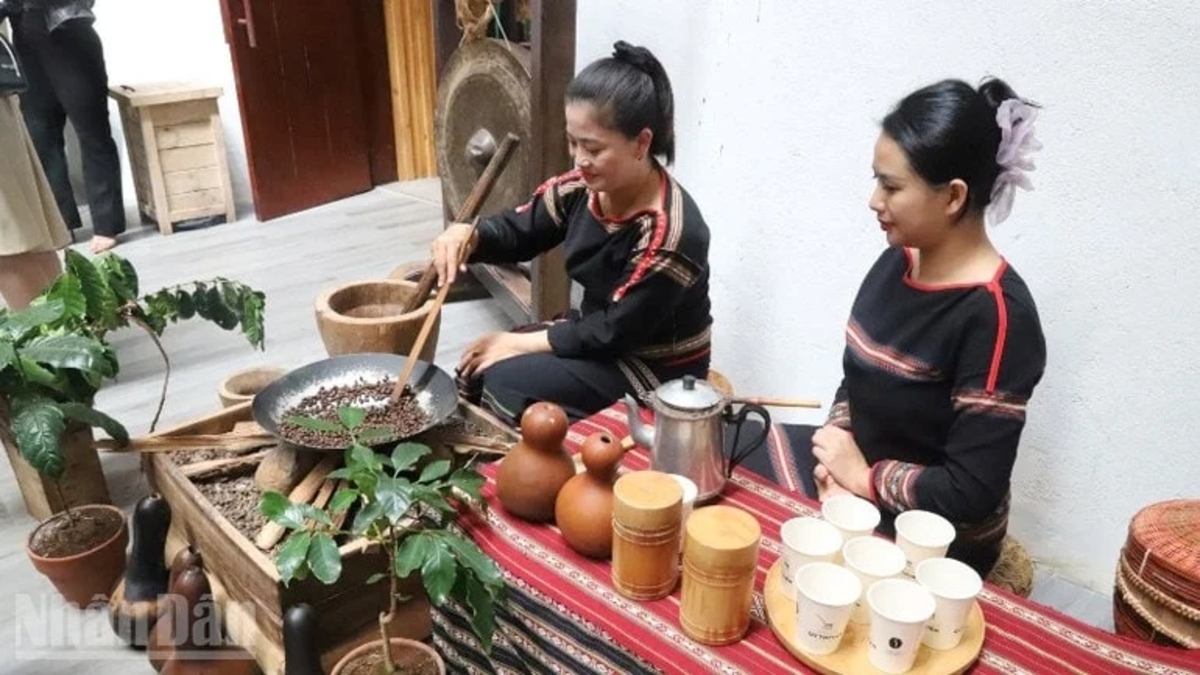
Highlights included live roasting and manual brewing demonstrations linked to global coffee culture experiences, exhibitions of historical coffee beans, a record-setting artwork made from robusta coffee beans, and a display of a giant coffee cup. These activities became prominent attractions for visitors and coffee enthusiasts.

  • Records and Heritage Values

The World Records Alliance, in collaboration with Vietnam Records Association, recognized Vietnam as the largest global producer and exporter of robusta coffee in terms of volume and yield. The festival also documented Vietnam’s unique coffee preparation heritage, including Ê-đê coffee, traditional cloth-filtered coffee, and drip coffee.

Vietnamese coffee culture is also distinguished by its diverse and creative approaches to blending and serving coffee, with signature drinks and dishes such as egg coffee and iced milk coffee reflecting the country’s ability to innovate while preserving tradition.

  • Coffee and Art: A Visual Narrative

One of the festival’s highlights was the artwork “Vietnamese Robusta Coffee Aspiration,” the first of its kind created from Buon Ma Thuot robusta beans, combined with natural Vietnamese materials such as coffee powder, burlap, bamboo, rattan, and coffee ink. The artwork draws inspiration from Central Highlands culture, merging art with agricultural heritage.

  • A Window to Global Coffee Cultures

Festival visitors explored manual brewing methods linked to international coffee traditions, including the Moka Pot (Italy, 1933), Aeropress (USA, 2005), and Cold Drip, a method originating in 17th-century Netherlands when sailors sought to preserve coffee flavor during long voyages. Cold Drip involves slow dripping of cold water through coffee over extended periods, resulting in a smoother cup with lower acidity and bitterness. In the 20th century, it became popular in Japan for its artistic and precise brewing style.

  • Filter Coffee: A Symbol of Local Identity

Filter coffee remains a hallmark of Vietnamese coffee culture since the 19th century, when coffee was first introduced by the French. Over time, the small metal drip filter became a staple in homes and cafes, promoting slow, mindful consumption characterized by strong flavors and a sweet finish—an embodiment of the Vietnamese way of enjoying coffee. Today, filter coffee remains the most widespread brewing method, representing the nation’s coffee identity.

  • Coffee as a Human and Economic Journey

Through these diverse experiences, visitors gain a holistic understanding of Vietnamese coffee, from the labor of farmers in the fields to roasting and preparation techniques, resulting in cups infused with the aroma of time and personal experience.

  • Coffee Train: A Unique Heritage Experience

The “Coffee on the Train – Heritage Journey” space at Da Lat station was a standout feature, recreating a historic train carriage dedicated to coffee experiences. The Da Lat Coffee Train was organized in partnership with the Saigon Railway Transport Branch, Vietnam Railway Transport Joint Stock Company, and TNI King Coffee Co., Ltd.

Visitors enjoyed coffee while listening to soothing music performed on violins and saxophones inside the train carriages, combining heritage, taste, and art in one immersive experience.

  • Building the Vietnamese Coffee Brand

In 2024, Vietnamese coffee exports reached USD 5.48 billion. During the first half of 2025, exports nearly matched the total of 2024 at USD 5.45 billion. The Global Coffee Heritage Festival 2025 is expected to drive the coffee sector toward a creative industry model and open new opportunities for investment, cooperation, and exports.

The festival also aims to bring together leading experts, artisans, and companies worldwide to reshape the future of Vietnamese coffee sustainably and innovatively, enhancing its international profile and paving the way for global collaboration initiatives, including the establishment of the Vietnam-Global Coffee Alliance.

  • Coffee from Vietnam and the World

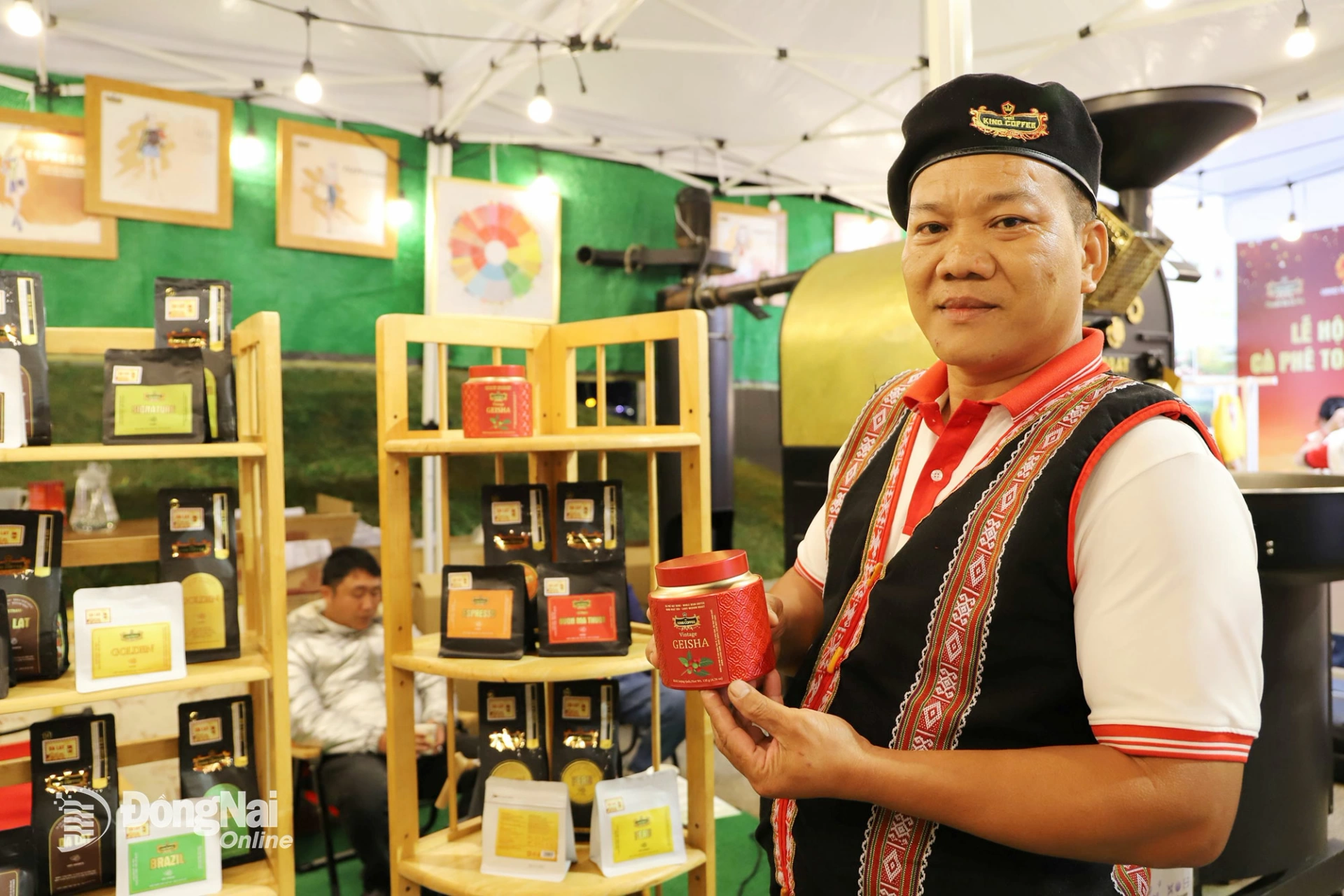
The festival featured not only Vietnamese coffee varieties but also coffees from major producing countries such as Colombia, Ethiopia, and Brazil, including rare specialty coffees. A notable highlight was Geisha coffee from Ethiopia’s Geisha region, one of the world’s rarest and most expensive coffees, auctioning for up to VND 700 million per kilogram. Geisha coffee is distinguished by complex flavors, including citrus fruits, floral notes, and a hint of jasmine, offering a market value far above other high-quality coffees.

  • Decades of Expertise and Passion

Mr. Do Tan Truong, Roasting and Product Development Manager at TNI King Coffee, emphasized that creating high-quality coffee requires a complete story—from selecting beans, processing, to understanding consumer tastes in different regions. Each coffee variety has its own characteristics and roasting techniques, and learning in this field is continuous regardless of years of experience.

  • Coffee Beyond Numbers

At the festival opening, Ms. Le Hoang Diep Thao, Founder and CEO of TNI King Coffee, highlighted that coffee has been present in Vietnam for over 150 years. Today, more than 600,000 hectares of coffee plantations sustain millions of households. Vietnamese coffee is exported to over 100 countries and territories, contributing billions of dollars to the national economy.

She added that the value of Vietnamese coffee lies not only in volume or numbers but also in identity, perseverance, and pride encapsulated in every coffee bean. The festival represents a long-term journey to preserve, elevate, and promote sustainable values of Vietnamese coffee, particularly robusta heritage, within the global coffee landscape.
Indian Coffee Export Earnings Set to Surpass $2 Billion in 2025

Dubai – Qahwa World

Indian coffee exports are on track to cross the $2 billion mark by the close of 2025, driven primarily by strong global prices, even as shipment volumes decline.

According to export permit data issued by the Coffee Board of India, the total value of coffee exports reached approximately $1.968 billion by 16 December. This represents a year-on-year increase of about 21% compared with the $1.63 billion recorded during the same period in 2024. The export value is more than double what the sector generated five years ago, underscoring the impact of sustained price strength in international markets.

In contrast, export volumes moved in the opposite direction. Shipments up to mid-December totaled around 366,000 tonnes, down from 391,000 tonnes during the corresponding period last year, reflecting a decline of roughly 6%.

Industry sources cited by Indian media reports suggest that the reduction in volumes is partly linked to some European buyers opting for lower-priced coffee origins, as Indian coffee prices remained comparatively high throughout the year.

Despite this shift, Indian coffee—both Robusta and Arabica—continues to command solid premiums on global exchanges. Indian Robusta parchment AB is currently trading at an estimated premium of $1,000 to $1,100 per tonne above London LIFFE prices. Robusta cherry AB is fetching an additional $400 to $450 per tonne. Meanwhile, Arabica parchment is selling at a premium of approximately 12 to 15 US cents per pound over New York market prices.

Europe remained the largest destination for Indian coffee exports. Italy accounted for about 18% of total shipments, followed by Germany at 11% and Belgium at 7.5%. Other key markets included the Russian Federation, which absorbed roughly 5.3% of exports, and the United Arab Emirates at around 5%.

India currently ranks as the world’s seventh-largest coffee producer and the fifth-largest exporter, maintaining a strong position in the global coffee trade despite ongoing shifts in demand and pricing dynamics.

Global Coffee Market: Collapsing Inventories and a Fragile Price Truce

Dubai – Qahwa World

The global coffee market is currently resting in a precarious calm, according to the International Coffee Organization’s (ICO) November 2025 Market Report. Despite major geopolitical and climatic events, the ICO Composite Indicator Price (I-CIP) showed only a marginal rise of 1.2%, averaging 330.44 US cents/lb.

This unexpected stability is not a sign of market health, but rather the result of a dramatic “offsetting effect” between two powerful, opposing forces: a historical US decision to soften tariffs on Brazilian coffee imports (a bearish signal), and devastating floods that struck Vietnam’s Central Highlands (a bullish factor).

  • The Damp Squib of US Tariff Relief

The most significant political event of the month was the US administration’s move to phase out the additional 40% tariff previously imposed on Brazilian coffee imports. This action should have triggered a sharp price correction downward, given Brazil’s status as the world’s largest producer.

The Professional Read: The market reaction was surprisingly muted. The I-CIP did dip to its monthly low (320.39 cents/lb) following the announcement, but the effect dissipated within three days. Analysts concur that the market had “priced in” the removal of the tariffs beforehand, drastically reducing the impact.

Compounding the lack of immediate bearish pressure, Brazil’s export performance remains subdued. Exports of Brazilian Naturals declined by 8.2% in October, marking the eighth consecutive month of negative growth for this key group, highlighting underlying challenges linked to the Arabica production cycle and not just trade barriers.

  • Vietnam’s Catastrophe: The Unlikely Price Stabilizer

As the US news failed to exert sustained downward pressure, a major climatic shock in Asia provided the necessary counter-balance. Severe flooding hit Vietnam’s Central Highlands, the global nucleus for Robusta coffee production.

• Destruction Estimates: Initial reports from Dak Lak indicated that an estimated 10% to 15% of the 2025/26 coffee crop, which was already harvested and undergoing the drying process, was significantly damaged.
• Price Resilience: This dire news provided crucial support, preventing Robusta coffee prices from sliding (they contracted only a negligible 0.1%). Furthermore, the supply concerns emanating from Asia helped push all Arabica groups (including Brazilian Naturals and Colombian Milds) higher, with increases ranging from 1.4% to 1.8%, contributing strongly to the overall I-CIP stability.

  • The Red Flag: Global Inventory Collapse

The most alarming data point in the ICO report is the state of exchange-certified stocks, which are rapidly depleting and indicate a severe structural vulnerability in the global supply chain.

• Robusta Stocks Crash: Certified Robusta coffee stocks at the London exchange plunged by a dramatic 28.3% in November, settling at a precarious 0.73 million bags.
• Arabica Drawdown: Arabica stocks in New York also drew down by 5.9%.

This inventory collapse means the market is quickly losing its buffer capacity. It is becoming almost entirely reliant on continuous, smooth flows of new harvests, making it exceptionally sensitive to any disruptions (like the future fallout from the Vietnam floods) and highly susceptible to sharp, upward price spikes.

  • Shifting Tides: The Decline of Latin American Dominance

While total global green coffee exports saw a slight rise of 1.9% in October 2025, the geographical distribution reveals a critical strategic shift.

• South America Retreats: Exports from South America (driven mainly by Brazil) declined by 13.0%, marking the eleventh consecutive month of negative growth for the region.
• Africa and Asia Surge: This gap was aggressively filled by other origins: Asia and Oceania exports jumped 23.9% (fueled by Vietnam), and African exports soared by 21.9% (led by Ethiopia and Uganda).
• Arabica Share Shrinks: The total share of Arabica coffee in green exports fell to 68.8% from 70.2% the previous year, underscoring the market’s increasing dependence on Robusta coffee to meet overall global demand.

  • The Bottom Line

The price stability observed in November was a fluke, a result of powerful forces cancelling each other out. The true economic background—collapsing exchange inventories and the sustained export decline from the world’s largest producer—suggests the market is in a highly precarious state of “active waiting.

The coffee sector is now dangerously exposed. Any further negative climate report or logistical disruption will likely shatter the current equilibrium, immediately unleashing a sharp, acute wave of price volatility. Buyers should prepare for potential supply shocks and the associated upward pricing pressure in the coming months.


Coffee Prices Drop as Supply Outlook Strengthens

Dubai – Qahwa World

Coffee prices experienced a sharp decline on Monday, with arabica falling to a two-week low and robusta reaching a 2.25-month low. The downturn comes amid expectations of abundant global coffee supplies.

Brazil’s crop agency, Conab, recently raised its 2025 production forecast to 56.54 million bags, up from 55.20 million bags projected in September. Meanwhile, Vietnam’s National Statistics Office reported a 39% year-on-year increase in November coffee exports, reaching 88,000 metric tons, while January–November exports grew nearly 15% to 1.398 million metric tons.

Analysts at StoneX forecast that Brazil could produce 70.7 million bags in the 2026/27 marketing year, including 47.2 million bags of arabica—a 29% increase compared to the previous year.

The European Union’s recent one-year delay of its deforestation regulation (EUDR) is also influencing market sentiment. The measure, designed to curb deforestation in countries exporting key commodities to the EU, now allows continued imports of coffee, soybeans, and cocoa from regions experiencing deforestation, contributing to expectations of steady supply.

Weather conditions in Brazil are playing a mixed role. In the country’s largest arabica-producing region, Minas Gerais, rainfall was reported at just 11 mm for the week ending December 5, only 17% of the historical average—offering some support for prices.

U.S. coffee inventories monitored by ICE have tightened due to tariffs on Brazilian coffee imports. Arabica stocks fell to a 1.75-year low of 398,645 bags in late November, though they recently rebounded to over 426,000 bags. Robusta stocks dropped to an 11.5-month low on Monday. U.S. purchases of Brazilian coffee from August to October declined 52% year-on-year following the tariff implementation, reducing domestic supply.

On the other hand, increased production from Vietnam exerts downward pressure on prices. The country is expected to produce 1.76 million metric tons (29.4 million bags) in 2025/26, a four-year high, with the Vietnam Coffee and Cocoa Association projecting a 10% increase over the previous crop if favorable weather continues. Vietnam remains the world’s largest robusta producer.

Globally, signs of tighter supplies provide some price support. The International Coffee Organization reported a slight 0.3% year-on-year decline in global coffee exports for the current marketing year, totaling 138.658 million bags.

The USDA projects world coffee production in 2025/26 to reach a record 178.68 million bags, with arabica slightly down 1.7% to 97.022 million bags and robusta rising 7.9% to 81.658 million bags. Brazil’s output is expected to increase modestly to 65 million bags, while Vietnam’s crop could rise to a four-year high of 31 million bags. Global ending stocks are forecast to grow nearly 5% to 22.819 million bags.

Vietnam: The Journey of Coffee Cultivation and Processing Knowledge Towards Global Recognition

Dubai – Qahwa World

The World Coffee Museum in Buon Ma Thuot, Dak Lak province, Vietnam, hosted the activities of the 2025 International Scientific Conference and Forum from December 5 to 6.

The conference was held under the theme: “Global Coffee Industry Value Chain – Global, Local, and Sustainable Development,” jointly organized by the Dak Lak Department of Culture, Sports and Tourism, Ho Chi Minh City University of Culture, UNESCO, and Yunnan University (China), and sponsored by the Trung Nguyen Group. The event attracted dozens of local and international experts, scientists, and managers.

In his opening speech, Associate Professor Dr. Lam Nhan, President of Ho Chi Minh City University of Culture, emphasized that coffee represents a strategic industrial crop and a source of pride for the people of Dak Lak and the Central Highlands. He noted its sensitivity to climate change and the necessity of transitioning from expanding cultivated areas to raising quality, increasing value, developing processing technologies, and managing the value chain.

The workshop is not limited to the scientific dimension; it represents a step toward formulating a new vision for developing Vietnamese coffee within the global value chain, through discussions on coffee heritage—from agricultural knowledge and processing to the culture of enjoyment—in addition to topics of technology, branding, environmental responsibility, and sustainable development.

The workshop also contributes to the preparation of the file on the “Knowledge of Coffee Cultivation, Processing, and Enjoyment in the Central Highlands,” to be submitted to UNESCO for inclusion in the List of Good Safeguarding Practices of Intangible Cultural Heritage.

  • Dak Lak… The Center of the Vietnamese Coffee Industry

Tran Hong Tien, Director of the Dak Lak Department of Culture, Sports and Tourism, stated that Buon Ma Thuot is the core of the coffee industry in Vietnam, noting that Dak Lak Robusta coffee is not just an agricultural crop, but a deeply rooted cultural symbol among the ethnic communities in the Central Highlands, preserved across generations.

The province aims to enhance the value of coffee heritage by integrating sustainable agriculture, the green economy, agri-tourism and cultural tourism, and creative industries, in line with UNESCO’s philosophy of community preservation and heritage-based development.

  • Practical Steps Towards UNESCO Listing

Tran Hong Tien mentioned that the Ministry of Culture, Sports and Tourism submitted a request to the Prime Minister for permission to prepare a scientific file on the intangible cultural heritage related to the “Knowledge of Dak Lak Coffee Cultivation and Processing.” The workshop is the first step in preparing this file, supported by 67 research presentations covering economics, society, culture, anthropology, heritage, coffee technologies, value chains, and sustainable development.

  • Indigenous Knowledge… Memory, Identity, and Culture

Delegates discussed axes including: cultural exchange through coffee, localization practices during integration periods, the role of coffee heritage in socio-economic and tourism development, and solutions for preserving and enhancing local knowledge in cultivation, processing, and drinking culture.

Experts believe that the knowledge of coffee cultivation and processing in Dak Lak goes beyond inherited traditional skills; it represents a shared system of values and identity that strengthens social bonds, supports sustainability, and provides livelihoods.

  • Towards a Community-Based Heritage Model

Associate Professor Dr. Le Thi Ngoc Diep from the University of Social Sciences and Humanities assessed that the coffee heritage in Buon Ma Thuot is developing in the unique context of Dak Lak’s central position in the Vietnamese coffee industry. She considered integrating coffee with the concepts of “heritage” and “local identity” an effective strategy to enhance value in the global market. She emphasized the necessity of a community-based heritage model that ensures local residents’ participation in managing and investing in heritage while maintaining a balance between tourism and authenticity.

  • Notable Success and Broad Cultural Participation

The workshop concluded with participants commending the outcomes. Tran Hong Tien affirmed that the event constituted a first step in preparing the file for UNESCO heritage listing and contributed to presenting new visions for globally promoting the status of Dak Lak coffee as a symbol of living heritage and a sustainable green economy.

The event featured Zén coffee tasting sessions, visits to coffee farms, and an introduction to the three coffee civilizations: Ottoman, Roman, and Zén, alongside a tour of the World Coffee Museum.

  • Dak Lak on the Global Heritage and Creativity Map

This forum represents a bridge between heritage and contemporary creativity, enhancing the position of Dak Lak – “Vietnam’s Coffee Capital” – on the map of world cultural heritage and creative industries.

Brazilian Real Firming Lifts Arabica Coffee as Market Signals Remain Mixed

Dubai – Qahwa World

March arabica coffee (KCH26) rose slightly by +0.15 (+0.04%) on Tuesday, while January ICE robusta (RMF26) slipped -15 (-0.34%), hitting a 1.5-week low. The day’s movements reflect a split market, with arabica gaining support from a stronger Brazilian real, now at a two-week high against the US dollar. The firmer currency is discouraging export sales from Brazil’s growers, helping arabica prices edge upward.

Robusta, however, is under pressure. The Vietnam Coffee and Cocoa Association reported that around 10% of the country’s robusta harvest is now complete and forecasted that expected drier weather will accelerate harvesting through the month. Vietnam is the world’s largest robusta producer, and signs of increased output continue to weigh on prices.

Weather conditions in Brazil are offering some support to the market. Somar Meteorologia noted that Minas Gerais—Brazil’s main arabica-producing region—received only 20.4 mm of rain in the week ending November 28, equivalent to 39% of the historical average.

Coffee inventories monitored by ICE continue to tighten. US tariffs on coffee imports from Brazil triggered a sharp drawdown in stocks. ICE-certified arabica inventories reached a 1.75-year low of 398,645 bags on November 20, while robusta inventories fell today to an 11-month low of 4,115 lots. American buyers have cancelled new Brazilian coffee contracts due to the tariffs, tightening domestic supply. US imports of Brazilian coffee from August to October fell 52% year-on-year to 983,970 bags.

On the policy side, the outlook for ample supply strengthened after the European Parliament approved a one-year delay to the European Union’s anti-deforestation law (EUDR). The postponement allows EU members to continue importing agricultural commodities—including coffee—from regions in Africa, Indonesia, and South America where deforestation remains a concern.

Several supply signals are weighing on the market. StoneX recently projected Brazil’s 2026/27 crop at 70.7 million bags, including 47.2 million bags of arabica, a 29% year-on-year increase. Vietnam’s supply outlook also remains heavy: its Jan–Oct exports rose 13.4% year-on-year to 1.31 MMT, and 2025/26 production is expected to grow by 6% to 1.76 MMT (29.4 million bags), a four-year high. Vicofa additionally suggested that Vietnam’s 2025/26 output could rise by 10% if favorable weather continues.

Some indicators continue to signal tightening global supply. The International Coffee Organization reported that global exports for the current Oct–Sep cycle slipped 0.3% year-on-year to 138.658 million bags. In Brazil, Conab cut its 2025 arabica estimate by 4.9% in September, lowering the projection to 35.2 million bags. Total Brazilian coffee output was trimmed to 55.2 million bags.

Longer-term forecasts from the USDA’s Foreign Agriculture Service expect global production to rise 2.5% in 2025/26 to a record 178.68 million bags. The outlook includes a 1.7% decline in arabica output to 97.022 million bags, alongside a 7.9% increase in robusta to 81.658 million bags. Ending stocks are projected to rise 4.9% to 22.819 million bags.

Sucafina Releases Key Update on Vietnam’s 2025/26 Coffee Harvest

Vietnam Harvest Update 2025/26: Delayed Start, Strong Outlook

Dubai – Qahwa World

With global markets closely monitoring Vietnam, recent heavy rains from Storm 15 have attracted significant attention among those keen to understand the weather’s impact on supply. We caught up with Khoi Nguyen, Trading Manager at Sucafina Vietnam, for an update. Khoi tells us that despite rain-driven delays and labor tightness, the outlook remains positive, with production increases expected and quality indicators trending upward.

  • Production on the rise: Vietnam’s combined Robusta & Arabica 2025/26 Coffee crop is forecast at 31.2 million bags, up 12% year on year.
  • Heavy rains delaying progress: Excessive rainfall has slowed harvesting (14% of Robusta completed vs. ~25% historical average), compounded by labor shortages.
  • Strong quality prospects: Favorable cherry development and solid farm investment support expectations for improved overall quality.

Harvest Status: Delayed but Resilient

Despite the weather challenges making headlines, Vietnam’s coffee harvest is showing remarkable resilience. Khoi and the team project a total production of 31.2 million bags a 12% increase over last year. This includes 29.9 million bags of Robusta (up 11.5%) and 1.3 million bags of Arabica (up 19%). These numbers exceed our earlier forecasts (+6%) and sit well above the five-year average. Early-season agronomic conditions were favorable, and ongoing investment in farming helped set a strong foundation.

Recent weeks of intense rainfall have slowed harvesting across key Robusta regions. As of 25 November, only 14% of the crop had been harvested, compared with 17% at the same time last season. Labor availability is also lower this year, adding pressure to farm operations. However, sustained high coffee prices over two consecutive years provide farmers resources and incentives to manage these difficulties. If weather stabilizes, quality is expected to improve over last year.

2025/26 Harvest Timing

Robusta harvest is expected to peak in mid-December, with farmers busy harvesting, drying, and husking across Vietnam’s major producing areas.

Arabica harvest has reached its peak in the North (accounting for around 70% of the total Arabica crop). Central Arabica regions will peak early-December.

Both Robusta and Arabica harvests should be expected to complete in late January.

Regulatory & Supplier Landscape

Two key regulatory themes affect the supply chain: a 5% VAT on green coffee was introduced in July 2025, and the evolving European Union Deforestation Regulation (EUDR). Neither has an immediate impact at the farm level.

A 5% VAT on green coffee trading has been in place since July 2025 (previously only applied to roasted). The VAT has no impact on farmers’ harvesting behavior, but it may influence how exporters manage their supplier base. While it will not impact overall pricing (as VAT is refunded at export), it adds complexity to reporting administration and reduces cash flow somewhat.

Though EUDR details and enforcement timelines remain unclear, Vietnam’s supply chain is proactive. Supplier collaboration on geodata analysis and completion of macro risk assessment data collection position shipments well for 2025 due-diligence requirements.

IMPACT Supply Chains & Sustainability

Our IMPACT verified supply chains in Gia Lai and Lâm Đng are each progressing through audit cycles. IMPACT-verified coffees will be available starting December 2025.

In Arabica regions, we have successfully registered and audited over 1,500 new farmers in Son La and Lâm Đng for Rainforest Alliance (RA), 4C, and C.A.F.E. Practices certifications. These farmers have also completed training on RA and other agricultural standards. Other sustainability initiatives, including composting, tree planting, GAP training, and soil sampling, continue per earlier updates.

Outlook

While heavy rains understandably raise concerns, the broader view is optimistic. Vietnam is positioned to deliver a larger coffee crop with strong quality potential, grounded in sustained farmer investment and solid production forecasts. Weather stability in December and January remains critical. If conditions normalize, the 2025/26 season could mark one of Vietnam’s strongest performances in recent years.

Farmers’ gains from two years of high prices bolster reinvestment but also elevate their pricing expectations. For roasters and traders, this underscores the importance of early engagement on volumes and quality to secure desired lots.

Despite the media spotlight on weather-related challenges, the reality is nuanced: delays and risks require careful monitoring, but strong production volumes, sound quality fundamentals, and a mature, sustainability-focused supply chain provide confidence. If you are interested in learning more about our Vietnam supply chain or booking coffee from Vietnam, reach out to your trader!

Coffee Prices End the Week Higher as the Brazilian Real Strengthens

Dubai – Qahwa World

March arabica coffee (KCH26) finished Friday’s session up by +1.50 (+0.40%), while January ICE robusta (RMF26) added +26 (+0.57%).

Coffee futures reached their highest levels in a week on Friday, supported by a stronger Brazilian real. As the real (^USDBRL) advanced to a one-week peak against the US dollar, Brazilian growers were less inclined to sell, prompting short covering in the market.

Weather concerns continue to contribute to upward pressure on prices. Arabica markets are receiving support from ongoing dryness in Brazil. Somar Meteorologia reported that Minas Gerais—Brazil’s largest arabica-producing region—recorded 26.4 mm of rainfall in the week ending November 21, representing just 49% of the long-term average. Robusta prices are also firm as forecasts predict heavy rains across Dak Lak in Vietnam, the country’s key coffee-growing province, which are expected to further postpone the current harvest.

Falling ICE coffee stockpiles remain a bullish factor. US tariffs on Brazilian coffee imports have sharply reduced inventories. Arabica stocks monitored by ICE dropped to 398,645 bags last Thursday, the lowest level in 1.75 years, while robusta inventories hit a 6.5-month low of 4,530 lots on Friday. American importers have canceled new orders from Brazil due to tariff pressures, tightening domestic supply. Between August and October—after the tariffs were introduced—US purchases of Brazilian coffee fell by 52% year-on-year to 983,970 bags. Roughly one-third of the coffee imported unroasted into the US typically originates from Brazil.

Last Friday, arabica futures slumped to a 7-week low after President Trump signed an executive order late Thursday removing tariff restrictions on Brazilian food goods, including the 40% levy previously applied to Brazilian coffee.

On the bearish side, StoneX projected last Wednesday that Brazil could produce 70.7 million bags of coffee in the 2026/27 marketing year, including 47.2 million bags of arabica—a 29% increase from the previous year.

Robusta markets also face pressure from expanding supply out of Vietnam. Data from the Vietnam National Statistics Office on November 6 showed that coffee exports for January–October 2025 rose by 13.4% year-on-year to 1.31 million metric tons. Production for the 2025/26 season is expected to grow by 6% year-on-year to 1.76 million metric tons (29.4 million bags), reaching a four-year high. In addition, the Vietnam Coffee and Cocoa Association (Vicofa) stated on October 24 that, provided weather conditions remain favorable, the country’s 2025/26 crop could exceed last year’s output by 10%. Vietnam remains the world’s largest producer of robusta.

Signs of tightening global supply continue to underpin prices. The International Coffee Organization (ICO) reported on November 7 that global coffee exports for the ongoing marketing year (October–September) slipped by 0.3% year-on-year to 138.658 million bags.

Further support emerged after Brazil’s crop agency Conab reduced its 2025 arabica production estimate on September 4. The new estimate stands at 35.2 million bags, down 4.9% from the May forecast of 37.0 million bags. Conab also revised the country’s total 2025 coffee crop downward to 55.2 million bags, compared with the earlier estimate of 55.7 million bags.

According to the USDA’s Foreign Agriculture Service (FAS) outlook released on June 25, global coffee production for 2025/26 is expected to rise by 2.5% year-on-year to a record 178.68 million bags. The report anticipates arabica production will fall by 1.7% to 97.022 million bags, while robusta output will rise 7.9% to 81.658 million bags. FAS also forecasts Brazil’s 2025/26 crop increasing by 0.5% to 65 million bags and Vietnam’s output jumping 6.9% to 31 million bags, marking a four-year high. Ending stocks for 2025/26 are projected to grow by 4.9% to 22.819 million bags, up from 21.752 million bags in 2024/25.

Coffee Prices Continue Rising Despite Tariff Cuts

Dubai – Qahwa World

The global coffee market is entering a protracted period of rising prices, and even the easing of US tariffs has failed to change the trajectory of rapid price growth. In recent months, Arabica coffee has reached historic highs, and retail prices are only just beginning to reflect this jump. Experts warn that a reduction in the drink’s cost should not be expected in the foreseeable future, as supply chains and price dynamics continue to exert pressure on producers and sellers.

The global coffee market is entering a protracted period of rising prices, and even the easing of US tariffs has failed to change the trajectory of rapid price growth. In recent months, Arabica coffee has reached historic highs, and retail prices are only just beginning to reflect this jump. Experts warn that a reduction in the drink’s cost should not be expected in the foreseeable future, as supply chains and price dynamics continue to exert pressure on producers and sellers.

Cristina Scocchia, CEO of Illycaffe, announced that prices will increase again in January—the third such increase this year. She stated that the current rise in green bean costs remains “unhealthy,” and the company can no longer compensate for the increased expenses. Scocchia emphasized that the price increase will affect all countries and all sales channels. She attributes the sharp rise in Arabica prices primarily to speculation rather than global supply disruptions, although weak harvests in several countries also affect the market. (Note: I cannot confirm the accuracy of the company’s forecasts.)

Following the expansion of tariff concessions by US President Donald Trump for Brazilian agricultural products, Arabica and Robusta futures dropped by a few percent, but this effect proved temporary. Prices remained at abnormally high levels, underscoring the resilience of the long-term upward trend. The historical jump witnessed from 2023–2024—with Arabica costs increasing by almost 190% and Robusta by more than 260%—has not yet been fully reflected in retail. According to Carlos Mera, Head of Agricultural Commodities Research at Rabobank, the lag between exchange dynamics and store prices can range from several months to a year, so consumers should prepare for further price increases.

Despite the drop in futures and the easing of tariffs, producers continue to expect market growth and stable demand. According to Illycaffe’s long-term forecast, the cost of green Arabica will only enter a more stable range—remaining within $2.80–$3.00 per pound—in the second half of 2026. This indicates that the era of low coffee prices has effectively concluded, and the influence of speculative factors, climate risks, and trade policy will continue to hold the market in a high-cost zone.

Collectively, these factors form a strong expectation of further price increases for the end consumer. Even with sustained demand and the gradual adaptation of the market to new conditions, experts agree that a return to previous prices in the coming years is unlikely.

Coffee Prices Settle Lower Despite Inventory Tightness

Dubai – Qahwa World

Coffee futures closed lower on Wednesday, primarily due to an improved global supply outlook after a key European regulation was delayed. March arabica coffee (KCH26) settled down -3.60 (-0.94%), and January ICE robusta coffee (RMF26) closed down -46 (-1.01%).

The principal downward pressure on coffee prices stemmed from the European Parliament’s approval of a one-year delay to the Deforestation Regulation (EUDR). This regulation, which aims to combat deforestation in countries exporting key commodities like coffee to the EU, will now allow EU countries to continue importing agricultural products from regions in Africa, Indonesia, and South America where deforestation may be occurring. This delay ensures a more ample and continuous flow of global coffee supplies into the European market.

Further reinforcing the bearish outlook are strong production forecasts. StoneX predicted last Wednesday that Brazil’s coffee production for the new 2026/27 marketing year will hit 70.7 million bags, representing a significant year-over-year increase of +29%. Arabica production is specifically forecasted at 47.2 million bags. Signs of increasing robusta supplies are also evident in Vietnam. The country’s Jan-Oct 2025 coffee exports rose +13.4% year-over-year to 1.31 MMT. Furthermore, the 2025/26 coffee production is projected to climb +6% y/y to a four-year high of 29.4 million bags (1.76 MMT), a forecast supported by the Vietnam Coffee and Cocoa Association (Vicofa).

Despite the overall downward movement, losses were limited by several supportive factors, including adverse weather and tightening inventories. Arabica prices found support due to dryness in Brazil’s largest arabica-growing region, Minas Gerais, which received only 49% of its historical average rainfall in the week ended November 21. Robusta prices were also supported by forecasts of heavy showers in Vietnam’s Dak Lak province, which is expected to further delay the harvest in the world’s largest robusta producer.

Shrinking ICE coffee inventories have also been supportive of prices. ICE-monitored arabica inventories fell to a 1.75-year low of 398,645 bags last Thursday, and robusta inventories hit a 6.25-month low on Wednesday. This drawdown has been largely attributed to the previous US tariffs imposed on coffee imports from Brazil, which caused US buyers to void new contracts and tightened US supplies. However, arabica coffee experienced a sharp tumble last Friday after President Trump signed an executive order late Thursday that exempted Brazilian food products, including coffee, from those tariffs, potentially easing supply concerns moving forward.

Finally, there are mixed signals from global supply data. The International Coffee Organization (ICO) reported on November 7 that global coffee exports for the current marketing year (Oct-Sep) fell slightly by 0.3% y/y to 138.658 million bags, suggesting tighter global supplies recently. The USDA’s Foreign Agriculture Service (FAS) projects world coffee production in 2025/26 to increase by +2.5% y/y to a record 178.68 million bags, but forecasts a -1.7% decrease in arabica production, offering mixed signals.

In summary, the near-term supply outlook, bolstered by the EU regulation delay and massive Brazilian crop forecasts, outweighed the temporary support from weather issues and shrinking inventories, pushing coffee prices lower for the day.

Global Coffee Prices Jump Amid Supply Concerns

Dubai – Qahwa World

Prices for coffee futures saw a sharp increase today, driven by worries over how weather conditions might impact harvests in major producing nations, alongside notable drops in monitored exchange inventories.

Prices for both arabica and robusta coffee are significantly higher as adverse weather bolsters concerns over global coffee crops. Arabica coffee has found support due to dryness concerns in Brazil. Specifically, meteorology reports indicated that Brazil’s largest arabica coffee-growing area, Minas Gerais, received 49% of its historical average rainfall during the week ended November 21st, fueling concerns about the current crop. Robusta coffee is climbing today on forecasts of heavy showers in Vietnam’s Dak Lak province, the country’s biggest coffee-growing region. These heavy rains are expected to further delay the harvest, tightening short-term supply expectations.

Shrinking inventories monitored by the Intercontinental Exchange (ICE) are also supportive of prices. US trade actions concerning Brazilian coffee imports have reportedly caused a substantial reduction in US exchange stockpiles. ICE-monitored arabica stocks fell to a 1.75-year low last week, and ICE robusta inventories hit a 4.5-month low today. American buyers avoided new contracts for Brazilian coffee purchases due to the tariffs, thereby tightening US supplies, as about a third of America’s unroasted coffee comes from Brazil. US purchases of Brazilian coffee during the period when tariffs were effective dropped by 52% from the same period last year.

Last Friday, arabica coffee had briefly tumbled to a seven-week low after an executive order was signed late last week, exempting Brazilian food products, including coffee, from the 40% tariff. In a potentially bearish factor, one major commodity consultancy forecast that Brazil will produce 70.7 million bags of coffee in the new 2026/27 marketing year, including 47.2 million bags of arabica, a significant year-over-year increase. Increased Vietnamese coffee supplies are also bearish for prices. Recent statistics show Vietnam’s coffee exports rose by 13.4% year-over-year in the January-October period. Additionally, Vietnam’s 2025/26 coffee production is projected to climb 6% year-over-year to a four-year high of 29.4 million bags, with the Vietnam Coffee and Cocoa Association suggesting a 10% increase if weather remains favorable. Vietnam is the world’s largest producer of robusta coffee.

Signs of tighter global coffee supplies are generally supportive of prices. The International Coffee Organization (ICO) reported that global coffee exports for the current marketing year (October-September) fell 0.3% year-over-year. Coffee prices also found support after Conab, Brazil’s crop forecasting agency, cut its Brazil 2025 arabica coffee crop estimate by 4.9% in September, and slightly reduced its total Brazil 2025 coffee production estimate. The USDA’s Foreign Agriculture Service (FAS) previously projected that world coffee production in 2025/26 will increase by 2.5% to a record high, driven by a 7.9% increase in robusta production, offsetting a slight decrease in arabica output. FAS forecasted modest production increases for both Brazil and Vietnam in 2025/26, along with a climb in global ending stocks.