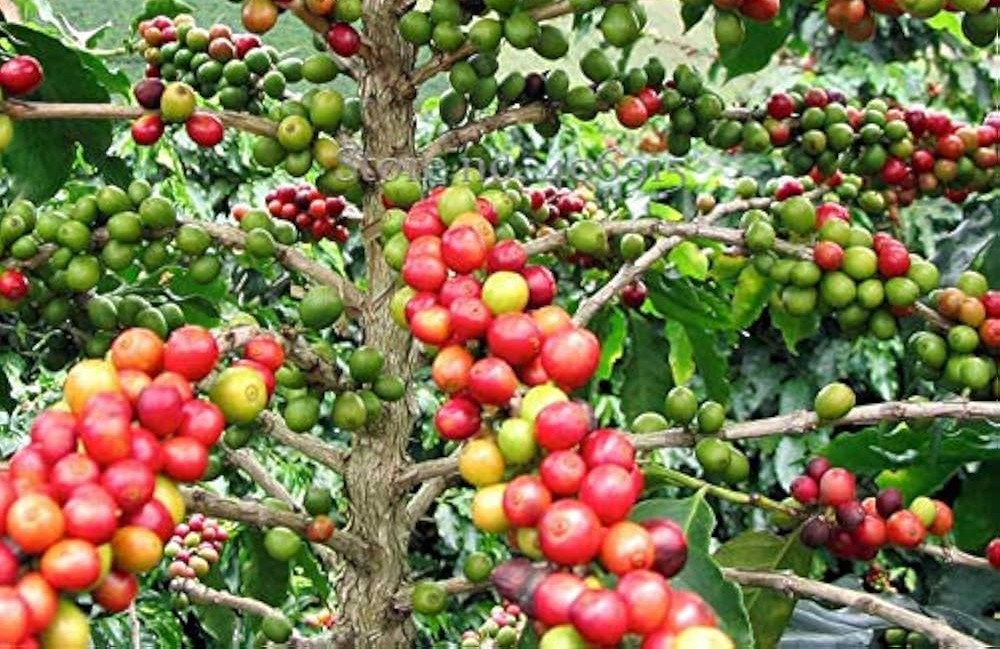
Robusta Defies Global Downturn, Trading Against the Tide

DUBAI – QAHWA WORLD

While Arabica prices succumbed to the pressures of improving weather conditions in Brazil, the Robusta category recorded an exceptional case of economic resilience during January 2026, announcing the decoupling of its price path from the general market trend.

According to data from the International Coffee Organization (ICO) Report, Robusta achieved a solitary growth of 1.0%, raising its average price to 218.83 cents per pound. This came at a time when all Arabica categories witnessed sharp declines, peaking at 4.5% for Brazilian Naturals and 3.6% for Colombian Milds.

This price divergence places the global coffee market before a new structural reality, where Robusta has transformed from a “substitute option” into a “primary pillar” for major roasting companies seeking to maintain their profit margins.

Coffee economy experts attribute this price defiance to the increasing industrial reliance on Robusta in commercial coffee blends and the instant coffee sector, serving as a defensive mechanism against the violent fluctuations in Arabica prices that touched record levels early in the month.

The price gap (Arbitrage) between the two varieties began to narrow under the pressure of growing demand, granting producers in Vietnam and Uganda a negotiating power that enabled them to resist the mass sell-off that swept the New York Stock Exchange.

Analyzing the data shows that Robusta was unaffected by the Brazilian “rain shock” that toppled Arabica prices, as its supply is concentrated in geographical areas far from the climatic fluctuations of Latin America, making it a “stable asset” in traders’ portfolios during January.

Furthermore, the International Coffee Organization report indicates that the tightness of immediate Robusta supply in central markets played a decisive role in supporting prices above the 218-cent level.

While speculators were offloading Arabica contracts in the futures market, factories were racing to secure their Robusta needs to ensure the continuity of production lines, especially with the growth of coffee consumption in emerging markets that favor this variety for its price efficiency and suitability for manufacturing.

This performance reflects a maturity in the Robusta market, as its linked contracts on the London Stock Exchange (ICE) now show clear independence from the movements of the New York Stock Exchange, forcing top analysts to re-evaluate the weight of this variety in future risk assessment reports.

In conclusion, January 2026 proves that Robusta no longer follows Arabica “like a shadow” but has instead led its own stability front. Its 1.0% price growth in a bearish environment is a testament to the strength of real physical demand that transcends speculative noise.

This shift means the global coffee industry has entered a “multipolar” era, where the global cup remains as dependent on the hardiness of Robusta beans as it is on the aesthetics of Arabica, making the monitoring of Southeast Asian and African supplies an indispensable pillar for understanding the future of international coffee trade.

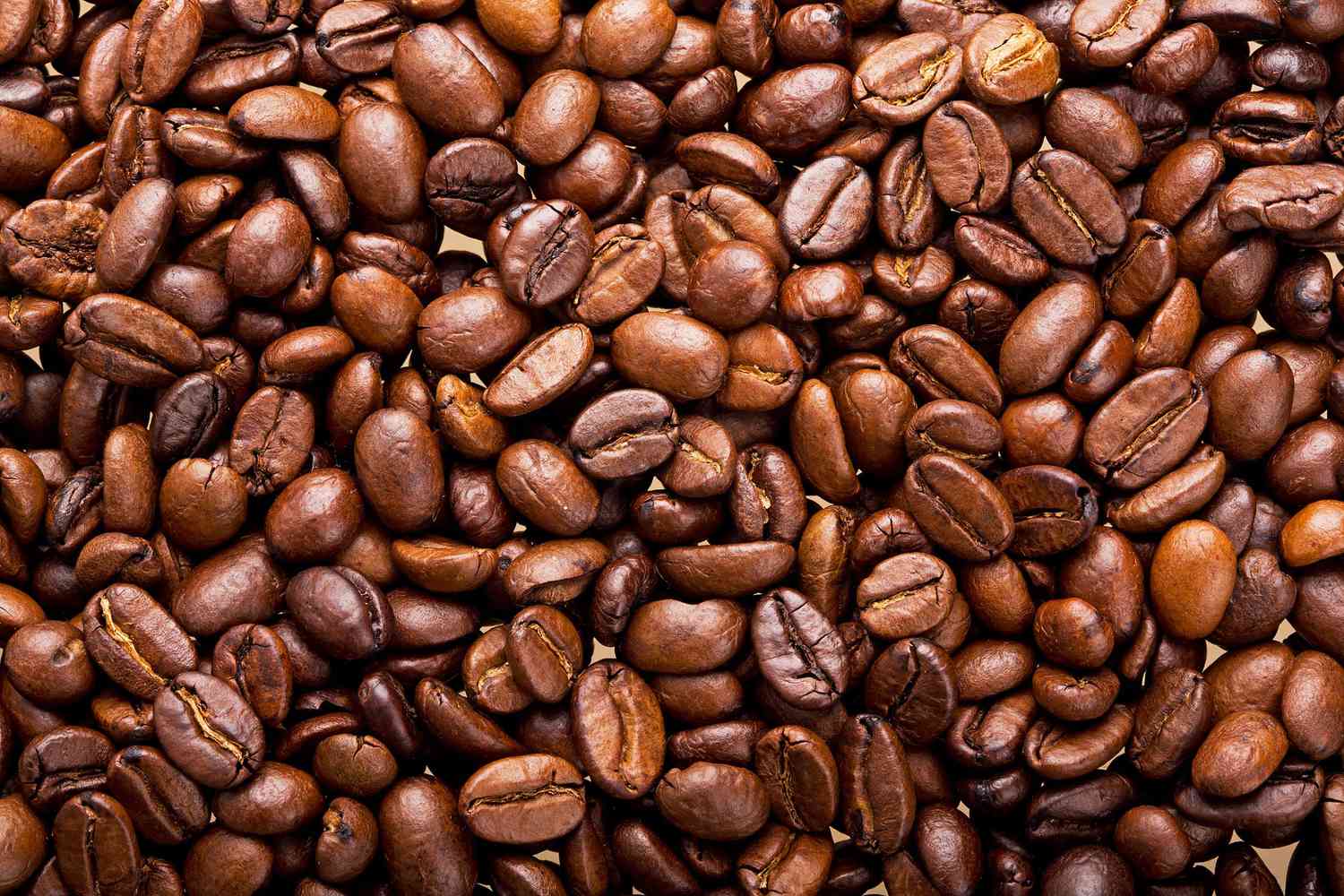
Robusta: A Climate-Resilient Future

Dubai – Qahwa World

As climate change and escalating environmental pressures create unprecedented challenges for global coffee production, the industry is facing a critical turning point that threatens the sustainability of the entire supply chain. In response, World Coffee Research (WCR) is spearheading a massive international effort to develop high-performing, climate-resilient varieties designed to thrive in an increasingly volatile environment. A major strategic shift occurred in late 2025 when WCR integrated Robusta breeding into its Innovea Global Coffee Breeding Network. This expansion recognizes that relying solely on Arabica is no longer a viable long-term strategy in the face of rapid global warming. As a committed member of WCR, Sucafina has expressed its pride in supporting this essential research, emphasizing that investing in variety development is the only definitive way to safeguard the future of coffee and secure the livelihoods of millions of farmers who form the backbone of the industry.

Coffee-growing conditions worldwide are undergoing forced evolution, requiring farmers at origin to adapt to weather patterns that no longer follow traditional predictability. Additionally, they must battle new strains of pests and diseases that thrive in rising temperatures. Strengthening the long-term resilience of the coffee supply has become a top priority, as high-performing varieties act as a vital shield, helping farmers mitigate climate stress while ensuring reliable, high-quality yields. However, the industry faces a significant temporal challenge: the process of developing, scientifically testing, and commercially releasing a new variety typically spans several decades—a timeframe the world cannot afford given the acceleration of climate change. Addressing these challenges requires practical, long-term collaboration, which is the core mission of WCR as an industry-driven research organization dedicated to identifying and developing the coffee varieties of tomorrow.

The launch of the Innovea program in 2022 marked a revolution in coffee breeding, designed to accelerate development by uniting national research institutes, governments, and the private sector across 11 countries in Latin America, Africa, and Asia. Operating under standardized trial protocols, the network coordinates breeding efforts on a global scale, testing candidates across diverse soils, climates, and disease pressures. By pooling massive datasets and cross-border expertise, promising varieties are identified far more rapidly than through traditional methods, while ensuring they are perfectly suited for local farming systems. This innovative approach received global acclaim when Innovea was named one of TIME’s Best Inventions of 2025, recognizing its power to provide tangible solutions to one of agriculture’s most complex challenges.

Vern Long, CEO of WCR, explains that the program’s structure allows for a step change in variety performance faster than ever before, shortening development timelines from 30 years down to just eight. As climate challenges intensify, a continuous global pipeline of improved varieties will provide farmers with the tools needed to reduce risk and stabilize their income. Historically, breeding efforts focused almost exclusively on Arabica, despite the rise of Robusta, which now accounts for approximately 40% of global production. This shift is driven by Robusta’s natural heat tolerance and market dynamics. Robusta possesses greater genetic diversity than Arabica, yet its breeding is more complex as it cannot self-pollinate, requiring sophisticated management of parent plants. By late 2025, Robusta was fully integrated into the Innovea network, bringing in major producers like Vietnam and Ghana alongside enhanced programs in India, Indonesia, Rwanda, and Uganda. Together, these nations represent 64% of global Robusta production. The ultimate goal is to move these varieties from the lab to the field, evaluating thousands of candidates to identify the best performers that will secure a stable and sustainable foundation for the future of coffee.

Arabica Coffee Gains on Technical Support Amid Mixed Market Performance

Dubai – Qahwa WORLD

March Arabica coffee (KCH26) concluded Monday’s session with a gain of +1.00 (+0.30%), while March ICE Robusta coffee (RMH26) saw a notable decline, closing down -84 (-2.04%) at a four-week low. The market showed a mixed performance as substantial rainfall in Brazil improved yield prospects but pressured prices. Somar Meteorologia reported that Minas Gerais, Brazil’s premier Arabica region, received 69.8 mm of rain during the week ending January 30, representing 117% of the historical average.

Further weighing on the market, Brazil’s crop agency, Conab, recently increased its 2025 total coffee production forecast by 2.4% to 56.54 million bags. Meanwhile, Robusta prices faced significant headwinds from surging exports in Vietnam, the world’s top Robusta producer. Official statistics from January 5 indicated a +17.5% year-over-year jump in Vietnamese coffee exports to 1.58 MMT. Production for the 2025/26 cycle in Vietnam is projected to rise +6% to 1.76 MMT, a four-year high, with Vicofa suggesting a potential 10% increase if weather remains favorable.

The recovery of ICE-monitored inventories has also exerted downward pressure on prices. Arabica stocks climbed to a 3.25-month high of 461,829 bags in early January, recovering from a multi-year low recorded in November. Similarly, Robusta inventories reached a two-month high of 4,662 lots last Monday. On the supportive side, Cecafe reported an -18.4% decline in Brazil’s December green coffee exports, with Arabica shipments down -10% and Robusta exports falling sharply by -61%.

Globally, the International Coffee Organization noted a marginal -0.3% decrease in exports for the current marketing year. However, the USDA’s Foreign Agriculture Service predicts record global production of 178.848 million bags for 2025/26, a +2.0% increase. This forecast anticipates a -4.7% drop in Arabica output alongside a +10.9% surge in Robusta production. Ending stocks for the 2025/26 period are expected to decline by -5.4% to 20.148 million bags.

Climate Innovation Takes Center Stage at 7th African Coffee Scientific Conference

Addis Ababa – Qahwa World × Buna Kurs

Following yesterday’s high-level policy commitments, the focus of the Third African Coffee Week shifted today from the corridors of power to the laboratory and the field. Scientists, researchers, and agronomists gathered at the Skylight Hotel for the 7th African Coffee Scientific Conference, under the theme “Climate-Resilient Coffee: Innovation for a Sustainable Future”.

While Day One established the policy framework for the continent, Day Two provided the scientific “how-to,” focusing on breeding, pest management, and the institutionalization of African coffee research.

A New Era for Robusta: The Regional Breeding Network

A major highlight of the morning session was the formal launch of the Robusta breeding network, a collaborative initiative involving Ghana, Uganda, and Rwanda. Led by Robert Kawuki, the network aims to modernize breeding efforts for a variety that is increasingly seen as a cornerstone of climate adaptation due to its relative heat tolerance compared to Arabica.

The session, moderated by Dr. Geofrey Arinaitwe, also delved into the genetic foundations of Ethiopian coffee. Researchers Natol Bakala and Wakuma Merga presented findings on the genetic diversity of “Laage” coffee landraces, emphasizing that preserving Ethiopia’s unique genetic reservoir is critical for the global coffee industry’s survival.

Science-Driven Adaptation and Pest Management

As climate change shifts ecological zones, the conference addressed the alarming migration of pests and diseases. Kifle Belachew Bekele presented a critical study on why Coffee Leaf Rust (Hemileia vastatrix) has begun migrating to highland Arabica growing areas in Ethiopia—territories previously considered “safe” due to their altitude.

Other scientific breakthroughs discussed included:

  • Disease Resistance: Admikew Getaneh shared research on the phytochemical basis of resistance to Coffee Wilt Disease, while Monyo Grace presented new F1 hybrid genotypes resistant to Coffee Berry Disease.

  • Eco-Innovation: Mariamawit S. Kassa explored “Beyond the Brew,” highlighting the hidden potential of spent coffee grounds, while Mohammed Aman discussed using the Desmodium plant for sustainable production.

  • Pest Control: Innovative “locally made” traps for the Black Coffee Twig Borer in Northern Tanzania were showcased by Aden Mbuba as a low-cost, high-efficiency solution for smallholders.

Institutionalizing Knowledge: The African Coffee Research Center

The afternoon session marked a pivotal moment for the continent’s intellectual infrastructure. The Inter-African Coffee Organisation (IACO) and the African Coffee Research Network (ACRN) announced the establishment of the African Coffee Research Center. This center is designed to be the “brain” of the continent’s coffee sector, ensuring that the research presented today translates into scalable field solutions.

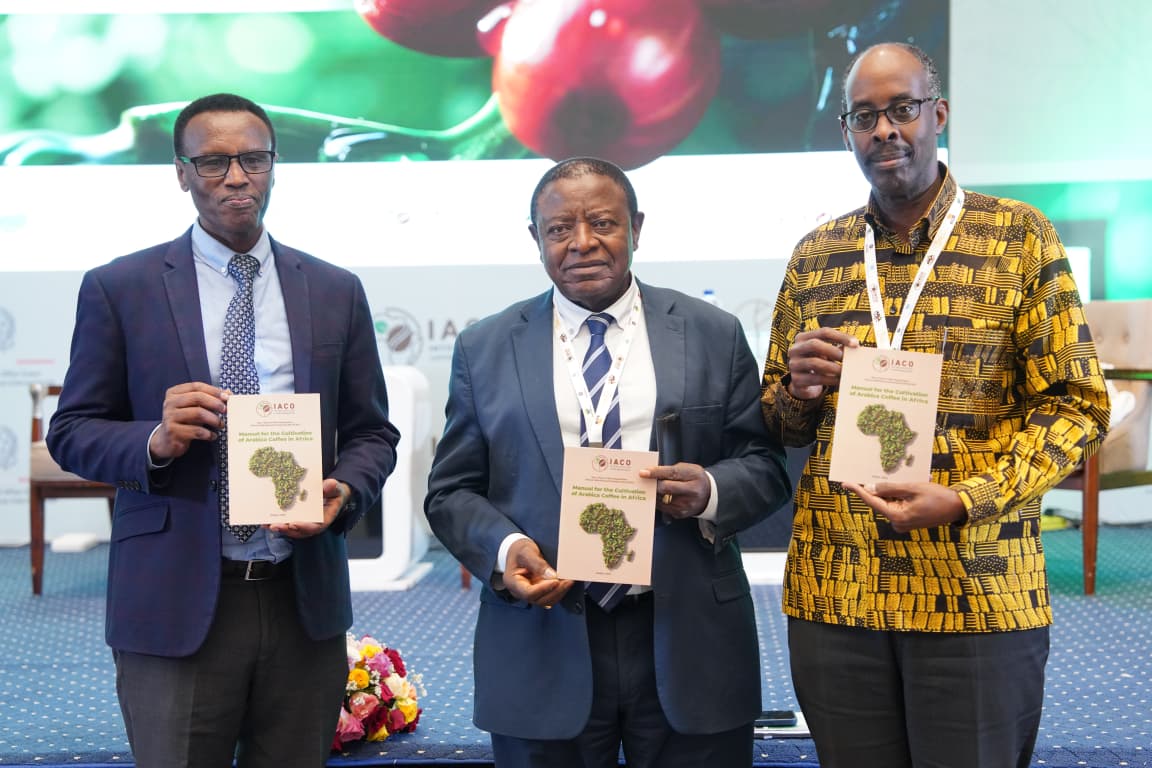
To wrap up the day’s proceedings, the Secretary General of IACO and the Chairperson of the ACRN officially launched the new coffee manual, a comprehensive guide intended to harmonize best practices across Africa’s diverse coffee-growing regions.

The conference concluded with closing remarks from the IACO Chairman, signaling a transition from scientific theory to a unified, continental implementation strategy.

Brazil Rain and Vietnam Surplus Sink Coffee Futures

NEW YORK — Qahwa World

Coffee futures saw a sharp downturn on Friday, with Arabica hitting a five-and-a-half-month low and Robusta dropping to a three-and-a-half-week trough. March Arabica (KCH26) finished the session down 13.25 cents (-3.845%), while March ICE Robusta (RMH26) fell by $66 (-1.58%).

The primary pressure stems from the weather outlook in South America. Forecasts now indicate consistent rainfall across Minas Gerais, Brazil’s premier growing region, for the upcoming week. This shift toward a more favorable moisture profile has dampened the recent rally.

Further bearish sentiment is driven by a bolstered supply outlook. On December 4, Brazil’s Conab increased its 2025 production forecast by 2.4%, now estimating a total of 56.54 million bags. Simultaneously, Vietnam—the world’s top Robusta producer—continues to flood the market. Vietnam’s National Statistics Office noted a 17.5% year-over-year surge in 2025 exports, totaling 1.58 million metric tons. Production for the 2025/26 cycle is expected to climb 6% to a four-year high of 29.4 million bags, with Vicofa suggesting output could rise by 10% if conditions remain optimal.

Market inventories are also seeing a notable recovery. ICE-monitored Arabica stocks rebounded from a nearly two-year low in November to reach 461,829 bags as of mid-January. Robusta stocks followed a similar path, recovering from a one-year low in December to reach a nearly two-month high of 4,609 lots this past Friday.

However, some factors continue to provide an underlying floor for prices. Cecafe reported a sharp 18.4% drop in Brazilian green coffee exports for December, with Robusta shipments specifically tanking by 61%. Furthermore, recent data from Somar Meteorologia highlighted that rainfall in Minas Gerais was recently only 53% of the historical average, while the ICO reported a slight 0.3% dip in global exports for the current marketing year.

Looking ahead, the USDA Foreign Agriculture Service (FAS) projects record global production of 178.848 million bags for 2025/26. While the agency expects a 4.7% dip in Arabica output, a projected 10.9% jump in Robusta production is set to offset those losses. Despite the record harvest, FAS anticipates ending stocks will tighten by 5.4% to roughly 20.15 million bags.

Vietnam Police Seize Tons of Fake Coffee Made from Soybeans

HANOI – Qahwa World

Security officials in Vietnam have initiated a criminal probe into a production facility found manufacturing fraudulent coffee using soybeans. The investigation follows a targeted raid in the Central Highlands province of Lam Dong earlier this week.

According to a statement from the Ministry of Public Security, the operation resulted in the seizure of 4.1 tons of counterfeit finished goods and 3 tons of unprocessed materials. The facility owner, Luong Viet Kiem, reportedly confessed to blending soybeans and chemical flavorings with actual coffee beans to distribute ground products throughout the domestic market.

Economic and Health Concerns
The discovery was triggered on Tuesday when police intercepted a truck transporting over 500 kilograms of undocumented ground coffee. This incident highlights a recurring issue in the region; local traders noted that while soybeans and corn are edible, the safety of these unregulated mixtures remains a significant concern for consumers.

The financial incentive for such fraud is clear. Currently, farmers in the Central Highlands sell coffee for approximately 100,500 dong ($3.86) per kg—nearly triple the cost of soybeans.


Coffee Prices Drop as Brazilian Real Weakens

Dubai – Qahwa World

Coffee prices fell sharply on Wednesday after the Brazilian real lost some of its recent gains, prompting traders to liquidate long positions in coffee futures.

March Arabica (KCH26) closed down 16.25 points (-4.42%).

March Robusta (RMH26) fell 130 points (-3.04%).

Earlier in the session, Arabica had climbed to a two-and-a-half-week high, while Robusta reached a one-and-three-quarter-month peak before giving up gains. The weaker real makes Brazilian coffee more competitive for export, adding pressure on futures prices.

  • Key Factors Driving the Market

Supporting Prices:

Brazilian coffee exports declined in December by 18.4%, totaling 2.86 million bags, with Arabica down 10% and Robusta down 61% year-on-year.

Below-average rainfall in Minas Gerais, Brazil’s main Arabica region, has raised concerns about supply, as the area received just 33.9 mm of rain last week—around half the historical average.

Pressuring Prices:

ICE coffee inventories have recovered after hitting multi-year lows, which weighs on prices.

Vietnam, the world’s top Robusta producer, saw its 2025 exports jump 17.5% to 1.58 million metric tons, with production rising 6% year-on-year.

Global coffee supply forecasts show a modest increase in total production, with Arabica down and Robusta up, creating mixed signals for the market.

  • Market Outlook

Brazil’s 2025/26 production is projected to fall to 63 million bags, while Vietnam’s output is expected to rise to 30.8 million bags—a four-year high. Ending stocks for the season are forecasted to decline to 20.148 million bags, down 5.4% from the previous year, keeping supply concerns on traders’ radar.

Top Coffee-Producing Countries in 2025

A Full Analytical Reading of the Global Production Landscape in Early 2026

Dubai – Qahwa Word

As January 2026 begins, the global coffee sector is closely monitoring the completion of data for the 2025/2026 season, amid an increasingly complex interaction between climate variability, logistical disruptions, and new environmental regulations. Estimates available at this stage suggest that global coffee production is trending toward approximately 178.8 million 60-kg bags.

These figures do not represent final season results, but rather an early analytical snapshot based on field assessments and reports from international organizations as of early 2026. The focus extends beyond volume alone, highlighting deeper structural shifts that are reshaping global coffee production, trade flows, and varietal balance.

1. Top Ten Coffee-Producing Countries

(Estimates as of January 2026)

Available data confirm the continued dominance of Brazil and Vietnam in global coffee supply, while several African and Latin American origins show notable developments in both volume and crop structure.

Rank Country Production (million bags) Dominant variety Production status – Jan 2026
1 Brazil 64.2 – 65.0 Arabica / Robusta Peak export phase; strong Conilon growth amid Arabica volatility
2 Vietnam 30.8 – 31.0 Robusta Production recovery supported by improved irrigation practices
3 Colombia 14.8 Arabica Stable washed coffee output due to regular rainfall
4 Ethiopia 11.6 Arabica Strong crop supported by long-term tree-renewal programs
5 Indonesia 11.2 Robusta / Arabica Visible recovery restoring competitive positioning
6 Uganda 6.9 Robusta Continued rise as Africa’s leading Robusta supplier
7 India 6.2 Robusta / Arabica Stable production serving both export and domestic markets
8 Honduras 5.5 Arabica Gradual recovery despite rising production and labor costs
9 Peru 4.2 Arabica Expansion in planted area and growing organic orientation
10 Mexico 3.9 Arabica Relative stability aimed at meeting regional demand

2. Land Efficiency and Yield Performance

Early 2026 data highlight a clear divergence in production efficiency among leading coffee origins:

  • Vietnam and Brazil continue to record the highest yields globally, with Vietnam reaching an estimated 2.5–3 tons per hectare, driven by intensive farming models, improved plant material, and higher input use.

  • By contrast, Ethiopia and Colombia, despite their premium quality profiles, maintain lower average yields due to mountainous terrain, fragmented landholdings, and reliance on traditional farming systems. This has become a focal point for research discussions around productivity gains without compromising origin identity or biodiversity.

3. Arabica–Robusta Balance: A Structural Shift

Indicators from January 2026 suggest that Robusta now accounts for nearly 42% of global coffee production, reflecting a structural realignment shaped by multiple converging forces:

  1. Climate resilience: Robusta has demonstrated stronger tolerance to rising temperatures and irregular rainfall compared to climate-sensitive Arabica.

  2. Premium Robusta development: An increasing number of roasters are incorporating higher-quality Robusta into blends to manage costs while preserving cup structure.

  3. Price divergence: Persistently elevated Arabica prices continue to accelerate the market’s gradual rebalancing toward Robusta, particularly in commercial segments.

4. Logistics and Shipping Constraints

At the start of 2026, coffee supply chains remain under pressure from logistical disruptions:

  • Rising freight costs, linked to instability in key maritime corridors, have reduced the competitiveness of Asian-origin coffee in European spot markets.

  • Low global inventories, relative to recent multi-year averages, leave prices highly sensitive to weather events, geopolitical developments, and supply-side news.

5. Regulatory Pressure and Environmental Compliance (EUDR)

With the effective implementation of the European Union Deforestation Regulation (EUDR) in 2026, environmental compliance has become a defining factor in global coffee trade:

  • European buyers increasingly require digital traceability systems and precise geospatial coordinates to demonstrate deforestation-free supply chains.

  • Brazil and Vietnam appear comparatively well positioned in terms of technical readiness, while origins dominated by smallholder farming face significant challenges in meeting traceability requirements—potentially redirecting exports toward non-European markets.

Conclusion

The global coffee production landscape in early 2026 reflects a period of transition and anticipation. Competitive advantage is no longer defined solely by production volume, but increasingly by environmental compliance, climate adaptability, and logistical efficiency. As the 2025/2026 harvest reaches completion in the coming months, clearer signals will emerge from a season likely to play a pivotal role in reshaping the global coffee market.

Coffee Prices Rise as Dollar Weakens

Dubai – Qahwa World

Coffee futures ended higher on Friday, with robusta reaching a 1.5-month high, as the U.S. dollar fell to its lowest level in three and a half months. March arabica (KCH26) increased by 0.92%, while March robusta (RMH26) gained 2.88%. The weaker dollar prompted short-covering across commodities, including coffee.

Brazilian coffee exports have declined, supporting prices. Cecafe reported that December’s total green coffee exports fell 18.4% year-on-year to 2.86 million bags. Arabica shipments dropped 10% to 2.6 million bags, while robusta exports plunged 61% to 222,147 bags. Below-average rainfall in Minas Gerais, Brazil’s largest arabica-growing region, also added upward pressure, with Somar Meteorologia reporting only 33.9 mm of rain for the week ending January 16, just 53% of the historical average.

At the same time, inventories monitored by ICE have rebounded, putting some pressure on prices. Arabica stocks rose to a 2.5-month high of 461,829 bags, after reaching a 1.75-year low in November. Robusta inventories recovered to a 1.75-month high of 4,609 lots, following a 1-year low in December.

Global supply trends remain mixed. Brazil’s crop agency Conab raised its estimate for 2025 coffee production by 2.4% to 56.54 million bags. Vietnam, the world’s largest robusta producer, reported a 17.5% year-on-year increase in coffee exports for 2025, reaching 1.58 million metric tons. Its coffee output is projected to rise 6% to 29.4 million bags, marking a four-year high.

Overall, global coffee production is expected to grow, with USDA forecasts projecting a 2% increase in 2025/26 to a record 178.85 million bags. Arabica output is anticipated to fall 4.7% to 95.52 million bags, while robusta production is expected to climb 10.9% to 83.33 million bags. Brazil’s output is forecasted to decline 3.1% to 63 million bags, while Vietnam’s is projected to rise 6.2% to 30.8 million bags. Ending stocks are expected to drop 5.4% to 20.15 million bags.

The coffee market is navigating a mix of forces: a weaker dollar and tight Brazilian exports support prices, while recovering inventories and record Vietnamese production weigh on the market. Traders and industry observers will continue watching weather conditions, export flows, and inventory levels closely as the year progresses.

Coffee Prices Rise on Brazil Dryness and Global Supply Dynamics

Dubai – Qahwa World

Coffee markets moved higher today amid ongoing concerns over dry conditions in Brazil, the world’s largest arabica producer. March arabica futures (KCH26) rose +4.20 (+1.18%), while March robusta futures (RMH26) gained +36 (+0.92%).

The price gains follow last week’s rally, when arabica hit a one-month high due to below-average rainfall in Brazil. Somar Meteorologia reported that Minas Gerais, Brazil’s primary arabica-growing region, received just 26.5 mm of rain for the week ending January 9—only 29% of the historical average—raising fears of smaller harvests.

  • Inventory Levels Support Prices

Tighter stock levels are adding upward pressure on coffee prices. ICE-tracked arabica inventories fell to a 1.75-year low of 398,645 bags on November 20 but rebounded to 461,829 bags last Wednesday. ICE robusta inventories hit a one-year low of 4,012 lots on December 10, later rising to a five-week high of 4,278 lots.

  • Vietnam Exports and Global Supply Trends

While Brazilian dryness is bullish, rising robusta exports from Vietnam are weighing on prices. Vietnam exported 1.58 million metric tons of coffee in 2025, up 17.5% from the previous year. Vietnam’s 2025/26 coffee production is expected to reach 1.76 million metric tons (29.4 million bags), a four-year high. The Vietnam Coffee and Cocoa Association noted that output could increase 10% over the prior year if favorable weather continues.

Globally, coffee supplies are showing mixed signals. The International Coffee Organization reported a slight year-on-year decline in exports for the current marketing year (October–September), totaling 138.658 million bags. Meanwhile, the USDA’s Foreign Agricultural Service (FAS) projects world coffee production in 2025/26 will hit a record 178.848 million bags, with arabica decreasing 4.7% to 95.515 million bags and robusta rising 10.9% to 83.333 million bags. Brazil’s production is expected to fall 3.1% to 63 million bags, while Vietnam’s output may climb 6.2% to 30.8 million bags. Ending stocks are projected to drop 5.4% to 20.148 million bags.

  • Outlook

Market watchers are balancing the bullish signals from Brazil’s dry weather and shrinking inventories against the bearish influence of rising Vietnamese supplies and higher global production forecasts. The net effect has been steady upward pressure on coffee prices, with both arabica and robusta futures posting notable gains in recent sessions.

ICO Releases Global Coffee Market Report – December 2025

Dubai – Coffee World

The global coffee market closed 2025 amid sharp volatility, leaving industry stakeholders facing an uncertain outlook at the start of 2026, according to the latest report issued by the International Coffee Organization (ICO). The report highlights a dramatic shift in market dynamics during December, as prices declined significantly following changes in international policy and a temporary easing of supply chain constraints in Asia.

Price Decline: Market Correction or Calm Before the Storm?

The ICO Composite Indicator Price (I-CIP) averaged 304.68 US cents per pound in December, representing a 7.8% decline from November levels. This downturn ended a historic upward trend, with prices falling from a peak of 343.92 cents to a mid-month low of 283.21 cents, before closing the year at 293.09 cents per pound.

According to the report, the decline was driven by three key factors:

  • Improved supply expectations, as major international institutions revised global production estimates for 2025 upward, easing speculative pressure.

  • Reduced regulatory uncertainty, following the European Union’s decision to delay implementation of the EU Deforestation Regulation (EUDR), which curtailed panic buying.

  • Currency effects, as the depreciation of the Brazilian real encouraged producers to accelerate dollar-denominated sales to maximize local currency returns.

Group Performance: Robusta Suffers the Sharpest Losses

All coffee groups recorded price declines in December, with Robusta experiencing the steepest drop. Robusta prices fell 11.3% to 190.53 cents per pound.

In contrast, Arabica prices declined more moderately. Both Colombian Milds and Brazilian Naturals fell by 6.5%, reflecting continued underlying demand for higher-quality coffees despite broader market volatility.

Global Exports: Asia and Africa Lead Growth

Global green coffee exports increased by 4.8% in November 2025, reaching 8.95 million bags, according to ICO data.

  • Asia and Oceania recorded exceptional growth of 47%, driven by Vietnam’s strong return to the market, with exports rising by 60%.

  • Africa continued its positive trajectory, posting a 7.7% increase, led by Uganda, whose exports surged by 72%.

  • South America was the only region to register a decline, with exports falling 14.9%, reflecting a normalization after record shipments earlier in the year and a 25.8% drop in Brazilian Robusta exports.

Supply–Demand Balance: Structural Deficit Persists

Despite the recent price correction, the report underscores ongoing structural imbalances in the global coffee market. The cumulative supply deficit over recent years has reached 17.91 million bags, while inventories in Europe and the United States have fallen to historically low levels.

Certified stocks at the New York exchange declined to just 0.48 million bags, leaving the market with limited buffers against potential future supply shocks.

2026 Outlook: Climate Risks Shape the Path Ahead

As 2026 begins, attention is firmly focused on weather conditions across the world’s major coffee-growing regions. The report warns of below-average rainfall in Brazil’s key producing areas, including Minas Gerais, where precipitation reached only 76% of normal levels. Meanwhile, flooding in Indonesia could reduce exports by up to 15% in the first quarter of the new year.

Conclusion

The global coffee market ended 2025 with a price correction that may suggest temporary stability. However, a deeper analysis of the data points to a fragile equilibrium. Low global inventories and escalating climate risks indicate that 2026 is likely to be a year of significant challenges for both producers and consumers across the coffee value chain.

Coffee Prices Retreat as Stronger Dollar Triggers Selling

Dubai – Qahwa World

Coffee futures ended lower on Thursday after surrendering earlier gains, pressured by a strengthening U.S. dollar that prompted investors to reduce long positions.

March arabica coffee futures declined about 0.8%, while March robusta futures slipped slightly, losing roughly 0.3% by the close.

The pullback came as the U.S. Dollar Index climbed to its highest level in four weeks, making dollar-denominated commodities like coffee less attractive to buyers. This currency move outweighed earlier support that had pushed arabica prices to a one-month high.

Earlier in the session, coffee prices found strength from weather concerns in Brazil. Rainfall in key growing areas remained below normal, particularly in Minas Gerais, the country’s largest arabica-producing region. Weekly precipitation there reached just under two-thirds of the historical average, renewing worries about crop development.

Robusta prices, however, continued to face headwinds from expanding supplies in Vietnam. The country reported a sharp increase in coffee exports for 2025, reflecting strong output from the world’s leading robusta producer.

Inventory trends offered mixed signals. Exchange-tracked arabica stocks, while still relatively low, have rebounded from recent multi-year lows. Robusta inventories also recovered modestly after hitting their weakest levels in over a year.

Trade flows have also influenced the market. Earlier U.S. tariffs reduced American purchases of Brazilian coffee during late summer and early autumn, sharply cutting imports during that period. Although tariffs have since been reduced, U.S. coffee supplies remain tight.

On the supply side, expectations of ample global production continue to weigh on prices. Brazil’s crop agency recently revised its 2025 coffee output forecast higher, while Vietnam is projected to harvest one of its largest crops in several years if favorable weather persists.

That said, some longer-term data point to tightening conditions. Global coffee exports edged lower in the current marketing year, according to international industry figures.

Looking ahead, the USDA projects world coffee production to reach a record level in the 2025/26 season, driven by strong growth in robusta output that offsets a decline in arabica production. Ending global stocks are expected to fall, suggesting that while near-term supply is ample, the balance could tighten further down the road.