Source: LinkedIn
Date: May 20, 2026
Executive Summary:
- The best coffee experiences are built on hospitality, connection, simplicity, and humility, not on ego.
- Consumers rarely build loyalty to a brand simply because they were educated. They return because of how the experience made them feel.
- People remember experiences far more emotionally than they remember technical details, according to consumer behavior research.
- Most consumers seek comfort, trust, familiarity, and connection, not complexity.
- The most successful industries evolved by becoming more accessible, not more intimidating. Wine and craft beer are examples.
- Specialty coffee sometimes confuses passion with correction, making people feel unwelcome for not knowing enough.
- The future of specialty coffee belongs to brands that make people feel included first and educated second.
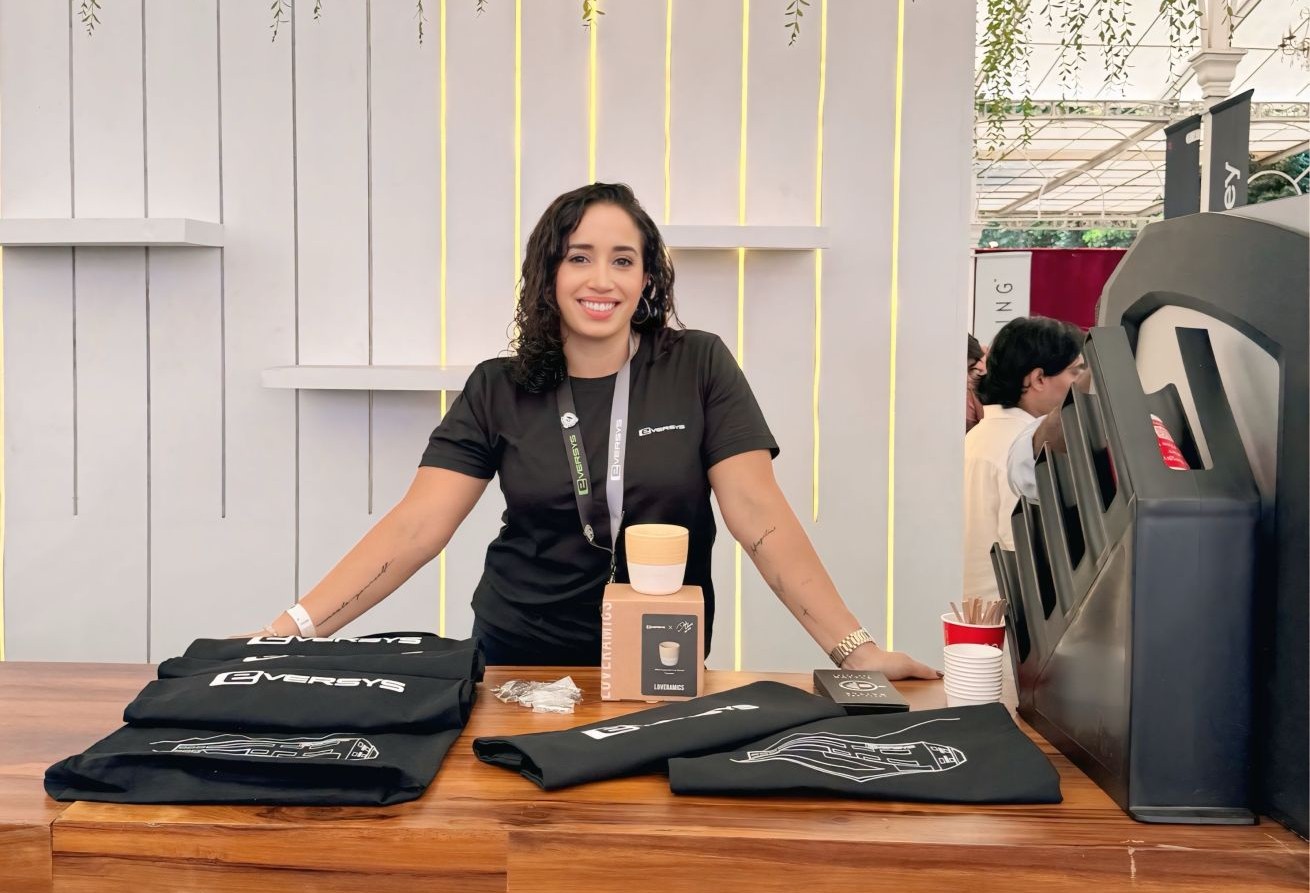
Carolina Gutierrez, a specialty coffee leader focused on coffee quality and education across the Middle East and Africa, recently shared a reflective post on LinkedIn about the state of specialty coffee culture. Her message centered on a simple but often overlooked truth: the best coffee experiences are not built on ego. They are built on hospitality, connection, simplicity, and humility.
Gutierrez observed that while the specialty coffee industry says it wants more people to appreciate high quality coffee, it sometimes makes people feel unwelcome for not knowing enough. She argued that this matters more than many professionals realize. Consumers rarely build loyalty to a brand simply because they were educated. They return because of how the experience made them feel.
The Gap Between Expertise and Accessibility
Gutierrez pointed out that consumer behavior research has shown for years that people remember experiences far more emotionally than they remember technical details. Yet in coffee, professionals sometimes overcomplicate the experience in an attempt to communicate expertise. Processing methods, extraction theory, total dissolved solids, and flavor notes all matter. But most consumers are not searching for complexity. They are searching for comfort, trust, familiarity, and connection.
She emphasized that this is not a weakness in consumer behavior. It is simply human behavior. The most successful industries evolved when they became more accessible, not more intimidating. Wine evolved. Craft beer evolved. The strongest hospitality brands learned how to simplify experiences instead of overcomplicating them. Even companies like Apple built global loyalty by making complex things feel intuitive. Gutierrez believes coffee should learn from that example.
Passion Versus Correction
Gutierrez offered a critical observation about specialty coffee culture. She wrote that specialty coffee sometimes confuses passion with correction. A consumer enjoying sugar, flavored drinks, dark roast, or commercial coffee does not mean they have bad taste. It simply means that is where they are in their journey. People should not feel pressured to understand coffee before they feel welcome in it.
She concluded that complexity may impress professionals, but simplicity is what grows industries. The future of specialty coffee, in her view, will belong to the brands and professionals who make people feel included first and educated second.
Frequently Asked Questions (FAQ)
1. What is the main argument of Carolina Gutierrez’s post?
She argues that specialty coffee should prioritize hospitality, connection, simplicity, and humility over ego and technical expertise to make consumers feel welcome.
2. Why do consumers return to a coffee brand according to Gutierrez?
Consumers return because of how the experience made them feel, not simply because they were educated about coffee.
3. What does consumer behavior research say about memory and emotion?
Research shows that people remember experiences far more emotionally than they remember technical details.
4. What mistake does specialty coffee sometimes make?
Specialty coffee sometimes confuses passion with correction, making people feel unwelcome for not knowing enough about coffee.
5. What industries have successfully evolved by becoming more accessible?
Wine, craft beer, and strong hospitality brands have evolved by simplifying experiences instead of overcomplicating them. Apple also made complex technology feel intuitive.
6. What does Gutierrez believe is the future of specialty coffee?
The future belongs to brands and professionals who make people feel included first and educated second.
Published on Qahwa World: May 20, 2026

