Brazil’s Expocacer Launches First Blockchain-Powered Coffee Auction

Dubai – Qahwa World

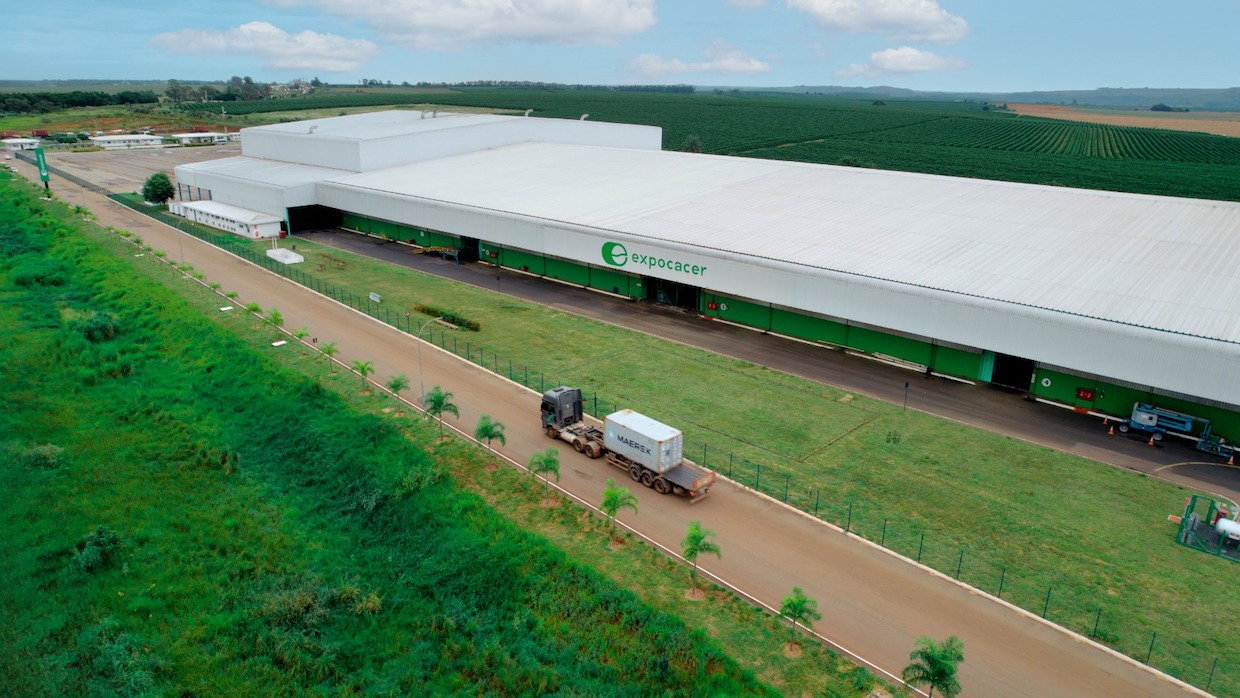
The major Brazilian coffee cooperative Expocacer is taking a significant digital step by preparing to host its inaugural online auction on the new Coffee Chain trading platform. This event will offer roasters and importers worldwide access to highly traceable specialty coffee lots.

Auction Details and Focus
Scheduled for December 11-12, the online-only auction, branded “Essências by Expocacer,” will feature select lots from the cooperative’s Essências program. This initiative is designed to assist small and medium-sized members in developing and marketing higher-value specialty coffee.

The auction is open for registration to any entity or individual within the global القهوة industry, targeting roasters and importers internationally.

While official lot details and opening bids are pending release, promotional materials for Coffee Chain indicate a strong emphasis on high-scoring microlots sourced from the Cerrado Mineiro region. These lots are expected to come with extensive farm-level documentation and complete traceability.

The Coffee Chain Platform
This auction marks a key milestone in the deployment of Coffee Chain, a digital trading solution co-developed by Expocacer and the Brazilian technology firm AIDDA, which specializes in providing blockchain-based solutions for the agricultural sector.

The cooperative describes the custom-built system as a comprehensive tracker for production, inventory, and sales data, with every transaction and event securely logged on the blockchain. The platform also integrates certifications, verifies designation of origin, and provides tools to streamline contract negotiation and management for its users.

Initially unveiled at the 2025 Specialty Coffee Expo in Houston, the platform was presented as a transparent, direct e-commerce channel for trade. Expocacer currently backs the platform with logistics hubs established in the United States and the UK, enabling service to over 40 export markets globally.

Sandra Moraes, Expocacer’s Specialty Coffee Manager, emphasized the platform’s strategic importance, noting, “The significance and high competitiveness of the U.S. market motivated us to further advance the development of the Coffee Chain platform.” She added that the platform has demonstrated “consistent growth in its user base and sales volume, establishing itself as a valuable client solution.”

The cooperative is capitalizing on a successful year, having reported in November that it anticipates closing 2025 with approximately $545 million in revenue, a surge of about 58% compared to 2024. Foreign sales now account for more than half of its total revenue.

Why Buying Coffee with Bitcoin Remains Rare in 2025?

Dubai, 14 August 2025 (Qahwa World) – For over a decade, cryptocurrency advocates have promised a revolution in daily transactions—one where you could pay for your morning coffee as easily with Bitcoin as with cash or card. Yet, despite the infrastructure and hype, a closer look reveals that in most cafés around the world, this vision remains firmly out of reach.

Infrastructure Exists — But Usage Is Minimal

Global chains like Starbucks, Whole Foods, Home Depot, Microsoft, and Gucci now technically accept cryptocurrency through payment processors such as Flexa, BitPay, and Coinbase Commerce. These solutions, along with crypto debit cards and gift card platforms, make it possible to pay for coffee—or even a car—using digital assets. El Salvador remains the most notable national experiment, where Bitcoin is legal tender.

Yet in reality, most “crypto payments” aren’t direct transfers on the blockchain. They’re instant conversions from Bitcoin or other tokens into local currency at the point of sale. Merchants still receive dollars, euros, or dirhams—not cryptocurrency.

Three Barriers Brewing Resistance

  1. Tax Complexity
    In many countries, every crypto transaction triggers a taxable event for capital gains. That means buying a cappuccino requires calculating and reporting potential profits or losses on that fraction of your holdings—a deterrent for casual use.

  2. The “Digital Gold” Mentality
    Bitcoin is increasingly seen as a store of value, not a spendable currency. Investors prefer to hold it long-term, spending depreciating fiat currency instead.

  3. Volatility and Fees
    Price swings make merchants wary of direct acceptance. While fees have dropped, payment processors often still charge 1–2%, similar to credit cards.

The Lightning Network and Stablecoin Promise

The Lightning Network—a layer-2 technology—offers fast, low-cost Bitcoin payments, already in use for coffee transactions in places like El Zonte in El Salvador and small towns in Brazil. Meanwhile, stablecoins such as USDC and USDT, pegged to the U.S. dollar, bypass volatility and are gaining traction for retail and cross-border transactions.

Coffee Industry Implications

For the specialty coffee world, crypto could one day mean faster, cheaper international payments to producers, especially in regions underserved by traditional banking. However, until tax regimes adapt, volatility eases, and stablecoin adoption grows, most baristas will keep ringing up your espresso in local currency.

Final Sip

Cryptocurrency’s promise for coffee payments is alive, but for now, it remains more of a future brew than today’s reality. Stablecoins and the Lightning Network might finally make paying for your latte in crypto as smooth as the crema on top—but not quite yet.