Bain Capital Submits Bid to Acquire Costa Coffee from Coca-Cola

Dubai – Qahwa World

US private equity firm Bain Capital has made an initial bid to acquire Costa Coffee from beverage giant The Coca-Cola Company, according to sources familiar with the matter.

The bid was submitted through Bain Capital’s Special Situations unit, which has invested more than $17bn since its launch in 2018 and currently manages over $21.6bn in assets. The investment group already counts boutique bakery-café chain Gail’s and restaurant brand PizzaExpress among its portfolio.

The development follows less than two weeks after Apollo Global Management, once considered the frontrunner, withdrew its interest in the UK-based coffee chain. Reports indicate that Coca-Cola has received fewer offers than expected for Costa, which operates more than 4,100 outlets worldwide. London-based TDR Capital, which has stakes in UK supermarket Asda and QSR brand Popeyes, also submitted a preliminary bid last month.

Coca-Cola has been exploring a sale of Costa since August 2025, nearly seven years after acquiring the company from Whitbread in January 2019 for $4.9bn. Speaking after Coca-Cola’s second-quarter earnings release earlier this year, CEO James Quincey admitted that the group’s investment in Costa Coffee “is not where we wanted it to be.”

A sale would likely see Coca-Cola incur losses of several billion dollars compared to its original purchase price. However, the company is expected to retain ownership of Costa’s ready-to-drink (RTD) beverage portfolio.

Founded in 1971, Costa Coffee is the UK’s largest coffee chain, with its home market accounting for around two-thirds of its global footprint. The brand reported 9% year-on-year sales growth in the 12 months ending 31 December 2023, reaching £1.2bn ($1.6bn), with the UK contributing 96% of total sales.

JDE Peet’s Calls on Coffee Industry to Embrace Regenerative Agriculture Roadmap

Amsterdam – Qahwa World

On International Coffee Day, JDE Peet’s (EURONEXT: JDEP) marked the tenth anniversary of its Common Grounds farmer programmes with a strong call for the global coffee industry to implement the Regenerative Agriculture Coffee Roadmap. The company stressed that urgent action is needed to secure the future of coffee as climate change continues to disrupt production through unseasonal weather, rising temperatures, and shifting rainfall patterns.

Laurent Sagarra, Vice President of Engagement at JDE Peet’s, said that resilient supply chains benefit everyone, from consumers and companies to farmers themselves. He noted that the company has already reached nearly one million farmers over the past decade, but warned that the scale of climate risk demands faster, collective action. “We cannot wait another century to support the millions of farmers who still need help,” he said. “The time to act is now.”

JDE Peet’s farmer programmes, launched in 2015 as part of the company’s Common Grounds sustainability strategy, aim to strengthen coffee-growing communities by promoting regenerative agriculture, improving farmer livelihoods, and fostering thriving coffee regions. Using a data-driven approach verified by independent assessments, the programmes have already made measurable progress. More than 835,000 farmers in 29 countries have benefited, half of the farms involved have adopted regenerative practices such as soil management and water conservation, and 83.2 percent of the company’s green coffee is now responsibly sourced worldwide, including 100 percent in Europe.

The roadmap JDE Peet’s is urging the industry to adopt outlines proven regenerative practices that can reduce greenhouse gas emissions, restore ecosystems, and boost coffee production. Studies suggest that supporting farmers to transition could increase global coffee exports by 30 percent, improve the incomes of more than three million smallholder farmers, and cut emissions by 3.5 million tons of CO₂e annually.

With 12.5 million coffee farmers worldwide, many managing less than one hectare of land, the company underlined that the challenges cannot be met by one player alone. As it celebrates ten years of engagement with farmers, JDE Peet’s is pressing the entire industry to join forces in ensuring that coffee has a sustainable and resilient future.

From America to Europe: Starbucks Continues Store Closures

Dubai – Qahwa World

In less than two days, Starbucks’ downsizing plan has expanded from North America to Europe. After announcing yesterday the closure of hundreds of stores in the United States and Canada, the company today revealed further closures in the UK, Switzerland, and Austria, underscoring the challenges facing the world’s largest coffee chain.

Starbucks’ EMEA division confirmed that a review of its company-owned stores in Europe, the Middle East, and Africa has resulted in a decision to shutter outlets in three key European markets. The company did not disclose how many stores will close or the exact timeline but stressed the move is part of a broader strategy to align store formats with customer traffic and profitability.

This announcement comes just one day after the company said it would close around 400 stores in the U.S. and Canada and cut 900 non-retail jobs as part of a $1 billion restructuring plan. Read yesterday’s report here

Numbers Tell the Story

Starbucks currently operates nearly 5,000 stores across 42 countries in the EMEA region. The UK is its largest market, with 1,416 stores (521 company-owned). Switzerland has 49 company-owned outlets, while Austria operates 21.

The financial strain is evident in recent results: UK revenues fell 4% year-on-year to £525.6m ($668.9m) for the year ending September 2024, with a pre-tax loss of £35.2m ($44.8m). Across EMEA, revenues declined 9%, gross profit fell 5%, and operating profit dropped 16%.

“Back to Starbucks” Strategy

The closures form part of CEO Brian Niccol’s Back to Starbucks strategy, first launched in late 2024, which aims to return the brand to its “coffeehouse roots.” The strategy emphasizes simpler menus, stronger barista engagement, and encouraging customers to spend more time in stores.

Despite the retrenchment, Starbucks insists it remains committed to expansion. The company plans to open 80 new UK stores and 150 additional EMEA outlets by the end of the current fiscal year on 30 September 2025, with a pledge to return to net positive store growth across the region in 2026.

Nestlé Appoints Alfonso Gonzalez Loeschen as New Nespresso CEO

Nestlé has named Alfonso Gonzalez Loeschen as the new CEO of Nespresso, effective 1 November 2025.

Loeschen, who has served as CEO of Nespresso North America since January 2020, succeeds Philipp Navratil. Earlier this month, Navratil was promoted to CEO of Nestlé Group following the dismissal of Laurent Freixe.

Since joining Nestlé in 1992, Loeschen has held multiple senior positions, including General Manager for Nestlé Puerto Rico (20122014) and Chief Marketing Officer at Nespresso (20152019). With his new role, he will also join Nestlé’s Executive Board.

Under his leadership in North America, Nespresso successfully expanded its Vertuo system across the US, Canada, and Mexico, achieving double-digit growth in both sales and volume. Nestlé praised Loeschen’s track record, citing his ability to drive performance and inspire teams.

“Alfonso’s extensive expertise and deep understanding of the portioned coffee category, along with his results-focused approach and talent to inspire teams, will enable him to drive performance and execution,” said Navratil.

Founded in 1985, Nespresso now operates in 81 markets and runs more than 800 retail boutiques across 76 countries.

The appointment is the latest in a series of leadership changes at Nestlé. In addition to Freixe’s dismissal and Navratil’s promotion, Nestlé announced that Pablo Isla will take over as Chairman on 1 October 2025seven months earlier than plannedafter Paul Bulcke agreed to step down following investor pressure over his leadership and decision-making.

Starbucks to Close Hundreds of Stores and Cut Thousands of Jobs in a $1bn Austerity Plan

Starbucks is preparing to write off $1bn in costs and assets by closing hundreds of stores in North America and making further corporate layoffs.

Between June and the end of September, 400 US and Canada stores deemed unprofitable and unsuitable for refurbishment were closed or slated for closure. US store managers will find out this week if their outlet has been added to the list, extending cuts that have so far focused on takeaway-only stores.

However, in an open letter to employees, Starbucks CEO Brian Niccol announced that hundreds more sit-in stores deemed unsuitable for refurbishment under the Back to Starbucks strategy would also close. Starbucks has sought to move away from “overly transactional” takeaway stores and focus on longer dwell-time visits and more personalised service as part of a major strategy to reverse faltering sales in the US.

“We have identified coffeehouses where we’re unable to create the physical environment our customers and partners expect, or where we don’t see a path to financial performance, and these locations will be closed,” Niccol said in his letter.

Niccol forecasts that Starbucks will end its fiscal year with nearly 18,300 company-operated and licensed stores across North America, down from 18,734 at the end of its third quarter ended 30 June 2025. The Seattle-based coffee chain, which has posted six consecutive quarters of like-for-like sales decline in the US, plans to return to positive outlet growth across North America next year, as well as modernise more than 1,000 US stores 10% of its company-owned US locations.

Niccol has also announced further layoffs, just seven months after announcing plans to cut 1,100 corporate jobs across its global business. Approximately 900 non-retail roles will be axed as the coffee chain seeks to prioritise investment in retail operations.

“These steps are to reinforce what we see is working and prioritise our resources against them. We will continue to carefully manage costs and stay focused on the key areas that drive long-term growth,” Niccol added.

In a separate SEC filing, Starbucks said $450m of the total $1bn costs will be allocated to exiting leases early, with a further $400m on the disposal of company-operated store assets. The remaining $150m will be allocated to severance and staff support packages.

In July 2025, Starbucks reported 2% year-on-year net revenue growth in North America to reach $6.9bn. However, the coffee chain saw third quarter like-for-like sales and comparable transactions both declined.

US Congress Moves to Exempt Coffee from Tariffs

Dubai – Qahwa World 

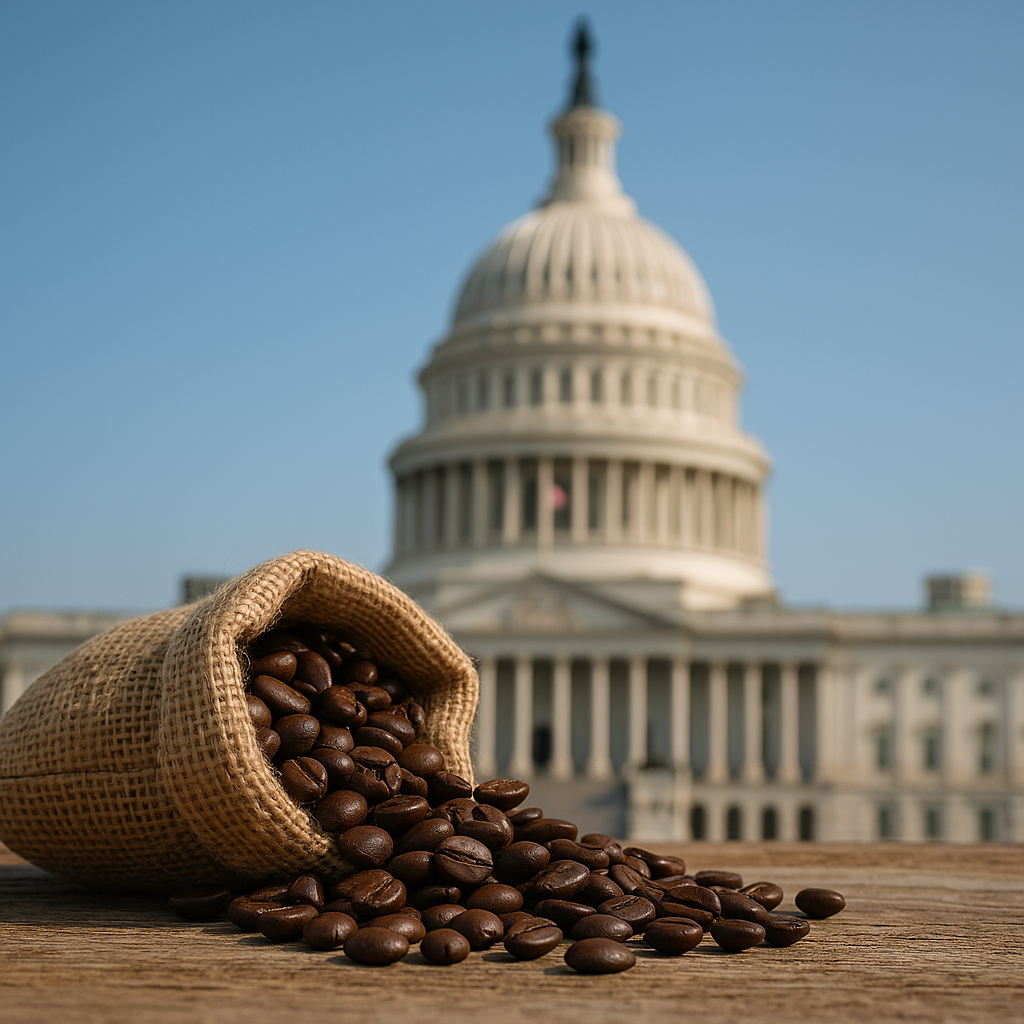
A bipartisan bill titled the “No Coffee Tax Act” has been introduced to the United States Congress, aiming to repeal tariffs placed on coffee imports under the Trump administration.

The United States is the largest coffee importer in the world, with production limited only to Hawaii and Puerto Rico. Yet, tariffs currently affect major exporting nations. Goods from Brazil face a 50% tariff, Vietnam 20%, India 50%, Mexico 25%, and Indonesia 19%, all above the administration’s base rate of 10%.

The bill, sponsored by Nebraska Representative Don Bacon and California Representative Ro Khanna, has already drawn support from Virginia’s Don Beyer and New Hampshire’s Maggie Goodlander.

Bacon emphasised that taxing a crop not grown at scale in the US is harmful to consumers: “Families across America are already paying 21% more for coffee. Tariffs on a product we cannot produce commercially only make things worse. They are simply a tax on consumers, raising costs without creating jobs.”

He further highlighted that Congress, under Article One of the Constitution, holds tariff-setting authority, and this legislation reasserts that power.

If passed, the bill would exempt coffee—green, roasted, decaffeinated, husks, skins, and substitutes containing coffee—from any tariffs imposed after January 19, 2025.

The US coffee industry has strongly supported the measure, arguing that coffee cannot be grown at a scale sufficient to meet demand. A petition launched by roaster Coffee Bros in April 2025 has already gathered nearly 15,000 signatures.

Khanna compared the tariffs to Britain’s tax on tea before the American Revolution: “Americans started a revolution over a tax on tea. Today, US coffee prices have surged in part due to these tariffs. Our bipartisan bill is simple—it removes Trump’s tariffs on coffee to bring down costs.”

According to Reuters, the legislation is expected to be formally introduced on Friday. Bacon expressed optimism that the measure would not only reduce prices for consumers but also prompt a wider debate on Congress reclaiming its constitutional role in tariff policy.

Lavazza Doubles UK Profits Despite Record Coffee Costs in 2025

London – Qahwa World

Italian coffee giant Lavazza has doubled its UK profits despite grappling with severe supply chain disruption and record-high green coffee costs. Strategic price increases and high-profile sponsorships have helped the brand maintain momentum in one of its key European markets.

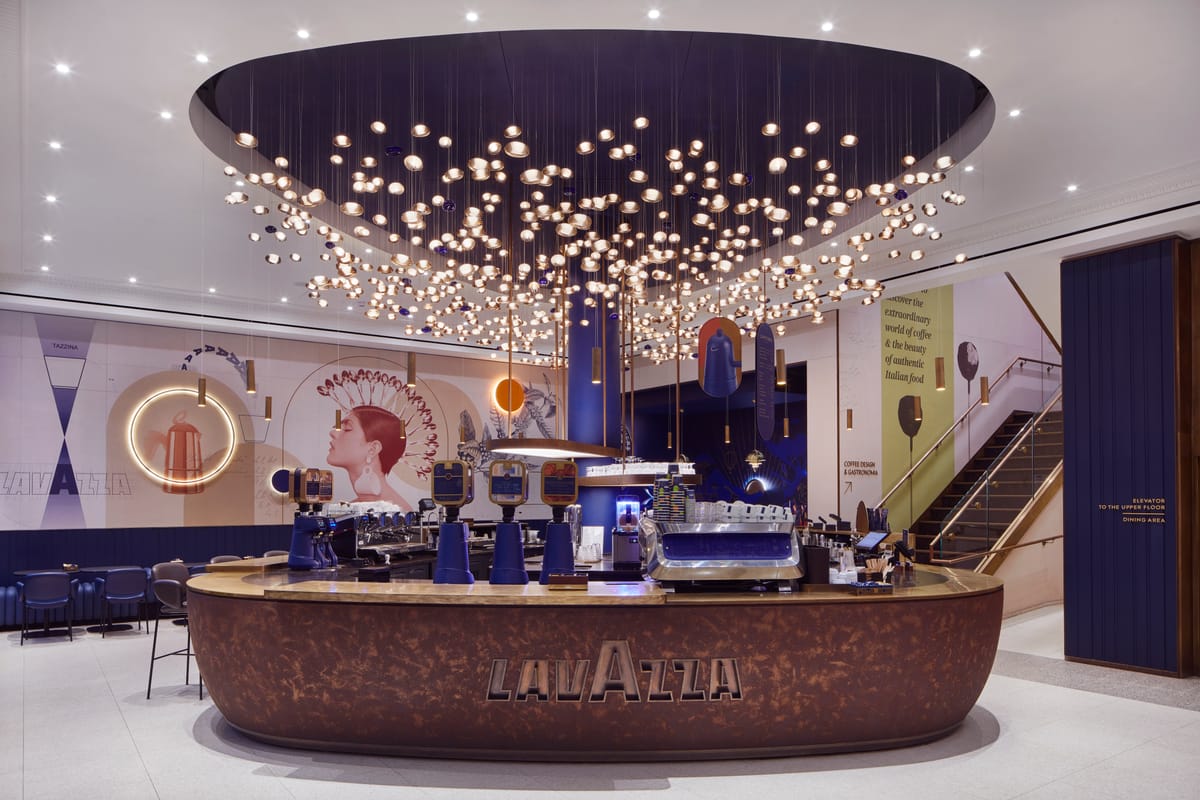
Lavazza UK reported a pre-tax profit of £3.2 million ($4.3m) in 2024, compared with £1.5 million ($2m) the previous year. Sales rose 8% year-on-year to £110.3 million ($149m), marking the second consecutive year revenues surpassed the £100m threshold. The Turin-based roaster strengthened its UK presence through partnerships with Wimbledon, Arsenal Football Club, and Ascot Racecourse, initiatives that it said significantly boosted brand visibility and consumer recognition. Lavazza has also operated a flagship store in London since 2021, reinforcing its retail footprint.

In its Companies House filing, the company acknowledged “unprecedented” cost pressures tied to climate change, geopolitical tensions, and volatile green coffee markets. Despite leveraging Lavazza Group’s global procurement strategies to hedge against volatility, it admitted that part of the inflationary burden had to be passed on to consumers. “The company benefits from the policies adopted by the Lavazza Group to limit the impact of volatility within the coffee market,” Lavazza UK stated. “However, despite these measures, the company has had to mitigate the increased risk by passing some inflation to its customers and consumers.”

According to company figures, UK households consume 13 million cups of Lavazza coffee every week and use 1.4 million capsules. Raising prices has been a key lever for sustaining modest revenue growth and absorbing cost pressures in an environment where inflation has pushed up the cost of everyday goods. Data from consumer watchdog Which? indicates that retail coffee prices in the UK climbed by up to 40% in the 12 months to March 2025.

Still, there are signs of relief. Speaking to UK press in July 2025, Lavazza Group Chairman Giuseppe Lavazza suggested that record coffee prices may have already peaked, potentially bringing stability to supermarket shelves. On a global scale, the group absorbed €600m ($658m) in additional costs since 2022 but nonetheless achieved record revenues of €3.35bn ($3.67bn) in 2024, underlining the strength of its brand across more than 140 markets.

Founded in 1895, Lavazza remains one of the world’s most prominent coffee roasters. Its performance in the UK highlights how strategic pricing and brand-building investments have enabled it to withstand inflationary shocks while continuing to expand its international footprint.

Keurig Dr Pepper Shares Plunge to Multi-Year Low After JDE Peet’s Deal

New York – Qahwa World

Keurig Dr Pepper (NASDAQ: KDP) fell 3.6% in Monday trading, hitting a multi-year low of $26.09, after BNP Paribas downgraded the stock to Underperform. The drop reflects mounting skepticism over the company’s ambitious $18.4 billion acquisition of JDE Peet’s and its plan to split into two separate businesses.

BNP Paribas analyst Kevin Gundy said the deal was “one of the worst-received transactions in the consumer sector we have ever seen,” adding that management now faces the difficult task of convincing a shareholder base that has grown impatient. The firm cut its price target to $24, citing deal risk, global coffee demand elasticity, and what it called a “credibility setback.”

Deal Overview

The transaction, valued at €15.7 billion (~US$18.4B), offers JDE Peet’s shareholders a 33% premium to the 90-day average price. Once completed, KDP will split into:

Global Coffee Co. – about $16B annual sales, the world’s largest pure-play coffee company, including brands Keurig, Jacobs, and Peet’s Coffee.

Beverage Co. – more than $11B annual sales, covering Dr Pepper, Canada Dry, and 7UP.

The combined entity will remain under KDP’s current leadership, led by CEO Tim Cofer and CFO Sudhanshu Priyadarshi.

Why Investors Are Concerned

Debt Burden: Financing the deal relies heavily on debt, with leverage projected to rise into the high-5× EBITDA range. Moody’s has already placed KDP under review for downgrade.

Execution Risks: Integrating JDE Peet’s operations while simultaneously splitting into two companies creates unprecedented complexity.

Market Reaction: JDE Peet’s stock jumped on the premium offer, but KDP has lost about 25% since the August announcement.

Demand Uncertainty: Rising coffee costs and consumer shifts may pressure single-serve coffee demand, a core KDP segment.

KDP’s Strategic Bet

Despite the skepticism, management highlights:

Global scale and reach across North America, Europe, and Asia.

Synergies worth about $400M over three years.

Sharper focus for each business post-split.

Market Impact & Outlook

The stock market, for now, is focused more on the risks than the promises. KDP’s bold gamble could reshape the global coffee and beverage industry, but investors are demanding proof that the strategy can deliver.

Shocking Report: Industrial and Environmental Contaminants Found in All Organic Coffee Samples

Dubai – Qahwa World

The Clean Label Project in the United States has released an extensive report that has stirred debate across the coffee world, revealing findings that undermine the long-standing perception of organic coffee as a guarantee of purity. The report shows that every single organic coffee sample tested contained industrial and environmental contaminants, including residues of pesticides that are officially banned in organic agriculture, raising fundamental questions about certification credibility and agricultural oversight.

The investigation covered fifty-seven different coffee products representing forty-five leading brands in both the U.S. and global markets. Each product was subjected to a rigorous series of laboratory analyses, with more than seven thousand individual tests performed in total. Samples included coffees across all common roast levels—light, medium, and dark—and were taken from the most prevalent packaging formats on the market, from bags and pods to metal cans.

The most striking and controversial result was the detection of aminomethylphosphonic acid, or AMPA, in one hundred percent of the organic samples. AMPA is a breakdown product of glyphosate, a herbicide that has generated global controversy due to its suspected health risks and that is strictly prohibited in certified organic farming. According to the report, the universal presence of AMPA in every sample tested delivers a shock to consumers, many of whom turn specifically to organic coffee in search of a product free from chemical residues.

Although glyphosate itself was detected in only a few of the samples, the consistent appearance of its by-product across all organic coffees raises alarming concerns about the pathways through which contamination occurs. Researchers point to multiple possibilities: runoff from neighboring conventional farms contaminating organic fields, wind drift carrying spray particles across boundaries, or legacy residues lingering in soils for decades that continue to affect crops long after application has ceased.

The report did not stop at AMPA. It also revealed the presence of heavy metals in every single sample, including lead, cadmium, mercury, and arsenic. While most levels remained below the maximum thresholds set by the European Union for food safety when measured against typical daily consumption volumes, experts stress that cumulative exposure over long periods cannot be dismissed as harmless. For regular coffee drinkers, this raises concerns that extend well beyond a single cup.

Equally concerning was the universal detection of acrylamide, a chemical that naturally forms during the roasting process and is classified as a potential carcinogen. Levels of acrylamide were particularly high in medium roasts compared to very light or dark roasts, suggesting that the most popular roast category among consumers could also pose the greatest risk.

The study further highlighted the role of packaging in contamination. Phthalates, chemical compounds associated with plastics and known for their potential to leach into food and beverages, were especially prevalent in canned coffees, followed by pods, with bagged coffee showing the lowest levels. Researchers emphasized that packaging is not simply a marketing tool or a method to preserve flavor; it plays a direct role in determining the chemical purity of the product consumed.

Geographic origin was another factor influencing contamination. African coffees tested in the study generally displayed lower levels of heavy metals, while Hawaiian coffees showed higher concentrations, a result attributed to the mineral-rich volcanic soils in which they are cultivated. This underscores that agricultural environments themselves can significantly shape the safety profile of the beans, regardless of organic practices.

The Clean Label Project stressed that the purpose of this study is not to frighten consumers or to dissuade them from drinking coffee, but rather to raise awareness of hidden risks and equip people with the knowledge they need to make informed decisions. Among its recommendations: consumers should look for brands with independent certifications that verify product testing, favor darker or very light roasts to reduce acrylamide exposure, avoid canned coffee in favor of bagged products, and follow ongoing testing results published regularly by the organization.

The broader implications of the report are profound. Coffee is one of the most consumed beverages in the world, with more than one billion people drinking it daily and a U.S. market valued at more than 269 billion dollars in 2024 alone. The findings remind us that the coffee industry, despite its global cultural and economic importance, is not immune to environmental and industrial contamination. For producers, regulators, and consumers alike, the lesson is clear: the label “organic” does not automatically guarantee absolute purity.

The report concludes with a call for stricter oversight of organic certification processes, greater transparency across supply chains, and more independent research to restore and sustain consumer confidence. In a world where billions of cups of coffee are consumed every single day, the integrity of this industry matters not only for enjoyment and tradition but also for the health and trust of communities worldwide.
International Coffee Day 2025: ICO Launches Global Campaign “Embracing Collaboration More Than Ever”

London – Qahwa World

The International Coffee Organization (ICO) has announced the theme for International Coffee Day 2025, celebrated worldwide on October 1: “Embracing Collaboration More Than Ever.”

The annual event brings together millions of people across the globe to celebrate coffee and recognize the farmers, cooperatives, traders, roasters, baristas, and consumers who contribute to making coffee the world’s most beloved beverage. This year’s campaign underscores that coffee is synonymous with collaboration and calls on all stakeholders to unite in a spirit of solidarity and shared purpose.

Collaboration at the Core

The ICO emphasizes that the 2025 theme highlights the essential role of collaboration across the coffee value chain in ensuring sustainable livelihoods and shared prosperity. By strengthening links from crop to cup, the campaign positions coffee as a driver of income generation, sustainable development, and resilient communities.

Vanúsia Nogueira, Executive Director of the ICO, stated:

“Coffee is a product of many hands and many hearts. When farmers, cooperatives, researchers, roasters, traders, baristas and consumers work together, we create opportunities for income, resilience and environmental stewardship. This year’s campaign calls for practical collaboration that delivers real benefits along the whole chain. Join us — take part in the challenges and show how, together, coffee can be a force for good.”

Digital Campaign and Global Participation

The 2025 initiative will feature a refreshed, interactive website and encourage digital participation through the hashtag #ICD2025. Among the activities, participants will be invited to complete the phrase “Coffee is collaboration because…” in posts or videos, showcasing the many ways coffee connects people across the globe.

The ICO invites governments, industry partners, civil society, cooperatives, and consumers to get involved by:

Registering events and activities on the official campaign website

Promoting the hashtag #ICD2025 through their communication channels

Recording short videos with the campaign phrase and tagging @icocoffeeorg

A full communications toolkit and multilingual resources are available at www.internationalcoffeeday.org

About the ICO

The International Coffee Organization is the only intergovernmental body focused on enhancing the sustainability of the global coffee sector. It provides official statistics on production, trade, and consumption, and develops public-private partnerships and technical cooperation projects to foster progress and resilience in the industry. More information is available at www.ico.org

Investor Pressure Forces Early Exit of Nestlé Chairman Paul Bulcke

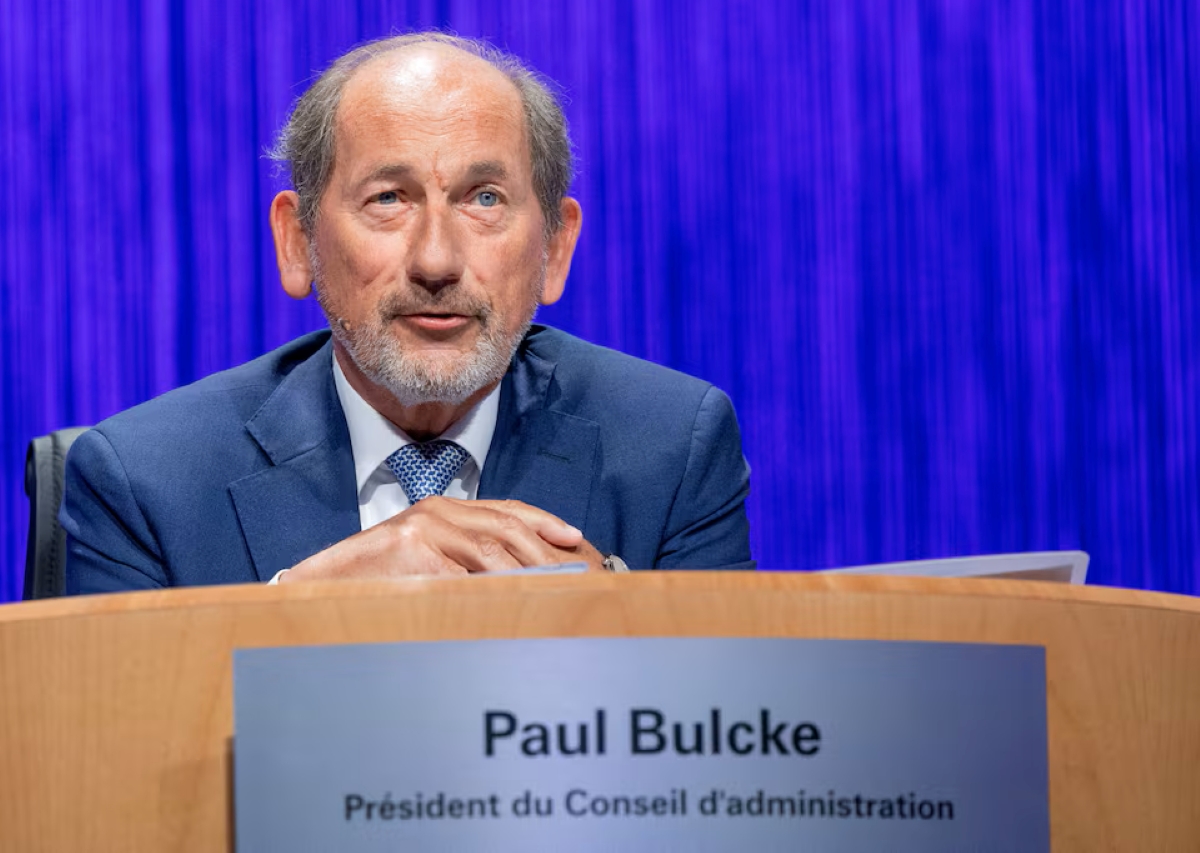
Dubai, 17 September 2025 (Qahwa World) – Nestlé, the world’s largest food and beverage company, has accelerated its leadership transition following the early departure of Chairman Paul Bulcke, who stepped down amid mounting investor pressure and criticism of his crisis management.

Bulcke was originally scheduled to retire in April 2026, but the Board of Directors confirmed that Vice Chairman Pablo Isla will take over the role of Chairman on 1 October 2025—seven months ahead of plan. Isla, widely respected for his tenure as CEO of Inditex, the Spanish fashion group behind Zara, is seen as a steady hand capable of restoring investor confidence and guiding Nestlé into a new chapter of governance.

The accelerated shift comes in the wake of investor dissatisfaction with Bulcke’s handling of allegations against former CEO Laurent Freixe. Freixe was accused of misconduct following revelations of an undisclosed relationship with an employee. Although the case surfaced earlier in 2025, decisive action was delayed until 1 September, when Freixe was formally dismissed after an external investigation.

Freixe’s departure paved the way for Philipp Navratil, previously Global CEO of Nespresso, to assume the top executive position at Nestlé. The delay in addressing the matter, however, was viewed by many shareholders as a failure of corporate governance and a reputational risk for the multinational giant.

In his resignation statement, Bulcke emphasized his confidence in the company’s future leadership:
“I have full trust in Nestlé’s new leadership and firmly believe this is the right moment to step aside. Pablo and Philipp will bring renewed energy and fresh perspective to Nestlé’s strategy.”

After a career spanning 46 years—from his early days at Nestlé in 1979 to becoming CEO and later Chairman—Bulcke has been awarded the honorary title of Chairman Emeritus, recognizing his long-standing contributions. His tenure saw Nestlé expand aggressively into emerging markets, consolidate its global brands such as Nescafé and Nespresso, and adapt to shifting consumer demands in nutrition and sustainability.

Alongside the leadership handover, Nestlé announced significant board-level changes to reinforce corporate oversight. Dick Boer, former CEO of Dutch retailer Albert Heijn and a respected figure in European retail, has been appointed Lead Independent Director and Vice Chairman. Boer also holds non-executive roles at Shell, Just Eat, and SHV.

Meanwhile, Marie-Gabrielle Ineichen-Fleisch, former Swiss State Secretary for Economic Affairs and a board member since 2023, has also been elevated to Vice Chair, reflecting Nestlé’s efforts to strengthen both independence and diversity in its governance structure.

Analysts view the developments as one of the most significant leadership shifts at Nestlé in recent years, underscoring how investor pressure is reshaping corporate governance even at the highest levels. The swift succession may help rebuild investor trust at a time when global food and beverage companies face rising regulatory scrutiny, volatile commodity prices, and consumer demand for more sustainable practices.

The transition also has implications for Nestlé’s coffee business, which remains a cornerstone of its global portfolio. Nespresso and Nescafé continue to face fierce competition in both mature and emerging markets, and leadership stability is expected to be crucial for maintaining growth momentum.

With Paul Bulcke’s departure, Nestlé embarks on a new era under Pablo Isla’s chairmanship and Philipp Navratil’s leadership as CEO. The reshuffle reflects a broader push toward transparency, accountability, and strategic renewal, ensuring Nestlé remains a global powerhouse in food, beverages, and coffee for decades to come.

Nestlé Investors Push for Leadership Change as Chair Paul Bulcke Faces Criticism

Geneva, September 16, 2025 – (Qahwa World) – A group of Nestlé’s major investors is urging long-serving Chair Paul Bulcke to step down before his scheduled retirement in April 2026, citing dissatisfaction with his handling of recent corporate challenges and leadership transitions.

According to reports in the Financial Times, shareholders have grown frustrated with Bulcke’s leadership after the abrupt dismissal of CEO Laurent Freixe, who left the company on September 1, 2025, following an investigation into an inappropriate relationship with an employee. Freixe’s departure marked the third change in Nestlé’s top executive role in just over a year, following Mark Schneider’s resignation in August 2024. Philipp Navratil, formerly head of Nespresso, has now taken over as CEO.

Investors argue that Bulcke, who launched an internal probe earlier this year but failed to substantiate the allegations against Freixe until a second investigation was carried out with external counsel, did not act decisively enough. Some shareholders have called for Pablo Isla, the designated successor, to assume the chairmanship immediately.

“Paul Bulcke has lost the trust of investors,” one shareholder was quoted as saying, stressing that he should leave the position without waiting until next year.

Bulcke’s long tenure with Nestlé dates back to 1979, including eight years as CEO before becoming Chair in 2017. He announced in June 2025 that he would not seek re-election.

The leadership turmoil has weighed heavily on Nestlé’s stock, which fell 5% after Freixe’s dismissal, closing at CHF 71.86 ($90.85) on September 16. Since 2022, the company’s shares have dropped nearly 40% amid two consecutive years of declining sales.

Nestlé has struggled with weaker performance across its dairy, culinary, pet care, infant nutrition, and water divisions. However, its coffee portfolio remains resilient. Nescafé, Nespresso, and the Starbucks ready-to-drink range all recorded strong results, with double-digit growth in the Americas and mid-single-digit gains in Europe during the first half of 2025.