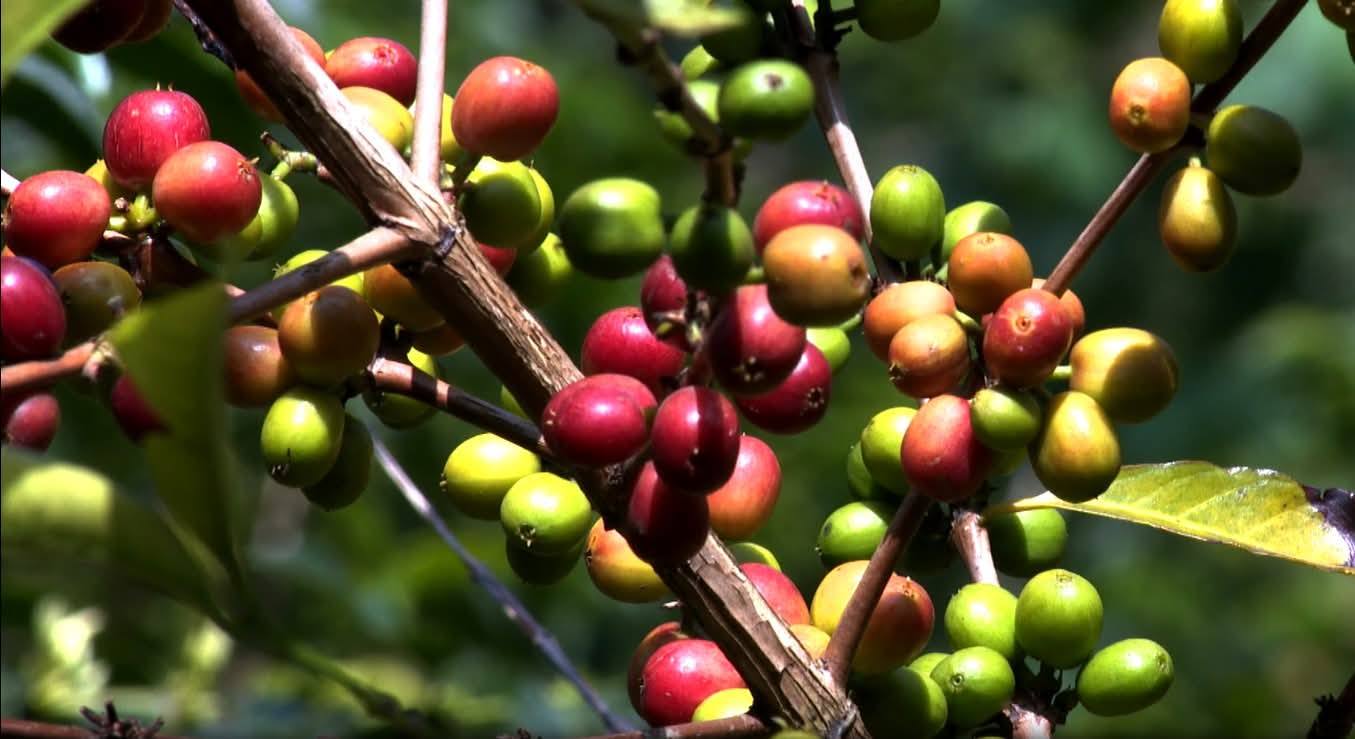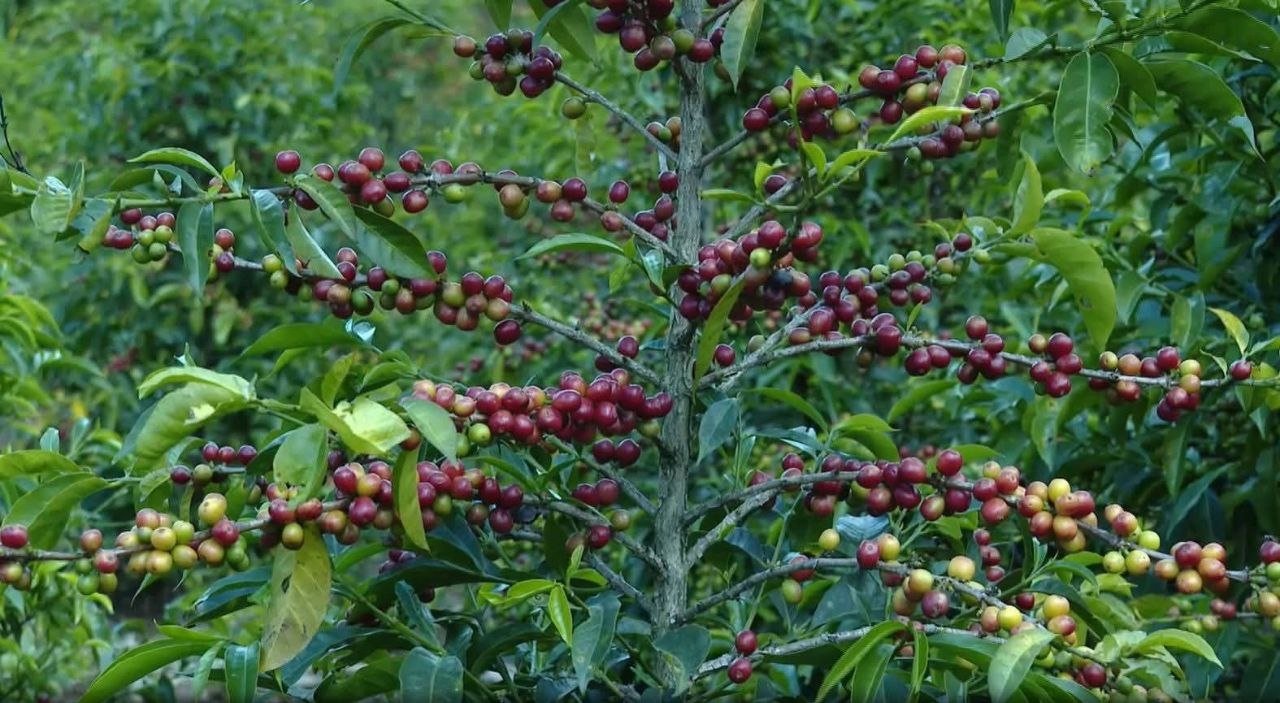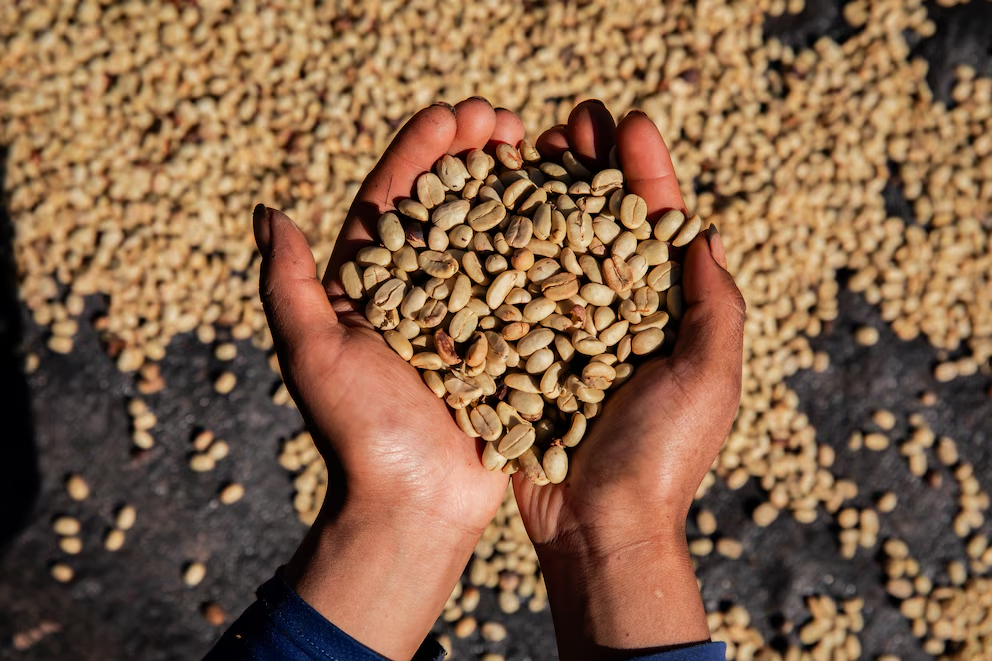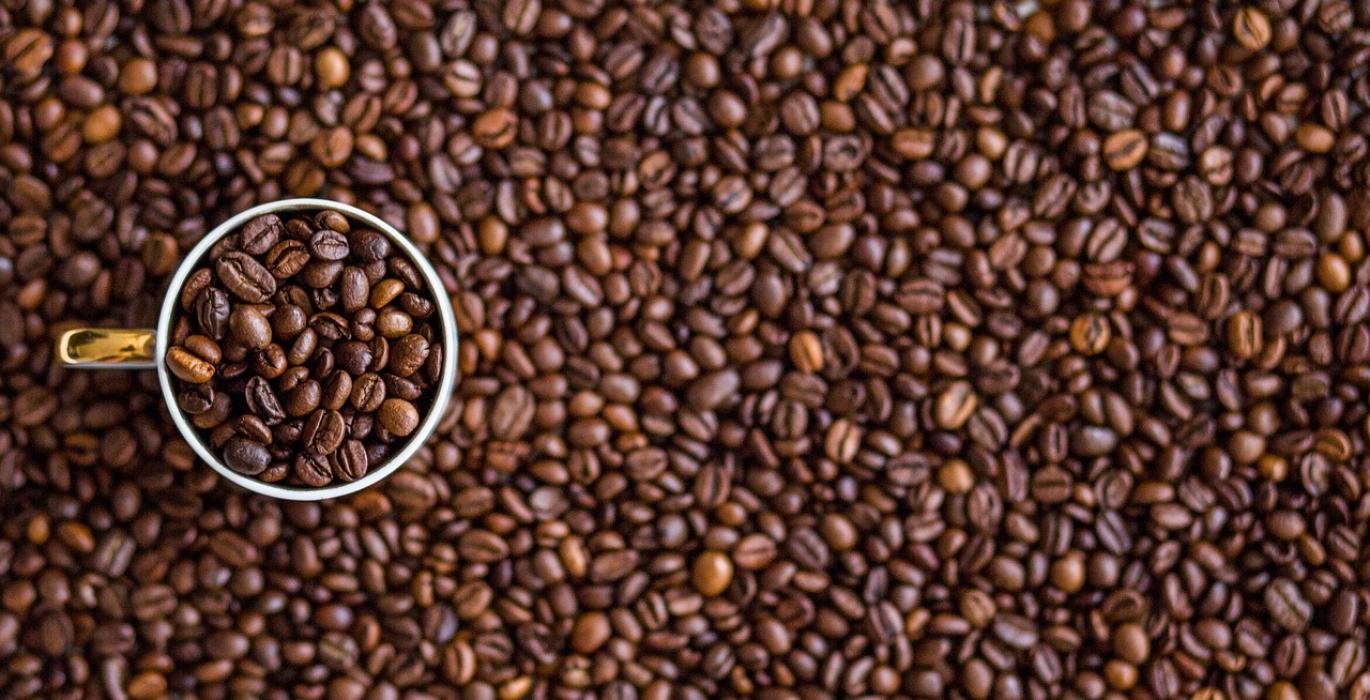
Coffee Processing Methods in the Americas

Dubai – Qahwa World

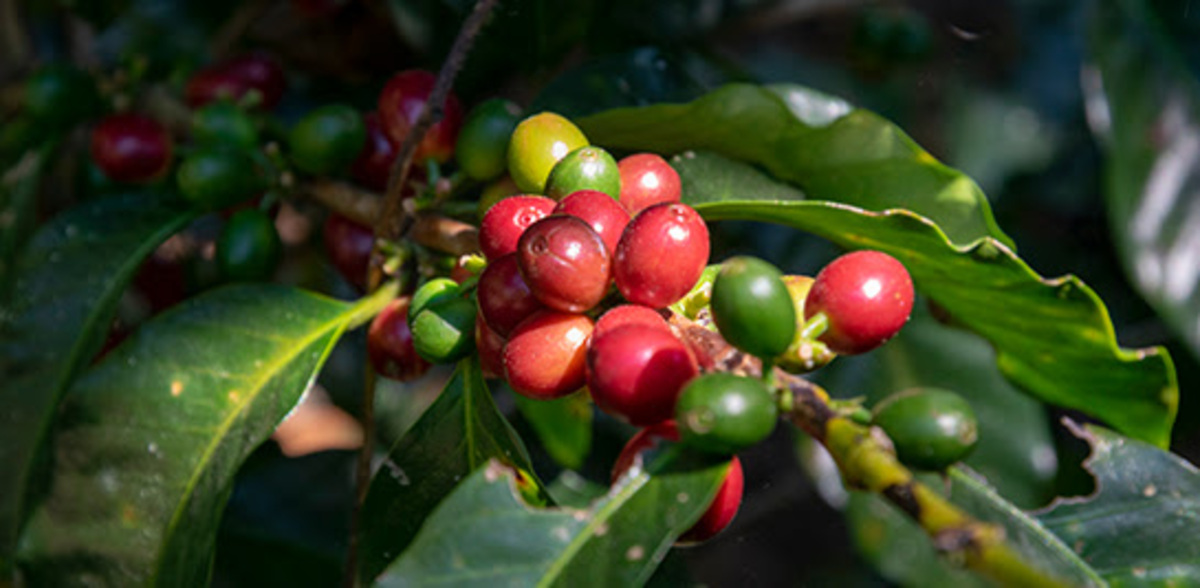
Understanding how coffee is processed at origin is essential for buyers, roasters, and importers. While traditional classifications—washed, natural, and honey—still dominate the conversation, the reality is far more nuanced. From mechanized harvesting in Brazil to cooperative-led processing in Peru, each producing country has developed its own post-harvest practices.

This guide breaks down the dominant coffee processing methods across key producing countries in the Americas, drawing on insights from our producer network.

Coffee processing directly affects flavor profile, cup quality, shelf life, pricing, sustainability, and water usage. For green coffee buyers, understanding origin-specific practices is crucial for sourcing the right profiles, managing risk, and building transparent supply chains.

  • Brazil: Mechanized Natural Processing at Scale

Brazil leads the world in natural coffee processing due to its scale and mechanization. Harvesting is largely mechanized, using either large machines that shake entire trees or pole-mounted vibrating devices that target individual branches—sometimes still referred to as manual despite their mechanical nature.

A notable feature is the use of “floaters,” cherries that have partially or fully dried on the tree. These often contribute to desirable cup profiles rather than reflecting poor maturation.

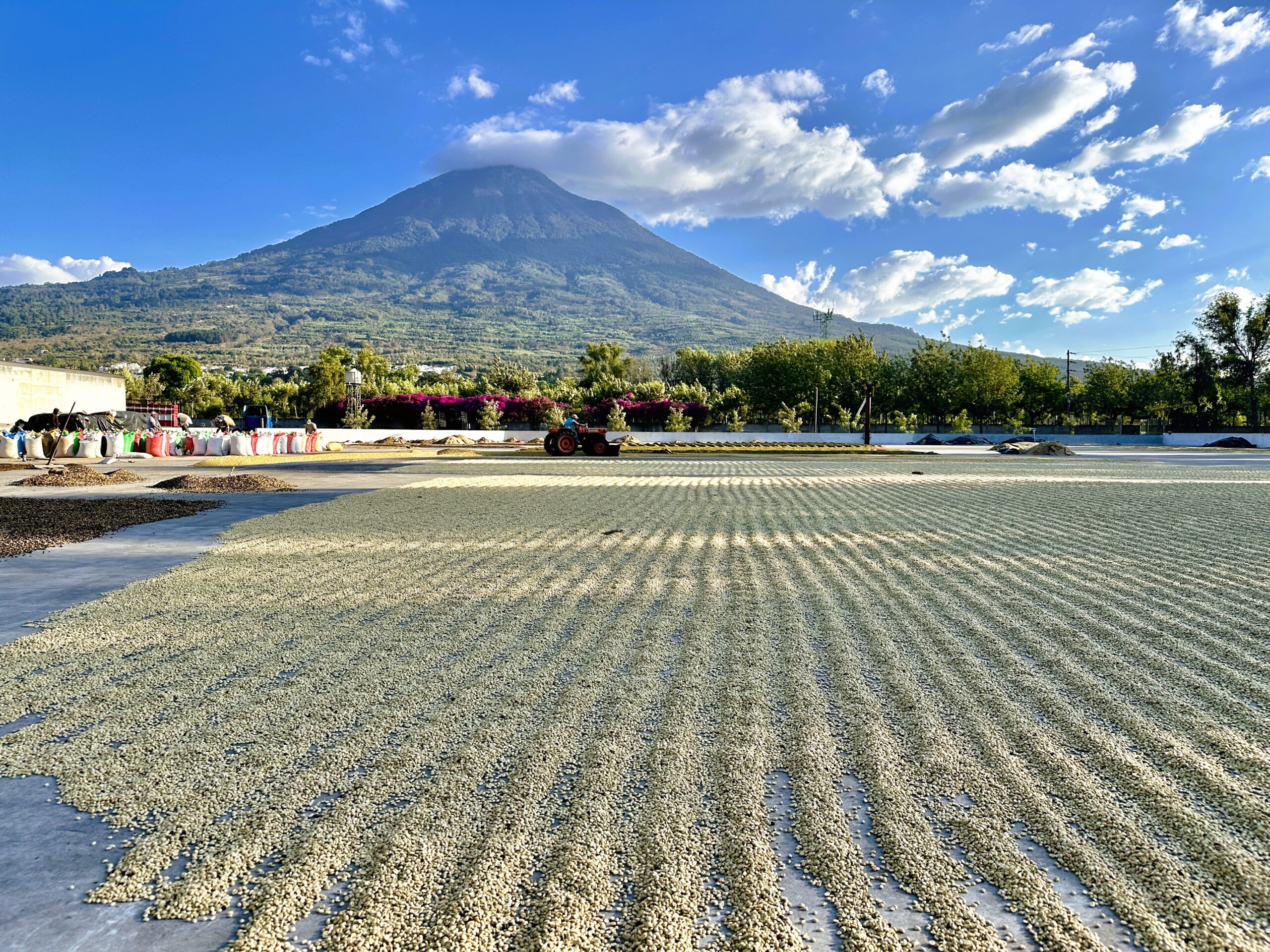
After harvest, coffee is initially dried on patios. Once moisture falls below ~20%, mechanical dryers complete the process efficiently. Dry milling is often done on-farm, with a final cleaning stage handled by exporters. Green coffee is typically rested in wooden silos before shipment.

Dominant Process: Natural (60–70%)
Harvesting: Mechanized (machines or vibrating poles)
Drying: Patios + mechanical dryers
Post-Harvest: Dry milling on-farm; beans rested in wooden silos

  • Colombia: Washed Coffee with Infrastructure Support

Over 95% of Colombian coffee is processed using the washed method, despite a reputation for experimental naturals. Cherries are handpicked selectively, often requiring multiple passes. After pulping, beans are fermented in tanks and dried on patios, raised beds, or mechanical dryers.

Centralized collection centers help maintain quality, receiving coffee in wet, semi-wet, or dried states, each priced accordingly. When drying space is limited, submerging parchment in water preserves quality. These systems, guided by the Colombian Coffee Growers Federation (FNC), ensure consistent, high-quality washed coffees.

Dominant Process: Washed
Harvesting: Manual, selective picking
Drying: Patios, raised beds, vertical dryers (guardiolas)

  • Costa Rica: Washed with Innovation

Approximately 94% of Costa Rican coffee is washed. Cherries are manually picked and delivered to roadside collection points, where wet and dry processing occurs.

Many cooperatives use centrifugal demucilagers, reducing water usage and fermentation defects. Drying occurs on patios, raised beds, or mechanical dryers. Costa Rica also experiments with eco-efficient honey processes (white, yellow, red, and black).

Dominant Process: Washed
Innovation: Centrifugal demucilagers reduce water use
Drying: Patios, raised beds, mechanical dryers
Collection: Cherries delivered to collection centers

  • El Salvador: Traditional Washed with Growing Diversity

Washed processing accounts for ~80% of production, with cherries pulped, fermented, and dried on patios or guardiolas. Natural and honey methods each represent ~10%, catering to specialty buyers seeking unique profiles.

Dominant Process: Washed
Drying: Patios and increasing use of guardiolas
Other Methods: 10% natural, 10% honey

  • Guatemala: High-Altitude Washed Coffees

Guatemala primarily produces washed coffee (85–99%). Cherries are pulped, fermented, and dried on patios or rooftops to maximize sun exposure. Honey and natural processes are growing among specialty producers. Mechanical drying is increasingly used in regions with unpredictable weather.

Dominant Process: Washed
Drying: Patios, rooftops
Other Methods: 5–15% honey, 0.5–5% natural

  • Honduras: Cooperative-Driven Washed Production

Honduras favors washed processing, with most coffee handled on-farm and parchment delivered to cooperatives. Some mills experiment with cherry color sorting and centralized reception, but traditional methods prevail. Cooperatives play a key role in quality and market access for smallholders.

Dominant Process: Washed
Processing: On-farm; parchment sent to cooperatives
Innovation: Emerging cherry color sorting
Other Methods: 3% natural, 10–15% honey

  • Mexico: Washed Simplicity

Mexico relies on washed processing, with manual harvesting and patio drying. Practices vary by region, and isolated approaches could benefit from collaborative methods. Increasing Canephora cultivation may impact processing norms.

Dominant Process: Washed
Processing: Mostly on-farm, inherited practices
Drying: Patios

  • Nicaragua: Washed

Washed processing dominates (~97%), with cherries processed on-farm and parchment delivered to central mills. Water channels are used for density sorting, cleaning, and transport. Drying occurs on patios, raised beds, or guardiolas. Honey and natural processes exist but are marginal.

Dominant Process: Washed
Drying: Patios, raised beds, guardiolas
Operations: Water channels for cleaning and sorting

  • Peru: Cooperative-Led Washed Processing

Peru is overwhelmingly washed, with tank fermentation and sun-drying. Drying occurs on patios, lofts, raised beds, or parabolic dryers at cooperative stations. Natural and honey methods are rare but emerging.

Dominant Process: Washed
Fermentation: Tank-based
Drying: Patios, lofts, raised beds, parabolic dryers

  • Key Takeaways for Coffee Buyers
  • Washed processing dominates Latin America; Brazil is the main exception with natural processing.

  • Infrastructure and cooperatives play a crucial role in maintaining quality and consistency.

  • Innovation is rising, particularly in Costa Rica and Colombia, with eco-friendly and hybrid methods.

  • Understanding local practices is key for sourcing, pricing, and building traceable supply chains.
Coffee Prices Rise on Brazil Dryness and Global Supply Dynamics

Dubai – Qahwa World

Coffee markets moved higher today amid ongoing concerns over dry conditions in Brazil, the world’s largest arabica producer. March arabica futures (KCH26) rose +4.20 (+1.18%), while March robusta futures (RMH26) gained +36 (+0.92%).

The price gains follow last week’s rally, when arabica hit a one-month high due to below-average rainfall in Brazil. Somar Meteorologia reported that Minas Gerais, Brazil’s primary arabica-growing region, received just 26.5 mm of rain for the week ending January 9—only 29% of the historical average—raising fears of smaller harvests.

  • Inventory Levels Support Prices

Tighter stock levels are adding upward pressure on coffee prices. ICE-tracked arabica inventories fell to a 1.75-year low of 398,645 bags on November 20 but rebounded to 461,829 bags last Wednesday. ICE robusta inventories hit a one-year low of 4,012 lots on December 10, later rising to a five-week high of 4,278 lots.

  • Vietnam Exports and Global Supply Trends

While Brazilian dryness is bullish, rising robusta exports from Vietnam are weighing on prices. Vietnam exported 1.58 million metric tons of coffee in 2025, up 17.5% from the previous year. Vietnam’s 2025/26 coffee production is expected to reach 1.76 million metric tons (29.4 million bags), a four-year high. The Vietnam Coffee and Cocoa Association noted that output could increase 10% over the prior year if favorable weather continues.

Globally, coffee supplies are showing mixed signals. The International Coffee Organization reported a slight year-on-year decline in exports for the current marketing year (October–September), totaling 138.658 million bags. Meanwhile, the USDA’s Foreign Agricultural Service (FAS) projects world coffee production in 2025/26 will hit a record 178.848 million bags, with arabica decreasing 4.7% to 95.515 million bags and robusta rising 10.9% to 83.333 million bags. Brazil’s production is expected to fall 3.1% to 63 million bags, while Vietnam’s output may climb 6.2% to 30.8 million bags. Ending stocks are projected to drop 5.4% to 20.148 million bags.

  • Outlook

Market watchers are balancing the bullish signals from Brazil’s dry weather and shrinking inventories against the bearish influence of rising Vietnamese supplies and higher global production forecasts. The net effect has been steady upward pressure on coffee prices, with both arabica and robusta futures posting notable gains in recent sessions.

Coffee Prices Retreat as Stronger Dollar Triggers Selling

Dubai – Qahwa World

Coffee futures ended lower on Thursday after surrendering earlier gains, pressured by a strengthening U.S. dollar that prompted investors to reduce long positions.

March arabica coffee futures declined about 0.8%, while March robusta futures slipped slightly, losing roughly 0.3% by the close.

The pullback came as the U.S. Dollar Index climbed to its highest level in four weeks, making dollar-denominated commodities like coffee less attractive to buyers. This currency move outweighed earlier support that had pushed arabica prices to a one-month high.

Earlier in the session, coffee prices found strength from weather concerns in Brazil. Rainfall in key growing areas remained below normal, particularly in Minas Gerais, the country’s largest arabica-producing region. Weekly precipitation there reached just under two-thirds of the historical average, renewing worries about crop development.

Robusta prices, however, continued to face headwinds from expanding supplies in Vietnam. The country reported a sharp increase in coffee exports for 2025, reflecting strong output from the world’s leading robusta producer.

Inventory trends offered mixed signals. Exchange-tracked arabica stocks, while still relatively low, have rebounded from recent multi-year lows. Robusta inventories also recovered modestly after hitting their weakest levels in over a year.

Trade flows have also influenced the market. Earlier U.S. tariffs reduced American purchases of Brazilian coffee during late summer and early autumn, sharply cutting imports during that period. Although tariffs have since been reduced, U.S. coffee supplies remain tight.

On the supply side, expectations of ample global production continue to weigh on prices. Brazil’s crop agency recently revised its 2025 coffee output forecast higher, while Vietnam is projected to harvest one of its largest crops in several years if favorable weather persists.

That said, some longer-term data point to tightening conditions. Global coffee exports edged lower in the current marketing year, according to international industry figures.

Looking ahead, the USDA projects world coffee production to reach a record level in the 2025/26 season, driven by strong growth in robusta output that offsets a decline in arabica production. Ending global stocks are expected to fall, suggesting that while near-term supply is ample, the balance could tighten further down the road.

Drier Conditions in Brazil Lift Arabica Coffee Prices

Dubai – Qahwa World

Arabica coffee futures moved higher on Wednesday, reaching their strongest level in about four weeks, while robusta prices weakened. March arabica contracts gained modestly, supported by weather concerns in Brazil and currency movements, whereas robusta futures declined amid ample supply from Vietnam.

Lower-than-normal rainfall across key Brazilian growing regions is providing support to arabica prices. Recent data from Somar Meteorologia showed that Minas Gerais—Brazil’s largest arabica-producing state—received significantly less rainfall than usual in late December, raising concerns about crop development. Brazil is the world’s top producer of arabica coffee, making weather conditions there especially influential for global prices.

Additional support came from a firmer Brazilian real, which reached its strongest level in roughly a month against the US dollar. A stronger currency tends to slow export selling, as Brazilian producers receive fewer local-currency returns from dollar-based coffee sales.

In contrast, robusta prices are under pressure due to strong export volumes from Vietnam, the world’s largest robusta supplier. Official figures indicate that Vietnam’s coffee exports rose sharply in 2025, adding to near-term supply availability.

Inventory trends remain a key focus for traders. Arabica stocks monitored by ICE had previously fallen to their lowest level in nearly two years before rebounding slightly in recent weeks. Robusta inventories also declined to a one-year low earlier in December but have since shown signs of recovery.

Demand patterns have also influenced the market. Earlier US tariffs on Brazilian imports reduced American purchases of Brazilian coffee, leading to tighter inventories in the United States. Although those tariffs have since been reduced, buying activity has not yet fully recovered.

Looking ahead, expectations of larger global supplies are limiting further price gains. Brazil’s crop agency recently raised its forecast for the country’s 2025 coffee output, citing improved conditions. Vietnam is also expected to increase production in the upcoming season, with industry groups projecting strong output if favorable weather continues.

On the global stage, export data suggest some tightening, as shipments declined slightly year over year. However, longer-term projections from the USDA point to record world coffee production in 2025/26, driven by growth in robusta output that more than offsets a decline in arabica production. Ending global coffee stocks are forecast to fall modestly, keeping supply concerns on the radar despite higher overall production.

Coffee Prices Rise Amid Brazilian Heatwave and Supply Pressures

Dubai – Qahwa World

Coffee markets are seeing an upward shift in prices, driven by weather events in key production regions and tightening global supplies.

March arabica futures rose 1.26%, while ICE robusta for January had previously gained 1.06% before the holiday closure. The Brazilian coffee belt is experiencing a heatwave forecasted to last through Monday, putting pressure on crops and supporting prices.

Additional factors are influencing the market. In Indonesia, recent floods have affected roughly one-third of northern Sumatra’s arabica plantations, potentially cutting the nation’s coffee exports by up to 15% in the 2025-26 season. Robusta production has been less impacted. Indonesia remains the third-largest robusta producer worldwide.

Meanwhile, Brazil’s Minas Gerais region received rainfall during the week ending December 19 that was below average, according to Somar Meteorologia. Reduced precipitation in key growing areas can add bullish pressure on arabica coffee.

Coffee inventories also play a role in market dynamics. ICE-tracked arabica stocks hit a 1.75-year low of 398,645 bags in November before rising to 456,477 bags recently. Robust a inventories similarly fell to near 12-month lows before modest recovery.

US demand for Brazilian coffee remains restrained. Tariffs previously imposed on imports led to a 52% drop in purchases from August to October compared to the previous year. Although tariffs have since eased, US stock levels remain limited.

On the supply side, Brazil’s national crop agency Conab raised its 2025 production estimate to 56.54 million bags, up from 55.20 million in September, signaling an ample supply outlook.

Robusta coffee faces downward pressure amid expectations of strong output. Vietnam’s coffee exports surged 39% year-on-year in November and 14.8% from January to November, according to government statistics. Total production in 2025/26 is projected to rise 6% to 1.76 million metric tons, a four-year high.

Globally, the International Coffee Organization reported a slight decline of 0.3% in coffee exports for the current marketing year, supporting price stability. The USDA projects world coffee output for 2025/26 to reach a record 178.85 million bags, with arabica falling 4.7% and robusta rising 10.9%. Brazil’s production is expected to decrease by 3.1%, while Vietnam’s output could rise 6.2% to a four-year high. Ending stocks are projected to decline by 5.4% to 20.15 million bags.

Overall, a combination of adverse weather in Brazil, flooding in Indonesia, and fluctuating inventories is contributing to upward momentum in coffee prices, even as abundant output in some regions, particularly Vietnam, applies downward pressure on robusta markets.

Coffee Prices Find Support Amid Indonesian Flooding

Dubai – Qahwa WORLD

Global coffee prices showed mixed movement on Tuesday, with market sentiment shaped by supply concerns in Southeast Asia and updated production forecasts from major producing countries.

Arabica coffee futures for March delivery edged lower, while robusta contracts for January moved higher. The divergence reflects differing supply dynamics for the two varieties.

Prices have received support from extensive flooding in Indonesia, a key coffee producer. Recent reports indicate that floodwaters have affected roughly one-third of arabica coffee farms in northern Sumatra. Robusta-growing areas, however, appear to have suffered less damage, limiting the overall impact on Indonesia’s export capacity.

Weather developments in Brazil also influenced the market. According to Somar Meteorologia, Minas Gerais — the country’s largest arabica-producing region — recorded 38.3 millimeters of rainfall during the week ending December 19. This amount represents approximately 76% of the historical weekly average, easing concerns about drought stress in key growing zones.

Despite these supportive factors, expectations of ample global supply continue to weigh on prices. Brazil’s agricultural forecasting agency revised its 2025 coffee production estimate upward in early December, projecting total output at 56.54 million bags, compared with a previous estimate of 55.20 million bags.

Robusta prices remain under pressure due to strong export flows from Vietnam. Official statistics showed that Vietnam’s coffee exports surged sharply in November, with shipments rising significantly compared to the same month last year. Cumulative exports for the January–November period also posted strong year-on-year growth.

Arabica prices, meanwhile, found some support from lower Brazilian export volumes. Data from Brazil’s coffee exporters association indicated a notable decline in green coffee exports in November compared with the same period last year.

Inventory levels on ICE exchanges have also played a role in recent price movements. Certified arabica stocks fell to their lowest level in more than a year in late November before rebounding in December. Robusta inventories followed a similar pattern, declining to multi-month lows earlier in the month and then partially recovering.

Trade flows to the United States added another layer of complexity. Purchases of Brazilian coffee by U.S. buyers dropped sharply during the period when higher tariffs were in place earlier in the year. Although those tariffs have since been reduced, U.S. inventories remain tight following the earlier slowdown in imports.

Looking ahead, rising production in Vietnam is seen as a bearish factor. Forecasts for the 2025/26 season suggest higher output, with industry groups indicating that favorable weather conditions could push production well above last year’s levels. Vietnam remains the world’s leading producer of robusta coffee.

At the global level, some indicators point to tighter supply. The International Coffee Organization recently reported a slight decline in global coffee exports for the current marketing year.

However, longer-term projections suggest overall production growth. The U.S. Department of Agriculture expects global coffee output in the 2025/26 season to reach a record level, driven by increased robusta production, even as arabica output is forecast to decline. Ending stocks are projected to fall compared with the previous season, reflecting ongoing demand and inventory adjustments.

Coffee Prices Drop as Supply Outlook Strengthens

Dubai – Qahwa World

Coffee prices experienced a sharp decline on Monday, with arabica falling to a two-week low and robusta reaching a 2.25-month low. The downturn comes amid expectations of abundant global coffee supplies.

Brazil’s crop agency, Conab, recently raised its 2025 production forecast to 56.54 million bags, up from 55.20 million bags projected in September. Meanwhile, Vietnam’s National Statistics Office reported a 39% year-on-year increase in November coffee exports, reaching 88,000 metric tons, while January–November exports grew nearly 15% to 1.398 million metric tons.

Analysts at StoneX forecast that Brazil could produce 70.7 million bags in the 2026/27 marketing year, including 47.2 million bags of arabica—a 29% increase compared to the previous year.

The European Union’s recent one-year delay of its deforestation regulation (EUDR) is also influencing market sentiment. The measure, designed to curb deforestation in countries exporting key commodities to the EU, now allows continued imports of coffee, soybeans, and cocoa from regions experiencing deforestation, contributing to expectations of steady supply.

Weather conditions in Brazil are playing a mixed role. In the country’s largest arabica-producing region, Minas Gerais, rainfall was reported at just 11 mm for the week ending December 5, only 17% of the historical average—offering some support for prices.

U.S. coffee inventories monitored by ICE have tightened due to tariffs on Brazilian coffee imports. Arabica stocks fell to a 1.75-year low of 398,645 bags in late November, though they recently rebounded to over 426,000 bags. Robusta stocks dropped to an 11.5-month low on Monday. U.S. purchases of Brazilian coffee from August to October declined 52% year-on-year following the tariff implementation, reducing domestic supply.

On the other hand, increased production from Vietnam exerts downward pressure on prices. The country is expected to produce 1.76 million metric tons (29.4 million bags) in 2025/26, a four-year high, with the Vietnam Coffee and Cocoa Association projecting a 10% increase over the previous crop if favorable weather continues. Vietnam remains the world’s largest robusta producer.

Globally, signs of tighter supplies provide some price support. The International Coffee Organization reported a slight 0.3% year-on-year decline in global coffee exports for the current marketing year, totaling 138.658 million bags.

The USDA projects world coffee production in 2025/26 to reach a record 178.68 million bags, with arabica slightly down 1.7% to 97.022 million bags and robusta rising 7.9% to 81.658 million bags. Brazil’s output is expected to increase modestly to 65 million bags, while Vietnam’s crop could rise to a four-year high of 31 million bags. Global ending stocks are forecast to grow nearly 5% to 22.819 million bags.

Why Brazil Is Turning to Robusta Over Arabica?

Dubai – Qahwa World

Brazil, the largest producer of coffee globally, is gradually changing its approach to cultivation as climate change challenges traditional arabica crops. Rising temperatures, prolonged droughts, and increased disease pressure are encouraging more farmers to invest in robusta, a coffee variety that tolerates heat better and offers a stronger, more bitter flavor along with higher caffeine content.

The country’s main arabica-growing regions have experienced more frequent and severe droughts, reducing the resilience of this mild variety. While arabica remains Brazil’s primary export, robusta production has expanded rapidly, increasing by over 81% in the past decade, according to the U.S. Department of Agriculture.

Fernando Maximiliano, Coffee Market Intelligence Manager at StoneX, notes that robusta growth is primarily a response to climate-related losses in arabica, rather than a shift in consumer demand. Over the past three years, arabica production has increased by roughly 2–2.5% annually, while robusta has grown about 4.8% per year. This year, robusta production surged nearly 22%, marking a record harvest, reflecting its ability to withstand adverse weather and deliver profitable yields.

In hotter regions unsuitable for arabica, farmers are adopting strategies to grow robusta successfully, including planting coffee trees under the shade of native or other species to maintain soil moisture and protect the plants from heat. Jonatas Machado, commercial director of Café Apuí, emphasizes that such methods help maintain productivity and bean quality.

Although Vietnam remains the world’s top robusta producer, Brazil is closing the gap and may surpass it due to its structured supply chain. Robusta has higher caffeine and a stronger taste than arabica, but younger consumers tend to focus less on origin or roast notes, favoring personalized drinks with milk, syrups, and creamers that mask the flavor.

As coffee prices rise, robusta may become even more attractive to consumers. In Europe, the gap between arabica and robusta prices is expected to widen due to regulations requiring imported commodities to prove they do not come from recently deforested or degraded land; instant coffee, largely made from robusta, is exempt from these rules. Europe accounts for nearly half of global instant coffee revenue, according to Grand View Research.

Robusta’s growing popularity, high productivity, and improved quality have convinced an increasing number of Brazilian producers to invest in it. Alexsandro Teixeira, a researcher at the Brazilian Agricultural Research Corporation, notes that higher quality beans have enhanced consumer appeal and contributed to rising robusta prices.

Coffee Prices Settle Lower Despite Inventory Tightness

Dubai – Qahwa World

Coffee futures closed lower on Wednesday, primarily due to an improved global supply outlook after a key European regulation was delayed. March arabica coffee (KCH26) settled down -3.60 (-0.94%), and January ICE robusta coffee (RMF26) closed down -46 (-1.01%).

The principal downward pressure on coffee prices stemmed from the European Parliament’s approval of a one-year delay to the Deforestation Regulation (EUDR). This regulation, which aims to combat deforestation in countries exporting key commodities like coffee to the EU, will now allow EU countries to continue importing agricultural products from regions in Africa, Indonesia, and South America where deforestation may be occurring. This delay ensures a more ample and continuous flow of global coffee supplies into the European market.

Further reinforcing the bearish outlook are strong production forecasts. StoneX predicted last Wednesday that Brazil’s coffee production for the new 2026/27 marketing year will hit 70.7 million bags, representing a significant year-over-year increase of +29%. Arabica production is specifically forecasted at 47.2 million bags. Signs of increasing robusta supplies are also evident in Vietnam. The country’s Jan-Oct 2025 coffee exports rose +13.4% year-over-year to 1.31 MMT. Furthermore, the 2025/26 coffee production is projected to climb +6% y/y to a four-year high of 29.4 million bags (1.76 MMT), a forecast supported by the Vietnam Coffee and Cocoa Association (Vicofa).

Despite the overall downward movement, losses were limited by several supportive factors, including adverse weather and tightening inventories. Arabica prices found support due to dryness in Brazil’s largest arabica-growing region, Minas Gerais, which received only 49% of its historical average rainfall in the week ended November 21. Robusta prices were also supported by forecasts of heavy showers in Vietnam’s Dak Lak province, which is expected to further delay the harvest in the world’s largest robusta producer.

Shrinking ICE coffee inventories have also been supportive of prices. ICE-monitored arabica inventories fell to a 1.75-year low of 398,645 bags last Thursday, and robusta inventories hit a 6.25-month low on Wednesday. This drawdown has been largely attributed to the previous US tariffs imposed on coffee imports from Brazil, which caused US buyers to void new contracts and tightened US supplies. However, arabica coffee experienced a sharp tumble last Friday after President Trump signed an executive order late Thursday that exempted Brazilian food products, including coffee, from those tariffs, potentially easing supply concerns moving forward.

Finally, there are mixed signals from global supply data. The International Coffee Organization (ICO) reported on November 7 that global coffee exports for the current marketing year (Oct-Sep) fell slightly by 0.3% y/y to 138.658 million bags, suggesting tighter global supplies recently. The USDA’s Foreign Agriculture Service (FAS) projects world coffee production in 2025/26 to increase by +2.5% y/y to a record 178.68 million bags, but forecasts a -1.7% decrease in arabica production, offering mixed signals.

In summary, the near-term supply outlook, bolstered by the EU regulation delay and massive Brazilian crop forecasts, outweighed the temporary support from weather issues and shrinking inventories, pushing coffee prices lower for the day.

Brazilians Celebrate as Trump Cancels Coffee Tariffs

Dubai – Qahwa World

Brazilian coffee exporters celebrated Friday after U.S. President Donald Trump ordered the removal of additional import tariffs on coffee, which had been set at 40% in July.

Cecafé, Brazil’s coffee exporters council, called the tariff hike “a complete loss of competitiveness.”

“The tariff reversal comes after months of intense work representing the interests of Brazilian coffee. It is a historic victory for the entire coffee agribusiness production chain,” the council said in a statement.

Brazil has long been a major supplier of coffee and beef to the United States. On Thursday, Trump lifted tariffs on Brazilian goods as part of an effort to lower consumer costs for Americans. The decision affected coffee, fruit, and beef, among other products.

The U.S. leader had initially imposed additional import taxes on Brazilian goods, citing trade practices he deemed unfair, as well as the prosecution of former President Jair Bolsonaro, who was later sentenced to 27 years in prison for attempting to stage a coup after losing the 2022 election.

Before the tariffs, U.S. government data showed Brazil, the world’s top coffee producer, supplied about 30% of the American market, followed by Colombia at roughly 20% and Vietnam at about 10%.

“The removal of the 40% tariff imposed by the U.S. government on several Brazilian agricultural products is a victory for dialogue, diplomacy, and common sense,” Brazilian President Luiz Inácio Lula da Silva said Thursday on X. He shared a video reacting to Trump’s order, expressing his satisfaction with the decision.

Trump and Lula have been negotiating trade terms, which could lead to further reductions in tariffs. Lula also praised “the frank dialogue” with Trump and confirmed that Brazil would continue discussions to strengthen bilateral trade.

US rolls back extra duties on Brazilian coffee imports

Dubai – Qahwa World

The administration in Washington has moved to ease trade pressure on Brazil by withdrawing an additional 40% duty that had been placed on a range of Brazilian food products, including coffee. The decision, issued through an Executive Order dated 20 November 2025, applies to goods entering the US on or after 13 November 2025. The baseline 10% tariff introduced earlier in the year remains active.

Brazil supplies a significant share of the green coffee used by the US market. When the combined import levy reached 50%, shipments between the two countries were severely disrupted. Industry data shared in August 2025 indicated a sharp drop in US purchases of Brazilian coffee during the month the extra charge took effect. Many US roasters faced higher operating costs, and retail coffee prices rose noticeably as companies redirected sourcing to alternative suppliers. Warehouses in Brazil also experienced delays as trading activity slowed.

Representatives of Brazil’s coffee export sector said the heightened tariff regime had effectively halted their ability to ship to the US, noting that clients paused new agreements immediately after the higher duty was introduced.

The trade disruption briefly shifted global buying patterns, with another major European importer receiving more Brazilian shipments during that period. Retail coffee prices in the US climbed significantly, reflecting the sudden supply imbalance.

The White House has begun reversing several import charges in recent weeks as domestic food inflation remains elevated. Earlier in November, the administration announced the removal or reduction of duties on coffee from multiple producing countries, including Vietnam and several South American origins.

Following indications that tariff reductions were forthcoming, the head of a leading US coffee trade association welcomed the policy shift, noting that easing import costs could help stabilize supply chains and reduce financial pressure on coffee drinkers and businesses across the country.

Coffee Prices Slide as U.S. Hints at Possible Tariff Reductions

Dubai – Qahwa World

Coffee markets recorded a sharp downturn on November 12 after fresh signals from Washington suggested that import tariffs on coffee could soon be eased, triggering immediate reactions across arabica and robusta futures. December arabica contracts declined by 3.62%, while January robusta fell by 5.09%, reaching a two-week low. The drop intensified after comments by President Donald Trump indicating plans to reduce tariffs on coffee, followed by remarks from Treasury Secretary Bessent about upcoming announcements affecting products not grown in the United States, coffee among them.

The market also reacted to the first outlook from StoneX for the 2026/27 season, which projects Brazil’s total coffee harvest at 70.7 million bags, including 47.2 million bags of arabica — a significant 29% increase compared to the previous year. Consistent rains in Brazil added further pressure, with Somar Meteorologia reporting that Minas Gerais, the country’s primary arabica-producing region, received 72.1 mm of rain during the week ending November 7, equal to 160% of its historical average. Improved moisture levels reduced earlier concerns about dryness and contributed to the bearish sentiment.

Additional downward pressure came from Vietnam, where the National Statistics Office confirmed that coffee exports for January to October 2025 rose by 13.4% year-on-year to 1.31 million metric tons. Production for 2025/26 is expected to increase by 6% to 1.76 million metric tons, marking the country’s highest output in four years. Industry officials noted that, with favorable weather, the harvest could potentially surpass last year’s by 10%. Vietnam remains the world’s largest producer of robusta coffee, and higher supply expectations have weighed heavily on prices.

Despite these developments, some indicators are providing support to the market. The International Coffee Organization reported a slight decline of 0.3% in global coffee exports for the current marketing year, reaching 138.658 million bags. At the same time, ICE inventories have tightened noticeably as U.S. buyers reduce purchases from Brazil since the introduction of 50% tariffs on Brazilian coffee imports. ICE-monitored arabica inventories fell to a 1.75-year low of 406,129 bags, while robusta stocks dropped to 5,873 lots, the lowest level in nearly four months. With about one-third of U.S. unroasted coffee typically sourced from Brazil, reduced contracting has led to a visible drawdown in domestic supplies.

Longer-term climate risks also continue to influence sentiment. In mid-September, the U.S. National Oceanic and Atmospheric Administration raised the probability of a La Niña event to 71% for the October–December period. Such conditions can bring excessively dry weather to Brazil and potentially disrupt the 2026/27 crop. Brazil’s crop agency Conab has already revised its 2025 arabica forecast downward by 4.9%, estimating 35.2 million bags, while also trimming overall coffee production to 55.2 million bags.

On a global scale, the USDA Foreign Agricultural Service expects 2025/26 world coffee production to reach a record 178.68 million bags, reflecting a 2.5% increase. The outlook includes a slight decline of 1.7% in arabica production to 97.022 million bags, offset by a robust 7.9% rise in robusta output to 81.658 million bags. Brazil’s production is forecast to grow modestly by 0.5% to 65 million bags, while Vietnam’s output is projected to rise by 6.9% to 31 million bags, the highest level in four years. Global ending stocks are estimated to climb by 4.9% to 22.819 million bags.