Abu Dhabi Prepares to Welcome “Drinkit” from April

The popular digital café chain announces ambitious expansion plans in the UAE

Abu Dhabi – Qahwa World

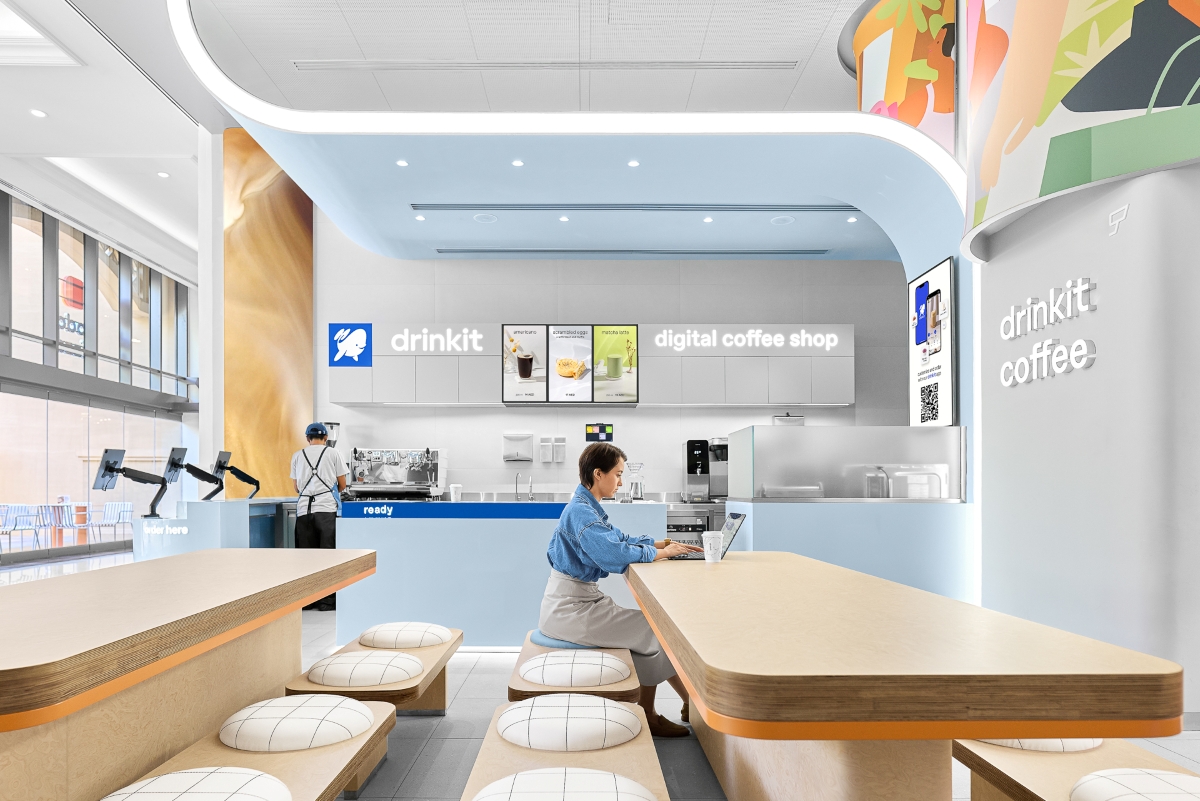
Digital café chain Drinkit is set to open its first branch in Abu Dhabi, marking the brand’s entry into the emirate and the next stage of its expansion across the United Arab Emirates. The first café is scheduled to open in April at Al Qana, one of Abu Dhabi’s prominent lifestyle destinations, known for its diverse dining options, informal meeting spaces, and social gatherings. The venue was also awarded the Travelers’ Choice Award for 2025.

After establishing a strong presence in Dubai, Drinkit plans to open at least seven additional branches across the UAE by the end of 2026, bringing the total number of cafés to 15 and doubling its footprint in the local market.

This strategy reflects DrinKit’s goal to offer a high-tech coffee experience to more neighborhoods and make premium coffee accessible to everyone across cities.

The company operates physical cafés that rely on a fully digital model, replacing traditional payment counters with in-store kiosks and a mobile app. Currently, around 90% of orders are completed digitally across all branches, enhancing operational efficiency and providing a consistent experience for customers. This technology-driven model also allows for steady expansion across different markets and locations.

Katerina Borodich, CEO of Drinkit, said: “The UAE has proven to be a strong and thriving market for DrinKit. Our eight branches in Dubai demonstrate the concept’s success in diverse urban environments. We see clear opportunities to continue growing the brand across the country. Our expansion plan through 2026 is carefully considered, focusing on long-term performance and strategic site selection.”

Katerina Borodich, CEO of Drinki

She added: “Our business model has been successfully tested over three years of operations in Dubai. We are proud to say it is a stable model, with an average investment payback period of less than three years depending on location. Interest in DrinKit is growing steadily in business districts, residential areas, and shopping centers, driven by our varied menu, competitive pricing, and easy ordering process.”

  • About Drinkit

Drinkit is a global café chain that follows a digital-first approach. Founded in 2016, it is part of Dodo Brands, a multinational company in the food service sector specializing in developing and franchising quick-service restaurant concepts worldwide.

Since joining Dodo Brands in 2020, Drinkit has expanded to more than 135 cafés across five countries: the United Arab Emirates, the United States, Kazakhstan, Azerbaijan, and Russia.

Drinkit is part of Dodo Brands’ portfolio alongside Dodo Pizza, one of the world’s largest pizza franchise networks. In 2025, Dodo Brands reported over $1 billion in revenue, with a 23% year-on-year growth, operating more than 1,500 units in 27 countries.

Free Coffee in Dubai for Those Who Walk 10,000 Steps a Day

Dubai, UAE – Qahwa World

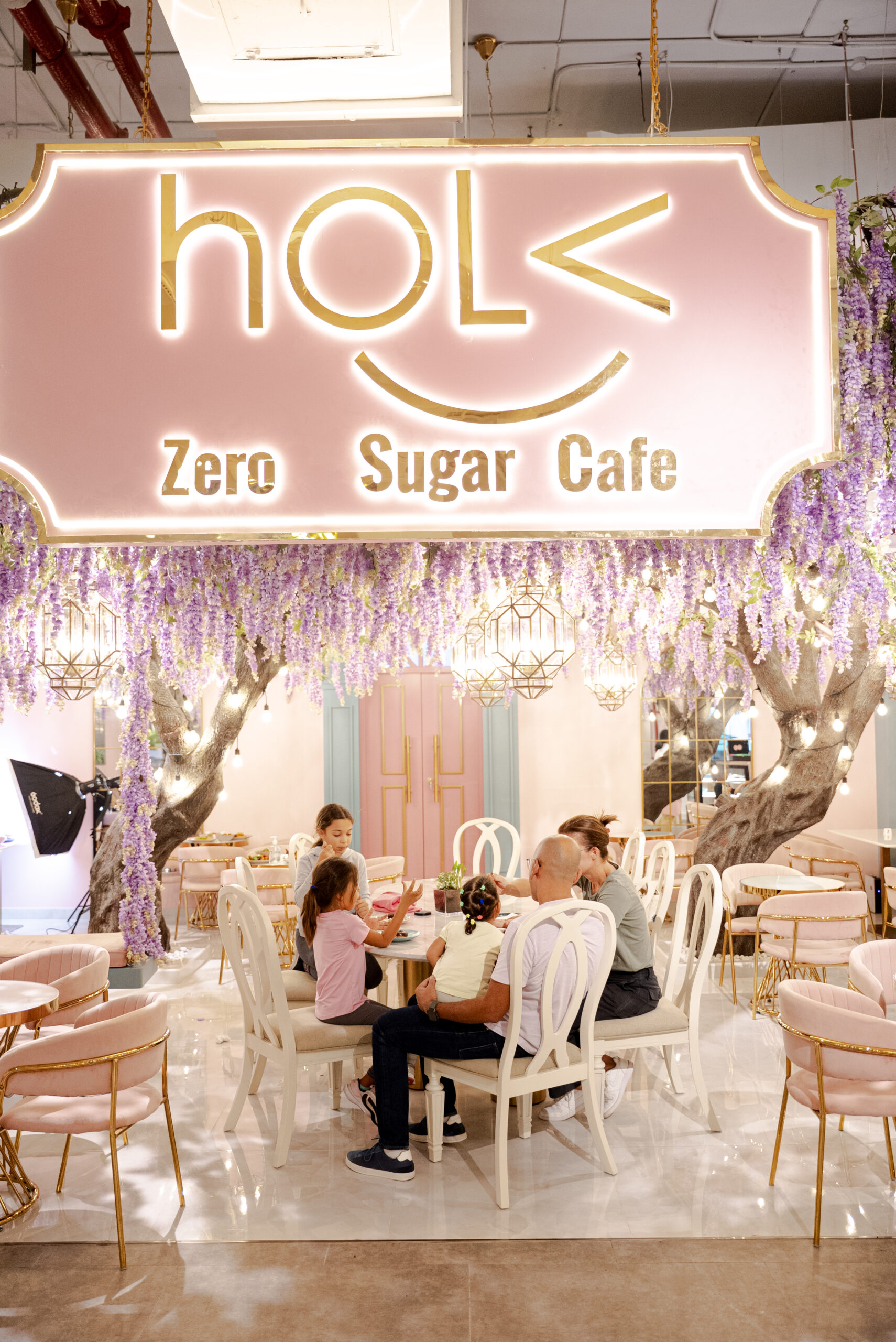
As part of Times Square Center’s commitment to community-driven, wellness-focused experiences, Hola Zero Sugar Café—also known as Hola Keto Desserts—has introduced its latest initiative, the “You Move, We Brew” challenge. Located within Times Square Center, the homegrown café is encouraging Dubai residents to embrace a more active lifestyle by offering a complimentary coffee to customers who complete 10,000 steps in a single day.

The café is a key feature of Times Square Center’s broader Picnic Square concept, which aims to create a space that goes beyond the typical food court. “Picnic Square is designed as a place for the community to meet, connect, and enjoy a variety of ‘less fast food, more good food,’” said Nancy Nese Ozbek, General Manager of Times Square Center. “Hola Zero Sugar Café perfectly aligns with this vision, offering mindful dining and experiences that promote wellbeing.”

Every item on the Hola Zero Sugar Café menu is crafted with wholesome ingredients and mindful recipes, catering to those following a ketogenic lifestyle, managing dietary needs, or simply seeking better-for-you options. With a focus on flavor, balance, and guilt-free indulgence, the café demonstrates that clean eating can be both enjoyable and satisfying.

The “You Move, We Brew” challenge reflects Hola Zero Sugar Café and Times Square Center’s shared belief that wellness is built through small, consistent choices. By encouraging movement and rewarding progress, the initiative aims to foster a more active and mindful community in Dubai.

  • How to Claim Your Free Coffee:

Track 10,000 steps using any fitness or health app

Visit Hola Zero Sugar Café at Times Square Center

Show your step count to the staff

Enjoy a complimentary coffee, on the house

“With initiatives like ‘You Move, We Brew,’ we aim to inspire our community to adopt healthier, mindful habits through simple, everyday actions,” added Ozbek. “We are proud to support local concepts like Hola Zero Sugar Café that bring positivity, purpose, and connection to our shared spaces.”

With its focus on intentional living, quality ingredients, and feel-good food, Hola Zero Sugar Café continues to redefine casual dining at Times Square Center, inviting visitors to celebrate movement, connection, and a fresh approach to eating—one step and one cup at a time.

For more information, visit www.timessquarecenter.ae
or follow @timessquaredxb and @hola_keto.ae on Instagram.

  • About Times Square Center

Centrally located on Sheikh Zayed Road, Times Square Center is a community-focused shopping destination offering a mix of well-known international brands, boutique concepts, and exclusive labels unique to Dubai. The center fosters a social, family-friendly atmosphere complemented by weekly artisan markets, while maintaining a strong commitment to local community engagement.

Lavazza Museum in Turin: A Journey Through Italian Coffee History

Dubai – Qahwa World

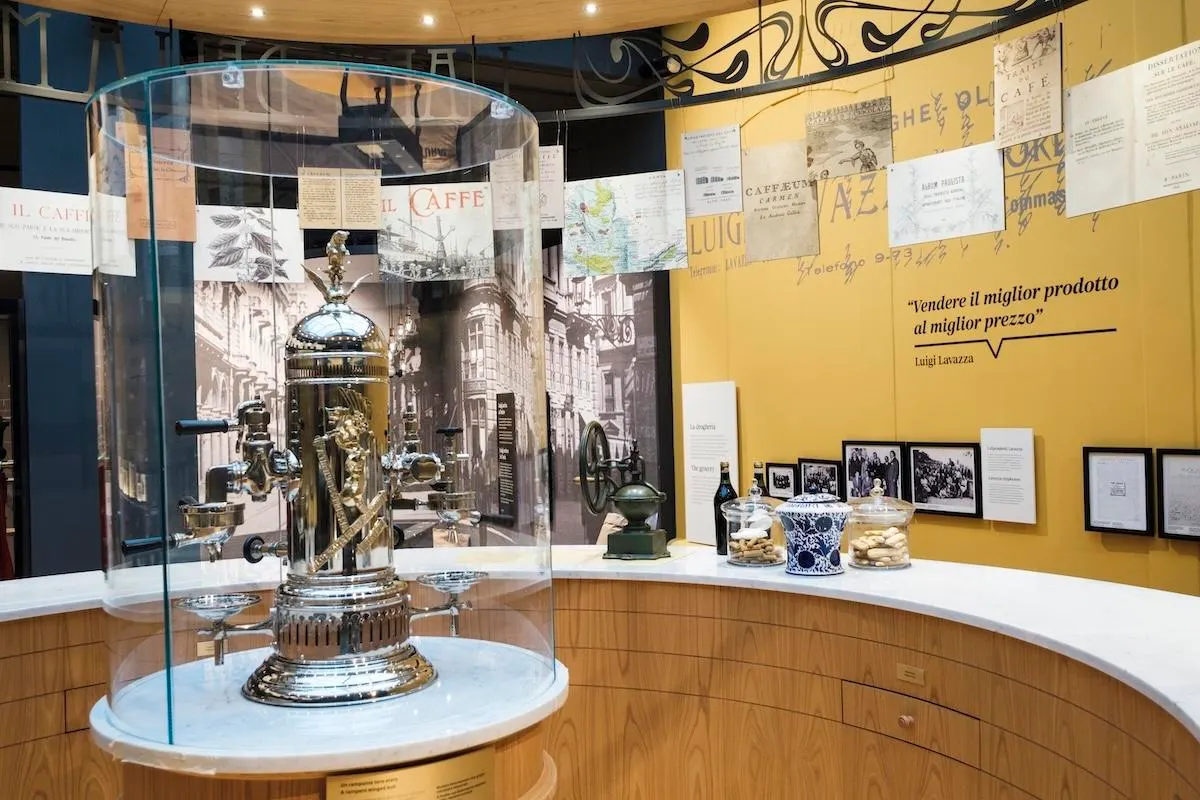
Forbes recently reported on the Lavazza Museum in Turin, Italy, describing it as a must-visit destination for coffee enthusiasts and anyone interested in Italian culture. The museum offers an immersive experience that goes beyond displaying artifacts, engaging visitors through history, technology, and the senses.

  • The Origins of Lavazza

Luigi Lavazza founded his coffee business in Turin in 1895, starting from a small city-centre grocery store. Originally a chemist, Lavazza was a pioneer in creating coffee blends that ensured consistent flavour. He also innovated packaging by using oil-proof paper stamped with his name, preserving aroma and establishing a recognisable brand.

  • Turin and Coffee Culture

While Italy’s first coffeehouse opened in Venice, Turin became a hub for coffee innovation. Historic cafés like Caffè San Carlo, Caffè Florio, and Caffè Bicerin were social centres for intellectuals, politicians, and nobility. In 1884, Turin native Angelo Morindo invented a steam-driven coffee machine, laying the groundwork for modern espresso machines. The city is also known for the Bicerin, a layered coffee, chocolate, and cream drink that remains popular today.

  • A Modern Museum Experience

Housed in the futuristic Nuvola Lavazza building, the museum blends history with interactive technology. Visitors receive a “smart” espresso cup with an embedded chip that activates multimedia exhibits, including videos, recordings, and images.

  • The museum is organised into five main sections:

Casa Lavazza: Chronicles the family business with historical objects, handwritten recipes, and a replica of Lavazza’s original store.

La Fabbrica: Demonstrates the coffee production process from bean to cup, with hands-on and aromatic displays.

La Piazza: Focuses on coffee rituals, featuring antique machines in a piazza-inspired setting.

L’Atelier: Highlights creative projects and collaborations.

L’Universe: Offers a fully immersive 360-degree sensory coffee experience.

The tour concludes with a coffee tasting and a gift shop featuring Lavazza products.

  • Community and Sustainability

The museum is part of the Nuvola Lavazza complex, which includes the company headquarters, restaurants, event spaces, and a design school. Built on the site of a former power plant in Turin’s Aurora district, the project emphasizes community engagement and sustainability, earning Platinum LEED certification.

According to Forbes, the Lavazza Museum is ideal for coffee lovers, history buffs, and anyone curious about Italian traditions, offering a sensory and educational experience that makes it a standout destination in Turin.

Ras Al Khaimah to Host 2nd Edition of “Gulf Coffee Maker” Competition

RAS AL KHAIMAH – QAHWAWORLD

The organizing committee for the “Gulf Coffee Maker” competition has finalized preparations for the launch of its second edition (2026 Cup). Scheduled for this Saturday, January 10, the event will take place at the Ras Al Khaimah Youth Center in the Al Dhait South area. This edition is jointly organized by S 3 C A F E, Coffee Market Innovations, and Palate Coffee, aiming to provide a community-driven competitive platform for coffee enthusiasts.

  • Elite Competition and Significant Rewards

The competition will feature 40 contestants vying for the title of “Gulf Coffee Maker.” A total prize pool of 20,000 AED has been allocated for the winners and audience draws. While four winners will be crowned at the end of the day, the organizers have also prepared 100 raffle gifts specifically for visitors and spectators.

  • Strict Technical Regulations

To ensure the highest standards of fairness, the committee has established rigorous technical guidelines:

Equipment: Each participant must bring their preferred manual brewing tool (e.g., V60, AeroPress, Wave, Clever, or any other manual dripper).

Time Limits: Contestants are allotted 5 minutes for preparation and 5 minutes for the actual brewing process.

Grinding: While an electronic grinder will be provided on-site, participants are permitted to use their personal grinders.

Water Standards: Organizers will provide certified water and kettles. Participants may use their own water subject to prior testing and approval by the committee, though the use of provided kettles is encouraged to save time.

  • Brewing Protocol and Judging Criteria

On the day of the event, each contestant will receive 150 grams of coffee to be used for both training and the preliminary rounds. Those who advance to subsequent stages will receive an additional 50 grams per round. To qualify for judging, contestants must submit more than 100 grams of brewed coffee to the panel.

The competition follows a group format, where the preliminary and semi-final rounds consist of groups of four, with only the top performer advancing. The final round is divided into two categories:

Senior Category: Featuring three finalists competing for the top three ranks.

Junior Category: Featuring a focused competition to determine a single winner.

  • Event Schedule

The day begins at 10:00 AM with contestant registration, followed by training sessions and a specialized exhibition. The official knock-out rounds commence at 5:40 PM, culminating in the grand finale and an awards ceremony at 8:40 PM.


Entrecôte Café de Paris Arrives at St. Regis Al Mouj Muscat Resort

Muscat – Qahwa World is proud to introduce Entrecôte Café de Paris to its offerings.

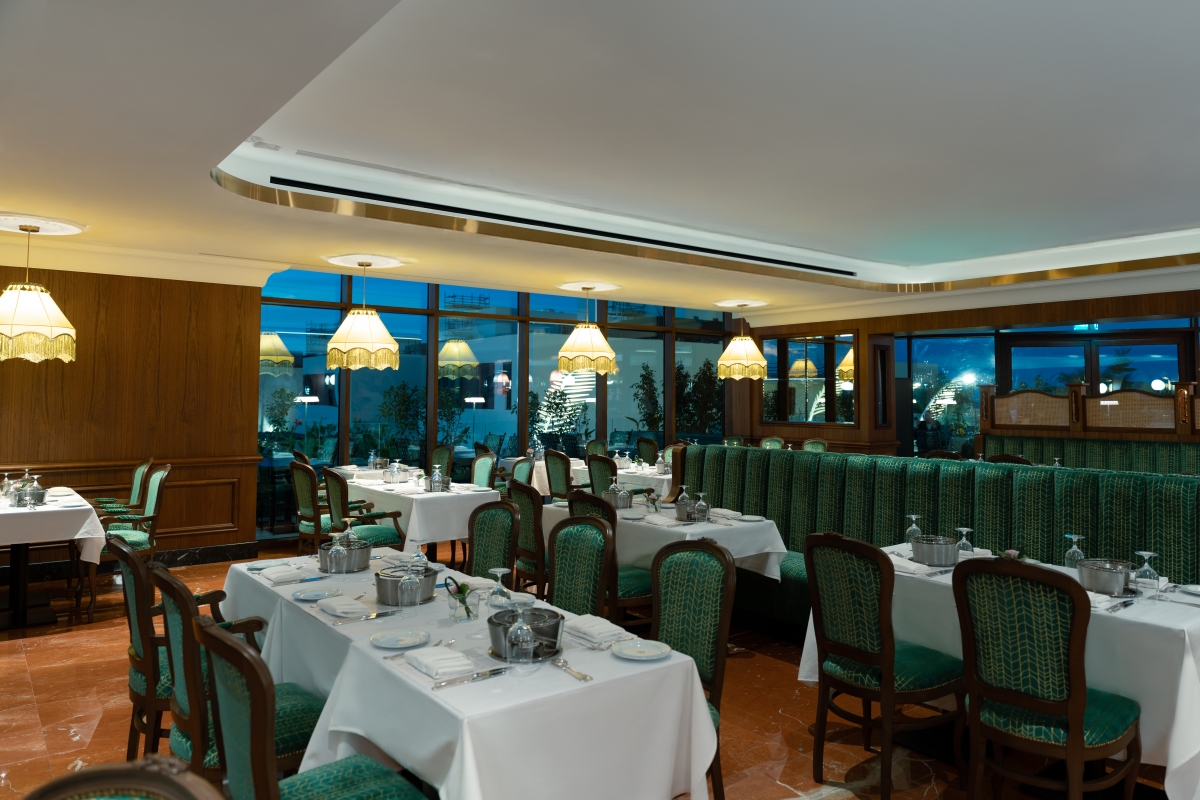
A Parisian taste arrives in Muscat as Entrecôte Café de Paris opens at St. Regis Al Mouj, Muscat Resort. It introduces its world-renowned single-menu concept and the original Café de Paris butter— a recipe guarded for four generations.

The story of Entrecôte Café de Paris began in 1930 in Geneva, at Café de Paris on Rue du Mont-Blanc. It was here that patron Chef Boubier created the now-famous Café de Paris butter. This recipe’s exact composition remains a closely held secret to this day.

In 1942, Chef Boubier passed the recipe to his daughter and son-in-law, Arthur Dumont. They transformed the restaurant into a concept that would redefine simplicity in dining. Their idea was precise and uncompromising: a single-menu formula. This included a fresh green salad, 180 grams of prime entrecôte steak, generously served with the signature Café de Paris butter, accompanied by homemade French fries.

The formula achieved immediate and enduring success. While many have attempted to replicate both the menu and the sauce, none have matched its distinctive flavour, texture or legacy — a philosophy captured in the restaurant’s enduring motto, “Toujours Imité, Jamais Égalé”; Always Imitated, Never Equaled.

Now arriving in Muscat, Entrecôte Café de Paris offers guests an experience defined not by choice, but by mastery.

Today, this legacy is upheld by the Vouillamoz family, custodians of Café de Paris in Geneva and guardians of the original butter recipe. The butter is prepared exclusively in Geneva, following the same closely guarded method established decades ago. Moreover, the Café de Paris butter continues to be made where the story began. From there, it is transported by air from Geneva to Entrecôte Café de Paris restaurants around the world. This ensures that each plate served remains faithful to its origins — authentic, uncompromised, and unchanged.

CNN: Starbucks Scales Back Its Presence in Major U.S. Cities

Dubai – Qahwa World

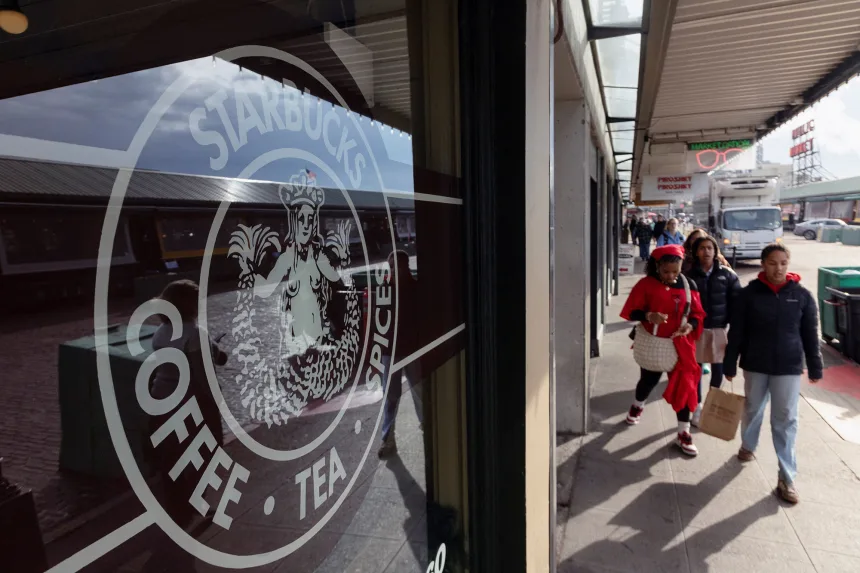
CNN reported that Starbucks is pulling back from its long-standing strategy of saturating major U.S. cities such as New York and Los Angeles, marking a significant shift in the company’s expansion approach.

In a report published on its official website, CNN explained that Starbucks had spent decades trying to become an unavoidable presence on city streets, particularly in large metropolitan areas. However, that era is now coming to an end as the company grapples with increased competition, rising operating costs, and lasting changes in work patterns following the pandemic.

According to CNN, Starbucks is closing hundreds of stores across the United States this year, with a heavy concentration in major cities. The move is part of a broader restructuring plan valued at approximately $1 billion and is being led by CEO Brian Niccol, who joined the company last year from Chipotle with a mandate to revive growth and improve performance.

CNN noted that Starbucks closed 42 locations in New York City alone, representing around 12% of its total stores there. The closures caused Starbucks to lose its position as the largest coffee chain in Manhattan, a title now held by Dunkin’, according to data cited by the network from the Center for an Urban Future. The report added that the company has also shut down more than 20 stores in Los Angeles, 15 in Chicago, seven in San Francisco, six in Minneapolis, five in Baltimore, and dozens of others nationwide.

The report highlighted that Niccol is seeking to reduce store overlap and reposition Starbucks as a “third place” between home and work. CNN quoted a Starbucks spokesperson as saying that the company reviewed more than 18,000 stores in the United States and Canada and closed locations that were underperforming or unable to meet brand standards. Starbucks plans to open new stores and remodel existing ones starting in 2026, including in major cities, featuring updated designs and enhanced customer experiences.

CNN also pointed out that Starbucks is facing intense competition from independent cafés, regional coffee chains, and a growing number of beverage-focused brands offering smoothies, bubble tea, and other specialty drinks. Industry experts cited by CNN said the surge in urban coffee shop openings has eroded store traffic and sales volumes.

The network added that remote work has had a lasting impact on Starbucks’ urban locations, particularly those in central business districts that once relied on large numbers of daily commuters. CNN reported that Starbucks has closed several stores located in downtown office buildings as a result of these structural changes.

In addition, CNN reported that the company has struggled with operational challenges in dense urban markets, including safety concerns and the use of stores as public restrooms. As part of its response, Starbucks recently ended its open-access policy and introduced new in-store rules.

According to CNN, the store closures are part of a broader effort by Niccol to turn around the company after several years of weak sales and strategic missteps. Starbucks plans to renovate around 1,000 U.S. stores over the next year, adding seating and amenities aimed at encouraging customers to stay longer.

However, CNN concluded that the turnaround is proving more difficult than expected. The network noted that Starbucks’ share price has declined this year, and analysts remain cautious, warning that balancing fast service with a comfortable café experience continues to be a major challenge for the company.

Vietnam Launches First Global Coffee Heritage Festival

Vietnam – Qahwa World

Vietnam continues to strengthen its presence in the global coffee market, standing as the world’s second-largest coffee exporter. This status is supported not only by production volume but also by a rich cultural heritage and a unique identity in the coffee world. In this context, the country has launched its first-ever Global Coffee Heritage Festival, aiming to highlight Vietnamese coffee as both a cultural and economic product, far beyond a simple agricultural commodity.

From December 21, 2025, to January 2, 2026, Lam Vien Square in the Xuan Huong Ward of Da Lat hosted the inaugural “Global Coffee Heritage Festival 2025,” attracting large crowds of local residents and visitors from Vietnam and abroad. The festival aimed to document the journey of coffee in Vietnam over nearly two centuries, from the first plantations in the Central Highlands to the development of a distinct coffee culture that has become a national identity.

A Platform to Celebrate Coffee Culture

The festival was organized by TNI King Coffee Co., Ltd. (Ho Chi Minh City) and featured 34 exhibition booths showcasing coffee products, culinary offerings, and a comprehensive program of cultural, artistic, experiential, and interactive activities throughout the festival.

Highlights included live roasting and manual brewing demonstrations linked to global coffee culture experiences, exhibitions of historical coffee beans, a record-setting artwork made from robusta coffee beans, and a display of a giant coffee cup. These activities became prominent attractions for visitors and coffee enthusiasts.

  • Records and Heritage Values

The World Records Alliance, in collaboration with Vietnam Records Association, recognized Vietnam as the largest global producer and exporter of robusta coffee in terms of volume and yield. The festival also documented Vietnam’s unique coffee preparation heritage, including Ê-đê coffee, traditional cloth-filtered coffee, and drip coffee.

Vietnamese coffee culture is also distinguished by its diverse and creative approaches to blending and serving coffee, with signature drinks and dishes such as egg coffee and iced milk coffee reflecting the country’s ability to innovate while preserving tradition.

  • Coffee and Art: A Visual Narrative

One of the festival’s highlights was the artwork “Vietnamese Robusta Coffee Aspiration,” the first of its kind created from Buon Ma Thuot robusta beans, combined with natural Vietnamese materials such as coffee powder, burlap, bamboo, rattan, and coffee ink. The artwork draws inspiration from Central Highlands culture, merging art with agricultural heritage.

  • A Window to Global Coffee Cultures

Festival visitors explored manual brewing methods linked to international coffee traditions, including the Moka Pot (Italy, 1933), Aeropress (USA, 2005), and Cold Drip, a method originating in 17th-century Netherlands when sailors sought to preserve coffee flavor during long voyages. Cold Drip involves slow dripping of cold water through coffee over extended periods, resulting in a smoother cup with lower acidity and bitterness. In the 20th century, it became popular in Japan for its artistic and precise brewing style.

  • Filter Coffee: A Symbol of Local Identity

Filter coffee remains a hallmark of Vietnamese coffee culture since the 19th century, when coffee was first introduced by the French. Over time, the small metal drip filter became a staple in homes and cafes, promoting slow, mindful consumption characterized by strong flavors and a sweet finish—an embodiment of the Vietnamese way of enjoying coffee. Today, filter coffee remains the most widespread brewing method, representing the nation’s coffee identity.

  • Coffee as a Human and Economic Journey

Through these diverse experiences, visitors gain a holistic understanding of Vietnamese coffee, from the labor of farmers in the fields to roasting and preparation techniques, resulting in cups infused with the aroma of time and personal experience.

  • Coffee Train: A Unique Heritage Experience

The “Coffee on the Train – Heritage Journey” space at Da Lat station was a standout feature, recreating a historic train carriage dedicated to coffee experiences. The Da Lat Coffee Train was organized in partnership with the Saigon Railway Transport Branch, Vietnam Railway Transport Joint Stock Company, and TNI King Coffee Co., Ltd.

Visitors enjoyed coffee while listening to soothing music performed on violins and saxophones inside the train carriages, combining heritage, taste, and art in one immersive experience.

  • Building the Vietnamese Coffee Brand

In 2024, Vietnamese coffee exports reached USD 5.48 billion. During the first half of 2025, exports nearly matched the total of 2024 at USD 5.45 billion. The Global Coffee Heritage Festival 2025 is expected to drive the coffee sector toward a creative industry model and open new opportunities for investment, cooperation, and exports.

The festival also aims to bring together leading experts, artisans, and companies worldwide to reshape the future of Vietnamese coffee sustainably and innovatively, enhancing its international profile and paving the way for global collaboration initiatives, including the establishment of the Vietnam-Global Coffee Alliance.

  • Coffee from Vietnam and the World

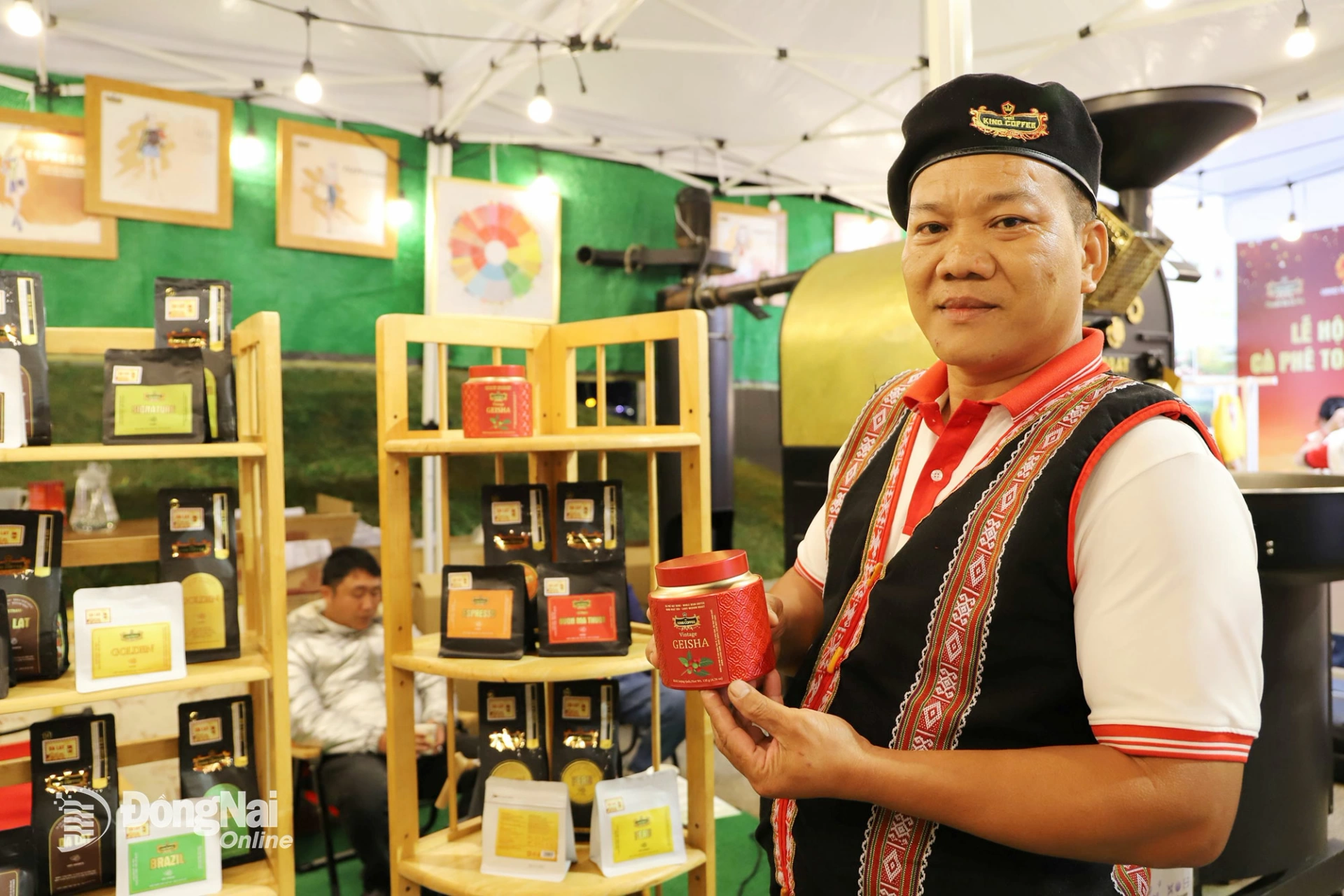
The festival featured not only Vietnamese coffee varieties but also coffees from major producing countries such as Colombia, Ethiopia, and Brazil, including rare specialty coffees. A notable highlight was Geisha coffee from Ethiopia’s Geisha region, one of the world’s rarest and most expensive coffees, auctioning for up to VND 700 million per kilogram. Geisha coffee is distinguished by complex flavors, including citrus fruits, floral notes, and a hint of jasmine, offering a market value far above other high-quality coffees.

  • Decades of Expertise and Passion

Mr. Do Tan Truong, Roasting and Product Development Manager at TNI King Coffee, emphasized that creating high-quality coffee requires a complete story—from selecting beans, processing, to understanding consumer tastes in different regions. Each coffee variety has its own characteristics and roasting techniques, and learning in this field is continuous regardless of years of experience.

  • Coffee Beyond Numbers

At the festival opening, Ms. Le Hoang Diep Thao, Founder and CEO of TNI King Coffee, highlighted that coffee has been present in Vietnam for over 150 years. Today, more than 600,000 hectares of coffee plantations sustain millions of households. Vietnamese coffee is exported to over 100 countries and territories, contributing billions of dollars to the national economy.

She added that the value of Vietnamese coffee lies not only in volume or numbers but also in identity, perseverance, and pride encapsulated in every coffee bean. The festival represents a long-term journey to preserve, elevate, and promote sustainable values of Vietnamese coffee, particularly robusta heritage, within the global coffee landscape.

Coffee Quality Institute CEO Delivers Key Message to Global Coffee Community

DUBAI – Qahwa World

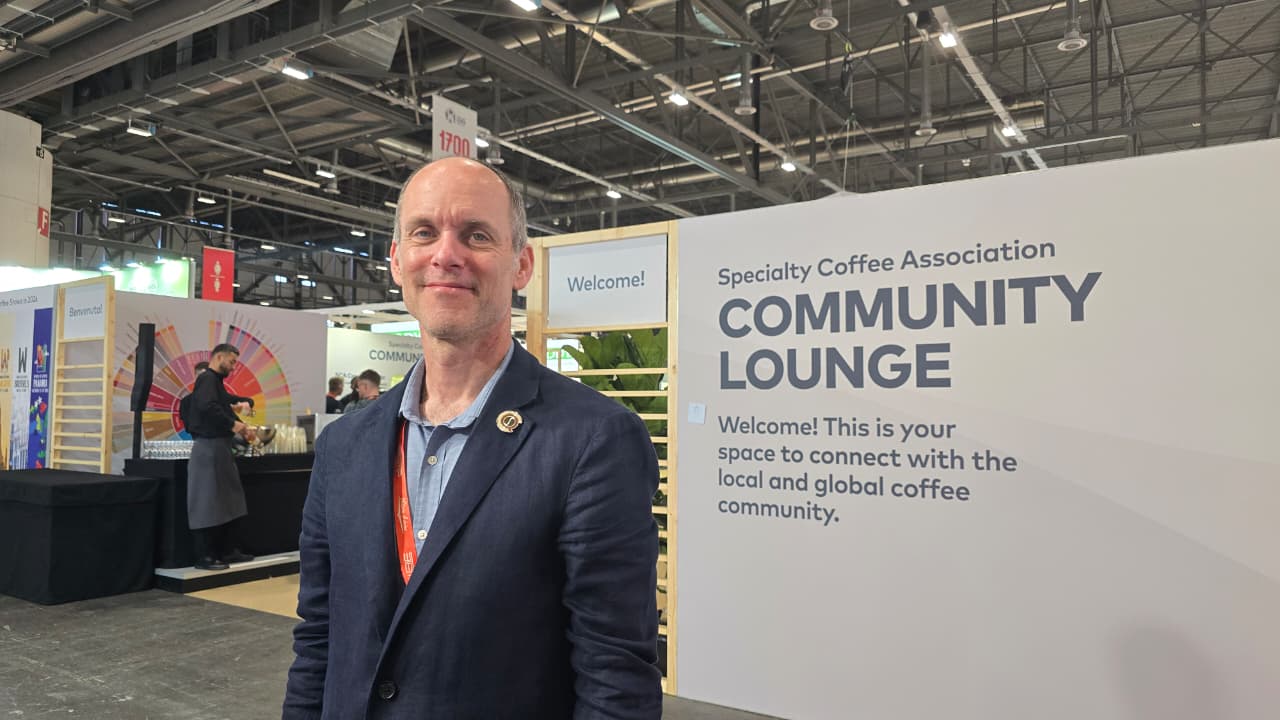
Michael Sheridan, CEO of the Coffee Quality Institute (CQI), delivered an important message to the coffee community and CQI members, reviewing the organization’s key achievements during 2025 and outlining future plans for 2026.

In his message, which coincides with the approaching year-end, Michael Sheridan highlighted a busy fourth quarter of 2025, marked by extensive educational outreach and strategic planning for the organization’s future.

Sheridan noted that the closing quarter was highly active, emphasizing CQI’s role in supporting a growing network of CQI Educators who are conducting coffee processing courses worldwide. The primary focus was on collaborating with both long-time and new partners on projects specifically designed to empower coffee producers.

Sheridan stated: “The three initiatives highlighted below delivered coffee education to more than 350 women coffee producers in Mexico and Colombia, and they don’t even tell the full story of our Q4 project work.”

These efforts underscore CQI’s core mission of creating educational opportunities for the producers who represent the heart of the industry.

Behind the scenes, the CQI team has been intensely focused on strategic planning for the next phase of its work. The organization expressed deep gratitude to its community for generous contributions, which are critical in determining the course for the future.

Consultation efforts spanned the globe, including:

Conversations with producers in El Salvador, Indonesia, Mexico, and Peru.

Hundreds of online surveys completed by producers, processors, traders, roasters, Q Graders, CQI Educators, and other stakeholders.

Dozens of personal interviews.

Sheridan affirmed: “We look forward to reporting back to you on what we heard and how we believe we can best serve CQI’s worthy mission together.”

Despite historic market volatility and massive disinvestment in economic development in coffee-growing regions, Sheridan reaffirmed CQI’s unwavering commitment to its foundational mission.

He said: “The year behind us has been marked by plenty of change and disruption in the coffee sector, and it hasn’t always been easy… Through it all, we have returned again and again for inspiration and orientation to our mission to improve the quality of coffee and the lives of the people who produce it. Against this backdrop, this work has never felt more important.”

Sheridan announced that the team will take a necessary rest period at the end of this month but plans to “hit the ground running in the New Year.”

Sheridan concluded the message by extending warm wishes on behalf of the Institute’s staff and board, saying: “I want to wish you all joy, good health, and peace this holiday season, and a great start to the New Year. And I know I also speak for everyone on the team when I say that I look forward to seeing you and working with you in 2026 to advance our mission together.”

It is worth noting that the Coffee Quality Institute is a non-profit organization dedicated to improving the quality of coffee and the lives of the people who produce it.

CQI CEO Michael Sheridan: 2026 Plans & 350 Women Producers Trained in 2025

World of Coffee Dubai 2026 Announces Largest Origin Participation in Event History

Key Highlights

  • Record-Breaking Participation: A record 76 producers are confirmed for the 2026 edition, marking the largest origin participation in the event’s history.

  • Most Diverse International Line-Up: Eight national pavilions will headline the most internationally diverse World of Coffee Dubai to date, including first-time participation from Kenya and Peru.

  • Export Growth Momentum: The announcement follows strong export performance, with Kenya’s coffee export volumes rising by 12% and Ethiopia generating USD 2.65 billion in revenue, reflecting strengthening Middle Eastern demand.

Dubai – Qahwa World

World of Coffee Dubai 2026 is set to deliver its most diverse and internationally representative edition to date, welcoming an expanded roster of origins, national pavilions, and producer organisations from across Africa, Latin America, and Asia.

Taking place from 18–20 January 2026 at Dubai World Trade Centre (DWTC), the fifth edition—organised by DXB LIVE, DWTC’s integrated event management and experiential agency, in collaboration with the Specialty Coffee Association (SCA)—reinforces Dubai’s position as the MENA region’s leading specialty coffee hub.

The 2026 event will host eight national pavilions, including Ethiopia, India, Saudi Arabia, Costa Rica, El Salvador, Panama, and Brazil, with Kenya and Peru joining the show for the first time. Returning origins such as Colombia, Guatemala, Indonesia, Mexico, and Rwanda will also participate with strengthened delegations, underscoring the event’s reputation as one of the world’s most comprehensive showcases of global coffee origins.

Record Producer Engagement and Direct Trade Focus

This year’s edition will welcome more than 76 producers, the highest number in the event’s history, reflecting the growing importance of Middle Eastern markets in shaping global coffee trade.

The Producers Village, a dedicated meeting hub where farmers, buyers, roasters, and importers connect directly, will feature 14 curated spaces highlighting a wide range of terroirs, processing methods, and farm-level perspectives from across the coffee belt. Several of these producers will also be featured in three daily coffee auctions, offering buyers access to rare micro-lots, experimental processes, and distinctive coffees not previously available in the region.

Complementing this strong producer presence, the exhibition will also welcome participation from leading national coffee boards and export bodies, including:

  • Associação Brasileira de Cafés Especiais

  • Instituto del Café de Costa Rica

  • Specialty Coffee Association of Panama

  • PROMPERÚ

  • Ethiopian Coffee and Tea Authority

  • Kenya Coffee Directorate

  • Saudi Coffee Company

Their involvement further enriches the show’s depth of origin representation and reflects growing global interest in the GCC’s specialty coffee landscape.

Middle East Demand Reshaping Global Export Trends

Across several producing nations, recent export trends show increasing alignment with Middle Eastern buyer preferences.

Kenya recorded a 12% rise in coffee export volumes in 2024, one of its strongest-performing seasons in recent years, with exporters reporting increased demand from Gulf-based roasters for both washed and naturally processed Kenyan coffees.

Ethiopia, Africa’s largest coffee producer, generated USD 2.65 billion (approximately AED 10 billion) in coffee export revenues during the 2024/2025 fiscal year, driven by growing demand for naturally processed and honey-processed coffees in both the UAE and Saudi Arabia.

Across Africa, coffee export volumes increased by 8% year-on-year in late 2024, reflecting broader international momentum behind the continent’s specialty-grade offerings.

These developments mirror the maturation of the region’s specialty coffee ecosystem, where roasters are increasingly embracing lighter roasting styles, seasonal single origins, and fermentation-led flavour profiles. This evolution has encouraged producers to prioritise Dubai as a long-term entry point into the Middle East, reinforcing the event’s role as a strategic platform where relationships, discovery, and direct trade meaningfully intersect.

Industry Perspectives

Shouq Bin Redha, Exhibition Manager of World of Coffee Dubai, said: “The scale and diversity of origin participation this year reflects a fundamental shift in the global coffee movement. Producers are no longer viewing the Middle East as a peripheral market; they are actively shaping their export strategies around it. The presence of first-time pavilions from Kenya and Peru, alongside expanded delegations from long-established origins, demonstrates how Dubai has become a true crossroads for global coffee trade—where quality, sourcing strategy, and business opportunity converge.”

Khalid Al Mulla, CEO of the Speciality Coffee Association UAE Chapter, added: “The specialty coffee community in the region has grown more sophisticated, more curious, and far more quality-driven. Roasters are seeking meaningful, long-term relationships with origin, while consumers are looking for diversity in flavour and story. Producers are responding with a level of engagement and investment we have never seen before. World of Coffee Dubai 2026 captures this moment, where global origin culture and regional demand are aligning in ways that are reshaping the future of the specialty coffee market across the Middle East.”

With strengthened origin representation, a record number of producers, and rising interest from both heritage and emerging producing regions, World of Coffee Dubai 2026 stands as a defining edition in the Middle East’s growing influence on the global specialty coffee landscape. The event continues to advance a more interconnected future for producers, buyers, and roasters across the value chain, reinforcing Dubai’s position as one of the world’s most significant destinations for specialty coffee.

Exhibitors can now secure their spaces for World of Coffee Dubai 2026, while early bird tickets for visitors are available through the official website.

About World of Coffee Dubai

World of Coffee Dubai (WOC Dubai) is the region’s premier coffee trade show, serving exhibitors and visitors seeking to engage with the Middle East’s rapidly growing coffee industry. The event features flagship attractions such as the Roaster Village, Cupping Room, SCA UAE National Championships, and Producers Village, bringing together producers, roasters, importers, coffee shops, hotels, and industry professionals from around the world.

About the Specialty Coffee Association (SCA)

The Specialty Coffee Association (SCA) is the world’s largest nonprofit, membership-based trade association for the coffee industry. Representing thousands of professionals globally, the SCA works to foster a thriving, equitable, and sustainable specialty coffee sector through collaboration, education, and innovation across the entire value chain.

About DXB LIVE

DXB LIVE is the integrated event management and experiential agency of Dubai World Trade Centre. Leveraging its creative, technical, and operational expertise, DXB LIVE delivers world-class exhibitions, conferences, festivals, and major corporate events, providing services for more than 100 major events annually and reinforcing its position among the world’s leading event companies

Brazilian Robusta Coffee Gains Ground with Focus on Quality

Brazil – Dubai

Robusta coffee producers in Brazil are investing heavily in quality improvements, seeking to elevate the reputation of a bean long considered inferior to arabica. Specialty cafés in São Paulo now serve robusta-only espresso shots with rich crema and chocolate-like flavors, challenging old perceptions about the variety.

Baristas and coffee enthusiasts highlight robusta’s full-bodied taste and smoother mouthfeel. “It produces a creamy espresso with strong chocolate notes,” says Marco Kerkmeester, co-founder of a local coffee chain, referencing a unique robusta variety labeled “0% Arabica.”

Climate pressures on arabica crops have accelerated interest in robusta. Brazil ranks as the world’s second-largest robusta producer after Vietnam and leads globally in arabica production. Studies suggest that rising temperatures and drought could make much of Brazil’s prime arabica-growing land unsuitable by 2050.

In Espirito Santo, the main robusta-producing state, farmers are adopting advanced harvesting and drying techniques to enhance bean quality. The leading cooperative, Cooabriel, has moved from traditional fire-drying to modern dryers, which preserve flavor and aroma. Specialty certification programs and international trade shows are helping producers access premium markets.

The state government plans to scale up specialty robusta output to 1.5 million 60-kg bags annually by 2032, compared with just 10,000 today. This expansion involves wider use of best post-harvest practices and a robust nursery program expected to grow to 10 million saplings per year.

Higher-quality robusta has led to increased demand and rising prices. Specialty robusta averaged over $295 per 60-kg bag through October 2025, more than double the 2021 level. Futures for robusta have climbed over 80% since 2021, while arabica futures rose around 60%.

Industry leaders say better-quality robusta allows coffee roasters to include more robusta in blends, while highlighting its own unique flavor rather than positioning it as a cheaper substitute. Local preferences for stronger, more bitter coffee further support robusta’s growing popularity. “For those who like a fuller body and bolder taste, robusta fits perfectly,” notes barista Natalia Ramos Braga from São Paulo.

Bloomberg… Colombian Women Push Against Coffee’s Patriarchy

Dubai – Qahwa World

Bloomberg published an investigation titled “From Bean to Cup, Colombian Women Push Against Coffee’s Patriarchy”, which stated:

The mist-covered hills of Colombia’s Huila region, lined with dense coffee trees, are witnessing a gradual but determined shift. Women across the country’s renowned coffee sector are stepping into roles once dominated almost entirely by men. They are running farms, forming cooperatives, and launching their own brands, yet deep-rooted gender barriers continue to limit their economic participation—despite historically high coffee prices.

Industry Boom and Leadership Barriers

Colombia’s coffee industry is experiencing one of its strongest periods in decades. Arabica prices reached record levels in October after US tariffs on Brazilian coffee coincided with weak global harvests. Even after the tariffs were reversed, prices remained high, with buyers scrambling to rebuild inventories.

In the twelve months through October, Colombia produced nearly 15 million 60-kg bags of coffee—up 14% from the previous year and the highest level for this time period since 1992, according to the National Federation of Coffee Growers.

Exports rose more than 11% to 13.4 million bags, with roughly 40% headed to the United States.

Women are slowly benefiting from this boom. For the first time in almost a century, they now lead two of the federation’s 15 regional committees. They also represent nearly one-third of Colombia’s 525,000 registered coffee farmers, a rise of more than ten percentage points since the late 1990s. Still, their visibility has not translated into equal access to leadership roles, decision-making power, or financial resources.

  • Daily Realities in the Coffee Heartland

In Huila, gender inequality often begins at home. Nery Muñoz, 47, leads a small coffee-growers association in the town of Palestina. Like thousands of women in the region, she manages household responsibilities while working long hours in the fields. “When I have to attend a training session or a meeting, I make sure breakfast, lunch and dinner are ready,” she says. “I also take care of my grandson when my son is working.”

The region also faces the long-term impact of Colombia’s internal conflict and the pressures of illicit crop economies. President Gustavo Petro has encouraged farmers to replace coca with crops such as coffee, but insecurity still affects daily life for many women trying to build sustainable livelihoods.

Cultural Barriers and Financing Challenges

In nearby Pitalito, ten women—including 34-year-old Yineth Sánchez—spent almost a year registering their cooperative, Asoproca. Their goal is to produce and sell coffee under their own brand, but limited legal and technical knowledge slowed progress.

According to adviser Andrea Cano, who works with women entrepreneurs in Huila, deep-rooted gender norms continue to block women from equal participation. “It’s not seen well for a woman to leave her household duties to attend meetings or training,” she says. Many also lack the formal education needed to write proposals or manage projects.

  • The Credit Challenge

While 51% of Colombians have access to formal credit, the figure drops to 17–20% in rural areas. The gender gap itself is small (18% of rural men versus 16% of rural women have access), but hidden biases and structural barriers make loans harder to secure.

Loan officers often perceive women as riskier borrowers, especially when they lack property titles or appear less confident, says Jaime Rincón of Asobancaria. Yet data shows women have lower delinquency rates on 90-day loans.

Women manage 26% of Colombia’s planted coffee area and produce roughly 25% of national output.

Their farms also tend to be smaller: 59% cultivate under one hectare, compared with 51.2% of male farmers.

  • A Year of High Prices—and High Costs

In San Agustín, 44-year-old Edmy Yojana Correa farms 1.5 hectares with her husband, raising 7,450 coffee trees across four varieties. While she avoided chemical fertilizers and earned Rainforest Alliance certification, enabling her to secure higher prices, rising costs for organic fertilizer and labor are squeezing profits.

Edmy sought a private bank loan this year but was rejected. She later secured a small loan from Banco Agrario—about $2,000—after an official from the coffee federation informed her about a financing program she had never heard of. The loan, backed by Finagro, is just enough to fertilize her crops and prepare for next year.

Most women-led cooperatives still struggle to sell their coffee at competitive rates, especially compared with farmers who rely on the federation’s strong logistics and marketing networks.

“Our goal is to export our coffee at a fair price that compensates for all the processing and effort we invest,” says Asmuer leader Blanca Elcy Ome. Yet barriers persist. As global demand for Colombian coffee grows, many women who sustain the industry are still waiting to see the full benefits.

“We do need more support,” Edmy says ahead of a coffee fair in Bogotá. “I know there’s a customer for my coffee. I just have to look for them.”

Paris Hilton Shares Her Morning Coffee Routine That She Says Is ‘Anything but Boring’

Dubai – Q ahwa World

Paris Hilton is stepping into the coffee world with a fresh collaboration that introduces a limited series of flavored creamers and cold foam scheduled for release in January 2026. The new lineup is crafted to bring a richer, more playful touch to daily coffee moments, reflecting Hilton’s well-known love for bold aesthetics and distinctive taste.

The collection includes two creamers and a cold foam, each offering a different experience. One delivers a lively fruity profile, another mixes sweetness with a hint of heat inspired by Hilton’s famous persona, and a third brings a fluffy, candy-like finish in a vibrant shade that mirrors her signature style.

Hilton says her morning coffee is one of her favorite quiet rituals. She prepares it in a pink French press of her own design, adding her new creamers or cold foam to create a drink that matches her upbeat personality. She prefers her coffee to feel fun and expressive—never plain or predictable.

Alongside this partnership, Hilton has been opening a window into her personal and artistic life. A teaser for her upcoming documentary, Infinite Icon: A Visual Memoir, shows her preparing for her first full-length concert and looking back at the key moments that shaped her rise to global recognition.

The new coffee collection will arrive at major retailers across the country in early 2026 for a limited time.