Brazil’s Robusta Coffee Expands as Climate Hits Global Crops

Dubai – Qahwa World

A report published by The Guardian highlights how Brazil’s long-overlooked robusta coffee is gaining new importance as climate change disrupts traditional coffee cultivation worldwide.

In the Brazilian Amazon, the story of robusta is closely tied to the resilience of Indigenous communities. When the Paiter Suruí people regained control of their land in 1981 after expelling invaders, they faced a difficult choice: whether to keep the coffee plantations left behind. While some associated the crop with a painful past and chose to destroy it, others preserved the trees.

Decades later, those surviving plantations have become a source of livelihood and environmental stewardship. Today, coffee is not only an economic activity but also part of a broader effort to protect the forest.

You may read: Brazil Crop Expectations Pressure Global Coffee Prices

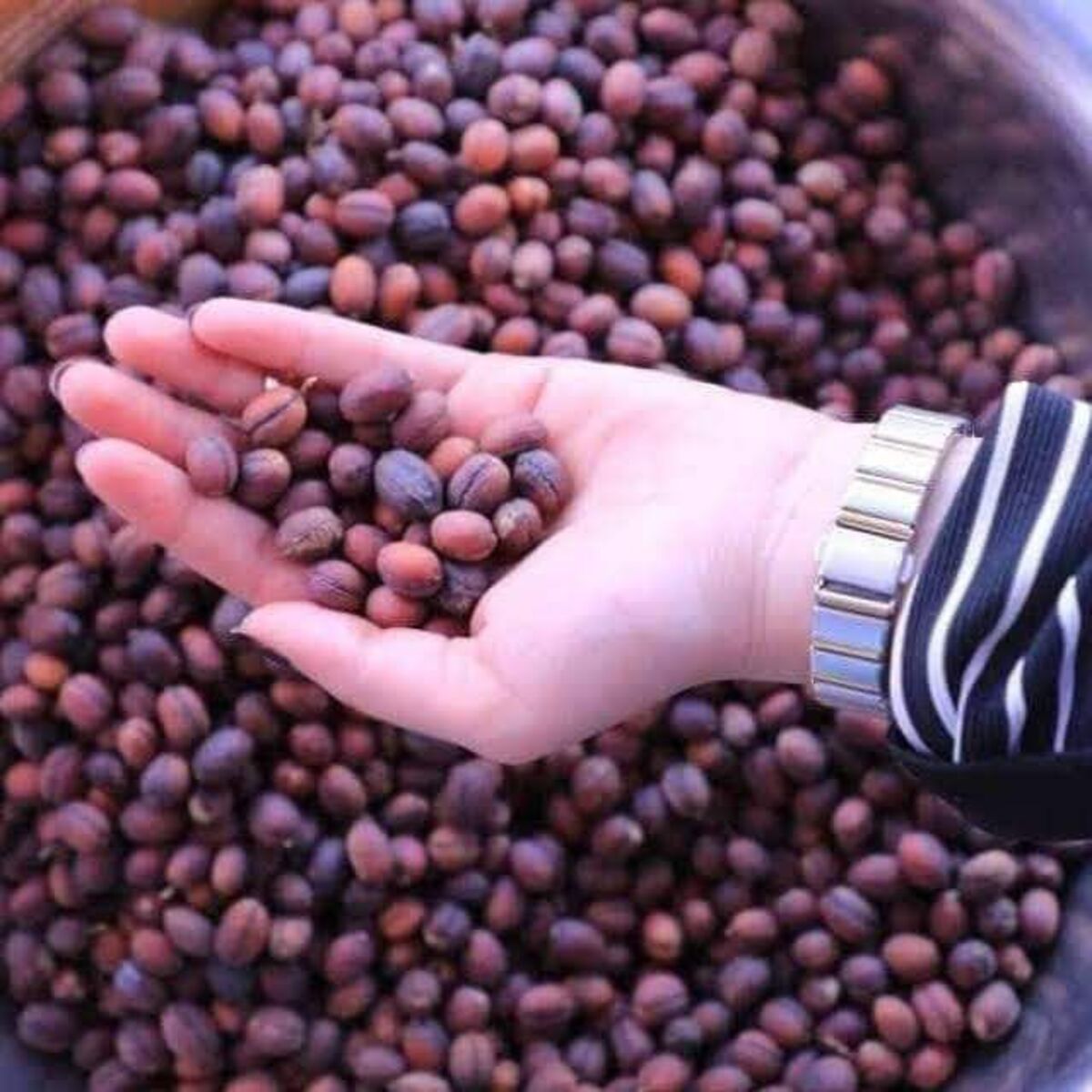
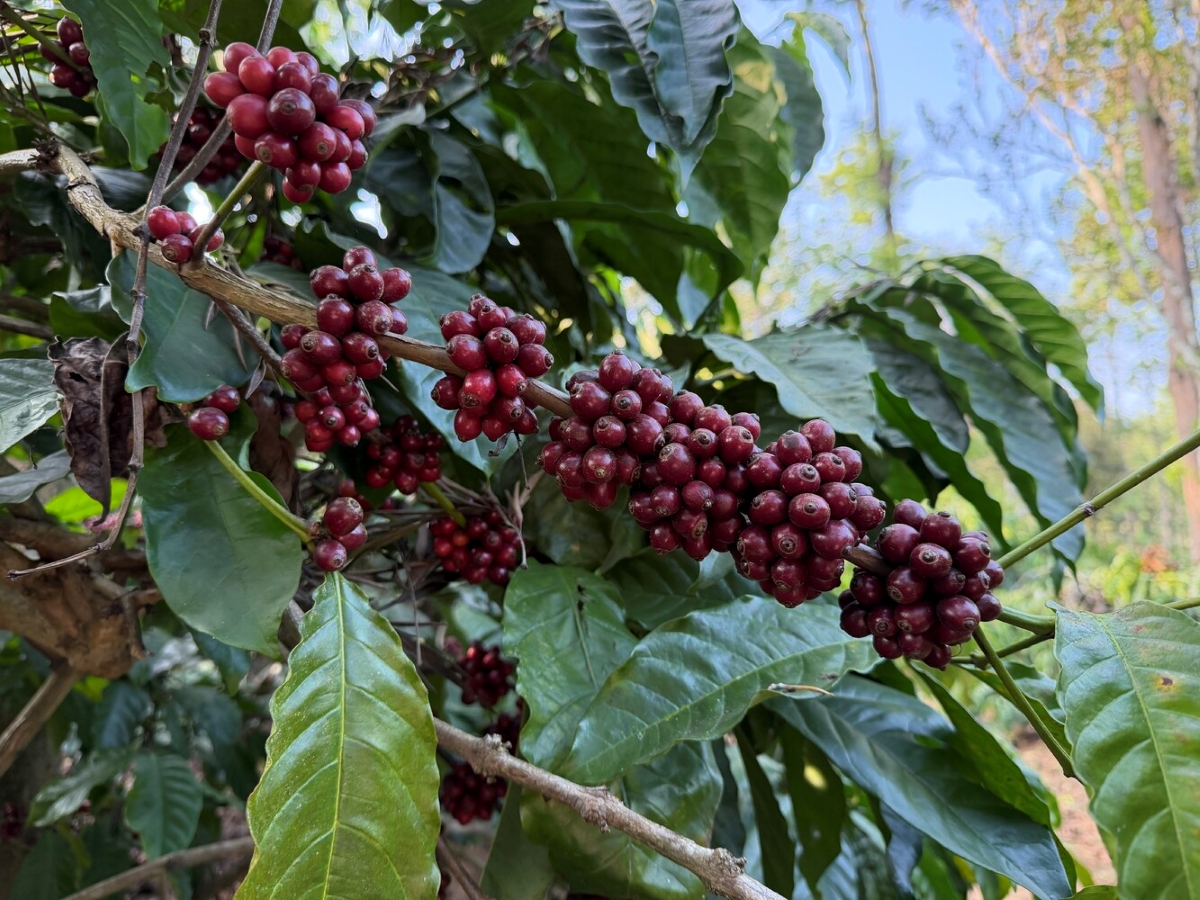
Celeste Paytxayeb Suruí, an Indigenous barista and producer, has become one of the leading voices promoting what is now known as “Amazonian robusta,” grown in Rondônia, in Brazil’s western Amazon. Around 140 Suruí families cultivate coffee on small plots within the Sete de Setembro Indigenous territory, where high temperatures and abundant rainfall provide ideal conditions for the crop—similar to its origins in Central Africa.

A Changing Role for Robusta

For decades, robusta coffee was widely viewed as inferior to arabica, often criticized for its bitterness and relegated to low-cost blends. However, as The Guardian reports, this perception is shifting.

Researchers and farmers are working to improve robusta’s quality, while its natural tolerance to heat is making it increasingly important in a warming world. Its share of global coffee production has risen significantly, reaching 44% in 2023 compared to 28% in the early 1990s.

Climate change is a key driver behind this shift. Rising temperatures are affecting all major coffee-producing regions, including Brazil, which now experiences significantly more extreme heat days each year.

You may also read: Brazil’s Specialty Coffee Sector Gains Global Momentum

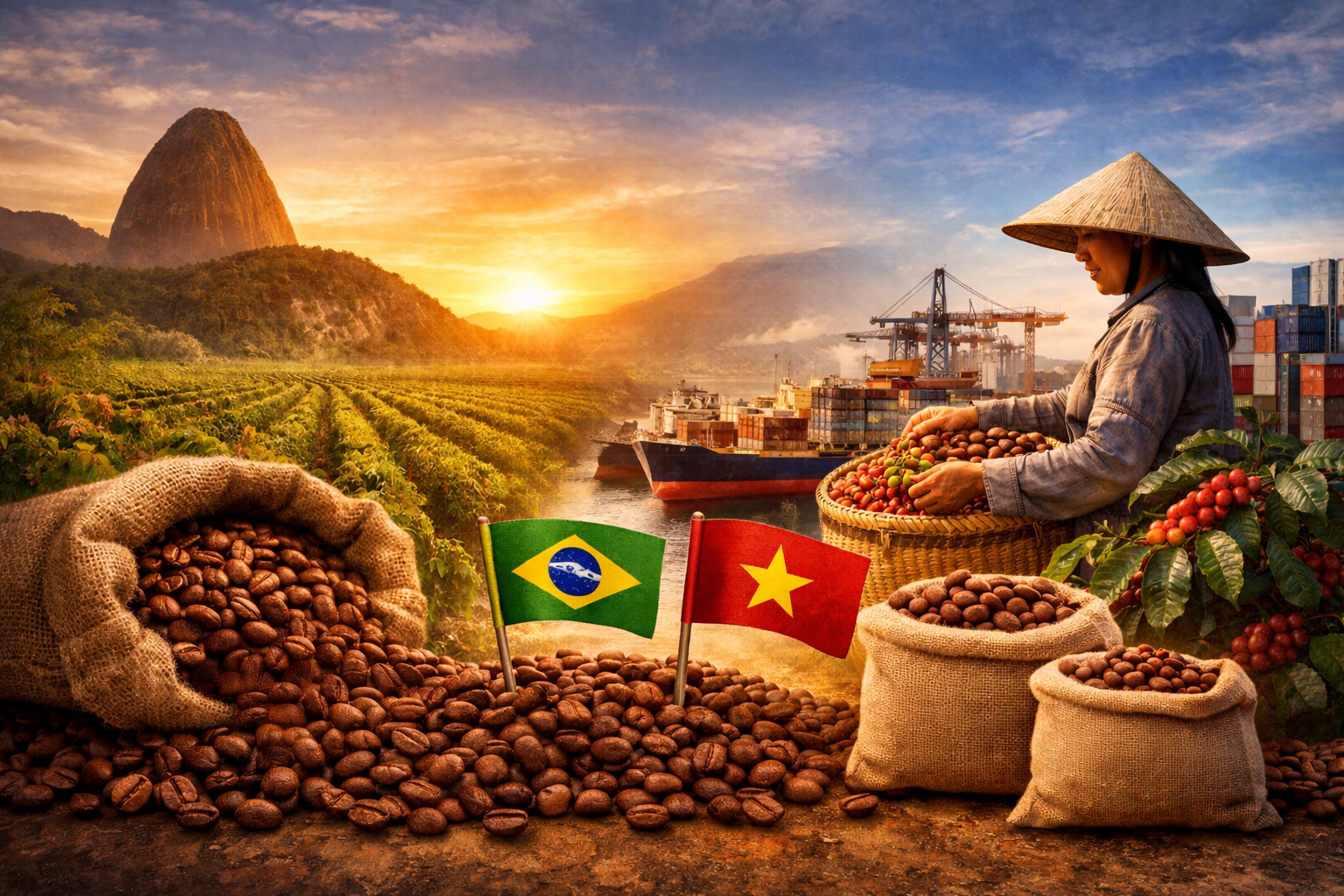
Yet robusta is not immune. In 2024, drought conditions in Rondônia reduced production on Suruí lands by 40%, reflecting the crop’s dependence on rainfall. Similar weather events in Brazil and Vietnam contributed to sharp increases in global coffee prices.

Looking ahead, research suggests that the land suitable for growing coffee could shrink by at least half by 2050, affecting both arabica and robusta.

Science and Innovation

To address these challenges, Brazilian researchers have been working to develop more resilient coffee varieties. The country’s agricultural research body, Embrapa, has spent over two decades improving robusta, significantly increasing its productivity.

Read also: Coffee Prices Drop on Brazil Weather and Rising Stocks

Amazonian robusta itself is the result of natural crossings between conilon and robusta plants. Scientists are now testing dozens of new hybrids designed to withstand higher temperatures, resist drought, and deliver improved flavor.

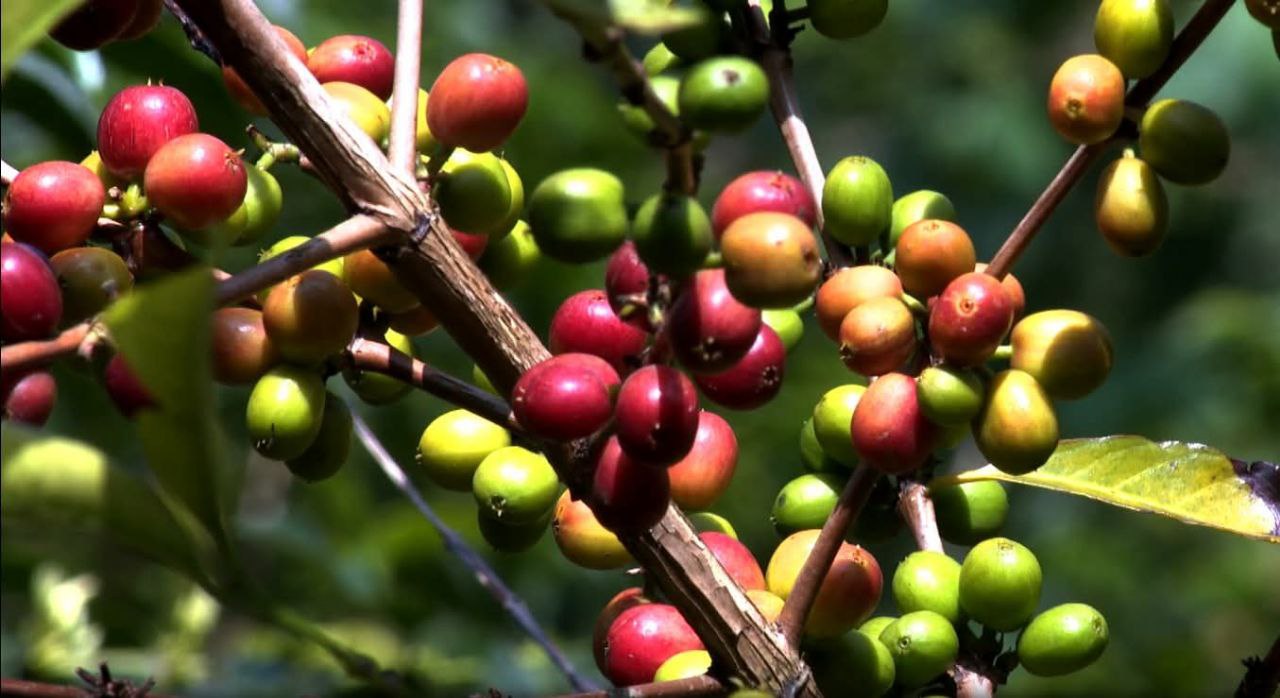
Experts also emphasize the importance of proper harvesting and post-harvest techniques. Selecting ripe cherries and carefully processing them can dramatically enhance the final cup quality, helping reposition robusta in specialty markets.

Coffee and Forest Conservation

The report underscores the close relationship between coffee cultivation and forest ecosystems. Coffee plants benefit from shaded environments, stable temperatures, and natural pollinators—all of which forests provide.

Despite this, large areas of Rondônia were cleared in past decades for cattle ranching, leaving coffee to occupy only a small portion of the land. In contrast, the Suruí community has followed a different path, implementing a long-term environmental management plan since 2004 that prioritizes reforestation and sustainable land use.

A Model from Family Farms

The report also highlights the example of the Bento family near the city of Cacoal. On their 12-hectare farm, they manage the entire coffee process—from cultivation to roasting—and welcome visitors to learn about their methods.

Their approach includes water-efficient irrigation, tree planting to protect water sources, beekeeping to support pollination, and crop rotation to maintain soil health. These practices have earned them repeated sustainability awards and demonstrate how small-scale farming can remain both productive and environmentally responsible.

Read Also: Coffee Pulp in Brazil: When the Coffee Cherry Refuses to Be Waste

Balancing Opportunity and Risk

Rising coffee prices and growing demand for robusta present new opportunities, but also potential risks. Some experts warn that expansion could lead to large-scale monoculture plantations, increasing pressure on forests.

They stress that sustainable outcomes depend on careful planning, strong environmental policies, and support for small farmers. There are also calls for consumers to make more informed choices when purchasing coffee.

Redefining Taste and Value

Another challenge lies in changing how robusta is evaluated. Traditionally judged by standards developed for arabica, robusta has often been misunderstood.

Researchers are now developing new tasting frameworks tailored specifically to canephora coffees, recognizing that robusta has its own distinct flavor profile rather than being a lower-quality alternative.

A Broader Vision for the Amazon

Beyond coffee, scientists and advocates are calling for a broader shift toward valuing forest-based products such as Brazil nuts, açaí, cocoa, and cupuaçu. They argue that Indigenous knowledge—historically overlooked—should play a central role in shaping sustainable economic models.

As Paytxayeb Suruí emphasizes in The Guardian’s report, protecting the Amazon must also mean supporting the people who live within it.

Her message reflects a wider call for collective responsibility: safeguarding the future of coffee, and the forests that sustain it, will require coordinated action from producers, governments, and consumers alike.

Coffee Prices Rise on Supply Concerns

Dubai – Qahwa World

Coffee futures rose on Monday, recovering from earlier losses as concerns over global supply disruptions supported the market.

May arabica gained 2.52 percent, rising 7.20 points, while May robusta edged up 0.46 percent, adding 16 points.

The rebound followed reports that the Strait of Hormuz has been closed, disrupting a key global shipping route. The development has pushed up freight rates, insurance costs, and fuel prices, increasing pressure on coffee importers and roasters worldwide.

You may Like: Coffee Prices Rise as Iran Conflict Disrupts Global Shipping

Earlier in the session, prices had moved lower as improved weather conditions in Brazil eased concerns about crop stress. Rainfall in Minas Gerais, the country’s main arabica-growing region, reached 57.7 millimeters last week, about 139 percent of the historical average.

Expectations of a large Brazilian harvest also continue to weigh on the market. StoneX recently raised its forecast for Brazil’s 2026 to 2027 coffee production to a record 75.3 million bags, up from 70.7 million.

Export data, however, provided some support. Figures from Cecafé showed Brazil’s green coffee exports fell 27 percent year on year in February to 2.3 million bags. Data from the country’s Trade Ministry also showed total coffee exports declined 17.4 percent to 142,000 metric tons.

Read also: Coffee Markets Rise Amid Middle East Shipping Disruptions

At the same time, rising inventories continue to weigh on prices. Arabica stocks monitored by Intercontinental Exchange climbed to 572,004 bags last week, the highest level in five and a half months. Robusta inventories also reached a three and a half month high earlier this month before easing slightly.

Coffee markets have been under pressure in recent weeks. In February, arabica fell to its lowest level in more than 15 months, while robusta dropped to a seven month low, largely due to expectations of a strong Brazilian crop.

Brazil’s crop agency Conab estimates 2026 production will rise 17.2 percent to 66.2 million bags. Arabica output is expected to increase 23.2 percent, while robusta production may grow 6.3 percent.

You may read: Kim Thompson: Coffee on the Edge of Disruption

Globally, Rabobank projects coffee production will reach a record 180 million bags in the 2026 to 2027 season, up by around 8 million bags from the previous year.

Strong supply from Vietnam has also added pressure to the market. Coffee exports from the country rose 14 percent in the first two months of 2026 to 366,000 metric tons, while full-year 2025 exports increased 17.5 percent. Production is expected to rise 6 percent to 1.76 million metric tons.

According to the International Coffee Organization, global coffee exports for the current season edged down 0.3 percent to 138.66 million bags. Meanwhile, the USDA Foreign Agricultural Service forecasts global production will increase 2 percent to a record 178.85 million bags, even as ending stocks are expected to decline by 5.4 percent to 20.15 million bags.

Coffee Prices Drop on Brazil Weather and Rising Stocks

Dubai – Qahwa World

Coffee markets fell on Wednesday amid favorable weather forecasts in Brazil and rising inventories monitored by the Intercontinental Exchange (ICE).

May arabica futures (KCK26) were down 8.70 points (-2.94%), while May ICE robusta (RMK26) declined 137 points (-3.71%). Showers expected in key Brazilian coffee-growing regions supported the recent price drop.

ICE data shows that arabica inventories, which fell to a 1.75-year low of 396,513 bags in November, recovered to a five-month high of 564,626 bags on Tuesday. Robusta inventories also rose to a 3.5-month peak before falling slightly to 4,563 lots as of Wednesday.

You may like:Brazil’s Specialty Coffee Sector Gains Global Momentum

Coffee prices had partially retraced last week’s rally triggered by the Iran conflict and the closure of the Strait of Hormuz, which increased global shipping rates, fuel, and insurance costs.

Brazil’s exports also influenced the market. According to Cecafe, February green coffee shipments fell by 27% year-on-year, while the Trade Ministry reported a 17.4% decline to 142,000 metric tons. Conversely, recent rains in Minas Gerais—the country’s largest arabica-producing state—amounted to 14.9 mm last week, about 35% of the historical average, offering some support to crop expectations.

Earlier in February, coffee prices hit multi-month lows amid forecasts of a record Brazilian crop. Conab projected Brazil’s 2026 coffee output at 66.2 million bags, with arabica rising 23.2% to 44.1 million bags and robusta up 6.3% to 22.1 million bags. Global production for 2026/27 is expected to reach 180 million bags, according to Rabobank.

You may like:Coffee Markets Rise Amid Middle East Shipping Disruptions

Vietnam’s coffee exports further pressured robusta prices. The National Statistics Office reported a 14% year-on-year rise to 366,000 MT for January–February 2026, while 2025 exports jumped 17.5% to 1.58 million MT. Production in 2025/26 is forecast to reach 1.76 million MT, a four-year high.

Despite these factors, the International Coffee Organization (ICO) noted a slight 0.3% year-on-year decline in global coffee exports for the current marketing year. The USDA’s Foreign Agriculture Service projects 2025/26 global production at 178.848 million bags, with arabica down 4.7% to 95.515 million bags and robusta up 10.9% to 83.333 million bags. Brazil’s production is expected to fall 3.1% to 63 million bags, while Vietnam rises 6.2% to 30.8 million bags. Ending stocks are forecast to decline 5.4% to 20.148 million bags.

Analysts say the combination of Brazilian rainfall, rising ICE inventories, and record production in Vietnam is likely to maintain downward pressure on coffee prices in the near term.

Coffee Markets Rise Amid Middle East Shipping Disruptions

Dubai – Qahwa World

Global coffee markets moved higher last week as escalating tensions in the Middle East disrupted key shipping routes and increased freight costs, while supply developments in major producing countries also influenced market sentiment.

Arabica coffee futures began the week at 279.90 US cents per pound and briefly approached the 290-cent level before easing slightly. The market maintained upward momentum through the week, posting marginally higher closes on Wednesday and Thursday. By Friday, prices opened 5.45 cents per pound higher than the previous day’s close, supported in part by reports that Brazil’s coffee exports fell 17.4% year-on-year in February.

You may like:Shock in the Coffee Market: Colombia’s Production Drops 36%

  • Shipping routes under pressure

Market activity during the period from March 2 to March 5 was shaped largely by geopolitical developments rather than major supply news from coffee-producing regions.

Military strikes involving the United States and Israel against Iran, followed by retaliatory actions, disrupted shipping activity through the Strait of Hormuz, a critical route for global trade. At the same time, shipping companies remain cautious about passing through the Red Sea amid concerns over possible attacks by Yemeni Houthi rebels.

These risks have forced some vessels to take longer routes around the Cape of Good Hope, significantly increasing transportation times as well as freight and insurance costs. The situation has added new uncertainty to global supply chains, including agricultural commodities such as coffee.

Read also: Kim Thompson: Coffee on the Edge of Disruption

  • Weather challenges in Colombia

At origin, coffee production conditions in Colombia remain difficult due to excessive rainfall. Persistent wet weather has affected flowering, maturation, and bean development in several regions, particularly in southern areas where limited sunshine has compounded the problem.

Producers and exporters are also facing economic pressure. The stronger Colombian peso, combined with the recent decline in the C-market price, is expected to reduce revenues compared with the previous year.

As a result, exporters have slowed sales, leading to lower export volumes and rising inventories while waiting for more favorable market conditions when possible.

  • Honduras harvest nearing completion

In Honduras, the harvest season has moved well beyond its peak, with more than 75% of the crop already collected. Harvesting has largely finished in lower-altitude regions, leaving mainly higher-elevation farms still gathering the remaining coffee.

Purchasing activity remains mixed. Exporters who secured contracts earlier at higher market prices are continuing to buy coffee cherries and parchment, while others with fewer forward commitments are delaying purchases.

Read this also; Oil Surge Could Brew Higher Coffee Prices

  • Currency markets react

Currency markets were also influenced by developments in the Middle East, with the US dollar strengthening following the weekend’s military strikes.

The GBP/USD and EUR/USD currency pairs initially dropped to 1.327 and 1.155, respectively, before recovering slightly to around 1.332 and 1.160 by Tuesday afternoon.

For the remainder of the week, both pairs traded mostly within a lower range compared with previous weeks as investors monitored geopolitical developments and their potential impact on global trade and energy markets.

  • Market outlook

While major supply-side news from coffee-producing countries remained limited during the week, traders continue to monitor shipping disruptions, weather conditions at origin, export flows, and currency movements. These factors are expected to remain key drivers of short-term price movements in global coffee markets.

Coffee Prices Rise Amid Surging Shipping Costs

Dubai – Qahwa World

Coffee markets saw gains on Wednesday, with May arabica (KCK26) climbing +3.10 (+1.09%) and May robusta (RMK26) rising +29 (+1.78%).

Analysts attribute the rebound to supply-side concerns. The ongoing conflict in Iran has disrupted shipping through the Strait of Hormuz, driving up global freight rates, insurance costs, and fuel expenses—factors that are expected to push costs higher for coffee importers and roasters.

Meanwhile, favorable weather in Brazil is supporting the country’s coffee crop but is acting as a bearish influence on prices. Somar Meteorologia reported that Minas Gerais, Brazil’s largest arabica-growing region, received 78 mm of rainfall in the week ending February 20, 131% of the historical average.

You may read: War Redraws Global Shipping Map and Pressures Coffee Supply Chains

Despite this, coffee prices had sharply declined over the past five weeks, with arabica hitting a 15-month low last Tuesday and robusta dropping to a 6.75-month low last Monday. Brazil’s crop forecasts show strong production ahead: the national agency Conab predicts 2026 coffee output will reach a record 66.2 million bags, up +17.2% year-on-year. Arabica production is expected at 44.1 million bags (+23.2% y/y), and robusta at 22.1 million bags (+6.3% y/y).

On a global scale, Rabobank projects coffee production in 2026/27 to hit 180 million bags, an increase of 8 million bags from the previous year.

Vietnam, the largest robusta producer, is also contributing to market pressure. January coffee exports surged +38.3% y/y to 198,000 metric tons, while total 2025 exports jumped +17.5% y/y to 1.58 MMT. Vietnam’s 2025/26 production is projected to reach 1.76 MMT (29.4 million bags), a four-year high.

Inventory dynamics are mixed. ICE-monitored arabica stocks, which fell to a 1.75-year low of 396,513 bags on November 18, have rebounded to a four-and-three-quarter-month high of 528,028 bags. Robusta inventories also recovered to a 3.25-month high of 4,721 lots after hitting a 14-month low in December.

Brazilian exports, however, fell sharply in January, with 141,000 MT shipped (-42.4% y/y), while Colombia’s smaller output supports price levels. The National Federation of Coffee Growers reported that January arabica production fell -34% y/y to 893,000 bags.

The International Coffee Organization noted a slight global export decline for the marketing year (Oct-Sep) of -0.3% y/y to 138.658 million bags. USDA forecasts for 2025/26 show total world coffee production rising +2.0% y/y to a record 178.848 million bags. Arabica output is expected to fall -4.7% to 95.515 million bags, while robusta climbs +10.9% to 83.333 million bags. Brazil’s production is projected at 63 million bags (-3.1%), and Vietnam’s at 30.8 million bags (+6.2%). Ending stocks are forecast to decline -5.4% to 20.148 million bags.

India’s Quiet Coffee Superpower

By Dr. Steffen Schwarz

How a shade-grown origin once hidden behind state control and instant exports is being rediscovered through climate pressure, stronger roasting capacity, and a fast-maturing café culture.

India has long been one of the world’s major coffee producers — yet for decades, it remained largely invisible in the global specialty conversation. The country cultivated coffee at scale in some of the most biodiverse landscapes on earth, but much of its output was absorbed into anonymous blends and instant coffee supply chains. Its identity as an origin was diluted long before it reached the cup.

  • From State Control to Market Incentives

For much of the 20th century, India’s coffee sector operated under a centralised pooling system managed by the Coffee Board of India. Growers delivered their harvest into a regulated structure, and sales were conducted through auctions for domestic and export markets. The model aimed to stabilise trade and manage foreign exchange, but it limited differentiation. Exceptional lots were averaged into broader price pools, reducing incentives to pursue traceable quality.

Market liberalisation in the 1990s changed that equation. As pooling was phased out, growers gained more freedom to sell directly. Quality investments — selective harvesting, fermentation control, microlot separation, improved drying — became economically rational. India’s naturally complex growing environment finally had a pathway to market recognition.

You may like: A New Era for Coffee: The EU-India Free Trade Agreement

  • A Major Producer with Boutique Perception

India ranks among the world’s top coffee-producing nations, with annual production in the mid-300,000 metric tonne range. Official reporting places output at approximately 360,500 metric tonnes in 2023–24 and around 363,300 metric tonnes in 2024–25 (provisional), making India the world’s seventh-largest producer.

Most cultivation is concentrated in southern states — Karnataka, Kerala, and Tamil Nadu — with additional production in the Eastern Ghats. A defining feature of Indian coffee is shade cultivation. Grown under dense tree canopies in ecologically sensitive regions, shade moderates temperature, extends cherry maturation, and supports biodiversity. In an era of climate volatility, shade is both an environmental and agronomic advantage.

India produces both Arabica and Canephora (Robusta), with Canephora accounting for a substantial share. This balance aligns with domestic consumption habits, where milk-based beverages dominate and body-forward profiles perform well.

  • Climate Pressure and Processing Precision

Monsoon patterns increasingly shape the industry’s risk profile. Erratic rainfall, extreme weather events, and crop disruptions affect both volume and quality. Drying infrastructure, moisture control, and fermentation management have become strategic investments rather than technical details.

India’s globally distinctive monsooned coffees remain commercially relevant. When carefully controlled, the process creates low-acidity, heavy-bodied profiles suited to certain espresso blends. When poorly managed, quality deteriorates. Precision has become the dividing line.

Read also: Indian Coffee Export Earnings Set to Surpass $2 Billion in 2025

  • Domestic Consumption: Small but Expanding

India’s coffee consumption has risen steadily, from roughly 84,000 tonnes in 2012 to about 91,000 tonnes in 2023, with estimates near 96,000 tonnes in 2024. Per-capita consumption, however, remains low — approximately 0.07 kilograms per year compared to a global average near 1.3 kilograms.

The implication is significant: even small increases in daily coffee habits can generate substantial new demand in a country of over one billion people.

Soluble coffee remains dominant, representing around 70% of domestic consumption. While specialty cafés capture headlines, instant coffee continues to anchor volume growth through accessibility and convenience.

  • Café Expansion and Market Layers

India’s café landscape has evolved in stages.

Cafe Coffee Day normalised café culture for urban India in the late 1990s and 2000s, creating a mass-market “third place” environment. Starbucks entered through a joint venture with Tata Consumer Products and has expanded steadily, reporting 479 stores across 80 cities by March 2025. Costa Coffee operates through franchise partnerships, while McCafé and convenience retail formats add further layers of accessibility.

Good to read: Invisible Gravity in Coffee

Parallel to this expansion, a specialty movement has emerged. Roasters such as Blue Tokai Coffee Roasters and numerous independent operators now emphasise traceability, lighter roasting, and origin transparency. Northern entrepreneurs increasingly source directly from southern estates, reversing decades of value export by building domestic premium ecosystems.

  • Exports and Strategic Tension

Exports remain central to India’s coffee economy. Recent reporting places export earnings around USD 1.8 billion in FY24, with Europe as a key destination. As domestic consumption rises, competition between export markets and internal demand may intensify, especially for higher-quality lots.

Managing this balance will require stronger segmentation, transparent pricing, and climate-resilient production systems.

  • The Dual Identity

India today occupies a unique position: a large-scale, shade-grown producer with a rapidly professionalising domestic roasting scene and a café culture transitioning from novelty to habit. It is both a major export origin and an emerging consumer powerhouse.

The next phase of India’s coffee development will hinge on translating its ecological strengths and cultural diversity into measurable, traceable quality — while adapting to climate uncertainty and scaling domestic demand responsibly.

India is no longer a quiet bulk supplier. It is a complex coffee ecosystem redefining its global role — at scale.

Coffee Prices Consolidate Amid Mixed Signals in Global Market

DUBAI – QAHWA WORLD

Coffee prices settled mixed on Wednesday, consolidating recent losses after a period of significant pressure. May Arabica coffee (KCK26) closed slightly lower at -0.65 (-0.23%), while May Robusta coffee (RMK26) rose +63 (+1.73%).

Arabica and robusta prices had tumbled earlier this month, with arabica reaching a 15-month low on Tuesday and robusta falling to a 6.5-month low on Monday, driven by expectations of a record Brazilian crop. Brazil’s crop forecasting agency, Conab, projected on February 5 that 2026 coffee production will rise +17.2% year-on-year to 66.2 million bags. Arabica production is expected to increase +23.2% to 44.1 million bags, while robusta will climb +6.3% to 22.1 million bags.

Wednesday’s losses were limited due to a stronger Brazilian real, which rose to a 1.75-year high against the U.S. dollar, discouraging export sales. Additionally, adequate rainfall in Brazil is supporting crop prospects. Somar Meteorologia reported that Minas Gerais, the country’s largest arabica-growing region, received 62.8 mm of rain during the week ending February 13, or 138% of the historical average.

Vietnam, the world’s largest robusta producer, is also influencing the market. January coffee exports surged 38.3% year-on-year to 198,000 metric tonnes, while total 2025 exports increased 17.5% to 1.58 million metric tonnes. Vietnam’s 2025/26 production is projected to rise 6% to a four-year high of 1.76 million metric tonnes (29.4 million bags).

ICE coffee inventories have shown signs of recovery, adding pressure to prices. Arabica stocks monitored by ICE rose to a 3.75-month high of 461,829 bags on January 7 after falling to a 1.75-year low in November. Similarly, ICE robusta inventories recovered to a 2.75-month high of 4,662 lots on January 26.

On the positive side, Brazil’s Trade Ministry reported that January exports fell -42.4% year-on-year to 141,000 metric tonnes, while lower supplies from Colombia, the world’s second-largest arabica producer, supported prices after January production dropped -34% to 893,000 bags.

Globally, the International Coffee Organization reported that total coffee exports for the current marketing year (October–September) declined slightly by -0.3% to 138.658 million bags. The USDA Foreign Agriculture Service projected in December that world coffee production in 2025/26 will reach a record 178.848 million bags, with arabica falling -4.7% to 95.515 million bags and robusta rising +10.9% to 83.333 million bags. Brazil’s production is expected to decline by 3.1% to 63 million bags, while Vietnam’s output will increase by 6.2% to 30.8 million bags. Ending stocks for 2025/26 are forecast to fall -5.4% to 20.148 million bags.

Overall, the coffee market faces mixed signals, with strong Brazilian supply forecasts and Vietnamese robusta exports exerting downward pressure, while lower production in Colombia and supply constraints in certain markets provide support for prices.

Coffee Prices Plunge on Rising Global Supply

DUBAI – QAHWA WORLD

Coffee futures fell sharply on Tuesday, pressured by improving global supply expectations and stronger production forecasts from key producing countries.

March arabica coffee contracts dropped 5.15%, settling at a 7.25-month low. March robusta futures declined 4.44%, marking a six-month low. The downturn extends a three-week slide driven largely by expectations of a bumper crop in Brazil.

According to Brazil’s crop forecasting agency Conab, the country’s 2026 coffee production is projected to rise 17.2% year-over-year to a record 66.2 million bags. Arabica output is expected to increase 23.2% to 44.1 million bags, while robusta production is forecast to climb 6.3% to 22.1 million bags.

Weather conditions have also supported the bearish outlook. Somar Meteorologia reported that Minas Gerais — Brazil’s largest arabica-growing region — received 72.6 mm of rainfall during the week ending February 6, representing 113% of the historical average.

Additional pressure came from Vietnam, the world’s largest robusta producer. Data from Vietnam’s National Statistics Office showed January coffee exports surged 38.3% year-over-year to 198,000 metric tons. Full-year 2025 exports rose 17.5% to 1.58 million metric tons. Production for the 2025/26 season is projected to increase 6% to 1.76 million metric tons (29.4 million bags), the highest level in four years.

Rising exchange inventories have also weighed on prices. Intercontinental Exchange-monitored arabica stocks rebounded from a 1.75-year low of 396,513 bags in mid-November to 461,829 bags in early January. Robusta inventories likewise recovered from a 13-month low of 4,012 lots in December to 4,662 lots in late January.

On the supportive side, Brazil’s Trade Ministry reported a 42.4% year-over-year decline in January coffee exports to 141,000 metric tons. Meanwhile, production in Colombia — the world’s second-largest arabica producer — fell 34% in January to 893,000 bags, according to the National Federation of Coffee Growers.

Globally, supply signals remain mixed. The International Coffee Organization reported that exports for the current marketing year (October–September) slipped 0.3% year-over-year to 138.658 million bags.

In its latest bi-annual outlook, the U.S. Department of Agriculture’s Foreign Agricultural Service projected that global coffee production for 2025/26 will rise 2.0% to a record 178.848 million bags. Arabica output is forecast to decline 4.7% to 95.515 million bags, while robusta production is expected to jump 10.9% to 83.333 million bags.

The agency also estimates that global ending stocks for 2025/26 will decline 5.4% to 20.148 million bags, compared with 21.307 million bags in 2024/25 — suggesting that despite short-term pressure, underlying supply dynamics remain closely balanced.

Coffee Prices Rise as Demand Returns After Sharp Decline

DUBAI – QAHWA WORLD

Coffee prices rose for a second consecutive day at the end of the week, following recent declines that prompted roasting companies to return to the market and rebuild their low inventories.

March arabica contracts recorded a slight increase, while robusta contracts rose to a one-week high, signaling strong renewed demand.

  • Sharp Declines Trigger Buying

Over the past two weeks, coffee faced significant pressure. Robusta prices fell to a six-month low, while arabica prices reached the same level, amid expectations of a plentiful Brazilian crop.

YOU MAY LIKE: Top 20 Most Powerful Coffee Companies in the World 2026 

Brazil’s National Supply Agency Conab announced that the country’s coffee production in 2026 is expected to rise by 17.2 percent compared to last year, reaching a record 66.2 million bags. Arabica production is projected to increase by 23.2 percent to 44.1 million bags, while robusta output is expected to rise by 6.3 percent to 22.1 million bags.

  • Rainfall Improves Crop Outlook

Heavy rainfall has eased drought concerns and improved expectations for Brazil’s coffee harvest. Minas Gerais, the country’s largest arabica-growing region, received 72.6 millimeters of rain for the week ending February 6, or 113 percent of the historical average, according to Somar Meteorologia.

  • Vietnam Increases Supply

Meanwhile, rising exports from Vietnam have added pressure on robusta prices. Vietnam’s January exports rose 38.3 percent year-on-year to 198,000 metric tons, while full-year 2025 exports increased 17.5 percent to 1.58 million metric tons.

READ THIS INTERVIEW: Hind Shaia: The Entrepreneur Renewing the Heritage of Yemeni Coffee from the Heart of Sana’a 

Vietnam’s coffee production for the 2025/2026 season is expected to rise six percent to 1.76 million metric tons, the highest level in four years, further boosting global robusta supply.

  • Inventory Recovery Limits Gains

Coffee inventories monitored by international exchanges have recovered from previous lows, moderating price gains. Arabica stocks rose from a one-and-a-half-year low, and robusta inventories recovered from a thirteen-month low to reach a two-month high.

  • Price Support Factors

Despite abundant supply in some regions, supportive factors remain. Brazil’s trade data showed January exports fell 42.4 percent year-on-year.

Colombia’s coffee production fell 34 percent in January to 893,000 bags, supporting arabica prices, as Colombia is the world’s second-largest producer of arabica coffee.

READ THIS RELATED STORY: Coffee Prices Rise as Brazilian Real Strength Sparks Short Covering 

Globally, the International Coffee Organization reported that world coffee exports during the marketing year from October to September declined 0.3 percent to 138.658 million bags, reflecting a slight tightening of global supply.

  • Global Production Forecast

The United States Department of Agriculture’s biannual report projects that world coffee production in the 2025/2026 season will rise two percent to a record 178.848 million bags. Arabica production is expected to decrease 4.7 percent to 95.515 million bags, while robusta output will rise 10.9 percent to 83.333 million bags.

Global ending stocks are projected to fall 5.4 percent to 20.148 million bags from 21.307 million bags in the previous season.

This data shows that the coffee market is balancing between ample supply in some countries and declining production and exports in others, alongside renewed demand at low price levels, keeping prices volatile and closely watched in the coming weeks.


Global Coffee Prices Rise as Roasters Step In After Recent Slump

Global coffee prices moved higher for a second consecutive session as bargain buying emerged after recent six-month lows. While Brazil and Vietnam are expected to expand production, tightening exports and shifting inventories are keeping the market balanced.

DUBAI – QAHWA WORLD

Global coffee markets extended gains for a second consecutive session on Friday, supported by renewed buying interest after prices recently fell to six-month lows.

March arabica futures (KCH26) closed up 0.40 cents (+0.13%), while March ICE robusta (RMH26) rose by $24 (+0.63%), with robusta touching a one-week high. The rebound follows a sharp two-week decline that pushed both contracts to six-month lows earlier in the week, encouraging roasters to rebuild inventories at more attractive price levels.

  • Domestic Market Remains Stable

While international prices moved higher, domestic coffee prices held steady at 96,400–97,700 VND per kilogram. The highest levels were recorded in Gia Lai and Dak Lak at 97,700 VND/kg, while Lam Dong posted the lowest at 96,400 VND/kg.

On the futures markets, London robusta contracts advanced across delivery months. The January 2026 contract rose by $24 to $3,859 per ton, and the November 2026 contract gained $46 to $3,584 per ton.

In New York, March 2026 arabica edged up 0.4 cents to 300.05 cents per pound, while the December 2026 contract climbed 0.85 cents to 286.40 cents per pound. Brazilian arabica futures showed mixed movement, with March down 4.6 cents to 384.0 cents per pound and May up 1.35 cents to 381.4 cents per pound.

  • Pressure from Expanding Supply

Despite the short-term recovery, coffee prices have faced sustained pressure from expectations of strong global supply.

Brazil’s crop forecasting agency, Conab, projected that Brazil’s 2026 coffee production will rise 17.2% year-on-year to a record 66.2 million bags, including a 23.2% increase in arabica output to 44.1 million bags and a 6.3% rise in robusta production to 22.1 million bags.

YOU MAY LIKE: High Coffee Costs Force Americans to Change Their Daily Habits

Improved weather conditions have further eased supply concerns. According to Somar Meteorologia, Brazil’s key arabica-growing region of Minas Gerais received 72.6 mm of rainfall in the week ended February 6 — 113% of the historical average — reducing earlier drought worries.

Vietnam’s strong export performance has also weighed on robusta prices. The country’s National Statistics Office reported January coffee exports surged 38.3% year-on-year to 198,000 metric tons, while full-year 2025 exports rose 17.5% to 1.58 million metric tons. Vietnam’s 2025/26 coffee production is projected to increase 6% year-on-year to 1.76 million metric tons (29.4 million bags), marking a four-year high.

  • Inventory Recovery Adds Headwinds

The rebound in ICE-monitored inventories has also added downward pressure. Arabica stocks, after falling to a 1.75-year low of 396,513 bags in November, recovered to a 3.25-month high of 461,829 bags in early January. Robusta inventories similarly rebounded from a 13-month low in December to a two-month high by late January.

  • Supportive Factors Remain

On the supportive side, Brazil’s January coffee exports dropped 42.4% year-on-year to 141,000 metric tons, tightening short-term supply availability.

In Colombia, the world’s second-largest arabica producer, January coffee production fell 34% year-on-year to 893,000 bags, according to the National Federation of Coffee Growers.

The International Coffee Organization (ICO) reported that global coffee exports for the current October–September marketing year declined 0.3% year-on-year to 138.658 million bags, pointing to tighter trade flows.

Meanwhile, the USDA Foreign Agriculture Service (FAS) projected world coffee production in 2025/26 will increase 2.0% year-on-year to a record 178.848 million bags. Arabica output is expected to fall 4.7% to 95.515 million bags, while robusta production is forecast to rise 10.9% to 83.333 million bags. FAS estimates 2025/26 ending stocks will decline 5.4% to 20.148 million bags from 21.307 million bags in 2024/25.

  • Market Outlook

The market remains caught between short-term demand recovery and longer-term supply expansion. While bargain buying has lifted prices in recent sessions, forecasts for larger crops in Brazil and Vietnam continue to cap upside momentum.

Coffee Prices Rise as Brazilian Real Strength Sparks Short Covering

DUBAI – QAHWA WORLD

Coffee futures climbed sharply on Thursday following a surge in the Brazilian real, which encouraged traders to cover short positions. March arabica contracts closed up 1.65%, while March robusta contracts rose 2.02%.

The real reached its highest level against the U.S. dollar in nearly two years, prompting caution among Brazilian coffee exporters and contributing to the price gains.

Over the past two weeks, coffee prices had been under pressure. Arabica and robusta recently hit six-month lows amid expectations of a strong Brazilian crop. According to Brazil’s crop agency Conab, total coffee production in 2026 is projected to reach 66.2 million bags, up 17.2% from 2025. Arabica output is expected to increase 23.2% to 44.1 million bags, while robusta production is forecast to grow 6.3% to 22.1 million bags.

Rainfall in Brazil has also improved crop prospects. Minas Gerais, the country’s largest arabica-growing region, received 72.6 mm of rain during the week ending February 6, exceeding the historical average. This eased earlier concerns over dry conditions that had pressured prices.

Vietnam’s coffee exports, particularly robusta, are increasing, exerting downward pressure on prices. January exports rose 38.3% year-on-year to 198,000 metric tons, while total 2025 exports climbed 17.5% to 1.58 million metric tons. Production for 2025/26 is projected at 1.76 million metric tons (29.4 million bags), the highest in four years.

ICE coffee inventories have also recovered, limiting price gains. Arabica stocks, which fell to a 1.75-year low in November, rose to a three-month high by early January. Robusta inventories, previously at a 13-month low in December, similarly increased in January.

On the upside, Brazil’s coffee exports fell 42.4% year-on-year in January, reducing global supply pressure. Smaller production in Colombia, the second-largest arabica producer, also supported prices, with January output down 34% year-on-year.

Globally, the International Coffee Organization reported a slight decline (-0.3%) in exports for the current marketing year, signaling tighter supplies. Meanwhile, USDA forecasts indicate that total global coffee production in 2025/26 will reach a record 178.848 million bags, with arabica slightly down and robusta up. Brazil’s 2025/26 production is expected to decrease by 3.1%, while Vietnam’s output is projected to rise 6.2%, reaching a four-year high. Ending stocks are forecast to decline by 5.4%.

Brazil’s Canephora Coffee Cultivation Moves Beyond Traditional Regions

DUBAI – QAHWA WORLD

Brazil’s production of canephora coffee—covering conilon and robusta varieties—is spreading into states that have historically focused little on these crops. The expansion is being fueled largely by firm prices and growing demand, according to industry representatives and official data.

While Brazil remains the world’s leading producer of arabica coffee, canephora output has gained momentum in recent years. Canephora beans, typically used in espresso blends and instant coffee, offer higher yields compared to arabica and have become increasingly attractive to growers. Brazil is currently the second-largest canephora producer globally and continues to narrow the gap with Vietnam, the leading producer.

Traditionally, the state of Espírito Santo has dominated Brazil’s canephora production, particularly conilon. However, data from Companhia Nacional de Abastecimento (Conab) show that since 2020, other states—including Mato Grosso and Minas Gerais—have significantly increased their output.

  • Prices Encourage New Plantings

Strong international prices over the past year have encouraged farmers to plant canephora outside its traditional strongholds. Although prices have eased from last year’s highs, they remain above long-term averages, sustaining producer interest. Improvements in bean quality have also contributed to broader acceptance in both domestic and export markets.

Minas Gerais, best known as Brazil’s largest arabica producer, is projected to nearly double its canephora production between 2020 and 2026, reaching more than 600,000 60-kilogram bags, according to Conab forecasts.

  • Mato Grosso Eyes Productivity Gains

In Mato Grosso, a state better known for soybeans and corn, efforts are underway to boost canephora cultivation. Agronomists are drawing inspiration from neighboring Rondônia, a key robusta-producing state with higher average yields. Current productivity in Mato Grosso trails Rondônia’s levels, but local research and extension agencies are working to close the gap.

Conab estimates that Mato Grosso’s canephora production will approach 300,000 bags this year, nearly doubling compared with 2020 levels.

  • Ceará Explores New Opportunities

Further north, Ceará is evaluating the potential for both conilon and robusta Amazonica, a variety commonly cultivated in Rondônia. Although Ceará’s current production is modest and grouped with smaller producing states such as Acre and Pará in official statistics, combined output from these regions is projected to increase substantially by 2026.

Ceará’s proximity to ports and transport infrastructure is seen as an advantage for export-oriented growth. State officials anticipate an initial expansion of planted area in the coming years, with room for further development if market conditions remain favorable.

Overall, Brazil’s canephora sector is undergoing geographic diversification, supported by price incentives, productivity gains, and broader market demand.