Rose Domingo Nikki Crowned “Barista of the Year” at Drinkit

Dubai, August 23, 2025 (Qahwa World) – Rose Domingo Nikki has been named Barista of the Year at the Drinkit Barista Championship held in the UAE. The grand finale took place today at the Victoria Arduino Experience Center in Dubai. Wainaiana Sammy secured second place, followed by Ndikum Chefor Skyler in third.

In an exclusive interview with Qahwa World after her win, Rose Domingo Nikki expressed her overwhelming joy, saying: “I never expected to win… My colleagues here performed exceptionally well… Honestly, I was surprised myself… I’m overflowing with emotion at this moment, and I hope this experience propels me toward continued growth.”

This was the inaugural championship, organized in parallel across the UAE, the Russian Federation, and Kazakhstan, under Drinkit’s guiding motto: “We compete not to prove something, but to grow. That is the Drinkit spirit.”

The competition began internally across Drinkit’s seven Dubai branches, with one standout barista from each advancing to the final round, where the top three were decided.

Though initially hesitant to attend, I honored my promise to Albina Khamidullina—and was surprised to find the event far exceeded expectations. It transcended a typical contest; it became a deeply enriching social and communal experience, brimming with warmth and camaraderie unique to Dubai’s Drinkit team.

The atmosphere was charged with mutual support and encouragement. Rather than competing against each other, participants cheered one another on—truly embodying “competing to grow.”

What moved me most was the shared joy—smiles, laughter, and genuine emotion. It felt more like celebrating a collective achievement than a competition. Everyone—staff and participants alike—felt like stakeholders, not just employees. Having covered similar events, it’s rare to witness such authentic, community-driven celebration.

Elena Gess, Head of learning and Development at Drinkit, received heartfelt gratitude. Though the event wasn’t designed for speeches, team members couldn’t help but express their appreciation for her mentorship and unwavering support. Many credited her encouragement—even in small gestures during the competition—for their success.

Despite her modesty, Elena addressed the crowd: “I hadn’t planned to speak. I just wanted to make today memorable for you. This isn’t about me—it’s about you. You inspire me to push myself, to find opportunities for you. What makes me special is you all. This day, this competition, means nothing without you. It’s all thanks to you. Thank you.”

Albina Khamidullina, Head of Marketing also received widespread admiration for leading with professionalism and positivity.

The event was further elevated by the presence of Mikael Jasin, the 2024 World Barista Champion. He lauded Drinkit’s initiative, encouraging the company to sustain such efforts. “It’s wonderful to be here, to witness competition, mutual support—even dancing! This reflects exceptional company culture. Only great organizations allow their people to express themselves fully. You’re not just honoring your craft; you’re building a creative, courageous community. Hats off to you all.”

Federico Ortili, General Manager of Simonelli Group for the Middle East, praised the Experience Center in Dubai as an ideal host venue, commending the positive energy and calling the championship “a unique incentive for shared and sustainable growth.”

Notably, Drinkit recently celebrated the opening of its 100th café across the UAE, Russia, and Kazakhstan—a testament to dedicated teams and loyal clientele.

What began as a digital-first concept is evolving into a global specialty coffee chain. Backed by Dodo Brands, fueled by smart technology and passionate people, Drinkit continues to demonstrate that great coffee and great systems go hand in hand.

Blank Street Coffee: From Brooklyn Cart to $500 Million Brand

In just four years, Blank Street Coffee has grown from a single cart in Brooklyn to a business worth $500 million, operating 90 locations and generating $149 million annually.

Unlike traditional coffee shops that offer sprawling spaces, endless menus, and a co-working vibe, Blank Street took the opposite approach. Its stores average just 500 square feet, with a stripped-down menu and fast, efficient service. Rent costs are around $3,500 a month—a fraction of the $15,000 many New York cafés pay.

At the core of this efficiency are high-tech espresso machines capable of producing 90 cups an hour with only one or two staff members. Orders are streamlined through mobile apps and contactless payments, keeping the customer experience minimal and frictionless.

But the real secret lies in Blank Street’s marketing. Pop-up events create long queues that double as free advertising when shared across Instagram. Limited-edition collaborations and sleek, photogenic setups keep the brand in constant conversation. Customers believe they are supporting a cool indie spot, while in reality, they are fueling a data-driven system built for viral moments.

The branding is smart: local partnerships, clean design, and prices that undercut Starbucks by about 25%. The result is a company that feels small and neighborhood-friendly while running like a perfectly optimized machine.

Founded in 2020 by two former venture capitalists, Blank Street was designed to reimagine coffee culture. Instead of reinventing coffee itself, the company focused on serving it faster, cheaper, and more shareable online.

Today, Blank Street operates across New York, Boston, DC, and even London. Its mission remains clear: to make coffee a simple, affordable daily ritual while blending efficiency, technology, and social buzz.

For Blank Street, the formula is simple—strip away the excess, keep prices low, and make every latte Instagram-worthy. Turns out, you don’t need to change coffee. You just need to change the business model.

👉 Visit Blank Street Coffee

Coffee Planet Expands in Saudi Arabia with New Coffee Shop in Riyadh’s King Abdullah Financial District

Riyadh, 22 August 2025 (QahwaWorld) – Coffee Planet has officially inaugurated its newest coffee shop in Riyadh’s King Abdullah Financial District (KAFD), marking an important milestone in the company’s commitment to delivering exceptional specialty coffee experiences across the Kingdom.

The opening ceremony was graced by the presence of Coffee Planet’s Chairman, W. Allan Jones, adding a special and distinguished touch to the occasion.

This achievement was made possible through the continued support of Coffee Planet’s strategic partner, HB Brands, as both companies work hand in hand to provide high-quality, sustainably sourced coffee to wider communities in Saudi Arabia and beyond.

The new opening reflects Coffee Planet’s dedication to creating inspiring spaces where coffee lovers can enjoy unique experiences. The company expressed gratitude to its teams, partners, and loyal customers, whose support makes every cup possible.

Coffee Planet reaffirmed its determination to continue its journey of growth and excellence, one cup at a time.

Founded in 2005 in the United Arab Emirates, Coffee Planet began with a vision to transform the local coffee landscape by introducing the finest Arabica beans from around the world. From the very start, the company focused on quality roasting and innovation, establishing itself as a pioneer in specialty coffee.

The journey started with supplying freshly roasted Arabica coffee at highway fuel stations, before rapidly expanding into five-star hotels, airlines, catering companies, and offices. In 2008, Coffee Planet opened its Dubai roastery, gaining full control over the roasting process of its specialty blends and single-origin coffees. This laid the foundation for its retail growth across the UAE and GCC, followed by international franchising of its café concept.

Today, Coffee Planet stands as a multi-million-dollar success story, recognized both through its own brand and private-label roasting for leading global companies, while remaining committed to growth, sustainability, and making 100% Arabica specialty coffee accessible to all.

Novikov Café Celebrates Emirati Women’s Day with Elegant Chocolate Tribute

Dubai,August 2025 (Qahwa World) — The Mediterranean brasserie Novikov Café, known as one of Dubai’s most elegant eateries, is celebrating Emirati Women’s Day with a thoughtful gifting initiative that honours the women who quietly shape the world around them — at home, in their communities, and across the nation.

Located within the luxurious Fashion Avenue at Dubai Mall, Novikov Café offers modern Mediterranean cuisine under the direction of Head Chef Riccardo Stevan. Drawing on locally sourced ingredients from across the UAE, Stevan creates wood-coal-cooked dishes that blend contemporary culinary techniques with timeless Mediterranean traditions.

To mark Emirati Women’s Day, the café has created a bespoke box of handcrafted chocolates, presented in the brand’s signature style. The gift is designed to feel precious — a quiet gesture wrapped in care.

From August 23 to 27, a select group of women will receive the gift in advance of the celebration as a personal token of recognition. On August 28, all women dining at Novikov Café will be offered the same chocolate gift — a sincere expression of appreciation and respect.

The initiative reflects Novikov Café’s philosophy that true hospitality extends beyond the table, finding meaning in small moments, where care is most powerful when it feels genuine.

A gentle tribute that embodies Novikov Café’s belief in celebrating grace, and in leaving lasting meaning in every gesture.

The Coffee Off Returns to Milan After Five-Year Hiatus

Dubai, August 21, 2025 (Qahwa World) – After being absent since 2019, one of Milan’s most popular fall traditions is set to make its comeback. The Coffee Off, a downtown street fair, tasting event, and brewing competition, will return to Tolan Square on October 4 from 8 a.m. to 12 p.m., bringing together coffee lovers, local vendors, and community members for a morning of flavor and connection.

According to organizers, the event was paused after 2019 due to increased commitments from Moving Milan Forward, the nonprofit that runs the festival. The group shifted its focus toward community infrastructure projects, including improvements to Tolan Square and other civic initiatives, which meant temporarily shelving the Coffee Off. With many of those projects now complete, the organization said 2025 was the right moment to revive the event as a way to reconnect the community and celebrate local traditions.

From its launch in 2014 until its pause in 2019, The Coffee Off grew from a small neighborhood gathering into one of Michigan’s most recognizable seasonal coffee events. Its revival this fall is framed around a new goal: rebuilding community ties through shared coffee culture.

“This is a beloved event, and we’re thrilled to bring it back,” said organizer Dave Baldwin. “Whether you’re a devoted espresso enthusiast or just someone who enjoys a cozy cup on a crisp autumn morning, The Coffee Off is for everyone. Come sip, connect, and support Milan.”

All proceeds from the 2025 event will benefit Friends of the Saline River, a nonprofit dedicated to clearing log jams and restoring recreational access for kayaking, canoeing, and other outdoor activities.

This year’s program will feature interactive coffee stations with live demonstrations and tastings, a competition with both People’s Choice and Judges’ Pick awards, live music by singer-songwriter Amy Timbers, and local food from Grumpy Monkey Waffle Co. and Rich Grains Bakery. Coffee-related vendors will also be present. Each ticket includes a tasting mug and event t-shirt while supplies last.

More than 400 attendees are expected, and the festival is open to the public, promising a warm and welcoming atmosphere for both newcomers and longtime residents. For ticket sales or event updates, visit milancoffeeoff.com or contact Josh Kofflin at [email protected].

Breville Eyes China’s Coffee Market as U.S. Tariffs Pressure Sales

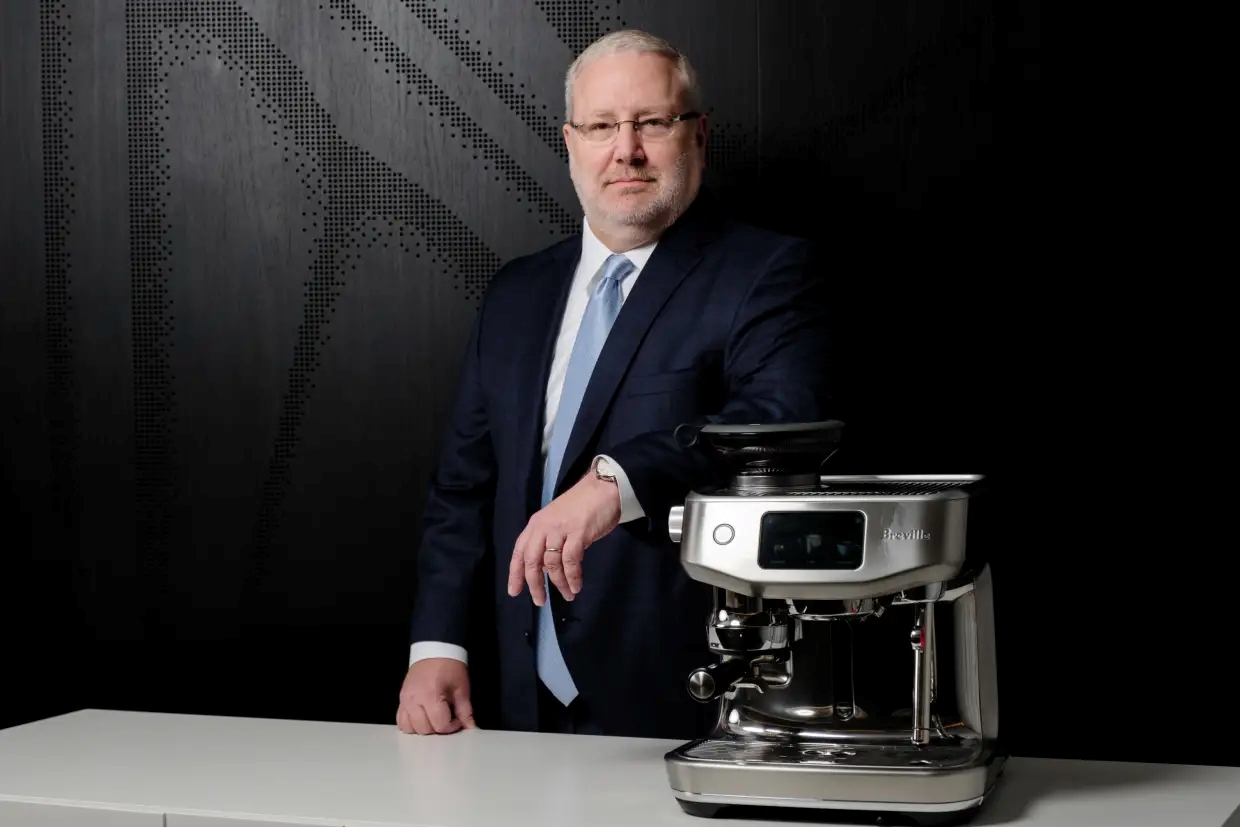
Dubai, 21 August 2025 (Qahwa World) – Breville is looking to China and the Middle East as promising new growth markets for its coffee appliances, aiming to balance the impact of U.S. tariffs on its business. Chief executive Jim Clayton said rising demand for premium coffee machines in these regions provides long-term opportunity, even as higher import duties in the United States pose near-term challenges.

The company, which generates about 40 percent of its revenue from the U.S., has shifted part of its production from China to facilities in Indonesia and Mexico. Clayton confirmed that this diversification strategy will continue through the year to reduce exposure to higher costs.

For the year ending June 30, Breville posted revenue of $1.7 billion, an increase of nearly 11 percent, while operating profit rose just over 10 percent to $204.5 million. Despite the strong performance, investor concerns about tariffs weighed on the share price. Clayton acknowledged that higher input costs remain an issue for the U.S. market but said the company would manage these pressures through supplier negotiations, selective price increases, and new product launches.

Recent highlights include the launch of the Oracle Dual Boiler coffee machine in Australia, with a new grinder and a compact smart oven scheduled for release this month. Coffee appliances remain the company’s leading category, helping Breville deliver double-digit growth across all three of its regional markets in 2025. The business has increased revenue and profit every year since 2015, even during challenging conditions.

Analyst opinions are mixed. Some warn that U.S. tariffs could affect earnings through FY27, raising questions about consensus forecasts of flat growth this year and a return to double-digit gains next year. Others view the current slowdown as temporary, pointing to Breville’s consistent record of expansion and opportunities in international markets. UBS projects that the $5 billion company could more than double sales over the next decade, driven by coffee market growth globally and particularly in China.

Founded over 90 years ago, Breville has grown into a global brand with a presence in more than 70 countries. Known under the Breville and Sage names, the company has built a reputation for innovation in small appliances and premium coffee equipment. Its teams of engineers, designers, and food technologists have helped place Breville at the forefront of its category. The company also emphasizes sustainability and ethical practices across its operations, with a focus on reducing environmental impact and contributing positively to society.

Clayton said that early results in China and the Middle East are encouraging, though still in the early stages, and that both regions represent significant long-term potential. To close out the financial year, Breville declared a final dividend of 19 cents per share, bringing the full-year payout to 37 cents, payable on October 2.

Paris Baguette Marks 250th Café with New Opening in Frederick, Maryland

Moonachie, N.J., August 21, 2025 (Qahwa World) – Paris Baguette has reached an important milestone in its expansion, celebrating the opening of its 250th bakery café in North America. The brand, which continues to grow across the United States and Canada, views this moment as part of its mission to revive the neighborhood café experience by offering expertly crafted pastries, quality coffee, and warm, welcoming spaces for communities.

Chief Executive Officer Darren Tipton said the achievement reflects the dedication of franchise owners, café teams, and loyal guests. He noted that each new opening represents more than growth for the company, highlighting its goal of creating places that foster joy and connection.

The new café in Frederick, Maryland, located at 520 Snowshill Street, is operated by Waseem Mohamad, who previously served as a general contractor building nearly 20 Paris Baguette locations. Together with his partners Prant Kumar and Prince Kumar, Mohamad is now taking on his first ownership role. Their family ties to the area and familiarity with the brand provide them with strong insight into the local community, and they intend to open additional cafés in the region in the future.

For Mohamad, the occasion carries personal significance. Having witnessed other milestone openings for the company, including the 150th and 200th cafés, he now celebrates the 250th as his own. He explained that his long-time love of the brand’s products, shared by his family, makes this step especially rewarding as he introduces the café to his community.

The company’s growth is supported by strong customer loyalty and consistent performance. Paris Baguette recently surpassed one million members in its PB Rewards program and reported eighteen consecutive quarters of positive same-store sales growth, along with seventeen quarters of rising guest traffic. In 2025 alone, forty-six cafés have opened, with over 170 new franchise agreements signed and fifty more cafés set to launch by the end of the year. Nearly 450 additional locations are in development, positioning the company to double its North American presence within two years and reach 1,000 cafés by 2030.

Future expansion is planned in several U.S. states, including Massachusetts, Florida, Illinois, and Ohio, as well as Canadian markets such as Quebec, Vancouver, and Toronto. With each opening, Paris Baguette underscores its commitment to hospitality, craftsmanship, and community connection, aiming to reestablish the bakery café as a central part of neighborhood life across North America.

Born from a love of bread and a passion for quality, Paris Baguette was founded in 1988 as a fast-casual bakery-café specializing in French and Asian-inspired goods. In addition to cakes, pastries, sandwiches, salads, and signature coffee and tea, the company delivers a unique bakery and café experience to thousands of customers daily. Today, with over 4,000 locations worldwide, Paris Baguette continues to satisfy the tastes of people across all ages and backgrounds. The brand invites those with a passion for food, service, and community to become part of its story, offering opportunities to join a diverse and talented team driven by fun, collaboration, and success.

Coffee Boom: Saudis Consume 36 Million Cups Daily

Dubai, August 21, 2025 (Qahwa World) – Saudi Arabia’s coffee market is witnessing unprecedented growth, positioning the Kingdom among the world’s top consumers of caffeine. According to the Saudi Restaurants and Cafés Association, Saudis consume around 36 million cups of coffee every day, roughly equivalent to one cup per person. The local market is valued at between $1.3 and $1.9 billion annually, reflecting strong demand and a broad consumer base. Projections also suggest that the coffee market across the Middle East and North Africa could reach $11.7 billion by 2027, with Saudi Arabia making a major contribution thanks to the rising popularity of specialty coffee.

The Ministry of Commerce has issued more than 61,000 café licenses across the country, including 27,000 licenses for traditional neighborhood cafés that serve Arabic coffee and heritage products. This surge underscores how cafés have evolved into vibrant social and economic hubs that now compete with restaurants in both customer traffic and revenue. International chains such as Starbucks and Tim Hortons sit alongside fast-rising Saudi brands like Eksiir Al Bun (Elixir Bunn), Khutwat Jaml (Camel Step), and Barn’s, offering innovative experiences inspired by local culture. Technology has also played a vital role in transforming the café landscape, with online ordering apps, digital payment systems, and even the use of robot baristas in advanced outlets.

According to Ahmed Al-Qashqari, CEO of the Saudi Restaurants and Cafés Association, cafés now account for 16% of the Kingdom’s food service sector, compared to a time when restaurants dominated. He noted that the sector is expanding at an annual growth rate of more than 5%, driving job creation and diversifying income streams in line with Vision 2030, which seeks to establish a sustainable, diversified economy. Beyond their economic role, cafés have also become important community spaces, providing ideal environments for networking, creativity, and entrepreneurship, particularly among young Saudis who make up the majority of the population and lead many successful ventures in this sector.

Saudi Arabia has also invested around $320 million to boost domestic coffee cultivation, particularly in the regions of Jazan, Al-Baha, and Asir, which produce the premium Khoulani Arabica beans renowned for their global quality. This investment is designed to significantly increase production and transform Saudi coffee from a cultural tradition into a competitive economic product with strong export potential. The initiative also strengthens the Kingdom’s standing in the global coffee industry. Meanwhile, events such as the Saudi Coffee Festival continue to promote local products and enhance cultural tourism, further solidifying coffee’s strategic role in the national economy.

Despite this remarkable growth, the sector faces challenges, including high operating costs, fierce competition among brands, and the need to continuously train baristas and staff to ensure a world-class experience. Reliance on imports for certain coffee varieties also remains an obstacle to full self-sufficiency. Nevertheless, ongoing investments in local production, combined with technological innovation and consumer-focused strategies, point toward a bright future for Saudi Arabia’s coffee industry, which is fast becoming one of the most dynamic economic and cultural drivers in the region.

Tarrazú: Costa Rica’s Highland Coffee That Captivates the World

Dubai, August 20, 2025 (Qahwa World) – The announcement by the International Atomic Energy Agency (IAEA) yesterday of an innovative scientific initiative to safeguard the authenticity of Tarrazú  coffee using advanced nuclear techniques has sparked a wave of questions about this coffee and its unique value. In response, Qahwa World seeks to shed light on this exceptional origin, which has established its reputation over centuries with outstanding quality that combines heritage, sustainability, and distinctive flavor.

Costa Rica may account for less than one percent of global coffee output, but few origins enjoy such prestige. According to the USDA, the country produces around 1.18–1.19 million bags annually, a modest volume compared with global production exceeding 178 million bags. Yet Costa Rican coffee, and Tarrazú in particular, consistently commands premium prices thanks to its unique combination of altitude, climate, and artisanal production methods.

Geography and Identity

The Tarrazú region lies within the Los Santos highlands, covering the cantons of Tarrazú, Dota, and León Cortés. Farms stretch between 1,200 and 1,900 meters above sea level, conditions that classify beans as “Strictly Hard Bean” (SHB). At this altitude, coffee matures slowly, developing dense beans rich in sugars and aromatic compounds. Combined with volcanic, mineral-rich soils and a climate marked by seven months of rain and five months of dry weather, Tarrazú produces a cup profile that is instantly recognizable: bright acidity, floral notes, and citrus complexity with a clean, sweet finish.

Shade trees—including banana, citrus, avocado, guava, and mango—play an important role in protecting biodiversity and stabilizing the soil. Generational farming families preserve artisanal methods, while the micro-mill model gives producers control over processing and enhances traceability. These small-scale mills have become a Costa Rican hallmark, enabling farmers to secure direct trade relationships and better incomes.

In 2019, Tarrazú coffee was granted Protected Denomination of Origin (PDO) status, ensuring that only beans grown in its three cantons may use the name. The PDO, now protected in more than 180 countries, safeguards the livelihoods of farming families and reassures consumers worldwide of the coffee’s authenticity. It also reinforces a national narrative: coffee is not just an export crop but a pillar of Costa Rica’s independence and cultural identity.

Sustainability lies at the core of Tarrazú’s success. Farmers invest in eco-friendly wet mills that recycle water, soil conservation techniques that maintain fertility, and reforestation programs that protect watersheds. These practices not only preserve the landscape but also secure the future of coffee cultivation in the face of climate change.

Between Tradition and Science

Tarrazú’s reputation is not only built on geography and farming practices but also on culture. One of the most visible symbols is the Vandola, a hand-crafted ceramic brewer designed by artisan Minor Alfaro. Each piece is made of natural clay and highlights the clarity and aroma that define Tarrazú’s cup profile. Beyond its function, it transforms brewing into a ritual of heritage, linking Costa Ricans and coffee enthusiasts worldwide to the traditions of the highlands.

On the international stage, Tarrazú continues to shine at specialty coffee auctions such as the Cup of Excellence, where its lots regularly achieve high scores and command top prices. Specialty roasters from North America, Europe, and Asia compete fiercely for access, a sign of the origin’s enduring appeal.

The IAEA’s #Atoms4Food initiative now adds another layer to this story. By applying nuclear techniques, scientists at the University of Costa Rica are developing a geographic database that authenticates the beans’ origin with scientific precision. This project will help protect farmers from fraud and strengthen consumer trust in global markets.

Yet long before science arrived, authenticity in Tarrazú was safeguarded by its people, their traditions, and their respect for the land. Today, as international bodies lend their expertise, Tarrazú stands as both a cultural emblem and a scientific case study, proving that heritage and innovation can thrive together. Every sip carries not only bright citrus notes and floral elegance, but also the resilience of a community and the story of a nation.

At JPMorgan’s New HQ, Coffee Takes Center Stage

New York, August 19, 2025 (Qahwa World) – Coffee is no longer just a morning perk at JPMorgan Chase’s new headquarters on 270 Park Avenue—it has become a central feature of the $3 billion tower that is set to redefine workplace culture for up to 14,000 employees.

Rising 1,388 feet into Midtown’s skyline, the headquarters brings together state-of-the-art technology, modern design, and a deep focus on coffee as part of daily life. From floor-to-floor cafés to QR-powered coffee machines, the building treats coffee as a driver of productivity, comfort, and social connection.

The tower is equipped with one of the most extensive coffee networks in any corporate office:

  • Work cafés on every floor provide quick and easy access to coffee throughout the day.

  • Four main cafés, including a Starbucks on the 14th floor and The Corner, a space for locally crafted drinks.

  • The Exchange, a food and beverage hub across floors 13 to 16, featuring 15 outlets, including plant-based and gourmet options alongside coffee stations.

  • Park Avenue Express, open 24/7, ensuring that employees working late shifts or early mornings always have access to coffee.

In a building designed to showcase intelligent systems, coffee is seamlessly tied to technology. Break rooms are fitted with QR-powered coffee machines, allowing employees to order with a simple phone scan. The company’s “Work at JPMC” mobile app enables staff to preorder drinks from cafés, ensuring beverages are ready upon arrival while also serving as a digital badge and office navigation tool.

JPMorgan CEO Jamie Dimon has called all 300,000 employees back to the office five days a week. To ease that transition, the bank has made coffee part of the strategy—turning it into more than a beverage. Cafés are designed to foster informal interaction, encourage collaboration, and provide a sense of comfort within a high-tech environment.

The building’s circadian lighting and biophilic design—including windows that allow 30% more natural daylight than a standard office—enhance the experience of a coffee break. Together, technology and design aim to make each cup part of a healthier and more balanced workday.

At JPMorgan’s new headquarters, coffee has been redefined as:

  • A cultural anchor, shaping how employees connect.

  • A productivity tool, offering a boost through long work hours.

  • A social hub, turning cafés into spaces of collaboration across departments.

By putting coffee at the center of its workplace experience, JPMorgan Chase has created more than a headquarters—it has built a model for how coffee, culture, and technology can come together in the modern office. For employees at 270 Park Avenue, the coffee break is no longer a pause in the workday—it is part of the company’s vision of the future of work.

IAEA Announces Nuclear Science Initiative to Safeguard Costa Rica’s Tarrazú Coffee

Dubai, August 19, 2025 (Qahwa World) – The International Atomic Energy Agency (IAEA) ⚛️ has officially announced a new initiative to protect Costa Rica’s world-renowned Tarrazú coffee. In a post shared on its official X account (formerly Twitter), the IAEA released a video explaining how nuclear science is being applied to authenticate coffee origins and shield this premium product from fraud.

The video highlights the journey of a single coffee bean, from the rain and soil that shaped it to the laboratory techniques that reveal its unique “fingerprint.” Through these methods, scientists at the University of Costa Rica are building a geographic database that will certify the authenticity of Tarrazú coffee and help preserve its global prestige.

Backed by #Atoms4Food

The initiative forms part of #Atoms4Food, a joint program of the IAEA and the Food and Agriculture Organization of the United Nations (FAO). By applying nuclear and related techniques, laboratories worldwide will be able to verify the geographical origin of coffee beans with high precision. This provides coffee drinkers with the assurance that every cup of Tarrazú reflects the authenticity of its heritage.

Protecting Farmers and Consumers

For Costa Rican farmers, safeguarding authenticity means protecting livelihoods. Tarrazú coffee commands premium prices in international markets, and this project ensures that its reputation remains untarnished by fraud. At the same time, consumers benefit from greater confidence in the integrity of what they buy.

A Track Record in Coffee Authentication

This is not the first time the IAEA has engaged with coffee. Since 2019, the Agency, together with FAO, has led international research projects applying stable isotope techniques to combat fraud in high-value foods, including rice, honey, and coffee.

Earlier studies used nuclear methods to distinguish Jamaican Blue Mountain coffee from imitations, and IAEA-led radiocarbon intercomparison exercises demonstrated how laboratories across Europe and Latin America could reliably verify coffee origins. The Tarrazú project builds directly on this scientific foundation, making nuclear science an everyday guardian of authenticity.

Every Sip Tells a Story

“By assessing the fingerprint of coffee, we can prove its authenticity,” the IAEA video explains. With nuclear science now protecting Tarrazú, every sip carries more than flavor—it carries a story of tradition, science, and trust, safeguarded for future generations.

📌 Summary:
The IAEA announced on its official X account a new initiative to protect Costa Rica’s Tarrazú coffee through nuclear science. Backed by FAO under #Atoms4Food, the project authenticates coffee origins, strengthens consumer trust, safeguards farmers’ incomes, and builds on years of IAEA-led research into food fraud prevention.

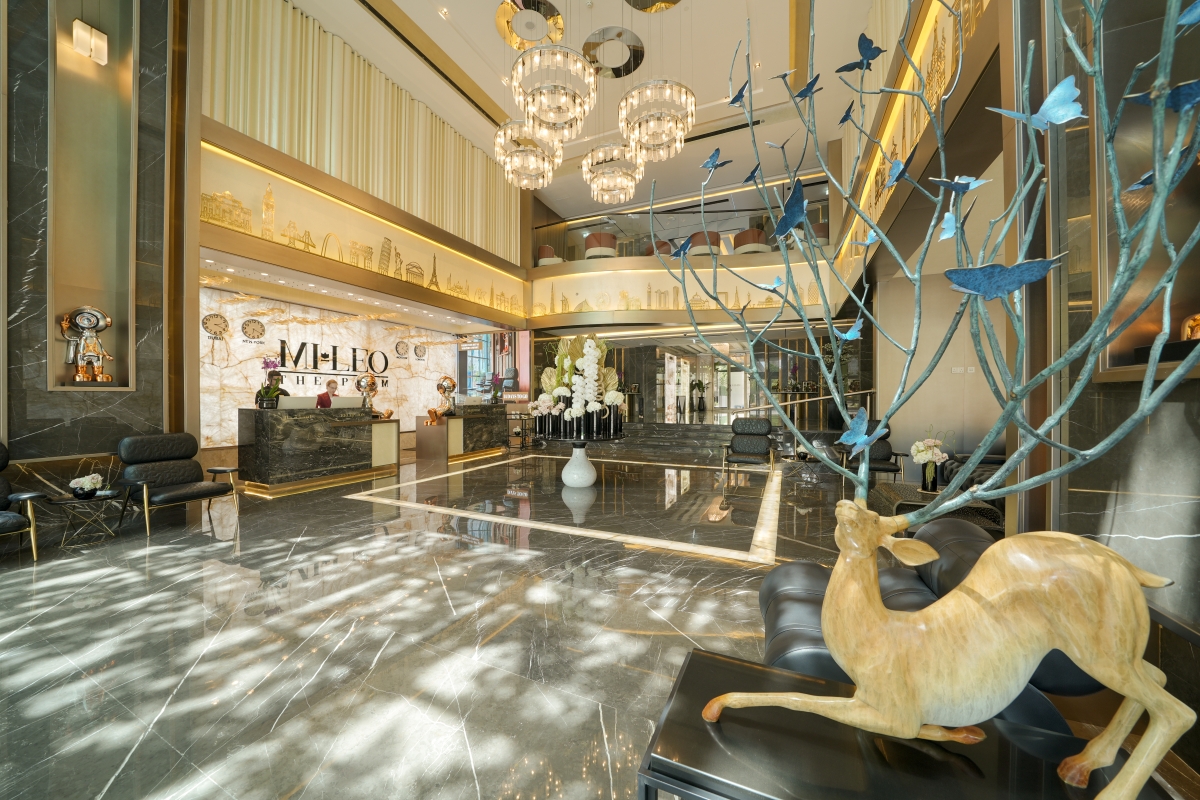
Matcha 16: A New Ritual-Centric Café Set to Open at Mileo The Palm

Dubai, August 6, 2025 (Qahwa World) — As Dubai’s café culture continues to diversify beyond espresso and pastries, a new venue is set to open this September on Palm West Beach that aims to offer something different: a café dedicated entirely to matcha and mindful routines.

Matcha 16 Café, part of the soon-to-open Mileo The Palm, positions itself as a quiet, design-led retreat within the broader hospitality and residential project. Unlike traditional hotel cafés designed for convenience, Matcha 16 is built around the idea of slowing down, offering a curated menu of high-grade matcha, ceremonial drinks, and light bites served in a minimal, calming space.

The café’s aesthetic aligns with global trends that prioritize intentional design, natural materials, and wellness-focused menus. Its arrival in Dubai signals a further shift in consumer demand toward cafés that serve not only as social spaces, but also as places for daily rituals, reflection, and routine.

“Matcha 16 was conceived as a space for modern rituals — a place where guests can start their day with calm and focus,” said Hossam Nabil, General Manager of Mileo The Palm. “We’re seeing a shift in how people consume caffeine; it’s no longer just about energy, it’s about experience and presence.”

Matcha 16 joins a growing list of specialty cafés in Dubai that explore single-ingredient menus, from specialty coffee and cacao to tea-focused bars. Its location inside a beachfront property adds another layer of contrast — blending the city’s dynamic luxury scene with a quieter, almost meditative atmosphere.

While part of Mileo’s wider food and beverage program — which includes seven outlets ranging from rooftop lounges to caviar bars — Matcha 16 is distinct in its tone and target. It is expected to attract both hotel guests and external visitors looking for alternatives to the fast-paced café environment common in urban districts.

Its launch reflects a broader movement in Dubai’s café scene: wellness, minimalism, and intentional consumption are no longer niche—they’re increasingly shaping mainstream offerings.

As the city continues to redefine what a café can be, Matcha 16 offers a glimpse into the future — one cup, one ritual at a time.