Turkey’s First Coffee Museum Opens in Ankara: A Journey Through Time, One Cup at a Time

Ankara – August 5, 2025 (Qahwa World) – In the heart of Turkey’s capital, within the historic walls of Ankara Castle, the country’s first-ever museum dedicated entirely to Turkish coffee has opened its doors. The initiative comes from Mücahid Çelebi, a 29-year-old coffee enthusiast and café owner, who spent five years collecting rare and historic artifacts to preserve and share the cultural heritage of Turkish coffee with future generations.

A Treasure Trove From Across Turkey

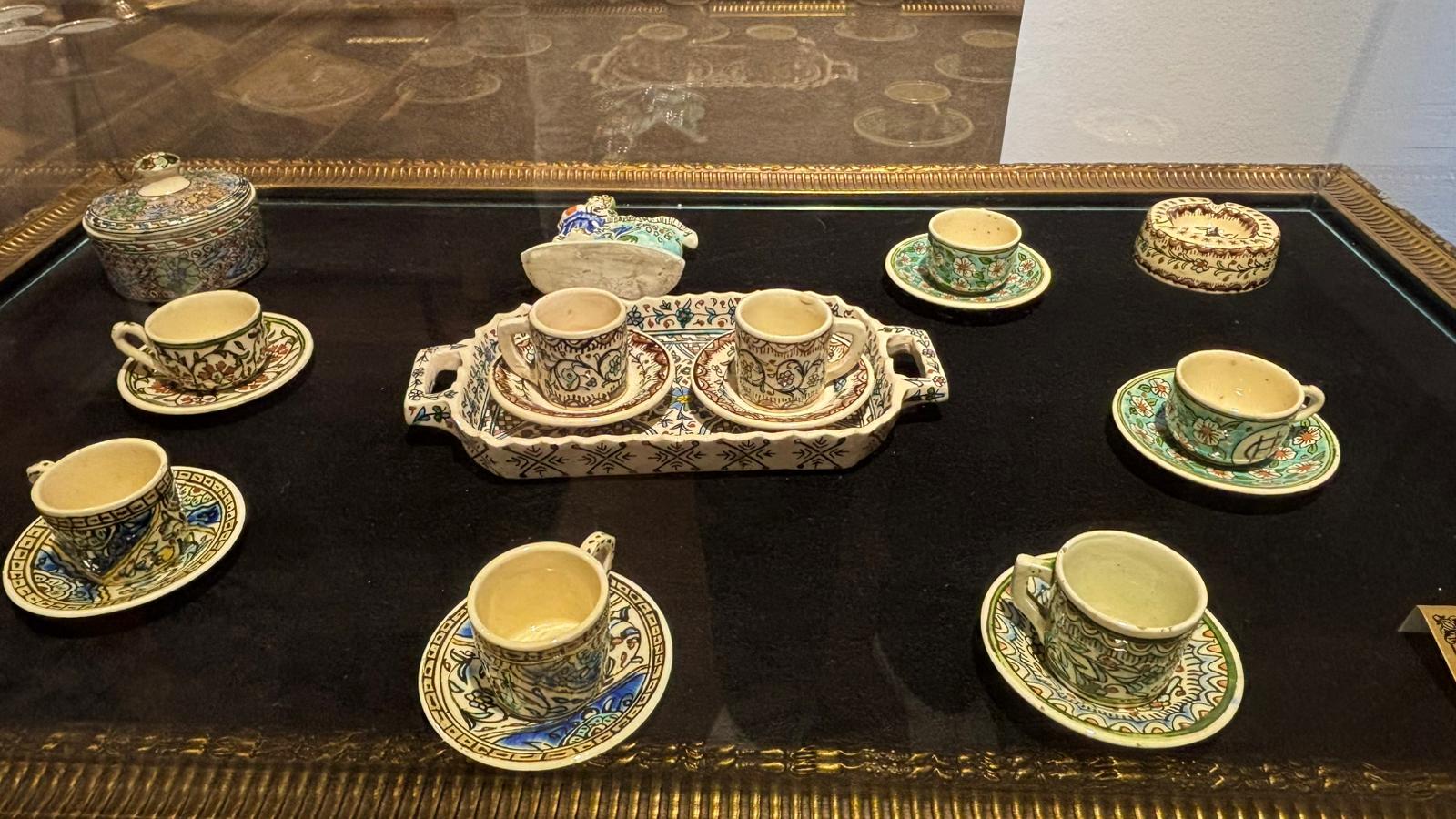
Çelebi travelled extensively across dozens of Turkish cities to curate a remarkable collection of over 100 unique items, including coffee grinders from the 16th and 17th centuries, 150 historical coffee cups, and traditional brewing tools used during the Ottoman period and early Republican era.

Among the most notable pieces on display are a replica of the coffee set once used by Sultan Abdul Hamid II, and a custom-designed set by Ülkü Adatepe, the spiritual daughter of Mustafa Kemal Atatürk. The museum also showcases ornate silver cups from the reign of Sultan Abdulmejid I, along with a wide variety of coffee pots (cezve) and hand-operated grinders from different time periods and regions.

Coffee, Culture, and Controversy

The museum is more than just a collection of objects—it tells a rich story of Turkish coffee culture, including religious fatwas that once banned coffee, leading to coffeehouse closures under Ottoman rule. Visitors can also explore how coffee reading (tasseography) was practiced in both everyday life and imperial palaces.

Interactive Experiences: Music, Grinding, and More

One of the museum’s unique features is a music room where visitors can listen to traditional Turkish folk songs and ballads about coffee on a vintage record player, adding a sensory layer to the historical journey.

Another highlight is the “Tahmishane” (Roasting Room), where guests are invited to grind roasted coffee beans manually using large mortar-and-pestle setups—an immersive experience designed to replicate the practices of earlier generations.

The Final Stop: “Our Roots” Lounge

The tour concludes in a special lounge named “Our Roots”, a serene space where visitors can relax and enjoy a cup of authentic Turkish coffee served in a traditional setting. It serves not only as a waiting area during busy hours but as a moment of reflection—an invitation to connect with the deep cultural roots behind each cup.

Çelebi explains:
“In every museum I visited in Ankara or Istanbul, I would find a coffee grinder or cup tucked away in a corner. But I never saw a space that told the full story of Turkish coffee. So I decided to create one. With this museum, we’ve laid the foundation for preserving a tradition that spans centuries.”

Top Cafés in Istanbul 2025

Istanbul, August 5, 2025 – (Qahwa World) – On Monday, Condé Nast Traveler magazine released its curated list of the 12 best cafés in Istanbul for 2025, authored by editor Amelia Dhuga. Given the value and richness of the selection, we at Qahwa World have decided to republish it for our readers.

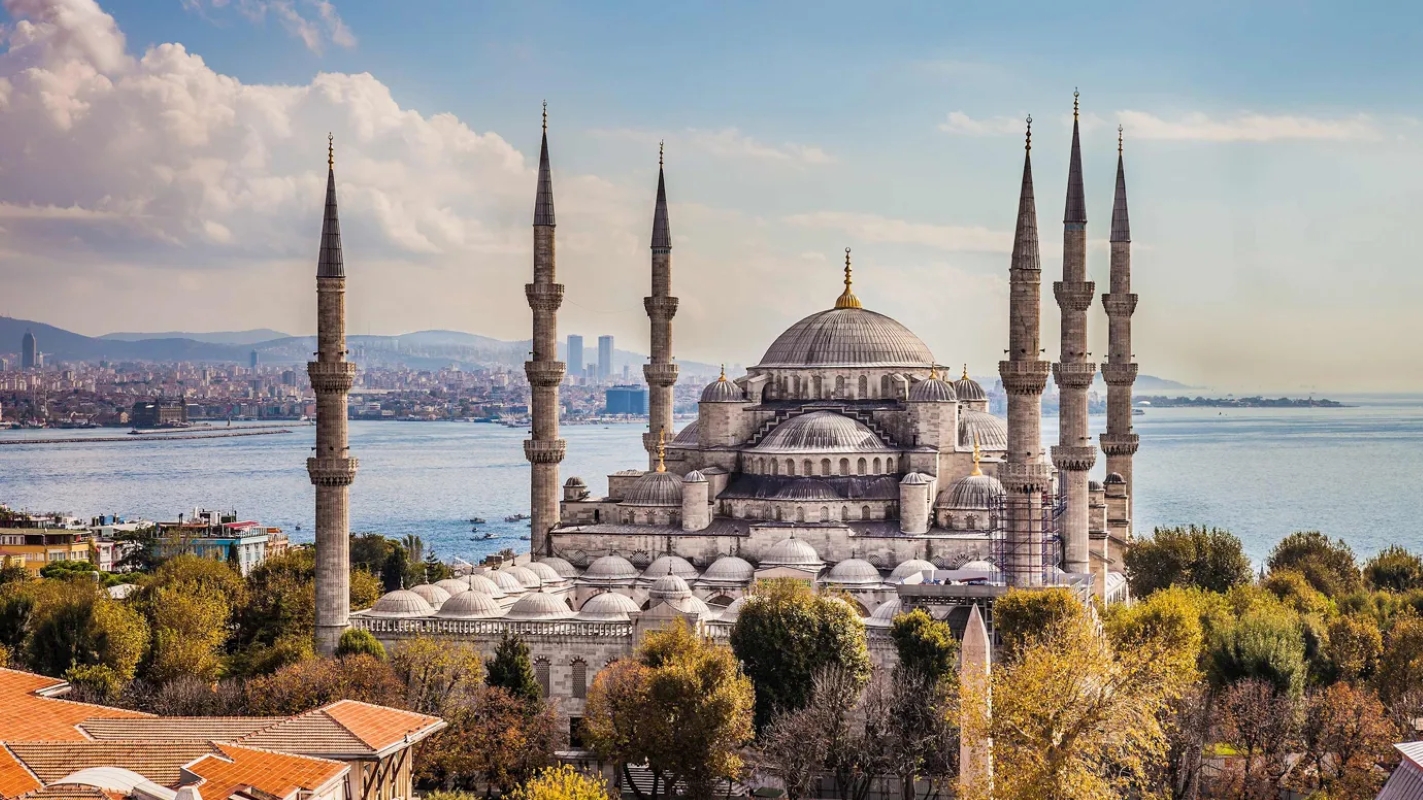
Istanbul is a city where coffee isn’t just a drink—it’s a cultural ritual rooted in centuries of tradition. While many visitors rush between mosques, palaces, and bazaars, one of the most rewarding experiences is to pause and enjoy a cup of coffee. Introduced in the 16th century, Turkish coffee quickly became central to social life. Coffeehouses, or kıraathane, served as hubs for conversation, poetry, and politics—from the reign of Sultan Suleiman the Magnificent to the streets of modern-day Istanbul.

Turkish coffee is brewed slowly in a small pot called a cezve, with the grounds left to settle in the cup—unfiltered, rich, and meant to be savored. Whether you’re drawn to history, community, or flavor, here are 12 of the best cafés in Istanbul to explore.

1. Le Oba, Beyoğlu

Nestled on the charming Oba Sk Street in Beyoğlu, Le Oba is a standout among the area’s vibrant cafes. Its sage green metal chairs line the sidewalk, inviting regulars to linger for hours. The house blend is nutty and full-bodied, best enjoyed with one of their homemade sweet treats—especially the decadent homemade Snickers bar topped with sea salt.

2. Petra Roasting Co.

With multiple locations across the city, Petra Roasting Co. is a pioneer of Istanbul’s specialty coffee movement. Each branch has its own vibe: plush leather booths in Topağacı, a lush outdoor garden in Bebek, and sleek steel minimalism in Şişhane. The Şişhane location, with its shimmering silver details, is ideal for takeaway—just a short walk from Şişhane Park, which offers tiered city views.

3. Härman

A favorite among Istanbul’s creative crowd, Härman is known for its matcha lattes in blush pink and seafoam green. With chic interiors featuring steel, faux-fur walls, and ambient lighting, Härman doubles as an event space for DJ sets, fashion pop-ups, and community runs. It’s more than a café—it’s a lifestyle hub.

4. Pierre Loti Café, Eyüp

Perched atop the Eyüp gondola, this iconic café offers sweeping views of the Golden Horn. Named after French novelist Pierre Loti, who frequented the spot for writing, it’s a serene escape. Pair the coffee with a traditional Turkish breakfast of cheeses, olives, eggs, and cured meats.

5. Şark Kahvesi, Grand Bazaar

Hidden within the alleys of the historic Grand Bazaar, Şark Kahvesi invites you to enjoy coffee surrounded by stone archways and ornate facades. It’s a welcome pause amid the hustle of one of the world’s oldest and busiest markets.

6. Fahriye Café, Moda, Kadıköy

Fahriye is a haven for creatives in Kadıköy. Artists, writers, and musicians gather here to talk ideas over coffee, browse books and vinyl, and pet the café’s beloved cat, İnci. Don’t miss their signature chocolate brownies.

7. İhsan Kurukahvecioğlu, Near the Spice Bazaar

Operating since 1871, this historic coffee shop is owned by sixth-generation roaster Aslı Tapucu. It still uses a century-old cast-iron Probat machine to roast beans, resulting in a distinct maple-flavored brew. The aroma alone—cinnamon, vanilla, caramel—is worth the visit.

8. Benazio, Kadıköy

Popular among students and digital nomads, Benazio offers outdoor seating and a lively atmosphere. Open until midnight, it transforms from co-working space to social hub as the day fades. Coffee is a constant companion to late-night debates and laughter.

9. Gülhane Sur Café, Fatih

Located near the Hagia Sophia, this hidden gem is perfect for unwinding after a long day of sightseeing. With traditional alcove seating and a welcoming local crowd, it’s also a great place to try salep, a creamy Ottoman-era drink made from milk, cinnamon, and orchid root.

10. Çorlulu Ali Paşa Medresesi, Fatih

This historic courtyard café near Beyazıt draws locals for shisha, tea, and afternoon coffee. Plumes of smoke, clinking teaspoons, and slow conversations create a timeless atmosphere. Stay for a few hours—you’ll understand why it’s beloved by so many.

11. Hafız Mustafa 1864

While technically a chain, Hafız Mustafa is a local institution dating back to the Ottoman era. Famous for its indulgent Turkish sweets—pistachio baklava, rosewater delights—it’s the perfect place to pair coffee with traditional desserts. With 12 locations in Istanbul, you’re never far from a taste.

12. Karabatak, Karaköy

Located in a former metal workshop, Karabatak has transformed into a rustic café full of energy. Named after the karabatak (cormorant), the café blends character, history, and a welcoming vibe. Expect to chat with baristas, meet locals, and leave feeling part of the neighborhood.

From historic landmarks to modern design havens, Istanbul’s café scene reflects its unique blend of past and present. Each spot on this list offers more than coffee—it offers a chance to experience the heart of the city, one cup at a time.

Coffee Rivalry Intensifies: Starbucks Confronts Luckin’s U.S. Expansion

Dubai, August 5, 2025 – (Qahwa World) – A new chapter in the global coffee rivalry is unfolding in New York City as China’s Luckin Coffee takes bold steps into the American market—prompting an assertive response from longtime industry leader Starbucks.

In a symbolic move, Starbucks has transformed the windows of a vacant storefront at 757 Broadway—directly across from a newly opened Luckin location—into a massive ad space. The branding blitz includes vibrant visuals and the message “Hello Summer,” while digital screens near the subway exit continue the campaign just steps from Luckin’s entrance at 755 Broadway.

This marketing standoff marks the start of Luckin’s U.S. push, following its meteoric rise in China. The company, founded in Xiamen, surpassed Starbucks in China two years ago in terms of both store numbers and revenue. It now operates more than 26,000 outlets, nearly all within China. Starbucks, in contrast, boasts over 41,000 global stores, including about 7,800 in China alone.

Luckin’s entry into Manhattan began with two shops in June, and more are expected soon. The company’s strategy is built around a mobile-first approach: customers must order through the Luckin app, which tracks preferences and offers promotions for bulk orders. Unlike Starbucks’ traditional café model, most Luckin outlets—including those in Manhattan—offer minimal seating and focus on takeaway service.

Starbucks is feeling the pressure. Although it remains the dominant global brand, the company is undergoing significant changes under CEO Brian Niccol. With customer footfall shifting, Starbucks is investing approximately $150,000 per store to upgrade interiors and bring back the “coffeehouse feel” that once defined its brand. This includes more seating, refreshed design, and a focus on hospitality.

Last week, the company announced plans to shut down 80 to 90 mobile-order-only locations, citing a lack of the social experience customers expect from the brand.

“We realized that purely transactional stores lack the human connection that defines our identity,” Niccol stated in an earnings call.

Data from Advan Research suggests the strategy may be paying off: visits lasting 30 minutes or more increased 5% year-over-year in the second quarter.

Meanwhile, Luckin is leveraging affordability and speed to win over New Yorkers. Promotional signs outside its locations advertise $1.99 drinks for first-time app users—a tactic aimed at a fast-paced, deal-hungry urban market.

“I come here for the discounts,” said Henry Barklam, a local software developer, as he left a Luckin outlet. “Starbucks used to be my go-to for working, but it doesn’t feel the same anymore.”

Nearby, student Rachel Maxwell, in the city for a summer internship, said she appreciates Luckin’s efficiency. “New York moves fast, and so do I. It’s nice to grab a coffee and go without waiting in line or making small talk.”

Others, however, see value in the grab-and-go model Starbucks is phasing out. Police officer Julio Guadalupe, standing near one of Starbucks’ soon-to-close mobile-only outlets, said the convenience can’t be overstated.

“For people in uniform or on tight schedules, mobile pickup is a game-changer,” he said. “I think this is where the future of coffee service is headed.”

Despite the competition, Starbucks maintains that its core strengths lie in ambiance, quality, and service.

“We remain committed to what makes us special—welcoming spaces and handcrafted beverages made by skilled baristas,” a company spokesperson said.

Luckin Coffee has yet to issue a statement regarding its U.S. operations.

As the world’s two largest coffee chains face off on American soil, the outcome could shape the future of global coffee culture—one cup at a time.

Follow us on WhatsApp

World Coffee Championships 2026 to Spotlight Global Coffee Excellence in Bangkok and Brussels

August 2, 2025 – Qahwa World – The Specialty Coffee Association (SCA) has officially revealed the next chapter in its globally acclaimed competition series: the 2026 World Coffee Championships (WCC) will take center stage in Bangkok, Thailand, and Brussels, Belgium, marking two pivotal milestones in the calendar for the global specialty coffee community.

The WCC season will kick off with the World Latte Art Championship at World of Coffee San Diego, taking place April 10–12, 2026. From there, the spotlight moves to Southeast Asia, where Bangkok will host the World Cup Tasters Championship at World of Coffee Bangkok, May 7–9, 2026, at the Bangkok International Trade & Exhibition Centre (BITEC) — the first time the event will be held in Thailand.

The season then heads to Europe, where World of Coffee Brussels will serve as the venue for three globally recognized competitions: the World Brewers Cup (WBrC), World Coffee Roasting Championship (WCRC), and World Coffee in Good Spirits Championship (WCIGS). These events will unfold at the Brussels Expo, from June 25–27, 2026.

The championship circuit will culminate in Panama City, where the World Barista Championship will be held at World of Coffee Panama, October 23–25, 2026.

A Global Celebration of Specialty Coffee

Each WCC event is more than a competition — it is a celebration of coffee craft, community, and innovation. These championships offer a platform for the industry’s best baristas, brewers, tasters, and roasters to showcase their skills, push boundaries, and connect with an international audience.

SCA’s selection of Bangkok and Brussels for 2026 reflects a broader mission to bring specialty coffee events to culturally rich, emerging, and established coffee markets around the world.

“Each WCC event serves as a catalyst for community-building and knowledge-sharing, while providing a space where professionals can challenge the status quo and inspire the next generation of coffee leaders,” the SCA stated.

Spotlight on Bangkok and Brussels

Bangkok, a city where tradition meets innovation, offers a dynamic stage for the World Cup Tasters Championship — a competition focused on sensory skill, speed, and accuracy. As Thailand’s coffee industry grows rapidly, this event is expected to amplify the region’s influence on the global stage.

Meanwhile, Brussels, known for its rich coffee heritage and central location in Europe, will host three technically demanding championships. The Brewers Cup will showcase manual brewing and storytelling, the Roasting Championship will focus on profiling precision, and the Coffee in Good Spirits competition will celebrate the fusion of coffee and mixology.

2026 World Coffee Championships Schedule:

  • World Latte Art Championship
    📍 San Diego, USA
    📅 April 10–12, 2026
    🏢 World of Coffee San Diego

  • World Cup Tasters Championship
    📍 Bangkok, Thailand
    📅 May 7–9, 2026
    🏢 World of Coffee Bangkok – BITEC

  • World Brewers Cup, Coffee Roasting, and Coffee in Good Spirits Championships
    📍 Brussels, Belgium
    📅 June 25–27, 2026
    🏢 World of Coffee Brussels – Brussels Expo

  • World Barista Championship
    📍 Panama City, Panama
    📅 October 23–25, 2026
    🏢 World of Coffee Panama


For ongoing updates and details about the events, visit wcc.coffee or subscribe to the WCC newsletter.

Why Yemeni Coffeehouses Are Redefining America’s Coffee Culture

August 2, 2025 – (Qahwa World) – While major coffee chains like Starbucks attempt to recover their image as community-centered gathering spots, a different movement is gaining traction in cities across the U.S.—one grounded not in marketing slogans but in centuries-old traditions of warmth, connection, and hospitality. Enter Yemeni coffeehouses: a fast-growing segment of cafés offering much more than a caffeine fix.

A Cultural Shift Brewing Beyond the Drive-Through

Over the past decade, the U.S. coffee market has tilted increasingly toward automation and convenience. Mobile ordering, contactless pickups, and algorithmic personalization have reshaped how Americans interact with their daily brew. Starbucks, the largest player in the field, has doubled down on digital expansion, reshaping stores to prioritize drive-through lanes and app-based orders.

Yet, this shift has created a void—what sociologists call the erosion of the “third place,” the social space that exists between home and work. In response, a new generation of cafés is emerging to fill this gap, and Yemeni coffeehouses are at the forefront.

Unlike corporate chains, these cafés emphasize conversation over convenience, handcrafted beverages over speed, and community over transactions. From Michigan to California and Texas, dozens of Yemeni-owned cafés are reimagining what coffee can mean in public life.

From Dearborn to the Nation: The Yemeni Coffeehouse Movement

The heart of this movement is Dearborn, Michigan—home to a large Arab-American population and a long history of Middle Eastern migration. It’s where flagship brands like Qahwah House, Haraz Coffee House, and Qamaria Yemeni Coffee Co. first began reshaping the coffee experience with elements inspired by traditional Yemeni hospitality.

These spaces are designed not just to serve drinks but to foster connection. Interiors often feature communal seating, soft lighting, architectural accents drawn from Yemeni homes, and a curated menu that blends espresso-based beverages with traditional Yemeni recipes such as qishr (a spiced coffee-husk drink), Adeni chai, and cardamom-infused lattes.

They also serve as cultural hubs, where both Arab-American and non-Arab customers gather in a welcoming, alcohol-free environment that stays open late—often past midnight—making them especially popular with Muslim families, university students, and young professionals seeking alternatives to bars.

A Legacy in Every Cup

Yemen’s historical link to coffee is foundational. It was in Yemen that coffee was first cultivated commercially in the 15th century, spreading from the highlands of Haraz and Ibb to the world via the port of Mokha. This legacy gives Yemeni coffee a cultural gravitas rarely found elsewhere.

Despite its deep roots, Yemen today produces less than 0.1% of the world’s coffee. Decades of conflict, economic instability, and logistical challenges have weakened its global share. Yet, efforts to revive the country’s coffee sector have intensified. Initiatives by exporters like Port of Mokha, Qima Coffee, and local cooperatives are creating new value chains focused on sustainability, farmer equity, and direct trade.

Coffeehouses in the U.S. like Arwa Yemeni Coffee, based in Texas, actively source their beans from Yemeni farms. According to co-founder Susan Shihab, every drink is a connection to Yemen’s agricultural and cultural soul. “Whether it’s from the espresso machine or brewed traditionally, what we serve reflects our heritage and supports farmers back home,” she explains.

More Than a Business: A Revival of the Third Place

The appeal of Yemeni cafés extends beyond coffee. They restore something that’s been missing in the American café experience: intentional, inclusive spaces. Unlike cafés that prioritize turnover, these spaces encourage people to stay, talk, reflect, or even hold community events.

“We don’t see ourselves as fast-food coffee,” says Omar Jahamee, co-founder of Delah Coffee in California. “Our focus is on people feeling at home, even if that means things take a little longer.”

This ethos aligns with the original concept of the “third place” coined by sociologist Ray Oldenburg—a neutral space where people from all walks of life can engage in meaningful interaction. While Starbucks once claimed to embody this concept, its shift toward automation and policy restrictions (such as limited access to store restrooms and the crackdown on unionizing workers) has eroded that image.

Yemeni coffeehouses, by contrast, are living examples of Oldenburg’s ideal: welcoming, diverse, and unpretentious spaces where human interaction takes precedence over transactions.

Challenges and Resilience

Despite their growth, Yemeni cafés face significant hurdles. Importing coffee from Yemen remains expensive due to limited supply, unstable infrastructure, and rising shipping costs. Many Yemeni-American entrepreneurs also navigate the challenges of Islamophobia, post-9/11 stereotyping, and complex immigration dynamics.

Yet these businesses are thriving—perhaps because they represent more than a trend. They offer cultural preservation, economic empowerment, and a response to social fragmentation.

Shihab emphasizes this balance: “Of course we have customers on their way to work who grab a latte and go. But what we care about most is that people can sit, converse, and experience something rooted in tradition.”

The Future of U.S. Coffeehouses?

The American coffee landscape is changing. While giants like Starbucks recalibrate, smaller culturally driven cafés—especially those with deep historical connections to coffee—are gaining ground.

Yemeni coffeehouses show that growth doesn’t have to come at the expense of soul. In fact, their success may indicate a wider desire in the U.S. for authenticity, shared experience, and human warmth in a coffee shop.

And that, more than a million app downloads or a drive-through expansion plan, may be what defines the next era of American coffee culture.

Brewing a Rural Revolution: How China’s Countryside Is Blending Coffee, Culture, and Community

Beijing, July 29, 2025 (Qahwa World | Xinhua) – Across China’s scenic countryside, a quiet revolution is brewing—one cup at a time. From the Tibetan highlands of Sichuan to the tropical plantations of Hainan, rural cafés are rapidly transforming into vibrant hubs of cultural, economic, and social renewal.

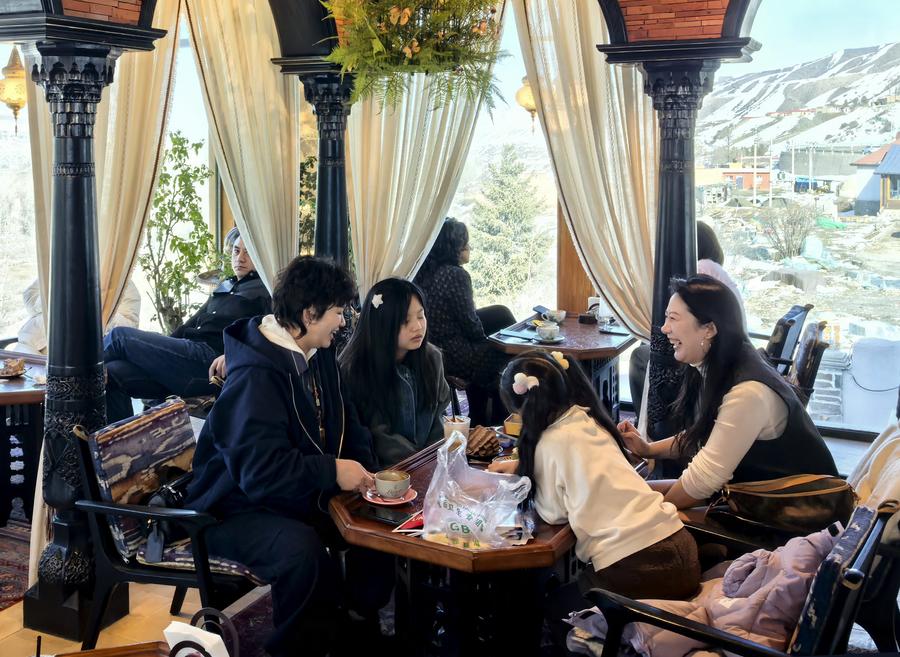
In Daofu County, nestled in southwest China’s Sichuan Province, traditional Tibetan homes have been reimagined as stylish cafés. These spaces don’t just serve drinks—they serve stories. Alongside lattes and cappuccinos, visitors can savor butter tea, highland barley, and centuries-old Tibetan traditions.

“Sipping a highland latte while listening to folk songs and learning Thangka painting—what a perfect way to unwind,” said tourist Xu Xiaomei, charmed by the unique blend of flavors and heritage.

Even the serving ware is rooted in local identity. “Our coffee cups are handmade from Daofu’s black pottery,” said Gao Yaojun, a hotel manager in the area.

This café-led transformation is not isolated. As of 2024, China has seen the emergence of more than 44,000 countryside coffee shops, many adopting a “coffee+” model that pairs café culture with immersive experiences—ranging from cliffside hikes and elephant watching to craft workshops and plantation tours.

In Guizhou Province, a café perched atop a 200-meter-high cliff has gone viral. Visitors trek through forests and climb the cliffside to reach it, with the entire adrenaline-fueled experience costing around 400 yuan (US$55.70) per person. Similar thrill-seeking café experiences are emerging in Zhejiang and Fujian.

In Yunnan Province, home to China’s largest wild elephant population and its top coffee-growing region, cafés in Pu’er let visitors sip fresh brews while observing elephants roam the forest. Others offer plantation tours and roasting sessions, connecting drinkers directly to the origin of their cup.

In Hainan’s Wanning area, island-based coffee farms invite guests to roast their own beans. Even the grounds are repurposed—turned into eco-friendly crafts such as sand paintings, scented accessories, and decorative murals.

This boom is driven by a powerful urban desire to reconnect with nature. In the first quarter of 2025, rural tourism in China attracted 707 million visitors, an 8.9% increase year-on-year, generating 412 billion yuan in revenue—a 5.6% rise from the previous year.

It’s also reviving rural economies. In Zhejiang’s Anji County, with a population under 600,000, over 300 rural cafés have opened in recent years. Many follow a community co-op model: villagers contribute land or resources, while entrepreneurial teams manage operations. Profits are shared through rent, wages, and dividends.

One notable example is Deep Blue, a café that returns nearly half of its coffee revenue to local shareholders. “You’ve got to admire how brilliantly resourceful these young people are,” a local villager remarked.

The café trend is reversing the tide of urban migration. Young people are returning home to start businesses and build futures. One such example is Wang Han, 27, who left Shenzhen and Kunming to return to his native Xinzhai Village in Yunnan. There, he opened a café and launched an online coffee brand. “There’s something worth coming back for,” Wang said. “Now, visitors from across China come to tour our fields and taste our brews.”

At Deep Blue, the team of 127 staff averages 25 years old, with backgrounds as diverse as medicine and shipbuilding. The café was launched in 2022 by local entrepreneur Cheng Shuoqin and six partners, all from Anji.

Cheng remains optimistic about the sector’s future: “The more well-educated, passionate young people return to the countryside, the brighter its future will be.”

China’s rural café movement is proving that coffee isn’t just a drink—it’s a bridge between tradition and innovation, between economic revival and cultural expression. And in every village cup, there’s a taste of something far greater: a renewed sense of place and purpose.

Nepal’s Coffee Awakening: From Tea Tradition to Café Culture

Kathmandu, July 25, 2025 (QW ) – In a country where tea is more than a beverage — it’s a daily greeting and a cultural cornerstone — coffee is making quiet but remarkable inroads.

Long known for its prized Himalayan tea, Nepal has traditionally favored sweet, milky brews served in glass tumblers. But today, from the busy streets of Kathmandu to towns across the country, a new aroma is wafting through the air — the smell of freshly brewed coffee.

A Slow Brew Turns into a Surge

Coffee’s journey in Nepal began in earnest in the 1990s, and one man is widely credited with leading the movement: Gagan Pradhan, founder of Himalayan Java. What began as a single alleyway café has grown into a nationwide chain of 84 outlets, setting the tone for Nepal’s emerging coffee culture.

“There are tea shops everywhere,” said Pradhan, “but they tend to be old-fashioned. Coffee shops, on the other hand, are modern, intentional, and more refined — from lighting and décor to location and service.”

He estimates there are now around 7,000 cafés across the country. Though international giants like Starbucks have yet to enter the Nepali market, the domestic scene is vibrant and competitive.

The Lifestyle Appeal

Coffee in Nepal remains a luxury. A single cup at Himalayan Java costs around $2 — the same price as a full local meal or five cups of tea. But that hasn’t deterred consumers. Offices buzz with workers sipping espresso on breaks, and cafés are full of students turning their coffee purchases into hours of study time.

According to Deep Singh Bandari, a social worker and regular café-goer, coffee initially caught attention as a symbol of upward mobility. “People thought coffee was for the elite,” he said. “But once they tried it, they enjoyed the taste. Now, it’s become part of life for many.”

From Import to Homegrown

Nepal still relies heavily on imported beans, but its own coffee production is starting to percolate. In the mountainous regions of eastern Nepal — long famed for tea — coffee plantations are now joining the landscape.

According to the National Tea and Coffee Development Board, Nepal produced 400 tons of coffee in the 2021–2022 fiscal year. Though modest compared to the 26,000 tons of tea harvested in the same period, officials expect significant growth.

“Coffee’s popularity is rising across all generations,” said Pradhan. “We believe this is just the beginning.”

Regional Shift in Taste

Nepal’s transformation mirrors a broader shift across Asia, where traditionally tea-drinking nations — from India to China to Vietnam — are embracing coffee culture as part of a new urban lifestyle. With Nepal’s young population and increasing exposure to global trends, the country is poised to become a notable player in South Asia’s coffee story.

Coffee Buckets Are Overflowing — And So Is the Internet: Inside 2025’s Boldest Café Trend

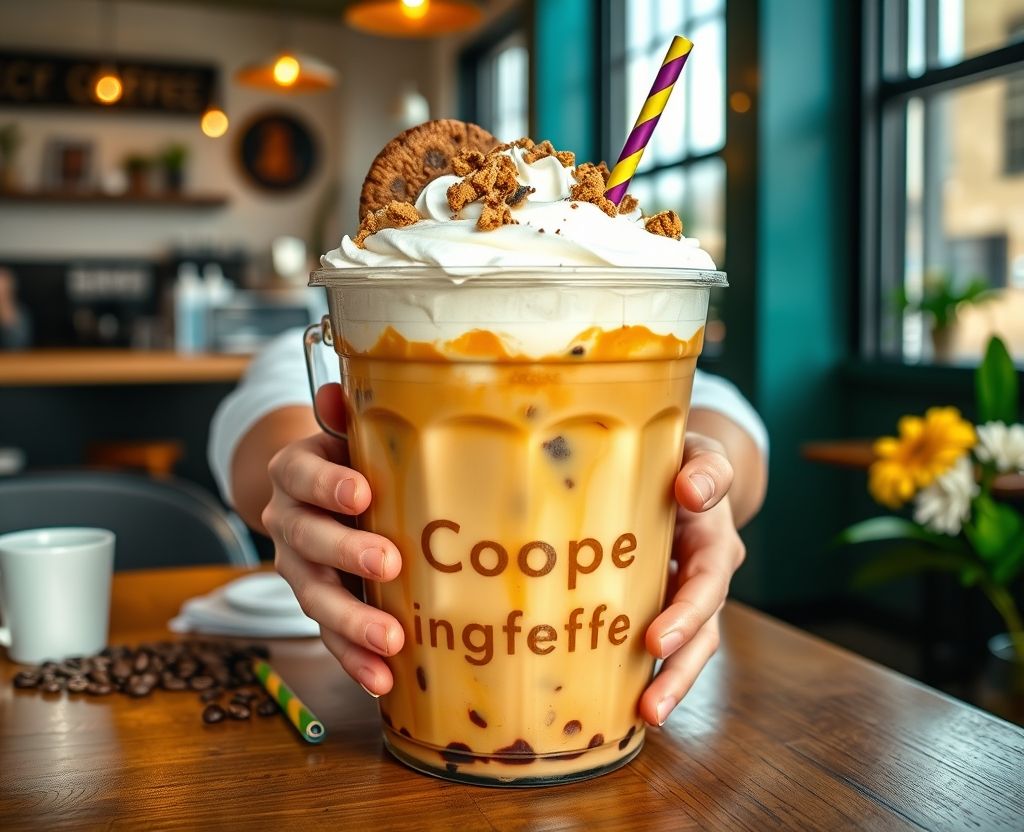
In an age where coffee culture meets digital virality, a bold new beverage format is taking the spotlight: the coffee bucket. This supersized drink, often holding between 1 to 1.5 liters of iced latte, cold brew, or flavored coffee, has rapidly moved from a social media curiosity to a retail reality, reshaping café menus and consumer habits across multiple countries.

From Seoul and Bangkok to Connecticut and Oregon—and now making inroads into the Gulf—bucket-sized coffee is no longer just a novelty. It’s a booming trend that reflects the growing intersection of experience-based consumption, social media dynamics, and coffee’s ever-adaptable identity.

A Trend Born for the Algorithm

The origin of the coffee bucket is widely traced to Southeast Asia, where cafés in Thailand and South Korea began serving iced drinks in literal plastic or acrylic buckets—complete with lids, handles, and jumbo straws. These drinks were often creatively topped with whipped cream, colorful syrups, marshmallows, or even entire slices of cake.

The visual impact was immediate and irresistible: a drink so exaggerated in size and style that it demanded attention on platforms like TikTok and Instagram. Young consumers, especially Gen Z, embraced it not only for its shareability but also for the communal experience it offered—bucket drinks are often enjoyed by two or more people.

By 2024, the trend had crossed continents. In the United States, a coffee shop in Waynesville, Ohio—Taylor’s Coffee & Creamery—launched a 34-ounce “Coffee Bucket” for Independence Day, featuring four shots of espresso, milk, and flavored syrups. The product sold out within hours and has since become a daily staple for the shop, often posted online by eager customers.

The Industry Response: Pragmatic Optimism

While some in the specialty coffee community have raised eyebrows over the trend’s perceived excess, many café operators are embracing it as a business opportunity. High-margin, high-volume, and irresistibly photogenic, the coffee bucket offers cafés a creative way to stand out in a competitive market—especially during the summer.

“We’ve seen a 30% increase in foot traffic since launching our 36-ounce buckets,” says a café manager in Connecticut, where several local businesses now offer their own interpretations. “It’s not just a drink—it’s a moment.”

Others see it as a gateway to broader experimentation. Several shops in the UAE are reportedly testing “Arabic coffee buckets” with saffron milk, while in Indonesia and Malaysia, there are emerging versions that blend cold brew with condensed milk and tropical fruits.


The Critics: Questions of Quality and Sustainability

Despite its popularity, the coffee bucket trend is not without controversy. Specialty coffee professionals argue that the massive format risks diluting the principles of origin-focused, carefully measured brewing. “You lose balance when the serving size becomes the spectacle,” notes a certified Q Grader based in Dubai.

Environmentalists, too, have voiced concerns—particularly over the use of disposable plastic containers. In response, some cafés have begun introducing reusable or stainless-steel bucket options, offering discounts for return customers or cup-sharing programs to mitigate waste.

More Than a Gimmick?

Analysts suggest that the coffee bucket trend taps into larger shifts in consumption. Post-pandemic consumer behavior shows strong preference for immersive, memorable experiences—especially those that translate well to digital platforms. In this context, a bucket-sized iced latte becomes more than a drink; it becomes a story, an image, a moment of identity.

Moreover, the trend reflects the blending of traditional coffee culture with contemporary pop aesthetics. “We’re witnessing a new wave,” says a café consultant in Singapore. “Where the third wave focused on flavor and origin, this new phase is driven by personalization, spectacle, and emotional engagement.”

A Future Full of Flavor—and Volume

While it’s too early to say whether coffee buckets will become a long-term fixture or fade like previous fads (remember dalgona?), what’s clear is that they’ve captured the imagination—and wallets—of a global audience.

Cafés that adapt creatively and responsibly may find in this trend a powerful tool for both marketing and community building. And for consumers? The coffee bucket is a reminder that even in a craft-focused industry, joy, fun, and a little exaggeration still have a place in the cup.


Instant Coffee Under Scrutiny: What Are You Really Drinking?

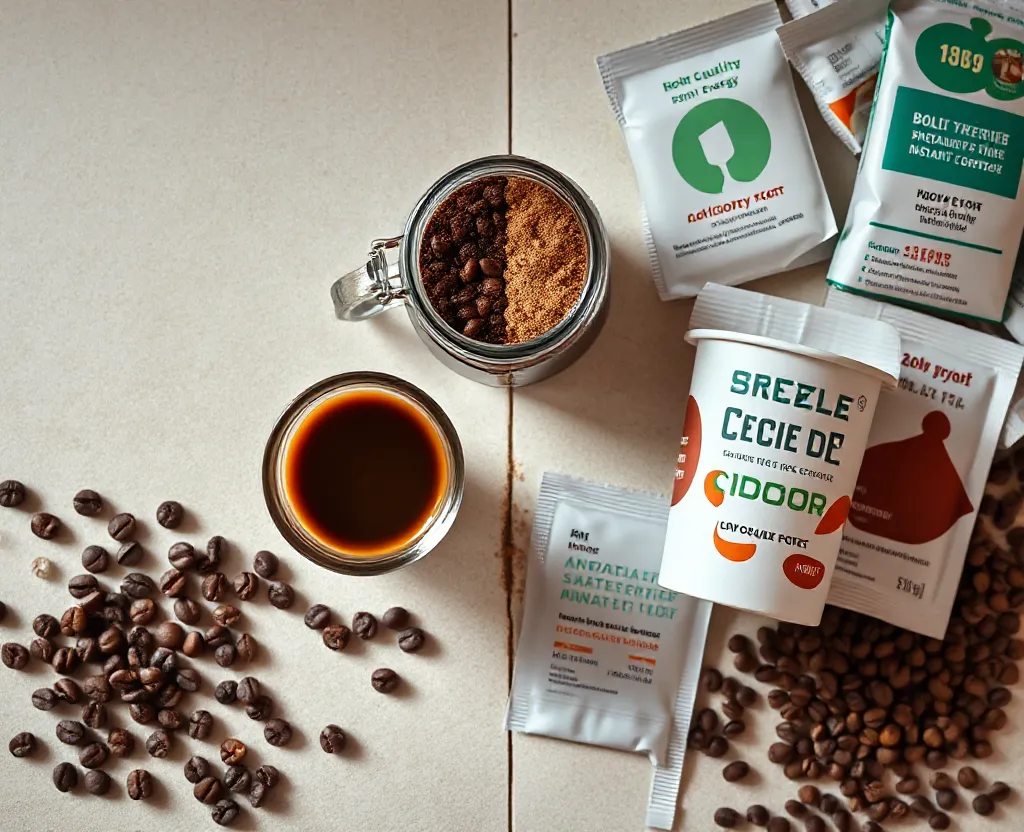
For millions of consumers across Russia and beyond, instant coffee is a daily companion — fast, convenient, and widely available. But behind its simplicity lies a complex product with significant variation in quality. From harmful additives to misleading labeling, not all instant coffees are created equal.

What is instant coffee, really?

Instant coffee is made by brewing ground coffee beans into a concentrated liquid, which is then dried — either through freeze-drying (sublimation) or spray-drying.

  • Freeze-dried coffee retains more aroma and flavor.

  • Spray-dried coffee is cheaper but often lower in quality.

What did recent tests reveal?

Independent studies of major instant coffee brands in Russia revealed major differences:

Trusted brands:

  • Jardin – high Arabica content and rich flavor.

  • Jacobs Monarch – consistent quality and natural ingredients.

  • Nescafe – known for advanced processing and reliability.

  • Black Card & Moskovskaya Kofeynya na Payakh – clean composition with no harmful additives.

Brands with issues:

  • Italica, Favorit, MacCoffee Favorite – found to contain fillers like chicory, artificial flavors, and trans fats, especially in “3-in-1” variants.

Why low-quality instant coffee is a health concern

  • Trans fats raise the risk of heart disease.

  • Chicory may trigger allergic reactions.

  • Artificial ingredients degrade both health and taste.

Expert Tips: How to choose quality instant coffee

  1. Read the label – Look for “100% instant coffee” with no additives.

  2. Check origin – Prefer beans from traditional coffee-producing countries.

  3. Look at texture – Freeze-dried granules are coarse and irregular.

  4. Beware of low prices – Cheap often means poor quality.

  5. Verify packaging – Ensure the seal is intact and the roast date is recent.

Market Outlook

The Russian market is evolving. Consumers are demanding more organic, additive-free, high-quality instant coffee, pushing producers toward better standards. The future of instant coffee lies in transparency, quality sourcing, and consumer awareness.

Instant coffee can be a good choice — if you know what to look for.

Looking for a Midnight Blend? Yemeni-Inspired Ebreeq Coffee House Adds New Flavor to Cleveland Nights

Downtown Cleveland’s Public Square has welcomed a unique addition to its late-night scene with the arrival of Ebreeq Coffee House, a café that brings the rich flavors and traditions of Yemeni coffee culture to the city.

From the first step through its doors, visitors are met with the enticing aroma of cardamom and spices—a sensory invitation into a space that blends heritage, community, and craft. Co-founded by Dia al-Baadani, the coffee house is more than just a place to grab a cup—it’s a cultural experience rooted in centuries-old practices.

Honoring a Coffee Legacy

Ebreeq’s menu features traditional Yemeni beverages like mufawar, a smooth coffee infused with cream and cardamom, and qishr, made from coffee husks brewed with ginger and cinnamon. These specialty drinks are complemented by a curated selection of ornate pastries, offering a taste of Yemen’s rich culinary traditions.

“We wanted to give people a place to enjoy excellent coffee in a setting that reflects Yemeni hospitality—open late, welcoming, and full of character,” said al-Baadani.

The café sources its beans from Yemen’s Haraz region, known for its high-altitude terrain and ideal climate for coffee cultivation. Farmers in this area follow traditional, chemical-free growing practices. Cherries are handpicked only when ripe, sun-dried, and ground using age-old methods that preserve the beans’ distinct flavor.

Navigating Challenges from Afar

Despite Yemen’s ongoing political instability, Ebreeq continues to maintain its supply chain through trusted farming families. With limited access to export routes—primarily through the port of Aden—the business has had to adapt. “What used to take a month now takes three,” noted al-Baadani, referencing delays caused by port closures and trade restrictions.

While the well-known port city of Mokha—the namesake of the global mocha drink—remains in a conflict-prone zone, the Haraz region has so far been able to maintain production with minimal disruption, aside from logistical delays.

Late-Night Coffee Culture

Ebreeq’s extended evening hours have quickly made it a go-to destination for late-night visitors in downtown Cleveland. Currently open until 10 p.m., the café plans to stay open until midnight in the coming weeks.

“This is something we grew up with in the Middle East—gathering late at night over coffee, talking, relaxing. That’s what we’re bringing here,” said al-Baadani.

Weekend nights are especially lively, with increased foot traffic and a growing base of returning customers. “Once people try the coffee and feel the atmosphere, they come back. That’s what we aim for—one visit that turns into many,” he added.

With its deep cultural roots, handcrafted flavors, and commitment to community, Ebreeq Coffee House is quietly transforming Cleveland’s coffee scene—one cup at a time.

12 Common Mistakes When Buying Whole-Bean Coffee — Are You Making Them Too?

As specialty coffee culture continues to grow across the region, many coffee lovers—beginners and seasoned drinkers alike—still fall into common traps when buying whole-bean coffee. These small mistakes can lead to disappointing brews, wasted money, and mornings that feel just a little less magical.

Here are 12 of the most frequent mistakes coffee experts see—and how to avoid them:

1. Being Seduced by Fancy Packaging
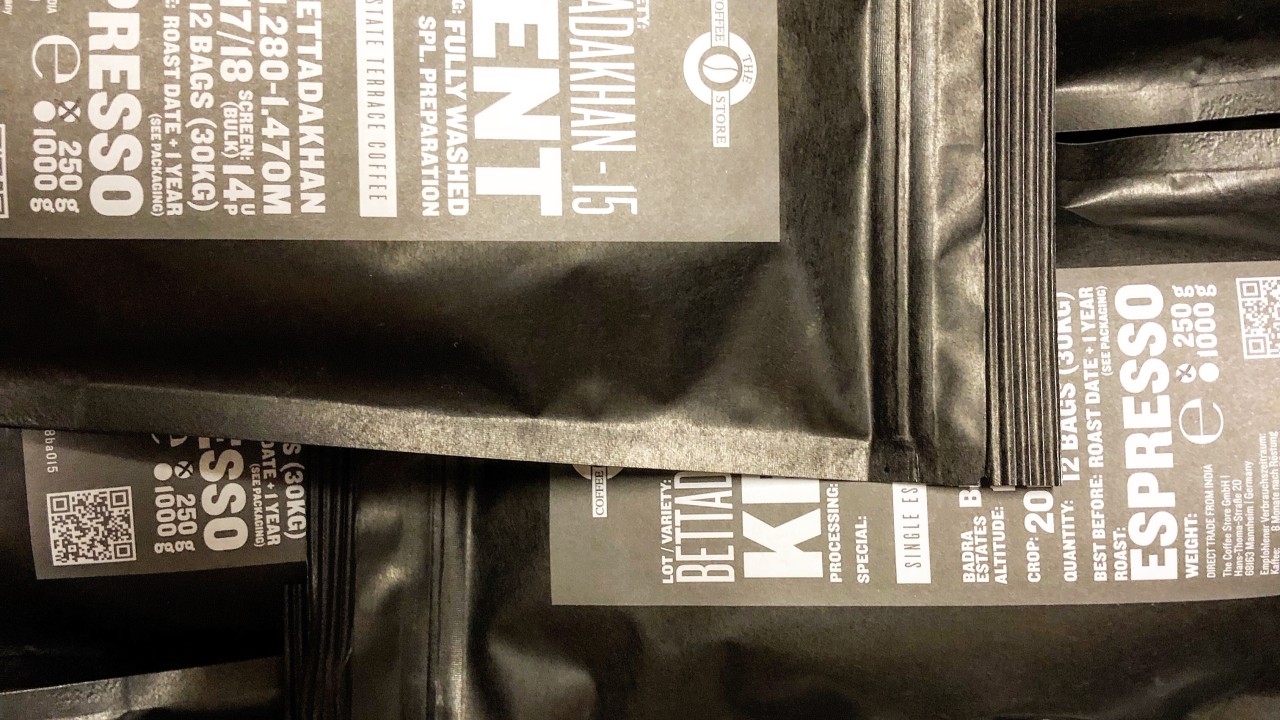
Elegant fonts, gold lettering, “Italian roast” claims, and “Premium” labels might look appealing—but they don’t guarantee quality. Experts suggest ignoring the design and focusing instead on meaningful information like roast date, bean variety, and origin.

2. Buying in Bulk for Long-Term Use
It might seem convenient or economical to buy a full kilo at once, but coffee loses its flavor fast after opening. Ideally, buy 200–250g at a time and consume within four weeks. Smaller, fresher batches always taste better.

3. Ignoring the Roast Date
Unlike wine, coffee doesn’t improve with age. Its peak flavor emerges between two to four weeks after roasting. If the packaging has no roast date—or it’s older than a month—look for another option.

4. Overlooking Bean Origin and Variety
Each origin offers unique flavor notes. Ethiopian beans often feature floral and fruity tones, while Colombian coffee leans toward caramel and cocoa. And then there’s Yemeni coffee—one of the oldest and rarest in the world—known for its complex profile of dried fruit, dark chocolate, spice, and even tobacco or leather. Its flavor is shaped by ancient dry-processing methods and high-altitude terraced farms in regions like Haraz and Bani Matar. Exploring different origins helps refine your palate and deepen your coffee experience.

5. Not Asking for Expert Advice
Baristas and staff at specialty coffee shops are often deeply passionate and knowledgeable. Don’t hesitate to ask for recommendations—especially if you’re brewing with specific methods like pour-over or espresso. A single suggestion could lead you to your next favorite cup.

6. Settling for Pre-Ground Coffee
Ground coffee loses aroma within minutes. Experts say that freshly grinding your beans right before brewing can account for up to 70% of the cup’s flavor. If you own a grinder, you’re already halfway to café-quality coffee at home.

7. Forgetting About the Water
Even the best beans can taste dull or off if brewed with poor-quality water. Tap water with chlorine or limescale can distort flavor. Filtered or low-mineral bottled water is ideal—it can elevate your coffee significantly.

8. Choosing the Wrong Roast Level
Light roasts highlight acidity and fruitiness—great for pour-overs. Medium roasts offer balance, while dark roasts tend to be bitter and smoky, working well in milk-based drinks. Matching roast level with your brew method and taste preference is key.

9. Using the Wrong Beans for the Wrong Method
Espresso requires different bean profiles than filter coffee. A blend that shines in a moka pot might fall flat in a Chemex. Always choose beans labeled or recommended for your brewing style.

10. Underestimating the Value of “Specialty” Coffee
Some dismiss the term “specialty” as just branding—but it’s a formal classification. Beans scoring 80+ points on the Specialty Coffee Association (SCA) scale undergo rigorous quality control and grading. The difference in taste and transparency is real.

11. Storing Coffee Incorrectly
Don’t store coffee in the fridge, near heat, or in clear containers. Coffee needs a dark, dry, and airtight environment—away from light, air, moisture, and odors. A vacuum-sealed or opaque canister in a cool cupboard works best.

12. Confusing Bitterness or Smokiness with Quality
A bitter or overly roasted flavor doesn’t always mean “strong” or “authentic.” In many cases, it’s the result of over-roasting, which masks the bean’s natural character. Great coffee should offer clarity, balance, and complexity—not just burn.

Final Thought
Choosing good coffee doesn’t require years of training—just a little attention to detail. Every small adjustment—checking the roast date, grinding fresh, understanding origin—can transform your daily brew from ordinary to exceptional.

Have you made any of these mistakes? Or do you have a go-to tip or secret for buying great beans? Share it with the coffee community—you might just inspire someone’s perfect cup tomorrow morning.

How Digitalisation Is Transforming the World of Coffee — From Bean to Brew

by Dr. Steffen Schwarz, Coffee Consulate

In today’s connected kitchens, a single tap on a smartphone can activate a grinder, ignite a kettle, and tailor a brewing profile with precision. Within seconds, a notification pings: Brew ready in 1:25 – enjoy your washed Castillo from Nariño. What once relied on hands-on craftsmanship now operates through embedded algorithms and automated routines. This isn’t the future of coffee — it’s the present.

Over the last decade, the coffee industry has quietly embraced a digital transformation, distinct from the flashy world of food delivery apps or robotic kitchens. The evolution has taken root through less visible, yet powerful technologies: sensors, interfaces, cloud-based systems, and integrated data flows. From farm to café to home, the role of technology is reshaping how coffee is purchased, prepared, experienced — and ultimately valued.

A New Era for Coffee Consumers

For home brewers, the impact is tangible. Smart machines linked to mobile apps, adaptive grinders that learn user habits, and subscription services guided by consumption analytics have redefined the at-home coffee experience. Users no longer need deep expertise to achieve consistent quality. The tools themselves carry embedded knowledge. Brewing has become interactive, intuitive — and increasingly personalised.

Technology doesn’t just execute a task; it interprets preferences. It empowers consumers to engage with coffee on new levels, blending convenience with sophistication. The result is a shift in the role of the coffee drinker: no longer passive, but informed and in control.

Digital Efficiency in Cafés

In commercial settings, digitalisation is enhancing consistency and scalability. Cafés now utilise cloud-based recipe databases, tablet order management systems, automated tampers, and remote telemetry for real-time quality control. These tools allow multi-location operations to standardise recipes, monitor grinder calibrations, and track extraction variables — all from a central hub.

The benefits are clear: more consistent beverages, fewer errors, and time saved for baristas to focus on customer engagement. However, with automation comes rising expectations. Guests expect flawless experiences, precise replication of their favourite drinks, and recognition of their preferences — all of which depend on the café’s digital competency.

Farm-Level Innovation and Visibility

The digital shift is also unfolding at origin, often without headline attention. Traceability platforms are increasingly available to farmers, enabling real-time recording of harvest volumes, drying data, moisture levels, and export tracking. A QR code scanned in Berlin might retrieve detailed logs uploaded from a remote hilltop cooperative in Rwanda.

More than a logistical upgrade, this transparency empowers producers. With verifiable data, they can demonstrate consistency, validate quality, and forge direct relationships with roasters. In doing so, they gain leverage within a supply chain that has long been opaque and imbalanced.

A Digital Divide with Real Consequences

Yet, this transformation is not equally accessible. Infrastructure gaps, language barriers, and unequal access to training risk deepening the divide between those who benefit from digital tools and those left behind. While some producers build global-facing digital brands, others still rely on notebooks in areas with unstable electricity.

As the coffee sector moves forward, this digital asymmetry raises concerns about fairness and inclusion — especially in a trade where equity and sustainability are already under scrutiny.

Data as the New Currency

Across the supply chain, one constant is emerging: data. Roasters monitor roast curves, cafés track behavioural trends, machines log usage, and consumers input variables from brewing methods to mood correlations. Coffee has become quantifiable in unprecedented ways.

This wave of information offers opportunities for precision and personalisation. But it also raises the risk of reductionism — of valuing only what can be measured. Sensory elements, human interaction, and the intangible rituals of coffee drinking resist digital codification. In our drive for optimisation, we must take care not to erode the emotional and cultural value that defines coffee.

The Role of Applied Coffee Science

Technology alone cannot deliver quality. Sensor data is only useful when grounded in a deep understanding of coffee science — from solubility to terroir. Moisture charts, temperature readings, and extraction metrics require context, interpretation, and sensory alignment. Without this foundational knowledge, digital tools risk becoming superficial.

It is here that applied coffee science plays a vital role, ensuring that data enhances — rather than overshadows — the human craft behind each cup.

Designing a Fair and Human-Centric Future

Ultimately, digitalisation should enhance relationships — between producers and buyers, baristas and customers, humans and the beverage itself. But that outcome requires intentionality. Digital platforms must be inclusive. Data ownership must be shared fairly. Systems must serve the coffee value chain — not dominate it.

The future of coffee will not be offline. Nor should it be. But it must remain human at its core.

As technology becomes ever more present in how we buy, brew, and belong in coffee culture, the key questions remain: Who benefits? How is value shared? And how do we ensure the soul of coffee isn’t lost in the system that supports it?

Coffee has always connected people. Today, it connects systems too. The task before us is to ensure those connections remain transparent, equitable, and deeply human.