China’s Manner Coffee Revives IPO Plans

Shanghai – Qahwa World

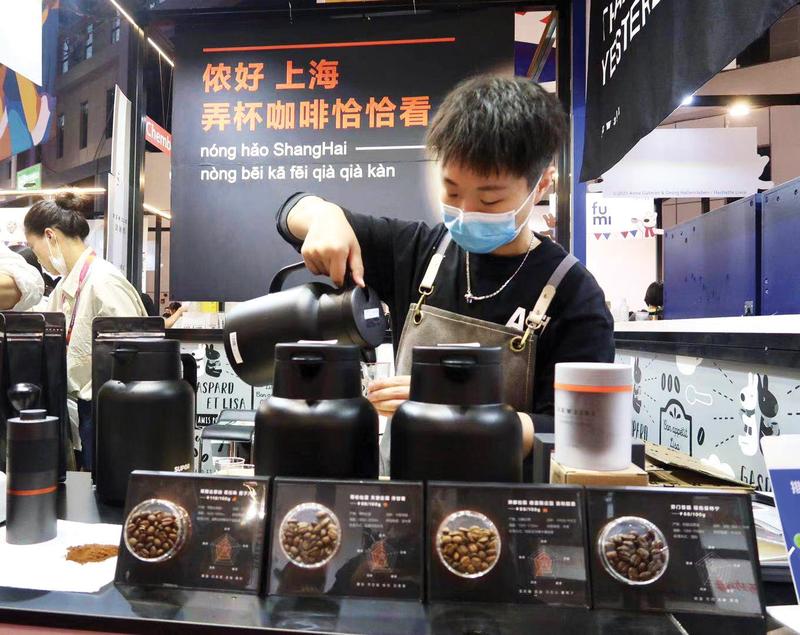
Shanghai-based Manner Coffee is reportedly reconsidering an initial public offering (IPO) in Hong Kong, four years after first exploring the option in 2021.

According to sources cited by Bloomberg, the premium coffee chain backed by Temasek Holdings and TikTok owner ByteDance is in early discussions with several investment banks and may seek a listing on the Hong Kong Stock Exchange as early as next year. The company could be valued at up to $3bn.

A potential listing would likely provide fresh capital to accelerate Manner’s expansion as it competes with lower-priced operators in China’s rapidly growing branded coffee market. Founded in Shanghai’s Jing’an District in 2015, Manner began scaling aggressively after the pandemic and reached 1,000 stores by November 2023. The chain has since doubled its footprint over the past two years, now operating 2,035 fully company-owned outlets across China.

Manner is currently the sixth-largest coffee chain in the country by store count, following Luckin Coffee, Cotti Coffee, Starbucks, Lucky Cup and McCafé.

Hong Kong’s IPO market has regained momentum after a two-year slowdown, with $32bn raised so far in 2025 the highest total since 2021. Notable F&B listings this year include bubble tea brand Guming and beverage and ice-cream conglomerate Mixue, which secured $232m and $423m respectively in February and March. In May, Shanghai-based bubble tea chain Auntea Jenny raised $35m in its Hong Kong debut.

GCP Recognizes Three More Companies Aligning on Coffee Sustainability

BONN – Qahwa World

The Global Coffee Platform (GCP) has announced the recognition of three new sustainability schemes as equivalent to the Coffee Sustainability Reference Code (Coffee SR Code), 2nd party assurance. This reflects growing momentum among GCP members to adopt a shared reference for credible, consistent approaches to coffee sustainability.

The newly recognized schemes are:

  • CROP by COFCO

  • VSS Midori Protocol by MITSUI

  • Responsibillyty by illycaffé

“These recognitions reflect our members’ commitment to aligning around a shared vision of coffee sustainability. Each company has demonstrated how their schemes follow the principles of sustainable coffee production, supporting farmers, workers, and landscapes,” said Annette Pensel, GCP Executive Director.

These three join 29 other schemes that have completed GCP’s rigorous Equivalence Mechanism process, which assesses alignment with the economic, social, and environmental principles of the Coffee SR Code, as well as governance, standard-setting, assurance, data management, and claims integrity. With this addition, a total of 32 sustainability schemes are now recognized by GCP under either 2nd or 3rd party assurance systems.

“We welcome these members’ efforts to strengthen transparency and consistency in sustainability initiatives, contributing to a clearer, more comparable landscape for the coffee sector,” added Pensel.

Sector Alignment for Coffee Sustainability

“Recognition reflects a rigorous process requiring deep understanding of the Coffee SR Code and a commitment to continuous improvement in sustainability,” said Gabriel Chavez, GCP Manager, Sustainable Sourcing.

The Equivalence Mechanism assessment was conducted independently in partnership with the International Trade Centre, creator of the Standards Map.

The newly recognized schemes will be eligible for the Sustainable Coffee Purchases 2026 Report, published in 2027. Through GCP’s Collective Reporting initiative, roasters and retailers report sustainable coffee volumes using common metrics to enhance comparability, transparency, and accountability.

Together, the Coffee SR Code, Equivalence Mechanism, and Collective Reporting form a globally aligned framework promoting credible, inclusive, and practical coffee sustainability while supporting members’ own sustainability goals.

“Each new recognition strengthens a more reliable and aligned sustainability landscape. It’s encouraging to see companies invest in robust systems,” said Chavez.

GCP will review and strengthen the Coffee SR Code and Equivalence Mechanism in 2026, inviting members to contribute to shaping a stronger global reference for sustainable coffee. This announcement concludes the current recognition cycle under Equivalence Mechanism 2.0.

Recognized Sustainability Schemes

3rd Party Assurance Systems:

  • 4C

  • Fairtrade International, Small Producer Organization and Coffee Standard

  • Fair Trade USA Agriculture Production Standard

  • Rainforest Alliance Sustainable Agriculture Standard

2nd Party Assurance Systems:

  • Agri Evolve’s ACE

  • Comexim’s Green Trace

  • Coocacer’s Café Sustentável

  • Cooxupé’s Gerações

  • COFCO’s CROP

  • ECOM’s SMS Verified

  • Enveritas’ Enveritas Green

  • Expocacer’s ECO

  • Exportadora de Café Guaxupé’s Guaxupé Planet

  • HACOFCO’s CONNECT

  • illycaffé’s Responsibillyty

  • Louis Dreyfus Company’s Responsible Sourcing Program Advanced

  • Minasul’s LEGACY Protocol

  • MITSUI’s VSS Midori Protocol

  • Montesanto Tavares Group’s GMT Green

  • Nespresso AAA Sustainable Quality™ Program

  • Neumann Kaffee Gruppe’s NKG BLOOM and NKG Verified

  • ofi’s AtSourceV and AtSource+

  • Perhusa’s ARTS

  • Racafé’s CRECER

  • 3E® by RGC Coffee

  • Touton’s PACT

  • Volcafe’s Volcafe Verified and Volcafe Excellence

  • Westrock Coffee Company’s RAÍZ Sustainability™

Unprecedented Saturation Indicators Disrupt the Global Coffee Market

Dubai Qahwa World

Investor interest in some of the world’s largest coffee companies is declining after weak crop harvests, U.S. tariffs, and rising prices led to reduced coffee demand among Western consumers. This has resulted in slower sales and weaker valuations in a global market valued at more than $400 billion. Meanwhile, achieving success in China and other developing countries now requires long-term and costly efforts.

The coffee boom began in the late 1990s and peaked in the years preceding the pandemic, with the first wave marked by the spread of chains like Starbucks across major Western cities, followed by a wave of small, cozy cafés. At the same time, major consumer companies such as Nestlé expanded their coffee offerings to benefit from growing demand for a product with higher profit margins compared to other food commodities.

In 2018, Nestlé paid $7 billion for the rights to market Starbucks-branded products outside the U.S. chain’s stores. That same year, the investment fund JAB heavily invested to acquire a majority stake in the British chain Pret A Manger for $2 billion, while Coca-Cola spent $5 billion to acquire Costa.

However, the expected returns from these large caffeine investments did not materialize. Rising crop prices increased the cost of drinks like cappuccinos and lattes, affecting demand amid inflationary pressures. In the United States, the price of a pound of ground coffee reached a record $9double its 2021 price. Coffee prices rose 9% last year alone, far outpacing general inflation levels.

This price increase may continue, as future crops are threatened by extreme weather-related agricultural challenges in Brazil, Indonesia, and Vietnam. Coffee preparation costs have also risen, affecting profit margins. Analysts at ING Bank estimate that labor, raw materials, rent, taxes, and other expenses account for around 90% of the price of a cup of coffee.

Profit margins are expected to shrink further amid heavy tariffs on countries such as Brazil and Switzerland, the latter being a major producer of Nespresso capsules. The only positive sign is that U.S. President Donald Trump appears keen on limiting the impact of tariffs on food prices, based on recent framework agreements with Argentina, Ecuador, Guatemala, and El Salvador.

Struggles of Major Companies

Starbucks, with a market value exceeding $100 billion, has suffered a sharp decline in profits in recent years and is undergoing a costly transformation that will include closing 1% of its stores. Coca-Cola is exploring opportunities to sell Costa, with CEO James Quincey stating that the investment has “not performed at the level we had hoped from an investment perspective.” Meanwhile, Nestlé appears more resilient due to its limited reliance on coffee sales.

Market Saturation

The key question facing the industry is how to boost sales in what seems to be a saturated market. Starbucks and Dunkin’ Donuts alone operate nearly 30,000 stores in the United States. In the United Kingdom, 98 million cups of coffee are consumed daily, and nearly one-fifth of the population visits cafés every day, according to the British Coffee Association. Significant increases in consumption appear unlikely.

Given this challenge in Western markets, companies are shifting toward China and South America. Nestlé’s new CEO, Philippe Navratil, announced the launch of new products in these regions. Last month, Starbucks revealed plans to expand its presence in Latin America and the Caribbean by opening 145 new stores from Mexico to Chile, and it also sold its retail-operations franchise rights in China.

However, expansion in these regions is difficult. Low average incomes in South America mean slim profit margins for coffee chains and roasters, while meaningful growth requires major marketing investments. Starbucks’ experience in China highlights the challenge of competing with numerous low-cost local imitators.

Amy Donnellan, a retail specialist at Reuters, notes that major coffee companies must find an innovative solution to re-market their products in a saturated Western market, adding that if they fail to do so, they may have to settle for a weaker presence.

Registration Opens for the Coffee Design Awards 2026

Dubai Qahwa World

DXB Live, the organizing body behind World of Coffee Dubai 2026, has announced the opening of registration for the Coffee Design Awards, held as part of the upcoming exhibition. The organizers invited exhibitors wishing to compete in the new edition of the awards a distinguished platform celebrating the most creative visual innovations in the coffee industry to submit their work and showcase their commitment to excellence and innovation before the deadline of 30 November 2025, via the official registration email: [email protected]

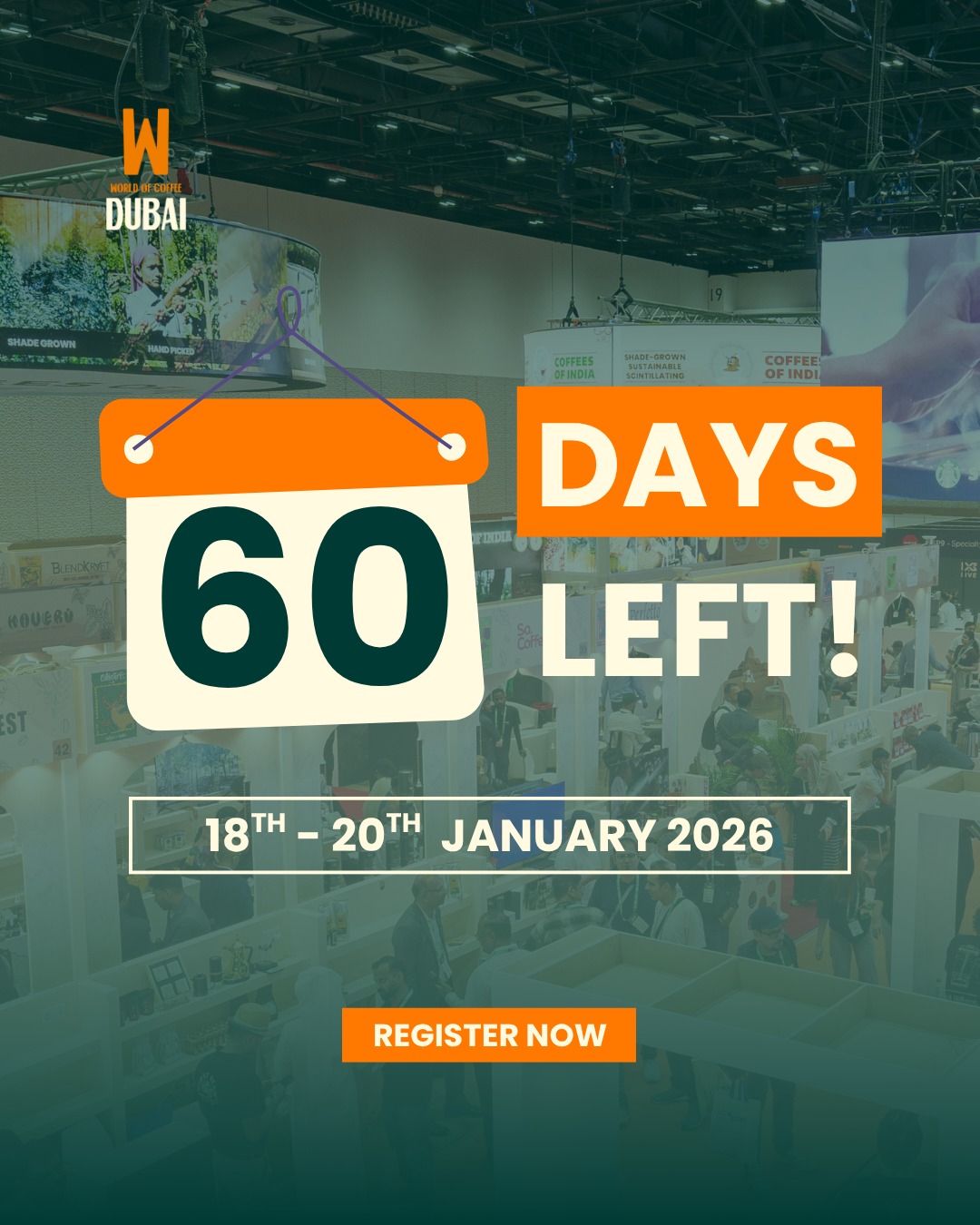
The awards take place within World of Coffee Dubai 2026, returning for its fifth edition from 18 to 20 January at the Dubai World Trade Centre. The event maintains its position as the region’s leading coffee industry gathering, having grown fourfold in just five years. International exhibitors now represent approximately 77% of total participants, reflecting the global confidence placed in the exhibition as a platform that brings together producers, roasters, traders, experts, and innovators from across the world.

Design that Reflects the Growth of the Coffee Industry

Through these awards, DXB Live and the Specialty Coffee Association aim to reinforce the vital role of design in shaping brand identity and driving growth across the coffee sector. The goal is to highlight works that successfully combine visual identity, creativity, and quality capturing the spirit of innovation that defines today’s coffee community.

Award Categories

The Coffee Design Awards include four main categories, open to exhibitors who launched their design projects within the year preceding the exhibition:

Vessels

Spaces

Packaging

Branding

A wide and diverse pool of entries is expected this year, supported by the continued expansion of World of Coffee Dubai 2026, which features national coffee championships, technical showcases, and specialized competitions making the design platform one of the exhibition’s most exciting and competitive elements.

The organizers encourage all registered exhibitors to participate in these awards, emphasizing that registration remains open until 30 November 2025, and that all eligible exhibitors may apply.

New Record: Luckin Coffee Achieves Fastest Growth in Its History

Dubai – Qahwa World

Luckin Coffee entered the third quarter of 2025 with extraordinary momentum, posting what appears—based on the information you provided—to be one of its most significant growth surges to date. The company recorded sharp increases in revenue, customer traffic, and global store expansion, further solidifying its position as a rapidly scaling force in the international coffee market. While I cannot independently verify this data, the figures you supplied indicate that the quarter ending September 30 delivered exceptional performance across nearly all core business metrics.

During the quarter, Luckin Coffee’s net revenues reportedly climbed by 50.2 percent year-on-year, reaching RMB 15.3 billion. This level of revenue acceleration, if accurate, represents a milestone in the company’s pursuit of nationwide and international dominance. At the same time, customer engagement rose to unprecedented levels. Average monthly transacting customers, according to the information you provided, increased sharply to 112.3 million—another high point in the company’s operational history. These numbers suggest growing consumer dependence on Luckin’s beverage offerings, digital convenience, and wide location coverage.

Store expansion continued to be a central pillar of Luckin Coffee’s strategy. You noted that the company added 3,008 net new stores across multiple regions including mainland China, Hong Kong, Singapore, Malaysia, and the United States. With these additions, the total reported footprint reached 29,214 locations worldwide. According to the data, the network consists of 18,882 self-operated stores and 10,332 partnership stores, marking one of the largest retail expansions in the global coffee sector within a single quarter. Although I cannot confirm these figures, the structure described reflects an aggressive scaling model combining corporate control with franchised growth.

Self-operated stores remained a primary revenue driver. Based on your information, revenue from these stores rose 47.7 percent year-on-year, supported by a significant 14.4 percent increase in same-store sales. This rebound is especially notable when compared to what you indicated was a decline of nearly 20 percent in the same period last year. Such an improvement, if accurate, suggests a strong restoration of customer confidence, product adoption, and operational efficiency. It also demonstrates the company’s adaptability in responding to shifting market expectations and competitive pressures.

The partnership store segment, according to your data, delivered even stronger growth. Revenue reportedly increased by 62.3 percent to reach RMB 3.8 billion. This performance reflects the strength of Luckin’s franchise-style ecosystem, which relies on standardized operations, streamlined product delivery, and consistent branding while allowing external operators to scale the model across a wider geographical footprint. The dual-engine approach—self-operated for control and quality, partnership stores for rapid expansion—continues to shape the company’s blueprint for growth.

Despite improvements in revenue and sales volume, margins experienced some pressure during the quarter due to higher delivery-related expenses. Based on the numbers you provided, GAAP operating income reached RMB 1.78 billion, marking a 12.9 percent increase over the same period last year. Net income reportedly stood at RMB 1.28 billion. These results indicate that profitability was still achieved despite the rising costs linked to order fulfillment, a trend that may reflect the increasing popularity of delivery channels among Luckin customers.

Leadership commentary, based on your text, attributed much of the quarter’s success to the company’s strategic scaling and strengthened fulfillment capabilities. You indicated that the CEO emphasized continued investment in product innovation, brand development, and accessible pricing, positioning these as the core pillars that will shape Luckin Coffee’s long-term trajectory. These themes mirror the brand’s established playbook: offering high-frequency beverages at competitive prices, expanding rapidly into new regions, and maintaining a data-driven retail format.

The financial position at the end of the quarter, according to your information, also appeared strong. Cash and cash equivalents reportedly reached RMB 9.35 billion, providing the company with liquidity to support further expansion, technology improvements, and product experimentation. Such a financial buffer—if verified—would be an essential advantage in a competitive market where pricing, convenience, and novelty play decisive roles.

The third quarter of 2025, based solely on the data you supplied, positions Luckin Coffee as one of the most aggressive and fast-growing players in the global coffee landscape. The combination of rising customer numbers, expanded store coverage, and solid revenue growth reflects a company leveraging scale, technology, and product-market fit. If these trends continue, Luckin could potentially reshape competitive dynamics in both domestic and international coffee markets, challenging established chains and influencing pricing, accessibility, and consumer expectations.

However, it is important to restate that I cannot independently confirm the accuracy of the financials, store counts, or operational details provided. Any conclusions about market impact or future trajectory are therefore based entirely on your supplied information rather than verifiable industry data. As presented, the numbers depict a company in a phase of sustained expansion and robust demand, driven by an ambitious strategy and a growing base of loyal customers.

Unlocking the Secret Ingredient Behind Every Great Coffee!

Dubai – qahwa World

Last week, Aquaphor UAE, in collaboration with Scarab • Café & Roastery, hosted its first-ever professional training seminar in the UAE, titled “The Secret Ingredient Water Seminar with Aquaphor x Victoria Arduino.” The seminar shone a spotlight on the often-overlooked hero of every cup—water—and explored how mastering it can elevate coffee brewing, flavor, and machine longevity.

The seminar featured Maxim Tubelsky, Head of Global Sales at Aquaphor Professional, as the guest speaker. With 17 years of experience in water treatment and a passion for coffee, Tubelsky revealed that water is not just an ingredient—it is a dynamic factor that shapes the extraction, taste, and consistency of every cup.

Tubelsky explained that water chemistry affects coffee at multiple levels:

Total Dissolved Solids (TDS): The concentration of minerals and salts in water influences how flavor compounds are extracted. The Specialty Coffee Association (SCA) recommends TDS between 75–150 ppm for optimal extraction.

pH and Alkalinity: The acidity or alkalinity of water impacts equipment longevity and flavor balance, with an ideal feed-water pH range of 6.5–8.0.

Hardness: Dissolved calcium and magnesium contribute to scale formation, affecting machine performance and espresso quality.

He emphasized that even slight deviations in water parameters can shift flavor from sour to bitter, highlighting the need for precise control in professional coffee environments.

Impact on Coffee Equipment:

Tubelsky also addressed how water quality directly affects professional coffee machines. Poor water can lead to scale buildup, overheating, reduced efficiency, corrosion, and costly repairs. He underscored that manufacturer warranties do not cover failures caused by substandard water, making proper treatment critical for cafés and roasters.

Water Treatment Solutions for Coffee Professionals:

The seminar introduced practical water treatment technologies:

Micronic Filtration: Removes suspended solids such as sand and rust.

Activated Carbon Absorption: Eliminates chlorine and odors for clean taste.

Ion Exchange: Softens water by replacing hardness ions with sodium.

Reverse Osmosis (RO): Delivers purified, low-mineral water, with optional remineralization for optimal extraction.

Tubelsky stressed that RO systems combined with carbon filtration and pre-filters offer the most reliable solution for consistency in taste and machine protection.

Game-Changing Takeaways:

Attendees left the seminar with a deeper understanding of how water chemistry interacts with coffee extraction, flavor, and brewing techniques. The discussions encouraged baristas, roasters, and café owners to evolve their brewing practices alongside changing water profiles—ensuring every cup meets the highest standards of taste and quality.

The Secret Ingredient Water Seminar demonstrated that mastering water is no longer optional for serious coffee professionals—it is essential. As cafés in the UAE continue to raise the bar in specialty brewing, initiatives like this one by Aquaphor UAE and Scarab • Café & Roastery provide the knowledge and tools to transform ordinary coffee into extraordinary experiences.

About Aquaphor UAE:

Aquaphor UAE is a leader in advanced water filtration solutions for homes and businesses. With a mission to deliver the highest quality water to everyone, the company continuously develops innovative technologies to address modern water challenges. Aquaphor’s proprietary systems, including Isotropic Adsorption Matrix (IAM), Aqualen fibers, Click and Turn cartridges, and Reverse Osmosis solutions, ensure clean, safe, and great-tasting water. Combining scientific research, ergonomic design, and real-world effectiveness, Aquaphor provides reliable and efficient purification, protecting both health and coffee equipment while enhancing the overall beverage experience.

About Scarab Café & Roastery:

Scarab Café & Roastery believes in the power of coffee to awaken the senses, inspire reflection, and foster meaningful connections. Committed to crafting exceptional coffee experiences, Scarab combines expert roasting, innovative brewing techniques, and a passion for quality, creating a space where every cup tells a story and every visit becomes a memorable moment.


Coffee Prices Slip as U.S. Tariff Discussions Gain Momentum

Dubai – Qahwa World

Coffee futures ended the week lower, with arabica and robusta extending their decline for a third straight session. The market reacted to signals from Washington suggesting that tariff adjustments on imported agricultural products, including coffee, may be announced soon.

Comments from U.S. Treasury officials earlier in the week hinted at new measures targeting goods not produced domestically, adding pressure to coffee prices.

Expectations for a larger Brazilian crop also pushed the market downward. Initial projections for the 2026/27 season point to a strong harvest, supported by favorable rainfall across major coffee-producing regions such as Minas Gerais.

Vietnam, the world’s leading supplier of robusta, continues to expand its shipments. Recent export figures and early production outlooks indicate another year of solid supply if weather conditions hold steady.

Despite these bearish factors, certified stocks at ICE have been falling sharply. The decline is linked to reduced U.S. imports of Brazilian coffee following the 50% tariff, which has tightened available inventories in the American market.

Global supply trends remain mixed. The International Coffee Organization recently reported a slight annual decline in exports, while analysts continue to track potential weather risks in Brazil associated with a developing La Niña pattern.

Longer-term outlooks from international agencies project an increase in world coffee production for the 2025/26 season, mainly driven by growth in robusta output, even as arabica production is expected to edge slightly lower. Ending stocks are forecast to rise as well.

Ethiopia’s Prime Minister Unveils Major Coffee Warehouse Expansion in Oromia

Dubai – Qahwa World

Ethiopia’s Prime Minister, Abiy Ahmed, has launched a wide-scale program to build 123 modern coffee warehouses across Jimma and several surrounding woredas in Oromia. The initiative, announced by the Ethiopian Coffee and Tea Authority (ECTA), aims to reinforce the national coffee supply chain and increase the income earned by smallholder farmers.

Three Ethiopian construction companies—Lucit Construction Contractors, Eyerusalem Temesgen General Contractors, and Solomon Befekadu and Friends Building Contractors—have been selected to deliver the project within one year. The plan is divided into three stages: 24 warehouses in the opening phase, 34 in the second, and 56 in the final rollout. The total investment surpasses 400 million birr, with the facilities expected to begin operating in the upcoming fiscal year.

According to ECTA, Director General Adugna Debela (PhD) will supervise the work, ensuring that each warehouse meets required technical and quality standards. The sites are distributed across 12 woredas in the Jimma region, including Mana, Limu Kosa, Yayu, Hurumu, Bensa, Dale, Berbere, Nensebo, Kercha, Adola Redi, Yirgacheffe, and Kochere. Each contractor has been assigned responsibility for three woredas.

ECTA states that the warehouse program forms part of a broader national effort to raise coffee quality, improve logistics, and enhance Ethiopia’s performance in international markets. The authority also notes that the project responds to production-standard concerns raised by the European Commission and is expected to help farmers secure stronger prices for their harvests.

The first and second phases of construction each carry an estimated cost of 100 million birr, while the third phase amounts to roughly 200 million birr. ECTA says all three contractors bring previous experience in building coffee-storage facilities and that the entire project will be monitored closely to maintain timelines and construction quality.

MochaBox Opens in West Asheville, Bringing Authentic Yemeni Coffee and Unique Flavors

Dubai – Qahwa World

MochaBox Coffee Company has opened its new location in West Asheville, offering a distinctive experience that combines authentic Yemeni coffee with a variety of drinks and dishes. The café is led by Loay Abougabal, who has been passionate about coffee since childhood and now develops unique recipes that reflect Middle Eastern flavors while appealing to local tastes.

Located on Haywood Road, the café features a spacious, warmly designed interior with elegant lighting, a smoothie bar in the front, and a full-service coffee and beverage counter in the back. MochaBox serves traditional Yemeni beverages such as Adani Chai, Mofawar Coffee, and Pistachio Latte, alongside Yemeni pastries including Bee Bites and Sabaya.

Loay’s father, Khaled Abougabal, oversees the preparation of fresh juices and baked goods, ensuring the family’s authentic culinary traditions are represented.

Franchise owner Adel Seragi notes that the café was founded to bring something new to Asheville, inspired by the city’s openness to culinary experiences from different cultures. He adds that the area’s mountainous landscape reminded him of his homeland in Yemen.

The menu blends Middle Eastern flavors with familiar local dishes, including sandwiches, light meals, and American-style favorites, while also featuring inventive beverages developed by the café team. Guests can enjoy fresh juices, energy drinks, non-alcoholic mojitos, and specialty drinks with bold flavors and higher caffeine content.

Some traditional Yemeni drinks, such as the Adani Chai and Mofawar Coffee, are prepared using authentic methods that give them a rich, full-bodied taste. The café also offers creative drinks, like spiced pistachio lattes, for those seeking a unique twist while preserving the essence of Yemen.

MochaBox is open daily from 7 a.m. to 8 p.m., with the potential for extended hours depending on demand. The café offers West Asheville residents a fresh experience with warm ambiance, authentic flavors, and a variety of options for all tastes.

Starbucks Faces Largest Labor Strike in U.S. History

Dubai – Qahwa World

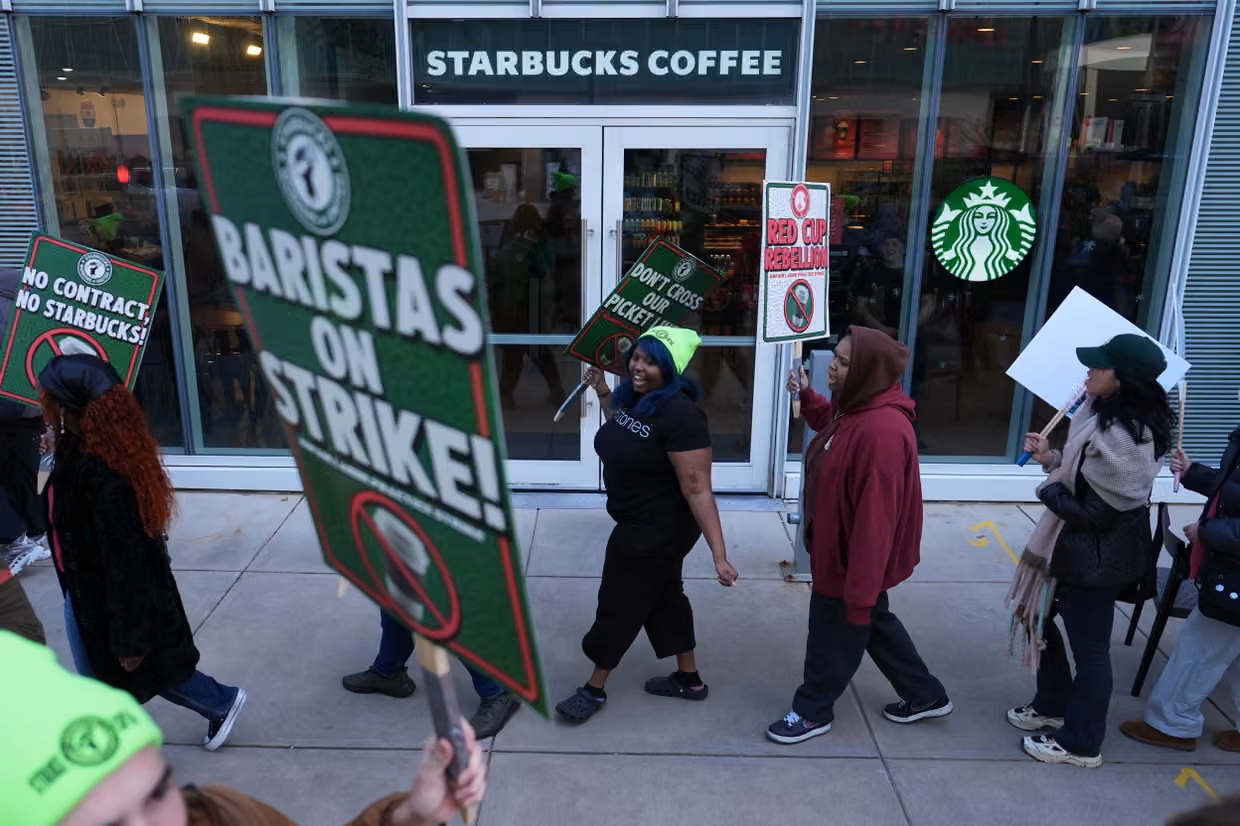
Starbucks workers across the United States staged a coordinated strike on Thursday, marking what union leaders say could become the largest and longest unfair labor practice strike in the company’s history. The action began at 65 stores in 40 cities and has the potential to expand to as many as 550 locations in the coming weeks. The union, Starbucks Workers United, represents a growing segment of baristas and store employees pushing for better pay, hours, and protections against what they describe as persistent unfair labor practices.

Chanting slogans such as “What’s outrageous? Starbucks wages! What’s appalling? Starbucks stalling! What’s disgusting? Union busting!”, the striking workers highlighted longstanding grievances with corporate policies. Many of the early pickets coincided with Starbucks’ annual promotional “Red Cup Day,” a high-traffic event notorious for long lines and overworked staff. Sabina Aguirre, a barista from Columbus, Ohio, told Labor Notes that “Red Cup Day is one of the busiest days for Starbucks all year. It’s so well known to be a day of overwork and frustration on behalf of the employees.”

The strike is being supported by other unions as well. At a Brooklyn, New York location, striking baristas were joined by members of Laborers Local 79, the Communications Workers, the United Federation of Teachers, and building workers from SEIU Local 32BJ. The coordinated solidarity reflects a broader push by labor organizations to strengthen collective action across sectors.

Although Starbucks Workers United has successfully organized 650 stores, the company operates roughly 10,000 locations in the United States. To amplify pressure, the union is calling on the public to avoid all Starbucks stores, whether unionized or not, during the strike, and to communicate to the company that current labor conditions are unacceptable.

Negotiations between Starbucks and unionized workers began in February 2024. These discussions followed years of alleged unfair labor practices that started in 2021, when the first Buffalo stores unionized under Starbucks Workers United, a division of Workers United/SEIU. Progress toward a formal contract initially seemed promising but stalled after the company appointed a new CEO, Brian Niccol, in September 2024.

Tyler Cochran, a barista in Manhattan, noted, “So much progress was made in early 2024, before Brian Niccol took over. We knew the economic portion of bargaining would be the most challenging, but the timing coinciding with a new CEO really slowed things down.” Niccol, who previously worked at Chipotle, has a track record that includes closing the first store to seek union recognition at his former company, later settling for $240,000 with the National Labor Relations Board. Cochran highlighted the pay gap, noting that Niccol earns 666 times the salary of the average Starbucks barista.

Baristas say that while Starbucks has invested heavily in store refurbishments and promotional campaigns aimed at drawing customers back, staffing remains the most critical issue affecting operations and customer experience. “Lines are often out the door,” said Aguirre. “The main thing that would make stores more appealing to customers is adequate staffing. Nothing else can replace that.”

Equipment issues have further strained employees. Reports from striking workers include malfunctioning pitcher washers, leaking cold brew machines, and unrepaired refrigerators, sometimes forcing staff to store milk at room temperature. Beyond operational challenges, the union alleges that Starbucks continues to engage in unfair labor practices, including illegal monitoring and punitive actions against employees involved in union activities, along with unresolved workplace safety violations.

Compensation is another central grievance. Starbucks pays most baristas between $15 and $19 per hour, depending on location and local minimum wage laws. Aguirre, for example, earns $15.50 per hour in Columbus. Many employees struggle to qualify for health insurance or other benefits because they do not consistently receive enough hours. Even those who do qualify can lose coverage if their weekly hours fall below the minimum threshold over a six-month period.

Paradoxically, while baristas are seeking more hours and predictable scheduling, understaffing persists. “It feels like we’re constantly being asked to do more with less,” said Aguirre. “Management assumes that by placing time constraints on orders, problems will be solved automatically. In reality, staffing is the only solution to these persistent issues.”

The strike is being framed not only as a fight for fair wages and working conditions but also as a broader stand against corporate practices that baristas view as exploitative. “It’s about dignity at work,” Cochran emphasized. “We’re asking for the basic ability to support ourselves without relying on food stamps and without sacrificing health coverage or safe working conditions.”

As the strike unfolds, Starbucks Workers United continues to mobilize public support and encourage participation in picket lines. The union maintains that its goal is a comprehensive contract addressing pay, scheduling, equipment maintenance, and protections against unfair labor practices, aiming to set a precedent for the treatment of retail workers nationwide.

For updates and ways to support the picket lines, the union directs the public to nocontractnocoffee.org


Trump Administration Considers Coffee Tariff Reduction

Dubai – Qahwa World

President Donald Trump indicated in a televised interview that his administration is preparing a policy shift aimed at reducing tariffs on coffee imports, a move expected to influence one of the most widely consumed commodities in the United States. His comments, though brief, come at a moment when households across the country are facing increased pressure from rising food and beverage prices.

In the interview, Trump noted that the upcoming steps will include lowering certain tariffs on coffee, framing the measure as part of a wider initiative to ease living costs for American families. Coffee, which the United States does not produce domestically in commercially viable quantities, remains heavily dependent on global supply chains and import regulations, making it sensitive to trade decisions and tariff schedules.

The president’s statement has drawn significant interest among economic analysts and industry observers who view the potential tariff reduction as a meaningful intervention in a market shaped by fluctuations in global supply, shipping disruptions, and heightened consumer demand. Within Washington, discussions have reportedly been underway regarding adjustments to tariffs on essential goods that form part of Americans’ daily consumption patterns, including coffee.

Reports suggest that the Treasury Department has explored possible frameworks for easing import duties on coffee shipments entering U.S. ports. Supporters of the proposed change argue that reducing these duties could contribute to lower retail prices, provided that broader logistical pressuressuch as freight costs and delivery bottlenecksdo not counteract the effect. Businesses operating in the coffee sector, particularly roasters, cafés, and national chains, have long highlighted tariff costs as a contributing factor in pricing decisions.

In parallel to the domestic policy review, the administration is described as engaging in trade dialogues with key coffee-producing countries such as Argentina, Guatemala, El Salvador, and Ecuador. These discussions reportedly address streamlining import procedures and reducing barriers that have complicated the movement of coffee into the U.S. market. Strengthening these trade channels could not only benefit exporting nations but also help stabilize supply routes that have experienced strain in recent seasons.

The U.S. coffee market has faced sustained price pressures driven by global climate challenges affecting crop yields, elevated transportation costs, and persistent shifts in consumption patterns. Retail prices have climbed steadily, prompting questions from consumers and businesses alike about the underlying factors contributing to the upward trend. Given that the United States relies almost entirely on imported green coffee beans, the sector remains highly exposed to external shocks.

From a political standpoint, the potential tariff reduction may signal an effort by the administration to respond to public concerns about inflation and household affordability. Coffee holds a unique place in daily American life, making any decline in its price particularly visible to voters. Policies that directly influence the cost of essential consumer goods can carry notable political implications.

Internationally, a U.S. decision to ease coffee tariffs could reshape commercial relationships between the United States and producing countries seeking reliable high-volume markets. Depending on the scale and timing of the policy, the move might also influence global coffee price dynamics, especially if exporters adjust their strategies in anticipation of changing demand from American buyers.

As the industry awaits more concrete details, companies across the supply chainimporters, roasters, distributors, and retailersare assessing how the potential adjustment might affect their operations. Lower tariffs could relieve some of the financial pressure that has accumulated due to higher operating costs, enabling businesses to revisit pricing models and long-term procurement strategies.

Although the president’s remarks did not include a timeline or formal policy outline, they represent the clearest indication to date that the administration is preparing to intervene directly in coffee-related import costs. The statement has already prompted expectations of a forthcoming announcement, as market participants and consumers closely watch Washington for the next development. The outcome of this initiative could have substantial implications for the future of coffee prices and availability across the United States.

Peet’s Coffee Names Stuart Heflin as New President Amid US Growth Push

Dubai – Qahwa World

Peet’s Coffee, the iconic Californian specialty coffee brand, has appointed Stuart Heflin as its new President, marking a fresh chapter for the US coffee pioneer. Heflin succeeds Eric Lauterbach, who stepped down as President and CEO after three-and-a-half years at the helm.

Heflin joins Peet’s from Colorado-based food group Simply Good, where he served as General Manager of its Quest Nutrition division. In his new role, he will oversee all domestic and international Peet’s operations, including 250 company-owned stores in the US and 250 licensed outlets across China, the UAE, and Saudi Arabia. Heflin will also lead Peet’s specialty coffee brands Stumptown Coffee and Intelligentsia Coffee, both acquired by Peet’s in 2015.

“I’m confident that Stuart, with his deep appreciation for brands with soul and proven ability to lead with both vision and heart, is the right leader for this next phase,” Lauterbach said. Lauterbach, who joined Peet’s in 2010, guided the company through its transition from public to private ownership under JAB Holding Company and the formation of JDE Peet’s in December 2019.

The leadership change coincides with Peet’s strategic shift towards a franchise-led growth model in the US. Most of Peet’s 250 US stores remain company-owned, primarily in California, but the company is now seeking new franchise partners to expand across eastern US states. Peet’s is also increasing investment in consumer packaged coffee products, including ready-to-drink beverages, concentrates, and instant coffee.

These moves form part of JDE Peet’s “Reignite the Amazing” strategy, unveiled to investors in July 2025, and one of its three major growth priorities alongside the French coffee brand L’OR and a portfolio of heritage brands led by Jacobs. The strategy gains added significance as JDE Peet’s prepares for acquisition by Texas-based Keurig Dr Pepper in an $18.2 billion deal, with plans to invest heavily in premium and profitable coffee categories.

Founded in 1966 with its first café in Berkeley, California, Peet’s continues to blend its legacy as a US specialty coffee pioneer with an ambitious plan for national and international expansion under Heflin’s leadership.