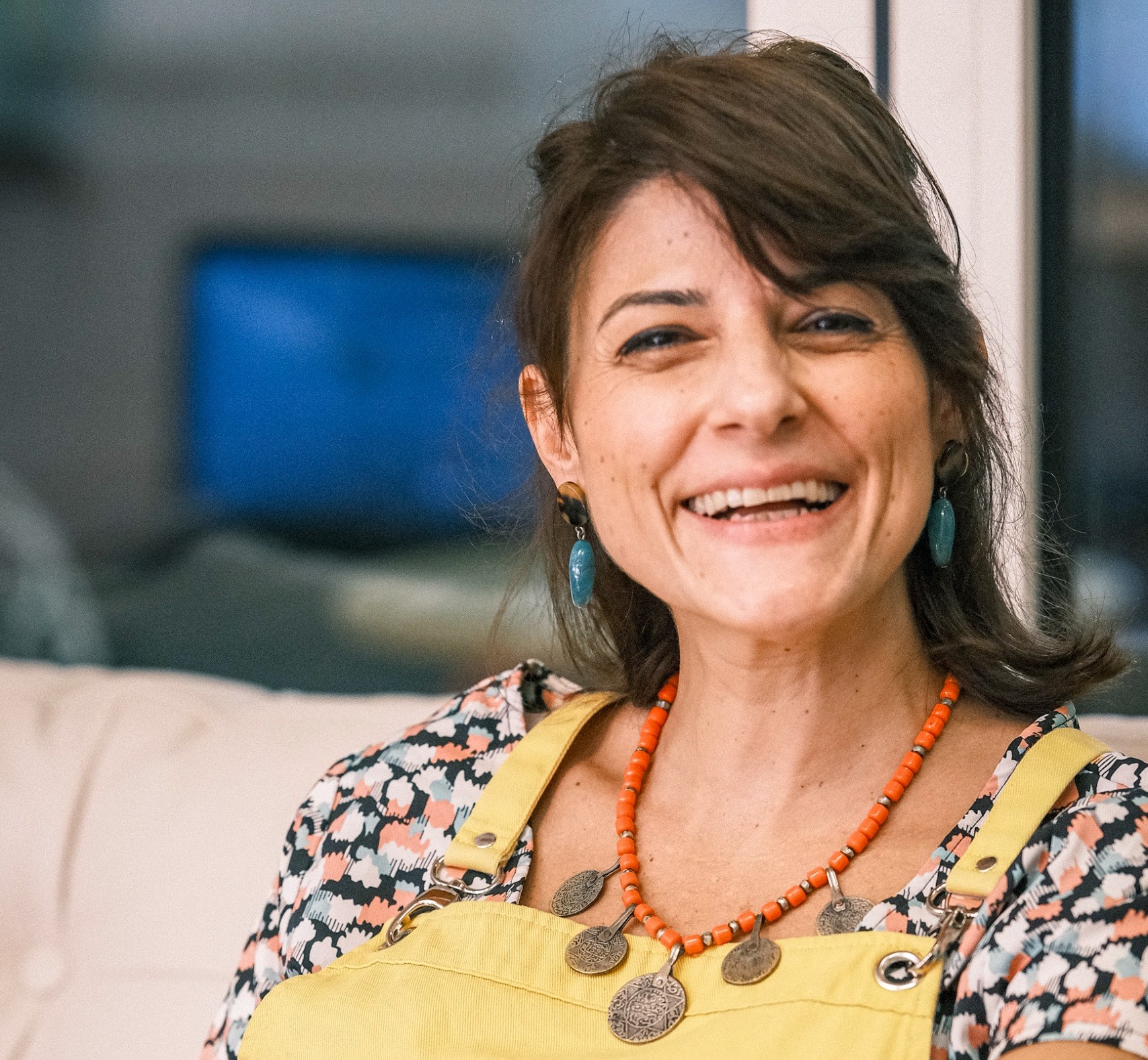
Rana Ibrahim: Coffee Is Art and Life for Me… and “edda arabica” Is a Space for Stories and Humanity

Dubai – Ali Alzakary

In the presence of coffee, conversation becomes a musical piece: every sip has a note, every bean a story, every hand that plants or brews leaves a lasting trace. This is how Rana Ibrahim sees coffee: not a passing drink, but a space for art, soul, and humanity. In her interview with Qahwa World, she reveals how a simple cup turned into an existential journey, and how she shaped her cafés and projects as an extension of the art she loved since childhood.

Between edda arabica, US Coffee Shop  in Beirut and Qahwat Al-Souq in the town of Baakline, between teaching and experimentation, and between the paintbrush and the cup, Rana has woven a world of her own—where coffee is not merely a beverage, but a language of presence, identity, and creativity.
We invite you now to enjoy this rich and inspiring conversation with Rana Ibrahim, where coffee intersects with art and daily rituals turn into stories worth telling.

How did your journey in the world of coffee begin, and when did you realize that this field would become part of your professional and personal identity?

Coffee has always been part of my upbringing, it was something my family enjoyed every day, and eventually, it became second nature to me too.
Things began to change, though, when I moved to London. While studying Fine Arts at Central Saint Martins, I kept a studio in East London, an area that happened to be surrounded by some of the first third-wave roasters. That’s where I started looking at coffee differently. It shifted from being a routine I hardly thought about into something I began to approach with more intention.

The third-wave movement opened my eyes to the story behind every cup, where the beans come from, the people who grow them, and what that means. That perspective completely reshaped my relationship with coffee. It stopped being just about drinking it, it became about understanding it.

A big turning point came when I took my very first course, Introduction to Coffee, at Prufrock in London. My trainer was Jeremy Challender, who’s now the Dean of Studies at Barista Hustle. He asked me a simple but powerful question: “Why do you want to learn about coffee?” I remember stopping to think, because up until then, my interest was mostly about pairing coffee with food, imagining I might one day open a café. But his question pushed me to go deeper.

I eventually answered, “Because one day, I’d like to open a coffee shop.” At the time, my focus wasn’t so much on coffee itself, but more on the idea of bringing people together through food and hospitality.

Since childhood, I had always been surrounded by the food and beverage world. I worked in F&B, enjoyed being around people, and valued the connections that sharing food and drinks creates. Jeremy’s question helped me realize what tied it all together. My goal wasn’t to become a coffee trainer or educator then—it was simply to create a place of my own, a welcoming spot where good coffee and simple food could bring people together.

Years later, when I opened edda arabica, I felt I had finally found my voice in coffee. The shop became more than just a business; it was where everything I cared about ritual, art, coffee, community, and hospitality came together in one space.

If you weren’t in the coffee industry today, where do you think you would be?

To this day, I’m still deeply connected to the world I came from, I continue to paint. Art has always been a constant in my life, and I imagine I’d still be in that field if I hadn’t chosen coffee, exploring the same themes that continue to inspire me: space, culture, identity, and transformation.
Most of my creative work, whether visual or spatial, revolves around building environments thinking about how people come together, how communities take shape, and how public life is experienced. That’s why I often collaborate with public practitioners and urban thinkers; I’m fascinated by how spaces can be designed not only to function, but to hold meaning.

Even when I design a café, I approach it as if it were a canvas. I think about flow, movement, silence, and interaction. To me, every space is an opportunity for people to pause, connect, or feel a sense of belonging. That thread runs through both my art and my vision of hospitality.

Painting remains at the core of everything I do. The way I describe coffee—its body, acidity, aftertaste, often echoes how I describe art: in terms of color, form, and composition. Those languages overlap more than most people realize.

So, if I weren’t in coffee, I’d still be working with people, with space, and with form through painting, design, and storytelling. Coffee just happened to become the medium where all of these passions could converge.

What is the relationship between art and coffee for you? Do you see both as expressions of creativity?

For me, coffee and art have always been connected. Both depend on structure, rhythm, and a kind of logic—what I think of as parameters.

In coffee, you work with things like dose, yield, brew time, temperature, and grind size. Those aren’t limits; they’re the foundation that makes creativity possible. Painting works the same way. Composition, balance, color, and layering create the framework you use to express meaning.

When I’m painting, I’m focused on form, texture, space, and movement. When I’m making coffee, I’m paying attention to body, acidity, aftertaste, and mouthfeel. At their core, both are languages of expression. The way a brush moves across canvas isn’t so different from the way water flows through coffee grounds.

What ties both together is presence. You have to be fully in it—with your tools, with your intention, and with the people who will experience it. Whether it’s a painting or a cup of coffee, the result is shaped by countless small decisions that often go unnoticed by others.

That’s why I see coffee and art as parallel practices. They’re creative, yes, but they also demand discipline. Both give you freedom within structure, and both speak to the same part of me.

What distinguishes edda arabica from other cafes in Beirut? How did the idea for it come about?

edda arabica came to life in 2021, during a very uncertain moment in Lebanon, when the banking system was collapsing. Strangely enough, those difficult times brought people closer. Conversations shifted; coffee stopped being just coffee and became about presence, slowing down, and holding on to something grounding like a cup in your hands.
From the very beginning, I wanted edda to be an open space and not just in its physical design, but in its spirit. A place where I could brew coffee and people could interact, ask questions, and start conversations. Less of a transaction, more of an exchange. Of course, we’ve always cared about the fundamentals the roast, the origin, the process but chasing perfection was never the goal. What mattered was connection.

Slowly, edda became that kind of place. Baristas from other cafés would drop by after shifts, bringing beans to share, cupping together, or simply hanging out. None of it was planned, it just unfolded naturally. Over time, it turned into a gathering point for the community, where ideas and experiences were exchanged as easily as coffee.

Being in Clemenceau, right across from the American University Hospital, also shaped the space. It attracted a wide mix of people and not just those already interested in specialty coffee, but many who were new to it. Little by little, curiosity grew. People began asking questions, tasting, and understanding more about sourcing, roasting, and traceability. For many, edda became more than a ritual; it became a place to belong.

There’s also a personal story behind it. Walid, my partner, an architect and chef, was the one who asked me to open a coffee space inside one of his restaurants. The funny part is that three years earlier, I had asked him the same thing, but it didn’t happen then. When he finally asked, I couldn’t refuse. His spaces are always layered, intentional, and full of contrast, and that’s exactly why the edda bar looks the way it does. It’s not just a counter, it’s a real bar, designed with care, but for coffee.

Even the name carries weight. edda comes from Norse mythology, referring to old collections of stories, myths, and shared knowledge passed down through generations. arabica is the bean we work with. Together, edda arabica isn’t just about serving coffee, it’s about sharing stories, passing things on, and creating real connections.

Over the years, the bar has become a hub for communication, training, and exchange. It has opened up a channel for what we now call specialty coffee, but in a way that feels human, approachable, and rooted in community.

How do you evaluate the current coffee scene in Lebanon? What challenges do you face in running a specialty coffee shop in light of the economic climate?

The specialty coffee scene in Lebanon is still young and developing. We’ve made real progress, especially when you think about what the country has been through economic collapse, inflation, shortages, yet many of us are doing our best just to keep things moving forward. Compared to more established markets, there’s still a lot of groundwork to be done.

The challenges never really stop. Some days I run out of basic supplies. Tasks you expect to finish in one day might stretch into three. You’re constantly dealing with power cuts, delays, and broken supply chains—but over time, that unpredictability becomes part of daily life. It’s something we all share, which makes the stress feel a little more bearable, a little more human.

Working in that environment shifts your perspective. You start to realize that if you have water, heat, and coffee, you already have enough. Any coffee is better than no coffee, and everything beyond that is a gift. Living and working this way teaches humility. It forces you to stay flexible, to focus on the present, and to be grateful for what you do have.

us coffee shop

What prompted you to co-found US Coffee Shop? Is it different in terms of audience or visibility?

US Coffee Shop is based right in the center of Beirut, in Starco. It feels like a new chapter, but in many ways, edda arabica made it possible. At edda, I spent a lot of time focusing on guiding, teaching people about origin, brewing, taste, and process. US carries the same spirit, but with a lighter, more playful tone. It’s younger, more vibrant, full of life. The coffee is still thoughtful, the quality is there, but it isn’t about chasing perfection. It’s about celebrating movement, community, and everyday life. With food on the menu too, it feels casual, accessible, and easy to enjoy.

What I love most is how naturally it all came together. One of my partners originally approached me for coffee consulting, and from there, the idea grew. I gathered people I trust and enjoy working with, and together we created something we all believed in. We actually started building US during the war, and despite everything, we kept going until we opened. That resilience and determination shaped the spirit of the place.

The design of the shop reflects that same energy. Even the colors are drawn from my own paintings, which makes the space feel personal bright, joyful, and full of light. And since the team from edda rotates between both cafés, the heart and essence of what we do flows seamlessly into US as well.

The people who come in are just as important to the identity of the space. The crowd is incredibly diverse designers, artists, students, Gen Z, young professionals, curious coffee drinkers. It’s not limited to a niche; it’s open to everyone. That’s what I love most about US. It feels welcoming and unpretentious, a place where people can just come as they are. At its core, it’s still about coffee but it’s also about life.

Why did you decide to launch “Barista Hustle in Arabic”? And how important is it to provide Arabic training content for coffee professionals?

Back in 2017, Jeremy Challender, now the Dean of Studies at Barista Hustle, reached out to me with the idea of launching Barista Hustle in Arabic. I immediately felt it was the right thing to do. We kept talking, refining the idea, and by 2019, we finally brought it to life.

Barista Hustle has always stood out to me because it’s such an accessible platform. It’s straightforward, engaging, and doesn’t require you to travel or spend a fortune to learn. Making it available in Arabic wasn’t just about translating words, it was about creating access and inclusion. Not everyone in our region can attend international trainings, and this gave more people the opportunity to grow their skills and knowledge without barriers.

For me, though, it was never only about baristas. I’ve always wanted to widen the circle to reach home brewers, people from different professions, or just anyone curious about coffee. It’s not only about expanding the language we use around coffee, but also about expanding who gets to be part of the conversation. Education, after all, should feel open, welcoming, and within reach for everyone.

Did you encounter any difficulties translating or transferring the training content to the Arab world? What was the interaction like?

Of course, there were challenges along the way. Translating coffee education into Arabic was never just a matter of swapping words from English. In many cases, the technical vocabulary simply didn’t exist in Arabic, so we had to create terms that felt logical, approachable, and easy to understand. On top of that, Arabic itself is not one unified language. What works in Lebanon might not resonate in Morocco or the Gulf. We had to find a balance, a modern, neutral Arabic that could reach people across the region without sounding overly formal or distant.
Another challenge was tone. Barista Hustle can be quite technical, but our goal was to make it accessible and engaging. We weren’t speaking only to professional baristas, we wanted to include home brewers, café owners, and anyone curious about coffee. The material needed to feel useful and approachable, not intimidating or exclusive.

The response from the region was incredibly encouraging. People were ready for this. We received so much positive feedback, especially from those who had never had access to structured coffee education in Arabic before. For many, it was the first time they felt truly part of the global coffee conversation and that made every bit of effort worthwhile.

What does being a Q Grader mean to you? How does this certification affect the way you taste coffee or evaluate crops?

For me, being a Q Grader is more of a responsibility than a certificate. It gave me a structured way to taste and evaluate coffee, but more than that, it taught me to pay attention differently, to how I taste, how I listen to the cup, and how I represent the work of producers. It’s not about judging from a distance; it’s about being fair, present, and honest with what’s in front of me.

The training definitely sharpens your senses. You taste with more focus and consistency. But at the same time, it humbles you. You realize coffee isn’t just about numbers or scores, it’s about people, places, climate, and intention. As a Q Grader, I try to hold both sides: the technical precision, and the human story. When I evaluate a crop, I’m not only asking, “Is this an 86 or an 87?” I’m also thinking about how it will show up in a café, how people will experience it, and how to highlight its strengths without losing the story behind it.

That’s why, for me, Q is a tool and not a title. It helps me communicate better, serve better, and stay connected to the people and work behind every cup.

And honestly, these days, I find myself enjoying coffees that aren’t about high scores at all. The story of how they arrived to me, and the journey behind them, often matters more than how refined or complex the cup is. Maybe that’s just where I am right now, especially with everything going on in the world. It reminds me to stay grounded, to stay close to the human side of coffee and to be grateful for what’s in the cup.

How would you describe your experience taking the Q Grader tests? Would you recommend it to Arab professionals?

Honestly, taking the Q Grader exam wasn’t part of my plan at all. I hadn’t set it as a goal. But then Mohammad Merhi from Cypher reached out and supported me in a way I’ll always be grateful for. I think he sensed I needed that push not only on a professional level, but personally too, especially with everything that had been happening around us in Beirut. He gave me the flexibility and space to pursue it, without adding pressure around money or timing. That gesture meant a lot. It’s those quiet, generous acts that really show you how human and supportive this coffee community can be.

The exam itself was tough intense, very detailed, and highly technical. It forces you to trust your senses, stay calm under pressure, and refine how you taste and evaluate. I would definitely encourage Arab professionals to take it, not for the title or status, but for the awareness and clarity it brings. It gives you a shared language, a framework to connect with coffee in a more intentional way, and to communicate more clearly with others across the supply chain.

That said, it’s not the only way forward. There are many different paths in coffee. But if you’re curious and want to go deeper, the Q can be a truly valuable tool.

women in coffee

How do you view women’s presence in the Arab coffee scene today?

There’s definitely been a shift. More women are showing up in the Arab coffee scene taking space, leading, and speaking out. You see it across the board: baristas, roasters, café owners, trainers, even producers. Women are stepping into roles that weren’t always visible before, and that presence is growing in a really powerful way.

Of course, there’s still progress to be made. Like most industries, coffee has its gaps in access, visibility, and representation, especially behind the scenes. But I’ve noticed a real change in recent years. There’s more openness, more willingness to listen and make space. And women are claiming that space naturally, not as a token gesture but as part of the fabric of the industry.

It’s a process, and it’s happening step by step. The more women show up, the more it becomes normal, not the exception. What gives me a lot of hope is the network of women forming across the region. They’re supporting each other, sharing knowledge, and building each other up. And on the other side, I’ve seen audiences, customers, peers, communities listening differently. There’s a readiness now to hear women’s voices in coffee, to value the way they lead.

For me, it’s not only about having women “present” in the room. It’s about presence with impact creating space for different leadership styles, different stories, and different ways of working. And every time women show up, that space grows more real.

What do you think of the new evaluation system by the Specialty Coffee Association?

To be honest, I haven’t had the chance to sit down and really go through it in detail yet, but I will. I’m curious, and I’m open to it.
From what I’ve seen so far, I like the direction it’s taking. It feels more human, less about chasing numbers, more about the experience itself. It still values the sensory side, but it also weaves in context, story, and intention. That really resonates with how I connect to coffee these days. For me, it’s no longer just about scores; it’s about meaning.
So, I’m looking forward to digging deeper into it and seeing how it might fit within our part of the world.

Qahwat Al-Souq

What is the story behind “Qahwat Al-Souq”? Can we consider it more of a social and cultural project than a commercial one?

Qahwat Al-Souq sits inside what used to be my father-in-law’s father’s store, one of the oldest shops in Baakline, Chouf. Back in the day, it was the kind of store that sold a bit of everything. Over time, it closed down, but the structure and character of the space remained. One day, my father-in-law came to me with an idea: to bring it back to life not as a store this time, but as a place for the community.

He wanted something modern, but still true to the town’s spirit. So we preserved much of what was already there, the old shelves, the original lighting, even the safe that no one’s ever managed to open. All of it stayed, and we built around those details.

Now, Qahwat Al-Souq has become a gathering place. Locals come together, art is displayed, music fills the space, and coffee is shared. It’s not driven by business, it’s about presence. About giving something back to a place that’s given us so much. The history, the people, and the intention behind it are what make it special.
And yes, it’s still there and I still love it just as much.

A coffee whose taste you will never forget?

Honestly, it’s hard to pick just one. Every time I think of a cup that stayed with me, five more come to mind. For me, taste is never separate from people or context, the story around the cup matters just as much as what’s in it.

One cup that really shifted things for me was a light roast by Patrick from April Roastery. It was my first real introduction to that style of coffee, and it opened up a whole new way of thinking about flavor, clarity, and balance. That cup changed something in me, I’ll never forget it.

Another memory that stands out was at 90+ in Panama, drinking coffee with Joseph. The setting was breathtaking the landscape, the atmosphere, the energy of the moment. I felt completely alive. That cup, that place, that conversation… it all stayed with me.

Then there was a surreal experience in Beirut, during the bombings. I brewed a 2018 Barista Hustle coffee I had in my freezer, with Samer. In that moment, it felt like it could be the last cup I’d ever drink. It’s impossible to forget something like that.

And then in Colombia, visiting Norman’s farm with Nikolai, his wife served us coffee at home. Nothing fancy, just a simple cup but it was full of heart, and it turned out to be one of the most special brews I’ve ever had.

So no, I can’t name just one. Each of those cups was unforgettable in its own way. And these days, I find myself drawn more to coffees that aren’t chasing high scores, but carry meaning. They’re still sensory experiences, but woven together with story, context, and intention. Maybe it’s the times we’re living in, but lately, it’s the meaning behind the cup that lingers with me most.

What advice would you give to coffee lovers who want to enter this field?

Start with curiosity and keep that curiosity alive. When I first got into coffee, I wasn’t aiming for a title or a role. I was simply curious. I brewed a lot, tasted a lot, asked endless questions, and watched how others worked. That’s still how I learn today.

You don’t need the best gear, and you don’t need to know everything before you begin. Be around people who care. Start small. Learn by doing.

Don’t feel pressured to rush into certifications or chase perfection. Those things might come later, or you might realize they’re not as important as you once thought. What matters most is understanding coffee, and building a real sense of hospitality because at the end of the day, this work is about people, not just technique.

Coffee will teach you a lot if you let it, not just about taste and brewing, but about patience, failure, resilience, and openness. So be kind to yourself, stay grounded, and most importantly, make sure you’re doing it for you. When it’s real, everything else has a way of falling into place.
Qahwa World and Ethiopia’s Buna Kurs Forge Landmark Editorial Alliance

Dubai,Addis Ababa, 27 August 2025(Qahwa World) – In a groundbreaking development for the global coffee industry, Qahwa World of the Middle East and Ethiopia’s Buna Kurs Media have signed a pioneering editorial Memorandum of Understanding (MoU), creating a cross-regional alliance that bridges Yemeni coffee heritage, the broader Arab qahwa tradition, and Ethiopia’s buna legacy. These three cultural foundations have shaped coffee’s global history yet remain underrepresented in industry narratives.

The partnership establishes a new model of media collaboration in the coffee sector, centered on shared storytelling, cross-regional representation, and mutual amplification. By connecting Yemen’s pivotal contribution, the Arab world’s cultural continuum, and Ethiopia’s origin story, Qahwa World and Buna Kurs aim to spark new conversations among brands, researchers, donors, media, and investors.

Under the agreement, Qahwa World will serve as Buna Kurs’s editorial partner in the Middle East, amplifying African coffee narratives—including Ethiopia and beyond—to Yemeni and Arab audiences, while Buna Kurs strengthens Qahwa World’s presence in Africa. The collaboration includes joint editorial exchange, event coverage, and advertising opportunities. Together, the two platforms will publish features, interviews, and cultural spotlights designed to challenge conventional narratives, elevate overlooked voices, and create new opportunities for authentic engagement.

“Qahwa World has always sought to honor coffee’s Yemeni and Arab legacy. Working with Buna Kurs allows us to situate that legacy within the broader African origin story, creating a holistic and globally relevant narrative. This is not just about content—it is about shaping the industry’s cultural conscience,” said Ali Alzakary, Founder of Qahwa World.

Tewodros Balcha, Founder of Buna Kurs, echoed the vision: “Coffee has always been more than a commodity—it is a cultural connector. Through this partnership, we are pioneering a new way to tell coffee’s story: one that restores origin narrative.”

At a time when the global coffee industry is grappling with sustainability, equity, and identity, the alliance signals a fresh approach to media and storytelling. By linking Yemen, the Arab world, and Ethiopia, the initiative offers brands, institutions, and investors a platform for authentic cross-continental engagement while opening new doors for responsible promotion, collaborative research, and cultural exchange.

The MoU serves as a framework for broader cooperation, with plans for co-hosted events, thematic campaigns, and joint representation at global industry forums. Both Qahwa World and Buna Kurs are committed to shaping a coffee narrative that reflects heritage, culture, and the evolving challenges of today’s market.

About Qahwa World
Qahwa World is a UAE-based media platform dedicated to Yemeni and Arab coffee heritage. Through journalism, cultural storytelling, events, and partnerships, it bridges traditional qahwa culture with today’s global coffee industry.

About Buna Kurs
Buna Kurs is Ethiopia’s pioneering coffee industry platform, with a curated audience of thousands of stakeholders across Africa. It amplifies Ethiopia’s and Africa’s role in the global coffee narrative.

Yemeni Café to Replace Starbucks in the Heart of Dearborn

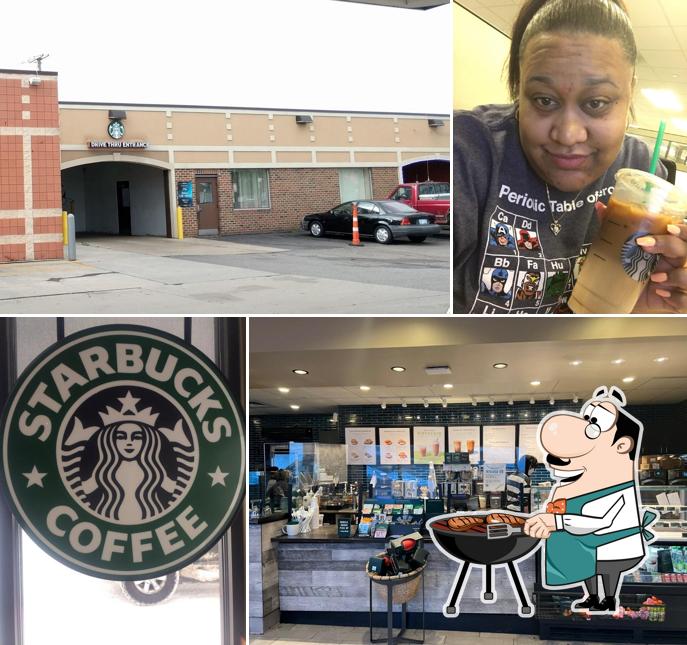
Detroit – August 27, 2025 (Qahwa World) – The well-known Starbucks branch on Michigan Avenue in East Dearborn has permanently closed after nearly 16 years of operation, paving the way for a Yemeni café that reflects the cultural shifts in a city with one of the most prominent Arab-American communities.

The store, located at the intersection of Michigan Avenue and Oakman Boulevard, officially ceased operations on August 24 and will soon be transformed into a Yemeni café. According to local reports, Moka & Co, a Yemeni coffee brand with multiple branches in Detroit, Ann Arbor, East Lansing, Okemos, and other states, is expected to take over the site. The lease is anticipated to be finalized within weeks, with the café projected to open by late 2025 or early 2026 after renovations.

The closure comes as part of Starbucks’ “Back to Starbucks” initiative, announced in July 2025, which includes closing or converting up to 90 mobile-order and pick-up-only stores across the U.S. by fiscal year 2026 to focus on traditional café formats. While the company has not issued a specific statement about this location, the decision aligns with consumer trends in Dearborn, where Yemeni cafés are steadily gaining ground.

Dearborn, home to one of the largest Arab-American populations in the United States, has become a hub for Yemeni coffee through establishments such as Haraz Coffee House and Qahwah House. These cafés are distinguished by their richly spiced brews, honeycomb bread, and late-night community atmosphere, creating spaces that have often outshined corporate chains.

The upcoming Yemeni café is expected to serve single-origin beans from Yemen alongside a menu that blends tradition and modern trends, including iced pistachio lattes, moka spice lattes, Adeni chai, frozen drinks, refreshers, and matcha lattes.

The shift away from global coffee chains in Dearborn has been fueled both by consumer boycotts tied to geopolitical issues and by a preference for authentic, community-driven experiences. A 2024 report by The Arab American News highlighted a sharp decline in Starbucks sales in the city as customers increasingly turned to Yemeni cafés for better value, cultural connection, and superior taste.

For many residents, the closure of Starbucks marks a continuation rather than a loss. “Starbucks was fine, but Yemeni cafés offer something unique — coffee with a story, from Yemen’s mountains to our cups,” said Aisha Nasser, a regular at Qahwah House.

With renovations already underway, the location is expected to reopen soon under Yemeni management. For East Dearborn, the transformation of a Starbucks into a Yemeni café underscores a broader narrative: the city’s coffee identity is no longer shaped by global chains but by a return to its cultural roots — Yemeni coffee as both tradition and thriving enterprise.

In Turkey, Coffee Is More Than a Drink — It’s a Cultural Ritual

Turkish coffee is not simply a drink. It is a ritual, a social bond, and a cultural heritage that dates back nearly five centuries. Recognized by UNESCO on its Intangible Cultural Heritage of Humanity list, the Ottoman tradition of preparing coffee in a cezve has become a symbol of identity for generations in Turkey and beyond.

From Yemen to the Ottoman Empire

As CNN reports, the story begins in 15th-century Yemen, where Sufi mystics consumed coffee to remain awake during long nights of prayer. When Sultan Süleyman the Magnificent annexed Yemen in 1538, coffee entered the Ottoman Empire and soon reached Istanbul. By the 1550s, the city witnessed the rise of its first kahvehane (coffeehouses), which quickly became central to cultural and political life.

Prepared slowly in a copper pot, Turkish coffee differs from most brewing methods: it is “cooked” in water to produce a strong, unfiltered drink topped with foam. Coffeehouses spread rapidly but often drew suspicion from rulers, who feared they encouraged dissent. Similar anxieties later emerged in England, where King Charles II tried unsuccessfully to close London’s coffeehouses in the 17th century.

A Ritual of Hospitality

CNN highlights that in Turkey, coffee represents community. Guests are traditionally offered coffee with water and lokum (Turkish delight). The drink is consumed slowly, giving grounds time to settle — setting the stage for the playful ritual of coffee-cup reading, where the shapes left behind are interpreted for fun as signs of fortune, journeys, or good news.

Turkish coffee even plays a role in marriage traditions: during courtship, a bride-to-be serves coffee to the groom’s family. As a test, she may add salt instead of sugar to his cup, with his reaction taken as a measure of patience and maturity.

From Istanbul to London and Beyond

The influence of Turkish coffee extended far beyond the empire. CNN recounts how in 1652, London’s first coffeehouse opened in St. Michael’s Alley, introduced by a merchant from İzmir and his servant Pasqua Rosée. For a penny, patrons could drink freely while debating news and politics in what became known as “penny universities.”

Despite this reach, Turkish coffee never achieved the global recognition of espresso. Some scholars, CNN notes, believe this is due to generational shifts: for many young people in Turkey, it has become a drink associated with parents rather than innovation.

Tradition and Modern Revival

Others argue that innovation is vital. Turkish coffee ambassadors are working worldwide to showcase the ritual. In London, workshops teach traditional preparation, while in New York, the “Turkish Coffee Room” blends performance, storytelling, and tasseography to captivate new audiences.

Back home in Istanbul, authentic experiences remain easy to find. CNN recommends iconic spots such as Hafız Mustafa, Mandabatmaz on İstiklal Street, and Nuri Toplar in the Egyptian Bazaar. For a modern twist, Hacı Bekir in Kadıköy offers creative interpretations.

A Living Heritage

As CNN concludes, Turkish coffee endures as a living cultural symbol — one that connects history with hospitality, ritual with storytelling. Whether served in a historic Istanbul café, a family home in Safranbolu, or a workshop abroad, every cup carries with it a taste of heritage and a story waiting to be told.

This article is adapted from a feature originally published by CNN Travel. All rights remain with the original publisher. Qahwa World republishes it here for educational and cultural purposes.

Blank Street Coffee: From Brooklyn Cart to $500 Million Brand

In just four years, Blank Street Coffee has grown from a single cart in Brooklyn to a business worth $500 million, operating 90 locations and generating $149 million annually.

Unlike traditional coffee shops that offer sprawling spaces, endless menus, and a co-working vibe, Blank Street took the opposite approach. Its stores average just 500 square feet, with a stripped-down menu and fast, efficient service. Rent costs are around $3,500 a month—a fraction of the $15,000 many New York cafés pay.

At the core of this efficiency are high-tech espresso machines capable of producing 90 cups an hour with only one or two staff members. Orders are streamlined through mobile apps and contactless payments, keeping the customer experience minimal and frictionless.

But the real secret lies in Blank Street’s marketing. Pop-up events create long queues that double as free advertising when shared across Instagram. Limited-edition collaborations and sleek, photogenic setups keep the brand in constant conversation. Customers believe they are supporting a cool indie spot, while in reality, they are fueling a data-driven system built for viral moments.

The branding is smart: local partnerships, clean design, and prices that undercut Starbucks by about 25%. The result is a company that feels small and neighborhood-friendly while running like a perfectly optimized machine.

Founded in 2020 by two former venture capitalists, Blank Street was designed to reimagine coffee culture. Instead of reinventing coffee itself, the company focused on serving it faster, cheaper, and more shareable online.

Today, Blank Street operates across New York, Boston, DC, and even London. Its mission remains clear: to make coffee a simple, affordable daily ritual while blending efficiency, technology, and social buzz.

For Blank Street, the formula is simple—strip away the excess, keep prices low, and make every latte Instagram-worthy. Turns out, you don’t need to change coffee. You just need to change the business model.

👉 Visit Blank Street Coffee

At JPMorgan’s New HQ, Coffee Takes Center Stage

New York, August 19, 2025 (Qahwa World) – Coffee is no longer just a morning perk at JPMorgan Chase’s new headquarters on 270 Park Avenue—it has become a central feature of the $3 billion tower that is set to redefine workplace culture for up to 14,000 employees.

Rising 1,388 feet into Midtown’s skyline, the headquarters brings together state-of-the-art technology, modern design, and a deep focus on coffee as part of daily life. From floor-to-floor cafés to QR-powered coffee machines, the building treats coffee as a driver of productivity, comfort, and social connection.

The tower is equipped with one of the most extensive coffee networks in any corporate office:

  • Work cafés on every floor provide quick and easy access to coffee throughout the day.

  • Four main cafés, including a Starbucks on the 14th floor and The Corner, a space for locally crafted drinks.

  • The Exchange, a food and beverage hub across floors 13 to 16, featuring 15 outlets, including plant-based and gourmet options alongside coffee stations.

  • Park Avenue Express, open 24/7, ensuring that employees working late shifts or early mornings always have access to coffee.

In a building designed to showcase intelligent systems, coffee is seamlessly tied to technology. Break rooms are fitted with QR-powered coffee machines, allowing employees to order with a simple phone scan. The company’s “Work at JPMC” mobile app enables staff to preorder drinks from cafés, ensuring beverages are ready upon arrival while also serving as a digital badge and office navigation tool.

JPMorgan CEO Jamie Dimon has called all 300,000 employees back to the office five days a week. To ease that transition, the bank has made coffee part of the strategy—turning it into more than a beverage. Cafés are designed to foster informal interaction, encourage collaboration, and provide a sense of comfort within a high-tech environment.

The building’s circadian lighting and biophilic design—including windows that allow 30% more natural daylight than a standard office—enhance the experience of a coffee break. Together, technology and design aim to make each cup part of a healthier and more balanced workday.

At JPMorgan’s new headquarters, coffee has been redefined as:

  • A cultural anchor, shaping how employees connect.

  • A productivity tool, offering a boost through long work hours.

  • A social hub, turning cafés into spaces of collaboration across departments.

By putting coffee at the center of its workplace experience, JPMorgan Chase has created more than a headquarters—it has built a model for how coffee, culture, and technology can come together in the modern office. For employees at 270 Park Avenue, the coffee break is no longer a pause in the workday—it is part of the company’s vision of the future of work.

List of 10 countries with a unique coffee culture

Coffee is a favourite drink around the world, but each country has a unique take. Find out what to order in these countries for a taste of local life.

Coffee is a popular drink around the world with each country serving its own version. In many places, the local way of serving or consuming coffee is steeped in rich culture and tradition. Therefore, learning about the coffee culture of a country teaches visitors about the country itself.

These 10 countries have unique coffee cultures that are sure to excite travelers’ taste buds. Find out what makes them different and what drink to order when visiting for an authentic experience.

1 Turkey

Turkish coffee bears many similarities to Greek coffee in how it’s made and the small serving size. However, the role of coffee in Turkish culture is more ritualistic and centers around friendship and hospitality. Freshly roasted, high-quality beans are ground to a fine powder and then added to a pot with cold water and sometimes sugar. The pot is placed on heat and brewed slowly, so a layer of foam develops on top of the coffee. The coffee is served with a glass of water and a piece of Turkish delight.

The ritual of brewing coffee properly is passed down through families, as are the etiquettes associated with this practice. For example, guests should drink from more elaborate cups than the host to honor them. Sitting down for an authentic cup of Turkish coffee when visiting Turkey will provide travelers with a whole new appreciation for the cultural and spiritual properties of the beverage.

2 Costa Rica

Costa Rica is famous for its coffee beans, but that’s not the only advantage the country has in the coffee department. Costa Ricans enjoy a traditional method of brewing coffee called a chorreador. The chorreador consists of a sock-like bag that hangs on a wooden stand and allows hot water to pour through to a cup while filtering out the grounds. The classic method of brewing Costa Rican coffee is reminiscent of the North American “pour-over” coffee that has become popular in recent years.

Ordering a café chorreador while visiting Costa Rica is the best way to get a taste of what the local coffee culture is all about.

3 France

France might not be on many people’s radars as a country with exceptional coffee culture, but it should be. The French are responsible for the delightful drink known as Café au lait, and every traveller should order this once while visiting Paris.

Café au lait is coffee with hot milk, which is different than coffee with regular milk. In France, they call that “white coffee”. Café au lait also differs from a latte because the ratio of coffee to milk isn’t the same. A latte has a 2 to 1 ratio of milk to coffee while Café au lait has a 1 to 1 ratio.

4 Italy

Italy is integral to the world coffee scene. It’s the birthplace of the cappuccino and the world-famous espresso came from Milan. In many ways, Italy is the coffee capital of the world so coffee connoisseurs visiting this beautiful country should get a taste of these beverages in their homeland.

When ordering a coffee in Italy, espresso is the default. If you ask for a cup of coffee, you’ll receive an espresso shot. People typically drink this right at the counter, like a bar, rather than taking a table. For breakfast in Italy, order a cappuccino and a croissant for an authentic experience.

5 Australia

The land down under has high standards for a cup of coffee, so travelers must see what the fuss is about when visiting. Australians have an abundance of locally-owned coffee shops to choose from rather than flocking to massive chains like Starbucks, as Americans commonly do. Instead, Australians enjoy specialty roasts in smaller sizes and are typically stronger than coffee in America. They also add fewer sweeteners.

When in Australia, order a flat white for an authentic taste of the local coffee culture. This drink contains two espresso shots with foam and steamed milk on top.

6 Indonesia

Indonesia has a true one-of-a-kind coffee experience for travelers to try when visiting Southeast Asia. Kopi Luwak refers to coffee made from partially digested beans that are passed by a civet cat. Among tourists, it has earned the nickname “poop coffee”.

The civet cat eats the coffee cherries and doesn’t eat the bean, so it poops the bean back out with an enhanced flavor.

7 Mexico

Mexican coffee culture is not as widely known as some other nations’ traditions, but the taste is unlike any other coffee in the world. Mexicans enjoy the traditional beverage called Café de Olla, which is spiced coffee. It’s prepared in a clay pot, which is where the name comes from.

The coffee is sweetened with piloncillo, and then it’s spiced with cloves, star anise, and cinnamon. The cinnamon flavor comes through strongly when sipping a cup of a Café de Olla, making it perfect for a cool morning.

8 Sweden

Sweden is an excellent destination for coffee enthusiasts, especially since Swedes have one of the highest levels of coffee consumption per capita in the world. Swedish people enjoy a practice called Fika, which refers to a coffee break where people gather and socialize over a drink and a bite to eat.

Swedish Lapland also has a unique coffee tradition known as Kaffeost. In northern Scandinavia, Kaffeost means “coffee cheese”. The name may seem strange to some, but it’s common in northern Sweden to dip cheese into a cup of coffee before eating it.

9 Greece

Greece has incredible coffee culture and offers a unique taste for those who like to drink their caffeinated beverages hot or cold. Traditional Greek coffee is made with a strong brew using finely ground beans. The drink is unfiltered, so the grounds are at the bottom of the cup and there is a nice layer of foam on top.

For those who prefer an iced drink, the Greek frappé (also called a Nescafé frappé) is a must-try. This cold drink contains milk, sugar, ice, and instant coffee

10 Vietnam

In Vietnam, coffee isn’t just a drink to start the day; it’s something people enjoy morning, at noon, and even at night. Vietnam has some of the best coffee in the world and offers two unique beverages every traveler should try while visiting. Vietnamese iced coffee consists of medium or dark roast coffee over ice, combined with condensed milk. It’s the perfect refreshment for a hot day.

Another unique coffee order that shouldn’t be overlooked when visiting Vietnam is egg coffee. This delicious, creamy hot drink is made by combining egg yolk with condensed milk to create a frothy addition to a cup of coffee.

World’s Most Famous Coffee Museums to Visit

Coffee is not just a drink. This is the history, culture and tradition of many different peoples. Coffee museums help to understand them.

Dubai Coffee Museum


Here you will learn how drinks prepared according to national recipes differ. You will see the first devices for sorting, grinding, roasting and grinding.
In addition to specific utensils, the museum has an impressive library. A valuable treasure is the world’s oldest book about coffee. You can taste an unforgettable drink in a truly oriental cafe.

Kaffee Museum – in Vienna, Austria


Founded by Edmund Mayr in 2003 from a personal collection. Now it presents more than a thousand exhibits related to coffee and Viennese coffee traditions:
* Serving dishes;
* Roasters for roasting grains;
* Manual coffee grinders;
* Coffee makers of various types;
* Advertising leaflets and posters.

You will be shown an old English coffee maker, which was used by Ludwig Van Beethoven himself. It still works!

Bramach Tea and Coffee Museum in London


It was founded in 1992 by the merchant and collector E. Bramakh. The exhibition tells about the coffee and tea history in the UK, the origin of national rituals. In the cafe-pastry shop you can enjoy great samples of drinks.

Jens Burg Coffee Museum, Hamburg, Germany


3000 exhibits are able to satisfy the curiosity of the most demanding visitors. These are old coffee grinders, unusual varieties of the drink, a unique bagging machine, the first coffee filters that appeared in 1920. And also accompanying spices, sweets, jams. Guided tours and seminars are held.

Coffee Museum in St. Petersburg


It was opened in 2008 and became the first such institution in Russia. The complex has an exhibition exposition, a tasting room, a demonstration area and a coffee terrace with a view of the Neva River. You will be introduced to the history of the drink, the subtleties of cultivation, the peculiarities of varieties from different regions of the planet. Master classes, fairs, festivals are held here.
If you love coffee, visit one of these museums. And everything is better!