The Barista League Unveils Game-Changing 2026 Season

DUBAI – Qahwa World

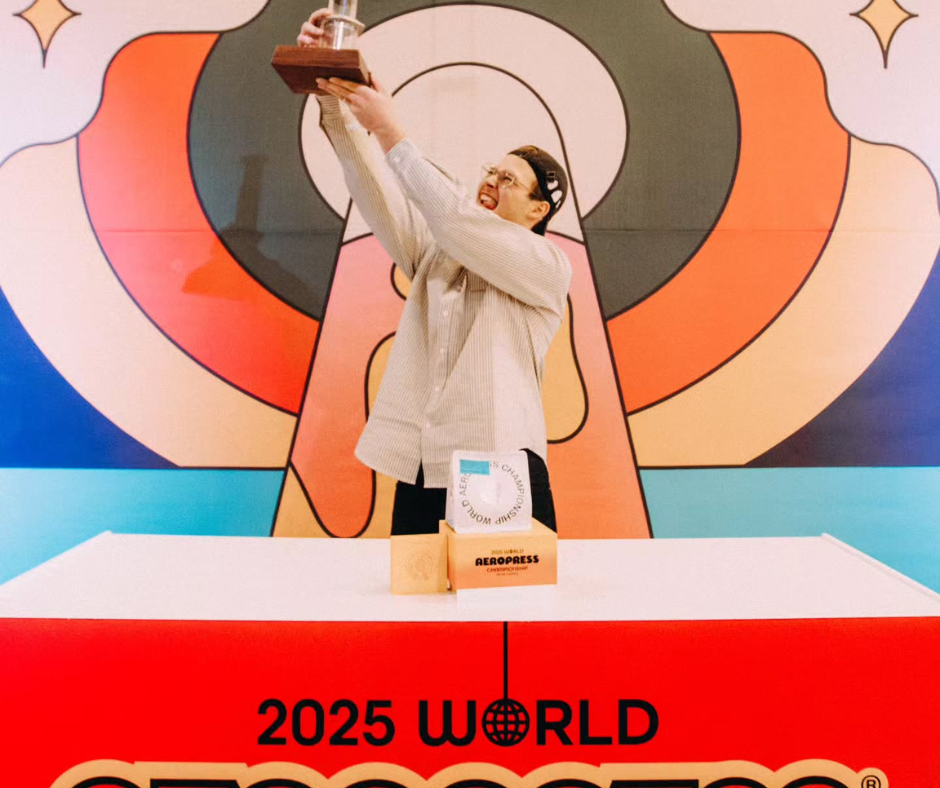
The Barista League, the organization known for its innovative approach to coffee culture, has announced its game-changing 2026 Season, introducing a radically new competition concept that fundamentally redefines what a coffee competition can be by shifting its focus to Concept and Service.

Moving away from mere technical perfection, the 2026 season challenges baristas to step into the role of experience creators, communicators, and deliverers. The new format is built around three core pillars: Concept, Service, and Product.

“Baristas are the gatekeepers to the coffee experience. Their job is not to grow, source, roast coffee but to translate the work, competence, skill, meaning, culture and stories of the coffee industry to consumers. Through the service and preparation of drinks the barista is responsible for the actual delivery of that experience to consumers every day all around the world.” – From The Barista League 2026 Rules.

The New Scoring Structure

In a dramatic departure from traditional competitions, the new format gives Concept and Service equal weighting, together constituting 62% of the total score, while the physical Product accounts for the remaining 38%.

This paradigm shift emphasizes that the overall experiential concept—including design, storytelling, communication, and service style—is now more critical than the drink itself. Competitors are tasked with developing a complete sensory journey, rethinking the coffee experience and using The Barista League’s stage, sound, and lighting to bring their bold ideas to life.

“We want to see bold, creative service concepts that push the boundaries of what a coffee experience can be,” said Steven Moloney, founder of The Barista League. “This stage is a platform for baristas to use in the most innovative and impactful ways they can imagine.”

Watchable, Interactive, and Global

The 2026 competition has been engineered for maximum audience engagement, both live and online.

  • To enhance transparency and excitement, both teams and judges will be mic’d up.

  • Performances, live commentary, interviews, and scoring will be streamed on big screens for the in-person audience.

  • Every event will be live-streamed and archived online, making the innovation accessible to coffee fans globally.

A Platform for Future Leadership

True to its mission, The Barista League continues to serve as an accessible platform for innovation and leadership. The competition is designed with a low barrier to entry, ensuring that skill, imagination, and collaboration take centre stage over expensive equipment or elaborate setups.

“We are looking for baristas who want to push the boundaries of service, rethink what a coffee experience can be, and use this stage to shape the future of the industry.” – From The Barista League 2026 Rules.

Moloney added, “Despite enormous changes in the industry, the competition landscape has not developed significantly over the past 10 years. We want to create a platform for the future leaders of our industry to stand up and show us where we are going next.”

2026 Global Season Schedule

The 2026 season will feature six events across six continents, each hosting six hand-selected barista teams:

Event Date Location
Europe March 28, 2026 Prague
Latin America May 8, 2026 Mexico City
Asia June 11, 2026 Tokyo
North America September 3, 2026 Atlanta
Africa October 3, 2026 Johannesburg
Pacific November 13, 2026 Brisbane

The Barista League 2026 season is made possible by the continued support of partners Rancilio, Oatly, Toddy, Pacific Foods Barista Series, Acme, Acaia, and Barista Magazine.

Kyrgyzstan Coffee Festival Unites Central Asia Coffee Community

BISHKEK — Qahwa World

The capital’s coffee scene celebrated a major milestone this week with the grand opening of the large-scale COFFEE FEST KG Festival at the Kozhomkul Sports Palace. The event successfully brought together hundreds of coffee industry professionals, from bean roasters to equipment suppliers, alongside a surging community of local coffee enthusiasts.

The festival underscores the rapidly accelerating growth of Kyrgyzstan’s coffee market. This sentiment was echoed by Bishkek City Mayor Aibek Dzhunushaliev, who attended the grand opening and delivered a speech noting the critical and growing importance of the coffee industry to the city’s overall economy.

For years, Kyrgyzstan has been a traditional tea-drinking culture, but as global trends take root, Bishkek has seen a vibrant emergence of specialty cafés, making coffee a significant imported commodity. The festival serves as a critical professional platform for this emerging market.

A Full Program for Professionals and Fans

Spanning a packed two-day program, COFFEE FEST KG offered a comprehensive look into the “bean-to-cup” process. The Sports Palace was transformed into a bustling hub of activity, featuring:

  • Industry Education: Market experts delivered intensive master classes and lectures covering essential topics such as roasting techniques, advanced brewing methods, customer service standards, and current global industry trends.
  • Major Exhibition: A substantial exhibition area showcased the entire coffee supply chain. Attendees networked with manufacturers, specialized roasters, suppliers of professional equipment, packaging solutions, and essential accessories.
  • Competition and Demonstration: The energy peaked during the barista competitions, where top talents from Bishkek and the wider Central Asian region tested their skills in front of expert judges. Public demonstrations also allowed visitors to get a first look at the newest cutting-edge professional coffee equipment entering the market.
  • Tasting Zone: The popular tasting area offered guests a chance to sample rare and exotic coffee varieties sourced from around the world, as well as a selection of unique signature drinks crafted by local baristas.
  • Giveaways: The event capped off the energy with a major prize draw, open to all attendees, featuring high-value items, including new smartphones.

The success and scale of COFFEE FEST KG confirm the capital’s role as an important nexus for the specialized coffee community in Central Asia. By offering a blend of professional development, competitive spirit, and consumer engagement, the festival has firmly established itself as an annual must-visit event for anyone passionate about the craft and business of coffee.

The World’s Top Coffee-Consuming Countries in 2025

Dubai – Qahwa World

A recent global report on 2025 coffee consumption has revealed vast disparities in global caffeine habits, confirming that European nations maintain their historical dominance in per-capita intake. The analysis by Voronoi highlighted Lebanon as the leading consumer in the Arab world, while Gulf countries recorded the highest expenditure per cup.

Luxembourg claimed the top global rank with an extraordinary daily average of 5.31 cups per person. This outlier figure, according to Cafely, is largely attributed to the cross-border commuter effect, where the consumption of thousands of daily workers from France, Germany, and Belgium is counted in the national total. Finland, Sweden, and Norway followed closely, underscoring the deep cultural integration of coffee in Nordic societies.

Lebanon Leads Arab World, Saudi Spending is Elite

The data reveals a stark contrast in consumption patterns across the Middle East. Lebanon secured the highest position among Arab states, ranking 16th globally with a robust average of 1.60 cups per day, reflecting a strong, traditional café culture.

Meanwhile, the Gulf states showed a pattern of high expenditure driven by premium coffee experiences:

  • Saudi Arabia (22nd globally) recorded the highest average price per cup in the world at $5.50. This indicates a high market saturation of luxury and specialty coffee shops. The projected lifetime spending on coffee for an average Saudi consumer is nearly $149,000, exceeding that of many European nations with higher cup counts.

  • The UAE (40th) followed closely, with an average cup price of $5.00, confirming the Gulf region’s status as a Value Market prioritizing quality and experience over sheer quantity.

The Asian Paradox: China’s Growth vs. India’s Export Focus

The report also focused on contrasting trends in Asia:

1. China’s Quiet Revolution: China ranked 41st globally with a modest daily consumption of 0.69 cups. However, the country’s significance lies in its explosive growth rate, exceeding 20% annually in major cities. Analysts anticipate that China will soon become the world’s largest coffee market by volume, driven by youth demographics and increasing domestic bean production.

2. India: Producing but Not Drinking: In sharp contrast, India languished at the very bottom (65th) with a minimal average of 0.02 cups per day. This underscores a major paradox: despite India being one of the world’s top 10 coffee producers, the vast majority of its high-quality crop is exported, confirming the continued, overwhelming dominance of tea in its domestic culture.

Global Daily Coffee Consumption Rankings (2025)

Rank Country Daily Consumption (Cups/Capita) Rank Country Daily Consumption (Cups/Capita) Rank Country Daily Consumption (Cups/Capita)
1 Luxembourg 5.31 23 Israel 1.19 45 Thailand 0.55
2 Finland 3.77 24 U.S. 1.22 46 Indonesia 0.54
3 Sweden 2.59 25 Ireland 1.15 47 Egypt 0.51
4 Norway 2.57 26 Cyprus 1.15 48 Philippines 0.49
5 Austria 2.03 27 Mexico 1.05 49 Vietnam 0.44
6 Denmark 2.04 28 Czech Rep. 0.99 50 Peru 0.41
7 Switzerland 1.87 29 Russia 1.01 51 Colombia 0.38
8 Netherlands 1.79 30 Australia 0.96 52 Morocco 0.35
9 Greece 1.71 31 Chile 0.94 53 Pakistan 0.32
10 Germany 1.61 32 Japan 0.93 54 Kenya 0.28
11 Canada 1.57 33 Poland 0.91 55 Nigeria 0.25
12 Belgium 1.57 34 Hungary 0.89 56 Algeria 0.22
13 France 1.48 35 New Zealand 0.85 57 Iran 0.19
14 Slovenia 1.49 36 South Korea 0.83 58 Bangladesh 0.15
15 Italy 1.44 37 U.K. 0.81 59 Tanzania 0.12
16 Lebanon 1.60 38 Argentina 0.79 60 Ethiopia 0.09
17 Spain 1.34 39 Hong Kong 0.75 61 Nepal 0.06
18 Brazil 1.58 40 UAE 0.71 62 Uganda 0.05
19 Croatia 1.33 41 China 0.69 63 Sri Lanka 0.04
20 Portugal 1.31 42 Turkey 0.68 64 Rwanda 0.03
21 Lithuania 1.25 43 South Africa 0.66 65 India 0.02
22 Saudi Arabia 1.23 44 Malaysia 0.59

ICO Stands with Vietnam as Heavy Rains Devastate Coffee Heartland

Key Impacts:

  • 50+ fatalities reported nationwide.

  • Dak Lak farmers report only 10-15% harvest completion.

  • Direct losses estimated at $341 million USD.

  • Global Robusta futures are surging on supply fears.

Dubai – Qahwa World

The International Coffee Organization (ICO) has issued an urgent message of solidarity to Vietnam following catastrophic flooding that has claimed dozens of lives and paralyzed the country’s vital “Coffee Belt” in the Central Highlands.

The disaster, triggered by weeks of relentless torrential rains and the aftermath of recent tropical storms, has struck at the peak of the coffee harvest season, threatening one of the world’s most critical supplies of Robusta beans.

In a statement posted on its official Instagram account, the ICO addressed the tragedy directly, emphasizing the human cost behind the supply chain disruption.

“The International Coffee Organization expresses its heartfelt condolences following the severe floods in Vietnam, which have tragically claimed lives and devastated coffee-growing communities,” the statement read.

The message highlighted the plight of smallholder farmers who are now facing the dual trauma of personal loss and economic ruin. “Our thoughts are with the families affected and with the farmers whose harvests have been severely damaged by the persistent rains. The ICO stands in solidarity with Vietnam and remains committed to supporting resilience and recovery across the global coffee sector.”

The Central Highlands, particularly the provinces of Dak Lak and Lam Dong, serve as the engine of Vietnam’s coffee industry, accounting for over a third of the world’s Robusta supply. November usually marks the bustling onset of the harvest, but this year, the fields are silent and waterlogged.

Field estimates indicate that farmers in Dak Lak province had managed to harvest only 10% to 15% of their crop before the floods hit. In low-lying areas, reports confirm that floodwaters have submerged coffee trees by up to two meters, threatening root rot and the destruction of ripe cherries.

Heavy Human and Material Losses

Local authorities report that rainfall in some areas has exceeded 1,500mm (59 inches) in recent weeks. The deluge has triggered landslides and flash floods, isolating remote farming villages.

As of this weekend, disaster management agencies have reported over 50 fatalities nationwide. Economically, the Vietnamese government estimates the direct losses from the disaster at approximately 8.98 trillion VND ($341 million USD), with nearly 80,000 hectares of crops damaged, a significant portion being coffee farms.

For coffee farmers, the timing could not be worse.

“The cherries are ripe, but we cannot pick them,” said Nguyen Van An, a farmer in the Buon Ma Thuot region. “If we pick them, we cannot dry them because there is no sun. If we leave them, they rot on the branch or fall into the mud.”

Global Market Tremors

The situation in Vietnam has sent immediate shockwaves through the global commodities market. Coffee futures have surged to multi-week highs as traders brace for a severe supply crunch, with analysts now fearing a drop in Vietnam’s total production by up to 20% compared to previous forecasts.

Unlike Arabica, which is often mechanically dried, Vietnamese Robusta is largely sun-dried on patios. The persistent moisture raises the risk of mold and fermentation, potentially rendering large portions of the crop unusable for export. With global coffee stockpiles already tight, analysts fear this disaster could push consumer prices higher in 2026.

A Call for Resilience

The ICO’s statement underscores a growing urgency within the industry to address climate vulnerability. Vietnam has faced an increasingly erratic climate in 2025, swinging from severe droughts earlier in the year to the current historic floods.

As rescue teams continue to reach isolated communities and the waters slowly recede, the focus will soon turn to recovery. The ICO’s pledge to support “resilience and recovery” suggests that international aid and long-term adaptation strategies will be crucial in helping Vietnam’s coffee sector weather the storms of a changing climate.

Mokha 1450 Brings an Innovative Coffee Experience to Andaz Dubai The Palm

Dubai – Qahwa World

Mokha 1450, the luxury specialty coffee brand, has launched at Andaz Dubai The Palm, offering coffee enthusiasts and creative minds a unique blend of flavor, culture, and community. Situated on the mezzanine level within the hotel’s co-working lounge, the café provides a spacious environment for both individual and group work, with private corners and a men’s and women’s prayer area, catering to residents and visitors alike.

During the launch, Qahwa World spoke with Moritz Frings, General Manager of Andaz Dubai The Palm, who emphasized that the collaboration with Mokha 1450 adds real value to the hotel’s offerings. He highlighted that Mokha 1450, since its first shop on Al Wasl Road in 2015, has become a familiar name in Dubai’s coffee community. According to Frings, the partnership reflects the hotel’s focus on connecting guests with local culture and supporting community-driven initiatives. He also recommended trying Mokha 1450’s coffee-based mocktail, Smoky Diamond, as a personal favorite.

The launch event brought together leading figures from the specialty coffee industry, tourists, hospitality professionals, and local residents in an intimate, vibrant atmosphere. Guests exchanged ideas and celebrated Dubai’s growing coffee culture. Among the attendees were Mokha 1450 CEO Garfield Kerr, and the CEO of Dubai Multi Commodities Centre (DMCC), reinforcing the event’s significance.

Mokha 1450 at Andaz Dubai The Palm embodies a creative and cultural approach to coffee, combining heritage, quality, and community engagement. Whether for work, socializing, or savoring specialty brews, it offers an elevated experience where taste, artistry, and inspiration come together.

Barista Terminology | Episode 17: Understanding Customer Preferences & Making Recommendations

Dubai – Qahwa World

Qahwa World continues its “Barista Terminology” series, reaching the seventeenth episode of this educational journey dedicated to enhancing baristas’ professional and cultural knowledge. In this episode, we explore and analyze a key aspect of the barista’s role: understanding customers and guiding them toward the right coffee choice.

A skilled barista does more than prepare excellent coffee — they also act as a guide who helps customers find a drink that suits their taste. Understanding preferences and offering thoughtful recommendations can turn occasional visitors into loyal regulars.

Today, we highlight 8 essential duties every barista should master and consistently apply:

1. Ask the Right Questions

Start with simple, open-ended questions such as:
• “Do you prefer a light or strong drink?”
• “Do you enjoy sweeter flavors or stronger ones?”
• “Do you usually take your coffee with milk?”

2. Understand Flavor Profiles

Match drinks to taste preferences:
• Fruity & light → Drip-brew coffees from African origins
• Bold & rich → Espresso-based drinks or darker roasts
• Creamy & sweet → Milk-based drinks like flat white or latte

3. Recommend Based on Time & Mood

Morning: Balanced and energizing drinks such as cappuccino or filtered coffee
Afternoon: Cold and refreshing choices like iced coffee or cold brew
Evening: Decaf or low-acidity options

4. Offer Customization Options

Explain available adjustments:
• Milk types: cow’s milk, oat, soy, almond
• Sweetness levels: none, light, regular
• Temperature: extra hot, warm
• Strength: single or double shot, ristretto, lungo

5. Share Light Information

When the customer is curious, offer brief and helpful insights:
• “This coffee is from Yemen and has grape-like acidity.”
• “We use a slow brewing method to enhance clarity.”

6. Respect Individual Taste

There is no “wrong” taste in coffee. A professional barista respects personal preferences and avoids judging sweetened or flavored choices.

7. Recommend Signature Drinks

If the café has a special drink, highlight it with confidence:
• “We have a honey-cinnamon latte that is one of our most popular drinks.”

8. Remember Regular Customers

When a customer returns, try to recall their previous order. This adds a personal touch and strengthens customer loyalty.

Related Stories:


Barista Terminology | Episode 16: Common Coffee Brewing Mistakes and How to Fix Them

Barista Terminology | Episode 14: Coffee Origins and Their Flavour Profiles

Barista Terminology | Episode 13: Espresso Machine Components Explained

Barista Terminology | Episode 12: Brewing Equipment Maintenance & Hygiene

Barista Terminology | Episode 11: Milk-Based Coffee Drinks

Barista Terminology | Episode 10: Advanced Concepts

Barista Terminology | Episode 9: Sensory Evaluation

Barista Terminology | Episode 8: Customer Service Language in the Café

Barista Terminology | Episode 7: Water & Temperature Control

Barista Terminology | Episode 6: Grind & Extraction Variables

Barista Terminology | Episode 5: Milk Texturing & Latte Art

Barista Terminology | Episode 4: Brew Methods Explained

Barista Terminology | Episode 1: The Coffee Bean – From Seed to Roast

Barista Terminology | Episode 2: Barista Tools & Equipment

Barista Terminology | Episode 3: Espresso Basics

Brazilians Celebrate as Trump Cancels Coffee Tariffs

Dubai – Qahwa World

Brazilian coffee exporters celebrated Friday after U.S. President Donald Trump ordered the removal of additional import tariffs on coffee, which had been set at 40% in July.

Cecafé, Brazil’s coffee exporters council, called the tariff hike “a complete loss of competitiveness.”

“The tariff reversal comes after months of intense work representing the interests of Brazilian coffee. It is a historic victory for the entire coffee agribusiness production chain,” the council said in a statement.

Brazil has long been a major supplier of coffee and beef to the United States. On Thursday, Trump lifted tariffs on Brazilian goods as part of an effort to lower consumer costs for Americans. The decision affected coffee, fruit, and beef, among other products.

The U.S. leader had initially imposed additional import taxes on Brazilian goods, citing trade practices he deemed unfair, as well as the prosecution of former President Jair Bolsonaro, who was later sentenced to 27 years in prison for attempting to stage a coup after losing the 2022 election.

Before the tariffs, U.S. government data showed Brazil, the world’s top coffee producer, supplied about 30% of the American market, followed by Colombia at roughly 20% and Vietnam at about 10%.

“The removal of the 40% tariff imposed by the U.S. government on several Brazilian agricultural products is a victory for dialogue, diplomacy, and common sense,” Brazilian President Luiz Inácio Lula da Silva said Thursday on X. He shared a video reacting to Trump’s order, expressing his satisfaction with the decision.

Trump and Lula have been negotiating trade terms, which could lead to further reductions in tariffs. Lula also praised “the frank dialogue” with Trump and confirmed that Brazil would continue discussions to strengthen bilateral trade.

New Study Sheds Light on How Coffee Influences Gut Motility

Qahwa World – Dubai

Coffee’s influence on the human digestive system has long fascinated researchers, physicians and coffee enthusiasts alike. A new peer-reviewed study from Tokushima University, published in Scientific Reports (2025), offers one of the most detailed real-time examinations to date of how coffee affects intestinal motility — and whether stronger brews intensify the effect.

The researchers used a sophisticated, noninvasive technique based on bowel-sound tracking to determine how different concentrations of instant coffee stimulate the gut. Their findings confirm that coffee boosts intestinal motility within minutes — but unexpectedly, the strength of the brew did not produce clear, statistically significant differences. Even so, the study’s exploratory analyses hint at a possible concentration-dependent pattern that deserves deeper investigation.

Listening to the Gut: A High-Tech Approach to Coffee Science

Most previous studies measuring gut function relied on invasive tools or broad metrics such as time to first flatus or defecation after surgery. Those approaches provide only coarse snapshots of digestive activity. The Tokushima team instead used a bowel-sound-based analysis that detects micro-movements of the intestines through highly sensitive electronic stethoscopes and machine-learning-driven sound detection.

This method allowed the researchers to quantify how often the intestines produced movement-related sounds — a reliable physiological marker of motility — every minute for 40 minutes after coffee intake.

The study included 10 healthy young men (average age 20.5 years), each of whom consumed 150 mL of instant coffee at 45°C, prepared in three concentrations:

Weak Coffee (WC): 0.90% total dissolved solids

Strong Coffee (SC): 1.60%

Extra-Strong Coffee (Ex.SC): 2.10%

Each participant completed up to nine trials over non-consecutive days, ensuring that caffeine tolerance or residual effects did not skew the results.

Clear Evidence: Coffee Rapidly Increases Intestinal Motility

Across all concentrations, the intestines responded quickly.

In the first 10 minutes after consumption — the study’s “Gastric Phase” — bowel sounds increased significantly compared to baseline. A second surge appeared between 20–40 minutes, during the “Intestinal Phase.” The repeated-measures statistical analysis confirmed:

Gastric Phase: strong increase vs. baseline

Intestinal Phase: significant increase vs. baseline

No significant difference between the two phases

This confirms that the gut reacts almost immediately to coffee — even before caffeine has been significantly absorbed into the bloodstream.

These short-term effects reinforce earlier evidence suggesting that coffee’s digestive influence is triggered not by systemic caffeine levels, but by chemosensory mechanisms, including bitter-taste receptors and cephalic-phase responses.

Does Coffee Strength Matter? The Study Suggests “Maybe” — But Not Yet Conclusively

The study’s central question was whether stronger coffee produces stronger gut stimulation.

The official result:

In the primary statistical analysis, no significant differences were detected among the weak, strong and extra-strong brews.

But when the team plotted the data using log–log stimulus–response models — a visualization technique sensitive to subtle patterns — a consistent trend emerged:

WC ≥ SC ≥ Ex.SC
In other words, stronger coffee appeared to produce a more pronounced inverse correlation, suggesting a stronger motility response.

This pattern persisted across the entire 40-minute period.

However, the researchers emphasized that these findings are exploratory. They are not strong enough to confirm a concentration effect and must be validated in larger, controlled studies that include a matched hot-water baseline.

Why Coffee Stimulates the Gut: The Chemistry Behind the Motion

The study does not isolate the mechanisms, but its findings align with well-documented physiological pathways:

Caffeine

Antagonizes adenosine receptors

Enhances neural activity

Promotes smooth-muscle contractions

Chlorogenic acids and Polyphenols

Stimulate bitter receptors

Influence intestinal blood flow

May activate the enteric nervous system

Interestingly, the instant coffee used contained approximately 410 mg of polyphenols per 2-gram serving — roughly double the typical amount in a standard brewed cup. This means polyphenols, not just caffeine, could be playing a key role in stimulating the gut in this experiment.

A Step Toward Standardizing Coffee-and-Digestion Research

One of the major contributions of this study is methodological. Past research varied widely in coffee preparation volumes, temperatures and bean-to-water ratios, making results hard to compare. This new study strictly controlled:

Temperature (45°C)

Volume (150 mL)

Total Dissolved Solids (TDS)

The authors argue that tightening these variables is essential for future studies seeking to understand how coffee interacts with digestive physiology.

Limitations: A Strong Start, But More Work Ahead

The authors acknowledge several constraints:

The coffee’s exact arabica/robusta composition was unknown.

There was no temperature-matched hot-water control trial.

One participant could not complete the extra-strong tests.

The sample included only young men; broader demographic data are needed.

The study did not examine individual chemical components separately.

Still, despite these limitations, the study provides compelling evidence that coffee reliably increases intestinal motility and offers a promising framework for future, more definitive research.

What This Means for Coffee Drinkers

For the general public, the study reinforces a simple conclusion:

Coffee can stimulate the gut quickly, regardless of its concentration.

Whether someone prefers a light, medium or bold cup, the intestines seem to react in roughly the same way — at least in the short term.

As for the lingering question of whether stronger coffee produces stronger digestive effects, the answer remains:

Coffee Prices Plunge as Trump Removes Tariffs on Brazilian Products

Dubai – Qahwa World

On Friday, coffee prices fell sharply, with March arabica futures (KCH26) down 1.91% and January robusta futures (RMF26) falling 2.70%. Arabica reached a seven-week low.

The decline followed an executive order signed by President Trump late Thursday, exempting Brazilian food products from tariffs, including the 40% duty on Brazilian coffee. Prices dropped further after the Brazilian real weakened to a five-week low against the dollar, boosting the competitiveness of Brazilian coffee exports.

Weather factors also influenced the market. Heavy rains are forecast across Brazil’s main coffee-growing regions into next week, which benefits crop development but puts downward pressure on prices.

Robusta prices found some support from Vietnam, where heavy rainfall delayed harvesting in Dak Lak, the country’s largest coffee-producing province. Additional showers may damage crops further, providing some upward pressure on prices.

Inventory trends on ICE exchanges were mixed. US tariffs had previously limited Brazilian coffee imports, reducing stocks. As of Thursday, ICE-monitored arabica stocks dropped to a 1.75-year low of 398,645 bags, while robusta inventories fell to a four-month low of 5,567 lots. US buyers have been avoiding new Brazilian coffee contracts due to tariffs, tightening domestic supply, as roughly one-third of unroasted coffee in the US comes from Brazil. From August to October 2025, US imports of Brazilian coffee fell 52% year-on-year to 983,970 bags.

Rainfall data also influenced the market. Brazil’s largest arabica region, Minas Gerais, recorded 19.8 mm of rain in the week ending November 14 — 42% of the historical average, according to Somar Meteorologia.

On the supply side, analysts at StoneX forecast Brazil’s 2026/27 coffee crop at 70.7 million bags, including 47.2 million bags of arabica — a 29% increase year-on-year.

Vietnam’s coffee production is also rising. January–October 2025 exports increased 13.4% year-on-year to 1.31 million metric tons. Production for the 2025/26 crop year is projected at 1.76 million metric tons (29.4 million bags), a four-year high. The Vietnam Coffee and Cocoa Association (Vicofa) expects production to be 10% higher than last year if weather conditions remain favorable. Vietnam remains the world’s largest robusta producer.

Global supply data show mixed signals. The International Coffee Organization reported on November 7 that world coffee exports for the current marketing year (October–September) fell 0.3% year-on-year to 138.658 million bags.

Brazil’s Conab forecasted a smaller 2025 arabica crop, reducing it by 4.9% to 35.2 million bags, while total coffee production was adjusted down 0.9% to 55.2 million bags.

The USDA projects global coffee production in 2025/26 at a record 178.68 million bags, with arabica down 1.7% to 97.022 million bags and robusta up 7.9% to 81.658 million bags. Brazil’s crop is expected to rise 0.5% to 65 million bags, and Vietnam’s output is forecast up 6.9% to 31 million bags, a four-year high. Ending stocks for 2025/26 are projected at 22.819 million bags, up 4.9% from the previous year.

Panama Seeks Global Trademark for “Panama Geisha” as Record Auction Prices Spark New Push for Protection

Dubai – Qahwa World

Panama’s Specialty Coffee Association (SCAP) is taking formal steps to secure global branding and trademark rights for “Panama Geisha” following another historic year at the Best of Panama (BoP) auction. The move comes as gesha coffees continue to dominate both the quality rankings and international market prices.

At the August 2025 BoP auction, a washed Gesha coffee from Hacienda La Esmeralda in Boquete, Panama, set a new record at $30,204 per kilogram. The 20-kilogram lot, scoring 98.00 points from 22 international cupping judges, was purchased by Julith Coffee & Roastery in Dubai for a total of $604,080. Overall, the auctioned lots generated approximately $2.8 million, more than double the previous year’s total.

Out of 50 lots, 40 were gesha, reflecting the global demand for this premium variety. Although gesha originates from Ethiopia, the Panamanian cultivar has evolved into a distinct genetic line, renowned for its delicate floral aroma and complex cup profile.

Trademark Efforts

SCAP has accelerated its long-running effort to protect “Panama Geisha.” In September 2025, the association filed trademark applications for a figurative logo in the United States and United Kingdom, following earlier approvals in the European Union and Japan in 2022. Some Panamanian producers have already integrated the logo into packaging and trade show displays.

SCAP president Richardo Koyner states that the trademark will protect the authenticity and origin-linked value of Panamanian gesha, cultivated under unique conditions of volcanic soil, high altitude, diverse microclimates, and artisanal expertise.

Historical Auction Price Highlights

The rise in gesha’s market value is illustrated by previous auctions:

2017: top lot sold for $601/lb; total auction revenue $368,711.

2024: top lot sold for $4,542/lb; total revenue $1.38 million.

2025: top lot sold for $30,204/kg (20 kg, total $604,080) at the Best of Panama electronic auction.

The rapid growth in prices has also attracted counterfeit coffees, a challenge similar to Hawaii Kona or Jamaica Blue Mountain. Trademarking “Panama Geisha” is intended to counter misuse and preserve the integrity of the brand.

Trademark vs. Geographical Indication

SCAP is pursuing a stylized logo, not the term alone. Legal experts note that protecting a figurative mark is often more feasible than a geographic or descriptive term.

Other countries have used geographical indications (GI) for origin protection. For example, Colombia’s “Café de Colombia” and Mexico’s “Café Veracruz” and “Café Chiapas” are legally protected. Panamanian gesha qualifies for GI due to its unique qualities linked to local terroir and genetic distinctiveness, as confirmed by World Coffee Research.

However, SCAP chose the trademark approach because it is simpler, faster to enforce, and easier to license. Membership in SCAP, which currently exceeds 89 members, is required to use the trademark, even though Panama has over 8,200 coffee producers nationwide. Critics argue that broader protections like a GI could benefit all producers cultivating gesha.

Looking Ahead

While U.S. and U.K. trademark approvals are still pending, branding efforts are already enhancing the global prestige of Panama’s gesha. Combined with rising demand and auction performance, “Panama Geisha” is likely to remain one of the world’s most celebrated and high-value coffees for years to come.

Saudi Arabia Aims to Increase Coffee Production Tenfold Through “Saudi Rural” Program

Dubai – Qahwa World

Saudi Arabia is set to significantly boost its domestic coffee industry through the launch of the first subprogram focused on transforming coffee into a major cash crop, under the Sustainable Rural Agricultural Development initiative known as “Saudi Rural.”

The program is being implemented in collaboration with the Food and Agriculture Organization of the United Nations (FAO), aiming to develop all stages of the coffee value chain in the Kingdom — from production to processing and marketing.

Coffee is one of eight agricultural programs supported by Saudi Rural, which seeks to enhance food security, diversify crops, and improve livelihoods for farmers and small producers in rural areas.

The program targets an increase in annual coffee production from 800 tons to 7,000 tons by year-end — nearly a tenfold rise — while raising the self-sufficiency rate from 0.5% to 4.4%, in line with Saudi Vision 2030 goals.

Majid Al-Buraikan, the official spokesperson for Saudi Rural, highlighted that the program aims to integrate coffee into the agricultural crop structure as a key cash crop and to enhance production diversity. The initiative also seeks to reduce coffee imports, increase value addition through diversified processing and marketing, improve incomes for small farmers, and create job opportunities for youth in production areas and along the coffee value chain.

Previously, Saudi Rural set targets to plant 50,000 coffee seedlings and increase the productivity of existing crops by 30% by the end of 2025.

“Cockroach Coffee” in Beijing: A Bizarre Brew Sparking Curiosity and Controversy

Beijing – Qahwa World

In the heart of Beijing, a café affiliated with an insect-themed museum has sparked wide debate after introducing an unusual drink dubbed “Cockroach Coffee.” The beverage is part of an experimental series inspired by insects, reflecting a growing interest in insect-based foods and drinks, which are gradually gaining traction in China and beyond.

The drink is priced at 45 yuan (approximately $6) per cup, though the museum’s name has not been publicly disclosed. It contains ground cockroach powder and protein-rich yellow mealworms, alongside other experimental offerings such as an ant-based limited edition and a brew incorporating pitcher plant digestive fluids.

Museum staff emphasize that all ingredients are sourced from traditional Chinese medicine pharmacies, ensuring safety. According to longstanding beliefs in Chinese medicine, cockroach powder is thought to stimulate blood circulation, while mealworm protein may help strengthen the immune system.

A museum employee explained that the initiative began in late June 2025 and recently went viral online. “As an insect-themed museum, it seemed fitting to offer drinks inspired by this world,” the staff member said, noting that the beverage primarily attracts young, curious visitors seeking a novel tasting experience.

Reactions from those who have tried “Cockroach Coffee” vary: some describe its flavor as slightly burnt and tangy, while the ant-based drink is reported to have a pungent taste. The pitcher plant beverage, in contrast, closely resembles ordinary coffee. Most parents, however, avoid purchasing the drinks due to a natural aversion to cockroaches.

Despite its unusual nature, the café sells more than 10 cups daily, reflecting a modest but steady interest among visitors. The experiment serves as both an educational and recreational initiative, combining scientific knowledge, traditional Chinese medicine, and sensory exploration in a unique, unconventional beverage experience.

Online reactions have been mixed. Some praised the museum for promoting insect-based proteins, while others expressed disgust, claiming they could not consume the drink even if offered for free.

The museum director highlighted that not all cockroaches are pests; most species are beneficial decomposers and even have potential medicinal and cosmetic uses. “This initiative aims to challenge common misconceptions about insects while offering visitors a new perspective on food and nutrition,” he said.

In summary: “Cockroach Coffee” represents a bold experiment at the intersection of curiosity, traditional Chinese medical beliefs, and innovative gastronomy. It appeals primarily to adventurous young consumers, while simultaneously sparking broader debates about the boundaries of culinary creativity and the role of insects in modern diets.