Coffee Prices Drop as Supply Outlook Strengthens

Dubai – Qahwa World

Coffee prices experienced a sharp decline on Monday, with arabica falling to a two-week low and robusta reaching a 2.25-month low. The downturn comes amid expectations of abundant global coffee supplies.

Brazil’s crop agency, Conab, recently raised its 2025 production forecast to 56.54 million bags, up from 55.20 million bags projected in September. Meanwhile, Vietnam’s National Statistics Office reported a 39% year-on-year increase in November coffee exports, reaching 88,000 metric tons, while January–November exports grew nearly 15% to 1.398 million metric tons.

Analysts at StoneX forecast that Brazil could produce 70.7 million bags in the 2026/27 marketing year, including 47.2 million bags of arabica—a 29% increase compared to the previous year.

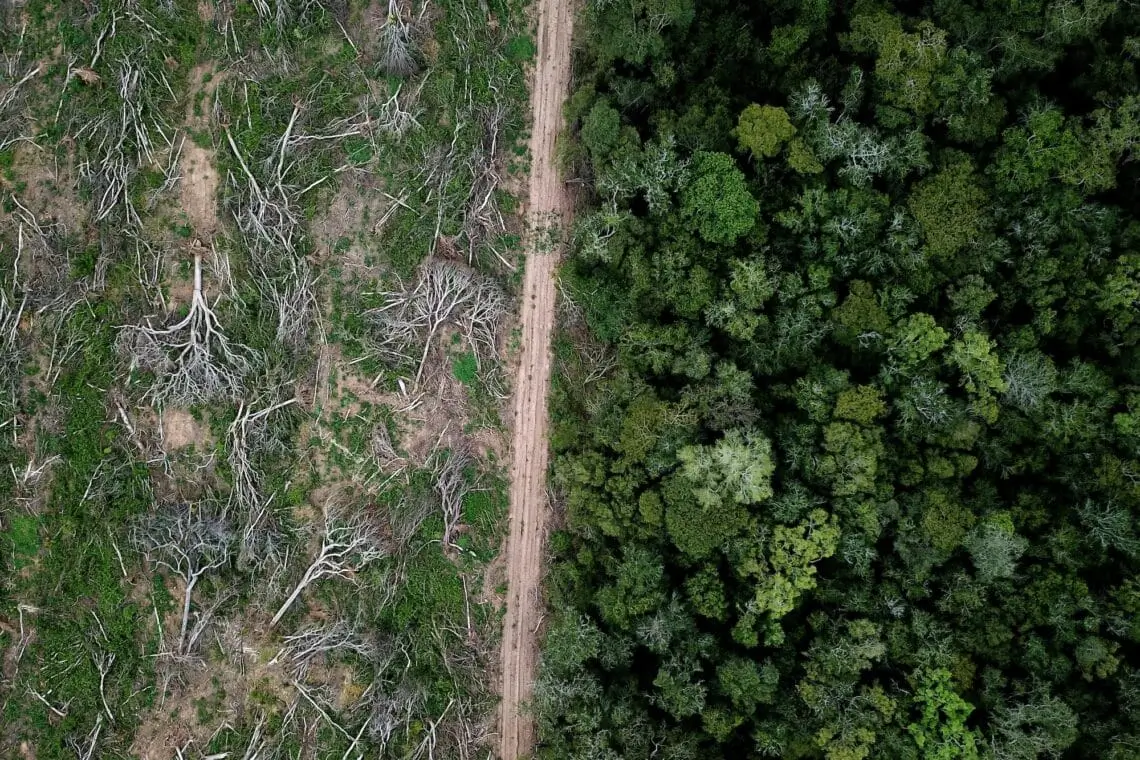
The European Union’s recent one-year delay of its deforestation regulation (EUDR) is also influencing market sentiment. The measure, designed to curb deforestation in countries exporting key commodities to the EU, now allows continued imports of coffee, soybeans, and cocoa from regions experiencing deforestation, contributing to expectations of steady supply.

Weather conditions in Brazil are playing a mixed role. In the country’s largest arabica-producing region, Minas Gerais, rainfall was reported at just 11 mm for the week ending December 5, only 17% of the historical average—offering some support for prices.

U.S. coffee inventories monitored by ICE have tightened due to tariffs on Brazilian coffee imports. Arabica stocks fell to a 1.75-year low of 398,645 bags in late November, though they recently rebounded to over 426,000 bags. Robusta stocks dropped to an 11.5-month low on Monday. U.S. purchases of Brazilian coffee from August to October declined 52% year-on-year following the tariff implementation, reducing domestic supply.

On the other hand, increased production from Vietnam exerts downward pressure on prices. The country is expected to produce 1.76 million metric tons (29.4 million bags) in 2025/26, a four-year high, with the Vietnam Coffee and Cocoa Association projecting a 10% increase over the previous crop if favorable weather continues. Vietnam remains the world’s largest robusta producer.

Globally, signs of tighter supplies provide some price support. The International Coffee Organization reported a slight 0.3% year-on-year decline in global coffee exports for the current marketing year, totaling 138.658 million bags.

The USDA projects world coffee production in 2025/26 to reach a record 178.68 million bags, with arabica slightly down 1.7% to 97.022 million bags and robusta rising 7.9% to 81.658 million bags. Brazil’s output is expected to increase modestly to 65 million bags, while Vietnam’s crop could rise to a four-year high of 31 million bags. Global ending stocks are forecast to grow nearly 5% to 22.819 million bags.

Kelachandra Coffee Elevates Sustainability with Deepflow Climate Intelligence

  • Kelachandra Coffee Partners with Deepflow Technologies to Deploy Hyperlocal Climate Intelligence in Chikmagalur
  • Data-driven climate intelligence to enhance resilience, productivity, and sustainable coffee cultivation

Bengaluru  – Qahwa World

Kelachandra Coffee, one of India’s largest privately held coffee plantation companies, has announced a strategic partnership with Deepflow Technologies, an agri-tech startup incubated at NSRCEL, IIM Bangalore. The collaboration involves the deployment of Augmented Weather Stations (A-WS) and the IndraWeather platform (powered by mistEO) across Kelachandra’s 15 estates in the Western Ghats of Chikkamagaluru and Wayanad. This initiative aims to establish a data-driven, climate-resilient coffee cultivation ecosystem.

The project, which began with a successful pilot at the Chandrapore Estate, is now moving into a long-term deployment phase across the entire Kumergode Cluster. The expansion targets transforming traditional coffee cultivation into a system that can mitigate microclimate risks and enhance productivity across the company’s 6,500-acre network of estates.

  • Focus on Proactive Climate Adaptation

Ms. Rishina Kuruvilla, Head of CSR & Sustainability at Kelachandra Coffee, emphasized the necessity of the partnership: “Climate volatility is no longer a distant threat; it is a daily reality for coffee growers. By integrating Deepflow’s hyperlocal intelligence, we are shifting our strategy from crisis response… to proactive climate adaptation. This technology enables us to make informed decisions on varietal selection and agroforestry, ensuring our estates remain productive and sustainable for decades to come.”

The collaboration leverages Deepflow’s Augmented Weather Stations to capture real-time environmental data with approximately 95% accuracy. This data is then processed by IndraWeather to provide hyperlocal forecasts essential for optimizing crucial farm operations.

  • Enhancing Quality and Operational Precision

Ms. Neleema Rana George, Head of Coffee Works & Technology at Kelachandra Coffee, detailed the operational benefits: “Precision is key to maintaining the specialty standards Kelachandra is known for. With real-time insights into rainfall, temperature, and humidity, we can now scientifically schedule irrigation and fertilization, rather than relying on historical averages. The system’s ability to predict weather windows helps us optimize harvesting and fermentation, directly enhancing our cup quality while stabilizing yields against climatic stress.”

During the pilot, the technology demonstrated strong predictive accuracy, with real-time weather data accuracy around 95% and forecast accuracy ranging from 80–88%. Rainfall tracking reached up to 92% during peak events. This high level of precision supports smarter labour scheduling, lower-chemical pest interventions, and an overall reduction in operational costs.

Atthri Anand, Managing Director, Deepflow Technologies, noted the significance of the partnership: “Partnering with a legacy grower like Kelachandra Coffee validates the critical role of deep-tech in modern agriculture. Our goal… is to provide granular, estate-level data that empowers growers to navigate microclimate variability. Seeing our forecast models achieve such high accuracy in the complex terrain of the Western Ghats proves that data-driven resilience is scalable and effective for the Indian coffee industry.”

The partnership also provides a foundation for financial resilience, as the collected data can be used to potentially trigger parametric risk insurance coverage, further securing the plantation against extreme weather events.

  • About the Partners

Deepflow Technologies: An agri-tech startup incubated at NSRCEL, IIM Bangalore, specializing in AI-powered weather intelligence and IoT solutions to enable climate-smart farming.

Kelachandra Coffee: A division of the historic Kelachandra Group (est. 1786), cultivating premium shade-grown Arabica and Robusta with globally recognized certifications, and exporting to key international markets including Japan, Germany, and the Middle East.

Némo Pop Wins World Aeropress Championship in Seoul

Seoul –  Qahwa World

Australia’s representative, Némo Pop, claimed the World Aeropress Championship title in Seoul, only weeks after securing the national championship in Melbourne.

This year’s Aeropress season concluded with 230 regional and national events held across 70 countries, bringing together more than 6,500 competitors.

In the final round, Némo competed against Switzerland’s Jan Ahrend, while India’s Dharun Vyas secured third place. The judging panel consisted of Jeon Jooyeon, Dylan Siemens, and Megan Wyper, who oversaw the decisive final brews.

The final was marked by intense anticipation as both competitors worked within a five-minute brewing window using the official championship coffee and Aeropress equipment provided by event partners.

Once the judges made their selection, Némo Pop was crowned the new world champion, continuing Australia’s strong track record in this competition.

The 2025 edition brought together 66 national champions, concluding a full year of planning, qualifiers, and coordination by organizers, volunteers, partners, and supporters.

Coffee Consumption Significantly Lowers Risk of Multiple Sclerosis

Dubai – Qahwa World

Multiple Sclerosis (MS), a severe and currently incurable autoimmune disease of the central nervous system, may have a new mitigating factor: coffee.

A rigorous systematic review and meta-analysis of multiple prior studies—combining data from over 4,500 participants—has found that individuals who regularly consume coffee are 22% less likely to develop MS compared to non-drinkers. This finding, published recently in the journal Neurodegenerative Disease Management, suggests a significant association between this common beverage and reduced risk for the debilitating condition.

  • Understanding the Disease

MS is defined by the immune system mistakenly attacking the protective myelin sheath surrounding nerve fibers in the brain and spinal cord. This damage disrupts communication between the brain and the rest of the body, leading to a host of symptoms including chronic fatigue, vision problems, numbness, and severe mobility issues.

While the precise cause of MS remains unknown, researchers believe it involves a complex interplay of genetic predisposition and environmental/lifestyle factors, such as smoking, diet, and Vitamin D deficiency. This new research suggests that simple dietary choices may play a crucial role in prevention.

  • The Strength of the Evidence

The meta-analysis, which combined the results of numerous papers, included a cohort of 2,193 individuals with MS and 2,344 people in the control group. Of the participants diagnosed with MS, 1,072 were identified as regular coffee drinkers.

Researchers suggest the neuroprotective effects of coffee—particularly the compounds found within—could be the mechanism behind the correlation. These compounds have been demonstrated to:

  1. Reduce systemic inflammation, a key driver of autoimmune attacks.
  2. Limit oxidative stress, protecting neural tissues from cellular damage.
  3. Decrease the activation of immune cells within the brain, potentially slowing the autoimmune response.
  • Important Caveats for Readers

Despite the compelling 22% reduction figure, the authors of the study urge caution in interpretation. They noted that the individual studies included in their review had heterogeneous results—some showing benefits, others showing no effect, and a few suggesting negative associations.

Therefore, while the pooled data suggests a strong protective link, it is impossible to draw generalized, causal conclusions at this time. The researchers stressed that more targeted, prospective research is essential to establish a definitive cause-and-effect relationship or to determine the optimal consumption levels for risk mitigation.

Nonetheless, these results align with a growing body of evidence linking the consumption of coffee to positive health outcomes in conditions where chronic inflammation is a major contributing factor.


The New Frontier of Flavor: Co-Fermentation and the Ethics of “Infused” Coffee

Dubai – Qahwa World

The specialty coffee sector is undergoing a radical transformation in post-harvest processing. The emergence of co-fermentation—the practice of introducing non-coffee organic substrates during fermentation—has created a new category of flavor profiles. This article explores the mechanics of this method, the regulatory challenges regarding allergens and labeling, and the philosophical debate defining the future of coffee authenticity.

  • 1. Defining the Terms: From Inoculation to Co-Fermentation

To understand the controversy, industry professionals must first distinguish between the varying levels of fermentation intervention. The terminology is often used interchangeably, which leads to market confusion.

Standard Fermentation: The natural microbial breakdown of mucilage by native yeast and bacteria found in the environment.

Controlled Inoculation: The introduction of specific, lab-grown strains of yeast (e.g., Saccharomyces or Lactobacillus) to guide the flavor profile towards consistency. This is widely accepted as an agronomic best practice.

Co-Fermentation (Additive Fermentation): The addition of foreign organic material—such as fruits, spices, hops, or essential oils—into the fermentation tank. The goal is to provide specific nutrients (substrates) for the microbes to metabolize, creating esters and aldehydes that bond with the coffee seed’s cellular structure.

  • 2. The Science of Substrates and “Mossto”

The mechanism behind co-fermentation is not merely “flavoring” in the traditional sense; it is metabolic engineering.

When a producer introduces a substrate like passion fruit or cinnamon, they are introducing simple sugars and specific acids. The microbial culture consumes these sugars and produces byproducts (flavor compounds). Because the coffee bean is porous and undergoing osmotic changes during fermentation, these compounds penetrate the green bean.

  • The Role of “Mossto”

A critical technique in this field, utilized by innovators like Edwin Noreña of Finca Campo Hermoso in Colombia, is the use of Mossto.

Definition: Mossto is the “must” or juice collected from a previous fermentation batch, rich in active enzymes and acclimatized microbes.

Application: Producers cultivate this starter culture and then add secondary ingredients (e.g., galaxy hops or dehydrated fruits). Noreña argues that this does not “mask” the coffee but amplifies existing precursors. For example, using a citric-heavy Mossto to enhance a varietal that already possesses citric notes.

  • 3. The Regulatory Vacuum: Allergens and Labeling

The most significant friction point in co-fermentation is not flavor, but safety and legality. Currently, the regulatory framework lags behind innovation.

  • The FDA and the “Kill Step”

In the United States, green coffee is a raw agricultural product. The FDA generally views the roasting process (which exceeds 400°F/200°C) as a validated “kill step” for pathogens like Salmonella. However, roasting does not reliably denature all allergenic proteins.

The Risk: If a producer co-ferments coffee with lactose, soy, or nuts to create a creamy mouthfeel, and fails to disclose this on the export documents, a consumer with a severe allergy is at risk.

The Labeling Gap: Current regulations do not strictly require “green coffee” bags to list ingredients other than coffee. This breaks the chain of custody, often leaving importers and roasters unaware of the additives used at the farm level.

  • 4. The Debate: Authenticity vs. Evolution

The industry is currently split into two philosophical camps regarding how these coffees should be categorized.

The Purist Argument: Critics argue that co-fermentation risks homogenizing coffee. If a producer can make a mediocre Castillo varietal taste like a top-tier Geisha by adding floral extracts during fermentation, it distorts the value of the genetic material and terroir. They demand these coffees be labeled as “Infused” or “Processed with Adjuvants” rather than “Specialty Coffee.”

The Innovator Argument: Proponents argue that coffee processing borrows from wine and beer (cider) traditions, where adjuncts are common. They view the fermentation tank as a canvas and argue that as long as the base material is coffee, the processing method is simply a tool for creativity and differentiation in a saturated market.

  • 5. Conclusion: The Path Forward

Co-fermentation is unlikely to disappear; the market demand for exotic, high-intensity fruit profiles is too strong. However, for the industry to mature, it must embrace Radical Transparency.

  • The future of high-end coffee likely involves a bifurcation:

Traditional Specialty: Focused on terroir, genetics, and low-intervention processing.

Engineered Specialty: Focused on co-fermentation, sensory design, and creative processing.

Both have a place on the shelf, provided the consumer knows exactly what is in the cup.

Three Types of Vietnamese Coffee Among the Top 10 Beverages in Southeast Asia

Dubai – Qahwa World

Three Vietnamese coffee drinks have been ranked among the top 10 beverages in Southeast Asia, according to a culinary ranking published by a specialized food platform. This recognition reflects Vietnam’s continued strong presence on the regional beverage map.

Iced milk coffee ranked third, described as a balanced blend combining strong coffee, condensed milk, and ice, creating a rich and appealing flavor. Traditionally, it is prepared using medium or coarse roasted coffee brewed through a drip filter, then mixed with condensed milk and served over ice. A modern version uses concentrated coffee with condensed milk.

Vietnamese black coffee took sixth place. Although black coffee is popular worldwide, the Vietnamese version stands out due to its unique coffee varieties and traditional roasting styles. Coffee was introduced to Vietnam in the nineteenth century, and the country later became one of the world’s leading producers of robusta beans. Robusta is known for its strong flavor and low acidity, and in some regions it is roasted with butter, sugar, or vanilla to enhance its taste.

Egg coffee from Hanoi also made it into the top 10. This drink is known for its rich and sweet taste, prepared with strong coffee topped with a creamy layer made from whisked egg yolk mixed with condensed milk until smooth and frothy. The recipe dates back to the 1950s.

Several other Vietnamese beverages appeared in the upper ranks, including lotus tea (ranked 12), frozen yogurt (23), apple wine (26), fermented rice wine (29), and sticky black rice wine (31). Innovative coffee creations such as salted coffee and coconut coffee were also included.

Thai red milk tea topped the list of the best 62 beverages in the region, while Malaysian white coffee ranked second.

In recent years, Vietnamese coffee has received significant international recognition in global newspapers and magazines, appearing in lists of the world’s best coffees and in cultural reports highlighting its unique flavors and preparation methods.

Coffee was introduced to Vietnam in 1857 and flourished in the central highlands, particularly robusta due to the favorable climate and soil. Today, coffee is a key industrial crop in Vietnam, grown on an area of about 680 thousand hectares.

Vietnam’s coffee exports saw remarkable growth in 2025. By November 15, total exports reached approximately 1.35 million tons, valued at 7.64 billion dollars, representing an increase of 14.6% in volume and 62.3% in value compared to the same period in 2024.

Vietnam: The Journey of Coffee Cultivation and Processing Knowledge Towards Global Recognition

Dubai – Qahwa World

The World Coffee Museum in Buon Ma Thuot, Dak Lak province, Vietnam, hosted the activities of the 2025 International Scientific Conference and Forum from December 5 to 6.

The conference was held under the theme: “Global Coffee Industry Value Chain – Global, Local, and Sustainable Development,” jointly organized by the Dak Lak Department of Culture, Sports and Tourism, Ho Chi Minh City University of Culture, UNESCO, and Yunnan University (China), and sponsored by the Trung Nguyen Group. The event attracted dozens of local and international experts, scientists, and managers.

In his opening speech, Associate Professor Dr. Lam Nhan, President of Ho Chi Minh City University of Culture, emphasized that coffee represents a strategic industrial crop and a source of pride for the people of Dak Lak and the Central Highlands. He noted its sensitivity to climate change and the necessity of transitioning from expanding cultivated areas to raising quality, increasing value, developing processing technologies, and managing the value chain.

The workshop is not limited to the scientific dimension; it represents a step toward formulating a new vision for developing Vietnamese coffee within the global value chain, through discussions on coffee heritage—from agricultural knowledge and processing to the culture of enjoyment—in addition to topics of technology, branding, environmental responsibility, and sustainable development.

The workshop also contributes to the preparation of the file on the “Knowledge of Coffee Cultivation, Processing, and Enjoyment in the Central Highlands,” to be submitted to UNESCO for inclusion in the List of Good Safeguarding Practices of Intangible Cultural Heritage.

  • Dak Lak… The Center of the Vietnamese Coffee Industry

Tran Hong Tien, Director of the Dak Lak Department of Culture, Sports and Tourism, stated that Buon Ma Thuot is the core of the coffee industry in Vietnam, noting that Dak Lak Robusta coffee is not just an agricultural crop, but a deeply rooted cultural symbol among the ethnic communities in the Central Highlands, preserved across generations.

The province aims to enhance the value of coffee heritage by integrating sustainable agriculture, the green economy, agri-tourism and cultural tourism, and creative industries, in line with UNESCO’s philosophy of community preservation and heritage-based development.

  • Practical Steps Towards UNESCO Listing

Tran Hong Tien mentioned that the Ministry of Culture, Sports and Tourism submitted a request to the Prime Minister for permission to prepare a scientific file on the intangible cultural heritage related to the “Knowledge of Dak Lak Coffee Cultivation and Processing.” The workshop is the first step in preparing this file, supported by 67 research presentations covering economics, society, culture, anthropology, heritage, coffee technologies, value chains, and sustainable development.

  • Indigenous Knowledge… Memory, Identity, and Culture

Delegates discussed axes including: cultural exchange through coffee, localization practices during integration periods, the role of coffee heritage in socio-economic and tourism development, and solutions for preserving and enhancing local knowledge in cultivation, processing, and drinking culture.

Experts believe that the knowledge of coffee cultivation and processing in Dak Lak goes beyond inherited traditional skills; it represents a shared system of values and identity that strengthens social bonds, supports sustainability, and provides livelihoods.

  • Towards a Community-Based Heritage Model

Associate Professor Dr. Le Thi Ngoc Diep from the University of Social Sciences and Humanities assessed that the coffee heritage in Buon Ma Thuot is developing in the unique context of Dak Lak’s central position in the Vietnamese coffee industry. She considered integrating coffee with the concepts of “heritage” and “local identity” an effective strategy to enhance value in the global market. She emphasized the necessity of a community-based heritage model that ensures local residents’ participation in managing and investing in heritage while maintaining a balance between tourism and authenticity.

  • Notable Success and Broad Cultural Participation

The workshop concluded with participants commending the outcomes. Tran Hong Tien affirmed that the event constituted a first step in preparing the file for UNESCO heritage listing and contributed to presenting new visions for globally promoting the status of Dak Lak coffee as a symbol of living heritage and a sustainable green economy.

The event featured Zén coffee tasting sessions, visits to coffee farms, and an introduction to the three coffee civilizations: Ottoman, Roman, and Zén, alongside a tour of the World Coffee Museum.

  • Dak Lak on the Global Heritage and Creativity Map

This forum represents a bridge between heritage and contemporary creativity, enhancing the position of Dak Lak – “Vietnam’s Coffee Capital” – on the map of world cultural heritage and creative industries.

BBC News: ‘Best café in Liverpool’ to close after 30 years

Dubai – Qahwa World

A popular family-run café in Liverpool city centre, Maggie May’s, is set to close its doors permanently after three decades in business. The café, located on the busy Bold Street, famously counted Liverpool legend Sir Kenny Dalglish and actor Ralph Fiennes among its patrons.

Maggie May’s, established in 1995 by Susan and John Lea, maintained a traditional approach, avoiding contemporary culinary trends. The establishment was well-known for its regional dishes, particularly its “scouse”—a traditional meat and potato stew.

After thirty years, the Lea family has confirmed the closure, citing the demanding hours and the physical toll of running the business.

Carly Lea, who helped run the café with her parents, told the BBC that while leaving would be difficult, “the time was right.”

“We’re all getting that little bit older, we’re all getting a little bit weary,” she stated, adding that the intense daily shifts, often exceeding 12 hours, had “taken its toll.”

“The café could go on but physically we feel as though we can’t go on—which is unfortunate but also it’s very, very real and that’s ultimately the main reason,” she explained.

Ms. Lea attributes the café’s enduring success to “sticking to what we know,” focusing on traditional local food rooted in her mother’s experience as a pub cook before founding the business.

  • Memorable Moments

Reflecting on the café’s history, Ms. Lea described serving Sir Kenny Dalglish on several occasions as a “personal highlight.” A standout moment was also serving BAFTA-winning actor Ralph Fiennes in 2023, who stopped for a drink while playing the lead in a local production of Macbeth.

Ms. Lea recounted the encounter, noting that she was “starstruck” by the Harry Potter star. “I think I was quite starstruck because it was like: ‘that’s Voldemort’,” she said.

For regular customers, the news has been met with disappointment. Anthony McDowell, 54, a patron since the café opened, expressed his deep sadness.

“I walk past about four other cafés to get here, it’s only one café in town for me,” Mr. McDowell told the BBC. “I’ve known the family for years and they’re a lovely family, and they’ve spent a lot of hard-working years and I can understand the reasons.”

Carly Lea admitted she was surprised by the emotional response to the announcement, saying it has been “very emotional” with people telling them they are “heartbroken.”

Maggie May’s is scheduled to serve its final customers on Christmas Eve.

Russian Cities Where Coffee Spending Is Highest

Moscow — Qahwa World

New analysis from the fiscal data operator “Platforma OFD” shows significant differences in how much residents of Russia’s largest cities spend on coffee. Among million-plus cities, Chelyabinsk recorded the highest average coffee-shop bill in September and October, reaching 610 rubles per visit.

St. Petersburg ranked second with an average of 603 rubles, followed by Novosibirsk, where the average check reached 597 rubles.

Other major cities also demonstrated elevated spending levels:

Moscow — 564 rubles

Krasnoyarsk — 506 rubles

Krasnodar — 501 rubles

Residents of several cities spent slightly below 500 rubles per order:

Rostov-on-Don — 494 rubles

Kazan — 477 rubles

Volgograd — 470 rubles

Yekaterinburg closed the top ten with an average of 467 rubles.

More moderate spending was observed across the Volga region. Average coffee-shop bills were reported as follows:

Ufa — 465 rubles

Samara — 462 rubles

Perm — 453 rubles

Nizhny Novgorod — 437 rubles

Voronezh placed fifteenth, with an average check of 427 rubles.

According to Dmitry Batyushenkov, CEO of Platforma OFD, growth potential in the coffee market is increasingly concentrated in regional cities. He noted that residential districts continue to offer numerous suitable locations for new coffee shops, creating additional opportunities for expansion.

Brazilian Robusta Coffee Gains Ground with Focus on Quality

Brazil – Dubai

Robusta coffee producers in Brazil are investing heavily in quality improvements, seeking to elevate the reputation of a bean long considered inferior to arabica. Specialty cafés in São Paulo now serve robusta-only espresso shots with rich crema and chocolate-like flavors, challenging old perceptions about the variety.

Baristas and coffee enthusiasts highlight robusta’s full-bodied taste and smoother mouthfeel. “It produces a creamy espresso with strong chocolate notes,” says Marco Kerkmeester, co-founder of a local coffee chain, referencing a unique robusta variety labeled “0% Arabica.”

Climate pressures on arabica crops have accelerated interest in robusta. Brazil ranks as the world’s second-largest robusta producer after Vietnam and leads globally in arabica production. Studies suggest that rising temperatures and drought could make much of Brazil’s prime arabica-growing land unsuitable by 2050.

In Espirito Santo, the main robusta-producing state, farmers are adopting advanced harvesting and drying techniques to enhance bean quality. The leading cooperative, Cooabriel, has moved from traditional fire-drying to modern dryers, which preserve flavor and aroma. Specialty certification programs and international trade shows are helping producers access premium markets.

The state government plans to scale up specialty robusta output to 1.5 million 60-kg bags annually by 2032, compared with just 10,000 today. This expansion involves wider use of best post-harvest practices and a robust nursery program expected to grow to 10 million saplings per year.

Higher-quality robusta has led to increased demand and rising prices. Specialty robusta averaged over $295 per 60-kg bag through October 2025, more than double the 2021 level. Futures for robusta have climbed over 80% since 2021, while arabica futures rose around 60%.

Industry leaders say better-quality robusta allows coffee roasters to include more robusta in blends, while highlighting its own unique flavor rather than positioning it as a cheaper substitute. Local preferences for stronger, more bitter coffee further support robusta’s growing popularity. “For those who like a fuller body and bolder taste, robusta fits perfectly,” notes barista Natalia Ramos Braga from São Paulo.

Coffee Costs in Canada Keep Climbing: What Consumers Need to Know

Retail coffee prices have nearly doubled over the past five years

Dubai – Qahwa World

For many Canadians, the daily cup of coffee has become more than a simple pick-me-up—it’s an increasingly costly habit.

A recent report from Statistics Canada shows that in August, the average price for store-bought coffee was about 28% higher than the same time last year. Looking at a longer timeline, the cost of a 340-gram bag has risen from $5.36 in 2020 to $9.30 in 2025, almost doubling in just five years.

Experts say there is little chance prices will drop soon. Sylvain Charlebois, a food policy researcher at Dalhousie University in Halifax, points to production challenges in major coffee-growing countries such as Brazil and Vietnam. Extreme weather has affected yields, particularly for Arabica beans, which require very specific growing conditions.

“Arabica beans need a stable climate in the mountains to thrive,” Charlebois explained. “Droughts or excessive rainfall disrupt that balance, and this year conditions haven’t been ideal. These factors influence prices around the world.”

Other coffee-producing nations, including Costa Rica, Colombia, and Kenya, also contribute to the global supply. However, large-scale buyers often prioritize volume and cost, which isn’t always guaranteed.

Globally, Arabica and Robusta are the two primary types of coffee beans. Arabica, known for its bitter flavor, has grown in popularity thanks to coffee chains, while Robusta is more widely used in mass-market blends. Coffee futures recently rose above US$4 per pound, signaling that consumer prices are likely to continue rising.

Demand is increasing in Asia, where a growing middle class is turning to coffee as a symbol of lifestyle and status, adding further upward pressure on prices. Charlebois predicts that retailers may respond by offering more budget-friendly private-label brands, which are cheaper but generally of lower quality.

The rising cost of coffee is part of a broader trend affecting Canadian households. According to Dalhousie University’s Food Price Report, about 25% of families face food insecurity, and a typical family of four could spend nearly $1,000 more on groceries in the coming year. “Coffee prices aren’t likely to fall for the next six to eight months,” Charlebois said.

Bloomberg… Colombian Women Push Against Coffee’s Patriarchy

Dubai – Qahwa World

Bloomberg published an investigation titled “From Bean to Cup, Colombian Women Push Against Coffee’s Patriarchy”, which stated:

The mist-covered hills of Colombia’s Huila region, lined with dense coffee trees, are witnessing a gradual but determined shift. Women across the country’s renowned coffee sector are stepping into roles once dominated almost entirely by men. They are running farms, forming cooperatives, and launching their own brands, yet deep-rooted gender barriers continue to limit their economic participation—despite historically high coffee prices.

Industry Boom and Leadership Barriers

Colombia’s coffee industry is experiencing one of its strongest periods in decades. Arabica prices reached record levels in October after US tariffs on Brazilian coffee coincided with weak global harvests. Even after the tariffs were reversed, prices remained high, with buyers scrambling to rebuild inventories.

In the twelve months through October, Colombia produced nearly 15 million 60-kg bags of coffee—up 14% from the previous year and the highest level for this time period since 1992, according to the National Federation of Coffee Growers.

Exports rose more than 11% to 13.4 million bags, with roughly 40% headed to the United States.

Women are slowly benefiting from this boom. For the first time in almost a century, they now lead two of the federation’s 15 regional committees. They also represent nearly one-third of Colombia’s 525,000 registered coffee farmers, a rise of more than ten percentage points since the late 1990s. Still, their visibility has not translated into equal access to leadership roles, decision-making power, or financial resources.

  • Daily Realities in the Coffee Heartland

In Huila, gender inequality often begins at home. Nery Muñoz, 47, leads a small coffee-growers association in the town of Palestina. Like thousands of women in the region, she manages household responsibilities while working long hours in the fields. “When I have to attend a training session or a meeting, I make sure breakfast, lunch and dinner are ready,” she says. “I also take care of my grandson when my son is working.”

The region also faces the long-term impact of Colombia’s internal conflict and the pressures of illicit crop economies. President Gustavo Petro has encouraged farmers to replace coca with crops such as coffee, but insecurity still affects daily life for many women trying to build sustainable livelihoods.

Cultural Barriers and Financing Challenges

In nearby Pitalito, ten women—including 34-year-old Yineth Sánchez—spent almost a year registering their cooperative, Asoproca. Their goal is to produce and sell coffee under their own brand, but limited legal and technical knowledge slowed progress.

According to adviser Andrea Cano, who works with women entrepreneurs in Huila, deep-rooted gender norms continue to block women from equal participation. “It’s not seen well for a woman to leave her household duties to attend meetings or training,” she says. Many also lack the formal education needed to write proposals or manage projects.

  • The Credit Challenge

While 51% of Colombians have access to formal credit, the figure drops to 17–20% in rural areas. The gender gap itself is small (18% of rural men versus 16% of rural women have access), but hidden biases and structural barriers make loans harder to secure.

Loan officers often perceive women as riskier borrowers, especially when they lack property titles or appear less confident, says Jaime Rincón of Asobancaria. Yet data shows women have lower delinquency rates on 90-day loans.

Women manage 26% of Colombia’s planted coffee area and produce roughly 25% of national output.

Their farms also tend to be smaller: 59% cultivate under one hectare, compared with 51.2% of male farmers.

  • A Year of High Prices—and High Costs

In San Agustín, 44-year-old Edmy Yojana Correa farms 1.5 hectares with her husband, raising 7,450 coffee trees across four varieties. While she avoided chemical fertilizers and earned Rainforest Alliance certification, enabling her to secure higher prices, rising costs for organic fertilizer and labor are squeezing profits.

Edmy sought a private bank loan this year but was rejected. She later secured a small loan from Banco Agrario—about $2,000—after an official from the coffee federation informed her about a financing program she had never heard of. The loan, backed by Finagro, is just enough to fertilize her crops and prepare for next year.

Most women-led cooperatives still struggle to sell their coffee at competitive rates, especially compared with farmers who rely on the federation’s strong logistics and marketing networks.

“Our goal is to export our coffee at a fair price that compensates for all the processing and effort we invest,” says Asmuer leader Blanca Elcy Ome. Yet barriers persist. As global demand for Colombian coffee grows, many women who sustain the industry are still waiting to see the full benefits.

“We do need more support,” Edmy says ahead of a coffee fair in Bogotá. “I know there’s a customer for my coffee. I just have to look for them.”