SCA: Specialty Coffee Expo Chicago 2024 Will Be the Largest Ever

The Specialty Coffee Association has announced that the Specialty Coffee Expo Chicago 2024, which will be held from April 12 to April 14, 2024, will be the largest ever in the history of the expo.

In a statement received by “Coffee World”, the association said that with the increasing anticipation for the Specialty Coffee Expo Chicago 2024, enthusiasts and professionals in the industry alike are preparing for what promises to be the biggest and most impactful event in the world of coffee.

The association expects the Specialty Coffee Expo Chicago 2024 to break all records and redefine the landscape of the specialty coffee industry, with over 590 exhibitors confirmed and an estimated 16,000 visitors expected to attend the event.

The association pointed out that the Specialty Coffee Expo Chicago 2024 is not just a gathering; it is a convergence of minds dedicated to shaping the future of the coffee sector.

The association emphasized that the global coffee market is experiencing unprecedented growth, with the market expected to exceed $182.63 billion by 2030, noting in this regard that the Specialty Coffee Expo Chicago 2024 is a crucial platform for industry players to explore expansion opportunities and foster innovation.

The association explained that one of the highlights of the Specialty Coffee Expo Chicago 2024 lies in the opportunity to network with a diverse community of professionals representing every aspect of the coffee value chain. With participants from over 75 countries, including key decision-makers and influencers, the expo provides an unparalleled environment for collaboration and knowledge exchange.

During the Specialty Coffee Expo Chicago 2024, a variety of events and activities will be offered, including the Specialty Coffee Association Lecture Series, SCA Workshop Series, Green Coffee Connect, Retail Buyers Lounge, Cupping Exchange, Scientific Poster Sessions, Roaster Village, World Coffee Championships, and other exciting events and activities.

The schedule of the Specialty Coffee Expo Chicago 2024 spans three days, providing participants with ample opportunities to immerse themselves in the world of specialty coffee and take full advantage of everything the expo has to offer. From the opening event on Friday morning to the closing activities on Sunday afternoon, the expo promises to be an unforgettable experience for all who attend.

International Coffee Organization to Attend Specialty Coffee Expo in Celebration of 25 Years of Coffee Excellence

The International Coffee Organization (ICO) has announced its participation in the upcoming Specialty Coffee Expo, marking a significant milestone in the world of coffee. The Expo, scheduled to take place from April 12th to 14th, will serve as a platform to celebrate the 25th anniversary of the Cup of Excellence, a renowned event that has redefined standards of coffee quality globally.


How we inadvertently gatekeep specialty coffee from new consumers!

By: Estella Zuleta Carmona
Head of Coffee and Trainer

Ever wonder why regardless of how much we try to engange with consumers and share all things coffee with customers, friends and even our family somehow specialty coffee consumers doesnt seem to go in a raise? And big chains continue to expand and reach broaders audiences

Perhaps the reason lies in the way we are communicating specialty coffee, a field and expertise that want it or not has a complex nature and that many of us, coffee professionals, want it to be valued and appreciated for its value, worth, and all the deep and hard labour behind it, regardless, we forget that in the same way we appreciate some things and ignore others, we cannot force people to enjoy the same hobbies or pleasures that we do.

We need to make it approachable, simple and easy to enjoy, but how can we achieve this out of an expertise that implies so many variables and complexities?

Maybe, the reason why its so difficult for regular consumers to engage with high quality specialty coffee is the result of us, the professionals constantly giving a greater importance to techniques, brewing styles, equipments and all the buzzing and confusing terms that newcomers barely understand, and that, contrarily, might aswell make them feel not involved, interested or fall for the intimidation of the snobbism that this brings along. Perhaps we are oversharing, overcomplicating the simpleness of drinking and enjoying good quality coffee with unnecessary details and this way gatekeeping the joys of the world of coffee for the enthusiasts and the coffee lovers.

I still remember an anecdote from a post i read sometime ago in a forum: there was a person explaining his mother was visiting him for vacations and was staying at his place. As a coffee professional he had all sort of tools and at first encounter his mother was incredibly surprised with all the equipments and toys in his kitchen.

One morning his mother asked him if he wanted some coffee and as he sat on the living room he could hear his mother doing different tasks, one of them, grinding coffee in his automatic machine but to his realization he forgot he never taught her how to operate it.

His mother started talking from the distance and complimenting him about how amazing was the coffee he had in his shelves, explaining how she ground a full cup of coffee and then filled the basket and pressed the button up to 4 times till she filled the entirety of the cups she was preparing for the both of them.

It was the best coffee she ever had, regardless of preparation, fancy techniques, knowledge or recipes. Just water and coffee.

Sometimes we forget that in the end, coffee is just coffee, and everybody display a different set of preferences and inclination towards specific flavours or sensations aswell as not everyone is capable of sensing and perceiving as many complexities we do in coffee, not even us professionals can perceive the different qualities of coffee at the same level, some of us display greater skills while others have it more complicated.

But something is certain, we need to make it simple, and perhaps, the best way we can approach to simplify the complex is by actually trying to understand it deeply, moving away from the snobbism and trying to enjoy all the different qualities of specialty coffee that origin has to offer us.

The greater we understand about it, the better we will be able to simplify, share and make it approachableWe should probably start with the flavours we can find in coffee, where does flavour originate? What influences flavour?

Understand the different degrees of enjoyable and non-ejoyable flavours.

Last week i held a class consisting on the defects that we can find in green coffee, most of us in the industry know theoretically and in practice how most of these can impart sensations and affect the quality of the coffee we drink. More specifically we spoke about the primary and the secondary groups of defects. The practice consisted of tasting these defects, becoming familiar with them. What are the predominant notes on a coffee presenting partial blacks, sours, insect damage or quakers?

Does any of these defect truly make the cup undesirable? Do we think other consumers could find these cups enjoyable? As the kids of the washed arabica standards we were taught standards when it comes to green quality standards, we were taught about defects and how green coffee should look like in order to present pleasant sensations. But in my personal experience i have encounter coffees that physically look bad, rugged, and sometimes even showcase partial or “pseudo quakers” regardless, sometimes the most ugly coffee is the tastiest on the table.

Sometimes we as professionals are bias and forget most of what we like and think is “correct” in coffee comes from learning standards, training and calibrating our palate with other professionals that, redundantly, were also taught standards on what taste good and what tastes bad.

So, the question that arises is: Are defects truly unplesant or we find them unpleasant because we were taught that way? Chances are, consumers and ours friends will probably not notice or even more, enjoy them.

On another hand, then we also have roasting and how this changes and transform the flavours we can find in our coffee. Overdevelopment? Underdevelopment, Fast roasts? Slow roast? Light, Medium, Dark roast? Colour? Humidity? Weightloss? Caramelisation? Highly complex or chemically simple coffees?

Understanding this can help us comprehend the result in our cups instead of blaming it on the method, the equipment, the extraction or any other variables, we might be capable of assessing and even appreciating the actual potential and quality of what we have in our hands while ignoring all the other factors that could have gone wrong, Just like a non professional or a regular consumer could enjoy a coffee without comprehension of all these peculiarities, they can perceive that the coffee they are drinking simply its better than any others.

Once we hace analysed and understood everything that has happened from seed and all the processes that were applied to the beans until the moment we got them in our cup, once we understood the quality of our green, once we understood all the processes going on during the roasting and how the flavours were modulated. Once we have moved away from our snobbism, judgement and learned preferences, theres only one thing left to do:Sip, share and enjoy.

The value of the specialty coffee market is expected to reach $152.69 billion by 2030

A recent survey conducted by Brainy Insights indicates that the specialty coffee industry is poised for substantial growth, with its value anticipated to soar to US$152.69 billion by 2030. This projection signifies a robust growth rate of 12.32% throughout the forecast period.

Sandra Moraes, the Specialty Coffee Manager at the Cerrado Coffee Growers’ Cooperative (Expocacer), highlights the burgeoning demand for specialty coffee and the promising prospects it presents for producers. She elaborates on the Essências initiative, tailored to support small and medium-sized coffee growers transitioning into specialty coffee production. The program offers personalized guidance on post-harvest processes, ensuring adherence to quality standards while accommodating the unique characteristics of each crop.

The research further reveals a remarkable surge in the North American specialty coffee market, with an expected annual growth rate of 20% until 2030, positioning it as the world’s fastest-growing market segment.

Expocacer’s Executive President, Simão Pedro de Lima, underscores the significance of this trend by discussing the establishment of a logistics hub in the United States, the largest consumer of their coffee. The majority of the coffee beans shipped to the hub are of specialty grade, reflecting the company’s commitment to capitalizing on the burgeoning demand for high-quality coffee. Initial plans entail the delivery of one container per week, each containing approximately 320 bags of 60-kilograms of coffee. This endeavor aims to invigorate both the economy and the consumption of specialty coffees, which continues to experience upward momentum.

The inauguration of the hub is anticipated to yield substantial results, with an expected increase in North American market sales by 10 to 15% within the first year alone. Brazilian Agricultural Research Corporation data indicates a steady annual growth rate of 12% in global consumption of Brazilian specialty coffee in recent years.

Pedro de Lima emphasizes the evolving consumer preferences, emphasizing the importance of transparency and sustainability in coffee production. He underscores Expocacer’s commitment to meeting these demands, with the hub facilitating improved traceability and showcasing the stories behind each cup of coffee.

Erna Knutsen: The Unsung Heroine of Specialty Coffee

Atoni Lucien I name her the mother of specialty coffee.

Our lives, all of them, are lived in versions.

I have a version of my life, my parents have another, my siblings another, and for every person I count as a friend or acquaintance, there are yet more versions of my life.

This is not news to anyone.

Famous people famously have many biographies written about them, many different versions of who they were and what they did or didn’t do.

Erna Knutsen was not a famous person, generally. She was a famous person, specifically.

The regular world, the world that is not engrossed and consumed by, obsessed and beset by coffee, that world may not know who Erna Knutsen was.

The coffee world—and not just the specialty coffee world—knows who Erna Knutsen was, though we may not agree on any one version of her story. But I think we might all agree, or most of us, on a version of the person.

She was generous, if not to a fault, then beyond normal, with her time, knowledge, and understanding.

For years before the Specialty Coffee Association of America (now the SCA) hired its first professional staff person, Erna was the unofficial spokesperson for the industry, speaking to reporters about the new fad known as specialty coffee.

Perhaps because her story can be understood as something of an underdog story, she loved to see people succeed against the expectations if not the odds; and while she was not at all shy of the spotlight, she was likely to drag someone else into the spotlight with her to share it.

She had a guffaw that bordered on a cackle and yet was thoroughly charming because it was so genuine, and often surprising, because if anyone could find humor in unexpected places, it was Erna Knutsen.

“During the discussion after one cupping session, Erna had scored a particular sample much higher than the rest of the jury, so Paul asked her to explain what she liked so much about that coffee.

She put on her reading glasses, perused her cupping sheet for a few seconds, then looked up and replied, ‘Oh… I’m sleeping with the farmer!’” -career coffee professional Stephen Vick, talking about the Cup of Excellence jury in Nicaragua, 2006 .

Erna died in June 2018. At 96, she was well past the age when we ask what it was that caused her death. Enough was enough. She had already lived more than one life by any measure and for those of us who claim coffee as a living, it was her second life that meant the most, her coffee life.

Erna’s father, Edwin, died just three months before his 100th birthday.

Long life was in her blood, is one way to put it. Another way would be to say that long life was in her spirit, and her spirit was needed to launch an industry.

To give away the ending, that is what Erna Knutsen did.


By:Atoni Lucien (Lucio) Ngeh

International Specialty Coffee and Roastry Manager at SADDLE CAFE and Feels Juice Bar. Specialty Coffee Consultant

Do you know what is Specialty coffee?

Specialty coffee is a unique kind of coffee, distinct from the standard offerings you might find in the coffee and tea aisle. This isn’t your run-of-the-mill grain; it’s a product held to sky-high standards, without which it cannot bear the label of ‘specialty.’

In recent years, specialty coffee has surged in popularity, becoming a favorite among coffee lovers. But what sets it apart? What makes specialty coffee truly special?

So, what exactly is specialty coffee?

Specialty coffee is defined as coffee that scores 80 or above out of 100 on the ‘specialty scale,’ a metric determined by the Specialty Coffee Association (SCA). The SCA sets stringent rules and regulations governing its classification.

The essence of specialty coffee lies in its meticulous journey from bean to cup. Every step, from the coffee bean farm to the skilled barista, is meticulously considered. This dedication to excellence ensures that every sip delivers a high-quality experience for coffee enthusiasts.

These coffee beans typically thrive in high-altitude regions with carefully managed climates and soil compositions, resulting in unique flavors. Coffee sourcers invest considerable effort in identifying the perfect coffee farm for specialty beans. Once harvested, the beans undergo further refinement and enhancement, culminating in a sustainably sourced bag of coffee ready to tantalize your taste buds.

How is specialty coffee classified?

To earn the coveted ‘specialty’ label, coffee must achieve a minimum score of 80 on the specialty scale, as determined by certified coffee tasters approved by the SCA. Ratings range from ‘very good’ to ‘excellent’ or ‘outstanding,’ reflecting the coffee’s quality.

The classification process is rigorous, with strict adherence to rules by all involved parties. From coffee farmers to roasters and baristas, alignment throughout the process is essential to maintain the coffee’s specialty status.

The rating process for specialty coffee includes meticulous considerations, such as standardized lighting levels and table sizes during assessment. Beans must pass through defect categories, with no Category 1 defects and a limit of five Category 2 defects to qualify as specialty coffee beans.

Where is specialty coffee grown?

Major coffee-producing countries like Brazil, Ethiopia, Vietnam, and Colombia dominate specialty coffee production. However, efforts are underway to explore emerging coffee-growing regions that offer unique flavors. Countries like Rwanda, Costa Rica, Panama, and Bolivia are increasingly contributing to the specialty coffee market, meeting the high expectations set by the Specialty Coffee Association.

In essence, specialty coffee can be produced anywhere, provided it meets the rigorous standards set by the Specialty Coffee Association.

In the world of specialty coffee, the journey from bean to cup involves several key players, each contributing their expertise:

  • The Coffee Farmer: These dedicated producers cultivate the highest quality coffee through generations of expertise. They focus on quality over quantity, ensuring only the best beans reach the market.
  • The Green Coffee Buyer: Skilled in identifying coffee quality, green coffee buyers play a crucial role in selecting beans for specialty coffee. Through cupping, they assess coffee quality and communicate key information to roasters and cafe staff.
  • The Roaster: Certified roasters skillfully roast specialty beans to perfection, applying scientific principles to unlock the beans’ full flavor potential.
  • The Barista: Specialty baristas complete the coffee lifecycle, ensuring each bean is brewed to perfection. With deep knowledge of coffee origins and flavor profiles, they guarantee a delightful coffee experience for consumers.

Ultimately, it’s the consumer who completes the specialty coffee journey by seeking out and choosing high-quality options. By supporting specialty coffee, consumers not only enjoy superior taste and flavor but also contribute to improving living standards in coffee-producing communities worldwide.

The history of specialty coffee traces back to 1973 when Norwegian coffee expert Erna Knutsen coined the term. Since then, specialty coffee has experienced multiple revivals, driven by a growing demand for quality over quantity. Today, specialty coffee enjoys widespread popularity, with dedicated roasters offering a diverse range of options.

Why choose specialty coffee?

Specialty enthusiasts argue that nothing surpasses the taste and quality of specialty coffee. The meticulous attention to detail and ethical considerations ensure a superior coffee experience. By choosing specialty coffee, consumers support sustainable practices and contribute to building thriving communities worldwide.

In conclusion, specialty coffee represents the pinnacle of coffee excellence, offering unparalleled taste and quality. With its meticulous production process and commitment to sustainability, specialty coffee continues to captivate coffee lovers worldwide.


Coffee Planet Showcases Innovation and Growth at World of Coffee Dubai 2024

Dubai – Qahwa World

Coffee Planet, part of the Ludlow Coffee Group, made a strong impression at World of Coffee Dubai (21–23 January 2024), held in the city that has been its home since 2005. Following a record-breaking year in 2023 marked by market expansion, product innovation, and a commitment to sustainability, the company presented its largest and most ambitious showcase to date.

The event came during a period of significant growth for Coffee Planet, including the recent opening of a new corporate office, showroom, campus, and café in Abu Dhabi. This expansion reflects the company’s long-standing relationships in the capital and its broader ambition to strengthen its presence across the UAE, the Middle East, and international markets. Supporting this vision is its evolving brand identity and new strapline: “Everyone’s cup of Specialty.”

At World of Coffee Dubai 2024, Coffee Planet unveiled three major product launches:

Ready-to-Drink Cold Brew Range
The company introduced three new cold brew canned beverages: Latte, Caramel Latte (250ml), and Black Nitro (200ml). These products build on the success of its recently launched cold brew concentrate, already gaining traction in key markets, particularly within the HORECA sector. The concentrate offers versatility for cafés, bars, and events, enabling a wide range of beverage creations. The new ready-to-drink cans are expected to expand Coffee Planet’s reach across retail, online, and hospitality channels.

New Single Origin Coffees
Continuing its focus on quality and traceability, Coffee Planet presented a new selection of seasonal single origin coffees. These included three microlots from El Salvador (Santa Ana), Colombia (Hacienda Mallorca), and Guatemala, alongside four new food service single origins sourced from Brazil, Costa Rica, Colombia, and Ethiopia.

Sustainable Wooden Capsules
A key highlight was the launch of single origin coffees in innovative wooden capsules. Designed to be Nespresso-compatible, these capsules are made from natural wood fibres certified by PEFC and sourced from wood industry by-products. Fully plant-based and produced from renewable materials, they represent Coffee Planet’s commitment to sustainability while delivering a premium coffee experience. Customisation options are also available, allowing clients to tailor capsules to their preferred coffee selections.

Beyond product launches, Coffee Planet created an immersive experience at its stand. Visitors explored a main bar serving popular beverages using advanced equipment, a dedicated brew bar hosting workshops, a capsule display area, and a “Coffee Corner” concept designed for workplace environments.

The stand also featured insights into the Ludlow Coffee Group and its recently launched roastery brand, Jigsaw Coffee Company, which provides private label roasting services for global food and beverage brands and produces Coffee Planet’s full range.

Throughout the three-day event, Coffee Planet hosted interactive sessions, demonstrations, and competitions led by its Campus team and industry partners. Renowned baristas and latte art champions participated, adding energy and engagement to the experience. The company also collaborated with key partners across the exhibition, showcasing its coffees on leading equipment brands and hosting masterclasses.

Jamie Brown, CEO of Coffee Planet and Ludlow Coffee Group, said:
“We were proud to showcase our expertise and latest innovations at World of Coffee Dubai. It was a great opportunity to connect with customers and partners, strengthen relationships, and continue our mission to make specialty coffee accessible to all.”

A Brief Overview of The 2023 Specialty Coffee Transaction Guide

The eagerly awaited 2023 edition of the Specialty Coffee Transaction Guide (SCTG) has officially been unveiled, offering a robust data-driven resource for participants across the coffee supply chain to navigate the intricacies of green coffee price discovery.

Available for download in both English and Spanish, the comprehensive guide delves into the dynamics of the global specialty coffee market. Noteworthy findings from the 2023 Specialty Coffee Transaction Guide reveal a 3% decrease in the median FOB (free on board) price for specialty coffee contracts in the 2022/23 period, settling at $3.40 per pound, down from $3.50 per pound in the previous year.

In stark contrast, the New York C Price for arabica coffee, established through commodities contract trading on the Intercontinental Exchange, witnessed a substantial 23% decline from an average of $2.25 to $1.73 during the same timeframe.

A significant highlight from the 2023 edition is the ongoing trend indicating that average coffee prices at the highest quality spectrum seem to be less susceptible to the fluctuations of the commodities market. This resilience stands in contrast to the broader specialty market, as observed over the three-year research period covered in the guide.

Originally launched in 2017 by a dedicated team at Emory University in Atlanta and supported by data contributors including traders and roasters, the Specialty Coffee Transaction Guide continues to serve as a valuable free third-party resource for professionals in the green coffee industry. Positioned as a data-driven alternative to traditional price-discovery tools, the guide aims to provide timely and insightful pricing information.

Peter Roberts, the founder of SCTG and Professor of Organization & Management at Emory University, remarked, “With each additional year of data, we are able to provide more timely pricing insights for the people who sell and buy specialty coffees.”

Drawing from anonymized data contributed by 115 companies worldwide, including importers, exporters, and roasters, the 2023 guide presents a summary of more than 50 billion contracts covering nearly 1 billion pounds of green coffee, valued at almost $2.5 billion.

Key parameters such as quality score, purchase volume, and country of origin continue to guide the presentation of contract data in the 2023 guide. Notable trends emerge, shedding light on how the specialty market responded to the downturn in the 2022/2023 average C price, which decreased by 52 cents from the previous year.

Introducing a novel feature, this year’s guide allows users to calculate an appropriate indicator for coffees by applying differentials based on cup score, location, and/or volume to a median price.

It’s crucial to note that the Specialty Coffee Transaction Guide, while illuminating industry trends, does not encompass the entire specialty market. The median prices provided are emphasized as not representing mandatory, correct, or universally appropriate prices. Instead, the guide serves as a valuable tool for stakeholders to understand prevailing prices, assess justifiability, and establish or interpret prices based on historical precedents. As Karl Wienhold, 2023 Specialty Coffee Transaction Guide Research Associate, affirmed, “It’s a tool to let everyone along the chain know what prices are being paid for what types of coffee, whether those prices are justifiable or not, and to know how to set or interpret prices based on precedent.”


A Success Story: A Journey into the World of Coffee with Marko Djuric, Director of Global Business Development at Coffee Desk

Dubai, January 19, 2024 (QW): In this exclusive interview, we sit down with Mr. Marko Djuric, the Global Business Development Director at Coffeedesk GCC. Marko takes us on a journey through his background, passion for coffee, and the remarkable trajectory that led him from Poland to Dubai and across the Gulf Cooperation Council countries. As an industry expert, he shares insights into Coffeedesk’s journey, evaluates the current state of the coffee industry in Dubai and the UAE, explores global opportunities, and addresses the challenges that persist in this dynamic sector.

Coffee Journey and Background:

Can you provide us with a brief overview of your background and how you ventured into the realm of coffee? What inspired you to embark on this journey from Poland to Dubai and across the Gulf Cooperation Council countries?

Marko: Absolutely. My journey in the coffee industry began with a passion for exploring diverse cultures and flavors. Originating from Poland, I found myself drawn to the rich and dynamic world of coffee. The move to Dubai and across GCC countries was fueled by the region’s booming coffee culture and the opportunity to contribute to its growth. My background in Global Business Development aligns seamlessly with the dynamic nature of the coffee industry. It’s an exciting venture that allows me to combine my love for coffee, business acumen, and a keen interest in connecting with people from various backgrounds. This journey has been a remarkable exploration of both the art and business of coffee, and I’m thrilled to be a part of it.

Coffeedesk Journey:

Reflecting on Coffeedesk’s journey, could you share insights into its inception, notable milestones achieved thus far, and any future plans you have for its development?

Marko: Coffeedesk’s journey has been remarkable, evolving into a premier destination for coffee enthusiasts. Recognized as a master distributor for brands like Urne, Moccamaster, and AeroPress, and exclusive distributor for Fellow, we’ve achieved significant milestones. Future plans include expanding our ecommerce presence and maintaining a focus on sustainability. Exciting times lie ahead for Coffeedesk.

Coffee Industry Market in Dubai and the UAE:

As an expert in the field, how would you evaluate the current state of the coffee industry market in Dubai and the UAE? Are there any trends or unique aspects that stand out in this region?

Marko: In evaluating the coffee industry in Dubai and the UAE, it’s evident that there’s a dynamic market with a growing coffee culture. The demand for specialty coffee is on the rise, and consumers are increasingly looking for unique experiences. Sustainability is a notable trend, with both businesses and consumers showing a keen interest in eco-friendly practices. Overall, the industry here is vibrant and open to innovation.

Global Opportunities in the Coffee Industry:

With the commencement of a new year, what, in your opinion, are the most significant opportunities on a global scale within the coffee industry? Are there emerging trends or untapped markets that you find particularly promising?

Marko: As we step into a new year, the global coffee industry is rife with opportunities. One noteworthy trend is the increasing popularity of sustainable and ethical practices, resonating well with environmentally conscious consumers. Additionally, the rise of specialty and artisanal coffee continues to present exciting prospects. Untapped markets, especially in regions with a growing middle class, offer substantial potential for expansion. Overall, the evolving preferences of consumers and a focus on quality and sustainability shape the industry’s landscape.

Challenges in the Advanced Coffee Industry:

Recognizing the advancements in the coffee industry, what do you perceive as the primary challenges it faces? How can businesses navigate and overcome these challenges to ensure continued growth and sustainability?

Marko: In the face of remarkable progress in the coffee industry, certain challenges persist. One major hurdle is the volatility of coffee prices, influenced by factors like climate change and geopolitical events. Businesses must strategically manage these uncertainties through diversification and sustainable sourcing practices. Additionally, maintaining quality amidst increasing demand poses a challenge. Investing in technology, fostering direct relationships with producers, and embracing innovation are pivotal for businesses to overcome these challenges and ensure long-term growth and sustainability.

Exploiting Opportunities and Facing Challenges:

Delving deeper into strategy, how do you recommend seizing the available opportunities in the coffee industry on various levels? Additionally, what proactive measures can be taken to effectively address and overcome the challenges encountered in this dynamic sector?

Marko: To seize coffee industry opportunities, adapt to consumer trends, embrace technology, and prioritize sustainability. Overcoming challenges involves transparency, data analytics, and strategic collaborations. A proactive approach, marked by adaptability and partnerships, is essential for sustained growth.

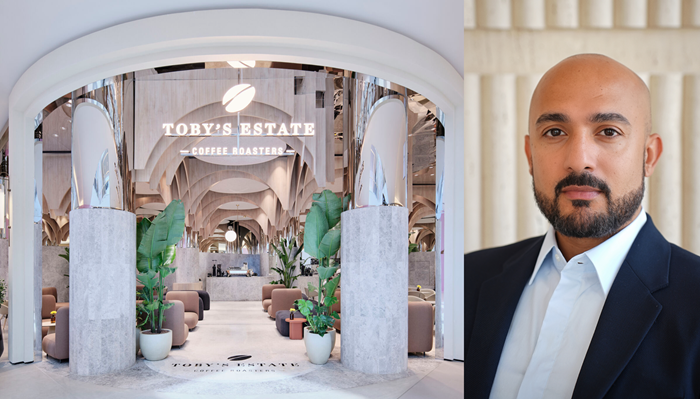
Pinnacle Group Brews Success: Bringing Toby’s Estate to the Middle East

Dubai, UAE – January 20, 2024 (QW): In a groundbreaking venture, Pinnacle Group, a Kuwait-based conglomerate, has successfully brought the renowned Australian specialty coffee shop group and roastery, Toby’s Estate, to the Middle East. Tareq Alshaikh, co-founder and CEO of Pinnacle Group, shares insights into the entrepreneurial journey that led to the expansion of Toby’s Estate in the Gulf Cooperation Council (GCC) region, highlighting the brand’s tremendous potential in the Middle East and beyond.

Pinnacle Group’s Entrance into the Coffee Industry

Tareq Alshaikh’s inspiration to invest in the coffee industry stemmed from a deep-rooted entrepreneurial spirit instilled by his family. Growing up surrounded by successful entrepreneurs, Alshaikh developed a keen interest in the Australian specialty coffee culture, which redefined coffee as a nuanced and artisanal product. Recognizing the shortfalls in existing ‘second wave’ coffee brands dominating the Middle East, Pinnacle Group aimed to introduce the best and strongest brands to the region, leading to their strategic partnership with Toby’s Estate.

Attraction to Toby’s Estate Brand

The decision to invest in Toby’s Estate was motivated by the brand’s exceptional reputation for quality and commitment to sustainability. Witnessing the global acclaim of Toby’s Estate in Australia, Pinnacle Group saw an opportunity to introduce Middle Eastern coffee enthusiasts to the brand’s diverse and meticulously curated coffees. The Middle East’s growing coffee culture presented an ideal market for Toby’s Estate’s dedication to sourcing high-quality beans, fostering direct relationships with coffee farmers, and commitment to ethical and sustainable business practices.

Key Learnings from Building the Brand in the Middle East

Alshaikh emphasizes the importance of understanding and respecting local coffee culture, adapting the Toby’s Estate experience to complement existing preferences, and providing personalized customer engagement. Navigating distribution complexities underscored the significance of building strong local partnerships, understanding regulatory frameworks, and ensuring a consistent supply of high-quality coffee. Tailoring marketing approaches to resonate with diverse demographics and embracing sustainability and corporate social responsibility played crucial roles in building loyalty among Middle Eastern consumers.

Pinnacle Group’s Accelerated Growth Model for Toby’s Estate

The core strategy for accelerated growth revolves around emphasizing coffee quality, excellent customer service, a wellbeing-focused menu, beautifully designed spaces, strategic locations, and building a community around cafes. Innovation, including menu innovation, sustainability, and operational efficiency, sits at the heart of the strategy. The recently launched Toby’s Estate App, leveraging digital platforms for ordering and loyalty, has been a success in enhancing efficiency and convenience.

Future Strategies for Toby’s Estate

Toby’s Estate’s strategic foray into the Ready-to-Drink (RTD) coffee segment is pivotal for growth. The RTD range caters to on-the-go consumers, offering meticulously crafted cold brews and iced coffees. The establishment of a state-of-the-art roasting and manufacturing facility in Riyadh, Saudi Arabia, reflects the commitment to quality and expansion into new markets.

As Toby’s Estate continues to explore new horizons, the focus remains on cultivating a global community that shares a passion for exceptional coffee experiences. With an unwavering commitment to quality, sustainability, and innovation, Pinnacle Group is excited about the opportunities ahead and aims to solidify Toby’s Estate as a truly global and extraordinary coffee brand.

The Lifecycle of Coffee..From Tree to Cup

Dubai – Qahwa World

The coffee tree, belonging to the Coffea genus, thrives in tropical climates between the Tropics of Cancer and Capricorn. Notable species include Coffea arabica (Arabicas) and Coffea canephora (Robustas). Arabica, characterized by large bushy growth, produces cherries with two flat seeds, commonly known as coffee beans. In contrast, Robusta, a robust shrub or small tree, yields smaller oval seeds and is resilient in hotter climates.

Temperature and altitude play crucial roles, with Arabica thriving in 15 to 24ºC conditions and Robusta excelling in 24 to 30ºC temperatures. Rainfall requirements range from 1,500 to 3,000 mm annually, with Arabica being less demanding. While Robusta can grow up to 800 meters above sea level, Arabica thrives at higher altitudes, often cultivated in hilly terrains.

Harvesting the Beans

Hand-picking is the norm for harvesting ripe coffee cherries due to the mountainous landscapes, except in Brazil where machinery finds utility. Pickers, every 8 to 10 days, meticulously select only fully ripe cherries. Arabica’s selective picking, though labor-intensive, is favored for its quality. Harvested cherries yield 2 to 4 kilos, and a skilled picker can harvest 45 to 90 kilos per day, resulting in 9 to 18 kilos of coffee beans.

Processing the Harvest

Post-harvest, the next step involves separating the coffee seeds from the cherries and drying them. Two methods prevail: the dry or ‘natural’ method and the wet method. The dry method, simpler and older, dries whole cherries in the sun for up to four weeks before further processing. The wet method involves pulping, fermenting, washing, and then drying the beans, which takes 8 to 10 days.

Roasting and Grinding

With over 1,000 aroma components identified, roasting conditions determine the final coffee flavor. Green coffee beans undergo roasting at 180ºC to 240ºC for 1.5 to 20 minutes, influencing color and aroma intensity. Roasting occurs in rotating drums or fluidized bed roast chambers, followed by cooling and potential packaging as whole beans.

Brewing and Consumption

Arabica dominates global coffee cultivation, spanning Latin America, Central and East Africa, India, and Indonesia. Robusta thrives in West and Central Africa, Southeast Asia, and Brazil. Different brewing methods, such as filter, plunger, espresso, Swedish, and Turkish, cater to diverse preferences. Instant coffee, made from roasted and ground beans, utilizes either spray-drying or freeze-drying methods.

Understanding Coffee Composition

Caffeine, antioxidants, and diterpenes contribute to coffee’s unique flavor and physiological effects. Caffeine, a mild stimulant, has desirable effects in moderation. Antioxidants, including chlorogenic acids, offer potential health benefits. Diterpenes, like cafestol and kahweol, present in oil, impact cholesterol levels, with brewing methods influencing their concentration.

Exploring Health Considerations

Coffee composition also involves compounds like Ochratoxin A, acrylamide, and furan, which require careful monitoring and adherence to safety regulations. Nutritionally, black coffee is low in macronutrients, providing only 1-2 kcal per 100 ml. Micronutrients like potassium, magnesium, and niacin vary based on preparation methods.

Coffee and Hydration

Black coffee, comprising over 95% water, does not lead to dehydration when consumed in moderation. Studies suggest that caffeine’s diuretic effects are outweighed by the fluid intake from coffee. Moderation, encompassing 3-5 cups per day, aligns with a balanced diet and active lifestyle, providing an enjoyable journey from tree to cup.

Pink Bourbon, The Rising Star of Specialty Coffee

The specialty coffee industry thrives on the discovery of new and intriguing arabica coffee varieties, and it’s never more evident than at coffee competitions. In the final round of the 2023 World Barista Championship, two participants showcased the Pink Bourbon variety, known for its delicate pink hue and intricate flavor profile, which has been piquing the interest of coffee enthusiasts for some time now.

Pink Bourbon has been gaining popularity among roasters and coffee shops in recent years, but its mysterious origins leave much room for exploration. Can it achieve the same level of acclaim as Gesha or other similar varieties? To uncover more about Pink Bourbon’s allure and potential, I reached out to key players in the coffee industry.

  • Unearthing the Origins of Pink Bourbon

The origins of Pink Bourbon, like many other arabica varieties, remain a mystery. Rodrigo Sanchez Valencia, a producer at Finca Monteblanco and Aromas del Sur, provides insights into this enigmatic coffee. He’s often credited with helping discover Pink Bourbon. Rodrigo explains that his team at Aromas del Sur stumbled upon Pink Bourbon in 2013, believing it to be native to southern Huila in Colombia.

According to Rodrigo, Pink Bourbon first surfaced in the San Adolfo area of the Acevedo municipality in Huila during the 1980s, although the specifics of its origins remain unverified. This unique variety gained popularity when coffee leaf rust (la roya) plagued the region in the 1980s. Pink Bourbon proved to be disease-resistant and adaptable, making it a preferred choice among coffee producers.

  • Dispelling Previous Claims

It’s a common belief that Pink Bourbon is a natural hybrid of Red and Yellow Bourbon varieties, but recent research suggests otherwise. Café Imports published a groundbreaking article in late September 2023, revealing that genetic testing, in collaboration with RD2 Vision, indicates Pink Bourbon likely has roots in an Ethiopian landrace variety. However, it’s crucial to note that this research is not yet scientifically verified, leaving Pink Bourbon’s exact heritage shrouded in uncertainty.

  • The Challenge of Cultivating Pink Bourbon

Cultivating Pink Bourbon is no walk in the park, even in ideal conditions. Producers must meticulously care for these plants and ensure they are isolated from other varieties to ensure successful cross-pollination.

Rodrigo, having worked extensively with Pink Bourbon, highlights its resilience and productivity. “To date, we’re not aware of any diseases to which it’s susceptible,” he explains.

Boram Um, co-owner of Um Coffee Co. and Fazenda Um, reveals that Pink Bourbon’s growth experience can vary depending on the terroir. In his Brazilian farm, Pink Bourbon is cultivated under controlled and protected conditions due to its susceptibility to diseases and fungi.

Isaiah Sheese, owner of Archetype Coffee, who also used Pink Bourbon in the 2023 World Barista Championship, notes subtle differences in the physical characteristics of Pink Bourbon cherries. He attributes these variations to factors such as elevation and location.

One of the most distinctive traits of Pink Bourbon is its slight pink hue, a characteristic cherished by coffee enthusiasts.

  • The Flavor of Pink Bourbon

Pink Bourbon’s allure extends beyond its unique appearance to its complex and delightful flavor profile. Boram describes it as typically more acidic, reminiscent of citrus fruits, with delicate notes of white florals and honey-like sweetness.

Isaiah concurs, likening Pink Bourbon to washed Ethiopians or Panamanian Geshas, with flavors of floral, pink lemonade, honeysuckle, jasmine, and a silky, elegant texture.

Rodrigo, on the other hand, often detects tropical notes in Pink Bourbon, such as peach, papaya, melon, as well as floral notes like jasmine, rose, and green tea. He emphasizes its well-balanced body and acidity.

  • Enhancing Flavor Through Processing

As with other coffee varieties, the choice of processing methods can accentuate Pink Bourbon’s flavors. Rodrigo notes that Pink Bourbon cherries contain higher sugar content, making them adaptable to various processing techniques. He favors cold fermentation to improve complexity.

Boram found that anaerobic fermentation worked well with Pink Bourbon from his Brazilian farm, enhancing its sweet floral and honey notes. Isaiah, who sourced his Pink Bourbon from Colombia, appreciated the two-stage thermal shock fermentation process introduced by Diego Bermudez.

  • Roasting Pink Bourbon

Roasting Pink Bourbon demands a careful approach. Isaiah, who used a unique two-stage thermal shock process for his Pink Bourbon, adjusted his roasting technique accordingly. He also utilized the Stronghold S7 roaster, which differs from traditional drum machines due to its halogen-powered heat source.

Boram made temperature adjustments during roasting, given the climatic conditions in Brazil, to ensure proper development.

  • The Future of Pink Bourbon

The potential market for Pink Bourbon appears promising, with growing interest in this variety year after year. However, challenges in scaling up production may limit its availability in coffee shops and roasteries.

Rodrigo is optimistic about Pink Bourbon’s future in the Colombian specialty coffee sector, believing it will remain a vital variety. He is proud to be among the pioneering producers of this unique coffee.

Boram envisions the success of Colombian producers with Pink Bourbon encouraging its cultivation in other countries, including Brazil.

As the specialty coffee world seeks the next “it” variety, Pink Bourbon with its captivating qualities and evolving popularity has the potential to become the next darling of specialty coffee. However, this journey may take time.