Ugandan Coffee Output Rises Slightly to 7.2 Million Bags in 2026

Author: Qahwa World – Nairobi
Source: USDA Foreign Agricultural Service – Report UG2026-0001
Date: May 20, 2026

Ugandan Coffee Output Rises to 7.2 Million Bags in 2026

Executive Summary

  • Ugandan coffee production for 2026/2027 is forecast at 7.2 million 60 kg bags, up from 7.1 million bags.
  • Planted area expands to 595,000 hectares, driven by land use shift from timber to coffee in Masaka region.
  • Robusta accounts for 80% of output (6.0 million bags); Arabica 20% (1.1 million bags).
  • Exports forecast at 6.8 million bags, up 1.9%, with the European Union taking 73% of total exports.
  • Domestic consumption rises slightly to 335,000 bags, supported by hospitality sector growth.
  • Fertilizer prices up 21% for a 50‑kg bag, limiting farmer uptake.
  • Government plans gradual shift from green bean exports to processed coffee (roasted and soluble) to boost value addition.

The USDA Foreign Agricultural Service office in Nairobi forecasts Ugandan coffee production for marketing year 2026/2027 at 7.2 million 60 kg bags, up from 7.1 million bags in the previous season.

The increase is driven by expansion in area under production, supported by sustained high prices in recent years.

Coffee exports in 2026/2027 are projected to rise from 6.7 million to 6.8 million bags.

Domestic consumption is forecast to increase slightly to 335,000 bags, supported by growth in the hospitality sector and a gradual rise in coffee consumption, particularly in urban areas.

FAS Nairobi forecasts planted area in 2026/2027 at 595,000 hectares, up from 590,000 hectares in 2025/2026.

This growth is driven by a gradual shift in land use from timber production to coffee, particularly in the Masaka region.

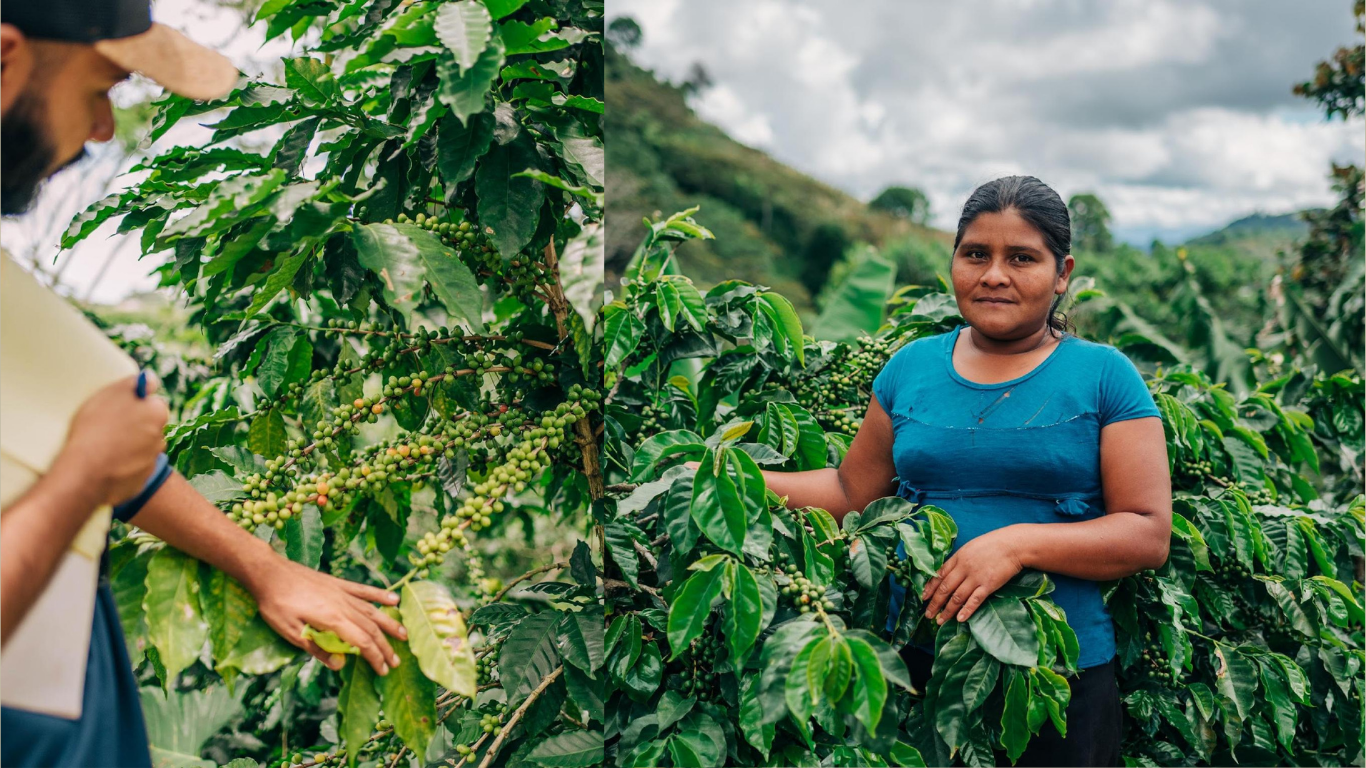
Uganda’s smallholder coffee farmers typically farm on 0.5 to 2.5 hectares of land.

Small farms dominate the sector and account for about 90% of total production, while medium and large-scale estates contribute the remaining 10%.

Robusta Dominates Production

For 2026/2027, post forecasts robusta production at 6.0 million 60 kg bags and arabica production at 1.1 million bags.

The increase reflects marginal expansion in area planted, driven by prevailing high prices.

Favorable weather conditions, increased adoption of improved agronomic practices, and the maturation of high-yielding trees planted earlier further support growth.

Robusta accounts for approximately 80% of total national production, with arabica making up the remaining 20%.

Uganda’s main coffee-growing regions are the central, eastern, and western zones, with emerging production areas in the north.

Robusta is mainly grown in the central region, although cultivation is increasingly expanding into the north due to increased investment and land availability.

Arabica is mainly cultivated in high-altitude areas of the eastern and western regions.

Table 1: Uganda Coffee Production, Supply and Distribution (1,000 60 kg bags)

Item 2024/2025 2025/2026 2026/2027
Planted Area (1,000 HA) 580 590 595
Harvested Area (1,000 HA) 570 575 580
Robusta (1,000 bags) 5,670 5,815 6,025
Arabica (1,000 bags) 1,030 1,060 1,135
Total Production (1,000 bags) 6,700 6,875 7,160
Exports (1,000 bags) 6,350 6,700 6,830
Domestic Consumption (1,000 bags) 325 330 335
Ending Stocks (1,000 bags) 269 334 329

Fertilizer Costs and Pest Challenges

Fertilizer use among Ugandan coffee farmers remains low, although farmers are starting to adopt its use.

Medium and large-scale farmers account for most fertilizer applications, while a growing number of smallholders are beginning to incorporate fertilizer into their agronomic practices.

However, high costs continue to constrain broader uptake.

Prices of commonly used nitrogen and phosphorus-based fertilizers have increased by approximately 21% for a 50‑kilogram bag, limiting affordability for farmers.

Most smallholder farmers continue to rely primarily on mechanical and traditional control methods to manage pests and diseases.

However, there is a gradual increase in the use of agrochemicals, particularly pesticides, driven by persistent and increasingly severe pest and disease pressures.

The twig borer is the most common pest, while coffee rust is the most recurrent disease.

These challenges continue to affect yields and increase production costs.

Coffee production is largely rain-fed, with rainfall generally sufficient.

Irrigation is more relevant in areas with less reliable rainfall, including parts of the north and east, but adoption remains limited due to high capital and operational costs.

Exports and Markets

Uganda exports over 98% of its coffee as green beans.

Exports in 2026/2027 are forecast at approximately 6.8 million bags, up 1.9%, driven by sustained strong global demand.

The European Union remains Uganda’s main export destination, accounting for about 73% of total exports in 2024/2025.

Morocco and the United States each account for about 6%.

The United Kingdom, Switzerland, Australia, Turkey, and Ukraine each take about 1%, while other destinations collectively account for about 6%.

Uganda is increasingly expanding its reach into non-traditional markets, with Morocco and China gaining importance.

Post revised the 2025/2026 export estimate upward by 2.8% from 6.52 to 6.70 million bags to reflect additional exports to non-reporting destinations, particularly Sudan.

Policy Shift Toward Value Addition

Uganda plans to gradually reduce exports of unprocessed coffee in line with the country’s focus on value addition to achieve its ambitious tenfold growth strategy.

The government aims to attract investment in coffee processing activities to expand industries, increase export earnings, and create jobs across the value chain.

This would prioritize exports of processed coffee products such as roasted and soluble coffee over green beans.

However, officials indicate that the transition will occur gradually rather than through an immediate ban, allowing green bean exports to continue in the short to medium term as local processing capacity and supporting infrastructure expand.

In 2025, the government restructured the Uganda Coffee Development Authority, integrating its functions into the Ministry of Agriculture, Animal Industry and Fisheries.

Initial implementation has yielded mixed feedback, with some stakeholders reporting continued access to services with minimal disruption, while others indicate delays in service delivery.

Frequently Asked Questions

How much coffee will Uganda produce in 2026/2027?
Production is forecast at 7.2 million 60 kg bags, up from 7.1 million bags.

What is the breakdown between Robusta and Arabica?
Robusta accounts for 6.0 million bags (80%), while Arabica accounts for 1.1 million bags (20%).

What are the main export destinations for Ugandan coffee?
The European Union takes 73% of exports, followed by Morocco (6%) and the United States (6%).

How much have fertilizer prices increased?
Fertilizer prices have risen by approximately 21% for a 50‑kg bag.

What is Uganda’s policy on coffee exports?
Uganda plans to gradually reduce green bean exports and shift toward processed coffee (roasted and soluble) to boost value addition.


Author: Qahwa World – Nairobi | Source: USDA Foreign Agricultural Service – Report UG2026-0001 | Date: May 20, 2026

Peruvian Coffee Output Stable at 4.78 Million Bags in 2026

Author: Qahwa World – Lima
Source: USDA Foreign Agricultural Service – Report PE2026-0008
Date: May 20, 2026

Peruvian Coffee Output Stable at 4.78 Million Bags in 2026

Executive Summary

  • Peruvian coffee production for 2026/2027 is estimated at 4.78 million 60 kg bags, broadly unchanged from the previous year.
  • Harvested area is estimated at 340,000 hectares, up about 1% from last season.
  • Exports are estimated at 4.55 million bags, also unchanged, supported by stable supply and strong demand for high-quality Arabica.
  • The United States is the largest market for Peruvian coffee with a 32% share, followed by Germany (16%) and Belgium (11%).
  • Over 90% of coffee is grown by smallholders on plots smaller than 5 hectares.
  • Peru is the world’s largest exporter of organic coffee, with approximately 90,000 certified hectares.
  • Domestic consumption is estimated at 305,000 bags, with 75% being soluble coffee.

The USDA Foreign Agricultural Service office in Lima estimates Peruvian coffee production for marketing year 2026/2027 at 4.78 million 60 kg bags, broadly unchanged from 2025/2026 (4.76 million bags). Total exports are estimated at 4.55 million bags, also broadly unchanged, supported by stable supply and continued demand for high-quality Arabica and certified coffees. Domestic consumption is estimated at 305,000 bags.

Harvested area is estimated at 340,000 hectares in 2026/2027, up about one percent from 2025/2026. The number of bearing trees is estimated at 630 million, while total tree population is estimated at 668 million trees. Arabica is the dominant coffee type, primarily of the Typica and Caturra varieties. Most farms are small (under 5 hectares) and rely on traditional methods like shade-growing, hand-picking, and sun-drying.

Credit Access and Infrastructure Challenges

Limited access to credit remains a major challenge for small producers. Private banks often reject untitled land as collateral, forcing farmers to rely on informal lenders or buyers. This results in burdensome fixed-price contracts and high interest rates.

Many farmers join cooperatives to obtain better prices, technical support, and marketing resources. However, infrastructure challenges, particularly poor roads and inadequate storage facilities, continue to limit Peru’s competitiveness in global coffee markets.

Table 1: Peru Coffee Production, Supply and Distribution (1,000 60 kg bags)

Item 2024/2025 2025/2026 2026/2027
Planted Area (1,000 HA) 370 370 375
Harvested Area (1,000 HA) 332 335 340
Arabica Production (1,000 bags) 3,700 4,200 4,780
Robusta Production (1,000 bags) 0 0 0
Total Production (1,000 bags) 3,700 4,764 4,780
Total Exports (1,000 bags) 3,440 4,238 4,550
Domestic Consumption (1,000 bags) 220 300 305
Ending Stocks (1,000 bags) 28 26 21

Production, Yields and Risks

Based on estimated production and harvested area, average yields in 2026/2027 are implied at approximately 843 kilograms per hectare. Yields vary significantly, with well-managed plantations achieving up to 45 bags (2,700 kg) per hectare.

Labor has the highest production cost, accounting for about 58% of total expenses, followed by fertilizers (24%) and agrochemicals (12%).

Peru’s coffee sector faces several risks that could affect production and export performance in 2026/2027:

  • Climate variability: Irregular rainfall, higher temperatures, and extreme weather events affect flowering, yields, and quality.
  • EUDR compliance: Meeting the EU Deforestation Regulation requirements remains a major challenge, especially for smallholders lacking land titles and georeferenced data.
  • Labor constraints: Rising labor costs and shortages during peak harvest periods increase production costs.

Exports and Key Markets

Peruvian coffee exports in 2026/2027 are estimated at 4.55 million bags, nearly unchanged from 2025/2026. Bean exports account for most shipments at 4.25 million bags, while roasted and ground exports are estimated at 300,000 bags and soluble exports at 4,000 bags.

The United States remained the top destination in 2024/2025, receiving 32% of exports, followed by Germany (16%) and Belgium (11%).

Export prices rose sharply in 2025/2026, averaging $7,577 per ton, 55% above the previous year. Prices are expected to remain above historical averages due to continued supply uncertainty, higher production costs, and sustained demand for high-quality Arabica.

Peru is the world’s leading exporter of organic coffee, with approximately 90,000 hectares certified organic. Many additional hectares are effectively organic due to limited use of chemical inputs. To meet foreign demand for specialty coffee, many producers pursue certification programs including Fair Trade, Organic, Rainforest Alliance, and Starbucks C.A.F.E. Practices.

Domestic Consumption and Policies

Domestic coffee consumption in 2026/2027 is estimated at 305,000 bags, up about two percent from 2025/2026. Soluble coffee accounts for 75% of total domestic consumption. However, consumption patterns are evolving, with a growing preference for roasted and ground coffee, especially among young urban consumers. Despite these trends, domestic consumption still represents only about six percent of total production.

Through the Food for Progress Program, FAS financed the regional MOCCA project to strengthen coffee value chains. In Peru, MOCCA has trained over 27,000 producers, supported the establishment of 515 nurseries, and facilitated nearly $17 million in credit.

Peruvian coffee producers have expressed concerns over the EU Deforestation Regulation (EUDR), which requires that products not originate from land deforested after December 31, 2020. The National Coffee Board warns that small producers may struggle to comply due to lack of land use certifications and titles. Although Congress amended the forestry law in January 2024 to simplify certification, producers assert that more support is needed.

Peru’s coffee sector provides 855,000 jobs, primarily in remote and economically vulnerable regions. The government promotes coffee cultivation as a legal alternative to coca leaf production through the National Commission for Development and Life Without Drugs (DEVIDA).

Frequently Asked Questions

How much coffee will Peru produce in 2026/2027?

Production is estimated at 4.78 million 60 kg bags, broadly unchanged from the previous year.

What are the main export destinations for Peruvian coffee?

The United States is the largest market with 32% share, followed by Germany (16%) and Belgium (11%).

What is Peru’s position in the organic coffee market?

Peru is the world’s largest exporter of organic coffee, with approximately 90,000 certified hectares.

What percentage of Peruvian coffee is grown by smallholders?

Over 90% of coffee is grown by smallholders on plots smaller than 5 hectares.

How much coffee does Peru consume domestically?

Domestic consumption is estimated at 305,000 bags, with 75% being soluble coffee.


Author: Qahwa World – Lima | Source: USDA Foreign Agricultural Service – Report PE2026-0008 | Date: May 20, 2026

Nicaraguan Coffee Output Falls 8% in 2026

Author: Qahwa World – Managua

Source: USDA Foreign Agricultural Service – Report NU2026-0003
Date: May 20, 2026

Nicaraguan Coffee Output Falls 8% in 2026

Executive Summary

  • Nicaraguan coffee production for 2026/2027 is forecast at 2.4 million 60 kg bags, down 8% from the recent high of 2.6 million bags.
  • High probability of El Niño in the second half of 2026, typically associated with droughts in Central America, threatens grain filling and yields.
  • Fertilizer costs have risen 25% due to global shipping disruptions in the Strait of Hormuz.
  • Exports forecast at 2.25 million bags. United States is the largest market with 35% share, followed by the European Union with 32%.
  • About 45,000 farmers cultivate 143,000 hectares, including 7,000 hectares of Robusta.
  • More than 600,000 Nicaraguans (10% of the population) have left the country since 2018, exacerbating labor shortages.
  • Brazil’s projected 23% increase in Arabica output could create a global surplus and drive prices down 35%, hurting Nicaraguan farmer profitability.

The USDA Foreign Agricultural Service office in Managua forecasts Nicaraguan coffee production (including Robusta) for marketing year 2026/2027 at 2.4 million 60 kg bags, 8% below the recent high of 2.6 million bags.

Although farmers reported good flowering in March and April 2026, the high probability of El Niño in the second half of 2026, typically associated with droughts in Central America, could significantly impact grain filling, quality, and yield.

Fertilizer costs have risen 25% due to global shipping disruptions in the Strait of Hormuz, presenting another factor that could reduce the crop.

FAS Managua estimates total production for 2025/2026 at 2.56 million bags, down 4% from the previous year. An extended canícula (mid‑summer drought in July and August) impacted grain filling in some low‑altitude regions. Despite lower production, farmers characterized the 2025/2026 harvest as highly successful due to record‑breaking prices; exporters paid up to $290 per bag for exportable coffee.

The industry largely avoided significant labor shortages as a more balanced harvest cycle eliminated typical peaks in worker demand, though some regions still reported shortages affecting harvest completion. One large farmer estimated losing 30% of his harvest due to lack of coffee pickers.

El Niño and Higher Fertilizer Costs Threaten Next Season

NOAA has forecast a 62% probability of El Niño (potentially a “Super El Niño”) developing by mid‑2026. This weather event is associated with droughts in Nicaragua and the region, which could significantly reduce yields and increase pest vulnerability. Meanwhile, fertilizer prices have risen 25% in the first half of 2026 due to global shipping disruptions in the Strait of Hormuz, adding further pressure on growers.

Beyond weather risk and rising input costs, coffee exporters are concerned that Brazil’s projected 23% increase in Arabica production in 2026/2027 may create the largest global surplus in five years and drive prices down by as much as 35%, undermining farmer profitability. Despite these challenges, the coffee industry remains optimistic, and FAS Managua believes Nicaragua will continue supplying high‑quality coffee in the years ahead.

Planted Area and Labor Shortages

FAS Managua projects planted area for 2026/2027 to remain unchanged at 143,000 hectares, with harvested area slightly lower at 141,000 hectares due to labor shortages resulting from increased outbound migration over the last five years. There are approximately 45,000 coffee growers cultivating about 143,000 hectares, of which 7,000 hectares are planted with Robusta varieties. More than 85% of Arabica coffee farms are in North Central Nicaragua (departments of Jinotega, Matagalpa, and Nueva Segovia), while Robusta production is concentrated in the Southern Caribbean Coast Autonomous Region.

According to industry contacts, more than 600,000 Nicaraguans (10% of the population) have fled the country since 2018, worsening labor shortages in the agricultural sector. One large farmer estimated losing 30% of his harvest due to lack of coffee pickers.

Table 1: Nicaragua Coffee Production, Supply and Distribution (1,000 60 kg bags)

Exports and Key DestinationsFAS Managua estimates Nicaraguan coffee exports will reach 2.25 million bags in 2026/2027, reflecting the anticipated production decline. The United States was the largest market for Nicaraguan coffee in 2024/2025, accounting for 35% of all exports. Most of these shipments are high‑quality Arabica beans demanded by specialty coffee roasters and cafes. The European Union is the second‑largest market, with approximately 32% share, where buyers particularly seek organic and fair‑trade coffees. Exporters are exploring opportunities to expand sales into China, as the United States and Europe are considered mature markets with limited growth prospects.Table 2: Nicaraguan Coffee Exports by Destination (60 kg bags)Policies and Structural ChallengesLaw 853 (Law for the Transformation and Development of the Coffee Sector), enacted in 2013, is one of the government’s main policies to support coffee growers. It levies a fee on each exported 60 kg bag, averaging $4 per bag in 2025/2026. Industry sources estimate the law has collected more than $40 million since 2013. However, growers have mixed opinions about its impact; some have benefited from the renovation fund, while others view the export fee as a financial burden.In contrast, in 2019 the government imposed taxes on fertilizers and agrochemicals for the first time, with import duties reaching up to 30% for certain products. This development diminishes profitability gains from earlier tax exonerations and reduces growers’ access to essential inputs like fertilizer. Coffee employs more than 330,000 people along the value chain, making it one of Nicaragua’s most important economic activities.Frequently Asked Questions

How much coffee will Nicaragua produce in 2026/2027?

Production is forecast at 2.4 million 60 kg bags, down 8% from the recent high of 2.6 million bags.

What is causing the expected decline?

A high probability of El Niño causing drought, plus a 25% increase in fertilizer costs due to shipping disruptions in the Strait of Hormuz.

What are the main export destinations for Nicaraguan coffee?

The United States (35%) and the European Union (32%) are the largest markets, followed by Belgium, Germany, and Canada.

How many farmers and how much land are involved?

Approximately 45,000 farmers cultivate 143,000 hectares, including 7,000 hectares of Robusta.

How does Brazil’s production increase affect Nicaragua?

Brazil’s projected 23% rise in Arabica output could create a global surplus and push prices down by up to 35%, hurting Nicaraguan farmer profitability.

Author: Qahwa World – Managua | Source: USDA Foreign Agricultural Service – Report NU2026-0003 | Date: May 20, 2026

Item 2024/2025 Official 2025/2026 Estimate 2026/2027 Forecast
Planted Area (1,000 HA) 143 143 143
Harvested Area (1,000 HA) 141 141 141
Total Production (1,000 bags) 2,560 2,560 2,440
Total Exports (1,000 bags) 2,410 2,420 2,250
Domestic Consumption (1,000 bags) 160 160 160
Ending Stocks (1,000 bags) 130 130 85
Country 2022/2023 2023/2024 2024/2025
United States 1,113,500 850,266 895,066
Belgium 280,180 427,268 470,917
Germany 101,075 116,693 221,633
Canada 73,393 78,167 81,383
Italy 98,275 72,767 89,933
Mexico 10,218 4,467 82,183

Ethiopian Coffee Output Rises 4.7% in 2026

Author: Qahwa World – Addis Ababa

Source: USDA Foreign Agricultural Service – Report ET2026-0005
Date: May 20, 2026

Executive Summary

  • Ethiopian coffee production for marketing year 2026/2027 is forecast at 12.10 million 60 kg bags, up 4.7%.
  • Harvested area is forecast at 800,000 hectares, a 1.3% increase from the previous year.
  • Exports are forecast at 7.13 million bags, up 2.4%, supported by growing demand for Ethiopian Arabica.
  • China emerged as the third largest market in 2024/2025, with exports surging 264% to 670,000 bags.
  • Red cherry prices hit record highs of 220‑250 Birr per kg in Yirgacheffe, nearly four times the previous season.
  • About 5.9 million farmers are engaged in coffee production; smallholders account for 90% of national output.
  • The government allocated 100,000 hectares for private mechanized coffee farms to transform the sector.

The USDA Foreign Agricultural Service office in Addis Ababa forecasts Ethiopian coffee production for marketing year 2026/2027 at 12.10 million 60 kg bags, a 4.7% increase from the previous season. T

he growth is driven by improved yields under normal weather conditions. Harvested area is forecast at 800,000 hectares, up 1.3% from the estimated area for 2025/2026.

Exports are forecast at 7.13 million bags, supported by growing demand for Ethiopian Arabica beans. Marketing year 2025/2026 constitutes an exceptional period for Ethiopia’s coffee export sector, as record high fresh cherry prices and rising operating costs continue to place significant financial pressure on traders and exporters. China is rapidly emerging as one of the top coffee buyers, driven by its tariff free market access.

Production Gains Supported by Improved Yields and Area Expansion

The forecast assumes favorable weather conditions, particularly regular rainfall. In April 2026, farmers reported healthier flowering and more uniform cherry development across key producing regions. The southern regions are expected to experience a positive year after reporting a reduced harvest during the 2025/2026 season. The Ethiopian Coffee and Tea Authority reports that 5.9 million farmers are engaged in coffee production across the country. Smallholder farmers dominate Ethiopia’s coffee sector, accounting for 90% of total national production. These farmers typically cultivate coffee on small plots averaging less than half a hectare, often integrating coffee trees into mixed farming systems alongside food crops.

At the farm level, growing adoption of improved agronomic practices such as pruning and stumping of aging trees, along with increased use of recommended extension packages including composting and soil management techniques, is supporting productivity gains. Farmers are also becoming more aware of the benefits of stumping old coffee trees and intercropping. The gradual uptake of improved seedlings that are both higher yielding and more disease resistant is beginning to contribute to enhanced productivity.

Table 1: Ethiopia Coffee Production Estimate and Forecast

Marketing Year 2024/2025 (Estimate) 2025/2026 (Estimate) 2026/2027 (Forecast)
Area Harvested (hectares) 760,000 790,000 800,000
Production (million bags) 11.46 11.56 12.10
Yield (MT/ha) 0.90 0.90 0.91

National Stumping Campaign Boosts Yields

According to industry sources, nearly 70% of Ethiopia’s coffee trees are old, with some estimated to be more than 100 years old. Following the launch of a national stumping campaign four years ago, the Ethiopian Coffee and Tea Authority reports that stumped trees have already begun producing yields. Stumped trees cover 15% of the total coffee harvested area in 2025/2026. The Oromia region recorded the highest stumping rate at 19% of total harvested area, followed by South Ethiopia region at 14% and Sidama at 13%. Studies in Sidama and South Ethiopia regions have demonstrated that stumped coffee trees can increase yields by up to threefold within four years after stumping.

The Ethiopian Agricultural Research Institute reports that over 50 improved varieties offering higher yields and stronger disease resistance have been distributed to coffee growers across the country. These improved hybrid varieties yield around 2.8 tons per hectare under better management conditions, compared with current national average yields of less than 1.0 ton per hectare.

Ethiopia Pushes for Mechanized and Commercial Farms

The Government of Ethiopia is interested in large scale modern coffee production and has allocated 100,000 hectares of land for private sector coffee development. This marks the first time the government has allocated large tracts of land exclusively for modern coffee production. This represents a 70% increase compared to the country’s current 143,000 hectares of commercial coffee farms. Local officials describe the initiative as a strategic national project designed to transform Ethiopia’s coffee sector from its current reliance on traditional smallholder farming into a hybrid model that combines established practices with large scale technology driven production. Reports from May 2026 show that 110 private investors received new farmland for coffee cultivation. Planting has not yet begun, and authorities are urging investors to start developing the farmlands quickly.

Record Cherry Prices and Tightening Washed Coffee Supply

Farmers anticipated that the previous year’s record high coffee prices would maintain momentum, driving local cherry prices to unprecedented levels. At the start of 2025/2026, cherry prices tripled in some areas and quadrupled in others compared to the previous season. Several farmer cooperatives in Yirgacheffe district reported that red cherry prices peaked at 220‑250 Birr ($1.42‑$1.62) per kilogram in December 2025, nearly four times higher than the previous season. This sharp price hike, combined with rising production costs including labor expenses, created significant challenges for wet mills.

As a result, a notable shift in coffee processing practices occurred. Several farmers opted to process coffee at home rather than sell red cherries to washing stations, capturing higher returns by drying and selling natural coffee themselves. Simultaneously, wet mills became less inclined to purchase fresh cherries due to price increases and elevated working capital requirements. Farmers retaining cherries and wet mills reducing purchases significantly decreased the volume of red cherries reaching washing stations, leading to tighter availability of washed coffee during 2025/2026, alongside a growing share of natural processed coffee beans.

China Emerges as Third Largest Market

In 2024/2025, Ethiopia exported around 670,000 bags to China, generating more than $274 million in revenue. This positioned China as the third largest destination for Ethiopian coffee, a sharp rise from a decade ago when China ranked 17th with exports of approximately 22,000 bags. The pace of this growth highlights how quickly China has moved from a marginal buyer to a major player. Chinese imports have been driven by targeted trade promotion, improved market access, and strengthening commercial linkages. Since December 1, 2024, Ethiopian exports to China have enjoyed tariff free access, and China expanded its zero tariff policy to cover all tariff lines for products from 53 African countries effective May 1, 2026.

According to a USDA report, China’s domestic coffee market was estimated at approximately $42 billion in 2024, as coffee consumption rises rapidly among younger urban consumers. China’s coffee consumption reached 6.3 million bags by the end of 2024, but per capita consumption remains low at 22 cups annually, indicating substantial room for future expansion. Large chains such as Luckin Coffee (over 26,000 stores) and Cotti Coffee (around 15,000 outlets) continue to scale aggressively, shaping consumer habits and fueling demand for high quality beans.

Table 2: Top 10 Export Destinations for Ethiopian Coffee (MY 2024/2025)

Rank Country Volume (1,000 bags) Share
1 Saudi Arabia 1,182 15.9%
2 Germany 1,126 15.2%
3 China 670 9.0%
4 Belgium 651 8.8%
5 United States 614 8.3%
6 UAE 444 6.0%
7 South Korea 381 5.1%
8 Italy 259 3.5%
9 Russia 171 2.3%
10 Sudan 117 1.6%

Domestic Consumption Expands Despite High Prices

Domestic coffee consumption for 2026/2027 is forecast at 5.0 million bags. Post revised the 2025/2026 domestic consumption estimate upward from 3.70 million bags to 4.50 million bags, reflecting current market dynamics where falling global coffee prices are anticipated to redirect more supply domestically. Burgeoning demand in both rural and urban centers, as well as the increasingly emerging coffee culture among youth, is driving domestic consumption. Ethiopia ranks among the largest coffee consuming countries globally within the group of major producers. Per capita consumption is estimated at around 2.0 kilograms per year.

EUDR Compliance and Organic Certification Challenges

Ethiopia is making progress toward compliance with the EU Deforestation Regulation, which takes effect on December 30, 2026 for large businesses and June 30, 2027 for smaller enterprises. The Ethiopian Coffee and Tea Authority is working with international development partners and private sector stakeholders to operationalize a national traceability platform. Hundreds of thousands of smallholder plots have already been mapped and registered. However, challenges remain due to Ethiopia’s fragmented smallholder production system, limited digital infrastructure, and remoteness of many producing areas.

The EU’s updated organic regulation (Regulation 2018/848) became fully binding for non EU exporters on January 1, 2025, ending the previous equivalence system. The minimum annual on site inspection sampling rate has risen from approximately 2% to 5% of farmers, while at least 2% must now undergo residue sampling. The regulation also caps group certifications at roughly 2,000 smallholders and mandates annual audits for all certified operators. These stricter requirements are causing longer field inspection times, rising compliance costs, and increasing administrative burdens, making EU organic certification increasingly difficult for Ethiopian smallholder coffee farmers to maintain.

Frequently Asked Questions

How much coffee will Ethiopia produce in 2026/2027?

Production is forecast at 12.10 million 60 kg bags, a 4.7% increase from the previous year.

How many farmers are engaged in coffee production in Ethiopia?

About 5.9 million farmers, with smallholders accounting for 90% of national output.

What are the main export destinations for Ethiopian coffee?

Saudi Arabia and Germany are the largest with 15.9% and 15.2% shares, followed by China, Belgium, and the United States.

How much coffee did Ethiopia export to China in 2024/2025?

Around 670,000 bags worth $274 million, a 264% increase from the previous year, making China the third largest market.

Why are red cherry prices so high in 2025/2026?

Farmers anticipated continued momentum from record prices the previous year, driving local cherry prices to unprecedented levels, reaching 220‑250 Birr per kg in Yirgacheffe.

How is Ethiopia preparing for the EU Deforestation Regulation?

The Ethiopian Coffee and Tea Authority is developing a national traceability platform with international partners; hundreds of thousands of smallholder plots have already been mapped and registered.


Author: Qahwa World – Addis Ababa | Source: USDA Foreign Agricultural Service – Report ET2026-0005 | Date: May 20, 2026

Costa Rican Coffee Output Rises 3.5% in 2026

Author: Qahwa World – San Jose

Source: USDA Foreign Agricultural Service – Report CS2026-0004
Date: May 20, 2026

Executive Summary

  • Costa Rica coffee production for marketing year 2026/2027 is forecast at 1.2 million 60 kg bags, up 3.5%.
  • Several factors limit growth despite the biennial high year: strong local currency, high fertilizer prices, lower coffee prices, and expected El Niño.
  • The Costa Rican Colon has appreciated roughly 35% since mid-2022, cutting farmer revenues in local currency.
  • Coffee prices dropped from $574 per bag in October 2025 to $378 in April 2026.
  • El Niño is expected to affect Costa Rica in the second half of 2026, potentially reducing rainfall by up to 30% in some areas.
  • Exports forecast at 1.06 million bags; United States remains top destination with 39.6% share in 2024/2025.
  • The number of coffee farmers fell 48% in ten years to 24,653 in 2024/2025.

The USDA Foreign Agricultural Service office in San Jose forecasts Costa Rican coffee production for marketing year 2026/2027 to increase marginally to 1.2 million 60 kg bags, a 3.5% rise from the previous year.

Although the next marketing year is expected to be the higher production year under the biennial coffee production cycle, several factors will limit growth. These include a strong local currency, lower coffee prices, higher fertilizer and fuel prices, and potential abnormal weather patterns caused by El Niño.

According to ICAFE (Costa Rican Coffee Institute), the coffee sector is preparing for the continued negative effects of a very strong local currency against the US dollar.

The Costa Rican Colon has appreciated roughly 35% since mid-2022. Since most of the coffee is exported, even at historically high coffee prices, the colon denominated revenue has declined sharply because of the exchange rate, directly affecting farmer profitability.

ICAFE also reported that coffee prices have declined from $574 per 60 kg bag in October 2025 to $378 in April 2026, creating expectations of lower future income.

El Niño Threatens the Next Season

The Costa Rican National Meteorological Institute confirmed that El Niño will most likely affect Costa Rica during the second half of 2026. This could result in a reduction of rainfall of up to 30% of the normal amount in some areas of the country, primarily in the Northern Pacific. Although coffee production areas may not be as negatively affected, the timing of the phenomenon will determine whether the effects are mild or strong on coffee production.

FAS/San Jose expects coffee producers to face continued labor supply challenges. Panamanian workers from the Ngabe Bugle tribes now harvest most of the coffee crop, although Nicaraguans also participate. According to ICAFE, the inflow of field workers has been affected by slow migratory processes, causing uncertainty among growers.

Declining Area and Number of Farmers

According to the latest available area survey from 2022, planted area declined by 11.9% compared to the previous data set from 2018. FAS/San Jose projects MY 2026/2027 area planted to remain unchanged at approximately 83,000 hectares. However, industry sources suggest that some less productive producers may leave the activity altogether or reduce plantation maintenance given the difficult situation.

According to ICAFE, the number of coffee growers in the country declined to 24,653 farmers in MY 2024/2025 from 25,549 in MY 2023/2024. This number is down 48% from ten years ago. Long periods of low coffee prices, aging farmers, and high land prices near urban areas have contributed to the declining number of producers.

Table 1: Estimated MY 2025/2026 Area Planted (hectares)

Coffee Region 2018 2022 Change
Los Santos (Tarrazú) 27,944 28,519 2.1%
Occidental Valley 21,992 18,640 -15.2%
Central Valley 13,327 11,493 -13.8%
Perez Zeledón (Brunca) 13,315 10,617 -20.3%

Exports, Imports, and Consumption

FAS/San Jose projects MY 2026/2027 coffee exports at 1.06 million bags due to expected higher production. MY 2025/2026 exports are projected at 1.02 million bags. ICAFE reported that uncertainty in the Middle East recently pushed international buyers to increase purchases to secure product availability, while buyers were very cautious in late 2025.

The United States has been the main destination for Costa Rican exports for several years, although its market share has declined recently. The US share of total exports was 39.6% in MY 2024/2025, slightly higher than 38% in MY 2023/2024. The European Union is the other large destination.

Domestic consumption is projected unchanged at 320,000 bags in MY 2026/2027, due to slow population growth and relatively high prices. Costa Rica’s population is 5.3 million, with legal immigration low and population growth less than 1% per year. Domestic prices have risen almost 40% since 2022 due to inflationary pressures and higher international coffee prices.

Table 2: Green Coffee Exports by Destination (60 kg bags)

Country 2022/2023 2023/2024 2024/2025
United States 506,098 386,307 454,266
Belgium 128,290 282,162 269,551
Germany 93,990 60,347 57,089
South Korea 28,312 29,164 32,658
Japan 21,022 25,656 23,841
China 12,504 16,384 29,025
Total 1,002,321 1,017,105 1,102,439

EUDR Compliance: Deforestation Free Coffee

ICAFE continues to consolidate the scheme for marketing deforestation free coffee, in compliance with the European Union Green Deal requirements for deforestation free verification. The institution is strengthening its information systems to ensure georeferenced product traceability, to register due diligence statements, and to guarantee informed consent of growers. It also expanded training and technical assistance to producers, mills, and exporters.

On March 14, 2024, Costa Rica exported the first shipment of deforestation and degradation free coffee to Italy as part of a pilot program involving a local cooperative, the United Nations Development Programme, and ICAFE. The pilot involved 69 coffee growers (about 0.3% of all growers). The goal was to develop an effective and practical method for evaluating and documenting Costa Rican coffee compliance with the demanding requirements to be considered deforestation free.

Frequently Asked Questions

How much coffee will Costa Rica produce in 2026/2027?

Production is forecast at 1.2 million 60 kg bags, an increase of 3.5% from the previous year.

What are the biggest challenges facing Costa Rica’s coffee sector?

A strong local currency (Colon up 35% since mid-2022), high fertilizer prices, lower coffee prices, and expected El Niño.

How has the exchange rate affected farmer revenues?

Despite higher export prices in dollars, the strong Colon reduced local currency revenues by about 9% in 2025/2026 compared to the previous season.

What are the main export destinations for Costa Rican coffee?

The United States is the top destination with 39.6% of the total, followed by Belgium, Germany, South Korea, Japan, and China.

How many coffee farmers are there in Costa Rica?

There were 24,653 farmers in 2024/2025, down 48% from ten years ago.

Is Costa Rica ready for the EU Deforestation Regulation?

Yes. A successful pilot program was launched in 2024, and ICAFE is strengthening geotraceability systems and farmer training.


Author: Qahwa World – San Jose | Source: USDA Foreign Agricultural Service – Report CS2026-0004 | Date: May 20, 2026

Colombian Coffee Output Rises 7.2% in 2026

Author: Qahwa World – Bogota

Source: USDA Foreign Agricultural Service – Report CO2026-0008
Date: May 20, 2026

Colombia Coffee Output Rises 7.2% in 2026

Executive Summary

  • Colombian coffee production for marketing year 2026/2027 is forecast to rise 7.2% to 13.4 million 60 kg bags.
  • The increase is driven by favorable dry conditions and the transition from La Niña to a strong El Niño, as coffee plants tolerate water stress well.
  • Lower coffee prices encourage replanting and renovation, supporting future growth.
  • Exports are forecast at 13.4 million bags, with the United States remaining the top destination with over 40% market share.
  • Domestic consumption remains stable at 2.2 million bags despite promotional campaigns and a new law declaring coffee the national beverage.
  • Ending stocks fall 22.6% to 670,000 bags due to higher exports and lower imports.
  • Nearly 90% of Colombian coffee shipments already comply with the EU Deforestation Regulation (EUDR).

The USDA Foreign Agricultural Service office in Bogota forecasts Colombian coffee production for marketing year 2026/2027 to reach 13.4 million 60 kg bags, an increase of 7.2% from the previous year. This growth is mainly attributed to favorable dry conditions after years of heavy rainfall.

Colombia is transitioning from La Niña, which caused excessive precipitation, to a strong El Niño expected after mid 2026.

Despite concerns about El Niño affecting crops, coffee plants tolerate water stress and high temperatures, especially when grown in soils with good moisture retention. Historically, coffee production performs better during El Niño events than during La Niña. To achieve this production level, the Colombian Coffee Growers Federation (Fedecafe) recommended proper fertilization, weed management to conserve soil moisture, efficient harvesting, and establishing temporary shade cover using appropriate plant species.

Production Drop in 2025/2026 Due to Heavy Rains

For marketing year 2025/2026, USDA estimates a 9.4% decline in production to 12.5 million bags compared to the previous estimate. This drop is due to excessive rainfall in coffee growing regions, which negatively affected flowering and bean development. Continuous rainfall prevents the water deficit necessary for flower induction, causes premature flower fall, and increases the incidence of coffee leaf rust due to high humidity.

The phytosanitary survey conducted by Cenicafe in January 2026 showed that the national average incidence of coffee leaf rust reached 4.5%, up from 3.9% in October 2025, but it remains within phytosanitary control levels. Coffee berry borer infestation reached 1.6% nationally, below the economic damage threshold of 2%. Notably, 87% of Colombia’s coffee area is planted with rust resistant varieties, up from only 35% in 2010.

Lower Prices Encourage Farm Renovation

Local coffee prices depend on the New York international price and the Colombian peso to US dollar exchange rate. Since late 2025, prices have decreased due to global optimism about coffee production and a lower exchange rate. As of February 2026, coffee prices stood at 2,174,143 Colombian pesos per 125 kg bag, 30% lower than the same period a year earlier.

Labor costs account for about 70% of coffee production expenses. These costs have risen due to a minimum wage increase of more than 20%, plus higher fertilizer costs resulting from the Middle East conflict. The sector also suffers from labor shortages as workers move to urban areas for more profitable employment.

However, lower prices create a strategic window for farm renovation. When prices are high, producers maximize harvest from existing trees. When prices fall, the opportunity cost of renovation declines, and long term returns from rejuvenated trees become more attractive.

Exports, Imports and Stocks

USDA forecasts exports for 2026/2027 at 13.4 million bags, an increase of 4.6% from the previous year. Colombia exports coffee to more than 40 countries. The United States remains the top destination with over 40% market share, followed by the European Union, Canada, and Japan. From October 2025 to February 2026, exports to the United States, Japan, and South Korea increased more than 6% year on year.

In contrast, imports for 2026/2027 are forecast to fall 18% to 2.0 million bags as domestic production recovers. For 2025/2026, imports were estimated at 2.4 million bags due to lower domestic production and higher demand for lower quality coffee from Brazil, Peru, and Ecuador to fulfill soluble coffee export commitments. Colombia mainly imports green coffee (84.1%), followed by soluble coffee (15.7%), and roasted coffee (0.2%).

Ending stocks are forecast to fall 22.6% to 670,000 bags in 2026/2027, due to higher exports and lower imports despite improved production.

Table 1: Colombia Coffee Production, Supply and Distribution (1,000 60 kg bags)

Item 2024/2025 Official 2025/2026 Estimate 2026/2027 Forecast
Total Production 14,800 12,500 13,400
Total Imports 980 2,404 2,004
Total Exports 13,380 12,810 13,400
Domestic Consumption 2,150 2,200 2,200
Ending Stocks 918 866 670

Domestic Consumption and Government Policies

Domestic coffee consumption is forecast to remain stable at 2.2 million bags in 2026/2027. Despite expected moderate improvements in economic activity, high inflation (6.3% in 2026) and high coffee prices limit growth. Per capita coffee consumption in Colombia is about 3.08 kg per year, which is relatively low compared to more than 6 kg in most producing countries.

Fedecafe continues to promote domestic consumption through its campaign “Look for the Colombian Coffee Quality Triangle”. The triangular “Cafe de Colombia” logo guarantees 100% Colombian origin coffee, and about 850 brands use it. The government also enacted Law 2504 of 2025, which declares coffee the national beverage, promotes its consumption, and allows public entities to purchase national coffee and include it in food programs.

In April 2024, the Coffee Price Stabilization Fund Committee established the Coffee Income Compensation Mechanism (MECIC 2024). This mechanism provides direct financial support to growers when the rolling average domestic price falls below the average production cost. It has not been activated yet because prices have remained above the reference cost.

EU Deforestation Regulation Compliance

Colombian coffee producers are actively implementing traceability measures to comply with the European Union Deforestation Regulation (EUDR) 2023/1115. Colombia exports more than 20% of its coffee production to the EU. The compliance deadline is December 30, 2025 for medium and large companies, and June 30, 2026 for micro and small enterprises.

According to Fedecafe, nearly 90% of Colombian coffee lots already comply with the EU regulation. The federation has trained producers on the new legal requirements and created a geospatial platform that allows users to map their farm coordinates.

Frequently Asked Questions

How much coffee will Colombia produce in 2026/2027?

Production is forecast to reach 13.4 million 60 kg bags, an increase of 7.2% from the previous year.

Why did production drop in 2025/2026?

Production fell 9.4% to 12.5 million bags due to excessive rainfall that affected flowering and bean development.

How does El Niño affect Colombian coffee production?

Historically, coffee production performs better during El Niño because coffee plants tolerate water stress well, especially in soils with good moisture retention.

What are the main export destinations for Colombian coffee?

The United States is the top destination with over 40% market share, followed by the European Union, Canada, and Japan.

What percentage of Colombian coffee complies with the EUDR?

Nearly 90% of Colombian coffee lots already comply with the EU Deforestation Regulation.

How do lower coffee prices affect farmer decisions?

Lower prices reduce the opportunity cost of renovation, encouraging farmers to replant old trees for higher long term productivity.


Author: Qahwa World – Bogota | Source: USDA Foreign Agricultural Service – Report CO2026-0008 | Date: May 20, 2026

Tanzania Coffee Production to Rise 10 Percent in 2026/27

Author: Qahwa World
Source: USDA Foreign Agricultural Service (FAS) Dar es Salaam
Date: May 20, 2026
Executive Summary:

  • FAS Dar es Salaam forecasts Tanzania coffee production to reach 1.6 million 60 kg bags in MY 2026/27, a 10.3 percent increase year on year.
  • The growth is driven by rehabilitated fields from 2019 to 2024 reaching full maturity and rising coffee prices incentivizing farmer investment.
  • Cultivated area is expected to expand from 270,000 hectares to 275,000 hectares, with harvested area increasing to 270,000 hectares.
  • Green bean exports are projected to rise 2.9 percent to 1.4 million bags, supported by higher production and strong global demand.
  • The European Union remains Tanzania’s leading coffee importer, purchasing five times more than the United States.
  • Domestic consumption is projected to increase from 85,000 to 90,000 bags, driven by growing urban coffee culture in Dar es Salaam and Arusha.
  • Ending stocks are expected to rise sharply to 157,000 bags due to production outpacing consumption and export growth.

Tanzania’s coffee production is projected to reach 1.6 million 60 kilogram bags in the 2026/27 marketing year, up from 1.45 million bags the previous year, representing a 10.3 percent increase.

This growth is attributed to rehabilitated fields from 2019 to 2024 reaching full maturity. Rising coffee prices have incentivized farmers to expand plantations, invest in advanced fertilizers and equipment, and enhance efficiency.

Stable prices have strengthened cooperative societies, expanding support and training for growers. Favorable rainfall and steady temperatures have improved growing conditions, helping the sector recover from past droughts and increasing yields. Strong global demand continues to drive production and exports, reinforcing Tanzania’s position in the coffee market.

Crop Area Expansion

Tanzania’s coffee sector is expected to expand by nearly two percent, with cultivated area rising from 270,000 hectares in MY 2025/26 to 275,000 hectares in MY 2026/27. This rise is driven mainly by robusta farmers in Kagera and Kigoma who are opening new land and are supported by subsidized seedlings and strong farm gate prices. Harvested area is projected to increase by a similar percentage from 265,000 hectares to 270,000 hectares as new farms mature.

Coffee is the country’s leading cash crop, grown by over 40 percent of farmers and covering 39 percent of permanent cropland. Production occurs through three systems: pure stand smallholder farms in the south, coffee banana intercropping in the north and west, and larger estates. Overall, larger estates contribute under 10 percent of output. Most smallholders cultivate about 0.63 hectares with older trees and 400 to 2,000 trees per farm. Tanzania produces arabica in the northern and southern highlands and robusta almost entirely in Kagera near Lake Victoria.

Production and Inputs

Indicator MY 2024/25 MY 2025/26 MY 2026/27 (Forecast)
Area harvested (1000 HA) 265 265 270
Arabica production (1000 bags) 700 750 850
Robusta production (1000 bags) 650 700 750
Total production (1000 bags) 1,350 1,450 1,600
Bean exports (1000 bags) 1,250 1,360 1,400
Domestic consumption (1000 bags) 77 85 90
Ending stocks (1000 bags) 50 51 157

Tanzania is one of the three leading producers of the Colombian mild arabica variety, contributing about six percent of global supply. Roughly 320,000 smallholder farmers produce 90 percent of the crop, with about 100 large estates accounting for the rest.

Fertilizer subsidies in Tanzania primarily support tobacco, corn, and rice producers, with minimal assistance directed toward coffee farmers. In February 2026, the government reduced its fertilizer subsidy from covering roughly half the market price to a flat rate of approximately 0.38 US dollars per 50 kg bag. High fertilizer prices have long prevented farmers from applying adequate nutrients, keeping average use near 50 kilograms per hectare.

Policy and Trade

Tanzania is expanding climate resilient coffee varieties, widening cultivation, improving input support, and upgrading processing and agronomic practices. Recent reforms include a 30 million US dollar memorandum of understanding with Corus International that focuses on large scale seedling distribution, stronger disease control programs, digitalized auctions, and tighter export licensing rules. The policy aims to boost transparency, traceability, and competitiveness in premium markets.

The Tanzania Coffee Board’s directive of April 24, 2026, established benchmark prices of 4.61 US dollars per kilogram for processing unit parchment arabica, 3.65 dollars for home processed parchment arabica, 1.54 dollars for robusta dry cherry, and 1.96 dollars for hard arabica dry cherry.

Green bean exports are projected to rise 2.9 percent to 1.4 million bags in MY 2026/27, supported by higher production and strong global demand. The European Union remains Tanzania’s leading coffee importer, purchasing five times more than the United States. Japan also remains a key destination for Tanzanian coffee, particularly for premium arabica.

Export Destinations and Soluble Coffee Decline

Destination 2022 (bags) 2023 (bags) 2024 (bags) 2025 (bags)
European Union 588,354 749,451 652,891 596,487
Japan 281,684 204,779 200,254 193,718
United States 58,841 79,586 112,720 128,032
Morocco 49,678 93,941 52,226 69,192
India 17,928 36,326 50,934 30,594

The United States is rapidly emerging as a major growth market for Tanzanian coffee, with imports rising from 58,841 bags in 2022 to 128,032 bags in 2025. Meanwhile, soluble coffee exports from Tanzania collapsed dramatically between 2022 and 2025, falling from 10,858 bags to just 814 bags, a drop of more than 92 percent. The EU and Kenya, once the two largest buyers, slashed imports from several thousand bags to only 446 and 88 bags respectively by 2025.

Domestic Consumption and Stocks

Tanzania’s coffee consumption is projected to increase from 85,000 to 90,000 bags in 2026/27, driven primarily by a growing urban coffee culture in Dar es Salaam and Arusha. Rising incomes and urbanization are encouraging younger professional consumers to incorporate coffee into their daily routines. Tourism further reinforces demand, as hotels and operators serving visitors expand their coffee offerings.

Projected coffee stocks for MY 2026/27 are expected to rise sharply to 157,000 bags, up from 51,000 bags in MY 2025/26, reflecting a significant supply driven buildup. The surge is primarily the result of higher production outpacing the country’s relatively modest growth in domestic consumption and exports.

Frequently Asked Questions (FAQ)

1. How much will Tanzania coffee production increase in 2026/27?

FAS Dar es Salaam forecasts a 10.3 percent increase to 1.6 million 60 kg bags, driven by rehabilitated fields reaching maturity and rising prices.

2. What is driving the expansion of coffee area in Tanzania?

Robusta farmers in Kagera and Kigoma are opening new land, supported by subsidized seedlings and strong farm gate prices. Cultivated area is expected to reach 275,000 hectares.

3. Which countries are the top buyers of Tanzanian coffee?

The European Union remains the leading importer, followed by Japan and the United States, which has shown rapid growth in recent years.

4. What happened to Tanzania’s soluble coffee exports?

Soluble coffee exports collapsed by more than 92 percent between 2022 and 2025, falling from 10,858 bags to just 814 bags.

5. How is domestic coffee consumption changing in Tanzania?

Domestic consumption is projected to rise from 85,000 to 90,000 bags, driven by growing urban coffee culture in Dar es Salaam and Arusha and rising tourism demand.

6. Why are ending stocks expected to increase sharply?

Production is outpacing the relatively modest growth in domestic consumption and exports, leading to a supply driven buildup to 157,000 bags.

Qahwa World – Based on USDA FAS Coffee Annual report TZ2026-0003 by Benjamin Mtaki, approved by Damian Ferrese.
Published: May 20, 2026

Kenya Coffee Production to Jump 12 Percent in 2026/27 on New Plantings and Better Crop Care

Author: Qahwa World – Dubai
Source: USDA Foreign Agricultural Service (FAS) Nairobi
Date: May 19, 2026

Executive Summary:

  • FAS Nairobi forecasts Kenya coffee production to reach 950,000 60 kg bags in MY 2026/27, a 12 percent increase over the previous estimate.
  • The growth is driven by new harvested area, improved crop care, and farmer reinvestment following two years of high prices.
  • Exports are expected to rise nearly 12 percent to 940,000 bags, while domestic consumption remains flat at 62,000 bags due to inflation and reduced urban coffee culture.
  • Kenya enacted a new Coffee Act in March 2026, transferring regulatory oversight from the Agriculture and Food Authority to the revived Coffee Board of Kenya.
  • The Coffee Research and Training Institute has been established as an independent body separate from KALRO.
  • Average coffee prices at the Nairobi Coffee Exchange fell to $268.77 per 50 kg bag in April 2026, a 28.4 percent drop from October 2025.
  • The United States remains Kenya’s top export destination with 17.2 percent market share, followed by Belgium and Germany.

Kenya’s coffee production is set for a steady recovery, with FAS Nairobi forecasting a 12 percent jump to 950,000 60 kilogram bags in the 2026/27 marketing year. The increase is attributed to new harvested area, improved crop care, and farmers’ ability to reinvest after two years of sustained high market prices. Growers now have the capital to apply more consistent fertilizer and control pests and diseases that often limit yields.

Coffee farms in the key Mount Kenya region flowered robustly following the severe drought that lasted until March 2026. The harvested area is projected to increase marginally to 106,000 hectares as recent plantings mature. Exports are expected to reach 940,000 bags, while domestic consumption is likely to remain flat at 62,000 bags due to reduced purchasing power and disruption of urban coffee culture.

Coffee Expansion Program and Regulatory Changes

Kenya is pursuing an aggressive coffee expansion program across the Central, Eastern, and Rift Valley regions. The initiative is being channeled through the New Kenya Planters Cooperative Union, which uses a government supported revolving fund to provide farmers with saplings and fertilizers. Several county governments have also launched localized grant programs to help farmers offset expansion costs.

The expansion has tested the country’s capacity to produce planting materials. The Coffee Research Institute faces a massive backlog despite efforts to ramp up production. In March 2026, Kenya enacted a new Coffee Act that transfers regulatory oversight from the Agriculture and Food Authority to the revived Coffee Board of Kenya. The law also establishes an independent Coffee Research and Training Institute, separate from the Kenya Agricultural and Livestock Research Organization.

The new law codifies several reforms that have been ongoing since 2022, including the reorganization of the Nairobi Coffee Exchange and the establishment of the Direct Settlement System, a digital payment platform enabling direct, transparent, and faster payments from buyers to coffee farmers. Licensed brokers now handle coffee classification, sale catalogues, and both auction and direct sales. Licensing of coffee millers has moved from the Agriculture and Food Authority to county governments.

Production and Area Trends

Indicator MY 2024/25 MY 2025/26 MY 2026/27 (Forecast)
Area harvested (1000 HA) 105 105 106
Total production (1000 bags) 950 850 950
Bean exports (1000 bags) 923 800 900
Domestic consumption (1000 bags) 58 62 62
Ending stocks (1000 bags) 74 97 120

Over most of the last decade, peri-urban coffee growing areas underwent systematic uprooting to make way for residential housing, driven by demand for urban expansion. This trend was particularly rampant around Nairobi, Thika, Kiambu, and Nyeri. In the last two years, the trend has slowed due to significant stagnation in the real estate market. However, without a clear land use policy to safeguard arable land, analysts see this as a temporary reprieve that could reverse if coffee market prices slump.

Marketing and Price Trends

Roughly 80 percent of Kenya coffee is sold through producer cooperatives, with the remainder managed by corporate and individual estates. The Nairobi Coffee Exchange, a spot market founded in 1935, facilitates over 95 percent of coffee sales. Other transactions occur through direct contracts between producer agents and exporters. The Capital Markets Authority has licensed 16 coffee brokers for the exchange, of which eleven are farmer owned cooperatives or unions. Fifteen brokers actively traded during the 2025/26 season.

Average coffee prices at the exchange surged since MY 2024/25 due to tight global supply. This situation is expected to correct due to a projected two percent increase in global coffee production for 2025/26. In April 2026, the average price fell to $268.77 per 50 kg bag, marking a 28.4 percent drop from $375.24 in October 2025. The exchange trades in US dollars, and the Kenyan shilling’s stability at roughly 129 shillings per dollar has been key in keeping local producer returns steady.

Export Destinations and Trade Shifts

Destination MY 2022/23 (MT) MY 2023/24 (MT) MY 2024/25 (MT) Market Share 2024/25
United States 12,253 8,122 9,737 17.2%
Belgium 4,021 7,445 8,763 15.5%
Germany 9,741 7,609 7,173 12.7%
Netherlands 2,475 1,831 2,937 5.2%
France 193 268 2,826 5.0%
South Korea 3,085 2,492 2,817 5.0%

The United States remains Kenya’s dominant coffee export destination with 17.2 percent market share, recovering from a sharp decline in MY 2023/24. Belgium has shown consistent growth, doubling its volume over three years from 4,021 metric tons to 8,763 metric tons. France and Canada have followed rapid expansion paths. Germany, once holding nearly 18 percent of the market, has seen its volume erode to 7,173 metric tons or 12.7 percent. Sweden experienced a dramatic downturn from 9.5 percent market share to just 4.0 percent.

Kenya has launched traceability mechanisms to comply with the European Union Deforestation Regulation. Larger export firms must meet these requirements by December 30, 2026, while smaller enterprises have until June 30, 2027.

Domestic Consumption and Tourism Impact

Domestic coffee consumption is projected to plateau at 62,000 bags in MY 2026/27. Intense inflationary pressures are straining purchasing power, making coffee less accessible to average households. The proliferation of coffee houses and service outlets in Nairobi and other major cities has lost momentum. This decline is largely tied to the departure of several major non-governmental organizations and the withdrawal of key donor operations. These organizations historically supported the urban middle class and expatriate communities that formed the backbone of the high-end coffee market. Their exit has left a void in demand.

Kenya’s tourism industry, a primary driver of coffee consumption through tourist hotels and lodges, is facing a slowdown due to rising travel costs for local and international visitors. This downturn supports the outlook for a stagnant domestic coffee market.

Frequently Asked Questions (FAQ)

1. How much will Kenya’s coffee production increase in 2026/27?

FAS Nairobi forecasts a 12 percent increase to 950,000 60 kilogram bags, driven by new harvested area and improved crop care.

2. What is the new Coffee Act of 2026?

The new law transfers regulatory oversight from the Agriculture and Food Authority to the revived Coffee Board of Kenya and establishes an independent Coffee Research and Training Institute.

3. Why is domestic coffee consumption flat?

Inflation is reducing purchasing power, urban coffee house expansion has slowed due to NGO departures, and the tourism industry is facing a slowdown.

4. Which country is Kenya’s top coffee export destination?

The United States remains the top destination with 17.2 percent market share, followed by Belgium at 15.5 percent and Germany at 12.7 percent.

5. How have coffee prices at the Nairobi Coffee Exchange changed?

Prices fell to $268.77 per 50 kg bag in April 2026, a 28.4 percent drop from $375.24 in October 2025, due to increased global supply expectations.

6. What is the Direct Settlement System?

It is a digital payment platform established under the new Coffee Act that enables direct, transparent, and faster payments from buyers to coffee farmers.

Qahwa World – Based on USDA FAS Coffee Annual report KE2026-0011 by Kennedy Gitonga, approved by Damian Ferrese.
Published: May 19, 2026

ICO Coffee Market Report April 2026: Global prices fall 2.7% as supply outlook outweighs Strait of Hormuz disruption

Author: Qahwa World – London

Source: International Coffee Organization (ICO) – Coffee Market Report, April 2026
Report number: N/A (monthly market report)
Date: May 2026

ICO Composite Indicator Price averages 266.24 US cents/lb; Robusta drops 6.9% (fifth consecutive monthly decline); certified stocks remain at historically low levels.

LONDON, May 2026 — The International Coffee Organization (ICO) Composite Indicator Price (I‑CIP) averaged 266.24 US cents per pound in April 2026, a 2.7 percent decrease from March 2026. The market balanced two opposing forces: the closure of the Strait of Hormuz since 4 March, which pushed crude oil prices up by 55.8 percent and shipping freight costs by 43.6 percent between 27 February and 30 April, against a continued improvement in the global supply outlook. On balance, the supply‑side factor outweighed the geopolitical disruption, erasing most of March’s gains.

All coffee groups recorded losses in April, with Robusta suffering the steepest decline. The ICO report highlights that since the end of coffee year 2024/25, Robusta prices have dropped 21.9 percent, while the I‑CIP fell 18.0 percent and the three Arabica groups declined by an average of 16.9 percent. The sharper downturn in Robusta is attributed to improved supply availability — Robusta green bean exports rose 16.7 percent in the first half of 2025/26 — and a 4.5 percentage point increase in its share of total green exports.

Key takeaway: The market has largely priced in the war, while fundamentals (supply and demand) are now driving prices downward. The I‑CIP dropped 2.7% in April, compared to a 2.3% increase in March when geopolitical fears dominated.

Price performance by group and futures markets

The Colombian Milds and Other Milds both contracted by 0.9 percent in April, averaging 334.56 and 331.32 US cents/lb respectively. Brazilian Naturals fell 2.1 percent to 313.76 US cents/lb. Robusta declined 6.9 percent to 164.64 US cents/lb. At the futures level, the London ICE Robusta market dropped 7.0 percent to 150.65 US cents/lb, while New York ICE Arabica fell 1.9 percent to 284.63 US cents/lb.

IndicatorMarch 2026April 2026ChangeICO Composite (US cents/lb)273.70266.29-2.7%Colombian Milds337.45334.52-0.9%Other Milds334.34331.52-0.8%Brazilian Naturals320.51314.29-1.9%Robustas176.77164.17-7.1%New York ICE (Arabica)290.18284.75-1.9%London ICE (Robusta)161.91150.19-7.2%

Strait of Hormuz blockage: a lasting impact on input costs

Since 4 March 2026, shipping flows through the Strait of Hormuz have remained disrupted. Around one‑fifth of the world’s oil supply passes through this corridor. Between 27 February and 30 April, Brent crude rose from US$73.23/bbl to US$114.09/bbl, an increase of 55.8 percent. The Containerized Freight Index climbed from 1,331.1 to 1,911.4 points, a 43.6 percent rise. Fertilizer urea price jumped 47 percent from US$465/t to US$682/t over the same two‑month period. The Gulf region is a major fertilizer producer; Qatar Fertiliser Company alone accounts for about 14 percent of global urea production. The ICO notes that the increase in urea prices will hit high‑input coffee origins most severely, especially producers who have not secured fertilizers in advance for the main nitrogen application period supporting flowering for the next harvest.

Global supply outlook improves – market forecasts point to larger crops

Throughout March and April, several market players released optimistic projections. On 18 March, Scaufina projected Brazil’s 2026/27 crop to be up 15.5 percent year‑on‑year. On 19 March, Marex Group projected a 14.3 percent increase. On 2 April, StoneX projected global 2026 production at 182.5 million bags, an increase of 9.6 percent over the previous year, and forecast world stocks to rise to 48.2 million bags from 38.3 million in 2025.

These fundamentals gained the upper hand in April, as the market appeared to have already factored in the war. The I‑CIP’s 2.7 percent decline reversed the 2.3 percent increase seen in March, when geopolitical shocks dominated.

Price differentials and arbitrage

The Colombian Milds–Other Milds differential widened slightly from 3.12 to 3.34 US cents/lb. The Colombian Milds–Brazilian Naturals differential grew 22.7 percent to 20.8 US cents/lb. The arbitrage between New York and London futures markets increased 4.5 percent to 133.99 US cents/lb in April, the second consecutive monthly increase. The arbitrage ratio (New York/London) stood at 1.89, above the historical average of 1.75 (January 2018 to May 2025). The ratio has remained above the historic average for 11 of the past 12 months, indicating a return to more typical arbitrage levels.

Volatility declines across all indicators

Intra‑day volatility of the I‑CIP averaged 9.0 percent in April, down 0.8 percentage points from March. Colombian Milds volatility fell to 8.5 percent, Other Milds to 8.8 percent, Brazilian Naturals to 9.7 percent, and Robustas to 10.7 percent. New York futures volatility decreased to 10.0 percent, London to 11.0 percent.

Certified stocks remain at historic lows

London certified Robusta stocks fell 5.5 percent month‑on‑month to 0.65 million bags in April. US certified Arabica stocks dropped 10.1 percent to 0.55 million bags. Stock levels have stabilized in the last six months but remain at historically very low levels. From January 2010 to December 2021, average total ICE stocks were 4.87 million bags. Since the end of 2021, total certified stocks have stayed below 3.0 million bags. Calculated as months of EU and US consumption, current stocks represent just 0.22 months’ worth, compared to an average of 0.91 months between 2010 and 2021.

Green bean exports: mixed performance by group

Global green bean exports in March 2026 rose 0.8 percent to 11.7 million bags. Robusta exports surged 24.0 percent to a record 5.52 million bags, driven by Vietnam (up 30.3 percent to 3.67 million bags) and supported by Brazil and India. Colombian Milds exports fell 33.8 percent to 0.88 million bags, the fifth consecutive monthly decline, as Colombia’s exports dropped 37.4 percent due to falling local supply. Other Milds exports edged up 0.9 percent to 2.59 million bags, led by Honduras (+19.3%). Brazilian Naturals exports declined 16.8 percent to 2.71 million bags, marking the 13th consecutive month of negative growth, driven primarily by Brazil.

Total Arabica exports fell 13.6 percent to 6.18 million bags in March 2026. As a result, Arabica’s share of total green bean exports for the first six months of 2025/26 fell to 59.6 percent from 64.5 percent a year earlier.

Coffee group March 2025 (million bags) March 2026 (million bags) Change
Robustas 4.45 5.52 +24.0%
Colombian Milds 1.33 0.88 -33.8%
Other Milds 2.57 2.59 +0.9%
Brazilian Naturals 3.26 2.71 -16.8%

Total exports by region (all forms of coffee)

Global exports of all forms of coffee increased 1.6 percent to 13.59 million bags in March 2026. Asia & Oceania led growth with a 13.1 percent rise to 5.82 million bags, driven by Vietnam’s 25.1 percent increase to 4.3 million bags – the country’s largest‑ever March export volume and second‑highest monthly volume on record. This was partly offset by Indonesia, whose exports fell an estimated 47.6 percent to 0.45 million bags.

Africa’s exports fell 14.7 percent to 1.4 million bags, led by Ethiopia (down 29.7% to 0.44 million bags). South America’s exports declined 8.3 percent to 4.07 million bags, with Colombia down 28.5 percent to 0.9 million bags – the fourth consecutive monthly downturn. The Caribbean, Mexico & Central America rose 7.1 percent to 2.3 million bags, led by Honduras (+19.3%).

Exports by form: soluble coffee up 6.6%

Green beans accounted for 85.23 percent of total exports in the first half of 2025/26, soluble coffee 14.21 percent, and roasted coffee 0.56 percent. Soluble coffee exports rose 6.6 percent to 1.82 million bags in March 2026, with Vietnam (0.56 million bags), Brazil (0.4 million), and India (0.28 million) as the largest shippers. Roasted bean exports increased 21.0 percent to 0.07 million bags.

Global supply/demand balance

According to ICO data, 2023/24 world production reached 177.5 million bags, up 5.2 percent from the previous year. Arabica production rose 4.5 percent to 102.1 million bags, Robusta 6.2 percent to 75.4 million bags. Consumption in 2023/24 was 175.1 million bags, up 1.4 percent, resulting in a positive balance of 2.44 million bags – the first surplus after three consecutive deficits.

Frequently Asked Questions

  • What was the ICO Composite Indicator Price in April 2026?
The I‑CIP averaged 266.24 US cents per pound, a 2.7 percent decrease from March 2026.
  • How much have Robusta prices fallen since the end of coffee year 2024/25?
Robusta prices have dropped 21.9 percent since the end of coffee year 2024/25, while the I‑CIP fell 18.0 percent and the three Arabica groups declined by an average of 16.9 percent.
  • How did the Strait of Hormuz closure affect shipping and fertilizer costs?
The Containerized Freight Index rose 43.6 percent and urea prices jumped 47 percent between 27 February and 30 April 2026.
  • What are market analysts forecasting for Brazil’s 2026/27 crop?
Scaufina projected a 15.5 percent increase, and Marex Group projected a 14.3 percent increase year‑on‑year.
  • How much green Robusta coffee was exported in March 2026?
Robusta green bean exports reached 5.52 million bags, a 24.0 percent increase from March 2025, the largest ever monthly volume on record.
  • What is the current level of certified stocks compared to historical averages?
Current certified stocks represent just 0.22 months of EU and US consumption, compared to an average of 0.91 months between 2010 and 2021.
Source: International Coffee Organization (ICO) – Coffee Market Report, April 2026 (published May 2026). All figures and analysis are strictly based on the original report. No external data has been added.

Related Stories:

March 2026 Coffee Market Report: Global Prices Rebound Amid Geopolitical Tension

ICO February 2026 Report: Has the Inflationary Wave Receded?

Global Coffee Market Roadmap—January 2026

ICO Releases Global Coffee Market Report – December 2025


Indonesian Coffee Output Drops 8% to 11.38 Million Bags

Author: Qahwa World – Jakarta
Source: USDA Foreign Agricultural Service – Jakarta Office
Report Number: ID2026-0021
Date: May 15, 2026

Executive Summary
• Indonesian coffee production for MY 2026/27 is forecast at 11.38 million 60-kg bags, down 8% from the previous year.
• Robusta output falls to 10 million bags, a drop of 1 million bags, due to excessive rains in southern Sumatra and Central Java.
• Arabica production for 2025/26 is revised down to 1.37 million bags following Typhoon Sinyar floods in Aceh and North Sumatra.
• Farmgate prices: Robusta down 16% from 2025 peaks; Arabica down 14% since October 2025.
• Exports are forecast at 7 million bags in 2026/27, down 11% due to lower supplies and strong domestic demand.
• European imports of Indonesian coffee jumped 72% to 2.4 million bags in 2025/26.
• Domestic consumption is projected at 4.83 million bags, driven by soluble coffee and the kopi susu trend.
• Some Arabica plantations in Aceh may require 2-3 years to fully recover from flood damage.

1. Overview: Indonesia in the Global Coffee Market

Indonesia is the world’s fourth-largest coffee producer, after Brazil, Vietnam, and Colombia, and ahead of Ethiopia and Uganda. Approximately 75 percent of Indonesian coffee production is exported. Robusta accounts for nearly 88 percent of total output, making Indonesia the largest Robusta producer in Asia and a key supplier to European and US markets.

According to the USDA FAS report from the Jakarta office, Indonesia’s coffee sector faces significant climate-related challenges. Excessive rainfall during the flowering and fruit development phases in late 2025 and early 2026 has severely damaged Robusta crops in southern Sumatra and Central Java. Meanwhile, Arabica-growing areas in Aceh and North Sumatra are still recovering from floods and landslides caused by Typhoon Sinyar in November 2025.

Key insight: Robusta dominates Indonesian coffee production at 88 percent. Smallholders farming 1-2 hectares represent about 98 percent of total coffee area, making the sector highly vulnerable to weather shocks and infrastructure disruptions.

2. Production Forecast: MY 2026/27

FAS Jakarta forecasts Indonesian coffee production for MY 2026/27 at approximately 11.38 million 60-kg bags (682,800 metric tons), comprising 1.38 million bags of Arabica (82,800 tons) and 10.00 million bags of Robusta (600,000 tons). This represents an 8 percent decline from the revised 2025/26 estimate of 12.37 million bags.

Table 1: Indonesian Coffee Production (million 60-kg bags)

Category 2021/22 2022/23 2023/24 2024/25 2025/26 Revised 2026/27 Forecast
Arabica 1.30 1.40 1.40 1.40 1.37 1.38
Robusta 9.30 10.50 6.80 9.30 11.00 10.00
Total 10.60 11.90 8.20 10.70 12.37 11.38

3. Climate Challenges: Rains and Typhoon Damage

The main driver of Indonesia’s production decline is abnormal rainfall during flowering and fruit development. In mid-2025, excessive rains disrupted Robusta flowering in the southern Sumatra highlands. In Central Java, farmers reported heavy rains that caused flowers to drop and pollen to wash away, interrupting pollination and reducing fruit set.

In Aceh and North Sumatra, Arabica areas continue to suffer from flooding caused by Typhoon Sinyar in late November 2025. As of April 2026, infrastructure recovery remains incomplete, keeping transport costs high. Several processing facilities and warehouses were also damaged. Some Arabica plantations may need 2-3 years to recover. The main harvest in Aceh, normally from October to November, was delayed into early 2026.

Looking ahead, Indonesia’s National Weather Agency (BMKG) projects that the 2026 dry season will be significantly drier and longer than average due to a weak El Niño expected to strengthen to moderate levels in the second half of 2026. In Sumatra, the dry season will begin in April-May 2026, starting in Aceh and North Sumatra, then spreading to Lampung and South Sumatra, peaking around August 2026. El Niño conditions typically increase drought risk, which can further disrupt flowering.

Table 2: Rainfall Impact on Key Regions (2025-2026)

Region Event Impact Recovery Timeline
Southern Sumatra Highlands Excessive rains (mid-2025) Disrupted Robusta flowering Lower yields in 2026/27
Central Java Heavy rains, pollen washout Poor fruit development Lower harvest expected
Aceh & North Sumatra Typhoon Sinyar floods (Nov 2025) Damaged Arabica farms, destroyed infrastructure 2-3 years

4. Yield Projections

For MY 2026/27, Robusta yields are expected to decline due to rainfall disruptions, though the report did not provide specific yield per hectare figures. Historically, Indonesian Robusta yields remain below one metric ton per hectare and vary significantly by region. Arabica yields in Aceh and North Sumatra are expected to stay low until infrastructure and farms recover.

Adoption of improved, higher-yielding seedlings remains limited because most farmers rely on locally sourced planting material. Government distribution of subsidized seedlings and farmer training programs also remain limited in geographic coverage.

5. Price Dynamics: Decline from 2025 Peaks

Farmgate and spot prices for both Robusta and Arabica have declined significantly from their 2025 highs. According to spot price data from Lampung (Robusta) and Medan (Arabica), prices have moderated due to improved global supply expectations and weaker demand from some roasteries.

Robusta spot prices in Lampung peaked above 104,000 IDR/kg in February 2025 but fell to around 66,661 IDR/kg by April 2026, a drop of roughly 36 percent from the peak. Year-on-year (April 2025 to April 2026), Robusta prices fell 32 percent. Compared to October 2025 (84,128 IDR/kg), the decline is about 21 percent.

Arabica spot prices in Medan peaked above 229,835 IDR/kg in November 2025 but fell to around 174,162 IDR/kg by April 2026, a drop of roughly 24 percent from the peak. Compared to October 2025 (219,802 IDR/kg), the decline is about 21 percent.

Table 3: Robusta Spot Prices in Lampung (IDR/kg) – Selected Months

Month 2024 2025 2026 Change (Oct 2025 to Apr 2026)
January 56,069 94,724 78,595 -21%
February 55,854 104,371 70,862
March 59,018 102,373 69,785
April 72,712 98,659 66,661

6. Export Outlook: Lower Supplies, Stronger European Demand

FAS forecasts green bean exports for 2026/27 at 7 million bags, down 11 percent from 2025/26, due to lower exportable supplies and continued strong domestic demand. Total exports (including roasted and soluble) are forecast at 8.05 million bags.

Despite the overall decline, shipments to European markets rose 72 percent to 2.4 million bags in 2025/26 compared to the previous year. This reflects renewed demand for Indonesian beans, particularly from Belgium and Germany, supported by recovered supplies, competitive pricing, and EUDR compliance readiness.

The United States remains among Indonesia’s top five destinations, with steady demand between 680,000 and 950,000 bags over the past five years. In 2025/26, shipments to the US ranked third at 797,000 bags. These shipments typically consist of 60-80 percent Arabica beans, mostly exported through the Port of Belawan in North Sumatra.

Table 4: Indonesian Green Bean Exports by Destination (1,000 60-kg bags, 2025/26)

Rank Destination Volume (1,000 bags) Share
1 Europe (total) 2,400 ~30%
2 United States 797 ~10%
3 Others ~3,800 ~60%

7. Trade Agreements and Policy Environment

Unlike India, Indonesia has no newly ratified free trade agreements specifically targeting coffee exports to Europe. However, the country continues to benefit from existing Generalized System of Preferences (GSP) facilities. Exporters have reported higher freight costs and shipping delays linked to the Middle East conflict in the last quarter of 2025/26, which affected some shipments.

Rupiah depreciation against the US dollar supported stronger demand toward the end of 2025/26. Prices for lower-grade Arabica strengthened through March 2026 as access improved, though transport costs reportedly doubled in affected areas.

8. Domestic Consumption: A Growing Market

FAS forecasts domestic consumption for 2026/27 at 4.83 million bags (289,800 metric tons), up 20,000 bags from the previous year, supported by continued demand from roasteries and processors. Local roasteries have faced squeezed margins as green bean prices rose since 2024, and weaker purchasing power in 2025/26 shifted some demand toward low- to medium-grade coffee. With green bean prices easing in early 2026, demand from roasteries should remain strong.

At the consumer level, low-priced coffee sold by street vendors remains popular among workers and low- to middle-income consumers. Coffee outlets in public venues serve higher-end consumers, including Gen-Z. Kopi susu (coffee with milk) remains a popular entry-level drink, widely available in coffee shops and ready-to-drink products.

Table 5: Indonesian Domestic Consumption (million 60-kg bags)

Category 2024/25 2025/26 2026/27 Forecast
Roast & Ground Domestic 3.343 3.270 3.280
Soluble Domestic 1.530 1.540 1.550
Total Domestic Consumption 4.873 4.810 4.830

9. Long-Term Vision and Recovery Outlook

Indonesia has no publicly stated long-term production target comparable to India’s 2047 vision. However, the government and the Coffee Board of Indonesia (under the Ministry of Agriculture) have promoted sustainability programs and EUDR compliance support. The BMKG’s El Niño forecast for the second half of 2026 poses additional risks. Recovery for Arabica plantations in Aceh is expected to take 2-3 years, while Robusta areas may rebound in 2027/28 if normal rainfall returns.

10. Imports: Filling the Gap

FAS forecasts green bean imports for 2026/27 at 1.42 million bags (85,200 metric tons), up slightly from 1.415 million bags in 2025/26. Indonesian green bean imports are closely tied to production and local demand, jumping from around 230,000 bags in 2020/21 to a peak of 942,000 bags in 2023/24, then dropping to around 372,000 bags in 2025/26. The 2023/24 spike reflects weak domestic supply and strong demand for specialty beans and the growing ready-to-drink sector.

Green beans account for approximately 94 percent of total imports and are primarily sourced from Nicaragua, Vietnam, Brazil, and Kenya for processing and re-export.

11. Key Challenges Facing Indonesian Coffee Sector

  • Climate variability: Excessive rains during flowering (mid-2025) followed by El Niño drought (late 2026) create extreme weather shocks.
  • Infrastructure damage: Typhoon Sinyar destroyed roads, bridges, processing facilities, and warehouses in Aceh and North Sumatra. Recovery remains incomplete as of April 2026.
  • Smallholder vulnerability: 98 percent of coffee area is farmed by smallholders with limited access to credit, improved seedlings, or crop insurance.
  • Fertilizer costs: Rising input costs and fertilizer supply uncertainty continue to pressure farmer margins.
  • Freight disruptions: The Middle East conflict has increased shipping costs and caused delays, affecting export competitiveness.
  • Limited replanting programs: No major replanting or expansion programs have been implemented recently, leaving aging trees in place.

12. Opportunities

  • EUDR preparedness: Indonesian exporters have prepared for EU deforestation regulations, potentially gaining market share in Europe.
  • Growing domestic market: Rising coffee culture among Gen-Z and the popularity of kopi susu and ready-to-drink products.
  • Soluble coffee demand: Domestic soluble consumption is projected to remain strong at 1.55 million bags.
  • Rupiah depreciation: A weaker rupiah supports export competitiveness despite lower prices.
  • Recovery potential: Once infrastructure is rebuilt and rainfall normalizes, Indonesian Robusta production can rebound quickly.

Frequently Asked Questions

  • How much coffee will Indonesia produce in 2026/27?

According to the USDA FAS report, Indonesia is forecast to produce 11.38 million 60-kg bags (approximately 682,800 metric tons) in MY 2026/27, comprising 1.38 million bags of Arabica and 10.00 million bags of Robusta. This is an 8 percent decrease from the previous year.

  • Why is Robusta production expected to decline?

Robusta production is projected to fall by 1 million bags (to 10 million bags) due to excessive rains in mid-2025 that disrupted flowering in southern Sumatra highlands and heavy rains in Central Java that caused flowers to drop and pollen to wash away, interrupting pollination.

  • What happened to Arabica production in Aceh and North Sumatra?

Typhoon Sinyar in late November 2025 caused severe floods and landslides, damaging Arabica plantations, processing facilities, and infrastructure. Recovery is expected to take 2-3 years. The main harvest in Aceh was delayed into early 2026.

  • How have coffee prices changed in Indonesia?

Robusta spot prices in Lampung fell from a peak above 104,000 IDR/kg in February 2025 to around 66,661 IDR/kg in April 2026 (down 36% from peak). Arabica spot prices in Medan fell from above 229,835 IDR/kg in November 2025 to around 174,162 IDR/kg in April 2026 (down 24% from peak).

  • What are Indonesia’s main coffee export markets?

Europe is the largest destination, with shipments rising 72 percent to 2.4 million bags in 2025/26, led by Belgium and Germany. The United States ranks third at 797,000 bags. Other markets include Japan, Canada, and the Middle East.

  • How much coffee does Indonesia consume domestically?

Domestic consumption is forecast at 4.83 million bags in 2026/27, with soluble coffee accounting for about 1.55 million bags. Kopi susu (coffee with milk) remains a popular entry-level drink.

Author: Qahwa World – Jakarta
Source: USDA Foreign Agricultural Service – Report ID2026-0021
Date: May 15, 2026
Report Availability: The full USDA report can be accessed through the USDA PSD Online Advanced Query system.

Similar stories:

USDA Report: India’s Coffee Sector Faces Climate Challenges and Historic Trade Opportunities

Mexico Coffee Production Forecast to Reach 4.1 Million Bags in 2026/2027

Honduran coffee production surges to 5.53 million bags

Professional Barista Skills: How the Role Transformed from Drink Maker to Experience Manager

Author: Qahwa World – Dubai
Date: May 17, 2026

Executive Summary

  • The barista role has shifted from a simple drink maker to a quality controller, hospitality professional, and skilled storyteller.
  • Automation does not reduce difficulty; it changes the nature of work, turning baristas into technical monitors and calibrators.
  • Today’s customers are more knowledgeable than ever, raising the stakes for every interaction behind the bar.
  • Staff turnover in hospitality exceeds 70% in the US and reaches 6% monthly in the UK, driven by treating barista roles as temporary.
  • Successful coffee shops invest in clear career paths, treating barista as a long-term craft rather than a stopgap job.
  • Hospitality and emotional intelligence now outweigh technical skills in building customer loyalty and justifying premium pricing.

The Evolution of the Barista Role

Over the past decade, the specialty coffee industry has witnessed a deep transformation in the nature of barista work. The scene no longer revolves solely around leveling a portafilter or pouring a symmetrical tulip. Today, baristas face multiple pressures: customers who follow coffee experts on social media, machines with complex technology, and coffee shops that demand multiple roles simultaneously.

Industry observers compare today’s barista to a chef in a fine dining restaurant. Both require technical mastery, the ability to handle pressure, and a talent for reading customer needs before they are expressed. This shift reflects positive progress in how the profession is valued, but it also places new burdens on those working behind the bar.

Advanced Technical Mastery: Extraction Science and Dynamic Calibration

Technical skills remain the foundation, but they have evolved significantly. It is no longer enough to know how to pull a good espresso shot. A barista must understand why it behaves that way under specific weather conditions or with a particular coffee origin.

Core technical skills include: understanding extraction science and the impact of grind size, temperature, and pressure; mastering latte art as a way to stabilize milk texture rather than just decoration; adjusting recipes for alternative brewing methods (pour-over, filter) based on processing method (natural, washed, honey); and maintaining equipment while troubleshooting issues. In the age of automation, the barista’s role shifts from “machine operator” to “quality assurance manager” who monitors performance and intervenes when necessary.

Dynamic calibration is what separates the professional barista from the beginner. Fixed recipes are the enemy of quality. A successful barista adjusts grind size and dose based on humidity and temperature changes inside the café throughout the day. This requires a trained palate to detect extraction defects (such as channeling or uneven extraction) before the customer complains.

Operational Variable Smart Standard Professional Goal
Water temperature 93°C (199°F) Avoid bitter burning or sharp acidity
Pre-infusion time 4 seconds Ensure even flow and prevent channeling
Grind size adjustment Minimum twice daily Counteract fluctuating indoor humidity

Managing Automation: From Operator to Quality Controller

Many coffee shops, especially in high-volume settings, are turning to automated equipment such as automatic pour-over brewers and milk foamers. Some see this as a threat to barista skill. The reality is different. Automation does not reduce difficulty; it changes the nature of the work. Today’s barista needs to understand machine algorithms, adjust pressure and flow profiles, and maintain equipment precisely to ensure consistent results.

When a machine manages extraction variables or milk steaming automatically, the barista’s role shifts toward monitoring, maintenance, and quality control. Identifying when something is off, understanding why, and fixing the problem requires attention to detail and forward-thinking. The smart barista harnesses technology to reduce waste and raise operational efficiency without compromising the sensory soul of the craft.

Emotional Intelligence and Interactive Hospitality

Research suggests that up to 78% of millennials prefer spending money on memorable experiences over material goods. This reality makes hospitality a critical success factor for specialty coffee shops. The Institute of Customer Service found that most consumers cite service quality as the main factor in whether they return to a business, ranking above price and product.

Emotional intelligence sits at the heart of excellent hospitality. The ability to read a customer’s body language in seconds — are they in a hurry, looking for conversation, or seeking a quiet experience? — handling a stressed customer during rush hour without escalating tension, and maintaining composure during a long queue are professional skills that take time and experience to develop. Additionally, explaining a complex menu in simple language, offering personalized suggestions without condescension, and turning a routine order into an engaging conversation about the customer’s preferences are all essential.

Brands like WatchHouse exemplify the success of a hospitality-first model. After record revenues, the chain aims to reach 100 global locations, where baristas greet guests at the door, seat them, walk them through the menu, and serve drinks tableside. This transforms a routine café visit into something closer to a fine dining experience.

Deep Coffee Knowledge and Storytelling

Today’s customers follow roasters on Instagram and know the difference between Ethiopian heirloom and Colombian pink bourbon. This level of knowledge reduces the burden of “educating” consumers, but it raises the stakes for every interaction. The barista’s role is no longer just providing information but enriching the drinking experience by connecting coffee to its story: the farm, the farmer, the processing method, the altitude, and how each affects the flavor.

The ability to make personalized suggestions with scientific confidence: “This natural Ethiopian will give you bold wild berry notes, while this Colombian offers a beautiful balance of caramel and green apple-like acidity.” Also handling special requests (plant-based milks, decaf, low-acid) with confidence rather than just “yes we can.”

Operational Efficiency and Economic Vision

Professional sustainability means the barista understands how their movements behind the bar affect the café’s profitability. Global coffee shops are not only looking for someone who pours beautiful latte art, but also someone who manages resources intelligently. Workflow optimization — organizing tools and moving smoothly to reduce customer wait time while maintaining the highest quality standards — is an art.

Waste reduction includes precisely adjusting milk quantities and controlling coffee bean waste during morning calibration. These practices directly reduce operational costs. Understanding the basics of drink costing and natural upselling that serves the customer makes the barista a partner in business success, not just an executive employee.

Continuous Learning and Career Paths: Tackling High Turnover

The hospitality sector suffers from high employee turnover. The US Bureau of Labor Statistics reports that the sector has the highest turnover rate in the country, at over 70%. A separate study found that nearly 3 million US hospitality workers left their jobs in early 2024, a figure 204% above the national average quit rate. Meanwhile, in the UK, recent data shows that around 6% of hospitality workers leave their jobs every month.

Most of these problems stem from how roles like barista are perceived. When treated as temporary rather than a long-term, professional position, employers invest less in training and development. This limits career progression, pushing baristas to find other work. The solution lies in creating clear career paths: junior barista, senior barista, head barista, roaster, café manager. Coffee shops that invest in continuous training, positive culture, and competitive pay retain the skilled, passionate people who help their businesses succeed.

Frequently Asked Questions (FAQ)

1. What is the single most important skill for a barista in 2026?

There is no single skill. The professional barista combines technical mastery (extraction science, dynamic calibration) with emotional intelligence (interactive hospitality, pressure management).

2. How has automation changed the barista’s role?

It shifted baristas from machine operators to quality controllers. They now need to understand machine algorithms, perform calibration and maintenance, while focusing on human elements that machines cannot replace.

3. Why are communication and hospitality skills so important today?

Customers are more knowledgeable than ever, and expectations are higher. Excellent service is the number one factor in customer return and justifies premium pricing in specialty coffee shops.

4. What causes high barista turnover in the industry?

The main reason is treating the profession as temporary rather than a career path. This leads to underinvestment in training, development, and competitive pay, pushing talent to seek more stable opportunities.

5. How can a coffee shop retain talented baristas?

By investing in continuous training, creating clear career paths, offering competitive pay, and building a positive workplace culture where baristas feel valued and respected.

6. What separates a professional barista from an average one today?

The professional combines technical excellence (dynamic calibration, extraction science, automation management) with soft skills (hospitality, emotional intelligence, storytelling, and economic awareness).

Author: Coffee Industry Analysis Unit  |
Source: Synthesis of three expert reports (field experience, PDG Jobs analysis, industry research)  |
Publication date: May 17, 2026

World Coffee Research releases 2025 annual report


Qahwa World – Dubai |
May 14, 2026 |
7 min read |
Source: WCR Annual Report 2025

Executive Summary

  • World Coffee Research released its 2025 annual report covering January 1 to December 31, 2025
  • Innova Global Coffee Breeding Network named a TIME Best Invention of 2025
  • Network expands to include robusta coffee with six partner countries producing 64% of global robusta
  • 11 countries now in Innova network, producing 40% of world’s coffee supply
  • WCR aims to reduce breeding timeline from 30 years to 8 years using genetic markers
  • 10-year IMLVT trial results: Up to half of arabica land could become unsuitable by 2050 due to climate change
  • $4.96 million in industry contributions; $9.85 million total financial position
  • Seed system expansions in Peru, Uganda, Guatemala, Honduras to produce millions of new trees annually
  • WCR helped secure $175 million in U.S. funding for agricultural R&D including coffee

World Coffee Research (WCR) announced the release of its 2025 annual report on December 31, 2025, detailing the expansion of its TIME-recognized Innova Global Coffee Breeding Network into robusta coffee, new data showing that half of current arabica land could become unsuitable by 2050, and seed system expansions across four producing countries.

The report, which covers the period between January 1, 2025 and December 31, 2025, confirmed that WCR’s Innova network has expanded to include Coffea canephora (robusta) breeding, adding Vietnam and Ghana as new national partners. Six countries now participate in robusta breeding: Vietnam, Ghana, India, Indonesia, Rwanda, and Uganda, which together produce 64 percent of the world’s robusta supply. Overall, 11 countries make up the Innova network, producing 40 percent of global coffee supply.

An independent panel of global breeding experts commissioned by WCR’s board of directors reviewed the organization’s breeding programs in early 2025 and described the approach as a “radical step forward” that sets a new bar for coffee breeding worldwide. The Innova network was subsequently named a TIME Best Invention of 2025. The robusta breeding program combines multiple genetic groups, including a collection provided by French research institute CIRAD. Propagation began in 2025, and starting in 2027 each robusta partner will receive 1,000 unique new trees from WCR.

The report detailed that WCR is working to reduce coffee breeding timelines from the traditional 30 years to just 8 years. In 2025, the organization initiated a collaboration with Cenicafe, one of the world’s leading national coffee research institutions, and the U.S. Department of Agriculture Tropical Agricultural Research Station (USDA TARS) in Puerto Rico to develop low-cost genetic markers for Coffee Leaf Rust (CLR), the world’s most economically devastating coffee disease. In 2026, WCR will expand this work to cover Coffee Berry Disease (CBD), Coffee Fruit Rot (CFR), and Coffee Berry Borer (CBB). Once validated between 2025 and 2028, these markers will be publicly released through scholarly publication.

According to the report, 10-year results from the International Multilocation Variety Trial (IMLVT), launched in 2015 with 31 arabica varieties shared by 11 breeding programs, confirmed that coffee leaf rust resistance depends on both genetics and environment. A 2015 study by WCR and CIAT that guided site selection for the trial network identified that up to half of today’s arabica land could become unsuitable for coffee production by 2050. The IMLVT has identified high-performing varieties with strong rust resistance and stable yields. In 2026, WCR will launch CafeClima, a free online platform integrating climate modeling with IMLVT variety performance data to help farmers make data-driven replanting decisions.

WCR installed 10,000 F1 hybrid plantlets across 10 trial sites in Peru, Guatemala, and Costa Rica, planted directly in farmers’ fields through member-led trials. The report also detailed seed system expansions across four countries. In Peru, 10 new arabica seed lots were installed with 8 cooperatives, targeting 15 seed lots by 2028 producing up to 6 million seeds annually. In Uganda, 11 mother gardens for disease-resistant robusta were installed or expanded with national coffee institute NaCORI, targeting over 40 mother gardens by 2028 producing 560,000 trees per year. In Guatemala and Honduras, 12 new seed lots will be installed in 2026, producing 5.4 million seeds annually starting in 2029.

The report highlighted advocacy wins including $175 million secured in FY26 “hard earmarks” for international agricultural R&D through coordinated advocacy by U.S. member companies, with a legal requirement that a portion support coffee research. A separate coalition mobilized $850,000 for Uganda’s coffee future from UNIDO, JDE Peet’s, Lavazza Foundation and The J.M. Smucker Co.

According to the financial section of the report, total contributions earned from the coffee industry in 2025 was $4,962,000. The total year-end financial position reached $9,852,000. Figures are pre-audit. WCR confirmed the commitment of its 194 member companies from 30 countries, with 59 additional companies and individuals providing financial support in 2025. WCR’s knowledge products, including the Coffee Varieties Catalog, Sensory Lexicon, and nursery manuals, were viewed 239,722 times in 195 countries during 2025. The organization also installed a small-batch processing facility at its research farm in El Salvador, custom-designed for breeding programs to process samples from thousands of individual trees.

Frequently Asked Questions

What is the Innova Global Coffee Breeding Network?

It is the most ambitious and globally coordinated coffee breeding program in history, bringing together 11 countries to transform coffee breeding and create enhanced genetics at an accelerated pace.

What recognition did WCR receive in 2025?

The Innova network was named a TIME Best Invention of 2025, and an expert panel described WCR’s breeding approach as a “radical step forward” for coffee.

How will climate change affect coffee production according to the report?

A 2015 study by WCR and CIAT that guided the IMLVT trial network found that up to half of today’s arabica land could become unsuitable by 2050.

Which countries are part of the Innova robusta breeding program?

Vietnam, Ghana, India, Indonesia, Rwanda, and Uganda — which together produce 64 percent of the world’s robusta.

How many member companies does WCR have?

194 member companies from 30 countries, with 59 additional companies and individuals providing financial support in 2025.

What is CafeClima?

A free online platform launching in 2026 that integrates climate modeling with variety performance data to help farmers make data-driven replanting decisions.

Source: World Coffee Research Annual Report 2025
Report period: January 1, 2025 – December 31, 2025
Author: Qahwa World – Dubai
Publication date: May 14, 2026