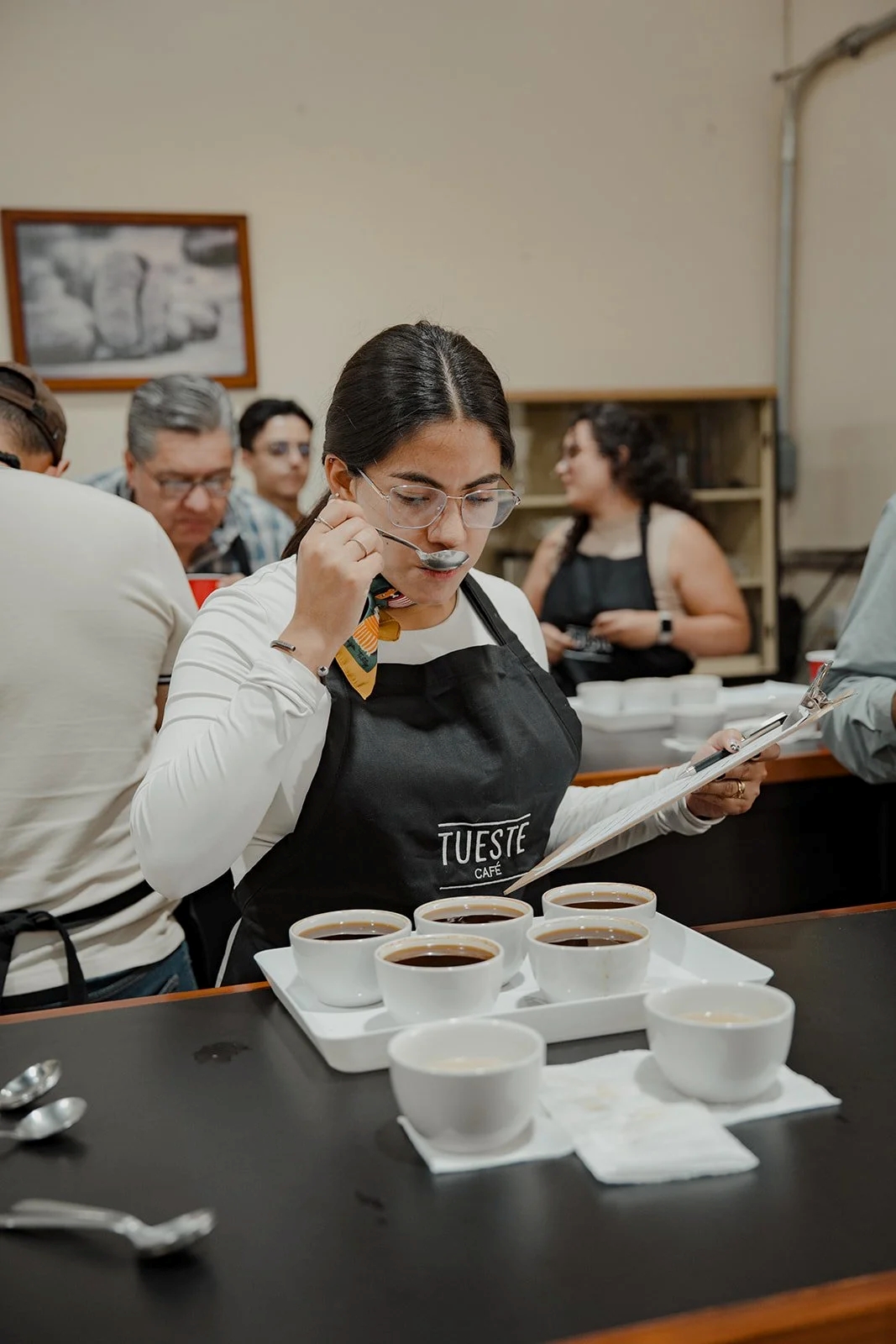
SCA Officially Launches New Q Grader Program with Coffee Value Assessment

Dubai – Qahwa World

The Specialty Coffee Association (SCA) has officially launched enrollment for its updated Q Grader program, marking the start of a new era for one of the most respected certifications in the global coffee industry.

The move follows the association’s acquisition of the program earlier this year from the Coffee Quality Institute (CQI), a historic shift that positions the SCA as the sole operator of a license long considered the gold standard for coffee evaluation. From October 1, 2025, all Q Grader courses worldwide will be delivered under the new system, aligned with the Coffee Value Assessment (CVA).

For years, the Q Grader license has been globally recognized as the highest credential in sensory evaluation, cupping, and green coffee grading. Graduates of the program have carried a certification that is not only respected but also vital to trade, communication, and quality assurance across the coffee value chain. The revamped program now integrates the CVA, a scientifically rigorous framework developed by the SCA and adopted in 2024 after years of research. Unlike the traditional cupping form it replaces, the CVA provides a broader picture of coffee’s qualities, considering not only intrinsic sensory characteristics but also extrinsic factors such as processing methods and certifications that influence market value.

The decision to integrate the CVA into the Q Grader curriculum represents the SCA’s commitment to driving progress in specialty coffee evaluation. Participants in the new program will undergo six days of intensive training and testing, designed to challenge their ability to detect differences and defects, describe sensory profiles, and apply the CVA in real-world contexts. The program has been tailored for experienced coffee professionals, enhancing their sensory acuity and preparing them to communicate coffee’s value with clarity and confidence. The result is a global network of modern Q Graders whose training reflects the latest advancements in sensory science and the continued evolution of the specialty coffee sector.

The SCA has emphasized accessibility as a central pillar of the new launch. Recognizing that the Q Grader license is critical for professionals worldwide, the association has introduced a new country-specific pricing model. By dividing the world into five tiers based on economic conditions, the program ensures that participants in lower-income regions are not excluded from pursuing certification. This model makes the license more affordable, while an expanded network of Q Instructors opens new opportunities for education across diverse markets. From producers and exporters to roasters and importers, coffee professionals in every corner of the globe will have greater access to one of the industry’s most influential programs.

The updated program offers multiple pathways to certification. New entrants can register for the full Q Grader course, while experienced professionals may pursue fast-track options to upgrade or renew their credentials. Arabica and Robusta Q Graders, holders of the SCA Sensory Skills Professional Certificate, and Cup of Excellence judges are among those eligible for accelerated pathways, provided they complete the CVA for Cuppers course by December 31, 2025. A fast track is also available for those seeking to become Q Instructors, with eligibility extended to educators and evaluators including CVA Trainers, Q Instructors, Cup of Excellence Head Judges, and SCA Sensory Skills Authorized Trainers. After the fast-track window closes at the end of 2025, the SCA will require candidates to follow a more extensive pathway that includes both Q Grader certification and instructor onboarding.

The program is not only academically rigorous but also deeply practical. Learners will be evaluated through cupping sessions, sensory exercises, and green coffee assessments, testing their knowledge across physical, descriptive, affective, and extrinsic categories. Those who successfully complete the course will earn the globally respected Q Grader license, recognized across the coffee value chain as a mark of excellence. The SCA has positioned this as a crucial step toward building a more unified global language of quality, one that connects producers, traders, roasters, and consumers with a shared framework for evaluating coffee.

The launch of the new Q Grader program also reflects the strategic partnership between the SCA and CQI, which was first announced in April 2025. Under the terms of the agreement, the SCA will license the program for ten years, paying CQI $250,000 annually. While CQI is no longer involved in administering the program, the collaboration ensures that its original missionsupporting producers and enhancing coffee qualityremains central to the program’s future.

As the transition takes effect, questions remain about how quickly the new system will be embraced across the industry. Some professionals have expressed skepticism about the CVA’s necessity, while others have applauded its potential to capture the complexity of modern coffee markets. Regardless of these debates, the SCA is moving forward with confidence, positioning the new Q Grader program as a scientifically robust and globally inclusive certification.

The association has also committed to supporting learners with preparatory resources. For those new to coffee evaluation, the SCA recommends starting with its Intro to Cupping workshop, a foundational course designed to build skills in sensory analysis and cupping practices. For more advanced professionals, recommended reading lists and preparation activities are available to ensure readiness for the intensive Q Grader assessments.

With enrollment now open and courses already available in select regions, the SCA is calling on coffee professionals worldwide to take part in what it describes as a new era in coffee evaluation. The updated program is expected to strengthen professional standards, support communication and collaboration across the global value chain, and expand the very definition of specialty coffee. For those who pass, the Q Grader license remains not just a certificate but a symbol of credibility, expertise, and leadership in the evolving world of coffee.
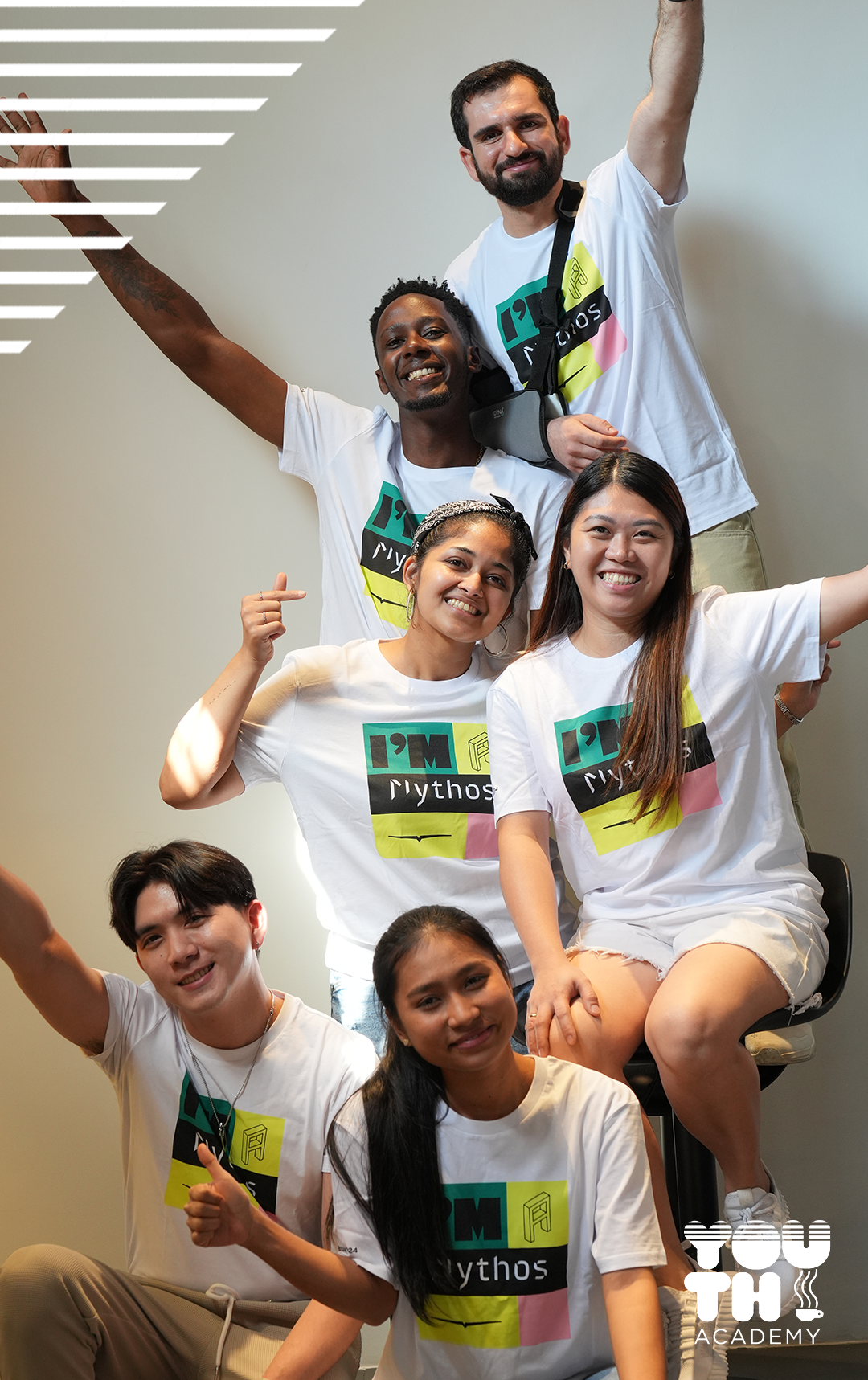
Dreams and Ambitions: Youth Academy Middle East Launches in Dubai

Dubai – Qahwa World

The Middle East has welcomed a new chapter in coffee education with the launch of the first edition of Youth Academy Middle East 2025, held in Dubai and organized by Simonelli Group. This pioneering program provides six young coffee talents with full scholarships to attend the prestigious SCA Coffee Skills Program, giving them the opportunity to build professional careers in the global coffee industry.

The inaugural edition began at the Simonelli Group Middle East Experience Lab, where participants embarked on their training under the guidance of SCA-certified trainers. The program blends theory with practice, offering young baristas and coffee enthusiasts a chance to deepen their knowledge and discover new perspectives on coffee.

The Scholarship Winners

Among the six winners are young professionals whose passion and dreams reflect the diverse paths coffee can inspire:

  • Hnin Kha Nady (22 years old), a barista who hopes to inspire others through her craft: “Eventually I want to share my passion by creating unique coffee experiences for others.”

  • Mark Mwangi Mungai, a Kenyan barista, fascinated by both tradition and innovation: “The slowly emerging trends with AI and modern technology show how coffee, which has been here for ages, is adapting to new times.”

  • Amritha Varsha PR, an engineer-turned-coffee explorer: “For me, learning is exciting, but re-learning is like a second brew—often richer and clearer.”

  • Brenzen Labarete, Senior Barista, Brand Ambassador, and Middle East Barista of the Year 2023: “I look forward to connecting with people who share the same passion, exchange ideas, and be inspired to take my craft to the next level.”

  • Mohamed Alameeri, who describes himself as a “normal coffee guy” driven by curiosity: “The endless amount of information in the coffee world fascinates me. No matter how much you know, there is always more to learn.”

  • Donna Santianez, a passionate barista dreaming of opening her own café: “My dream is to become a professional barista and, one day, to have my own coffee shop.”

A Future Built on Passion

With their unique stories, ambitions, and dedication, these six young talents embody the essence of the Youth Academy—transforming passion into knowledge and knowledge into opportunity. Their journey marks not only a personal milestone but also a promising step for the future of coffee in the Middle East.

As the Youth Academy Middle East continues, the energy, curiosity, and commitment of its first participants highlight the growing importance of education and innovation in shaping the next generation of coffee professionals.

Milan to Host First Evolved Q Grader Course After HostMilano 2025

Milan, 10 September 2025 – (Qahwa World) – Milan is preparing to host a landmark event for the future of specialty coffee in Europe. From 24 to 29 October 2025, immediately after the HostMilano international trade fair, the first Italian session—and one of the very first in the world—of the Evolved Q Grader course will take place.

The event, to be held in English, will be hosted by Sevengrams, a leading name in Milan’s specialty coffee scene. Founded by the Mauro sisters and enriched by the expertise of Chiara Bergonzi, Sevengrams is one of the city’s most accredited training centers. The course will be conducted at their Lot Zero Roastery, located next to Coffee Studio 7Gr on Via Valparaiso.

This six-day intensive training and certification marks a major step forward in the field of sensory evaluation. It will be led by two prominent international figures: Roukiat Delrue and Davide Cobelli. The Evolved Q Grader certification, the latest innovation from the Specialty Coffee Association (SCA), introduces the Coffee Value Assessment (CVA), a system that moves beyond a single score to analyze coffee’s value in multiple dimensions.

Designed for experienced professionals, the course aims to shape a new generation of coffee experts able to evaluate beans with a modern, scientific approach. Participants will engage in a rigorous program of theory, practice, and exams, focusing on mastering the CVA, refining sensory self-awareness, enhancing discrimination and flaw analysis skills, and applying these tools strategically in professional contexts. Those who successfully complete the program will earn the prestigious Evolved Q Grader license, an international milestone of excellence.

Guiding this advanced training will be two world-renowned instructors. Roukiat Delrue, with more than 14 years of experience in the global coffee sector, has held leading roles at the Coffee Quality Institute and World Coffee Events, and contributed directly to the development of the CVA. Davide Cobelli, founder of the Coffee Training Academy, Italian Roasting Champion in 2020, and SCA Italy National Coordinator from 2022 to 2024, is an established trainer, consultant, and international judge.

This course offers a unique opportunity for Italian and European professionals to access the highest level of training in coffee evaluation. For details on pricing and registration, contact the instructors directly: [email protected], [email protected], or via the official registration link here.

Côte d’Ivoire Coffee Week Showcases Africa’s Shift to Sustainable, Value-Added Coffee

The International Trade Centre (ITC) and the International Coffee Organization (ICO) reaffirmed their commitment to inclusivity and sustainability during Coffee Week in Abidjan, Côte d’Ivoire.

Historically, with the exception of Ethiopia, much of Africa has viewed coffee primarily as an export commodity rather than a drink enjoyed locally. Coffee culture has remained limited in many countries, with minimal value addition or internal trade. However, this is changing. A new movement is emerging across the continent, where African countries are reclaiming ownership of coffee—adding value at origin, trading regionally, and cultivating domestic appreciation and consumption.

Côte d’Ivoire’s Coffee Week symbolizes this transformation, signaling Africa’s rise as both a producer and a dynamic coffee market.

As part of their ongoing collaboration under the Alliances for Action initiative, ITC and ICO co-hosted activities to strengthen value chains, promote investment, and build technical capacity—particularly in robusta-producing regions. The event was organized in partnership with Côte d’Ivoire’s Conseil Café-Cacao, the Robusta Coffee Agency of Africa and Madagascar (ACRAM), the Specialty Coffee Association (SCA), and other partners.

Key activities included:

  • Barista and cupper training aligned with SCA standards, training 25 entrepreneurs in professional tasting and preparation techniques.

  • International seminar on coffee genetic resources with Crop Trust and the National Centre for Agronomic Research (CNRA), attended by 29 participants from 16 countries.

  • Press conference featuring leaders from ITC, ICO, Crop Trust, and Côte d’Ivoire’s Permanent Representative for Commodities, Ambassador Aly Touré.

  • Launch of ITC’s Agribusiness Investment Promotion Approach, with a workshop introducing 40 participants to ITC’s agro-investment methodology and providing targeted training to 15 attendees on investment readiness.

“This is about giving producing countries the tools, knowledge, and platforms to lead coffee transformation on their own terms,” said ICO Executive Director Vanusia Nogueira. “We’re here to make quality coffee education more accessible—especially in robusta-producing countries.”

Sahande Mamadou, Director of Elima Torréfaction, noted the value of the training: “This deepened my understanding of sensory analysis and specialty coffee cupping. We now see the importance of improving roasting techniques and sampling for our clients.”

ITC’s Côte d’Ivoire Coffee Coordinator, Mory Diawara, emphasized the importance of value addition and regional markets, saying it would bring greater returns to local producers and processors.

The week also reinforced the ICO–ITC–SCA partnership to professionalize African youth in the coffee sector, in line with the DACBA initiative (Drink African Coffee, Build Africa) led by the Inter-African Coffee Organization.

Côte d’Ivoire’s Minister of Agriculture, ICO’s Executive Director, and Ambassador Aly Touré participated in high-level discussions, highlighting the sector’s strategic importance. The event concluded with calls for expanded capacity building and equipment support to strengthen the sector further.

The investment readiness workshop, supported by ITC’s Alliances for Action, provided a platform for small businesses to engage with financial service providers, understand investor requirements, and explore opportunities—focusing on unlocking investments and increasing domestic value addition for long-term resilience.

Through inclusive partnerships, technical training, and investment facilitation, ITC and ICO aim to position producing countries not only as exporters but also as global leaders in shaping the future of sustainable coffee.

About the Project:
The ACP Business-Friendly Programme is funded by the European Union and the Organisation of African, Caribbean and Pacific States (OACPS) and jointly implemented by ITC’s Alliances for Action, the World Bank, and UNIDO. It supports agribusiness competitiveness in ACP countries, promoting inclusive and sustainable value chains that benefit all stakeholders.

CQI Reflects on a Landmark Year and Sets Ambitious Plans for 2025

As the Coffee Quality Institute (CQI) concludes 2024, CEO Michael Sheridan shares reflections on a remarkable year for the organization and its global coffee community. Marking the 20th anniversary of the Q Grader program, CQI celebrated the milestone with podcasts, social media campaigns, and in-person events that underscored the legacy of the industry’s premier coffee cupping credential.

The Q Grader community, which now boasts nearly 10,000 members, saw significant growth this year, alongside the expansion of CQI’s Processing Professionals and Instructor networks. Sheridan welcomed three new team members, including T.J. Ryan, who has taken on the role of Director of Mission Engagement. “Welcoming T.J. was like bringing family home,” Sheridan noted. Ryan will spearhead CQI’s project initiatives and the evolving Global Fund, an area poised for greater impact in the coming year.

Global Fund Expansion: Empowering Coffee Communities Worldwide

In its second year of operation, the CQI Global Fund provided nearly $90,000 in cash and in-kind support to seven initiatives across four continents. Highlights include:

  • Mexico: Two grants supported nearly 100 participants, with post-harvest process training and scholarships empowering smallholder farmers and quality control managers. Collaborations included CAFECOL and the International Women’s Coffee Alliance.
  • Ethiopia: CQI worked with women-led companies to certify seven new Q Graders through the Q Combo course.
  • Latin America: The innovative Girlsplaining initiative, led by Assistant Instructor Camila Khalifé, delivered specialized training to women in coffee.
  • United States: Support for NKG PACE program partners included cupping courses and introductory post-harvest processing classes.

Looking ahead, CQI plans to unveil a comprehensive vision for the Global Fund’s future at its 25th Annual Luncheon in April 2025 in Houston.

Celebrating Dedication: Honoring Outgoing Trustees

As 2024 draws to a close, CQI honors the commitment of outgoing trustees who collectively dedicated 96 years of service to the organization. From Ellen Jordan’s 26-year legacy to the fresh perspective of Liz Caselli-Mechael’s two-year tenure, CQI’s success owes much to these visionaries.

A Message of Growth and Gratitude

Sheridan’s year-end message also highlighted plans for 2025, including expanded coffee events, new courses, and continued certification projects, such as the impressive five-fold increase in certified Q Graders in Burundi. As CQI looks to the future, it remains deeply committed to improving coffee quality and the lives of those who produce it.

With deep gratitude for the past and ambitious goals for the future, CQI enters 2025 with renewed energy to strengthen its impact in the global coffee community.