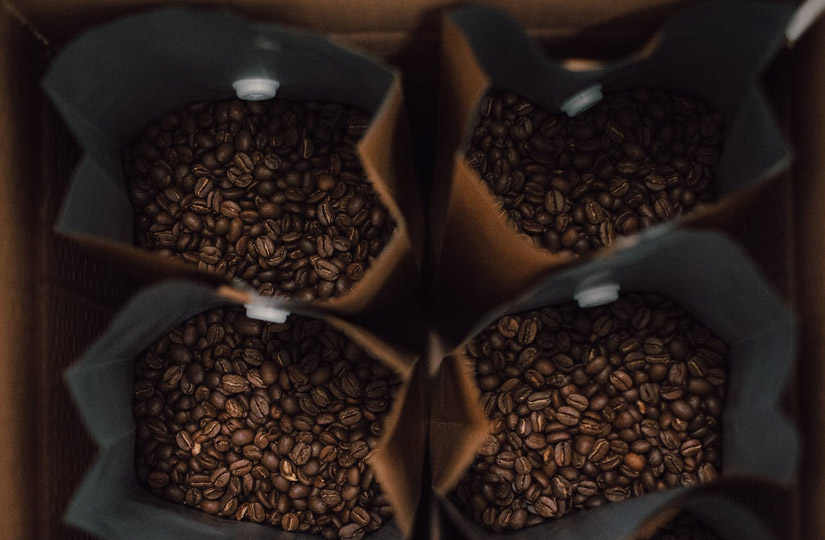
Global Coffee Stocks Fall to Lowest Level Since April 2024

Dubai, September 4, 2025 (Qahwa World) – The International Coffee Organization’s (ICO) August 2025 report has revealed a sharp decline in global coffee stocks, falling to their lowest level since April 2024. The drop in inventories comes just weeks after prices reached a historic high, highlighting a fragile market caught between soaring demand and tightening supply.

According to the ICO, certified Arabica stocks held at the New York Exchange dropped 7.9% to 0.77 million bags, marking a 16-month low. Robusta inventories at the London Exchange also fell by 4.6%, standing at 1.13 million bags. The simultaneous reduction across both major coffee types signals a broad squeeze on available supply.

Why Stocks Are Falling

Analysts point to several reasons behind the decline:

  • Weaker export flows – Global green coffee exports fell for the sixth consecutive month in July 2025, tightening supplies into key markets.

  • Crop concerns – Brazil, the world’s top producer, reported larger bean sizes but weaker density, which reduced overall yield estimates.

  • Climate risks – A frost in Brazil earlier this year damaged an estimated half a million bags.

  • Regulatory pressure – European roasters have been stockpiling ahead of the EU Deforestation Regulation (EUDR) that comes into force at the end of 2025, drawing beans out of certified warehouses into private storage.

Connection to Soaring Prices

The fall in stocks coincided with a dramatic rise in prices. In August, the ICO Composite Indicator Price (I-CIP) climbed 14.6% to 297.05 US cents per pound, the highest since 2024. With inventories shrinking, the likelihood of further price volatility is increasing, especially if supply disruptions persist.

Regional Dynamics

  • South America posted the steepest decline, with exports down 18.5%, driven by a 28.6% fall in Brazil.

  • Asia & Oceania moved in the opposite direction, growing exports 22.7%, led by Vietnam (+29.4%) and Indonesia (+20.4%).

  • Africa also contributed positively, with exports rising 4.4%, thanks to strong performance in Uganda (+51.4%) and Ethiopia (+12.5%).

  • Mexico & Central America recorded moderate growth of 7.2%, helping to diversify global supply, though not enough to offset South America’s losses.

What It Means for the Market

Industry experts warn that the current drawdown in stocks leaves the coffee market more vulnerable to external shocks. Further weather events in Brazil or Vietnam could deepen the supply gap, while the EUDR may slow exports to Europe. Rising shipping and labor costs add another layer of pressure on the supply chain, feeding into higher costs for roasters and consumers alike.

Outlook

The ICO emphasized that stock levels will remain a critical indicator for the market in the coming months. Any further declines could trigger another round of price surges, prolonging uncertainty for producers, traders, and consumers. With prices already at historic highs and inventories at multi-year lows, coffee is entering one of its most volatile periods in recent memory

ICO: Coffee Prices Hit Historic Surge as Exports Decline

Dubai, September 3, 2025 (Qahwa World) – The International Coffee Organization (ICO) in its August 2025 report revealed unprecedented shifts in the global coffee market, with the ICO Composite Indicator Price (I-CIP) rising by 14.6% to 297.05 US cents per pound – its highest level since 2024 and 24.3% higher year-on-year. At the same time, the report highlighted that global green coffee exports continued to contract for the sixth consecutive month, underscoring the dual pressure of soaring prices and shrinking supplies.

Historic Price Surge
According to the ICO, all coffee groups recorded strong gains. Robusta led the surge with a 19.1% increase to 199.13 US cents per pound, while Colombian Milds, Brazilian Naturals, and Other Milds rose between 12% and 14%. Futures prices also jumped sharply, with New York contracts up 13.6% and London contracts up 18.2%, signaling broad-based upward momentum.

Market Drivers
The report identified multiple factors fueling the rally:

  • The United States’ 50% tariff on Brazilian coffee, slowing down commercialization.

  • Brazil’s government support through the Funcafé fund, allocating BRL 6.8 billion (USD 1.29 billion) to finance the 2025/26 harvest.

  • Reports of lower bean density in Brazil despite large screen size, reducing crop estimates.

  • European roasters stockpiling ahead of the EU’s Deforestation Regulation (EUDR) deadline in December 2025.

  • A minor frost in Brazil damaging up to half a million bags.

  • Roasters increasing long positions in futures markets to hedge against further price hikes.

Export Downturn
The ICO report also showed global green coffee exports reaching 10.3 million bags in July 2025, down 0.7% from July 2024. South America posted the steepest decline (-18.5%), driven by Brazil’s 28.6% fall in shipments.

Regional Contrasts

  • Asia & Oceania exports surged by 22.7%, led by Vietnam (+29.4%) and Indonesia (+20.4%).

  • Africa’s exports rose 4.4%, with Uganda (+51.4%) and Ethiopia (+12.5%) as key contributors.

  • Mexico & Central America posted a moderate increase of 7.2%.

Looking Ahead
The ICO emphasized that the combination of rising prices and falling exports places the global coffee market in a volatile phase. With the EUDR coming into effect by year-end and climate-related risks looming over major producers, coffee is set to remain one of the most vulnerable agricultural commodities to both economic and environmental shocks.

Brazil’s Coffee Paradox: Global Prices Drop While Local Costs Surge

Dubai, September 3, 2025 (Qahwa World) – While global coffee prices are falling due to heavy rainfall in Brazil and the near completion of the harvest, consumers in the world’s largest producer and exporter are facing the opposite reality: higher prices for roasted and instant coffee in the domestic market.

December arabica futures fell 3.44%, while November robusta dropped 3.28% to a one-week low. Weather data from Somar Meteorologia showed that Minas Gerais, Brazil’s largest arabica-producing region, received 10.1 mm of rain in the week ending August 30 – 163% of the historical average.

Meanwhile, Cooxupé, Brazil’s biggest coffee cooperative, reported that its members’ harvest was 94.9% complete as of August 29. Safras & Mercado confirmed that Brazil’s 2025/26 harvest was 99% finished by August 20, with robusta fully harvested and arabica 98% complete.

In contrast, roasters 3 Coracoes and Melitta announced fresh price hikes in Brazil starting September 1. 3 Coracoes raised roasted and ground coffee prices by 10% and instant coffee by 7%, while Melitta increased prices by 15%. These hikes follow earlier rises: 11% in January and 14.3% in March by 3 Coracoes, and a 25% increase by Melitta last December.

This creates a striking paradox in Brazil’s coffee market: while international prices are easing thanks to favorable weather and ample harvests, local consumers are paying more, driven by climate volatility, a 50% U.S. tariff on Brazilian coffee imports, and rising raw bean costs.

Global arabica prices have already climbed more than 20% this year after a 70% surge in 2024. With tariffs in place, U.S. roasters have been tapping existing stockpiles, adding further pressure.

The Brazilian Coffee Industry Association (ABIC) noted a brief drop in retail prices in August as futures eased from record highs, but warned that the trend would reverse once tariffs took effect — and that reversal is now underway. Major roasters are struggling to balance costs as consumers shift toward cheaper supermarket brands.

Looking ahead, the U.S. Department of Agriculture projects global coffee production to rise 2.5% in 2025/26 to a record 178.7 million bags. Yet trader Volcafe forecasts a widening global arabica deficit of 8.5 million bags — the fifth straight year of shortages. This contradiction — falling global prices alongside rising domestic costs in Brazil — sets the stage for continued turbulence in the coffee market.

Arabica Coffee Surges Amid Brazil Crop Damage Concerns

Arabica coffee futures surged on Friday amidst worries over Brazil’s coffee crops, while robusta prices fluctuated.

Coffee prices ended the session with arabica reaching a new 5-3/4 month high. Concerns mounted as heavy rainfall in Brazil’s coffee-growing regions raised fears of crop damage. Somar Meteorologia’s report indicated a significant increase in rainfall in Brazil’s Minas Gerais region, which accounts for a substantial portion of the country’s arabica crop.

Meanwhile, worries persisted over the robusta coffee production in Vietnam due to excessive dryness. Although robusta prices hit an all-time high earlier, profit-taking ensued after ICE-monitored inventories rose to a 2-1/2 month high.

The current El Nino weather event is contributing to bullish sentiments for coffee prices, with its impact on Brazil’s coffee production and Vietnam’s coffee areas noted. Tight supplies from Vietnam further bolstered prices, with projections indicating a significant drop in coffee production for the upcoming crop year.

However, a rebound in Vietnam’s coffee exports tempered some of the bullish momentum. Additionally, Rabobank’s prediction of a surplus for the upcoming marketing year provided a bearish outlook, albeit with adjustments to production forecasts.

Despite rebounding from historic lows, coffee inventories remain a point of interest, particularly with larger exports from Brazil. Recent reports highlight substantial increases in global coffee exports, adding to market dynamics.

Forecasts from the International Coffee Organization and the USDA’s Foreign Agriculture Service shed light on production and consumption trends, with Brazil expected to play a significant role in arabica production.

Overall, the coffee market continues to navigate through a complex interplay of factors, with Brazil’s crop concerns taking center stage amidst broader global dynamics.