
Specialty Coffee Consumption in the United States Reaches Record High

Washington, September 9, 2025 (Qahwa World) – The Fall 2025 National Coffee Data Trends report, published by the National Coffee Association, shows that specialty coffee consumption in the United States has reached its highest level on record. Fifty-seven percent of Americans reported drinking specialty coffee at least once in the past week, a figure that matches the highest level ever recorded and confirms that specialty coffee has become a central part of everyday life across the country.

The report also highlights the strong role of younger generations, with forty-six percent of Americans between the ages of 18 and 24 saying they consumed specialty coffee on the day before the survey was conducted, the highest daily rate since 2020. Analysts attribute this trend to the integration of younger consumers into modern coffee culture, their preference for higher quality and innovative experiences, and the growing popularity of coffee-related social events that encourage sharing and discovery.

The study notes that new preparation methods are fueling this growth. Cold brew consumption rose to seventeen percent, an increase of three percentage points compared with the start of the year, while ready-to-drink coffee beverages reached nineteen percent, up four points. These figures reflect the American consumer’s attraction to options that combine convenience and freshness, particularly during warmer months.

Industry observers say the expansion of specialty coffee consumption opens new opportunities but also presents challenges. Large chains are benefiting from the growth of app-based orders and drive-thru services, while independent cafés and roasters are finding their strength in providing higher quality products, origin transparency, and stories of sustainability. This balance between convenience and authenticity is expected to shape the future of the U.S. coffee market.

The significance of this growth is underscored by the size of the overall industry, valued at 343 billion dollars. Specialty coffee is no longer just a matter of personal taste or social trend but a powerful economic sector in its own right. With rising consumer awareness of origin, production methods, and environmental certifications, specialty coffee is expected to continue strengthening its position both domestically and internationally.

The findings suggest that the United States has moved beyond the so-called third wave of coffee, which focused on artisanal preparation, and is entering a new phase that blends quality with convenience and social experience. For a new generation of consumers, coffee is no longer simply a morning beverage but an evolving lifestyle choice that reflects broader shifts in consumer culture.

Viral Sensation: Chinese Café Serves Coffee at -86°C

Chengdu, China – September 6, 2025 (Qahwa World) – Luna Café in Chengdu has gone viral for its unusual twist on coffee service: drinks served in glasses chilled to an astonishing -86 degrees Celsius.

The idea, showcased by food vlogger Shufosho in a widely shared Instagram video, eliminates the need for ice while creating a dramatic sensory experience. The process begins with staff retrieving a frosted glass from an ultra-cold freezer, filling it with milk, and topping it with freshly brewed espresso. The icy cup ensures that the drink stays cold without dilution.

The café recommends drinking the coffee immediately in large sips to enjoy the striking contrast between the hot espresso and super-chilled milk—a taste sensation the vlogger compared to “ice cream on warm apple pie.”

Located on 24 Fanghua Street in Chengdu, Luna Café’s inventive beverage has sparked widespread curiosity online. The Instagram reel featuring the drink has already gained over 120,000 likes and a flood of comments from intrigued coffee lovers eager to try it themselves.

With netizens worldwide asking for similar creations in their own countries, this innovative take on iced lattes has firmly placed Luna Café at the center of a global coffee conversation.

Starbucks Moves Ahead with Major U.S. Coffeehouse Revamp

Dubai, 5 September 2025 (Qahwa World) – Starbucks is reporting strong progress on its ambitious plan to refresh its U.S. coffeehouses, with redesigned stores in New York and Southern California already showing encouraging results.

The global coffee chain began remodeling select outlets in July 2025 as part of CEO Brian Niccol’s Back to Starbucks strategy, which aims to restore the brand’s traditional “coffeehouse atmosphere” and counter declining sales in its home market.

According to Starbucks, customers at the updated stores are spending more time in-store, visiting more frequently, and responding positively to the changes. The redesign includes:

  • Cozy seating and warmer lighting to create a more inviting environment

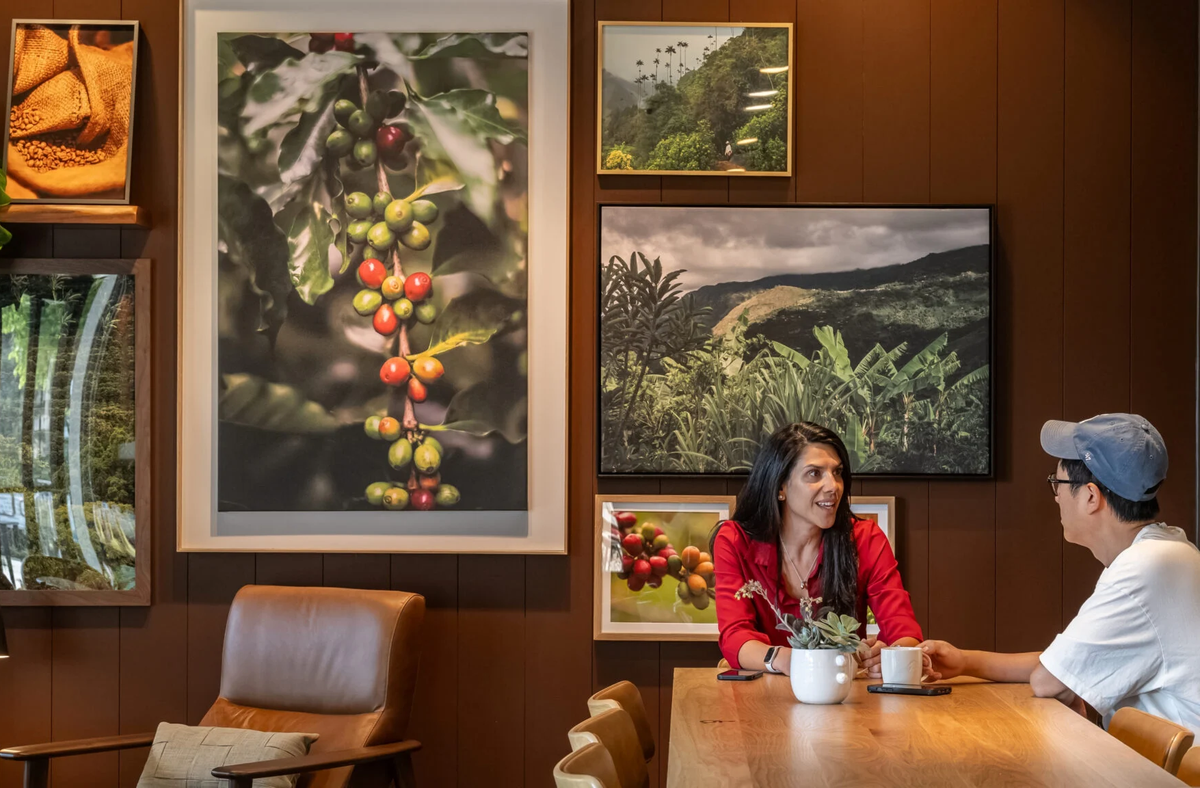
  • Vibrant artwork and ceramic mugs to highlight a café-style experience

  • A redesigned espresso bar that showcases coffee preparation and barista skills

  • Improved pickup zones that are streamlined and less disruptive

Starbucks intends to remodel more than 1,000 company-owned U.S. stores by the end of 2026 — nearly 10% of its U.S. network. The revamp is designed to strengthen connections with customers, replacing the “overly transactional” feel of some locations.

In addition, Starbucks announced it will phase out its 90 mobile order and pickup-only sites across the U.S. by the end of 2025. First introduced in 2019, these outlets will be closed to prioritize spaces that foster human interaction and community engagement.

Despite challenges in the U.S. market, Starbucks posted solid results in its latest financial report. For the quarter ending 29 June 2025, the company achieved 4% year-on-year revenue growth, reaching $9.5 billion globally. In the U.S., revenue increased by 1% to $6.45 billion, with Starbucks operating 17,230 outlets nationwide.

The coffee giant believes that its large-scale store refresh will play a crucial role in boosting customer loyalty, improving in-store experiences, and reinforcing its leadership in the U.S. coffee market.