International Coffee Organization Explores Coffee’s Positive Impact on Type 2 Diabetes

The International Coffee Organization (ICO) continues its informative series, aiming to highlight the health benefits of our beloved beverage based on the Coffee Guide by the International Trade Centre.

In today’s installment, the organization sheds light on the impact of coffee on type 2 diabetes, revealing a significant correlation between coffee consumption and a reduced risk of this common disease.

The ICO confirms that enjoying 3-4 cups of coffee daily is associated with a substantial 25% decrease in the risk of type 2 diabetes compared to those who consume little or no coffee.

Moreover, the positive effect persists with each additional cup, provided it remains within the recommended limit of up to five cups per day. The organization emphasizes that both caffeinated and decaffeinated coffee exhibit the same preventive effects.

Beyond diabetes, the series underscores that consuming 3-5 cups of coffee daily may also lower the risk of cardiovascular diseases and death for healthy individuals. Our beloved beverage appears to be more than just a source of warmth and comfort; it can contribute to heart health.

The ICO assures that moderate caffeine intake carries no increased risks of heart and vascular diseases, irregular heartbeats, heart failure, or high blood pressure. Therefore, coffee enthusiasts can rejoice, as indulging in their favorite drink in moderation may be more beneficial than they realize.

It’s worth noting that these valuable insights are based on research conducted by the Scientific Information Institute on Coffee and are extracted from the Coffee Guide affiliated with the International Trade Centre—a rich resource providing insights from the ICO.

While coffee enthusiasts everywhere savor their daily cup, this serves as a reminder that our favorite beverage may pave the way for a healthier future for us all.


Fairtrade International Enhances Coffee Standard to Surpass EU Deforestation Regulations

Fairtrade International is revising its coffee standard to align with or surpass the forthcoming regulations of the EU deforestation-free regulations (EUDR).

This sustainability certification organization, dedicated to supporting smallholder farmers globally, is implementing monitoring and reporting requirements for certified coffee producer groups, as well as for buyers and traders within the Fairtrade system. The new standard, effective from 2026, applies to all Fairtrade-certified coffees, not limited to those bound for the EU.

The EUDR, in effect since June 2023 with enforcement for large European companies beginning in January 2025, aims to curb deforestation linked to various agricultural imports in the EU, including coffee.

Fairtrade International’s updated coffee standard offers guidance to approximately 600 coffee cooperatives, representing about 870,000 coffee farmers across 1.1 million hectares, to meet deforestation-free criteria.

Juan Pablo Solis, Fairtrade International’s Senior Advisor for Climate and Environment, emphasized the urgency of addressing climate issues, stating, “There is no denying we are living in an era of climate crisis.”

Approved by the Fairtrade International Standards Committee, the new standard, developed with input from key stakeholders, surpasses EUDR requirements in several aspects. Notably, it establishes a deforestation cut-off date of Jan. 1, 2014, compared to EUDR’s Dec. 31, 2020, cut-off date.

Additionally, the standard mandates producer cooperatives to create prevention and mitigation plans, incorporating satellite-based deforestation monitoring provided by Fairtrade. The organization recently enlisted the services of the Dutch firm Satelligence for satellite monitoring.

While the EUDR requires geolocation data, the Fairtrade standard goes further by obliging producer organizations to collect and report this information to Fairtrade and share it with payers and conveyors. This emphasis on fairness underscores the shared responsibility of all parties involved in protecting the environment.

Fairtrade International had previously increased price minimums and premiums for certified coffees, effective since last August.

What is a Cappuccino and what are its backgrounds ?

A cappuccino is a classic coffee beverage that originated in Italy. It is traditionally made with espresso, steamed milk, and milk foam, and has a ratio of 1:1:1 of each ingredient. The espresso provides the base of the drink, the steamed milk adds creaminess and body, and the milk foam creates a light and airy texture on top. Cappuccinos are often enjoyed for breakfast or as a mid-morning pick-me-up.

History of the Cappuccino

The exact origins of the cappuccino are unclear, but it is believed to have been developed in Italy sometime in the early 20th century. The name “cappuccino” is thought to be derived from the Capuchin friars, whose robes were a similar color to the coffee drink.

How to Make a Cappuccino

To make a cappuccino, you will need an espresso machine, a milk frother, and a cup. Here are the basic steps:

Pull one or two shots of espresso into your cup.
Steam milk until it is hot and frothy.
Pour the steamed milk into the cup, stopping halfway to create a layer of foam.
Spoon the remaining milk foam on top of the drink.
Variations of the Cappuccino

There are many variations of the cappuccino, such as:

Dry cappuccino: This cappuccino has less steamed milk and more milk foam, resulting in a stronger espresso flavor.
Wet cappuccino: This cappuccino has more steamed milk and less milk foam, resulting in a milder espresso flavor.
Iced cappuccino: This cappuccino is made with cold milk foam instead of hot milk foam.
Flavored cappuccino: This cappuccino is made with flavored syrup or powder, such as chocolate, vanilla, or caramel.

Cappuccino Tips

Use fresh, cold milk for the best results.
Don’t over-steam the milk, or it will become too hot and lose its froth.
If you don’t have an espresso machine, you can use strong brewed coffee instead.

EFSA Confirms Safe Daily Caffeine Limit and Unveils its Impact on Alertness and Well-being

Caffeine is a natural compound found in a number of plant species including coffee, tea and cocoa. A typical cup of coffee contains 75-100mg caffeine, whilst levels in brewed tea and cocoa are lower

Caffeine is the principal active compound in coffee, but other compounds are also present which can make it difficult to differentiate effects of caffeine per se from other compounds1.

The European Food Safety Authority (EFSA) in a review on the Safety of Caffeine concluded that a moderate caffeine consumption, of around 400mg caffeine per day (the equivalent of up to 5 cups of coffee), can be enjoyed as part of a healthy balanced diet and an active lifestyle4. Pregnant and breastfeeding women are advised to limit their caffeine intake to 200mg per day4.

Research suggests that moderate caffeine consumption may be associated with a range of physiological effects, including mental and physical performance5.

Caffeine is a mild central nervous stimulant, and is associated with increased alertness5. The European Food Safety Authority (EFSA) concluded that a cause and effect relationship has been established between a 75mg serving of caffeine and both increased attention and alertness6. Caffeine works as an adenosine receptor antagonist: with a similar structure to adenosine, caffeine may bind to the adenosine receptors, acting as an imposter and blocking the actions of adenosine, leading to feelings of alertness5,7. This effect may cause sleep disturbance in some8,9, but may also help in situations that require increased alertness, e.g. night shifts, long distance driving, and jet lag10-15.

It is important to note that the individual responses to caffeine ingestion may differ according to genetic variability and individuals often manage their own caffeine intake to suit their personal lifestyle16,17.


International Coffee Organization (ICO) Unveils 5 Fascinating Facts About Your Daily Cup!

In an exclusive revelation today, the International Coffee Organization (ICO) is shedding light on five intriguing facts about our daily cup of joe that may have slipped under your radar. This unveiling marks the commencement of a captivating series of posts, exploring the intricate relationship between coffee, health, sustainability, and more. This informative series draws inspiration from The ITC Coffee Guide, a valuable resource on the coffee trade enriched with insights from the ICO.

Fact 1: A Rich Tapestry of Micronutrients One of the lesser-known gems about coffee is its natural abundance of micronutrients. Potassium, magnesium, niacin, and antioxidants are among the nutritional treasures found in every cup, contributing to the daily intake of essential elements.

Fact 2: Tailored Nutrition The nutritional composition of your coffee experience is not a one-size-fits-all affair. Depending on the additions of milk, cream, sugar, or other ingredients, the nutritional profile of your cup can vary significantly, allowing for a personalized and delightful experience.

Fact 3: Fitness-Friendly Brew For coffee enthusiasts who prioritize fitness, here’s a delightful tidbit – coffee itself contains virtually no calories! It’s a guilt-free indulgence for those with a flair for healthy lifestyles.

Fact 4: Caffeine Considerations According to the European Food Safety Authority (EFSA), indulging in up to 400mg of caffeine per day, equivalent to approximately five cups of coffee, is deemed safe within the context of a balanced diet and an active lifestyle. This reassures coffee lovers that their daily fix falls well within the bounds of a healthy routine.

Fact 5: Caffeine Chronicles Delving into the caffeine content, a typical cup of coffee packs a punch with 75-100 milligrams (mg) of caffeine. This makes caffeine the primary bioactive compound in our beloved beverage, contributing to its energizing and stimulating effects.

Stay tuned as the ICO continues to unravel the mysteries behind our cherished daily brew, exploring the intricate connections between coffee, well-being, and sustainability. Join us on this exciting journey through the world of coffee, where each sip holds a story waiting to be discovered.


Coffee Planet’s Grand Entrance: A Conversation with Jamie Brown on Abu Dhabi Expansion, Market Potential, and Sustainable Initiatives

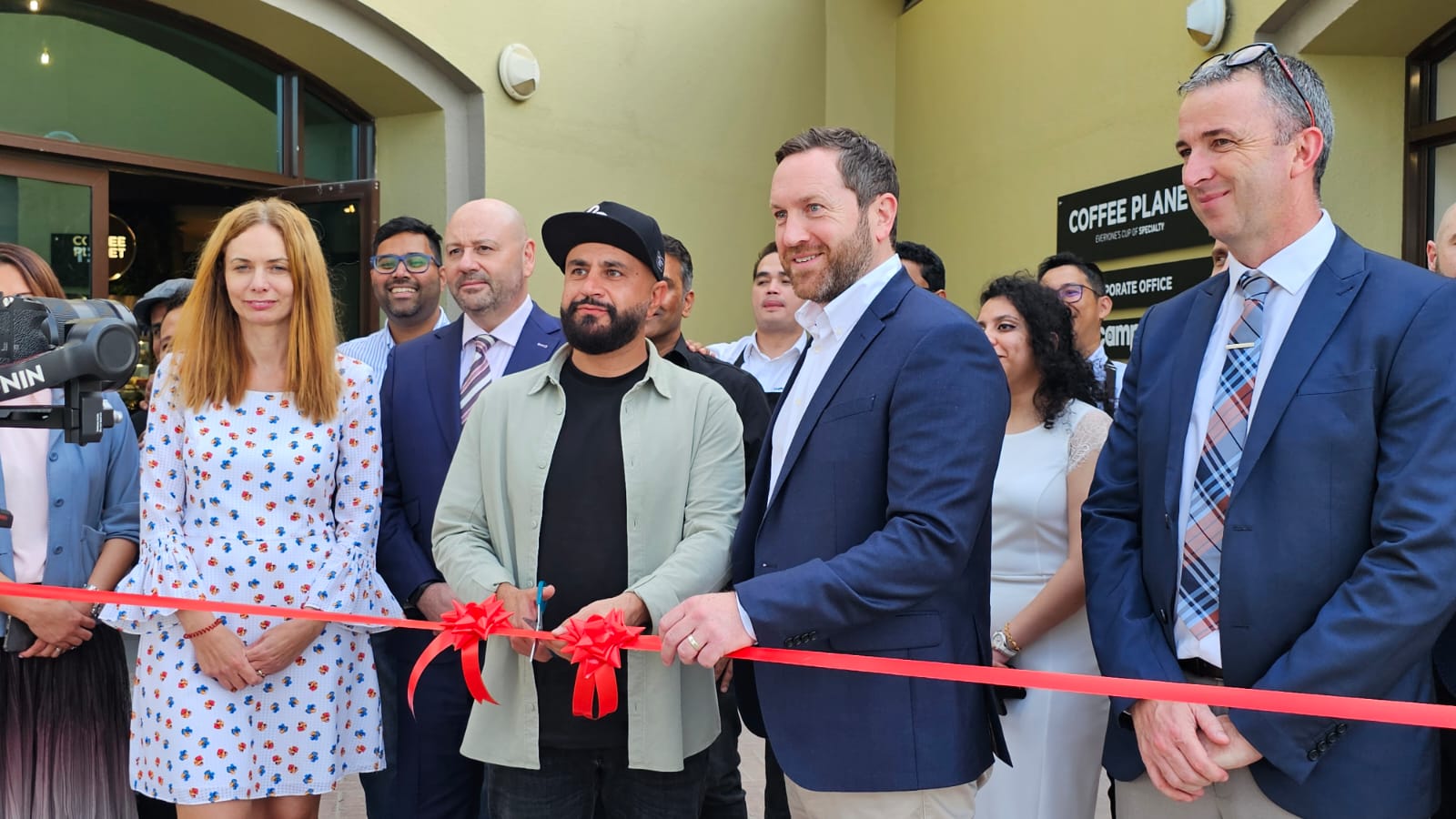
Abu Dhabi, February 02, 2024(QW): In a momentous occasion on Thursday, Mr. Jamie Brown, the CEO of Ludlow Group, officially inaugurated the inaugural branch of the internationally acclaimed “Coffee Planet” in the heart of Abu Dhabi. The ceremony, attended by a distinguished gathering of executives, both local and international experts, and fervent coffee enthusiasts, marked a significant step for the renowned brand in creating an unparalleled coffee experience.

Nestled in the strategically selected “Etihad Plaza,” the newly established facility encompasses a versatile facility housing the company’s offices, a chic café, an innovative showroom, and a cutting-edge service and training center. Positioned in close proximity to the local community and essential facilities, this choice underscores Coffee Planet’s commitment to accessibility and community engagement.

In an exclusive interaction with the “Qahwa World” website, Mr. Jamie Brown shared his excitement about the opening of the Abu Dhabi branch. Inviting coffee aficionados in Abu Dhabi and the Emirates to explore the new facility, savor their favorite brew, and partake in expert-led training courses at the company’s training center, Mr. Brown reiterated Coffee Planet’s dedication to fortifying its presence in the capital.

Here are the key highlights from the conversation:

Celebrating Abu Dhabi’s Coffee Culture

Mr. Jamie Brown expressed deep satisfaction at realizing the long-standing ambition of establishing a presence in Abu Dhabi after 18 years of serving the capital. The opening of the branch signifies a pivotal moment for the brand, bringing it closer to its patrons.

Market Potential in the UAE

Recognizing the growing demand for specialty coffee in the UAE, Mr. Brown emphasized the brand’s role in educating people about the background, story, and origins of specialty coffee. Coffee Planet aims to bring this unique experience to the masses, aligning with its strategy of being everyone’s cup of specialty.

Future Plans for Abu Dhabi and Beyond

While Coffee Planet’s heart remains in the UAE, Mr. Brown unveiled plans to support the Emirates and expand the brand’s international presence. Collaborations with global partners are in progress to share the Coffee Planet vision on a broader scale.

Regional Expansion into GCC

Highlighting the success of a recent partnership in Saudi Arabia, Mr. Brown revealed plans to establish a presence in each GCC market. The expansion strategy is meticulous and structured to ensure a successful foray into new territories.

Challenges in the Coffee Chain

Acknowledging the challenges in the coffee supply chain, particularly with export and import, Mr. Brown assured stakeholders of the company’s resilience. Coffee Planet is well-positioned with stock holdings of green beans in the country to navigate current challenges, and collaboration within the industry is deemed crucial for maintaining a consistent supply chain.

Commitment to Sustainability

Sustainability takes center stage in Coffee Planet’s agenda, with the establishment of a dedicated green team. The brand started its journey towards achieving 100% traceale coffee in 2023, a milestone et to be achieved in 2024. Initiatives covering recycling, reducing coffee ground waste, and various sustainability campaigns are integral to Coffee Planet’s commitment to a greener future.

About Coffee Planet:
Coffee Planet was born in the UAE in 2005. Over the years, their loyal customers and partners have benefited from their expanding product and service offerings. Today, their coffee is served at leading 5-star hotels, airlines, offices, restaurants, and more.  It can also be purchased in over 700 retail outlets and through numerous online channels.

Providing everything to support their products, Coffee Planet distributes a range of market-leading coffee equipment and coffee-related consumables. They keep their clients and consumers caffeinated through their various products via a dedicated team of qualified coffee professionals on hand, 24/7, for full service and maintenance.

Above all, their commitment to creating a sustainable world is realised at each step of production and by providing a range of sustainable coffee products to waste management as well as initiatives and programs that are developed to reduce the impact of their actions on the environment.


Second Cup Celebrates Remarkable Growth in Egypt and Significant Regional Expansion

Dubai, January 19, 2024 (QW): The Second Cup Coffee Company Inc. (“Second Cup”), A global leading specialty coffee retailer, is thrilled to announce its extraordinary growth and expansion in Egypt. With a strong commitment to delivering exceptional coffee experiences, The Second Cup has successfully established itself as a beloved brand in the Egyptian coffee market.

Over the past year, Second Cup has experienced unprecedented success in Egypt, with a significant increase in customer demand and an expanding customer base. This remarkable growth can be attributed to Second Cup’s dedication to providing high-quality coffee, innovative menu offerings, and a warm and inviting café atmosphere.

Second Cup’s expansion throughout Egypt has been strategically planned to bring the brand’s exceptional coffee and outstanding service to coffee & tea lovers in various cities and neighborhoods. The company has opened multiple locations in key areas, including Cairo, New Cairo, Giza, and Tanta, with plans for further expansion in the very near future.

“We are absolutely thrilled with the remarkable growth and success we have achieved in Egypt,” said Jim Ragas, CEO of The Second Cup Coffee Company Inc. “Our expansion in this vibrant market is a testament to the strong appeal of our brand, the quality of our coffee, and the dedication of our team led by our Master Franchise (Maximum Stores) CEO Yahya Ghamdan and their COO Hany Said. We are excited to continue serving our valued customers in Egypt and introducing more coffee lovers to The Second Cup experience.”

Second Cup is renowned for its commitment to sourcing the finest arabica coffee beans from around the world and organic teas, ensuring exceptional quality and taste in every cup. With a wide range of premium coffees, teas, specialty beverages, and delectable baked goods, Second Cup offers a diverse menu that caters to the unique preferences of café enthusiasts.

In addition to its exceptional coffee offerings, Second Cup is deeply committed to corporate social responsibility and sustainability. The company actively supports local communities and initiatives, while also prioritizing environmental stewardship through sustainable sourcing practices and eco-friendly packaging.

Second Cup’s growth in Egypt is a testament to the brand’s ability to captivate coffee lovers with its unparalleled coffee expertise, warm ambiance, and commitment to excellence. As the company continues to expand its presence in Egypt, it remains steadfast in its mission to deliver extraordinary coffee café experiences that create lasting memories for its valued customers.

About The Second Cup Coffee Company Inc.
Founded in 1975, The Second Cup Coffee Company Inc. originated in Canada and has cafes in 22 countries and is a leading specialty café chain, offering premium arabica coffee, organic teas specialty beverages, all-natural frozen yogurt, and delicious baked goods. With a commitment to quality, sustainability, and exceptional customer service, The Second Cup has become a beloved destination around the world.

A Success Story: A Journey into the World of Coffee with Marko Djuric, Director of Global Business Development at Coffee Desk

Dubai, January 19, 2024 (QW): In this exclusive interview, we sit down with Mr. Marko Djuric, the Global Business Development Director at Coffeedesk GCC. Marko takes us on a journey through his background, passion for coffee, and the remarkable trajectory that led him from Poland to Dubai and across the Gulf Cooperation Council countries. As an industry expert, he shares insights into Coffeedesk’s journey, evaluates the current state of the coffee industry in Dubai and the UAE, explores global opportunities, and addresses the challenges that persist in this dynamic sector.

Coffee Journey and Background:

Can you provide us with a brief overview of your background and how you ventured into the realm of coffee? What inspired you to embark on this journey from Poland to Dubai and across the Gulf Cooperation Council countries?

Marko: Absolutely. My journey in the coffee industry began with a passion for exploring diverse cultures and flavors. Originating from Poland, I found myself drawn to the rich and dynamic world of coffee. The move to Dubai and across GCC countries was fueled by the region’s booming coffee culture and the opportunity to contribute to its growth. My background in Global Business Development aligns seamlessly with the dynamic nature of the coffee industry. It’s an exciting venture that allows me to combine my love for coffee, business acumen, and a keen interest in connecting with people from various backgrounds. This journey has been a remarkable exploration of both the art and business of coffee, and I’m thrilled to be a part of it.

Coffeedesk Journey:

Reflecting on Coffeedesk’s journey, could you share insights into its inception, notable milestones achieved thus far, and any future plans you have for its development?

Marko: Coffeedesk’s journey has been remarkable, evolving into a premier destination for coffee enthusiasts. Recognized as a master distributor for brands like Urne, Moccamaster, and AeroPress, and exclusive distributor for Fellow, we’ve achieved significant milestones. Future plans include expanding our ecommerce presence and maintaining a focus on sustainability. Exciting times lie ahead for Coffeedesk.

Coffee Industry Market in Dubai and the UAE:

As an expert in the field, how would you evaluate the current state of the coffee industry market in Dubai and the UAE? Are there any trends or unique aspects that stand out in this region?

Marko: In evaluating the coffee industry in Dubai and the UAE, it’s evident that there’s a dynamic market with a growing coffee culture. The demand for specialty coffee is on the rise, and consumers are increasingly looking for unique experiences. Sustainability is a notable trend, with both businesses and consumers showing a keen interest in eco-friendly practices. Overall, the industry here is vibrant and open to innovation.

Global Opportunities in the Coffee Industry:

With the commencement of a new year, what, in your opinion, are the most significant opportunities on a global scale within the coffee industry? Are there emerging trends or untapped markets that you find particularly promising?

Marko: As we step into a new year, the global coffee industry is rife with opportunities. One noteworthy trend is the increasing popularity of sustainable and ethical practices, resonating well with environmentally conscious consumers. Additionally, the rise of specialty and artisanal coffee continues to present exciting prospects. Untapped markets, especially in regions with a growing middle class, offer substantial potential for expansion. Overall, the evolving preferences of consumers and a focus on quality and sustainability shape the industry’s landscape.

Challenges in the Advanced Coffee Industry:

Recognizing the advancements in the coffee industry, what do you perceive as the primary challenges it faces? How can businesses navigate and overcome these challenges to ensure continued growth and sustainability?

Marko: In the face of remarkable progress in the coffee industry, certain challenges persist. One major hurdle is the volatility of coffee prices, influenced by factors like climate change and geopolitical events. Businesses must strategically manage these uncertainties through diversification and sustainable sourcing practices. Additionally, maintaining quality amidst increasing demand poses a challenge. Investing in technology, fostering direct relationships with producers, and embracing innovation are pivotal for businesses to overcome these challenges and ensure long-term growth and sustainability.

Exploiting Opportunities and Facing Challenges:

Delving deeper into strategy, how do you recommend seizing the available opportunities in the coffee industry on various levels? Additionally, what proactive measures can be taken to effectively address and overcome the challenges encountered in this dynamic sector?

Marko: To seize coffee industry opportunities, adapt to consumer trends, embrace technology, and prioritize sustainability. Overcoming challenges involves transparency, data analytics, and strategic collaborations. A proactive approach, marked by adaptability and partnerships, is essential for sustained growth.

World Coffee Research Boosts Uganda’s Coffee Production Goals through Nursery and Seed Lot Development

Dubai January 18, 2024(QW):In a significant stride towards achieving Uganda’s ambitious coffee production targets, World Coffee Research (WCR), in collaboration with the Uganda Coffee Development Authority (UCDA) and the Uganda National Coffee Research Institute (NaCORI), has been actively working on enhancing the country’s nursery and seed sector. The concerted effort aims to quadruple coffee production to 20 million bags by 2030, as outlined in Uganda’s Coffee Roadmap.

Over the past year, various initiatives have been undertaken, including the publication of open-access, localized training materials, workshops for nursery operators, evaluation and cleanup of seed lots, and the distribution of high-quality C. arabica and C. robusta seedlings across growing regions in Uganda.

Robert Adomati, UGACOF Field Officer, highlights the impact of supplying quality planting materials, stating, “increasing productivity, easing the accessibility of high-yielding varieties, and improving farmer incomes.”

The collaboration focuses on transforming Uganda’s coffee sector to benefit approximately 1.5 million households engaged in sustainable coffee farming. It aligns with the nine key initiatives of the Coffee Roadmap, with a goal to increase yields by 3-4 times compared to 2019-21 productivity rates and expand production land by 20%.

One of the primary challenges addressed is the mass propagation of improved planting material and seedling distribution. Uganda, a major producer and exporter of robusta coffee, faces hurdles in this process. WCR, in partnership with UCDA, is working to strengthen local nurseries to supply improved varieties, including 10 Coffee Wilt Disease (CWD)-resistant clonal lines, commercially released as NARO Kituza Robusta (KR) 1-10.

Funded by Strauss Coffee B.V. and WCR member companies globally, the project aims to deliver 100,000 healthy KR plants to farmers. In collaboration with UGACOF/Sucafina, nearly 50,000 KR plants have already been supplied to farmers in the Greater Masaka region, supporting the establishment of profitable and self-sustaining nurseries managed by coffee farmers.

Sjaak De Bloois, Head of Sustainability & Agronomy for UGACOF, expressed pride in the quick results of the partnership, with the remaining 50,000 plants set to be supplied in 2024. These farmers will also receive support for UCDA certification, ensuring compliance with local regulatory standards.

Furthermore, WCR, UCDA, and NaCORI are actively optimizing Uganda’s ability to propagate and grow robusta varieties. Training sessions for nursery operators and UCDA extension officers, along with the release of open-access educational resources, demonstrate a commitment to improving skills and knowledge in robusta nursery establishment and management.

Dr. Gerald Kyalo, Director of Agricultural Development Services for UCDA, emphasized the positive impact of the training sessions, stating, “The nursery training has contributed significantly to improving the skills of operators in the Masaka region, hence improving the quality of planting material being multiplied and sold to farmers.”

With these concerted efforts, Uganda is poised to not only meet but exceed its coffee production goals, ensuring sustainable growth for the coffee sector and the livelihoods of millions of Ugandan coffee farmers.


Brewing Coffee with the Origami: A Unique Experience

In today’s market, an abundance of manual coffee brewers awaits enthusiasts, each vying for attention. Among the aesthetically pleasing options, the Origami stands out, gaining widespread popularity after its use by Du Jianing, the 2019 World Brewers Cup Champion. Her victory marked a significant moment as the first Chinese competitor to secure the title.

What sets the Origami apart is its visually appealing design, accommodating both conical and flat bottom paper filters for diverse extraction possibilities. Featuring 20 folded inner ribs, this brewer minimizes clogging, resulting in a cleaner and more flavorful cup.

To delve into the art of brewing with the Origami, insights were sought from industry experts: Sherry Hsu, the 2022 World Brewers Cup Champion, Elysia Tan, co-founder of Homeground Coffee Roasters, and Nozomu Kanenaka, Sales and Marketing Manager at Origami.

Origami Brewer: A Fusion of Design and Functionality

Inspired by the Japanese art of paper folding, Origami’s design and name draw from this creative practice. Crafted by Yasuo Suzuki and Kiyohito Tanaka, founders of Trunk Coffee in Japan, the Origami dripper is made from Mino porcelain, handcrafted at a Gifu prefecture factory. This region’s blend of craftsmanship and technology consistently produces high-quality, durable products.

The 20 evenly-spaced ribs come into play when using conical paper filters, creating space for a faster flow rate and encouraging quicker extraction. On the other hand, Kalita Wave paper filters seamlessly fit into the ribs, transforming it into a flat-bottom brewer. Nozomu highlights additional benefits, emphasizing the continuous refinement process with over 20 revisions since the inception of the dripper.

Origami vs. Other Pour Over Brewers: Uniqueness Explored

While the Origami shares a conical shape with drippers like the Hario V60, it boasts distinct features that set it apart. Sherry Hsu, a seasoned competitor and coffee consultant, appreciates its flexibility, allowing her to alter the brew bed’s shape with different paper filters. Elysia Tan, co-founder of Homeground Coffee Roasters, values the diversity in brewing methods based on the characteristics of different coffees, emphasizing the importance of understanding and leveraging the brewer’s design.

Brewing with the Origami: A Creative Journey

Choosing between porcelain and plastic drippers is the initial decision in the brewing process. Nozomu highlights the heat conductivity difference, favoring plastic for efficiency in competitions where multiple coffees need simultaneous brewing.

The paper filter choice further influences the final brew. Conical paper filters create space for a faster flow rate, while flat bottom filters lead to a slower flow rate due to snug grooves. Sherry emphasizes how these choices impact the brew bed’s shape, affecting the extraction process.

Recommended Recipes: A Glimpse into Expertise

Sherry and Elysia share their Origami recipes, revealing the intricate details behind a successful brew. From water temperature to brew ratio and pouring stages, each step contributes to a unique and flavorful cup.

Tips and Advice for Using the Origami: Navigating the Journey

For beginners, Sherry recommends starting with the Origami Air and a flat-bottomed paper filter for a foolproof and consistent result. Stressing the importance of a faster flow rate, she encourages experimenting with grind size and dose to customize the brewing experience.

The Origami, with its captivating design and innovative features, offers a distinctive manual brewing experience. As users explore its nuances, they can unlock a world of creative possibilities in pursuit of the perfect cup of coffee.

Simonelli Group Opens Branch in Dubai, ushering in a New Era in the Middle East

Dubai, January 15, 2024(QW) – Simonelli Group, a global leader in coffee equipment and technology, takes a significant step towards international expansion with the inauguration of its new branch office in Dubai. The Middle East branch, strategically positioned as a hub for sales, technical, and educational services, is poised to play a pivotal role in catering to the dynamic coffee market in the region.

The unveiling of the Simonelli Group Middle East office, located at Warehouse #1 Building, SMARK 3 Umm Suqeim Rd.East-near Mall of Emirates-Al Goze IndustrialThird–Dubai, comes with the added feature of an experience lab. This state-of-the-art experiential space is designed to allow visitors to engage hands-on with the latest innovations from the brands Nuova Simonelli and Victoria Arduino.

The Middle East team is set to make its debut at the World of Coffee Dubai (WOC Dubai), taking place from January 21st to 23rd at stand Z6-F40. This platform will serve as the stage for showcasing the cutting-edge products and technologies that Simonelli Group has to offer.

Marco Feliziani, CEO of Simonelli Group, expressed his enthusiasm for the company’s latest strategic move, stating, “New scenarios need new strategies that allow us to be dynamic and reactive towards our clients’ requests, especially when distributing to more than 100 countries worldwide. The decision to open in Dubai, after the openings in Melbourne, London, Lyon, Singapore, and Seattle, is based on our human-oriented relationship with the market.”

Feliziani continued, “Branch offices allow the company to respond rapidly to the constant and fast-paced changes the market throws in our direction. I wish Federico Ortile, General Manager of Simonelli Group Middle East, and his entire team, a great start to continue contributing to the growth of the coffee industry with our innovations, educational approaches, and sustainable ways.”

Simonelli Group’s expansion into Dubai reflects its commitment to providing localized support and services to its clientele in the Middle East while fostering innovation and growth in the coffee industry. The newly established Middle East branch is poised to play a key role in shaping the future of coffee experiences in the region.

Ludlow Coffee CEO, Jamie Brown, Maps Out Visionary Growth Strategies for 2024

Ludlow Coffee’s CEO, Jamie Brown, reflects on the triumphs of 2023 and outlines ambitious plans for the year ahead in a conversation with Global Coffee Report.

In the wake of a stellar year, Ludlow Coffee has solidified its standing through strategic restructuring, introducing Coffee Planet as a leading 360 coffee solution business and unveiling the global roasting brand, Jigsaw Coffee Company. Brown emphasizes the importance of prioritizing and executing unique business goals for each brand within the Ludlow Coffee Group.

Celebrating achievements at Coffee Planet, the company takes pride in innovative offerings such as the SCA-accredited educational institute, Campus by Coffee Planet, Cold Brew products, and more under its new brand positioning.

Building on the success of the previous year, Ludlow Coffee is set to expand the Coffee Planet and Jigsaw brands, with a keen focus on the thriving Cold Brew and ready-to-drink market. Ongoing innovation, particularly in Cold Brew, is seen as instrumental in achieving commercial and international goals across various channels – HORECA, food services, retail, workplace, on-the-go, and private label.

Brown anticipates that sustainability will take center stage in 2024, fueled by Ludlow Coffee’s commitment after participating in COP28 in Dubai. The company aims to further its dedication to the planet, its people, and the entire value chain. This includes achieving 100% traceable beans, responsible waste management, and ongoing development of sustainable products, such as fully home compostable capsules.

Ludlow Coffee Group remains dedicated to elevating coffee experiences and inspiring generations to strive for excellence from crop to cup. The new brand identity for Coffee Planet reflects the aspiration to be “everyone’s cup of specialty.” The overarching goal is to collaborate across the industry, fostering support for every company, partner, consumer, and country.