World Coffee Championship Expands Judge Certification Program Ahead of Copenhagen Showdown

In anticipation of the highly anticipated World Coffee Championships set to take place in Copenhagen this June, organizers have announced the addition of another Judge Certification event. This certification offers experienced judges the opportunity to validate their skills and competencies, ensuring they are well-equipped to evaluate competitors on the prestigious world stage.

The World Coffee Championship (WCC) places immense value on the crucial role judges play in the success of each championship. Certified Judges, responsible for evaluating performances in six out of the seven championships, follow specific Rules and Regulations tailored to each competition. To join the ranks of these esteemed judges, applicants must undergo a rigorous two-day World Coffee Championship Judge Certification.

During the certification process, participants will undergo both performance-based and written tests, guided by experienced instructors. These tests measure a judge’s ability to navigate the unique criteria of each championship, including the World Barista Championship, World Latte Art Championship, World Brewers Cup, World Coffee in Good Spirits Championship, World Coffee Roasting Championship, and the Cezve/Ibrik Championship.

Importantly, participants can certify for technical or sensory judging, but not both at a single Judge Certification. A registration fee, covering the administration of the test, is required upon sign-up, regardless of the test result. Successful participants will be awarded a Judge Certificate at no additional cost.

The World Coffee Championship Judge Certification holds a three-year validity, with the opportunity for certified judges to renew their certification for an additional three years. Renewal involves passing calibration and actively judging in a World Championship during the final year of their original certification. Notably, judges are allowed a single renewal without the need for re-testing.

As coffee enthusiasts and industry professionals gear up for the upcoming championships, the expanded Judge Certification program adds an exciting dimension to the event, ensuring that the judging panel is comprised of individuals with the highest level of expertise and competence.

5 Dynamics Shaping the UK Branded Coffee Shop Market in 2024

Dubia, March 1, 2024 (QW)- The UK’s branded coffee shop market, valued at £5.3bn ($6.6bn), surpassed 10,000 outlets in 2023, showcasing robust sales growth. However, the industry remains cautious due to ongoing economic challenges and reduced footfall in traditional locations. As unveiled by the Project Café UK 2024 report, conducted by World Coffee Portal and sponsored by 5THWAVE, we explore the key factors influencing Europe’s largest coffee shop market in the coming year.

1. Challenging Economy Constrains Growth

Despite achieving a remarkable 9.2% sales growth in 2023, the UK branded coffee shop market faces challenges from the cost-of-living crisis, high inflation, and decreased footfall in prime locations. The report indicates a 9% increase in coffee prices and a 4% decline in average spend, leading to operators reassessing underperforming sites.

2. UK Operators Franchise to De-risk Expansion

High costs and increased competition drive UK coffee shop operators towards franchising, with approximately 40% of Costa Coffee’s 2,670 UK stores now operating under franchise agreements. International players like Starbucks and Tim Hortons are also contributing to the growth of franchised outlets.

3. UK Boutique Operators Reach New Heights

Specialty coffee shops in the UK experience significant growth, with boutique operators like WatchHouse and Grind securing investments for expansion. The success of specialty operators outside of London emphasizes the maturity and national reach of the UK’s specialty coffee segment.

4. Oat Outperforms the Plant-Based Category – But Dairy Still Reigns

Oat milk emerges as the preferred non-dairy beverage in UK coffee shops, gaining market share at the expense of other dairy alternatives. However, dairy remains dominant, and consumer concerns about the plant-based category are noted, signaling a preference for traditional milk.

5. Growing Competition from Non-Coffee Specialists

Non-coffee-focused branded cafes, including bubble tea, hot chocolate, and chai chains, are increasingly challenging traditional coffee shops. These businesses aim to capture a wider audience, especially among younger consumers, by offering hand-prepared beverages and unique experiences.

World Coffee Portal predicts the total branded coffee shop market in the UK will exceed 10,500 outlets by January 2025, with sales expected to surpass £7.2bn over the next five years. The industry, though resilient, must navigate economic challenges and changing consumer preferences to sustain its growth trajectory.

Project Café UK 2024 is World Coffee Portal’s latest research providing comprehensive insights into the UK branded coffee shop market, including market sizing, consumer research, pricing, operator profiles, and strategic analysis of industry dynamics.

Specialty Coffee Association Announces Date and Conditions for the 2024 UAE National Cup Tasters Championship

Dubai, February 26, 2024(QW) : The Specialty Coffee Association in the United Arab Emirates has officially announced the date and conditions for the 2024 UAE National Cup Tasters Championship. The championship is set to take place at Earth Roastery on March 6th and 7th, 2024, starting from 5:30 pm onwards.

In a statement, the association mentioned that the registration for participation in the competition will open soon. Interested individuals are encouraged to stay tuned for the official announcement of the registration opening!

The association has outlined registration requirements, stating that participants must have been residents in the UAE for a minimum of two (2) years and possess a valid residence permit.

Participation in the competition requires a registration fee of AED 1000 for individuals who are members of the Specialty Coffee Association. It is worth noting that joining the association is open to those interested in becoming members and benefiting from exclusive member features.

The association invites the coffee community in the UAE to contribute to the success of this event through various opportunities:

    • Volunteers: Coffee enthusiasts can register as volunteers.
    • Sponsorships: Different sponsorship levels are available, including Gold (AED 15,000), Silver (AED 10,000), and Bronze (AED 5,000).

    For inquiries and participation:

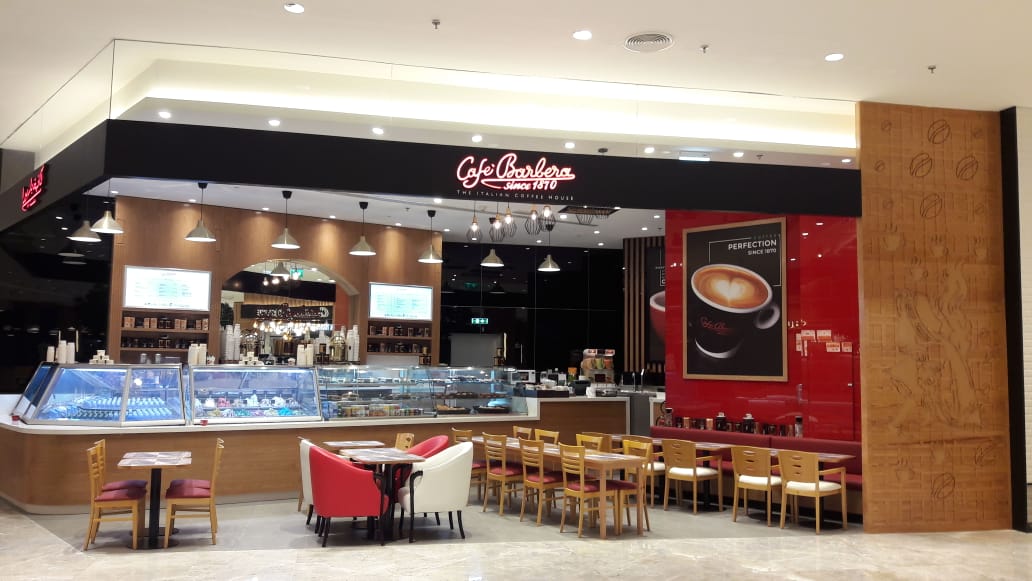
Italian coffee maestro, Café Barbera, is set to make its mark in the Saudi coffee market, announcing plans to open 10 branches across this year

Café Barbera, the renowned Italian coffee chain with a history dating back to 1870, has unveiled ambitious plans for expansion in Saudi Arabia through a strategic partnership with Dubai-based foodservice group Big Apple Sweets LLC. The collaboration aims to introduce the authentic Italian coffee experience to the Kingdom, with the first of 10 planned outlets set to open its doors in Riyadh in March 2024.

Enrico Barbera, the founder and CEO of Café Barbera, expressed his excitement about bringing the brand’s rich heritage to Riyadh, emphasizing the commitment to offering a genuine Italian coffee experience that resonates with the local community.

Having originated as a coffee roaster in 1870, Café Barbera ventured into the franchised coffee shop business in 2004 with its inaugural store in Dubai. The brand currently operates around 40 outlets across 18 markets, including eight stores in the UAE and presence in Kuwait, Bahrain, Egypt, and Jordan.

The move to expand in Saudi Arabia is strategic, given the country’s status as the largest branded coffee shop market in the Middle East. Projections indicate that the Saudi market is poised to surpass 5,350 outlets by 2027. Café Barbera joins other esteemed Italian coffee operators, such as Segafredo Zanetti, Caffè Vergnano 1882, and illycaffè, in establishing a notable presence in the flourishing Saudi coffee scene.

Challenges and Opportunities in Expanding Across Europe’s Coffee Market

Dubai,February 22, 2024(QW):In 2022, the European Union consumed a staggering 2.54 million tons of coffee, representing 24% of global consumption. The coffee market in Europe is undeniably significant, but its complexity and fragmentation pose significant obstacles for roasters looking to expand.

Many of the world’s largest roasting companies, including family heritage brands such as Lavazza, Ilyi, Dauwe Egberts and Tshibo, have their roots in Europe. However, the diversity of cultures, operational and regulatory aspects makes expansion across the continent a challenge.

Despite strong demand, expanding into Europe is not as easy as it may seem. Whether it’s European chains looking to expand into other parts of the continent or American roasters looking to tap into an entirely different market, the options need to be carefully considered.

One of the main challenges is the diversity of individual coffee cultures, which cannot be generalized across Europe. The Nordic countries of Europe, for example, boast thriving third-wave coffee scenes, with innovative roasters whose trends are largely shaped in this part of the continent. Scandinavia, for example, played a major role in the development of modern filter coffee culture and is often credited with popularizing light roasting. Likewise, many cities in the UK, such as London, boast a strong specialty coffee scene.

Eastern Europe, meanwhile, is significantly different. While some major cities here are experiencing a booming specialty coffee scene, many countries in the region are still considered emerging markets with low individual consumption compared to other regions of the continent.

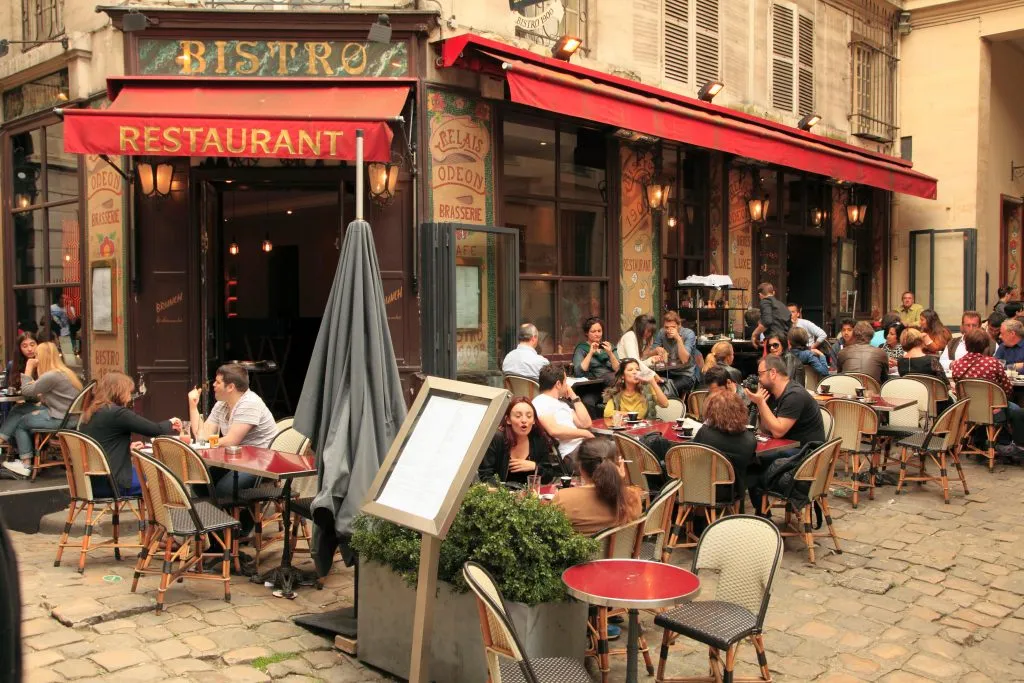
Meanwhile, in some Western European countries such as France and Austria, tradition still plays an important role and, in some cases, hinders the growth of third wave coffee culture. For example, Parisian café culture is renowned throughout the world, and the term “French Rise” reflects the widespread preference for dark-roasted coffee.

Viennese coffee shops have even been recognized by UNESCO as an intangible part of the country’s cultural heritage, but they are known for their drinks that are more in line with traditional Italian espresso and cappuccino culture than anything resembling specialty coffee.

In addition to these regional cultural changes, some markets in Europe are much more price sensitive than others. An espresso in London can cost over £4, which may be a realistic price point for specialty coffee chains looking to expand. But in most regions of Italy, an espresso costs around €1, making it a difficult environment for specialty coffee brands to innovate and thrive.

“The European coffee market is quite diverse, and I would say there are different coffee drinking cultures, if not by country, then certainly by region,” says Ola Brattas, import and roasting manager at Kaffebrenneriet, a chain of coffee bars and roasters. companies based in Norway.

Coffee roasters often develop a sense of cultural identity that reflects their origins. This may make it difficult for them to expand their market into regions where consumers may not identify with their brand or roasting style.

This is in contrast to coffee roasters in the US, where regional expansion faces far fewer cultural barriers and businesses can access the entire population of the country with relative ease. There are also certain standards specific to the US, such as drip coffee, which is common to many different regions.

Coffee culture aside, there are other barriers for roasters looking to expand their operations in Europe. Language is one of them – a different approach is required to expand between neighboring countries that may be smaller in size than US states. There are also differences in currencies.

Additionally, the U.S. as a whole provides greater access to capital markets, venture capital funding, and investment opportunities that can support scaling a coffee roasting business. In contrast, obtaining funding that can help a roaster expand its reach overseas is often perceived as a more difficult task in European countries.

Ultimately, the fragmented structure of the coffee market in Europe not only poses a challenge when trying to attract such a large and diverse audience, but operational differences such as these make expansion across the continent a costly endeavor. A culturally sensitive approach to expansion that takes into account what is important to consumers in each country can, however, lead to positive results.

Europe’s heterogeneous structure may seem like a challenge for roasters looking to scale internationally, especially compared to the relatively unified regulatory framework of the United States.

“The fact that Europe is made up of many countries and the US is made up of one country makes it easier for roasters in the US to expand state by state than for roasters in Europe to do the same across national borders,” says Ola.

Although there are federal and state regulations, they are generally perceived as simpler compared to the variety of laws in various European countries. And while the European Union can create a relatively consistent regulatory environment for roasters looking to scale, this is far from eliminating the variability between different countries.

For example, VAT rates, excise duties and other tax-related issues vary from country to country within Europe, affecting the pricing and financial planning of coffee roasters looking to expand across the continent.

Likewise, environmental regulations, labeling, food safety, and health and safety regulations vary depending on the country in which a business chooses to operate. For example, the Working Time Directive in France, Germany and Spain states that employees are entitled to minimum daily and weekly breaks with a maximum of 48 hours per week. In contrast, the UK allows employees to opt out by allowing them to work longer. This has implications for how a roasting business manages its staff and associated costs.

In addition, enforcement practices and penalties for non-compliance with health and safety standards vary widely. France, for example, sends thousands of cases to prosecutors every year, with high levels of fines and prison sentences for violations. In contrast, the UK’s OSHA prosecutes fewer violations but with a high conviction rate, and fines in Germany can reach up to €500,000 for willful violations.

This is just the tip of the iceberg in terms of regulatory differences between the UK and other European countries. Brexit has also been a significant setback for roasters looking to expand into one of Europe’s largest consumer markets. This type of logistical and regulatory schism differs significantly from the US, where federal regulation provides a much more unified framework.

Ultimately, Europe is a multifaceted and fragmented market that presents many scaling challenges for roasters. But it’s also the largest market with perhaps the richest history of coffee and the most consistent demand, making it a worthwhile effort to enter – no matter the challenges.

An Emirati company wins the franchise rights for the Italian coffee brand “illy” in Saudi Arabia

BinSulaiman Group – OBS, UAE-headquartered diversified business group, proudly announces a landmark master franchisee agreement with illy Caffe Italy, a renowned global coffee brand, for the Kingdom of Saudi Arabia (KSA). This strategic move is poised to redefine the coffee industry in KSA), blending illy Caffè’s rich heritage and premium coffee offerings with BinSulaiman Group – OBS’s visionary approach to business.

As a conglomerate with diversified interests across key global markets including the Middle East, Africa, Europe, and North America, BinSulaiman Group – OBS has been recognized as the Fastest Growing Company of the year 2023. This accolade underscores the Group’s commitment to excellence and innovation across its operations.

Building on the foundation of their successful collaboration in the UAE,BinSulaiman Group – OBS is dedicated to introducing the iconic illy Caffè brand to Saudi Arabia, promising an unparalleled coffee experience that marries tradition with innovation. The collaboration marks a confluence of shared values and aspirations, aimed at elevating the coffee experience for the discerning Saudi market.

Dr. Omar BinSulaiman, Founder and Chairman of BinSulaiman Group – OBS, shared his vision for the collaboration, saying, “Our partnership with illy Caffè Italy is a testament to our shared dedication to excellence and our passion for coffee. Leveraging our recent achievements in the UAE, we are eager to replicate this success in KSA. This partnership is a cornerstone of our strategy to introduce the unique illy Caffe experience to coffee aficionados in Saudi Arabia and beyond. We aim to cultivate a refined coffee culture that resonates with illy Caffè’s prestigious legacy and meets the sophisticated tastes of our Saudi customers.

The partnership will kick off with the launch of multiple illy Caffè outlets across prime locations in KSA, designed as sanctuaries for coffee enthusiasts. These establishments will offer illy’s signature Italian coffee blends and a comprehensive range of illy products, complemented by a curated selection of premium foods and desserts, all set within an elegant and welcoming environment.

Abdulla Bin Darwish, Group CEO of BinSulaiman Group – OBS,added, “This venture into KSA with illy Caffè is more than a business expansion. It is a deliberate move into a market known for its deep-rooted coffee culture and connoisseurship. Our goal is to create unforgettable experiences and moments of joy, drawing inspiration from illy Caffe’s Italian heritage while catering to the local market’s refined preferences.”

This partnership marks a significant milestone in the coffee industry in KSA, promising to merge a new level of coffee craftsmanship and cultural sophistication in the region.


Nine Health Benefits of Regularly Enjoying Black Coffee

Drinking black coffee regularly offers several health benefits, provided it is consumed in moderation. Here are nine potential advantages:

  1. Cancer Prevention: Studies have shown that regular black coffee consumption may reduce the risk of certain cancers, such as liver and endometrial cancer.
  2. Neuroprotection: The caffeine in black coffee acts as a nootropic, potentially enhancing concentration and protecting against neurodegenerative diseases, including Parkinson’s.
  3. Liver Health: Black coffee is associated with a protective effect against liver diseases like cirrhosis and liver cancer, as indicated by various research studies.
  4. Mood and Focus Improvement: Black coffee is known to act as an energy stimulant, and a study with 59 adults revealed that it can improve mood and brain function.
  5. Diabetes Risk Reduction: Regular consumption of black coffee has been linked to a reduced risk of developing diabetes.
  6. Weight Loss Aid: Black coffee is believed to aid in weight loss, possibly by promoting calorie burning and acting as an appetite suppressant.
  7. Metabolic Rate Enhancement: Some studies suggest that black coffee can help increase metabolic rate, potentially aiding in weight management.
  8. Exercise Performance Enhancement: The caffeine content in black coffee has been shown to improve physical performance during exercise.
  9. Rich in Antioxidants: Black coffee is a good source of antioxidants, providing the body with similar levels as fruits and vegetables, which contribute to overall health.

It’s important to note that while black coffee has these potential benefits, excessive consumption can lead to unwanted side effects. Moderation is key, and individual responses to coffee may vary. As with any dietary choice, it’s advisable to consult with a healthcare professional for personalized advice.

Dubai Buyer-Seller Meet Brews Opportunities for India’s Coffee Industry

The Coffee Board of India has orchestrated a significant milestone for the Indian coffee sector through a buyer-seller meet held in Dubai, signifying a pivotal moment in the industry’s global outreach.

This event, conducted alongside Gulfood 2024, was a collaborative effort between the Indian Embassy in the UAE and the Coffee Board of India. Indian Ambassador to the UAE, Sunjay Sudhir, emphasized Dubai’s strategic importance as a global trade hub and highlighted the forthcoming Bharat Mart at Jebel Ali free zone, underscoring their role in facilitating India’s global aspirations in the coffee sector.

Ambassador Sudhir accentuated Dubai’s unique position as a logistical powerhouse with a bustling port and efficient airport, providing an optimal platform for Indian coffee producers to directly showcase their diverse blends to international buyers and establish enduring brands.

KG Jagadeesha, CEO of the Coffee Board of India, delivered a comprehensive presentation during the meet, offering insights into the country’s expansive coffee industry. He spotlighted the vast coffee plantations spanning over half a million hectares, supporting numerous farming families, and emphasized India’s remarkable production and export rates surpassing domestic consumption. Jagadeesha underscored India’s notable contribution to the global coffee market, particularly as a leading exporter of instant coffee.

The growth trajectory of India’s coffee industry, producing a balanced mix of Arabica and Robusta beans since the establishment of the Coffee Board in 1950, was highlighted. Noteworthy is the fact that 35% of the country’s coffee exports now comprise value-added and specialty coffees, indicating a shift towards premium offerings.

India’s coffee, known for its shade-grown cultivation, sees the Robusta variety being valued at par with Arabica in the western market. This event not only celebrated the unique flavors and rich heritage of Indian coffee but also marked a strategic initiative to leverage Dubai’s logistical strengths in the global market.

The Kingdom of Saudi Arabia signed an international coffee agreement 2022

20 February 2024, London, (QW): The Kingdom of Saudi Arabia made history today, signing the International Coffee Agreement (ICA) 2022 at the International Coffee Organization (ICO) headquarters in London.

This is the first time the country has formally joined the ICO world coffee family, whose history spans 60 years.

Attending the ceremony were representatives from the Saudi Embassy in London and HRH Prince Khalid Bin Bandar Bin Sultan Bin Abdulaziz Al Saud, Ambassador of Saudi Arabia to the United Kingdom, who signed the trade treaty.

Under the ICA 2022, governments, in collaboration with the private sector and civil society, will come
together to determine initiatives that support a more prosperous and sustainable future for stakeholders within the global coffee value chain.

Coffee is deeply woven into the fabric of life in Saudi Arabia. Historically, it was cultivated by the ancient tribes of Khawlan who lend their name to the prized Khawlani coffee typical of the Jazan region, the cultivation practices of which are inscribed on the UNESCO Representative List of Intangible Cultural Heritage.

As for consumption, the country’s habits represent a blend of modernity and tradition, where the buzz of state-of-the-art espresso machines in Riyadh’s coffee outlets intertwines with the comforting echoes of ancestral practices in homes across the nation. Saudis embrace both international coffee trends and authentic qahwa, often flavoured with cardamom and poured into small ornate cups called finjan. For many, the serving of the beverage is a distinctive cultural ritual and a symbol of the Kingdom’s rich history and hospitality.

ICO Executive Director Vanúsia Nogueira said:“We are honoured to welcome Saudi Arabia as a signatory to the ICA 2022 and hope that this will bring a unique new flavour to our global community. Together in the spirit of international cooperation, we celebrate the diversity of coffee traditions and jointly undertake to safeguard, promote, and sustain the sector. I am sure that our collaboration will thrive as we foster a future where we continue to savour the richness of coffee while advocating for all aspects of sustainability”.

On signing the Agreement, HRH Prince Khalid Bin Bandar Bin Sultan Bin Abdulaziz Al Saud commented: “This is a remarkable day for the Kingdom of Saudi Arabia as we join the International Coffee Organization.

For years, people of Saudi Arabia enjoyed the delights of traditional Arabic coffee, which has a 600 years history and is still regarded as a hallmark of Arabian hospitality today, and is inextricably linked to traditional identity.

The coffee sector in Saudi Arabia is growing fast and is an important part of our plans for the future and the change we wish to bring to our country as it contributes to diversifying the national economy. Public Investment Fund (PIF) launched the Saudi Coffee Company in May 2022, which is investing 319$ million over the next ten years to support the growth of the national coffee industry, with the goal of boosting the country’s production from 300 tons per year to 2500 tons per year, and focusing on achieving sustainability, across the production, distribution and marketing aspects of the coffee supply chain. We see ICO, and this updated agreement, as a key to achieving our hopes and ambitions for the coffee industry locally and globally, and we look forward to working with colleagues at ICO to secure a positive and thriving future for coffee in the years and decades to come.”

European Coffee Federation (ECF): Shaping the Future of Coffee Trade and Sustainability in Europe

The European Coffee Federation (ECF) is the single voice of the European coffee trade and industry, facilitating the development of an environment in which the industry can meet the needs of consumers and society, while competing effectively to ensure the resilience and long-term sustainability of the coffee supply chain, from farm to cup. Established in 1981, ECF represents the interests of the European green coffee traders, roasted and soluble coffee manufacturers, decaffeinators, coffeehouses and warehousekeepers.

The European Coffee Federation counts 16 national associations and 37 company members across Europe, and speaks for over 700 companies, ranging from SMEs to internationally operating companies, representing an estimated total import volume of 40 million coffee bags, or approximately 35% of the world coffee trade volume.

ECF PRIORITIES

ECF offers a forum for exchange, identifying industry-wide issues of common interest in the areas of food safety, sustainability and international trade. The European Coffee Federation is engaged in an open dialogue with the European authorities and relevant stakeholders. We do recognise the need for an effective EU regulatory framework guaranteeing a high level of consumer protection and a level playing field for industry across Europe.

The European Coffee Federation represents the interests of its members towards the European institutions, industry and consumer associations, as well as consumers.

The European Coffee Federation is registered in the EU Transparency Register (no. 958482431512-92), a database of special interest groups whose goal is to influence the law-making and policy implementation process of the EU institutions. The European Coffee Federation complies with their Code of Conduct in all its relations with the EU institutions and their representatives.

The European Coffee Federation, as the voice of the European coffee industry, is engaged in an open dialogue with the European authorities and relevant stakeholders. We do recognise the need for an effective EU regulatory framework guaranteeing a high level of consumer protection and a level playing field for industry across Europe.

Food safety is paramount to the coffee industry. ECF works closely with regulators, scientists and stakeholders to collect and analyse data and achieve the highest compliance possible. We do anticipate emerging risks or changes in the regulatory framework, as well as advocate for a favourable regulatory environment so that our members’ products meet the highest food safety standards, the latest legal requirements and other established international safety standards.

We work closely with our Members to gather sectorial expertise and science-based evidence to support our sector’s engagement towards EU decision-makers. We do raise awareness and share expertise in the appropriate regulatory fora by providing scientific data and knowledge. We collaborate and engage with the European Food Safety Authority (EFSA) and EU authorities – by providing sectorial data and contributing to public consultations – in order to ensure that science-based decisions are adopted.

Coffee is a sought-after commodity, as it is estimated that 500 billion cups of coffee are consumed every year across the globe. Europe accounts for around 30% of global coffee consumption, making it a large and attractive coffee market. Europe has also the highest yearly consumption per capita in the world, even if consumption differs from one country to the other.

As ECF, we advocate for sustainable and resilient food systems that will develop and enhance the lives of coffee growing communities and encourage increasing consumers ethical, economic and environmental aspirations in order to embrace social responsibility and reduce their environmental footprint.

ECF and its members offer all their knowledge and experience from existing private sustainability initiatives in view of contributing to the consolidation of a global level playing field for the coffee sector.

AT ORIGIN

We support and encourage dialogue and engagement with the international coffee community to ensure that conditions are in place to improve the wellbeing, livelihoods and economic success of coffee farming communities.

The coffee sector is involved in numerous private projects, certification and verification schemes and industry-wide voluntary initiatives. The European Coffee Federation and its members strongly believe that sustainability is a shared responsibility and are therefore active in the sector-wide dialogue launched to build consensus and find actionable solutions to drive long-term sustainability in the coffee sector.

We work together and in partnership with other stakeholders in the coffee chain to ensure that coffee is sourced and products are manufactured in a responsible manner. We act as facilitators between the different sustainability initiatives, fostering mutual learning from our actions and experiences, as well as contributing to Public-Private partnerships that are so valuable to ensure sustainability programmes’ effectiveness and efficiency.

Take a look at the various sustainability initiatives in the coffee sector.

AT DESTINATION

We encourage continuous improvement of the environmental performance of coffee products, including by promoting the use of more sustainable packaging throughout the product’s life cycle.

Together with our members, we collaborate with a wide range of stakeholders, from those that source the raw materials to those that dispose of post-consumer waste to gather qualitative information to understand the sector’s performance and to minimise its footprint.

We seek new ways of improving resource efficiency and strive to reduce the environmental footprint of our products through research and innovation. We promote waste reduction in the food chain and a circular economy for coffee. We are committed to identifying efficient, responsible and sustainable solutions for the collection and recycling of coffee single serve units extracted by beverage systems.

We maintain regular discussions to ensure an evidence-based dialogue with EU and national decision-makers on policies targeting packaging and related items used to serve food & drink.

Coffee is produced in over 60 countries, in the area known as the “Coffee belt” which is located between the Tropics of Capricorn and Cancer. Each year, the EU imports over 3 million tons of green coffee from the different coffee origins.

Most of the coffee imported in 2019 originated from Brazil (980 262 tonnes) and Vietnam (725 525 tonnes). They were followed by Honduras (235 088 tonnes), Colombia (180 227 tonnes, Uganda (146 009 tonnes), India (139 688 tonnes), Peru (119 799 tonnes) and Ethiopia (83 722 tonnes).

The five main EU importers of coffee in 2019 were Germany (1.1 million tonnes) and Italy (603 983 tonnes), followed by Belgium (301 454 tonnes), Spain (270 108 tonnes), and France (233 600 tonnes).

PROMOTING COFFEE TRADE

The European Coffee Federation promotes the value of the coffee trade to the EU policy- and decision-makers and ensures that appropriate EU policies are adopted to increase the EU import capabilities, especially considering that coffee cannot be grown in the EU. ECF also informs origin countries about the latest EU policy developments and establishes solid links with them in order to coordinate the efforts towards guaranteeing sustainable imports of coffee into the European Union.

GREEN COFFEE STOCKS IN EUROPE

ECF has built ties with major coffee carrying shipping lines and European ports in order to ensure smooth logistics operations and minimize speculations in the coffee trade.

Green coffee stocks in the major coffee ports of Europe

ECF BEST SHIPPING LINE OF THE YEAR AWARD

Since 2018, ECF has been evaluating shipping line performance and awarding the best performer with the ECF Best Shipping Line of the Year award.

The award is granted based on the results of the ECF survey for shipping line performance that is distributed amongst the members of the ECF Logistics Committee.  Amongst others, the following aspects are taken into consideration: schedule, frequency, transit time performance, availability of suitable containers and vessel space, booking acceptance, timely release of container at destination or customer service.

For two consecutive years, ECF members have recognized Hapag-Lloyd as the best shipping line of the year.

EUROPEAN STANDARD CONTRACT FOR COFFEE

The trade in green coffee is facilitated if a shipment is bought and sold under the same conditions of sale. ECF provides a common contract – that is well established in the sector – to simplify the procedure and avoid misunderstandings. The ECF European Standard Contract for Coffee (ESCC) facilitates a common framework to enable an agreement between two parties, creating a legal obligation for both to perform specific acts.


Recent Study: Coffee Reduces the Risk of Osteoporosis in Middle-aged and Older Individuals

Dubai, February 19, 2024 (QW): A recent cross-sectional study, published in Calcif Tissues International, has uncovered a connection between coffee consumption and the prevalence of osteoporosis among Americans aged 50 and above. Conducted using data from the National Health and Nutrition Examination Survey (NHANES) spanning from 2005 to 2014, the study highlights potential protective effects of moderate coffee intake against bone-related conditions.

The research challenges previous inconclusive findings regarding the relationship between coffee consumption and bone health. Despite existing evidence showcasing the positive impact of daily coffee intake on reducing the incidence of various metabolic diseases, the specific link to osteoporosis has remained uncertain.

The study involved 8789 participants, all aged 50 and above, who completed two non-consecutive 24-hour dietary recalls during NHANES survey cycles from 2005 to 2014. The analysis focused on evaluating the connection between coffee consumption and bone mineral density (BMD).

Key findings indicate that individuals who consumed up to two cups (16 oz) of coffee daily showed a reduced risk of osteoporosis and bone fragility in the femoral neck and lumbar spine. The study observed a significant decrease in the odds of femoral neck osteoporosis (FOO) among those with moderate coffee intake (OR 0.83; 95% CI, 0.72-0.95; p = 0.01) compared to those consuming other beverages.

Additionally, the study revealed a noteworthy relationship between daily caffeine intake and both femoral neck osteoporosis (FOO) and lumbar spine osteopenia/osteoporosis (LOO). Even after adjusting for factors such as decaffeinated coffee, tea, sugar-sweetened beverages (SSBs), and overall coffee consumption, the likelihood of osteoporosis and bone fragility persisted at both femoral and lumbar spine levels.

These results suggest that habitual moderate coffee consumption, defined as up to two cups per day, may offer protective effects against osteoporosis and bone fragility in the femoral neck and spine among adults aged 50 and above in the United States.

The History of Coffee in India: What We Know?

The website of ‘DRWakefield’ has recently released a comprehensive report detailing the history of coffee in India. This report contains a wealth of significant information, tracing the journey of coffee from Ethiopia and Yemen to India.

‘QahwaWorld’ is pleased to announce the re-publication of this report in its entirety, even though there may be some differences in specific details. We aim to present the content as it is, respecting the original information provided by ‘DRWakefield’.”

While researching for this article, I stumbled upon Edmund C. P Hull’s book from 1865 “Coffee Planting in Southern India and Ceylon”. I noticed that he lived in Madras (modern-day Chennai) and the book was published by the Gantz brothers based out of Mount road, known as one of the most important roads of Chennai dating over 400 years old. These journals on coffee were sent back to London. I was born and raised in Chennai and lived a 6-minute drive from Mount Road. Today, I am writing this article only 15 minutes from where these journals were posted to in Charring Cross, from the DRWakefield London Office.

India, a land of diverse cultures and traditions has a rich history of coffee cultivation and consumption. This journey takes us through the origins influences, and dynamic evolution of the coffee culture in India, exploring the mystical tales of Baba Budan, the colonial imprints of the Dutch and the British, and the pulse of the 3rd wave coffee movement.

The Seven Seeds

The historical roots of coffee trace back to Africa, and its journey subsequently led it to the Arabian peninsula. Yemen emerged as a coffee cultivation powerhouse, exporting exclusively roasted coffee from the port of Al-Makha. Meanwhile, ancient India was renowned for its spice trade, a highly sought-after commodity globally. Arab traders, drawn to India in pursuit of these spices, introduced roasted coffee to the region. Coffee quickly captivated the elite circles of the subcontinent, sparking a surge in demand that far exceeded the supply.

The first actual mention of coffee being consumed comes from the work of Reverend Edward Terry in the court of Emperor Jahangir, in 1616. He was the chaplain to Sir Thomas Roe, ambassador of the King of England, at Jahangir’s court. He writes

“Many of the people there, who are strict in their religion, drink no at all; but they use a liqour more wholesome than pleasant, they call coffee; made by a black seed boyld in water, which turns it almost into the same colour, but doth very little alter the taste of the water: notwithstanding it is very good to help digestion, to quicken the spirits, and to cleanse the blood.”

MUGHAL EMPEREOR, JAHANGIR, IS BEING SERVED FOOD AND DRINK BY HIS TWO SONS KHUSRAU AND PARVIZ. MUGHAL DYNASTY, INDIA (1610)

Knowing that there was a demand for coffee and that it was well appreciated within India, it was only a matter of time before it would grow locally. Enter the legend,(of) Baba Budan, a Sufi saint who, in the 17th century, carried seven coffee seeds from Yemen in his beard whilst returning from a pilgrimage. Planted in the hills of Chikmagalur (Western Ghats), these seeds marked the inception of coffee cultivation on Indian soil, a move that would shape the country’s history. The hills are now referred to as the Baba Budangiri Hills and a shrine has been built there in his honour.

THE HILLS OF BABA BUDAN GIRI

Birth of Plantations

Now that we know how coffee arrived in India, let’s look into how cultivation grew. In 1650, Pieter van den Broecke, working for the Dutch East India Trading Company, visited Mocha in Yemen and tasted something “Hot and Black”. He was the first Dutch merchant to taste coffee. He also decided to steal the coffee seeds and take them back to Amsterdam. As the climate in the Netherlands wasn’t suitable for cultivation, in 1658, the Dutch shipped the coffee east to Ceylon (Sri Lanka) and later Southern India. The Dutch were among the earliest European colonial powers involved in the Indian coffee trade during the 17th century, later abandoning this cultivation to focus on their Javanese plantations to avoid lowering the price by oversupply.

The British East India Company, later in the 18th century, played a crucial role in shaping the coffee industry in India. The coffee plant gained popularity in regions like Karnataka, where British planters started large-scale cultivation. Over time, the British promoted coffee cultivation in the Nilgiri Hills and Wayanad, contributing to the diversification of coffee-growing regions in India.

Not long ago the British Museum held an exhibition on the history of coffee. I came across some of DRWakefields coffee sacks but also a beautiful painting of the coffee plant that was part of a botanical album compiled in Calcutta, recorded by William Roxburgh, the Superintendent of the Calcutta Botanical Garden (18th Century). British botanists ventured into the hills of the western ghats to investigate and research coffee plants and their behaviour. In fact, the very oldest plant specimens at Kew were gathered in India in 1696.

Whilst the British grew and shipped coffee from India, around the Cape of Good Hope to Northern Europe, at certain times of year the coffee would change. This was not a short journey and would take around 6 months; in the monsoon season, this was ample time for the beans to absorb the additional moisture, swelling and changing character into what we now call Monsoon Malaabar coffee.

Shipping gradually improved, times reduced, but the flavour was still desirable, and so the understanding of what caused these changes were adapted to replicate the monsooning in large open-sided warehouses on land over the hulls of wooden ships. These days coffee is exposed over a period of 3-6 months on the west coast of India, which occurs between June/July and September.

Modern Coffee Cultivation 

Although India primarily cultivated Arabica coffee, widespread infestations of coffee leaf rust to India from Sri Lanka compromised 30% – 50% of the crop. Robusta plants were discovered to be more tolerant to the humidity and resistant to diseases like rust. They also found that not only were the beans larger in size but also cheaper to grow. Over time, the majority of the coffee cultivated in India shifted towards Robusta. Learn more about the birth of robusta in our article here.

Today, both Arabica and Robusta are cultivated in India, with over 70% of the national production reserved for exports. Coffee is now largely cultivated in Southern India primarily in Karnataka, Kerala, Tamil Nadu and Andhra Pradesh. The non-traditional areas popularly known as the “Seven Sister States of India” comprising the states of Assam, Manipur, Meghalaya, Mizoram, Tripura, Nagaland and Arunachal Pradesh of Northeastern India also grow smaller amounts of coffee, mainly contributing to the local market.

COFFEE GROWING REGIONS OF INDIA

Shade-Grown and Sustainable Coffee

Although shade-grown coffee practices are not exclusive to India, most of the coffee produced in India is shade-grown under a canopy of evergreen and leguminous trees. When Guus visited India back in 2020 (Trip Report), he was pleasantly surprised by the vast amounts of shade everywhere. He said, “Big silver oaks, jackfruit, soapnut, sacred fig, matti and many other jungle wood species hung over the plantations, creating the feeling of being in a forest”. Less direct sunlight brings down the crop size but increases the quality by slowing down the ripening process and giving sugars more time to develop.

ARCHULEY ESTATE

Many coffee farms in India incorporate a variety of fruits and spices into their cultivation practices. This polyculture approach originated from the realisation that solely depending on coffee might not provide sufficient economic support for the land, given the unpredictable nature of global coffee prices. It is now common to see cardamom, nutmeg, cloves, oranges and tangerines, and pepper vines growing alongside the estate’s coffee plants. Coffee here is also handpicked without any machinery to ensure only fully ripe beans are harvested, often with multiple rounds of selective picking. Indian coffee is also sun dried on patios often lined with brick, stones, or concrete. Many estates will also use raised beds for the initial stages.

The increasing variety of overhead shade trees provide a sanctuary for birds and enhance the quality of natural organic matter introduced to the soil from falling leaves. This decomposed organic matter enriches the soil, conserves moisture, and reduces the need for chemical fertilizers. Shade trees also control the growth of weeds on the estates and reduce the incidence of insects, pests, and leaf disease.


Shade coffee also plays an important role in India’s wildlife. The Western Ghats are globally recognised as one of the 36 biodiversity hotspots of the world that runs over 1500km long. Although the area accounts for less than 6 percent of the national land area, it contains more than 30 percent of all plant, fish, bird and mammal species found in the country. Atleast 325 globally threatened species can be found in the Western Ghats. Over a third of the region’s plant species are endemic and BirdLife International has designated it ‘Western Ghats Endemic Bird Area’, as it has 16 restricted-range species confined to this region. The Nilgiri Flycatcher is one such threatened species endemic to the region, but is one of the many birds that is often found only in shaded coffee plantations and this is crucial for its conservation.

NILGIRI FLYCATCHER BY N.A. NASEER

South Indian Filter Kaapi

Tea and Coffee are widely available in India and often served in every household across the country. That said, this is not the tea and coffee that you might be familiar with. Although coffee is consumed around the world, it means different things in different cultures. In India, a cup of coffee now denotes hot milk and sugar mixed with a concoction brewed through percolation of finely ground coffee powder, often containing between 20-49% Chicory which counteracts the bitterness and balances it with its own sweet and woody flavours. This drink is known as South Indian Filter Kaapi. If you are interested in brewing this, check out this video [7]. Despite refraining from sugar and being lactose intolerant, this is by far my favourite way to drink coffee.

FILTER KAAPI SERVED IN STEEL TUMBLER AND DAVARA

3rd Wave Coffee Movement 

Our world has seen coffee trends come and go but in the last few decades, we have seen a period of growth and evolution for the global coffee industry. Though the traditional Filter Kaapi has been very popular, there is a shift towards specialty coffee in India. You might already be familiar with the 3 waves of coffee, and those waves are ripping on the coastline.

Over the last two decades, India saw a surge in the growth of large corporations setting up coffee shops which one could relate to the second wave. India’s very own Cafe Coffee Day, commonly known as CCD, had a revolutionary impact on Indian coffee culture. Founded in 1996, by 2016 they had over 2000 cafes across 220 cities. Unfortunately, poor financial management led to its downfall.

Enter Starbucks. In 2011, Starbucks and Tata Coffee announced plans to begin opening Starbucks in India through a 50:50 joint venture. As of 2023, they now have over 333 cafes around India. This is one of the few cafes in India offering coffee from a variety of origins. Cafe chains are now growing quicker than ever with Costa Coffee, Pret a Manger, Tim Hortons and more opening throughout the country.

GROWTH OF STARBUCKS IN INDIA

The first speciality cafe that I had been to was in fact called ‘Third Wave Coffee’ back in 2017, and at the time that was their only cafe. 6 years later, they now have over 100 cafes and are aiming for 300 in the near future. In 2020, I was back home in Chennai because of the infamous Covid-19. I read that the first speciality cafe was opening in my city and I immediately applied to work with them. I have slowly noticed that now there are more specialty cafes than I can keep count of within just 4 years. The covid effect has been seen across various industries, as visiting cafes wasn’t an option anymore, and Indians needed to purchase brewing equipment nearly tripling the number of home brewers. Coffee drinkers started to explore how people are beginning to understand how coffee is grown, processed and sourced.

India, despite ranking 6th in global coffee exports, faces unique domestic challenges. If you went into a local speciality cafe looking for a chocolatey Brazil or a berry-like Kenyan (as I’ve tried), you are not likely to find it. Importing green coffee bears a Basic Customs Duty (BCD) of 100%, accompanied by a 10% Social Welfare Surcharge (SWS) within India. Consequently, this hefty tariff structure discourages local roasters from actively seeking out imported coffee, limiting consumers with little choice of Origin.

While of course there are challenges, such as infrastructure limitations, quality control and market education, the trajectory of the specialty coffee industry in India points towards a bright future with a dynamic and ever-evolving landscape.

At DRWakefield, we have an amazing selection of coffees from India. This year, we will be looking at sourcing the Gems of Araku again. We have been in partnership with Gems of Araku since 2012 and have always been supportive of them, promoting their different coffee profiles coming from different tribes, villages, and districts in the beautiful Araku Valley, Andhra Pradesh. Keep an eye out for these delicious micro-lots!