Nestlé Pours $100 Million into Expanding Packaged Coffee Output in Vietnam

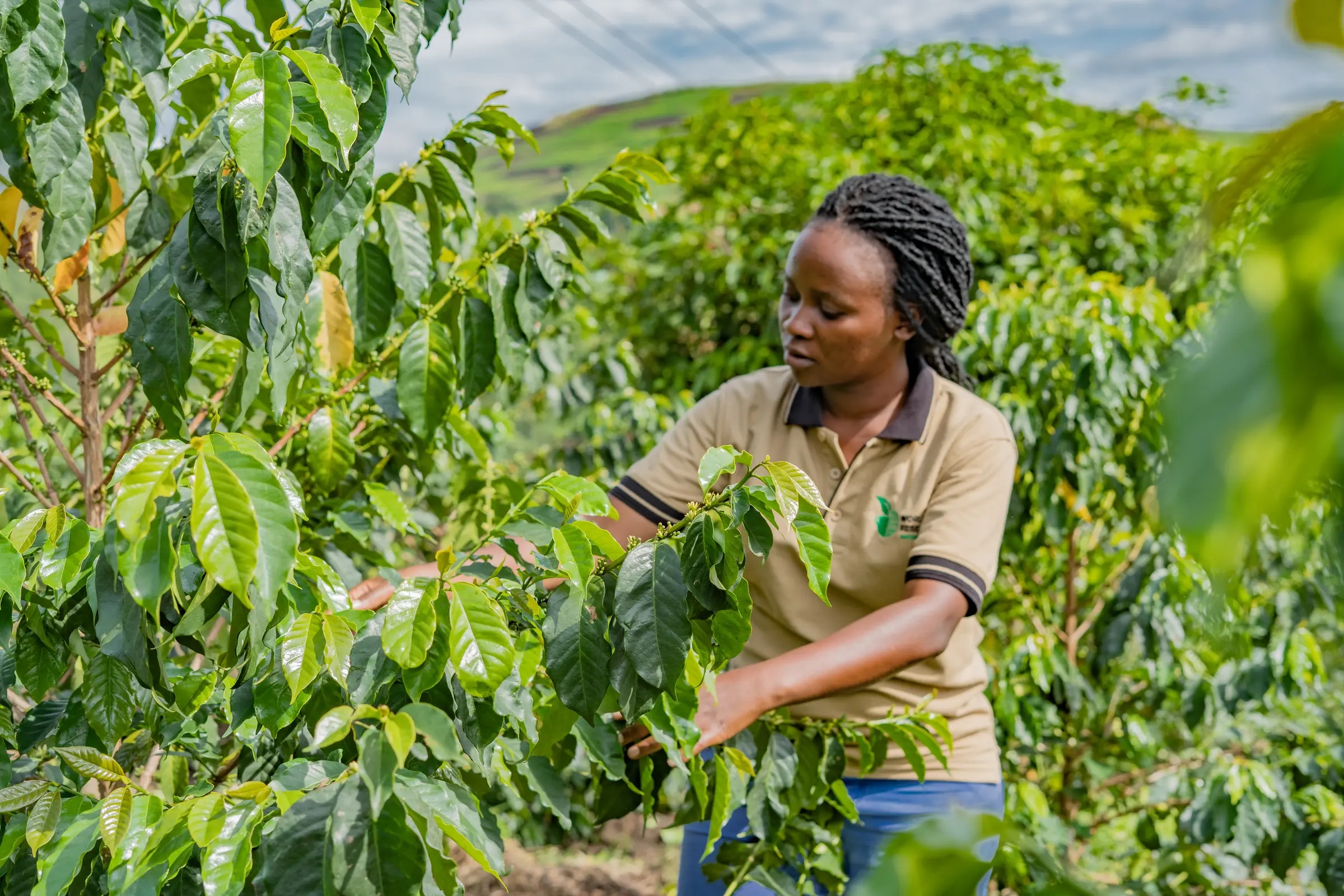
Nestlé Vietnam is set to invest $100 million to enhance the processing capabilities of its Tri An coffee facility in Dong Nai, effectively doubling its production capacity. This move brings Nestlé’s total investment in the location to over $500 million. The augmentation of the Tri An production site aims to meet the rising local demand for premium coffee brands such as Nescafé, Nespresso, Starbucks, and Blue Bottle. Simultaneously, it reinforces Vietnam’s position as a high-value coffee production and supply hub on the global stage.

According to a Nestlé press release, the investment underscores the company’s commitment to long-term engagement in Vietnam. The expansion is expected to enable the factory to cater to domestic consumer needs while tapping into export potential, transforming Vietnam into a prominent supplier of high-value coffee worldwide. The Tri An production site currently ships packaged coffee products to more than 29 countries, emphasizing its global reach.

Jacob Binu, General Director of Nestlé Vietnam, expressed confidence that the project, once operational, would double the factory’s capacity, satisfying local market demands and effectively leveraging export opportunities. Nestlé, which initiated operations in Vietnam in 1993 with a representative office in Ho Chi Minh City, launched the Tri An site in 2013, including a Nescafé Dolce Gusto capsule production line in 2018.

Nestlé, headquartered in Vevey, has invested nearly $830 million in its Vietnamese ventures to date. The company operates four production sites, with three located in Dong Nai, and manages two distribution centers.

A Brief Overview of Sucden Financial’s Report: Coffee Crop Update – Navigating the Challenges in Coffee Markets

Sucden Financial is a leading multi-asset execution, clearing and liquidity provider across FX, fixed income and commodities. A report entitled “Modernizing the Coffee Crop: A Bumpy Journey for Coffee Markets.”

According to the report, the coffee industry experienced a rollercoaster ride in 2023, with turbulent prices impacting both Arabica and Robusta contracts. Brazil and Vietnam continue to play a pivotal role, comprising 58% of the total blend. Concerns linger about weather conditions, but it is believed that the majority of the damage has occurred, leading to expectations of a fading super crop. While there is no overall shortage of coffee, uncertainties in certain regions create doubts about accessibility.

Executive Summary: Global Economic Variances

The US economy remains robust, driven by strong consumer spending and a tight labor market. Inflation is on the decline, with expectations of a gradual easing of monetary policy, starting with a 25bps Fed interest rate cut in March. In contrast, the eurozone teeters on the brink of recession, facing contraction in manufacturing and services sectors. China grapples with low consumer confidence, weaker global demand, and a deepening property crisis. Brazil, despite a 3% growth in 2023, faces challenges in 2024 due to reduced agricultural output caused by adverse weather conditions.

Starbucks concluded Q4 2023 on a positive note, reporting an 8% increase in global comparable store sales and record consolidated net revenues of $9.4 billion. Nestle thrived with strong organic growth, while JDE Peet’s faced challenges with lower sales growth and decreased profit.

Market Outlook: A Cautionary Tale

The coffee market faces uncertainties, primarily influenced by Brazil and Vietnam. Despite concerns about the weather, expectations of a super crop fading, and potential shifts in farmer behavior, optimism prevails. However, the recent rally in prices is deemed overdone, and a marginal retracement is anticipated in the near term. Changes are noted in other coffee origins, with expectations for production in India, Indonesia, and Central America.

Macro Overview: US Economy Resilient, Global Variances Persist

The US economy defies recession concerns, showing positive Q1’24 outlook with resilient output growth. Consumer spending remains strong, supported by a robust labor market. Inflation decline and expectations of a 25bps interest rate cut in March contribute to an optimistic economic forecast. The global scenario, however, presents challenges, with the eurozone on the brink of recession and China facing economic hurdles.

Corporate Results: Starbucks Shines, Nestle Excels, JDE Peet’s Faces Challenges

Starbucks celebrates a successful Q4 2023, recording an 8% increase in global comparable store sales and reaching record consolidated net revenues. Nestle experiences strong organic growth, especially in emerging markets and e-commerce. In contrast, JDE Peet’s confronts challenges with lower organic sales growth and decreased underlying profit.

Arabica and Robusta Dynamics: Price Swings and Crop Insights

The market witnesses shifts in demand between Arabica and Robusta, leading to multi-decade highs and lows in contract prices. Weather concerns and the threat of El Nino impact the market sentiment. Despite uncertainties, the outlook for Brazil and Vietnam remains positive, with expectations for a retracement in recent price rallies.

Conillon Challenges: Weather Woes and Crop Impact

Dry weather in northern Espirito Santo raises concerns about conillon cultivation, with potential damage estimates ranging from 15% to 35%. Limited irrigation options and government restrictions exacerbate worries about conillon production.

Inventories and Commitment of Traders: Balancing Supply and Demand

Certified stocks witness drawdowns, supporting upward momentum in prices. Attention shifts to supply stories, with Central American shipments slow but expected to pick up. Commitment of Traders positions indicate high net lengths for Arabica and Robusta, with a cautious outlook for potential price vulnerabilities.

In conclusion, the coffee market faces a complex landscape influenced by global economic trends, corporate performances, and crop dynamics. Navigating through uncertainties, industry players remain cautiously optimistic while anticipating potential retracements in recent price rallies.

Determining the Optimal Time for Coffee Consumption

A beloved beverage for millions globally, coffee holds a cherished spot in the daily morning rituals of many. However, experts caution against the common practice of consuming coffee immediately upon waking, deeming it “unhealthy.”

According to insights shared by a group of experts cited by ABC News, the ideal timing for morning coffee lies approximately 90 to 120 minutes after rising from sleep. This recommendation is grounded in the understanding of cortisol, the hormone responsible for morning motivation. Dr. Evangeline Mantzioris, a nutritionist at the University of South Australia, elucidates that cortisol levels peak in the early morning but gradually decline thereafter.

“Cortisol, which stimulates and energizes you in the initial two hours after waking, diminishes over time,” explains Dr. Mantzioris. Consequently, the opportune moment to enjoy coffee is post these two hours, aligning with the decline in cortisol levels.

Dr. Mantzioris highlights the presence of adenosine, a chemical inducing sleepiness by binding to cell receptors. Contrary to immediate post-wake-up moments, adenosine’s impact intensifies later in the morning. To counteract this sleep-inducing process, Dr. Mantzioris suggests delaying coffee consumption until drowsiness sets in.

Can Coffee Be Enjoyed Later in the Day?

While consuming one or two cups of coffee before noon typically poses no threat to nighttime sleep, partaking in coffee closer to bedtime can directly interfere with falling asleep and compromise sleep quality and comfort.

Insights into Caffeine

Ian Musgrave, a molecular pharmacologist from the University of Adelaide, delves into the evolution and properties of caffeine. Originally developed by plants as a chemical defense and natural insecticide, caffeine is present in over sixty plant species, with coffee, tea, cocoa, and certain flower nectars being significant sources.

Beyond its insecticidal role, caffeine boasts notable health benefits and pharmacological effects. For instance, it contributes to treating asthma and serves as a bronchodilator in newborn incubators, expanding air passages in the lungs. As elucidated by Trigger McGuire, a pharmacologist at Bond University, caffeine acts as a stimulant, enhancing alertness, focus, metabolism, and regulating heart rate and blood pressure.

McGuire further explains that caffeine swiftly enters the central nervous system, binding to receptors involved in dopamine release— the brain’s feel-good hormone. This stimulation targets the brain’s pleasure and reward center, reducing fatigue during strenuous tasks and enabling athletes to engage in more vigorous training.

A Conversation with Emirati Coffee Expert, Mohammed Al Ameeri

As we embark on our conversations in the year 2024, we delve into the experiences of one of the pioneers in the coffee industry in the UAE. We explore his journey and review his expertise, considering him as one of the prominent figures in the Emirati coffee scene,UAE champion in 2021 and the first Emirati Aeropress champion. From his humble beginnings to groundbreaking achievements, Mohammed Al Ameeri shares his insights on his journey, passion, and the transformative power of coffee culture in the United Arab Emirates.

Can you tell us a bit about yourself and how you ventured into the world of barista competitions?”

Mohammed recounts his initiation into crafting coffee at home due to a lack of quality brews. His journey began in 2017, winning third place in the UAE Barista Championship, an eye-opener to the scarcity of locals in the field. Determined to change this, he embarked on a mission to introduce and nurture coffee preparation skills among Emiratis.

“Winning the AeroPress Championship as the first Emirati was a significant achievement. Can you describe the emotions and thoughts when you became the first Emirati to win?”

Mohammed expresses pride in breaking barriers, proving that Emiratis can compete and win. Simultaneously, he felt a profound responsibility to share his experience, molding future champions and fostering a coffee culture among his compatriots.

“How did winning the championship affect your career and personal life?”

The victory boosted Mohammed’s self-confidence, transforming him into a trusted coffee consultant. Post-win, he initiated training courses, workshops, and collaborations with government entities, all aimed at spreading and enhancing coffee culture among Arabs and Emiratis.

“Your Instagram posts highlighted enjoyable moments and fantastic partnerships in 2023. Can you elaborate on these collaborations?”

Mohammed dives into several partnerships, notably with “Coffee Desk,” becoming the first Emirati ambassador for AeroPress. His collaborations extend to various local companies, focusing on mutual cooperation and support.

“In your perspective, how important is it to connect with fellow Emirati coffee experts, whom you describe as ‘remarkable’? How has belonging to the coffee community impacted your journey?”

Mohammed emphasizes the significance of sharing experiences, building trust, and forming friendships with accomplished individuals. The robust Emirati coffee community accelerates coffee market development in the UAE.

“Joining the Brewers Cup and securing the fifth position among the UAE’s top coffee experts is an impressive feat. What challenges did you face during the competition, and how did you overcome them?”

He details the time and resource challenges, balancing competition preparation with studies and work. Despite limited resources, Mohammed’s coffee expertise prevailed, turning the experience into a proud accomplishment and a testament to resilience.

“How did participating in the Brewers Cup contribute to your growth as a coffee artisan?”

The competition expanded Mohammed’s knowledge and awareness, motivating him to pursue continuous learning and self-improvement in the dynamic world of coffee.

“You mentioned no longer competing to win in AeroPress but to enjoy the event and support your colleagues. Can you clarify the shift in your approach and mindset toward competitions?”

Mohammed decided to make way for others, allowing fellow Emiratis to participate and win, given the limited slots for each nationality. Competitions served as a platform for development and experience, and now, Mohammed focuses on imparting knowledge and exploring new avenues.

“How vital is supporting the barista community and uplifting it for you?”

Supporting baristas is a means to elevate the UAE’s coffee community, a pivotal goal for Mohammed. In 2023, he successfully reached a vast audience, contributing to the awareness and appreciation of specialty coffee.

“What ignited your passion for coffee, and how has it evolved over the years?”

Mohammed’s passion stems from the uniqueness and constant evolution of coffee. Changes in coffee trends over the years intensified his desire to experiment with various brews, embracing each experience wholeheartedly.

“For aspiring coffee professionals, especially those contemplating entering competitions, what advice would you offer based on your experiences?”

Mohammed’s advice is simple yet profound: “Keep learning, stay humble, and share your knowledge.”

“How crucial is continuous learning and staying updated on the latest coffee trends for a barista’s career?”

Continuous learning and ongoing experimentation are paramount in the ever-changing world of coffee, ensuring a barista stays ahead of dramatic industry shifts.

“What are your goals and future aspirations as a barista?”

Currently, Mohammed dedicates himself to educating baristas and fostering a correct coffee culture within the community. His focus revolves around offering advanced training for baristas and general courses for coffee enthusiasts.

“Are there any upcoming projects or competitions you’re looking forward to?”

Mohammed’s primary focus this year revolves around the Brewers Cup Championship. He plans to fully immerse himself, assembling a professional team and coach to compete at the highest level.

“Is there anything else you’d like to share about your journey, the barista community, or coffee culture in the UAE?”

In Mohammed’s view, the coffee market in the UAE stands among the strongest globally, diverse and dynamic. He hopes local cafes prioritize selecting local products meticulously, enhancing their quality, and supporting the thriving Emirati coffee market.

A new study reveals the secrets of making coffee better

For years, coffee aficionados have speculated that a simple addition of water to coffee beans before grinding could elevate the coffee experience. Now, a recent study conducted by researchers at the University of Oregon not only validates this belief but also sheds light on the science behind it.

The research delves into a technique initially aimed at minimizing the mess associated with grinding coffee, particularly the airborne particles caused by static electricity during the grinding process. According to Christopher Hendon, an associate professor of computational materials chemistry at the University of Oregon, the addition of water acts as an insulator, reducing static electricity’s impact—an effect known as the “Ross droplet” technique.

Originally conceived as a solution to the messy aftermath of coffee grinding, this method evolved into a sophisticated approach to enhance the brewing process. By addressing static electricity, water prevents microscopic clumps from forming during brewing, a factor that can hinder flavor extraction.

The study, published in the journal Matter on December 6, employed innovative techniques, including tools designed for measuring electric charges on wildfire and volcanic ash, to explore the potential benefits of adding water to coffee beans. The researchers meticulously measured coffee, ground it using a professional grinder, and assessed the impact of water on static charge.

The results indicate that even small amounts of water, ranging from a single droplet upwards, deactivate the static charge, ensuring that the coffee exits the grinder without being charged. This, in turn, prevents the formation of clumps during brewing, leading to higher extraction yields and a more consistent brew.

While the ideal amount of water may vary based on factors like roast type and grind coarseness, the study found an average increase in extraction yield by 10%. While this might not always translate into a noticeable flavor difference, it does underscore the efficacy of the “Ross droplet” technique.

Despite the potential benefits, the study acknowledges that the improvement in cleanliness is universal across all brewing methods, whereas the brewing benefit is more pronounced with espresso and, to a lesser extent, filter coffee. Other methods like cafetiere, French press, or AeroPress, which require a coarser grind, see minimal changes.

While the study has received positive feedback for its attempt to demystify the process, some experts call for further testing with different grinder models to draw more conclusive evidence. Ultimately, the findings open a new chapter in understanding the intricate process of grinding coffee and hint at the possibility of future technologies centered around the powerful technique of adding water on demand.

The Resurgence of Coffee as a Trendy Lifestyle and Cultural Expression

You might have seen yet another influencer coffee brand launch on social media, have noticed your colleagues making their own drip coffee in the office kitchen rather than using the machine, or even seen lines form at your local independent coffee shop.

Whatever way, it’s clear that coffee drinking has become a trend, something more than just getting a caffeine hit.

“With drinks and snacks becoming must-have items with cool currency, coffee has become a steady go-to as a vehicle for affordable luxury and lifestyle expression,” Claire Lancaster, head of food and drink forecasts at consumer and product forecasting company WGSN, told CNBC.

“We’ve seen a trend over time towards premiumization,” she explained, adding that this has been reflected in a growing preference for higher quality coffee, both in how it is brewed and where it originates from, as well as different types and flavors.

The Bean Shop, an artisan coffee roastery in Scotland that offers online ordering, has noticed a surge in customers.

“There has a been a big increase in people making speciality coffee at home,” one of it’s owners, Lorna Bruce, told CNBC. “People love to try something new.”

Elsewhere, AeroPress, a company that produces popular coffee makers, told CNBC that it has seen sales increase, as well as a “dramatic” rise of interest from second-party retailers. In the past year, the company has gained two major retail partners including Walmart
, Chief Marketing Officer David Cole told CNBC.

As consumers pick up new ways of brewing, they continue buying the necessary accessories like filters, Cole added.

In the U.K., AeroPress sales between December 2022 and December 2023 grew by 40%, and the company now distributes its products to over 400 retailers like roasters and small coffee shops, a company representative said.

Besides AeroPress, other popular coffee-making methods include pour-over or drip coffee makers (like V60s or Chemex coffee makers) as well cafetières and moka pots that boil coffee on the hob.

Many of these methods are historically popular in certain regions, like cafetières in France and moka pots in Italy, but have recently gone global.

How coffee became cool

But how did coffee go from a standard, easily accessible caffeinated drink to being a major trend? Well, the Covid-19 pandemic and resulting lockdowns appear to be one reason.

“Lockdown meant people took the time to make the drinks that they’d normally get on the go,” the Bean Shop’s Bruce said.

“Customers tell us that they ‘can’t drink supermarket coffee now’ and they have gotten used to the freshly roasted flavors and aromas you get when coffee is brewed within a couple of weeks of roasting,” she added.
Consumers also appear to value small things like coffee drinking more now, Melanie Birnbaum, chief brand officer at Nespresso, told CNBC.

“Recent years have reaffirmed the value in simple pleasures and little luxuries like a cup of coffee,” she said, adding that this has prompted consumers to seek out higher quality produce.

“At the same time, some of the creativity and sense of exploration is being driven by social media, where new and inventive recipes are shared on TikTok,” she added.

WGSN’s Lancaster has also identified social media as a key driver of coffee’s coolness.

“Gen Z and TikTok are shaping coffee culture,” she said, pointing out that certain hashtags like #CoffeeTok have grown significantly in the past year.

There is also some overlap with the pandemic. For example, trendy coffee drinks like the Dalgona coffee (which involves whipping coffee powder, water and sugar to create a cream-like substance before adding milk) went viral on social media in 2020.

Coffee trends ahead
Social media is also a driver behind some of the trends that are on the horizon for coffee, Lancaster noted, as brands gain traction there if they have a “cool” element to them — and new coffee-making methods are shared frequently.

Another key trend ahead is coffee with add-ons that are designed to boost wellbeing and health, Lancaster pointed out. This has even reached large companies like Nespresso, which has launched blends enriched with Ginseng or vitamin B12 – or “functional coffee” as Birnbaum calls it.

“Some people are looking for something extra in their day,” she said. “These blends have added wellbeing benefits like vitamins or extra caffeine.”

Other growing trends include specific coffee styles being exported from their traditional markets, like Vietnamese coffee, made with condensed milk, and Indonesian Kopi coffee, which is based on partially digested coffee cherries, Lancaster explained.

And of course, innovations to at-home brewing devices and technologies aren’t going anywhere either, Lancaster added.

The Coffee Community in the Emirates: A Focus on 2023 and Anticipation for 2024

The coffee culture and industry are experiencing significant growth in the United Arab Emirates, mirroring the upward trajectory seen in other economic sectors. However, what sets this sector apart is its foundation on the historical significance of coffee as a beverage and its unique position within the Emirati community. Coffee continues to symbolize Generosity and respect, standing out as a prominent tradition of hospitality passed down through generations. Consequently, it is unsurprising to witness the societal, cultural, and industrial dimensions of coffee in the Emirates evolving.

Within this vibrant coffee culture of the United Arab Emirates, 2023 unfolds as a year marked by transformation and continuity, welcoming new factors and contributors to the scene. As we bid farewell to 2023 and usher in 2024, We “QahwaWorld” tried to analyze the coffee community’s dynamics in the Emirates over the past year. To provide insights into future trends, challenges, and innovations shaping the UAE’s coffee industry, we have engaged two distinguished experts in the field: Lameen Abdul-Malik, CEO of Honest Management Company and founder of 100 Ideas Café, and Federico Ortile, DM of the Simonelli Foundation in the Middle East.

In his assessment of the general landscape of the coffee sector in the Emirates, Lameen Abdul-Malik observed a noteworthy increase in the number of cafes claiming to serve specialty coffee. This trend is accompanied by rising prices and a discernible surge in new cafes spread across the landscape. While Lameen Abdul-Malik did not identify shifts in consumer preferences for coffee types or preparation methods, he affirmed the stability of consumer preferences across generations.

Amidst the prominence of innovation and technology, Lameen Abdul-Malik noted a subtle shift in the adoption of technology within cafes, with some opting for batch coffee preparation and automatic pouring methods, influencing the pace of coffee consumption. However, he expressed concern that sustainability efforts remain insufficient, citing Cypher as the sole company making substantial strides in this area by incorporating solar panels for roasting.

Addressing challenges and opportunities in the sector Lameen Abdul-Malik highlighted the lack of transparency in identifying sources and financial conflicts between cafes. He stressed the imperative to enhance business acumen among coffee industry experts, identifying untapped potential in proper business training, fostering a business-oriented approach among baristas, and promoting specialty coffee in fine dining establishments.

Dismissing the impact of global events, economic transformations, and climate issues on the local coffee industry, Lameen Abdul-Malik anticipated an increase in coffee-related activities in the UAE. However, he expressed concerns that the awareness generated within the coffee community is insufficient to reach the broader populace. Looking ahead, he expects rising prices and climate change to impact coffee prices, presenting challenges and opportunities for companies to invest in ethical sourcing and customer education.

Turning to Federico Ortile, CEO of Simonelli in the Middle East, his portrayal of the coffee scene in the Emirates highlighted a notable shift in consumer preferences, especially among young people. These individuals are inclined towards innovative preparation methods and flavored coffee. Federico Ortile emphasized the digital inclination of young people in the UAE, leading to trends such as online delivery, cloud kitchens, and dark stores gaining traction. Cafes are strategically combining technology and passion to drive an evolving coffee culture, with a growing emphasis on drive-thru services.

Federico Ortile underscored the technological advancements in coffee brewing, citing innovations like “PureBrew” from the “Victoria Arduino” company. This technology seamlessly switches between espresso and filter coffee with the touch of a button, representing a significant revolution. Furthermore, developments in milk steaming technology, such as the Easy Cream steam wand, have simplified and standardized the milk steaming process, ensuring safety for baristas.

Regarding community events and contributions to developing coffee culture in the UAE, Federico Ortile confirms that during the year 2023, the UAE witnessed many important events related to coffee and community participation activities, which contributed to strengthening the already strong coffee community, as prominent events such as the “World of Coffee” exhibition contributed Coffee Dubai 2023, and the Pure Brew Roadshow organized by Victoria Arduino Black Eagle Maverick, help establish coffee culture. These events not only promote healthy competition, but also provide platforms for exchanging knowledge, enhancing skills, and celebrating coffee culture. Such activities reinforce the UAE’s position as a vital hub for coffee lovers and professionals alike.

With the upcoming launch of the Experience Lab in Al Quoz, Victoria Arduino aims to further promote coffee culture by organizing educational events, becoming a reference point for interaction, knowledge transfer, and the dissemination of values, DNA, and technology to future generations in the United Arab Emirates and the region.

Looking ahead to 2024, Federico Ortile anticipates new trends and developments in the UAE’s coffee industry. He emphasized the increasing interconnectedness of the coffee community due to digital transformation and the influence of social media, transcending geographical boundaries. Global Coffee World initiatives promote inclusivity, allowing diverse communities to actively participate and shaping the future of the industry through collaboration and shared expertise.

Education is poised to play a pivotal role in breaking down barriers and uniting communities. The focus on coffee education, exemplified by platforms like the online Coffee Knowledge Center and Demo Labs, is expected to propel the industry forward, facilitating a collective journey towards a new future.

In conclusion, the overview of the UAE’s coffee scene presents a tapestry of contrast and convergence, where challenges coexist with promises of technological innovation and a growing global coffee community. The future appears to be a blend of tradition and innovation, where the aroma of coffee transcends generations and geographical boundaries, uniting enthusiasts on a collective journey into the next era of coffee culture in the UAE.

Saudi Ministry of Culture Approves 20 Research Papers for “Saudi Coffee Research” Grant

In a significant development, the Saudi Ministry of Culture has formally endorsed the acceptance of 20 research papers submitted from both domestic and international researchers for the prestigious “Saudi Coffee Research” grant. Launched in December 2022 in collaboration with the Saudi Coffee Company, a key entity under the Public Investment Fund umbrella, the grant is specifically designed for researchers and specialists with a keen interest in diverse facets of coffee.

Successful researchers will receive comprehensive financial and scientific support throughout the research process, extending to the publication of scientific papers. This initiative aims to enrich cultural research output pertaining to Saudi coffee, acknowledged as an intangible cultural heritage, thereby playing a pivotal role in advancing the national cultural product.

The grant encompasses three principal tracks. The first track focuses on coffee in the Arabian Peninsula, delving into its historical roots, manufacturing evolution, and dissemination within the Kingdom. The second track is dedicated to exploring the intangible cultural heritage associated with Saudi coffee, including the examination of knowledge, skills, social traditions, practices, and cultural handicrafts intertwined with it. The third track seeks to elevate and advance local content by supporting Saudi coffee production, thereby enhancing its competitiveness and contributing to the Kingdom’s transition towards a sustainable economy.

This initiative was strategically included within the framework of the “Year of Saudi Coffee 2022” initiative, spearheaded by the Ministry of Culture with the backing of the Quality of Life Program—a key component of the Kingdom’s Vision 2030. In collaboration with the Culinary Arts Authority, the initiative aims to scrutinize the Saudi coffee market, preserve national cultural legacies and values, underscore the intangible heritage linked with Saudi coffee, bolster national identity, and promote Saudi coffee culture on the global stage.

Applications for the “Saudi Coffee Research” grants were opened on December 18, 2022. This initiative underscores a concerted effort to enhance cultural production through research endeavors focused on Saudi coffee, aligning with its status as an intangible cultural heritage intertwined with natural heritage and traditional culinary arts. The grants target a diverse range of researchers and specialists, both within the Kingdom of Saudi Arabia and abroad, fostering a collaborative and inclusive approach to advancing knowledge in various coffee-related fields.

New Study Reveals: Coffee Boosts Exercise and Metabolism

In a groundbreaking study published in the latest issue of the Journal of Exercise Science and Nutrition, researchers have delved into the depths of coffee and caffeine’s impact on exercise and metabolism, unraveling a concise yet powerful review of their effects.

Key Findings:

Neurostimulant Aid: Coffee and caffeine, particularly in the form of 1,3,7-trimethylxanthine, have been identified as potent neurostimulant aids. These substances are shown to enhance energy substrate levels, providing a natural boost to physical and mental performance.

Exercise Performance: The study highlights the positive impact of coffee and caffeine on exercise performance. The mechanisms involved include adenosine receptor antagonism, increased catecholamine concentrations, phosphodiesterase inhibition, and stimulation of calcium-release channels. These factors collectively contribute to improved endurance, strength, and overall exercise efficiency.

Therapeutic Effects: Beyond their role in exercise, coffee and caffeine demonstrate therapeutic effects that can be harnessed to control chronic and metabolic diseases. The four identified mechanisms serve as pathways to combat conditions such as obesity, insulin resistance, oxidative stress, and inflammation.

Genetic Variability: While individual genetic variations exist, the study reveals that distinct mechanisms in coffee and caffeine consumption can consistently enhance physical performance, thermogenesis, lipolysis, insulin sensitivity, and hormonal modulation across diverse populations.

Metabolic Variables: Current data suggest that coffee consumption and caffeine supplementation have the potential to improve metabolic variables, providing a holistic approach to health. This includes a reduction in oxidative stress, inflammation, and insulin resistance.

Future Directions: The researchers acknowledge the need for further studies to define clinical interventions with caffeine, especially in the context of obesity and chronic conditions. Understanding the nuances of how coffee and caffeine interact with specific populations will be crucial for tailoring interventions that maximize benefits.

This study brings to light the untapped potential of coffee and caffeine, not only as a morning pick-me-up but as a natural enhancer of both physical and mental well-being. As the scientific community awaits further investigations, it seems that our favorite brew might hold the key to unlocking a healthier and more energized future. Stay tuned for more developments in the realm of coffee’s impact on human performance and metabolism!

Kiah Parangue: From Coffee Enthusiast to Championship Glory and Inspiring Others

In an exclusive interview with “QahwaWorld,” professional barista Kiah Parangue shares her inspirational journey from a humble secretary at  Enterprises in the coffee industry to clinching multiple international championships. Reflecting on her remarkable career, Kiah recalls how her passion for coffee, initially sparked by curiosity, propelled her to become a formidable figure in the industry, showcasing exceptional skills and unwavering dedication.

Let’s delve into this exclusive conversation with Kiah Parangue, the Specialty Coffee Association Certified Trainer, and the proud winner of the 2023 Lavazza International Barista Championship and the 2023 Refill Roastery Battle of Barista Challenge, as well as the 2022 Lavazza Barista Championship.

To better understand you as an individual, could you share a bit about what drew you to the world of coffee, and how has your personal journey influenced your professional path in the coffee industry?

I started working in the coffee industry year 2017. As an admin/secretary working in a place surrounded by coffee and coffee professionals, i easily became so curious about coffee, that i kept on learning and up until now i am still learning.

Before i didn’t know how big the industry is, all i knew about coffee is that i enjoyed an instant 3n1 coffee. So many doors of opportunities have opened up for me, eversince is started working in this industry.

Training Program:

Can you elaborate on the Specialty Coffee Association Certified Barista Skills Training Program that you deliver? What key components does it cover, and how has it been received by participants?

SCA CSP Barista Skills teaches the essentials practical skills that is needed to work at a coffee shop, skills like how to calibrate machine and grinder, how to prepare espresso, create foam, texturize milk for different types of milk beverages, and create latte art as well as knowledge about the overall work flow in a café including customer service. I conduct this training in-person at goldbox roastery.

Coffee Calibration: How do you conduct coffee calibration sessions, and why is it essential in ensuring quality and consistency?

This is a very important part of the services we provide to our clients, we always visits our client, evaluate baristas on how they prepare their coffees as well as their customer service, and give them proper feedback and coaching. This is a win win for both us and our clients, we conspire to both our business’s success.

SCA Trainer Certification: As an Authorized Specialty Coffee Association Trainer, how do you ensure that your training aligns with industry standards and best practices?

there are so many accessible researches and it’s very easy to find new information now through online articles or podcast, plus I am very lucky to be surrounded by coffee professionals, so whenever they share some new information about the industry, I make sure to check and learn from it.

Barista Championships: Winning the Lavazza My Mocaccino Barista Challenge is impressive. Can you share your experience in the competition and any specific skills or techniques that set you apart?

Joining this championship is like a highlight of my career in this industry, also gave me the opportunity to travel and represent UAE. It is such a wonderful experience that pushed me out of my comfort zone. I think what really set me apart during this competition is the creativity, and thanks to my team we were able to think 3 steps ahead in analysing what would our competitors will do and that’s why we stood out and won.

Industry Trends: What notable trends have you observed in the coffee industry in the UAE, and how have they influenced your approach to training and event organization?

the coffee industry in the UAE has grown bigger and have grown so fast, we have an access to almost all the best coffee in the world, and everyone wants to open up a coffee business because they are so passionate about coffee, and the competition is really tight.

In terms of conducting training it is very important to be real with the people, no sugar coating, they need to learn about all the pros and cons, proper education is very important specially to those who wants to open up their cafes, they need to know and understand if they really are ready to enter this market, being passionate about it is not enough.

And in terms of organizing event, everyone is so competitive and really wants to showcase their talents and skills as it is very rewarding and it opens so may opportunities to the winners/champions, and they really spend so much time and effort for that, as an organizer I would organize something that would replicate the efforts of the competitors, give them something that they would enjoy but at the same time it rewards all their time and effort, but they also need to understand that in every competition someone will win and someone will lose, if they can’t accept defeat and they cant be sport about it, then competition is not for them.

Given your extensive experience in the coffee industry, what advice would you offer to aspiring baristas looking to excel in their craft or individuals who are venturing into starting their own coffee business?

Invest in proper coffee education/trainings that will help you develop your skills and help in your professional growth, also it will help you find your niche to know where exactly in the coffee industry you would like to be and succeed. Go out of your comfort zone and explore!


Why Turkish breakfast “kahvaltı” gives importance to coffee?

Turkish breakfast is known for its rich variety of foods, including cheese, olives, jam, honey, kaymak (clotted cream), butter, olive oil, tomatoes, cucumbers, eggs, simit (a type of bagel), and börek (a type of pastry). However, one of the most important parts of a Turkish breakfast is coffee.The history of coffee in TurkeyCoffee was first introduced to Turkey in the 16th century by the Ottomans. It quickly became popular, and by the 17th century, coffeehouses were a common sight in major Turkish cities. Coffeehouses were places where people could gather to socialize, discuss politics, and even conduct business.The importance of coffee in Turkish cultureCoffee is still an important part of Turkish culture today. It is often served at social gatherings, such as weddings and funerals. It is also a popular drink to enjoy at home or at work.Why coffee is important at breakfastThere are a few reasons why coffee is important at breakfast in Turkey. First, coffee is a stimulant that can help people wake up and feel more alert. Second, coffee is a flavorful and refreshing drink that can help people start their day off on the right foot. Third, coffee is often seen as a social drink that can help people connect with others.Comparison to breakfast in other culturesIn many other cultures, breakfast is seen as a meal that is meant to provide energy for the day ahead. This is often accomplished by eating foods that are high in carbohydrates and protein. However, in Turkey, breakfast is often seen as an opportunity to socialize and enjoy good food. This is why coffee, which is a social drink that can be enjoyed by people of all ages, is so important at breakfast in Turkey.Conclusion

Coffee is an important part of Turkish culture, and it is especially important at breakfast. Coffee is a stimulant that can help people wake up and feel more alert, and it is a flavorful and refreshing drink that can help people start their day off on the right foot.

By: Serkan Oral

The social fabric of coffee… How coffee changed societies!

In a world where water sustains life, coffee weaves a rich tapestry of connections, linking people across continents and cultures. With over 400 billion cups consumed annually, coffee has become more than just a beverage—it’s a catalyst for socializing, bridging gaps between friends, family, and colleagues.

Origins of Coffee & Social Rituals

Originating in Yemen and traded by the 15th century, coffee found its way to Persia, Egypt, Syria, and Turkey.
Public coffee houses, known as ‘Schools of the Wise,’ flourished in the Middle East during the 16th century.
These vibrant spaces served as hubs for music, performances, chess games, and discussions, shaping cultural and political landscapes.

Coffee’s Arrival in Europe

By the 17th century, coffee had journeyed to Europe, initially prescribed as a medicinal remedy. However, the emergence of coffee houses in Venice in 1683 marked a turning point. These establishments became pivotal in fostering intellectual exchange, transforming the 17th and 18th centuries in Europe.

Role coffe in Cultural and Political Transformations

European coffee houses played a crucial role in nurturing public opinion, hosting scholars, philosophers, antiquarians, and historians. These gatherings stimulated debates, shaped collective cognition, and encouraged the free flow of information, earning coffee houses the status of pivotal social meeting points.

Modern Social Networks

Even today, coffee houses remain gathering spaces, where people engage in spontaneous conversations, read, write, and entertain each other. Studies suggest that these spaces contribute to community values and social networks, fostering connections that extend beyond formal information transfer.

Beyond Coffee Houses: Social Evolution

The social aspects of coffee have transcended coffee houses to include homes, where coffee mornings bring friends and family together. Research hints at the potential cognitive benefits of social interactions, emphasizing the role of coffee in combating social isolation and encouraging community values.

Coffee in the Workplace

Coffee has seamlessly integrated into workplace culture, with the phrase “let’s have a cup of coffee” synonymous with initiating meaningful conversations. Coffee breaks provide essential downtime, offering moments for employees to form “communities of coping,” where they share both professional opinions and personal frustrations, fostering a supportive work environment.