Pink Bourbon, The Rising Star of Specialty Coffee

The specialty coffee industry thrives on the discovery of new and intriguing arabica coffee varieties, and it’s never more evident than at coffee competitions. In the final round of the 2023 World Barista Championship, two participants showcased the Pink Bourbon variety, known for its delicate pink hue and intricate flavor profile, which has been piquing the interest of coffee enthusiasts for some time now.

Pink Bourbon has been gaining popularity among roasters and coffee shops in recent years, but its mysterious origins leave much room for exploration. Can it achieve the same level of acclaim as Gesha or other similar varieties? To uncover more about Pink Bourbon’s allure and potential, I reached out to key players in the coffee industry.

  • Unearthing the Origins of Pink Bourbon

The origins of Pink Bourbon, like many other arabica varieties, remain a mystery. Rodrigo Sanchez Valencia, a producer at Finca Monteblanco and Aromas del Sur, provides insights into this enigmatic coffee. He’s often credited with helping discover Pink Bourbon. Rodrigo explains that his team at Aromas del Sur stumbled upon Pink Bourbon in 2013, believing it to be native to southern Huila in Colombia.

According to Rodrigo, Pink Bourbon first surfaced in the San Adolfo area of the Acevedo municipality in Huila during the 1980s, although the specifics of its origins remain unverified. This unique variety gained popularity when coffee leaf rust (la roya) plagued the region in the 1980s. Pink Bourbon proved to be disease-resistant and adaptable, making it a preferred choice among coffee producers.

  • Dispelling Previous Claims

It’s a common belief that Pink Bourbon is a natural hybrid of Red and Yellow Bourbon varieties, but recent research suggests otherwise. Café Imports published a groundbreaking article in late September 2023, revealing that genetic testing, in collaboration with RD2 Vision, indicates Pink Bourbon likely has roots in an Ethiopian landrace variety. However, it’s crucial to note that this research is not yet scientifically verified, leaving Pink Bourbon’s exact heritage shrouded in uncertainty.

  • The Challenge of Cultivating Pink Bourbon

Cultivating Pink Bourbon is no walk in the park, even in ideal conditions. Producers must meticulously care for these plants and ensure they are isolated from other varieties to ensure successful cross-pollination.

Rodrigo, having worked extensively with Pink Bourbon, highlights its resilience and productivity. “To date, we’re not aware of any diseases to which it’s susceptible,” he explains.

Boram Um, co-owner of Um Coffee Co. and Fazenda Um, reveals that Pink Bourbon’s growth experience can vary depending on the terroir. In his Brazilian farm, Pink Bourbon is cultivated under controlled and protected conditions due to its susceptibility to diseases and fungi.

Isaiah Sheese, owner of Archetype Coffee, who also used Pink Bourbon in the 2023 World Barista Championship, notes subtle differences in the physical characteristics of Pink Bourbon cherries. He attributes these variations to factors such as elevation and location.

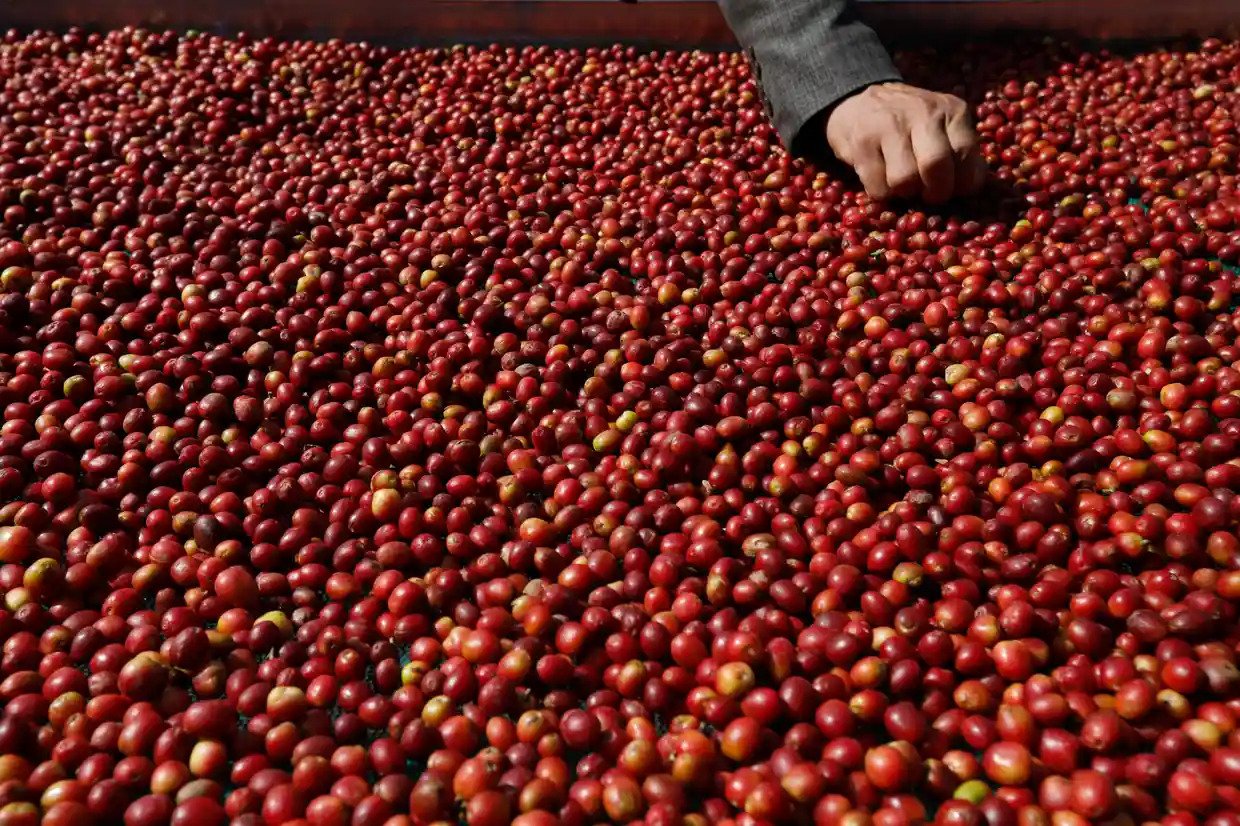
One of the most distinctive traits of Pink Bourbon is its slight pink hue, a characteristic cherished by coffee enthusiasts.

  • The Flavor of Pink Bourbon

Pink Bourbon’s allure extends beyond its unique appearance to its complex and delightful flavor profile. Boram describes it as typically more acidic, reminiscent of citrus fruits, with delicate notes of white florals and honey-like sweetness.

Isaiah concurs, likening Pink Bourbon to washed Ethiopians or Panamanian Geshas, with flavors of floral, pink lemonade, honeysuckle, jasmine, and a silky, elegant texture.

Rodrigo, on the other hand, often detects tropical notes in Pink Bourbon, such as peach, papaya, melon, as well as floral notes like jasmine, rose, and green tea. He emphasizes its well-balanced body and acidity.

  • Enhancing Flavor Through Processing

As with other coffee varieties, the choice of processing methods can accentuate Pink Bourbon’s flavors. Rodrigo notes that Pink Bourbon cherries contain higher sugar content, making them adaptable to various processing techniques. He favors cold fermentation to improve complexity.

Boram found that anaerobic fermentation worked well with Pink Bourbon from his Brazilian farm, enhancing its sweet floral and honey notes. Isaiah, who sourced his Pink Bourbon from Colombia, appreciated the two-stage thermal shock fermentation process introduced by Diego Bermudez.

  • Roasting Pink Bourbon

Roasting Pink Bourbon demands a careful approach. Isaiah, who used a unique two-stage thermal shock process for his Pink Bourbon, adjusted his roasting technique accordingly. He also utilized the Stronghold S7 roaster, which differs from traditional drum machines due to its halogen-powered heat source.

Boram made temperature adjustments during roasting, given the climatic conditions in Brazil, to ensure proper development.

  • The Future of Pink Bourbon

The potential market for Pink Bourbon appears promising, with growing interest in this variety year after year. However, challenges in scaling up production may limit its availability in coffee shops and roasteries.

Rodrigo is optimistic about Pink Bourbon’s future in the Colombian specialty coffee sector, believing it will remain a vital variety. He is proud to be among the pioneering producers of this unique coffee.

Boram envisions the success of Colombian producers with Pink Bourbon encouraging its cultivation in other countries, including Brazil.

As the specialty coffee world seeks the next “it” variety, Pink Bourbon with its captivating qualities and evolving popularity has the potential to become the next darling of specialty coffee. However, this journey may take time.

The world’s mood is in danger… Where are coffee and tea prices heading?

Coffee, cocoa, and tea have long held their place as cherished and integral parts of daily life for millions of people across the globe. The soothing aroma of a freshly brewed cup of coffee or a fragrant pot of tea has been a source of comfort and joy for generations. However, the tranquility and contentment derived from these beverages are now under threat, with concerns looming over the increasing prices and potential shortages of these stimulants, and this precarious situation can be attributed to various factors that have emerged as formidable challenges.

The global economic landscape has experienced significant turbulence in recent years, leaving no sector untouched, and the world of coffee, cocoa, and tea is no exception. This upheaval has created inflationary pressures that are now being felt in the pricing of these beloved commodities. The rise in prices is a cause for concern, as it affects not just the economic aspects but also the everyday rituals and habits of individuals.

Moreover, the shadow of climate change looms large over the agricultural crops that give us coffee, cocoa, and tea. These crops are primarily cultivated in tropical regions where changing weather patterns and environmental challenges are becoming increasingly prevalent. Droughts, unseasonal frosts, and other climate-related issues have taken a toll on these crops, creating an atmosphere of uncertainty and pessimism regarding future yields.

Coffee, in particular, has experienced a price surge of epic proportions over the last four years, with an astonishing 200 percent increase. Coffee enthusiasts worldwide have felt the impact of this unprecedented rise in the price of their beloved brew. The steep ascent of coffee prices is attributed to a multitude of factors, including the escalating costs of production and disruptions in the supply chain. However, a significant source of concern is the unpredictability of climate conditions in coffee-producing nations, many of which are still grappling with the effects of climate change on their agricultural practices.

To put it in perspective, recent data from the American website “Barchart” revealed that the price of coffee, specifically the Robusta variety, which is known for its robust and bitter flavor, reached a staggering $2,688 per ton in September of this year. This surge in prices has left coffee lovers and the coffee industry alike in a state of trepidation. The reasons behind this price hike are complex, intertwined with not only production costs but also supply chain challenges that have disrupted the flow of coffee from farms to cups.

Coffee is not the only commodity experiencing these dramatic price fluctuations. Tea, which is cherished for its diverse flavors and calming properties, is also being affected by these global factors. The shifts in climate patterns have the potential to impact tea production, as the delicate leaves are susceptible to variations in temperature and rainfall. With the rise in unpredictable weather events and changing climates, tea plantations may face new challenges in the coming years, which could influence the availability and pricing of this beloved beverage.

Cocoa, the magical ingredient that transforms into indulgent chocolates and treats, is not exempt from these concerns either. By the end of the first half of this year, cocoa prices reached their highest level in nearly five decades on the Intercontinental Exchange in London. This substantial price increase is a direct consequence of the difficulties faced in cocoa production, largely attributed to adverse weather conditions in the West African regions where a significant portion of the world’s cocoa is grown.

The challenges faced by coffee, cocoa, and tea extend beyond just the economic sphere. They touch upon the cultural and lifestyle aspects of millions of people who have long found solace, comfort, and pleasure in these beverages. As the world grapples with economic uncertainties and the ever-growing impact of climate change, the future of these commodities remains uncertain, leaving coffee, cocoa, and tea enthusiasts to wonder whether the cup that has been a source of solace for so long will remain as accessible and affordable as it once was.

New Research Warns of Peril to Coffee Industry Amid Climate Change

The coffee sector faces a growing menace, as per a recent investigation. This threat emanates from the consequences of climate change and the loss of pollinators, compounding the vulnerabilities of coffee growers and putting international trade in jeopardy.

Conducted by a team of scholars from the University College London (UCL), the study, featured in the latest edition of Science Advances, delves into the worldwide decline in the biodiversity of insect pollinators. It simultaneously scrutinizes its links to shifts in agricultural land use, particularly deforestation, climate change, food production, and the global trade network.

According to Tim Newbold, the lead author and a prominent figure in the UCL Biosciences department, “Our findings emphasize the immediate necessity for taking collective action on a global scale to mitigate climate change. We must also prioritize the preservation of natural habitats and curb land use changes to prevent any detrimental effects on insect pollinators.”

The study, supervised by UCL’s Ph.D. researcher Joe Millard, who is presently affiliated with the Natural History Museum in London, hinged on a dataset encompassing over 2,600 locations and 3,080 distinct pollinator species. The results of the research suggest that regions in the tropics face the highest threats to crop production stemming from the loss of pollinators due to climate change and changes in agricultural land use.

The authors of the study articulated, “Localized risk is most pronounced and poised to surge rapidly in areas of sub-Saharan Africa, northern South America, and Southeast Asia. Climate change and the shifts in land use present a potential peril to human well-being through pollinator loss alone.”

The research paper probes the repercussions of pollinator diminishment on several significant crops that serve as staples and economic cornerstones. Among them, coffee and cocoa have been singled out due to their susceptibility in agriculture and their pivotal role in the global economy.

The study points out that coffee, in particular, confronts a precarious combination of high production risks and considerable economic value. This scenario hints at possible economic hardships in regions where coffee is cultivated unless the pollination service can be replaced economically. Similar to cocoa, coffee cultivation is the backbone of income for millions of small-scale farmers and their families in tropical regions. Thus, the escalating production risk arising from pollinator loss may lead to heightened financial insecurity for some of the world’s most vulnerable populations.

World of Coffee Dubai 2024 highlights promising prospects for development and expansion of coffee industry in UAE

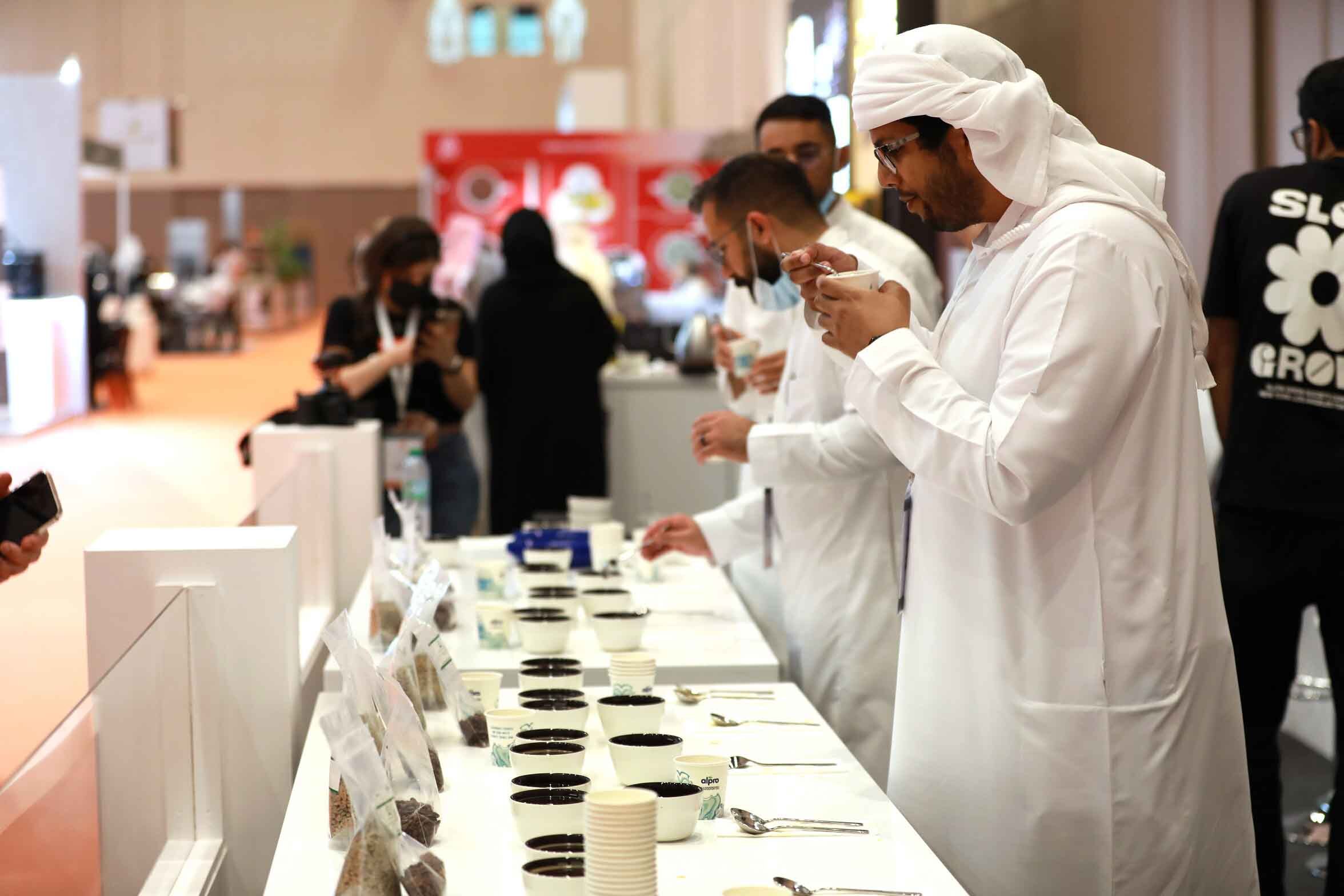
DXB Live, the integrated event management and experiential agency of the Dubai World Trade Centre, continues the preparations for the 3rd edition of the World of Coffee exhibition, which will be held from 21st to 23rd January 2024.

With expectations that the coffee market in the UAE will grow at an annual rate of 8.4 per cent between 2023 and 2029, and by about 7.5 per cent annually in the Middle East and Africa between 2022 and 2027, the exhibition is witnessing a wide regional and global interest from industry leaders, experts and specialists.

As per a report by Statista, coffee markets in Dubai and the region are experiencing substantial growth, with individual coffee consumption in the UAE expected to reach 1.36 kg in 2023 and the coffee market in Dubai expected to generate sales of over AED 1 billion this year. These figures reflect the industry’s attractiveness and growing demand for coffee products, as Dubai provides an ideal environment for the growth of the coffee market, owing to the presence of global coffee shop brands and the emirate’s role as a regional coffee trade hub, with export revenues exceeding AED 3.5 billion over the last decade.

The World of Coffee Dubai 2024 represents a turning point for the sector in the UAE, which has surpassed the tangible effects of this growth in the coffee market and has reached neighbouring Arab markets, attracting more specialised international brands, in light of the attention given to coffee culture and the variety of offerings provided by Dubai, which is famous for providing innovative experiences in this industry.

Khalid Al Hammadi, Senior Vice President at DXB LIVE, emphasised that Dubai’s economic status and distinctive infrastructure have positioned the emirate as a leading destination for organising and hosting prominent events at regional and worldwide levels. Al Hammadi said: “Through the World of Coffee Dubai exhibition, we hope to contribute to Dubai’s efforts in achieving its strategic goals by developing and diversifying various economic sectors. Additionally, we aim to facilitate building and strengthening relations between participants and companies within the coffee market of UAE and the region.”

“The participation of major brands, companies, and specialists underlines the exhibition’s importance and the international community’s trust in it, and the major role of Dubai in enhancing the regional and international trade movement.” Al Hammadi added.

Technology

Omran Al Hammadi, CEO of Que Trading Group, said: “We are excited to participate for the third time in the World of Coffee Dubai 2024. The exhibition provides us with the remarkable opportunity to explore new avenues, strengthen their presence, and contribute to the growth of this booming industry. During the exhibition, visitors will have the opportunity to discover our most recent products, which include modern and high-quality coffee makers and a wide range of advanced tools and accessories.”

“At our booth, we will conduct in-depth evaluations of the Coffee Tech Engineering Roaster Machines. Additionally, our expert team will showcase the industry’s leading commercial coffee machines, such as the Rocket Sotto Banco, Rocket R9V, and Rocket Appartamento TCA, which integrate cutting-edge technology of the highest quality. By participating in this exhibition, we further reaffirm our dedication to offering coffee aficionados the greatest products. We also look forward to developing fruitful connections and solid collaborations through this significant regional event.” Omran added.

Status

Dubai has a unique status because it is home to several international coffee shops and companies. The World of Coffee Dubai gives companies and cafés the opportunity to provide new and unique experiences for coffee lovers who want to stay up with Dubai’s fast-paced lifestyle. According to Statista predictions for 2022, 82 per cent of worldwide coffee revenues are created by consumption in cafes and restaurants, while 18 per cent of revenues are generated by domestic consumption, which is anticipated to fall by two degrees by 2025.

The current lifestyle trend has been propelling the coffee industry forward, with increased consumption and the development of places that provide it. This tremendous success has compelled major Emirati coffee businesses to expand locally, regionally, and globally to express the Emirati hospitality culture to the globe and strengthen its position as a leading global coffee hub.

Opportunities

Vinícius Estrela, Executive-Director at Brazilian Speciality Coffee ‘BSCA’, said: “We are thrilled to participate in the World of Coffee for the third consecutive year. Our commitment to participating in this event stems from our conviction that the exhibition is particularly significant as it sheds light on the most prominent trends within the coffee industry. Given that the MENA region is one of the biggest markets for Brazilian products in general and coffee in particular, the exhibition serves as a prominent venue for examining innovative prospects to enhance cooperation between the sector’s major players as well as the opportunities provided by local coffee markets.”

“At BSCA, we are excited about this participation, in line with our commitment to fostering collaborations between Brazilian and international coffee markets. We seek to share our knowledge of utilising technology to enhance coffee production, promote sustainable and environment friendly industrial and commercial methodologies in the coffee sector, and highlight Brazil’s remarkable legacy in coffee production.” Estrela added.

Diversity

The exhibition represents the UAE’s significant demographic and cultural diversity, which are essential aspects of the country’s coffee market that has witnessed a high demand for varieties of coffee. Meeting all these demands necessitate the availability of a diverse range of coffee varieties and preparation styles, allowing global companies to participate in broader opportunities to strengthen their presence locally and regionally.

“Menran Coffee”… a new experience in Dubai

Coffee lovers in Dubai can enjoy a new coffee experience with a unique character. Mokha 1450 has commissioned its team of award-winning baristas to provide an unparalleled coffee experience, one that uniquely targets the flavor preferences of coffee connoisseurs in the UAE.

“Minran Coffee”, the first response to this mission, was curated by Mohamed Minran, creating a unique product through which one can expect to taste aromas of cherries, honey, exceptional sweetness and fruity flavors with a milk chocolate finish.

In addition to reflecting the flavor preferences of the UAE population, this coffee offers some other innovations. The origin of the coffee will not be shared to remove the constraints of expectations and also to highlight the coffee maker alone.

In addition, the baristas will also receive a percentage of revenue from each coffee bag purchase, which will be featured as a cover story in the Mokha 1450’s Barista Craft Magazine which guests will receive when they purchase a bag of coffee.

New study: Coffee helps with weight loss, but under one condition

A recent publication in The American Journal of Clinical Nutrition shows that coffee, so beloved by many, can help in the process of losing weight, but in order for it to have an effect, one condition must be met.

As part of their research work, the purpose of which was to trace the connection between coffee consumption, weight changes and the addition of sugar and cream to the drink, experts from the United States studied data from more than 150 thousand participants in group studies.

After analyzing the habits of the subjects, experts found that every cup of coffee without sugar contributed to weight loss, and adding cream had almost no effect on weight change. At the same time, as the researchers noted, adding even one spoon of sugar was associated with subsequent weight gain. This association was stronger for younger people with higher body mass index.

The scientists’ findings state that drinking coffee without sugar is inversely proportional to weight gain, and adding sugar to the drink eliminates all the benefits of drinking it for weight control.

  • Study details

Changes in Coffee Intake, Added Sugar and Long-Term Weight Gain – Results from Three Large Prospective US Cohort Studies

Background

Consumption of both caffeinated and decaffeinated coffee has been reported to attenuate long-term weight gain. Whether the association between coffee consumption and weight gain depends on the addition of sugar, cream or coffee whitener remains unclear.

Objective

We aimed to study the associations between changes in coffee consumption, caffeine intake and weight changes by considering the addition of sugar, cream or a non-dairy coffee whitener.

Methods

We used three large prospective cohorts – the Nurses’ Health Study (1986 – 2010), Nurses’ Health Study II (1991 – 2015) and Health Professional Follow-up Study (1991 – 2014). We applied multivariable linear regression models with robust variance estimators to assess the association of changes in coffee habits within each 4-year interval with concurrent weight changes. Results across the three cohorts were pooled using inverse-variance weights.

Results

After multivariable adjustment, each 1 cup per day increment in unsweetened caffeinated coffee was associated with a reduction in 4-year weight gain of -0.12 kg (95 % CI: -0.18, -0.05 kg) and of -0.12 kg (95 % CI: -0.16, -0.08 kg) for unsweetened decaffeinated coffee. The habits of adding cream or non-dairy coffee whitener were not significantly linked to weight changes. Adding a teaspoon of sugar was associated with a 4-year weight gain of +0.09 kg (0.07, 0.12 kg). Stratified analyses suggested stronger magnitude of the observed associations with younger age and higher baseline body mass index (BMI). Neither caffeine nor coffee modified the association of adding sugar to any food or beverage with weight changes.

Conclusions

An increase in intake of unsweetened caffeinated and decaffeinated coffee was inversely associated with weight gain. The addition of sugar to coffee counteracted coffee’s benefit for possible weight management. On the other hand, adding cream or coffee whitener were not associated with greater weight gain.

Inside Dubai Coffee Museum: A Journey Through the Rich History of Coffee

A Coffee Museum has been set up in one of Dubai’s heritage hubs, Al Fahidi in Bur Dubai. The Coffee Museum will be an upscale classic concept with international standards in a small, cozy, relaxing atmosphere with a simple oriental setting. The Museum’s unique value proposition can be summarized as follows:

A relaxing atmosphere with regional traditional architecture amalgamated with oriental architecture.
architecture amalgamated with oriental architecture. Showcase a wide selection of antique items illustrating regional and international coffee history and culture.

Platform for experiencing different regional styles of coffee such as local Arabic style, Ethiopian style, Japanese style etc.

Emphasize on coffee education to the interested customers who wish to grab more about coffee, coffee roasting and coffee brewing.

Customer service: high-level of personalized service & attention for customers. Coffee Museum gift shop will have unique verities of coffee related gift items.

The Dubai Coffee Museum is a museum about coffee located in the Al Fahidi Historical Neighbourhood of Dubai, United Arab Emirates. It focuses on the history of coffee, coffee culture, and the working conditions of coffee plantation workers.

It provides intel on the importance of coffee in different cultures across the globe, as well as the Arabic traditions, its preparations like roasting and grinding, the apparatuses used through time, and rusted beans found worldwide. The museum spreads over two floors with a museum shop on the ground floor.

The museum is a showcase that connects the past and the present of the coffee world. Different roasting and brewing styles from various countries are live demonstrated as well as international antique items are represented. Coffee lovers can buy related items from our Museum shop.

One of the first things to do at the Coffee Museum in Dubai is to learn and explore different varieties of coffee. Visitors can also experience different coffee cultures such as Egyptian, Ethiopian and Arabic. Learn about the entire process, from beans selection through to roasting, as well as the brewing techniques that are unique to each culture.

The museum has information dating back to the legend of Kaldi, a shepherd known for discovering the first ever-coffee bean and instigating coffee’s long journey into the Middle East from the mountains of Ethiopia. Visitors to the museum can also experience fascinatingly old utensils and cups used for the production, brewing, and drinking of coffee.

Exhibits

On the ground floor, roasting and brewing styles from various countries and antique items are presented. Coffee grinders, roasters, pots, kettles, weighing scales, sorters, torches for grinding coffee, natural stone coffee grinders, bowls, and other coffee memorabilia are showcased. An intricately restored Majlis room filled with carpets, dallahs, and pillows offer a glimpse of the traditional Emirati style of coffee consumption. Moreover, the history of the coffee bean is explored.

The first floor features a literary section with a wide selection of coffee books and maps dating back to the 18th century about the global history of coffee and coffee plantation workers. Visitors can learn about the entire process, from bean selection to roasting, as well as the brewing techniques unique to each coffee culture.

What does the Coffee Museum feature a display of?

Coffee Museum Dubai also showcases the celebration of coffee culture across the globe, as well as the Arabic traditions. Coffee grinders used in the First World War, historical data dedicated to coffee and old brewing pots are just a few of the artefacts on display.

DISCOVER THE MAJLIS AND ANTIQUES

The ground floor of the museum houses the Majlis and the Middle Eastern Antique exhibit. The intricately restored Majlis offer a glimpse of the traditional Emirati style of coffee consumption.

The coffee table with antique coffee cups and other utensils take you back in time to witness Emirati culture and hospitality.

The Middle Eastern Antique Exhibit is where you can find more artefacts related to coffee in the UAE. You’ll get to see antique coffee grinders, roasters, pots, kettles, weighing scales, sorting trays and other coffee memorabilia.

THE COFFEE LIBRARY AT DUBAI COFFEE MUSEUM

On the first floor of the museum you’ll find a small but intriguing selection of books about coffee dating back to the 18th century. These books are from the personal collection of the house owner made available for fellow coffee buffs who wish to learn more about the popular brew. There are also some audio-visual guides which are well worth a watch.

KIDS CORNER

The Kids Corner at the Coffee Museum is a fun area where the little ones can discover the origins of coffee along with a whole host of other activities to keep them entertained.

MUSEUM GIFT SHOP

We all love a museum gift shop right? Well, the Dubai Coffee Museum has a great one. It’s here that you can get your hands on those much-needed souvenirs to take back home. Pick up the perfect gifts for your friends and loved ones. The shop has barista equipment, latte art pens, books about roasting techniques with recipes, and you can even treat yourself to some fine coffee beans.

Specific dates that should be taken into account… When do we drink coffee?

Many people continue to drink coffee immediately after waking up because of its effective role in improving mood, but there is scientific evidence that confirms that drinking coffee immediately after waking up is not “correct,” and that benefiting from it comes from drinking it at the appropriate time.

Coffee is a favorite drink among all people, including Germans, which is confirmed by estimates that 73 percent of Germans drink coffee daily. While the percentage of Germans who do not drink coffee at all is only 6 percent. There are many studies on this drink compared to other drinks. Most of the test results were positive and clearly confirm that this drink is a completely healthy stimulant.

Coffee strengthens memory and prevents diabetes. It contains antioxidants and provides the body with a large amount of energy. It also reduces the risk of developing serious diseases, including liver cancer, skin cancer, and nerve diseases, which is something that many may not know.

The results of studies may sometimes conflict about the effect of coffee on some diseases, such as cognitive impairment, dementia, and Alzheimer’s, but most of these studies confirm that coffee protects against these diseases. In addition, researchers have proven in two recent studies that drinking coffee and tea together has a positive effect on cognition. Note that drinking tea alone does not effectively affect the problem of cognitive impairment, but a recent study confirmed that drinking coffee between 3 to 5 times a day in middle age helps reduce the incidence of dementia by 65 percent, according to what was reported on the German “Gesundheit Identity” website. In health affairs.

It is not recommended to drink coffee immediately after waking up

There is no doubt that the delicious taste of coffee and its ability to improve the mood every morning prompts many people to continue drinking it daily. According to the German “Gesunde Ernerung” website, obtaining the full benefits of coffee depends on knowing the appropriate time to drink it. To benefit from morning coffee, researchers advise not drinking it immediately after waking up. Rather, you must wait a little and then drink it. Researchers attribute this to the fact that the adrenal gland secretes, upon waking, the hormone cortisol, known as the “stress” hormone, and this hormone helps the body regain the ability to perform its functions, thus providing the body with its energy naturally. By consuming caffeine immediately after waking up, the level of energy in the body increases excessively.

On the other hand, drinking coffee two hours after waking up gives the body more energy when its natural energy begins to gradually decline. Which means that the most appropriate time to drink morning coffee and benefit from the effect of caffeine on the body is around eight-thirty, when waking up at seven, for example.

US couple pays $4,456 for two cups of coffee

A couple from Oklahoma in the United States were surprised to pay more than $ 4,000 for two cups of coffee, which forced them to postpone a family travel trip.

Jesse O’Dell said that he was surprised that $4,456 was deducted from his bank account, after he paid for two cups of Starbucks coffee.

He ordered his wife an iced Americano coffee, while he had a caramel frappuccino.

O’Dell added that he did not notice the number on his bill, which he thought was $4.45, when he paid with his credit card, noting that he called the customer service helpline approximately 30 to 40 times that day, saying: We had to cancel a family trip we were planning to take, because we lost more than $4,000 because of this mistake.

A spokesperson from Starbucks said that a check was written in O’Dell’s name as compensation for the error, but it was returned due to a typo in the name, so a new check was cashed.

The spokesman blamed O’Dell for being the person who entered the number during the payment process, which the latter denied, stressing that the manager of the outlet told him that the apparent number was due to a defect in the electronic payment network.


List of 10 countries with a unique coffee culture

Coffee is a favourite drink around the world, but each country has a unique take. Find out what to order in these countries for a taste of local life.

Coffee is a popular drink around the world with each country serving its own version. In many places, the local way of serving or consuming coffee is steeped in rich culture and tradition. Therefore, learning about the coffee culture of a country teaches visitors about the country itself.

These 10 countries have unique coffee cultures that are sure to excite travelers’ taste buds. Find out what makes them different and what drink to order when visiting for an authentic experience.

1 Turkey

Turkish coffee bears many similarities to Greek coffee in how it’s made and the small serving size. However, the role of coffee in Turkish culture is more ritualistic and centers around friendship and hospitality. Freshly roasted, high-quality beans are ground to a fine powder and then added to a pot with cold water and sometimes sugar. The pot is placed on heat and brewed slowly, so a layer of foam develops on top of the coffee. The coffee is served with a glass of water and a piece of Turkish delight.

The ritual of brewing coffee properly is passed down through families, as are the etiquettes associated with this practice. For example, guests should drink from more elaborate cups than the host to honor them. Sitting down for an authentic cup of Turkish coffee when visiting Turkey will provide travelers with a whole new appreciation for the cultural and spiritual properties of the beverage.

2 Costa Rica

Costa Rica is famous for its coffee beans, but that’s not the only advantage the country has in the coffee department. Costa Ricans enjoy a traditional method of brewing coffee called a chorreador. The chorreador consists of a sock-like bag that hangs on a wooden stand and allows hot water to pour through to a cup while filtering out the grounds. The classic method of brewing Costa Rican coffee is reminiscent of the North American “pour-over” coffee that has become popular in recent years.

Ordering a café chorreador while visiting Costa Rica is the best way to get a taste of what the local coffee culture is all about.

3 France

France might not be on many people’s radars as a country with exceptional coffee culture, but it should be. The French are responsible for the delightful drink known as Café au lait, and every traveller should order this once while visiting Paris.

Café au lait is coffee with hot milk, which is different than coffee with regular milk. In France, they call that “white coffee”. Café au lait also differs from a latte because the ratio of coffee to milk isn’t the same. A latte has a 2 to 1 ratio of milk to coffee while Café au lait has a 1 to 1 ratio.

4 Italy

Italy is integral to the world coffee scene. It’s the birthplace of the cappuccino and the world-famous espresso came from Milan. In many ways, Italy is the coffee capital of the world so coffee connoisseurs visiting this beautiful country should get a taste of these beverages in their homeland.

When ordering a coffee in Italy, espresso is the default. If you ask for a cup of coffee, you’ll receive an espresso shot. People typically drink this right at the counter, like a bar, rather than taking a table. For breakfast in Italy, order a cappuccino and a croissant for an authentic experience.

5 Australia

The land down under has high standards for a cup of coffee, so travelers must see what the fuss is about when visiting. Australians have an abundance of locally-owned coffee shops to choose from rather than flocking to massive chains like Starbucks, as Americans commonly do. Instead, Australians enjoy specialty roasts in smaller sizes and are typically stronger than coffee in America. They also add fewer sweeteners.

When in Australia, order a flat white for an authentic taste of the local coffee culture. This drink contains two espresso shots with foam and steamed milk on top.

6 Indonesia

Indonesia has a true one-of-a-kind coffee experience for travelers to try when visiting Southeast Asia. Kopi Luwak refers to coffee made from partially digested beans that are passed by a civet cat. Among tourists, it has earned the nickname “poop coffee”.

The civet cat eats the coffee cherries and doesn’t eat the bean, so it poops the bean back out with an enhanced flavor.

7 Mexico

Mexican coffee culture is not as widely known as some other nations’ traditions, but the taste is unlike any other coffee in the world. Mexicans enjoy the traditional beverage called Café de Olla, which is spiced coffee. It’s prepared in a clay pot, which is where the name comes from.

The coffee is sweetened with piloncillo, and then it’s spiced with cloves, star anise, and cinnamon. The cinnamon flavor comes through strongly when sipping a cup of a Café de Olla, making it perfect for a cool morning.

8 Sweden

Sweden is an excellent destination for coffee enthusiasts, especially since Swedes have one of the highest levels of coffee consumption per capita in the world. Swedish people enjoy a practice called Fika, which refers to a coffee break where people gather and socialize over a drink and a bite to eat.

Swedish Lapland also has a unique coffee tradition known as Kaffeost. In northern Scandinavia, Kaffeost means “coffee cheese”. The name may seem strange to some, but it’s common in northern Sweden to dip cheese into a cup of coffee before eating it.

9 Greece

Greece has incredible coffee culture and offers a unique taste for those who like to drink their caffeinated beverages hot or cold. Traditional Greek coffee is made with a strong brew using finely ground beans. The drink is unfiltered, so the grounds are at the bottom of the cup and there is a nice layer of foam on top.

For those who prefer an iced drink, the Greek frappé (also called a Nescafé frappé) is a must-try. This cold drink contains milk, sugar, ice, and instant coffee

10 Vietnam

In Vietnam, coffee isn’t just a drink to start the day; it’s something people enjoy morning, at noon, and even at night. Vietnam has some of the best coffee in the world and offers two unique beverages every traveler should try while visiting. Vietnamese iced coffee consists of medium or dark roast coffee over ice, combined with condensed milk. It’s the perfect refreshment for a hot day.

Another unique coffee order that shouldn’t be overlooked when visiting Vietnam is egg coffee. This delicious, creamy hot drink is made by combining egg yolk with condensed milk to create a frothy addition to a cup of coffee.

Yemeni Coffee: History and Fame

Historically, Yemen has been associated with coffee for centuries, particularly with the city of Mocha, which represented the starting point for the fame of this beverage locally and globally. Yemeni coffee is known in many cultures as “Mocha,” referring to the port of Mocha, which was a hub for coffee exports.

Origin of the Coffee Tree:

The coffee tree is evergreen, reaching heights of approximately 4.5 to 6 meters, with deep roots and soft leaves. Coffee is used as a hot or cold beverage, prized for its stimulating effect due to its caffeine content.

Origin and History of Coffee:

Opinions vary regarding the origin of the coffee tree and its wild existence. Some believe it originated in the Arabian Peninsula and was transported to Ethiopia. Some suggest that coffee first appeared wild in the Kaffa region of southern Ethiopia, while others propose that it was likely brought to Ethiopia from Yemen due to environmental similarities between the two countries.

Yemeni Connection to Coffee:

It is believed that Yemenis became acquainted with the coffee tree in the early 5th century AD when it was planted in the Al-Dain region. Some accounts credit the Arab physician Al-Razi as the first to mention Yemeni coffee in 900 AD.

Agricultural and Commercial Development:

Coffee cultivation in Yemen has witnessed significant development since the Middle Ages, making Yemeni coffee a prominent symbol of high quality. Yemeni coffee became synonymous with the port of Mocha, renowned for its high quality, and was traded to several countries.

Coffee Growing Regions:

Coffee shrubs thrive in various regions of Yemen, including Sana’a, Hajjah, Al-Dain, Yafi, due to the considerable similarity in climatic conditions between these areas.

Coffee Varieties Cultivated in Yemen:

Yemen cultivates three varieties of coffee known as the Al-Daini, Tufahi, and Dwayri, named after the regions where they are cultivated, such as Al-Hamadi, Al-Yafi, Al-Burai, Al-Harazi, Al-Mutri, and Al-Haimi.