Researchers: The age of coffee is more than half a million years

The cup of coffee you drank this morning might trace its roots back 600,000 years.

A new study published in Nature Genetics on April 15, 2024, has revealed that Coffea arabica—the world’s most popular coffee species—emerged through natural crossbreeding between two other species long before human cultivation.

Researchers from the University at Buffalo and Nestlé examined genetic data from coffee plants around the world to construct a comprehensive family tree of Coffea arabica. Their findings indicate that the species originated approximately 600,000 years ago, when Coffea canephora (robusta) and Coffea eugenioides hybridized naturally in the wild.

“In other words, this occurred long before any human intervention,” said Victor Albert, a biologist at the University at Buffalo and co-lead author of the study.

The wild ancestors of arabica first appeared in the highlands of Ethiopia, but it was in Yemen, during the 1400s, that the beans were first roasted and brewed—marking the beginning of coffee culture as we know it today.

By the 1600s, legend has it that Indian monk Baba Budan smuggled seven coffee beans from Yemen to India, laying the foundation for global coffee cultivation.

Today, arabica accounts for 60–70% of the world’s coffee production, prized for its smooth, mildly sweet flavor. It forms the backbone of beverages served by leading brands such as Starbucks, Tim Hortons, and Dunkin’.

The remaining 30–40% of the market comes from Coffea canephora—commonly known as robusta—a stronger and more bitter relative of arabica.

To uncover arabica’s genetic history, the team analyzed the genomes of C. canephora, C. eugenioides, and more than 30 arabica samples, including an 18th-century specimen preserved in the Natural History Museum in London. This very sample was once studied by Swedish botanist Carl Linnaeus when he officially classified the species.

The study shows that arabica’s population has fluctuated greatly over millennia—thriving during warm and wet periods, but shrinking during dry epochs. These “population bottlenecks” left arabica with low genetic diversity, making it highly vulnerable to diseases such as coffee leaf rust, which costs the global coffee industry billions each year.

Researchers also examined a rust-resistant arabica variety to identify genetic markers that could help breeders develop hardier plants. These insights, scientists say, could be key to safeguarding the species against the growing threats of pests and climate change.

“This study not only clarifies arabica’s evolutionary history but also provides crucial clues for protecting one of the world’s most valuable crops,” said Fabian Echeverria, adviser at the Center for Coffee Research and Education at Texas A&M University, who was not involved in the research.

By retracing arabica’s ancient lineage, scientists hope to ensure a sustainable future for coffee cultivation—keeping plants healthy, farmers resilient, and morning cups full for generations to come.

Coffee V60: Its Story and How It’s Made

In the constantly evolving scene of coffee preparation, one name reigns supreme: V60 coffee. Its prominent brewing method, born from the fusion of innovation and tradition, has made V60 synonymous with the art of pour-over coffee. Join us as we explore the rich history, practical techniques, and sensory delight of the V60 experience.

Origins of V60

The story of V60 began with the pioneering spirit of its creator, Hario. Founded in Japan in the early 20th century, Hario quickly became a leader in glassware and coffee equipment. Drawing inspiration from traditional pour-over coffee methods and modern design principles, Hario set out to create a brewer that would redefine the coffee brewing experience.

After years of research and development, V60 was born. Its unique conical shape and spiral ribs were meticulously crafted to ensure optimal extraction and unparalleled clarity of flavor. From its elegant lines to its iron handle, every aspect of V60 was made with precision and purpose.

Rise of V60

V60 was introduced to the market in 2005 and quickly captured the hearts and minds of coffee enthusiasts worldwide. Its intuitive design and ability to consistently produce delicious coffee made it an essential part of both coffee shops and home kitchens alike, as well as competitions.

But the success of V60 was not only due to its innovative design – it was also a testament to the growing popularity of specialty coffee. As consumers began to prefer high-quality coffee, they started looking for brewing methods that would allow them to appreciate the diverse flavors of premium coffee. With its focus on precision and control, V60 became the perfect tool for this.

How to Make V60 Coffee: Step-by-Step Brewing Guide

  1. Gather Your Materials: You’ll need a V60, filters, freshly ground coffee, a kettle, and a scale.
  2. Prepare Your Equipment: Place the filter in the V60 and rinse it with hot water to remove any paper taste. Preheat the brewing vessel and the cup you’ll be using.
  3. Measure and Grind: Weigh out the desired amount of coffee according to your preferred coffee-to-water ratio (usually around 15-17 grams of coffee per 250 ml of water). Grind the coffee to a medium consistency, similar to sea salt.
  4. Bloom: Place the V60 on the brewing vessel and add the ground coffee. Start the timer and pour enough hot water (about twice the weight of the coffee) to evenly saturate it. Allow the coffee to bloom for 30-45 seconds.
  5. Pour: After blooming, slowly pour hot water in a circular motion, starting from the center and moving outward. Your goal is to maintain the water level slightly below the top edge of the filter to ensure even extraction.
  6. Enjoy: Once all the water has passed through the coffee grounds, lift the V60 and remove the filter. Stir the coffee briskly to ensure even extraction, then pour it into the preheated cup and savor every drop.

Beyond Brewing with V60

The journey with V60 extends beyond the brewing process itself – it’s a sensory experience that engages all the senses. From the rich aroma of freshly ground beans to the subtle flavors dancing on your palate, each cup of V60 coffee tells a story of craftsmanship, quality, and passion.

So whether you’re an experienced coffee lover or a newcomer to the world of specialty coffee, let V60 be your guide. With its elegant design, precise brewing technique, and unparalleled clarity of flavor, V60 is the perfect companion for anyone looking to explore the true potential of coffee.


View this post on Instagram


A post shared by عالم القهوة (@qahwaworld)

Revealing the Benefits of Drinking Coffee Before a Nap!

Drinking coffee before a nap may be the secret to waking up refreshed, according to experts, even though this may seem unconventional.

James Wilson, a sleep expert at Mattress Online, said: “Caffeine takes about 30 minutes to be metabolized, and when you wake up, you can get a double benefit of refreshing activity thanks to the nap and caffeine alertness.

For example, a study conducted in 2010 found that taking a nap after drinking a cup of coffee could enhance the brain’s ability to absorb caffeine.

Although coffee may seem to prevent sleep, caffeine takes a long time to affect the brain.

Experts explain that drinking coffee just before sleep and then enjoying a nap for about 20 minutes is the optimal way to benefit from a comfortable nap, according to Healthline.

Sleeping for more than 30 minutes should be avoided to prevent feeling drowsy, as one may enter a deep sleep stage.

To improve your nighttime sleep, avoid drinking coffee within 6 hours before bedtime.

The ideal amount of caffeine to consume before sleep for increased alertness is two cups of coffee or 200 mg of caffeine.

However, it should be noted that drinking coffee before a nap may not be suitable for everyone, as sleep has various health benefits, especially for those who suffer from sleep deprivation.

A nap can provide a boost in alertness and productivity and may be helpful if you experience sleep disturbances at night.

In general, experts recommend a minimum of six hours between a nap and bedtime, as a general rule.

Benefits and Risks of Coffee: What’s the Ideal Daily Intake?

People’s relationship with coffee oscillates between love and hate; while many harbor great affection for this beverage that is an integral part of their daily routine, others feel concerned about coffee consumption and the effects of caffeine on their health.

A study conducted by the National Coffee Association in 2023 found that 63% of Americans drink coffee daily, more than any other beverage except water. In the same year, coffee surpassed tea to become the favorite drink in the United Kingdom; according to the British Coffee Association, the UK consumes about 98 million cups of coffee daily, as reported by The Guardian newspaper.

However, on the flip side, many individuals feel uneasy about the amount of coffee they consume. This concern has been exploited by companies like “MudWtr,” which produce mushroom-based beverages, to advertise their products as a “healthier” alternative to regular coffee.

“Coffee has somewhat of a bad reputation,” says Dr. Peter Hayes, Professor of Hepatology at the University of Edinburgh. He points out that current concerns about coffee often refer to the concept of “detoxification,” which involves the idea of ridding the body of accumulated toxic or harmful substances due to lifestyle or dietary habits. However, Hayes notes that this concept is vague and difficult to measure scientifically.

Hayes adds to The Guardian, “Everyone speaks in extremely vague terms,” and emphasizes that “coffee is not poison.”

So, what should we conclude from Hayes’ remarks? What is the suitable amount of coffee to drink? And should we try to reduce it? Here are answers from several experts interviewed by The Guardian in response to these questions.

What Happens When We Drink Coffee?

Dr. Sandra Kirsten, Professor of Molecular Nutrition at Cornell University, explains that the main active component in coffee is caffeine.

Anyone who has had a cup of coffee in the morning is familiar with these effects. As a stimulant, caffeine makes individuals feel more alert, says Kirsten. People’s reaction times become faster, they become more focused, and they have greater endurance. Studies have found that caffeine consumption is associated with improved athletic performance.

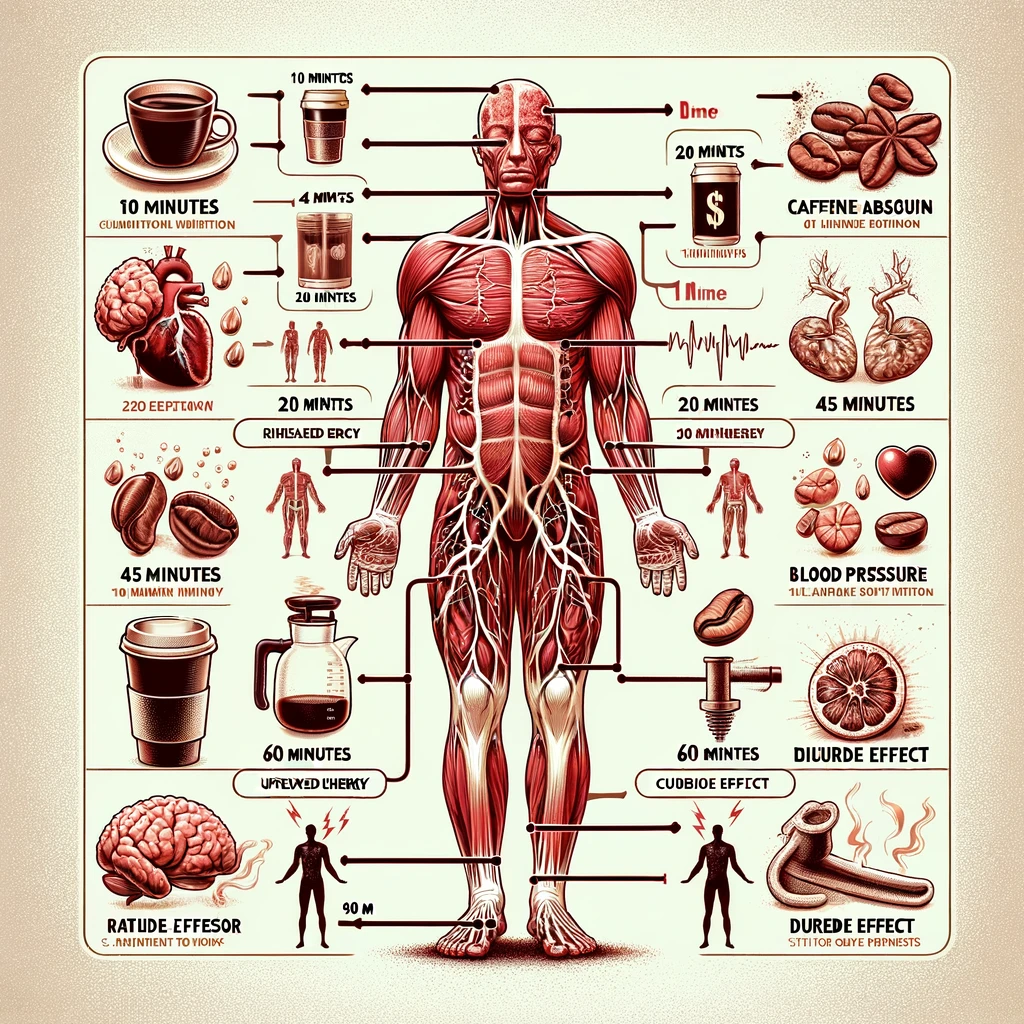
According to Kirsten, these effects usually begin within half an hour and last for up to two hours. “This is why people tend to continue drinking coffee throughout the day,” she says, adding that its effects “do not last long.”

What are the Health Benefits of Drinking Coffee?

Experts agree that there are many benefits to morning coffee. Coffee contains “hundreds, if not thousands, of compounds,” says Dr. Edward Giovannucci, Professor of Nutrition and Epidemiology at the Harvard T.H. Chan School of Public Health.

“Some of these compounds may have a range of beneficial effects that may improve health in the long term,” he says. Giovannucci explains that some compounds, for example, have strong anti-inflammatory and antioxidant properties. Others reduce insulin resistance, a risk factor for diabetes.

Analyzing the effects of coffee consumption on health, Hayes and his colleagues found that drinking three to four cups a day was associated with a decreased risk of heart disease, some types of cancer, and conditions of the nervous, metabolic, and liver systems.

The liver appears to be the organ that benefits the most from coffee. One cup of coffee per day can reduce the risk of liver fibrosis by 20%, and five cups a day can reduce the risk by 80%, according to Hayes.

Hayes also points out that it is “important to distinguish between coffee and caffeine.” For example, a coffee drinker can see these benefits even with decaffeinated coffee. “So there’s something in coffee, not caffeine, that protects the liver,” he says, noting that consuming excessive amounts is not a healthy choice despite its benefits at this level.

What are the Negatives of Drinking Coffee?

Giovannucci says that increased coffee consumption can lead to high blood pressure.

In addition, some individuals may be more sensitive to the effects of caffeine than others: “The stimulating effect of coffee can cause anxiety in sensitive individuals and may affect their sleep,” says Giovannucci.

To mitigate its disruptive effects on sleep, experts advise limiting caffeine intake before 5 p.m., says Dr. Kira M. Nemn-Deub, a nutrition expert, food researcher, and nutrition coach.

But the specific timing will depend on your sleep schedule and your body’s sensitivity to caffeine. Nemn-Deub points to a study that found that consuming caffeine up to six hours before bedtime can significantly disrupt sleep and reduce total sleep time by more than an hour.

Hayes says that some individuals, including pregnant women and those with severe osteoporosis, should limit their coffee consumption.

Is there a Limit to the Amount of Coffee One Should Drink Daily?

It seems that consuming up to 400 milligrams of caffeine per day is safe for most adults, according to the Mayo Clinic.

One eight-ounce cup of brewed coffee contains about 95 milligrams of caffeine, says Giovannucci, so this equals about four cups of coffee.

Giovannucci says that above these levels, people may feel tense and experience an increased heart rate – “symptoms that can be felt during a panic attack.”

He adds that individuals with panic disorder or underlying anxiety are particularly prone to experiencing these negative side effects.

On the other hand, Hayes says that drinking two to three cups a day generally serves as the optimal range for reaping the benefits of coffee without being exposed to its negatives. But the ideal amount varies from person to person.

Nemn Deub says, “It’s essential to listen to your body,” adding that each person has a different level of caffeine sensitivity, with some feeling tense after one cup, while others feel better after three cups.

Excessive caffeine consumption can have much more dangerous effects. According to the US Food and Drug Administration, toxic effects of caffeine, such as seizures, have been observed with rapid consumption of 1200 milligrams of caffeine at once.

Accordingly, the administration notes that highly concentrated caffeine products, such as those found in caffeine powders or energy drinks, “pose a significant threat to public health.”

A new study reveals a relationship between coffee and genes that affects kidney health

Scientists from the University of Toronto have found a correlation between caffeine consumption and genetic traits, shedding light on how a love for coffee, when combined with genetic traits, impacts kidney health.

In this recent study, scientists delve into the story of two coffee lovers, Alice and Bob, who share a passion for daily caffeine intake but interact with it differently due to their genetic differences.

Alice finds herself with a slow caffeine metabolism. Her body takes a slow pace in breaking down caffeine, allowing it to stay longer in her system. Bob, on the other end of the spectrum, processes and eliminates caffeine quickly, making him a fast metabolizer.

The essence of the study lies in discovering that for individuals who consume coffee heavily like Alice, and who suffer from a slow caffeine metabolism, the risk of kidney problems almost triples compared to those who consume coffee quickly like Bob.

These problems include signs such as elevated levels of protein in the urine, kidney hyperfiltration, and high blood pressure, all indicating potential kidney distress.

The impact of coffee on health has always been a subject of debate. Previous studies have drawn conflicting pictures, with some warning of the harmful effects of caffeine on kidney health, while others suggested its protective benefits.

However, this new research provides a vital consideration: the interaction between caffeine intake and genetics.

By focusing on individuals who consume three or more cups of coffee daily, equivalent to about 300 mg of espresso coffee, the study highlights the significant role our genes play in health outcomes.

It is worth mentioning that in places like Canada and the United States, the recommended daily caffeine intake is limited to 400 mg for adults.

The implicated genetic difference affecting caffeine metabolism is surprisingly common. Nearly half of the population, like Alice, are slow metabolizers, making this research highly relevant to a wide audience.

Today, with genetic testing available for variations such as the CYP1A2 gene, individuals can receive personalized advice on their caffeine consumption and potential health effects.

By examining kidney health indicators such as albuminuria, hyperfiltration, and blood pressure, researchers found that individuals with slow metabolism who consume coffee heavily face a higher risk of kidney problems.

This groundbreaking result emphasizes the importance of adopting a personalized approach to diet and health, acknowledging that our genetic makeup can significantly impact how our bodies respond to certain foods and beverages.

The study, led by Ahmed Alsuwaidi and published in JAMA Network Open, underscores the advanced concept of personalized nutrition.

It indicates that the effects of our dietary choices, such as coffee consumption, are not universal but highly individualized, influenced by our genetic predispositions.

For those keen on maintaining kidney health while enjoying coffee, this research serves as a crucial reminder to consider not only the amount of coffee we drink but also our unique genetic blueprint.

Understanding our genetic predispositions can lead to healthier lifestyle choices, tailored to meet our individual needs, paving the way for more informed and effective dietary decisions.

What happens to your body if you drink coffee immediately after eating?

As you know, there is a common belief that one should not drink a caffeinated beverage after eating due to its potential negative effects. Dr. Chris Zafos tries to clarify the truth of the matter, and whether drinking coffee immediately after eating is indeed harmful.

Dr. Chris Zafos says: Some may argue that coffee negatively affects the digestion process and hinders the absorption of essential minerals… Before drawing any conclusions, the scientific evidence surrounding drinking coffee immediately after eating must be studied to know what those evidence say.

Nutrient Absorption:

Research has shown that excessive coffee consumption can hinder the absorption of some minerals, but this only happens when drinking large amounts of coffee, especially on an empty stomach. Whereas when coffee is consumed as part of a meal, the effect on nutrient absorption is minimal.

Stomach Acid Production:

Coffee stimulates the secretion of stomach acid. However, the increase in its levels after drinking coffee is temporary and not harmful for most people. Only individuals suffering from gastric inflammation may feel discomfort.

Effects on Digestion:

Coffee can stimulate colon movement, leading to increased bowel movements. This may cause discomfort after eating. However, there is no clear evidence that drinking coffee after meals harms the digestion process overall.

Individual Factor:

Some people may enjoy coffee after meals without any side effects, while others may feel discomfort. Therefore, it is important to pay attention to your body’s reaction and act accordingly.

What do you know about soluble coffee?!

Did you know what goes into making soluble coffee?

Surprisingly, 90% of people aren’t aware of the differences between granulated and freeze-dried coffee. There’s a common misconception that soluble coffee is made from low-quality beans. However, the truth is that the foundation of this product is always of high quality.

“But then, why the difference in price?” many coffee enthusiasts might wonder.

The answer is simple: the cost depends not on the quality of the beans used but on the technology employed in its production. There are three main types of soluble coffee: powdered, granulated, and freeze-dried, with the latter usually being more expensive.

Powdered Soluble Coffee: This product undergoes a series of steps, starting with cleaning, roasting, and grinding the beans. Next, the resulting powder is treated with hot water under pressure in tanks. This process extracts the aromatic essence, which is then subjected to low-temperature treatment and filtration. Finally, it is dried with hot air.

Granulated Soluble Coffee: Following similar initial steps as the powdered variety, the powder is then treated with steam.

Freeze-Dried Soluble Coffee: All the aforementioned steps are followed in creating powdered coffee. However, the crucial difference lies in the final stage. Instead of hot air, the product is dried using icy cold air. This meticulous process results in a high-quality product.

Creating this type of soluble coffee is an intricate process, which explains its higher price tag. But the story doesn’t end there.

It’s important to highlight the advantages of soluble coffee for consumers. Not only does it offer a wide variety of options, but it also provides several benefits. Its convenient packaging ensures freshness and aroma preservation, making it ideal for busy individuals or frequent travelers.

Moreover, soluble coffee allows for the enjoyment of a perfect cup anytime, anywhere, without the hassle of preparation. This is especially valuable for those who value their time and seek a quick energy boost throughout the day.

Additionally, soluble coffee is versatile enough to be used in preparing various coffee-based beverages at home, such as cappuccinos, lattes, or mochas, making it a universal solution for coffee lovers.

In essence, choosing soluble coffee isn’t just about taste and quality; it’s also about convenience and comfort in everyday life.

So why not explore the rich world of soluble coffee and discover a whole new dimension of coffee enjoyment?

Comprehensive Comparison Between Arabica and Robusta Coffee and Which One is Suitable for You!

The Russian website “TEA.ru” published a comprehensive analysis by coffee experts, including a detailed comparison between the two most famous types of coffee in the world, Arabica and Robusta, including many characteristics that distinguish the two types from various aspects.

The analysis concluded by explaining many aspects that make either of the two types suitable for this or that person, and due to the importance of this analysis, we are publishing a summary of it.

“Arabica or Robusta?” – An eternal question pondered by coffee enthusiasts. As is well known, there is no final answer to it, but we will try to explain the difference between these two types simply and clearly.

Fact: Without Robusta, Arabica wouldn’t have appeared

There are several types of coffee in the world, but in retail stores, you will only find two types – Arabica and Robusta with various variations. And their blend. At the same time, many tend to treat the first type with respect and the second with a hint of disdain. This distinction is particularly noticeable in sales figures: Arabica is demanded at a rate close to double that of Robusta (60-70% of global production) compared to Robusta (30-40%). However, Arabica wouldn’t have appeared at all without Robusta!

Arabica (also known as Arabian coffee) is the result of crossing Robusta with a rare and unprofitable species for industrial agriculture called Eugenioides.

Arabica coffee trees require careful care, fertilizers, and high slopes – from 600 meters above sea level, while Robusta (Congolese coffee), on the other hand, mostly only needs warmth.

Taste

In terms of taste, Arabica takes the lead by a wide margin, leaving Robusta far behind. This is because Arabica coffee beans contain half the sugars compared to Robusta. The drink turns sweeter, even if sweeteners are not added. Moreover, its taste profile varies greatly due to a larger number of fruity acids, giving Arabica a noticeable acidity logically.

Robusta, on the other hand, is always about rich bitterness, due to the high content of caffeine and tannins. The coffee made from Robusta is smooth, without surprises from floral to citrus. It contains a lot of chlorogenic acid, but acidic taste is not its characteristic.

Price

As for the price, Robusta wins. Since the conditions for growing this variety do not require special efforts and financial investments, the price of the final product also differs significantly from the stubborn Arabica cost.

Bean Characteristics

Bean characteristics are not very important, but they are interesting. Robusta coffee beans can be easily distinguished from Arabica, especially if they are placed side by side. Robusta coffee beans appear smaller in size, more round, and multicolored, while Arabica stands out long, large, and with equal “tan”.

What is the ideal coffee for you? Arabica or Robusta?

Based on all the above, we can present you with some characteristics that can indicate the most suitable coffee for you as follows:

Arabica coffee will suit you more if:

  • Natural sweetness is important to you.
  • You prefer rich flavors.
  • You don’t mind acidity.
  • You don’t need a lot of caffeine.
  • You prepare coffee in the Turkish, French, or filter method.
  • The presence of distinctive foam (crema) is not important to you.
  • You are willing to pay the price.

Robusta coffee will suit you more if:

  • You always put sugar in your coffee anyway.
  • You don’t distinguish greatly between fine coffee flavors.
  • You don’t like acidic coffee.
  • You need a good dose of caffeine to increase productivity.
  • You prepare coffee in an espresso machine.
  • You like beautiful, dense foam.
  • You don’t want to pay a higher price.

Away from all that has been mentioned above, you can always reach a compromise, as many producing companies release coffee blends that mix Arabica and Robusta in different proportions (and sometimes other types, such as Eugenioides or Liberica). Thus, the coffee becomes more exciting, hybrid. The more Arabica in it, the sweeter and more acidic it becomes at the same time. Controlling Robusta gives you a strong stimulant drink.

The World’s Most Popular Coffee Varieties!

Coffee lovers, rejoice! Join us on a tantalizing journey through the world’s most beloved coffee concoctions. From the enchanting alleys of Europe to the bustling streets of Asia, coffee is more than a beverage; it’s a cultural phenomenon. Let’s dive into the realm of the five most popular coffee drinks, each with its own unique charm and widespread appeal.

  1. Cappuccino: Step into the world of sophistication with the illustrious cappuccino. Preferred by 24 countries, including the chic cafes of France, the vibrant streets of Kenya, and the picturesque landscapes of the Netherlands, cappuccino is a harmonious blend of espresso, velvety steamed milk, and ethereal foam. As you savor each sip, you’ll understand why it’s adored for its perfect balance and adorned with a delicate foam “hood,” reminiscent of the Capuchin friars.
  2. Espresso: Prepare to be captivated by the intense allure of espresso. Embraced by 14 countries, including the bustling cities of the United States and the ancient ruins of Egypt, espresso is a potent elixir crafted by the skilled hands of baristas. Derived from the Italian word “esprimere,” meaning to squeeze out, espresso tantalizes the palate with its robust flavor and high caffeine content, offering a quick burst of energy in every sip.
  3. Black Coffee: Experience the pure essence of coffee with the timeless classic, black coffee. Celebrated in 12 countries, including the vibrant markets of South Africa and the enchanting deserts of Jordan, black coffee embodies simplicity at its finest. With no added cream or sweeteners, it offers a guilt-free indulgence, believed to aid in weight loss and embraced as the cornerstone of coffee culture worldwide.
  4. Americano: Journey into the heart of coffee tradition with the beloved Americano. Cherished in 10 countries, including the passionate tango-filled streets of Argentina and the picturesque landscapes of Italy, the Americano offers a smooth and less intense alternative to espresso. Legend has it that it gained popularity during World War II, a testament to its enduring appeal and ability to bridge cultures with its comforting warmth.
  5. Mocha: Surrender to the irresistible allure of mocha, a decadent fusion of chocolate and coffee beloved in six countries, from the bustling streets of Japan to the tranquil shores of Mauritius. With its luscious blend of espresso, chocolate, and creamy milk, mocha is a delightful treat for the senses, offering a perfect harmony of sweetness and richness to elevate any moment.

But wait, there’s more! Explore a myriad of other popular coffee delights, from the creamy indulgence of lattes to the spirited warmth of Irish coffee, each offering a unique glimpse into the diverse tapestry of global coffee culture. Join us as we celebrate the artistry, tradition, and sheer delight of coffee in all its glorious forms. Cheers to the world’s favorite brews!

The most popular coffee drinks around the world

Coffee is more than just a beverage, it’s a culture. People in countries worldwide incorporate coffee drinks into their daily routine; either for relaxation and socializing or to start off the day. Seeing as coffee occupies such a sentimental place in people’s hearts, coffee preferences will vary across the globe.

Some coffee drinks, like Turkish coffee, are associated with specific regions, while others like espresso, cappuccino and latte are now considered global coffee trends. Plenty of folks like their coffee black, while others prefer a creamier, frothier taste in their drink.

  • Cappuccino is the most popular coffee drink in the world, topping lists in 24 countries across Asia, Africa, Europe and the Americas.
  • Espresso is the second most popular coffee drink worldwide and is number one in 14 countries.
  • 42 of the largest cities in the US claim espresso as their preferred coffee variation.
  • 12 countries love black coffee the best for its rich, unadulterated coffee flavor.
  • Turkish coffee is the least preferred coffee drink in our analysis, being that it’s mainly popular in Turkey alone.

In our findings, cappuccino is the world’s favorite coffee drink. It is milder and creamier than straight espresso and comes in a larger cup. Still, espresso comes in second since it’s made in a jiffy and quickly kicks in for a prompt energy boost.

It’s common to find one country with multiple coffee preferences because sometimes it’s not that easy to decide between favorites. We wanted to dig further and discover what’s the most popular coffee drink in every country and why.

So we studied the Google Search volumes for various coffee types in multiple languages and came up with the list below.

  • Albania – Macchiato and cappuccino
  • Argentina – Americano
  • Australia – Macchiato
  • Austria – Cappuccino
  • Bahamas – Cappuccino
  • Bahrain – Cortado
  • Bangladesh – Mocha
  • Belgium – Cappuccino
  • Bolivia – Americano
  • Brazil – Latte
  • Bulgaria – Black Coffee
  • Croatia – Cappuccino and espresso
  • Cyprus – Espresso
  • Czech Republic – Flat White
  • Denmark – Cappuccino, cortado and flat white
  • Finland – Irish coffee
  • France – Cappuccino
  • Germany – Espresso
  • Greece – Espresso
  • Hungary – Cappuccino
  • Iceland – Espresso
  • Ireland – Irish coffee
  • Italy – Americano
  • Luxembourg – Cappuccino
  • Malta – Cappuccino
  • Netherlands – Cappuccino
  • Norway – Iced coffee and Irish coffee
  • Poland – Flat white
  • Portugal – Black coffee
  • Romania – Cappuccino
  • Serbia – Espresso
  • Spain – Cappuccino
  • Sweden – Irish coffee
  • Switzerland – Cappuccino
  • Ukraine – Espresso
  • United Kingdom – Macchiato
  • Canada – Espresso
  • Dominican Republic – Black coffee
  • Nicaragua – Iced coffee
  • United States – Espresso
  • Chile – Iced coffee
  • Colombia – Black coffee
  • Costa Rica – Americano
  • Ecuador – Americano
  • Paraguay – Americano
  • Peru – Frappuccino
  • Uruguay – Americano
  • Venezuela – Black coffee
  • Egypt – Espresso
  • Kenya – Cappuccino
  • Mauritius – Mocha
  • Morocco – Black coffee
  • Nigeria – Cappuccino
  • South Africa – Black coffee
  • Hong Kong – Latte and mocha
  • India – Cappuccino
  • Indonesia – Cappuccino
  • Israel – Black coffee
  • Japan – Mocha
  • Jordan – Black coffee
  • Kuwait – Cappuccino
  • Lebanon – Black coffee
  • Malaysia – Latte
  • Oman – Cappuccino
  • Pakistan – Espresso
  • Philippines – Iced coffee
  • Qatar – Flat white
  • Saudi Arabia – Cappuccino
  • Singapore – Cappuccino
  • Taiwan – Espresso
  • Thailand – Espresso
  • Turkey – Turkish coffee
  • United Arab Emirates – Black coffee
  • Vietnam – Espresso, latte and mocha
  • Jamaica – Frappuccino and cappuccino
  • Trinidad and Tobago – Cappuccino

Wait no longer… New research disproves the “wait two hours” rule for your first cup of coffee

In their constant pursuit of optimal health and productivity, many have adhered to the advice of delaying their first cup of coffee, believing it could help avoid the dreaded afternoon slump. However, recent scientific findings challenge this notion and raise doubts about it.

A comprehensive review of 127 studies, detailed in the Annual Review of Nutrition, revealed multiple benefits of coffee consumption, confirming that coffee could reduce the risk of various diseases including cancer, type 2 diabetes, and Parkinson’s disease. Another study published in the Circulation journal noted a significant decrease in the risk of stroke associated with coffee consumption. Additionally, a study conducted by the National Institute of Health, which involved over 260,000 individuals, found that regular coffee drinkers were less prone to depression.

Moreover, coffee seems to possess cognitive benefits as well. While caffeine intake before forming new memories showed limited effects, research published in the Nature Neuroscience journal revealed that consuming caffeine after learning could notably enhance memory recall.

Given these multifaceted benefits, the timing of the first cup of coffee becomes an intriguing topic. Contrary to popular belief, the idea of delaying coffee consumption to allow the body to utilize its natural energy resources is not supported by scientific evidence.

For example, a recent analysis published in the Journal of the International Society of Sports Nutrition refuted the myth linking early caffeine consumption to the afternoon slump. Similarly, doubts have been raised about concerns regarding caffeine-induced dehydration, with genetics, hydration strategies, and sweat rate appearing to play more pivotal roles in hydration status.

In essence, the time you choose to enjoy your first cup of coffee is similar to your waking time; it’s a personal choice rather than a determinant of success. Whether you choose to savor your coffee immediately upon waking or prefer to delay for anticipated benefits, the decision is yours.

As psychologist Adam Grant aptly puts it, success is not about conforming to others’ schedules but about productivity and personal achievements. So, whether you find solace in delaying coffee intake or enjoy the immediate boost, rest assured: science indicates that it does not significantly impact the overall outcome.

10 Medications Not to Take with Coffee: A Comprehensive Guide

Consuming coffee alongside certain medications can significantly impact their effectiveness and absorption rates in the bloodstream. Here’s a detailed rundown of 10 types of medications you should avoid combining with coffee:

  1. Thyroid Medications: Studies suggest that pairing coffee with thyroid medications can reduce drug absorption by over 50%, potentially diminishing their effectiveness.
  2. Cold or Allergy Medications: Many cold or allergy remedies contain stimulants like pseudoephedrine. Mixing them with coffee could exacerbate issues such as insomnia and sleep disruption.
  3. Diabetes Medications: For diabetic individuals, adding sugar or milk to coffee might elevate blood sugar levels, affecting the efficacy of their prescribed medication. Furthermore, caffeine intake could worsen diabetic symptoms.
  4. Alzheimer’s Medications: Caffeine can interfere with Alzheimer’s medications by tightening the blood-brain barrier, limiting drug passage to the brain. Additionally, excessive coffee consumption may compromise the protective effects of these medications on neurotransmitters.
  5. Asthma Medications: Combining asthma drugs, which relax airways, with caffeine may heighten side effects like headaches and insomnia. Coffee intake may also hinder medication absorption.
  6. Osteoporosis Medications: Studies reveal that concurrent coffee consumption could reduce the potency of osteoporosis treatments by more than half.
  7. Antidepressants: Coffee intake might impact antidepressant absorption, potentially leading to sleep disturbances and increased heart rate among patients.
  8. Antipsychotic Medications: Coffee consumption may hinder the absorption of antipsychotic drugs, compromising their efficacy in managing conditions like schizophrenia and severe depression.
  9. High Blood Pressure Medications: Doctors advise against drinking coffee alongside blood pressure medication due to potential interference with absorption and increased heart rate, exacerbating hypertension.
  10. Melatonin Supplements: While melatonin aids sleep, coffee’s stimulating effects can counteract its benefits by inhibiting melatonin production, reducing its effectiveness as a sleep aid.

By being aware of these interactions, you can ensure the optimal effectiveness of your medications while enjoying your coffee responsibly.