Effect of Coffee on Sleep: Unveiling the Secrets of Awakening and Heart Health

In the realm of sleep, the absence of coffee holds the promise of profound change. Experts illuminate the path to mitigate the caffeine withdrawal syndrome. When coffee is forsaken, slumber should improve. However, experts caution that this transformation may not occur immediately. The more entrenched the coffee habit, the more arduous the transition may be, as per healthdigest.com.

“The reason coffee can impede sleep lies in its hindrance of the daytime accumulation of a brain chemical known as adenosine. The higher the adenosine levels in the brain by day’s end, the more fatigued you become by night,” the publication elucidates.

According to a 2023 survey, nearly 80% of daily coffee consumers reported drinking two or more cups during the workweek. Abrupt cessation of coffee intake for those with higher consumption patterns may disrupt the sleep cycle.

“For avid coffee enthusiasts, these sleep disturbances may manifest as insomnia, one of many potential caffeine withdrawal symptoms,” the publication adds.

Experts advocate for gradual reduction of coffee consumption, with symptoms subsiding over time. It is presumed that the sleep cycle will realign within 7-14 days. Improvement in sleep is noted after this period.

“For instance, try reducing coffee intake by 50% in the first week, then halve it again in the second week, and so forth. This way, you can decrease the likelihood of experiencing caffeine withdrawal syndrome, which may also include headaches, muscle pains, nausea, mental fog, constipation, and daytime drowsiness,” the publication underscores.

Three Remarkable Coffee Additions for Lowering Blood Cholesterol Levels

A nutritionist highlights ingredients that bolster heart health.

Coffee, a beloved morning elixir for many, harbors potential to be transformed with specific additives, reports She Finds. While numerous harmful additives are best avoided, a few beneficial ones can facilitate daily coffee consumption and gradually enhance heart health.

Dr. Lisa Andrews, a Doctor of Medical Science and a therapeutic nutritionist, divulges that oat milk, cinnamon, and even cocoa can be saviors for the heart.

Oat Milk

Oat milk isn’t just a tasty plant-based alternative to cow’s milk and unhealthy creamers; it’s also a potent tool for reducing cholesterol levels and thus fortifying heart health, asserts Andrews.

“It contains soluble fiber, which can contribute to lowering cholesterol levels,” the nutritionist remarks.

Commercial oat milk, with 2 grams of fiber per serving, significantly boosts daily fiber intake necessary for heart health.

Cocoa

Andrews suggests that incorporating cocoa into coffee could be an excellent idea for those aiming to bolster heart health.

“Cocoa is a source of antioxidants as well as fiber,” she notes. “A tablespoon of cocoa contains 2 grams of dietary fiber, but its benefits extend beyond that. Research shows that regular consumption of cocoa in milk can reduce ‘bad’ cholesterol levels and elevate ‘good’ cholesterol levels.”

To infuse your coffee with a heart-healthy boost, simply add a spoonful of cocoa powder to your cup.

Cinnamon

Adding a dash of cinnamon to coffee not only imparts warmth and aroma but also provides heart protection.

“Cinnamon contains antioxidants that can help reduce inflammation and cholesterol levels,” Andrews explains.

Studies utilizing cinnamon extract have demonstrated positive outcomes in lowering cholesterol levels. Additionally, cinnamon extract has been shown to reduce glucose, insulin, and cholesterol levels in individuals with elevated blood glucose levels, further underscoring its potential as a heart-friendly ingredient. Additionally, it may even accelerate your metabolism.


Whats is the Effects of Daily Decaf Coffee Consumption?

For those seeking to reduce their caffeine intake or those sensitive to its effects, decaf coffee emerges as a popular alternative. With a remarkable 97% less caffeine compared to regular coffee, decaf offers a familiar taste without the jolt. Yet, questions linger regarding its impact on health.

Decaf coffee isn’t just a flavorful beverage; it also delivers a wealth of antioxidants, promoting various aspects of well-being such as heart health, blood sugar regulation, and gut health. Let’s delve deeper into the realm of decaf coffee, exploring its production, benefits, and potential drawbacks.

Decaf Coffee Production Methods: Decaffeination involves several methods, all revolving around soaking coffee beans in water before roasting. The primary methods include:

  • Chemical solvents, which strip caffeine from beans. However, strict FDA standards ensure safe levels of residual chemicals.
  • The Swiss Water Process, which eliminates caffeine using hot water and a carbon filter.
  • The supercritical carbon dioxide method, where beans are soaked and exposed to heated carbon dioxide to extract caffeine.

Health Benefits of Decaf Coffee:

  1. Gut Health: Decaf coffee, rich in antioxidants, fosters beneficial gut bacteria growth without the gastrointestinal disturbances often linked with caffeine.
  2. Liver Function: Studies suggest that antioxidants in decaf coffee may promote healthier liver enzyme levels and guard against conditions like non-alcoholic fatty liver disease.
  3. Blood Sugar Control: Antioxidants like chlorogenic acids in decaf coffee may contribute to reduced fasting blood sugar levels, aiding in diabetes management.
  4. Cardiovascular Health: While research on decaf coffee’s cardiovascular effects is ongoing, some studies hint at a lower risk of cardiovascular disease associated with moderate consumption.
  5. Longevity: Data suggests a potential link between decaf coffee consumption and reduced risk of premature death, though more research is needed to confirm causation.

Nutritional Profile: Decaf coffee closely mirrors regular coffee’s nutritional composition, albeit with minimal caffeine content. It contains negligible calories but boasts micronutrients like potassium, magnesium, and a bounty of antioxidants.

Potential Risks:

  1. Tooth Staining: Excessive consumption of decaf coffee may contribute to tooth discoloration, though this risk can be mitigated by adding milk.
  2. Mineral Absorption: Some evidence suggests that compounds in coffee, both regular and decaf, might hinder mineral absorption, necessitating further research.
  3. Sensitivity Issues: Individuals with caffeine sensitivity or certain heart conditions should approach decaf coffee consumption cautiously to avoid exacerbating symptoms.

Choosing Decaf or Regular Coffee: Deciding between decaf and regular coffee hinges largely on caffeine sensitivity and health considerations. Decaf is preferable for those sensitive to caffeine or with specific health conditions, while regular coffee may suit those seeking its stimulant effects.

FAQs:

  1. Is decaf coffee healthier than caffeinated coffee? Both types offer health-supporting antioxidants, with decaf being preferable for those sensitive to caffeine or with certain health concerns.
  2. Can I drink decaf coffee daily? Moderate consumption, typically one to three cups daily, is generally considered safe, but individual health factors should be considered.
  3. What’s the purpose of decaf coffee? Decaf coffee offers the taste and experience of coffee with minimal caffeine, making it suitable for various dietary preferences and health needs.
  4. Are there drawbacks to decaf coffee? While lacking the stimulating effects of caffeine, decaf coffee may still pose minor issues such as tooth discoloration and sensitivity reactions in some individuals.


Do you know what is Specialty coffee?

Specialty coffee is a unique kind of coffee, distinct from the standard offerings you might find in the coffee and tea aisle. This isn’t your run-of-the-mill grain; it’s a product held to sky-high standards, without which it cannot bear the label of ‘specialty.’

In recent years, specialty coffee has surged in popularity, becoming a favorite among coffee lovers. But what sets it apart? What makes specialty coffee truly special?

So, what exactly is specialty coffee?

Specialty coffee is defined as coffee that scores 80 or above out of 100 on the ‘specialty scale,’ a metric determined by the Specialty Coffee Association (SCA). The SCA sets stringent rules and regulations governing its classification.

The essence of specialty coffee lies in its meticulous journey from bean to cup. Every step, from the coffee bean farm to the skilled barista, is meticulously considered. This dedication to excellence ensures that every sip delivers a high-quality experience for coffee enthusiasts.

These coffee beans typically thrive in high-altitude regions with carefully managed climates and soil compositions, resulting in unique flavors. Coffee sourcers invest considerable effort in identifying the perfect coffee farm for specialty beans. Once harvested, the beans undergo further refinement and enhancement, culminating in a sustainably sourced bag of coffee ready to tantalize your taste buds.

How is specialty coffee classified?

To earn the coveted ‘specialty’ label, coffee must achieve a minimum score of 80 on the specialty scale, as determined by certified coffee tasters approved by the SCA. Ratings range from ‘very good’ to ‘excellent’ or ‘outstanding,’ reflecting the coffee’s quality.

The classification process is rigorous, with strict adherence to rules by all involved parties. From coffee farmers to roasters and baristas, alignment throughout the process is essential to maintain the coffee’s specialty status.

The rating process for specialty coffee includes meticulous considerations, such as standardized lighting levels and table sizes during assessment. Beans must pass through defect categories, with no Category 1 defects and a limit of five Category 2 defects to qualify as specialty coffee beans.

Where is specialty coffee grown?

Major coffee-producing countries like Brazil, Ethiopia, Vietnam, and Colombia dominate specialty coffee production. However, efforts are underway to explore emerging coffee-growing regions that offer unique flavors. Countries like Rwanda, Costa Rica, Panama, and Bolivia are increasingly contributing to the specialty coffee market, meeting the high expectations set by the Specialty Coffee Association.

In essence, specialty coffee can be produced anywhere, provided it meets the rigorous standards set by the Specialty Coffee Association.

In the world of specialty coffee, the journey from bean to cup involves several key players, each contributing their expertise:

  • The Coffee Farmer: These dedicated producers cultivate the highest quality coffee through generations of expertise. They focus on quality over quantity, ensuring only the best beans reach the market.
  • The Green Coffee Buyer: Skilled in identifying coffee quality, green coffee buyers play a crucial role in selecting beans for specialty coffee. Through cupping, they assess coffee quality and communicate key information to roasters and cafe staff.
  • The Roaster: Certified roasters skillfully roast specialty beans to perfection, applying scientific principles to unlock the beans’ full flavor potential.
  • The Barista: Specialty baristas complete the coffee lifecycle, ensuring each bean is brewed to perfection. With deep knowledge of coffee origins and flavor profiles, they guarantee a delightful coffee experience for consumers.

Ultimately, it’s the consumer who completes the specialty coffee journey by seeking out and choosing high-quality options. By supporting specialty coffee, consumers not only enjoy superior taste and flavor but also contribute to improving living standards in coffee-producing communities worldwide.

The history of specialty coffee traces back to 1973 when Norwegian coffee expert Erna Knutsen coined the term. Since then, specialty coffee has experienced multiple revivals, driven by a growing demand for quality over quantity. Today, specialty coffee enjoys widespread popularity, with dedicated roasters offering a diverse range of options.

Why choose specialty coffee?

Specialty enthusiasts argue that nothing surpasses the taste and quality of specialty coffee. The meticulous attention to detail and ethical considerations ensure a superior coffee experience. By choosing specialty coffee, consumers support sustainable practices and contribute to building thriving communities worldwide.

In conclusion, specialty coffee represents the pinnacle of coffee excellence, offering unparalleled taste and quality. With its meticulous production process and commitment to sustainability, specialty coffee continues to captivate coffee lovers worldwide.


How many cups of coffee is enough to prevent bowel cancer?

A recent scientific study revealed that drinking 4 cups of coffee daily prevents bowel cancer.

Dutch and British researchers explained that coffee drinkers have a much lower risk of bowel cancer recurrence, noting that people with bowel cancer who drink two to four cups of coffee a day are less likely to have their disease return, according to the British website The Guardian.

The study showed that people with the disease who consumed this amount were also less likely to die from any cause, suggesting that coffee helps those diagnosed with the second biggest cancer killer in the UK.

Experts said that the results of the study, which was conducted on 1,719 patients, are promising, and they expected that if other studies show the same effect, the 43,000 Britons who are diagnosed with bowel cancer annually may be encouraged to drink coffee. This disease kills about 16,500 people annually (45 people every day).

Patients who drank at least five cups a day were 32% less likely than those who drank less than two cups to have bowel cancer recurrence, according to the study funded by the World Cancer Research Fund (WCRF) and published in the International Journal of Cancer.

Again, those who drank at least two cups a day were less likely to die than those who did not. As with the risk of recurrence, those who drank at least five cups saw their odds of dying reduced by 29%.

The head of the research team, Dr. Ellen Kampmann, professor of nutrition and diseases at Wageningen University in the Netherlands, said that the disease returns in one out of every five people diagnosed with it and can be fatal.

She added: “Interestingly, this study indicates that drinking three to four cups of coffee may reduce the recurrence of bowel cancer.”

But she confirmed that the team found a strong relationship between regular consumption of coffee and disease, and not a causal relationship between them.

She continued: “We hope that the results are real; “Because it seems to depend on the dose, the more coffee you drink, the greater the effect.”

This study is the latest to show that coffee reduces the risk of cancer, and there is already strong evidence that it reduces the risk of liver and uterine cancer, and some evidence that it does the same for cancer of the mouth, pharynx, larynx, and skin cancer, and it is already associated with a lower risk of cancer. Bowel cancer.

Professor Mark Gunter, co-author of the study and head of the Department of Cancer Epidemiology and Prevention at the School of Public Health at Imperial College London, said the findings were “very provocative; “Because we don’t really understand why coffee has such an effect on bowel cancer patients.”

He added: “But it is also promising; Because it may indicate a way to improve diagnosis and survival among bowel cancer patients,” he said, noting that coffee contains hundreds of biologically active compounds that have antioxidant properties and may be protective against bowel cancer.

He explained that coffee also reduces inflammation and insulin levels, which have been linked to the development and progression of bowel cancer, and could have potential beneficial effects on the gut microbiome.

He continued: “However, we need more research to delve deeper into the biology that makes coffee have such an effect on bowel cancer diagnosis and survival.”

What is mocha coffee?

Deliciously sweet, nutty, and chocolatey. This creamy coffee drink, based on espresso, often causes confusion as to exactly what a mocha is. We explain what it is, where it came from, and how it differs from other coffees.

What is mocha coffee?

Although mocha is often interpreted differently around the world, the basic concept is that a shot of espresso is combined with chocolate powder or syrup, followed by milk or cream. It’s a variation of a latte, typically consisting of 1/3 espresso and 2/3 steamed milk, but with the addition of chocolate flavoring, which can be milk or dark.

What does mocha mean?

Essentially, ‘mocha’ refers to a type of high-quality coffee made from specific coffee beans. These beans come from the Coffee Arabica plant species and were originally grown only in Mocha, Yemen. It also means a blend of coffee and chocolate, or a flavoring that tastes like this.

What does a mocha taste like?

It’s said that a mocha tastes like chocolatey coffee. While this is true, a mocha is much more than that. Where the espresso shot offers an almost bitter taste, the addition of chocolate creates a sweetness, resulting in a velvety smooth, luxurious beverage.

Mocha origin – where did it come from?

Now that we understand what a mocha is, where did it come from exactly? It’s believed that the drink was originally named after mocha beans, a type of coffee bean shipped from the port of Al Mokka in Yemen. Mocha beans were known for their naturally chocolatey flavor. Nowadays, the name mocha doesn’t specifically refer to these coffee beans but rather to the presence of added chocolate flavorings in the coffee drink.

Cappuccino vs. mocha – what are the differences?

For starters, cappuccino hails from Italy, while mocha originates in Yemen. Interestingly, both are espresso-based drinks, but mocha contains chocolate flavoring, while cappuccino is topped with milk foam to form a frothy coffee beverage – sometimes with a dusting of chocolate on top too.

As the cold months linger on, fellow coffee enthusiasts may be on the hunt for something new. Or perhaps rediscovering a forgotten favorite as they try to stay warm until spring. Ellianos offers a wide variety of delicious coffee drinks, but there’s one in particular that we recommend: mocha coffee.

Though mocha coffee is often confused with regular coffee, there are many differences to be found. In this blog, we’ll dive into mocha’s origins, explore differences to answer what is coffee (mocha or otherwise), and help you decide why mocha should be your next order!

Ever Wondered What Espresso Is and How It All Began?

Espresso, the powerhouse behind your daily caffeine fix, is more than just a component of your morning latte or cappuccino—it’s a finely crafted brew with a rich history and unique characteristics.

What is Espresso?

Espresso is a concentrated form of coffee created by forcing hot water through finely ground, specially roasted coffee beans using an espresso machine. This process results in one- to two-ounce shots of thick, creamy espresso, packed with flavor and caffeine.

The journey of espresso dates back to the late 19th century when Luigi Bezzera revolutionized coffee brewing by inventing the single-serve espresso machine in 1903. Alongside Desiderio Pavoni, they refined the machine, making it commercially available after showcasing it at the 1906 Milan Fair.

Distinguishing Espresso from Coffee

Espresso differs from traditional coffee not only in its brewing method but also in its beans and roasting process. Darkly roasted espresso beans undergo a longer roasting period, releasing oils that contribute to its intense flavor and full-bodied texture.

Conversely, coffee beans for traditional brews are roasted for shorter periods, resulting in lighter roasts with different flavor profiles. Despite similarities in taste, brewing espresso involves high pressure and fine grounds, distinguishing it from slower, lower-pressure methods used for coffee.

Caffeine Content

A single shot of espresso contains approximately 64 milligrams of caffeine, less than an eight-ounce cup of coffee, which typically contains around 92 milligrams. However, espresso-based drinks often incorporate multiple shots, leading to varying caffeine levels depending on the beverage.

Blonde Espresso vs. Regular Espresso

Blonde espresso, a newer trend, refers to beans roasted on the lighter end of the scale, offering a milder flavor compared to traditional dark roasts. While regular espresso boasts a bold, bitter profile, blonde espresso provides a lighter, smoother alternative.

Savoring Espresso

Espresso aficionados often enjoy their brew straight—black and unadorned. However, it’s versatile enough to be transformed into a variety of delightful concoctions, from lattes and cappuccinos to inventive cocktails like the espresso martini.

Popular Espresso-Based Drinks

  • Espresso: The quintessential shot of concentrated coffee, best enjoyed unadorned.
  • Americano: A diluted espresso drink made by adding hot water, resembling drip coffee.
  • Latte: A shot of espresso combined with steamed milk, often flavored with syrups.
  • Cappuccino: Similar to a latte but with a higher foam content.
  • Macchiato: Espresso “stained” with a dollop of warm milk.
  • Affogato: A delightful dessert featuring espresso poured over gelato.
  • Espresso Martini: A sophisticated cocktail blending espresso with vodka and coffee liqueur.


New Report by World Coffee Research on Seed Quality Assurance in Latin America

World Coffee Research (WCR) has recently released a comprehensive report focusing on seed quality assurance in the coffee sector, shedding light on opportunities to enhance the industry’s resilience.

The report delves into the status of seed lots across five key Latin American countries—El Salvador, Guatemala, Honduras, Nicaragua, and Peru—providing valuable insights for enhancing cleanup efforts, renovation strategies, and infrastructure development.

The absence of a formal coffee seed sector poses a significant, yet often overlooked, challenge for the global coffee industry. WCR’s technical report offers a detailed analysis of seed sources in the aforementioned countries, emphasizing the critical need for establishing robust infrastructure to ensure the availability and accessibility of genetically conforming and high-quality planting material for farmers.

Dr. Vern Long, CEO of WCR, emphasizes the importance of improved varieties in supporting successful coffee production and securing the industry’s supply chain. He highlights the strides made by partners in addressing quality assurance issues, which ultimately empower farmers to plant coffee trees with confidence, ensuring long-term performance and productivity.

The report underscores the diverse pathways through which farmers acquire planting material, ranging from informal exchanges to purchasing seedlings from local nurseries. However, the quality of these materials often falls short due to a lack of phytosanitary standards and genetic conformity, leading to diminished yields over the lifespan of coffee trees.

Informal propagation practices, such as seed selection based on perceived performance, contribute to genetic variability and unreliable plant characteristics. Moreover, discrepancies between expected and actual varieties further exacerbate productivity and profitability challenges for farmers.

A formalized seed sector would provide farmers with verified, high-quality planting material, thereby bolstering their economic viability. By facilitating access to higher-yielding and market-compliant coffee trees, such infrastructure holds the potential to uplift farming communities and enhance industry sustainability.

Opportunities and Challenges in Latin America:

Latin America’s reliance on smallholder coffee production underscores the need for tailored solutions to address regional nuances. While some countries boast specialized research programs, others struggle with regulatory frameworks and genetic contamination risks, necessitating concerted efforts to fortify the seed sector.

Under the USDA-funded MOCCA program, WCR conducted assessments across 52 seed plantations, evaluating genetic conformity and supporting cleanup efforts. The resulting report provides valuable insights into local seed lot practices, identifies promising seed sources, and informs strategies for enhancing nursery operations in the region.


Does the shape of the cup affect the flavor of the coffee?

While we often delve into various factors affecting the taste of coffee, such as grind size or temperature, the role of the drinking vessel itself remains largely unexplored.

Recent research suggests that cup shape significantly influences our coffee-drinking experience, impacting our perception of sweetness, acidity, and overall enjoyment. Dr. Fabiana Carvalho’s 2018 study indicated that the shape of the cup could affect how we perceive the flavors of coffee, building upon earlier research highlighting the importance of cup weight, texture, and shape.

In an industry dedicated to maintaining quality and consistency, understanding how different cup shapes affect flavor perception becomes imperative. Prominent figures in the coffee world, like Nordic roaster Tim Wendelboe and the 2023 World Barista Championship winner, have begun to explore and apply these findings in their practices.

Coffee comprises a complex array of aromatic compounds, contributing to its diverse flavors and aromas. These flavors are detected through both nasal and oral pathways, creating a multisensory experience. While traditional taste categories like bitter, sweet, sour, and salty have been recognized, the perception of complex coffee flavors extends beyond these.

Research has shown that the shape of drinking vessels can impact flavor perception, similar to the effects seen in wine and beer. Dr. Carvalho’s study emphasizes the role of cup shape as an “extrinsic cue” in flavor perception, suggesting that it influences our sensory experiences beyond just taste and aroma.

Dr. Carvalho’s study involved participants tasting the same coffee from different-shaped cups, revealing significant variations in aroma, sweetness, acidity, and overall enjoyment. These findings underscore the importance of designing cups that optimize the consumer experience and match individual taste preferences.

In the real world, coffee professionals like Daniele Ricci and Tim Wendelboe have embraced these findings. Ricci incorporated specially designed cups into his competition routine, aiming to enhance judges’ perception of coffee flavors. Wendelboe collaborated with a designer to create cups tailored to highlight the unique characteristics of different coffees, offering customers a more nuanced drinking experience.

While not all coffee establishments may adopt this approach due to logistical challenges, some, like Wendelboe’s, have successfully integrated it into their service. Matching cups with coffees based on their flavor profiles allows baristas to enhance customers’ experiences and highlight the diverse range of flavors in specialty coffee.

As coffee enthusiasts continue to explore the impact of cup shapes on flavor perception, there’s an opportunity for innovation and experimentation. While scientific research provides valuable insights, coffee service remains an art form, inviting baristas and café owners to explore new possibilities and elevate the customer experience.

The influence of cup shapes on coffee flavor perception is a fascinating area of study that offers insights into our sensory experiences. While the practice of using different-shaped cups may currently be more prevalent in competitions and high-end establishments, there’s potential for wider adoption as the coffee industry continues to evolve. By embracing research-backed findings and fostering creativity, coffee professionals can enhance the enjoyment and appreciation of specialty coffee for enthusiasts worldwide.

Recent Study: Coffee Reduces the Risk of Osteoporosis in Middle-aged and Older Individuals

Dubai, February 19, 2024 (QW): A recent cross-sectional study, published in Calcif Tissues International, has uncovered a connection between coffee consumption and the prevalence of osteoporosis among Americans aged 50 and above. Conducted using data from the National Health and Nutrition Examination Survey (NHANES) spanning from 2005 to 2014, the study highlights potential protective effects of moderate coffee intake against bone-related conditions.

The research challenges previous inconclusive findings regarding the relationship between coffee consumption and bone health. Despite existing evidence showcasing the positive impact of daily coffee intake on reducing the incidence of various metabolic diseases, the specific link to osteoporosis has remained uncertain.

The study involved 8789 participants, all aged 50 and above, who completed two non-consecutive 24-hour dietary recalls during NHANES survey cycles from 2005 to 2014. The analysis focused on evaluating the connection between coffee consumption and bone mineral density (BMD).

Key findings indicate that individuals who consumed up to two cups (16 oz) of coffee daily showed a reduced risk of osteoporosis and bone fragility in the femoral neck and lumbar spine. The study observed a significant decrease in the odds of femoral neck osteoporosis (FOO) among those with moderate coffee intake (OR 0.83; 95% CI, 0.72-0.95; p = 0.01) compared to those consuming other beverages.

Additionally, the study revealed a noteworthy relationship between daily caffeine intake and both femoral neck osteoporosis (FOO) and lumbar spine osteopenia/osteoporosis (LOO). Even after adjusting for factors such as decaffeinated coffee, tea, sugar-sweetened beverages (SSBs), and overall coffee consumption, the likelihood of osteoporosis and bone fragility persisted at both femoral and lumbar spine levels.

These results suggest that habitual moderate coffee consumption, defined as up to two cups per day, may offer protective effects against osteoporosis and bone fragility in the femoral neck and spine among adults aged 50 and above in the United States.

The History of Coffee in India: What We Know?

The website of ‘DRWakefield’ has recently released a comprehensive report detailing the history of coffee in India. This report contains a wealth of significant information, tracing the journey of coffee from Ethiopia and Yemen to India.

‘QahwaWorld’ is pleased to announce the re-publication of this report in its entirety, even though there may be some differences in specific details. We aim to present the content as it is, respecting the original information provided by ‘DRWakefield’.”

While researching for this article, I stumbled upon Edmund C. P Hull’s book from 1865 “Coffee Planting in Southern India and Ceylon”. I noticed that he lived in Madras (modern-day Chennai) and the book was published by the Gantz brothers based out of Mount road, known as one of the most important roads of Chennai dating over 400 years old. These journals on coffee were sent back to London. I was born and raised in Chennai and lived a 6-minute drive from Mount Road. Today, I am writing this article only 15 minutes from where these journals were posted to in Charring Cross, from the DRWakefield London Office.

India, a land of diverse cultures and traditions has a rich history of coffee cultivation and consumption. This journey takes us through the origins influences, and dynamic evolution of the coffee culture in India, exploring the mystical tales of Baba Budan, the colonial imprints of the Dutch and the British, and the pulse of the 3rd wave coffee movement.

The Seven Seeds

The historical roots of coffee trace back to Africa, and its journey subsequently led it to the Arabian peninsula. Yemen emerged as a coffee cultivation powerhouse, exporting exclusively roasted coffee from the port of Al-Makha. Meanwhile, ancient India was renowned for its spice trade, a highly sought-after commodity globally. Arab traders, drawn to India in pursuit of these spices, introduced roasted coffee to the region. Coffee quickly captivated the elite circles of the subcontinent, sparking a surge in demand that far exceeded the supply.

The first actual mention of coffee being consumed comes from the work of Reverend Edward Terry in the court of Emperor Jahangir, in 1616. He was the chaplain to Sir Thomas Roe, ambassador of the King of England, at Jahangir’s court. He writes

“Many of the people there, who are strict in their religion, drink no at all; but they use a liqour more wholesome than pleasant, they call coffee; made by a black seed boyld in water, which turns it almost into the same colour, but doth very little alter the taste of the water: notwithstanding it is very good to help digestion, to quicken the spirits, and to cleanse the blood.”

MUGHAL EMPEREOR, JAHANGIR, IS BEING SERVED FOOD AND DRINK BY HIS TWO SONS KHUSRAU AND PARVIZ. MUGHAL DYNASTY, INDIA (1610)

Knowing that there was a demand for coffee and that it was well appreciated within India, it was only a matter of time before it would grow locally. Enter the legend,(of) Baba Budan, a Sufi saint who, in the 17th century, carried seven coffee seeds from Yemen in his beard whilst returning from a pilgrimage. Planted in the hills of Chikmagalur (Western Ghats), these seeds marked the inception of coffee cultivation on Indian soil, a move that would shape the country’s history. The hills are now referred to as the Baba Budangiri Hills and a shrine has been built there in his honour.

THE HILLS OF BABA BUDAN GIRI

Birth of Plantations

Now that we know how coffee arrived in India, let’s look into how cultivation grew. In 1650, Pieter van den Broecke, working for the Dutch East India Trading Company, visited Mocha in Yemen and tasted something “Hot and Black”. He was the first Dutch merchant to taste coffee. He also decided to steal the coffee seeds and take them back to Amsterdam. As the climate in the Netherlands wasn’t suitable for cultivation, in 1658, the Dutch shipped the coffee east to Ceylon (Sri Lanka) and later Southern India. The Dutch were among the earliest European colonial powers involved in the Indian coffee trade during the 17th century, later abandoning this cultivation to focus on their Javanese plantations to avoid lowering the price by oversupply.

The British East India Company, later in the 18th century, played a crucial role in shaping the coffee industry in India. The coffee plant gained popularity in regions like Karnataka, where British planters started large-scale cultivation. Over time, the British promoted coffee cultivation in the Nilgiri Hills and Wayanad, contributing to the diversification of coffee-growing regions in India.

Not long ago the British Museum held an exhibition on the history of coffee. I came across some of DRWakefields coffee sacks but also a beautiful painting of the coffee plant that was part of a botanical album compiled in Calcutta, recorded by William Roxburgh, the Superintendent of the Calcutta Botanical Garden (18th Century). British botanists ventured into the hills of the western ghats to investigate and research coffee plants and their behaviour. In fact, the very oldest plant specimens at Kew were gathered in India in 1696.

Whilst the British grew and shipped coffee from India, around the Cape of Good Hope to Northern Europe, at certain times of year the coffee would change. This was not a short journey and would take around 6 months; in the monsoon season, this was ample time for the beans to absorb the additional moisture, swelling and changing character into what we now call Monsoon Malaabar coffee.

Shipping gradually improved, times reduced, but the flavour was still desirable, and so the understanding of what caused these changes were adapted to replicate the monsooning in large open-sided warehouses on land over the hulls of wooden ships. These days coffee is exposed over a period of 3-6 months on the west coast of India, which occurs between June/July and September.

Modern Coffee Cultivation 

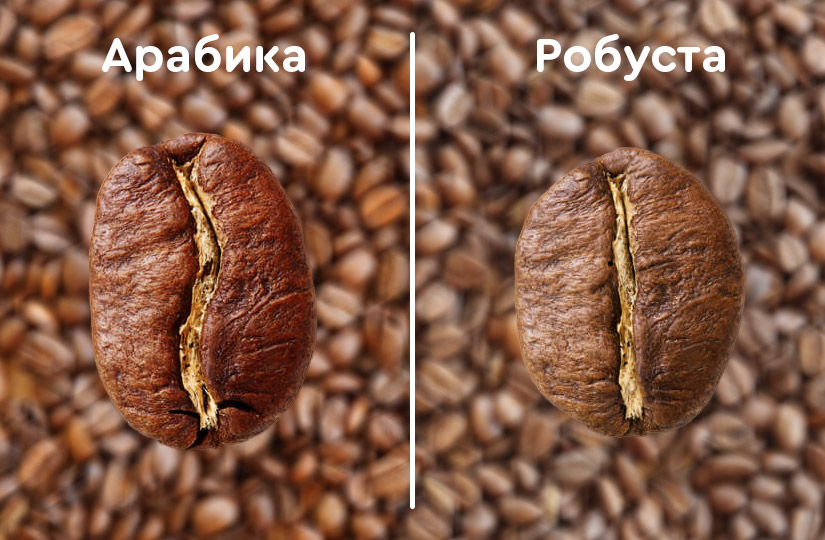
Although India primarily cultivated Arabica coffee, widespread infestations of coffee leaf rust to India from Sri Lanka compromised 30% – 50% of the crop. Robusta plants were discovered to be more tolerant to the humidity and resistant to diseases like rust. They also found that not only were the beans larger in size but also cheaper to grow. Over time, the majority of the coffee cultivated in India shifted towards Robusta. Learn more about the birth of robusta in our article here.

Today, both Arabica and Robusta are cultivated in India, with over 70% of the national production reserved for exports. Coffee is now largely cultivated in Southern India primarily in Karnataka, Kerala, Tamil Nadu and Andhra Pradesh. The non-traditional areas popularly known as the “Seven Sister States of India” comprising the states of Assam, Manipur, Meghalaya, Mizoram, Tripura, Nagaland and Arunachal Pradesh of Northeastern India also grow smaller amounts of coffee, mainly contributing to the local market.

COFFEE GROWING REGIONS OF INDIA

Shade-Grown and Sustainable Coffee

Although shade-grown coffee practices are not exclusive to India, most of the coffee produced in India is shade-grown under a canopy of evergreen and leguminous trees. When Guus visited India back in 2020 (Trip Report), he was pleasantly surprised by the vast amounts of shade everywhere. He said, “Big silver oaks, jackfruit, soapnut, sacred fig, matti and many other jungle wood species hung over the plantations, creating the feeling of being in a forest”. Less direct sunlight brings down the crop size but increases the quality by slowing down the ripening process and giving sugars more time to develop.

ARCHULEY ESTATE

Many coffee farms in India incorporate a variety of fruits and spices into their cultivation practices. This polyculture approach originated from the realisation that solely depending on coffee might not provide sufficient economic support for the land, given the unpredictable nature of global coffee prices. It is now common to see cardamom, nutmeg, cloves, oranges and tangerines, and pepper vines growing alongside the estate’s coffee plants. Coffee here is also handpicked without any machinery to ensure only fully ripe beans are harvested, often with multiple rounds of selective picking. Indian coffee is also sun dried on patios often lined with brick, stones, or concrete. Many estates will also use raised beds for the initial stages.

The increasing variety of overhead shade trees provide a sanctuary for birds and enhance the quality of natural organic matter introduced to the soil from falling leaves. This decomposed organic matter enriches the soil, conserves moisture, and reduces the need for chemical fertilizers. Shade trees also control the growth of weeds on the estates and reduce the incidence of insects, pests, and leaf disease.


Shade coffee also plays an important role in India’s wildlife. The Western Ghats are globally recognised as one of the 36 biodiversity hotspots of the world that runs over 1500km long. Although the area accounts for less than 6 percent of the national land area, it contains more than 30 percent of all plant, fish, bird and mammal species found in the country. Atleast 325 globally threatened species can be found in the Western Ghats. Over a third of the region’s plant species are endemic and BirdLife International has designated it ‘Western Ghats Endemic Bird Area’, as it has 16 restricted-range species confined to this region. The Nilgiri Flycatcher is one such threatened species endemic to the region, but is one of the many birds that is often found only in shaded coffee plantations and this is crucial for its conservation.

NILGIRI FLYCATCHER BY N.A. NASEER

South Indian Filter Kaapi

Tea and Coffee are widely available in India and often served in every household across the country. That said, this is not the tea and coffee that you might be familiar with. Although coffee is consumed around the world, it means different things in different cultures. In India, a cup of coffee now denotes hot milk and sugar mixed with a concoction brewed through percolation of finely ground coffee powder, often containing between 20-49% Chicory which counteracts the bitterness and balances it with its own sweet and woody flavours. This drink is known as South Indian Filter Kaapi. If you are interested in brewing this, check out this video [7]. Despite refraining from sugar and being lactose intolerant, this is by far my favourite way to drink coffee.

FILTER KAAPI SERVED IN STEEL TUMBLER AND DAVARA

3rd Wave Coffee Movement 

Our world has seen coffee trends come and go but in the last few decades, we have seen a period of growth and evolution for the global coffee industry. Though the traditional Filter Kaapi has been very popular, there is a shift towards specialty coffee in India. You might already be familiar with the 3 waves of coffee, and those waves are ripping on the coastline.

Over the last two decades, India saw a surge in the growth of large corporations setting up coffee shops which one could relate to the second wave. India’s very own Cafe Coffee Day, commonly known as CCD, had a revolutionary impact on Indian coffee culture. Founded in 1996, by 2016 they had over 2000 cafes across 220 cities. Unfortunately, poor financial management led to its downfall.

Enter Starbucks. In 2011, Starbucks and Tata Coffee announced plans to begin opening Starbucks in India through a 50:50 joint venture. As of 2023, they now have over 333 cafes around India. This is one of the few cafes in India offering coffee from a variety of origins. Cafe chains are now growing quicker than ever with Costa Coffee, Pret a Manger, Tim Hortons and more opening throughout the country.

GROWTH OF STARBUCKS IN INDIA

The first speciality cafe that I had been to was in fact called ‘Third Wave Coffee’ back in 2017, and at the time that was their only cafe. 6 years later, they now have over 100 cafes and are aiming for 300 in the near future. In 2020, I was back home in Chennai because of the infamous Covid-19. I read that the first speciality cafe was opening in my city and I immediately applied to work with them. I have slowly noticed that now there are more specialty cafes than I can keep count of within just 4 years. The covid effect has been seen across various industries, as visiting cafes wasn’t an option anymore, and Indians needed to purchase brewing equipment nearly tripling the number of home brewers. Coffee drinkers started to explore how people are beginning to understand how coffee is grown, processed and sourced.

India, despite ranking 6th in global coffee exports, faces unique domestic challenges. If you went into a local speciality cafe looking for a chocolatey Brazil or a berry-like Kenyan (as I’ve tried), you are not likely to find it. Importing green coffee bears a Basic Customs Duty (BCD) of 100%, accompanied by a 10% Social Welfare Surcharge (SWS) within India. Consequently, this hefty tariff structure discourages local roasters from actively seeking out imported coffee, limiting consumers with little choice of Origin.

While of course there are challenges, such as infrastructure limitations, quality control and market education, the trajectory of the specialty coffee industry in India points towards a bright future with a dynamic and ever-evolving landscape.

At DRWakefield, we have an amazing selection of coffees from India. This year, we will be looking at sourcing the Gems of Araku again. We have been in partnership with Gems of Araku since 2012 and have always been supportive of them, promoting their different coffee profiles coming from different tribes, villages, and districts in the beautiful Araku Valley, Andhra Pradesh. Keep an eye out for these delicious micro-lots!


What is Medium Roast Coffee? Understanding the Differences Between Light and Dark Roast

Coffee, a beloved beverage consumed by millions worldwide, varies not just in its origin but also in its roast. Among the different roasts, medium roast coffee stands out with its balanced flavor and enticing aroma. But what exactly is medium roast coffee, and how does it differ from its light and dark counterparts? Let’s delve into the basics of coffee roasting and uncover the exciting world of medium roast coffee.

What is Medium Roast Coffee?

Medium roast coffee, often referred to as the “American Roast” or “City Roast,” is roasted to a medium brown color. It strikes a balance between the light and dark roasts, offering a flavor profile that is neither too mild nor too intense. The beans are roasted just before the second crack, which occurs at temperatures around 410º-440º. This roast level showcases a balanced flavor profile, with a slight increase in body compared to light roasts and less acidity.

Medium Roast vs. Light Roast

Light roast coffee, sometimes known as “Cinnamon” or “Light City” roast, is roasted to a light brown color and retains most of the original coffee characteristics. It has a light body, high acidity, and no oil on the surface. The roasting process for light roast stops at the first crack, which happens at temperatures around 350º-400º. For a deeper understanding of light roast coffee, check out this insightful article from us.

The primary difference between medium and light roast is the roast duration and temperature. While light roast emphasizes the bean’s inherent flavors, medium roast offers a more balanced taste, reducing the acidity and enhancing the body.

Medium Roast vs. Dark Roast

Dark roast coffee, with names like “Continental,” “Italian,” or “French” roast, is roasted until it reaches a dark brown to black color. The beans have an oily surface and offer a robust, full-bodied flavor with low acidity. The roasting temperature for dark roast exceeds 440º, going beyond the second crack. For a comprehensive look at dark roast coffee, dive into this detailed piece by us.

When comparing medium to dark roast, the latter has a bolder flavor profile, with the roasting process overshadowing the bean’s original flavors. Medium roast, on the other hand, provides a middle ground, retaining some original flavors while introducing new ones from the roasting process.

In Conclusion

Whether you prefer the bright flavors of a light roast, the balanced notes of a medium roast, or the intense richness of a dark roast, there’s a coffee roast for every palate. For those keen on exploring the differences firsthand, consider a side-by-side tasting, perhaps starting with this comparison between light and dark roasts.

International Coffee Organization Explores Coffee’s Positive Impact on Type 2 Diabetes

The International Coffee Organization (ICO) continues its informative series, aiming to highlight the health benefits of our beloved beverage based on the Coffee Guide by the International Trade Centre.

In today’s installment, the organization sheds light on the impact of coffee on type 2 diabetes, revealing a significant correlation between coffee consumption and a reduced risk of this common disease.

The ICO confirms that enjoying 3-4 cups of coffee daily is associated with a substantial 25% decrease in the risk of type 2 diabetes compared to those who consume little or no coffee.

Moreover, the positive effect persists with each additional cup, provided it remains within the recommended limit of up to five cups per day. The organization emphasizes that both caffeinated and decaffeinated coffee exhibit the same preventive effects.

Beyond diabetes, the series underscores that consuming 3-5 cups of coffee daily may also lower the risk of cardiovascular diseases and death for healthy individuals. Our beloved beverage appears to be more than just a source of warmth and comfort; it can contribute to heart health.

The ICO assures that moderate caffeine intake carries no increased risks of heart and vascular diseases, irregular heartbeats, heart failure, or high blood pressure. Therefore, coffee enthusiasts can rejoice, as indulging in their favorite drink in moderation may be more beneficial than they realize.

It’s worth noting that these valuable insights are based on research conducted by the Scientific Information Institute on Coffee and are extracted from the Coffee Guide affiliated with the International Trade Centre—a rich resource providing insights from the ICO.

While coffee enthusiasts everywhere savor their daily cup, this serves as a reminder that our favorite beverage may pave the way for a healthier future for us all.