Everything you need to know about London’s Coffee Festival 2024

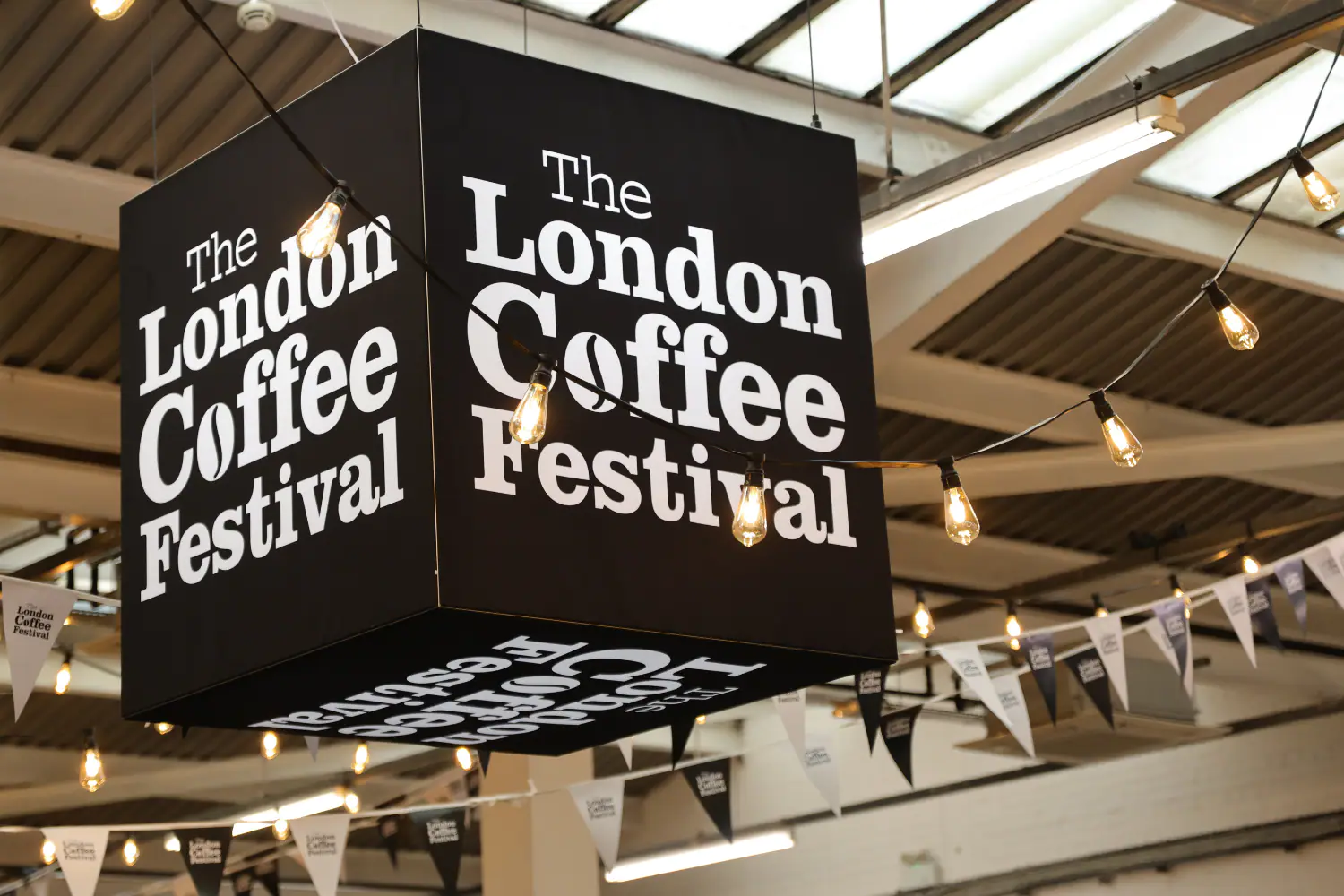
Get ready for the yearly caffeine celebration as London’s vibrant coffee culture takes center stage once again. The upcoming event promises an array of more than 250 artisanal coffee and gourmet food brands, coupled with live music and a bustling food court.

Born out of a deep admiration for the UK coffee scene, the festival made its debut 12 years ago, attracting over 7,000 attendees and 100 exhibitors in its inaugural year. Since then, it has grown exponentially, with last year’s edition drawing in a staggering 23,500 visitors, all eager to immerse themselves in London’s pioneering specialty coffee culture.

Here’s everything you need to know about the festivities this year:

When and Where is the London Coffee Extravaganza 2024? Mark your calendars for Thursday, April 11th to Sunday, April 14th, as the London Coffee Extravaganza unfolds at The Truman Brewery located on Brick Lane in vibrant East London.

What to Expect at the 2024 London Coffee Extravaganza? Prepare for an exciting lineup of events and activities tailored to coffee enthusiasts of all stripes. From captivating live demonstrations of latte art to indulging in the cozy ‘hygge corner’ brimming with delectable Danish pastries, there’s something for everyone. Indulge in the offerings from The Danish Bakery, including their signature “Social Squares,” perfect for sharing and available in enticing flavors like cinnamon, cocoa, blackcurrant, and gooseberry.

At the Hyde Park bar, sip on meticulously crafted coffee cocktails while grooving to curated DJ sets by acclaimed artists such as Justin Robertson and Ray Mang. Meanwhile, The True Artisan Café serves as a platform for cafes, coffee shops, and bars to showcase their hospitality prowess, featuring esteemed names like WACO Coffee Roasters, Dear Green, Three Little Birds, and Harrods.

How Can I Attend the 2024 London Coffee Extravaganza? Securing your spot at the London Coffee Extravaganza is easy. Simply purchase your tickets online, starting at £38 for standard admission. This includes access to over 250 artisan coffee roasters, equipment, and food brands, as well as opportunities for tastings and educational workshops in The Lab. Fast-track entry is also available for those with reusable cup holders.

For an elevated experience, opt for the Ultimate ticket, offering fast-track entry via a dedicated entrance for ultimate ticket holders, access to the LCF Club Lounge, a complimentary coffee cocktail, and an exclusive tote bag filled with goodies, including an exclusive artist-in-residence print.

Don’t miss out on the ultimate celebration of all things coffee at the 2024 London Coffee Extravaganza!

Comprehensive Comparison Between Arabica and Robusta Coffee and Which One is Suitable for You!

The Russian website “TEA.ru” published a comprehensive analysis by coffee experts, including a detailed comparison between the two most famous types of coffee in the world, Arabica and Robusta, including many characteristics that distinguish the two types from various aspects.

The analysis concluded by explaining many aspects that make either of the two types suitable for this or that person, and due to the importance of this analysis, we are publishing a summary of it.

“Arabica or Robusta?” – An eternal question pondered by coffee enthusiasts. As is well known, there is no final answer to it, but we will try to explain the difference between these two types simply and clearly.

Fact: Without Robusta, Arabica wouldn’t have appeared

There are several types of coffee in the world, but in retail stores, you will only find two types – Arabica and Robusta with various variations. And their blend. At the same time, many tend to treat the first type with respect and the second with a hint of disdain. This distinction is particularly noticeable in sales figures: Arabica is demanded at a rate close to double that of Robusta (60-70% of global production) compared to Robusta (30-40%). However, Arabica wouldn’t have appeared at all without Robusta!

Arabica (also known as Arabian coffee) is the result of crossing Robusta with a rare and unprofitable species for industrial agriculture called Eugenioides.

Arabica coffee trees require careful care, fertilizers, and high slopes – from 600 meters above sea level, while Robusta (Congolese coffee), on the other hand, mostly only needs warmth.

Taste

In terms of taste, Arabica takes the lead by a wide margin, leaving Robusta far behind. This is because Arabica coffee beans contain half the sugars compared to Robusta. The drink turns sweeter, even if sweeteners are not added. Moreover, its taste profile varies greatly due to a larger number of fruity acids, giving Arabica a noticeable acidity logically.

Robusta, on the other hand, is always about rich bitterness, due to the high content of caffeine and tannins. The coffee made from Robusta is smooth, without surprises from floral to citrus. It contains a lot of chlorogenic acid, but acidic taste is not its characteristic.

Price

As for the price, Robusta wins. Since the conditions for growing this variety do not require special efforts and financial investments, the price of the final product also differs significantly from the stubborn Arabica cost.

Bean Characteristics

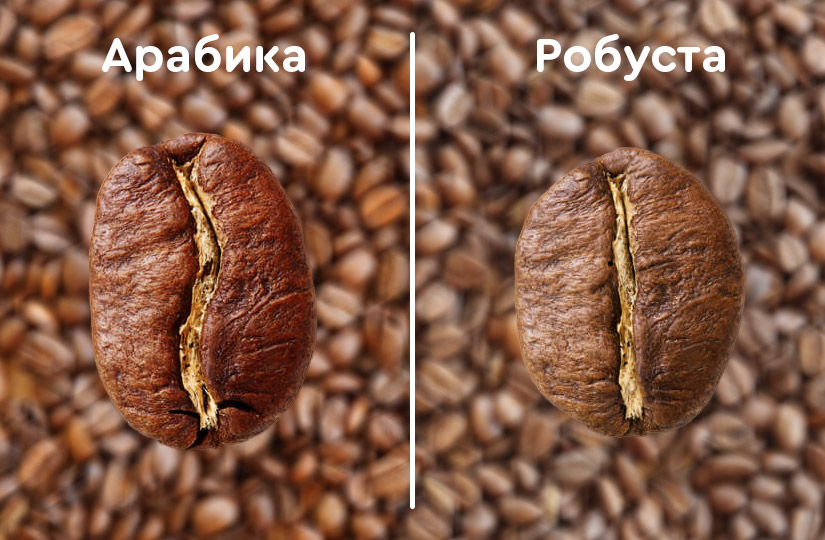
Bean characteristics are not very important, but they are interesting. Robusta coffee beans can be easily distinguished from Arabica, especially if they are placed side by side. Robusta coffee beans appear smaller in size, more round, and multicolored, while Arabica stands out long, large, and with equal “tan”.

What is the ideal coffee for you? Arabica or Robusta?

Based on all the above, we can present you with some characteristics that can indicate the most suitable coffee for you as follows:

Arabica coffee will suit you more if:

  • Natural sweetness is important to you.
  • You prefer rich flavors.
  • You don’t mind acidity.
  • You don’t need a lot of caffeine.
  • You prepare coffee in the Turkish, French, or filter method.
  • The presence of distinctive foam (crema) is not important to you.
  • You are willing to pay the price.

Robusta coffee will suit you more if:

  • You always put sugar in your coffee anyway.
  • You don’t distinguish greatly between fine coffee flavors.
  • You don’t like acidic coffee.
  • You need a good dose of caffeine to increase productivity.
  • You prepare coffee in an espresso machine.
  • You like beautiful, dense foam.
  • You don’t want to pay a higher price.

Away from all that has been mentioned above, you can always reach a compromise, as many producing companies release coffee blends that mix Arabica and Robusta in different proportions (and sometimes other types, such as Eugenioides or Liberica). Thus, the coffee becomes more exciting, hybrid. The more Arabica in it, the sweeter and more acidic it becomes at the same time. Controlling Robusta gives you a strong stimulant drink.

Arabica Coffee Surges Amid Brazil Crop Damage Concerns

Arabica coffee futures surged on Friday amidst worries over Brazil’s coffee crops, while robusta prices fluctuated.

Coffee prices ended the session with arabica reaching a new 5-3/4 month high. Concerns mounted as heavy rainfall in Brazil’s coffee-growing regions raised fears of crop damage. Somar Meteorologia’s report indicated a significant increase in rainfall in Brazil’s Minas Gerais region, which accounts for a substantial portion of the country’s arabica crop.

Meanwhile, worries persisted over the robusta coffee production in Vietnam due to excessive dryness. Although robusta prices hit an all-time high earlier, profit-taking ensued after ICE-monitored inventories rose to a 2-1/2 month high.

The current El Nino weather event is contributing to bullish sentiments for coffee prices, with its impact on Brazil’s coffee production and Vietnam’s coffee areas noted. Tight supplies from Vietnam further bolstered prices, with projections indicating a significant drop in coffee production for the upcoming crop year.

However, a rebound in Vietnam’s coffee exports tempered some of the bullish momentum. Additionally, Rabobank’s prediction of a surplus for the upcoming marketing year provided a bearish outlook, albeit with adjustments to production forecasts.

Despite rebounding from historic lows, coffee inventories remain a point of interest, particularly with larger exports from Brazil. Recent reports highlight substantial increases in global coffee exports, adding to market dynamics.

Forecasts from the International Coffee Organization and the USDA’s Foreign Agriculture Service shed light on production and consumption trends, with Brazil expected to play a significant role in arabica production.

Overall, the coffee market continues to navigate through a complex interplay of factors, with Brazil’s crop concerns taking center stage amidst broader global dynamics.


The World’s Most Popular Coffee Varieties!

Coffee lovers, rejoice! Join us on a tantalizing journey through the world’s most beloved coffee concoctions. From the enchanting alleys of Europe to the bustling streets of Asia, coffee is more than a beverage; it’s a cultural phenomenon. Let’s dive into the realm of the five most popular coffee drinks, each with its own unique charm and widespread appeal.

  1. Cappuccino: Step into the world of sophistication with the illustrious cappuccino. Preferred by 24 countries, including the chic cafes of France, the vibrant streets of Kenya, and the picturesque landscapes of the Netherlands, cappuccino is a harmonious blend of espresso, velvety steamed milk, and ethereal foam. As you savor each sip, you’ll understand why it’s adored for its perfect balance and adorned with a delicate foam “hood,” reminiscent of the Capuchin friars.
  2. Espresso: Prepare to be captivated by the intense allure of espresso. Embraced by 14 countries, including the bustling cities of the United States and the ancient ruins of Egypt, espresso is a potent elixir crafted by the skilled hands of baristas. Derived from the Italian word “esprimere,” meaning to squeeze out, espresso tantalizes the palate with its robust flavor and high caffeine content, offering a quick burst of energy in every sip.
  3. Black Coffee: Experience the pure essence of coffee with the timeless classic, black coffee. Celebrated in 12 countries, including the vibrant markets of South Africa and the enchanting deserts of Jordan, black coffee embodies simplicity at its finest. With no added cream or sweeteners, it offers a guilt-free indulgence, believed to aid in weight loss and embraced as the cornerstone of coffee culture worldwide.
  4. Americano: Journey into the heart of coffee tradition with the beloved Americano. Cherished in 10 countries, including the passionate tango-filled streets of Argentina and the picturesque landscapes of Italy, the Americano offers a smooth and less intense alternative to espresso. Legend has it that it gained popularity during World War II, a testament to its enduring appeal and ability to bridge cultures with its comforting warmth.
  5. Mocha: Surrender to the irresistible allure of mocha, a decadent fusion of chocolate and coffee beloved in six countries, from the bustling streets of Japan to the tranquil shores of Mauritius. With its luscious blend of espresso, chocolate, and creamy milk, mocha is a delightful treat for the senses, offering a perfect harmony of sweetness and richness to elevate any moment.

But wait, there’s more! Explore a myriad of other popular coffee delights, from the creamy indulgence of lattes to the spirited warmth of Irish coffee, each offering a unique glimpse into the diverse tapestry of global coffee culture. Join us as we celebrate the artistry, tradition, and sheer delight of coffee in all its glorious forms. Cheers to the world’s favorite brews!

Is Decaf Safe? Health Advocacy Groups Push FDA for Action

As the sun rises and the world awakens, millions of individuals reach for their morning ritual: a steaming cup of decaf coffee. Yet, amidst the comforting aroma and familiar routine lies a contentious debate over the safety of this beloved beverage. Health advocacy groups are sounding the alarm, urging the FDA to reevaluate the use of methylene chloride, a chemical involved in the decaffeination process, citing concerns over its potential carcinogenic properties.

Methylene chloride, commonly used as a solvent in various industrial processes, including coffee decaffeination, has long been flagged as a potential carcinogen by leading health organizations such as the National Toxicology Program, the Environmental Protection Agency, and the World Health Organization. Dr. Maria Doa from the Environmental Defense Fund underscores the risks associated with this chemical, highlighting evidence of cancer induction, liver toxicity, and neurological effects linked to exposure.

While the FDA has set limits on methylene chloride residue in decaf coffee, critics argue that these regulations are outdated and fail to account for modern consumption patterns. With coffee sizes expanding and concerns about cumulative exposure mounting, the debate gains urgency, sparking calls for more stringent oversight.

Notably, some players in the coffee industry are already exploring alternative decaffeination methods in response to these concerns. These methods seek to eliminate the need for methylene chloride entirely, utilizing innovative techniques to preserve both flavor and safety.

Consumer awareness is paramount in navigating this complex issue. Health experts advise scrutinizing labels for solvent-free, Swiss Water processed, or organic certifications when purchasing decaf coffee. Additionally, exploring caffeine-free alternatives, such as chicory root or dandelion beverages, offers peace of mind for those seeking to minimize exposure to potentially harmful chemicals.

As the FDA reviews petitions and deliberates on the future of decaf coffee, consumers are encouraged to stay informed and proactive in safeguarding their health and well-being. In a world where every sip counts, the quest for a safer cup of decaf continues to unfold, shaping the choices we make each morning.

The most popular coffee drinks around the world

Coffee is more than just a beverage, it’s a culture. People in countries worldwide incorporate coffee drinks into their daily routine; either for relaxation and socializing or to start off the day. Seeing as coffee occupies such a sentimental place in people’s hearts, coffee preferences will vary across the globe.

Some coffee drinks, like Turkish coffee, are associated with specific regions, while others like espresso, cappuccino and latte are now considered global coffee trends. Plenty of folks like their coffee black, while others prefer a creamier, frothier taste in their drink.

  • Cappuccino is the most popular coffee drink in the world, topping lists in 24 countries across Asia, Africa, Europe and the Americas.
  • Espresso is the second most popular coffee drink worldwide and is number one in 14 countries.
  • 42 of the largest cities in the US claim espresso as their preferred coffee variation.
  • 12 countries love black coffee the best for its rich, unadulterated coffee flavor.
  • Turkish coffee is the least preferred coffee drink in our analysis, being that it’s mainly popular in Turkey alone.

In our findings, cappuccino is the world’s favorite coffee drink. It is milder and creamier than straight espresso and comes in a larger cup. Still, espresso comes in second since it’s made in a jiffy and quickly kicks in for a prompt energy boost.

It’s common to find one country with multiple coffee preferences because sometimes it’s not that easy to decide between favorites. We wanted to dig further and discover what’s the most popular coffee drink in every country and why.

So we studied the Google Search volumes for various coffee types in multiple languages and came up with the list below.

  • Albania – Macchiato and cappuccino
  • Argentina – Americano
  • Australia – Macchiato
  • Austria – Cappuccino
  • Bahamas – Cappuccino
  • Bahrain – Cortado
  • Bangladesh – Mocha
  • Belgium – Cappuccino
  • Bolivia – Americano
  • Brazil – Latte
  • Bulgaria – Black Coffee
  • Croatia – Cappuccino and espresso
  • Cyprus – Espresso
  • Czech Republic – Flat White
  • Denmark – Cappuccino, cortado and flat white
  • Finland – Irish coffee
  • France – Cappuccino
  • Germany – Espresso
  • Greece – Espresso
  • Hungary – Cappuccino
  • Iceland – Espresso
  • Ireland – Irish coffee
  • Italy – Americano
  • Luxembourg – Cappuccino
  • Malta – Cappuccino
  • Netherlands – Cappuccino
  • Norway – Iced coffee and Irish coffee
  • Poland – Flat white
  • Portugal – Black coffee
  • Romania – Cappuccino
  • Serbia – Espresso
  • Spain – Cappuccino
  • Sweden – Irish coffee
  • Switzerland – Cappuccino
  • Ukraine – Espresso
  • United Kingdom – Macchiato
  • Canada – Espresso
  • Dominican Republic – Black coffee
  • Nicaragua – Iced coffee
  • United States – Espresso
  • Chile – Iced coffee
  • Colombia – Black coffee
  • Costa Rica – Americano
  • Ecuador – Americano
  • Paraguay – Americano
  • Peru – Frappuccino
  • Uruguay – Americano
  • Venezuela – Black coffee
  • Egypt – Espresso
  • Kenya – Cappuccino
  • Mauritius – Mocha
  • Morocco – Black coffee
  • Nigeria – Cappuccino
  • South Africa – Black coffee
  • Hong Kong – Latte and mocha
  • India – Cappuccino
  • Indonesia – Cappuccino
  • Israel – Black coffee
  • Japan – Mocha
  • Jordan – Black coffee
  • Kuwait – Cappuccino
  • Lebanon – Black coffee
  • Malaysia – Latte
  • Oman – Cappuccino
  • Pakistan – Espresso
  • Philippines – Iced coffee
  • Qatar – Flat white
  • Saudi Arabia – Cappuccino
  • Singapore – Cappuccino
  • Taiwan – Espresso
  • Thailand – Espresso
  • Turkey – Turkish coffee
  • United Arab Emirates – Black coffee
  • Vietnam – Espresso, latte and mocha
  • Jamaica – Frappuccino and cappuccino
  • Trinidad and Tobago – Cappuccino

24-Karat Gold Coffee Experience with Inside Burj Al Arab Tours to Celebrate Eid Al-Fitr 2024

  • Available exclusively at Inside Burj Al Arab tours, discover a new 24-Karat Gold experience this Eid Al Fitr, with a ‘Tour and Golden Coffee’ served with creamy Camel Milk for extra indulgence and elegance- a first for Dubai.
  • Embark on a luxurious 90-mintute tour and discover the untold stories of Dubai’s most iconic hotel and the original home of luxury, Burj Al Arab Jumeirah.

 To celebrate the joyous festivities of Eid Al Fitr, Inside Burj Al Arab Tours welcomes UAE visitors and residents to discover a luxurious 24-Karat Gold experience at the original home of luxury, Burj Al Arab Jumeirah.

Available throughout the week of Eid Al Fitr, April 9th– April 14th, between 10:00am and 7:00pm, the unique Golden Coffee with Camel Milk tour experience commences with a 60–90-minute tour inside the iconic hotel, taking guests on an interactive journey of discovery, showcasing the hotel’s stunning interiors, grand Atrium, Royal Suite, and Experience Suite.

Famous for its gold-plated interiors and grand gold-plated elevators, the exclusive Golden Coffee with Camel Milk tour is the ideal way to experience the elegance of an Inside Burj Al Arab tour with family and friends. Priced at AED 399 person, the unique beverage is served with creamy Camel Milk and dusted with real edible gold and can be enjoyed either at the stunning Observation Lounge on the 25th floor or at UMA Lounge, set against picturesque views of the Dubai skyline and Arabian Gulf.

Celebrate Eid Al Fitr in the most memorable way with Inside Burj Al Arab tours, offering an array of unique and indulgent experiences for family and friends to enjoy together.

For more information of the Eid Al Fitr experiences, please visit Inside Burj Al Arab Tours.

Inside Burj Al Arab Tour Eid Al Fitr Package:

 What: Tour and Golden Coffee served with Camel Milk

  • 60-90-minute Inside Burj Al Arab tour
  • Tour followed by a Golden Coffee with Camel Milk
  • When: April 9 until April 14

Tour suggested time: from 10:00am to 7:00pm

Price: AED 399 per ticket

About Inside Burj Al Arab

Inside Burj Al Arab, part of Dubai Holding and Jumeirah Group, is an exclusive 60-90-mintue tour that offers guests an insight into Dubai’s iconic Burj Al Arab with selected experiences from a tour exploring interiors along the sea views to extended experiences after the tour, featuring signature 24-carat gold-infused beverages, exclusive dining options, spa and wellness and alfresco experiences.

Inside Burj Al Arab operates daily from 10:00 am to 7:00 pm, with ticket purchasing available online or from the ticket lounge located at the conference centre at Jumeirah Beach Hotel. For more information, please visit www.insideburjalarab.com


Wait no longer… New research disproves the “wait two hours” rule for your first cup of coffee

In their constant pursuit of optimal health and productivity, many have adhered to the advice of delaying their first cup of coffee, believing it could help avoid the dreaded afternoon slump. However, recent scientific findings challenge this notion and raise doubts about it.

A comprehensive review of 127 studies, detailed in the Annual Review of Nutrition, revealed multiple benefits of coffee consumption, confirming that coffee could reduce the risk of various diseases including cancer, type 2 diabetes, and Parkinson’s disease. Another study published in the Circulation journal noted a significant decrease in the risk of stroke associated with coffee consumption. Additionally, a study conducted by the National Institute of Health, which involved over 260,000 individuals, found that regular coffee drinkers were less prone to depression.

Moreover, coffee seems to possess cognitive benefits as well. While caffeine intake before forming new memories showed limited effects, research published in the Nature Neuroscience journal revealed that consuming caffeine after learning could notably enhance memory recall.

Given these multifaceted benefits, the timing of the first cup of coffee becomes an intriguing topic. Contrary to popular belief, the idea of delaying coffee consumption to allow the body to utilize its natural energy resources is not supported by scientific evidence.

For example, a recent analysis published in the Journal of the International Society of Sports Nutrition refuted the myth linking early caffeine consumption to the afternoon slump. Similarly, doubts have been raised about concerns regarding caffeine-induced dehydration, with genetics, hydration strategies, and sweat rate appearing to play more pivotal roles in hydration status.

In essence, the time you choose to enjoy your first cup of coffee is similar to your waking time; it’s a personal choice rather than a determinant of success. Whether you choose to savor your coffee immediately upon waking or prefer to delay for anticipated benefits, the decision is yours.

As psychologist Adam Grant aptly puts it, success is not about conforming to others’ schedules but about productivity and personal achievements. So, whether you find solace in delaying coffee intake or enjoy the immediate boost, rest assured: science indicates that it does not significantly impact the overall outcome.

Coffee Prices Soar to 16-Year High

The price of robusta coffee has surged to a record high since 2008 due to concerns about supply shortages.

The threat of water scarcity could limit production in Vietnam, one of the largest exporters.

May contracts on the ICE exchange during Wednesday’s trading on April 3 rose by 4.8%, peaking at $3,838 per tonne.

By the end of April 3, ICE exchange trading closed up 4.1% to $3,812 per tonne. Coffee prices have risen by nearly 24% since the beginning of the year.

Coffee futures reached a new high in London trading due to concerns about shortages, according to Bloomberg.

Unusual heat threatens coffee production in Vietnam, one of the world’s largest exporters of this variety.

This has heightened concerns about a shortage of grains used to produce soluble beverages.

There are concerns about a possible shortage of water for farmers to irrigate coffee trees, which could affect yields next season.

The rally in the coffee market can also be attributed to panic buying by roasters, whose reserves are at a minimum as they have not replenished them in anticipation of lower coffee prices.

Vietnamese coffee production is also affected by farmers switching to other crops such as durian, avocado, and passion fruit.

According to the National Coffee Association, coffee exports may decrease by 20% this season, ending in September, compared to 1.67 million tonnes shipped the year before.

The harvest expected in Vietnam this year is unlikely to help improve supply.

10 Medications Not to Take with Coffee: A Comprehensive Guide

Consuming coffee alongside certain medications can significantly impact their effectiveness and absorption rates in the bloodstream. Here’s a detailed rundown of 10 types of medications you should avoid combining with coffee:

  1. Thyroid Medications: Studies suggest that pairing coffee with thyroid medications can reduce drug absorption by over 50%, potentially diminishing their effectiveness.
  2. Cold or Allergy Medications: Many cold or allergy remedies contain stimulants like pseudoephedrine. Mixing them with coffee could exacerbate issues such as insomnia and sleep disruption.
  3. Diabetes Medications: For diabetic individuals, adding sugar or milk to coffee might elevate blood sugar levels, affecting the efficacy of their prescribed medication. Furthermore, caffeine intake could worsen diabetic symptoms.
  4. Alzheimer’s Medications: Caffeine can interfere with Alzheimer’s medications by tightening the blood-brain barrier, limiting drug passage to the brain. Additionally, excessive coffee consumption may compromise the protective effects of these medications on neurotransmitters.
  5. Asthma Medications: Combining asthma drugs, which relax airways, with caffeine may heighten side effects like headaches and insomnia. Coffee intake may also hinder medication absorption.
  6. Osteoporosis Medications: Studies reveal that concurrent coffee consumption could reduce the potency of osteoporosis treatments by more than half.
  7. Antidepressants: Coffee intake might impact antidepressant absorption, potentially leading to sleep disturbances and increased heart rate among patients.
  8. Antipsychotic Medications: Coffee consumption may hinder the absorption of antipsychotic drugs, compromising their efficacy in managing conditions like schizophrenia and severe depression.
  9. High Blood Pressure Medications: Doctors advise against drinking coffee alongside blood pressure medication due to potential interference with absorption and increased heart rate, exacerbating hypertension.
  10. Melatonin Supplements: While melatonin aids sleep, coffee’s stimulating effects can counteract its benefits by inhibiting melatonin production, reducing its effectiveness as a sleep aid.

By being aware of these interactions, you can ensure the optimal effectiveness of your medications while enjoying your coffee responsibly.

Specialty Coffee Expo 2024 Introduces Exciting New Features for April Show

Dubai, April 5, 2024 (qw) – This year’s Specialty Coffee Expo is geared up to showcase its commitment to sustainability amidst mounting pressure on companies to embrace eco-friendly practices. Collaborating with industry leaders like Caravela Coffee, Pacific Foods Barista Series, and Barista Attitude, the expo is unveiling innovative strategies to offset its environmental footprint.

Carrie Gibson, Events Director at Specialty Coffee Association (SCA), announces, “We’re launching the ‘Sustainable Expo’ initiative, channeling financial aid to Latin American coffee farmers for planting native trees. This green endeavor aims to improve soil health, mitigate erosion, and sequester carbon.”

Through agroforestry systems, the expo plans to offset 1600 to 2000 metric tons of CO2 emissions by planting 6000 native trees, benefitting over 150 coffee farms across several countries. In addition to its ‘Sustainable Expo,’ scheduled for April 12-14 in Chicago, the expo is designed to cater to the global coffee community’s diverse needs.

Gibson emphasizes, “Our expo offers not just a vibrant atmosphere but also a platform for business growth and professional development. With features like the Roaster Village and the Best New Product competition, attendees can expect a unique experience tailored to their preferences.”

Introducing two new features, Green Coffee Connect and Retail Buyers Lounge, the expo aims to foster inclusive business relationships and provide a space for retail professionals to network and engage in meaningful discussions.

Furthermore, the expo offers extensive educational opportunities, including lectures and workshops, addressing critical industry topics. Gibson adds, “Education is paramount for success in this industry, and our workshops provide in-depth insights into specific subjects.”

With substantial growth anticipated, the expo remains committed to upholding SCA’s values and mission, ensuring a rewarding experience for every participant.

Gibson, reflecting on her role, expresses pride in contributing to the expo’s success and sustainability initiatives. She concludes, “Each year, seeing the expo come together is incredibly fulfilling. It’s a testament to the collaborative efforts of our dedicated team and the vibrant coffee community we serve.”

Beans of Change: “ROR Coffee Solutions” Celebrates International Women’s Day with Rwandan Farmers

ROR Coffee Solutions, a locally owned coffee business, kicked off a groovy caffeinated event for International Women’s Day, on Friday, 8th March. The platform was used to announce the significant partnership between ROR Coffee and a Rwandan’s women’s farm. ROR Coffee celebrated this event by graciously hosting Esther Mukangango, a woman farmer from Nyarguru, Rwanda. This remarkable and resilient woman had the chance to express her enthusiasm of being invited to the UAE and experience ROR coffee’s commitment to ethical and sustainable practices.

Esther Mukangango shared her riveting story, by recounting the inspiring journey of 125 women uniting with a common goal to fight poverty by saving and lending money amongst each other. Together, they formed a union called Nyampinga – which translates to “beautiful women in and out.” The women of Nyampinga are recognized for their remarkably high level of cooperative management skills, due to which they were able to collect substantial capital and purchase coffee farms. Their impactful movement earned them global recognition, which led to support from more than three local and international banks to provide these women farmers with working capital for coffee harvesting and processing. Furthermore, with partnership and assistance from non-profit Sustainable Growers, Nyampinga is able to highlight the visibility of women coffee farmers from seed to cup.

In the past, women like Esther had never tasted nor had access to coffee in Rwanda as it was seen as a man’s drink. Esther inspired the audience by expressing pride in not only being able to own coffee farms, but also being able to now export coffee to the USA, Europe and to the Middle East. Attendees at the event were moved as Esther highlighted the fact that she and several other women farmers are now able to solve their primary needs by sending their children to school, paying for health insurance, and contributing to a pension scheme for the elderly.

On the other hand, Esther was quick to spill the beans as she expressed gratitude upon realizing that their diligent efforts were being supported by ROR Coffee. ROR Coffee revealed that a percentage from every product sold will go back to Esther and the Nyampinga cooperative, contributing to a brighter future for them and their communities.

Moreover, ROR enhanced the event by serving a variety of freshly brewed hot coffee imported directly from Esther’s farm in Rwanda for the attendees. They used their efficient electric roasters, which have been implemented to reduce their emissions in line with their sustainability goal of cutting carbon emissions by 20% by 2025. Guests were also treated to an exclusive glimpse of ROR’s collaboration with Frothing Friday’s electric vehicle fleet, utilized for sales, QC and technical purposes – working hand-in-hand to propel them towards their sustainability goals.They also highlighted their fully compostable coffee bags, capsules, and cups across their product portfolio, in a bid to reduce waste.

ROR Coffee’s commitment to fair trade and their partnership with Rwandan women farmers marks a significant milestone in their commitment to support and empower women. The success of their impactful event serves as a beacon, inspiring other companies in the coffee industry to not only adopt similar practices but also contribute to fostering a more fair world for women farmers and cultivating a sustainable environment.