Coffee Cascara: Ancient Yemeni Heritage Reshaping Coffee Culture

Recently, cascara coffee has been gaining increasing attention, especially in European and American countries, where its origins, benefits, and preparation methods are being explored. Although some claims attribute the invention of cascara coffee to specific countries or baristas, the truth reveals a completely different story.

Cascara coffee is nothing but coffee cherry husks, an ancient innovation dating back thousands of years to Yemen, where Yemenis have used it and continue to trade it in local markets to this day. Coffee cherry husks have also been used in some coffee-producing countries like Ethiopia and Bolivia.

It can be said that coffee cherry husks are an integral part of Yemenis’ lives, as it is considered the favorite drink for various occasions. Yemenis used coffee cherry husks to prepare their daily coffee, while they used coffee beans for morning coffee only.

In the past, Yemenis would separate coffee cherry husks and consume them locally in the production of the finest coffee varieties, exporting coffee beans to the world. Today, coffee cherry husks can be found in various markets in Yemen, where traders compete to sell them, and their quality varies depending on their types.

Cascara coffee is distinguished by its enchanting preparation method and unique taste, where coffee cherry husks are gently boiled and ginger or cinnamon is added to enhance the flavor, and the drink is sweetened with sugar or consumed without it.

Yemenis discovered the benefits of coffee cherry husks since ancient times. It has been and still is used as a preferred product for women during the first month after childbirth. It was also used by farmers in Yemen before heading to their farms, where it helped them face the scarcity of drinking water in the farms where they worked for long periods under the hot sun. Coffee cherry husks would sustain them, reduce thirst, and the need for water.

Additionally, it is believed that coffee cherry husks help in fat loss, improve digestion, and strengthen the immune system.

Although cascara drink is considered new in American and European markets, it has been a staple drink in Yemen, Ethiopia, and Bolivia for many centuries. Recently, coffee producers have started using coffee cherry husks to produce this unique drink, which can be served hot or cold.

Certainly, cascara or coffee cherry husk drink revives the traditions of authentic Yemeni coffee and offers coffee lovers an unforgettable experience.

Cascara coffee carries with it a rich history and culture, blending its unique flavor with the authentic Yemeni coffee traditions to provide an exceptional experience for coffee lovers around the world.

With the increasing interest in cascara coffee and its preference by coffee lovers, we can expect to see more traders and baristas adopting this unique drink and offering it on their menus, making it an integral part of the diverse global coffee culture.

Erna Knutsen: The Unsung Heroine of Specialty Coffee

Atoni Lucien I name her the mother of specialty coffee.

Our lives, all of them, are lived in versions.

I have a version of my life, my parents have another, my siblings another, and for every person I count as a friend or acquaintance, there are yet more versions of my life.

This is not news to anyone.

Famous people famously have many biographies written about them, many different versions of who they were and what they did or didn’t do.

Erna Knutsen was not a famous person, generally. She was a famous person, specifically.

The regular world, the world that is not engrossed and consumed by, obsessed and beset by coffee, that world may not know who Erna Knutsen was.

The coffee world—and not just the specialty coffee world—knows who Erna Knutsen was, though we may not agree on any one version of her story. But I think we might all agree, or most of us, on a version of the person.

She was generous, if not to a fault, then beyond normal, with her time, knowledge, and understanding.

For years before the Specialty Coffee Association of America (now the SCA) hired its first professional staff person, Erna was the unofficial spokesperson for the industry, speaking to reporters about the new fad known as specialty coffee.

Perhaps because her story can be understood as something of an underdog story, she loved to see people succeed against the expectations if not the odds; and while she was not at all shy of the spotlight, she was likely to drag someone else into the spotlight with her to share it.

She had a guffaw that bordered on a cackle and yet was thoroughly charming because it was so genuine, and often surprising, because if anyone could find humor in unexpected places, it was Erna Knutsen.

“During the discussion after one cupping session, Erna had scored a particular sample much higher than the rest of the jury, so Paul asked her to explain what she liked so much about that coffee.

She put on her reading glasses, perused her cupping sheet for a few seconds, then looked up and replied, ‘Oh… I’m sleeping with the farmer!’” -career coffee professional Stephen Vick, talking about the Cup of Excellence jury in Nicaragua, 2006 .

Erna died in June 2018. At 96, she was well past the age when we ask what it was that caused her death. Enough was enough. She had already lived more than one life by any measure and for those of us who claim coffee as a living, it was her second life that meant the most, her coffee life.

Erna’s father, Edwin, died just three months before his 100th birthday.

Long life was in her blood, is one way to put it. Another way would be to say that long life was in her spirit, and her spirit was needed to launch an industry.

To give away the ending, that is what Erna Knutsen did.


By:Atoni Lucien (Lucio) Ngeh

International Specialty Coffee and Roastry Manager at SADDLE CAFE and Feels Juice Bar. Specialty Coffee Consultant

Medina Qahwa: Crafting Coffee with a Human Touch

I first laid eyes on her at the World of coffee Dubai 2024. Despite her bustling pace through the exhibition halls, I couldn’t seize the opportunity to converse with her. Fortunately, my daughter struck up a conversation and obtained her contact details. Our inaugural encounter unfolded post-exhibition at ALSercal Avenue, where we exchanged dialogue over a steaming cup of matcha tea.

Unfamiliar with Medina Ilyas, the name of her coffee enterprise, “Medina Coffee,” intrigued me. “Who are you?” I inquired. “I’m a woman from Kazakhstan who married an Omani man and relocated to Oman,” she replied. Following the eruption of conflict in Yemen, a neighboring nation to Oman, I received inquiries from acquaintances about the situation there. Unaware of the circumstances, I was enlightened by their accounts of the war’s dire toll on children, some succumbing to starvation. This prompted me to contemplate ways to extend aid. Upon researching Yemen, I unearthed its pivotal role in coffee’s history, igniting within me a desire to support its populace through coffee cultivation and commerce.

Medina initiated a humanitarian forum in Muscat, convening women to strategize aid efforts for Yemen. We amassed considerable funds and dispatched them promptly. This initiative sparked the inception of a commercial endeavor aimed at providing sustainable assistance – thus, “Medina Coffee” came into being. It represents not just a business venture but a humanitarian endeavor.

Embarking on a journey across the Arabian Peninsula, Medina delved into the realm of coffee, amassing over 700 Arab coffee recipes, 10 of which were published in a tome titled “The Art of Arab Coffee” In this opus, Medina Elias, a coffee aficionado and founder of Medina Coffee Company, delves into the opulent cultural heritage of authentic Arab coffee.

The cultivation, roasting, and preparation of Arab coffee were originally pioneered and perfected in the Arabian Peninsula. Arab coffee transcends mere refreshment; it embodies a cultural ethos and serves as a cornerstone of Middle Eastern hospitality. With roots tracing back centuries in the Middle East, its traditions have endured across generations.

Medina divulges her secrets of coffee preparation, featuring unique recipes incorporating cardamom, frankincense, or saffron, resulting in exquisitely rich and flavorful Arab coffee. “The Art of Arab Coffee” encompasses a succinct history of Arab coffee, offering insights into Arab culture and hospitality, alongside key revelations about the world of Arab coffee and its profound health benefits.

Enriched with captivating anecdotes, the book unveils the origins of coffee, from an Ethiopian goatherd named Kaldi to Sufi monks in Yemen who imbibed it to maintain wakefulness during nocturnal meditations. Presently, Medina endeavors to inaugurate her inaugural coffee shop in Dubai and expand her commercial footprint across the UAE and beyond.

Opening of Bacha Coffee Café in Qatar at Villaggio Mall

The legendary coffee brand “Bacha Coffee,” founded in Marrakech in 1910, launched its latest destination in Doha at Villaggio Mall. Exuding quality and heritage, Bacha Café at Villaggio Mall invites guests to explore the wonders of 100% Arabica with the full coffee shop experience and the unique concept of Bacha Coffee’s gourmet ready-made meals, all in one enchanting place spanning 250 square meters. With 30 seats and over 200 types of coffee to explore, guests will be spoiled for choice with beans from 35 countries across the globe.

Bacha Coffee brings to Villaggio Mall a heritage of impeccable service, attention to detail, and hands-on expertise through its interior concept seamlessly blending with the mall’s decor, inviting guests to appreciate the aromatic wonders of each cup alongside a rich assortment of pastries. In a luxurious manner, Bacha Café’s menu caters to all tastes and preferences, highlighting a tempting selection of coffee varieties, iced desserts, and more, made from the finest ingredients.

Step into the Bacha Coffee boutique and experience a transformation that takes you back in time. Rows upon rows of vibrantly colored coffee tins filled with beans from around the world evoke a sense of nostalgia, while the space resonates with a symphony of sounds. Amidst this ambiance, the enticing aroma of freshly ground Arabica beans casts its spell, awakening your senses to the magic within each cup.

“Bacha Coffee is the product of a rich heritage, a brand that has matured over decades since 1910. Our latest destination will ignite the imagination of our guests in the same way coffee transports us to distant destinations. We’ve brought together the old and the new,” says Taha Bouqdeb, President and CEO of Bacha Coffee. “In one experience, we pay homage to the past and invent the future, where 100% Arabica coffee takes center stage in this theater of life. All senses come into play here, and our coffee is the star.”

Bacha Coffee Company offers an arsenal of Arabica coffee through single-origin, well-blended, premium flavored, and naturally decaffeinated varieties, with over 200 carefully selected types grown and handpicked from 35 countries across Africa, the Arabian Peninsula, Central and South America, the Caribbean, and Asia. Any of these can be purchased by weight, then expertly ground to order by the company’s coffee experts to a size calibrated to suit any chosen brewing method, and packed into a variety of purpose-designed coffee tins.

Guests can also browse through any of the thirty different coffee bag gift boxes – available in individually wrapped single bags containing 12 or 25 sachets, packed into beautifully designed Bacha Coffee bag gift boxes as a treat for themselves or as a perfect gift. Consider the Grand Moka Mattari single-origin coffee from Yemen, a rare and rich crop that entices with aromas of apricot, dark chocolate, and dates with hints of caramel and spices. Alternatively, one can quickly acquaint themselves with the world of Bacha Coffee through where one can explore coffee from around the world through a variety of 10 blends.

Indulge in a sensory coffee tasting experience by choosing from the gourmet products that can all be bundled into a basket to recreate the Bacha Coffee experience at home. With purposeful function and timeless style, the distinctive golden-colored Bacha Coffee pot has been designed to deliver the perfect service for luxurious coffee, with double walls to protect hands from the heat of the served beverages. Express your sincerity by simply enjoying coffee with a basket of biscuits or caramels or chocolate-covered coffee beans alongside other coffee essentials, accompanied by a note card and a free and encouraging gift wrap.

Upon leaving the store, visitors have the delightful opportunity to carry a cup or two of coffee with them, ensuring they stay energized throughout the day. Their journey culminates at the ready-made meal table, where they can choose from over 200 types of coffee prepared to order either hot or iced, served alongside swirled Chantilly cream of vanilla beans and raw sugar sticks or reusable glass straws. Elevate the experience further by selecting from a variety of unique stuffed croissants, featuring flavors such as coffee chocolate or kaya, perfect with any type of coffee. Experience the pinnacle of tradition and innovation as you immerse yourself in the latest chapter of the Bacha Coffee journey.

Complete your day with a legendary coffee moment, only at Bacha Café in Villaggio Mall. For more information on various ways to enjoy coffee, visit BachaCoffee.com/Coffee, a treasure trove of guidance and insightful notes on coffee cultures around the world in Stories. No royalties are due if Bacha Coffee is mentioned. All image rights are owned by the company as a source. Additional images are available upon request.

Bacha Coffee was founded in Marrakech, Morocco, in 1910, in the stunning Dar el Bacha Palace, where the greatest cultural and political minds of the century gathered around ornate vessels of fresh Arabica coffee. The original Marrakech location reopened in 2019, and its first international location was launched in Singapore the same year. With unique and exclusive coffee chambers, boutiques, coffee bars, travel concepts, and ready-made meals, Bacha Coffee has since expanded its clientele significantly across Asia, the Middle East, and Europe. Today, BachaCoffee.com serves over 40 countries, including online, where Bacha Coffee is renowned for its legendary coffee gifts and accessories made from 100% Arabica coffee, as well as the Bacha Coffee concept of international distribution and wholesale for professionals.

Do you know what is Specialty coffee?

Specialty coffee is a unique kind of coffee, distinct from the standard offerings you might find in the coffee and tea aisle. This isn’t your run-of-the-mill grain; it’s a product held to sky-high standards, without which it cannot bear the label of ‘specialty.’

In recent years, specialty coffee has surged in popularity, becoming a favorite among coffee lovers. But what sets it apart? What makes specialty coffee truly special?

So, what exactly is specialty coffee?

Specialty coffee is defined as coffee that scores 80 or above out of 100 on the ‘specialty scale,’ a metric determined by the Specialty Coffee Association (SCA). The SCA sets stringent rules and regulations governing its classification.

The essence of specialty coffee lies in its meticulous journey from bean to cup. Every step, from the coffee bean farm to the skilled barista, is meticulously considered. This dedication to excellence ensures that every sip delivers a high-quality experience for coffee enthusiasts.

These coffee beans typically thrive in high-altitude regions with carefully managed climates and soil compositions, resulting in unique flavors. Coffee sourcers invest considerable effort in identifying the perfect coffee farm for specialty beans. Once harvested, the beans undergo further refinement and enhancement, culminating in a sustainably sourced bag of coffee ready to tantalize your taste buds.

How is specialty coffee classified?

To earn the coveted ‘specialty’ label, coffee must achieve a minimum score of 80 on the specialty scale, as determined by certified coffee tasters approved by the SCA. Ratings range from ‘very good’ to ‘excellent’ or ‘outstanding,’ reflecting the coffee’s quality.

The classification process is rigorous, with strict adherence to rules by all involved parties. From coffee farmers to roasters and baristas, alignment throughout the process is essential to maintain the coffee’s specialty status.

The rating process for specialty coffee includes meticulous considerations, such as standardized lighting levels and table sizes during assessment. Beans must pass through defect categories, with no Category 1 defects and a limit of five Category 2 defects to qualify as specialty coffee beans.

Where is specialty coffee grown?

Major coffee-producing countries like Brazil, Ethiopia, Vietnam, and Colombia dominate specialty coffee production. However, efforts are underway to explore emerging coffee-growing regions that offer unique flavors. Countries like Rwanda, Costa Rica, Panama, and Bolivia are increasingly contributing to the specialty coffee market, meeting the high expectations set by the Specialty Coffee Association.

In essence, specialty coffee can be produced anywhere, provided it meets the rigorous standards set by the Specialty Coffee Association.

In the world of specialty coffee, the journey from bean to cup involves several key players, each contributing their expertise:

  • The Coffee Farmer: These dedicated producers cultivate the highest quality coffee through generations of expertise. They focus on quality over quantity, ensuring only the best beans reach the market.
  • The Green Coffee Buyer: Skilled in identifying coffee quality, green coffee buyers play a crucial role in selecting beans for specialty coffee. Through cupping, they assess coffee quality and communicate key information to roasters and cafe staff.
  • The Roaster: Certified roasters skillfully roast specialty beans to perfection, applying scientific principles to unlock the beans’ full flavor potential.
  • The Barista: Specialty baristas complete the coffee lifecycle, ensuring each bean is brewed to perfection. With deep knowledge of coffee origins and flavor profiles, they guarantee a delightful coffee experience for consumers.

Ultimately, it’s the consumer who completes the specialty coffee journey by seeking out and choosing high-quality options. By supporting specialty coffee, consumers not only enjoy superior taste and flavor but also contribute to improving living standards in coffee-producing communities worldwide.

The history of specialty coffee traces back to 1973 when Norwegian coffee expert Erna Knutsen coined the term. Since then, specialty coffee has experienced multiple revivals, driven by a growing demand for quality over quantity. Today, specialty coffee enjoys widespread popularity, with dedicated roasters offering a diverse range of options.

Why choose specialty coffee?

Specialty enthusiasts argue that nothing surpasses the taste and quality of specialty coffee. The meticulous attention to detail and ethical considerations ensure a superior coffee experience. By choosing specialty coffee, consumers support sustainable practices and contribute to building thriving communities worldwide.

In conclusion, specialty coffee represents the pinnacle of coffee excellence, offering unparalleled taste and quality. With its meticulous production process and commitment to sustainability, specialty coffee continues to captivate coffee lovers worldwide.


Coffee Revolution: China Surpasses the United States as the Largest Market for Luxury Cafés in the World

Under the title “China: 1.4 Billion Reasons for Coffee Sales,” the “World Coffee Report” website, worldcoffeeportal, published an extensive report on the coffee market in China, indicating that in China, the center of the massive nation lies an unprecedented opportunity, affirming that there is a coffee revolution sweeping through the heart of China.

While China has been a stronghold of tea culture, it now stands at the forefront of coffee-consuming nations, redefining the coffee industry on a global scale.

The report takes us on a journey through the burgeoning coffee scene in China, where local entrepreneurs and international giants compete for a share of the market amidst remarkable growth and rapid innovation.

According to the report, December 2023 marked a historic moment when China surpassed the United States as the largest market for luxury cafes in the world, with a growth rate of 58%. The number of coffee retail outlets rose to 49,691, a testament to the undeniable allure of coffee among China’s 1.4 billion inhabitants.

The surveys revealed a nation infatuated with coffee, with over 90% of them tasting hot coffee weekly and 64% enjoying iced coffee—an trend driving the expansion of cafes across the country.

The economic transformation of China since 1978 has paved the way for a cultural revolution, embracing Western fast food culture and café culture with open arms. From the golden arches of McDonald’s to the iconic green siren of Starbucks, international brands have set the stage for the coffee renaissance in China.

Despite the challenges posed by the COVID-19 pandemic, the Chinese coffee market has shown remarkable resilience, with swift efforts to regain activity reaffirming its importance.

At the heart of the Chinese coffee revolution lies Yunnan province—a mysterious agricultural economy linked to coffee cultivation.

With government initiatives and international collaborations, Yunnan has emerged as a center for China’s coffee revolution, attracting the attention of coffee roasters worldwide and promoting a vibrant coffee culture.

As the Chinese coffee market continues to evolve at lightning speed, navigating its complexities requires more than just a business strategy.

Dealing with its intricacies requires more than just a business strategy—it demands a deep understanding of consumer preferences and nuanced cultural differences.

Harnessing digital platforms and embracing local elements are essential for success in a market fueled by innovation and driven by populations eager to embrace coffee culture.

In this new chapter of coffee history, China’s rise as a global coffee force is rewriting the rules of the game, shaping the industry’s future, and inspiring a wave of innovation that transcends borders.

With 1.4 billion reasons to fuel the coffee revolution, China stands ready to redefine the essence of coffee culture on a global scale.


Ever Wondered What Espresso Is and How It All Began?

Espresso, the powerhouse behind your daily caffeine fix, is more than just a component of your morning latte or cappuccino—it’s a finely crafted brew with a rich history and unique characteristics.

What is Espresso?

Espresso is a concentrated form of coffee created by forcing hot water through finely ground, specially roasted coffee beans using an espresso machine. This process results in one- to two-ounce shots of thick, creamy espresso, packed with flavor and caffeine.

The journey of espresso dates back to the late 19th century when Luigi Bezzera revolutionized coffee brewing by inventing the single-serve espresso machine in 1903. Alongside Desiderio Pavoni, they refined the machine, making it commercially available after showcasing it at the 1906 Milan Fair.

Distinguishing Espresso from Coffee

Espresso differs from traditional coffee not only in its brewing method but also in its beans and roasting process. Darkly roasted espresso beans undergo a longer roasting period, releasing oils that contribute to its intense flavor and full-bodied texture.

Conversely, coffee beans for traditional brews are roasted for shorter periods, resulting in lighter roasts with different flavor profiles. Despite similarities in taste, brewing espresso involves high pressure and fine grounds, distinguishing it from slower, lower-pressure methods used for coffee.

Caffeine Content

A single shot of espresso contains approximately 64 milligrams of caffeine, less than an eight-ounce cup of coffee, which typically contains around 92 milligrams. However, espresso-based drinks often incorporate multiple shots, leading to varying caffeine levels depending on the beverage.

Blonde Espresso vs. Regular Espresso

Blonde espresso, a newer trend, refers to beans roasted on the lighter end of the scale, offering a milder flavor compared to traditional dark roasts. While regular espresso boasts a bold, bitter profile, blonde espresso provides a lighter, smoother alternative.

Savoring Espresso

Espresso aficionados often enjoy their brew straight—black and unadorned. However, it’s versatile enough to be transformed into a variety of delightful concoctions, from lattes and cappuccinos to inventive cocktails like the espresso martini.

Popular Espresso-Based Drinks

  • Espresso: The quintessential shot of concentrated coffee, best enjoyed unadorned.
  • Americano: A diluted espresso drink made by adding hot water, resembling drip coffee.
  • Latte: A shot of espresso combined with steamed milk, often flavored with syrups.
  • Cappuccino: Similar to a latte but with a higher foam content.
  • Macchiato: Espresso “stained” with a dollop of warm milk.
  • Affogato: A delightful dessert featuring espresso poured over gelato.
  • Espresso Martini: A sophisticated cocktail blending espresso with vodka and coffee liqueur.


Coffee to go has become more expensive in Russia, but now it’s being bought more often

According to data provided by the company “Platforma OFD” through the “Check Index” service, the average bill for takeaway coffee in January-February 2024 amounted to 193 rubles.

This figure is 10% higher than the results for the same period last year. At the same time, the number of coffee purchases to go has increased by 14% over the year, notes Gazeta.Ru.

Cappuccino and latte in 200-300 ml paper cups are the most popular types of coffee. Experts consider this growth to be the result of an increased number of visits to catering establishments, the development of domestic tourism, and the holding of mass events. There is also a growth in the segment of purchasing food to go when buying coffee, which is due to its consumption in various situations such as work lunches, meetings with friends, and travels.

In addition to coffee, various sweets, pastries, cookies, rolls, and salads are among the top purchases alongside it. Courier services also note an increase in demand for coffee delivery. Such data indicate the active development of the coffee to go market and its popularity among consumers not only in cafes and restaurants but also as food on the go in various situations.

Coffee is one of the most common beverages, and demand for it has been constantly increasing lately. We appreciate coffee for its rich taste and the opportunity to combine it with various ingredients, such as milk or sugar, to add variety to the drink. However, it is important to understand what prevails in coffee: harm or benefit to our health? Let’s figure it out.

Benefits of drinking coffee:

Coffee not only tones and stimulates the central nervous system but also contains natural antioxidants that protect the body’s cells from free radicals. Among such antioxidants, chlorogenic acid, which is a powerful natural antioxidant, and trigonelline, which has a beneficial effect on blood vessels and capillaries, can be distinguished. It is important to observe careful roasting of coffee to preserve the maximum amount of beneficial substances.

Contraindications to the consumption of coffee:

People in the risk group, such as those suffering from hypertension, cardiac arrhythmias, insomnia, nervous excitability, or nephrolithiasis, should limit their consumption of coffee. For these groups of patients, it is recommended to choose decaffeinated coffee, which contains the same beneficial substances as regular coffee.

There are many caffeine-containing beverages and medicinal preparations. The caffeine content in tonic drinks is usually not less than 150 mg per liter. Too high a concentration of caffeine (more than 300 mg per liter) can cause overexcitation of the central nervous system, leading to insomnia, anxiety, and other disorders. It is not recommended to consume alcoholic beverages containing caffeine, as this can lead to unpredictable consequences due to the combination of the tonic effect of caffeine and the relaxing effect of alcohol.

In terms of usefulness, soluble coffee is inferior to ground coffee, as during its production, aroma, taste, and beneficial substances are lost. Therefore, flavorings and flavor enhancers are often added to it. Coffee is a popular beverage, however, as with any product, it is important to consume it in moderation to bring only pleasure and benefit to your body.

Speciality Coffee Association’s Effort to Ensure Fairness in Coffee Industry

The Speciality Coffee Association (SCA) has unveiled its latest report, the Equitable Value Distribution (EVD) Survey Findings, aiming to promote fair distribution of value throughout the coffee supply chain for sustainability.

Initiated in April 2023, the survey involved stakeholders across the coffee supply chain to assess how value is generated and assessed in coffee value chains.

The report delves into how these survey outcomes will shape the SCA‘s strategies, offering insights into how the industry perceives value distribution and identifying necessary changes.

Andres Montenegro, SCA Sustainability Director, underscores the report’s importance, highlighting the potential for enhancing value creation and acknowledging producers for their contributions to coffee’s value.

A significant portion of respondents expressed the belief that current value distribution methods need adjustment, particularly in ensuring that producers receive a fair share relative to the value they generate.

Montenegro reaffirms the SCA’s dedication to deepening understanding and taking actionable steps towards fair value distribution. Collaborating with the Coffee Science Foundation, they seek funding and research partnerships to develop strategies for the specialty coffee community to innovate in this area.

International Coffee Organization (ICO) Offers Exciting Internship Opportunities for Students

LONDON, March 16, 2024(QW) – Are you a student seeking invaluable experience in the realm of international affairs and economic development? The International Coffee Organization (ICO) presents an exceptional chance to dive into the world of coffee trade and development through its Internship Programme.

Why ICO Internship? The ICO Internship Programme provides students with a unique insight into the daily operations of an international organization. Interns collaborate on a myriad of topics including statistical analysis, communication, advocacy, event management, research, and project formulation.

Who Can Apply? Applicants must be enrolled in a Master’s or Ph.D. program, final-year Bachelor’s students, or recent graduates within one year of completing their degree. Proficiency in English and preferably one of the other official ICO languages (French, Portuguese, Spanish) is required.

What Does the Internship Offer? Interns have the opportunity to work closely with ICO experts, engage in high-level discussions with government and industry representatives, and contribute to the organization’s mission of promoting a sustainable coffee sector. The internship duration typically ranges from two to six months and can be extended up to nine months.

How to Apply? Interested candidates should submit a brief CV and Cover Note to [email protected]. The Cover Note should outline the applicant’s degree program, graduation date, internship interest, preferred duration, areas of interest, IT skills, and past work experience (if any).

Join the ICO Community! ICO is dedicated to strengthening the global coffee sector and promoting sustainable growth for the betterment of all participants. Embrace this opportunity to make a tangible impact and advance your career in the exciting world of international coffee trade and development.

Apply now and embark on a rewarding journey with ICO!

For more information, visit ICO Internship Programme.

(Note: The ICO Internship Programme is a volunteer activity and does not offer financial compensation.)

About International Coffee Organization (ICO) The ICO is the principal intergovernmental organization for coffee, uniting exporting and importing governments to address challenges in the global coffee sector through international cooperation. Its member governments represent 98% of world coffee production and 83% of world consumption.

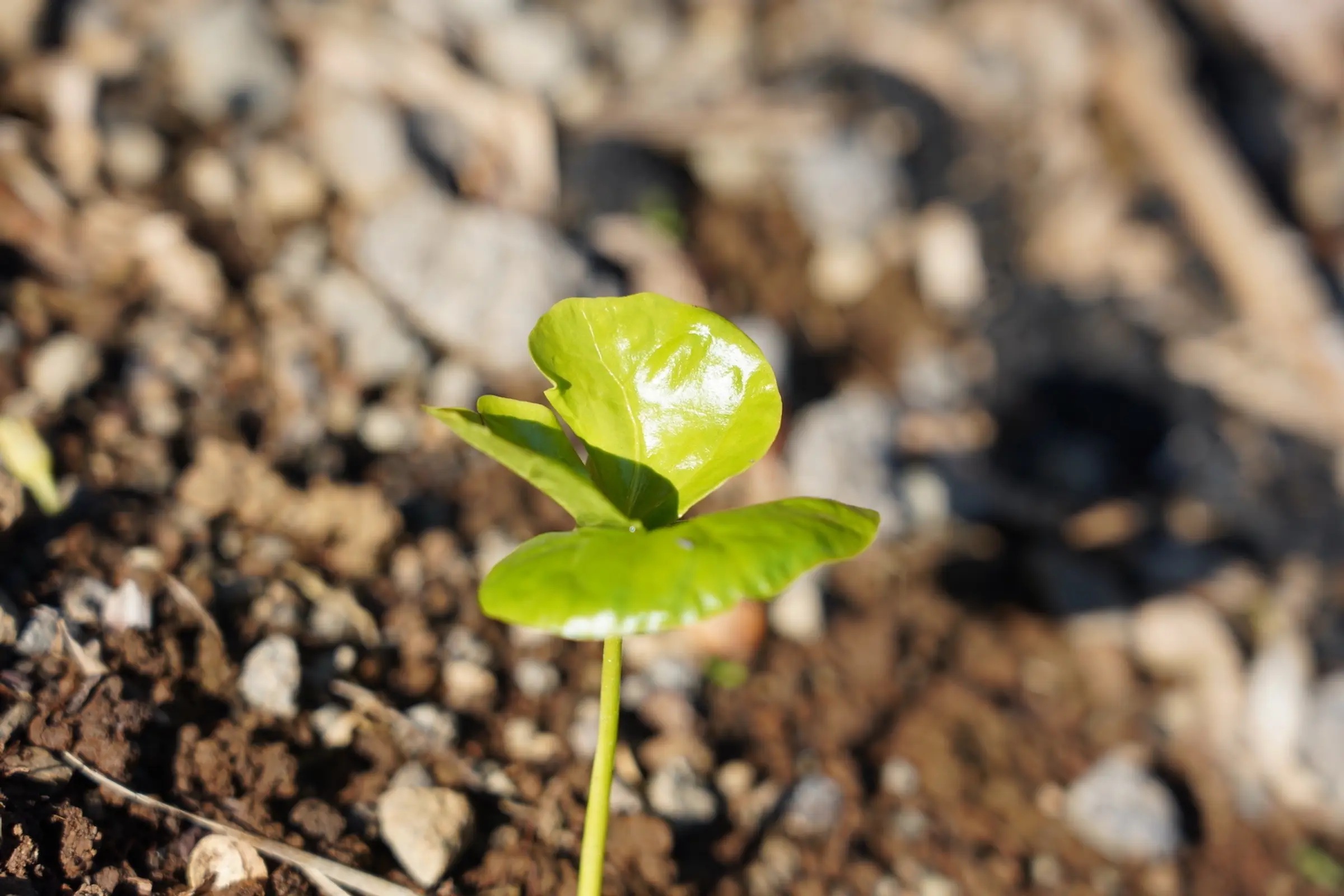
New Report by World Coffee Research on Seed Quality Assurance in Latin America

World Coffee Research (WCR) has recently released a comprehensive report focusing on seed quality assurance in the coffee sector, shedding light on opportunities to enhance the industry’s resilience.

The report delves into the status of seed lots across five key Latin American countries—El Salvador, Guatemala, Honduras, Nicaragua, and Peru—providing valuable insights for enhancing cleanup efforts, renovation strategies, and infrastructure development.

The absence of a formal coffee seed sector poses a significant, yet often overlooked, challenge for the global coffee industry. WCR’s technical report offers a detailed analysis of seed sources in the aforementioned countries, emphasizing the critical need for establishing robust infrastructure to ensure the availability and accessibility of genetically conforming and high-quality planting material for farmers.

Dr. Vern Long, CEO of WCR, emphasizes the importance of improved varieties in supporting successful coffee production and securing the industry’s supply chain. He highlights the strides made by partners in addressing quality assurance issues, which ultimately empower farmers to plant coffee trees with confidence, ensuring long-term performance and productivity.

The report underscores the diverse pathways through which farmers acquire planting material, ranging from informal exchanges to purchasing seedlings from local nurseries. However, the quality of these materials often falls short due to a lack of phytosanitary standards and genetic conformity, leading to diminished yields over the lifespan of coffee trees.

Informal propagation practices, such as seed selection based on perceived performance, contribute to genetic variability and unreliable plant characteristics. Moreover, discrepancies between expected and actual varieties further exacerbate productivity and profitability challenges for farmers.

A formalized seed sector would provide farmers with verified, high-quality planting material, thereby bolstering their economic viability. By facilitating access to higher-yielding and market-compliant coffee trees, such infrastructure holds the potential to uplift farming communities and enhance industry sustainability.

Opportunities and Challenges in Latin America:

Latin America’s reliance on smallholder coffee production underscores the need for tailored solutions to address regional nuances. While some countries boast specialized research programs, others struggle with regulatory frameworks and genetic contamination risks, necessitating concerted efforts to fortify the seed sector.

Under the USDA-funded MOCCA program, WCR conducted assessments across 52 seed plantations, evaluating genetic conformity and supporting cleanup efforts. The resulting report provides valuable insights into local seed lot practices, identifies promising seed sources, and informs strategies for enhancing nursery operations in the region.


Specialty Coffee Association Unveils Groundbreaking Membership Model in 2024

In a bold move to match the exponential growth of the specialty coffee industry, the Specialty Coffee Association (SCA) is set to launch its most ambitious membership overhaul in decades this year. Dubbed as a game-changer, the new model promises to redefine connectivity, accessibility, and value within the global coffee community.

Under the revamped structure, members can anticipate a tailored experience like never before. The SCA’s innovative platform will offer personalized pathways, catering to the unique needs of each individual or company. Whether it’s accessing cutting-edge research, educational resources, or forging connections with like-minded professionals, the new membership promises to elevate the coffee experience.

Embracing inclusivity, the SCA introduces two distinct membership tiers. The associate membership, a complimentary offering, opens doors for enthusiasts eager to immerse themselves in SCA events, education, and competitions. Meanwhile, the professional membership, priced at an accessible $100, offers enhanced benefits including voting eligibility and promotional advantages.

Yannis Apostolopoulos, CEO of the SCA, emphasizes the organization’s commitment to fostering a thriving, sustainable, and equitable coffee ecosystem. “It’s not just about expansion; it’s about evolution. We envision a future where every coffee enthusiast, from bean to cup, can access the tools, research, and resources to enhance their craft,” Apostolopoulos stated.

Scheduled for release later this year, the SCA’s groundbreaking model promises to reshape the landscape of specialty coffee. For current members seeking clarification or newcomers eager to join the movement, inquiries are encouraged to reach out. Get ready to savor a new era of coffee culture with the Specialty Coffee Association.