Arabica Coffee Futures Trading at 18-Month Highs

Arabica coffee futures trading has reached near its highest level since October 2022 as hedging funds exiting the cocoa market are now piling into coffee.

According to Bloomberg, money managers increased their bullish bets to an all-time high in the week ended April 2, according to the latest data from the Commodity Futures Trading Commission. Meanwhile, investors reduced their bullish bets on cocoa after a record rally saw prices more than double this year.

Elia Bezov, a coffee trader at Sukafina, said, “We are currently looking at the largest net speculative position in coffee futures history without a significant story to justify it, outside of the cocoa market, which is insane.” “However, once the tap is turned off, it takes time for speculative interest to wane and reverse.”

Marcelo Moreira, who tracks coffee markets at Archer Consulting, mentioned that investor optimism about Arabica coffee is also supported by technical factors. The last time futures reached the current level was in 2022, and the upward movement only stopped after reaching its peak at $2.4 per pound. He added, “This means there is no short-term resistance.”

The recent surge in Arabica coffee futures has helped widen the contract’s premium over cheaper Robusta coffee. However, the historical spread between the two varieties remains low, indicating that roasters are likely to replace Robusta with Arabica in their blends.

Coffee Origins: Its History and Impact on the Body

From the bustling streets of New York to the serene slopes of Ethiopia’s hills, coffee is an integral part of the lives of millions of people around the world.

Coffee has held a prominent place in human culture for over 15 centuries, credited with promoting the Enlightenment movement in the seventeenth and eighteenth centuries, contributing to the foundation of the modern world.

Caffeine is considered the main component in coffee, and today it is one of the most consumed stimulants in the world, reflecting its influence on thinking and sensation.

Coffee Source and History:

Coffee comes from the fruits of the Arabica coffee plant, whose main origin is Ethiopia. Over 90% of coffee is produced in developing countries, while most of this production is consumed in industrialized countries.

The oldest accounts of coffee history date back to the ninth century AD when a shepherd named Khalid was the first to discover its benefits when he noticed the activity of his goats after consuming it.

In the fourteenth century, Sufis in Yemen roasted coffee beans, and from there, its use as a common beverage spread worldwide.

In the fifteenth century, coffeehouses emerged in the Ottoman Empire and spread to Europe as centers of cultural and intellectual dialogue, contributing to the promotion of Enlightenment ideas.

Coffee’s Impact on the Body:

Once caffeine is consumed, it is absorbed and directed to the nervous system, where it stimulates the brain and reduces the feeling of drowsiness.

Caffeine interacts with adenosine receptors in the nervous system, leading to increased heart rate, alertness, and concentration.

The benefits of caffeine last between 15 minutes and two hours, with side effects if consumed excessively, such as anxiety and insomnia.

For health benefits, moderate consumption of coffee is recommended daily, and excessive consumption should be avoided.

After about 600 years, coffee still occupies an important place in global culture, remaining a focal point of many people’s daily lives, thanks to its vital influence on the body and mind.


Victoria Arduino announces its participation in the London Coffee Festival

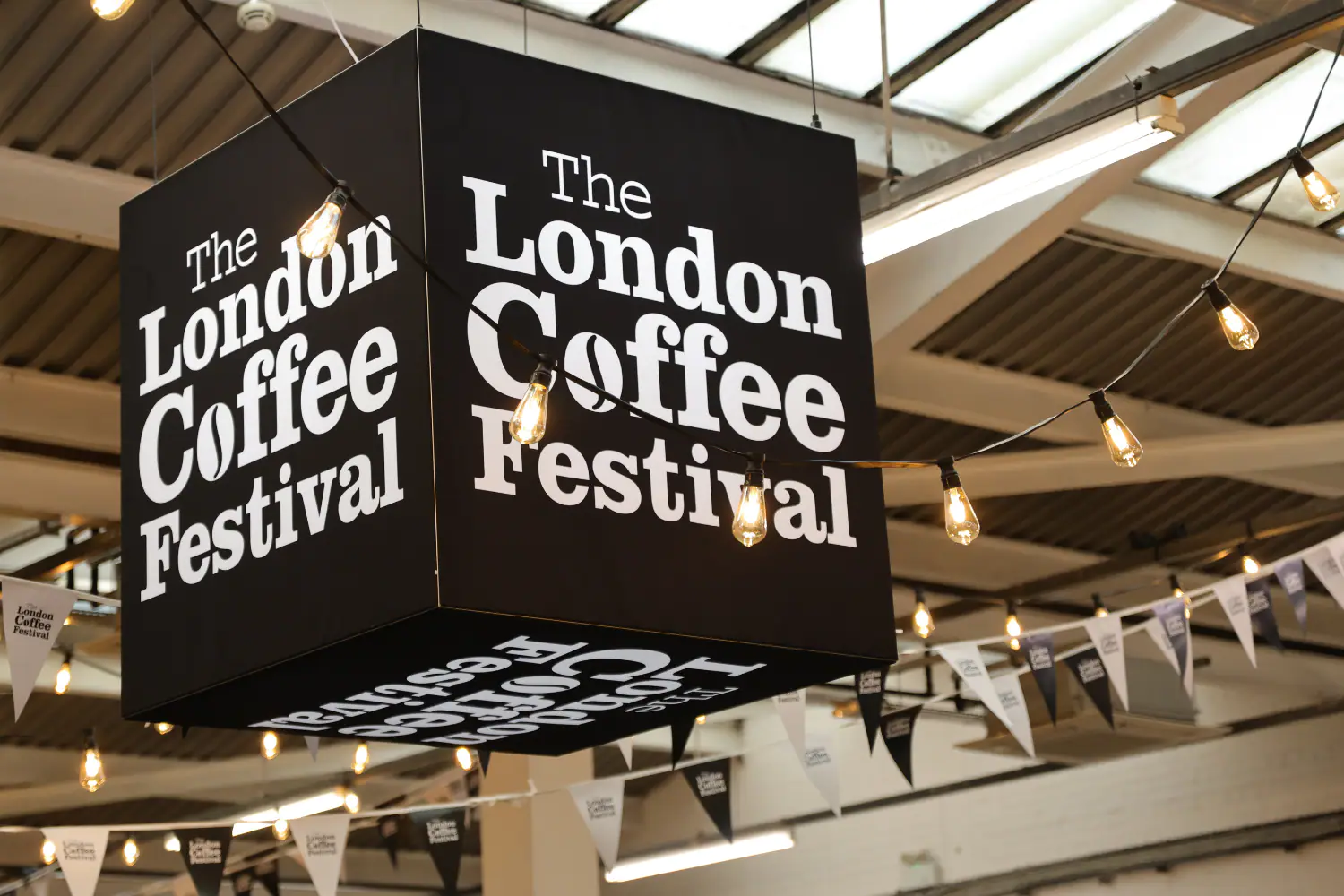
Victoria Arduino, the leading Italian manufacturer of professional espresso machines known for its distinctive design and high performance, has announced its participation in the 2024 London Coffee Festival, promising to offer many new tasting experiences and products.

Coffee enthusiasts are invited to visit Victoria Arduino at the London Coffee Festival, where they will be located at stand G15.

The company will showcase the Black Eagle Maverick, the most powerful espresso coffee machine from Victoria Arduino, which offers complete control over temperature, brewing, and steaming. The T3 Genius, an evolution of T3 technology, provides the same precision and control while using 37% less energy. Developed to give baristas absolute control over their brew, T3 Genius technology ensures outstanding performance and unrivaled efficiency.

Also on display will be the Eagle Tempo, MyOne, and PureBrew+. From the customer’s perspective, it may appear as a standard configuration with a machine and two grinders, but from the operator’s point of view, it represents a genuine coffee station comprising the Eagle Tempo, MyOne grinder, and PureBrew+, the new machine capable of swiftly preparing PureBrew Coffee, a unique filtered coffee.

Among the showcased products is the newest addition to the E1 Prima family: E1 Prima EXP. E1 Prima EXP unleashes creativity and enhances every ingredient, allowing for countless recipes and cocktails based on espresso, Pure Brew, and milk, thanks to highly performant and user-friendly technologies. Hence, it’s dedicated to the curious, the explorers, the lovers of beauty, and to all those who inhabit every realm of taste and dream of tomorrow’s trends today.

Visitors at stand G15 in the London Coffee Festival can enjoy live demonstrations and experiments with Victoria Arduino coffee machines and grinders. Watch House will host a coffee competition with exclusive giveaways.

On Thursday, April 11th, at 10 am, James Thirwall, Head of Business Development at Canton Tea, will speak on the rise of Matcha using E1 Prima EXP. On Friday, April 12th, Jordan O’Shea from Assembly Roast will be at stand G15 for a special demonstration with E1 Prima EXP.

Finally, on Saturday, Victoria Arduino will host Hackney Gelato in its stand for a special experience.

What happens to your body if you drink coffee immediately after eating?

As you know, there is a common belief that one should not drink a caffeinated beverage after eating due to its potential negative effects. Dr. Chris Zafos tries to clarify the truth of the matter, and whether drinking coffee immediately after eating is indeed harmful.

Dr. Chris Zafos says: Some may argue that coffee negatively affects the digestion process and hinders the absorption of essential minerals… Before drawing any conclusions, the scientific evidence surrounding drinking coffee immediately after eating must be studied to know what those evidence say.

Nutrient Absorption:

Research has shown that excessive coffee consumption can hinder the absorption of some minerals, but this only happens when drinking large amounts of coffee, especially on an empty stomach. Whereas when coffee is consumed as part of a meal, the effect on nutrient absorption is minimal.

Stomach Acid Production:

Coffee stimulates the secretion of stomach acid. However, the increase in its levels after drinking coffee is temporary and not harmful for most people. Only individuals suffering from gastric inflammation may feel discomfort.

Effects on Digestion:

Coffee can stimulate colon movement, leading to increased bowel movements. This may cause discomfort after eating. However, there is no clear evidence that drinking coffee after meals harms the digestion process overall.

Individual Factor:

Some people may enjoy coffee after meals without any side effects, while others may feel discomfort. Therefore, it is important to pay attention to your body’s reaction and act accordingly.

“DAL-e Delivery” Smart Robot from Hyundai and Kia Serves Coffee in Offices and Shopping Centers

Hyundai and Kia, the two Korean companies, have unveiled their latest innovation: the upgraded coffee delivery robot, DAL-e Delivery, aiming to redefine convenience in office and retail environments.

The DAL-e Delivery coffee robot is designed to transport items around offices and shopping centers, essentially executing all instructions written on the box with extreme precision and professionalism.

The 2024 DAL-e Delivery coffee robot stands out from its 2022 predecessor with enhanced adaptability to complex settings and diverse spaces, promising a smooth and convenient transportation and delivery experience.

The new DAL-e Delivery coffee robot is designed in a square column with rounded edges, featuring a low center of gravity. This model relies on four Plug & Drive (PnD) modules, a mobility solution that combines the motor with steering, suspension, braking, and environmental recognition sensors.

The DAL-e Delivery coffee robot can travel at speeds of up to 1.2 meters per second, with free-moving PnD modules integrated with autonomous driving technology to recognize obstacles and navigate in crowded areas. It features suspension “to ensure stable delivery.”

Moreover, the 2024 DAL-e Delivery coffee robot is smaller in size compared to the previous version, allowing for smooth operation, while its internal cargo space has increased. It can accommodate up to 16 cups of coffee and transport items weighing up to 10 kilograms.

A light installed inside the cargo area enables recipients to recognize items. When the door opens, the storage tray comes forward.

The robot’s autonomous driving capability enables it to navigate and transfer to and from building floors, interacting with elevator and door control systems. It ensures quick delivery service by creating optimal routes in real-time.

When the DAL-e Delivery coffee robot arrives at its destination, it recognizes the recipient via an installed camera. Utilizing AI facial recognition technology developed by Hyundai Motor and Kia’s Robotics Lab, the door automatically opens without the need for the recipient to input a password. This technology is certified by the Korea Internet and Security Agency for 99.9 percent accuracy.

The DAL-e Delivery coffee robot is set to be deployed in a smart office building in Seoul this year, marking the launch of the partnership between Hyundai, Kia, and IGIS Asset Management to market the smart and advanced office building in Seoul, representing a significant step towards widespread adoption of robots in modern workplaces.”


International Coffee Organization to Attend Specialty Coffee Expo in Celebration of 25 Years of Coffee Excellence

The International Coffee Organization (ICO) has announced its participation in the upcoming Specialty Coffee Expo, marking a significant milestone in the world of coffee. The Expo, scheduled to take place from April 12th to 14th, will serve as a platform to celebrate the 25th anniversary of the Cup of Excellence, a renowned event that has redefined standards of coffee quality globally.


Everything you need to know about London’s Coffee Festival 2024

Get ready for the yearly caffeine celebration as London’s vibrant coffee culture takes center stage once again. The upcoming event promises an array of more than 250 artisanal coffee and gourmet food brands, coupled with live music and a bustling food court.

Born out of a deep admiration for the UK coffee scene, the festival made its debut 12 years ago, attracting over 7,000 attendees and 100 exhibitors in its inaugural year. Since then, it has grown exponentially, with last year’s edition drawing in a staggering 23,500 visitors, all eager to immerse themselves in London’s pioneering specialty coffee culture.

Here’s everything you need to know about the festivities this year:

When and Where is the London Coffee Extravaganza 2024? Mark your calendars for Thursday, April 11th to Sunday, April 14th, as the London Coffee Extravaganza unfolds at The Truman Brewery located on Brick Lane in vibrant East London.

What to Expect at the 2024 London Coffee Extravaganza? Prepare for an exciting lineup of events and activities tailored to coffee enthusiasts of all stripes. From captivating live demonstrations of latte art to indulging in the cozy ‘hygge corner’ brimming with delectable Danish pastries, there’s something for everyone. Indulge in the offerings from The Danish Bakery, including their signature “Social Squares,” perfect for sharing and available in enticing flavors like cinnamon, cocoa, blackcurrant, and gooseberry.

At the Hyde Park bar, sip on meticulously crafted coffee cocktails while grooving to curated DJ sets by acclaimed artists such as Justin Robertson and Ray Mang. Meanwhile, The True Artisan Café serves as a platform for cafes, coffee shops, and bars to showcase their hospitality prowess, featuring esteemed names like WACO Coffee Roasters, Dear Green, Three Little Birds, and Harrods.

How Can I Attend the 2024 London Coffee Extravaganza? Securing your spot at the London Coffee Extravaganza is easy. Simply purchase your tickets online, starting at £38 for standard admission. This includes access to over 250 artisan coffee roasters, equipment, and food brands, as well as opportunities for tastings and educational workshops in The Lab. Fast-track entry is also available for those with reusable cup holders.

For an elevated experience, opt for the Ultimate ticket, offering fast-track entry via a dedicated entrance for ultimate ticket holders, access to the LCF Club Lounge, a complimentary coffee cocktail, and an exclusive tote bag filled with goodies, including an exclusive artist-in-residence print.

Don’t miss out on the ultimate celebration of all things coffee at the 2024 London Coffee Extravaganza!

Comprehensive Comparison Between Arabica and Robusta Coffee and Which One is Suitable for You!

The Russian website “TEA.ru” published a comprehensive analysis by coffee experts, including a detailed comparison between the two most famous types of coffee in the world, Arabica and Robusta, including many characteristics that distinguish the two types from various aspects.

The analysis concluded by explaining many aspects that make either of the two types suitable for this or that person, and due to the importance of this analysis, we are publishing a summary of it.

“Arabica or Robusta?” – An eternal question pondered by coffee enthusiasts. As is well known, there is no final answer to it, but we will try to explain the difference between these two types simply and clearly.

Fact: Without Robusta, Arabica wouldn’t have appeared

There are several types of coffee in the world, but in retail stores, you will only find two types – Arabica and Robusta with various variations. And their blend. At the same time, many tend to treat the first type with respect and the second with a hint of disdain. This distinction is particularly noticeable in sales figures: Arabica is demanded at a rate close to double that of Robusta (60-70% of global production) compared to Robusta (30-40%). However, Arabica wouldn’t have appeared at all without Robusta!

Arabica (also known as Arabian coffee) is the result of crossing Robusta with a rare and unprofitable species for industrial agriculture called Eugenioides.

Arabica coffee trees require careful care, fertilizers, and high slopes – from 600 meters above sea level, while Robusta (Congolese coffee), on the other hand, mostly only needs warmth.

Taste

In terms of taste, Arabica takes the lead by a wide margin, leaving Robusta far behind. This is because Arabica coffee beans contain half the sugars compared to Robusta. The drink turns sweeter, even if sweeteners are not added. Moreover, its taste profile varies greatly due to a larger number of fruity acids, giving Arabica a noticeable acidity logically.

Robusta, on the other hand, is always about rich bitterness, due to the high content of caffeine and tannins. The coffee made from Robusta is smooth, without surprises from floral to citrus. It contains a lot of chlorogenic acid, but acidic taste is not its characteristic.

Price

As for the price, Robusta wins. Since the conditions for growing this variety do not require special efforts and financial investments, the price of the final product also differs significantly from the stubborn Arabica cost.

Bean Characteristics

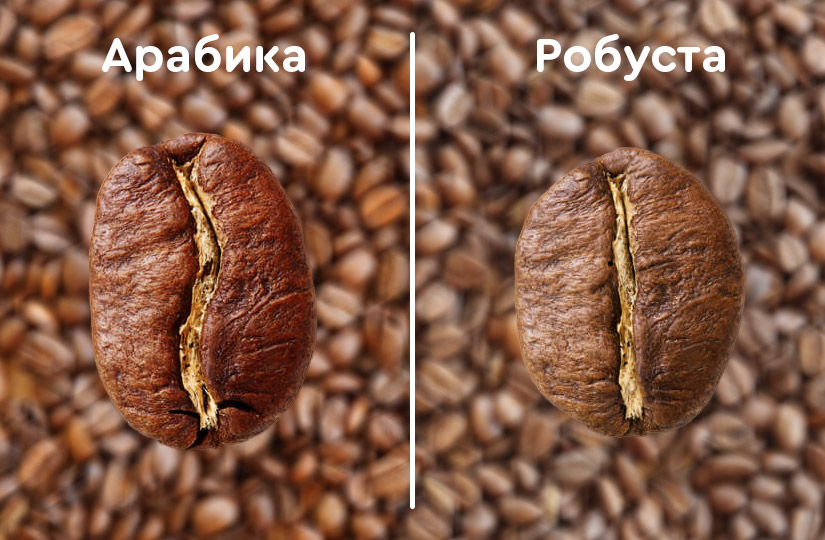
Bean characteristics are not very important, but they are interesting. Robusta coffee beans can be easily distinguished from Arabica, especially if they are placed side by side. Robusta coffee beans appear smaller in size, more round, and multicolored, while Arabica stands out long, large, and with equal “tan”.

What is the ideal coffee for you? Arabica or Robusta?

Based on all the above, we can present you with some characteristics that can indicate the most suitable coffee for you as follows:

Arabica coffee will suit you more if:

  • Natural sweetness is important to you.
  • You prefer rich flavors.
  • You don’t mind acidity.
  • You don’t need a lot of caffeine.
  • You prepare coffee in the Turkish, French, or filter method.
  • The presence of distinctive foam (crema) is not important to you.
  • You are willing to pay the price.

Robusta coffee will suit you more if:

  • You always put sugar in your coffee anyway.
  • You don’t distinguish greatly between fine coffee flavors.
  • You don’t like acidic coffee.
  • You need a good dose of caffeine to increase productivity.
  • You prepare coffee in an espresso machine.
  • You like beautiful, dense foam.
  • You don’t want to pay a higher price.

Away from all that has been mentioned above, you can always reach a compromise, as many producing companies release coffee blends that mix Arabica and Robusta in different proportions (and sometimes other types, such as Eugenioides or Liberica). Thus, the coffee becomes more exciting, hybrid. The more Arabica in it, the sweeter and more acidic it becomes at the same time. Controlling Robusta gives you a strong stimulant drink.

Arabica Coffee Surges Amid Brazil Crop Damage Concerns

Arabica coffee futures surged on Friday amidst worries over Brazil’s coffee crops, while robusta prices fluctuated.

Coffee prices ended the session with arabica reaching a new 5-3/4 month high. Concerns mounted as heavy rainfall in Brazil’s coffee-growing regions raised fears of crop damage. Somar Meteorologia’s report indicated a significant increase in rainfall in Brazil’s Minas Gerais region, which accounts for a substantial portion of the country’s arabica crop.

Meanwhile, worries persisted over the robusta coffee production in Vietnam due to excessive dryness. Although robusta prices hit an all-time high earlier, profit-taking ensued after ICE-monitored inventories rose to a 2-1/2 month high.

The current El Nino weather event is contributing to bullish sentiments for coffee prices, with its impact on Brazil’s coffee production and Vietnam’s coffee areas noted. Tight supplies from Vietnam further bolstered prices, with projections indicating a significant drop in coffee production for the upcoming crop year.

However, a rebound in Vietnam’s coffee exports tempered some of the bullish momentum. Additionally, Rabobank’s prediction of a surplus for the upcoming marketing year provided a bearish outlook, albeit with adjustments to production forecasts.

Despite rebounding from historic lows, coffee inventories remain a point of interest, particularly with larger exports from Brazil. Recent reports highlight substantial increases in global coffee exports, adding to market dynamics.

Forecasts from the International Coffee Organization and the USDA’s Foreign Agriculture Service shed light on production and consumption trends, with Brazil expected to play a significant role in arabica production.

Overall, the coffee market continues to navigate through a complex interplay of factors, with Brazil’s crop concerns taking center stage amidst broader global dynamics.


Is Decaf Safe? Health Advocacy Groups Push FDA for Action

As the sun rises and the world awakens, millions of individuals reach for their morning ritual: a steaming cup of decaf coffee. Yet, amidst the comforting aroma and familiar routine lies a contentious debate over the safety of this beloved beverage. Health advocacy groups are sounding the alarm, urging the FDA to reevaluate the use of methylene chloride, a chemical involved in the decaffeination process, citing concerns over its potential carcinogenic properties.

Methylene chloride, commonly used as a solvent in various industrial processes, including coffee decaffeination, has long been flagged as a potential carcinogen by leading health organizations such as the National Toxicology Program, the Environmental Protection Agency, and the World Health Organization. Dr. Maria Doa from the Environmental Defense Fund underscores the risks associated with this chemical, highlighting evidence of cancer induction, liver toxicity, and neurological effects linked to exposure.

While the FDA has set limits on methylene chloride residue in decaf coffee, critics argue that these regulations are outdated and fail to account for modern consumption patterns. With coffee sizes expanding and concerns about cumulative exposure mounting, the debate gains urgency, sparking calls for more stringent oversight.

Notably, some players in the coffee industry are already exploring alternative decaffeination methods in response to these concerns. These methods seek to eliminate the need for methylene chloride entirely, utilizing innovative techniques to preserve both flavor and safety.

Consumer awareness is paramount in navigating this complex issue. Health experts advise scrutinizing labels for solvent-free, Swiss Water processed, or organic certifications when purchasing decaf coffee. Additionally, exploring caffeine-free alternatives, such as chicory root or dandelion beverages, offers peace of mind for those seeking to minimize exposure to potentially harmful chemicals.

As the FDA reviews petitions and deliberates on the future of decaf coffee, consumers are encouraged to stay informed and proactive in safeguarding their health and well-being. In a world where every sip counts, the quest for a safer cup of decaf continues to unfold, shaping the choices we make each morning.

5 Trends Shaping the UK Branded Coffee Shop Market in 2024

In 2023, the UK branded coffee shop market soared to £5.3bn ($6.6bn), surpassing 10,000 outlets for the first time and experiencing remarkable sales growth. However, amidst ongoing economic challenges and shifting consumer behaviors, operators tread cautiously. Exclusive insights from the Project Café UK 2024 report unveil the pivotal dynamics shaping Europe’s largest branded coffee shop market.

  1. Navigating Economic Headwinds: Despite resilient growth, operators face constraints from a challenging economy. High inflation and decreased footfall at prime locations have compelled brands to reassess strategies, with notable shifts observed in consumer spending habits and outlet expansion plans.
  2. Franchising for Expansion: To mitigate risks amidst rising costs and stiff competition, UK operators increasingly turn to franchising for expansion. Notable brands like Costa Coffee and Greggs are leveraging this model to penetrate diverse markets and capitalize on local expertise.
  3. Rise of Boutique Operators: The specialty coffee segment witnesses unprecedented growth, with boutique operators like WatchHouse and Grind expanding their footprint and diversifying offerings. The market’s maturity is evident as specialty operators thrive beyond London.
  4. Oat’s Dominance in Non-Dairy Choices: Oat emerges as the preferred non-dairy option in UK coffee shops, gaining traction at the expense of other alternatives. Despite this, challenges persist, signaling that dairy still holds sway over consumer preferences.
  5. Diversification and Competition: Non-coffee-focused branded cafés are intensifying competition, offering handcrafted beverages and indulgent experiences. From bubble tea to premium drinking chocolate, these establishments seek to captivate younger consumers and tap into evolving tastes.

The UK branded coffee shop market of 2024 is characterized by resilience, innovation, and adaptation. As operators navigate economic uncertainties and changing consumer preferences, strategic maneuvers and diversification efforts emerge as key drivers of success in this dynamic landscape.

The most popular coffee drinks around the world

Coffee is more than just a beverage, it’s a culture. People in countries worldwide incorporate coffee drinks into their daily routine; either for relaxation and socializing or to start off the day. Seeing as coffee occupies such a sentimental place in people’s hearts, coffee preferences will vary across the globe.

Some coffee drinks, like Turkish coffee, are associated with specific regions, while others like espresso, cappuccino and latte are now considered global coffee trends. Plenty of folks like their coffee black, while others prefer a creamier, frothier taste in their drink.

  • Cappuccino is the most popular coffee drink in the world, topping lists in 24 countries across Asia, Africa, Europe and the Americas.
  • Espresso is the second most popular coffee drink worldwide and is number one in 14 countries.
  • 42 of the largest cities in the US claim espresso as their preferred coffee variation.
  • 12 countries love black coffee the best for its rich, unadulterated coffee flavor.
  • Turkish coffee is the least preferred coffee drink in our analysis, being that it’s mainly popular in Turkey alone.

In our findings, cappuccino is the world’s favorite coffee drink. It is milder and creamier than straight espresso and comes in a larger cup. Still, espresso comes in second since it’s made in a jiffy and quickly kicks in for a prompt energy boost.

It’s common to find one country with multiple coffee preferences because sometimes it’s not that easy to decide between favorites. We wanted to dig further and discover what’s the most popular coffee drink in every country and why.

So we studied the Google Search volumes for various coffee types in multiple languages and came up with the list below.

  • Albania – Macchiato and cappuccino
  • Argentina – Americano
  • Australia – Macchiato
  • Austria – Cappuccino
  • Bahamas – Cappuccino
  • Bahrain – Cortado
  • Bangladesh – Mocha
  • Belgium – Cappuccino
  • Bolivia – Americano
  • Brazil – Latte
  • Bulgaria – Black Coffee
  • Croatia – Cappuccino and espresso
  • Cyprus – Espresso
  • Czech Republic – Flat White
  • Denmark – Cappuccino, cortado and flat white
  • Finland – Irish coffee
  • France – Cappuccino
  • Germany – Espresso
  • Greece – Espresso
  • Hungary – Cappuccino
  • Iceland – Espresso
  • Ireland – Irish coffee
  • Italy – Americano
  • Luxembourg – Cappuccino
  • Malta – Cappuccino
  • Netherlands – Cappuccino
  • Norway – Iced coffee and Irish coffee
  • Poland – Flat white
  • Portugal – Black coffee
  • Romania – Cappuccino
  • Serbia – Espresso
  • Spain – Cappuccino
  • Sweden – Irish coffee
  • Switzerland – Cappuccino
  • Ukraine – Espresso
  • United Kingdom – Macchiato
  • Canada – Espresso
  • Dominican Republic – Black coffee
  • Nicaragua – Iced coffee
  • United States – Espresso
  • Chile – Iced coffee
  • Colombia – Black coffee
  • Costa Rica – Americano
  • Ecuador – Americano
  • Paraguay – Americano
  • Peru – Frappuccino
  • Uruguay – Americano
  • Venezuela – Black coffee
  • Egypt – Espresso
  • Kenya – Cappuccino
  • Mauritius – Mocha
  • Morocco – Black coffee
  • Nigeria – Cappuccino
  • South Africa – Black coffee
  • Hong Kong – Latte and mocha
  • India – Cappuccino
  • Indonesia – Cappuccino
  • Israel – Black coffee
  • Japan – Mocha
  • Jordan – Black coffee
  • Kuwait – Cappuccino
  • Lebanon – Black coffee
  • Malaysia – Latte
  • Oman – Cappuccino
  • Pakistan – Espresso
  • Philippines – Iced coffee
  • Qatar – Flat white
  • Saudi Arabia – Cappuccino
  • Singapore – Cappuccino
  • Taiwan – Espresso
  • Thailand – Espresso
  • Turkey – Turkish coffee
  • United Arab Emirates – Black coffee
  • Vietnam – Espresso, latte and mocha
  • Jamaica – Frappuccino and cappuccino
  • Trinidad and Tobago – Cappuccino