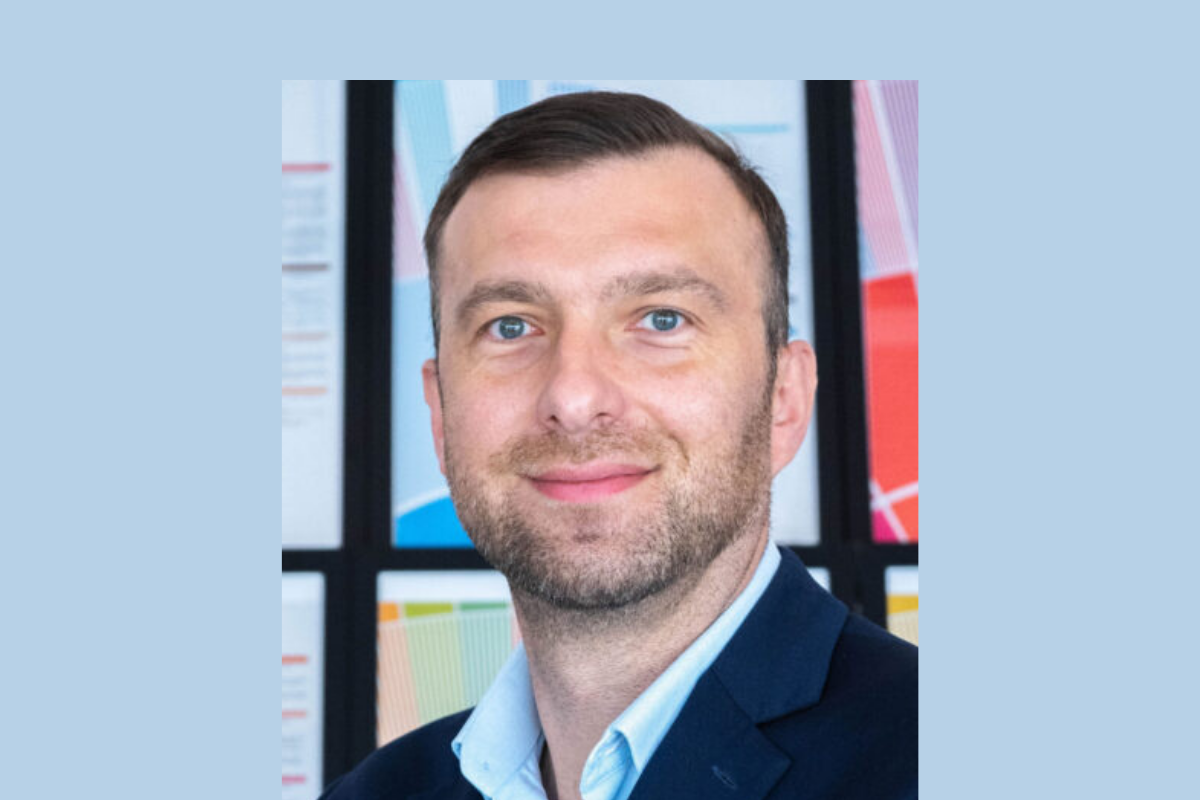
Abdul Nasser Al Balushi: A Journey of Passion and Perseverance in the World of Omani Coffee

In a corner of beautiful Oman, where ancient traditions blend with modern creativity, we find an inspiring story of an entrepreneur who decided to turn his passion for coffee into a successful venture that transcends national borders to reach various Gulf countries. Abdul Nasser Al Balushi, who began his career in 1987, chose to continue pursuing what he loves with deep passion and determination after retirement. His journey in the world of coffee led him to unique challenges and remarkable achievements, making him one of the prominent names in the coffee industry in the region today.

In this fascinating interview, we discover together the secrets of Al Balushi’s success, the challenges he faced, and the valuable advice he offers to young people aspiring to enter this field. We also learn about his vision of the role of coffee in enhancing social and cultural relationships in Omani society. Let’s dive together into the details of a success story that captivates hearts and inspires minds.

What inspired you to enter the world of coffee?

Entering the world of coffee was not a coincidence but the result of a long career I spent in this field since I was an employee in 1987. This journey started with a love for coffee and a deep appreciation for its taste and social and cultural impact. This continued even after my professional retirement, as I was thinking of an activity I would enjoy after retirement, a work I love, and where I find myself. I didn’t find a field I love more than the world of coffee, so I started my journey and my private business as an entrepreneur since 2006 after relying on God, and we have reached where we are today, praise be to God.

What were the biggest challenges you faced at the beginning of your journey in the coffee industry?

I faced significant challenges at the beginning of my journey, the most prominent of which was entering the world of coffee with something different and distinctive. This required high effort and great determination. I brought new challenges, including coffee machine maintenance, as no one was maintaining coffee machines for reuse. I started that and was keen to learn maintenance methods and techniques, teaching many how to maintain machines and use them effectively. We faced these challenges with patience and reliance on God, which contributed to developing our skills and increasing our expertise in this field.

What are the achievements you are proud of in this field?

I am proud first of what we are now, thanks and praise to God, as we have reached this level due to continuous efforts and dedication to work. Among the achievements I am proud of is developing coffee machine maintenance skills and providing excellent service to customers, in addition to achieving a good reputation in various Gulf countries, reflecting the quality of our work and our commitment to providing the best products and services.

What advice do you offer to young people and new entrepreneurs who want to enter the coffee industry?

I advise young people and new entrepreneurs to study the market to understand trends and requirements and gain deep knowledge of coffee preparation methods and its various types. Benefiting from training and certifications in specialty coffee is important, as well as investing in high-quality equipment to ensure their longevity. They should focus on providing a unique experience to customers that combines quality and innovation. Additionally, they should be patient and persistent, as entering this field requires great effort and dedication.

What is your favorite coffee?

All types of coffee are special to me, and I enjoy them at all times. I consider that each type of coffee has a special flavor and a unique experience that makes me enjoy every cup I drink.

How do you balance the various roles and responsibilities as an entrepreneur in the coffee industry?

The world of coffee has become a passion and an integral part of my day since 1987. I enjoy every moment in this work, and I don’t think it poses a barrier to my life matters. On the contrary, I work until midnight with love and passion. Balance comes through time management and focusing on priorities, where I ensure to manage time between work, family, and personal rest in a way that allows me to enjoy every aspect of my life.

How do you see the role of the coffee industry in enhancing social and cultural relationships in Omani society?

The coffee industry plays an important role in enhancing social and cultural relationships in Omani society by promoting hospitality traditions, where coffee is considered a means of communication and social interaction. Coffee shops gather people from different groups, contributing to the exchange of ideas and cultures and strengthening social bonds within the community. Additionally, coffee plays a role in preserving Omani heritage and enhancing national identity by maintaining the traditions of its preparation and serving in various occasions.

Hesham Al Ghazali: From the Heart of Yemen to the Pinnacle of the Coffee World

At the heart of Yemen’s rich coffee heritage and the evolving culinary scene in Dubai, Hesham Al Ghazali stands out as a third-generation coffee expert, SCA-certified professional, and passionate blogger. Hesham’s journey is an inspiring story of dedication, tradition, and innovation, seamlessly blending the intricate flavors of coffee with the art of fine gastronomy. Join us as we delve into his personal and professional journey, uncovering the inspirations, challenges, and dreams that fuel his passion.

How did your passion for coffee begin, and what inspired you to become an expert in this field?
My passion for coffee began in 2020 when I received the last harvest from my grandmother’s farm after her passing in the same year. My goal was to continue our family tradition and to showcase Yemeni coffee to the world in the best possible way.

What were the main challenges you faced during your journey to becoming SCA certified?
The courses offered by the Specialty Coffee Association (SCA) were enjoyable and filled with valuable information, greatly enhancing my skills. The biggest challenge was passing the online exams, which required precise and exact answers, demanding a lot of preparation and accuracy.

As a Yemeni, what is your personal story with Yemeni coffee?
My story with Yemeni coffee begins in my childhood, where it always connected me to cherished family members such as my grandparents, my father, and my relatives. Coffee has always been a part of our daily lives, filled with warm memories and strong family bonds.

How do you see Yemen’s historical role in the coffee industry, and how can this heritage be preserved today?
Yemen has a fundamental and historical role in cultivating and spreading coffee around the world. We are among the first to grow and export coffee, and Yemeni coffee is renowned for its high quality. Preserving this heritage requires continuous efforts to promote Yemeni coffee globally, achieved through the creativity and dedication of young Yemenis who are now actively developing this industry.

What changes have you noticed in the Yemeni coffee industry over the years?
I observed that the coffee industry did not attract much interest from Yemeni youth in the past. However, with the emergence of the third wave of coffee, it has started to attract a significant number of young people who are now keen on developing and enhancing this field.

How do you see the future of the coffee industry in Yemen and the Arab world?
I see a bright and promising future for the coffee industry in Yemen and the Arab world. We are now in the third wave of coffee, which focuses on educating consumers and raising awareness about quality and innovation, which will positively impact the development of this industry.

What innovations or improvements do you think will make a significant difference in the coffee world?
There are many improvements in coffee cultivation and processing, especially with the growing interest from our Saudi brothers, creating greater opportunities in the region. Additionally, there are new and innovative methods of processing coffee that introduce unique flavors, attracting new consumer segments. There are also notable advancements in coffee extraction tools.

Do you have any current projects or future plans related to coffee that you would like to share with us?
Currently, I am a coffee producer, selling it globally thanks to my direct contact with farmers in Yemen. I am learning new methods of coffee cultivation and processing, and I plan to teach these modern techniques to Yemeni farmers for free, either through the United Nations in Yemen or other personal initiatives, to help them compete on regional and global levels.

As a food lover and coffee enthusiast, how do you balance these two passions?
Both are closely intertwined. For me, coffee and food complement each other, and it’s common to see both together on the same table frequently.

What advice do you have for young people who want to enter the coffee world?
I want them to know that the coffee tree is generous and giving, and that behind every cup of coffee are the efforts of many people. My advice is to focus on both the humanitarian and commercial aspects, as many people focus solely on the commercial side and forget their role in helping farmers sustain their livelihoods and provide a decent life for their families.

How do you enjoy coffee in your daily life, and what is your favorite way to prepare it?
I enjoy roasting coffee regularly at home and preparing it in the traditional Yemeni way (Qishr) or as espresso. Occasionally, I use the V60 method.

How can we enhance the culture and awareness of Yemeni coffee’s importance in the world?
Coffee is a national product and a cultural heritage. Every Yemeni should enter and innovate in this field because its benefits for the country and Yemeni families are significant and crucial. We can take Ethiopia as an example; it is now one of the top five coffee-exporting countries, with substantial financial returns.

What is your role in raising awareness about Yemeni coffee and its culture?
I represent Yemen in the best possible light to the world, given my presence in the UAE, which is one of the largest hubs for coffee trade globally. I have a wide network of relationships worldwide, and I strive to convey the history and quality of Yemeni coffee and its products in the best way possible.

Nouran Al-Bannai: From Architecture to Leading the Coffee Industry in the UAE

In the world of business, we find stories that inspire us and light our path to success. One such story is the journey of Mrs. Nouran Al-Bannai, the Emirati architect who transformed into a successful entrepreneur in the coffee industry. With a blend of passion and determination, Nouran has created a unique coffee experience that reflects the heritage of the UAE while introducing modern innovations. In this interview, Nouran reveals the secrets of her journey, the challenges she faced, and how she became an icon in the coffee industry in the UAE.

– Tell us about your journey from architecture to becoming a successful entrepreneur in the coffee industry. What inspired you to make this transition?

My passion for coffee started in childhood, as my grandmother, may she rest in peace, used to prepare Arabic coffee at home. I used to smell the coffee before going to school. After her death, I felt that something was missing at home. So, I decided to learn and study coffee and its secrets, and I opened the “Coffee Architecture” café to revive those memories.

– How did your personal and spiritual journey lead you to open your own café (Coffee Architecture)?

I studied at a barista school in America and learned how to prepare specialty coffee and the science behind it. Watching the world barista championships inspired me to become a professional Emirati barista. In 2016, there were no Emirati women working behind an espresso machine, but I decided to open “Coffee Architecture” to change this perspective in the UAE. Thank God, we continue to succeed, and now I see many Emiratis entering this field, which makes me proud.

– What motivated you to focus on offering distinctive Arabic coffee?

Offering Emirati coffee for free at “Coffee Architecture” was a charity act for the soul of my grandmother. Coffee holds a special place in every Emirati family and tribe. I want to pass on this heritage and traditions from the ancestors to the youth.

– As the first Emirati woman to make significant strides in the coffee industry, what unique contributions have you brought to the coffee world?

I strive to create new opportunities in the Emirati economy and showcase our country’s vision on the global stage. Excellence is my goal, and this is what I always work towards.

– How did you combine innovation and tradition to create a truly unique coffee experience?

I maintain religious, ethical, and traditional values in preparing coffee and serve it to customers with professionalism. I also introduce Emirati customs to foreigners to showcase Emirati hospitality.

– Can you explain the precise process behind preparing your creative coffee?

The secret of the process lies in the barista’s passion and deep love for coffee. It requires extracting the right flavor for each type of coffee and roasting it in the best way to suit the taste of coffee lovers.

– What challenges did you face when starting Coffee Architecture, and how did you overcome them?

As a woman, there were doubts about my ability to prepare coffee professionally. Initially, customers did not want me to make their coffee. But with persistence and effort, I became beloved by customers who now prefer my coffee.

– How did COVID-19 affect your business, and what adjustments did you make to keep your business standing?

COVID-19 was a challenge for all of us, but it made us stronger. I took the opportunity to educate people online about how to prepare coffee at home. I also updated the brand and marketed it better.

– Can you share some moments of success that made all the hard work worthwhile?

When customers say they feel at home when visiting the café or praise the quality of the coffee and the positive energy of the place, I feel immense pride. The most significant moment was when His Highness Sheikh Mohammed bin Zayed said to me, “This work may seem small, but its impact on people and the UAE is great.” I will never forget these words.

– How can a person stay passionate and motivated to achieve their goals, in your opinion?

A person should always remember why they entered this field. They should be surrounded by loved ones who inspire and support them. For me, the memories of my grandmother give me the strength to rise again when facing difficulties.

– What advice do you have for aspiring entrepreneurs who want to follow their passion and create something meaningful?

Focus on the goal and understand the reason behind your work; this is the key to success. Do not fear failure, as failure and the word “no” are the strength to rise again with the help of God and trust in Him.

– What are the prospects of the coffee industry in general, and in the UAE and the rest of the GCC in particular?

Arab and international championships in specialty coffee are now taking their place in every new café that opens. Also, roasting has become an essential part of every café, adding a unique flavor to each place.

– Do you have any future plans or projects you can share with us?

My dream is to win first place in the barista championship in the UAE and raise my country’s flag high in the top positions globally. I started this journey in 2018, and I got the third place in 2023 and 2024. I will continue this journey, God willing.

A Journey into the World of Dragoslav Džudović: The Modest Veteran in the Specialty Coffee Realm

Dubai – Ali Alzakary

Today, we embark on an extraordinary journey into the world of Mr. Dragoslav Džudović, the influential figure characterized by his humility, concealing his deep impact on the specialty coffee world. In this exclusive interview, we explore the realm of a true coffee veteran – from humble beginnings to global fame. Join us to learn about the relationship that brought Dragoslav into the world of specialty coffee and the role serendipity played in his journey. Discover his vital role in the coffee culture revolution in Ajman Emirate, and his relentless pursuit of innovation. Follow along on this exciting journey of the coffee artist who knows no bounds to his passion.

  • Who is Dragoslav Džudović, what can you say about yourself?

I don’t like to talk about myself. I’m shy and giving my best not to show off, humble.Maybe I’m wrong in how I see myself, what do you think? How do others see me? How do you see me?

Well, I think you are modest in a nice and beautiful way, which always makes you a welcome person, and someone with a heard and appreciated opinion.

  • Can you share a bit about your journey into the specialty coffee industry and what sparked your interest in it?

Huh, I’ll try to make it short. My coffee journey started in 2012 while working for famous Serbian bakery chain Hleb&Kifle, at that time I was slowly getting into specialty coffee. Fast forward to 2014, while still working for that bakery, I happened to meet with Snoopy and Krle who were part of the Java Coffee crew and Marko from CoffeeDesk at a coffee festival later that year. This is how my journey to the world of specialty coffee began, by networking with coffee people.

Shortly after, I signed up with Java Academy to partake in a coffee course, and I have not looked back ever since. This paved the way for me to compete in the SCAE Serbian Barista Championship in 2016, sponsored by one of the bakery directors, Mihailo, who also sourced and roasted Salvadoran Cup of Excellence, ended up being 12th. I have the local coffee community to thank. Nenad helped me understand the competition.

machine, Milos helped me make sense of the dial-in process and be confident in the face of the competition, Krle and Max from Java Academy who supported me with the inception of my signature drink.

I wouldn’t be where I am today without appreciating my haters, who repeatedly questioned my ability to perform, based on the fact that I worked in a bakery. It’s a tough world out there, and failing is part and parcel of life. But, “stop” is a word that is not in my dictionary, it fueled me to continue learning and become better at what I do.

I ended up spending most of my free time with Java’s crew, or hanging out at coffee shops connecting with baristas. I had a liking towards craft beer, and that helped me further develop my sensory skills. I came upon an opportunity to join the Java team, and from that moment onwards there was no going back. They invested in me, and I reciprocated the way I knew how to, by being part of the SCAE Serbian Brewers Cup and placing 4th.

The more experience I accumulated, the deeper I dove into the rabbit hole. I became part of Kisobran’s team, and assisted them to open a micro-roastery called Zaokret. I was volunteering for the 2017 World of Coffee Budapest, and this is where I connected with people from the UAE scene. They convinced me to give Dubai a chance, and that’s how a new chapter in my coffee journey started.

Fast forward to 2018, I am now in Cafe Rider on a trial basis, and also training with Tabera, the Russian roasting champion, to potentially replace Rustam and Dmitriy. However life had other plans, I got introduced to Saud and his father Abdulla Alnuaimi. They welcomed me to be a part of their family, I fell in love with Ajman and called it home.

  • What drew you to become a certified technical judge for various coffee competitions like WBC, WCIGS, and CIC?

Those certificates are opening a new door to World Coffee Events. Opportunity to judge with the best of the best from all around the world, learn and exchange knowledge, with one aim. Bring that knowledge back to the local scene. It will help us to improve our national competition standards.

My goal was to obtain them back in 2019/2020, plans got changed, which in turn gave me more time to develop and gain knowledge by judging local competitions. I’ll have to check, but I think from 2018 until now, I’ve taken part in every SCA UAE national coffee competition, and many more local championships and throw downs.

  • Could you explain the role of a technical judge in these competitions and what criteria you typically evaluate?

Each performance should have meaning, story, connection. Technical judge is evaluating movements, usage of tools, equipment and ingredients. Are those things innovative, can ingredients be replicated in everyday life? Can we recreate that drink? Each competition is unique for itself. Now imagine multiplied by competitors, how many performances we witness.

  • What have been some of the most memorable moments or experiences for you as a technical judge in these competitions?

 Each competition will have memorable moments. For me most important are ones that will click and connect judges and competitors, move industry forward with innovations.

  • How do you approach the process of learning and teaching from your mistakes in the coffee industry, and how has it shaped your career?

Firstly you need to be open to accepting mistakes. They can occur any time in various segments of work. I’m seeing them as valuable learning experiences. Learning how not to repeat them, or minimize their impact is important, yet can’t be done overnight. Teaching others from your mistakes, so they will not make them is great for mproving coffee scene quality. That experience becomes an asset through the time.It didn’t shape my career, it is still shaping it. Mistakes are part of our daily workflow, just sometimes we are not aware of it.

  • What are some common mistakes you see competitors make in coffee competitions, and how do you help them improve?

Let’s start from the competition ‘Debriefing’. Each event has designated time for competitors to review their scoresheets followed by a coach, in presence of at least (in this case) 1 technical and 1 sensory judge. At this time we can exchange words, and keep conversation healthy. Talk about performance, how they saw it, and how it reflected on the score. Not at any point, conversation or written scores should sound like coaching.In days after competitions, I’m always available for competitors to brainstorm and chat on their performance. Our community should work together for future improvement and sharing experience with competitors.

  • You’ve been involved in various projects like Wacup, Koub, ROR, and coffeedesk. Could you tell us more about these ventures and your role in them?

Wacup is my first project that I’ve started with Saud, now one of oldest coffee shops in Ajman, Koub we created as an extended hand of Wacup, merged the Emirati heritage and specialty coffee. The first location is based in the heritage district of Ajman Museum. This solidified Koub as an Emirati brand representing the local culture at the Expo 2020 Dubai, and paves the way for us to open even more locations across the UAE, and recently we opened our first location outside UAE in London’s Belgravia, UK.

My role in those brands is education of staff as well customers, improving quality, and working on solving mistakes and issues.

ROR coffee roastery was created to support consumption of ours and cafes of our friends.

Through the time demand picked up, and we started roasting for new up-and-coming clients.

Business as well the team grew and we shifted our roastery from Jumeirah beach to a brand new facility in Al Quoz.

Until last year, before exiting, my role was developing a brand and its print on the market. From what I see now, it is a well known brand that has produced champions in Cup Tasters, Sheril and Daudi.

The chapter of collaboration with Coffeedesk started while I was still working for Java in Serbia. However, looking at the UAE market, there was simply not enough choice to buy quality equipment, and often out of stock due to high demand. This was despite the fact that Brewing Gadgets were trying their best to supply the whole market.

Coffeedesk, originating from Poland, is quite literally a breath-of-fresh air for the Middle East region and follows a unique methodology to be the ideal cafe equipment supplier, its a joint venture of ROR and coffeedesk Poland.

My role in this company is research and development, quite a hard task. Constantly searching for something new and unique that can be interesting for this market, yet deals need to be done before competitors.

  •  What challenges have you faced in developing the coffee scene in Ajman Emirate, and how have you worked to overcome them?

That’s an ongoing project, which has numerous challenges, let’s say, that biggest one is keeping customers to spend more money inside Ajman Emirate, instead of spending it in other Emirates. It will take time and hours of lobbying for cafe owners to understand that only by working together, we can achieve that goal.

  • As someone deeply involved in both the technical and practical aspects of the coffee industry, what trends or changes do you foresee in the specialty coffee world in the coming years?

Decaf is knocking on the door, and we should embrace it. We need to work on educating customers about it and bust bad myths that have been following it in past years.

Cold brew is making a comeback with on demand taps making it more popular, so far for me two awesomely designed machines Baby HardTank and Ground Control are elevating the game.

Instant, capsules and traveling coffee is getting its share of the market, which will continue growing.

Automation of coffee preparation is inevitable. It is creating better consistency on execution, reducing chances of mistakes and elevates productivity.

But what is coming, we can’t know. Every day there is a new challenge on a macro and micro level, each creating a chain reaction that is making its own impact on the market. We should keep one eye on it.

  • Finally, what advice would you give to aspiring baristas, coffee entrepreneurs, or those looking to get involved in coffee competitions?

 Education, education and education. It has to be from different sources, otherwise we will be biased.

Baristas should spend more time on their education, question everything and be ready for mistakes and failures. Get courage and communicate with others, that’s the only way they can improve themselves.

Dive into BaristaHustle, it will requisition your knowledge.Coffee entrepreneurs, this is a hard one. People are jumping in starting a business without deep research of the market. Research takes time, and patience. Once you have enough data, make a decision about what you want to start.

Podcasts, listen to podcasts, there are so many good ones from the coffee industry that can help you in many ways.

Cat&Clud, Keys to the Shop, Map it Forward, Sub-Zero Coffee, Acid Makes Coffee Better, Coffee people in Middle East, I’m not a barista, Hello Judges, Boss Barista, The coffee podcast,Sourced, Making coffee with Lucia Solis, Tim Wendelboe podcast, 5THWAVE, Cropster’s coffee and technology, Giesen’s Roastcast, Coffee Science Guru, Adventures in coffee, Sprudgecast and many many more. We can keep this topic open for people to share their insights.
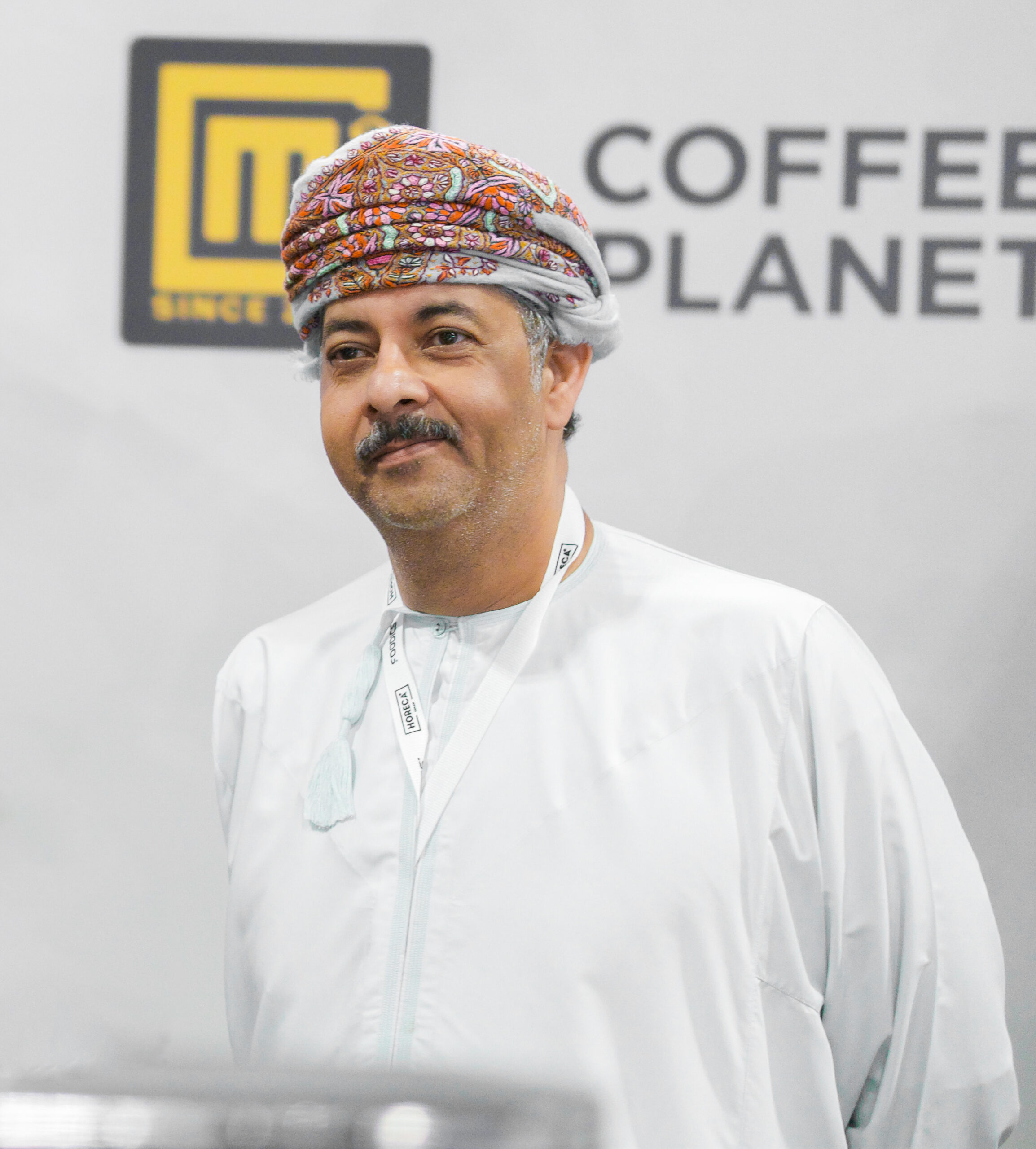
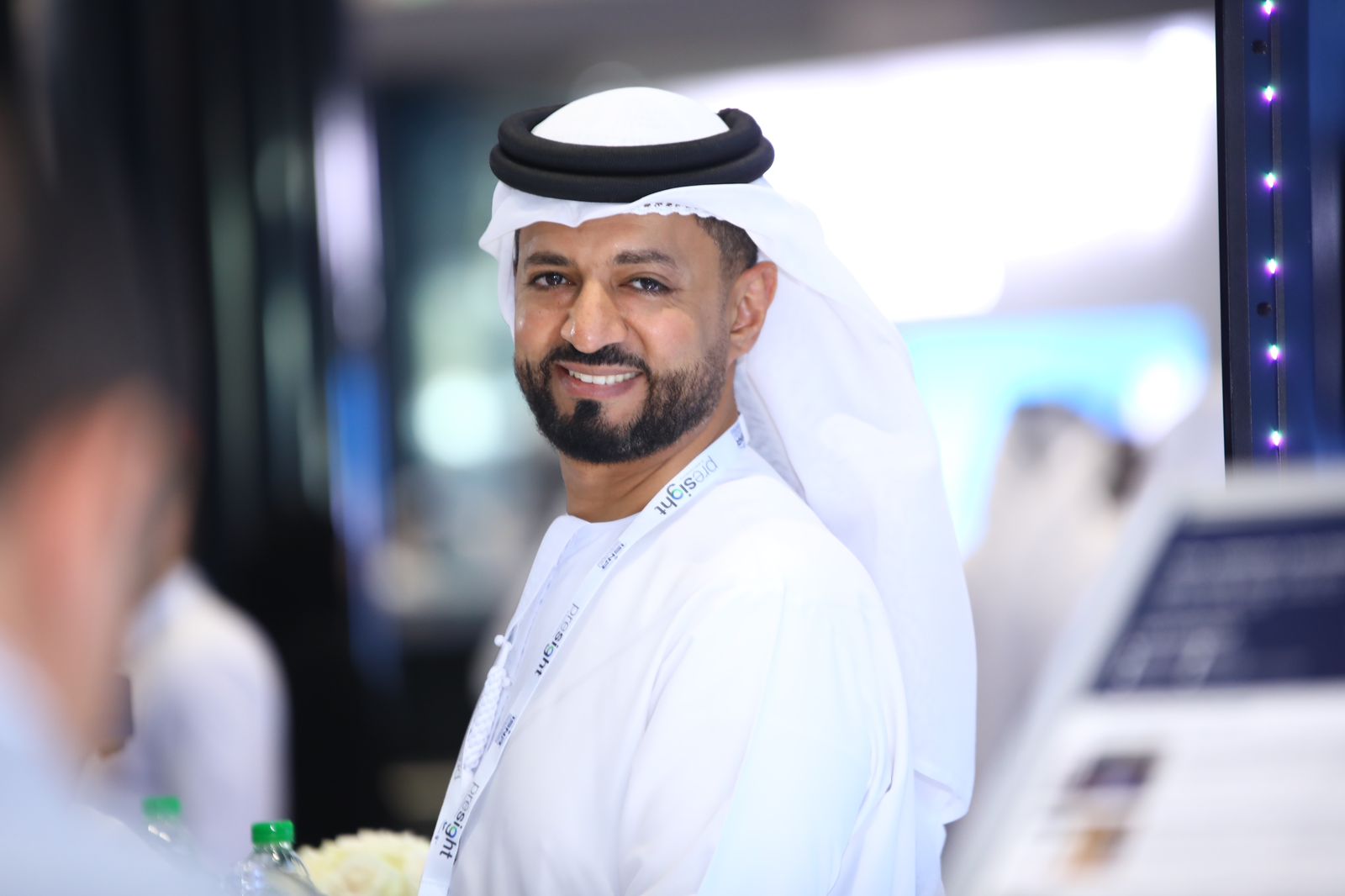
From Dishwasher to head of Quality Control & trainer Maestro: Unveiling Bilal’s coffee Journey

In the bustling world of coffee, where each cup tells a tale of craftsmanship and dedication, Bilal  Khan  stands as a testament to the transformative power of passion and perseverance. From scrubbing dishes to orchestrating quality control across five coffee havens, his journey epitomizes the quintessence of the coffee industry’s spirit.

Follow Bilal’s inspiring journey with us in this entertaining conversation

  • You’ve had quite a journey—from starting as a dishwasher to becoming a head of quality control. Could you share more about your experiences and the pivotal moments that shaped your career in the coffee industry?

My journey began in 2018 when I landed in the UAE, eager to carve a path in the coffee world. It wasn’t easy; two months and ten days of relentless job hunting led me to a humble start as a dishwasher in a cozy coffee shop. With each role—waiter, barista, senior barista, and finally head barista—I soaked in knowledge like a sponge. But it was the allure of specialty coffee that ignited my passion, propelling me to become a quality control maestro and trainer.

  • What motivated you to transition from various roles to quality control trainer? How did each role contribute to your growth?

The allure of specialty coffee beckoned me, urging me to delve deeper into the craft. As I journeyed from dishwasher to head barista, each role infused me with invaluable insights—grasping the nuances of flavor, perfecting brewing techniques, and mastering the art of presentation. It was a natural evolution driven by an insatiable thirst for knowledge and a desire to ensure every cup met the highest standards.

  • You mentioned obtaining 8 to 9 certifications from the Specialty Coffee Association (SCA). Which certifications were most impactful for you, and how have they enhanced your skills? As a quality controller, what specific aspects do you focus on to maintain high standards in coffee preparation and presentation?

Embarking on the SCA certification journey was pivotal. Sensory and processing certifications laid the professional, intermediate, foundation empowering me to discern the subtlest of flavors and understand the intricacies of coffee production. As a quality controller, I meticulously oversee every aspect—from bean sourcing to brewing methods—ensuring adherence to stringent quality assurance protocols. Cropster’s tools have been indispensable, streamlining our operations and guaranteeing consistency in every cup.

  • Competing at the national level is impressive! Could you tell us about your experience in the UAE Cup Tasters Championship and the UAE Latte Art Championship? What strategies did you employ to excel? How do you balance creativity and precision when creating latte art? Any tips for aspiring baristas?

Competing in the UAE championships was a dream come true. While victory eluded me, the experience was invaluable. Precision and focus were my allies, guiding me through the intense challenges. Balancing creativity and precision in latte art requires finesse—a blend of technique and imagination. My advice to aspiring baristas? Trust your instincts, hone your skills relentlessly, and never underestimate the power of self-confidence.

  • Handling five coffee shops nowbl specialty coffee, Kaffie specialty coffee, 90plus specialty coffee his no small feat. What challenges do you face as a head of quality control across multiple locations? How do you ensure consistency and excellence? What qualities do you look for when hiring baristas and other staff members for your coffee shops?

Managing multiple outlets presents its share of challenges, from ensuring uniformity in quality to tackling unforeseen hurdles like inconsistent bean roasts. To maintain excellence, I prioritize daily checks, cupping sessions, and constant communication with our team. When hiring, I seek passion, adaptability, and a thirst for knowledge—qualities that align with our commitment to delivering unparalleled coffee experiences.


Puja Thapaliya: A Journey of Passion and Persistence in the Coffee Industry

In the bustling world of coffee, Puja Thapaliya stands as a beacon of inspiration, seamlessly blending her expertise from the beauty industry with her unwavering passion for all things coffee. As a Coffee Consultant, she brings a unique perspective to the table, crafting a narrative of innovation, dedication, and relentless pursuit of excellence. In this exclusive interview, Puja shares her remarkable journey, from transitioning from beauty to brews, competing on national stages, to organizing enriching workshops. Her story is a testament to the boundless opportunities within the coffee industry and the transformative power of following one’s heart.

Follow Puja’s inspiring journey in this entertaining conversation:

What inspired you to transition from the beauty industry to the coffee industry?

coffee industry always motivates me to awake curiously, I find a its a suitable platform to innovate and connect with diverse people. It’s an arena where we can blend different cultures, share knowledge, and continuously learn. The journey in coffee is never-ending, offering endless opportunities to engage, create, and evolve together.

  • Could you share more about your journey from being a barista cum cashier to competing in national Brewer’s Championships?

I started as a barista and cashier in coffee industry, by the time,  I always wanted to explore new things. Despite the belief that women should focus on house stuffs, I pursued my passion for coffee and competition, which allows me to continue learning. I am exploring every possible way to make coffee better. Competing in the National Brewer’s Championships was my dream from past years, I was so excited to demonstrate my passion and dedication for coffee in National Stage. I hope my journey inspires others to go after what they love, no matter what people expect

  • How did your perception of coffee change after experiencing different origins and flavors during cupping sessions?

Experiencing different origins and flavors during cupping sessions opened my eyes to the incredible diversity within the world of coffee. Before, I saw coffee as just a morning pick-me-up with lots of sugar,but now I see it as a complex and fascinating beverage with endless possibilities of learning . Each origin has its own unique characteristics and story, from the fruity notes of Ethiopian coffees to the chocolatey richness of brazil beans. Cupping sessions taught me to appreciate the nuances of flavor, aroma, and body, and to understand how factors like altitude, soil, and processing methods influence the final cup. It’s like exploring a whole new world with every sip, and it’s made me even more passionate about coffee and its cultural significance.

  • What were the biggest challenges you faced during your intensive 15-day training program as a barista?

During my intensive 15-day training program as a barista, one of the biggest challenges I faced was the huge volume of information and skills to absorb in a short amount of time. From mastering various brewing techniques to understanding the nuances of coffee origins and flavors, there was a lot to learn and practice. The funny part during my first cupping experience, I couldn’t sleep whole night and got sick from too much caffeine. However,instead of giving up, it made me even more curious to learn.

  • Can you describe your experience competing in the UAE National Brewer Championship in 2022?

Wow,Competing in the UAE National Brewer Championship in 2022 was both thrilling and nerve-wracking, especially since it was my first time. Despite the challenge of balancing long workdays with intense practice, my determination to excel kept me going.

Even though I ended up as the 1st runner-up, it only fueled my motivation further. It inspired me to analyze my performance, find any errors, and bounce back even stronger. For me, the competition wasn’t just about winning; it was about continuous improvement and pushing myself to new heights.

  • How do you balance your passion for coffee with the demands of your profession?

Working in a roastery allows me to seamlessly blend my passion for coffee with my profession. I approach each day with structured planning, dedicating specific hours to ensure quality standards while nurturing my love for coffee through exploration, experimentation, and staying updated on industry trends. By integrating my passion into my professional duties, I contribute to the growth of the specialty coffee industry while thriving in my role.

  • What advice would you give to women who aspire to pursue a career in the coffee industry?

To women aspiring to join the coffee industry, I offer this advice: Embrace your passion and don’t be afraid to pursue your dreams. Take every opportunity to learn and grow, whether through formal training or hands-on experience. Be resilient in the face of challenges and always strive for excellence. Remember that your voice and perspective are valuable assets in shaping the future of the industry. Surround yourself with supportive mentors and colleagues, and never underestimate the power of networking. So , go ahead and, chase your dreams .the world is waiting for your unique contribution.

  • What role do you think networking and community engagement played in your journey?

It  played pivotal roles in my journey in the coffee industry. By actively participating in coffee-related events, joining online forums, and connecting with fellow coffee enthusiasts, I’ve been able to expand my knowledge, forge valuable relationships, and stay updated on industry trends.

Networking has opened doors to new opportunities, whether it’s discovering job openings, collaborating on projects . Engaging with the coffee community has provided me with a supportive network of like-minded individuals who share my passion and enthusiasm for coffee.

Moreover, community engagement has allowed me to give back to the industry by sharing insights, volunteering at events, and mentoring aspiring coffee professionals. It’s a two-way street – as I contribute to the community, I also benefit from the collective knowledge and support of my peers. Overall, networking and community engagement have been instrumental in shaping my journey in the coffee industry, helping me grow professionally and personally.

  • Could you share a memorable moment or achievement that stands out to you in your coffee career?

One standout moment in my coffee career was competing in the national Brewers Cup Championship. It was a amazing experience where I showcased my skills and passion for brewing coffee , and pushing myself continuously learning and experimenting.

Another memorable experience was organizing a workshop in Darjeeling with Sonam. First year we just organized cupping sessions, which brought together producers, roasters, and cafe owners and baristas and even normal people eager to learn about coffee. This things didn’t end up here;we went back again for next event. We managed to do 2 days of event.During this two-day event, we conducted cuppings of over 15 different coffee origins and even organized a latte art throw-down at second day. The enthusiasm and eagerness to learn from everyone involved made it a super enjoyable event. Yes; we did it at our vacation time but it was so worth it. The success of the workshop has inspired us to go back again, and we’re already planning our next event. It’s moments like these that remind me of the impact we can have by sharing our knowledge and passion for coffee with others.

  • How do you continue to evolve and grow within the coffee community?

To continue evolving and growing within the coffee community, especially for women, it’s crucial to actively engage with other women in the industry. By connecting with supportive networks, attending workshops tailored to our needs, and participating in women-led initiatives, we empower each other and foster growth. Embracing our unique perspectives and sharing experiences further fuels our evolution within the coffee world. Through continuous learning, collaboration, and support, we contribute to a more inclusive and diverse coffee community, where everyone can thrive. I hope my story inspires other women to join me on this journey of growth and empowerment within the coffee industry.

Sustainable Coffee Horizons: An Interview with Aaron Marshall, General Manager of ROR Coffee Solutions

Dubai, April 1, 2024 (QW) :Embarking on a deep exploration into the world of sustainable coffee and innovative leadership, we meet Mr. Aaron Marshall, the General Manager of ROR Coffee Solutions. From his professional journey to the pioneering initiatives of the company, Marshall shares insightful perspectives on ROR’s commitment to excellence, sustainability, and ethical responsibility. Join us as we delve into the impact of ROR Coffee Solutions on the coffee world as a whole.

As the General Manager at ROR Coffee Solutions, could you share some highlights of your professional journey and how you arrived at your current role?

With over a decade of experience in the coffee industry, my inquisitive nature in procurement and supply chain deepened my expertise and passion for the field. The opportunity to learn and grow fueled my excitement for the dynamic coffee world. There’s always something new to learn in the constantly evolving world of coffee, which is what inspired me to delve deeper into coffee and keep my curiosity constantly energized. Coffee for me is more than just a beverage; it’s a world of discovery. The turning point in my career arrived when the owners and I found ourselves sharing a mutual interest, ironically over a cup of coffee, in exploring and growing within the $100 billion dollar coffee industry. Our strategic vision extended beyond establishing ourselves as the leading roastery in the Middle East; our ambition is to emerge as the largest coffee brand on a global scale. The passion to transform the sector, to do things sustainably and ethically, is what brought ROR Coffee Solutions to life back in 2023. That shared strategy and ambition led me to my current role at ROR Coffee Solutions.

You mentioned being a down-to-earth yet imaginative and ambitious person. How do these qualities reflect in your approach to managing and leading teams within ROR Coffee Solutions?

Having a down-to-earth nature and an imaginative ambition are two core styles of how I lead and manage teams at ROR Coffee Solutions. I am always ready to roll up my sleeves and get hands-on when needed due to my “never say no” attitude. My strong belief in this approach encourages teams to create a more collaborative environment and set a tone where team members are not afraid to tackle challenges head-on. Additionally, supporting the professional growth of every team member is a core focus of mine. I understand the importance of continuous learning and development, which is why my hands-on approach allows me to fulfill this commitment by providing the necessary support and resources to ensure everyone has the opportunity to thrive in their roles. I believe it is essential for everyone to be informed about the company’s vision. By promoting a culture where everyone is heard, communication is transparent, and keeping everyone informed, I am able to successfully align the goals of the company with that of the team members to create a harmonious working environment. In essence, it boils down to nurturing a team that’s not only productive but also feels a sense of ownership and pride in what we’re building together at ROR Coffee Solutions.

ROR Coffee Solutions is making waves in the GCC as a one-stop-shop for all coffee solutions. What sets the company apart, not just in terms of products but also in its overall business philosophy?

To set ourselves apart in the highly competitive coffee industry and have a significant presence in the GCC, ROR Coffee Solutions is beyond just its products. At ROR Coffee Solutions, our aim is to foster a culture of excellence, innovation, and sustainability as part of our mission to create an impact. By carefully building an after-sales service program, we are able to exceed expectations and provide added value to our customers and stand out. At ROR Coffee Solutions, we want to ensure that every customer experience is nothing short of exceptional, and we achieve it by strongly believing that we are not just a coffee supplier; but a partner committed to excellence going above and beyond to deliver on promises for our customers. In the coffee business, while upholding sustainability, it is important to keep things fresh and constantly innovate in order to stay on top. We recently launched aluminum and compostable capsules along with our office solutions at the World Coffee Dubai 2024 summit, not only displaying our dedication to innovate and staying at the forefront of the industry but also reflecting our unwavering commitment to sustainability. More importantly, our ethical stance sets us apart. As part of our mission, we have committed to entering into fair trade agreements with coffee farms across various regions, including Kenya, Brazil, Costa Rica, Yemen, and Colombia. We’re all about making sure that we support economic stability, ensure farmers get fair pay, and build a positive coffee supply chain.

The company has recently launched the first phase of its sustainability program, aiming to reduce carbon emissions by 20% by 2025. Could you elaborate on the strategies and initiatives being implemented to achieve this ambitious goal?

I am happy to share the exciting details of our sustainability program at ROR Coffee Solutions, geared towards reducing carbon emissions by 20% in 2025. Firstly, we’ve taken a big leap towards environmental responsibility by launching fully compostable packaging for our coffee bags, capsules, and cups. This initiative aims to minimize waste and contribute to a more eco-friendly disposal process. By partnering with Forthing Friday EV, an extraordinary electric car that redefines performance and sustainability, we have strategically transitioned our traditional vehicle fleet to electric cars. This change has been implemented on our sales, QC, and technical fleets, aligning with our commitment to reduce carbon footprints and ensuring a cleaner and greener approach to our operations. Additionally, our most impactful initiative is the adoption of a robust electric coffee machine. This technological marvel not only makes our roasting process energy-efficient but also drastically eliminates emissions, bringing us closer to our goal of a more sustainable process in coffee production. These strategies collectively form the foundation of our sustainability program, reflecting our dedication to environmental stability, energy efficiency, and a greener future for the coffee industry. We’re not just brewing coffee; we’re brewing a sustainable legacy.

ROR Coffee Solutions has embraced an entire fleet of electric vehicles, making it the first coffee company in the UAE to do so. How has this move contributed to the company’s environmental responsibility, and what impact do you foresee within the industry?

The excitement cannot be contained. We are extremely proud of our strategic shift to electric vehicles at ROR Coffee Solutions. This move positions us at the front, being the first-ever coffee company in the UAE to go fully electric. The partnership with Forthing Friday EV has led us to strategically replace our traditional vehicles in the sales, quality control, and technical departments. Forthing Friday EV is an incredible electric car model that excels in both performance and sustainability, aligning with our sustainability goals and helping us gradually reduce our carbon footprint. Not only does this contribute to a cleaner and greener operational approach within our company, but it also sets a notable precedent within the industry and promotes a positive influence in the industry at large. Additionally, our move to electric vehicles inspires other companies in the coffee industry to implement similar eco-friendly practices.

How do you balance the need for efficiency with maintaining high-quality standards in the coffee industry?

Consistency in the coffee industry is the key reason for any roastery to have complete control over their brand reputation, maintain quality, enhance their customer experience, and optimize their operations. At ROR Coffee Solutions, we maintain efficiency while upholding high-quality standards as it is a top-priority for us. Firstly, we have our incredible Quality Control team who play an important role at ROR Coffee Solutions to help maintain high-quality standards. These guys are the backbone of our commitment to excellence. These rock-stars take it upon themselves to regularly visit clients, providing them with invaluable training and support to baristas, at no additional cost. We’re all about empowering our partners with knowledge and skills to produce top-notch quality and maintain consistency, which also streamlines operations for efficiency. Moreover, every single batch of ROR Coffee Solutions that we roast goes through a meticulous tasting process. Our expert head of coffee, personally samples and evaluates each batch to ensure it meets our standards before it leaves our factory. This thorough attention to detail guarantees that only the finest quality coffee reaches our customers. Additionally, with sustainability at the forefront of our operations, we use electric roasters by Stronghold to effectively reduce our carbon emissions, and dedicate ourselves to being more environmentally conscious. With Stronghold roasters, we can roast high-quality coffee in large batches of up to 8 kg per batch. Their machines, equipped with 4 halogen lamps, higher output, refined airflow control, and detailed data logging, enable us to consistently achieve the perfect roast for our coffee beans, ensuring the highest quality for our customers.

How does the company ensure sustainability throughout the entire supply chain, from bean cultivation to the final product?

One of the most important steps that we have taken while establishing ROR Coffee Solutions is entering into a fair trade agreement with coffee farms. A fair trade agreement offers better prices, decent working conditions, and stability to farmers from developing nations and protects them from an unpredictable coffee market. By entering into a Fair Trade Agreement with farms situated in Kenya, Brazil, Costa Rica, Yemen, and Colombia we, at ROR Coffee Solutions, are enabling fair compensation for farmers. Additionally, we are also proud to announce our partnership with a women’s farm from the Nyarguru province of Rwanda. The aim of this partnership is to secure a brighter future for these women and their communities. We do this by not only sourcing coffee beans from them but also proudly giving back a percentage of our sales from each product to support these hardworking women and their families. Moreover, with the assistance of Sustainable Growers, these women farmers are adopting the best agricultural practices to cultivate their coffee beans, promoting ethics and sustainability. Our sustainability practices do not just stop there. We at ROR Coffee Solutions have upped our roasting game by utilizing an electric roaster that is energy-efficient and eliminates carbon emissions, bringing us closer to our goal of a more sustainable process in coffee production. Furthermore, our partnership with Frothing Friday EV is also another prime example of the eco-friendly vibe that we are boasting here at ROR. By strategically swapping out all our traditional vehicles in the sales, quality control, and technical departments for electric ones, we are gradually reducing our carbon footprint. We have also taken a big leap towards environmental responsibility by launching fully compostable packaging for our coffee bags, capsules, and cups. Which aims to minimize waste and contribute to a more eco-friendly disposal process. To sum it up, when you grab a cup of coffee from us, you’re not grabbing a regular cup of joe; you’re supporting farmers, their communities, and the planet all while drinking out of a compostable cup. In short, that one cup of joe that you’re holding has been through a sustainable journey, making you a proud supporter of farmers and our environment when you purchase it from ROR.

How do you believe ROR Coffee Solutions’ focus on sustainability and environmental responsibility is influencing consumer perception and behavior?

As the General Manager of ROR Coffee Solutions, I’m thrilled to share how our commitment to sustainability and environmental responsibility is shaping the way consumers view and interact with our brand. Picture this: with every sip of our coffee, our customers aren’t just indulging in a delicious brew; they’re embarking on a journey towards a better world. When you choose ROR Coffee Solutions, you’re not just buying coffee; you’re joining a movement. It’s like being part of a secret society of coffee lovers who care about more than just a caffeine fix—we’re in it for the greater good! From the moment our beans are sourced ethically to the last drop enjoyed in our compostable cups, sustainability is at the heart of everything we do. We’re not just brewing coffee; we’re brewing change. And let’s not forget the feel-good factor. With every cup of our coffee, customers can pat themselves on the back for making a difference. It’s like a little high-five to Mother Nature with every sip. So, why settle for a regular cup of joe when you can join the ROR Coffee Solutions revolution? Let’s sip our way to a greener, more sustainable future—one delicious cup at a time.

Are there any collaborative efforts or partnerships ROR Coffee Solutions is engaged in to encourage broader industry-wide impact?

One of our biggest collaborative efforts was the caffeinated event that we had hosted on March 8, 2024, in honor of International Women’s Day at our headquarters in Al Quoz, Dubai, UAE. The aim of the event was to announce the partnership between ROR Coffee Solutions and a Rwandan women’s farm. At the event, we proudly hosted Esther Mukangango, a remarkable and resilient women farmer, who traveled all the way from her province of Nyarguru in Rwanda to share her riveting story with the audience. At this event, Esther Mukangango shared her compelling journey with us. She told us how 125 women came together to form the Nyampinga union, aiming to beat poverty through cooperative savings and lending. Esther explained the profound meaning of the word Nyampinga – which translates to “beautiful women in and out,” and shed light on how their skilled management got them noticed globally. Banks both local and international, stepped in to support their coffee farming efforts. Esther also shared her own story, from a time when women like her couldn’t even access coffee, to now proudly owning it and exporting it to the world. I firmly believe that this partnership is a game-changer for women throughout the coffee industry, while shedding light on the difficult challenges they encounter due to lack of government support in their country. This collaboration helps by sending their children to school, paying for insurance coverage, and contributing to a pension scheme for the elderly, and also on top of that, they will receive a cut from every product that we sell here at ROR Coffee Solutions. It’s a win-win for everyone involved! More on the partnership front, as mentioned previously, we have teamed up with Forthing Friday EV to shift to electric vehicles so that we help reduce our carbon emissions. While this move does align with our sustainability goals and contributes to a cleaner and greener operational approach within our company, it also sets a notable precedent within the industry and promotes a positive influence in the industry at large. Additionally, our move to electric vehicles inspires other companies in the coffee industry to implement similar eco-friendly practices.

Medina Qahwa: Crafting Coffee with a Human Touch

I first laid eyes on her at the World of coffee Dubai 2024. Despite her bustling pace through the exhibition halls, I couldn’t seize the opportunity to converse with her. Fortunately, my daughter struck up a conversation and obtained her contact details. Our inaugural encounter unfolded post-exhibition at ALSercal Avenue, where we exchanged dialogue over a steaming cup of matcha tea.

Unfamiliar with Medina Ilyas, the name of her coffee enterprise, “Medina Coffee,” intrigued me. “Who are you?” I inquired. “I’m a woman from Kazakhstan who married an Omani man and relocated to Oman,” she replied. Following the eruption of conflict in Yemen, a neighboring nation to Oman, I received inquiries from acquaintances about the situation there. Unaware of the circumstances, I was enlightened by their accounts of the war’s dire toll on children, some succumbing to starvation. This prompted me to contemplate ways to extend aid. Upon researching Yemen, I unearthed its pivotal role in coffee’s history, igniting within me a desire to support its populace through coffee cultivation and commerce.

Medina initiated a humanitarian forum in Muscat, convening women to strategize aid efforts for Yemen. We amassed considerable funds and dispatched them promptly. This initiative sparked the inception of a commercial endeavor aimed at providing sustainable assistance – thus, “Medina Coffee” came into being. It represents not just a business venture but a humanitarian endeavor.

Embarking on a journey across the Arabian Peninsula, Medina delved into the realm of coffee, amassing over 700 Arab coffee recipes, 10 of which were published in a tome titled “The Art of Arab Coffee” In this opus, Medina Elias, a coffee aficionado and founder of Medina Coffee Company, delves into the opulent cultural heritage of authentic Arab coffee.

The cultivation, roasting, and preparation of Arab coffee were originally pioneered and perfected in the Arabian Peninsula. Arab coffee transcends mere refreshment; it embodies a cultural ethos and serves as a cornerstone of Middle Eastern hospitality. With roots tracing back centuries in the Middle East, its traditions have endured across generations.

Medina divulges her secrets of coffee preparation, featuring unique recipes incorporating cardamom, frankincense, or saffron, resulting in exquisitely rich and flavorful Arab coffee. “The Art of Arab Coffee” encompasses a succinct history of Arab coffee, offering insights into Arab culture and hospitality, alongside key revelations about the world of Arab coffee and its profound health benefits.

Enriched with captivating anecdotes, the book unveils the origins of coffee, from an Ethiopian goatherd named Kaldi to Sufi monks in Yemen who imbibed it to maintain wakefulness during nocturnal meditations. Presently, Medina endeavors to inaugurate her inaugural coffee shop in Dubai and expand her commercial footprint across the UAE and beyond.

Savoring Success: A Chat with Ajit Tamang, UAE National Cup Tasters Champion 2024

Dubai,12 March 2024 (QW): – In the intricate world of coffee, where flavors dance delicately on the palate, Ajit Tamang stands as a testament to passion, perseverance, and proficiency. From his humble beginnings as a barista in Costa Coffee to his current role as Quality Control at Refill Roastery, Ajit’s journey reflects dedication and a thirst for excellence. Recently crowned as the UAE National Cup Tasters Champion 2024, Ajit shares insights into his remarkable journey, preparation strategies, and aspirations for the future. Join us as we delve into the aromatic world of coffee with Ajit Tamang.

Can you tell us a bit about yourself and your journey into the world of coffee?

Hi it’s me Ajit Tamang Cup Taster Champion 2024. I have been in the coffee industry for around 7 years.I started my journey in the coffee industry from 25th July 2017 when I first came to the U.A.E as a barista in Costa Coffee.I worked with costa coffee for 2 years which helped me to grow as a commercial Cafe barista.But I wanted to grow more in specialty coffee as well so I decided to move. I got a chance to work in one of the well-known cafes in Alain but unfortunately, they could not provide me a visa even after working for 6 months so I had to look for another company again. So from one of my friends, I came to know that Refill Roastery was hiring a junior barista. I thought if I want to grow in specialty coffee, why not work in a specialty roastery itself? so, I asked his help to forward my CV to Refill and I was able to be hired as a Junior Barista. In the 4 years experience in Refill Roastery I was promoted to Senior Barista, Branch in Charge & now I am working as Quality Control

How did you feel when you first learned that you secured the 1st place in the UAE National Cup Tasters Competition?

I was astonished when I secured first place in the Cup taster Championship. I could not believe myself if I was hallucinating or was it real?

Can you walk us through your preparation process leading up to the competition?

Since my job is Quality Control, I used to check calibration in our cafe outlets daily and do cupping for the green beans our company used to receive as samples & Profiles which are having issues, try different types of coffees in different brewing methods. I think this helped me to train my palate.

Were there any specific challenges you faced during the competition, and how did you overcome them?

First of all, the Championship itself is a challenge but if you want to know a specific challenge for me. It was to make my timing shorter. As you noticed my timing was 5:05 in the first round, 3:10 in the semifinal & 2:57 in the final.

What are the key techniques you employed during the cup-tasting competition to distinguish flavors?

There are no key techniques specific but maintaining focus on the cup & following your instinct & guts as fast as possible
Enter

How has your team at Refill Roastery supported you throughout this journey?

Yeah Refill is supporting me always not just only in this competition but has always been supporting. Refill Roastery or to be specific our C.E.O & C.O.O are too supportive to help us grow personally & professionally.

Is there a particular coffee that holds a special place in your heart, and why?

The memorable Coffee in my career so far is Ethiopia Shakiso as this was the first coffee I drank for my V60 and changed my mind & perception of coffee.

The coffee that holds a special place in my heart is Kenya Sangalai AB. This particular coffee was not expensive but still the clarity & sweetness of this coffee with the classic tasting notes was amazing.

What advice do you have for aspiring baristas who may want to participate in competitions like the Cup Tasters Competition?

The advice I would like to give to baristas or anyone who is willing to participate in any type of competitions is to have self confidence in yourself & do not forget you will be competing with the people who have more knowledge, experience & skills.

How important is continuous learning and staying updated with industry trends for a barista?

It is important to do continuous learning and keeping updated if you do not want to be left out. Because the coffee industry keeps on growing each & every day it is another competition to be updated.

What are your future goals in the world of coffee and barista competitions?

My future goal is to open up a Coffee Academy back in my home country that can provide updated knowledge & skills to the people who are willing to grow their career in the coffee industry.

How does it feel to be recognized as the UAE National Cup Tasters Champion, and how do you plan to celebrate this achievement?

Of course I feel very happy to be known as UAE National cup tasters Champion. I am planning to celebrate this achievement by getting Drivers license.

Are there any upcoming events or competitions that you are looking forward to participating in?

Yeah I am looking forward to the world stage but before that let’s hope I can get a US visa.


Elaf Mustafa’s Artistic Journey through Yemeni Coffee Heritage

Dubai  – Ali Alzakary

In the enchanting realms of Sanaa and Haraz, the life of Elaf Mustafa unfolds among the layers of Yemen’s rich soil. As a connoisseur of language, literature, art, and coffee, Elaf embarked on an academic path in translation and linguistics, finding herself guided by the intertwined forces of art, language, and the world of coffee.

Her connection to coffee is not a recent one; it is deeply rooted in her family’s history of cultivating and trading coffee beans. The fertile lands in Haraz, adorned with ancient coffee trees, tell stories that traverse generations, weaving a fabric of identity and knowledge.

Elaf’s journey, branching into diverse paths, testifies to the resilience imprinted in her experiences. Whether facing challenges through books, art, or embracing comforting coffee, she always designs alternative plans to navigate the ever-changing currents of life. And there is Sanaa, the captivating city that, despite challenges, never fails to inspire resilience.

In this interview, Elaf Mustafa explores her fascinating life, delving into the intersection of her academic pursuits, family heritage in coffee cultivation, and the profound impact of history on her journey as an artist. From her initial encounters with written words to the rich inspiration drawn from her family’s coffee heritage, Elaf paints a vivid picture of her evolution as an artist, revealing the symbiotic relationship between the brush and the coffee tree.

Join us as we uncover the layers of Elaf’s artistic narrative, where each stroke on the canvas echoes the stories of her ancestors and the enduring spirit of Yemeni coffee.

Who is Elaf Mustafa?

“I have lived my life between the lands of Sanaa and Haraz, and both have a vast space in my soul. I love everything related to language, literature, art, and coffee. Despite my passion for painting, which has accompanied me for years, I specialized academically in translation and linguistics. Today, I see that both art and language have led me to the path of coffee.

My affiliation with coffee is not a recent thing. My family has a deep history in the cultivation and trade of coffee. We own several farms in our hometown, Haraz, including farms that contained, and still are to this day, coffee trees that have lived for a decade, and through which ancestral stories, ancient knowledge and identity have been transmitted.

Between today and the past, I feel that I have branched out a lot. However, it’s worth mentioning that what I and my generation experienced in previous periods has shaped us in a way that one lifetime is not enough. We learned how to appreciate life, and in every instance when challenges prevailed, we had to devise alternative plans to navigate through the constantly changing waves of life. And there is Sanaa, the enchanting city that never lets us fall without inspiring us to rise, no matter how deep the trenches.”

How did your journey with coffee begin, and how were you influenced by the history and heritage of your family in coffee cultivation?

“My father had a library that contained many of history books, including those talking about ancient and contemporary civilizations. Thanks to his continuous encouragement for reading, I read many of them starting from the age of ten. I found that Yemen has a rich history that cannot be covered by volumes or thousands of books. But through my readings, I found that coffee created a beacon of light in this journey, through various stations. It connected with Yemenis through ages as a window and light. It’s noteworthy that it has been and still is creating and telling stories, and, in turn, I love stories very much.

I was greatly influenced by the fascinating link created by coffee trees. My grandmother, Hassana Ismail, preserved many stories for me about its importance in society, how it was cultivated, and the rituals of harvesting back then. She mentioned in one of the stories that at the beginning of the harvest, she and her mother would go to the farm. She would pick a few coffee beans in her hands and exchange them for other goods, a unique privilege that only coffee had. Many stories, all of which instilled in me love and pride for this tree, continually drive me to reflect its impact in paintings, even if only a little is revealed.”

How can coffee transform from a beverage into an identity and history, and how do you seek to convey this idea through your artistic works?

“In reality, coffee beans can never be confined to the word ‘beverage.’ They overflow from their cup, and they have many dimensions.

From the port of Mokha, this fruit witnessed civilizations, eras, and kingdoms. It created many contradictions as people doubted and clung to it, hiding it in a jar for decades as one of the most precious treasures. We see throughout history how wars were waged for it, and other wars were extinguished because of it.

When we witness today how our ancestors spent their lives preserving it despite the difficulties that mostly bent their backs, the picture becomes clear. This is precisely why I painted my latest piece titled ‘Descendants of the Sun’ for Hajjah Fatima, one of the coffee farmers in Mahwit, as a loud sign for the Yemeni coffee revolution in every era. She reached the age of eighty and still holds onto her beans, so it became imperative for me to immortalize her story within the folds of a painting.

How can art contribute to raising awareness of the importance of Yemeni coffee and its history in local and global communities?

“Since ancient times until today, art has been the main factor in conveying and preserving civilizations. For me, I see art alongside the history of coffee as an ancient window adorned with the colors of Yemeni lunar, each time portraying a scene that must be immortalized. So, I see them narrating their stories through my window, not the other way around. We truly see how the importance of this thing has imposed its reality on societies, whether local or international.”


How do you envision the future of the coffee industry in Yemen, and what role can art play in supporting it and shedding light on its heritage?

“The previous periods were challenging for Yemeni coffee, as its production significantly declined due to economic difficulties and environmental degradation. But today, we are living in an era of revival like never before. All sectors are working at full capacity to elevate it to stages surpassing its predecessors, starting from the land and supporting farmers by all means, up to roasting and presenting it. From our perspective today, I see a promising future waiting.

As for art, it is the constant companion to these beans and their land, embracing its roots tightly to preserve them from oblivion. They will always tell stories together.”

Malindo Utama Gayo’s Journey Towards Quality Coffee, Sustainability, and Community Flourish

In the heart of the lush Gayo Highlands in Central Aceh, Indonesia, a cooperative is making waves in the coffee industry – Malindo Utama Gayo. Renowned for its commitment to quality, sustainability, and community development, the cooperative has emerged as a leading producer of exceptional Arabica coffee beans. In this exclusive interview, Shafuan Iqbal, the Marketing Manager at Malindo Utama Gayo, provides a glimpse into the cooperative’s origins, practices, and aspirations. Join us as we explore the unique journey of Malindo Utama Gayo, where the pursuit of excellence meets a deep dedication to environmental responsibility and community empowerment.

Can you tell us about your role as the Marketing Manager at Malindo Utama Gayo, and how did you get involved with the cooperative?

Let me introduce myself, my name is Shafuan Iqbal, here I act as a marketing manager at the Malindo Utama Gayo producer cooperative. My role here as a manager is to determine the target market, segment the market, and determine the best way to market Gayo Arabica coffee products with the best quality that we can guarantee and also ensure that consumers are satisfied with the products we offer, so that this continues to be sustainable.

What inspired the founding members to establish Malindo Utama Gayo, and what challenges did they aim to address in the coffee production industry?

The inspiration of the founder of the Malindo Utama Gayo Producer Cooperative was:

  1. Farmer Empowerment: here our aim is to improve the economic and social conditions of coffee farmers and provide opportunities for a better economy for local farmers in the Takengon region, Central Aceh.
  2. Sustainability: here we are Determined to ensure that our coffee production meets sustainability standards and we are committed to adopting sustainable farming practices, ensuring that farmers receive fair prices, and supporting sustainability initiatives in the coffee supply chain.
  3. Quality Maintenance: Our inspiration here is to maintain and improve the quality of coffee, we want to bring superior Arabica coffee from the Gayo area to the global market, promoting the unique taste, aroma and characteristics of Gayo Arabica coffee in the Gayo highland area.
  4. Innovation and Differentiation: here we bring innovation to the coffee production industry by processing coffee beans from the plantation to ready for export in the Takengon area so that there is no mixing of products with other coffee and we can guarantee the authenticity of Gayo Arabica coffee from our cooperative.

The challenges we usually face in the coffee industry are price fluctuations, climate change which can affect crop yields, global competition.

How does Malindo Utama Gayo strive to achieve its vision of becoming a leading coffee producer?

Our efforts to achieve our vision are to become a leading coffee producer, producing high quality coffee beans, prioritizing environmental sustainability, and providing social and economic benefits to cooperative members and the surrounding community.

Can you elaborate on the cooperative’s mission to produce exceptional coffee, prioritize environmental sustainability, and provide social and economic benefits to members and the community?

We are committed to producing the best coffee beans by maintaining product quality, cleanliness and freshness. We apply good cultivation practices and pay attention to every stage of production to produce coffee with a rich taste, attractive aroma and distinctive taste.

Could you explain the unique processing methods used for the original Gayo Arabica coffee, and how they contribute to its high quality?

Post-harvest coffee processing is a series of steps carried out after the coffee beans are harvested from the coffee tree. The aim of this processing is to remove the layers surrounding the coffee beans, such as the skin, mucus and pulp, and to dry the coffee beans. This process is very crucial in producing coffee beans that are ready to be ground, roasted and brewed into a delicious cup of coffee. Here are some general steps in post-harvest processing of coffee:

  1. Depulping: The first step in the post-harvest process is removing the outer skin of the coffee beans. There are two general methods used for depulping. The wet method involves soaking the coffee beans in water to soften the skin, followed by mechanical depulping using a depulping machine. The dry method is to dry the coffee beans in the skin, then break the skin or rub it to remove the coffee beans.
  2. Fermentation: After depulping, the coffee beans will undergo a wet fermentation stage. This process involves soaking the coffee beans in water to remove any remaining mucus and fruit pulp stuck to the beans. Fermentation can also have an impact on the taste and characteristics of the coffee produced.
  3. Washing: After fermentation, the coffee beans go through further washing. The coffee beans are washed and sifted to remove any remaining layers such as mucus or thin membranes that are still attached to the beans.
  4. Drying: After cleaning, coffee beans need to be dried. The drying method can be done naturally or using a dryer. In natural drying, coffee beans are spread thinly on an open surface and left exposed to sunlight or air dried. In drying using equipment, the coffee beans are transferred to a drying machine which regulates the temperature and humidity so that the coffee beans can be dried quickly and evenly.
  5. Final processing: After the coffee beans are dry, they go through the final processing stage. This involves removing the husks or skins remaining after drying, as well as selecting and sorting the coffee beans based on size, shape and best quality, then the coffee that is ready for export will be packed in new jute bags.

What are the key cultivation practices employed by the cooperative to ensure the best quality coffee beans?

The cooperative focuses on coffee quality by implementing sustainable agricultural practices and focusing on environmental sustainability and farmer welfare. Use of organic and sustainable methods in coffee cultivation

How does Malindo Utama Gayo implement environmentally friendly farming practices, and what specific steps are taken to promote organic and sustainable agricultural methods?

Here we use organic farming practices so that there is no environmental pollution and coincidentally we follow organic and Rainforest Alliance standards so that environmental sustainability can be maintained.

 In what ways does the cooperative address responsible waste management in its coffee production process?

For coffee plantations, we prohibit farmers from throwing rubbish carelessly, so we encourage farmers to collect waste from their plantations to be thrown into rubbish bins provided by the local government and for processing sites, we provide septic tanks so that waste produced from the coffee process is not thrown into canals or rivers.

How does Malindo Utama Gayo empower its members through training, knowledge-sharing, and access to resources?

We provide updated training and knowledge to members regularly and provide information openly

Can you discuss the cooperative’s commitment to fair and transparent practices, ensuring members receive a fair share of the profits?

Here we use practices that are fair and transparent to members and we hold member meetings to discuss how to use the profits we obtain

What social and educational initiatives does the cooperative support in the local community?

Cooperatives provide social support in the form of social assistance in the form of providing basic necessities to all farmer members and providing donations to educational institutions in the local community of our farmer member areas.

How does Malindo Utama Gayo collaborate with other coffee farmers and establish partnerships to enhance its positive influence in the coffee industry?

We openly accept and partner with other coffee farmers so that these farmers have a positive impact on each other

Could you provide more details about the range of high-quality coffees offered by Malindo Utama Gayo, including any or single-origin options?

Single origin coffee is coffee that comes from one source, namely coffee of the same type, which comes from the same region, the same region, or even the same plant because the average varieties of Gayo coffee are Catimour, Bourboun and P88.

We apologize, this is an error in the information listed on the website and we will correct it.

For customers interested in brewing their own coffee, what options does the cooperative provide in terms of raw coffee beans?

Semi Wash Sumatera Gayo Mandheling Arabica Coffee TP (Triple Pick ), Semi Wash Sumatera Gayo Gegarang Arabica Coffee Grade 1, Gayo Arabica Grade 5 and Sumatera Coffee Arabica Gayo Luwak.

How does the unique geographic location of Gayo Highland contribute to the ideal conditions for cultivating high-quality coffee?

Malindo Utama Gayo Cooperative is located in the fertile hilly area of ​​the Gayo Highlands, Central Aceh, Indonesia. This area is famous for its ideal geographical conditions for cultivating high-quality coffee. The Gayo plateau is located in Aceh, at an altitude of approximately 1,200 meters above sea level.

Can you share more about the cooperative’s relationship with the local community and any positive impacts it has had?

The Malindo Utama Gayo Cooperative is committed to producing extraordinary coffee while still prioritizing sustainability and providing a positive impact on its members and the local community by providing training and knowledge about coffee and simultaneously preserving the environment and the cooperative providing donations to educational institutions so that farmers’ children are prosperous.

What are Malindo Utama Gayo’s future plans for expanding its reach and impact in the coffee industry?

Our goal is mutual prosperity between farmers and cooperatives and we are trying to prevent global warming by reforesting forests and we hope that buyers will provide a suitable price so that our future plans can run smoothly.

Are there any upcoming projects or initiatives that the cooperative is particularly excited about?

We have collaborated with Indonesian Geographical Indications to preserve the environment and remind the public to prevent pollution of the environment and protected animals, and we are trying to carry out reforestation of deforested forests or where natural disasters in the form of landslides occur.


A Success Story: A Journey into the World of Coffee with Marko Djuric, Director of Global Business Development at Coffee Desk

Dubai, January 19, 2024 (QW): In this exclusive interview, we sit down with Mr. Marko Djuric, the Global Business Development Director at Coffeedesk GCC. Marko takes us on a journey through his background, passion for coffee, and the remarkable trajectory that led him from Poland to Dubai and across the Gulf Cooperation Council countries. As an industry expert, he shares insights into Coffeedesk’s journey, evaluates the current state of the coffee industry in Dubai and the UAE, explores global opportunities, and addresses the challenges that persist in this dynamic sector.

Coffee Journey and Background:

Can you provide us with a brief overview of your background and how you ventured into the realm of coffee? What inspired you to embark on this journey from Poland to Dubai and across the Gulf Cooperation Council countries?

Marko: Absolutely. My journey in the coffee industry began with a passion for exploring diverse cultures and flavors. Originating from Poland, I found myself drawn to the rich and dynamic world of coffee. The move to Dubai and across GCC countries was fueled by the region’s booming coffee culture and the opportunity to contribute to its growth. My background in Global Business Development aligns seamlessly with the dynamic nature of the coffee industry. It’s an exciting venture that allows me to combine my love for coffee, business acumen, and a keen interest in connecting with people from various backgrounds. This journey has been a remarkable exploration of both the art and business of coffee, and I’m thrilled to be a part of it.

Coffeedesk Journey:

Reflecting on Coffeedesk’s journey, could you share insights into its inception, notable milestones achieved thus far, and any future plans you have for its development?

Marko: Coffeedesk’s journey has been remarkable, evolving into a premier destination for coffee enthusiasts. Recognized as a master distributor for brands like Urne, Moccamaster, and AeroPress, and exclusive distributor for Fellow, we’ve achieved significant milestones. Future plans include expanding our ecommerce presence and maintaining a focus on sustainability. Exciting times lie ahead for Coffeedesk.

Coffee Industry Market in Dubai and the UAE:

As an expert in the field, how would you evaluate the current state of the coffee industry market in Dubai and the UAE? Are there any trends or unique aspects that stand out in this region?

Marko: In evaluating the coffee industry in Dubai and the UAE, it’s evident that there’s a dynamic market with a growing coffee culture. The demand for specialty coffee is on the rise, and consumers are increasingly looking for unique experiences. Sustainability is a notable trend, with both businesses and consumers showing a keen interest in eco-friendly practices. Overall, the industry here is vibrant and open to innovation.

Global Opportunities in the Coffee Industry:

With the commencement of a new year, what, in your opinion, are the most significant opportunities on a global scale within the coffee industry? Are there emerging trends or untapped markets that you find particularly promising?

Marko: As we step into a new year, the global coffee industry is rife with opportunities. One noteworthy trend is the increasing popularity of sustainable and ethical practices, resonating well with environmentally conscious consumers. Additionally, the rise of specialty and artisanal coffee continues to present exciting prospects. Untapped markets, especially in regions with a growing middle class, offer substantial potential for expansion. Overall, the evolving preferences of consumers and a focus on quality and sustainability shape the industry’s landscape.

Challenges in the Advanced Coffee Industry:

Recognizing the advancements in the coffee industry, what do you perceive as the primary challenges it faces? How can businesses navigate and overcome these challenges to ensure continued growth and sustainability?

Marko: In the face of remarkable progress in the coffee industry, certain challenges persist. One major hurdle is the volatility of coffee prices, influenced by factors like climate change and geopolitical events. Businesses must strategically manage these uncertainties through diversification and sustainable sourcing practices. Additionally, maintaining quality amidst increasing demand poses a challenge. Investing in technology, fostering direct relationships with producers, and embracing innovation are pivotal for businesses to overcome these challenges and ensure long-term growth and sustainability.

Exploiting Opportunities and Facing Challenges:

Delving deeper into strategy, how do you recommend seizing the available opportunities in the coffee industry on various levels? Additionally, what proactive measures can be taken to effectively address and overcome the challenges encountered in this dynamic sector?

Marko: To seize coffee industry opportunities, adapt to consumer trends, embrace technology, and prioritize sustainability. Overcoming challenges involves transparency, data analytics, and strategic collaborations. A proactive approach, marked by adaptability and partnerships, is essential for sustained growth.