Redefining Vietnamese Coffee: Catherine Phan’s Global Mission

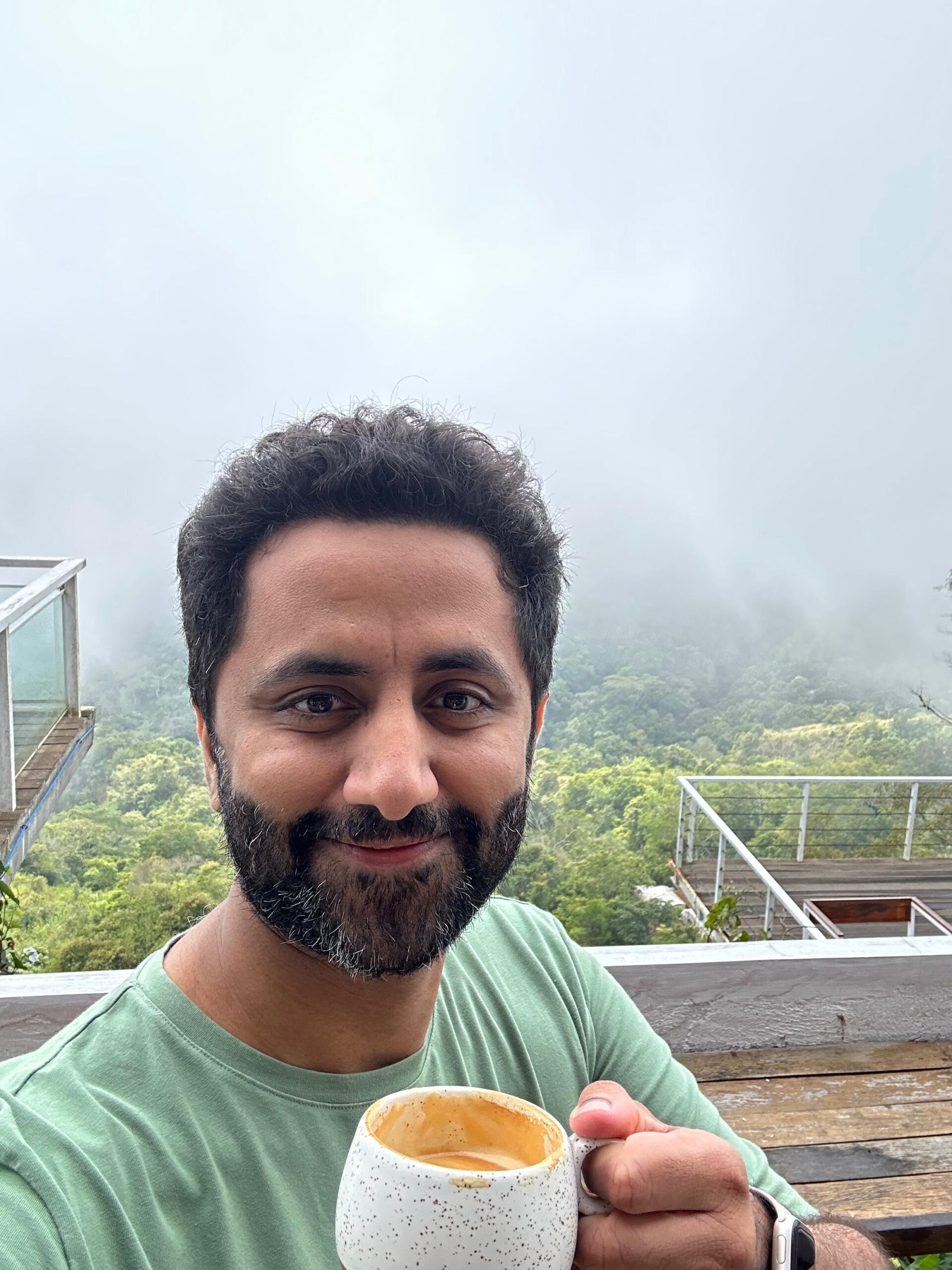
From the verdant hills of Vietnam’s Central Highlands to the bustling coffee culture of Dubai, Catherine Phan’s journey is a testament to the transformative power of passion and purpose. Rooted in the soil of a country renowned for its coffee heritage, Catherine’s story weaves together childhood memories, cultural pride, and an unwavering commitment to showcasing the unique richness of Vietnamese coffee. Her dedication transcends borders, bringing Fine Robusta and other specialty Vietnamese brews into the spotlight on the global stage.

In this captivating dialogue, Catherine shares her experiences, insights, and vision for the future of Vietnamese coffee. With a spirit fueled by her heritage and a keen eye for innovation, she reveals how a cup of coffee can tell the story of a nation.

Join us as we dive into an inspiring conversation with Catherine Phan—a coffee specialist, cultural ambassador, and advocate for the unsung flavors of Vietnam. Sit back, savor the aroma of her words, and enjoy this fascinating dialogue!

Catherine, your journey into the world of specialty coffee began when you were just five years old in the Central Highlands of Vietnam. Can you tell us more about how those early experiences shaped your passion for coffee?
I was born in the North of Vietnam, but my family moved to the Central Highlands when I was five years old. At that time, the region was surrounded by forests, hills, and vast lands. The fruits we knew best were coffee cherries and cashews. Back then, coffee was just another fruit to me; I didn’t realize its potential to energize or its value as a commodity. We used to eat coffee cherries and cashew fruits as snacks, but I never had the chance to drink coffee. In 1994, coffee was priced at $2—a high value that drew people to the Highlands to cultivate it. These early years planted the seeds of my connection with coffee, even if I didn’t understand it yet.

You’ve described Vietnamese coffee culture as “unique and diverse.” In your opinion, what makes it stand out compared to coffee cultures in other parts of the world?
Vietnamese coffee culture stands out for its unique combination of natural conditions, diversity in coffee varieties and processes, and its distinct brewing traditions. Vietnam’s Bazan soil, favorable climate, and optimal altitudes create the perfect environment for cultivating high-quality coffee. Vietnam is home to a wide range of coffee, including Robusta, Arabica, and specialty Fine Robusta varieties, which boast premium quality. The traditional phin filter is a hallmark of Vietnamese coffee culture, often paired with condensed milk to create our iconic cà phê sữa đá (iced coffee). Variations like egg coffee and modern twists further highlight the creativity and adaptability of Vietnamese coffee culture.

What inspired you to leave a career in the banking sector and dedicate yourself entirely to coffee? Was it a difficult decision?
For the people of the Central Highlands, coffee is more than a crop—it’s a livelihood, a memory, and a legacy. Growing up, I witnessed the hard work of farmers and the deep connection they shared with coffee. When I moved to Dubai, I realized that Vietnamese coffee—despite our status as the second-largest coffee exporter globally—was largely unknown. Our high-quality Fine Robusta remained unnoticed. This realization was a turning point. I felt a responsibility to share our story, elevate the perception of Vietnamese coffee, and support farmers back home. The decision wasn’t easy, but my passion for coffee and my belief in its potential made it the right choice.

How has your experience as a specialty coffee specialist allowed you to contribute to spreading Vietnamese coffee culture globally?
Being a specialty coffee specialist has enabled me to introduce the world to the unique aspects of Vietnamese coffee. Whether it’s showcasing Fine Robusta’s fruity notes or demonstrating traditional brewing methods like the phin filter, I’ve shared the richness of our coffee culture. Through events, collaborations, and education, I’ve worked to build recognition for Vietnamese coffee and its incredible quality. My mission remains to support our farmers and demonstrate why Vietnam deserves a prominent place in the global specialty coffee market.

Vietnam is one of the largest coffee producers in the world. Can you shed light on the current state of the coffee sector in Vietnam? What are its strengths and challenges?
Vietnam is renowned as the second-largest coffee producer globally, primarily known for its robust Robusta beans. Recently, there’s been a significant push towards specialty coffee, with younger farmers taking the lead in innovation and quality improvement. However, challenges remain, such as volatile market prices, intense competition, and limited global recognition for our specialty coffee. Despite this, the energy and creativity of young farmers are helping Vietnam gain attention for its unique flavors and high standards.

How do you see Vietnamese coffee positioning itself in the global specialty coffee market, particularly in comparison to other major coffee-producing countries like Brazil, Colombia, or Ethiopia?
Vietnamese specialty coffee, particularly Fine Robusta, is carving a niche in the global market. Unlike Brazil or Colombia, which are known for Arabica, Vietnam’s Fine Robusta stands out for its distinct fruity aroma and balanced flavor profile. It offers a light yet strong sensation with a moderate body, setting it apart from other varieties. This uniqueness is helping Vietnam gain recognition on the global coffee map.

Coffee plays a significant role in Vietnam’s economy and culture. Can you share your perspective on what coffee means to Vietnamese people, both as a product and as a tradition?
Coffee is deeply ingrained in Vietnamese life. Economically, it transforms lives, providing farmers with sustainable livelihoods and supporting education. Culturally, coffee is a tradition that fosters community and connection. The phrase, “Đi uống cà phê không” (“Shall we grab a coffee?”), is an invitation to bond and converse, reflecting its role in our daily lives.

What efforts are being made to support coffee farmers and promote sustainability in Vietnam’s coffee sector?
Efforts include sustainable farming training, fair trade initiatives, and eco-friendly processing methods to reduce environmental impact. By improving crop quality and promoting fair practices, we aim to uplift farmers and ensure the long-term success of our coffee sector.

How do you see the future of Vietnamese coffee evolving, especially in terms of specialty coffee? What opportunities or threats do you foresee?
The future is bright for Vietnamese coffee, especially as global appreciation for Fine Robusta grows. Opportunities lie in premium markets and sustainable practices. However, challenges like climate change, fluctuating prices, and competition demand innovation and resilience.

What inspired your decision to move to Dubai?
Dubai’s vibrant business environment and international market align perfectly with my goal of promoting Vietnamese coffee globally. It offers incredible opportunities to connect with a wide audience and introduce them to our unique products.

How do you find the coffee market in Dubai? What are your thoughts on its growth and the level of appreciation for specialty coffee?
Dubai’s coffee market is highly developed but competitive. While specialty coffee is appreciated here, Vietnamese coffee remains relatively unknown—an exciting opportunity for us to introduce something entirely unique.

How do you see yourself contributing to and engaging with Dubai’s dynamic coffee community?
I actively participate in fairs, provide business solutions for coffee sellers, and share Vietnamese brewing techniques and recipes. By promoting Fine Robusta, I’m offering the community a fresh perspective on specialty coffee.

Do you believe there is an opportunity for Vietnamese coffee to gain more recognition in Dubai and the Middle East?
Absolutely. With its distinct flavor profiles and rich culture, Vietnamese coffee has great potential. By educating consumers and engaging with the market, we can create a strong presence in the region.

What advice would you give to aspiring coffee professionals, particularly those from Vietnam?
Focus on quality, embrace innovation, and share your culture. Understanding global trends and building connections are crucial. Passion and storytelling will set you apart and make a lasting impact.

Finally, what message would you like to share with coffee lovers around the world about Vietnamese coffee and its rich heritage?
Vietnamese coffee is a journey of bold flavors and deep traditions. It’s a connection to our heritage and a source of joy. I invite everyone to explore and appreciate the unique story of our coffee.

Brewing Excellence: A Conversation with Elena Hess

What drives a philology graduate to transition from the world of literature to the vibrant and fast-paced coffee industry? Meet Elena Hess, a passionate trailblazer redefining training and quality in the coffee world. As the Head of Learning and Development at Drinkit in the UAE, Elena brings a unique perspective shaped by her experiences in Russia, Kazakhstan, and Dubai. Her journey from a barista assistant to an industry leader is a story of curiosity, resilience, and a deep commitment to building communities and cultures within the global coffee scene.

In this exclusive interview, Elena shares her insights into her journey, the challenges of creating a training system across cultures, and her vision for empowering teams to achieve excellence.

Who is Elena Hess? What can you tell our readers about yourself?

My name is Elena Hess, and I am the Head of Learning and Development at Drinkit in the UAE region. Drinkit is a coffee shop chain with locations in Russia, Kazakhstan, and the UAE, currently totaling 59 coffee shops (as of January 2025).

I joined the coffee industry four years ago, coming from a background in philology and literature. Starting as a barista assistant, I quickly developed my skills and became a trainer within the network just a year later. I led training sessions and workshops, which deepened my understanding of the industry’s needs and taught me how to connect with people effectively.

In Russia, I trained over 150 people in cities like Samara and Moscow, participated in industry events such as championships and SCA courses, and volunteered at Q-cupping competitions. A year ago, I moved to Dubai, eager to contribute my expertise to the local coffee community.

Throughout my career, I’ve worked across various coffee shop formats, from specialty coffee chains to “to-go” networks with over 650 locations. My experiences taught me that principles and values are the foundation of any successful company, even as standards and trends evolve.

Why did you decide to get into training and quality control in the coffee industry?

In Russia, many young people see jobs in the coffee industry as temporary but often stay long-term. I joined at 21, a bit later than most, but it was a conscious decision. I wanted to understand the Horeca sector and was fortunate to start with Korzh, a chain that valued training and employee satisfaction.

As I delved deeper into the complexities of coffee—its cultivation, processing, and transportation—I developed a profound respect for the industry. I felt a responsibility to honor the efforts of everyone in the supply chain and pass that dedication to our guests.

Attending events like the Coffee Tea Cacao Expo and watching barista championships inspired me further. I saw how discipline, passion, and support combined behind the scenes and realized I wanted to play a role in nurturing talent in the industry.

Six months into my journey, I began setting quality standards by example. I shared my knowledge enthusiastically, conducted masterclasses, and eventually became a trainer. It was clear to me that passing on knowledge was just as important as gaining it.

How did your work in Russia help you in your current role in Dubai?

In my current role, I focus on preparing trainers who, in turn, teach teams, monitor quality, and conduct training sessions. My experience working with diverse students in Russia helps me guide trainers to adapt their methods to different learning needs.

For example, interns eager to learn require gradual support to avoid burnout. Experienced employees, on the other hand, may need help aligning with company standards while respecting their expertise. In cases where trainees surpass their trainers in skills, it’s essential to remind both parties of the value of shared learning and the trainer’s role in upholding corporate standards.

These experiences have taught me the importance of fostering confidence, mutual respect, and a collaborative approach to learning.

What challenges did you face while creating the training and quality control system at Drinkit?

When I joined Drinkit Dubai, the training system was underdeveloped due to limited resources and the small team size. My goal was to adapt the comprehensive system from Russia to suit the Dubai market and prepare the team for growth.

The main challenge was the language barrier. Many employees spoke English as a second or third language, which doubled the time needed for training. Written materials were less effective, so we shifted to video and photo instructions with concise checklists.

We also introduced mentoring basics for trainers, guiding them on how to identify mistakes, explain standards, and teach techniques effectively. Over time, we implemented an online training platform with courses and in-person sessions.

Today, the system supports employees at all levels, from trainees to coffee shop leaders. Out of 20 team members, 8 are now certified trainers, and 5 are coffee shop leaders. These results demonstrate the system’s success.

How do you work with different cultures and nationalities within the team?

In Dubai, multiculturalism is a daily part of work. To foster harmony, we build our team around shared principles and values, such as respect, kindness, and trust.

At Drinkit, we value each team member’s unique background and experiences. Mistakes are treated as opportunities for growth, creating a safe environment where everyone feels valued and inspired.

This approach turns cultural diversity into a source of strength. Our baristas learn from one another’s traditions and even show interest in learning Russian culture and language.

What are the key skills needed by baristas and managers to be successful?

Success in the coffee industry requires several key qualities:

  • Curiosity: A genuine interest in learning and exploring new ideas.
  • Willingness to make mistakes: Mistakes are essential for growth.
  • Focus and perseverance: Long-term goals require consistent effort.
  • Prioritization: The ability to manage multiple tasks effectively.
  • Empathy and kindness: Building positive experiences for guests and colleagues.

What are your plans to improve training and quality at Drinkit Coffee?

We have an internal Wikipedia for training materials, and I plan to make it more user-friendly. I also aim to create a YouTube channel featuring training videos and content about coffee shops, coffee processing, and roasteries.

In 2025, we will launch an internal brewing championship with rules, regulations, and prizes. Additionally, I plan to visit coffee farms to create educational videos for our platform.

My ultimate goal is to strengthen our team of leaders and trainers so they can independently manage and grow successful coffee shops.

Conclusion:
Elena Hess’s journey from literature to coffee is a testament to the power of passion and dedication. Her commitment to quality, training, and fostering a collaborative culture shines through every aspect of her work at Drinkit. As she continues to innovate and inspire, Elena is undoubtedly brewing a brighter future for the coffee industry.

India’s Coffee Boom: How Divesh Khushalani Sees the Billion-Dollar Surge as a Game-Changer

India’s coffee industry has reached an extraordinary milestone, with exports surpassing the $1 billion mark for the first time. Between April and November FY24, coffee exports surged to $1.15 billion, a 29% increase compared to $803.8 million during the same period last year. This remarkable achievement highlights India’s evolution into a formidable global coffee exporter, challenging its traditional tea-dominated narrative.

Driving this growth is the sharp rise in Robusta coffee prices. Robusta beans, accounting for over 40% of global coffee production, saw prices soar by 63% this year due to supply constraints in countries like Brazil and Vietnam. By June, Robusta prices hit $4,667 per metric ton on the London-based ICE Futures Europe market, presenting Indian coffee exporters with a unique opportunity.

Insights from Divesh Khushalani on India’s Coffee Transformation

To explore the significance of this milestone, QahwaWorld.com spoke with Mr. Divesh Khushalani, Co-Founder and Managing Director of Kranti Coffee. Sharing his insights, Khushalani described this moment as transformative for Indian coffee.

“This is one of the most challenging questions when you serve a cup of coffee from India,” said Khushalani. “Imagine the possibilities. With an open system, minimal bureaucracy, and progressive producers leading the way, the sky is truly the limit. India’s coffee story is no longer bound by traditional expectations—it’s a revolution in the making.”

Khushalani highlighted a key shift in perceptions: “Gone are the days when better-quality coffees were reserved solely for exports. India has shattered the myth that premium spices, tea, and specialty coffees were confined to being export commodities. Brewing Indian coffees today not only surprises drinkers but also satisfies coffee lovers worldwide.”

He also praised the leadership of the Coffee Board of India, led by Secretary Dr. K.G. Jagadeesha IAS. “Through rigorous training programs and streamlined export facilitation, India has achieved remarkable milestones in the global coffee trade. The dedication of our producers is extraordinary and deserves recognition.”

Resilient Production Amid Global Challenges

India’s coffee-growing regions—Karnataka, Kerala, and Tamil Nadu—have demonstrated remarkable resilience, maintaining stable production levels despite global challenges. Karnataka, the backbone of Indian coffee production, contributed over 248,000 metric tons in 2022-23, ensuring steady supply amidst rising global demand.

European buyers, preparing for the European Union’s Deforestation Regulation (EUDR) set to take effect in December, also boosted demand for Indian coffee. The EUDR aims to curb imports linked to deforestation, presenting both challenges and opportunities for Indian exporters.

Opportunities and Challenges in the Domestic and Global Markets

Khushalani acknowledged the dual challenges of meeting growing domestic and global demand. “The rapidly growing local appetite for coffee within India—rising at double-digit rates annually—poses supply constraints,” he explained.

“But let’s accept the fact: Indian coffees are making a mark globally. With a progressive producer mindset and an unwavering commitment to quality, India is poised to serve the global coffee market like never before,” Khushalani added.

Looking Ahead: A Promising Future for Indian Coffee

India’s diverse coffee regions and versatile cup profiles are increasingly filling gaps traditionally dominated by Brazil, Ethiopia, and Colombia. With its commitment to excellence and innovation, the country is carving a space for itself in both specialty and commercial coffee production.

Khushalani concluded with optimism: “India is here to serve and supply. With its diversity, innovation, and commitment to quality, the future of Indian coffee on the global stage is incredibly bright.”

India’s coffee boom, coupled with strategic leadership and resilient producers, signals a promising future for the nation’s coffee industry. As it continues to redefine global trade dynamics, Indian coffee is well on its way to becoming a cornerstone of the international market.

Mariam Erin: Where Art Meets Coffee in a Tale of Endless Passion and Creativity

In a world brimming with creativity and challenges, Mariam Erin shines as a star who seamlessly blends art and coffee in a captivating harmony. From a young age, Mariam was immersed in an artistic environment that inspired her to become a visual artist, shaping colors and canvases with unmatched elegance. But her journey didn’t stop at the boundaries of brushstrokes and paintings; she discovered a new realm of creativity in coffee.

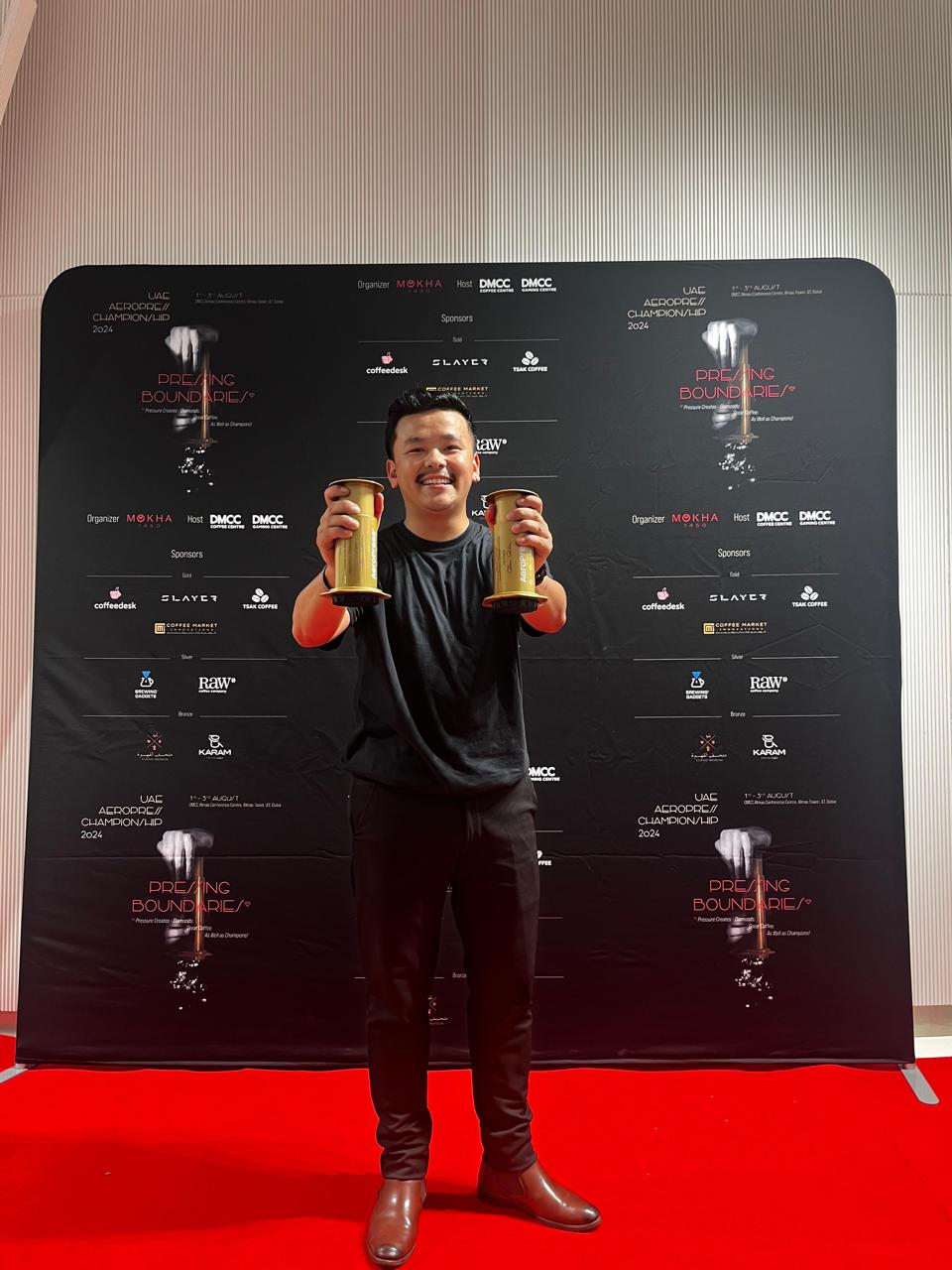
Today, Mariam is not only a visual artist but also the UAE Brewers Champion, a certified Q-Grader, and a Food Technology expert. She masterfully balances these diverse roles with a passion for life and an unwavering drive for excellence. What sets her apart is not only her accomplishments but also her cheerful, loving personality and her constant support for the community she belongs to.

In this inspiring interview, we invite you to explore Mariam’s story—how her journey began, and how she weaves the threads of art and coffee into a creative tapestry that reflects her spirit and passion. Her words are an open invitation to embrace learning, growth, and the beauty found in every detail of life.

Could you share the story behind your journey into coffee and visual arts? How did these two passions come together in your life?

My love for art, specifically painting, began in my childhood. I grew up surrounded by my older brothers, who were deeply passionate about art and even professionally. Watching them, I naturally dove into the same craft. Over time, my understanding of coffee grew, and I realized it was another form of art or perhaps something even more deeper.

Before stepping into the coffee industry, I worked in food manufacturing laboratories, which taught me to see things differently. When I discovered coffee, I realized it has a good amount of science and art. I approached it with curiosity and care while finding joy in its complexity. It’s a craft that invites you to keep learning, experimenting, and creating something meaningful not only in the cup but to all the people behind it.

What inspired you to start competing in coffee championships, and how has your approach evolved over the years?

Eight years ago, like many aspiring baristas, I looked up to people who inspired me—those who had achieved success in their careers and lives. My journey wasn’t so different. As I was learning about coffee, I had the chance to watch championship performances and even worked for a company that encouraged its team to be involved in the competition scene.

Over the years, coffee has evolved, and so has the competition. To keep up, I’ve had to push myself to learn, grow, and become a better version of myself. The best guidance has come from experience, and every competition has taught me something new.

Winning the UAE Brewers Championship is a remarkable achievement. What was your preparation process like, and what unique elements did you bring to the competition this year?

Preparation was a team effort—definitely not a one-person show. Each person involved played a valuable role. From selecting the coffee to endless roasting and brewing sessions, it was all about collaboration and shared passion.

The unique elements this year came from the heart of our team’s work. Every detail, every brew, every decision was made with intention. That collective energy and dedication made all the difference.

Using the Binocular Dripper on stage was a significant achievement for me and my team. Winning with it made it even more special. We designed this device to allow me to brew my blend components separately in creating new flavor experience.

You mentioned learning from past defeats. How did those experiences shape your strategy for this championship?

Feedback was the most valuable tool we had. We took the comments from judges and the scoresheets from previous competitions to heart, analyzing every word to understand where we could improve.

This year, we focused on the areas we missed in the past, refining and perfecting them. Every critique became a stepping stone toward success.

In your recent post, you highlighted the importance of the community and team support. Can you share more about the role of your team in this success?

Competitions are never a solo act. Whenever I see someone competing, I always remind myself to appreciate the team behind them.

This year, my situation was no different. While I represented a brewing gadgets company, the people who stood with me came from various backgrounds and companies. My coach, Bagus (from White Mantis), was a guiding force and a coach, and our practice sessions were supported by Raka, Pratama, and Rangga (from Encounter and White Mantis), Yogi (from Specialty Batch), and Mario (Charlie and Friends).

Even beyond brewing, so many people offered their support, from the Scarab and ROR teams to Stella and even a local café owner. Their encouragement and belief in me kept me motivated and inspired. I’m deeply thankful for every single one of them.

How do you see the UAE coffee community evolving, and what excites you the most about being a part of it?

The UAE coffee community is becoming more collaborative, especially in the competition space. While competition is still competition, it’s inspiring to see how people come together to help each other achieve a common goal.

At the end of the day, we either win or we learn—and we gain new connections with people who share our vision. That’s what makes this community so exciting and rewarding to be part of.

As someone who wears many hats—champion, visual artist, Q-Grader, and FoodTech expert—how do you balance these roles, and how do they complement each other?

Honestly, I don’t see these roles as separate. For me, it’s all part of one package. I work in coffee, I work for coffee, and I love every aspect of it. Each role contributes to what I do and who I am, and together, they drive me to keep growing.

You’ve worked with several innovative tools and techniques, such as the Binocular dripper and Niware cups. How do you select and integrate new technologies into your brewing process?

My team and I developed the Binocular Dripper three years ago, driven by a desire to achieve better results—both in competition and in brewing.

When it comes to other tools, I always let the coffee guide me. I choose equipment based on what will elevate the coffee experience for the judges, whether it’s amplifying specific characteristics or simply enhancing comfort and enjoyment.

Who or what inspires you most in your journey, and how do you stay motivated through challenges?

The coffee evolution and the people—it’s a limitless, ever-evolving industry that excites me every day.

Of course, we’re all human, and there are moments when exhaustion creeps in. When that happens, I take a step back, pause, and reflect. It’s in those quiet moments that I find renewed energy and perspective.

What message would you like to share with aspiring coffee professionals and competitors who look up to you?

The only time you truly lose is when you stop trying—whether in life or competition.

But trying doesn’t always mean competing. It can mean elevating the coffee experience for consumers, sharing valuable insights with the community, or simply respecting the incredible network of people who make this industry what it is.

Keep learning, keep growing, and always find joy in what you do.

Moamen Abady: From a Sip of Coffee to a Global Quality Expert

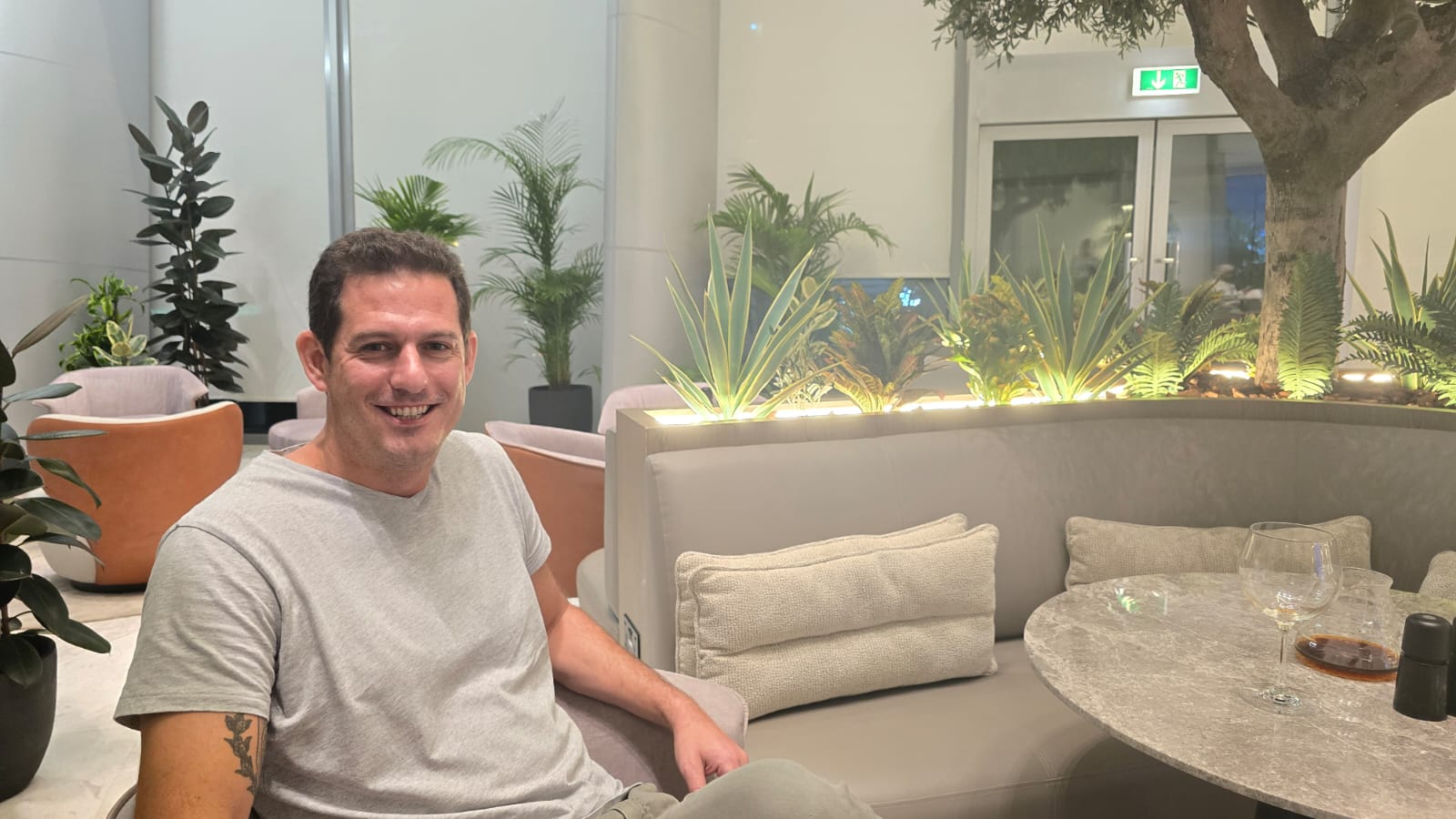
With a distinguished journey in the world of coffee and an impressive career spanning more than 17 years, Moamen Abady, an Egyptian coffee expert, consultant in the coffee sector, trainer, quality grader, and certified competition judge from the Specialty Coffee Association, Barista Hustle, the Coffee Quality Institute, and the World Coffee Championships Organization, shares his story. It began with a sip of “Rakwa” coffee and culminated in rich expertise and high-level skills in quality assessment and sensory judging. Driven by boundless ambition and a passion that led him to global challenges, we delve into the details of Abady’s journey in this interview, an inspiring story for anyone dreaming of joining the world of “Q Grader.”

To start, we would like to get to know you a bit more. How did your journey in the world of coffee begin, and what inspired you to specialize in quality assessment?

Hello, I’m Moamen Abady from Egypt, and I’ve been working in the coffee industry for over 17 years. My story began at a young age when I took my first sips of rakwa coffee (Turkish coffee) at a café where I worked during the summer break from school. There, I tasted coffee, felt a unique connection to it, and coffee quickly became not only my favorite drink but also my passion, career, and life. This was how the first chapter of my journey in the world of coffee was written.

I continued my path by learning and working with local coffee brands. I started as a barista and barista trainer for an Italian coffee company in Egypt. Later, in 2016, I moved to Saudi Arabia to seek more knowledge and explore what the Saudi coffee market had to offer. This experience allowed me to delve deeper into the coffee industry, participate in numerous coffee competitions, learn from some, and win titles in others, thanks to patience, effort, and sacrifice.

Tell us briefly and simply about “Q Grader.” What does it mean, and what does it offer to those who attain it?

“Q Grader” is a term that means “quality grader” and is focused on assessing coffee quality from seed to cup. The program is affiliated with the Coffee Quality Institute and includes specialized training in green coffee grading, roasting, and sensory evaluation, along with other factors that influence quality. This certification allows its holder to apply quality evaluation protocols and determine the quality level of coffee crops according to the standards of the Coffee Quality Institute, making their assessment a reference in certain situations, like purchasing coffee crops.

You mentioned that renewing the “Q Grader” license was one of the toughest challenges you’ve faced. What made this test so difficult, and how did you prepare for it?

The difficulty lies in the challenges faced by the grader when it’s time to renew the license, as it requires taking a calibration test to ensure competence. Sometimes, it’s hard to find local trainers who provide this kind of training, which forces us to travel to the nearest country where the calibration course is held. This requires adapting to new environments and understanding the preferences of local Q Graders, where time and the ability to harmonize play a big role in achieving success.

After years of experience and renewing the license for the second time, how do you view your personal and professional growth as a “Q Grader”?

The experience has significantly contributed to developing my knowledge, skills, and sensory abilities. However, these skills remain sharp as long as you’re in the right environment, as maintaining strong and developed skills relies heavily on one’s professional environment as a Q Grader. Without consistent opportunities to apply, practice, and guide your knowledge regularly, skills and knowledge may gradually fade over time.

As a quality expert and sensory judge, how do you see the impact of “Q Graders” on the specialty coffee market, especially in emerging markets like the Middle East and Asia?

Thank you for this very important question. The value of Q Graders lies in their ability to understand the local market’s requirements and provide options that meet different sensory preferences. They play a key role in elevating the quality standards and the concept of quality itself, overcoming challenges to reach certain quality levels, and enhancing the quality of life for those involved in the coffee value chain, from farming to production, thus promoting sustainability.

Screenshot

You participated in the renewal process with “Q Graders” from various regions in China. What did you learn from this experience?

Yes, of course. When moving to a new environment, especially for the first time, it’s similar to blindness. You may have read about it, but reality is quite different. The distance, travel, and navigating various transport methods all build a picture of what lies ahead. Everything around is literally different—the people, food, streets, timing of sleep and wakefulness, and more. One needs extra time to adapt and merge with the surroundings. The biggest challenge was not having enough time to experience and understand the culture, lifestyle, and how people perceive coffee and their sensory preferences. There are major differences in preferences and the interpretation and analysis of attributes and quality.

In calibration, we simulate certain aspects of the tests to be taken, allowing all graders to participate. This is my one chance to analyze their approach to quality and how they describe cup attributes. It’s essential in calibration to build a shared language among graders, enabling effective use in sensory analysis during quality assessments.

What is the future of quality assessment and sensory evaluation in coffee? How do you plan to adapt or contribute to this field with future developments?

I believe technology will play a large role in enhancing quality assessment and sensory evaluation, supporting rather than replacing human graders. We now see some AI-based devices used in the grading process, providing detailed reports on the physical nature of coffee beans and predicting sensory attributes. Some may see it as unreliable or as competition, but really, it’s about how we use this technology to improve consistency, accuracy, speed, productivity, and efficiency. Here, we will learn how to adapt to these advancements and make use of this advanced technology.

What advice would you give to those aspiring to become a “Q Grader,” especially given the difficulty of the tests and renewal requirements?

This is a common question, especially after someone announces that they’ve received certification or passed calibration tests or in discussions on green coffee and evaluation protocols. I’d say anyone who wishes to become a quality grader can take this course, but in truth, from my personal point of view, the course is best suited for those whose work requires quality evaluation practices. This includes individuals in green coffee trade, quality labs, roasters, and quality managers at coffee chains—anyone who needs to improve their knowledge and apply their skills in ways that bring genuine value and benefit to their performance and the quality of their company’s products.

How has your experience as a coffee expert and quality grader shaped your personality and outlook on life?

In truth, every chapter in the story of coffee, every step on this path, had a profound impact on shaping my personality through various stages of my life. These experiences taught me resilience and persistence and gave me insights that go beyond just a hobby, career, or accolade. They instilled in me a firm belief that hard work, perseverance, and pushing oneself to discover what lies beyond one’s own capabilities will bear fruit, even if delayed. The stories I’ve written, and the steps I’ve taken are a source of pride to me above all.

Kim Thompson: Turning Challenges into a Cup of Success — An Inspiring Interview with QahwaWorld

In a world brimming with challenges, Mrs. Kim Thompson stands out as an inspiring leader who has turned every obstacle into a stepping stone toward success. Her journey, which began with moving to Dubai with her family and led to the founding of RAW Coffee Company, showcases the spirit of entrepreneurship and perseverance that defines her. Despite facing significant hurdles early on, including wrong decisions, technical difficulties, and legal issues, she never backed down. Instead, she transformed those experiences into opportunities for growth and learning, driven by an unwavering determination.

Mrs. Kim is not just a leader who built a successful business; she is also committed to making a positive impact on the communities around her. By establishing direct relationships with farmers in Ethiopia and Yemen, she ensured that RAW Coffee Company became more than just a coffee brand—it became a model of sustainability and respect for the cultures and traditions of the farming communities she works with. Her story is one of pioneering change in the coffee industry, setting new standards for quality grounded in the values she holds dear.

In this deep and insightful interview, we explore the details of her journey, the challenges she overcame, and how she succeeded in creating a brand that is now one of the most recognized in the specialty coffee industry in the Middle East. Mrs. Kim’s journey is a tale of courage, turning dreams into reality, and a relentless will that knows no bounds.

Personal Journey

Q: What initially brought you to Dubai, and how did you find your way into the coffee industry here?

Kim Thompson: I moved to Dubai in 2007 with my family. My ex-husband had taken a job flying for Emirates Airlines. My family has always been passionate about sailing, and we became members of the Jebel Ali Sailing Club. Eventually, I took over and operated the café there at JASC, which was a bustling expatriate sailing club. When the sailing club was demolished to make way for the Dubai Marina, the café was closed. That’s when the idea of starting a coffee business came to me. While running the café, I struggled to find high-quality coffee—everything available was stale and imported. I noticed a gap in the market, and that’s where my journey into the coffee industry began.

Q: What were some of the biggest challenges you faced when starting RAW Coffee Company, and how did you overcome them?

Kim Thompson: In the early years, I made countless mistakes. I often felt like I was going in circles. For instance, I chose the wrong warehouse for our first location. I also purchased my first roaster from a well-known German company, Probat, which was embroiled in an internal legal battle at the time. My roaster, which had been manufactured and paid for, was held along with their other assets until the dispute was resolved. I had to travel to Germany, hire a lawyer, and get the roaster released. Once it arrived, we wired it incorrectly—cross polarity caused the drum to work in reverse, filling the warehouse with smoke and burning the first batch of coffee.

Another challenging situation arose when the consultant I had hired, who was staying with us at my family home, was poached by another roasting company that was just starting up in Dubai. He left for a bit more money before teaching me anything about roasting. I also spent three months trying to get the first environmental emissions approval, and I’m sure the men at the DM counter just wanted to get rid of me. One day, I broke down in tears, and miraculously, they stamped and approved the report. There were many more hurdles, but each taught me valuable lessons.

Q: How has your personal experience and background influenced your approach to business and the coffee industry as a whole?

Kim Thompson: I come from a very middle-class background in New Zealand. I left home at 15 to train as a registered nurse, which was a wonderful career that allowed me to travel and be independent. I’ve always wanted to see the world, experience different cultures, try new foods, and learn by exploring rather than just reading.

The highlight of my journey with RAW has been the people I’ve had the privilege to work with, especially the incredible producers at origin. I love being the “connector” between both ends of the supply chain, weaving the stories that help people appreciate our coffee and the process it undergoes to reach the final cup.

I often tell people that I’m an unhealthy mix of brave and naïve. If I had known how long it would take and the numerous challenges we would face, I’m not sure I would have done it all over again. The interesting thing is that RAW has grown very slowly and organically. While that has been excruciatingly painful at times, particularly due to cash flow challenges, it has resulted in an incredibly strong foundation. We are very much in control of our direction now.

Q: What motivates you every day to continue innovating and pushing the boundaries in the coffee industry?

Kim Thompson: After nearly 18 years, I am driven by a strong desire to succeed—failure is just not an option. I’m incredibly proud of the brand that Matt and I have built, and I’m excited to see it continue to grow. Personally, my key motivation comes from the people who rely on me—the producers and farmers in all the origin countries we work with, who grow our amazing coffee and depend on us for their livelihood. I also feel a deep responsibility towards the amazing team at RAW, ensuring they can support themselves, grow professionally, and find job satisfaction. I’ve realized that my role connects these two ends of our supply chain, and I must articulate our stories well to foster respect for coffee at the consumer end.

Business Philosophy

Q: You emphasize a strong connection with coffee producers and ensuring fair trade. Can you share a specific example where this philosophy made a significant impact on a farming community?

Kim Thompson: Absolutely. One clear example is our work with the Buddhist community in the southern Shan State of Myanmar (formerly known as Burma). Coffee has been grown in the country since it was introduced by British colonists in 1885. Our first visit was in March 2018, when we managed to purchase the entire harvest from a small, isolated region called the Ga Naing Yar community (a total of 14 sacks). We quickly committed to purchasing all of their next year’s 2019 crop if they could guarantee the same high quality. This allowed the community to plan how they would spend their income for the year.

We returned to film and document the harvest, capturing the process and the journey of what our involvement means to these people. We also shared images of our roastery so they could see their coffee being delivered to the end customer. We brought some of their own roasted coffee and brewing equipment so they could taste their coffee for the first time. Many in the community had never drunk their own coffee or understood the implications of the improvements they had made to harvesting and processing. Since improving their production processes and being introduced to international buyers, they now earn three times the value per kilo of green beans, instead of selling it as a cash crop at the local market.

This relationship has had a symbiotic benefit—both for the farmers and for us as roasters. We’ve seen communities collectively decide to build access roads into their isolated regions, bring power lines in, buy chickens, or build schools. The financial security to plan for their future opens so many doors, leading to a higher standard of living for them and better quality coffee for us year after year.

This village formed a coffee cooperative representing the 51 families that make up the entire community. The success of this group has had a tangible flow-on effect, with neighboring communities seeing the increased income and wanting to adopt the new farming practices. Before this, the farmers, often the women, grew their coffee near their homes and sold it as commodity-grade coffee at the local market. They would individually pick, process, and travel to markets, earning a third of what they’re achieving now.

Q: RAW Coffee Company is known for its sustainability efforts. Can you explain some of the key sustainable practices you’ve implemented and how they align with your long-term vision?

Kim Thompson: RAW started as a Dubai-based startup, but both Matt and I are originally from New Zealand, where we were raised with a deep respect for nature, clean water, fresh air, and recycling. So, from the beginning, RAW was focused on genuine sustainability.

We implemented a zero-plastic business model as soon as replacement products were available, even if we had to source them from outside the UAE. We’ve been doing this for at least 10 years. We replaced hot coffee disposable cups and lids with biodegradable options and cold coffee disposable cups and lids with cellulose. As new innovations are developed, we are early adopters. We’re now using recycled bamboo straws, and our beautiful new RAW coffee bags are made from recycled plastic milk bottles.

Water is a key ingredient in good coffee, and without correct water chemistry, we cannot consistently deliver a great coffee experience. We also sell and maintain espresso equipment, so we’ve seen first-hand how quickly poor water quality can damage or corrode valuable coffee equipment. We developed our own water treatment systems to support our B2B customers and offer complimentary still and sparkling water in our café to our B2C customers.

When we roast our coffee, there are only three waste products generated: the husk as a by-product of the coffee roasting process, the hessian coffee sacks our green coffee arrives in, and a small amount of carbon created during the roasting process. However, we do not roast our coffee to a dark level or anywhere near second crack, so the carbon is minimal. We now have a grade A emission test through the DM.

Our used coffee grounds from the espresso bar and the coffee husk from roasting are collected by a local startup that grows oyster mushrooms and produces compost. We then purchase the mushrooms to make some of our vegan dishes in the RAW café.

We’ve also removed all chemicals from the warehouse and café space, eliminating volatile oils and compounds from our cleaning products.

Q: Your company offers extensive training for staff and external baristas. What drove you to invest in education, and how do you see it shaping the future of the coffee industry?

Kim Thompson: For the first five years of RAW, we focused entirely on gaining knowledge and learning as much as we could about our industry. When we started in 2007, we didn’t have a website or social media account, and we were in isolation without access to shared knowledge on the internet or through applications. So we learned how to roast by hand, constantly cupping and evaluating the coffee, figuring out what we liked, and developing our own “style.” We also spent years experimenting with espresso equipment and learning how to consistently deliver quality espresso. We knew the importance of knowledge and realized that as a roaster and supplier, we would need to pass this knowledge on to our customers if we wanted them to consistently deliver the same quality. This understanding evolved into recognizing that divisions within our business, like servicing and training, while not generating huge revenue, are crucial to providing a total solution to our customers.

We are a registered premier SCA training center, meaning we’ve been audited and approved by the global Specialty Coffee Association. We offer a diverse range of barista training courses, starting with a home barista course for budding enthusiasts to certified courses in barista, brewing, and sensory for professionals.

Empowering and training your team is crucial to a business’s success, ensuring consistency and quality delivery. This, in turn, helps with customer loyalty and satisfaction and positions you positively against the competition.

Q: What innovations in the coffee industry are you most excited about, and how is RAW Coffee Company positioning itself to be at the forefront of these changes?

Kim Thompson: We believe that our focus on providing a total solution will continue to strengthen our position in the region. It’s not just about our beautiful coffee; it’s about our understanding of all the variables that must be taken into consideration to deliver an amazing coffee experience.

One innovation we’re particularly excited about is a new coffee brewing tool called the HOOP. It’s manufactured in Italy by a grinder company named Creado. It’s a very clever, simple design, using two pieces of recycled non-PBA plastic with a paper filter that uses radial infusion. It delivers very high-quality extraction and brews coffee consistently. We think this is a better coffee brewer than the famous V60, and literally, a child could make an excellent cup repeatedly. The HOOP won the Best New Product Award in 2023 at the SCA event in Athens.

Q: RAW Coffee Company has received numerous awards and accolades. Which of these achievements holds the most meaning for you, and why?

Kim Thompson: We’re incredibly proud to be recognized as a Dubai startup business. Our 2022 Award “Proudly Dubai” by DTCM for our contribution to advancing the F&B sector sits proudly on the front counter of RAW, beside our espresso machine. Even though both Matt and I come from New Zealand, our families are long-term UAE residents, and we feel this country is our home. We take pride in being at the forefront of the local coffee industry.

Q: Looking ahead, what are your aspirations for RAW Coffee Company in the next five to ten years? How do you plan to continue evolving while staying true to your core values?

Kim Thompson: When asked for a five-year plan, we usually shrug and admit that this is too far out for us to predict accurately. So many unexpected things happen—who would have predicted a global pandemic? But we do know the importance of maintaining our relevance, particularly in a competitive, saturated market.

We are focused on providing a total beverage solution, addressing all our customers’ needs on their beverage menu. We aim to be more than a supplier—we want to be a partner in the success of their business.

This year, we’re advertising on the radio, and we’re looking forward to reaching a new demographic. While we have a very loyal following, we know some of our customers have left the UAE over the years, so we want to make sure we reach new people who enjoy coffee.

We now have a really good automatic coffee solution, which is a first for us, allowing us to offer great coffee to offices and smaller commercial spaces. We sourced some special coffees for this project, and we’re thrilled with how they turned out—delivering convenient, consistent quality without needing a dedicated or qualified barista to make the coffee.

Leadership and Impact

Q: How would you describe your leadership style, and how do you ensure that your team remains aligned with the company’s values and goals?

Kim Thompson: I’m very much people-oriented, often relying on gut instinct, and I’m not great at handling conflict. When asked, I tell people there are two main reasons why RAW is doing so well: our strong, independent supply chain, and our amazing team. It’s very important to us that our company core values are genuine and shared throughout how we conduct ourselves and communicate as a business—with our suppliers, B2B customers, and B2C customers. I’m also fortunate to have a business partner whose strengths complement mine and who supports me in my areas of “challenge,” as I fully believe you can’t be good at everything.

I’m so proud of the people who work with us—they are customer-facing, and we often receive positive feedback praising them. We hire based on personality, not just knowledge, and believe in investing time and energy in training and empowering individuals. We now have a team of 56 people, representing 20 nationalities, speaking multiple languages. In the early days, we learned how to do the majority of the roles within the company ourselves, but now, thankfully, we have the resources to recruit key senior positions with specific skill sets.

Q: As a female leader in the coffee industry, how do you see the role of women evolving, and what initiatives are you most passionate about supporting?

Kim Thompson: I believe in equality and want to be treated as an equal, but gender doesn’t play a factor in the way we recruit or in our commercial relationships. The UAE has been a fantastic country to open a company—it’s safe, I’ve had equal access to information and opportunities, and I’ve never felt discrimination because I’m a female.

I don’t believe our industry is particularly friendly, partly due to many coffee businesses fighting for the same customers. We also have a lot of greenwashing in specialty coffee, exacerbated by some of the larger franchises and chains, using our terminology and grossly misleading marketing, which confuses customers.

As a female owner, I believe it’s important to act with credibility and integrity and to lead by example. Although one of my key roles in the company is to source, evaluate, and roast the coffee, I would never call myself a roast master. We should constantly strive to learn and never feel complacent. We follow the 1% rule—where we’re constantly striving to gain 1% increments, always looking at how to improve.

Since 2018, both Matt and I have been part of the Endeavor group, a network of high-impact entrepreneurs who dream bigger, scale faster, and pay it forward. We have an amazing advisory board with very successful business mentors, both male and female. It’s very encouraging to be among other entrepreneurs, to continue learning, and to be exposed to individuals who challenge and push you.

Our coffee industry faces real challenges, and supporting our farming partners is key to our continued growth. A very high percentage of people working in coffee at origin are women, so working towards gender equity, ensuring they have a voice, access to microfinance, schools for their children, and the opportunity to earn a sustainable livelihood are all top priorities.

Q: Beyond the coffee industry, what other community or global initiatives are you involved in, and how do they tie into your work at RAW?

Kim Thompson: I traveled to Palestine for the first time in 2018 on a Gulf for Good hike. We flew to Amman and crossed into Palestine via the Allenby Bridge. We hiked the heritage trail from Nablus to Jerusalem, staying with local families and learning about the regional issues there. Since that trip, I’ve joined Lisa Dale to found Artisans of Palestine.

Artisans of Palestine connects Palestinian artists with the market, and we tell their story. There are many comparisons to my role in coffee. We try to partner each business or artist with a mentor who can help give guidance or find solutions to their main challenges, whether that’s help with their website, tweaking their designs, sourcing materials, or helping them update their branding. We’ve visited many times and now have many wonderful products, with a number of artisans generating a good income from the products we sell here in the UAE.

In coffee, we source and supply beautiful freshly roasted coffee to the local market, but we also tell the story of the producers and attempt to educate consumers, not just about the benefits of buying local but also about ethical sourcing and the sensory attributes of buying our coffee. So there are similarities between coffee and Artisans of Palestine—we’re connecting the supplier with the end consumer or market and doing our best to add value throughout the chain.

Specialty Coffee Market in Dubai and UAE

Q: The specialty coffee market in Dubai and the UAE has seen tremendous growth in recent years. How have you witnessed this evolution, and what role do you believe RAW Coffee Company has played in shaping the market?

Kim Thompson: Since we opened RAW in 2007, there has been fabulous growth. I remember the early days when we would attend the Ripe Market in Zabeel Park and make cups of coffee from our coffee truck. That was our only marketing, and customers used to ask if the coffee was Italian—they didn’t understand quality over quantity, as we only offered a smaller 8oz cup (not a Vente size). We didn’t include syrups or any other kind of additives. There was a lot of pushback initially.

We roasted fresh what we needed for one week, so the coffee was always fresh, and we had to educate people on the importance of freshness, grinding to order, and many factors we now take for granted. But nothing we were experiencing was particularly unusual or “reinventing the wheel”—we were following global trends in the specialty coffee world. There are stages as the market matures, and the market here has well and truly caught up to the global coffee scene.

We aren’t being asked any more “what is your TDS?” which is something we went through for a number of years, as people started learning about total dissolved solids and water chemistry.

I’ve heard many companies claim they are the authority in specialty coffee or the first in the Middle East, but I can confidently state that RAW is the first coffee roastery in the MENA region to source specialty green beans, roast them, and supply them to the local market. It’s important to us to be part of the industry here, to continually drive improvement, knowledge, and quality, but it’s equally important to conduct yourself with integrity.

Q: How do you perceive the level of consumer awareness and appreciation for specialty coffee in the UAE? What steps have you taken to educate and engage consumers in this market?

Kim Thompson: We’re enjoying a greater appreciation for our industry, with a growing consumer base and a new generation of conscious consumers who spend time selecting brands and products that align with their values. It’s fantastic for us because they get what we’re trying to do, and they appreciate the care we take in selecting our coffees, our packaging, and ensuring everything aligns with our core values.

We know that our hand-brewed single-origin sales have increased, and with our bag sales, while our two main blends remain the best sellers, the percentages of premium and Rare & Experimental coffees we sell continue to grow.

Education and knowledge are key to a successful B2B operation, and it’s a constant work in progress.

Q: What are some of the unique challenges and opportunities you see in the specialty coffee market in Dubai and the wider UAE? How do you navigate these to maintain RAW’s leading position?

Kim Thompson: I don’t believe our industry is particularly friendly, partly because many coffee businesses are fighting for the same customers. We also have a lot of greenwashing in specialty coffee, exacerbated by some of the larger franchises and chains using our terminology and grossly misleading marketing, which confuses customers.

It’s not particularly exciting, but we believe consistency is completely underrated. To offer consistent quality, you have to have all the variables correctly positioned: the quality of your green coffee, your people, your water, your equipment, your technical support, your communication, and your business acumen. We’ve concentrated on all these details and not so much on what our competitors are doing.

Q: With the rise of specialty coffee shops in the region, how do you differentiate RAW Coffee Company from others? What sets your brand apart in this competitive landscape?

Kim Thompson: We’ve kept our heads down but our ears open. We’ve focused on our own trajectory and haven’t been too influenced by trends or what the rest of the market is doing. We like being in control of our supply chain, having our own direct relationships with our equipment partners and suppliers. We select these partners based on quality, service, and shared values.

We believe in constant innovation and tweaking of our brand and marketing collateral—remaining relevant and topical and investing in the future growth of the brand. Many new, younger, hipper brands have joined the market, but many of these brands are mimicking a brand from Melbourne or replicating something that already exists.

Q: Where do you see the future of specialty coffee in Dubai and the UAE heading? What trends or innovations do you believe will shape the next wave of coffee culture here?

Kim Thompson: The market here in the UAE is saturated, and while globally, coffee consumption continues to grow, the market for growers is extremely volatile. We expect to see an adjustment, with brands and companies that have more business acumen surviving, and others that are more “passion projects” facing financial challenges to continue.

Consumers are moving more towards buying and supporting local brands, many are more consciously driven, and they will differentiate between brands that are authentic and align with their values. It won’t be enough to just have a lovely interior or be part of an internationally recognized brand.

Support for Yemeni, Ethiopian, and Other Farmers

Q: You’ve established strong relationships with coffee farmers in Yemen, Ethiopia, and other regions. Can you share how these partnerships began and what impact they’ve had on both the farmers and RAW Coffee Company?

Kim Thompson: As Matt and I are the owners and investors in RAW, we have to be clever about how we use our money and how we grow our business. We believe our strength comes from our strong direct supply chain, so we’ve invested time and energy into our origin trips. These trips are also the best perk of the job, and I’ve had the luxury of exploring many origin countries. We know these relationships are key to our success, and we see the quality of the coffee we purchase improving year after year. We understand the challenges our growers face and work with them to mitigate these challenges, often financial, so we provide forward forecasting and contracts with pre-payments.

We’ve visited Yemen twice, attended a coffee “naturals” seminar, and traveled with groups of roasters and buyers around many of the coffee-growing regions. We enjoyed amazing hospitality and great food. It was one of the highlights of my life to see Yemen, experience its dramatic scenery, and witness the heritage of such an important coffee region.

We’ve traveled many times to Ethiopia, to Harrar in the north and to the southern more tropical areas of Yirgacheffe, Guji, and Sidamo. We’ve camped in tents on the actual farms, eaten Injera and raw meat, and once we even purchased a goat to make a large stew, which we shared with the village to thank them for having us.

Q: Yemeni coffee is renowned for its unique flavor profile but also faces significant challenges. How have you worked to support Yemeni farmers, and what makes Yemeni coffee special in your opinion?

Kim Thompson: Yemen has many geopolitical challenges, and sadly, we’ve seen a drastic decline in production coming out of the country. While farmers face challenges with weather and environmental issues, the actual processing of the coffee has also been difficult due to old technology and equipment. The coffee we purchase from Yemen is welcomed lovingly by our Emirati client base, who have a strong emotional connection to Yemen and its heritage. Many have grown up with a grandmother or mother roasting, grinding, and preparing the coffee in their homes—it’s synonymous with hospitality and evokes strong memories for them. We always sell out of our Yemeni coffee. The flavor notes most synonymous with Yemeni coffee are wine-like, dried fruit notes with a chocolate finish. The seaport that Yemeni coffee originally left from is called Mokha, but now many consumers believe that the coffee description “Mocca” means chocolate has been added to the drink. This wasn’t always the case. Good quality Yemeni coffee has distinguishable chocolate notes.

Q: Ethiopia is often considered the birthplace of coffee. How does RAW Coffee Company support Ethiopian coffee farmers, and how do you ensure their traditions and heritage are honored in your operations?

Kim Thompson: While Ethiopia might be genetic ground zero for Arabica coffee varietals, we also know that Yemen was the first to commercially cultivate and export coffee. Both of these countries are globally important to the coffee world. Both have strong traditions around how they drink coffee, with Ethiopia heavily influenced by its Italian history. But it would be so good to see both Ethiopia and Yemen not just rely on their cultural and historical heritage but translate that into sustainable and viable farming practices today. It’s very concerning to see both these countries refocus their farming practices on growing Eucalyptus and Ghat, in some cases removing their coffee trees. It seems short-sighted not to appreciate the damage this short-term ability to sell Eucalyptus wood will have on the soil, weather, and food security. I’m very worried about this.

Q: Fair trade and sustainability are core to your business model. Can you provide examples of specific initiatives or projects where RAW has made a tangible difference in the lives of coffee farmers in these regions?

Kim Thompson: In 2007, when I first started RAW, my three core pillars were Local, Ethical, and Fair Trade. But as I learned more about our industry, I realized that Fair Trade was broken. We moved to Direct Trade, which we’ve defined as direct, sustainable, and authentic, as we realized having personal connections and real relationships directly with the farmers and producing communities adds more value to them and us. We are currently purchasing forty unique coffees from twelve different countries, where we have strong relationships with all our growers.

A recent example of an initiative we’ve worked on involves a producer we work with in Ethiopia. They reached out to us for advice on dealing with a serious issue—entire regions were removing their coffee trees and planting Eucalyptus trees. Heleanna is a third-generation coffee producer who owns her own washing stations and coffee farms, as well as a large production facility in Addis Ababa. In December, Matt traveled to meet her, revisiting the areas and witnessing firsthand the absence of coffee. Main roads that used to be lined with hundreds of washing stations are now closed. The topsoil is eroded, the land is dry, and there’s no vegetation growing under the Eucalyptus trees. There are obvious signs of natural deforestation, and the land has been replanted with Eucalyptus, damaging the ecosystem—no bees or birds to pollinate the trees. Biodiversity has been disrupted, and the long-term effects are devastating.

We introduced Heleanna to Ms. Lee Safar, who has an internationally acclaimed podcast called MAP IT FORWARD. Heleanna was a guest on the show and has since been able to bring this issue to light to the global community. We’re hearing similar stories coming out of Brazil, Colombia, and Yemen.

Q: You’ve shown a strong commitment to supporting women farmers, particularly in poor countries. What initiatives have you undertaken to empower these women, and what success stories can you share?

Kim Thompson: As I mentioned earlier, women make up a large percentage of the workforce in coffee, ranging from 70 to 90%. We know that the empowerment of women has a direct correlation with the health of the community, the health of children, and the family’s sustainable livelihood, as well as the quality of coffee. If we visit a farming area where the women and children look unhealthy, where the washing stations are messy and disorganized, we can generalize and predict that the coffee will not be of good quality.

While men are in charge of coffee production activities and making decisions over these activities, women contribute to cleaning and management activities and are heavily involved in coffee harvesting, which requires hard physical labor to pick and carry baskets of ripened cherries.

We were founding members of Gender Equity, but now we focus more on the actual relationship with the community or farmers we purchase from. As roasters, it’s not our job to tell the farmers how to do their job or the processing team how to do theirs. Honest dialogue and clear communication, taking the time to understand their unique challenges, and coming up with solutions that benefit both of us strengthen the relationships we have. We want to be the first buyer they think of and the first to be offered their best coffee. For this, we pay a good price, and we pay on time.

Q: Looking to the future, how do you envision your continued support for farmers in Yemen, Ethiopia, and other regions? What are your goals for deepening these partnerships and ensuring their sustainability?

Kim Thompson: It all comes down to relationship building, communication, and trust. We desperately want to work with the farmers to ensure they continue growing our beautiful coffee, so they don’t pull out their coffee trees. We understand they need to have a viable income to support their families, and if they can’t, they’ll grow something else. That would be devastating.

Federico Ortile: Shaping the Future of Coffee Innovation in the UAE

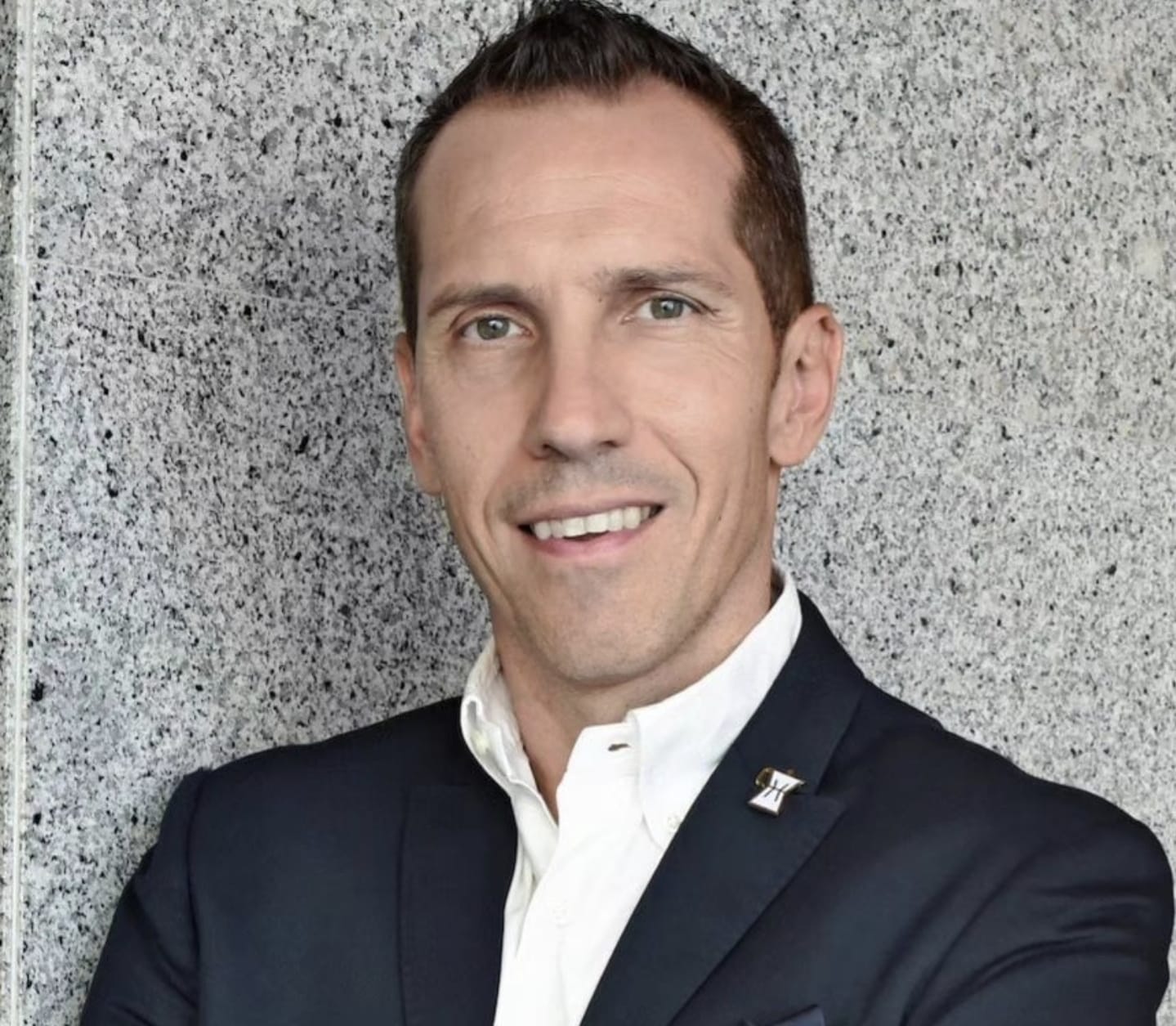
In the rapidly evolving world of coffee, few names resonate as strongly in the Middle East as Federico Ortile, the Managing Director of Simonelli Group Middle East. Known for his visionary leadership and commitment to elevating the coffee industry, Federico has become a pivotal figure in shaping the coffee culture in the UAE and beyond. His approach, rooted in innovation, sustainability, and community, has not only kept Simonelli Group at the forefront of the industry but has also set new benchmarks for what coffee can mean in a modern, dynamic society.

As we delve into this conversation with Federico, we explore the nuances of leading in a diverse market, the role of innovation in staying ahead of trends, and the impact of global influences on local practices. Federico’s insights offer a profound understanding of how tradition and innovation can coexist to create a thriving coffee culture..Follow this inspiring conversation with us…

The UAE is known for its rapid adoption of new trends. How has Simonelli Group harnessed this characteristic within the coffee industry? Could you share an instance where you quickly adapted to a new trend or market demand?

In the ever-changing landscape of the UAE, where trends rise and fall like the desert sands, Simonelli Group has anchored its approach in three pillars: innovation, education, and sustainability. We’ve learned to dance with the winds of change, not just adapting but anticipating the shifts that define our industry. One such instance is our swift adaptation to the rise of online delivery and cloud kitchens—a revolution that redefined the contours of the coffee market. We ensured that our equipment, much like a skilled barista, is finely tuned to the needs of these modern business models, offering efficiency and consistency without a whisper of compromise on quality.

Our Nuova Simonelli and Victoria Arduino Experience Lab stands as a testament to this ethos—a place where innovation is nurtured, where the future of coffee is envisioned and brought to life. Here, every new trend is a challenge to be embraced, every demand an opportunity to elevate the craft. Technologies like PBtech, EasyCream, and PureBrew are not mere responses; they are our contributions to a coffee world that is constantly in motion, each one designed to perfect the sensory journey from bean to cup.

In your role at Simonelli Group Middle East, what have been the most significant shifts in the UAE coffee market, and how have these influenced your strategic planning and vision for the company in the region?

The UAE, a true crossroads of cultures and commerce, has seen its coffee scene bloom into a dynamic mosaic, with each piece representing a global influence, a new idea, a fresh perspective. The most striking shift has been in the rising discernment of the consumer—no longer satisfied with the ordinary, they seek out the extraordinary, the artisanal, the story behind every cup. This shift has turned the UAE into a fertile ground for creativity, where coffee is not just a beverage but an experience, a journey.

Our strategic vision at Simonelli Group has evolved in harmony with this landscape. We’ve embraced the spirit of innovation, embedding it deep within our DNA, and we’ve made education our cornerstone—empowering baristas, café owners, and coffee lovers alike to explore the depths of this craft. The Dubai Nuova Simonelli and Victoria Arduino Experience Lab is the embodiment of this vision, a place where knowledge flows as freely as the coffee, where the future is brewed daily, in every cup, and every interaction.

Leading in such a culturally diverse market as the UAE poses unique challenges. How do you align your leadership approach to meet the varied expectations of your team and customers in this multicultural environment?

Leadership in the UAE is a delicate art, a balance of respecting traditions while embracing the new, of understanding diverse perspectives while uniting them under a shared vision. I believe in creating an inclusive environment, one where every voice is heard, every perspective valued. This inclusivity extends to our customers as well; our coffee machines and grinders are designed to transcend cultural boundaries, to deliver excellence in every setting, from the bustling streets of Dubai to the tranquil corners of an artisanal café.

Our approach is one of adaptability and empathy, ensuring that we meet the varied expectations of a multicultural market while maintaining the highest standards of quality and innovation. By embracing diversity and fostering a culture of respect and collaboration, we’ve built a team that is as dynamic and resilient as the market we serve.

Considering the global influence of events like the World of Coffee Dubai, how do these gatherings impact local business practices and consumer expectations in the UAE coffee market?

Global events like the World of Coffee Dubai are the lifeblood of the industry, infusing local markets with fresh ideas, new technologies, and elevated standards. They are not just gatherings; they are crucibles of innovation, where the best minds in coffee come together to push the boundaries of what is possible. For the UAE, these events have been transformative, setting new benchmarks for quality and service, and raising consumer expectations to new heights.

The youth in the UAE, ever digitally inclined and trend-focused, lead the charge in adopting these innovations, driving a shift towards online delivery, cloud kitchens, and dark stores. Our response has been to align our products and services with these emerging trends, ensuring that Simonelli Group remains at the forefront of the industry, not just meeting but exceeding the expectations of a rapidly evolving market.

How do consumer behavior trends in the UAE influence Simonelli Group’s marketing and product development strategies? Are there specific consumer preferences that you have targeted with recent product innovations?

The UAE is a market of contrasts, where tradition and modernity coexist, where consumers demand both the familiarity of a well-brewed espresso and the excitement of a new, innovative experience. We’ve observed a pronounced shift towards health-conscious choices, with plant-based alternatives and innovative brewing methods gaining traction. Our product innovations, such as the E-Milk and C-Automation technologies, are direct responses to these trends, designed to enhance both the quality and convenience of the coffee experience.

At Simonelli Group, our strategy is to stay ahead of the curve, to anticipate these shifts and cater to them with products that resonate with the evolving preferences of the UAE’s discerning consumers. Our marketing is not just about selling a product; it’s about telling a story, one that connects with our audience on a deeper level, fostering a sense of community and shared passion.

Sustainability is increasingly critical in global business. How has Simonelli Group integrated sustainable practices into its operations, and what challenges do you face in balancing economic goals with ethical considerations in the UAE?

Sustainability is not just a buzzword; it is a responsibility, one that we at Simonelli Group take very seriously. In the UAE, where the desert meets the sea, we are acutely aware of the need to balance progress with preservation. Our approach has been to integrate sustainability into every facet of our operations, from conducting Life Cycle Assessments to using recycled materials in our packaging. Our machines are designed with a low environmental impact, reducing energy consumption while improving economic sustainability for coffee shops.

The challenge, of course, lies in balancing these ethical considerations with the demands of a competitive market. But we believe that sustainability and profitability are not mutually exclusive; rather, they are two sides of the same coin. By focusing on sustainable practices, we not only contribute to a better future but also build a brand that consumers trust and respect.

Looking ahead, what emerging trends do you foresee in the coffee industry globally and in the UAE specifically? How is Simonelli Group preparing to address these trends?

The future of coffee is a canvas of endless possibilities, painted with bold strokes of innovation and creativity. Globally, we are witnessing a surge in demand for plant-based alternatives and unique coffee experiences, trends that are particularly resonant in the UAE, with its diverse and dynamic population.

Simonelli Group is at the forefront of this evolution, preparing to address these trends through continuous innovation, quality enhancement, and sustainability. The Nuova Simonelli and Victoria Arduino Experience Lab is not just a hub for education and collaboration; it is a laboratory where the future of coffee is being crafted, where new ideas are tested and refined, and where the next generation of coffee experiences is born.

In this ever-changing landscape, our commitment remains steadfast—to elevate the coffee culture in the UAE and beyond, to inspire and to lead, and to continue shaping the future of this industry with the same passion and dedication that have brought us here.

Drawing from your vast experience, what advice would you give to the next generation of leaders aiming to enter the coffee industry, especially in a vibrant market like the UAE?

To the future leaders of the coffee world, my advice is simple yet profound: focus on quality, embrace innovation, and never lose sight of your passion. In a market as vibrant and diverse as the UAE, standing out requires a deep commitment to excellence, a willingness to take risks, and a relentless pursuit of learning. Define your target audience clearly, and offer them something that is both unique and valuable.

But perhaps most importantly, remember that success in this industry is a journey, not a destination. It is built day by day, through small, consistent steps, through patience and persistence. Surround yourself with people who share your passion, create a culture of collaboration and respect, and never stop seeking new knowledge. The Nuova Simonelli and Victoria Arduino Experience Lab was born from this philosophy, and it is my hope that it will continue to inspire and empower the next generation of coffee leaders to reach even greater heights.

Throughout your career, what has been your guiding philosophy that has helped you navigate both successes and setbacks in the dynamic coffee industry?

My guiding philosophy has always been rooted in the community—the coffee community, to be precise. Success in this dynamic industry is not about the highs or lows; it’s about the journey, about the small, consistent steps that build something greater over time. I’ve learned to remain steady, to not let the good times go to my head or the bad times get me down.

My motivation comes from a deep desire to contribute to this community, to share knowledge, and to bridge cultures through the universal language of coffee. This philosophy has carried me through the peaks and valleys, always with the aim of elevating the industry and enriching the lives of those around me.

Error: Contact form not found.

Sonam Sherpa: From Poetry to Coffee – The Journey of the 2024 UAE AeroPress Champion

In an atmosphere filled with enthusiasm and ambition, Sonam Sherpa from Karanti Coffee was crowned the champion of the 2024 UAE AeroPress Championship, organized by Mokha 1450 and hosted by the Dubai Multi Commodities Centre (DMCC) Coffee Centre and Gaming Centre. The championship witnessed the participation of over 400 coffee enthusiasts, highlighting the rich and vibrant coffee culture in the UAE.

Sonam Sherpa, who has made competitions an integral part of his life since childhood, from poetry and football to coffee, expressed his immense pride in winning the UAE AeroPress Championship title. Sherpa said, “The moment was swift, thrilling, and incredible. With the great support of my team and my wife, we celebrated this achievement. Now, it is my responsibility to represent over 400 competitors and the coffee community in the UAE. I am ready to take on this responsibility and look forward to representing the UAE at the World AeroPress Championship.”

Describing the moment of his win, Sherpa recounted it as an emotional journey, competing against the best. However, he had his first recipe ready from day one, which gave him courage and self-confidence. “My coffee was consistent and improved with each round. When the blue card was announced as the winner, I told myself: I really did it. Achieving this dream was an unforgettable happy moment.”

Sherpa’s strategy was to have inner faith that he could achieve his goal and be prepared to accept any result. In preparation for the championship, he and his partner Puja worked on several recipes, trying three with the competition sample and selecting the best one with an excellent taste. They planned to use distilled and re-mineralized water to get the best coffee flavor, choosing water with 85 ppm after several trials.

When asked about the unique technique he used in the competition, Sherpa explained that he removed the crust or crema from the AeroPress chamber after the final pour, which allowed him to control defects in the cups and resulted in a cleaner taste. He described the process in detail:

Sherpa’s Recipe:

  • Position: Inverted
  • Filter: Paper
  • Dose: 18 grams
  • Grinder: Comandante grinder and another grinder
  • Water: Re-mineralized water with a special solution

Method:

  1. Use 18 grams of coffee and grind it to a medium-fine size (16 clicks on the Comandante grinder, setting 5.2 on the other grinder).
  2. Heat the water to 70°C.
  3. Set up your AeroPress using the inverted technique.
  4. Add 40 grams of water to the coffee, stir eight times, and let it bloom for 40 seconds.
  5. Add more water to reach a total of 200 grams.
  6. Stir 10 times and remove the crust.
  7. Attach the cap with two paper filters and at two minutes, flip the AeroPress onto a decanter.
  8. Start pressing at 2:30 minutes and then serve.

Sherpa’s notable record in coffee competitions, including placing fourth in the 2023 UAE National Barista Championship and winning the 2023 Marriott Latte Art Championship and 2020 Costa Coffee Barista Championship, helped him connect with industry professionals and shape his career from a barista to a green coffee buyer. It also helped him build the coffee community in Darjeeling, India.

What inspires Sherpa to stay in the coffee industry is the community he connects with, where he can talk for hours about coffee. He says, “Coffee competitions allow me to learn new things each time and push me to think differently than usual.”

In September, Sherpa will represent the UAE at the World AeroPress Championship. He is preparing for this global event by conducting research and connecting with friends to understand the best brewing techniques. Sherpa adds, “It’s a once-in-a-lifetime opportunity and responsibility. It’s a great honor to represent the UAE on the world stage.”

What Sherpa enjoys most about working with coffee is the people and the fruitful conversations over coffee. “I don’t have a specific favorite origin; I love sweet, clean, and balanced coffee. Recently, I’ve been enjoying some super sweet and balanced Indian coffee.”

Sherpa’s advice to aspiring baristas who want to compete in championships is: “Believe in yourself, be confident, be prepared to fail and learn, and do extensive research to learn more about coffee.”

Looking to the future, Sherpa aims for more competitions, expanding his network, and working on coffee in South Asia. He is excited to see the growth of the coffee community back home, supporting young entrepreneurs, and building a coffee culture in Darjeeling. He is also eager to work on developing coffee in South Asia.

Harmony in a Cup: Felipe Barretto Croce’s Coffee Symphony

Felipe Barretto Croce, a passionate coffee expert from Sao Paulo, Brazil, recently embarked on his first visit to the Middle East, specifically the UAE. Representing FAFCoffees, Felipe’s journey is driven by a desire to understand the local culture, explore market potential, and establish long-term relationships with potential partners and roasters. His enthusiasm is evident as he shares his experiences and insights into the evolving coffee landscape. In a special interview with QahwaWorld on the sidelines of his attendance at the closing day of the 2024 Emirates Aeropress Championship in Dubai, Felipe delves into the vibrant coffee culture and market dynamics of the region.

Felipe’s observations from his travels to Jordan, Dubai, and Abu Dhabi reveal a dynamic and growing coffee market. He notes that each place has its unique characteristics, but overall, the market is in a very good moment with great coffees and excellent roasting. In Jordan, he sees a need for more focus on education, while in Dubai and Abu Dhabi, he finds the scene very modern and progressive. Despite it being the off-season, Felipe is impressed by the bustling coffee shops filled with patrons.

Felipe sees a unique potential for growing specialty coffee in the region, attributing it to the community-based nature of Arabic people. He points out the vibrant social interactions in coffee shops, which contrasts with the more solitary coffee culture in the Western world. This lively coffee culture, combined with the younger generation’s new ways of enjoying coffee, makes the region ripe for specialty coffee growth. He also finds similarities between Brazil and the Arab world, especially in their shared love for coffee and warm climates. Brazil’s significant Arab population further bridges the cultural gap, making it easier for Brazilian coffee to find a place in the Middle Eastern market.

Discussing the potential for entering the Middle Eastern market, Felipe highlights Brazil’s robust coffee production, which accounts for 40% of the world’s coffee. He emphasizes the importance of helping both cultures understand each other since there are many types of Brazilian farmers and coffees. Felipe works with high-end coffee, different from Brazil’s traditional reputation for cheaper coffee. He believes that finding roasters who want to do something different is key and is optimistic about the meetings he has had, showcasing Brazilian coffee’s true potential, which he believes is changing rapidly.

Felipe’s approach to coffee is unique. He likens coffee to a song, combining genetics, terroir, and processing to create a unique balance in the cup. His company, Faf Coffees, focuses on agroforestry, which revitalizes the soil and results in a more intense and flavorful cup of coffee. This method brings life back to the soil, leading to a richer coffee experience.

When discussing the volatility of the coffee market due to climate change, Felipe predicts a challenging road ahead but anticipates more stability by 2026. He warns that if farming and business practices do not evolve, the industry could face significant problems in about ten years. Addressing European regulations (EUDR), Felipe advocates for a balanced approach. While he agrees with the need to stop deforestation, he stresses the importance of supporting farmers through the transition. He believes that regulations should be implemented in a way that helps farmers adapt and learn regenerative farming practices, rather than simply imposing laws.

Despite the challenges, Felipe remains optimistic about the future. He believes in the power of human innovation and the strength of diverse cultures. Highlighting initiatives like sending coffee to Europe on a sailboat and practicing large-scale agroforestry, Felipe is confident in finding sustainable solutions. He acknowledges that farming takes time and the rapid changes pose challenges, but he believes that life’s challenges and joys go hand in hand.

Felipe Barreto Croce’s insights reflect a profound understanding of the coffee industry and its potential in new markets. His commitment to sustainability and quality, coupled with an optimistic outlook, positions him as a visionary in the world of specialty coffee. His journey is not just about expanding market reach but also about fostering cultural exchange and sustainable practices in the coffee industry.

Saeed Al Suwaidi in a Comprehensive Interview: 1.36 kg Per Capita Coffee Consumption in the Emirates

The UAE and regional coffee markets are experiencing significant expansion, with per capita coffee consumption in the UAE rising to 1.36 kg in 2023 and coffee market sales exceeding AED 1 billion. The UAE coffee market is expected to grow at an annual rate of 8.4% until 2029.

Saeed Al Suwaidi, Director of Agri Commodities at DMCC, shared insights on this growth and its implications in an exclusive interview with Al Bayan Newspaper.

The Flourishing Coffee Market

Al Suwaidi stated that the thriving coffee market in the UAE opens up vast opportunities for companies in the coffee value chain. This growth enhances the demand for specialty and premium coffee products, creating extensive opportunities for businesses to go beyond their roles in the supply chain and benefit from the immense investment and trade opportunities offered by this burgeoning market. DMCC, through its Coffee Centre, plays a pivotal role in this successful trade.

Dubai’s Global Position in Coffee Trade

In the interview, Al Suwaidi revealed that Dubai is solidifying its position globally in the production and trade of high-quality coffee. He highlighted that the DMCC Coffee Centre, established in 2019, provides advanced infrastructure and comprehensive services for coffee traders and companies. These include secure, climate-controlled warehouses, modern coffee processing and roasting facilities, and a training center accredited by the Specialty Coffee Association.

The Importance of Hosting the UAE Aeropress Championship

When asked about the significance of hosting the UAE Aeropress Championship, Al Suwaidi emphasized its importance to the DMCC Coffee Centre and Dubai’s coffee culture. The championship, the largest coffee competition in the region, is significant for the DMCC Coffee Centre and Dubai’s coffee sector. It brings together coffee enthusiasts, baristas, and industry professionals from across the UAE and beyond, facilitating networking and showcasing skills through coffee tastings and workshops.

Preparations for the UAE Aeropress Championship 2024

Al Suwaidi detailed the preparations for the upcoming UAE Aeropress Championship 2024. With over 400 participants expected, this year’s event will be the largest edition yet. The competition has expanded to welcome more participants, and registration opened in July, allowing each Emirate to accept up to 81 competitors on a first-come, first-served basis, ensuring a diverse mix of baristas and coffee lovers from across the UAE.

Engagement with the Coffee Community

The UAE Aeropress Championship serves as a premier event where participants showcase their coffee brewing skills and creativity, fostering community interaction and networking. Winners of the national championship will represent the UAE at the World AeroPress Championship finals in Lisbon, Portugal, enhancing the UAE’s coffee industry on the world stage.

Future Plans for the UAE Aeropress Championship

Looking ahead, Al Suwaidi shared plans to expand the scope and impact of the competition. The Centre aims to host the event annually, making it larger and more inclusive. They plan to increase participant numbers, enhance the competition’s presence, and incorporate diverse activities and workshops to engage a wider audience, envisioning the Championship as a key event in the global coffee calendar.

Overview of the DMCC Coffee Centre

Established in 2019, the DMCC Coffee Centre aims to position Dubai as a global hub for coffee trade and processing by offering world-class infrastructure and services. The Centre provides secure, climate-controlled storage for up to 9,500 metric tonnes of green coffee, advanced processing equipment, specialty and commercial roasting facilities, an instant coffee repacking machine, SCA-certified training facilities, and comprehensive logistics support, including customs services. It also offers commercial office spaces, Q Grading cupping rooms, and a demonstration café, fostering a collaborative environment for coffee businesses.

Size of the UAE’s Coffee Trade

The coffee market in Dubai and the region is experiencing substantial growth. The UAE coffee market is forecast to grow by 8.4% annually through to 2029. DMCC plays a significant role in this growth through the Coffee Centre, which processed over 7,330 metric tonnes of green coffee last year, facilitating trade for key markets in Central and South America, Asia, and Africa.

Companies Operating in the Coffee Centre

The DMCC Coffee Centre currently has over 130 registered members, including leading companies from across the world. This reflects the Centre’s role as a central global hub for coffee trade, providing comprehensive services and infrastructure to support coffee businesses.

Sustainability and Ethical Practices

The DMCC Coffee Centre is committed to sustainability and ethical practices, utilizing solar power, promoting ethical sourcing, obtaining sustainability certifications, and offering specialized training. The Centre emphasizes direct trade relationships, supporting certifications like Fair Trade and Rainforest Alliance, and provides courses on sustainable coffee production and ethical sourcing practices.

Trends in the Coffee Market

Key trends include the rise in popularity of flavor fusions and specialty coffees, a growing interest in single-origin and micro-lot coffees, and a focus on sustainability and ethical sourcing. In the UAE, there is robust growth in the specialty coffee sector and a rising demand for premium coffee products.

Adapting to Trends and Capitalizing on Opportunities

Innovations in coffee production and consumption, such as precision agriculture and new brewing technologies, are transforming the industry. DMCC adapts to these trends through dedicated ecosystems and services, including the DMCC Sustainability Hub and tech-focused ecosystems that support the latest technological innovations.

Supporting Coffee Entrepreneurs and Startups

The DMCC Coffee Centre provides innovative solutions and services to support entrepreneurs and startups. It connects growers and exporters with international markets, facilitating the trade of over 100 coffee varieties. This extensive sourcing capability enhances Dubai’s position within the global coffee supply chain, allowing it to meet the growing demand for specialty and ethically sourced coffee.

Success Stories and Notable Partnerships

The DMCC Coffee Centre has supported numerous success stories and partnerships, significantly impacting the coffee trade in Dubai and the region. One prominent partnership is with Boncafé Middle East, focusing on producing locally roasted coffee at the DMCC Coffee Centre, enhancing Boncafé’s brand presence across the GCC.

In conclusion, the UAE’s coffee market is on a remarkable growth trajectory, with the DMCC Coffee Centre playing a central role in this success. The Centre’s comprehensive services, commitment to sustainability, and support for innovation are key drivers of this growth, positioning Dubai as a leading global hub for coffee trade and innovation.

From Barista to Coffee Maestro: Samson Kibunja’s Journey of Passion and Excellence

Join us for an inspiring interview with Samson Kibunja, a dedicated coffee master whose journey from a passionate barista to an esteemed coffee trainer is nothing short of remarkable.

Discover his insights on the specialty coffee industry, his commitment to quality and sustainability, and his vision for the future of coffee. Samson’s story is a testament to the transformative power of passion and perseverance in the world of specialty coffee.

Can you describe your journey into the specialty coffee industry?

After finishing high school, I was passionate about hands-on work. I met a mentor at church who introduced me to the coffee industry and supported me through barista school. Following my graduation, I completed a three-month unpaid internship, which led to my first job at Java House (formerly Nairobi Java House). My mentor, the founder of Barista Pro, recognized my passion and began mentoring me to become a trainer. I worked part-time with her and received consulting gigs/events she couldn’t handle due to her busy schedule.

What sparked your passion for the coffee industry?

My passion was ignited by the ability to fulfill customer requirements and make them happy through exceptional service. Additionally, the consulting gigs/events provided by my mentor further fueled my enthusiasm for teaching and sharing my knowledge.

As an SCA Authorized Specialty Trainer, what do you find most rewarding about teaching others?

The most rewarding aspect of teaching is meeting diverse people and sharing the knowledge I’ve acquired over the years. Learning from different cultures and my students, through the questions they ask, is incredibly fulfilling.

How has achieving your SCA Diploma influenced your approach to coffee?

Achieving the SCA Diploma has deepened my understanding of various aspects of the coffee industry, allowing me to tailor my approach based on specific situations. It has enhanced my ability to deliver high-quality coffee experiences.

What aspects of coffee quality control do you find most crucial?

It is crucial for baristas to understand how to dial in their coffees. Even the best coffee, if dialed poorly, does not do justice to its potential. Sensory skills and customer service are also very crucial. Great coffee with poor customer service still doesn’t give justice to the coffee.

How do you ensure sustainability and ethical sourcing in your practice?

I used to work directly with farmers or source from several local suppliers committed to sustainability and supporting local communities. This ensures ethical sourcing and contributes to the well-being of the farming communities.

How would you describe the current specialty coffee scene in the UAE?

The specialty coffee market in the UAE is advanced, with clients who understand and appreciate high-quality coffee. There is a noticeable curiosity and zeal among consumers to learn more about specialty coffee.

What are the main challenges facing the coffee community in GCC countries?

The primary challenges include raising awareness about the importance of quality and training, as well as encouraging investment in staff education by coffee shop owners.

How have you seen coffee culture evolve in the region over recent years?

Coffee culture has evolved significantly, with a rise in the number of cafes, competitions, and training sessions. Consumers are increasingly interested in learning how to brew and understand their coffees. Workshops involving consumers have also become more popular.

From your experience as a trainer, what skills do baristas in the region need to develop most?

Baristas need to focus on developing their customer service, sensory skills, and calibration skills (Espresso and Brewing). These are essential for providing excellent service and high-quality coffee.

How do local and regional competitions, along with training and education, contribute to the development of the coffee industry in the area?

Competitions and training elevate professionalism in the coffee industry, raising standards globally. The UAE is a prime example, offering some of the best coffees due to the commitment of “a few baristas and coffee shop owners” to quality and continuous learning.

Are there any particular brewing trends or methods gaining popularity in the region?

The V60 method is quite popular, and recently, the use of Paragon Gadgets for chilling brews and espresso to retain more aromatics is gaining traction.

How do you see the specialty coffee industry evolving in the next 5-10 years, both globally and in the GCC?

The specialty coffee industry will continue to grow, with increasing emphasis on quality, sustainability, and innovation. Both globally and in the GCC, we can expect more advanced brewing techniques and greater consumer awareness.

What advice would you give to aspiring baristas or coffee professionals in the UAE and Gulf region?

Take the time to plan and invest in your education and building your community. Knowledge is the foundation of understanding, and with a solid knowledge base, you can gain confidence and effectively troubleshoot in your career.

How can collaboration between coffee communities in GCC countries be enhanced?

Joint events, workshops, and sharing experiences with junior or upcoming coffee professionals can enhance collaboration. These activities bring the community together and foster growth.

What opportunities do you see for developing coffee tourism in the region?

The UAE has a strong foundation for coffee tourism, with many trainers attracting visitors for training purposes and coffee shops that inspire tourists. Events like World of Coffee and Gulfood also draw coffee tourists seeking sourcing opportunities and inspiration.

What is the impact of artificial intelligence on the coffee industry from your point of view?

AI can significantly enhance large-scale production facilities and improve cafe operations, including advanced inventory and stock management systems.

Sara Al-Ali: From Coffee Passion to Entrepreneurship… A Tale of Inspiration and Excellence

In the world of coffee, where coffee beans weave their aromatic tales with each cup, Sara Al-Ali’s story stands out as one filled with passion and inspiration. From the first warm aroma of coffee filling the place to launching her café, which reflects her deep vision and unique philosophy in the world of specialty coffee. Sara Al-Ali was not just a barista or an entrepreneur, but a leader of an exploration journey that takes us through different realms of coffee, embodying her determination and persistence in achieving her dream and offering the best to coffee lovers in the Kingdom of Saudi Arabia. We invite you to join us in this warm and inspiring interview to discover the details of Sara Al-Ali’s journey in the coffee world.

1. What inspired you to start a career in the coffee industry?

The idea of opening a coffee project in 2013 was the spark that led me to discover the world of coffee and its sciences. The first step in this journey was a training course in France on barista skills, which made me wonder about the future opportunities in this field in Saudi Arabia. At that time, I decided to delve deeper into the field professionally until I passed several training courses and obtained my training license in 2018.

2. Can you tell us the story of establishing THAT Café?

THAT Café started in 2016 as a mobile café providing services within the buildings of companies, ministries, and institutions for employees. (In Arabic, “THAT” means “self” or “essence”) The staff was 100% female, whom I trained and taught the arts of coffee and the necessary skills to run the café. After several years, the idea became clearer, and the work routine more stable, so in 2019 I decided to look for partners to achieve the core idea of the project, which is to open a café capable of expanding and spreading more widely. However, the biggest challenge came during the COVID-19 pandemic, and the project was postponed until the pandemic ended. Indeed, the first branch was opened in 2022.

3. What is the core philosophy behind THAT Café, and how do you ensure its distinction in the competitive coffee market in Riyadh?

The true philosophy behind the name “THAT” touches the deepest part of a person and the unique imprint that each individual has. The self is what distinguishes each person from another and is in a dynamic state that makes it constantly changing and evolving with every interaction with the environment or others. I found a similarity between “THAT” and coffee; each cup of coffee has a unique imprint from the coffee beans used to the person enjoying the cup. I wanted to convey this unique experience in THAT Café from a meticulously prepared cup to exceptional service by distinguished baristas.

4. How do you see the specialty coffee scene in Saudi Arabia and the wider Middle East and North Africa region?

The coffee scene is expanding and rapidly growing, especially with the efforts of our wise government to spread coffee culture and extensive initiatives like naming 2022 the Year of Coffee and the massive investments in Saudi coffee and developing farming methods in the Kingdom. Also, in many Gulf and Middle Eastern countries, we see interest in spreading and enhancing coffee culture and its history through coffee museums, training centers, and competitions.

5. What challenges and opportunities do you see in the specialty coffee market here?

There are many challenges in the global coffee market and supply chains that affect the local market, in addition to the saturation of the region with cafés and roasteries. However, all these challenges create new opportunities, especially with the interest in coffee quality centers in the Arab world and education centers.

6. What drove you to become a licensed coffee evaluator and judge in coffee competitions, and was the journey easy?

During my career and my deepening in the field of coffee, I found myself inclined more towards coffee sciences that concern its quality, especially sensory sciences. Fields like coffee quality evaluation and judging provide me with enriching and exciting opportunities and experiences from which I gain the skills and knowledge necessary to develop professionally in this field that I love. Was the journey easy? Certainly not, especially with work responsibilities and family duties. Obtaining these licenses requires a lot of effort, time, and money, as most of them are not available locally and require me to travel long hours and pass difficult exams.

7. What are the essential skills and knowledge you focus on when training baristas in your training programs?

In our training programs and courses of the Specialty Coffee Association, we offer courses in different paths under the coffee skills program, including barista skills, brewing skills, and sensory skills. Each course focuses on specific skills such as technical skills in coffee preparation, preventive and periodic maintenance of equipment, water and coffee chemistry, different extraction methods, extraction ratio calculation, tasting tests and coffee evaluation, and understanding the stages of coffee production and supply chains.

8. As a judge in coffee competitions, what prominent trends have you noticed, and how do these trends reflect broader developments in the coffee industry?

I have noticed a greater presence of women in the championships, both at the level of judges and competitors, and participation from many Arab countries, which is encouraging. The level of baristas has generally risen both technically and in terms of knowledge. I also observe the adoption of many scientifically-based techniques, showcasing new coffee varieties on the global stage, and greater understanding of cultural differences in taste, with new trends being adopted in judging protocols and evaluation models.

9. How do you see the future of coffee in terms of innovation and sustainability?

What distinguishes the coffee field is that there are no limits to innovation and creativity in it. We face many daily challenges that require innovative solutions to overcome obstacles, such as fluctuating climatic conditions in many coffee-producing countries, labor scarcity issues, and the fast-paced lifestyle. I see rapid spread of products like capsules and instant coffee bags. However, we are still falling short in implementing systems and methods that ensure sustainability in the coffee field in general and addressing supply chain problems specifically.

10. What advice do you offer to young professionals who aim to leave a mark in the coffee industry?

Be a role model for others and a source of inspiration through excellence in your work and humility in sharing knowledge.

11. What is your favorite coffee? Is there a specific type of coffee that left a lasting impression on you?

I enjoy black morning coffee mostly from South American countries due to its balance between acidity and bitterness and its gentle flavors. I also have a special place in my heart for a cup of coffee prepared with a cezve (ibrik) because it is my mother’s favorite coffee and because I achieved my first accomplishments in coffee competitions using this tool.

12. How do you balance between different roles and responsibilities within the coffee industry?

Achieving balance is almost impossible between these roles due to the significant responsibilities and work pressures associated with each role. However, thanks to my excellent team who prove their competence every time I delegate some tasks and responsibilities. The positive aspect is that the different roles I perform are closely interconnected and depend on each other. For example, as an evaluator, I look for the best quality products for my project, as a trainer, I guide the team in operations, and as someone practicing in the field, my evaluation in judging is based on accumulated experience and background, and so on.