Sucafina Releases Key Update on Ethiopia’s 2025/26 Coffee Harvest

Addis Ababa Qahwa World

Sucafina Ethiopia has released its latest update on the 2025/26 coffee harvest, with Kirubel Girma, Trading & Operations Manager, outlining harvest timing, regional variations, price movements, and expanded sustainability initiatives across the country.

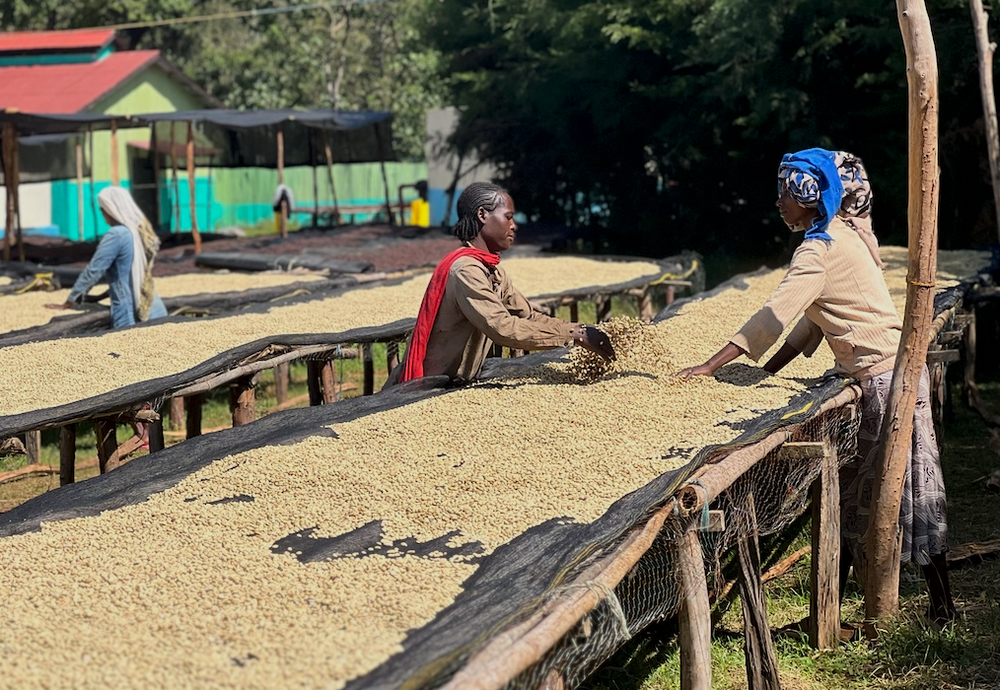
According to the update, the harvest is beginning later than usual this season, with a delay of around 1520 days due to shifting weather patterns. Ripening continues to vary significantly by altitude, shaping different production trends across Ethiopia’s coffee-growing regions.

In southern Ethiopiaparticularly Yirgacheffe, Gedeb, and Gujifarmers expect a moderate decline of 5% to 7% after last year’s exceptionally high crop. Meanwhile, western and south-western regions are entering a strong on-cycle year, anticipating notably higher yields compared to the 2024/25 season.

Harvest timing varies by altitude as follows:

Lowlands:

Southern Ethiopia: mid-October to December

Western Ethiopia: late October to January

Mid-altitude regions:

Late October to mid-January

High-altitude regions:

Starting in November through the first half of February

Overall production is expected to be similar to last season, with shifts between regions balancing out total output. Consistent rainfall throughout the season has supported healthy cherry development and stable growing conditions.

On the market side, cherry prices have increased sharply this year. The season opened at 120 ETB/kg and has already climbed to 145 ETB/kg, a significant jump from last year’s starting point of 3540 ETB/kg. This rise is attributed to the devaluation of the Ethiopian birr, higher NY “C” prices, and increased competition among local buyers. The sector is also facing challenges in managing cherry price volatility amid a growing number of active market players.

Sucafina highlighted several sustainability developments, particularly in the Sidamo region, where the Lalisaa Project has expanded through a dedicated full-time field officer supporting farmers directly. This closer engagement has enhanced traceability and helped connect producers with markets offering better price incentives.

Additionally, in collaboration with destination teams and clients, Sucafina has begun returning GrainPro bags to Ethiopia. These bags are redistributed to farmers to improve on-farm storage conditions and protect quality, especially in areas lacking proper warehouse facilities.

Looking ahead, stable weather patterns, strong western yields, and improved price motivation for farmers point to a solid overall season for Ethiopia’s 2025/26 harvest. Sucafina encourages industry partners interested in sourcing Ethiopian coffee to contact their traders for current offers and origin updates.

Coffee Varietals: From Genetic Roots to Your Daily Cup

Dubai – Qahwa World


When we explore the diversity of flavors in coffee cups from different corners of the world, we find a hidden yet decisive factor at play: coffee varietals. These are the genetic roots that define coffee’s identity, much like grape varieties shape the character of wine. Through these variations, we experience the difference between a Kenyan cup bursting with blackcurrant and wine-like acidity, and an Ethiopian cup laced with jasmine and bergamot. Each varietal carries a story — historical, agricultural, and sensory — that deserves to be told.

Arabica coffee, which originated in East Africa and spread through Yemen to the world, forms the foundation of most commercial varietals today. Typica stands at the forefront as the classic Arabica archetype, renowned for its clean sweetness and balance despite low yields and high disease susceptibility. From Typica emerged mutations such as Maragogipe in Brazil with its giant beans, Mundo Novo, a natural cross between Typica and Bourbon that became a cornerstone in Brazilian plantations, and Pacamara, a Salvadoran hybrid famous for its complex floral and fruity character.

Bourbon, a natural mutation of Typica discovered on Réunion Island, grew into one of specialty coffee’s pillars with its rich, smooth, chocolatey and fruity notes. From Bourbon arose varietals such as Caturra with its compact growth and bright acidity, Pacas from El Salvador, and Catuai, a hybrid balancing adaptability with mild cup quality. In Kenya, Scott Agricultural Laboratories introduced SL28 and SL34, now synonymous with winey acidity and blackcurrant flavors, cementing Kenya’s global reputation. Meanwhile, Laurina (Bourbon Pointu) from Réunion stands out for its naturally low caffeine content and delicate, tea-like qualities.

If Typica and Bourbon laid the foundation, Ethiopian landraces represent coffee’s treasure trove of genetic diversity. From Ethiopia’s highlands came varietals that became global icons: Gesha (Geisha), which found fame in Panama for its jasmine and bergamot notes; Yirgacheffe, prized for its lemony, floral clarity; Sidamo, known for its fruity, wine-like complexity; and Harrar, bold with blueberry and chocolate tones.

The 20th century brought new challenges such as coffee leaf rust, prompting the creation of resistant hybrids. Varietals like Catimor and Sarchimor gained traction for their high yields and resilience, while Castillo became a strategic crop in Colombia. In Kenya, Ruiru 11 and Batian were developed to balance disease resistance with cup quality. Brazil contributed with Obata and Icatu, robust hybrids designed for resilience in harsher climates.

Other important varietals include Villa Sarchi and Villalobos from Costa Rica, Typica Mejorado from Ecuador (with Gesha-like floral complexity), and even the wild species Eugenioides, not grown commercially but crucial as one of Arabica’s parents, offering unique insights into coffee’s evolution.

Varietals are not just agricultural classifications — they are a language spoken by producers, roasters, and consumers. They define farm identity, influence auction prices, and shape how coffee is perceived in global markets. More importantly, they are a tool for tackling the future, as climate change and disease reshape the landscape. Understanding varietals is not a luxury but a necessity for anyone seeking to truly understand coffee — from seed to cup.

Lineage Maps: Families of Coffee Varietals

  • Typica lineage: the classic foundation; gave rise to Maragogipe, Mundo Novo, Pacamara.

  • Bourbon lineage: rich and versatile; produced Caturra, Pacas, Catuai, SL28, SL34, Laurina.

  • Ethiopian landraces: unmatched diversity; Gesha, Yirgacheffe, Sidamo, Harrar.

  • Modern hybrids: bred for resistance and productivity; Catimor, Sarchimor, Castillo, Ruiru 11, Batian, Obata, Icatu.

  • Other notable varietals: Villa Sarchi, Villalobos, Typica Mejorado, Mocha, Liberica, Eugenioides.

Encyclopedic List of Varietals

Typica Lineage

  • Typica: East Africa → Yemen → Asia → Americas; sweet, clean, balanced, low yields.

  • Maragogipe: Brazil; giant beans, delicate flavors, lighter body.

  • Mundo Novo: Typica × Bourbon (Brazil); high yield, nutty, full-bodied.

  • Pacamara: Pacas × Maragogipe (El Salvador); complex, floral, fruity, large beans.

Bourbon Lineage

  • Bourbon: Réunion Island; rich, smooth, fruity, often chocolatey.

  • Caturra: Brazil, dwarf Bourbon mutation; bright acidity, lighter body.

  • Pacas: El Salvador; sweet, balanced, citrus notes.

  • Catuai: Caturra × Mundo Novo (Brazil); mild, adaptable, easy-drinking.

  • SL28: Kenya; winey acidity, blackcurrant notes.

  • SL34: Kenya; full-bodied, fruity, excellent in wet conditions.

  • Laurina (Bourbon Pointu): Réunion; naturally low caffeine, delicate, tea-like.

Ethiopian Landraces

  • Gesha/Geisha: Ethiopia → Panama; floral, tea-like, jasmine, bergamot.

  • Yirgacheffe: Ethiopia; lemony, floral, clean.

  • Sidamo: Ethiopia; fruity, wine-like, complex.

  • Harrar: Ethiopia; bold, blueberry, chocolate.

Modern Hybrids

  • Catimor: Caturra × Timor Hybrid; high yield, rust-resistant, variable cup quality.

  • Sarchimor: Villa Sarchi × Timor Hybrid; adaptable, mild cup.

  • Castillo: Colombia; rust-resistant, clean, balanced.

  • Ruiru 11: Kenya; disease-resistant, blackcurrant notes.

  • Batian: Kenya; recent hybrid, balanced, bright acidity.

  • Obata: Brazil; resistant, fruity, mild.

  • Icatu: Brazil (Arabica × Robusta backcross); sweet, nutty, resilient.

  • Colombia (varietal): Colombia; good body, clean citrus notes.

Other Notable Varietals

  • Villa Sarchi: Costa Rica; sweet, citrusy, bright.

  • Villalobos: Costa Rica; aromatic, balanced.

  • Typica Mejorado: Ecuador; intensely floral, Gesha-like complexity.

  • Mocha: small, round beans; strong chocolate notes.

  • Liberica: West Africa → Asia; woody, aromatic, bold.

  • Eugenioides: wild species; low caffeine, sweet, mild flavors.

Factors That Change a Varietal’s “Voice” in the Cup

  1. Altitude: slower maturation, denser beans, higher acidity and complexity.

  2. Soil & Climate: minerals, rainfall, and microclimates shape flavor nuances.

  3. Processing:

    • Washed: clean, bright acidity.

    • Natural: fruity, wine-like.

    • Honey/anaerobic: sweet, tropical, experimental flavors.

  4. Harvest & Sorting: selective picking enhances uniform quality.

  5. Roasting: reveals varietal distinctions, from floral notes to chocolate tones.

Diseases and Climate Adaptation

  • Coffee leaf rust: the biggest threat; spurred hybrids like Catimor and Castillo.

  • Heat & drought: push demand for hardier hybrids and modern agroforestry.

  • Farm strategy: planting multiple varietals reduces risk and ensures resilience.

Conclusion

Varietals are the backbone of the coffee world. They carry history, define flavor, and shape the future of farming. For drinkers, they deepen appreciation of the cup. For farmers, they provide tools to survive climate and market pressures. To understand coffee in its essence, one must understand its varietals — the living genetic stories in every bean.

Ethiopian Coffee Sets New World Record at Echoes of the Peak Auction

Dubai, 17 September 2025 (Qahwa World) – Ethiopia has once again confirmed its position at the top of the specialty coffee world. At the Echoes of the Peak auction hosted by M-Cultivo, Alo Coffee achieved an extraordinary result, with its Cloud Harvest Lot NW2 reaching US $1,739 per kilogram, the highest price ever paid for an Ethiopian coffee.

The lot, weighing five kilograms and processed using the Nocturnal Washed method, was sold for US $8,695 to Coffee Camps Limited. This record surpasses the previous benchmark of US $1,604/kg set earlier this year at the Faysel Abdosh Inaugural Auction, cementing Alo Coffee’s place among the country’s most celebrated producers.

“This is a historic moment for Ethiopian coffee. Achieving $1,739 per kilo not only breaks records but also shows the world the true value and potential of our producers’ hard work,” said Tamiru Tadessa Tesema, founder of Alo Coffee. “We are proud to share this milestone with the global coffee community and even more motivated to keep pushing quality limits. The result highlights Ethiopia’s position as the birthplace of coffee and a leader in quality innovation.”

Ethiopia’s coffee sector continues to play a vital role in the national economy, earning US $2.7 billion in foreign currency each year and supporting the livelihoods of over 20 million farmers. This latest achievement goes beyond numbers, standing as a bold statement of Ethiopia’s global coffee excellence and the unmatched value of its terroirs.

The 2025 auction season has already seen remarkable milestones worldwide, with prices reflecting the rise of a luxury coffee segment shaped both by multi-generational estates and ambitious, emerging businesses. With this record, Alo Coffee’s first private auction has not only captured international attention but also reinforced Ethiopia’s enduring prestige in the global coffee market.

Qahwa World and Ethiopia’s Buna Kurs Forge Landmark Editorial Alliance

Dubai,Addis Ababa, 27 August 2025(Qahwa World) – In a groundbreaking development for the global coffee industry, Qahwa World of the Middle East and Ethiopia’s Buna Kurs Media have signed a pioneering editorial Memorandum of Understanding (MoU), creating a cross-regional alliance that bridges Yemeni coffee heritage, the broader Arab qahwa tradition, and Ethiopia’s buna legacy. These three cultural foundations have shaped coffee’s global history yet remain underrepresented in industry narratives.

The partnership establishes a new model of media collaboration in the coffee sector, centered on shared storytelling, cross-regional representation, and mutual amplification. By connecting Yemen’s pivotal contribution, the Arab world’s cultural continuum, and Ethiopia’s origin story, Qahwa World and Buna Kurs aim to spark new conversations among brands, researchers, donors, media, and investors.

Under the agreement, Qahwa World will serve as Buna Kurs’s editorial partner in the Middle East, amplifying African coffee narratives—including Ethiopia and beyond—to Yemeni and Arab audiences, while Buna Kurs strengthens Qahwa World’s presence in Africa. The collaboration includes joint editorial exchange, event coverage, and advertising opportunities. Together, the two platforms will publish features, interviews, and cultural spotlights designed to challenge conventional narratives, elevate overlooked voices, and create new opportunities for authentic engagement.

“Qahwa World has always sought to honor coffee’s Yemeni and Arab legacy. Working with Buna Kurs allows us to situate that legacy within the broader African origin story, creating a holistic and globally relevant narrative. This is not just about content—it is about shaping the industry’s cultural conscience,” said Ali Alzakary, Founder of Qahwa World.

Tewodros Balcha, Founder of Buna Kurs, echoed the vision: “Coffee has always been more than a commodity—it is a cultural connector. Through this partnership, we are pioneering a new way to tell coffee’s story: one that restores origin narrative.”

At a time when the global coffee industry is grappling with sustainability, equity, and identity, the alliance signals a fresh approach to media and storytelling. By linking Yemen, the Arab world, and Ethiopia, the initiative offers brands, institutions, and investors a platform for authentic cross-continental engagement while opening new doors for responsible promotion, collaborative research, and cultural exchange.

The MoU serves as a framework for broader cooperation, with plans for co-hosted events, thematic campaigns, and joint representation at global industry forums. Both Qahwa World and Buna Kurs are committed to shaping a coffee narrative that reflects heritage, culture, and the evolving challenges of today’s market.

About Qahwa World
Qahwa World is a UAE-based media platform dedicated to Yemeni and Arab coffee heritage. Through journalism, cultural storytelling, events, and partnerships, it bridges traditional qahwa culture with today’s global coffee industry.

About Buna Kurs
Buna Kurs is Ethiopia’s pioneering coffee industry platform, with a curated audience of thousands of stakeholders across Africa. It amplifies Ethiopia’s and Africa’s role in the global coffee narrative.