New study: Coffee helps with weight loss, but under one condition

A recent publication in The American Journal of Clinical Nutrition shows that coffee, so beloved by many, can help in the process of losing weight, but in order for it to have an effect, one condition must be met.

As part of their research work, the purpose of which was to trace the connection between coffee consumption, weight changes and the addition of sugar and cream to the drink, experts from the United States studied data from more than 150 thousand participants in group studies.

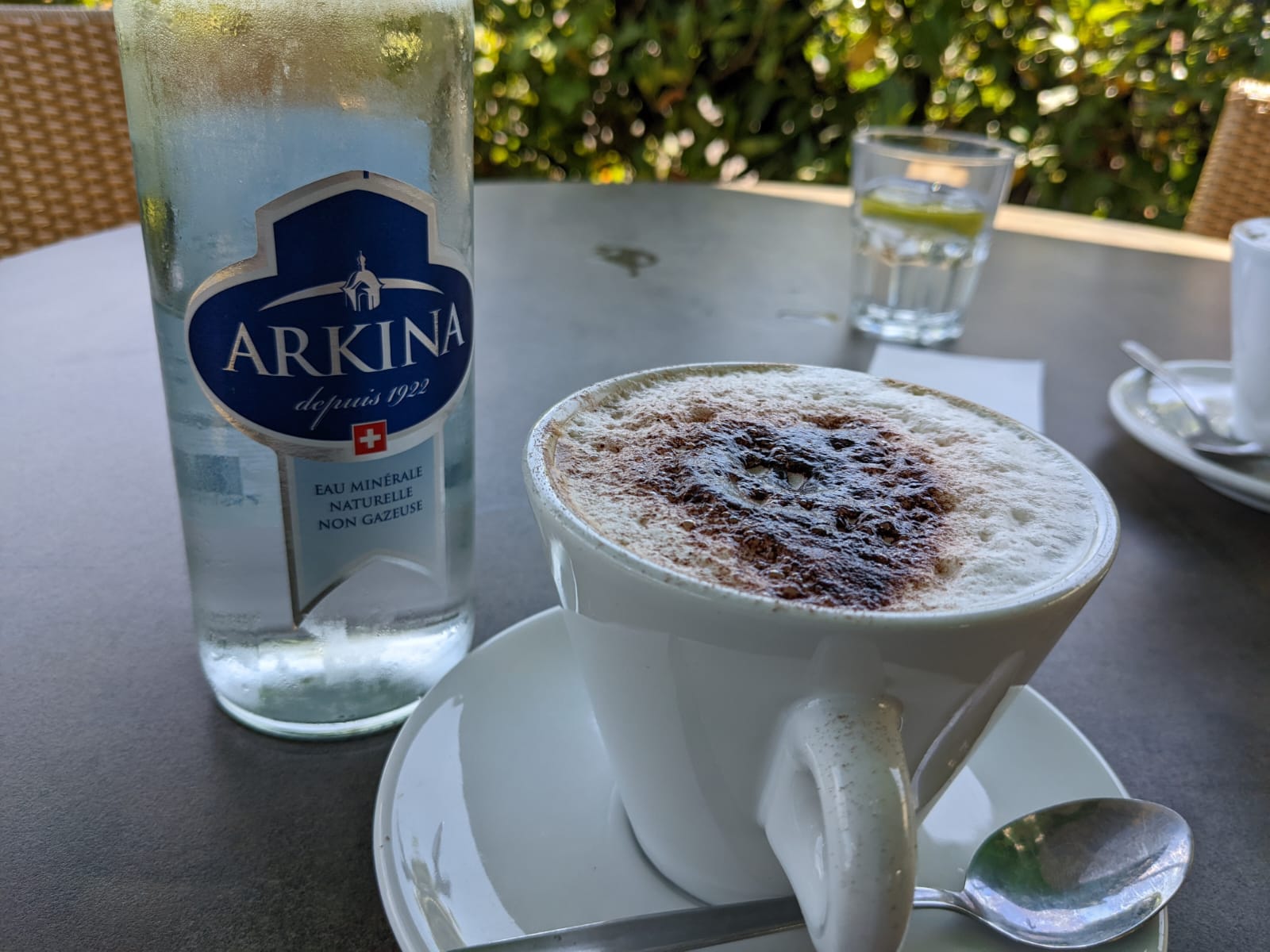
After analyzing the habits of the subjects, experts found that every cup of coffee without sugar contributed to weight loss, and adding cream had almost no effect on weight change. At the same time, as the researchers noted, adding even one spoon of sugar was associated with subsequent weight gain. This association was stronger for younger people with higher body mass index.

The scientists’ findings state that drinking coffee without sugar is inversely proportional to weight gain, and adding sugar to the drink eliminates all the benefits of drinking it for weight control.

  • Study details

Changes in Coffee Intake, Added Sugar and Long-Term Weight Gain – Results from Three Large Prospective US Cohort Studies

Background

Consumption of both caffeinated and decaffeinated coffee has been reported to attenuate long-term weight gain. Whether the association between coffee consumption and weight gain depends on the addition of sugar, cream or coffee whitener remains unclear.

Objective

We aimed to study the associations between changes in coffee consumption, caffeine intake and weight changes by considering the addition of sugar, cream or a non-dairy coffee whitener.

Methods

We used three large prospective cohorts – the Nurses’ Health Study (1986 – 2010), Nurses’ Health Study II (1991 – 2015) and Health Professional Follow-up Study (1991 – 2014). We applied multivariable linear regression models with robust variance estimators to assess the association of changes in coffee habits within each 4-year interval with concurrent weight changes. Results across the three cohorts were pooled using inverse-variance weights.

Results

After multivariable adjustment, each 1 cup per day increment in unsweetened caffeinated coffee was associated with a reduction in 4-year weight gain of -0.12 kg (95 % CI: -0.18, -0.05 kg) and of -0.12 kg (95 % CI: -0.16, -0.08 kg) for unsweetened decaffeinated coffee. The habits of adding cream or non-dairy coffee whitener were not significantly linked to weight changes. Adding a teaspoon of sugar was associated with a 4-year weight gain of +0.09 kg (0.07, 0.12 kg). Stratified analyses suggested stronger magnitude of the observed associations with younger age and higher baseline body mass index (BMI). Neither caffeine nor coffee modified the association of adding sugar to any food or beverage with weight changes.

Conclusions

An increase in intake of unsweetened caffeinated and decaffeinated coffee was inversely associated with weight gain. The addition of sugar to coffee counteracted coffee’s benefit for possible weight management. On the other hand, adding cream or coffee whitener were not associated with greater weight gain.

Inside Dubai Coffee Museum: A Journey Through the Rich History of Coffee

A Coffee Museum has been set up in one of Dubai’s heritage hubs, Al Fahidi in Bur Dubai. The Coffee Museum will be an upscale classic concept with international standards in a small, cozy, relaxing atmosphere with a simple oriental setting. The Museum’s unique value proposition can be summarized as follows:

A relaxing atmosphere with regional traditional architecture amalgamated with oriental architecture.
architecture amalgamated with oriental architecture. Showcase a wide selection of antique items illustrating regional and international coffee history and culture.

Platform for experiencing different regional styles of coffee such as local Arabic style, Ethiopian style, Japanese style etc.

Emphasize on coffee education to the interested customers who wish to grab more about coffee, coffee roasting and coffee brewing.

Customer service: high-level of personalized service & attention for customers. Coffee Museum gift shop will have unique verities of coffee related gift items.

The Dubai Coffee Museum is a museum about coffee located in the Al Fahidi Historical Neighbourhood of Dubai, United Arab Emirates. It focuses on the history of coffee, coffee culture, and the working conditions of coffee plantation workers.

It provides intel on the importance of coffee in different cultures across the globe, as well as the Arabic traditions, its preparations like roasting and grinding, the apparatuses used through time, and rusted beans found worldwide. The museum spreads over two floors with a museum shop on the ground floor.

The museum is a showcase that connects the past and the present of the coffee world. Different roasting and brewing styles from various countries are live demonstrated as well as international antique items are represented. Coffee lovers can buy related items from our Museum shop.

One of the first things to do at the Coffee Museum in Dubai is to learn and explore different varieties of coffee. Visitors can also experience different coffee cultures such as Egyptian, Ethiopian and Arabic. Learn about the entire process, from beans selection through to roasting, as well as the brewing techniques that are unique to each culture.

The museum has information dating back to the legend of Kaldi, a shepherd known for discovering the first ever-coffee bean and instigating coffee’s long journey into the Middle East from the mountains of Ethiopia. Visitors to the museum can also experience fascinatingly old utensils and cups used for the production, brewing, and drinking of coffee.

Exhibits

On the ground floor, roasting and brewing styles from various countries and antique items are presented. Coffee grinders, roasters, pots, kettles, weighing scales, sorters, torches for grinding coffee, natural stone coffee grinders, bowls, and other coffee memorabilia are showcased. An intricately restored Majlis room filled with carpets, dallahs, and pillows offer a glimpse of the traditional Emirati style of coffee consumption. Moreover, the history of the coffee bean is explored.

The first floor features a literary section with a wide selection of coffee books and maps dating back to the 18th century about the global history of coffee and coffee plantation workers. Visitors can learn about the entire process, from bean selection to roasting, as well as the brewing techniques unique to each coffee culture.

What does the Coffee Museum feature a display of?

Coffee Museum Dubai also showcases the celebration of coffee culture across the globe, as well as the Arabic traditions. Coffee grinders used in the First World War, historical data dedicated to coffee and old brewing pots are just a few of the artefacts on display.

DISCOVER THE MAJLIS AND ANTIQUES

The ground floor of the museum houses the Majlis and the Middle Eastern Antique exhibit. The intricately restored Majlis offer a glimpse of the traditional Emirati style of coffee consumption.

The coffee table with antique coffee cups and other utensils take you back in time to witness Emirati culture and hospitality.

The Middle Eastern Antique Exhibit is where you can find more artefacts related to coffee in the UAE. You’ll get to see antique coffee grinders, roasters, pots, kettles, weighing scales, sorting trays and other coffee memorabilia.

THE COFFEE LIBRARY AT DUBAI COFFEE MUSEUM

On the first floor of the museum you’ll find a small but intriguing selection of books about coffee dating back to the 18th century. These books are from the personal collection of the house owner made available for fellow coffee buffs who wish to learn more about the popular brew. There are also some audio-visual guides which are well worth a watch.

KIDS CORNER

The Kids Corner at the Coffee Museum is a fun area where the little ones can discover the origins of coffee along with a whole host of other activities to keep them entertained.

MUSEUM GIFT SHOP

We all love a museum gift shop right? Well, the Dubai Coffee Museum has a great one. It’s here that you can get your hands on those much-needed souvenirs to take back home. Pick up the perfect gifts for your friends and loved ones. The shop has barista equipment, latte art pens, books about roasting techniques with recipes, and you can even treat yourself to some fine coffee beans.

Specific dates that should be taken into account… When do we drink coffee?

Many people continue to drink coffee immediately after waking up because of its effective role in improving mood, but there is scientific evidence that confirms that drinking coffee immediately after waking up is not “correct,” and that benefiting from it comes from drinking it at the appropriate time.

Coffee is a favorite drink among all people, including Germans, which is confirmed by estimates that 73 percent of Germans drink coffee daily. While the percentage of Germans who do not drink coffee at all is only 6 percent. There are many studies on this drink compared to other drinks. Most of the test results were positive and clearly confirm that this drink is a completely healthy stimulant.

Coffee strengthens memory and prevents diabetes. It contains antioxidants and provides the body with a large amount of energy. It also reduces the risk of developing serious diseases, including liver cancer, skin cancer, and nerve diseases, which is something that many may not know.

The results of studies may sometimes conflict about the effect of coffee on some diseases, such as cognitive impairment, dementia, and Alzheimer’s, but most of these studies confirm that coffee protects against these diseases. In addition, researchers have proven in two recent studies that drinking coffee and tea together has a positive effect on cognition. Note that drinking tea alone does not effectively affect the problem of cognitive impairment, but a recent study confirmed that drinking coffee between 3 to 5 times a day in middle age helps reduce the incidence of dementia by 65 percent, according to what was reported on the German “Gesundheit Identity” website. In health affairs.

It is not recommended to drink coffee immediately after waking up

There is no doubt that the delicious taste of coffee and its ability to improve the mood every morning prompts many people to continue drinking it daily. According to the German “Gesunde Ernerung” website, obtaining the full benefits of coffee depends on knowing the appropriate time to drink it. To benefit from morning coffee, researchers advise not drinking it immediately after waking up. Rather, you must wait a little and then drink it. Researchers attribute this to the fact that the adrenal gland secretes, upon waking, the hormone cortisol, known as the “stress” hormone, and this hormone helps the body regain the ability to perform its functions, thus providing the body with its energy naturally. By consuming caffeine immediately after waking up, the level of energy in the body increases excessively.

On the other hand, drinking coffee two hours after waking up gives the body more energy when its natural energy begins to gradually decline. Which means that the most appropriate time to drink morning coffee and benefit from the effect of caffeine on the body is around eight-thirty, when waking up at seven, for example.

Bird’s Excrement Yields World’s Costliest Coffee: A Unique Tale of Nature’s Brew

One of the most highly-priced and coveted coffee varieties worldwide originates from the excrement of the jacu bird, a large, ebony avian resembling a turkey, which possesses a digestive system that enhances the aroma of the coffee beans.

When Henrique Sloper, proprietor of the Camocim coffee farm in Brazil’s Espirito Santo state, initially witnessed an invasion of jacu birds on his coffee plantation, he was stricken with anxiety, unaware that these birds would eventually become valuable business associates. He contacted environmental protection agencies, yet they were uncertain of a solution and proposed introducing natural predators to control the population of these sizeable birds. However, due to the difficulties associated with managing a bird as sizable as the jacu, Sloper decided to embrace the adage “if you can’t beat them, join them,” ultimately realizing that the bird invasion had fortuitously become a blessing in disguise.

For those with discerning palates in the realm of coffee, kopi luwak, the most exclusive and expensive coffee in the world, likely requires no introduction. This extraordinary coffee variety is harvested from the excrement of Asian palm civets and has gained international renown for its exquisite smoothness and captivating aroma. Sloper, being well aware of this, recognized the permanence of the jacu bird population on his farm and made the decision to create his own version of kopi luwak…

Persuading the farm workers to harvest bird feces instead of coffee beans was a challenging task, but after overcoming this obstacle and enduring two years of trial and error, Camocim Farm became the sole producer worldwide of coffee derived from the droppings of the jacu bird. And not just any coffee, but one of the most sought-after varieties on the planet.

Over time, Henrique Sloper uncovered the remarkable nature of the jacu bird’s digestive system. Although it consumed and expelled the coffee beans entirely intact, the bird’s digestion process effectively eliminated nearly all of the caffeine content in the beans, obviating the need for fermentation. Additionally, the bird exhibited an impeccable preference for coffee, exclusively consuming the ripest beans on the plantation, thereby ensuring that the coffee derived from its droppings was of unparalleled quality.

Although Brazil’s Espirito Santo state ranks as the fourth largest global producer of coffee, Camocim Farm stands alone in its utilization of jacu droppings. For nearly a decade, this unique coffee variety has been successfully marketed, now recognized as one of the most exorbitantly priced coffees available. It has gained significant popularity in countries such as France, Japan, and the United Kingdom, where prestigious retailers like Harrods sell it for 1,400 pounds ($1,700) per kilogram.

US couple pays $4,456 for two cups of coffee

A couple from Oklahoma in the United States were surprised to pay more than $ 4,000 for two cups of coffee, which forced them to postpone a family travel trip.

Jesse O’Dell said that he was surprised that $4,456 was deducted from his bank account, after he paid for two cups of Starbucks coffee.

He ordered his wife an iced Americano coffee, while he had a caramel frappuccino.

O’Dell added that he did not notice the number on his bill, which he thought was $4.45, when he paid with his credit card, noting that he called the customer service helpline approximately 30 to 40 times that day, saying: We had to cancel a family trip we were planning to take, because we lost more than $4,000 because of this mistake.

A spokesperson from Starbucks said that a check was written in O’Dell’s name as compensation for the error, but it was returned due to a typo in the name, so a new check was cashed.

The spokesman blamed O’Dell for being the person who entered the number during the payment process, which the latter denied, stressing that the manager of the outlet told him that the apparent number was due to a defect in the electronic payment network.


List of 10 countries with a unique coffee culture

Coffee is a favourite drink around the world, but each country has a unique take. Find out what to order in these countries for a taste of local life.

Coffee is a popular drink around the world with each country serving its own version. In many places, the local way of serving or consuming coffee is steeped in rich culture and tradition. Therefore, learning about the coffee culture of a country teaches visitors about the country itself.

These 10 countries have unique coffee cultures that are sure to excite travelers’ taste buds. Find out what makes them different and what drink to order when visiting for an authentic experience.

1 Turkey

Turkish coffee bears many similarities to Greek coffee in how it’s made and the small serving size. However, the role of coffee in Turkish culture is more ritualistic and centers around friendship and hospitality. Freshly roasted, high-quality beans are ground to a fine powder and then added to a pot with cold water and sometimes sugar. The pot is placed on heat and brewed slowly, so a layer of foam develops on top of the coffee. The coffee is served with a glass of water and a piece of Turkish delight.

The ritual of brewing coffee properly is passed down through families, as are the etiquettes associated with this practice. For example, guests should drink from more elaborate cups than the host to honor them. Sitting down for an authentic cup of Turkish coffee when visiting Turkey will provide travelers with a whole new appreciation for the cultural and spiritual properties of the beverage.

2 Costa Rica

Costa Rica is famous for its coffee beans, but that’s not the only advantage the country has in the coffee department. Costa Ricans enjoy a traditional method of brewing coffee called a chorreador. The chorreador consists of a sock-like bag that hangs on a wooden stand and allows hot water to pour through to a cup while filtering out the grounds. The classic method of brewing Costa Rican coffee is reminiscent of the North American “pour-over” coffee that has become popular in recent years.

Ordering a café chorreador while visiting Costa Rica is the best way to get a taste of what the local coffee culture is all about.

3 France

France might not be on many people’s radars as a country with exceptional coffee culture, but it should be. The French are responsible for the delightful drink known as Café au lait, and every traveller should order this once while visiting Paris.

Café au lait is coffee with hot milk, which is different than coffee with regular milk. In France, they call that “white coffee”. Café au lait also differs from a latte because the ratio of coffee to milk isn’t the same. A latte has a 2 to 1 ratio of milk to coffee while Café au lait has a 1 to 1 ratio.

4 Italy

Italy is integral to the world coffee scene. It’s the birthplace of the cappuccino and the world-famous espresso came from Milan. In many ways, Italy is the coffee capital of the world so coffee connoisseurs visiting this beautiful country should get a taste of these beverages in their homeland.

When ordering a coffee in Italy, espresso is the default. If you ask for a cup of coffee, you’ll receive an espresso shot. People typically drink this right at the counter, like a bar, rather than taking a table. For breakfast in Italy, order a cappuccino and a croissant for an authentic experience.

5 Australia

The land down under has high standards for a cup of coffee, so travelers must see what the fuss is about when visiting. Australians have an abundance of locally-owned coffee shops to choose from rather than flocking to massive chains like Starbucks, as Americans commonly do. Instead, Australians enjoy specialty roasts in smaller sizes and are typically stronger than coffee in America. They also add fewer sweeteners.

When in Australia, order a flat white for an authentic taste of the local coffee culture. This drink contains two espresso shots with foam and steamed milk on top.

6 Indonesia

Indonesia has a true one-of-a-kind coffee experience for travelers to try when visiting Southeast Asia. Kopi Luwak refers to coffee made from partially digested beans that are passed by a civet cat. Among tourists, it has earned the nickname “poop coffee”.

The civet cat eats the coffee cherries and doesn’t eat the bean, so it poops the bean back out with an enhanced flavor.

7 Mexico

Mexican coffee culture is not as widely known as some other nations’ traditions, but the taste is unlike any other coffee in the world. Mexicans enjoy the traditional beverage called Café de Olla, which is spiced coffee. It’s prepared in a clay pot, which is where the name comes from.

The coffee is sweetened with piloncillo, and then it’s spiced with cloves, star anise, and cinnamon. The cinnamon flavor comes through strongly when sipping a cup of a Café de Olla, making it perfect for a cool morning.

8 Sweden

Sweden is an excellent destination for coffee enthusiasts, especially since Swedes have one of the highest levels of coffee consumption per capita in the world. Swedish people enjoy a practice called Fika, which refers to a coffee break where people gather and socialize over a drink and a bite to eat.

Swedish Lapland also has a unique coffee tradition known as Kaffeost. In northern Scandinavia, Kaffeost means “coffee cheese”. The name may seem strange to some, but it’s common in northern Sweden to dip cheese into a cup of coffee before eating it.

9 Greece

Greece has incredible coffee culture and offers a unique taste for those who like to drink their caffeinated beverages hot or cold. Traditional Greek coffee is made with a strong brew using finely ground beans. The drink is unfiltered, so the grounds are at the bottom of the cup and there is a nice layer of foam on top.

For those who prefer an iced drink, the Greek frappé (also called a Nescafé frappé) is a must-try. This cold drink contains milk, sugar, ice, and instant coffee

10 Vietnam

In Vietnam, coffee isn’t just a drink to start the day; it’s something people enjoy morning, at noon, and even at night. Vietnam has some of the best coffee in the world and offers two unique beverages every traveler should try while visiting. Vietnamese iced coffee consists of medium or dark roast coffee over ice, combined with condensed milk. It’s the perfect refreshment for a hot day.

Another unique coffee order that shouldn’t be overlooked when visiting Vietnam is egg coffee. This delicious, creamy hot drink is made by combining egg yolk with condensed milk to create a frothy addition to a cup of coffee.

DMCC Coffee Centre Opens

DMCC – the world’s flagship Free Zone and Government of Dubai Authority on commodities trade and enterprise – inaugurated the ‘DMCC Coffee Centre’ 18 February 2019 , a state-of-the-art 7,500m² temperature-controlled facility, and the first of its kind in the Middle East. The Centre launched during Dubai’s Gulfood event, the world’s largest annual food and beverage trade exhibition.

From crop to cup, the Centre offers cost-effective logistical support and services that connect producers to buyers. Core services include warehousing, logistics, green coffee cleaning, contract roasting and packing, as well as more specialised offerings for re-bagging of green coffee, sample evaluation and training.

The Centre houses a coffee quality laboratory, cupping labs and a Specialty Coffee Association (SCA) Premier Training Campus, in addition to a range of commercial office space. Projected to handle up to 20,000 tonnes of green coffee bean annually – with an estimated annual trade value of around AED 367 million (USD 100 million) – the Centre is set to attract new trade flows to Dubai and boost the national economy.

A number of senior delegates including  H.E. Sultan Ahmed bin Sulayem, Group Chairman and CEO of DP World; H.E. Hamad Buamim, President and CEO Dubai Chamber of Commerce and Industry; H.E. Ahmed Mahboob Musabih, Director of Dubai Customs; H.E. Salem Rashid Al Owais, Ambassador of the UAE to Columbia; H.E. Eduardo Fonseca, Ambassador of Panama to the UAE; and H.E. Ridwan Hassan, Consul General of Indonesia to the UAE attended the official launch in Dubai, and joined a tour of the facility located adjacent to the DMCC Tea Centre in the Jebel Ali Free Zone (Jafza).

“Today represents a significant milestone, and one that places Dubai firmly at the heart of the global coffee trade. First conceptualised in 2016, it is promising to see our vision to serve the market in an entirely different way become a reality,” said Ahmed Bin SulayemExecutive ChairmanDMCC.

“Dubai is uniquely positioned to serve the significant emerging markets trade corridor of the Middle East, North Africa and South Asia, and well connected to the coffee-producing regions of Africa, China, India, Latin America and South East Asia. The DMCC Coffee Centre will connect international coffee traders with sophisticated logistics, and a host of value-add services, providing operational excellence to meet growing global demand. Until now, the region simply did not have the capacity, equipment or expertise to facilitate global coffee trade on this scale, and we look forward to seeing the impact of our Centre on the industry going forward,” he added.

Dubai’s strategic geographic location offers connectivity between the fast-growing and high-value consumer markets in the Middle East and Europe, to some of the world’s major coffee producing nations such as Ethiopia, India, Indonesia, Uganda and Vietnam. Operational since November 2018, the Centre is set to become the preferred hub for speciality coffee buyers, traders, roasters and producers.

Other services offered by the DMCC Coffee Centre include: three fully outfitted cupping rooms with water to SCA standards; a coffee quality laboratory; a sample (Probat and Ikawa) and small batch (Diedrich) roasters – to assist customers in quality assessment, and shipments of roast and green coffee samples to buyers –; and two Brambati production roasters (30kg and 60kg) – which can accommodate specialty and commercial coffee roasting.

Coffee is one of the world’s most widely consumed hot beverages. The global coffee industry is worth an estimated AED 367.3 billion (USD 100 billion), with the industry in the Middle East expected to climb to AED 16.2 billion (USD 4.4 billion) by 2021, according to Euromonitor.

Yemeni Coffee: History and Fame

Historically, Yemen has been associated with coffee for centuries, particularly with the city of Mocha, which represented the starting point for the fame of this beverage locally and globally. Yemeni coffee is known in many cultures as “Mocha,” referring to the port of Mocha, which was a hub for coffee exports.

Origin of the Coffee Tree:

The coffee tree is evergreen, reaching heights of approximately 4.5 to 6 meters, with deep roots and soft leaves. Coffee is used as a hot or cold beverage, prized for its stimulating effect due to its caffeine content.

Origin and History of Coffee:

Opinions vary regarding the origin of the coffee tree and its wild existence. Some believe it originated in the Arabian Peninsula and was transported to Ethiopia. Some suggest that coffee first appeared wild in the Kaffa region of southern Ethiopia, while others propose that it was likely brought to Ethiopia from Yemen due to environmental similarities between the two countries.

Yemeni Connection to Coffee:

It is believed that Yemenis became acquainted with the coffee tree in the early 5th century AD when it was planted in the Al-Dain region. Some accounts credit the Arab physician Al-Razi as the first to mention Yemeni coffee in 900 AD.

Agricultural and Commercial Development:

Coffee cultivation in Yemen has witnessed significant development since the Middle Ages, making Yemeni coffee a prominent symbol of high quality. Yemeni coffee became synonymous with the port of Mocha, renowned for its high quality, and was traded to several countries.

Coffee Growing Regions:

Coffee shrubs thrive in various regions of Yemen, including Sana’a, Hajjah, Al-Dain, Yafi, due to the considerable similarity in climatic conditions between these areas.

Coffee Varieties Cultivated in Yemen:

Yemen cultivates three varieties of coffee known as the Al-Daini, Tufahi, and Dwayri, named after the regions where they are cultivated, such as Al-Hamadi, Al-Yafi, Al-Burai, Al-Harazi, Al-Mutri, and Al-Haimi.

DMCC Coffee Centre signs strategic partnership with Boncafé Middle East LLC

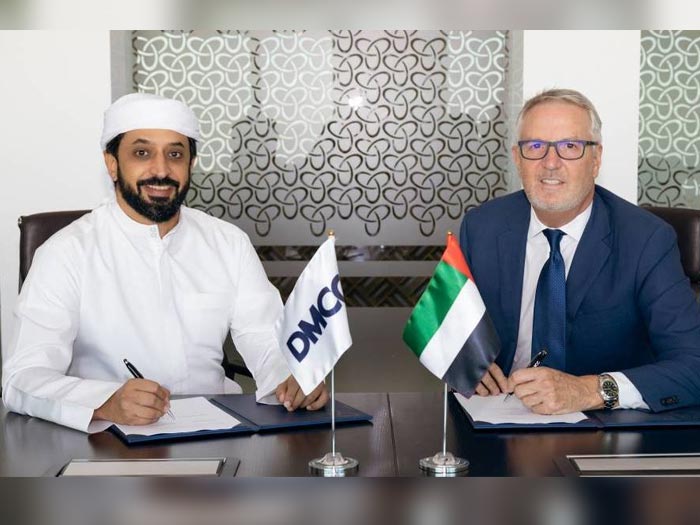
DMCC – the world’s flagship Free Zone and Government of Dubai Authority on commodities, trade and enterprise – has signed a strategic partnership with Boncafé Middle East, a leading manufacturer and distributor of gourmet coffee and coffee machines, to produce locally roasted coffee at DMCC’s state-of-the-art Coffee Centre. The signing, which took place in DMCC Headquarters in Almas Tower, was attended by Ahmed bin Sulayem, Executive Chairman and Chief Executive Officer of DMCC and Tony Billingham, CEO MENA and Group Executive Director of Boncafé.

Under the agreement, DMCC Coffee Centre will produce a variety of locally roasted coffee which is set to boost trade flow into the emirate of Dubai and in return will help develop Boncafé’s brand position in the larger MENA region. DMCC Coffee Centre will also produce and solely distribute a range of bespoke coffee products tailor made for Boncafé across the GCC.

The DMCC Coffee Centre offers world-class infrastructure and services and the partnership will further cement its position as a leading centre of excellence and trade producing a range of high quality coffees and blends up to par with traditional coffee markets such as Italy, the USA and Switzerland. The move serves both the global and local market by delivering fresh and cost-efficient coffee.

DMCC is proud to partner with Boncafé, a true powerhouse in the coffee industry and the region for 18 years, to provide them with a range of bespoke services to facilitate their global trade. This collaboration underpins our strategy of providing world-class services, from roasting and quality control through to packaging and distribution, that cater to the entire coffee value chain. It also truly reflects the strong reputation the Coffee Centre has built and its ability to attract leading coffee players, in turn positioning Dubai as a global hub for specialty coffee. We thank Boncafé for choosing us as their partner and very much look forward to working alongside their teams.” said Ahmed Bin Sulayem, Executive Chairman and Chief Executive Officer of DMCC.

The UAE is one of the most developed coffee markets in the region and the agreement is set to further enhance this position and bring added value to Dubai by boosting the import of Green coffee sourced from Africa, Latin America and Asia. Agreements as such will catapult Dubai’s GDP through the re-export of roasted coffee products into the region.

To partner with DMCC is a natural progression for the Boncafé & Massimo Zanetti Beverage Group and this further shows the Group commitment to develop locally roasted UAE coffees. This will undoubtedly enhance our brands position throughout the whole Middle East region being now produced locally in the UAE.” said Tony Billingham, CEO MENA, Boncafé Group Executive Director.

The DMCC Coffee Centre continues to attract international businesses by connecting the fast-growing consumer markets in the Middle East and Europe to some of the world’s major coffee producing nations. The Coffee Centre supports the entire coffee industry from crop to cup by offering cost-efficient logistical support as well as warehousing, roasting and packaging services. In July 2020, DMCC announced plans to expand the Coffee and Tea Centres to triple output, increase services and boost capacity.