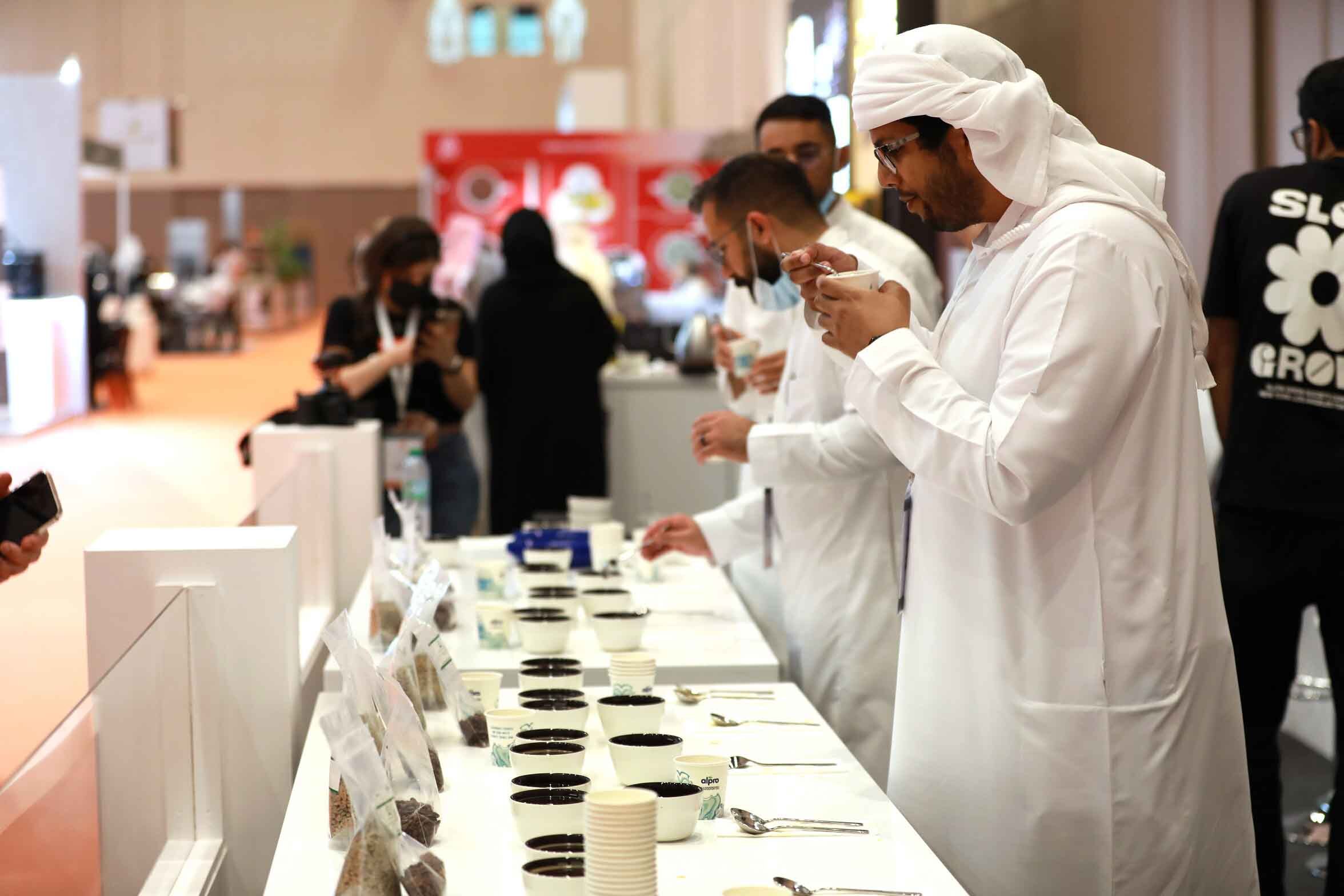
A new study reveals the secrets of making coffee better

For years, coffee aficionados have speculated that a simple addition of water to coffee beans before grinding could elevate the coffee experience. Now, a recent study conducted by researchers at the University of Oregon not only validates this belief but also sheds light on the science behind it.

The research delves into a technique initially aimed at minimizing the mess associated with grinding coffee, particularly the airborne particles caused by static electricity during the grinding process. According to Christopher Hendon, an associate professor of computational materials chemistry at the University of Oregon, the addition of water acts as an insulator, reducing static electricity’s impact—an effect known as the “Ross droplet” technique.

Originally conceived as a solution to the messy aftermath of coffee grinding, this method evolved into a sophisticated approach to enhance the brewing process. By addressing static electricity, water prevents microscopic clumps from forming during brewing, a factor that can hinder flavor extraction.

The study, published in the journal Matter on December 6, employed innovative techniques, including tools designed for measuring electric charges on wildfire and volcanic ash, to explore the potential benefits of adding water to coffee beans. The researchers meticulously measured coffee, ground it using a professional grinder, and assessed the impact of water on static charge.

The results indicate that even small amounts of water, ranging from a single droplet upwards, deactivate the static charge, ensuring that the coffee exits the grinder without being charged. This, in turn, prevents the formation of clumps during brewing, leading to higher extraction yields and a more consistent brew.

While the ideal amount of water may vary based on factors like roast type and grind coarseness, the study found an average increase in extraction yield by 10%. While this might not always translate into a noticeable flavor difference, it does underscore the efficacy of the “Ross droplet” technique.

Despite the potential benefits, the study acknowledges that the improvement in cleanliness is universal across all brewing methods, whereas the brewing benefit is more pronounced with espresso and, to a lesser extent, filter coffee. Other methods like cafetiere, French press, or AeroPress, which require a coarser grind, see minimal changes.

While the study has received positive feedback for its attempt to demystify the process, some experts call for further testing with different grinder models to draw more conclusive evidence. Ultimately, the findings open a new chapter in understanding the intricate process of grinding coffee and hint at the possibility of future technologies centered around the powerful technique of adding water on demand.

The Resurgence of Coffee as a Trendy Lifestyle and Cultural Expression

You might have seen yet another influencer coffee brand launch on social media, have noticed your colleagues making their own drip coffee in the office kitchen rather than using the machine, or even seen lines form at your local independent coffee shop.

Whatever way, it’s clear that coffee drinking has become a trend, something more than just getting a caffeine hit.

“With drinks and snacks becoming must-have items with cool currency, coffee has become a steady go-to as a vehicle for affordable luxury and lifestyle expression,” Claire Lancaster, head of food and drink forecasts at consumer and product forecasting company WGSN, told CNBC.

“We’ve seen a trend over time towards premiumization,” she explained, adding that this has been reflected in a growing preference for higher quality coffee, both in how it is brewed and where it originates from, as well as different types and flavors.

The Bean Shop, an artisan coffee roastery in Scotland that offers online ordering, has noticed a surge in customers.

“There has a been a big increase in people making speciality coffee at home,” one of it’s owners, Lorna Bruce, told CNBC. “People love to try something new.”

Elsewhere, AeroPress, a company that produces popular coffee makers, told CNBC that it has seen sales increase, as well as a “dramatic” rise of interest from second-party retailers. In the past year, the company has gained two major retail partners including Walmart
, Chief Marketing Officer David Cole told CNBC.

As consumers pick up new ways of brewing, they continue buying the necessary accessories like filters, Cole added.

In the U.K., AeroPress sales between December 2022 and December 2023 grew by 40%, and the company now distributes its products to over 400 retailers like roasters and small coffee shops, a company representative said.

Besides AeroPress, other popular coffee-making methods include pour-over or drip coffee makers (like V60s or Chemex coffee makers) as well cafetières and moka pots that boil coffee on the hob.

Many of these methods are historically popular in certain regions, like cafetières in France and moka pots in Italy, but have recently gone global.

How coffee became cool

But how did coffee go from a standard, easily accessible caffeinated drink to being a major trend? Well, the Covid-19 pandemic and resulting lockdowns appear to be one reason.

“Lockdown meant people took the time to make the drinks that they’d normally get on the go,” the Bean Shop’s Bruce said.

“Customers tell us that they ‘can’t drink supermarket coffee now’ and they have gotten used to the freshly roasted flavors and aromas you get when coffee is brewed within a couple of weeks of roasting,” she added.
Consumers also appear to value small things like coffee drinking more now, Melanie Birnbaum, chief brand officer at Nespresso, told CNBC.

“Recent years have reaffirmed the value in simple pleasures and little luxuries like a cup of coffee,” she said, adding that this has prompted consumers to seek out higher quality produce.

“At the same time, some of the creativity and sense of exploration is being driven by social media, where new and inventive recipes are shared on TikTok,” she added.

WGSN’s Lancaster has also identified social media as a key driver of coffee’s coolness.

“Gen Z and TikTok are shaping coffee culture,” she said, pointing out that certain hashtags like #CoffeeTok have grown significantly in the past year.

There is also some overlap with the pandemic. For example, trendy coffee drinks like the Dalgona coffee (which involves whipping coffee powder, water and sugar to create a cream-like substance before adding milk) went viral on social media in 2020.

Coffee trends ahead
Social media is also a driver behind some of the trends that are on the horizon for coffee, Lancaster noted, as brands gain traction there if they have a “cool” element to them — and new coffee-making methods are shared frequently.

Another key trend ahead is coffee with add-ons that are designed to boost wellbeing and health, Lancaster pointed out. This has even reached large companies like Nespresso, which has launched blends enriched with Ginseng or vitamin B12 – or “functional coffee” as Birnbaum calls it.

“Some people are looking for something extra in their day,” she said. “These blends have added wellbeing benefits like vitamins or extra caffeine.”

Other growing trends include specific coffee styles being exported from their traditional markets, like Vietnamese coffee, made with condensed milk, and Indonesian Kopi coffee, which is based on partially digested coffee cherries, Lancaster explained.

And of course, innovations to at-home brewing devices and technologies aren’t going anywhere either, Lancaster added.

Saudi Ministry of Culture Approves 20 Research Papers for “Saudi Coffee Research” Grant

In a significant development, the Saudi Ministry of Culture has formally endorsed the acceptance of 20 research papers submitted from both domestic and international researchers for the prestigious “Saudi Coffee Research” grant. Launched in December 2022 in collaboration with the Saudi Coffee Company, a key entity under the Public Investment Fund umbrella, the grant is specifically designed for researchers and specialists with a keen interest in diverse facets of coffee.

Successful researchers will receive comprehensive financial and scientific support throughout the research process, extending to the publication of scientific papers. This initiative aims to enrich cultural research output pertaining to Saudi coffee, acknowledged as an intangible cultural heritage, thereby playing a pivotal role in advancing the national cultural product.

The grant encompasses three principal tracks. The first track focuses on coffee in the Arabian Peninsula, delving into its historical roots, manufacturing evolution, and dissemination within the Kingdom. The second track is dedicated to exploring the intangible cultural heritage associated with Saudi coffee, including the examination of knowledge, skills, social traditions, practices, and cultural handicrafts intertwined with it. The third track seeks to elevate and advance local content by supporting Saudi coffee production, thereby enhancing its competitiveness and contributing to the Kingdom’s transition towards a sustainable economy.

This initiative was strategically included within the framework of the “Year of Saudi Coffee 2022” initiative, spearheaded by the Ministry of Culture with the backing of the Quality of Life Program—a key component of the Kingdom’s Vision 2030. In collaboration with the Culinary Arts Authority, the initiative aims to scrutinize the Saudi coffee market, preserve national cultural legacies and values, underscore the intangible heritage linked with Saudi coffee, bolster national identity, and promote Saudi coffee culture on the global stage.

Applications for the “Saudi Coffee Research” grants were opened on December 18, 2022. This initiative underscores a concerted effort to enhance cultural production through research endeavors focused on Saudi coffee, aligning with its status as an intangible cultural heritage intertwined with natural heritage and traditional culinary arts. The grants target a diverse range of researchers and specialists, both within the Kingdom of Saudi Arabia and abroad, fostering a collaborative and inclusive approach to advancing knowledge in various coffee-related fields.

New Study Reveals: Coffee Boosts Exercise and Metabolism

In a groundbreaking study published in the latest issue of the Journal of Exercise Science and Nutrition, researchers have delved into the depths of coffee and caffeine’s impact on exercise and metabolism, unraveling a concise yet powerful review of their effects.

Key Findings:

Neurostimulant Aid: Coffee and caffeine, particularly in the form of 1,3,7-trimethylxanthine, have been identified as potent neurostimulant aids. These substances are shown to enhance energy substrate levels, providing a natural boost to physical and mental performance.

Exercise Performance: The study highlights the positive impact of coffee and caffeine on exercise performance. The mechanisms involved include adenosine receptor antagonism, increased catecholamine concentrations, phosphodiesterase inhibition, and stimulation of calcium-release channels. These factors collectively contribute to improved endurance, strength, and overall exercise efficiency.

Therapeutic Effects: Beyond their role in exercise, coffee and caffeine demonstrate therapeutic effects that can be harnessed to control chronic and metabolic diseases. The four identified mechanisms serve as pathways to combat conditions such as obesity, insulin resistance, oxidative stress, and inflammation.

Genetic Variability: While individual genetic variations exist, the study reveals that distinct mechanisms in coffee and caffeine consumption can consistently enhance physical performance, thermogenesis, lipolysis, insulin sensitivity, and hormonal modulation across diverse populations.

Metabolic Variables: Current data suggest that coffee consumption and caffeine supplementation have the potential to improve metabolic variables, providing a holistic approach to health. This includes a reduction in oxidative stress, inflammation, and insulin resistance.

Future Directions: The researchers acknowledge the need for further studies to define clinical interventions with caffeine, especially in the context of obesity and chronic conditions. Understanding the nuances of how coffee and caffeine interact with specific populations will be crucial for tailoring interventions that maximize benefits.

This study brings to light the untapped potential of coffee and caffeine, not only as a morning pick-me-up but as a natural enhancer of both physical and mental well-being. As the scientific community awaits further investigations, it seems that our favorite brew might hold the key to unlocking a healthier and more energized future. Stay tuned for more developments in the realm of coffee’s impact on human performance and metabolism!

Kiah Parangue: From Coffee Enthusiast to Championship Glory and Inspiring Others

In an exclusive interview with “QahwaWorld,” professional barista Kiah Parangue shares her inspirational journey from a humble secretary at  Enterprises in the coffee industry to clinching multiple international championships. Reflecting on her remarkable career, Kiah recalls how her passion for coffee, initially sparked by curiosity, propelled her to become a formidable figure in the industry, showcasing exceptional skills and unwavering dedication.

Let’s delve into this exclusive conversation with Kiah Parangue, the Specialty Coffee Association Certified Trainer, and the proud winner of the 2023 Lavazza International Barista Championship and the 2023 Refill Roastery Battle of Barista Challenge, as well as the 2022 Lavazza Barista Championship.

To better understand you as an individual, could you share a bit about what drew you to the world of coffee, and how has your personal journey influenced your professional path in the coffee industry?

I started working in the coffee industry year 2017. As an admin/secretary working in a place surrounded by coffee and coffee professionals, i easily became so curious about coffee, that i kept on learning and up until now i am still learning.

Before i didn’t know how big the industry is, all i knew about coffee is that i enjoyed an instant 3n1 coffee. So many doors of opportunities have opened up for me, eversince is started working in this industry.

Training Program:

Can you elaborate on the Specialty Coffee Association Certified Barista Skills Training Program that you deliver? What key components does it cover, and how has it been received by participants?

SCA CSP Barista Skills teaches the essentials practical skills that is needed to work at a coffee shop, skills like how to calibrate machine and grinder, how to prepare espresso, create foam, texturize milk for different types of milk beverages, and create latte art as well as knowledge about the overall work flow in a café including customer service. I conduct this training in-person at goldbox roastery.

Coffee Calibration: How do you conduct coffee calibration sessions, and why is it essential in ensuring quality and consistency?

This is a very important part of the services we provide to our clients, we always visits our client, evaluate baristas on how they prepare their coffees as well as their customer service, and give them proper feedback and coaching. This is a win win for both us and our clients, we conspire to both our business’s success.

SCA Trainer Certification: As an Authorized Specialty Coffee Association Trainer, how do you ensure that your training aligns with industry standards and best practices?

there are so many accessible researches and it’s very easy to find new information now through online articles or podcast, plus I am very lucky to be surrounded by coffee professionals, so whenever they share some new information about the industry, I make sure to check and learn from it.

Barista Championships: Winning the Lavazza My Mocaccino Barista Challenge is impressive. Can you share your experience in the competition and any specific skills or techniques that set you apart?

Joining this championship is like a highlight of my career in this industry, also gave me the opportunity to travel and represent UAE. It is such a wonderful experience that pushed me out of my comfort zone. I think what really set me apart during this competition is the creativity, and thanks to my team we were able to think 3 steps ahead in analysing what would our competitors will do and that’s why we stood out and won.

Industry Trends: What notable trends have you observed in the coffee industry in the UAE, and how have they influenced your approach to training and event organization?

the coffee industry in the UAE has grown bigger and have grown so fast, we have an access to almost all the best coffee in the world, and everyone wants to open up a coffee business because they are so passionate about coffee, and the competition is really tight.

In terms of conducting training it is very important to be real with the people, no sugar coating, they need to learn about all the pros and cons, proper education is very important specially to those who wants to open up their cafes, they need to know and understand if they really are ready to enter this market, being passionate about it is not enough.

And in terms of organizing event, everyone is so competitive and really wants to showcase their talents and skills as it is very rewarding and it opens so may opportunities to the winners/champions, and they really spend so much time and effort for that, as an organizer I would organize something that would replicate the efforts of the competitors, give them something that they would enjoy but at the same time it rewards all their time and effort, but they also need to understand that in every competition someone will win and someone will lose, if they can’t accept defeat and they cant be sport about it, then competition is not for them.

Given your extensive experience in the coffee industry, what advice would you offer to aspiring baristas looking to excel in their craft or individuals who are venturing into starting their own coffee business?

Invest in proper coffee education/trainings that will help you develop your skills and help in your professional growth, also it will help you find your niche to know where exactly in the coffee industry you would like to be and succeed. Go out of your comfort zone and explore!


The social fabric of coffee… How coffee changed societies!

In a world where water sustains life, coffee weaves a rich tapestry of connections, linking people across continents and cultures. With over 400 billion cups consumed annually, coffee has become more than just a beverage—it’s a catalyst for socializing, bridging gaps between friends, family, and colleagues.

Origins of Coffee & Social Rituals

Originating in Yemen and traded by the 15th century, coffee found its way to Persia, Egypt, Syria, and Turkey.
Public coffee houses, known as ‘Schools of the Wise,’ flourished in the Middle East during the 16th century.
These vibrant spaces served as hubs for music, performances, chess games, and discussions, shaping cultural and political landscapes.

Coffee’s Arrival in Europe

By the 17th century, coffee had journeyed to Europe, initially prescribed as a medicinal remedy. However, the emergence of coffee houses in Venice in 1683 marked a turning point. These establishments became pivotal in fostering intellectual exchange, transforming the 17th and 18th centuries in Europe.

Role coffe in Cultural and Political Transformations

European coffee houses played a crucial role in nurturing public opinion, hosting scholars, philosophers, antiquarians, and historians. These gatherings stimulated debates, shaped collective cognition, and encouraged the free flow of information, earning coffee houses the status of pivotal social meeting points.

Modern Social Networks

Even today, coffee houses remain gathering spaces, where people engage in spontaneous conversations, read, write, and entertain each other. Studies suggest that these spaces contribute to community values and social networks, fostering connections that extend beyond formal information transfer.

Beyond Coffee Houses: Social Evolution

The social aspects of coffee have transcended coffee houses to include homes, where coffee mornings bring friends and family together. Research hints at the potential cognitive benefits of social interactions, emphasizing the role of coffee in combating social isolation and encouraging community values.

Coffee in the Workplace

Coffee has seamlessly integrated into workplace culture, with the phrase “let’s have a cup of coffee” synonymous with initiating meaningful conversations. Coffee breaks provide essential downtime, offering moments for employees to form “communities of coping,” where they share both professional opinions and personal frustrations, fostering a supportive work environment.


Coffee reduces symptoms in cancer patients and helps prevent certain types of cancer

In a recent revelation, coffee emerges as a potential ally in alleviating symptoms for cancer patients and as a preventive measure against certain forms of cancer, according to insights shared by Dr. Anton Ivanov, the distinguished oncologist and Chief Physician of the Mamma Clinic, in an interview with Gazeta.Ru.

Dr. Ivanov underscores that the beverage exhibits a protective influence against colorectal, liver, and breast cancers. Notably, the consumption of two cups of coffee daily is associated with a nearly 50% reduction in the risk of developing liver cirrhosis. This remarkable effect is attributed to the presence of various biologically active compounds and plant antioxidants in coffee, such as cafestol, caveol, and chlorogenic acid, which possess anti-inflammatory properties and may safeguard the liver.

Delving into the complexity of coffee’s composition, Dr. Ivanov elucidates that the beverage comprises a rich array of essential components, including over 2,000 items such as fatty acids (linoleic, linolenic, palmitic, etc.) and antioxidants that impede inflammatory processes. These elements collectively play a crucial role in cancer prevention, particularly polyphenols and chlorogenic acid.

Moreover, caffeine, a primary constituent of coffee, undergoes metabolization by liver enzymes, thereby enhancing the initial phase of liver detoxification. Dr. Ivanov references a study conducted by scientists from the National University of Ireland, highlighting caffeine’s ability to suppress the production of the cytokine tumor necrosis factor in human blood. This suppression, in turn, reduces the proliferation of T cells and the production of Th1, Th2, and Th3 cytokines, contributing to coffee’s protective effect against colorectal, liver, and breast cancer.

Despite these promising findings, Dr. Ivanov urges caution, emphasizing that not all scientific studies on coffee present a clear consensus. He advises a moderate approach, suggesting that individuals limit their daily coffee intake to no more than three cups to avoid potential negative health consequences.

International Coffee Organization: Global Coffee Prices Show Mixed Trends in November

In the latest release of the International Coffee Organization Indicator Prices (I-CIP) for November 2023, the global coffee market witnessed a varied performance across different categories.

The I-CIP, measured in US cents/lb, provides insights into the price movements of Colombian Milds, Other Milds, Brazilian Naturals, and Robustas throughout the month.

Colombian Milds:

The month kicked off with a price of 153.32 US cents/lb, reaching its peak at 166.38 US cents/lb on November 15. The average price for Colombian Milds settled at 160.74 US cents/lb, reflecting a robust market performance. However, the coffee variety experienced fluctuations, with a low of 153.32 US cents/lb observed on November 1.

Other Milds:

Other Milds followed a similar pattern, starting at 187.15 US cents/lb and reaching a high of 199.49 US cents/lb on November 13. The average price for Other Milds in November stood at 195.41 US cents/lb, showcasing a competitive market for this coffee category.

Brazilian Naturals:

Brazilian Naturals displayed a slightly different trend, beginning the month at 186.58 US cents/lb and peaking at 203.23 US cents/lb on November 15. The average price settled at 196.47 US cents/lb, indicating a noteworthy performance for this coffee variety throughout November.

Robustas:

Robustas started the month at 158.95 US cents/lb and reached their highest point at 174.72 US cents/lb on November 15. The average price for Robustas settled at 168.48 US cents/lb, showcasing resilience in the market.

Overall Market Performance:
The ICO composite indicator price for November 2023 reported an average of 121.69 US cents/lb, with the highest point at 127.30 US cents/lb and the lowest at 116.54 US cents/lb. The market showed a blend of highs and lows, reflecting the dynamic nature of the global coffee industry.

ICO’s Move to a New Pricing System:
It’s essential to note that since May 2021, the International Coffee Organization has transitioned to a new system for collecting prices. For further details on this change, interested parties can refer to the official document here.

As coffee enthusiasts and industry stakeholders analyze the November 2023 I-CIP data, it becomes evident that the global coffee market remains dynamic, with each coffee variety exhibiting unique price movements and contributing to the overall narrative of the industry’s health and stability.

Pink Bourbon, The Rising Star of Specialty Coffee

The specialty coffee industry thrives on the discovery of new and intriguing arabica coffee varieties, and it’s never more evident than at coffee competitions. In the final round of the 2023 World Barista Championship, two participants showcased the Pink Bourbon variety, known for its delicate pink hue and intricate flavor profile, which has been piquing the interest of coffee enthusiasts for some time now.

Pink Bourbon has been gaining popularity among roasters and coffee shops in recent years, but its mysterious origins leave much room for exploration. Can it achieve the same level of acclaim as Gesha or other similar varieties? To uncover more about Pink Bourbon’s allure and potential, I reached out to key players in the coffee industry.

  • Unearthing the Origins of Pink Bourbon

The origins of Pink Bourbon, like many other arabica varieties, remain a mystery. Rodrigo Sanchez Valencia, a producer at Finca Monteblanco and Aromas del Sur, provides insights into this enigmatic coffee. He’s often credited with helping discover Pink Bourbon. Rodrigo explains that his team at Aromas del Sur stumbled upon Pink Bourbon in 2013, believing it to be native to southern Huila in Colombia.

According to Rodrigo, Pink Bourbon first surfaced in the San Adolfo area of the Acevedo municipality in Huila during the 1980s, although the specifics of its origins remain unverified. This unique variety gained popularity when coffee leaf rust (la roya) plagued the region in the 1980s. Pink Bourbon proved to be disease-resistant and adaptable, making it a preferred choice among coffee producers.

  • Dispelling Previous Claims

It’s a common belief that Pink Bourbon is a natural hybrid of Red and Yellow Bourbon varieties, but recent research suggests otherwise. Café Imports published a groundbreaking article in late September 2023, revealing that genetic testing, in collaboration with RD2 Vision, indicates Pink Bourbon likely has roots in an Ethiopian landrace variety. However, it’s crucial to note that this research is not yet scientifically verified, leaving Pink Bourbon’s exact heritage shrouded in uncertainty.

  • The Challenge of Cultivating Pink Bourbon

Cultivating Pink Bourbon is no walk in the park, even in ideal conditions. Producers must meticulously care for these plants and ensure they are isolated from other varieties to ensure successful cross-pollination.

Rodrigo, having worked extensively with Pink Bourbon, highlights its resilience and productivity. “To date, we’re not aware of any diseases to which it’s susceptible,” he explains.

Boram Um, co-owner of Um Coffee Co. and Fazenda Um, reveals that Pink Bourbon’s growth experience can vary depending on the terroir. In his Brazilian farm, Pink Bourbon is cultivated under controlled and protected conditions due to its susceptibility to diseases and fungi.

Isaiah Sheese, owner of Archetype Coffee, who also used Pink Bourbon in the 2023 World Barista Championship, notes subtle differences in the physical characteristics of Pink Bourbon cherries. He attributes these variations to factors such as elevation and location.

One of the most distinctive traits of Pink Bourbon is its slight pink hue, a characteristic cherished by coffee enthusiasts.

  • The Flavor of Pink Bourbon

Pink Bourbon’s allure extends beyond its unique appearance to its complex and delightful flavor profile. Boram describes it as typically more acidic, reminiscent of citrus fruits, with delicate notes of white florals and honey-like sweetness.

Isaiah concurs, likening Pink Bourbon to washed Ethiopians or Panamanian Geshas, with flavors of floral, pink lemonade, honeysuckle, jasmine, and a silky, elegant texture.

Rodrigo, on the other hand, often detects tropical notes in Pink Bourbon, such as peach, papaya, melon, as well as floral notes like jasmine, rose, and green tea. He emphasizes its well-balanced body and acidity.

  • Enhancing Flavor Through Processing

As with other coffee varieties, the choice of processing methods can accentuate Pink Bourbon’s flavors. Rodrigo notes that Pink Bourbon cherries contain higher sugar content, making them adaptable to various processing techniques. He favors cold fermentation to improve complexity.

Boram found that anaerobic fermentation worked well with Pink Bourbon from his Brazilian farm, enhancing its sweet floral and honey notes. Isaiah, who sourced his Pink Bourbon from Colombia, appreciated the two-stage thermal shock fermentation process introduced by Diego Bermudez.

  • Roasting Pink Bourbon

Roasting Pink Bourbon demands a careful approach. Isaiah, who used a unique two-stage thermal shock process for his Pink Bourbon, adjusted his roasting technique accordingly. He also utilized the Stronghold S7 roaster, which differs from traditional drum machines due to its halogen-powered heat source.

Boram made temperature adjustments during roasting, given the climatic conditions in Brazil, to ensure proper development.

  • The Future of Pink Bourbon

The potential market for Pink Bourbon appears promising, with growing interest in this variety year after year. However, challenges in scaling up production may limit its availability in coffee shops and roasteries.

Rodrigo is optimistic about Pink Bourbon’s future in the Colombian specialty coffee sector, believing it will remain a vital variety. He is proud to be among the pioneering producers of this unique coffee.

Boram envisions the success of Colombian producers with Pink Bourbon encouraging its cultivation in other countries, including Brazil.

As the specialty coffee world seeks the next “it” variety, Pink Bourbon with its captivating qualities and evolving popularity has the potential to become the next darling of specialty coffee. However, this journey may take time.

New Research Warns of Peril to Coffee Industry Amid Climate Change

The coffee sector faces a growing menace, as per a recent investigation. This threat emanates from the consequences of climate change and the loss of pollinators, compounding the vulnerabilities of coffee growers and putting international trade in jeopardy.

Conducted by a team of scholars from the University College London (UCL), the study, featured in the latest edition of Science Advances, delves into the worldwide decline in the biodiversity of insect pollinators. It simultaneously scrutinizes its links to shifts in agricultural land use, particularly deforestation, climate change, food production, and the global trade network.

According to Tim Newbold, the lead author and a prominent figure in the UCL Biosciences department, “Our findings emphasize the immediate necessity for taking collective action on a global scale to mitigate climate change. We must also prioritize the preservation of natural habitats and curb land use changes to prevent any detrimental effects on insect pollinators.”

The study, supervised by UCL’s Ph.D. researcher Joe Millard, who is presently affiliated with the Natural History Museum in London, hinged on a dataset encompassing over 2,600 locations and 3,080 distinct pollinator species. The results of the research suggest that regions in the tropics face the highest threats to crop production stemming from the loss of pollinators due to climate change and changes in agricultural land use.

The authors of the study articulated, “Localized risk is most pronounced and poised to surge rapidly in areas of sub-Saharan Africa, northern South America, and Southeast Asia. Climate change and the shifts in land use present a potential peril to human well-being through pollinator loss alone.”

The research paper probes the repercussions of pollinator diminishment on several significant crops that serve as staples and economic cornerstones. Among them, coffee and cocoa have been singled out due to their susceptibility in agriculture and their pivotal role in the global economy.

The study points out that coffee, in particular, confronts a precarious combination of high production risks and considerable economic value. This scenario hints at possible economic hardships in regions where coffee is cultivated unless the pollination service can be replaced economically. Similar to cocoa, coffee cultivation is the backbone of income for millions of small-scale farmers and their families in tropical regions. Thus, the escalating production risk arising from pollinator loss may lead to heightened financial insecurity for some of the world’s most vulnerable populations.

World of Coffee Dubai 2024 highlights promising prospects for development and expansion of coffee industry in UAE

DXB Live, the integrated event management and experiential agency of the Dubai World Trade Centre, continues the preparations for the 3rd edition of the World of Coffee exhibition, which will be held from 21st to 23rd January 2024.

With expectations that the coffee market in the UAE will grow at an annual rate of 8.4 per cent between 2023 and 2029, and by about 7.5 per cent annually in the Middle East and Africa between 2022 and 2027, the exhibition is witnessing a wide regional and global interest from industry leaders, experts and specialists.

As per a report by Statista, coffee markets in Dubai and the region are experiencing substantial growth, with individual coffee consumption in the UAE expected to reach 1.36 kg in 2023 and the coffee market in Dubai expected to generate sales of over AED 1 billion this year. These figures reflect the industry’s attractiveness and growing demand for coffee products, as Dubai provides an ideal environment for the growth of the coffee market, owing to the presence of global coffee shop brands and the emirate’s role as a regional coffee trade hub, with export revenues exceeding AED 3.5 billion over the last decade.

The World of Coffee Dubai 2024 represents a turning point for the sector in the UAE, which has surpassed the tangible effects of this growth in the coffee market and has reached neighbouring Arab markets, attracting more specialised international brands, in light of the attention given to coffee culture and the variety of offerings provided by Dubai, which is famous for providing innovative experiences in this industry.

Khalid Al Hammadi, Senior Vice President at DXB LIVE, emphasised that Dubai’s economic status and distinctive infrastructure have positioned the emirate as a leading destination for organising and hosting prominent events at regional and worldwide levels. Al Hammadi said: “Through the World of Coffee Dubai exhibition, we hope to contribute to Dubai’s efforts in achieving its strategic goals by developing and diversifying various economic sectors. Additionally, we aim to facilitate building and strengthening relations between participants and companies within the coffee market of UAE and the region.”

“The participation of major brands, companies, and specialists underlines the exhibition’s importance and the international community’s trust in it, and the major role of Dubai in enhancing the regional and international trade movement.” Al Hammadi added.

Technology

Omran Al Hammadi, CEO of Que Trading Group, said: “We are excited to participate for the third time in the World of Coffee Dubai 2024. The exhibition provides us with the remarkable opportunity to explore new avenues, strengthen their presence, and contribute to the growth of this booming industry. During the exhibition, visitors will have the opportunity to discover our most recent products, which include modern and high-quality coffee makers and a wide range of advanced tools and accessories.”

“At our booth, we will conduct in-depth evaluations of the Coffee Tech Engineering Roaster Machines. Additionally, our expert team will showcase the industry’s leading commercial coffee machines, such as the Rocket Sotto Banco, Rocket R9V, and Rocket Appartamento TCA, which integrate cutting-edge technology of the highest quality. By participating in this exhibition, we further reaffirm our dedication to offering coffee aficionados the greatest products. We also look forward to developing fruitful connections and solid collaborations through this significant regional event.” Omran added.

Status

Dubai has a unique status because it is home to several international coffee shops and companies. The World of Coffee Dubai gives companies and cafés the opportunity to provide new and unique experiences for coffee lovers who want to stay up with Dubai’s fast-paced lifestyle. According to Statista predictions for 2022, 82 per cent of worldwide coffee revenues are created by consumption in cafes and restaurants, while 18 per cent of revenues are generated by domestic consumption, which is anticipated to fall by two degrees by 2025.

The current lifestyle trend has been propelling the coffee industry forward, with increased consumption and the development of places that provide it. This tremendous success has compelled major Emirati coffee businesses to expand locally, regionally, and globally to express the Emirati hospitality culture to the globe and strengthen its position as a leading global coffee hub.

Opportunities

Vinícius Estrela, Executive-Director at Brazilian Speciality Coffee ‘BSCA’, said: “We are thrilled to participate in the World of Coffee for the third consecutive year. Our commitment to participating in this event stems from our conviction that the exhibition is particularly significant as it sheds light on the most prominent trends within the coffee industry. Given that the MENA region is one of the biggest markets for Brazilian products in general and coffee in particular, the exhibition serves as a prominent venue for examining innovative prospects to enhance cooperation between the sector’s major players as well as the opportunities provided by local coffee markets.”

“At BSCA, we are excited about this participation, in line with our commitment to fostering collaborations between Brazilian and international coffee markets. We seek to share our knowledge of utilising technology to enhance coffee production, promote sustainable and environment friendly industrial and commercial methodologies in the coffee sector, and highlight Brazil’s remarkable legacy in coffee production.” Estrela added.

Diversity

The exhibition represents the UAE’s significant demographic and cultural diversity, which are essential aspects of the country’s coffee market that has witnessed a high demand for varieties of coffee. Meeting all these demands necessitate the availability of a diverse range of coffee varieties and preparation styles, allowing global companies to participate in broader opportunities to strengthen their presence locally and regionally.

“Menran Coffee”… a new experience in Dubai

Coffee lovers in Dubai can enjoy a new coffee experience with a unique character. Mokha 1450 has commissioned its team of award-winning baristas to provide an unparalleled coffee experience, one that uniquely targets the flavor preferences of coffee connoisseurs in the UAE.

“Minran Coffee”, the first response to this mission, was curated by Mohamed Minran, creating a unique product through which one can expect to taste aromas of cherries, honey, exceptional sweetness and fruity flavors with a milk chocolate finish.

In addition to reflecting the flavor preferences of the UAE population, this coffee offers some other innovations. The origin of the coffee will not be shared to remove the constraints of expectations and also to highlight the coffee maker alone.

In addition, the baristas will also receive a percentage of revenue from each coffee bag purchase, which will be featured as a cover story in the Mokha 1450’s Barista Craft Magazine which guests will receive when they purchase a bag of coffee.