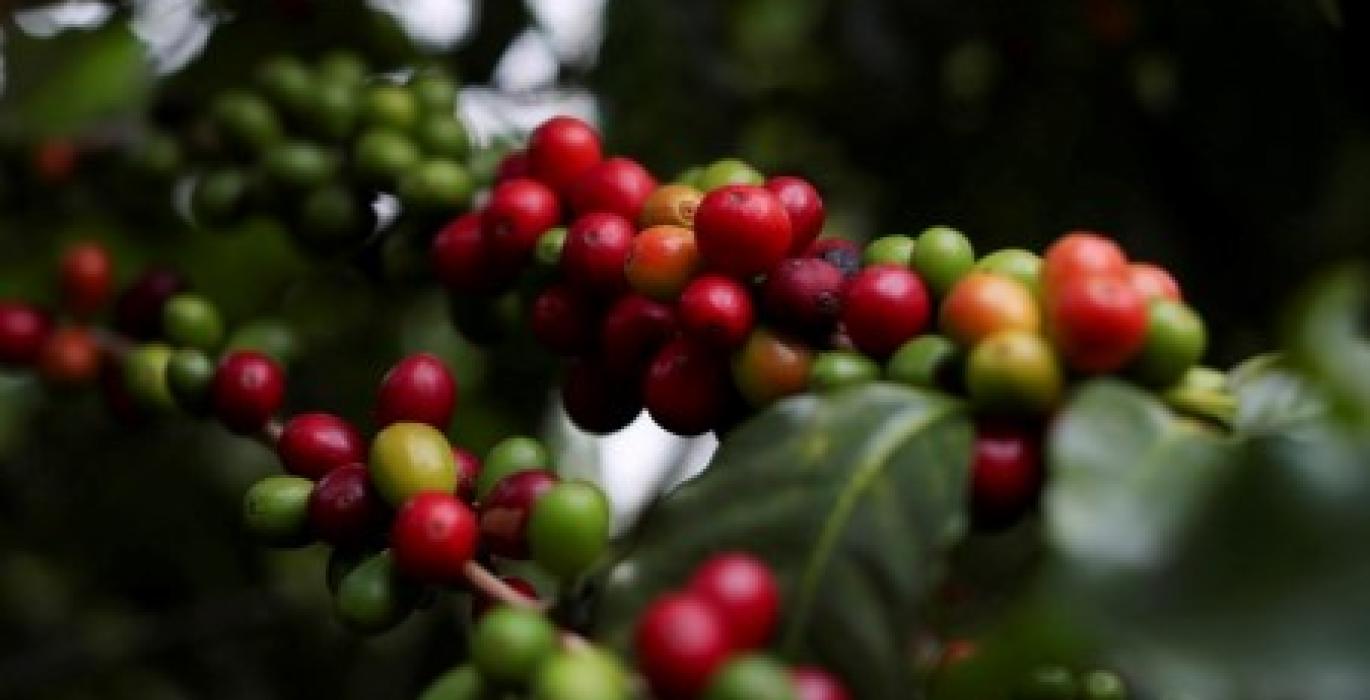
Brazil’s No 1 coffee exporter reports lower 2023 shipments

Brazil’s Cooxupe, the country’s No. 1 coffee exporter and the world’s largest coffee growers co-op, reported on Wednesday a large fall in 2023 shipments due to low prices and logistics bottlenecks.

Cooxupe said in its annual report that it had shipped 4.5 million 60-kg bags of arabica coffee in 2023 versus 6.8 million bags in 2022.

Total revenues fell to 6.4 billion reais ($1.28 billion) from 10.1 billion reais in 2022. It said that associated farmers decided to hold on to their coffee and not sell much during several months of last year when arabica coffee prices fell to around 700 reais ($140.22) per bag.

Some foreign clients also asked the co-op to postpone shipments due to high freight costs and tight container availability, co-op president Carlos Augusto Rodrigues de Melo told reporters in an earnings call.

The situation changed this year as arabica coffee prices recovered and rose to around 1,000 reais, Melo said, leading farmers to be much more active in sales. The co-op estimates that farmers sold around 1 million bags in the last 60 days, as they also seek to finance coming fieldwork costs as harvest approaches.

Melo said Cooxupe, which currently only works with arabica coffee, would not rule out starting operations with robusta coffee as production of that type of coffee rises at a fast pace in Brazil.

“The spike in robusta prices is helping to improve arabica prices, something that never happened before,” he said. ($1 = 4.9921 reais)

Arabica and Robusta Coffee Surge Amidst Supply Concerns and Market Dynamics

On Wednesday, Arabica coffee (KCK24) saw a notable increase, closing up +2.60 (+1.38%), while May ICE Robusta coffee (RMK24) also experienced a rise, closing up +94 (+2.71%).

The upward momentum in coffee prices was evident as Arabica reached a 2-1/2 week high, and Robusta hit an all-time high in nearest futures. This surge in Robusta prices followed a concerning announcement from the Vietnam Coffee Association, which stated on Tuesday that Vietnam’s coffee exports for 2023/24 could decline by -20% year-on-year to 1.336 MMT due to dry weather adversely affecting coffee yields and production. The robust performance of Robusta prices on Wednesday provided additional support to Arabica coffee.

Vietnam, being the largest producer of Robusta coffee beans globally, faces tight supplies, contributing significantly to the bullish sentiment in prices. Recent data from Vietnam’s General Statistics Office indicated a significant decrease in February coffee exports, down by -32.8% month-on-month and -20.1% year-on-year to 160,584 MT. However, total exports for January and February combined rose by +16.2% year-on-year to 398,000 MT. Additionally, Vietnam’s agriculture department projected a further decline in coffee production for the 2023/24 crop year, foreseeing a drop of -20% to 1.472 MMT, marking the smallest crop in four years due to drought conditions. Marex Group Plc also forecasted a global Robusta coffee deficit of -2.7 million bags for the 2024/25 period, driven by reduced output in Vietnam.

Conversely, above-average rainfall in Brazil has alleviated concerns of dryness, which could have negatively impacted coffee production. Brazil’s Minas Gerais region received significant rainfall, reaching 106% of the historical average, easing concerns over coffee crop conditions. Brazil’s robust coffee exports in January surged by +45% year-on-year to 3.7 million bags, contributing to global market dynamics.

Looking ahead, the International Coffee Organization (ICO) reported an increase in global coffee exports, indicating a positive trend in market demand. However, factors such as the El Nino weather event, which may bring drought to Vietnam’s coffee-growing regions, and projections of a surplus in coffee production present both bullish and bearish outlooks for the market.

In summary, the recent surge in Arabica and Robusta coffee prices reflects a complex interplay of supply concerns, weather patterns, and market dynamics, shaping the trajectory of the coffee market in the near term.

Effect of Coffee on Sleep: Unveiling the Secrets of Awakening and Heart Health

In the realm of sleep, the absence of coffee holds the promise of profound change. Experts illuminate the path to mitigate the caffeine withdrawal syndrome. When coffee is forsaken, slumber should improve. However, experts caution that this transformation may not occur immediately. The more entrenched the coffee habit, the more arduous the transition may be, as per healthdigest.com.

“The reason coffee can impede sleep lies in its hindrance of the daytime accumulation of a brain chemical known as adenosine. The higher the adenosine levels in the brain by day’s end, the more fatigued you become by night,” the publication elucidates.

According to a 2023 survey, nearly 80% of daily coffee consumers reported drinking two or more cups during the workweek. Abrupt cessation of coffee intake for those with higher consumption patterns may disrupt the sleep cycle.

“For avid coffee enthusiasts, these sleep disturbances may manifest as insomnia, one of many potential caffeine withdrawal symptoms,” the publication adds.

Experts advocate for gradual reduction of coffee consumption, with symptoms subsiding over time. It is presumed that the sleep cycle will realign within 7-14 days. Improvement in sleep is noted after this period.

“For instance, try reducing coffee intake by 50% in the first week, then halve it again in the second week, and so forth. This way, you can decrease the likelihood of experiencing caffeine withdrawal syndrome, which may also include headaches, muscle pains, nausea, mental fog, constipation, and daytime drowsiness,” the publication underscores.

Three Remarkable Coffee Additions for Lowering Blood Cholesterol Levels

A nutritionist highlights ingredients that bolster heart health.

Coffee, a beloved morning elixir for many, harbors potential to be transformed with specific additives, reports She Finds. While numerous harmful additives are best avoided, a few beneficial ones can facilitate daily coffee consumption and gradually enhance heart health.

Dr. Lisa Andrews, a Doctor of Medical Science and a therapeutic nutritionist, divulges that oat milk, cinnamon, and even cocoa can be saviors for the heart.

Oat Milk

Oat milk isn’t just a tasty plant-based alternative to cow’s milk and unhealthy creamers; it’s also a potent tool for reducing cholesterol levels and thus fortifying heart health, asserts Andrews.

“It contains soluble fiber, which can contribute to lowering cholesterol levels,” the nutritionist remarks.

Commercial oat milk, with 2 grams of fiber per serving, significantly boosts daily fiber intake necessary for heart health.

Cocoa

Andrews suggests that incorporating cocoa into coffee could be an excellent idea for those aiming to bolster heart health.

“Cocoa is a source of antioxidants as well as fiber,” she notes. “A tablespoon of cocoa contains 2 grams of dietary fiber, but its benefits extend beyond that. Research shows that regular consumption of cocoa in milk can reduce ‘bad’ cholesterol levels and elevate ‘good’ cholesterol levels.”

To infuse your coffee with a heart-healthy boost, simply add a spoonful of cocoa powder to your cup.

Cinnamon

Adding a dash of cinnamon to coffee not only imparts warmth and aroma but also provides heart protection.

“Cinnamon contains antioxidants that can help reduce inflammation and cholesterol levels,” Andrews explains.

Studies utilizing cinnamon extract have demonstrated positive outcomes in lowering cholesterol levels. Additionally, cinnamon extract has been shown to reduce glucose, insulin, and cholesterol levels in individuals with elevated blood glucose levels, further underscoring its potential as a heart-friendly ingredient. Additionally, it may even accelerate your metabolism.


Fueling Growth: 6 Tips for Coffee Businesses

​Türkiye and UAE are at the edge of booming the economical ties.

Our common issue is simple coffee.

We start the day with coffee and offer our guests Delicious Turkish coffee…

Now let’s look further:

Looking to take your coffee business to the next level?

We have some suggestions…

Here are six tried-and-true tips for success:​

Let’s start now.

Quality is Key: Elevate your offerings with premium beans and top-notch equipment for a consistently exceptional brew.​

​Your team is the point…

Service with a Smile: Make every visit memorable with warm, knowledgeable service that keeps customers coming back.​

​Cousy places make them talk.

Atmosphere Matters: Craft a cozy, inviting space that reflects your brand and keeps customers lingering a little longer.​

Diversify Your Menu: Offer a variety of specialty drinks and treats to appeal to every palate and keep things fresh.​
​
Embrace Tech: Utilize cutting-edge tech solutions to streamline operations and enhance the customer experience.​
​
Community is Everything: Engage with your local community, both online and offline, to build strong relationships and foster loyalty.​
​
Ready to brew up some success?

Come on, let’s have a coffee and talk on the future…

Serkan Oral

An American Company Develops Method to Prepare Specialty Coffee and Make It More Convenient

The American company “Steeped Coffee” has developed a new and sustainable method for preparing specialty coffee and making it more accessible to everyone, especially during travel and on-the-go. The idea for this method originated from a common issue: the difficulty of packing coffee brewing tools for travelers. Josh Wilbur, the founder and CEO of the company and a coffee enthusiast, wanted to enjoy specialty coffee without the need to carry large bags filled with equipment. To solve this problem, Wilbur combined the convenience of single-serve coffee brewing with the sustainability of ethically sourced coffee.

“Steeped Coffee” implements this idea through innovative and simple preparation details for single-serve coffee, making coffee more widely available, ethical, and sustainable. Wilbur also aimed to address the environmental issue caused by coffee capsules, and it seems there was a gap in the market to make premium coffee more accessible in single-serve format, as stated by Evan Dohrmann, the Vice President of Sales at Steeped Coffee.

According to Steeped Coffee, more than 10 billion non-recyclable coffee capsules accumulate in landfills annually – enough to wrap the Earth over 110 times if placed side by side. The workplace in America is considered a primary market where people commonly consume filtered coffee, and single-serve coffee still dominates the scene. This is the area where Steeped Coffee sees it can provide value.

Wilbur spent seven years developing his exclusive coffee brewing system at Steeped Coffee, which features several aspects: fresh roasted coffee, pre-portioned amounts, precise grinding, and coffee made in small batches that come in custom immersion filters. After hundreds of experiments, Wilbur invested in a simple and effective solution: the Steeped Brewing Bag.

Thanks to the ease of the brewing method, Dohrmann says that the brewing bags in Steeped Coffee are the easiest way to prepare a delicious cup of coffee.

The value of the specialty coffee market is expected to reach $152.69 billion by 2030

A recent survey conducted by Brainy Insights indicates that the specialty coffee industry is poised for substantial growth, with its value anticipated to soar to US$152.69 billion by 2030. This projection signifies a robust growth rate of 12.32% throughout the forecast period.

Sandra Moraes, the Specialty Coffee Manager at the Cerrado Coffee Growers’ Cooperative (Expocacer), highlights the burgeoning demand for specialty coffee and the promising prospects it presents for producers. She elaborates on the Essências initiative, tailored to support small and medium-sized coffee growers transitioning into specialty coffee production. The program offers personalized guidance on post-harvest processes, ensuring adherence to quality standards while accommodating the unique characteristics of each crop.

The research further reveals a remarkable surge in the North American specialty coffee market, with an expected annual growth rate of 20% until 2030, positioning it as the world’s fastest-growing market segment.

Expocacer’s Executive President, Simão Pedro de Lima, underscores the significance of this trend by discussing the establishment of a logistics hub in the United States, the largest consumer of their coffee. The majority of the coffee beans shipped to the hub are of specialty grade, reflecting the company’s commitment to capitalizing on the burgeoning demand for high-quality coffee. Initial plans entail the delivery of one container per week, each containing approximately 320 bags of 60-kilograms of coffee. This endeavor aims to invigorate both the economy and the consumption of specialty coffees, which continues to experience upward momentum.

The inauguration of the hub is anticipated to yield substantial results, with an expected increase in North American market sales by 10 to 15% within the first year alone. Brazilian Agricultural Research Corporation data indicates a steady annual growth rate of 12% in global consumption of Brazilian specialty coffee in recent years.

Pedro de Lima emphasizes the evolving consumer preferences, emphasizing the importance of transparency and sustainability in coffee production. He underscores Expocacer’s commitment to meeting these demands, with the hub facilitating improved traceability and showcasing the stories behind each cup of coffee.

Coffee Cascara: Ancient Yemeni Heritage Reshaping Coffee Culture

Recently, cascara coffee has been gaining increasing attention, especially in European and American countries, where its origins, benefits, and preparation methods are being explored. Although some claims attribute the invention of cascara coffee to specific countries or baristas, the truth reveals a completely different story.

Cascara coffee is nothing but coffee cherry husks, an ancient innovation dating back thousands of years to Yemen, where Yemenis have used it and continue to trade it in local markets to this day. Coffee cherry husks have also been used in some coffee-producing countries like Ethiopia and Bolivia.

It can be said that coffee cherry husks are an integral part of Yemenis’ lives, as it is considered the favorite drink for various occasions. Yemenis used coffee cherry husks to prepare their daily coffee, while they used coffee beans for morning coffee only.

In the past, Yemenis would separate coffee cherry husks and consume them locally in the production of the finest coffee varieties, exporting coffee beans to the world. Today, coffee cherry husks can be found in various markets in Yemen, where traders compete to sell them, and their quality varies depending on their types.

Cascara coffee is distinguished by its enchanting preparation method and unique taste, where coffee cherry husks are gently boiled and ginger or cinnamon is added to enhance the flavor, and the drink is sweetened with sugar or consumed without it.

Yemenis discovered the benefits of coffee cherry husks since ancient times. It has been and still is used as a preferred product for women during the first month after childbirth. It was also used by farmers in Yemen before heading to their farms, where it helped them face the scarcity of drinking water in the farms where they worked for long periods under the hot sun. Coffee cherry husks would sustain them, reduce thirst, and the need for water.

Additionally, it is believed that coffee cherry husks help in fat loss, improve digestion, and strengthen the immune system.

Although cascara drink is considered new in American and European markets, it has been a staple drink in Yemen, Ethiopia, and Bolivia for many centuries. Recently, coffee producers have started using coffee cherry husks to produce this unique drink, which can be served hot or cold.

Certainly, cascara or coffee cherry husk drink revives the traditions of authentic Yemeni coffee and offers coffee lovers an unforgettable experience.

Cascara coffee carries with it a rich history and culture, blending its unique flavor with the authentic Yemeni coffee traditions to provide an exceptional experience for coffee lovers around the world.

With the increasing interest in cascara coffee and its preference by coffee lovers, we can expect to see more traders and baristas adopting this unique drink and offering it on their menus, making it an integral part of the diverse global coffee culture.

World Coffee Research releases seed quality assurance report

World Coffee Research releases seed quality assurance report

World Coffee Research (WCR) has released a technical report assessing seed sources in El Salvador, Guatemala, Honduras, Nicaragua, and Peru. This is achieved through a multi-factor, multi-location analysis of the landscape for accessibility to seed supply and quality assurance of planting material in these countries.


According to WCR, the report underscores the importance of building infrastructure for a formal coffee seed sector in Latin America and other coffee-producing regions.

“Improved varieties support successful production for farmers and help secure supply for the industry. With many competing challenges facing coffee, it’s exciting to showcase the concrete steps our partners have taken to tackle quality assurance in planting material distribution systems,” says Dr. Vern Long, WCR CEO.

“These efforts make quality seed more accessible and ensure that farmers can have confidence in the coffee trees they plant today—and can count on them to perform as expected in the decades ahead.”

WCR surveyed 52 seed plantations in 2023 and genotyped leaf samples to assess the genetic conformity of their plants.

The report found that over 36 per cent of participating seed lots had very high rates of genetic noncompliance, with 50 per cent or fewer tested trees showing genetic conformity. Trees grown from these materials will not have the performance and characteristics sought by growers.

Other key findings showed that only 26 per cent of seed lots had high rates of genetic conformity of 90 per cent or higher. Three coffee varieties showed higher levels of compliance, including Anacafe 14, Parainema, and Marsellesa. Seed lots that focused on producing them tended to have more true-to-type materials.

According to the report, even when genetic conformity was present, seed plantations still didn’t always follow good agricultural practices for seed production, such as isolation to avoid cross-pollination, traceability protocols, and adequate storage, putting their seeds at risk of contamination.

Through the Maximising Opportunities in Cacao and Coffee in the Americas program, funded by the United States Department of Agriculture, WCR undertook activities to strengthen the seed sector for Arabica coffee across the five major coffee-producing countries in Latin America.

These activities helped WCR identify sector needs and training requirements for growers as well as the current genetic quality of planting materials accessible to Arabica coffee farmers across these countries. This information has also helped identify the current genetic quality of planting materials accessible to coffee farmers in the region.

Europe’s Branded Coffee Chains Continue Growth Amid Economic Challenges

In the face of economic uncertainties, Europe’s branded coffee chains have demonstrated remarkable resilience, with the total European branded coffee shop market expanding by 3.3% to reach 45,008 stores over the past year, according to the latest findings from the World Coffee Portal.

Key Highlights:

  • Market Growth: Despite economic challenges, 33 out of 40 major markets experienced a net increase in outlets.
  • Expansion Leaders: The UK, Russia, Turkey, and Spain emerged as frontrunners, each adding over 100 outlets.
  • Contractions: Germany, Greece, Austria, and Cyprus saw a decrease in outlets.
  • Top Operators: The top 20 largest European operators, including McCafé, Starbucks, Costa Coffee, Greggs, and Caffè Nero, collectively represent nearly half of the total branded coffee shop market.
  • Industry Sentiment: 42% of European industry leaders foresee an improved trading environment over the next year.

Trends Driving Growth:

  • Specialty Coffee: Specialty coffee emerged as a major trend, with smaller and mid-sized chains deploying boutique-at-scale models, catering to the rising demand for premium and specialty brews.
  • Premium Segment: Premium coffee chains in Scandinavia and Iberia are thriving, challenging international competitors with quality-focused offerings.
  • Expansion in Central and Eastern Europe: Rapid expansion was observed in markets like Romania, where domestic operators are driving growth.

Outlook and Forecast:

Industry leaders express cautious optimism for the future, with the European branded coffee shop market expected to surpass 46,600 outlets within the next year. World Coffee Portal forecasts a continued growth trajectory, reaching over 52,800 outlets by March 2029, reflecting a 3.2% compound annual growth rate.

Insights from Allegra Group CEO:

Commenting on the report, Allegra Group Founder and CEO Jeffrey Young emphasized the challenges faced by coffee chains but highlighted the enduring consumer demand for quality coffee experiences. He stressed the importance of efficiency and value perception amidst rising costs, urging operators to focus on innovation and quality to thrive in the evolving market landscape.

In conclusion, despite economic headwinds, Europe’s branded coffee sector remains resilient, driven by innovation, quality, and evolving consumer preferences.

Erna Knutsen: The Unsung Heroine of Specialty Coffee

Atoni Lucien I name her the mother of specialty coffee.

Our lives, all of them, are lived in versions.

I have a version of my life, my parents have another, my siblings another, and for every person I count as a friend or acquaintance, there are yet more versions of my life.

This is not news to anyone.

Famous people famously have many biographies written about them, many different versions of who they were and what they did or didn’t do.

Erna Knutsen was not a famous person, generally. She was a famous person, specifically.

The regular world, the world that is not engrossed and consumed by, obsessed and beset by coffee, that world may not know who Erna Knutsen was.

The coffee world—and not just the specialty coffee world—knows who Erna Knutsen was, though we may not agree on any one version of her story. But I think we might all agree, or most of us, on a version of the person.

She was generous, if not to a fault, then beyond normal, with her time, knowledge, and understanding.

For years before the Specialty Coffee Association of America (now the SCA) hired its first professional staff person, Erna was the unofficial spokesperson for the industry, speaking to reporters about the new fad known as specialty coffee.

Perhaps because her story can be understood as something of an underdog story, she loved to see people succeed against the expectations if not the odds; and while she was not at all shy of the spotlight, she was likely to drag someone else into the spotlight with her to share it.

She had a guffaw that bordered on a cackle and yet was thoroughly charming because it was so genuine, and often surprising, because if anyone could find humor in unexpected places, it was Erna Knutsen.

“During the discussion after one cupping session, Erna had scored a particular sample much higher than the rest of the jury, so Paul asked her to explain what she liked so much about that coffee.

She put on her reading glasses, perused her cupping sheet for a few seconds, then looked up and replied, ‘Oh… I’m sleeping with the farmer!’” -career coffee professional Stephen Vick, talking about the Cup of Excellence jury in Nicaragua, 2006 .

Erna died in June 2018. At 96, she was well past the age when we ask what it was that caused her death. Enough was enough. She had already lived more than one life by any measure and for those of us who claim coffee as a living, it was her second life that meant the most, her coffee life.

Erna’s father, Edwin, died just three months before his 100th birthday.

Long life was in her blood, is one way to put it. Another way would be to say that long life was in her spirit, and her spirit was needed to launch an industry.

To give away the ending, that is what Erna Knutsen did.


By:Atoni Lucien (Lucio) Ngeh

International Specialty Coffee and Roastry Manager at SADDLE CAFE and Feels Juice Bar. Specialty Coffee Consultant

Industries of Alghanim and Saudi Coffee Company: Partnership to Transfer Saudi Coffee Culture to Global

Alghanim Industries, one of the largest privately-owned companies in the Middle East and North Africa, is pleased to announce its strategic partnership with the Saudi Coffee Company, a fully-owned subsidiary of the Saudi Public Investment Fund, through its specialty coffee brand, Jazeen. This partnership aims to support local industries and promote the rich heritage of coffee in the Kingdom, culminating in the opening of the 100th Costa Coffee store in the Kingdom of Saudi Arabia, highlighting Alghanim Industries’ commitment to growth and expansion in the region, particularly in the Saudi market.

As the largest representative of the Costa Coffee brand in Europe, the Middle East, and North Africa, Alghanim Industries strives to highlight the rich and ancient heritage of coffee in the Kingdom of Saudi Arabia by offering distinctive local flavors that support the growth of the promising coffee industry. Jazeen coffee, produced in the southern region of the Kingdom, will hold a special place as the “coffee of the day” in all Costa branches in the Kingdom.

Commenting on this, Mr. Kutayba Yusuf Ahmed Alghanim, Executive Chairman of Alghanim Industries, stated: “Our collaboration with the Saudi Coffee Company to include Jazeen beans, grown in the Kingdom, in the Costa café menu is a strategically important initiative that reflects our deep commitment to Saudi Arabia. This partnership highlights our relentless efforts to create sustainable employment opportunities and expand business horizons, in line with the Kingdom’s Vision 2030, while also showcasing our role in supporting the local economy and stimulating the labor market, in addition to our appreciation for the rich cultural heritage of coffee in the Kingdom.”

Mahmoud Samara Khaled Abu Theeb and Philippe Schaillee

Mahmoud Samara, Executive Chairman of Alghanim Industries, added: “Our partnership with Costa Coffee, spanning over a decade, goes beyond traditional business partnerships by integrating global excellence with the essence of local culture. This collaboration, especially through combining the prestigious Costa brand with unique local projects such as Jazeen coffee, reflects our commitment to innovation, community engagement, and celebration of local heritage, and opens up opportunities to introduce Saudi coffee to more individuals regionally and globally, leveraging our position as the largest Costa Coffee franchise operator in the region. This partnership embodies our strategic vision to enrich customer experience, positively contribute to the Saudi economy, and support the rich coffee culture of the Kingdom on a global level.”

Saudi Arabia is diligently working to strengthen its position as a leading force in the global coffee market through prominent strategic initiatives, particularly through the effective role played by the Saudi Coffee Company. These initiatives aim to develop coffee cultivation in the southern region, with the aim of producing the finest varieties of Arabica coffee, enriching local coffee culture, meeting the growing demand within the Kingdom, and reflecting Saudi Arabia’s broad ambition and positive growth in this field.

Khaled Abudayyeh, CEO of the Saudi Coffee Company, commented: “We are delighted to collaborate with Alghanim Industries to facilitate the presence of local coffee beans in the global coffee market. This partnership reflects the Saudi Coffee Company’s commitment to empowering the private sector in the coffee industry, promoting local coffee production regionally and globally. At the Saudi Coffee Company and its specialty coffee brand, Jazeen, we are committed to participating in sustainable coffee production processes throughout the value chain and enhancing the position of Saudi coffee beans in the global coffee trade.”

Group Photo of Alghanim Industries Saudi Coffee Company and Costa Coffee

Philip Skyeh, CEO of the global Costa Coffee brand, stated: “I am delighted to be part of Alghanim Industries’ celebration of the opening of the 100th Costa Coffee store in the Kingdom. Alghanim Industries manages Costa Coffee stores among the best globally, contributing to the enhancement of the innovative and leading position of this brand in the Kingdom of Saudi Arabia, targeting the new generation and inspiring current Costa Coffee enthusiasts. Collaboration with the Saudi Coffee Company is a prominent example of how a global brand like Costa Coffee succeeds in expanding across diverse markets, collaborating with local partners and celebrating their heritage and distinctive products.”

Alghanim Industries adopts a unique strategy in selecting first-rate local suppliers to provide food and beverages in Costa Coffee stores it operates in the Kingdom of Saudi Arabia, reflecting its commitment to enhancing local production and supporting distinguished Saudi brands, such as Ani and Dani for chocolate, Kupio, and Al-Rafaee. This collaboration not only emphasizes quality and diversity but also underscores the mutual trust and strong partnership between Alghanim Industries and the local community.

Under the management of Alghanim Industries, the Costa Coffee brand has not only achieved outstanding growth and prosperity in the Kingdom of Saudi Arabia but has also expanded its success and impact into other regional markets such as Oman, Qatar, and Kuwait.

This achievement clearly demonstrates the company’s strategic vision and commitment to enriching coffee culture in the Gulf region and enhancing the position of Costa Coffee as a leader in this field.

Medina Qahwa: Crafting Coffee with a Human Touch

I first laid eyes on her at the World of coffee Dubai 2024. Despite her bustling pace through the exhibition halls, I couldn’t seize the opportunity to converse with her. Fortunately, my daughter struck up a conversation and obtained her contact details. Our inaugural encounter unfolded post-exhibition at ALSercal Avenue, where we exchanged dialogue over a steaming cup of matcha tea.

Unfamiliar with Medina Ilyas, the name of her coffee enterprise, “Medina Coffee,” intrigued me. “Who are you?” I inquired. “I’m a woman from Kazakhstan who married an Omani man and relocated to Oman,” she replied. Following the eruption of conflict in Yemen, a neighboring nation to Oman, I received inquiries from acquaintances about the situation there. Unaware of the circumstances, I was enlightened by their accounts of the war’s dire toll on children, some succumbing to starvation. This prompted me to contemplate ways to extend aid. Upon researching Yemen, I unearthed its pivotal role in coffee’s history, igniting within me a desire to support its populace through coffee cultivation and commerce.

Medina initiated a humanitarian forum in Muscat, convening women to strategize aid efforts for Yemen. We amassed considerable funds and dispatched them promptly. This initiative sparked the inception of a commercial endeavor aimed at providing sustainable assistance – thus, “Medina Coffee” came into being. It represents not just a business venture but a humanitarian endeavor.

Embarking on a journey across the Arabian Peninsula, Medina delved into the realm of coffee, amassing over 700 Arab coffee recipes, 10 of which were published in a tome titled “The Art of Arab Coffee” In this opus, Medina Elias, a coffee aficionado and founder of Medina Coffee Company, delves into the opulent cultural heritage of authentic Arab coffee.

The cultivation, roasting, and preparation of Arab coffee were originally pioneered and perfected in the Arabian Peninsula. Arab coffee transcends mere refreshment; it embodies a cultural ethos and serves as a cornerstone of Middle Eastern hospitality. With roots tracing back centuries in the Middle East, its traditions have endured across generations.

Medina divulges her secrets of coffee preparation, featuring unique recipes incorporating cardamom, frankincense, or saffron, resulting in exquisitely rich and flavorful Arab coffee. “The Art of Arab Coffee” encompasses a succinct history of Arab coffee, offering insights into Arab culture and hospitality, alongside key revelations about the world of Arab coffee and its profound health benefits.

Enriched with captivating anecdotes, the book unveils the origins of coffee, from an Ethiopian goatherd named Kaldi to Sufi monks in Yemen who imbibed it to maintain wakefulness during nocturnal meditations. Presently, Medina endeavors to inaugurate her inaugural coffee shop in Dubai and expand her commercial footprint across the UAE and beyond.