International Coffee Organization: 70% of Coffee Farming Workforce Comprises Women

The International Coffee Organization (ICO) has revealed that women constitute a significant 70% of the agricultural workforce in coffee-producing countries. The organization calls for the empowerment and enhancement of women’s roles, acknowledging the pivotal contribution women make in the coffee sector.

In celebration of International Women’s Day, the ICO, through its official Instagram account, emphasized the urgency of gender equality and the empowerment of women. It highlighted the global awareness and support for initiatives that uplift women in the coffee industry.

The organization stated, “Women make up to 70% of the agricultural workforce in coffee-producing countries. These statistics include women who independently manage their farms and those who contribute to both paid and unpaid work in family farms and agricultural activities.”

Roles are often divided by gender, with women in families dedicating disproportionately more time to coffee cultivation, harvesting, and processing. In contrast, men focus on less time-consuming activities such as crop storage and marketing.

The ICO pointed out that, out of the estimated 25 million coffee producers worldwide, 5 million are women, underscoring the significant impact women have on the coffee supply chain and the importance of recognizing their contributions.

“Approximately 20%-30% of coffee farms are managed by women. Despite their vital role, the lack of land tenure security poses challenges, leading to difficulties in accessing financing for female entrepreneurs. Social, cultural, and institutional traditions, alongside land inheritance systems, are common formal and informal barriers hindering gender equality in the agro-industrial sector.”

On the occasion of International Women’s Day, the ICO urged individuals, organizations, and communities to participate actively in sharing these facts and supporting initiatives aimed at promoting gender equality and empowering women in the coffee industry. By supporting women in coffee-producing regions, we can contribute to making the global coffee sector more inclusive and sustainable.

Yemeniyat: From Roastery to Boutique, Crafting the Finest Yemeni Coffee

Dubai,5 Marach 2024(QW): – In an enchanting coffee narrative, we delve into the tale of “Yemeniyat Boutique” in the Saudi capital, Riyadh. Initially, the name led me to believe it might be the brainchild of a group of Yemeni women, but a captivating revelation awaited. “Yemeniyat” emerged as a meticulously curated assortment of coffee, roasted at the “Runa” roastery in Jeddah, Saudi Arabia.

This roastery boasted a diverse array of coffee, encompassing Yemeni, Ethiopian, Brazilian, and other variants, a tradition that continues at the Al-Runa Roastery in Jeddah. Muhammad Modhesh, the project’s founder, shared that in 2018, they inaugurated the “Runa” roastery in Jeddah, offering a spectrum of Yemeni and Ethiopian crops. Towards the year-end, product packages were introduced, each bearing the names of the respective countries. These included the “Latinas,” “Ethiopian Women,” and the notable “Yemeniyat” package, featuring approximately 10 varieties of Yemeni coffee crops.

Despite its premium pricing, the “Yemeniyat” package garnered significant popularity due to its exceptional quality. Motivated by this success, the company decided to establish a small boutique in Riyadh in August 2023, exclusively dedicated to showcasing Yemeni coffee, aptly named “Yemeniyat.”

Hassan Al-Darib, the director, emphasized that their objective extends beyond introducing Yemeni coffee to the wider public; it also involves preserving and promoting the rich Yemeni coffee culture. The success of Yemeniyat Boutique has spurred plans for expansion, with the opening of three branches within the Kingdom this year and contemplation of entry into foreign markets, particularly in Abu Dhabi, Dubai, and Canada.

While Yemeniyat operates as a commercially profitable venture, it carries significant developmental facets by actively supporting Yemeni farmers. The project involves educating them on optimal practices in coffee cultivation and processing to yield superior products. Challenges abound due to the limited farming culture in most Yemeni regions, prompting farmers to rush harvests. Notably, the Haraz region stands out, where farmers have recognized the importance of meticulous crop handling and patience in both harvesting and post-harvest processing.

Modhesh disclosed concerted efforts to boost coffee cultivation in various Yemeni regions, particularly those internationally renowned, such as Yafa, where they planted 200 coffee petals. He stressed the necessity of collaboration, activity, strong awareness, and patience for these initiatives to bear fruit.

Crucially, Modhesh underscored their commitment to inclusivity, stating that Yemeniyat welcomes coffee from all regions in Yemen. The company not only supports all farmers but also acknowledges them by naming crops after them, fostering encouragement and motivation. Presently, their focus lies on coffee processing, offering diverse products like Arabic espresso, drip coffee, and more.

Judges Calibration in the Middle East Elevates Coffee Competitions and Coffee Culture

In a significant move for the Middle East coffee scene, the Specialty Coffee Association (SCA) recently conducted a Judges Calibration event. This calibration session aimed to officially certify new SCA judges, a crucial step for maintaining the integrity and high standards of upcoming coffee competitions in the region, including the Barista Championship, Brewers Cup, and Roasting Championships.

Judges must be certified to participate in a World Coffee Championship. WCC Judge Certifications are a two-day test-based certification that takes place around the world throughout the year.

The certification process was overseen by a distinguished certifying body comprising key figures in the global coffee community. The panel included James Draper, the World Judges Coordinator, Katarina Zizalo-Moczydlowska, the SCA Coordinator from Poland, and Lauro Fioretti, an expert in coffee education and part of the Knowledge & Education team at the Simonelli Group, serving as a World Coffee Events (WBC) judge.

Lauro Fioretti, with an impressive 21-year career in the coffee industry, played a pivotal role in ensuring the judges’ calibration met the highest standards. His passion for coffee has not only endured but flourished through extensive hands-on experience, continuous training, and certifications. Fioretti holds the esteemed title of an Authorized SCA Trainer and Certifier for nearly all modules of the Coffee Diploma.

For over a decade, the Simonelli Group has been a steadfast supporter of Barista competitions in the Middle East, marking their inaugural sponsorship back in 2011 in Dubai. Since then, their commitment to the region’s coffee community has only strengthened, with a focus on fostering knowledge, education, and interaction among coffee enthusiasts.

In addition to sponsoring prestigious barista competitions, the Simonelli Group continues to run community events and educational courses. One notable initiative is the upcoming Coffee Value Assessment organized by the Specialty Coffee Association (SCA) at the Victoria Arduino and Nuova Simonelli experience lab in Dubai. This event not only underscores Simonelli’s dedication to promoting excellence in coffee but also highlights their role as a driving force behind advancing coffee culture in the Middle East.

By providing platforms for learning, networking, and skill development, Simonelli Group is shaping a future where coffee culture thrives in the Middle East and beyond.

British café chain Black Sheep opens two branches in Dubai

London-based Black Sheep Coffee has made a significant foray into the Middle East with the inauguration of two stores in Dubai, in collaboration with local franchisee Al Farran Group. This marks the brand’s debut in the region, as it aims to bring its unique blend of robusta coffee to the dynamic market of Dubai.

The newly opened outlets, located at ACT Towers and Boulevard Plaza Towers, are set to feature Black Sheep Coffee’s complete specialty coffee menu, distinguished by its use of robusta coffee instead of the more common arabica. In addition to its signature robusta brews, the menu will showcase regional products, including the enticing Arabic Latte and a delectable za’atar croissant.

Black Sheep Coffee is wasting no time in its expansion plans, with two more UAE outlets slated to open in the second quarter of 2024 at prominent locations – Dubai Mall and Yas Mall Abu Dhabi.

Gabriel Shohet, Co-CEO of Black Sheep Coffee, expressed his excitement on this historic occasion, stating, “A historic day as we opened our first shops in the UAE, in the heart of downtown Dubai. Thanks to our awesome Emirati customers for such a warm welcome and hats off to Mohamad Al Farran and his incredible team at the Al Farran Group on delivering two flawless openings in one single day. Stay tuned for more exciting updates from the Middle East.”

This expansion is part of a broader strategy, as Black Sheep Coffee had previously signed a 30-year franchise agreement with Al Farran Group in May 2023. The ambitious plan involves opening a total of 250 stores across the Middle East within the next 15 years, showcasing the brand’s commitment to establishing a significant presence in the region.

While already operating 80 stores in the UK and one in France, Black Sheep Coffee is set to make its highly anticipated debut in the United States later this year with an outlet in Dallas, Texas.

In a parallel move towards global growth, in December 2023, UK franchise operator Moonglow Trading secured a ‘seven-figure’ funding package. The funding aims to facilitate the opening of four Black Sheep Coffee stores in Cardiff and Oxford, as the chain strategically expands its footprint within the UK market beyond London.

As Black Sheep Coffee continues to make waves internationally, these strategic expansions underscore its commitment to providing coffee enthusiasts worldwide with its distinctive robusta coffee experience.

World Coffee Championship Expands Judge Certification Program Ahead of Copenhagen Showdown

In anticipation of the highly anticipated World Coffee Championships set to take place in Copenhagen this June, organizers have announced the addition of another Judge Certification event. This certification offers experienced judges the opportunity to validate their skills and competencies, ensuring they are well-equipped to evaluate competitors on the prestigious world stage.

The World Coffee Championship (WCC) places immense value on the crucial role judges play in the success of each championship. Certified Judges, responsible for evaluating performances in six out of the seven championships, follow specific Rules and Regulations tailored to each competition. To join the ranks of these esteemed judges, applicants must undergo a rigorous two-day World Coffee Championship Judge Certification.

During the certification process, participants will undergo both performance-based and written tests, guided by experienced instructors. These tests measure a judge’s ability to navigate the unique criteria of each championship, including the World Barista Championship, World Latte Art Championship, World Brewers Cup, World Coffee in Good Spirits Championship, World Coffee Roasting Championship, and the Cezve/Ibrik Championship.

Importantly, participants can certify for technical or sensory judging, but not both at a single Judge Certification. A registration fee, covering the administration of the test, is required upon sign-up, regardless of the test result. Successful participants will be awarded a Judge Certificate at no additional cost.

The World Coffee Championship Judge Certification holds a three-year validity, with the opportunity for certified judges to renew their certification for an additional three years. Renewal involves passing calibration and actively judging in a World Championship during the final year of their original certification. Notably, judges are allowed a single renewal without the need for re-testing.

As coffee enthusiasts and industry professionals gear up for the upcoming championships, the expanded Judge Certification program adds an exciting dimension to the event, ensuring that the judging panel is comprised of individuals with the highest level of expertise and competence.

Colombian Coffee Chain Juan Valdez Officially Launches Its First Branch in Dubai

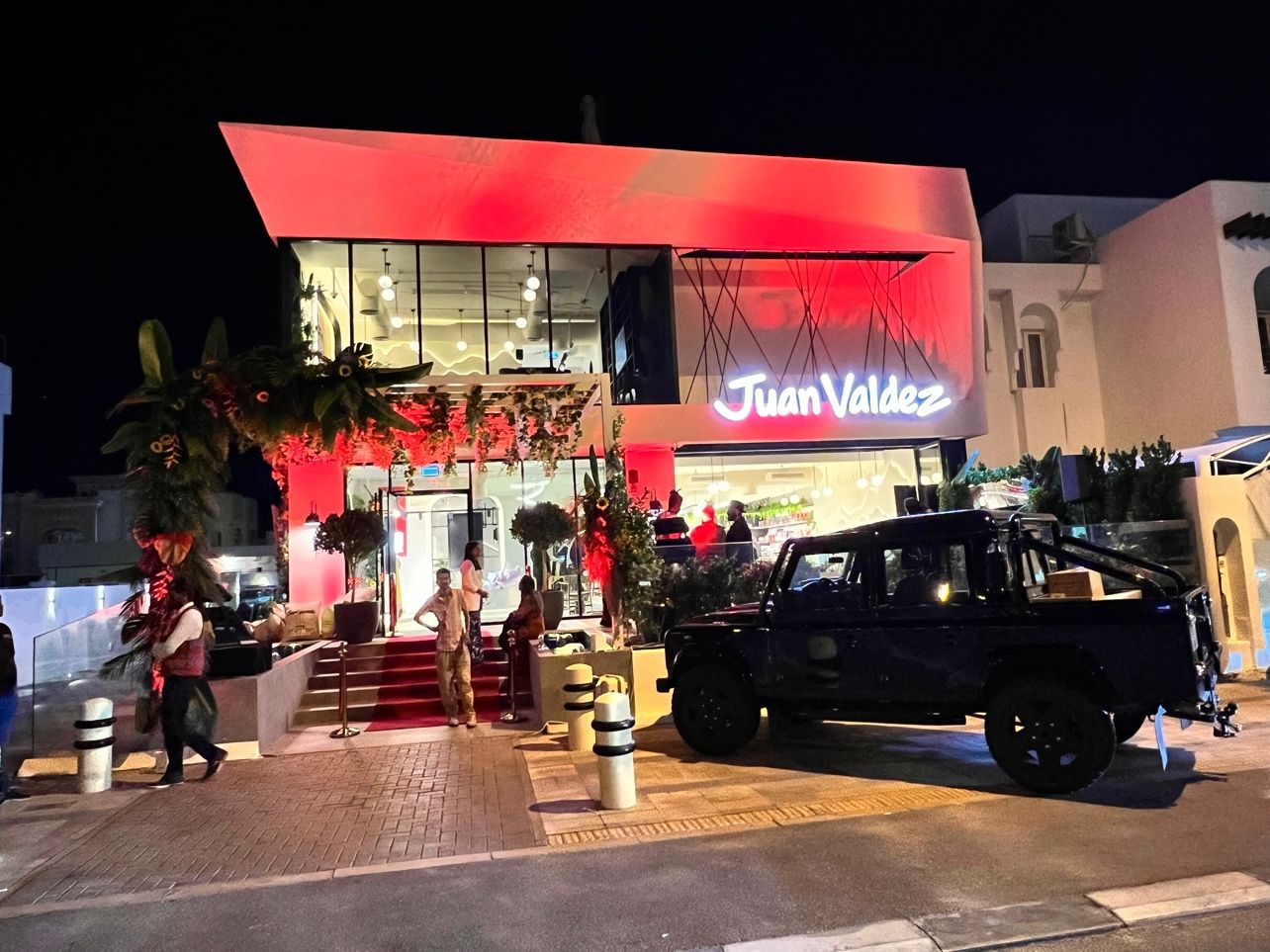
Dubai,February 27, 2024 (QW): The Colombian coffee chain, Juan Valdez, has officially inaugurated its first branch in Dubai, marking a significant addition to the coffee scene in the region. This move is part of a strategic partnership between Juan Valdez Colombia and Future Retail Concepts, signifying a noteworthy expansion for the brand in the Middle East. The opening reflects Juan Valdez’s commitment to providing a unique coffee experience that captures the expertise of Colombian coffee growers.

This step offers coffee enthusiasts in Dubai the opportunity to indulge in an exceptional experience as Juan Valdez introduces its distinctive Colombian coffee, a masterpiece in taste crafted with meticulous selection and preparation. The opening aims to provide the residents and visitors of Dubai with a chance to savor the refined flavor of Colombian coffee.

Through this new branch, Juan Valdez reaffirms its commitment to expanding its global presence and delivering a distinctive experience for coffee lovers worldwide. The inaugural event in Dubai serves as the beginning of a new journey, reflecting the brand’s ambitious aspirations to attract more coffee enthusiasts and enhance its leading position in the global coffee industry.

Sebastián Mejía, Juan Valdez’s International Vice President, expressed the significance of this milestone, describing it as the realization of a longstanding dream. “Opening our first store in the United Arab Emirates undoubtedly embodies a dream years in the making,” Mejía stated, emphasizing the brand’s commitment to offering a unique experience centered around 100% Colombian premium coffee.

The launch event in Dubai was more than just a store opening; it was a cultural celebration that attracted over 80 guests, including Carlos Castañeda, the persona behind the iconic Juan Valdez figure. The evening served as a tribute to Colombian culture, allowing attendees to immerse themselves in the rich coffee tradition that Colombia is renowned for.

Juan Valdez’s ambitious strategy for 2024 includes solidifying its presence in the United States, Turkey, and Spain, and expanding its footprint across Latin America and within Colombia itself. The brand aims to open between 90 and 100 new stores, with about 20% located in Colombia and the remainder spread across the globe.

The expansion of Juan Valdez into Dubai reflects a broader trend of Latin American coffee brands making waves on the international stage. Colombia, Brazil, Guatemala, and Costa Rica have seen their coffee brands expand globally, leveraging their unique coffee cultures and flavors to meet the growing demand for premium coffee experiences worldwide.

With 585 Juan Valdez stores worldwide, the brand has successfully evolved from a national symbol to a global ambassador of Colombian coffee culture. Latin America’s role in the global coffee industry is crucial, as the international expansion of brands like Juan Valdez benefits coffee growers back home by increasing product demand and promoting Latin American coffee culture worldwide.

As Juan Valdez continues to expand its global footprint, it carries the story of Colombian coffee—from the lush mountains where it’s harvested to the bustling streets of Dubai, where a new audience now savors it. This venture is a testament to the enduring appeal of Latin American coffee and its potential to bridge cultures and communities across the globe.

Specialty Coffee Association Announces Date and Conditions for the 2024 UAE National Cup Tasters Championship

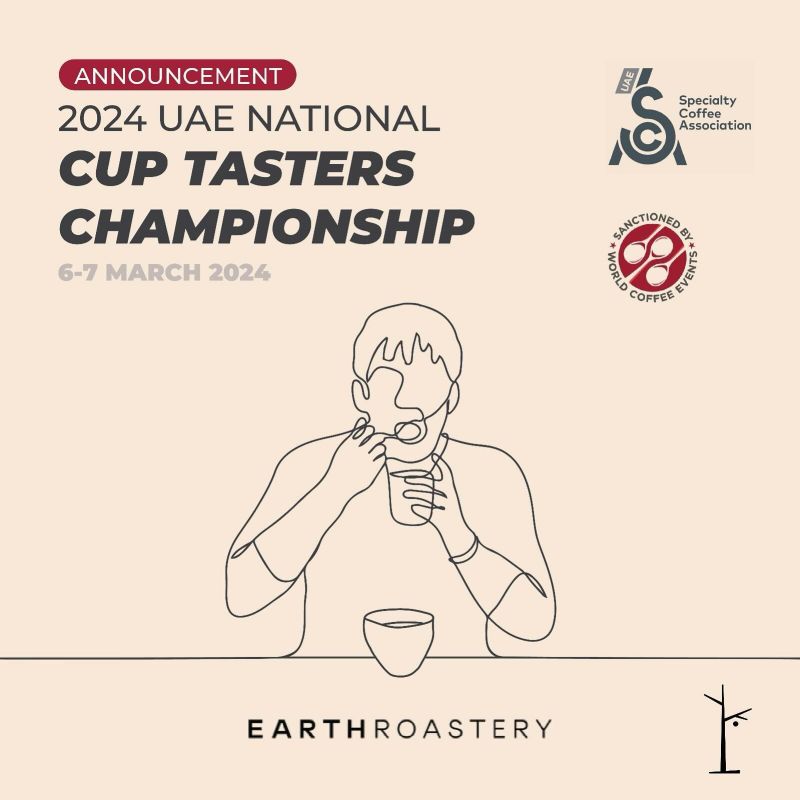
Dubai, February 26, 2024(QW) : The Specialty Coffee Association in the United Arab Emirates has officially announced the date and conditions for the 2024 UAE National Cup Tasters Championship. The championship is set to take place at Earth Roastery on March 6th and 7th, 2024, starting from 5:30 pm onwards.

In a statement, the association mentioned that the registration for participation in the competition will open soon. Interested individuals are encouraged to stay tuned for the official announcement of the registration opening!

The association has outlined registration requirements, stating that participants must have been residents in the UAE for a minimum of two (2) years and possess a valid residence permit.

Participation in the competition requires a registration fee of AED 1000 for individuals who are members of the Specialty Coffee Association. It is worth noting that joining the association is open to those interested in becoming members and benefiting from exclusive member features.

The association invites the coffee community in the UAE to contribute to the success of this event through various opportunities:

    • Volunteers: Coffee enthusiasts can register as volunteers.
    • Sponsorships: Different sponsorship levels are available, including Gold (AED 15,000), Silver (AED 10,000), and Bronze (AED 5,000).

    For inquiries and participation:

Italian coffee maestro, Café Barbera, is set to make its mark in the Saudi coffee market, announcing plans to open 10 branches across this year

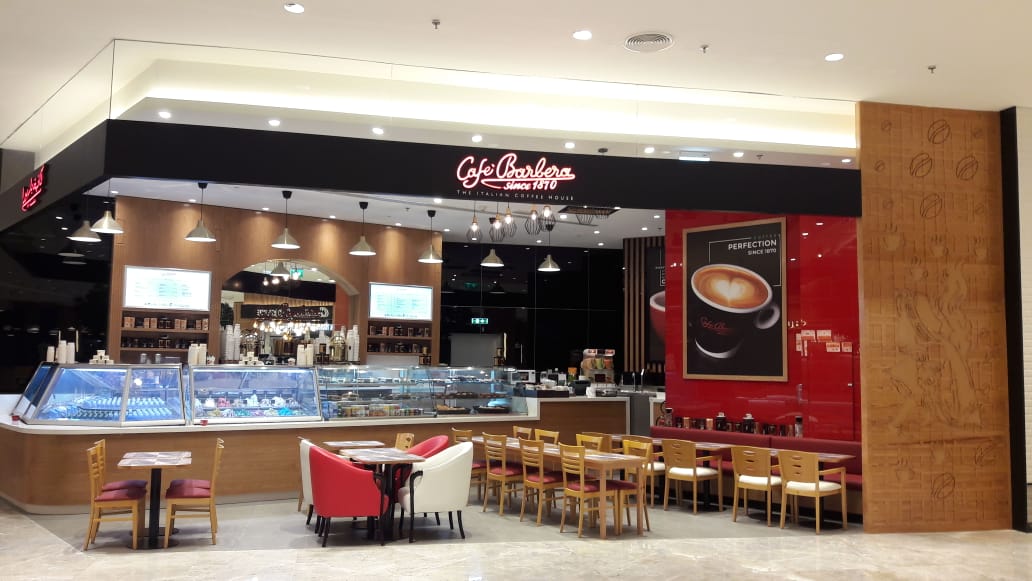
Café Barbera, the renowned Italian coffee chain with a history dating back to 1870, has unveiled ambitious plans for expansion in Saudi Arabia through a strategic partnership with Dubai-based foodservice group Big Apple Sweets LLC. The collaboration aims to introduce the authentic Italian coffee experience to the Kingdom, with the first of 10 planned outlets set to open its doors in Riyadh in March 2024.

Enrico Barbera, the founder and CEO of Café Barbera, expressed his excitement about bringing the brand’s rich heritage to Riyadh, emphasizing the commitment to offering a genuine Italian coffee experience that resonates with the local community.

Having originated as a coffee roaster in 1870, Café Barbera ventured into the franchised coffee shop business in 2004 with its inaugural store in Dubai. The brand currently operates around 40 outlets across 18 markets, including eight stores in the UAE and presence in Kuwait, Bahrain, Egypt, and Jordan.

The move to expand in Saudi Arabia is strategic, given the country’s status as the largest branded coffee shop market in the Middle East. Projections indicate that the Saudi market is poised to surpass 5,350 outlets by 2027. Café Barbera joins other esteemed Italian coffee operators, such as Segafredo Zanetti, Caffè Vergnano 1882, and illycaffè, in establishing a notable presence in the flourishing Saudi coffee scene.

Challenges and Opportunities in Expanding Across Europe’s Coffee Market

Dubai,February 22, 2024(QW):In 2022, the European Union consumed a staggering 2.54 million tons of coffee, representing 24% of global consumption. The coffee market in Europe is undeniably significant, but its complexity and fragmentation pose significant obstacles for roasters looking to expand.

Many of the world’s largest roasting companies, including family heritage brands such as Lavazza, Ilyi, Dauwe Egberts and Tshibo, have their roots in Europe. However, the diversity of cultures, operational and regulatory aspects makes expansion across the continent a challenge.

Despite strong demand, expanding into Europe is not as easy as it may seem. Whether it’s European chains looking to expand into other parts of the continent or American roasters looking to tap into an entirely different market, the options need to be carefully considered.

One of the main challenges is the diversity of individual coffee cultures, which cannot be generalized across Europe. The Nordic countries of Europe, for example, boast thriving third-wave coffee scenes, with innovative roasters whose trends are largely shaped in this part of the continent. Scandinavia, for example, played a major role in the development of modern filter coffee culture and is often credited with popularizing light roasting. Likewise, many cities in the UK, such as London, boast a strong specialty coffee scene.

Eastern Europe, meanwhile, is significantly different. While some major cities here are experiencing a booming specialty coffee scene, many countries in the region are still considered emerging markets with low individual consumption compared to other regions of the continent.

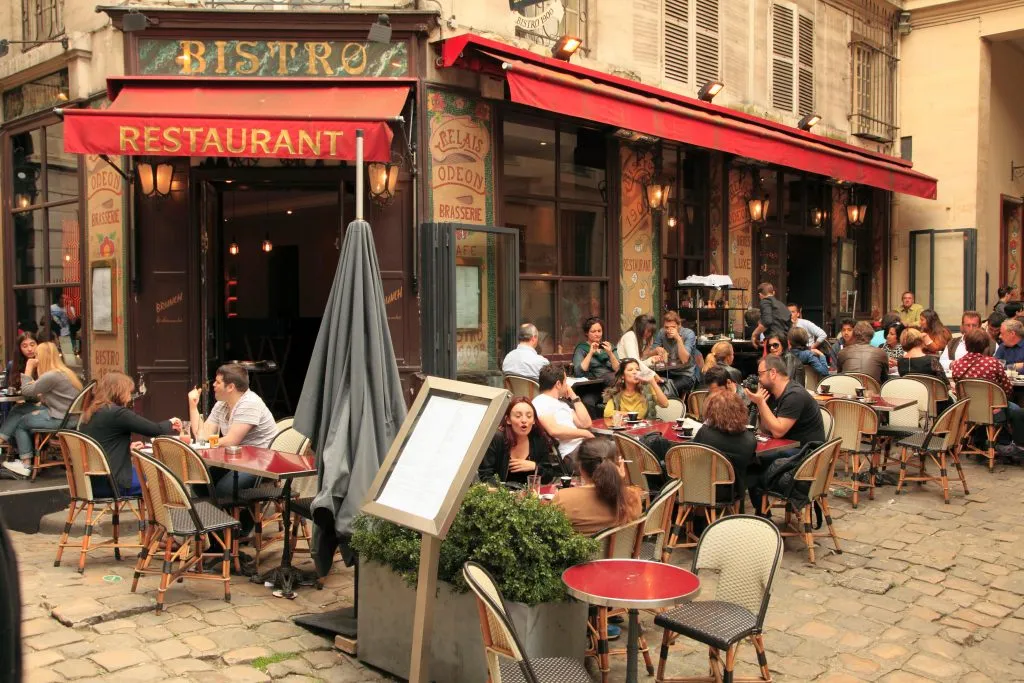
Meanwhile, in some Western European countries such as France and Austria, tradition still plays an important role and, in some cases, hinders the growth of third wave coffee culture. For example, Parisian café culture is renowned throughout the world, and the term “French Rise” reflects the widespread preference for dark-roasted coffee.

Viennese coffee shops have even been recognized by UNESCO as an intangible part of the country’s cultural heritage, but they are known for their drinks that are more in line with traditional Italian espresso and cappuccino culture than anything resembling specialty coffee.

In addition to these regional cultural changes, some markets in Europe are much more price sensitive than others. An espresso in London can cost over £4, which may be a realistic price point for specialty coffee chains looking to expand. But in most regions of Italy, an espresso costs around €1, making it a difficult environment for specialty coffee brands to innovate and thrive.

“The European coffee market is quite diverse, and I would say there are different coffee drinking cultures, if not by country, then certainly by region,” says Ola Brattas, import and roasting manager at Kaffebrenneriet, a chain of coffee bars and roasters. companies based in Norway.

Coffee roasters often develop a sense of cultural identity that reflects their origins. This may make it difficult for them to expand their market into regions where consumers may not identify with their brand or roasting style.

This is in contrast to coffee roasters in the US, where regional expansion faces far fewer cultural barriers and businesses can access the entire population of the country with relative ease. There are also certain standards specific to the US, such as drip coffee, which is common to many different regions.

Coffee culture aside, there are other barriers for roasters looking to expand their operations in Europe. Language is one of them – a different approach is required to expand between neighboring countries that may be smaller in size than US states. There are also differences in currencies.

Additionally, the U.S. as a whole provides greater access to capital markets, venture capital funding, and investment opportunities that can support scaling a coffee roasting business. In contrast, obtaining funding that can help a roaster expand its reach overseas is often perceived as a more difficult task in European countries.

Ultimately, the fragmented structure of the coffee market in Europe not only poses a challenge when trying to attract such a large and diverse audience, but operational differences such as these make expansion across the continent a costly endeavor. A culturally sensitive approach to expansion that takes into account what is important to consumers in each country can, however, lead to positive results.

Europe’s heterogeneous structure may seem like a challenge for roasters looking to scale internationally, especially compared to the relatively unified regulatory framework of the United States.

“The fact that Europe is made up of many countries and the US is made up of one country makes it easier for roasters in the US to expand state by state than for roasters in Europe to do the same across national borders,” says Ola.

Although there are federal and state regulations, they are generally perceived as simpler compared to the variety of laws in various European countries. And while the European Union can create a relatively consistent regulatory environment for roasters looking to scale, this is far from eliminating the variability between different countries.

For example, VAT rates, excise duties and other tax-related issues vary from country to country within Europe, affecting the pricing and financial planning of coffee roasters looking to expand across the continent.

Likewise, environmental regulations, labeling, food safety, and health and safety regulations vary depending on the country in which a business chooses to operate. For example, the Working Time Directive in France, Germany and Spain states that employees are entitled to minimum daily and weekly breaks with a maximum of 48 hours per week. In contrast, the UK allows employees to opt out by allowing them to work longer. This has implications for how a roasting business manages its staff and associated costs.

In addition, enforcement practices and penalties for non-compliance with health and safety standards vary widely. France, for example, sends thousands of cases to prosecutors every year, with high levels of fines and prison sentences for violations. In contrast, the UK’s OSHA prosecutes fewer violations but with a high conviction rate, and fines in Germany can reach up to €500,000 for willful violations.

This is just the tip of the iceberg in terms of regulatory differences between the UK and other European countries. Brexit has also been a significant setback for roasters looking to expand into one of Europe’s largest consumer markets. This type of logistical and regulatory schism differs significantly from the US, where federal regulation provides a much more unified framework.

Ultimately, Europe is a multifaceted and fragmented market that presents many scaling challenges for roasters. But it’s also the largest market with perhaps the richest history of coffee and the most consistent demand, making it a worthwhile effort to enter – no matter the challenges.

Nine Health Benefits of Regularly Enjoying Black Coffee

Drinking black coffee regularly offers several health benefits, provided it is consumed in moderation. Here are nine potential advantages:

  1. Cancer Prevention: Studies have shown that regular black coffee consumption may reduce the risk of certain cancers, such as liver and endometrial cancer.
  2. Neuroprotection: The caffeine in black coffee acts as a nootropic, potentially enhancing concentration and protecting against neurodegenerative diseases, including Parkinson’s.
  3. Liver Health: Black coffee is associated with a protective effect against liver diseases like cirrhosis and liver cancer, as indicated by various research studies.
  4. Mood and Focus Improvement: Black coffee is known to act as an energy stimulant, and a study with 59 adults revealed that it can improve mood and brain function.
  5. Diabetes Risk Reduction: Regular consumption of black coffee has been linked to a reduced risk of developing diabetes.
  6. Weight Loss Aid: Black coffee is believed to aid in weight loss, possibly by promoting calorie burning and acting as an appetite suppressant.
  7. Metabolic Rate Enhancement: Some studies suggest that black coffee can help increase metabolic rate, potentially aiding in weight management.
  8. Exercise Performance Enhancement: The caffeine content in black coffee has been shown to improve physical performance during exercise.
  9. Rich in Antioxidants: Black coffee is a good source of antioxidants, providing the body with similar levels as fruits and vegetables, which contribute to overall health.

It’s important to note that while black coffee has these potential benefits, excessive consumption can lead to unwanted side effects. Moderation is key, and individual responses to coffee may vary. As with any dietary choice, it’s advisable to consult with a healthcare professional for personalized advice.

The Kingdom of Saudi Arabia signed an international coffee agreement 2022

20 February 2024, London, (QW): The Kingdom of Saudi Arabia made history today, signing the International Coffee Agreement (ICA) 2022 at the International Coffee Organization (ICO) headquarters in London.

This is the first time the country has formally joined the ICO world coffee family, whose history spans 60 years.

Attending the ceremony were representatives from the Saudi Embassy in London and HRH Prince Khalid Bin Bandar Bin Sultan Bin Abdulaziz Al Saud, Ambassador of Saudi Arabia to the United Kingdom, who signed the trade treaty.

Under the ICA 2022, governments, in collaboration with the private sector and civil society, will come
together to determine initiatives that support a more prosperous and sustainable future for stakeholders within the global coffee value chain.

Coffee is deeply woven into the fabric of life in Saudi Arabia. Historically, it was cultivated by the ancient tribes of Khawlan who lend their name to the prized Khawlani coffee typical of the Jazan region, the cultivation practices of which are inscribed on the UNESCO Representative List of Intangible Cultural Heritage.

As for consumption, the country’s habits represent a blend of modernity and tradition, where the buzz of state-of-the-art espresso machines in Riyadh’s coffee outlets intertwines with the comforting echoes of ancestral practices in homes across the nation. Saudis embrace both international coffee trends and authentic qahwa, often flavoured with cardamom and poured into small ornate cups called finjan. For many, the serving of the beverage is a distinctive cultural ritual and a symbol of the Kingdom’s rich history and hospitality.

ICO Executive Director Vanúsia Nogueira said:“We are honoured to welcome Saudi Arabia as a signatory to the ICA 2022 and hope that this will bring a unique new flavour to our global community. Together in the spirit of international cooperation, we celebrate the diversity of coffee traditions and jointly undertake to safeguard, promote, and sustain the sector. I am sure that our collaboration will thrive as we foster a future where we continue to savour the richness of coffee while advocating for all aspects of sustainability”.

On signing the Agreement, HRH Prince Khalid Bin Bandar Bin Sultan Bin Abdulaziz Al Saud commented: “This is a remarkable day for the Kingdom of Saudi Arabia as we join the International Coffee Organization.

For years, people of Saudi Arabia enjoyed the delights of traditional Arabic coffee, which has a 600 years history and is still regarded as a hallmark of Arabian hospitality today, and is inextricably linked to traditional identity.

The coffee sector in Saudi Arabia is growing fast and is an important part of our plans for the future and the change we wish to bring to our country as it contributes to diversifying the national economy. Public Investment Fund (PIF) launched the Saudi Coffee Company in May 2022, which is investing 319$ million over the next ten years to support the growth of the national coffee industry, with the goal of boosting the country’s production from 300 tons per year to 2500 tons per year, and focusing on achieving sustainability, across the production, distribution and marketing aspects of the coffee supply chain. We see ICO, and this updated agreement, as a key to achieving our hopes and ambitions for the coffee industry locally and globally, and we look forward to working with colleagues at ICO to secure a positive and thriving future for coffee in the years and decades to come.”

European Coffee Federation (ECF): Shaping the Future of Coffee Trade and Sustainability in Europe

The European Coffee Federation (ECF) is the single voice of the European coffee trade and industry, facilitating the development of an environment in which the industry can meet the needs of consumers and society, while competing effectively to ensure the resilience and long-term sustainability of the coffee supply chain, from farm to cup. Established in 1981, ECF represents the interests of the European green coffee traders, roasted and soluble coffee manufacturers, decaffeinators, coffeehouses and warehousekeepers.

The European Coffee Federation counts 16 national associations and 37 company members across Europe, and speaks for over 700 companies, ranging from SMEs to internationally operating companies, representing an estimated total import volume of 40 million coffee bags, or approximately 35% of the world coffee trade volume.

ECF PRIORITIES

ECF offers a forum for exchange, identifying industry-wide issues of common interest in the areas of food safety, sustainability and international trade. The European Coffee Federation is engaged in an open dialogue with the European authorities and relevant stakeholders. We do recognise the need for an effective EU regulatory framework guaranteeing a high level of consumer protection and a level playing field for industry across Europe.

The European Coffee Federation represents the interests of its members towards the European institutions, industry and consumer associations, as well as consumers.

The European Coffee Federation is registered in the EU Transparency Register (no. 958482431512-92), a database of special interest groups whose goal is to influence the law-making and policy implementation process of the EU institutions. The European Coffee Federation complies with their Code of Conduct in all its relations with the EU institutions and their representatives.

The European Coffee Federation, as the voice of the European coffee industry, is engaged in an open dialogue with the European authorities and relevant stakeholders. We do recognise the need for an effective EU regulatory framework guaranteeing a high level of consumer protection and a level playing field for industry across Europe.

Food safety is paramount to the coffee industry. ECF works closely with regulators, scientists and stakeholders to collect and analyse data and achieve the highest compliance possible. We do anticipate emerging risks or changes in the regulatory framework, as well as advocate for a favourable regulatory environment so that our members’ products meet the highest food safety standards, the latest legal requirements and other established international safety standards.

We work closely with our Members to gather sectorial expertise and science-based evidence to support our sector’s engagement towards EU decision-makers. We do raise awareness and share expertise in the appropriate regulatory fora by providing scientific data and knowledge. We collaborate and engage with the European Food Safety Authority (EFSA) and EU authorities – by providing sectorial data and contributing to public consultations – in order to ensure that science-based decisions are adopted.

Coffee is a sought-after commodity, as it is estimated that 500 billion cups of coffee are consumed every year across the globe. Europe accounts for around 30% of global coffee consumption, making it a large and attractive coffee market. Europe has also the highest yearly consumption per capita in the world, even if consumption differs from one country to the other.

As ECF, we advocate for sustainable and resilient food systems that will develop and enhance the lives of coffee growing communities and encourage increasing consumers ethical, economic and environmental aspirations in order to embrace social responsibility and reduce their environmental footprint.

ECF and its members offer all their knowledge and experience from existing private sustainability initiatives in view of contributing to the consolidation of a global level playing field for the coffee sector.

AT ORIGIN

We support and encourage dialogue and engagement with the international coffee community to ensure that conditions are in place to improve the wellbeing, livelihoods and economic success of coffee farming communities.

The coffee sector is involved in numerous private projects, certification and verification schemes and industry-wide voluntary initiatives. The European Coffee Federation and its members strongly believe that sustainability is a shared responsibility and are therefore active in the sector-wide dialogue launched to build consensus and find actionable solutions to drive long-term sustainability in the coffee sector.

We work together and in partnership with other stakeholders in the coffee chain to ensure that coffee is sourced and products are manufactured in a responsible manner. We act as facilitators between the different sustainability initiatives, fostering mutual learning from our actions and experiences, as well as contributing to Public-Private partnerships that are so valuable to ensure sustainability programmes’ effectiveness and efficiency.

Take a look at the various sustainability initiatives in the coffee sector.

AT DESTINATION

We encourage continuous improvement of the environmental performance of coffee products, including by promoting the use of more sustainable packaging throughout the product’s life cycle.

Together with our members, we collaborate with a wide range of stakeholders, from those that source the raw materials to those that dispose of post-consumer waste to gather qualitative information to understand the sector’s performance and to minimise its footprint.

We seek new ways of improving resource efficiency and strive to reduce the environmental footprint of our products through research and innovation. We promote waste reduction in the food chain and a circular economy for coffee. We are committed to identifying efficient, responsible and sustainable solutions for the collection and recycling of coffee single serve units extracted by beverage systems.

We maintain regular discussions to ensure an evidence-based dialogue with EU and national decision-makers on policies targeting packaging and related items used to serve food & drink.

Coffee is produced in over 60 countries, in the area known as the “Coffee belt” which is located between the Tropics of Capricorn and Cancer. Each year, the EU imports over 3 million tons of green coffee from the different coffee origins.

Most of the coffee imported in 2019 originated from Brazil (980 262 tonnes) and Vietnam (725 525 tonnes). They were followed by Honduras (235 088 tonnes), Colombia (180 227 tonnes, Uganda (146 009 tonnes), India (139 688 tonnes), Peru (119 799 tonnes) and Ethiopia (83 722 tonnes).

The five main EU importers of coffee in 2019 were Germany (1.1 million tonnes) and Italy (603 983 tonnes), followed by Belgium (301 454 tonnes), Spain (270 108 tonnes), and France (233 600 tonnes).

PROMOTING COFFEE TRADE

The European Coffee Federation promotes the value of the coffee trade to the EU policy- and decision-makers and ensures that appropriate EU policies are adopted to increase the EU import capabilities, especially considering that coffee cannot be grown in the EU. ECF also informs origin countries about the latest EU policy developments and establishes solid links with them in order to coordinate the efforts towards guaranteeing sustainable imports of coffee into the European Union.

GREEN COFFEE STOCKS IN EUROPE

ECF has built ties with major coffee carrying shipping lines and European ports in order to ensure smooth logistics operations and minimize speculations in the coffee trade.

Green coffee stocks in the major coffee ports of Europe

ECF BEST SHIPPING LINE OF THE YEAR AWARD

Since 2018, ECF has been evaluating shipping line performance and awarding the best performer with the ECF Best Shipping Line of the Year award.

The award is granted based on the results of the ECF survey for shipping line performance that is distributed amongst the members of the ECF Logistics Committee.  Amongst others, the following aspects are taken into consideration: schedule, frequency, transit time performance, availability of suitable containers and vessel space, booking acceptance, timely release of container at destination or customer service.

For two consecutive years, ECF members have recognized Hapag-Lloyd as the best shipping line of the year.

EUROPEAN STANDARD CONTRACT FOR COFFEE

The trade in green coffee is facilitated if a shipment is bought and sold under the same conditions of sale. ECF provides a common contract – that is well established in the sector – to simplify the procedure and avoid misunderstandings. The ECF European Standard Contract for Coffee (ESCC) facilitates a common framework to enable an agreement between two parties, creating a legal obligation for both to perform specific acts.