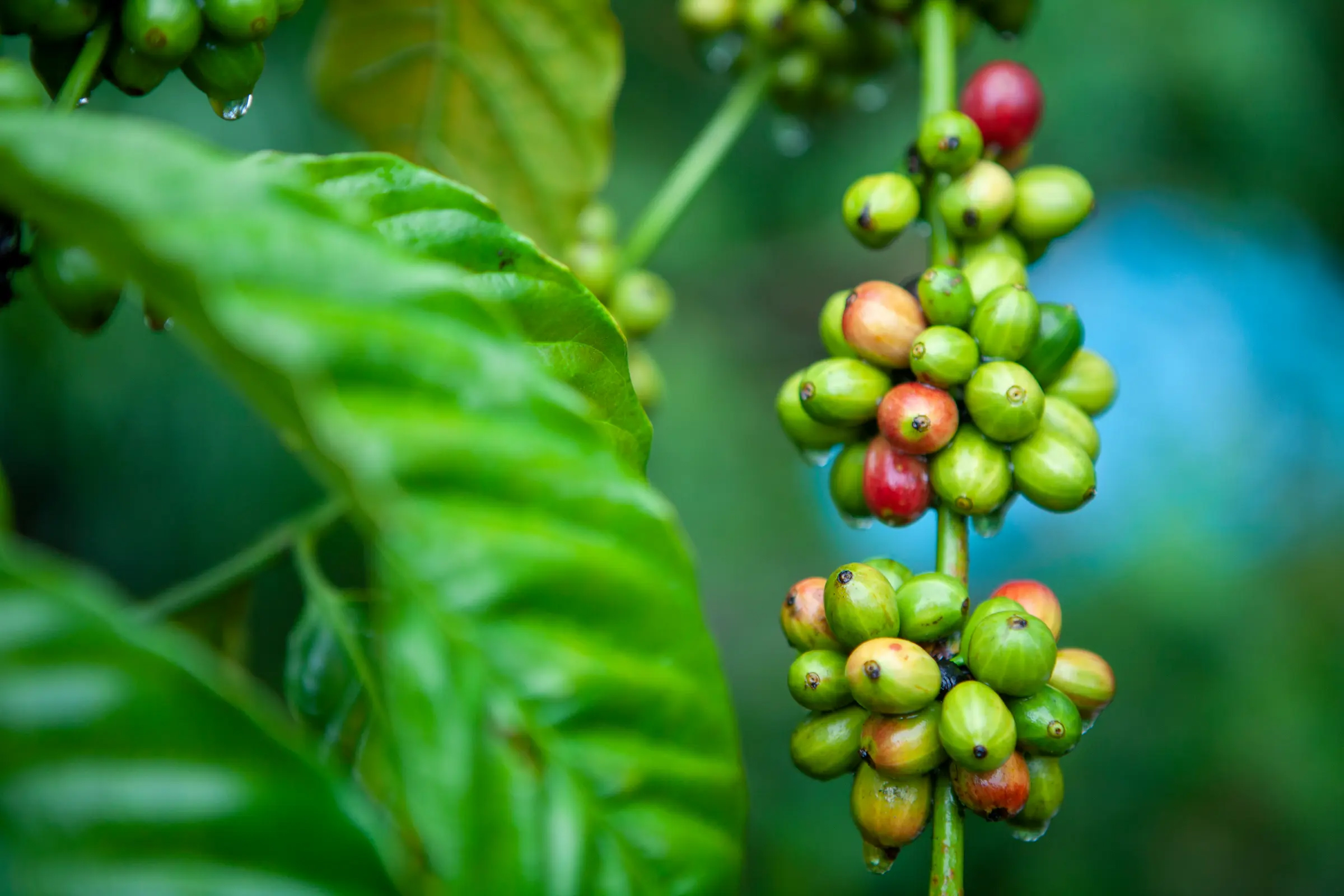
Surprising Facts: How Much Coffee We Drink in a Lifetime?

A recent study reveals that the average coffee drinker in the UK consumes approximately 62,000 mugs of coffee over their lifetime. The survey, which included 2,000 caffeine enthusiasts, found that individuals enjoy an average of three cups per day, with the first cup typically enjoyed at 7 a.m.

Notably, 41 percent of respondents reported difficulty managing daily tasks before their initial caffeine boost, while 43 percent admitted to consistently ordering the same coffee for as long as 21 years.

The study also provided intriguing insights into coffee preferences. The most popular choices were:

  • Latte: 21 percent
  • Cappuccino: 20 percent
  • Americano: 18 percent
  • Flat White: 15 percent

Interestingly, 74 percent of participants were not aware of the specific type of coffee bean in their preferred beverage. While 80 percent recognized Arabica beans, awareness of other varieties was significantly lower: only one-third were familiar with Robusta, nine percent knew about Liberica, and a mere eight percent recognized Excelsa.

Additionally, the survey, conducted by OnePoll, found that 51 percent of respondents were unclear about the difference between cold brew and iced coffee. The primary distinction is in the preparation process: cold brew is made by steeping coffee grounds in cold water for 12 hours, whereas iced coffee is simply regular coffee that has been cooled.

The green coffee industry needs $452 million to overcome the “innovation crisis”

A recent white paper released by World Coffee Research (WCR) highlights a critical shortfall in research and development (R&D) funding within the coffee sector, posing a threat to the diversity and quality of green coffee. The non-profit organization estimates that an annual investment of approximately $452 million is essential over the next decade to sustain the current state of coffee that consumers worldwide have come to enjoy.

Without such investments, the study suggests that the industry could witness widespread consolidation in coffee production, accompanied by a significant decline in the diversity of high-quality arabica coffee varieties and their origins. This potential crisis is primarily attributed to the impacts of climate change and the pressures faced by producers amid escalating global demand.

The white paper refers to the $452 million financial benchmark as an “investment gap” and characterizes the situation in the global green coffee sector as an “innovation crisis.” Dr. Mywish Maredia, the lead researcher and a development economics professor at Michigan State University, emphasizes that this scale of underinvestment is unsustainable if the world wishes to continue enjoying its favorite beverage. Increasing global investments in coffee R&D is seen as crucial to fostering innovation across various countries, addressing climate change challenges, and combating poverty while averting further consolidation of production.

WCR, a non-profit based in Portland, Oregon, advocates for increased funding across the global coffee industry, which it claims has been disproportionately underfunded compared to other agricultural sectors of similar consumer value. The authors specifically highlight the need for R&D funding in the coffee sectors of Latin America and Africa, citing historical deficiencies.

The paper unveils previously undisclosed financial statistics, revealing that the current global investment in coffee R&D stands at $115 million per year, with 90% originating from the public sector and 10% from the private sector. This amounts to just under half a cent for every dollar of green coffee produced globally. Despite green coffee constituting about 4.8% of the total value of agricultural output in 45 coffee-producing countries, the investment in the sector is merely 1.8%, the paper contends.

In conclusion, the authors assert that a nearly four-fold increase in R&D investments is imperative to prevent further consolidation and loss of commercial green coffee diversity. They advocate for allocating a fraction of retail profits, stating, “For an industry with a retail value of more than US$200 billion, this would mean setting aside less than 0.3 cents for every $1 of coffee retailed to consumers.” The urgency of increased funding is underscored as essential to safeguard the future of the global coffee industry.

Coffee and Cognitive Health: A Stimulating Blend for Longevity in Older Adults

In a groundbreaking study examining the intricate interplay between coffee consumption, cognitive function, and mortality risk in older adults, researchers have unveiled intriguing findings that may reshape our understanding of the popular beverage’s impact on health.

The study, titled “Coffee consumption and all-cause and cardiovascular mortality in older adults: should we consider cognitive function?” delves into the association between coffee and mortality, shedding light on the role cognitive function plays in this complex relationship.

The research, based on data from the National Health and Nutrition Examination Survey (NHANES) spanning 2011-2014, analyzed the coffee and caffeine consumption patterns of older adults and assessed their cognitive performance through various tests, including the CERAD-word learning test (CERAD-WLT), animal fluency test (AFT), and digit symbol substitution test (DSST). A global cognitive score was derived from these assessments using principal component analysis (PCA).

Intriguingly, the study revealed that individuals with cognitive impairment who reported abstaining from coffee exhibited the highest risk of all-cause and cardiovascular mortality compared to their counterparts. The findings suggest a complex relationship between cognitive function and coffee consumption, warranting a nuanced exploration.

For those with cognitive impairment in the AFT, a significant negative association between total coffee consumption and all-cause mortality was observed. The results extended to DSST and global cognition, indicating a potential protective effect of coffee on mortality in individuals with cognitive challenges. However, the study also uncovered a “U-shaped” association between coffee consumption and mortality in individuals with cognitive impairment in the CERAD-WLT, adding a layer of complexity to the findings.

Remarkably, the study also pointed towards decaffeinated coffee as a potential ally for those with cognitive impairment, showing an association with reduced mortality. This intriguing link between decaffeinated coffee and longevity in cognitively challenged individuals raises questions about the specific components in coffee that may contribute to these observed health benefits.

In conclusion, this comprehensive study suggests that the relationship between coffee consumption and mortality is significantly influenced by cognitive function. The findings highlight the need for further research to unravel the intricate mechanisms at play and may pave the way for personalized health recommendations based on an individual’s cognitive status. So, for coffee enthusiasts, the morning brew might not only be a source of alertness but also a potential elixir for a longer, healthier life.

Pink Bourbon, The Rising Star of Specialty Coffee

The specialty coffee industry thrives on the discovery of new and intriguing arabica coffee varieties, and it’s never more evident than at coffee competitions. In the final round of the 2023 World Barista Championship, two participants showcased the Pink Bourbon variety, known for its delicate pink hue and intricate flavor profile, which has been piquing the interest of coffee enthusiasts for some time now.

Pink Bourbon has been gaining popularity among roasters and coffee shops in recent years, but its mysterious origins leave much room for exploration. Can it achieve the same level of acclaim as Gesha or other similar varieties? To uncover more about Pink Bourbon’s allure and potential, I reached out to key players in the coffee industry.

  • Unearthing the Origins of Pink Bourbon

The origins of Pink Bourbon, like many other arabica varieties, remain a mystery. Rodrigo Sanchez Valencia, a producer at Finca Monteblanco and Aromas del Sur, provides insights into this enigmatic coffee. He’s often credited with helping discover Pink Bourbon. Rodrigo explains that his team at Aromas del Sur stumbled upon Pink Bourbon in 2013, believing it to be native to southern Huila in Colombia.

According to Rodrigo, Pink Bourbon first surfaced in the San Adolfo area of the Acevedo municipality in Huila during the 1980s, although the specifics of its origins remain unverified. This unique variety gained popularity when coffee leaf rust (la roya) plagued the region in the 1980s. Pink Bourbon proved to be disease-resistant and adaptable, making it a preferred choice among coffee producers.

  • Dispelling Previous Claims

It’s a common belief that Pink Bourbon is a natural hybrid of Red and Yellow Bourbon varieties, but recent research suggests otherwise. Café Imports published a groundbreaking article in late September 2023, revealing that genetic testing, in collaboration with RD2 Vision, indicates Pink Bourbon likely has roots in an Ethiopian landrace variety. However, it’s crucial to note that this research is not yet scientifically verified, leaving Pink Bourbon’s exact heritage shrouded in uncertainty.

  • The Challenge of Cultivating Pink Bourbon

Cultivating Pink Bourbon is no walk in the park, even in ideal conditions. Producers must meticulously care for these plants and ensure they are isolated from other varieties to ensure successful cross-pollination.

Rodrigo, having worked extensively with Pink Bourbon, highlights its resilience and productivity. “To date, we’re not aware of any diseases to which it’s susceptible,” he explains.

Boram Um, co-owner of Um Coffee Co. and Fazenda Um, reveals that Pink Bourbon’s growth experience can vary depending on the terroir. In his Brazilian farm, Pink Bourbon is cultivated under controlled and protected conditions due to its susceptibility to diseases and fungi.

Isaiah Sheese, owner of Archetype Coffee, who also used Pink Bourbon in the 2023 World Barista Championship, notes subtle differences in the physical characteristics of Pink Bourbon cherries. He attributes these variations to factors such as elevation and location.

One of the most distinctive traits of Pink Bourbon is its slight pink hue, a characteristic cherished by coffee enthusiasts.

  • The Flavor of Pink Bourbon

Pink Bourbon’s allure extends beyond its unique appearance to its complex and delightful flavor profile. Boram describes it as typically more acidic, reminiscent of citrus fruits, with delicate notes of white florals and honey-like sweetness.

Isaiah concurs, likening Pink Bourbon to washed Ethiopians or Panamanian Geshas, with flavors of floral, pink lemonade, honeysuckle, jasmine, and a silky, elegant texture.

Rodrigo, on the other hand, often detects tropical notes in Pink Bourbon, such as peach, papaya, melon, as well as floral notes like jasmine, rose, and green tea. He emphasizes its well-balanced body and acidity.

  • Enhancing Flavor Through Processing

As with other coffee varieties, the choice of processing methods can accentuate Pink Bourbon’s flavors. Rodrigo notes that Pink Bourbon cherries contain higher sugar content, making them adaptable to various processing techniques. He favors cold fermentation to improve complexity.

Boram found that anaerobic fermentation worked well with Pink Bourbon from his Brazilian farm, enhancing its sweet floral and honey notes. Isaiah, who sourced his Pink Bourbon from Colombia, appreciated the two-stage thermal shock fermentation process introduced by Diego Bermudez.

  • Roasting Pink Bourbon

Roasting Pink Bourbon demands a careful approach. Isaiah, who used a unique two-stage thermal shock process for his Pink Bourbon, adjusted his roasting technique accordingly. He also utilized the Stronghold S7 roaster, which differs from traditional drum machines due to its halogen-powered heat source.

Boram made temperature adjustments during roasting, given the climatic conditions in Brazil, to ensure proper development.

  • The Future of Pink Bourbon

The potential market for Pink Bourbon appears promising, with growing interest in this variety year after year. However, challenges in scaling up production may limit its availability in coffee shops and roasteries.

Rodrigo is optimistic about Pink Bourbon’s future in the Colombian specialty coffee sector, believing it will remain a vital variety. He is proud to be among the pioneering producers of this unique coffee.

Boram envisions the success of Colombian producers with Pink Bourbon encouraging its cultivation in other countries, including Brazil.

As the specialty coffee world seeks the next “it” variety, Pink Bourbon with its captivating qualities and evolving popularity has the potential to become the next darling of specialty coffee. However, this journey may take time.

New Research Warns of Peril to Coffee Industry Amid Climate Change

The coffee sector faces a growing menace, as per a recent investigation. This threat emanates from the consequences of climate change and the loss of pollinators, compounding the vulnerabilities of coffee growers and putting international trade in jeopardy.

Conducted by a team of scholars from the University College London (UCL), the study, featured in the latest edition of Science Advances, delves into the worldwide decline in the biodiversity of insect pollinators. It simultaneously scrutinizes its links to shifts in agricultural land use, particularly deforestation, climate change, food production, and the global trade network.

According to Tim Newbold, the lead author and a prominent figure in the UCL Biosciences department, “Our findings emphasize the immediate necessity for taking collective action on a global scale to mitigate climate change. We must also prioritize the preservation of natural habitats and curb land use changes to prevent any detrimental effects on insect pollinators.”

The study, supervised by UCL’s Ph.D. researcher Joe Millard, who is presently affiliated with the Natural History Museum in London, hinged on a dataset encompassing over 2,600 locations and 3,080 distinct pollinator species. The results of the research suggest that regions in the tropics face the highest threats to crop production stemming from the loss of pollinators due to climate change and changes in agricultural land use.

The authors of the study articulated, “Localized risk is most pronounced and poised to surge rapidly in areas of sub-Saharan Africa, northern South America, and Southeast Asia. Climate change and the shifts in land use present a potential peril to human well-being through pollinator loss alone.”

The research paper probes the repercussions of pollinator diminishment on several significant crops that serve as staples and economic cornerstones. Among them, coffee and cocoa have been singled out due to their susceptibility in agriculture and their pivotal role in the global economy.

The study points out that coffee, in particular, confronts a precarious combination of high production risks and considerable economic value. This scenario hints at possible economic hardships in regions where coffee is cultivated unless the pollination service can be replaced economically. Similar to cocoa, coffee cultivation is the backbone of income for millions of small-scale farmers and their families in tropical regions. Thus, the escalating production risk arising from pollinator loss may lead to heightened financial insecurity for some of the world’s most vulnerable populations.

5 Essential Tips for Café Success

Gaining wisdom from over a decade dedicated to enhancing and perfecting Lavazza’s barista training and specialty coffee program, David Cutler, Lavazza’s distinguished Head of Training and Brand Ambassador, imparts his key advice for elevating your café to new heights.

Here are 5 Tips for Café Success giving by David Cutler:

  • Respect Every Cup of Coffee:

Treat all coffee with love and respect, regardless of its price or origin.
Create an immersive experience for customers to maximize your café’s potential.

  • Play to Your Strengths:

Find your unique selling proposition (USP) and excel in your field.
Focus on doing a few things exceptionally well, gradually expanding if needed.

  • Understand the Science of Taste, Smell, and Temperature:

Explore the interplay of taste, smell, and temperature in your coffee offerings.
Ensure optimal brewing temperatures for different coffee types and beverages.

  • Organize Your Team for Success:

Develop a clear workflow and optimize café operations.
Assign roles and responsibilities, ensuring consistency and customer satisfaction.

  • Quality Is Your Café’s Greatest Asset:

Acknowledge higher customer expectations and the importance of latte art.
Prioritize quality over speed to build a loyal customer base for long-term success.

New study: Coffee helps with weight loss, but under one condition

A recent publication in The American Journal of Clinical Nutrition shows that coffee, so beloved by many, can help in the process of losing weight, but in order for it to have an effect, one condition must be met.

As part of their research work, the purpose of which was to trace the connection between coffee consumption, weight changes and the addition of sugar and cream to the drink, experts from the United States studied data from more than 150 thousand participants in group studies.

After analyzing the habits of the subjects, experts found that every cup of coffee without sugar contributed to weight loss, and adding cream had almost no effect on weight change. At the same time, as the researchers noted, adding even one spoon of sugar was associated with subsequent weight gain. This association was stronger for younger people with higher body mass index.

The scientists’ findings state that drinking coffee without sugar is inversely proportional to weight gain, and adding sugar to the drink eliminates all the benefits of drinking it for weight control.

  • Study details

Changes in Coffee Intake, Added Sugar and Long-Term Weight Gain – Results from Three Large Prospective US Cohort Studies

Background

Consumption of both caffeinated and decaffeinated coffee has been reported to attenuate long-term weight gain. Whether the association between coffee consumption and weight gain depends on the addition of sugar, cream or coffee whitener remains unclear.

Objective

We aimed to study the associations between changes in coffee consumption, caffeine intake and weight changes by considering the addition of sugar, cream or a non-dairy coffee whitener.

Methods

We used three large prospective cohorts – the Nurses’ Health Study (1986 – 2010), Nurses’ Health Study II (1991 – 2015) and Health Professional Follow-up Study (1991 – 2014). We applied multivariable linear regression models with robust variance estimators to assess the association of changes in coffee habits within each 4-year interval with concurrent weight changes. Results across the three cohorts were pooled using inverse-variance weights.

Results

After multivariable adjustment, each 1 cup per day increment in unsweetened caffeinated coffee was associated with a reduction in 4-year weight gain of -0.12 kg (95 % CI: -0.18, -0.05 kg) and of -0.12 kg (95 % CI: -0.16, -0.08 kg) for unsweetened decaffeinated coffee. The habits of adding cream or non-dairy coffee whitener were not significantly linked to weight changes. Adding a teaspoon of sugar was associated with a 4-year weight gain of +0.09 kg (0.07, 0.12 kg). Stratified analyses suggested stronger magnitude of the observed associations with younger age and higher baseline body mass index (BMI). Neither caffeine nor coffee modified the association of adding sugar to any food or beverage with weight changes.

Conclusions

An increase in intake of unsweetened caffeinated and decaffeinated coffee was inversely associated with weight gain. The addition of sugar to coffee counteracted coffee’s benefit for possible weight management. On the other hand, adding cream or coffee whitener were not associated with greater weight gain.

Specific dates that should be taken into account… When do we drink coffee?

Many people continue to drink coffee immediately after waking up because of its effective role in improving mood, but there is scientific evidence that confirms that drinking coffee immediately after waking up is not “correct,” and that benefiting from it comes from drinking it at the appropriate time.

Coffee is a favorite drink among all people, including Germans, which is confirmed by estimates that 73 percent of Germans drink coffee daily. While the percentage of Germans who do not drink coffee at all is only 6 percent. There are many studies on this drink compared to other drinks. Most of the test results were positive and clearly confirm that this drink is a completely healthy stimulant.

Coffee strengthens memory and prevents diabetes. It contains antioxidants and provides the body with a large amount of energy. It also reduces the risk of developing serious diseases, including liver cancer, skin cancer, and nerve diseases, which is something that many may not know.

The results of studies may sometimes conflict about the effect of coffee on some diseases, such as cognitive impairment, dementia, and Alzheimer’s, but most of these studies confirm that coffee protects against these diseases. In addition, researchers have proven in two recent studies that drinking coffee and tea together has a positive effect on cognition. Note that drinking tea alone does not effectively affect the problem of cognitive impairment, but a recent study confirmed that drinking coffee between 3 to 5 times a day in middle age helps reduce the incidence of dementia by 65 percent, according to what was reported on the German “Gesundheit Identity” website. In health affairs.

It is not recommended to drink coffee immediately after waking up

There is no doubt that the delicious taste of coffee and its ability to improve the mood every morning prompts many people to continue drinking it daily. According to the German “Gesunde Ernerung” website, obtaining the full benefits of coffee depends on knowing the appropriate time to drink it. To benefit from morning coffee, researchers advise not drinking it immediately after waking up. Rather, you must wait a little and then drink it. Researchers attribute this to the fact that the adrenal gland secretes, upon waking, the hormone cortisol, known as the “stress” hormone, and this hormone helps the body regain the ability to perform its functions, thus providing the body with its energy naturally. By consuming caffeine immediately after waking up, the level of energy in the body increases excessively.

On the other hand, drinking coffee two hours after waking up gives the body more energy when its natural energy begins to gradually decline. Which means that the most appropriate time to drink morning coffee and benefit from the effect of caffeine on the body is around eight-thirty, when waking up at seven, for example.

Coffee and Tea: Your Secret to Staying Strong as You Age

A recent study suggests that consuming coffee and tea in midlife may be linked to a reduced risk of physical frailty in later years. The study conducted in Singapore found that adults who consumed higher amounts of caffeine through coffee or tea had significantly better physical functioning in their later years.

The study was led by Professor Koh Wen Boon from the Longevity Medicine Program at the Yong Loo Lin School of Medicine, National University of Singapore. It was based on data collected from over 12,000 participants aged between 45 and 74 years over a 20-year follow-up period.

Published on July 21, 2023, in the Journal of the American Medical Directors Association (JAMDA), participants were first interviewed in midlife, with an average age of 53 years, using structured questionnaires from 1993 to 1998. During these baseline interviews, participants were asked about their habits of consuming caffeine-containing beverages like coffee and tea, as well as foods like chocolate, in terms of frequency and portion size. They also provided information on their social and demographic characteristics, medical history, height, weight, dietary habits, physical activities, and sleep duration.

In the second follow-up interviews conducted from 2006 to 2010, participants were asked to report their weight, among other questions. During the third and final follow-up interviews, conducted from 2014 to 2017 when the average age of the participants was 73 years, they were asked, among other things, about their energy levels and were assessed for handgrip strength and the time taken to complete the Timed Up and Go (TUG) test.

Physical frailty was defined as having two or more of the following four elements:

  1. Weight loss (more than 10% loss between the second and third follow-up).
  2. Fatigue (if the answer was yes to the question).
  3. Slow performance of tasks.
  4. Weak handgrip strength.

Coffee and tea were the main sources of caffeine consumption in this group, representing 84% and 12% of total caffeine intake, respectively. A total of 68.5% of participants in this group consumed coffee daily. Among them, 52.9% drank one cup daily, 42.2% consumed two to three cups daily, while 4.9% drank four cups or more daily.

As a result, participants in the study were divided into four categories based on the amount of coffee they consumed: those who didn’t drink coffee daily, those who drank one cup daily, those who consumed two to three cups daily, and those who drank four cups or more daily. Tea drinkers were also divided into four categories: those who didn’t drink tea at all, those who consumed it at least once a month, those who consumed it at least once a week, and those who drank tea daily.

Professor Koh, who led the study, stated, “Our results show that consuming coffee or black and green tea in midlife is independently associated with a significant reduction in the risk of physical frailty in later life. Participants who drank four cups or more of coffee daily significantly lowered their chances of physical frailty in later years compared to those who didn’t drink coffee daily. Participants who consumed black and green tea daily also had a significantly lower risk of physical frailty compared to those who didn’t drink tea.”

The researchers also evaluated the relationship between caffeine consumption and the risk of physical frailty in later years. Consuming larger amounts of caffeine was associated with a reduced risk of physical frailty, regardless of the source of caffeine. Among the four components of physical frailty, the associations were strongest in the tests measuring handgrip strength and rope tightness, compared to self-reported measures of weight loss and fatigue.

Interestingly, in other experimental studies, caffeine was found to promote muscle cell proliferation and improve muscle weight in mice. In addition to caffeine, coffee and tea also contain biologically active, antioxidant-rich polyphenols that have anti-inflammatory properties, and are associated with a reduced risk of diseases that increase the risk of physical frailty, such as diabetes, heart and vascular diseases, obesity, and neurodegenerative diseases.

However, further research is needed to determine the actual components and mechanisms underlying the link between coffee/tea and human physical function, as Professor Koh added, “Coffee and tea are essential beverages in many societies worldwide. Our studies suggest that consuming these caffeine-containing beverages in midlife may be associated with a reduced risk of physical frailty in later life. Nevertheless, more research is needed to confirm this.”

Coffee Sensitivity: Why Some People Don’t Enjoy Coffee

Coffee is one of the most popular beverages in the world, but not everyone enjoys it. Some people find coffee to be too bitter, while others experience negative side effects such as anxiety, insomnia, and headaches.

A growing body of research suggests that our sensitivity to caffeine is largely determined by our genes. One gene, CYP1A2, plays a particularly important role in caffeine metabolism. People with two copies of the “fast” variant of CYP1A2 metabolize caffeine quickly and are less likely to experience negative side effects. People with two copies of the “slow” variant of CYP1A2 metabolize caffeine slowly and are more likely to experience negative side effects.

In addition to genetics, other factors such as age, weight, and lifestyle can also affect caffeine sensitivity. For example, pregnant women and people who are taking certain medications may be more sensitive to caffeine.

For people who are sensitive to caffeine, there are a few things they can do to reduce their intake and avoid negative side effects. One is to limit their consumption of coffee and other caffeinated beverages. Another is to choose decaffeinated coffee or tea. People can also try drinking coffee earlier in the day to avoid disrupting their sleep.

If you are concerned about your caffeine sensitivity, it is important to talk to your doctor. They can help you determine if caffeine is contributing to any health problems you are experiencing and can provide advice on how to manage your caffeine intake.

Tips for people with coffee sensitivity:

  • Limit your intake of coffee and other caffeinated beverages.
  • Choose decaffeinated coffee or tea.
  • Drink coffee earlier in the day.
  • Talk to your doctor about your caffeine sensitivity and how to manage it.

What happens to your body when you drink coffee every day?

Coffee has been praised for centuries, either for its taste or its fresh aroma, and some have even considered it one of the greatest “inventions” in the world.

For many people, a cup of coffee is a daily routine, where they drink it before even thinking about doing anything in their day, and for others, there’s nothing better than having it in the middle of the day.

According to a survey by market research firm Drive Research published in July last year, nearly 75% of adults in the United States drink coffee daily.

But a cup of coffee may be more useful than just a daily routine or giving someone the energy to get through the day easily and focus. According to the United States Department of Agriculture, it is a natural source of phosphorus and magnesium.

If you are one of the many people who drink coffee every day, it is important to know what this habit does to your body, both in terms of benefits and risks, according to an article on the website “Eating Well” that compiled both from many studies.

Health benefits of coffee

  • More energy

Coffee beans contain caffeine, a natural stimulant that can help you feel more alert, as it stimulates the central nervous system, which helps people get more energy.

  • Improved mood

Many coffee lovers agree that a good cup of coffee is a ticket to happiness. And there is actual data to support this idea.

A study published in 2019 in the journal “Physiology and Pharmacology Basic and Clinical” found that healthy adults experienced an improvement in mood 30 minutes after consuming caffeine.

Drinking regular coffee led to a more significant improvement in mood than drinking decaffeinated coffee.

  • Reduced risk of Alzheimer’s disease

Coffee also contains a number of biologically active polyphenol compounds that may support certain aspects of our health, including brain health.

Evidence published in 2021 in the journal “International Journal of Molecular Sciences” suggests that coffee consumption may be associated with a lower risk of developing some neurodegenerative conditions such as Alzheimer’s disease, Parkinson’s disease, and dementia.

  • Heart and blood vessels

According to a study published in 2018 in the journal “Journal of Agricultural and Food Chemistry,” daily coffee consumption is associated with a lower risk of developing cardiovascular disease.

  • Improved thyroid function

A study published in 2023 in the journal “Nutrition” found a potential link between moderate caffeine intake and improved thyroid function among people with metabolic disorders.

Potential risks

While coffee consumption is associated with some great benefits, there are also some potential risks.

  • Anxiety

Excessive caffeine intake is associated with an increased risk of anxiety, according to research published in 2020 in the journal “Nutrients”.

Another study published in 2021 found that consuming larger amounts of caffeine is also associated with sleep disturbances and decreased appetite.

  • Increased risk of fractures

Coffee consumption is associated with negative effects on bone health, according to some data, and the more coffee is consumed, the higher the risk of fractures, especially for older adults.

  • Potential complications of pregnancy

Organizations such as the American College of Obstetricians and Gynecologists suggest that it is safe to consume up to 200 milligrams of caffeine per day during pregnancy.

However, new evidence suggests that even small amounts of caffeine may come with some risks. An analysis published in the journal “BMJ” in 2021 found that 14 studies suggest that caffeine intake during pregnancy is associated with an increased risk of miscarriage and low birth weight.

  • Potential increase in blood pressure

Regular coffee consumption is often associated with both positive and negative effects on blood pressure.

While short-term consumption may cause a slight and temporary increase in blood pressure, studies, such as those published in 2022 in the journal “Blood Pressure,” show that long-term consumption does not lead to sustained increases in blood pressure.

However, individual responses to coffee may vary, and those with specific health conditions, or who are at risk for high blood pressure, should consult a doctor.

Conclusion

In conclusion, coffee has both potential benefits and risks. Consuming up to 400 milligrams of caffeine per day, which is about four cups of coffee, is generally considered safe for most adults. However, it is important to be aware of the potential risks, especially for pregnant women, people with anxiety or mood disorders, and those with certain health conditions.

The coffee industry… innovation and luxury

Innovation and Luxury

Garfield Kerr

CEO Mokha 1450

At Mokha 1450, innovation and luxury go hand in hand. In fact, the latter is often intormed by the former, as luxury by definition equires innovation as the dilferentiator to the commonplace,whether that be expressed through superior ingredient or craftsmanship. For the first iteration of the Barista Craf Magazine,it is the innovation of Mokha 1450’s baristas that takes center stage. As they were tasked through an internal competition with curating a coffee experience tike no other; one that is niquely targeted to the flavor profile preterences of the fine inhabitants of the United
Arab Emirates (UAE).

While numerous studies have shown that coffee preferences amongst countries can be identified and quantified, there are differences of course within any populace, hence cach similar segment of the UAE coffe consuming public represents a discrete circle in a Venn diagram. Therefore, the monumental task of the barista is that of identilying where those circles overlap and curate a coffee whose flavor profile highlights these unions. The resull of this exploration is an experience like no other, a coffee entirely new that would not exist had the challenge not been presented and
accepted in the first place, a coffee whose origin will not be shared so as to remove the limitations aof expectations as well as to highlight the barista alone. The outcome is a unique coffee that is a luxury to be shared with our clients, whom we recognize as the connoisseurs that they are, and whom will be the final arbiters of whether our baristas have truly hit the mark.

Another equally important innovation on display within this, the seminal issue of the three-part magazine, is that of revenue sharing with our baristas. Baristas in the UAE are some of the most talented in the world, as exemplified through their work in one of the world’s leading specialty coffee markets as well s their national and international Specialty Coffee Association coffee competition championships. Yet, because of inscrutable market conditions, the baristas in the UAE are not paid a salary that is commensurate with their counterparts in other leading specialty coffee
regions. To solve this dilemma, we offer an innovative and new approach, as the limited-edition coffees that are produced by the top three finalists in the aforementioned competition will feature with a compendium magazine with a percentage of the revenue from coffee bag sales going directly to the barista who crafted their own unique vision of the perfect coffee that most suits the to UAE’s palate.

If you are reading this, you may have had the luxury of experiencing the coffee produced by Mohamed Minran, the first in the three-part series. The flavor profile of Minran’s coffee presents of with notes of cherries. honey, exceptional Sweetness, fruity. with a milk chocolate finish and an added dose of innovation and luxury.