Surprising Discovery: Drinking More Coffee Might Keep Your Skin Young!

Dubai,January 26, 2024 (QW): Exciting news for coffee lovers! A recent study dug into the connection between what we drink and how our faces age. Researchers were curious about coffee, alcohol, tea, and sugary drinks, and whether they affect how our skin ages.

Most studies in the past just watched people and noticed that those who drank certain things seemed to age differently. But this time, scientists used a cool method called Mendelian randomization. They looked at tiny changes in our genes related to coffee, alcohol, and tea, and saw how they might be linked to how our skin ages.

Guess what they found? If you’re a coffee fan, it might be helping keep your skin looking young! People with a gene that made them more likely to drink coffee had a lower chance of having aging skin. This was a big surprise!

The researchers were extra careful. They used different methods to double-check their results and even looked at another group of people who love coffee to be sure. And guess what? The results stayed the same – more coffee was linked to less aging skin.

This doesn’t mean you should start drinking tons of coffee, but it’s cool to know that your daily cup might be doing more than just waking you up. It could be a secret helper in keeping your skin looking fresh and young!

Brewing Coffee with the Origami: A Unique Experience

In today’s market, an abundance of manual coffee brewers awaits enthusiasts, each vying for attention. Among the aesthetically pleasing options, the Origami stands out, gaining widespread popularity after its use by Du Jianing, the 2019 World Brewers Cup Champion. Her victory marked a significant moment as the first Chinese competitor to secure the title.

What sets the Origami apart is its visually appealing design, accommodating both conical and flat bottom paper filters for diverse extraction possibilities. Featuring 20 folded inner ribs, this brewer minimizes clogging, resulting in a cleaner and more flavorful cup.

To delve into the art of brewing with the Origami, insights were sought from industry experts: Sherry Hsu, the 2022 World Brewers Cup Champion, Elysia Tan, co-founder of Homeground Coffee Roasters, and Nozomu Kanenaka, Sales and Marketing Manager at Origami.

Origami Brewer: A Fusion of Design and Functionality

Inspired by the Japanese art of paper folding, Origami’s design and name draw from this creative practice. Crafted by Yasuo Suzuki and Kiyohito Tanaka, founders of Trunk Coffee in Japan, the Origami dripper is made from Mino porcelain, handcrafted at a Gifu prefecture factory. This region’s blend of craftsmanship and technology consistently produces high-quality, durable products.

The 20 evenly-spaced ribs come into play when using conical paper filters, creating space for a faster flow rate and encouraging quicker extraction. On the other hand, Kalita Wave paper filters seamlessly fit into the ribs, transforming it into a flat-bottom brewer. Nozomu highlights additional benefits, emphasizing the continuous refinement process with over 20 revisions since the inception of the dripper.

Origami vs. Other Pour Over Brewers: Uniqueness Explored

While the Origami shares a conical shape with drippers like the Hario V60, it boasts distinct features that set it apart. Sherry Hsu, a seasoned competitor and coffee consultant, appreciates its flexibility, allowing her to alter the brew bed’s shape with different paper filters. Elysia Tan, co-founder of Homeground Coffee Roasters, values the diversity in brewing methods based on the characteristics of different coffees, emphasizing the importance of understanding and leveraging the brewer’s design.

Brewing with the Origami: A Creative Journey

Choosing between porcelain and plastic drippers is the initial decision in the brewing process. Nozomu highlights the heat conductivity difference, favoring plastic for efficiency in competitions where multiple coffees need simultaneous brewing.

The paper filter choice further influences the final brew. Conical paper filters create space for a faster flow rate, while flat bottom filters lead to a slower flow rate due to snug grooves. Sherry emphasizes how these choices impact the brew bed’s shape, affecting the extraction process.

Recommended Recipes: A Glimpse into Expertise

Sherry and Elysia share their Origami recipes, revealing the intricate details behind a successful brew. From water temperature to brew ratio and pouring stages, each step contributes to a unique and flavorful cup.

Tips and Advice for Using the Origami: Navigating the Journey

For beginners, Sherry recommends starting with the Origami Air and a flat-bottomed paper filter for a foolproof and consistent result. Stressing the importance of a faster flow rate, she encourages experimenting with grind size and dose to customize the brewing experience.

The Origami, with its captivating design and innovative features, offers a distinctive manual brewing experience. As users explore its nuances, they can unlock a world of creative possibilities in pursuit of the perfect cup of coffee.

Coffee Processing Methods.. what we know about?!

Dubai, January 16, 2024(QW)- Coffee processing is a crucial step in the journey of the coffee berry. Different methods unveil distinct flavors, take varying durations, and involve different efforts. In this article, we explore the primary processing methods: natural, washed, honey, and wet-hull.

Initially, coffee processing was merely about extracting beans from cherries. Manufacturers chose methods suitable for their climate without much thought to taste. However, it became clear that processing greatly impacts the cup’s taste. For instance, under similar conditions, washed coffee tends to be more acidic than natural coffee. Understanding these differences is the focus of this article.

Methods for Processing Coffee Berries

The coffee berry comprises six layers: skin, pulp, gluten, parchment shell (parchment), silver skin (silverskin), and grain. Each layer serves a distinct purpose in protection and nutrition. During processing, the first four layers undergo changes, leading to four basic processing methods:

  1. Drying in the Berry (Natural Processing):
    • The entire berry is dried, also known as the natural or dry method.
    • Suitable for dry and hot climates like Ethiopia, Yemen, and Brazil due to low cost or limited water availability.
  2. Drying in Gluten (Honey and Semi-Washed Processing):
    • Involves drying the berry without skin, with variations like honey, palp-natural, semi-washed, or semi-dry.
    • Offers diverse flavors but requires expensive demucilator equipment.
  3. Drying in Parchment (Washed Processing):
    • The skin, pulp, and gluten are removed, and the grain is dried in parchment.
    • Developed in humid climates by Europeans in the 1850s for faster and controlled processing.
  4. Drying Grain (Wet-Hull Processing):
    • Removes skin, pulp, and patches from the berry, drying grains faster.
    • Yields ready-to-export green beans with a higher risk of defects and faster aging during storage.

Natural Processing: Why Coffee Turns Sweeter

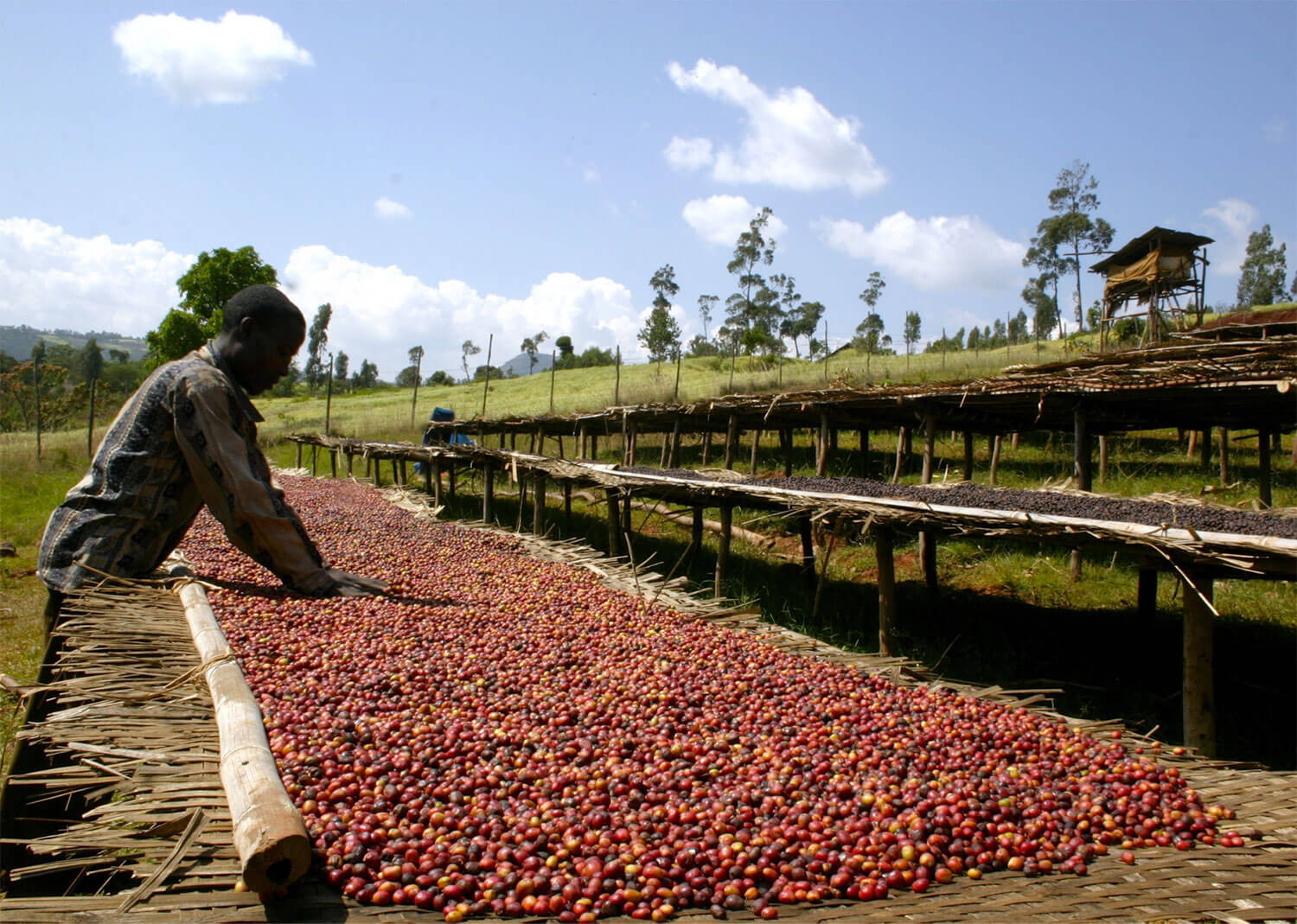
Natural processing, a classic method originating from dry climates like Ethiopia and Yemen, involves drying coffee berries on patios or African beds. This process takes up to four weeks, resulting in fuller-bodied, sweeter coffee. While once associated with cheap coffee, it has regained popularity in the specialty coffee industry for its bold flavors.

Advantages:

  • Bright taste.
  • Cost-effective in dry climates.
  • Leaves no wastewater.

Flaws:

  • Requires careful separation of unripe berries.
  • Frequent stirring during drying.
  • Not suitable for countries with humid climates.

Other names for natural processing: natural, dry, unwashed, fruit dried, sun-dried.

Drying in Gluten (Honey and Semi-Washed Processing): Why is the Pulp Removed?

Drying in gluten, categorized into honey and semi-washed methods, involves removing the skin and some pulp. Honey processing results in sticky, honey-colored beans, while semi-washed utilizes a demucilator for faster drying.

Advantages:

  • Faster drying.
  • Greater variety of flavors.
  • Less biological waste and wastewater.
  • The remaining pulp can be used as fertilizer.

Flaws:

  • Increased risk of defects from mechanical stress.
  • Semi-washed processing requires expensive demucilator equipment.

Other names for honey and semi-washed processing: honey, palp-natural, pulp natural, semi-dry, semi-dried, semi-washed.

Drying in Parchment (Washed Processing): Why It Was Considered Better Than Natural

Washed processing, developed in humid climates by the British in their colonies, involves peeling and depulping coffee berries. Fermentation and washing follow to achieve a cleaner and more acidic taste, replacing natural processing over time.

Advantages:

  • Reduced drying time.
  • Requires less processing space.
  • Cleaner and more acidic taste.

Flaws:

  • Generates a large amount of wastewater.

Other names for washed processing: washed, completely washed, fully washed, wet processing.

Drying Grain Without Parchment (Wet-Hull): Which Helps Dry Grains Even Faster

In wet-hull processing, the skin, pulp, and patches are removed, and the still-wet grains undergo hulling. This method results in immediate export-ready green beans but carries a higher risk of defects and faster aging during storage.

Advantages:

  • The fastest way to dry grain.
  • Immediate export readiness.

Flaws:

  • High risk of defects.
  • Faster aging during storage.

Other names for wet-hull processing: wet-hull, giling-basah.

Why Is It Important to Know How Grain Is Processed?

Different processing methods yield different tastes, emphasizing the importance of understanding them. However, it’s crucial to remember that coffee taste is influenced by various factors, including terroir, coffee type, roasting, grinding quality, and water characteristics.

Embark on this flavorful expedition through the realms of coffee processing, where every step contributes to the symphony of tastes that elevate your coffee experience.

Optimizing Your Caffeine Intake: How Much, When, and Why It Matters According to Experts”

Many individuals rely on caffeine to power through the day, but striking the right balance is crucial to avoid sleep disturbances and jitteriness. The FDA recommends a daily caffeine limit of 400 milligrams for adults, approximately equivalent to four cups of coffee. However, experts suggest that the optimal amount may be less than you think.

Astrid Nehlig, an emeritus research director at the French National Institute of Health and Medical Research, recommends an intake of around 100 to 150 milligrams, roughly equivalent to one or one and a half cups of coffee, for a healthy boost. Effects begin about five minutes after consumption, reaching their peak between 15 minutes and two hours later, depending on factors like eating and metabolism speed. Exceeding this amount, as shown in a study published in the New England Journal of Medicine, can result in sleeping an average of 30 minutes less.

Your body’s ability to metabolize caffeine plays a crucial role in its impact on sleep. Genetic differences mean some people metabolize it slowly or quickly. Slow metabolizers may experience nearly an hour less sleep when consuming coffee, while fast metabolizers see no change.

To maximize the energizing benefits and avoid jitters, experts recommend delaying the first cup until 9:30 am to 11 am. Cortisol levels, the main stress hormone, peak in the morning, and having coffee too early can heighten these levels, leading to unnecessary stress responses.

If you find yourself reaching for tea in the afternoon, be mindful of its caffeine content, about a quarter of coffee’s. However, consuming caffeine too close to bedtime can disrupt sleep by blocking receptors for hormones like adenosine and melatonin. Experts suggest cutting off caffeine six hours before bed, with some proposing an even earlier cutoff for a restful night’s sleep.

Dr. Dierdre Conroy, a sleep expert at Michigan University, recommends eliminating all caffeinated products eight hours before bedtime, emphasizing the varying sensitivities individuals may have to caffeine.

In conclusion, optimizing your caffeine intake involves not only monitoring the quantity but also the timing. Understanding how caffeine affects your body and adjusting your consumption accordingly can contribute to better sleep and overall health, as insufficient sleep has been linked to various health issues. The Centers for Disease Control and Prevention recommends eight hours of sleep per night, a goal that one in three adults reportedly falls short of achieving.

Coffee Farmers Ongoing Struggle for Working Capital

In the intricate landscape of coffee production, the seasonal nature of harvesting sets forth a unique challenge for coffee farmers. Typically receiving payment once a year during the harvest season, these farmers are entrusted with managing this lump sum throughout the year. However, the unpredictability of yields, unforeseen expenses, and the ever-changing market dynamics often propel them into a constant search for financial solutions.

Smallholder Farmers Caught in the Cycle:

For smallholder coffee farmers, particularly those who rely on each harvest for sustenance, the challenges are magnified. Living harvest to harvest, they often lack the financial cushion to navigate the rest of the year. The absence of substantial profits and limited collateral further complicates their ability to secure loans with favorable interest rates, rendering credit either unattainable or economically burdensome.

Co-operatives as a Beacon of Hope:

In an attempt to alleviate these challenges, some smallholders opt to join co-operatives. These collaborative ventures not only help in sharing the costs of inputs like fertilizers and pesticides but also make it more likely for lenders to extend financial support to larger groups of producers. However, the reality is that not all smallholder farmers can readily find solace in joining a co-operative, and the barriers persist.

Barriers to Finance Access:

Accessing finance is no straightforward feat for coffee farmers, particularly those residing in rural areas. A significant stumbling block is the pervasive issue of financial literacy. Camilo Enciso, the general manager of ASOPEP in Planadas, Colombia, notes the difficulty faced by unorganized producers in receiving financial support. In regions where the sale of wet coffee is predominant, the lack of market assessments and traceability further compounds the problem.

Additionally, many smallholder farmers lack the basic financial literacy required for borrowing, and their absence of credit history leaves banks without a reliable basis for risk assessment. Land ownership documentation, a prerequisite for many financial transactions, is often missing, exacerbated by social issues such as gender-related restrictions on land ownership.

The Crucial Role of Financial Literacy Programs:

To address these challenges, the implementation of financial literacy programs and the establishment of effective documentation management practices are imperative. Co-operatives, as intermediaries between farmers and lenders, play a vital role in supporting farmers in gathering and organizing the necessary documentation and data for loan applications.

Challenges on the Ground:

While co-operatives are seen as potential sources of data on previous harvests for individual farmers seeking loans, the reality is far from simple. Farmers often face resistance when requesting such information from previous lenders within co-operatives, potentially compromising their positions as lenders themselves. Some producing communities have resorted to a system of mutual borrowing and lending, fostering interdependence among farmers.

This collaborative system, however, comes with its own set of complexities. Farmers supporting each other through loans during both off-seasons and harvests establishes a delicate balance that intertwines economic conditions with social implications. Introducing external financing mechanisms could potentially disrupt these longstanding collaborative systems.

Market Volatility and Climate Change:

The coffee industry is not immune to broader economic and environmental challenges. Market volatility in recent years has injected increased uncertainty into the income projections for coffee farmers, affecting their perceived risk to lenders. Concurrently, the escalating impact of climate change, evident in rising instances of pests, diseases, and erratic weather patterns, has made lenders more cautious about financing coffee farming, often attaching prohibitively high-interest rates.

Supply Chain Challenges:

Farmers, grappling with delayed payments and soaring costs, sometimes turn to supply chain partners for assistance. However, the challenges faced by roasters, such as global inflation and delayed payments, as well as traders dealing with record-high interest rates and falling coffee prices, have created a precarious financial environment. This has diminished the capacity of supply chain partners to provide the financial support that farmers once relied on.

Questioning the Dependency on Loans:

Zooming out to a broader perspective, it becomes pertinent to question why loans have become an inherent part of the coffee industry. Taya, a coffee production researcher, raises a crucial point: “If the system that you live in is dependent on getting a loan and you can’t get one, then that really is a problem.”

There’s a need to scrutinize whether the coffee industry, in its current state, perpetuates a cycle of dependence on external finance. Taya challenges the assumption that farmers should always need a loan, suggesting that a fundamental reevaluation of the system may be in order.

Striving for Systemic Change:

While the long-term goal may be to improve financial education and reduce dependence on external finance, the immediacy of the issue necessitates short-term strategies. The focus should be on creating strategies that improve the accessibility of finance in rural areas, acknowledging that change of such magnitude is a slow process, and farmers often require immediate access to working capital.

In conclusion, the ongoing struggles of coffee farmers to access working capital underscore the need for holistic and nuanced solutions. From financial literacy programs to addressing systemic issues within the industry, a collaborative effort is essential to create a more resilient and equitable coffee sector that empowers those at the heart of the supply chain.

 

A new study reveals the secrets of making coffee better

For years, coffee aficionados have speculated that a simple addition of water to coffee beans before grinding could elevate the coffee experience. Now, a recent study conducted by researchers at the University of Oregon not only validates this belief but also sheds light on the science behind it.

The research delves into a technique initially aimed at minimizing the mess associated with grinding coffee, particularly the airborne particles caused by static electricity during the grinding process. According to Christopher Hendon, an associate professor of computational materials chemistry at the University of Oregon, the addition of water acts as an insulator, reducing static electricity’s impact—an effect known as the “Ross droplet” technique.

Originally conceived as a solution to the messy aftermath of coffee grinding, this method evolved into a sophisticated approach to enhance the brewing process. By addressing static electricity, water prevents microscopic clumps from forming during brewing, a factor that can hinder flavor extraction.

The study, published in the journal Matter on December 6, employed innovative techniques, including tools designed for measuring electric charges on wildfire and volcanic ash, to explore the potential benefits of adding water to coffee beans. The researchers meticulously measured coffee, ground it using a professional grinder, and assessed the impact of water on static charge.

The results indicate that even small amounts of water, ranging from a single droplet upwards, deactivate the static charge, ensuring that the coffee exits the grinder without being charged. This, in turn, prevents the formation of clumps during brewing, leading to higher extraction yields and a more consistent brew.

While the ideal amount of water may vary based on factors like roast type and grind coarseness, the study found an average increase in extraction yield by 10%. While this might not always translate into a noticeable flavor difference, it does underscore the efficacy of the “Ross droplet” technique.

Despite the potential benefits, the study acknowledges that the improvement in cleanliness is universal across all brewing methods, whereas the brewing benefit is more pronounced with espresso and, to a lesser extent, filter coffee. Other methods like cafetiere, French press, or AeroPress, which require a coarser grind, see minimal changes.

While the study has received positive feedback for its attempt to demystify the process, some experts call for further testing with different grinder models to draw more conclusive evidence. Ultimately, the findings open a new chapter in understanding the intricate process of grinding coffee and hint at the possibility of future technologies centered around the powerful technique of adding water on demand.

World Coffee Research Launches Open-Access Database for Arabica Coffee Genetic Fingerprints

In a historic move for the coffee industry, the World Coffee Research(WCR) announced the launch of an open-access database for the genetic fingerprints of Arabica coffee in August 2023. This groundbreaking initiative is designed to streamline and cost-effectively authenticate Arabica coffee varieties, significantly contributing to the quality assurance of plant material available to farmers worldwide.

Employing 45 single nucleotide polymorphism (SNP) molecular markers, the database creates a unique genetic fingerprint for 23 of the most prevalent coffee varieties in Latin America’s commercial production. These strategically placed SNP markers offer a swift and cost-effective method of analysis, addressing a persistent challenge in the coffee industry.

The reference database, meticulously validated and enhanced by the World Coffee Research(WCR), incorporates over 30,000 leaf samples collected from six countries between 2021 and 2023, establishing a robust foundation for accurate variety authentication.

Variety authentication is particularly critical in the evolving seed sector, where low-cost tools are indispensable for maintaining stringent quality control in seed collections and nurseries. Shockingly, prior studies by theWorld Coffee Research(WCR) revealed that 39% of tested trees did not match the expected genetic profile of their designated variety, underscoring the economic risks faced by farmers relying on inaccurate information.

Dr. Jennifer “Fern” Long, CEO of the World Coffee Research(WCR), underscored the significance of this breakthrough, stating, “This unique announcement brings new technology to coffee to dramatically reduce quality control costs to ensure the future of coffee farming.”

The announcement of the database to the scientific community, including public and private laboratories, aims to facilitate widespread adoption. Its accessibility empowers stakeholders across the coffee sector, from financiers to implementers, farmers, and public institutions, enabling them to benefit from the cost-effective diversity validation it offers.

To ensure immediate access to this service, the World Coffee Research(WCR) has collaborated with Intertek AgriTech, an ISO-certified quality assurance laboratory based in Sweden, to validate and enhance the database and technical protocols. This collaboration guarantees the effective use of markers in high-volume applications, typically involving a minimum of 376 samples.

The database’s impact is already evident in projects such as the National Regeneration Plan in El Salvador, where an SNP panel is being utilized to validate the health of trees distributed to farmers.
By ensuring the genetic purity of planted trees, the country aims to produce more than 150 million plants in the next decade, stimulating economic growth and supporting the livelihoods of coffee producers.

The World Coffee Research(WCR) plans to continually update the database and add fingerprints for additional varieties in the coming months and years. By providing affordable genotyping services, this database signifies a major leap forward in the coffee industry, contributing to the documentation of specific Arabica coffee varieties and establishing a foundation for value creation.

The database is available for open download under the Creative Commons Zero (CC0) framework. Researchers and commercial genotyping providers are encouraged to utilize this resource to enhance the validation of specific Arabica coffee varieties.

As the global coffee community embraces this technological leap, it holds the promise of reshaping the coffee growing landscape. The implications extend beyond the scientific sphere into the economic and social spheres, affecting farmers, producers, and consumers alike.

Cautions Raised on Exploiting Coffee’s Health Benefits for Commercial Gain

In a recent study, alarming warnings have been sounded regarding the potential hazards linked to the commercialization of coffee’s health benefits. The study, featured in Coffee Intelligence, underscores the imperative to critically assess health claims associated with coffee products.

Over the past decade, extensive research has consistently linked moderate coffee consumption to a lower risk of type 2 diabetes, heart disease, certain cancers, and cognitive diseases like Alzheimer’s and Parkinson’s. A noteworthy revelation indicates that consuming one cup of coffee every six hours may even reduce the risk of contracting the coronavirus.

Coffee, recognized for its abundant bioactive compounds, antioxidants, and polyphenols, is increasingly hailed as a superfood renowned for fortifying and protecting the body. Cold brew has gained widespread popularity as a pre-workout drink, while black coffee has become a staple in the fitness community.

However, it is crucial to discern between the health benefits attributed to pure black coffee and the potential drawbacks introduced by additives. The surge in coffee’s popularity as a superfood has led to an influx of products containing artificial sweeteners, flavors, preservatives, emulsifiers, stabilizers, and artificial colors.

The study underscores previous findings revealing that 98% of 131 flavored hot drinks from major coffee chains exceeded three times the recommended daily sugar intake for adults, sparking concerns about the long-term health impact. With the global ready-to-drink coffee market poised to surpass $42 billion by 2027, there is a notable shift towards customizable beverages, significantly contributing to the industry’s growth.

This trend aligns with the broader discourse surrounding the infiltration of ultra-processed foods (UPFs) into global diets. In the UK, for example, 65% of the average diet consists of ultra-processed foods, a factor linked to obesity, cardiovascular disease, and various health-related issues.

The study affirms that leveraging the health benefits of coffee has become an effective marketing strategy for new products, especially given the heightened focus on health and wellness, particularly among Generation Z and younger millennials. Whether intentional or not, some new products are capitalizing on coffee’s well-established health reputation, potentially risking the tarnishing of coffee’s image as these products emerge as a new face of the industry.

Compounding concerns, health and wellness claims in the coffee sector remain entirely unregulated, providing brands ample latitude to make unverified assertions about their products without the need for research or studies to substantiate them. While acknowledging the need for comprehensive, well-funded research, it raises concerns about potential biases when research is funded by entities that stand to profit from promoting the health benefits of coffee.

This underscores the critical importance of exercising heightened scrutiny when confronted with health and wellness claims for new coffee products, especially until such claims are subject to more stringent regulation. Ultimately, the reputation of coffee itself is at stake, necessitating a cautious approach to protecting consumer confidence and well-being.

Study Dispels Fears: Hospital Coffee Machines Unlikely to Be a Source of Superbug Spread

Healthcare workers can breathe a sigh of relief as a recent study, featured in The BMJ’s Christmas issue, dismisses the notion that hospital coffee machines contribute to the spread of diseases. The findings suggest that a general ban on these machines is unnecessary.

In the ongoing efforts to combat hospital-acquired infections, various items, including doctors’ ties and even hospital Bibles, have been scrutinized as potential breeding grounds for bacteria. Surprisingly, hospital coffee machines, despite frequent contact with numerous hands, had not been thoroughly investigated until now.

To address this gap in knowledge, German researchers conducted a comprehensive assessment of the microbial population in healthcare-associated coffee machines, focusing on the World Health Organization’s high-priority “ESKAPE” pathogens. These pathogens, resistant to many antibiotics, pose a significant threat, potentially leading to fatal infections.

Between October 31 and December 31, 2022, the researchers swabbed a total of 25 coffee makers, including fully automatic, capsule (e.g., Nespresso), and espresso machines. Seventeen machines were located in break rooms and offices at a university hospital, while eight were in staff members’ homes. All machines had been in use for at least a year, and none underwent special cleaning before sampling. Importantly, there were no ongoing disease outbreaks at any of the locations during the sampling period.

Swabs were taken from five specified sites on each coffee machine: the drip tray, the outlet, the buttons, the handle of the water tank, and the inside of the water tank. Microbial species were identified through cultures using spectrometry, with pathogens categorized as “medically relevant” and commensals as “atypical pathogens.” Gram type differentiation was used to distinguish positive or negative species.

Notably, microbial growth was found on every coffee machine, with hospital machines being approximately three times more heavily colonized than home machines. The majority of detected species were harmless commensals, and only a few medically relevant, non-antibiotic-resistant pathogens were identified.

The study emphasized the importance of following hand hygiene protocols, as 81% of medically relevant Gram-negative species were discovered in hospital coffee makers, primarily in drip trays, outlets, and water tank handles. Staphylococcus aureus, a potentially disease-causing Gram-positive species, was found in minimal instances, reinforcing the need for thorough hand hygiene.

The authors of the study expressed relief that, despite the potential for pathogen origin in nosocomial outbreaks, a widespread ban on coffee makers is unwarranted. Additionally, the study has prompted enhanced cleaning measures. The authors also raise intriguing questions about tea-related items in nations that favor tea, pondering whether teapots, kettles, and hot water spouts may serve as similar breeding grounds for bacteria and whether high temperatures in pots are sufficient to eliminate potential pathogens.

“Coffee Personality Wheel” redefines the sensory evaluation of coffee beyond the drink

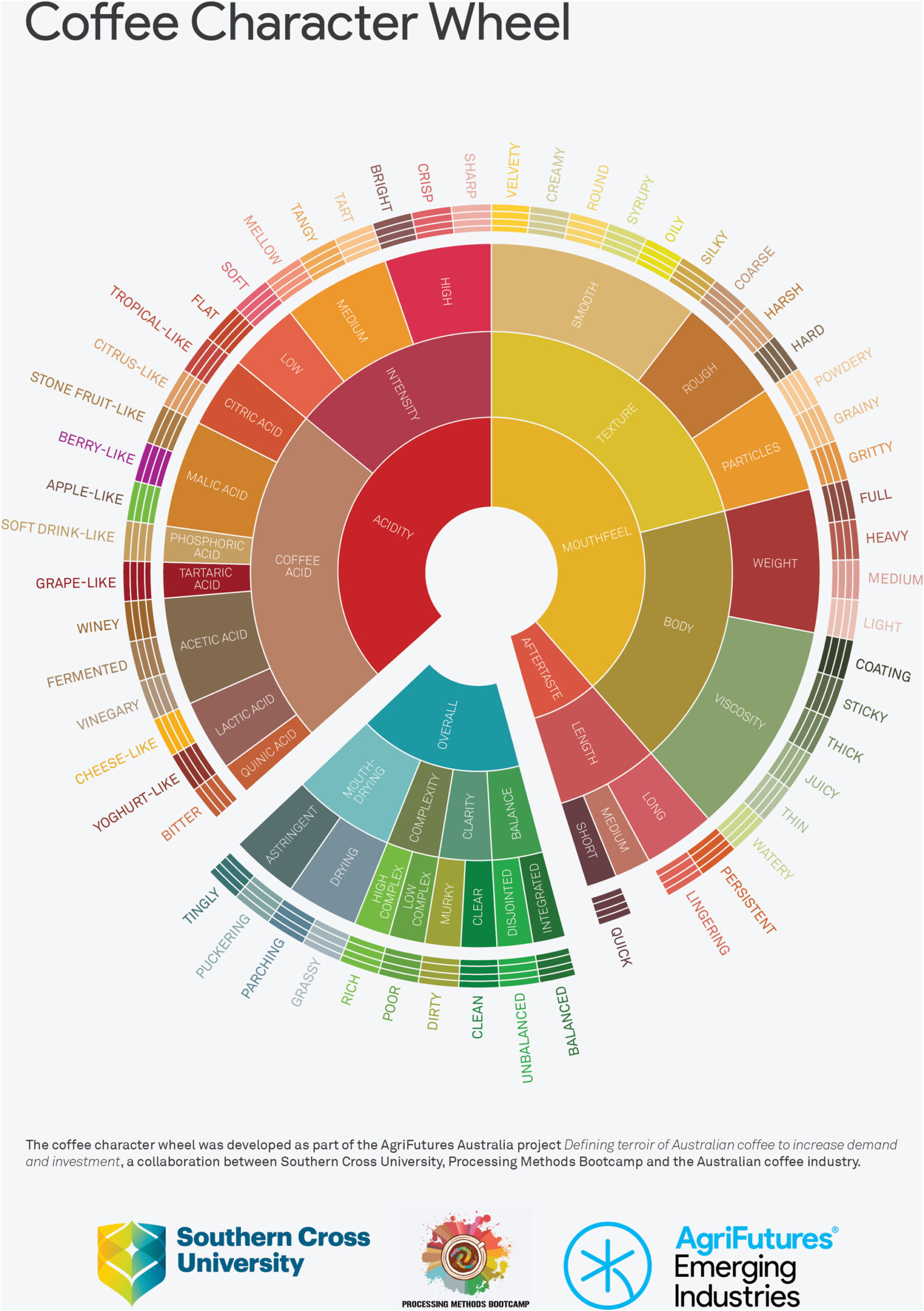
In a groundbreaking endeavor to tackle the challenge of a lack of standardized terms for acidity, mouthfeel, and other nuanced coffee characteristics, a team of coffee experts has unveiled the Coffee Personality Wheel. This innovative tool aims to fill the gap that has limited the comprehensive expression of these sensory attributes in the realm of coffee evaluation.

Drawing insights from diverse sources, including coffee panels, literature, and internet resources, the researchers, led by coffee experts Simon D. Williams, Danilo de Andrade, and Li Liu, crafted the Coffee Personality Wheel. This sensory wheel reflects the terminology currently utilized by researchers and coffee professionals, providing a concise list of terms ranging from broad to specific. The format of the wheel is familiar to industry professionals, aligning with the Specialty Coffee Association’s Coffee Taster Circle.

Designed to complement the Specialty Coffee Association’s Coffee Taster Flavor Wheel, the Coffee Personality Wheel serves as a valuable tool for coffee researchers and professionals to articulate the complete sensory experience of coffee, adhering to current industry evaluation standards.

This pioneering study signifies a revolutionary change in the world of coffee evaluation. The Coffee Personality Wheel goes beyond the traditional flavor-focused approach, shedding light on often overlooked sensory dimensions such as acidity, mouthfeel, and aftertaste.

Traditionally, coffee evaluation has predominantly centered on unraveling the complex flavors within each cup, leaving a gap in exploring broader sensory elements. Williams, de Andrade, and Liu sought to address this gap by meticulously collecting 679 sensory terms from various sources, including literature, coffee bars, and online materials.

Through sophisticated statistical analyses, including text mining, big image building, and hierarchical clustering, these terms were condensed into a concise and comprehensive Coffee Personality Wheel. This tool provides a unified language for industry professionals to dissect and articulate the multi-faceted coffee experience.

The implications of the Coffee Personality Wheel extend beyond terminology, acting as a companion to existing flavor wheels and offering clear descriptions of acidity and aftertaste—elements often marginalized in quality assessments. As the coffee industry embraces a more holistic approach to sensory evaluation, the Coffee Personality Wheel emerges as a unifying force, fostering shared understanding among researchers, professionals, and enthusiasts.

The collaborative effort led by Williams, de Andrade, and Liu involved a large-scale survey of 55 specialty coffee roasters, forming the foundation for identifying 679 unique sensory terms. Rigorous statistical analyses and iterative modifications, validated through additional panels, ensured the accuracy and practicality of the Coffee Personality Wheel in real-world coffee evaluations.

The scoping study exposed a disproportionate focus on flavor terms in coffee marketing, prompting the development of a more comprehensive evaluation tool. A testament to careful analysis and validation, the Coffee Personality Wheel successfully distills countless sensory descriptions into 95 refined terms.

Organized in a visually intuitive concentric circle, this tool represents a significant leap forward in expressing and appreciating the precise dimensions of coffee. The study’s innovative approach, spearheaded by Williams, de Andrade, and Liu, marks a paradigm shift in how coffee is evaluated and valued.

By addressing biases in marketing descriptions and strategically compromising on terminology, the Coffee Personality Wheel aligns with industry practices while serving as a universal language for the global coffee community. As this transformative tool takes center stage, it signals a new era in the sensory evaluation of coffee, guided by the visionaries Williams, de Andrade, and Liu.

Beyond the intricate interplay of flavors, acidity, and aftertaste now find their rightful place in the dictionary of coffee professionals. Crafted with precision and dedication, the Coffee Personality Wheel not only aligns with existing evaluation protocols but also paves the way for future adaptations and innovations in the ever-evolving world of coffee estimation.


The most popular types of coffee in the UK

Like other people, the English love coffee. Estimates indicate that more than 80 percent of them visit cafés at least once a week to order their favorite coffee drink, and about 17 percent of them visit cafés on a daily basis, out of which 16 percent of them own a coffee maker at Home, so what are the most popular drinks they prefer and where do they come from?

Latte:

The UK’s most popular coffee type is a latte . the latte is generally a shot of espresso topped up with steamed milk and a layer of foam on the top.

While coffee has its roots in Africa and the Middle East, the concept of drinking milk with coffee was primarily a European invention, in practice since the 17th Century. According to the Oxford English Dictionary, the term “caffè e latte” (coffee with milk) was first used in English by the novelist William Dean Howells in 1867.

The latte story goes that coffee with milk was popular among American tourists in Italy who didn’t enjoy the bitter, rich flavors of Italian espresso and added large quantities of warm milk to make a sweeter drink.

It’s said they took the recipe back home with them, with the version of the latte we know today being standardized in Seattle, USA, in the 1980s. It has gone on to become one of the most popular coffee types in the world – but a word of warning if you fancy ordering one in Rome or Milan.

Cappuccino:

There’s not much difference between a cappuccino and a latte – both have the same ingredients, but it’s the quantities that change these drinks.

A cappuccino will have much more foamed milk than a latte and is considered a layered drink, often finished with chocolate or cinnamon powder on top.

While the name cappuccino comes from the Latin “caputium,” meaning hood or cloak, the drink’s origins actually come from Austria.

Coffee houses in Vienna pioneered the introduction of cream and sugar with coffee in the 18th Century. The color of the coffee resembled the color of the hooded robes worn by the Capuchin monks and nuns, and the German/Austrian variation of “kapuziner” was taken as its name.

Cappuccino versions were served across Europe from the 1930s onwards – although the drink at this time was typically espresso topped with whipped cream. As coffee machine technology improved, the version we know today was standardized, initially in Italy, before becoming popular as a ‘long’ coffee drink, meant to last, around the world.

flat white:

A flat white is an espresso-based drink that contains steamed milk.
It is made with a small amount of steamed milk and a thin layer of microfoam.

There is some debate about whether the flat white originated in Australia or New Zealand. Either way, it has been around down under since the 1980s. In the years since, it has popped up on menus in the US, UK, and elsewhere and is now a specialty café standard.

Americano:

As the name might suggest, we may have Americans to thank again for the invention of the Americano – the UK’s fourht most-popular coffee.

The drink – a shot or two of espresso, topped up with hot water – is believed to have been popularized by soldiers posted in Italy during World War Two.

It’s said that the American troops were looking for a different way to take their coffee. The local baristas came up with the option of diluting it with hot water in order to make the drink something they were more familiar with – the name Americano has stuck ever since.

The name Americano did appear in print some 20 years earlier though. Somerset Maugham’s collection of short stories, Ashenden: Or the British Agent, refers to his titular hero drinking an Americano in Naples, although we never find out what exactly the drink was.

Mocha:

While the word mocha is now synonymous with chocolate, particularly in coffee, it wasn’t always the case.

The name was taken from a variety of coffee grown in the Middle Eastern country of Yemen. The beans were named after the local Mokha port that they were shipped from.

People noticed an unusual chocolate taste to the coffee. As chocolate became more common in Europe, it began to be added to coffee to give it a sweeter taste and the mocha name was used.

Modern mochas come in many different varieties, ranging from latte-style coffees with chocolate powder or syrup added, to hot chocolates with a shot of espresso added.

Iced Coffee:

While only accounting for just under 4% of UK coffee sales in 2016, iced coffees and cold brews are becoming more and more popular around the world. A traditional iced coffee is brewed hot and poured over ice or very cold milk while a cold brew does as the name suggests – and is prepared entirely cold for a different flavor.


New Study Reveals: Coffee Boosts Exercise and Metabolism

In a groundbreaking study published in the latest issue of the Journal of Exercise Science and Nutrition, researchers have delved into the depths of coffee and caffeine’s impact on exercise and metabolism, unraveling a concise yet powerful review of their effects.

Key Findings:

Neurostimulant Aid: Coffee and caffeine, particularly in the form of 1,3,7-trimethylxanthine, have been identified as potent neurostimulant aids. These substances are shown to enhance energy substrate levels, providing a natural boost to physical and mental performance.

Exercise Performance: The study highlights the positive impact of coffee and caffeine on exercise performance. The mechanisms involved include adenosine receptor antagonism, increased catecholamine concentrations, phosphodiesterase inhibition, and stimulation of calcium-release channels. These factors collectively contribute to improved endurance, strength, and overall exercise efficiency.

Therapeutic Effects: Beyond their role in exercise, coffee and caffeine demonstrate therapeutic effects that can be harnessed to control chronic and metabolic diseases. The four identified mechanisms serve as pathways to combat conditions such as obesity, insulin resistance, oxidative stress, and inflammation.

Genetic Variability: While individual genetic variations exist, the study reveals that distinct mechanisms in coffee and caffeine consumption can consistently enhance physical performance, thermogenesis, lipolysis, insulin sensitivity, and hormonal modulation across diverse populations.

Metabolic Variables: Current data suggest that coffee consumption and caffeine supplementation have the potential to improve metabolic variables, providing a holistic approach to health. This includes a reduction in oxidative stress, inflammation, and insulin resistance.

Future Directions: The researchers acknowledge the need for further studies to define clinical interventions with caffeine, especially in the context of obesity and chronic conditions. Understanding the nuances of how coffee and caffeine interact with specific populations will be crucial for tailoring interventions that maximize benefits.

This study brings to light the untapped potential of coffee and caffeine, not only as a morning pick-me-up but as a natural enhancer of both physical and mental well-being. As the scientific community awaits further investigations, it seems that our favorite brew might hold the key to unlocking a healthier and more energized future. Stay tuned for more developments in the realm of coffee’s impact on human performance and metabolism!