COFFEE PRICE AT THEIR HIGHEST LEVEL IN 10 YEARS

In November 2021, coffee prices reached new multi-year highs, as the monthly average of the ICO composite indicator price was 195.17 US cents/lb, an increase of 7.5% as compared to 181.57 US cents/lb in October 2021. These price levels during coffee year 2021/22 mark a significant and steady recovery from the low levels experienced over the four preceding coffee years. As coffee prices continued to increase, intra-day volatility in November 2021 of the ICO composite indicator price increased by 1.2 percentage points to 9.5% in November 2021. Estimates of total production for coffee year 2020/21 remain unchanged at 169.64 million 60-kg bags. On the other hand, world coffee consumption is assessed marginally up in volume, now estimated to have increased to 167.67 million bags in 2020/21 as compared to 164.53 million bags for coffee year 2019/20. The gap production-consumption is therefore reducing to 1.97 million bags. Exports of all forms of coffee in October 2021 totalled 9.68 million bags, down 4.4% as compared to 10.13 million bags in October 2020. In terms of regional performance during the first month of coffee year 2021/22, exports of South America decreased by 20.6% to 4.94 million bags as compared to 6.22 million bags in October 2020/21. Exports of Asia & Oceania over the first month of coffee year 2021/22 increased by 25.8% from 2.49 million bags to 3.13 million bags in October 2021/22. Central America and Mexico shipments during the first month of coffee year 2021/22 increased by 35.0% to 0.53 million bags, as compared to 0.40 million bags over the same period during coffee year 2020/21. Africa recorded an increase in export by 5.1% to 1.1 million bags in October 2021 as compared to 1.0 million bags in October 2020. Since November 2020, where the ICO Composite Indicator was priced at 109.70 US cents/lb, an increase of 77.9% has been recorded. Moreover, the average price of November 2021 is the 10-years high since it was 193.90 US cents/lb in October 2011. The monthly average for September 2011 was 213.04 US cents/lb. The steady upward trend observed since the start of coffee year 2020/21 shows how the recovery of coffee prices, after four consecutive years of low-price levels, reflects a dramatic change in overall market conditions, as shown in Figure 1.

Prices for all group indicators increased in November 2021 and reached their highest levels in several years. The highest increase occurred in the Brazilian Naturals Group indicator price, which reached 218.90 US cents/lb, an increase of 9.5% as compared to 199.98 US cents/lb registered in the previous month, more than doubled compared with November 2020, increasing by 105.7%. The price for the Colombian Milds increased by 8.0% to 279.56 US cents/lb in November 2021 as compared to 258.87 US cents/lb in October 2021. It also represents a rise of 73.4% from 161.21 cents/lb recorded in November 2020. Prices for the Other Milds increased by 7.4% to 258.95 US cents/lb in November 2021 as compared to 241.06 US cents/lb in October 2021. Moreover, compared to its level of 150.73 US cents/lb in November 2020, the Other Milds indicator increased by 71.8%. Robustas, priced at 109.40 US cents/lb in November, showed steady growth and increased by 4.0% in between October 2021 and November 2021.

The differential between the Colombian Milds and Other Milds increased substantially, rising by 15.7% from 17.81 US cents/lb in October 2021 to 20.60 US cents/lb in November 2021.

The differential between the Colombian Milds and Brazilian Naturals increased by 3.0%, from 58.89 US cents/lb in October 2021 to 60.66 US cents/lb in November 2021. The differential between the Colombian Milds and Robustas increased by 10.8%, from 153.63 cents/lb in October 2021 to 170.16 US cents/lb in November 2021.

The differential between the Other Milds and Brazilian Naturals decreased by 4.2% to 40.06 US cents/lb in November 2021 from 41.82 US
cents/lb in October 2021. The arbitrage between Arabica and Robusta coffees, as measured on the New York and London futures markets, increased by 28.3% at 123.64 US cents/lb in November 2021, as compared with 96.39 US cents/lb in October 2021.

As coffee prices continued to increase, intra-day volatility in November 2021 of the ICO composite indicator price increased by 1.2 percentage points to 9.5% in November 2021.

The Brazilian Naturals indicator showed a growing volatility of 11.8% in November 2021, as compared to 10.7% in October 2021 being the highest among all the groups.

The Colombian Milds recorded a level of volatility at 9.3% in November 2021, as compared to 8.6% recorded in October 2021. Volatility for the Other Milds increased slightly from 9.5% in October 2021 to 10.2% in November 2021. Robusta price had the lowest volatility at 7.4% in November 2021, but higher than the level of 5.3% in October 2021.

The volatility of New York futures market was 11.9% in November 2021, as compared to 11.1% in October 2021. The volatility of London
futures market increased by 1.9 percentage points to 7.5%, as compared to 5.6% in October 2021.

Estimates of total production for coffee year 2020/21 remain unchanged at 169.64 million bags, representing a 0.4% increase as compared to 169.00 million bags during the previous coffee year.
Arabica production is assessed to have increased by 2.3% to 99.27 million bags from 97.08 million bags in 2019/20, while the production of Robusta is gauged as 70.38 million bags, down 2.2% year-on-year from 71.92 million bags in the previous year.

At the regional level, output from Africa is revised down marginally to 18.74 million bags as compared to the level recorded in the previous coffee year. The estimate for Asia & Oceania remains near the same as the previous month’s evaluation: down by 1.1% from 49.46 million bags in 2019/20 to 48.91 million in 2020/21. Production in Central America and Mexico is expected to decrease by 2.1% at 19.19 million bags against 19.60 million bags in coffee year 2019/20. An increase of 2.0% in production is expected from South America at 82.80 million bags, as compared to 81.21 million bags in 2019/20. Looking at the current crop year 2021/22, the frost in Brazil coupled with the “off-season” for its Arabica remain as the two main factors negatively affecting the outlook for the global green bean coffee production.

World coffee consumption is assessed marginally up in volume, now estimated to have increased to 167.67 million bags in 2020/21 as compared to 164.53 million bags for coffee year 2019/20. The gap production-consumption for 2020/21 is therefore reducing to 1.97 million
bags.

The outlook, however, has been turned around with the prospect of further easing of pandemic restrictions related to covid-19 now fast disappearing, especially in Europe, with the emergence of the new variant, Omicron. Austria and Slovakia have recently announced return
to full lockdown to at least to the middle of December even while restrictions are being further relaxed in places like New Zealand. The projection of the global economic growth has been downgraded, now expected to grow by 5.9% in 2021 and by 4.9% in 2022, by the IMF in its latest report. It reported that the downward revision for 2021 reflects a downgrade for advanced economies—in part due to supply disruptions—and for low-income developing countries, largely due to worsening pandemic dynamics.

Exports of all forms of coffee in October 2021 totaled 9.68 million bags, down 4.4% as compared to 10.13 million bags in October 2020. The decrease was driven by Arabica, which fell by 8.8% to 6.17 million bags from 6.76 million bags, not offset by the 4.4% increase by Robusta that rose to 3.51 million bags from 3.36 million bags. The steepest decrease was recorded by the Brazilian Naturals, down from 4.13 million bags in October 2020 to 3.62 million bags in October 2021, followed by the Colombian Mild’s, which dropped to 1.07 million bags from 1.20 million bags, a 11.3% fall. Exports of green coffee amounted to 8.51 million bags in the first month of the coffee year 2021/22, a decrease of 6.1% as compared to 9.06 million bags for the same period in the coffee year 2020/21. The pattern of total export by exporting countries is still dominated by green coffee, which represented 90.6% and 90.2% of total exports, respectively, during coffee years 2021/22 and 2020/21.

In terms of regional performance, during the first month of coffee year 2021/22, exports of South America decreased by 20.6% to 4.94 million bags as compared to 6.22 million bags in October 2020/21. Exports by Brazil decreased sharply at 23.8% to 3.43 million bags from 4.50 million bags in 2020/21. Exports by Colombia also fell, but by a smaller margin, by 5.0% to 0.98 million bags in the coffee year 2021/20 from 1.04 million bags in the previous coffee year. Total exports of Peru declined by 23.1% to 0.47 million bags in the first month of the coffee year 2021/22 from 0.61 million bags in the same period last year. Shipments of Asia & Oceania over the first month of coffee year 2021/22 increased by 25.8% from 2.49 million bags to 3.13 million bags in October 2021/22. Exports increased by 13.7% in Vietnam from 1.50 million bags in 2020/21 to 1.71 million bags in 2021/22.

Exports of India increased by 33.3% from 0.35 million bags in 2020/21 to 0.47 million bags in 2021/22. Exports from Central America and Mexico during the first month of coffee year 2021/22 increased by 35.0% to 0.53 million bags, as compared to 0.40 million bags over the same period during coffee year 2020/21. Honduras continues to effectively recover from two natural disasters caused by hurricanes Iota and Eta with its exports increasing by 293.2% to 80,238 bags in the first month of the coffee year 2021/22 as compared to 20,410 bags in 2020/21. Nicaragua, which suffered the same climatic disasters as Honduras, has recorded a 70.0% increase of exports from 54,607 bags in October 2020 to 92,838 bags in October 2021. Export volume increases of 15.0% and 6.9% were observed in Guatemala and Mexico, respectively in October 2021. Costa Rica’s exports increased 22.2%. Exports by Africa
increased by 5.1% to 1.1 million bags in October 2021 as compared to 1.0 million bags in October 2020. Exports rose in Uganda (13.7%) and Ethiopia (37.2%), while it was down in Tanzania (28.3%), Kenya (47.4%) and the Côte d’Ivoire (45.2%)


Explanatory Note for Table 3
For each year, the Secretariat uses statistics received from Members to provide estimates and forecasts for annual production, consumption, trade and stocks. As noted in paragraph 100 of document ICC 120-16, these statistics can be supplemented and complemented by data from other sources when information received from Members is incomplete, delayed or inconsistent. The Secretariat also considers multiple sources for generating supply and demand balance sheets for non-Members.

The Secretariat uses the concept of the marketing year, that is the coffee year commencing on 1 October of each year, when looking at the global supply and demand balance. Coffee-producing countries are located in different regions around the world, with various crop years, i.e. the 12- month period from one harvest to the next. The crop years currently used by the Secretariat commence on 1 April, 1 July and 1 October.

To maintain consistency, the Secretariat converts production data from a crop year basis to a marketing year basis depending on the harvest months for each country. Using a coffee year basis for the global coffee supply and demand, as well as prices ensures that analysis of the market situation occurs within the same time period.

For example, the 2018/19 coffee year began on 1 October 2018 and ended 30 September 2019. However, for producers with crop years commencing on 1 April, the crop year production occurs across two coffee years. Brazil’s 2018/19 crop year began on 1 April 2018 and finished 31 March 2019, covering the first half of coffee year 2018/19. However, Brazil’s 2019/20 crop year commenced 1 April 2019 and ended 31 March 2020, covering the latter half of coffee year 2019/20. In order to bring the crop year production into a single coffee year, the Secretariat would allocate a portion of the April-March 2018/19 crop year production and a portion of the April-March 2019/20 production into 2018/19 coffee year production.

It should be noted that while estimates for coffee year production are created for each individual country, these are made for the purpose of creating a consistent aggregated supply-demand balance for analytical purposes and does not represent the production occurring on the ground within the individual countries.


HOW DOES MORNING COFFEE AFFECT THE HEART?

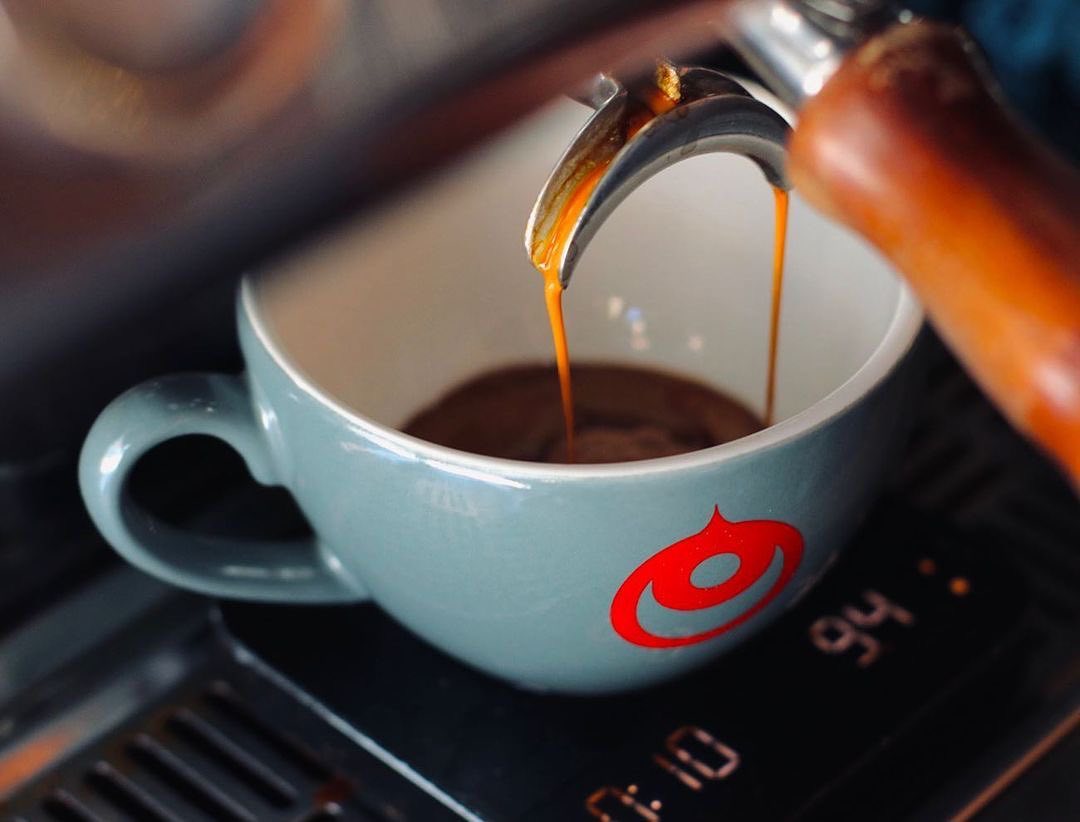
The latest scientific studies in the field of heart confirmed that the morning coffee sipping does not increase the risk of stroke and myocardial infarction, but reduces the risk of heart failure by 5 percent.

According to Dr. Anna korenevich, a Russian cardiologist, people who have had myocardial infarction, eating 1-2 cups of coffee a day will have a positive effect on their health. According to the newspaper “Rossiyskaya Gazeta”.

He explains Dr. Korenevich: “the researchers did not detect, any negative effect of coffee on the heart and blood vessels when consuming coffee in moderation. Caffeine improves microcirculation and lowers the level of inflammation causing atherosclerosis in the body. It also stimulates brain activity, and this is very important especially in the morning”.

The specialist advises drinking coffee without sugar and milk, then the person gets more benefit. She noted that additives are associated with a higher risk of diabetes.

Korenevich adds, It is important to consult a doctor when planning to do hard work or change the diet, especially if the person suffers from cardiovascular diseases.

Professor zhaorbek shukchev, a cardiologist, had previously declared, that coffee intake reduces the risk of developing cardiovascular diseases. But we must always remember, that coffee raises the level of blood pressure a little and for a short time.

Yemeni Coffee: History and Fame

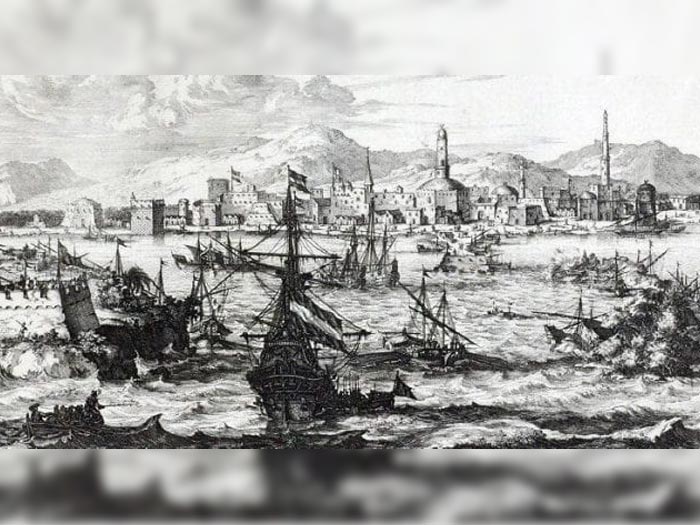
Historically, Yemen has been associated with coffee for centuries, particularly with the city of Mocha, which represented the starting point for the fame of this beverage locally and globally. Yemeni coffee is known in many cultures as “Mocha,” referring to the port of Mocha, which was a hub for coffee exports.

Origin of the Coffee Tree:

The coffee tree is evergreen, reaching heights of approximately 4.5 to 6 meters, with deep roots and soft leaves. Coffee is used as a hot or cold beverage, prized for its stimulating effect due to its caffeine content.

Origin and History of Coffee:

Opinions vary regarding the origin of the coffee tree and its wild existence. Some believe it originated in the Arabian Peninsula and was transported to Ethiopia. Some suggest that coffee first appeared wild in the Kaffa region of southern Ethiopia, while others propose that it was likely brought to Ethiopia from Yemen due to environmental similarities between the two countries.

Yemeni Connection to Coffee:

It is believed that Yemenis became acquainted with the coffee tree in the early 5th century AD when it was planted in the Al-Dain region. Some accounts credit the Arab physician Al-Razi as the first to mention Yemeni coffee in 900 AD.

Agricultural and Commercial Development:

Coffee cultivation in Yemen has witnessed significant development since the Middle Ages, making Yemeni coffee a prominent symbol of high quality. Yemeni coffee became synonymous with the port of Mocha, renowned for its high quality, and was traded to several countries.

Coffee Growing Regions:

Coffee shrubs thrive in various regions of Yemen, including Sana’a, Hajjah, Al-Dain, Yafi, due to the considerable similarity in climatic conditions between these areas.

Coffee Varieties Cultivated in Yemen:

Yemen cultivates three varieties of coffee known as the Al-Daini, Tufahi, and Dwayri, named after the regions where they are cultivated, such as Al-Hamadi, Al-Yafi, Al-Burai, Al-Harazi, Al-Mutri, and Al-Haimi.

International Coffee Organization (ICO)

The International Coffee Organization was established in 1963 when the first International Coffee Agreement (ICA) entered into force in 1962 for a period of five years, and it has continued to operate under successive Agreements negotiated since then. These include the ICA 1968 (and its two extensions), the ICA 1976 (with one extension), 1983 (and its four extensions), the 1994 Agreement (with one extension) and the 2001 Agreement (with three extensions). The latest Agreement, the ICA 2007, was adopted by the Council in September 2007 and entered into force definitively on 2 February 2011.

Mission

The International Coffee Organization (ICO) is the main intergovernmental organization for coffee, bringing together exporting and importing Governments to tackle the challenges facing the world coffee sector through international cooperation. Its Member Governments represent 98% of world coffee production and 67% of world consumption.

The ICO’s mission is to strengthen the global coffee sector and promote its sustainable expansion in a market-based environment for the betterment of all participants in the coffee sector.

It makes a practical contribution to the development of a sustainable world coffee sector and to reducing poverty in developing countries by:

enabling governments and the private sector to exchange views on coffee matters, market conditions and trends, and coordinate policies at high-level meetings

developing and seeking finance for projects that benefit the world coffee economy

promoting coffee quality through a Coffee Quality-Improvement Programme

promoting market transparency by providing a wide range of statistics on the world coffee sector

developing coffee consumption and markets for coffee through innovative market development activities

encouraging the development of strategies to enhance the capacity of local communities and small-scale farmers

promoting training and information programmes to assist the transfer of technology relevant to coffee

facilitating information on financial tools and services to assist producers

providing objective and comprehensive economic, technical and scientific information on the world coffee sector.

The ICO was set up in London in 1963 under the auspices of the United Nations because of the great economic importance of coffee. It administers the International Coffee Agreement (ICA), an important instrument for development cooperation. The latest Agreement, the ICA 2007, entered into force on 2 February 2011.

Members:

Exporting Member Countries  Importing Member Countries 

Angola
Bolivia (Plurinational State of)
Brazil
Burundi
Cameroon
Central African Republic
Colombia
Costa Rica
Côte d’Ivoire
Cuba
Democratic Republic of the Congo
Ecuador
El Salvador
Ethiopia
Gabon
Ghana
Honduras
India
Indonesia
Kenya
Liberia
Madagascar
Malawi
Mexico
Nepal
Nicaragua
Nigeria
Panama
Papua New Guinea
Peru
Philippines
Rwanda
Sierra Leone
Tanzania
Thailand
Timor-Leste
Togo
Uganda
Venezuela
Vietnam
Yemen
Zambia
Zimbabwe

European Union:
Austria
Belgium
Bulgaria
Croatia
Cyprus
Czech Republic
Denmark
Estonia
Finland
France
Germany
Greece
Hungary
Ireland
Italy
Latvia
Lithuania
Luxembourg
Malta
Netherlands
Poland
Portugal
Romania
Slovakia
Slovenia
Spain
Sweden

Japan
Norway
Russian Federation
Switzerland
Tunisia
United Kingdom

DMCC Coffee Centre signs strategic partnership with Boncafé Middle East LLC

DMCC – the world’s flagship Free Zone and Government of Dubai Authority on commodities, trade and enterprise – has signed a strategic partnership with Boncafé Middle East, a leading manufacturer and distributor of gourmet coffee and coffee machines, to produce locally roasted coffee at DMCC’s state-of-the-art Coffee Centre. The signing, which took place in DMCC Headquarters in Almas Tower, was attended by Ahmed bin Sulayem, Executive Chairman and Chief Executive Officer of DMCC and Tony Billingham, CEO MENA and Group Executive Director of Boncafé.

Under the agreement, DMCC Coffee Centre will produce a variety of locally roasted coffee which is set to boost trade flow into the emirate of Dubai and in return will help develop Boncafé’s brand position in the larger MENA region. DMCC Coffee Centre will also produce and solely distribute a range of bespoke coffee products tailor made for Boncafé across the GCC.

The DMCC Coffee Centre offers world-class infrastructure and services and the partnership will further cement its position as a leading centre of excellence and trade producing a range of high quality coffees and blends up to par with traditional coffee markets such as Italy, the USA and Switzerland. The move serves both the global and local market by delivering fresh and cost-efficient coffee.

“DMCC is proud to partner with Boncafé, a true powerhouse in the coffee industry and the region for 18 years, to provide them with a range of bespoke services to facilitate their global trade. This collaboration underpins our strategy of providing world-class services, from roasting and quality control through to packaging and distribution, that cater to the entire coffee value chain. It also truly reflects the strong reputation the Coffee Centre has built and its ability to attract leading coffee players, in turn positioning Dubai as a global hub for specialty coffee. We thank Boncafé for choosing us as their partner and very much look forward to working alongside their teams.” said Ahmed Bin Sulayem, Executive Chairman and Chief Executive Officer of DMCC.

The UAE is one of the most developed coffee markets in the region and the agreement is set to further enhance this position and bring added value to Dubai by boosting the import of Green coffee sourced from Africa, Latin America and Asia. Agreements as such will catapult Dubai’s GDP through the re-export of roasted coffee products into the region.

“To partner with DMCC is a natural progression for the Boncafé & Massimo Zanetti Beverage Group and this further shows the Group commitment to develop locally roasted UAE coffees. This will undoubtedly enhance our brands position throughout the whole Middle East region being now produced locally in the UAE.” said Tony Billingham, CEO MENA, Boncafé Group Executive Director.

The DMCC Coffee Centre continues to attract international businesses by connecting the fast-growing consumer markets in the Middle East and Europe to some of the world’s major coffee producing nations. The Coffee Centre supports the entire coffee industry from crop to cup by offering cost-efficient logistical support as well as warehousing, roasting and packaging services. In July 2020, DMCC announced plans to expand the Coffee and Tea Centres to triple output, increase services and boost capacity.

History of coffee.. A boiled drink from the ancient heritage of the Arabs to the world

It was said in ancient times for coffee “qahawi”, and perhaps this word is still used when the people of the mountains areas of the northeast region in the UAE, and the word comes between “qahawi” or “coffee”, and whatever the name, it gives energy to the body, and stimulate emotions to work, and incite thought to search.

It is a drink of Arab Abyssinian origin that grew from a tree of various kinds, and is made from roasted seeds, from which different flavors and smells come out.despite the country of origin, coffee now comes from many countries in this world, so that the tropical climate becomes the most important to be planted, and thus develops into the so-called Global Coffee economy, and now it motivates us to delve into the history of coffee.

Attend

In our days, Coffee has become present in all social, educational, political and economic events, a strong presence in all its fragrant colors, it is universally agreed that it is on the one hand a catalyst for work, decisions and studies, and on the other hand influential in the human mind, it was not what repels it, because coffee farms are expanding day by day after these seeds have built their decent position in the export markets for international trade.

Linguistically

As the interpretation of coffee came in the dictionary of the Arabic language, it is “wine” in the heritage of the Arabs before Islam, as interpreted as boiled drink and pure milk, while some dictionaries went to interpret coffee fertile, but today the word has taken a turn to meet, as a cafe and forum for meeting, to develop into a daily and necessary climate, and when some weather drinking and mood can not do without.

Birth

If we know that coffee is originally a cultivated plant and therefore a fruit of a tree, then where is its origin, origin and Origin before it reaches all the peoples of the Earth? – Because we want this plant a description and identity, we returned to the French encyclopedia to find that it originated first in Abyssinia, (i.e. Ethiopia, to become this country the origin of coffee and its history, and other researchers went to document those trees that they are of the genus coffee and that they are from an Arab family, or as they Surrounded by a silver skin that adheres to it to match the seed which can be grinded.

One coffee farmer says that this fragrant and beautiful fruit, especially the Arab ones, that it is very sensitive and needs a rather cold climate, as it suits the lowlands, while the high mountains are less productive there.

But man and his intellectual nature and over time, renew what he has, to go to the hybridization of coffee by pollinating it easier to produce a new “genetic”, and pave the way to bring out this drink Rich in caffeine different taste and sometimes rare, and therefore classified luxurious, and this is what the Netherlands did, genetic modification has become one of the most important new global experiences, especially with regard to fields and agriculture.

Enemies of coffee

We all know that the rhythm of this world is sometimes ambiguous, otherwise where do Enemies appear, How do destinies change As well as coffee appeared to have a fungus called “coffee rust”, after watching a special program about coffee, we noticed the exit of deadly parasites attacking the leaves of the fruit to give it a different color, and this type of malicious parasites with a slow effect the fruit can not resist all the time, to become the relationship between them a confrontation between defeat and victory.

Coffee migration

We return again to coffee with a pale color and hot bitterness and appetite, which took spread from Ethiopia since the 15th century, to the Ottoman Empire, which will be controlled, and the Abyssinian name “kava” to be adopted by the Turks, and then enter through the Mediterranean trade to Venice in Italy in 1610, to be adopted by Britain as “coffee”.

This came from the author of the book “tea and chocolate” Sylvester Dufour, he explains about the spice trade, this great trade and the art of tasting coffee officially in Europe when it began through the Ottoman embassy there, to take it by the name of Turkish coffee “Turkish” and presented in a modern Turkish style at the time.

Between “cafe” and “Mokha”

When coffee entered France, and was adopted under the name “Cafe” after it came out with an official permit from its government, after examination in its laboratories and the description of the tree of the product with its seeds and farms, and even the roasting exam, the coffee took its full innocence to sit accredited in the councils of the French.

But there is a beautiful report written by a merchant named Philip in 1685, he was trading in spices, mentions how coffee was transported from the Yemeni port of Mokha and 4 thousand years ago, confirming that it grew for the first time in Yemen, reaching the old Red Sea ports, where the port of Suez, Jeddah and others after loading on ships.

Of course, there were other means of Transportation, namely land roads and transportation over camels, and a long caravan later goes to hajj with pilgrims before Islam, and therefore to Damascus and Aleppo, to become the discovery in the 15th century and spread in the 16th and 17th centuries late, there are forgotten beginnings going back thousands of years, to confirm that coffee is Arabic origin and origin.

Writers and celebrities of the greatest drinkers

French thinker and writer Voltaire, who lived in the 18th century, that is, in the age of enlightenment and the spread of coffee, exceeded his consumption of up to 12 large cups of coffee a day, and the amount increased until he died with coffee according to the report of his doctor, who wrote that he had died with”caffeine”, in his last years increased the amount of drinking to 54 cups a day, famous for saying “nothing is done without coffee”, especially after warning his friends of the unreasonable amounts consumed, because of the danger to his health, however he did not care about their statements and lived until he was 84 years old.

In the territory of Austria was “Beethoven” drink daily equivalent to 60 grains of coffee in each cup, especially during the creation of his music and put the melody, as well as the Danish philosopher “Kierkegaard” who is famous for his unusual way of making his coffee, as he stated in his memoirs that he was filling his coffee with a lot of sugar, and consumed daily about 50 cups.

If we go to the musician Johann Bach, it was the title of coffee after the peak of its consumption, as some testify that it was not without social problems caused by addiction to it, especially among the creative and famous classes.

Finally, politicians did not stop themselves from drinking coffee, and no doubt we can not ignore the most important political figures, the 26th president of the United States, Franklin Roosevelt, who drank 4 liters of coffee a day, a quantity that is closer to the imagination, as his son said in his diary: “it was like a bathtub”.

Myth of discovery and modern-day icon

There is a legend about the discovery of coffee that says that a shepherd made his flock consume fruits somewhere, not knowing that they are the fruits of coffee coffee, so that the pasture acquires full vitality, and this led to the shepherd’s curiosity to discover the fruits of the tree and thus discovered coffee.

Since that Abyssinian legend, it has become the most used Cities for coffee, which is the richest and most stable and developing, but coffee has become a cultural and intellectual mark, to enjoy the people who drink it in front of shoppers in the”malls” of the owners of social prosperity and behavioral sophistication, and play elegant and ceramic coffee cup and sparkles over the tables and in the hands of those who make it skillfully, a manifestation of the Times.

Coffee between the pleasure of meeting and the pain of prohibition

From the young coffee trees, which are 3 years old, to large trees in farms with abundant production, we go back to the 15th century to open cafes for this flavor stimulating the mind and body and in front of chess tables and poems, and low price, for everyone to use and meet around all layers of society, until it was declared banned by the Ottoman sultan in all his lands, including Egypt, because the drink is suspected of intoxicating wine, and those who drink this coffee are persecuted, despite the attempt of some to defend this drink because it is healthy for the mind and body.

The origins of Arabian hospitality in the UAE and the Gulf

In the UAE and the Arab Gulf countries, the origin of hospitality is Arabic coffee, served in small circular cups with dates or candy, while everything that happens these days in the family hospitality morning or afternoon of foods and varieties we know and do not know it is foreign to the Customs and heritage of reception established in the mind of the first, to exceed some customs in order to reach the concept of generosity, carrying another meaning that we can say the weight of change and change.

However, we still touch hospitality on its origins in the palaces of hospitality and Grand councils, and no matter what the progress of time, Arabic coffee still manifests itself among the guests, becoming the most important and supreme symbol of reception.

1630

This year, the “coffee house” was established in Constantinople, so that coffee houses spread rapidly and in large quantities throughout the cities of the world gradually until coffee later became the drink of pleasure, guests and storytellers.

1672

It was in this year that Pascal Armenian founded the first cafe in Paris, near the bridge “Neuf”, the very founder of a cafe in London in 1685, where he invented a new way of making coffee.

1675

This year, coffee drinking was recorded for the first time in Belgium, specifically near the castle of “Ferrer” in the presence of Louis XIV, where a Turkish diplomat presented him a coffee drink on the occasion of the Treaty of “Ferrer”, which some call the “coffee convention”.

Source: Reem Al-Kamali Al-Bayan newspaper

https://www.albayan.ae/five-senses/culture/2018-11-05-1.3401175

History Of Coffee: Where Did Coffee Originate And How Was It Discovered

History Of Coffee: Where Did Coffee Originate And How Was It Discovered?History Of Coffee: Where Did Coffee Originate And How Was It Discovered?

Contents show

The history of coffee is a fascinating story. The bean has traveled the globe for centuries, being smuggled out of strict countries, stolen from royalty and has changed entire nations and economies. It’s remarkable how one small bean taken from tiny trees in Ethiopia could become the 2nd largest commodity traded in the world today.

Ever wondered where coffee came from, were this little bean got its start? Get ready to be taken on a journey through time and across continents.

Where Did Coffee Originate?

Where did coffee originate? Well, that’s the easy bit. At the very beginning, it came from Ethiopia. But how the bean made it to every corner of the globe? That’s what we are going to dig into.

After a slow discovery in Africa, coffee went west into Europe to be discovered and coveted by the newer civilizations as well as east into Asia where it was planted and harvested.

There’s a lot to cover, so grab a cup of coffee and read on.

How Was Coffee Discovered? – Ethiopia And The Dancing Goats

an illustration of kaldi and dancing goats

The most popular origin story of the beloved bean starts with Kaldi and his goats (1) in 700 AD. Kaldi, an Ethiopian (formerly Abyssinia) goat herder stumbled on his goats acting quite strange.

They were dancing. This definitely wasn’t normal. He discovered that they were eating red berries and concluded that this fruit was the cause of this odd behavior.

After stumbling upon this magic fruit, he shared his findings with a monk, who was ecstatic to find something that would help him stay awake all night as he prayed.

happy monk after eating the coffee berries

Another story, however, claims that Kaldi shared these beans with a monk who disapproved of their use and threw them into the fire.

The result was a wonderful, pleasing aroma which became the world’s first roasted coffee. Shortly after this, the beans were ground and boiled to produce what we know today as coffee.

Across The Waters – Onto The Middle East

Though the story of Kaldi cannot be proven to be true, one thing is certain: coffee came from Ethiopia.

an illustration of ethiopia’s geographical location in africa

Another thing we know for sure is where it went next. Coffee made its way north, across the red sea into Yemen in the 15th Century.

in the early history of coffee – how coffee made it to Yemen

The port at which the beans first arrived was called Mocha.

Due to coffee’s growing popularity and the shipment of coffee from the port city, Mocha became synonymous with coffee.

So any time you hear the term “mocha,” when talking about coffee, you now know where that term originated.

a sailor almost docking in the port of Mocha

Coffee was grown in Yemen and became well known in Egypt, Persia and Turkey.

It was known as the “wine of Araby.” The beverage started to become a little too popular as coffee houses started to open up all around Arabia. These coffee houses were known as “Schools of the Wise” (2).

These were the places you went to share and hear information. They became the epicenter of social activity.

a woman serving coffee in an Arabian coffee house

However, in the early 1500’s, the court at Mecca declared coffee to be forbidden due to its stimulating effect. A similar thing happened in both Cairo, Egypt and in Ethiopia.

All of these bans were eventually lifted, but coffee faced it’s fair share of persecution before that.

Riots broke out in the Arab streets until justice was returned to the coffee drinking people.

Into Europe And Asia

The course of history changes when the coffee bean spreads both east and west: East into India and Indonesia and West into Italy and onto the rest of Europe.

Asia’s Place In Coffee History

the history of coffee in asia began in the 17th century when a man rode a camel with sacks of coffee beans going to India

Arabia was the gatekeeper for coffee.

If a country wanted coffee beans, they purchased it from Yemen. The authorities liked it that way and did everything to ensure that nobody could take fertile beans out of their control and plant the trees themselves.

Alas, along comes Baba Budan, a Sufi saint from India who was on a pilgrimage to Mecca in 1670.

Upon his return, Baba Budan smuggled some fertile beans back to India where he began coffee cultivation.

a map showing how coffee made it from yemen to india

These beans began a large scale coffee farming in Southern India which are still producing plants today.

In the late 1600’s, the Dutch finally started growing coffee.

Decades earlier, the Dutch had smuggled coffee plants from Yemen in an attempt to grow the beans in Holland, but due to the cold weather their cultivation scheme failed miserably.

dutch men failing to grow coffee trees due to cold weather

This time however, friends in Ceylon (now Sri Lanka) sent coffee seedlings to the Dutch Governor of Java, Indonesia.

While multiple natural disasters wiped out their first attempts at coffee cultivation, in 1704 more seedlings were planted and coffee from Indonesia became a staple.

Java becomes another household term for coffee.

Eventually the coffee plant made its way to both Sumatra and Celebes, drastically increasing Indonesia’s coffee-growing capacity.

Into The West – Coffee Invades Europe

how coffee made it from yemen to rome

Coffee finally arrived in Venice in 1570 and quickly became quite popular. In 1615, Pope Clement VIII decided that the drink must be satanic.

Upon inspection, however, he gave in to the glory of the beverage, baptized it and declared it a Christian beverage.

Pope Clement VIII holding a coffee ceremony, baptizing beans

As the 1600’s rolled on, coffee houses sprung up all over Europe in England, Austria, France, Germany and Holland.

Much like the coffee houses of Arabia, these places became social hubs where one could engage in stimulating conversation and political debates. In England, these became known as penny universities.

For the price of a cup of coffee you could learn all sorts of things as public conversations carried on. Many of these coffee houses even grew into businesses, such as Edward Lloyd’s Coffee House which became a large scale insurance company.

In Oxford, England’s first coffee club opened. This shop would later be known as the Oxford Coffee Club where ideas and innovation were born and shared. The Oxford Coffee Club eventually grew to become The Royal Society (3).

Coffee houses became the go-to place for English men.If they weren’t working or at the pub, they were at the coffee houses. Women at the time were furious as their husbands were never home anymore, always drinking coffee and engaging in religious and political discussions.

17th century English men drinking coffee

In 1674, the Women’s Petition Against Coffee was born in an attempt to ban coffee and bring their men back home.

France was introduced to coffee in the 17th century – specifically in 1669 – by the Turkish Ambassador to Paris. In his time with Louis the XIV, the Royal Court swooned over the beverage and Paris was soon overtaken by the beverage.

In 1683, after the Battle of Vienna, Austria’s first coffee house opened – The Blue Bottle.

The Turks, who were attempting to invade the land, were shut down and left behind a surplus of coffee. The victorious officer opened the shop and popularized the practice of adding milk and sugar to coffee.

Coffee Introduced To The Americas

Coffee’s final frontier: the Americas.

Having already conquered Africa and the Indian Ocean nations and sweeping over Europe, the little beans were about to make their way even further west to conquer every nation touching the Atlantic Ocean.

Crossing The Atlantic

In the early 18th century, the Dutch decided to extend their generosity in a way that would change the [coffee farming] world forever.

The Mayor of Amsterdam gifted King Louis XIV of France a young coffee plant (4) in 1714, although the Dutch could not cultivate coffee trees in Holland, they could keep them alive in special greenhouses. This plant was protected in the Royal Botanical Gardens of Paris.

French Navy Gabriel Mathieu de Clieu getting coffee tree clippings

A captain of the French Navy, Gabriel Mathieu de Clieu was stationed in Martinique but happened to be visiting Paris. It’s unclear whether he ended up stealing clippings from King Louie’s [secured] coffee tree or if King Louie himself gave order for de Clieu to establish a coffee plantation in Martinique.

Regardless, de Clieu took his clippings and set sail for the Caribbean, which happened to have the ideal coffee growing conditions.

How coffee made it to the caribbean?

It was a long journey and de Clieu struggled to keep his plant alive.

Water was scarce on the boat but he managed to keep the plant alive by giving it his own supply of water and often going thirsty himself.

Upon arriving on the island, he secretly planted it among other plants to keep it safe.

Within 3 years coffee plantations spread throughout Martinique, St. Dominique and Guadalupe. These would be the plants that would eventually populate the rest of the Caribbean and Central and South America.

In 1730, the English Governor of Jamaica, Sir Nicholas Lawes brought plants of coffee to his island. Within a short time, coffee was growing deep into the Blue Mountains, an exceptional growing area for coffee.

Brazil And A Modern Coffee Empire

Brazil grows more coffee today than any other country in the world.

So how did it all get started?

With a Brazilian colonel by the name of Francisco de Melo Palheta. Francisco was sent to Guyana to settle a dispute between the Dutch and the French in 1727. His priority, however, was to get coffee and bring it back to Brazil, whatever the cost.

French Governor refusing to give the Brazilian colonel coffee seedlings

The Brazilian colonel requested coffee seedlings from the French Governor.

When his request was refused, his seductive back up plan came into play. He worked his magic on the French Governor’s wife and eventually she managed to secretly give Francisco a handful of clippings.

He took these clippings back to Brazil and started the largest coffee empire on the planet.

Brazilian colonel taking coffee plant clippings to Brazil which led to the boom of coffee plantations in the country

It wasn’t until 1822 that coffee production started to boom in Brazil, and in 1852 the country became the largest producer of coffee and has remained to this day. In 1893, coffee from Brazil was taken to Kenya and Tanzania, close to the birthplace of coffee and cultivated in East Africa.

How America Shaped The Industry Of Coffee

America’s journey with coffee started in the 18th century with the Boston Tea Party and the American Revolution. The year was 1773.

A group of patriots, many dressed as American Indians, snuck aboard English Tea ships sitting in the Boston harbour and dumped all of the tea into the ocean to rebel against the English tax on tea!

Americans dumping tea into the ocean

Thus, tea became extremely unpatriotic and coffee replaced it as the American beverage of choice.

Ever since then, the United States has been the leading importer of coffee (5) and continues to buy far more coffee than any other country.

This countrywide dependency on the beans has been an economic stimulus to many countries throughout South and Central America.

Not only does America import coffee, but it actually grows a little bit of it as well.

Hawaii (not part of America until 1959) was introduced to coffee in 1817 when coffee seedlings were brought by the Brazilians. In 1825, the first official coffee orchard was born, starting Kona’s legacy in the industry.

The Coffee Industry As We Know It TODAY

By the 19th century, coffee was a global phenomenon. It was being shipped and consumed everywhere.

While the bean itself had little land left to conquer, innovations in coffee roasting, packaging and brewing have changed the beverage dramatically in the last 200 years.

High Tech Coffee

The first coffee brewing device born out of the industrial revolution was the percolator.

the first coffee brewing device was a percolator

In 1818 a Parisian metalsmith invented the device which is still used today. Little advancements have been made to improve the device’s original functionality. This percolator made its way to the States in 1865 when James H. Nason patented the first American made percolator.

In 1864 we find the first “modern” coffee roaster.

Jabez Burns of New York invented the first roaster that didn’t need to be held over a fire. He was issued a patent on the machine and became the grandfather of all modern coffee roasting machines.

Though some may consider mass coffee production a downfall in our history, it was a massive achievement at the time.

In 1871, John Arbuckle invented a machine that filled, weighed, sealed and labeled coffee in paper packages. Arbuckles became the largest importer of coffee in the world and even owned the most merchant ships in the world, constantly shipping coffee from South America back to the States.

Then, in 1886, Maxwell House found its start.

Joel Cheek named his coffee blend after the fancy Maxwell House Hotel, famed for the seven different presidents who have stayed there. In 1942, in the middle of World War II, Maxwell House instant coffee became a staple for both soldiers and civilians alike.

The first espresso machine was created in 1901 in Italy by Luigi Bezzera.

It was the first commercial espresso machine that used water and steam under high pressure to brew coffee really fast.

The machine was designed out of necessity as Luigi was just hoping to reduce the time it took to make coffee so his employees could get back to work faster.

In 1905, however, modern coffee knowledge overtook Luigi’s attempts at espresso.

Desiderio Pavoni purchased the patent for Luigi’s original espresso machine, determined to make it better. The coffee produced by the original machine was extremely bitter.

Desiderio concluded that the bitterness resulted from the steam and the high temperatures. He decided the temperature should not exceed 195 degrees and would be exposed to 9 BAR pressure.

40 years later, Achille Gaggia, an Italian, took the espresso machine another step forward by using a piston to extract the coffee at an even higher pressure.

a drawing of an early Gaggia piston espresso machine

This new advancement produced a layer of crema atop each shot of espresso and the cappuccino was finally came about.

In 1908, drip coffee took a leap forward.

A German housewife by the name of Melitta Bentz created the first paper coffee filter using her son’s school papers. A patent was issued and her company was born.

In the 1900’s, Nestle was approached by the Brazilian government to find a way to utilize all of Brazil’s coffee waste, as they simply produced too much of it. After years of research, the process of freeze drying coffee to make an instant cup of coffee came about.

The coffee produced is Nescafe and is the world’s leading brand today.

In the 1920’s, the US Government enacted Prohibition. No more alcohol! Coffee sales rose through the roof during this time. Then, in 1926, the Science Newsletter declared coffee to be beneficial.

Not only will it give you a boost, but it’s also healthy!

The Second Wave Of Coffee

During the 1960’s coffee went through another revolution. Alfred Peet was a Dutch-American whose father roasted coffee in Holland. Alfred decided to bring his family’s craft to California and in 1966, Peet’s Coffee opened in Berkeley.

Enter the early stage of specialty coffee.

In 1971 Peet shared his coffee knowledge and roasting techniques with a couple of friends.

These friends joined his staff over the Christmas season to learn the ropes off the business in order to open their own stores. With Peet’s permission, they opened a coffee shop in Seattle using the coffee beans he roasted and mimicking his store layout.

The store was called Starbucks.

a drawing of a starbucks store facade

Within their first year of business, they purchased a coffee roaster and sold their own coffee bean products. They didn’t even sell brewed coffee at the time.

You could only get beans at Starbucks in the early 70’s.

In 1982, Howard Schultz, a salesman who had been selling drip coffee makers, joined the Starbucks team as their Director of Marketing. He was extremely inspired by his trip to Milan, Italy experiencing coffee houses on every street corner.

These cafes served espresso and were a local meeting place for society.

Upon his return, Howard tried to convince the owners to serve actual beverages, but they wouldn’t have it. They simply wanted to focus on roasting and selling quality beans.

In 1984, Starbucks purchased Peet’s, acquiring their original mentors business. The next year, Howard Schultz quit Starbucks to start his own coffee company, Il Giornale, focusing on serving quality coffee drinks.

After immediate success, Schultz purchased Starbucks in 1987 for $3.8 million. He was able to combine the roasting techniques of Starbucks with the Italian concept of the cafe.

Starbucks then went on a rampage, opening thousands of stores with a goal of putting stores in every country.

Whether or not you like Starbucks is irrelevant.

They started something that we can all be grateful for. They led the second wave of coffee in the United States and ultimately the world.

They brought consumers back to the notion that fresh roasted, fresh ground coffee was better than pre ground tins purchased in grocery stores. Starbucks created the modern cafe experience combining freshly roasted beans for sale with the service of brewed coffee and local gathering hubs.

Howard and his team started a fire that not even the behemoth of Starbucks could put out if they tried.

The coffee-brewing industry continues to grow today. Coffee shops are opening everywhere, all the time (6). The latest trend is returning to quality micro roasted coffee beans over mass produced coffee.

an illustration of what’s inside an italian coffee shop

Save

Single cup, pour over coffee over endless refills from the burned coffee pot.

All around the world people are expecting better coffee. Many companies today are seeking to improve the livelihood of coffee farmers as most coffee producing countries are still widely underdeveloped.

There is still much more room for improvement in the world of coffee, so our story isn’t over yet.

The Coffee Legacy

a map of coffee history around the world

So how big had coffee grown throughout its pilgrimage throughout the world?

Today, coffee is the second largest commodity traded on a global scale!

Only oil exceeds the amount of coffee that is traded in the world today. 400 billion cups of coffee are consumed every year. It’s very likely that coffee consumption will continue for a long, long time.

a graph of the most traded commodities in the world – coffee ranking second after oil

Coffee has quite literally changed the world.

From ancient monks and goat herders chewing the coffee berries and brewing unroasted coffee, to barista competitions and perfectly poured hearts in our lattes, we all play a part in the history of coffee.

Where will coffee be in 100 years?

Well, I can’t imagine it gets much better than it is today, but I’m sure that spunky little bean will find another way to shake things up.