An Enchanting Night of Tarab at RAW Coffee Company: A Celebration of Authentic Art

RAW Coffee Company is set to host an extraordinary Tarab night, filled with deep, expressive music that promises to captivate attendees and transport them to a world of authenticity and beauty.

Event Details

  • Date: Friday, November 29, 2024, at 7:00 PM
  • Venue: Warehouse #10, Next to RTA Carpark, Al Quoz, Al Manara Rd, Dubai, United Arab Emirates

Featuring Talented Artists

The event will showcase a stellar lineup of talented musicians who will deliver performances worthy of Eastern musical tradition:

  • Eddy Sulaiman: Violinist
  • Kamal Safatli: Qanunist
  • Badr Al Jabi: Vocalist with a soulful voice
  • Rami Abo Moghdeb: Percussionist

An Authentic Tarab Experience

This Tarab night is a unique opportunity for music lovers to immerse themselves in a one-of-a-kind experience, blending melodic brilliance with a captivating atmosphere that celebrates the rich heritage of Arabic music.

As part of RAW Coffee Company’s efforts to foster cultural and artistic events, this evening is designed to bring together a diverse audience of Tarab enthusiasts and lovers of exceptional coffee.

Don’t miss this magical evening that perfectly combines exquisite coffee and the timeless beauty of Tarab music!

Farmwashing in Specialty Coffee: A Deceptive Brew or a Call for Accountability?

In the age of conscious consumption, where buyers increasingly value transparency and ethics, the specialty coffee industry has witnessed a surge in the marketing of “farm-to-cup” narratives. These stories evoke the charm of rural landscapes, hardworking farmers, and the journey of coffee beans from exotic farms to your cup. However, behind this romanticized imagery lies a growing concern: farmwashing.

What is Farmwashing?

Farmwashing refers to marketing strategies that falsely suggest a close, ethical connection between coffee brands and the farmers who produce their beans. This term critiques the exploitation of farmer narratives, imagery, and identity to attract socially conscious consumers—often without ensuring fair compensation or meaningful support for the farmers themselves.

Much like its counterpart in the supermarket industry, where claims of “farm-fresh” products are often debunked, farmwashing in coffee cheapens the authenticity of the specialty coffee movement.

How Farmwashing Works in Coffee

Farmwashing tactics in coffee often include:

  • Misrepresentation of Direct Trade: Some brands claim to have direct relationships with farmers but purchase most of their coffee through commodity markets with no real connection to producers.
  • Romanticized Marketing: Photos of smiling farmers and lush plantations are displayed prominently, even if the farmers featured have little or no involvement in the coffee being sold.
  • Selective Storytelling: Highlighting small microlots or partnerships while downplaying reliance on mass-produced coffee.

The issue resonates across the coffee supply chain, raising questions about fairness, transparency, and accountability.

The Coffee Paradox: Stories vs. Realities

The specialty coffee movement has long championed traceability, sustainability, and quality. With the rise of microlots and direct trade, companies like Intelligentsia and Counter Culture Coffee set standards for ethical sourcing. Yet, as the demand for “origin stories” has grown, so too have opportunities for manipulation.

Dr. Janina Grabs, Assistant Professor of Business and Society, explains:
“Farmwashing not only distorts consumer perceptions but also devalues the work of farmers who genuinely participate in direct trade relationships.”

Coffee companies capitalize on symbolic associations with famous origins, such as “Kilimanjaro” or “Colombian Gold.” However, many farmers do not share in the financial benefits of this branding. Economist Stefano Ponte highlights this in his study of symbolic value in global trade:
“While brands reap the rewards of regional associations, producers are left struggling unless robust systems like Geographical Indications (GIs) are in place.”

The Human Cost of Farmwashing

The impact of farmwashing extends beyond misleading consumers. It threatens the livelihood of farmers by:

  1. Suppressing Prices: By creating an illusion of support, brands avoid paying premiums that truly sustainable practices require.
  2. Eroding Trust: Consumers lose faith in the entire specialty coffee industry when exposed to deceptive practices.
  3. Exploiting Vulnerability: Farmers often lack the means to challenge how their stories and images are used.

A 2024 survey revealed that 74% of consumers demand greater transparency in coffee supply chains, while 67% lose trust in brands upon discovering misleading marketing practices. Young buyers, especially Gen Z, are particularly attuned to these issues, with 80% reconsidering purchases after encountering negative information online.

Farmwashing’s Impact on Specialty Coffee

Despite its ethical image, the specialty coffee industry is not immune to criticism. Many companies walk a fine line between authentic storytelling and exploitation. Stories of specific farms are sometimes used as a marketing tool to create a sense of authenticity, even when the majority of coffee sold has no connection to those farms.

For instance, some brands use the name of a famous farm to promote their coffee while sourcing beans from unrelated origins. This undermines the very ethos of the specialty coffee movement, which values transparency and relationships.

“Such practices harm farmers, consumers, and the industry itself,” says Paulo Vischi, Founder of Be Consulting.
“When stories are misused, it devalues the genuine efforts of those who work to create a transparent and equitable coffee system.”

Solutions for Transparency

As farmwashing continues to draw scrutiny, both consumers and industry leaders are advocating for change. The following measures can help combat this issue:

  1. Geographical Indications (GIs): GIs protect the integrity of origin-linked branding. For example, Brazil’s Cerrado Mineiro coffee carries a GI designation, ensuring that only beans grown in that region can use the name. QR codes on packaging provide consumers with detailed information about the coffee’s origin.
  2. Blockchain Technology: Digital traceability tools enable farmers and consumers to verify every step of the supply chain. Blockchain records could ensure that farmers’ contributions are recognized and rewarded.
  3. Ethical Storytelling Standards: Industry-wide guidelines could ensure that farmers retain ownership of their narratives and are compensated fairly for their use.
  4. Cooperatives and Alliances: By forming cooperatives, farmers can amplify their voices, negotiate fairer terms, and protect their intellectual property. Collaborative efforts between farmers and brands can also foster mutual trust and benefit.

The Role of Consumers

Consumers play a pivotal role in addressing farmwashing. By supporting brands with transparent practices and questioning vague or overly romanticized claims, buyers can encourage accountability. Gen Z, in particular, wields significant influence as they prioritize ethics and transparency in their purchasing decisions.

The Path Forward

The specialty coffee industry has built its reputation on quality, sustainability, and direct relationships. To maintain this trust, it must address the challenges posed by farmwashing. Transparency, accountability, and collaboration between farmers, roasters, and consumers are essential.

As Janina Grabs aptly concludes:
“Traceability alone is not enough. The industry must prioritize fairness and authenticity, ensuring that the farmers who grow the coffee we cherish are truly supported.”

For brands, this is more than an ethical imperative—it’s a strategic one. The future of coffee depends on the industry’s ability to embrace integrity, rebuild trust, and create a system where everyone benefits from the stories we love to hear.

The Unsung Hero of Every Cup: The Story of Coffee Filters

Dubai – Qahwa World

The coffee filter—a simple, unassuming piece of material—is the unsung hero in the art of brewing. While we often praise the beans, roasters, and brewing methods, the story of the coffee filter is one of quiet ingenuity and a vision for a better cup. Behind its creation lies a tale of innovation, perseverance, and a quest for perfection that revolutionized how the world enjoys coffee.

In 1908, in the bustling city of Dresden, Germany, a woman named Melitta Bentz was grappling with a common frustration: gritty, bitter coffee. At the time, coffee grounds were brewed directly in boiling water, leaving behind an unpleasant residue and an over-extracted flavor. Melitta wasn’t an inventor by trade; she was a housewife who loved a clean cup of coffee. Yet her dissatisfaction became the catalyst for change.

One day, as she prepared coffee in her kitchen, inspiration struck. She took a piece of blotting paper from her son’s school notebook, punctured a brass pot with holes, and used the paper as a makeshift filter. The result? A smooth, grit-free coffee that tasted pure and bright. Melitta had not just solved her problem—she had laid the foundation for a brewing revolution.

A Patent and a Family Dream

Recognizing the potential of her invention, Melitta patented her coffee filter on July 8, 1908. What followed was a story of determination. Together with her husband Hugo and their two sons, Melitta began producing and selling her filters from their home. They established the Melitta Company, a small family business that would grow into one of the most respected names in coffee history.

The coffee filter’s popularity soared as households and cafes adopted the innovation, appreciating its ability to transform brewing into an art. It wasn’t just a tool—it was a symbol of progress, of the pursuit of excellence in the everyday.

The Evolution of Coffee Filters: White and Brown

As coffee filters gained traction, their production evolved. The early filters were unbleached, naturally brown, and minimally processed. Over time, white filters were introduced, chemically bleached or oxygen-treated to remove the natural color. These white filters appealed to those who valued a neutral taste profile, as the process removed any residual papery flavor.

But the brown filters remained beloved among environmentally conscious coffee lovers, who appreciated their eco-friendly manufacturing process. Today, the debate between white and brown filters persists—one of taste versus sustainability, preference versus principle.

Beyond Paper: Innovations in Brewing

While paper filters remain a staple, innovation in coffee brewing has led to alternatives. Metal filters, made of stainless steel, preserve the natural oils of coffee, offering a fuller-bodied brew. Cloth filters, though requiring care, provide an eco-friendly and reusable option. These innovations underscore the enduring influence of Melitta’s original invention—a solution designed to perfect the brewing process.

The Legacy of a Visionary

Melitta Bentz’s story is more than an account of invention; it is a testament to how one person’s desire for a better experience can change an entire industry. Today, over a century later, her company remains family-owned, continuing her legacy of quality and innovation. The coffee filter is a reminder that even the simplest ideas, born in the humblest of settings, can shape the way we live.

What Lies Ahead

The coffee filter’s journey isn’t over. With sustainability at the forefront of global concerns, brands are reimagining filters to reduce waste and embrace renewable materials. Specialty coffee enthusiasts demand filters tailored to highlight the unique characteristics of their beans, driving producers to innovate further.

Why the Coffee Filter Matters

In an era of high-tech coffee machines and exotic brewing gadgets, the coffee filter is a grounding force—a humble yet indispensable component of the perfect cup. It reminds us that the pursuit of quality begins with the basics and that even a small improvement can ripple across the world, elevating the everyday into something extraordinary.

The next time you brew your coffee, take a moment to appreciate the filter. Behind that thin sheet of paper lies a history of ingenuity, a dedication to craft, and a legacy of excellence. The coffee filter may not sing its praises loudly, but its quiet contribution is one of the most significant in the world of coffee.

This is the story of the coffee filter: a tale of simplicity, innovation, and timeless brilliance.

The Story of Coffee’s Aromas: A Dance Between Nature and Craftsmanship

Every cup of coffee holds a story, one that begins long before it reaches the roaster or the hands of a barista. It’s a tale written by nature itself—where mountains, soil, and climate come together with human care to create something truly remarkable. Coffee isn’t merely a product; it’s a partnership between the earth and those who nurture it.

Take altitude, for example. In the cool, crisp air of high mountains, coffee plants thrive at their own pace. Cherries ripen slowly in these cooler conditions, allowing time for complex sugars and acids to develop. This is why coffee grown in such places often has bright, floral notes and a clarity of flavour that’s unmistakable. The higher the altitude, the greater the care the environment takes in shaping the beans.

Climate plays its own quiet yet powerful role. The rhythm of rainfall and sunlight is like a symphony orchestrated for coffee plants. Rain nourishes the trees, while the sun’s warmth helps the cherries ripen just right. Even tiny differences in weather, like a patch of shade or a slight breeze, can create subtle changes in flavour. These microclimates, unique to every region, are nature’s way of adding character to each cup.

Beneath the surface lies another essential player: the soil. Rich, volcanic soils, abundant in nutrients like potassium and magnesium, are a coffee farmer’s dream. The earth feeds the plants, infusing them with the minerals that eventually influence the coffee’s taste. It’s no wonder that some of the most beloved coffees in the world come from regions where the soil itself tells a story of ancient volcanic activity.

Some farms take things a step further by growing coffee under the canopy of larger trees. This isn’t just good for the environment—it’s good for the coffee. The shade slows the plant’s growth, allowing the beans to develop a more balanced sugar profile and richer flavours. These shade-grown farms also support biodiversity, creating a natural harmony that benefits the coffee and the ecosystem around it.

The type of coffee plant, or varietal, also has a role to play. Each varietal has its own genetic fingerprint, capable of producing distinct flavours. Some, like the famous Gesha, bring out delicate floral and citrus notes, while others are known for their deep, chocolaty richness. Farmers carefully choose varietals that suit their land and reflect the flavours they wish to share with the world.

But producing extraordinary coffee isn’t just about nature—it’s also about respect. Sustainable farming practices like organic methods or agroforestry don’t just protect the land; they enhance it. Healthy soil and thriving ecosystems lead to better coffee and a more secure future for the farmers who grow it. Supporting these practices through fair prices and long-term partnerships ensures that coffee continues to be a source of pride, sustainability, and joy.

When you take a sip of truly great coffee, you’re tasting more than just beans. You’re tasting the cool mountain air, the rich soil, the life-giving rain, and the care of the people who brought it all together. Coffee is a story of connection—between nature, craftsmanship, and the human experience.

By honouring the environment, the coffee community isn’t just preserving a product; it’s safeguarding a legacy. With each cup, we celebrate the intricate dance between nature and humanity, ensuring that this rich tradition can be passed down to generations yet to come.

Written by Dr. Stephen Schwartz

Coffee Futures Contracts Reach Highest Levels Since the 1970s Amid Global Supply Disruptions

Coffee futures contracts in New York have continued their significant rise, with Arabica coffee prices reaching $3.1845 per pound today, marking their highest level since 1977, and an increase of 70% since the beginning of the year. This surge reflects growing concerns over global supplies amid severe weather conditions affecting major producing countries, particularly Brazil and Vietnam. Brazil, the world’s largest coffee producer, experienced severe droughts that impacted Arabica production, while Vietnam faced dry conditions in key coffee-growing regions followed by heavy rains during the harvest season, further complicating global market supplies.

Robusta coffee prices, used in instant coffee as a more economical option, have also reached record highs not seen since the 1970s, driven by increased demand due to declining Arabica supply. Analysts predict that next season’s production is under threat due to the continued effects of drought in Brazil. A report by “Rabobank” highlighted that months of insufficient rainfall have harmed current coffee crops, with doubts about the stability of blossoms essential for fruit development in the coming months.

This situation has placed significant pressure on the global market, with many companies and roasters raising product prices to cope with rising costs. Coffee stocks in Brazil have dropped to their lowest levels in years, heightening concerns over the availability of coffee in global markets. At the same time, supply chains are grappling with logistical challenges, such as port congestion and container shortages, further exacerbating the supply crisis.

This sharp rise in coffee prices signals a profound impact on consumers, with premium coffee under threat of becoming an increasingly expensive commodity. Expectations suggest this upward trend will continue if the climatic and logistical challenges facing the global coffee industry persist.

DMCC Coffee Center to Host Coffee Legends Barista Competition at World of Coffee Dubai 2025

Excitement is building for World of Coffee Dubai 2025 as the organizers, DXB LIVE, in collaboration with the Specialty Coffee Association (SCA), announce a major highlight for this year’s event. The DMCC Coffee Center will host the Coffee Legends Barista Competition, an event that celebrates the artistry, innovation, and inclusivity of coffee-making.

The competition provides a unique platform for baristas from around the globe to showcase their skills, creativity, and passion for coffee. Held at the state-of-the-art DMCC Coffee Center, this event underscores Dubai’s growing prominence as a global hub for the coffee community.

World of Coffee Dubai will take place from February 10 to 12, 2025, at the Dubai World Trade Centre. The event brings together coffee professionals, enthusiasts, and businesses, offering a vibrant space where the world of coffee comes to life. This year’s program features key attractions, including the Roaster Village, Cupping Rooms, Brew Bar, SCA lectures and training sessions, and the UAE National Championships, which highlight the finest coffee talents in the region.

Following the success of previous editions, World of Coffee Dubai 2025 promises an even more exceptional experience, with over 400 exhibitors and 13,500 visitors expected to participate from across the globe.

The collaboration between DXB LIVE, known for its expertise in organizing world-class events, and the Specialty Coffee Association, the global authority on specialty coffee, ensures a seamless and enriching experience for all attendees. Together, they aim to foster connections, innovation, and growth within the coffee industry.

Dubai continues to strengthen its position as a key player in the global coffee industry. With its thriving specialty coffee market, projected to grow at an annual rate of 3.6%, the city offers unparalleled opportunities for professionals and businesses. Its dynamic economy, diverse population, and booming tourism sector further establish Dubai as a strategic hub for the global coffee community.

World of Coffee Dubai 2025 invites coffee enthusiasts, baristas, and industry leaders to discover the future of coffee. From exciting competitions to inspiring lectures and unparalleled networking opportunities, the event promises a unique and unforgettable experience.

For the latest updates and information, please visit the official website or contact the organizers. https://dubai.worldofcoffee.org/newfront

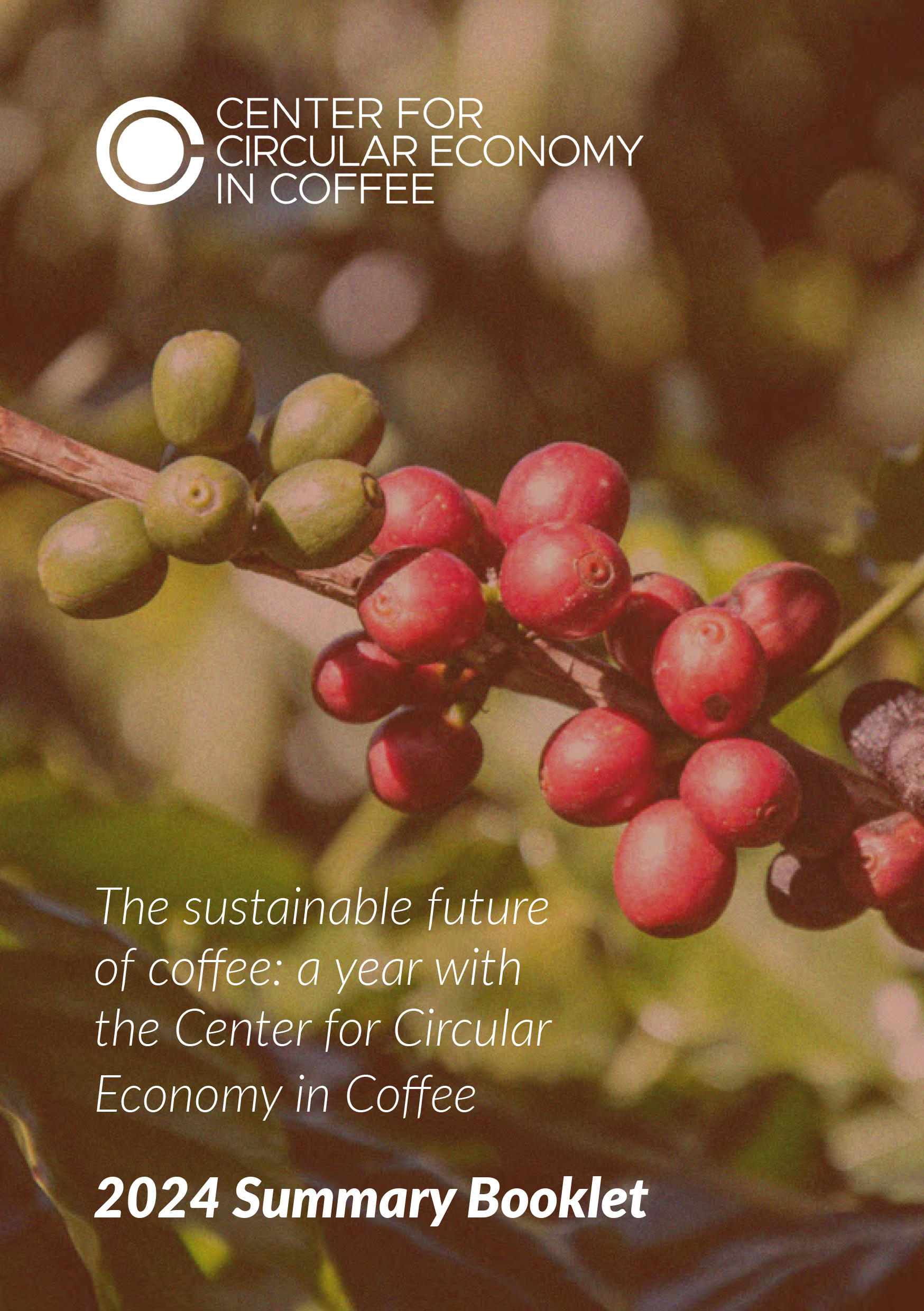
The Coffee Circle Economy Center Unveils Its 2024 Annual Booklet, Revealing Plans for 2025

The Coffee Circle Economy Center (C4CEC) has released its highly anticipated annual booklet, detailing the center’s impactful activities and achievements throughout 2024. This comprehensive report highlights C4CEC’s mission to integrate circular economy principles into the coffee sector, emphasizing sustainability, collaboration, and innovation as key drivers for change.

Throughout 2024, C4CEC has emerged as a global platform connecting coffee industry stakeholders—from farmers to multinational enterprises—while fostering knowledge-sharing, advancing research, and implementing sustainable solutions. Headquartered in Turin, the center has established itself as a vital hub for promoting circular economy practices across the coffee value chain.

The booklet reflects a year of remarkable achievements, including C4CEC’s active participation in eight major international events, such as the World of Coffee in Copenhagen, the ICO Global Leaders Forum in London, and the SCA Expo in Chicago. These events provided critical opportunities to present research, share best practices, and explore innovative solutions to the pressing sustainability challenges facing the coffee industry.

A significant highlight of the publication is the introduction of an interactive map showcasing 23 innovative practices within the coffee supply chain. This map, which features diverse strategies such as waste repurposing, community empowerment, and sustainable business development, serves as a testament to the groundbreaking efforts being adopted to redefine the sector’s approach to sustainability.

C4CEC’s collaboration with academic institutions like Politecnico di Torino and Raffles Milano has also been pivotal. Through these partnerships, students have undertaken projects addressing key challenges in coffee sustainability, including promoting local consumption in Kenya and developing innovative uses for coffee by-products. These initiatives reflect the center’s commitment to empowering the next generation of sustainability leaders.

The report sheds light on the staggering volume of biomass generated globally by coffee production—approximately 41 million tonnes in 2022-2023. This figure underscores the immense potential for transforming coffee waste into valuable products and energy sources, which can simultaneously lower production costs and create new income opportunities for farmers.

In addition to celebrating its achievements, C4CEC’s booklet outlines ambitious plans for 2025. These include publishing three annual reviews of best practices to provide stakeholders with actionable insights, expanding pilot projects to regions such as Asia and Central America, and strengthening collaboration through webinars, workshops, and global events. Furthermore, the center aims to establish a dedicated global fund to support investments in circular practices, ensuring financial sustainability for its initiatives.

C4CEC’s membership has grown significantly, now encompassing over 50 organizations across 18 countries and six continents. This diverse coalition includes small and medium-sized enterprises, multinational corporations, public institutions, academic bodies, and non-governmental organizations, all united in their dedication to transforming the coffee industry through circular economy principles.

Vanusia Nogueira, Executive Director of the International Coffee Organization, praised C4CEC’s efforts, stating, “By repurposing ‘waste’ into new products and alternative energy sources, we can unlock significant income opportunities while lowering production costs. We encourage all coffee stakeholders to join this platform and work towards a resilient, inclusive, and sustainable coffee sector.”

The annual booklet not only celebrates the progress made by C4CEC in 2024 but also serves as a call to action for the global coffee community. It invites all stakeholders to embrace circular economy practices and collaborate toward a sustainable future for coffee. For more information about the center and its initiatives, visit www.circulareconomyincoffee.org.

10 Rules for Making Great Coffee: Everything You Didn’t Know About Moka Pots, Pods, and Ground Coffee

Dubai – Qahwa World

Making an excellent cup of coffee is an art and a science. Whether you prefer using a moka pot, coffee pods, or pre-ground coffee, these ten tips will help you perfect your brew and enhance your coffee experience.

  1. Choosing Between Moka, Pods, and Capsules
    Your preference matters. Moka coffee tends to have a stronger flavor, capsules offer consistency, and pods are the more sustainable choice.
  2. Checking Your Moka Pot’s Condition
    Run your finger along the inside rim of the moka pot’s boiler. If it feels rough instead of smooth, it’s time for a replacement.
  3. Espresso vs. Hyper-espresso Capsules
    Hyper-espresso capsules include a special chamber to prevent water leakage, mimicking barista-quality coffee at home. However, they are less environmentally friendly than standard capsules.
  4. Storing Ground Coffee
    After opening, consume ground coffee within six days for peak freshness. Storing it in the fridge can extend the flavor and aroma for up to 21 days.
  5. The Moka Pot Technique
    For moka lovers, ensure the water level in the boiler stays below the safety valve. Turn off the heat just before the coffee starts to sputter.
  6. Coffee Crema: A Quality Indicator
    The crema—the frothy layer on top—dissipates within 3-4 minutes. The longer it lasts, the better the coffee quality. Ideally, it should be a hazelnut shade with hints of dark brown.
  7. Barista Timing for Espresso
    At a café, espresso extraction should take 20 to 27 seconds, with a shot volume of 13 to 26 grams in the cup.
  8. Caffeine Content: Long vs. Short Shots
    Contrary to popular belief, the caffeine content in a long shot and a ristretto is the same. The difference lies in extraction time, not quantity.
  9. Grinding and Storing Coffee Beans
    Grind beans in 7-9 gram portions for immediate use. Ground coffee loses 65% of its aroma within 15 minutes. To preserve whole beans, store them in airtight containers to prevent the oils from oxidizing.
  10. Sugar or Sweeteners? Go Natural
    To fully appreciate the coffee’s flavor, skip sugar and sweeteners. Drinking it plain allows the true aroma and taste to shine.

By following these simple yet essential rules, you can elevate your coffee-making skills and enjoy a superior cup every time. Whether you’re a moka enthusiast or a pod aficionado, small adjustments can make a big difference.

Coffee Terminology Explained: Pods, Capsules, and Moka Pots
Understanding the key differences between coffee-making methods and tools can enhance your brewing experience. Here’s a quick guide:

  • Moka Pots: A classic stovetop method that produces strong, espresso-like coffee. Best for those who enjoy bold flavors and hands-on brewing techniques.
  • Coffee Pods: Compact, paper-based packages compatible with multiple machines. They are eco-friendlier than capsules but less effective in preserving coffee freshness.
  • Coffee Capsules: Vacuum-sealed, single-use containers made of aluminum or plastic. Known for maintaining freshness and delivering consistent results, though typically compatible with specific machines like Nespresso or Keurig.

These distinctions serve as a foundation for choosing the method that suits your taste and lifestyle, whether you’re a moka enthusiast, a sustainability advocate, or someone who values convenience and precision.

Home-Brewed Iced Coffee: A Growing Trend Challenging Coffee Shops

Making iced coffee at home has long been a challenge for coffee lovers. The homemade versions often turn out watery, overly bitter, or simply fail to match the quality of an $8 barista-crafted beverage. However, leading brands like Nestlé and Keurig are betting big on changing that perception by bringing café-quality iced coffee into households.

In 2024, Keurig Dr Pepper introduced a dedicated iced coffee maker designed to produce a chilled beverage in under three minutes. Priced at $199, the machine promises to deliver café-style drinks without the risk of being diluted by melting ice. Using advanced technology, it rapidly cools the freshly brewed coffee, preserving its flavor and richness.

Nestlé, the parent company of renowned coffee brands like Nespresso and Nescafé, has also stepped up its game. Earlier this year, Nescafé launched an espresso concentrate in markets such as Australia and China, specifically formulated for iced drinks like lattes and Americanos. Meanwhile, Nespresso machines now feature modes for cold coffee creations, complemented by a new Starbucks blend dedicated to iced coffee, canned cold brews, and Coffee Mate cold foams for added convenience.

Despite these advancements, many experts argue that homemade iced coffee still falls short of café standards. Christopher Hendon, a chemistry professor at the University of Oregon, explains that single-serve machines typically use less coffee in their pods compared to the amount used for cold brews in cafés. This results in weaker drinks that lack the bold flavor many consumers expect.

Furthermore, cold brew coffee made in cafés benefits from a longer extraction process—often steeped overnight—while capsule machines brew in a matter of minutes, leading to a different taste profile.

This surge in innovation comes as iced coffee continues to gain popularity among younger consumers. A growing number of Americans are recreating coffeehouse favorites at home, driven by financial pressures and a desire for customization. Jennifer Creevy, director at WGSN Food & Drink, notes that younger generations view coffee as a way to express their personalities and experiment with flavors.

Nestlé has observed a significant shift in consumer behavior, with indulgence surpassing stimulation as the primary reason for drinking coffee. Cold coffee, particularly as an afternoon pick-me-up, has become a key driver of growth. The company estimates that one in three cups of coffee consumed globally is now cold, with younger generations leading this trend.

Iced coffee is not just a passing trend; it represents a lucrative opportunity for companies. According to Nestlé, coffee was the biggest contributor to its growth during the first nine months of 2024. Despite rising coffee prices—driven by climate challenges affecting production—brands remain optimistic about the demand for cold coffee products.

While the demand for at-home iced coffee solutions is on the rise, converting loyal coffee shop patrons remains a challenge. Keurig’s K-Brew+Chill, launched this fall, faced mixed reviews from users who reported issues such as limited functionality for brewing truly cold coffee.

Nevertheless, nearly a quarter of Americans now prefer their coffee cold, and coffee shop spending remains robust, with consumers shelling out $32.9 billion annually, according to the National Coffee Association.

As brands continue to innovate, the battle between coffee shops and at-home brewing systems intensifies. Whether these machines can truly replicate the coffeehouse experience remains to be seen, but the push for convenience and affordability ensures that the iced coffee trend is here to stay.

Coffee Prices Set to Surge Amid Supply Chain Disruptions

Coffee lovers around the world may face higher prices as adverse weather conditions in top coffee-producing nations Brazil and Vietnam threaten next year’s crops. The disruptions are raising concerns about global supply chains and fueling a surge in coffee prices.

Arabica coffee futures for March delivery reached a 13-year high of $3.03 per pound last Friday, marking the first time since 2011 that prices have surpassed the $3 mark. Arabica, the primary coffee variety consumed in countries like Australia, has seen its price climb nearly 60% this year, making it one of the strongest-performing commodities.

Brazil, the world’s largest coffee producer, has faced significant challenges due to unfavorable weather. Dry conditions earlier this year resulted in fewer coffee cherries, which hold the beans, while a recent drought and high temperatures have raised concerns about the 2025/2026 harvest. Although the country experienced higher-than-average rainfall in October, particularly in the key coffee-growing region of Minas Gerais, analysts fear that previous weather extremes may have already damaged the crop.

Citi estimates that Brazil’s poor weather over the past three years may have led to a loss of up to 20 million bags of coffee beans. The current low soil moisture levels could further hamper the development of flowers and cherries crucial for upcoming harvests.

As supply falters, global demand for coffee continues to grow. Consumer preferences are shifting toward coffee-intensive options such as cold brew and ready-to-drink beverages, which require significantly more coffee grounds than traditional methods. Cold brews, for instance, use twice as many coffee grounds per batch compared to regular coffee.

Nitro brews, infused with nitrogen gas, and other pre-packaged coffee products are also driving demand, particularly in supermarket aisles. This dynamic of increasing demand and tightening supply has kept the physical coffee market in deficit for the past three years.

The surge in bean prices has prompted companies like Nestlé, which produces Nescafé and Nespresso, to raise prices. Nestlé’s head of coffee brands, David Rennie, acknowledged the pressures on the company’s bottom line, stating that further price hikes are likely.

“We are not immune to the price of coffee,” Rennie said during the company’s recent capital markets day. “But we have priced, and we will price.”

Commodity analysts predict that arabica prices could rise even further. Citi commodity strategist Arkady Gevorkyan revised the firm’s three-month price target for arabica coffee to $3.10 per pound, citing ongoing risks to supply from Brazil and Vietnam.

While analysts anticipate a potential surplus in the coffee market by 2025, the current uncertainties around Brazil’s crop health and ongoing production challenges could lead to a structural deficit. Citi has upgraded its 2024 arabica price forecast to $2.80 per pound, with a normalization to $2.65 per pound expected by 2026.

The rise in coffee prices is part of a broader rally in soft commodities such as cocoa and sugar, posing challenges for central banks in controlling inflation. In Australia, core inflation stood at 3.5% in the September quarter, remaining above the Reserve Bank’s 2% to 3% target.

For now, coffee enthusiasts and businesses alike must brace for rising costs as the industry grapples with weather-induced supply shocks and growing consumer demand.

The Journey of Coffee Aromas: From Soil to Cup

Coffee, more than a simple beverage, carries within it a symphony of aromas, a complexity that defines its character and captivates millions around the world. Yet, these aromas don’t appear by chance. They are the result of a meticulous journey—a combination of nature’s influence and human intervention—that transforms humble coffee cherries into a cup that delights. For those leading coffee businesses, understanding this journey isn’t just fascinating; it’s critical. It offers the tools to influence quality, enhance flavour, and create unforgettable coffee experiences.

At the heart of coffee’s aromatic allure lies a hidden story of chemical precursors. These are the foundational compounds — amino acids, sugars, and lipids — present in green coffee beans. During roasting, these precursors undergo a dramatic transformation through processes like the Maillard reaction and caramelisation, resulting in the hundreds of volatile compounds that give coffee its distinctive aroma. This transformation, however, is the culmination of a long journey shaped by every decision made along the coffee supply chain.

It all begins with the soil. Coffee’s aromatic potential is deeply rooted in the environment where it is grown. Altitude, soil composition, and climate come together to determine the chemical composition of the beans. Arabica coffee, often cultivated in high-altitude regions, benefits from cooler temperatures that slow maturation, allowing sugars and acids to develop fully. These compounds become the precursors for complex and nuanced flavours. Shade-grown coffee further enriches this process. Reduced sunlight slows photosynthesis, creating a balanced sugar profile in the beans and fostering the formation of unique aromatic compounds.

Once the cherries are harvested, their aromatic potential hinges on the choices made during post-harvest processing. Natural processing, where the coffee is dried within the fruit, can produce beans with pronounced fruity and earthy notes, though it carries the risk of fermentation flaws. Washed processing, by contrast, removes the fruit and mucilage before drying, resulting in a cleaner cup that highlights floral and citrus aromas. Honey processing, a middle ground, retains some of the fruit’s mucilage during drying, contributing sweetness and a fuller body to the final flavour. Each method offers unique outcomes, and for those selecting beans, understanding these processes provides the key to achieving desired flavour profiles.

The journey doesn’t end at the farm. The conditions under which green coffee is stored and transported can make or break its quality. Temperature fluctuations, exposure to oxygen, or excessive moisture can degrade the precursors, resulting in off-flavours. For roasters and green coffee buyers, investing in robust logistics and demanding transparency in storage practices is non-negotiable.

When green coffee finally reaches the roaster, the grand reveal begins. Roasting is where the magic happens, where the precursors formed during growth and processing are unlocked and transformed into the aromas that define coffee’s character. The Maillard reaction, responsible for the nutty, chocolaty, and toasted notes, works alongside caramelisation to generate the complex bouquet of volatile compounds. The roast level — light, medium, or dark —further refines this expression. Light roasts preserve acidity and floral notes, medium roasts offer balance and body, while darker roasts enhance bittersweet flavours at the potential cost of subtler aromas. For roasters, understanding the chemical composition of their beans and tailoring the roast accordingly is both an art and a science.

Modern technologies are helping businesses refine this process even further. Gas chromatography-mass spectrometry (GC-MS) and electronic noses allow roasters and quality controllers to analyse aroma compounds with precision, offering insights that were once unavailable. These tools enable consistency and provide a scientific basis for decisions that once relied solely on experience. For forward-thinking coffee leaders, such technologies represent not just an edge in quality but an opportunity to innovate in an increasingly competitive market.

Ultimately, the journey of coffee aromas is a testament to collaboration—between farmers, processors, buyers, and roasters. Each stage, each decision, adds another layer to the final product. For those at the helm of coffee companies, recognising the importance of this journey offers more than just a pathway to better coffee; it’s a strategy for differentiation. By asking the right questions — about varietals, processing methods, and storage conditions — and prioritising quality over cost, coffee businesses can unlock new levels of flavour and create products that stand out.

Coffee’s aromatic story, from soil to cup, is a reminder of how interconnected the world of coffee truly is. It’s about understanding the science, respecting the craft, and embracing the responsibility of shaping an experience that customers will remember long after the last sip. For decision-makers in the coffee industry, this isn’t just an opportunity; it’s a call to action. The choices made today will define the aromas that consumers enjoy tomorrow.

Written by Dr. Stephen Schwartz


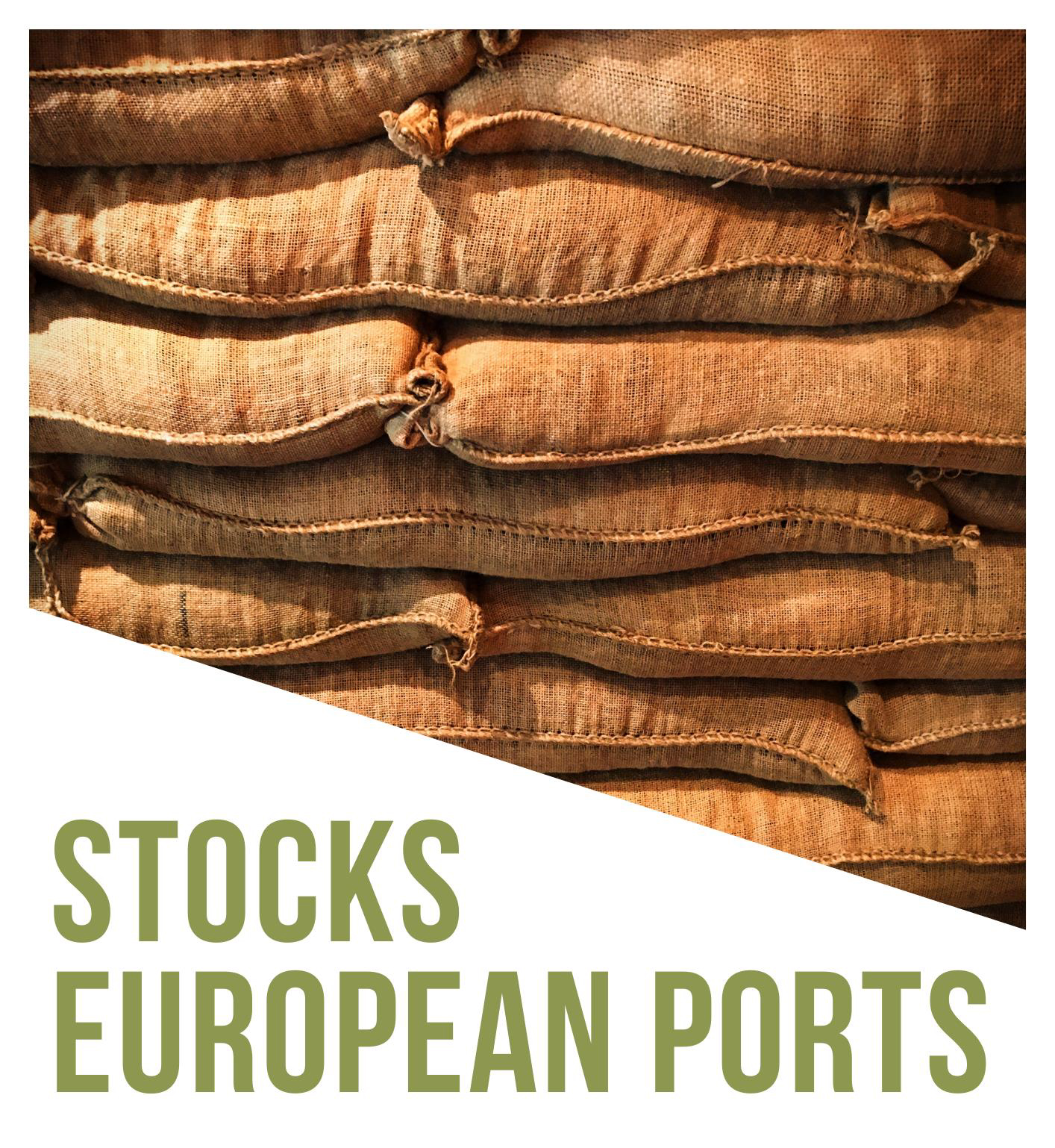
European Coffee Federation Releases Comprehensive Green Coffee Stock Data for 2024

The European Coffee Federation (ECF) has released its bi-monthly report on green coffee stocks across major European ports. With Europe being the largest coffee market and producer globally, this data is crucial for understanding market trends and ensuring transparency for stakeholders in the coffee industry. The report, spanning January to June 2024, provides insights into the levels of Robusta, Natural Arabica, and Washed Arabica, as well as overall stock trends.

2024 Stock Trends: Green Coffee in Numbers

The report highlights significant changes in green coffee stock levels across the first half of 2024. Here’s a detailed breakdown:

Month Robusta (tons) Natural Arabica (tons) Washed Arabica (tons) Total Europe (tons)
31-Jan-24 124,156 125,653 162,140 411,949
29-Feb-24 114,117 126,150 161,520 401,787
31-Mar-24 107,661 111,371 165,208 384,240
30-Apr-24 135,387 119,781 169,692 424,860
31-May-24 174,993 134,313 173,549 482,855
30-Jun-24 183,755 141,523 179,368 504,647

Key Observations

  • Robusta Coffee:
    • Starting at 124,156 tons in January, Robusta stocks showed a substantial increase to 183,755 tons by June, marking a growth of 48.1%.
  • Natural Arabica Coffee:
    • Stocks fluctuated, beginning at 125,653 tons in January and reaching 141,523 tons in June, representing a 12.6% increase.
  • Washed Arabica Coffee:
    • Steady growth was recorded, with stocks climbing from 162,140 tons in January to 179,368 tons in June, an increase of 10.6%.
  • Total European Stocks:
    • Overall, total green coffee stocks increased by 22.5%, rising from 411,949 tons in January to 504,647 tons in June.

A Year-on-Year Perspective

The data also reveals significant year-on-year trends:

  • January Stocks:
    • January 2022: 708,988 tons.
    • January 2023: 703,478 tons.
    • January 2024: 411,949 tons.
    • A notable decline in January stocks over the years underscores challenges such as global supply chain issues and changing market demands.
  • Seasonal Patterns:
    • Stock levels typically increase mid-year, aligning with harvest and shipping periods. The substantial growth in Robusta and Washed Arabica stocks by June reflects this pattern.

Ports Leading the Coffee Trade

The data covers major European ports, which serve as crucial hubs for coffee trade. The report consolidates information from:

  • Antwerp
  • Hamburg
  • Le Havre
  • Barcelona
  • Trieste
  • Genoa
  • Napoli
  • Tallinn
  • London
  • Felixstowe
  • Bremen (partially).

These ports contribute both ICE-certified and non-exchange stocks, providing a holistic view of the green coffee landscape.

Implications for the Coffee Industry

The data serves as a valuable resource for stakeholders, enabling them to:

  • Forecast market trends and manage supply chains.
  • Enhance transparency in the coffee trade.
  • Strengthen the connection between producers, manufacturers, and consumers.

The report is not just a snapshot of stock levels but an essential tool for analyzing historical trends, understanding market behaviors, and fostering sustainability within the coffee industry.

Future Updates

The European Coffee Federation has scheduled the next report for September 30, 2024. This continued transparency aims to further support the industry in navigating evolving market dynamics.

For more detailed statistics and to access the full report, visit the European Coffee Federation’s official website.