Barn’s Announces Entry into the Qatari Market with a Strategic Partnership

Barn’s, a leading name in the coffee industry since 1992, has announced the signing of a strategic partnership agreement with Royal Taste, a subsidiary of Family Holdings, as part of its plans to enter the Qatari market. This step aligns with Barn’s strategy to expand its regional presence and strengthen its position as a prominent local brand in the coffee sector.

Family Holdings, known for its long-standing expertise in retail, hospitality, and food and beverages, brings a strong market presence and innovative approach to the partnership. Through this collaboration, Barn’s aims to deliver a unique coffee experience to the Qatari audience, drawing on its decades-long history of excellence.

Established as Saudi Arabia’s first drive-thru coffee shop, Barn’s has grown to operate over 800 branches across and beyond the Kingdom. The brand is celebrated for its high-quality coffee, sourced from premium coffee farms and roasted with precision using cutting-edge techniques.

This move is a milestone in Barn’s vision to enhance coffee culture in the region, combining quality and customer engagement. By entering Qatar, the company aims to provide products that meet customer expectations and introduce a new dimension to the coffee experience in the market.

The launch is expected to take place soon, marking a significant chapter in Barn’s journey to regional and global leadership in the coffee industry.

New Analysis Reveals Profit Disparities in Ground Coffee Supply Chain in Germany

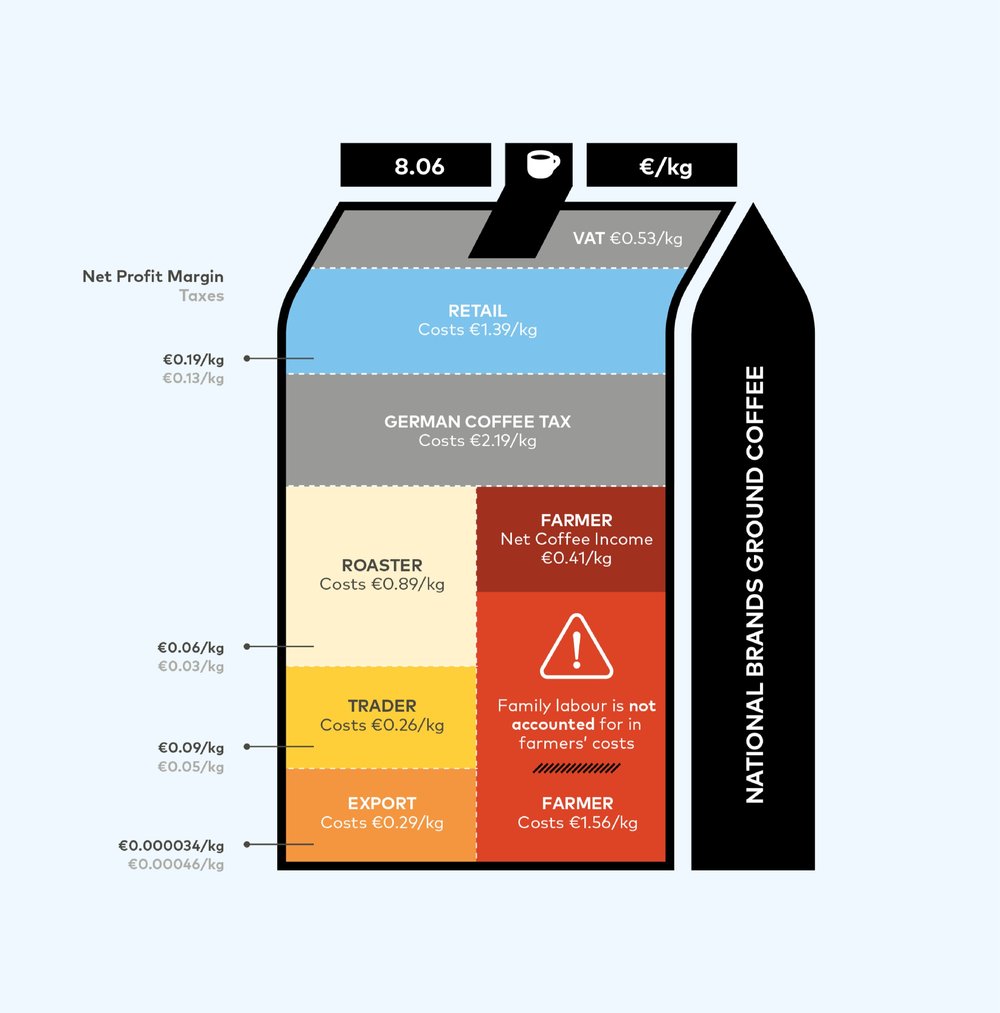
A recent analysis sheds light on the detailed cost structure of ground coffee production in Germany under national brands, where the average cost per kilogram reaches €8.06. The data reveals that taxes claim the largest share of this cost at €2.19 per kilogram, followed by retail costs amounting to €1.39 per kilogram. Meanwhile, farmers, who are at the start of the supply chain, earn a net income of only €0.41 per kilogram, highlighting a significant disparity in profit distribution across various stages of production.

The analysis also shows that roasting costs amount to €0.89 per kilogram, trading costs through intermediaries stand at €0.26, and export costs reach €0.29 per kilogram. However, the report raises concerns about farmers, pointing out that family labor is not included in agricultural cost calculations, leaving farmers to bear additional unaccounted burdens that impact their actual income.

On the other hand, the net profit margin for each kilogram stands at only €0.19, while taxes alone consume approximately €0.13 per kilogram. These figures make it evident that most financial returns are concentrated in the final stages of the production chain, while farmers receive a fraction of the earnings despite being responsible for the initial and essential stages of coffee cultivation.

These findings raise serious questions about the fairness of profit distribution in Germany’s ground coffee industry. As the burden on farmers continues to grow, compared to the returns reaped by other stakeholders in the chain, there is an urgent need for a thorough review of the revenue distribution structure. Innovative solutions are required to ensure the sustainability and equity of this critical sector, so that all contributors, especially farmers, receive a fair share that reflects their efforts in delivering coffee to consumers.

Capsules Take the Lead in Germany’s Coffee Profits Despite Smaller Market Share

The way coffee is consumed has always shaped the dynamics of its industry, and in Germany, a closer look at the 2021 market reveals a surprising story. Among the various coffee formats—ground coffee, whole beans, soft pods, and capsules—profitability varies dramatically, painting a clear picture of the industry’s current trends and challenges.

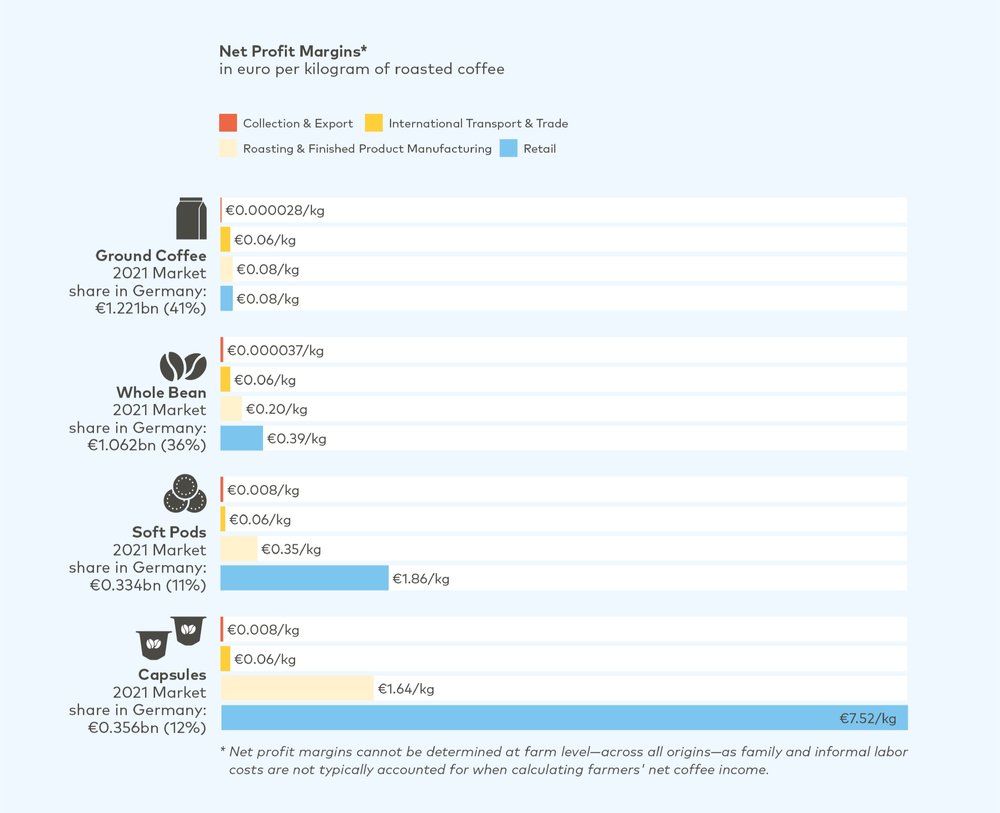
While ground coffee remains a household staple with the largest market share at 41%, its profitability tells a different tale. The net profit margins for ground coffee are a modest €0.08 per kilogram, despite its widespread popularity. On the other hand, capsules, which make up only 12% of the market, command the highest net profit margin at €7.52 per kilogram. This disparity highlights how premium pricing and consumer demand for convenience are reshaping the coffee industry.

Whole bean coffee, often favored by enthusiasts seeking freshness and quality, holds a 36% share of the market with a margin of €0.39 per kilogram. Meanwhile, soft pods, occupying 11% of the market, offer a more balanced margin of €1.86 per kilogram. Yet, none of these formats come close to the profitability of capsules, which continue to dominate the high-end segment of the coffee market.

This trend raises important questions for those involved in the coffee value chain. Farmers, who are often at the beginning of this chain, face negligible profits compared to other stages of the process. Many costs, such as family labor and informal work, are excluded from the calculations, leaving farmers with a small fraction of the final retail price. At the same time, retailers and manufacturers increasingly focus on high-margin products like capsules to stay competitive in an evolving market.

Consumers also play a pivotal role in this dynamic. Capsules are seen as a convenient and high-quality option, but their higher price point reflects their premium nature. This raises questions about sustainability, as the popularity of capsules has brought concerns over their environmental impact, particularly regarding waste and recycling challenges.

Germany’s coffee market provides a snapshot of broader global trends in coffee consumption. The numbers reveal a growing disconnect between market share and profitability, with high-margin products like capsules becoming the centerpiece of industry focus. However, this shift must be balanced with efforts to address issues like equitable income distribution for farmers and environmental sustainability. The coffee industry stands at a crossroads, with profitability driving innovation but also prompting deeper reflections on its impact across the supply chain.

Revealing the Hidden Complexities of Coffee’s Value Chain: Insights from “The Grounds for Sharing” Report

The global coffee industry, a sector valued at billions of dollars and fueled by the consumption of over 2.25 billion cups daily, is rife with challenges. Among them is the unequal distribution of value along its intricate supply chain. To address these issues, the Global Coffee Platform (GCP), IDH, and Solidaridad commissioned a groundbreaking study, The Grounds for Sharing. This report, meticulously analyzed by Mette-Marie Hansen, Senior Program Manager for Coffee at IDH, delves into the creation and distribution of value in coffee chains linked to the German retail market.

A Groundbreaking Analysis

This comprehensive study examines over 40 coffee products from Brazil, Colombia, Ethiopia, and Vietnam, tracing their journey to Germany, Europe’s largest coffee consumer. Germany’s coffee market, characterized by competitive retail dynamics and significant roasting operations, provided the ideal backdrop for this analysis. Researchers investigated conventional and certified coffees (Rainforest Alliance and Fairtrade), offering insights into the challenges of equitable value distribution.

The study highlights that coffee’s value disproportionately accumulates in the retail and roasting stages, leaving farmers with minimal financial gains. For instance, while the average retail price of coffee in Germany stands at €8.06/kg, farmers receive only €0.41/kg. This stark contrast is compounded by the undervaluation of family labor on small farms, a critical issue affecting economic stability for many growers.

Key Findings: Value Concentration and Disparities

  1. Retail Dominance: Retailers capture the largest share of profits, benefiting from branding, marketing, and premium product formats like capsules, which command higher prices but offer limited returns to farmers.
  2. Stable Margins for Exporters and Importers: These intermediaries sustain low but steady profit margins through economies of scale, ensuring efficiency in global coffee trade.
  3. Undervalued Labor: Family labor on smallholder farms is often overlooked, skewing profitability assessments and leaving farmers vulnerable to market volatility.
  4. Market Inequalities: Larger farms, particularly in Brazil, achieve greater profitability due to economies of scale, whereas smaller farms face poverty and limited opportunities to capitalize on their produce’s quality.
  5. Limited Farmer Control: Small-scale farmers often lack influence over how their coffee is marketed or sold, leaving them at the mercy of global price fluctuations and differential trading practices.

Shaping the Future of Value Distribution

The study not only sheds light on the structural imbalances in the coffee supply chain but also offers practical tools and recommendations. BASIC, the research firm behind the report, developed an online tool to simulate value and cost distribution across supply chains. This enables stakeholders to identify vulnerabilities and explore equitable solutions.

Actionable Steps:

  • Fair Compensation: Transparent pricing mechanisms that account for production costs, including family labor, are essential.
  • Collaborative Efforts: Roasters and retailers can align sourcing practices with equitable value distribution principles to support vulnerable farmers.
  • Policy and Advocacy: Governments and organizations must champion sustainable economic models for coffee farming, ensuring long-term industry viability.

Moving Beyond Awareness

While the findings validate long-standing perceptions of inequity, they also challenge misconceptions, such as the overstated profit margins of importers. The study encourages stakeholders to move beyond acknowledging the problem to implementing actionable solutions.

As Hansen aptly states, “Identifying a problem is not solving it—action is required.” By fostering equitable practices, the coffee industry can create a sustainable future that benefits all players, from smallholder farmers to end consumers.

A Call for Change

The Grounds for Sharing report serves as a wake-up call for the global coffee sector. By reevaluating value distribution and addressing systemic inequalities, the industry has the opportunity to create a fairer, more sustainable value chain. This effort requires collective action, innovation, and a commitment to empowering those at the very foundation of coffee production.

Through initiatives like this, the coffee community can ensure that every cup reflects not just the flavor of the beans but also the value of the hands that cultivated them.

Brewing Innovation: Simonelli Group Acquires a Stake in a Swedish Company to Transform the Coffee Experience

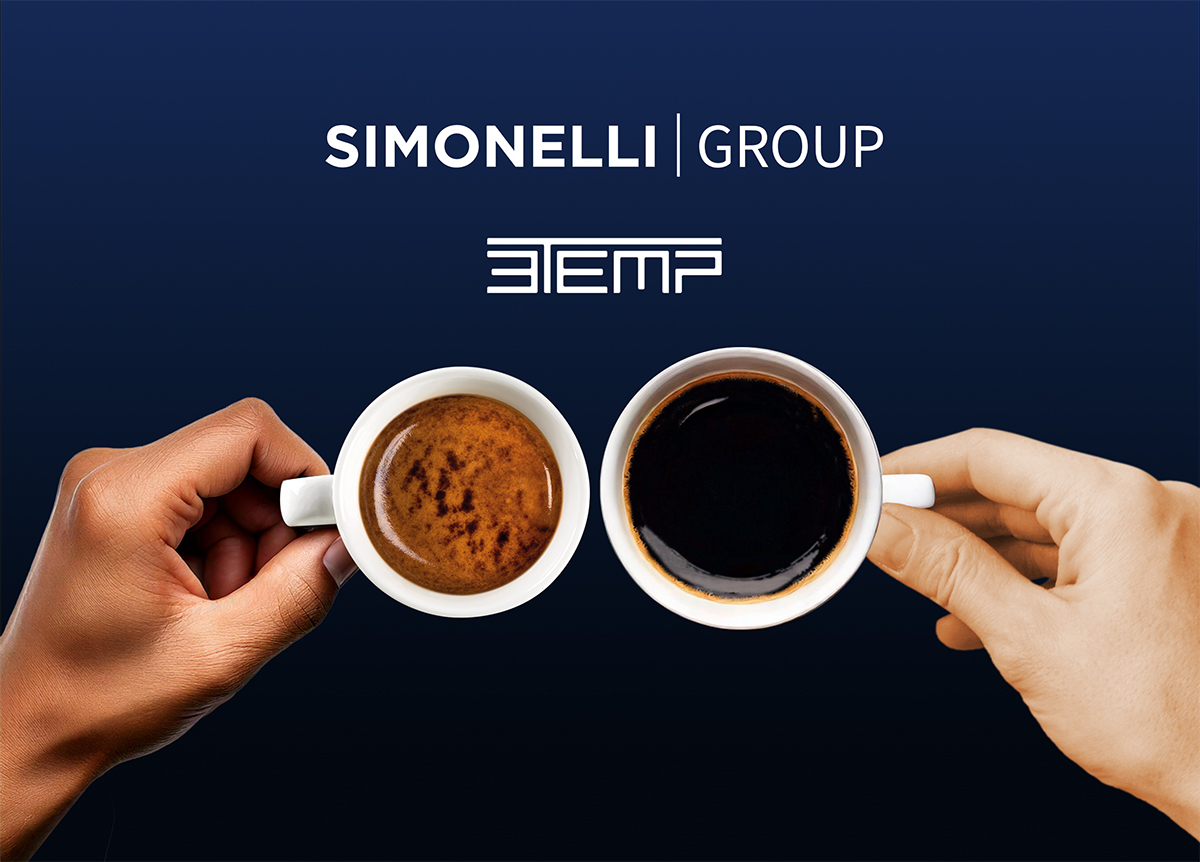
Simonelli Group, a global leader in professional coffee machines manufacturing, announces the acquisition of a stake in 3TEMP, a Swedish company renowned for its cutting-edge filter coffee machines.

Since Simonelli Group’s coffee machines first revolutionized the global market with their innovative technology and focus on sustainability, the coffee landscape has undergone a transformation. New players have emerged, fresh technologies have been introduced, and, most notably, a new coffee culture has given rise to an increasing demand for specialty and premium drip coffee.

3TEMP, hailing from Sweden – a country deeply rooted in coffee culture where the appreciation for quality beans and extraction techniques is paramount – stands out as a beacon of technological and innovative excellence. Specializing in the design and production of filter coffee machines, 3TEMP has built a reputation as one of the industry’s “best kept secrets.”

With this investment, Simonelli Group is not just expanding its portfolio but also strengthening its position in a rapidly growing market segment while reinforcing its commitment to providing comprehensive, tailored coffee solutions for consumers and professionals alike.

3TEMP’s drip coffee machines, featuring a state-of-the-art tankless brewing system, ensure each cup is brewed with fresh water, preserving the natural essence of the coffee. With customizable recipes and precise temperature control, hot and cold, 3TEMP’s advanced brewing technology meets the needs of coffee shops, baristas, and discerning coffee enthusiasts around the world.

“Our search for the right partner to accelerate our ambitious growth plans has always been focused on finding a company that shares our relentless drive for quality and innovation,” said Marco Feliziani, CEO of Simonelli Group. “When I first met the team, I was immediately struck by their unwavering commitment to excellence and their passion for crafting the perfect coffee cup. Their innovative approach to brewing technology, coupled with a deep understanding of the intricacies of coffee extraction, truly impressed me. Today, together, we have the opportunity to fully meet the market’s demands, delivering exceptional experiences to coffee lovers around the world.”

The investment in 3TEMP allows Simonelli Group to access new customers and deepen its presence in key international markets. As part of its ambitious growth strategy, Simonelli Group is positioning itself as a leader in a fast-evolving industry, armed with an integrated ecosystem that can respond quickly to emerging market trends, new consumer preferences, as well as strengthen its ability to navigate potential market disruptions.

“We are thrilled to join forces with Simonelli Group,” said Anders Eriksson, CEO of 3TEMP. “Their ability to scale innovative solutions globally will enable us to continue focusing on what we do best: creating leading-edge coffee machines. More than just a partnership, this is a collaboration rooted in a shared passion for exceptional coffee and sustainability. This is an incredibly exciting next step, and we’re eager to begin this journey together.”.

With the acquisition of 3TEMP, Simonelli Group is embarking on an exciting new phase of growth, expanding its global presence, and reinforcing its leadership in the coffee sector. This strategic move underlines Simonelli Group’s ability to offer tailored, sustainable solutions that meet the diverse requirements of consumers and coffee professionals around the world.


ABOUT 3TEMP:

Founded in 2014 in Arvika, Sweden, 3TEMP embarked on a mission to revolutionize batch brewing. Their vision was clear: to create the world’s best batch brewers—machines that not only deliver exceptional black coffee but also minimize environmental impact, adapt to user needs, and offer effortless operation.

With over 100 years of combined expertise in coffee equipment, the 3TEMP team developed a game-changing temperature control system, leading to the launch of the acclaimed HIPSTER brewer series.

3TEMP doesn’t just build brewers—they create solutions that redefine coffee quality. Their relentless commitment to innovation has led to groundbreaking products like the 3TEMP HIPSTER Family witch include 3TEMP KOBRA, 3TEMP PULS, 3TEMP WALL and the Coffee Particle Analyzer (CPA). They’ve also introduced Brewer as a Service (BaaS), offering a complete coffee brewing package at a fixed monthly cost, ensuring top-tier performance, lifetime support, and ultimate convenience.

In 2022, 3TEMP was crowned Best All-Round Filter Brewer at the London Coffee Festival, a testament to their dedication to perfection. But they aren’t stopping there. Every 3TEMP brewer delivers “Quality in Cup” with precision, efficiency, and sustainability—setting a new standard in coffee brewing for businesses that demand the very best.


ABOUT SIMONELLI GROUP

Simonelli Group, founded in 1936, is a leading company in the coffee sector that produces professional and home espresso coffee machines and coffee grinders through two brand names: Nuova Simonelli and Victoria Arduino. Nuova Simonelli machines are technically perfect, which makes them reliable and easy to use. From 1905 Victoria Arduino has been chosen by those who love great coffee made with a superb coffee machine, unique in its design, with high Performance.

Simonelli Group is an SME with about 160 employees and a turnover of over 110M euros. It is one of the five main producers of coffee machines.

The company, based in Italy, operates a global business comprising partnerships with the most important chains and roasters in the world. Over 95% of the entire production is exported abroad to more than 130 countries thanks to a dense sales and technical network coordinated by the Italian head office and by branch offices in Australia, China, France, Germany, Singapore, United Arab Emirates, United Kingdom and the United States and by the Experience Labs in Chicago, Barcelona, Dubai, London, Jakarta, Melbourne, Shanghai and Singapore.

Simonelli Group’s vocation for innovation is expressed in projects regarding research, coffee knowledge, design and digitalization. As the owner of 33 international patents, Simonelli Group created the Research and Innovation Coffee Hub, a separate research centre where six PhD researchers work who collaborate with several universities. The objective is to consider a range of very broad themes and to study solutions that reduce the energy consumption of the machines.
The Coffee Knowledge Hub platform is focused on coffee culture: Simonelli Group selects and welcomes the best coffee trainers with online and in-person courses, in the Experience Labs around the world, that address the theory and practice of the art of preparing coffee and the use of Nuova Simonelli and Victoria Arduino coffee machines.



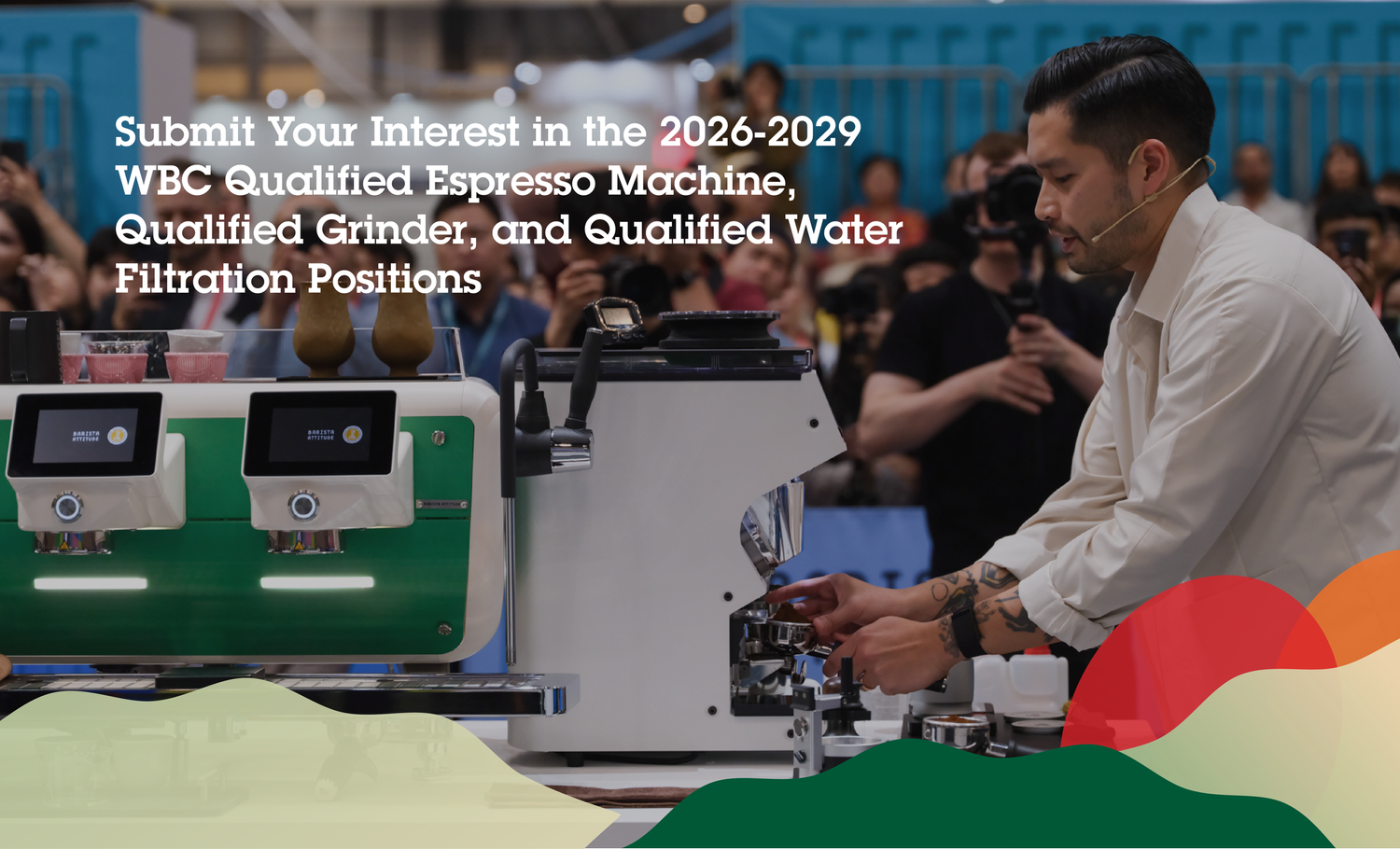
Register for 2026-2029 WBC Qualified Equipment Sponsorship

The Specialty Coffee Association (SCA) invites manufacturers to express interest in the next cycle of Qualified Sponsorship for the World Barista Championship (WBC) for 2026-2029. The open categories include Qualified Espresso Machine, Qualified Grinder, and Qualified Water Filtration Sponsor positions.

The WBC celebrates 25 years in 2025, showcasing the finest barista skills and innovations in coffee. With over 50 national competitions held globally each year, the upcoming bidding round marks a significant milestone in advancing specialty coffee equipment.

Key Dates

  • Espresso Machine Testing: January–March 2025, with eligible machines gaining access to the SCA Certified Espresso Machine Program.
  • Sponsorship Bidding: Opens April 2025 for all categories: Espresso Machine, Grinder, and Water Filtration.

Eligibility and Requirements

Espresso Machines

  • Testing aligns with the SCA Competition Machine Testing Specifications, ensuring high performance and reliability on the WBC stage.
  • Open to manufacturers with production-ready machines by the end of 2024.

Grinders and Water Filtration

  • Grinders: Global manufacturers with equipment suitable for espresso brewing are encouraged to apply.
  • Water Filtration: Equipment must meet World Coffee Championship (WCC) water specifications.

Sponsorship Benefits

  • Exclusive product placement on the WBC stage and WCC Coffee Bars.
  • Alignment with the SCA and visibility across global trade shows and digital channels.
  • Support for national and world-level competitors.

Interested manufacturers can register their interest through the official form linked below.

https://sca.coffee/sca-news/2024/11/19/submit-your-interest-in-the-2026-2029-wbc-qualified-espresso-machine-qualified-grinder-and-qualified-water-filtration-positions?mc_cid=9014dbcd16&mc_eid=f7dc875495

Coffee Prices in Russia Expected to Rise in 2025

In 2025, coffee prices in Russia are expected to increase by 20-25%. The primary causes are unfavorable weather conditions in Brazil and Vietnam, the world’s largest coffee producers, as stated by Anton Trenin, an expert from the corporate ratings group at ACRA, in an interview with RIA Novosti.

According to Trenin, Russia does not produce coffee and is entirely dependent on imports. Globally, around 70% of coffee production consists of Arabica and 30% of Robusta. Brazil, the largest producer of Arabica, supplies about one-third of the global demand. However, severe droughts in key regions of the country since April have significantly reduced rainfall levels, impacting crop forecasts negatively.

In Vietnam, the world’s largest producer of Robusta, typhoons and irregular rainfall have also led to expectations of reduced coffee yields. These factors are creating a supply shortage and driving up prices in the global market.

Trenin highlighted that while Robusta was previously used to reduce the cost of coffee blends, its price is now almost on par with Arabica. This week, coffee bean prices on the stock exchange hit multi-year highs: January futures for Robusta exceeded $5,500 per ton for the first time since 2008. Meanwhile, Arabica reached $7,300 per ton, setting a record not seen since 1977.

In addition to global trends, Russia is experiencing further price increases due to the weakening ruble against the dollar, making imported coffee more expensive. Trenin noted that Russian consumers will likely face ongoing price hikes in 2025.

Global coffee stocks are dwindling, and concerns about prolonged dry spells continue to shift the balance of supply and demand. These factors are expected to sustain high coffee prices throughout next year.

Anna Possi: My Bar, My Family, My Health – A Recipe for Longevity

On a crisp morning in Nebbiuno, Italy, the scent of espresso wafted through Bar Centrale as its centenarian owner, Anna Possi, celebrated her 100th birthday in the best way she knew—behind the espresso machine, greeting familiar faces with her radiant smile. Her secret to a long and fulfilling life? “I don’t want anything; I already have everything: my bar, my family, my health, and my clear mind. What counts is being among people. Loneliness hurts,” she declared.

Anna’s message resonated far beyond the cozy walls of her café. As the heart of her community, she exemplifies resilience, purpose, and the beauty of simplicity. Her life philosophy is a blend of three essential elements: passion, connection, and well-being.

My Bar

For Anna, her bar is more than just a business—it’s her lifeline and passion. Bar Centrale has been her second home for decades, a place where she pours not only coffee but also warmth and joy into her patrons’ lives. Turning passion into work isn’t just about financial success; it’s about finding purpose in daily routines.

Her dedication to her bar raises an important question: can loving your job or turning your passion into a career truly lead to a longer, happier life? For Anna, the answer is a resounding yes.

Family

The second pillar of Anna’s philosophy is family—a concept she embraces in its widest sense. Family is the thread that ties her life together, providing her with strength and belonging. As Louisa May Alcott beautifully put it, “I do think that families are the most beautiful things in all the world!”

For Anna, family extends beyond blood relations to include the community she serves every day. Her customers, colleagues, and neighbors are as much her family as her loved ones at home. This sense of shared connection enriches her life and reaffirms her belief in the power of togetherness.

Health

Anna credits her remarkable longevity to her simple approach to health: moderation. “Eat little,” she advises—a straightforward tip that science has often linked to improved well-being and longevity. But how many of us truly practice moderation in our lives? Anna’s discipline and focus on balance offer an inspiring reminder of how small choices can yield big results.

The Power of Being Among People

At the heart of Anna’s philosophy is the importance of connection. Loneliness, she warns, can be more detrimental than we often realize. Her active role at Bar Centrale keeps her surrounded by people, laughter, and conversations—a testament to the healing power of social interactions.

A Legacy Worth Sharing

Anna’s story is more than just a celebration of her 100th birthday; it’s a celebration of life itself. Her words, “What counts is being among people,” echo a universal truth: we are social beings who thrive in connection, love, and shared experiences.

So, do you agree with Anna? Is being among people the ultimate key to happiness? Or do you find joy in solitude? Anna’s life offers a beautiful reminder that passion, family, health, and human connection are timeless ingredients for a life well-lived.

As we raise our cups to toast Anna’s milestone, let’s take a moment to reflect: what is your recipe for a fulfilling life?

Geisha Coffee Leads the Specialty Coffee Scene in Tokyo

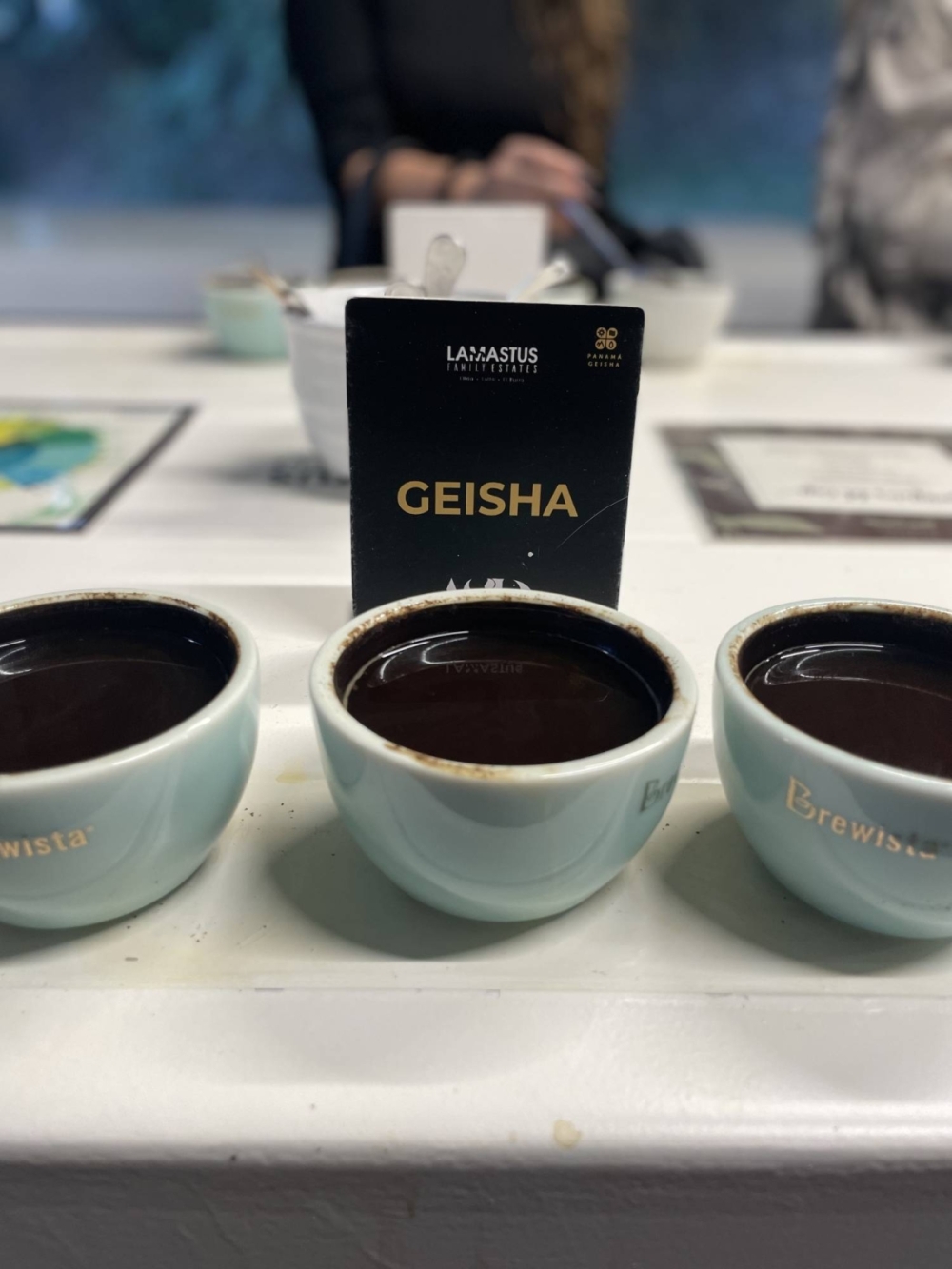
Geisha coffee, whose name coincidentally aligns with a symbol of Japan’s rich cultural heritage, stands at the forefront of the specialty coffee scene in Tokyo, offering irresistible aromas and luxurious flavors.

“When it’s hot, you’ll find aromatic compounds like jasmine,” explains Elida Falda of Lamastus Estate during a tasting experience. The initial aroma reveals candied ginger and warm spices like nutmeg. As the coffee cools, its profile transforms: bright citrus notes reminiscent of pomelo emerge, a subtle umami adds a touch of fine green tea, and sweet honeyed undertones blossom in the finish.

This remarkable complexity explains why Geisha has become the prized jewel of Tokyo’s thriving specialty coffee scene.

Refined coffee tasting events have become increasingly popular in Japan, the world’s third-largest coffee consumer and fifth-largest importer. With growing demand, specialty coffee now accounts for 10% of the market, with establishments like “Geshary Coffee” in Tokyo’s Hibiya district positioning this rare coffee as an accessible luxury.

“Over the past five years, coffee enthusiasts have become more informed,” says Kazuki Togashi, General Manager at “Geshary,” the world’s first café dedicated entirely to Geisha beans. He adds, “When we opened the café in 2019, some customers expected to see geisha performers serving coffee.”

Japan’s embrace of Geisha coffee reflects a broader evolution in consumer taste. Over the past decade, specialty cafes have proliferated across Tokyo, from the eastern neighborhoods along the Sumida River — known as “Coffee Town” — to the skyscraper district of Shinjuku.

At “Geshary,” baristas narrate the complete story of coffee — from cultivation to cup — across four floors, offering a rotating selection of 10 single-origin Geisha varieties sourced from Central and South America.

Geisha coffee — or Gesha, named after the Ethiopian region where it was discovered in the 1930s — has traveled a long road before captivating Japanese coffee lovers.

The trees were introduced to Costa Rica by British colonial explorers, but the variety remained relatively obscure until 2004, when a Geisha coffee from Panama’s “Hacienda La Esmeralda” sold for a record-breaking $46.30 per kilogram during an auction following its success at the “Best of Panama” competition.

The coffee’s unique flavor, combining floral notes with sweetness, created a global sensation.

Geisha coffee continues to enchant coffee enthusiasts in Japan, where producers and roasters are exploring new methods like fermentation with fruit and wine yeasts, resulting in vibrant and rich flavors such as red berries and tropical fruits.

However, some brands, like “Leaves Coffee Roasters,” prefer focusing on the terroir and natural flavors derived from how the beans are cultivated.

“As prices rise for such coffee, it’s important to share the producer’s story,” says Yasuo Ishii, Head Roaster at “Leaves.” He adds, “The conversation and human connection during coffee time will always remain the most important aspect.”

Coffee Prices Hit 47-Year High on Brazil Crop Concerns

Coffee prices dipped slightly on Friday after reaching their highest levels in nearly half a century during the trading session, driven by tightening supplies as Brazil, the world’s largest coffee producer, faces challenges recovering fully from this year’s drought.

Traders reported that some Brazilian farmers delayed delivering this year’s crop in hopes of securing higher prices in the future. This has led to temporary supply shortages and significant financial losses for traders who were expecting to receive the coffee.

Arabica coffee futures on the ICE exchange fell 1.5% to settle at $3.1805 per pound after hitting $3.3545 per pound earlier in the session, the highest level since 1977.

Arabica coffee prices have surged by approximately 71% this year, making it one of the best-performing commodities alongside cocoa, which has more than doubled in price.
In a note issued on Friday, Commerzbank stated, “The price trend is very similar to that of cocoa at the start of the year. The reasons are also comparable. For cocoa, poor harvests in the leading producers, Ivory Coast and Ghana, were the main issue. For Arabica coffee, the concern revolves around a poor crop in Brazil next year due to drought.”

Brazilian coffee trading companies Atlantica and Cafebras announced on Wednesday that they are negotiating with creditors in court, stating that 900,000 bags of coffee, each weighing 60 kilograms, have not been delivered as agreed by farmers.

Meanwhile, the price of robusta coffee, a more affordable bean commonly used in instant coffee, also reached its highest level in 47 years on Friday.

The global coffee market remains affected by weather-related issues and production fluctuations, raising concerns about long-term supply stability, especially with the continued rise in global demand.

Luckin Coffee Partners with Hextar Industries for 2025 Malaysia Expansion

Hextar Industries Berhad, a publicly listed conglomerate on Bursa Malaysia, has secured exclusive rights to bring China’s Luckin Coffee to Malaysia. The coffee giant is set to launch in the country during the first quarter of 2025, aiming to leverage its value-driven pricing and advanced technological strategies to carve out a space in Malaysia’s competitive coffee market.

The partnership will be managed through Hextar’s newly established subsidiary, Global Aroma Sdn Bhd (GASB), which was formed in July 2024. This move follows the announcement of Luckin Coffee’s plans to enter the Malaysian market, signaling Hextar’s commitment to tapping into the food and beverage sector for the first time.

Dato Eddie Ong, a key stakeholder in Hextar, expressed his enthusiasm about the collaboration, stating, “This partnership marks a pivotal step for our company as we embark on aggressive expansion plans for Luckin Coffee in Malaysia. Inspired by its remarkable growth in China and beyond, we aim to replicate this success locally.”

Luckin Coffee’s affordable pricing and technology-centered business model are seen as significant advantages in a market where established players like Starbucks, McCafé, and The Coffee Bean & Tea Leaf already have strong footholds. Currently, these chains operate 405, 300, and 197 outlets in Malaysia, respectively. Meanwhile, domestic brands like ZUS Coffee, which has expanded to 586 locations, and smaller chains such as Gigi Coffee and Bask Bear Coffee are also gaining momentum.

The announcement comes amid broader market shifts, including Starbucks facing consumer boycotts in Malaysia, creating opportunities for emerging brands to gain traction. Other notable competitors include Indonesia’s Kopi Kenangan, which entered Malaysia in 2022 and has since opened 75 outlets.

Luckin Coffee, founded in 2017, has rapidly grown into one of the world’s largest coffee chains, operating over 21,000 stores in China and 45 in Singapore since its international debut in March 2023. The company is also exploring opportunities in the United States, with its first outlet anticipated to open in 2025.

Financially, Luckin Coffee has demonstrated robust growth, reporting record revenues of RMB 24.9 billion ($3.5 billion) in 2023—a figure it matched in the first nine months of 2024. The company recently announced a significant procurement agreement to purchase four million 60kg bags of coffee from Brazil between 2025 and 2029, further solidifying its position in the global coffee industry.

The Malaysia launch underscores Luckin Coffee’s ambition to expand its international footprint, aligning with its vision of becoming a major player in the global coffee market.

From Bean to Brew: Safeguarding Coffee Aromas in Storage and Transit

The journey of coffee from farm to cup is as delicate as it is critical. Within each green coffee bean lies a world of aromatic potential, a symphony of flavors waiting to be unlocked. Yet, this potential is remarkably fragile, sensitive to the slightest environmental changes during storage and transport. These stages, often underestimated, are where coffee’s quality can either be preserved or irreversibly compromised, making them a pivotal focus for anyone passionate about delivering the perfect cup.

Coffee is a living product, even after it has been harvested, processed, and dried. It continues to evolve, with biochemical changes influenced by factors like moisture, temperature, and oxygen. Among these, moisture content is perhaps the most critical. Coffee beans are hygroscopic, absorbing and releasing moisture depending on their surroundings. If the humidity is too high, the beans are at risk of mold and microbial growth; if it’s too low, they can lose delicate aromatic compounds that define their character. Maintaining an optimal moisture level of 10–12% is essential to ensure stability and preserve the beans’ flavor potential.

Temperature plays an equally significant role. Heat accelerates the degradation of lipids and organic acids—key components of coffee’s aromatic profile. At the same time, cold environments can cause condensation inside storage bags, leading to uneven aging and spoilage. Striking the right balance is crucial, as is protecting beans from light, which can degrade volatile oils and result in flat or stale flavors. Oxygen exposure, another silent destroyer, triggers oxidation that can lead to rancid or off-putting aromas. Modern solutions like vacuum-sealing and nitrogen flushing have proven effective in reducing oxidation, especially for high-value specialty coffees.

The material used for storage also makes a significant difference. Traditional jute sacks, while economical and breathable, offer minimal protection against moisture, odors, and contamination. Multi-layered solutions like GrainPro or Ecotact bags have become the industry standard, offering an effective barrier against environmental hazards while maintaining internal moisture levels. These materials are particularly valuable during transport, where coffee faces additional challenges.

The transport phase is critical, often exposing coffee to fluctuating temperatures, varying humidity levels, and contamination risks. Long-distance shipping can be particularly treacherous, with beans crossing climates that range from tropical heat to freezing cold. These changes can cause condensation within packaging, accelerating spoilage and diminishing quality. Coffee’s ability to absorb surrounding odors adds another layer of complexity. Without proper packaging, exposure to aromatic or pungent products such as spices, fuel, or chemicals can taint the beans’ aroma, rendering them unfit for the market. Time is also a factor; the longer coffee remains in transit, the greater the risk of aromatic degradation. Efficient logistics and shorter supply chains are therefore vital.

Preserving coffee’s aroma during these stages requires meticulous care and investment. For instance, refrigerated containers are becoming increasingly popular for premium coffees, as they provide a controlled environment that stabilizes temperature and protects volatile compounds. Hermetic packaging is another innovation, offering a sealed environment that minimizes exposure to oxygen, moisture, and external odors. These measures ensure that the beans retain their aromatic integrity, even over long journeys.

Different aroma profiles respond differently to environmental factors. Floral and fruity notes, prized for their vibrancy, are among the most fragile and the first to degrade under poor conditions. Nutty and chocolaty notes are more stable but can still lose intensity with prolonged exposure to heat. Spicy and earthy notes, although robust, are not immune to oxidation over time. This variability underscores the importance of tailored solutions for aroma preservation, particularly for specialty coffee producers who depend on consistent quality to maintain their reputation.

For coffee professionals—producers, roasters, and traders—understanding the impact of storage and transport is more than a logistical necessity; it’s a commitment to quality. Every step taken to protect coffee during its journey, from airtight, multi-layered packaging to efficient supply chain management, honors the immense effort of the farmers and ensures that the final cup delivers the full spectrum of flavors intended. Safeguarding coffee’s aromatic essence is both an art and a science, a testament to the industry’s dedication to excellence. In every sip, the story of care, precision, and craftsmanship resonates, connecting the drinker to the origins of their brew.