The Barista League Returns to Dubai: A Night of Coffee, Creativity, and Community

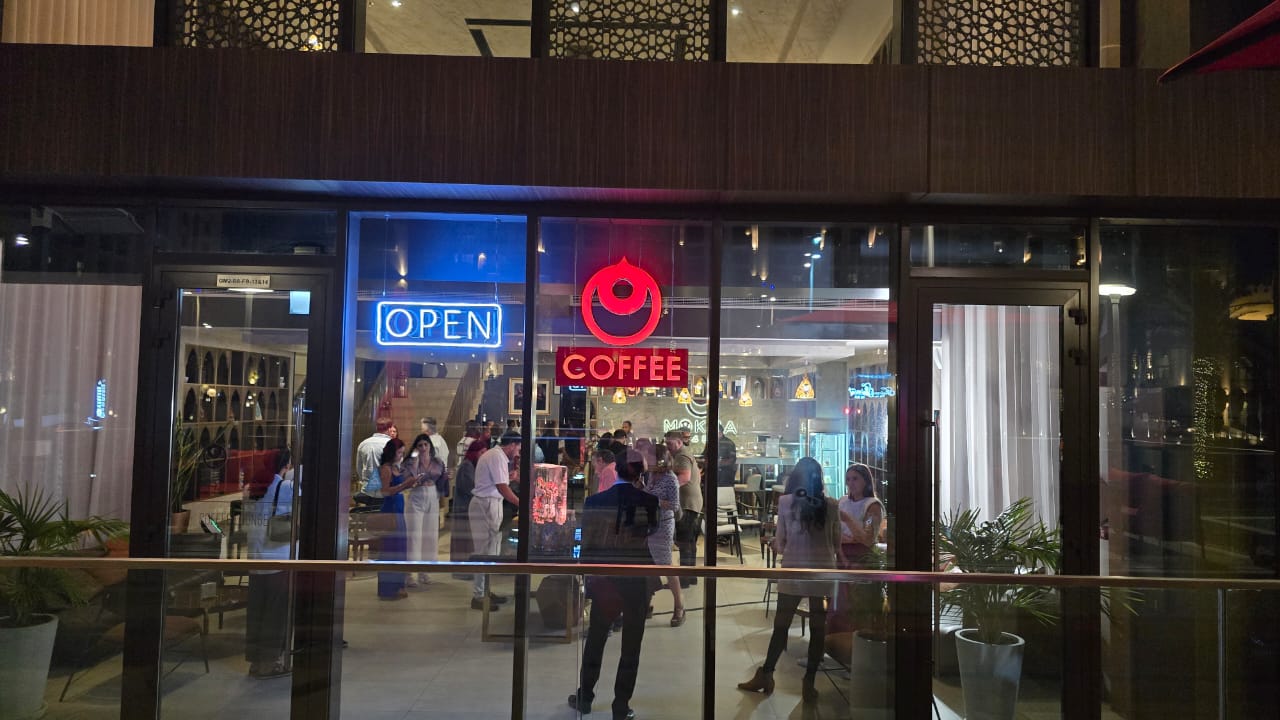
Get ready, Dubai! On December 11, 2024, The Barista League is making its highly anticipated return to Earth Coffee Roastery, promising an electrifying evening filled with coffee competitions, engaging activities, and a celebration of coffee culture. As the event draws closer, the lineup of incredible coffee experts and special guests adds even more excitement to what’s set to be an unforgettable night.

Meet the Special Guests and Judges

The Barista League is more than just a competition; it’s a platform for coffee enthusiasts to come together and learn from some of the best in the business. Here’s who you’ll see:

  • Pratama Winarto (@pratamarkh): Head of Coffee at @eatx.journal and Dubai’s 2024 Barista League Champion, Pratama is celebrated for his expertise in roasting and innovative specialty coffee techniques.
  • Amna Almansoori (@am.almansoorii): A passionate SCA brewing professional and experienced competitor, Amna brings her skill and insights to the judging panel.
  • Hootan Salemi (@zhandrock): Iran’s 2024 Barista Champion, sensory judge, and CQI lecturer, Hootan will share his wealth of knowledge from years of judging and educating.
  • Daria Vorslova (@darya_vorslova): With 18 years of experience, Daria is a Q Arabica Grader and WCE-certified judge, specializing in green coffee and sensory evaluation.
  • Waleed Hannoun (@waleedhannoun): Representing @85.plus, Waleed is a green coffee expert with a strong passion for quality and sustainability in the coffee industry.
  • Jane Espante (@jane_espante): A UAE National Champion in Coffee in Good Spirits and an Authorized SCA Trainer, Jane combines competition expertise with training to inspire baristas.
  • Ali Husnain (@nawab_ali_dabb): Owner of @coffeetoolz.me, Ali’s decade-long experience in coffee equipment and his enthusiasm for specialty coffee make him a highlight of the event.
  • Dammy Samson (@noblebarista_dammy): An independent barista and @oatly market developer, Dammy’s energy and charisma will keep the event lively throughout the evening.
  • Lemal P Nelson (@lpnspectrum.ent): Adding to the vibrant atmosphere, Lemal will provide high-energy beats to keep the party vibe going strong.

What to Expect

The Barista League is not your typical barista competition. Teams of two will battle it out in fast-paced challenges that test real-world barista skills. From crafting espressos and cold brew mocktails to navigating sensory challenges, this event is designed to showcase talent in a fun, inclusive environment. The grand prize? An all-expenses-paid Mystery Coffee Vacation to a coffee origin destination alongside other 2024 champions.

For attendees, there’s just as much to enjoy:

  • Sample some of the finest coffee at the Brew Bar, thanks to leading roasters and partners like Baratza.
  • Compete in fun challenges such as Toddy’s Cold Brew Comparison or Oatly’s Corn Hole Game, and win exciting prizes.
  • Take part in Coffee Journey to Dubai, an interactive game hosted by Sucafina and DMCC that explores the green coffee supply chain.
  • Indulge in a curated menu from Earth Roastery, catering to all dietary needs.

Event Details

📍 Location: Earth Coffee Roastery, 6th St, Al Quoz 3, Dubai
📅 Date: December 11, 2024
⏰ Time: 6:00 PM
🎟 Tickets: Early Bird: 21 AED | General Admission: 33 AED

Whether you’re a seasoned coffee professional or just someone who loves a great cup of coffee, this event is for you. Don’t miss the chance to be part of a night that celebrates the art, skill, and creativity behind every brew.

Tickets are limited, so grab yours now and get ready to experience the ultimate coffee event in Dubai!

New Report Highlights Major Shifts in European Coffee Trade for 2023/2024

The European Coffee Report 2023/2024 reveals profound changes in Europe’s coffee trade dynamics, highlighting a sharp decline in green coffee imports and the emergence of new export markets for European producers. Published by the European Coffee Federation, this report captures the challenges facing the sector, including economic pressures, geopolitical disruptions, and shifting coffee consumption patterns.

Statistics indicate that total green coffee imports into Europe are projected to reach 3.3 million tonnes in 2023, marking a 20% drop compared to the peak in 2016. This sharp decline can be attributed to the European economic slowdown and changes in maritime trade priorities. Ports like Rotterdam in the Netherlands have taken precedence over traditional hubs such as Antwerp in Belgium. Germany, still Europe’s largest green coffee importer, reported a significant 17.1% decrease in imports, reflecting mounting pressures on the region’s largest economy.

On the supply side, Brazil and Vietnam have maintained their dominance as Europe’s primary coffee suppliers. However, Brazil saw an 11.5% drop in exports due to frost that severely impacted crops. Vietnam, on the other hand, strengthened its market share to 23.9%, driven by robust robusta production. Remarkably, Papua New Guinea recorded a 32% growth in exports, while China’s coffee exports to Europe plummeted by 69% due to its increasing focus on the domestic market.

Exports tell a different story, with European coffee increasingly finding new markets. Post-Brexit, the United Kingdom emerged as the largest importer of roasted coffee from the EU, accounting for 18.2% of total exports. Countries like Türkiye and the UAE have also shown substantial growth in their imports of European coffee, reflecting a rising demand for high-quality products. Türkiye, in particular, recorded a 10.8% increase in roasted coffee imports, showcasing the dynamism of its market in absorbing European goods.

The report also highlights the growing popularity of soluble coffee, with EU exports of this segment rising by 7.1% in 2023. Key markets such as the United States and Türkiye played a pivotal role in driving this growth, fueled by shifting consumption habits that favor at-home brewing. Meanwhile, geopolitical tensions have negatively impacted coffee trade, with exports to Russia falling by 15.2% and Ukrainian imports decreasing by 11%, underscoring the sector’s vulnerabilities amid political instability.

The European Coffee Report 2023/2024 provides a comprehensive overview of a sector undergoing a transformative phase. As trade patterns shift and new markets emerge, stakeholders must focus on innovation, adopt sustainable practices, and adapt to new challenges to ensure the sector’s resilience in an evolving landscape.

6600 Dirhams for a Cup of Coffee: Dubai’s Luxury at Its Finest

A newly opened café in Dubai is turning heads with its lavish gold-infused menu. Located in the Emirates Financial Towers at DIFC, Boho Café has quickly become the talk of the town for its extravagant offerings.

On Friday, a European tourist indulged in the café’s royal menu, spending a whopping Dh6,600 on a single order. The splurge included gold souvenir coffee, four gold croissants, and two scoops of gold-infused ice cream. The receipt reveals the breakdown: coffee at Dh4,761.90, croissants at Dh1,142.86, and ice cream at Dh380.95.

A Unique Blend of Luxury and Affordability

Since opening last month, Boho Café has gained widespread attention for its innovative dual menu. The café offers a mix of affordable Indian street food and indulgent luxury items, making it a destination for a diverse range of customers.

Owner Sucheta Sharma explained the vision behind the café: “Our goal was to create something unique—an experience that caters to those looking for extravagance, while still offering affordable options for the community.”

Luxurious Offerings That Spark Curiosity

Boho Café’s royal menu includes several standout items:

Gold Karak Tea priced at Dh150
Gold Water available for Dh300
Gold souvenir tea and coffee, presented in silver cups and saucers that customers can keep as a memento.

This innovative approach has made the café a must-visit spot for locals and tourists alike, blending traditional flavors with a touch of opulence.

The café’s extravagant offerings reflect Dubai’s flair for luxury and innovation, making it an exciting addition to the city’s culinary landscape. Whether you’re seeking an affordable meal or an indulgent golden treat, Boho Café promises an unforgettable experience.

How Do Coffee Drinking Habits Affect the Gut Microbiome? A Recent Study Answers

A recent study published in Nature Microbiology (2024) has unveiled a profound link between coffee consumption and the composition of the human gut microbiome. The study revealed that individuals who drink coffee regularly have significantly higher levels of a specific gut bacterium known as Lawsonibacter asaccharolyticus compared to those who do not. This groundbreaking finding sheds light on the intricate relationship between dietary habits and gut health, offering potential explanations for coffee’s long-recognized health benefits.

Coffee and the Microbiome

The study, one of the largest of its kind, analyzed stool and blood samples from over 22,800 participants across the United Kingdom and the United States. Additionally, it integrated data from 211 international cohorts, encompassing 54,200 individuals from diverse populations. By comparing the gut microbiomes of coffee drinkers with non-drinkers, the researchers found a consistent and global correlation—coffee drinkers exhibited up to eight times more Lawsonibacter asaccharolyticus than non-drinkers. This correlation was robust across different geographies and population groups, emphasizing its universality.

Why Coffee?

Coffee was chosen as the focus of this study for two primary reasons. Firstly, it is one of the most widely consumed beverages globally, making it an ideal candidate for studying dietary impacts. Secondly, coffee consumption is typically habitual—people either drink it daily or not at all—eliminating inconsistencies in data collection and interpretation.

The researchers also noted that coffee’s unique chemical composition and its strong association with health outcomes made it a perfect model to study dietary influences on the gut microbiome.

Lawsonibacter asaccharolyticus

Identified for the first time in 2018, Lawsonibacter asaccharolyticus remains relatively unexplored. However, its significant presence in coffee drinkers’ gut microbiomes suggests it may play a crucial role in mediating coffee’s health benefits. Laboratory experiments supported these observations, showing that coffee stimulates the growth of L. asaccharolyticus in vitro, regardless of whether the coffee is caffeinated or decaffeinated.

The researchers attributed this stimulatory effect to coffee’s bioactive compounds, particularly quinic acid and trigonelline. These compounds likely create an environment conducive to the growth of L. asaccharolyticus, enhancing its abundance in the gut.

Coffee’s Biochemical Influence

One of the study’s key findings was that coffee’s impact on the gut microbiome is not solely dependent on caffeine. Both caffeinated and decaffeinated coffee were found to influence the microbiome similarly, suggesting that other components, such as polyphenols, play a more significant role.

Polyphenols, particularly chlorogenic acid, are known for their antioxidant and anti-inflammatory properties. In the gut, these compounds are metabolized into bioactive substances like quinic acid, which interact with gut microbes, fostering an environment that promotes health.

Global and Cultural Implications

The study highlighted striking differences in the prevalence of L. asaccharolyticus across populations. In Westernized societies with high coffee consumption, the bacterium was notably abundant, whereas in rural, non-industrialized communities with limited coffee access, its presence was minimal. This disparity underscores the influence of dietary habits on gut microbiome diversity.

Interestingly, even moderate coffee consumption—defined as three cups per day—was sufficient to boost L. asaccharolyticus levels significantly. However, increasing coffee intake beyond this threshold did not yield proportional increases in the bacterium’s abundance.

Coffee and Its Broader Health Benefits

The health benefits of coffee have long been recognized. Studies have linked it to reduced risks of cardiovascular diseases, Type 2 diabetes, certain cancers, and improved metabolic health. This new research adds another dimension, suggesting that coffee’s impact on the gut microbiome, particularly its stimulation of L. asaccharolyticus, could be a contributing factor to these health outcomes.

The exact role of L. asaccharolyticus in health remains unclear, but its strong association with coffee consumption highlights the need for further investigation. Does this bacterium directly mediate health benefits, or does it act in conjunction with other gut microbes to enhance overall well-being?

Methodological Rigor and Technological Insights

To ensure the robustness of their findings, the researchers employed advanced machine learning models to analyze the data. These models successfully classified participants into three categories—non-drinkers, moderate drinkers, and high drinkers—based on their microbiome compositions. The accuracy of these classifications underscores the distinct microbiome signatures associated with coffee consumption.

Additionally, the study utilized multi-omic approaches, integrating microbiome data with plasma metabolomics. This comprehensive analysis provided a detailed understanding of coffee’s biochemical interactions with the gut.

Key Findings

  1. Microbiome Composition: Coffee drinkers’ microbiomes were markedly different from non-drinkers, characterized by a significantly higher abundance of L. asaccharolyticus.
  2. Dose-Response Relationship: Moderate coffee consumption significantly boosted L. asaccharolyticus levels, but higher intake showed diminishing returns.
  3. Caffeine Independence: Decaffeinated coffee had similar effects on the microbiome, highlighting the role of non-caffeine components.
  4. Global Consistency: The findings were consistent across diverse populations, reinforcing the universality of the coffee-microbiome link.

Future Directions and Potential Applications

This groundbreaking study opens up new avenues for research and practical applications. By identifying the specific dietary components that influence gut microbiota, scientists can develop targeted dietary interventions to improve gut health. For example, individuals with specific microbiome imbalances could benefit from personalized nutrition strategies that include coffee or its bioactive components.

Moreover, the study emphasizes the need for further exploration of L. asaccharolyticus. Understanding its metabolic pathways and interactions with other gut microbes could pave the way for novel therapeutic approaches, potentially leveraging this bacterium to treat or prevent certain diseases.

Coffee: A Daily Dose of Health?

For coffee enthusiasts, these findings offer additional reassurance about the health benefits of their favorite beverage. While moderation remains key, the study underscores the profound impact a simple dietary habit can have on the intricate ecosystem of the gut microbiome.

Conclusion

The link between coffee consumption and gut health is a testament to the complex interplay between diet and microbiota. This study not only reinforces coffee’s role as a health-promoting beverage but also highlights its potential to inform future microbiome-focused therapies. As researchers continue to unravel the mysteries of the human gut, coffee stands out as a fascinating example of how everyday habits can shape our inner ecosystems and influence our overall well-being.

With its scientific depth and global relevance, this research marks a significant step forward in understanding the powerful connections between what we consume and how it impacts our health.

Climate Change and Coffee: Brazil’s Arabica Facing an Uncertain Future

The delicate balance of Arabica coffee production in Brazil, the world’s largest producer and exporter, is under growing threat from climate change. A recent study by Freitas et al. explores how shifting climate conditions could profoundly impact Arabica coffee cultivation across Brazil, highlighting the urgent need for adaptive strategies to ensure the sustainability of this globally significant crop.

The research, grounded in advanced climate modeling and meteorological data, examined the potential effects of two CMIP6 emission scenarios (SSP2–4.5 and SSP5–8.5) on Arabica coffee phenology and yield for the periods 2041–2060, 2061–2080, and 2081–2100. It analyzed 36 representative coffee-growing regions in Brazil, utilizing data from the Brazilian Daily Weather Gridded Data (BR-DWGD) and CLIMBra datasets.

Findings reveal that rising temperatures and increased water deficits will significantly alter coffee phenology, with flowering (anthesis) advancing in cooler regions and delaying in warmer areas. Maturation timing is expected to accelerate across all climates. While CO₂ fertilization may slightly boost yields in some climates, such as Cwb, extreme temperature increases could lead to yield losses of up to 100% in hotter, tropical regions like northern Minas Gerais and Bahia.

Irrigation emerged as a crucial tool to mitigate climate effects. Under high-emission scenarios, irrigated regions could see yields surpassing 30 bags per hectare, particularly in southern Minas Gerais, São Paulo, and northern Paraná—areas projected to have the highest productivity despite facing increased variability. However, adapting to these challenges will require more than irrigation. The development of heat- and drought-tolerant coffee cultivars, along with supportive agricultural policies, is essential to sustain this key sector.

Arabica coffee, cherished worldwide for its superior flavor, is more than a beverage; it’s a livelihood for millions and a cornerstone of Brazil’s economy. Coffee contributes to approximately 31.4% of global production and generates around 8 million jobs in Brazil. However, its dependency on stable climatic conditions makes it highly vulnerable to global warming. The shifting suitability of coffee-growing regions could lead to significant social and economic repercussions, forcing growers to relocate or adopt costly new practices.

This comprehensive study underscores the necessity of adaptive agricultural techniques, resilient coffee cultivars, and robust policies to combat the challenges posed by climate change. As climate impacts intensify, collaboration between researchers, farmers, and policymakers will be vital to protect the future of Brazil’s Arabica coffee industry. Without proactive measures, the world’s most beloved coffee could face an uncertain and bitter future.

Sumseron Coffee: An Inspiring Story That Began with a Cup of Coffee

In the heart of rural Kenya, where the dreams of communities intersect with the challenges of harsh realities, Sumseron Coffee sparked a beacon of sustainable hope five years ago. With a simple yet revolutionary idea—transforming coffee into a tool for social and economic change—the company, led by its founder and CEO, John Seroni, has become a symbol of innovation and responsibility. Through coffee, Sumseron unites communities, empowers individuals, advances education, and champions environmental preservation.

The journey began in regions torn apart by conflict, where divisions governed relationships. Seroni saw coffee as a medium to bring people together around a common purpose. By establishing cooperatives and neutral spaces, the company created opportunities for collaboration among individuals from diverse and often divided backgrounds. These efforts helped rebuild trust and reignite a spirit of reconciliation. Each cup of coffee produced was a small yet powerful step toward peace and hope.

But Sumseron Coffee’s mission didn’t stop at uniting communities. The company recognized that women held the key to meaningful change. Through innovative programs, it provided women with the tools and resources to transform their lives—from planting coffee trees on their land to gaining financial and educational empowerment. One beneficiary shared, “Coffee wasn’t just a source of income; it was my gateway to independence.” For Seroni, empowering women is not only about equality but also about unlocking the potential to transform entire societies.

From empowering women, Sumseron extended its efforts to the youth, ensuring the sustainability of the coffee industry by investing in the next generation. Through training programs, scholarships, and entrepreneurial support, the company became a guiding light for ambitious young people, infusing the industry with fresh energy and innovative ideas. Seroni believes that engaging youth is essential to securing a vibrant future for coffee, where creativity becomes the cornerstone of progress.

Education has always been a fundamental pillar of Sumseron Coffee’s vision. Revenue from coffee sales has funded schools, scholarships, and educational programs for farmers. These initiatives have not only enhanced productivity but also broken the cycle of poverty that once trapped entire communities. By equipping both young people and adults with the tools they need to succeed, the company has opened doors that were once firmly shut.

Amid all this social impact, environmental stewardship has remained at the forefront of Sumseron Coffee’s priorities. The company has adopted sustainable agricultural practices such as shade-grown coffee and renewable energy, significantly reducing its carbon footprint. For Seroni, investing in environmental conservation isn’t a choice; it’s a necessity to strike a balance between economic development and protecting a sustainable planet for future generations.

Today, as Sumseron Coffee celebrates five years of relentless effort, the company expresses deep gratitude to its dedicated team, loyal customers, and supportive partners who have made this success possible. Looking to the future, the company reaffirms its commitment to empowering more women, engaging more youth, and safeguarding the environment while pursuing its vision of a brighter tomorrow.

The story of Sumseron Coffee is not just about a coffee company—it’s a testament to the power of a simple idea to change the lives of thousands. Every cup of coffee brewed by Sumseron carries with it a story of hope, strength, and a better future.

When you enjoy a cup of Sumseron Coffee, remember: you’re sipping a story of change.

Luckin Coffee Expands Cooperation with Brazil in Historic Coffee Deal Worth 10 Billion Yuan

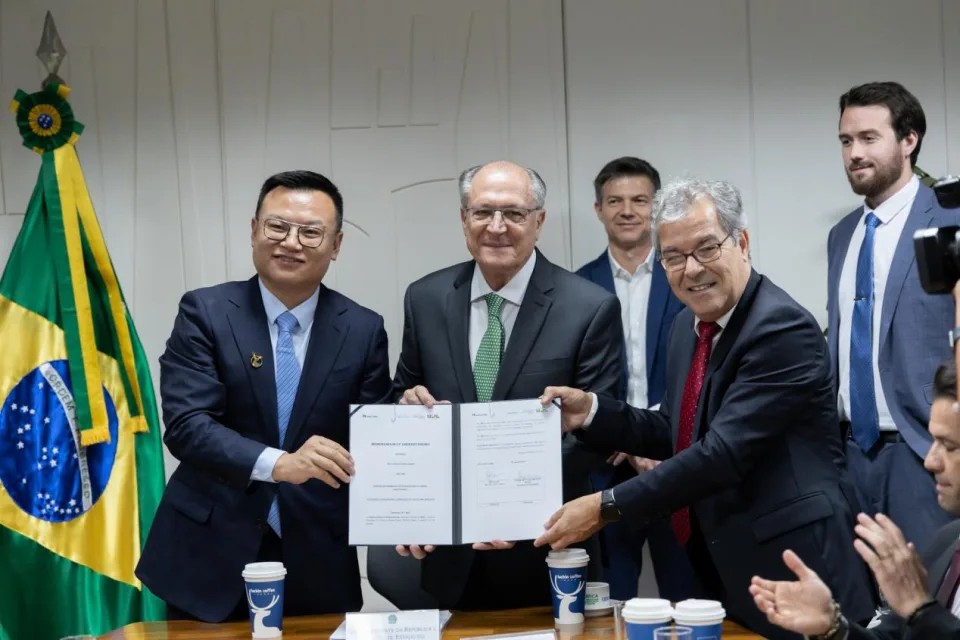
In a landmark event attended by Brazil’s Vice President and Minister of Development, Industry, Trade, and Services, Geraldo Alckmin, Luckin Coffee, China’s leading coffee chain, signed a Memorandum of Understanding (MoU) with the Brazilian Trade and Investment Promotion Agency. The agreement significantly expands their June deal, doubling the commitment to procure Brazilian coffee beans to 240,000 tons from 2025 to 2029. Valued at 10 billion yuan, this is the largest coffee bean procurement plan in Luckin Coffee’s history.

The MoU reflects Luckin Coffee’s strategic decision to elevate its role in the global coffee supply chain. By increasing its purchase plan to 240,000 tons of Brazilian coffee beans, the company not only secures its largest procurement deal to date but also reinforces its commitment to building lasting partnerships with Brazilian producers. This agreement, valued at 10 billion RMB, underscores Luckin Coffee’s ambition to dominate the premium coffee segment while fostering robust trade ties between China and Brazil.

Guo Jinyi, Co-Founder, Chairman, and CEO of Luckin Coffee, remarked, “Fifty years ago, China and Brazil began a new chapter of collaboration with the symbolic exchange of coffee and alcohol. Today, coffee serves as a bridge for deepening our friendship and industrial cooperation. As we embark on the next ‘Golden 50 Years’ of our relationship, Luckin Coffee is committed to promoting the global recognition of high-quality Brazilian coffee and enhancing its reputation worldwide.”

This collaboration highlights Luckin Coffee’s goal to bridge the gap between China and Brazil’s coffee industries, bringing the best of Brazilian coffee to global consumers while expanding opportunities for sustainable trade and cultural exchange.

Luckin Coffee has made significant strides to celebrate Brazilian coffee culture. In partnership with the Brazilian Embassy, the company hosted the Luckin Coffee Brazil Coffee Culture Festival, which included professional tasting salons featuring World Barista Championship (WBC) winners. Additionally, it launched the Brazil leg of its “Odyssey to the God Shot (Global Bean Search Journey)” and inaugurated its first Brazil-themed coffee store alongside the Luckin Brazilian Coffee Museum. These initiatives underscore Luckin Coffee’s dedication to bringing the essence of Brazilian coffee to a broader audience.

To support its growing business and ensure sustainable practices, Luckin Coffee has established several strategic initiatives in Brazil. These include:

  • Luckin Brazil Office – A hub for overseeing coffee operations in the region.
  • Luckin Brazil Grower Support Center – A resource center for supporting local farmers and improving quality standards.
  • Luckin Coffee High-Quality Coffee Plantation – A key initiative for implementing sustainable coffee certification standards and enhancing upstream quality control.

These efforts ensure that Luckin Coffee is not only expanding its business footprint but also contributing to the development of Brazil’s coffee industry in a meaningful and sustainable manner.

Luckin Coffee’s ultimate goal is to become a distinguished, century-old coffee brand. By leveraging premium resources and building a world-class coffee supply chain, the company is positioning itself as a global leader in the coffee industry. With this vision, Luckin Coffee continues to innovate and expand its influence, setting the stage for long-term success.

This historic agreement marks a significant milestone in Luckin Coffee’s journey, emphasizing its leadership in the global coffee market and its dedication to strengthening China-Brazil ties. As the two nations embark on a new era of collaboration, coffee stands as a testament to their enduring friendship and shared commitment to excellence in the global coffee industry.

Coffee Planet Empowers Aspiring Baristas with ‘Brewing Futures’ Initiative

Celebrating its 20th anniversary, UAE-born specialty coffee brand Coffee Planet has launched the inspiring ‘Brewing Futures’ initiative. This program offers free barista training to individuals passionate about coffee, providing them with the skills to build rewarding careers in the specialty coffee industry.

Coffee Planet CEO Jamie Brown shared the vision behind the initiative, saying:
“Brewing Futures is about creating real opportunities for those passionate about coffee. Seeing the dedication in our trainees reaffirms our mission to empower aspiring baristas and connect opportunity with specialty coffee.”

The program features hands-on training led by seasoned professionals, covering everything from coffee brewing fundamentals to advanced barista techniques. Graduates may even join Coffee Planet’s cafes, ensuring the initiative contributes directly to community and brand growth.

The launch of ‘Brewing Futures’ further underscores Coffee Planet’s commitment to specialty coffee culture and sustainable development. As a testament to its excellence, the brand was named a “UAE Superbrand” in 2023 and has earned multiple industry awards in the Middle East.

Since its founding in 2005, Coffee Planet has become a household name, serving coffee in top hotels, airlines, and retail outlets. The company’s commitment to sustainability and quality has cemented its reputation as a leader in the specialty coffee industry.

For more details on the ‘Brewing Futures’ program and how to participate, follow Coffee Planet on social media.

About Coffee Planet
Established in 2005 in the UAE, Coffee Planet provides specialty coffee to a diverse clientele, including luxury hotels, airlines, offices, and retail consumers. The company is dedicated to sustainability, offering eco-friendly products and waste management initiatives. Through innovation and commitment, Coffee Planet continues to bring specialty coffee to everyone.

Arabica Coffee Prices Surge Amid Concerns Over Brazil’s Drought and Vietnam’s Harvest Delays

Arabica coffee futures (KCH25) climbed on Thursday, closing up +3.20 (+1.09%), while January ICE robusta coffee futures (RMF25) dropped slightly, closing down -11 (-0.23%). The mixed performance reflected contrasting market dynamics, with arabica prices touching new highs while robusta faced downward pressure.

March arabica coffee futures reached a contract high on Thursday, while December arabica futures hit a 13-year high for nearest-futures. A report by the USDA’s Foreign Agricultural Service (FAS) projected Brazil’s 2024/25 coffee production at 66.4 million metric tons (MMT), falling short of the USDA’s official estimate of 69.9 MMT. Additionally, Brazil’s coffee inventories for the end of the 2024/25 season in June were forecast at just 1.2 million bags, a significant 26% year-over-year decline.

Concerns over Brazil’s drought conditions have added upward pressure on prices. Since April, rainfall in key coffee-growing regions has remained well below average, hampering flowering and threatening the 2025/26 arabica crop. Brazil is reportedly experiencing its driest conditions since 1981, according to Cemaden, the country’s natural disaster monitoring agency.

While arabica prices soared, robusta prices dipped as profit-taking followed a weakening Brazilian real (^USDBRL), which hit a two-week low against the dollar. The currency drop encouraged export selling by Brazilian producers, adding to downward pressure on robusta futures.

Vietnam, the largest producer of robusta coffee, has also faced challenges. October coffee exports fell by 11.6% month-on-month to 45,412 MT, while exports from January to October dropped by 11.1% year-over-year to 1.15 MMT. Heavy rainfall has further compounded concerns, threatening to delay Vietnam’s coffee harvest. Vietnam’s agriculture department reported a 20% decline in coffee production for the 2023/24 crop year due to drought, with output at 1.472 MMT, the smallest in four years.

The International Coffee Organization (ICO) reported a significant 25% year-over-year increase in global coffee exports for September, totaling 10.76 million bags. However, it projected that global coffee production for 2023/24 would grow by 5.8% year-over-year to a record 178 million bags. Consumption is expected to rise by 2.2% to 177 million bags, leaving a slight surplus of 1 million bags.

Meanwhile, Brazil’s coffee exports remain robust. Cecafe reported that October green coffee exports rose 11% year-over-year to 4.57 million bags, with total exports for the 2023/24 season up 33% year-over-year to a record 47.3 million bags.

Tight inventory levels provided additional support for coffee prices. ICE-monitored arabica coffee inventories have rebounded from a 24-year low of 224,066 bags in November 2023 to 893,325 bags this week, a 2-1/3 year high. Conversely, ICE-monitored robusta coffee inventories fell to a 6-1/2 month low of 3,854 lots, although they remain above the record low of 1,958 lots seen in February 2024.

While global coffee production is forecast to grow, concerns over Brazil’s ongoing drought and Vietnam’s harvest delays are expected to keep markets volatile. Recent rainfall in Brazil temporarily eased concerns, with Minas Gerais, the country’s largest arabica-producing region, receiving 60.9 mm of rain last week—127% of the historical average. However, long-term production risks persist due to years of below-average rainfall.

As markets continue to weigh these dynamics, coffee prices are likely to remain sensitive to weather developments in Brazil and Vietnam, as well as broader macroeconomic factors like currency fluctuations and global demand trends.

The Coffee Industry’s Sustainability Revolution: Center for Circular Economy in Coffee Hosts First Annual Meeting

The Center for Circular Economy in Coffee (C4CEC) held its first annual meeting yesterday evening, gathering members and a diverse group of stakeholders committed to transforming the global coffee industry through circular practices. The meeting, held virtually, showcased the center’s pioneering efforts and the shared ambition of its members. It marked a significant milestone for the coffee sector, featuring in-depth discussions, innovative ideas, and actionable strategies to advance circular economy principles across the coffee value chain.

As a proud new member, QahwaWorld participated in this landmark meeting, joining a prestigious network of global organizations. This membership is both an honor and a responsibility, aligning with our mission to support sustainable practices and empower coffee producers worldwide. We extend our heartfelt thanks to the center for accepting us as part of this important initiative.

Highlighting the First Year’s Achievements

The C4CEC Annual General Assembly showcased the center’s accomplishments over its first year, including welcoming more than 50 members and launching the Coffee Development Report. Key highlights included a successful pilot project in Kenya in collaboration with the United Nations Industrial Development Organization (UNIDO) and the Italian Corporation, as well as promising opportunities for expanded research and project development in circular economy practices.

Gerardo Patacconi emphasized the role of the International Coffee Organization (ICO) in championing circular economy principles since 2022, which paved the way for the G7 initiative. Meanwhile, Gunther Pauli highlighted the untapped potential of coffee by-products to enhance sustainable practices. The meeting also introduced 11 new members from diverse sectors, underscoring the center’s global reach and interdisciplinary collaboration.

Building a Foundation for Collaboration

The meeting began with welcoming remarks by Katherine Oglietti, who expressed gratitude to the six founding members: the Lavazza Foundation, Polytechnic University of Turin, University of Gastronomic Sciences, the International Coffee Organization, International Trade Centre, and UNIDO. She credited their vision and resources for turning the center into a reality.

In her speech, Catherine stressed the importance of the center as a global platform for pre-competitive collaboration, stating:

“This is not just a technical initiative; it’s a movement to reshape the coffee value chain and create a future rooted in sustainability and equity.”

Notable Achievements

  • Coffee Development Report 2023: A comprehensive publication providing unprecedented data on coffee biomass and strategic recommendations to support circular economy practices.
  • Kenya Pilot Project: Focused on implementing circular practices in the coffee sector.
  • Webinar Series: Over 600 participants attended sessions on regenerative solutions.
  • Global Events: Participation in eight international events to raise awareness about circular practices.

Mario Cerruti, Chairman of the Board, encouraged members to play an active role in expanding the center’s reach, stating:

“Each of us should commit to bringing at least two new members. Together, we can amplify our impact and build a truly global movement.”

Inspiring Visions for Circular Economy

The meeting featured two inspiring keynote speeches. Gunther Pauli, author of The Blue Economy, highlighted the overlooked opportunities in coffee waste, proposing innovative ideas such as using coffee residues for mushroom cultivation and sustainable textile production.

“Coffee is one of the most wasteful commodities, but within this waste lies the opportunity to create value for farmers and communities. Circular economy is not just about reducing waste but generating new economic and social benefits,” said Pauli.

Additionally, Sheila Ampumuza, Managing Director of Sawa World, shared a poignant story about waste management challenges in Kampala, Uganda. She emphasized the urgent need for circular practices to prevent such tragedies and create sustainable livelihoods.

Expanding the Member Network

One of the key highlights of the meeting was the introduction of 11 new members, including QahwaWorld. The new members represented a mix of academic institutions, NGOs, and private companies, each bringing unique expertise and initiatives. For instance, Dedan Kimathi University of Technology (Kenya) and EcoBean (Poland) shared their experiences in leveraging coffee waste to develop sustainable solutions.

Speaking on behalf of QahwaWorld, we expressed our gratitude to the center, stating:

“As a platform founded in Yemen, we are committed to supporting global initiatives that empower coffee farmers and promote sustainability. This membership is an opportunity to enhance our efforts and contribute to the global circular economy movement.”

Best Practices and Research

The meeting highlighted achievements in Kenya’s pilot project, which aims to implement circular practices across the coffee value chain. Key project components included:

  • Assessing the current state of Kenya’s coffee sector.
  • Developing strategies to enhance productivity and local consumption.
  • Proposing solutions for using coffee waste, such as cascara, to increase income and preserve biodiversity.

The center also announced the launch of a dedicated member portal on its website, providing access to resources such as best practices, research data, and policy recommendations.

Plans for 2025

The meeting concluded with an overview of the center’s ambitious goals for the coming year, including:

  • Publishing three annual reviews of best practices.
  • Expanding pilot projects to Asia and Central America.
  • Strengthening collaboration among members through webinars, workshops, and events.
  • Establishing a global fund to support investments in circular practices.

The center’s strategic plan reflects its commitment to expanding its impact and addressing challenges identified by its members, such as funding, policy alignment, and knowledge sharing.

Middle East.. A Flourishing Coffee Market Amid Regional Challenges

The Middle East continues to affirm its position as a key driver of growth in the global coffee industry. According to Project Café Middle East 2025, a comprehensive report by Allegra World Coffee Portal, the region’s branded coffee shop market grew by 11% over the past year, reaching an impressive 11,163 outlets. Despite geopolitical tensions, the region’s vibrant coffee culture and economic potential keep attracting investments from global and regional operators alike.

Saudi Arabia and UAE Lead the Market Transformation

Saudi Arabia remains the heart of the Middle Eastern coffee industry, boasting 5,130 branded coffee shop outlets—accounting for 46% of the region’s total. The market is home to over 120 brands, including international giants like Starbucks and Dunkin’, alongside prominent domestic players such as Barn’s, Kyan Cafe, and Mezaj Magribi. These local brands have emerged as significant contributors to the sector’s growth, reflecting Saudi Arabia’s ambitious Vision 2030 plan, which positions coffee as a pillar of the nation’s economic and cultural development.

Similarly, the UAE stands out as a hub for coffee innovation and hospitality, with its sophisticated consumer base driving demand for premium coffee experiences. Specialty coffee, in particular, has gained significant traction in both Saudi Arabia and the UAE, with over 80% of industry leaders identifying it as a vital segment for market success.

Emerging Markets on the Rise

Beyond the well-established hubs, markets like Morocco and Jordan are becoming hotspots for coffee investments. Morocco recorded the highest growth rate in the region at 19%, followed by Saudi Arabia (16.5%) and Egypt (13.3%). This expanding footprint underscores the increasing appeal of smaller markets to operators seeking fresh opportunities.

Boutique operators are also playing a critical role in shaping the market landscape. Brands such as Bacha Coffee, inspired by Moroccan heritage, and Café Kitsuné, with its French-Japanese fusion concept, have made strategic entries into new MENA markets. Local innovators like Egypt’s Koffee Kulture and Saudi Arabia’s Row are redefining regional standards and gaining recognition as branded chains.

Challenges in a Complex Landscape

Despite its robust growth, the MENA coffee market faces significant challenges. Political instability in Yemen and the ongoing Israel-Gaza conflict have disrupted supply chains, particularly along the Red Sea, a crucial coffee shipping route. This has led to delays and increased operational costs for coffee businesses. Additionally, consumer boycotts of some Western chains over perceived political stances have added pressure to the industry.

However, the resilience of the market is evident. Fourteen of the 20 MENA markets analyzed in the report achieved net outlet growth, and nearly 76% of industry leaders reported positive trading conditions over the last year. Only Lebanon and Tunisia saw contractions, with declines of 9.1% and 19.3%, respectively.

The Future of Coffee in the Middle East

The MENA region’s deep-rooted coffee culture, coupled with a growing preference for premium and specialty coffee, signals a promising future for the sector. According to the report, the number of branded coffee shops in the region is expected to surpass 12,160 by November 2025 and grow to 16,460 by 2029, at a compound annual growth rate (CAGR) of 8.1%. Saudi Arabia is projected to lead this growth, while Morocco is expected to be the fastest-growing market with a forecasted 19.2% CAGR.

This growth is driven largely by the region’s young, social media-savvy population, whose preferences are reshaping coffee trends. Gen Z consumers are fueling demand for aspirational and high-quality coffee experiences, encouraging both global and regional operators to innovate and expand their offerings.

A Trusted Resource for Industry Insights

Project Café Middle East 2025, a 392-page in-depth analysis, serves as a critical resource for coffee industry stakeholders. It provides a detailed look at market sizing, growth projections, pricing strategies, and consumer behavior across 20 MENA markets. Highlights of the report include:

  • Over 2,000 surveys with UAE and Saudi coffee shop consumers.
  • Insights from more than 200 industry consultations and interviews.
  • Comprehensive profiles of major operators and their strategies.
  • A pricing analysis of key beverages such as cappuccinos and lattes.

Published annually since 1999, the Project Café series has established itself as a leading resource for understanding the social and economic impact of the coffee industry. This latest edition offers essential insights for businesses looking to navigate the complexities of the Middle Eastern market and seize emerging opportunities.

Jeffrey Young, Founder and CEO of Allegra Group, emphasized the market’s resilience:
“The MENA branded coffee shop market continues to show incredible strength despite geopolitical challenges. The emergence of boutique operators and the growing premiumization of the coffee industry highlight the region’s potential for sustained growth in the years ahead.”

With a dynamic market landscape and a rich cultural heritage, the Middle East is not only preserving its legacy as a coffee epicenter but also charting a bold path forward. For stakeholders, the insights offered by Project Café Middle East 2025 provide a roadmap for thriving in this exciting market.

Drinkit Unveils Five New Dubai Locations: The Future of Coffee Just Got Closer!

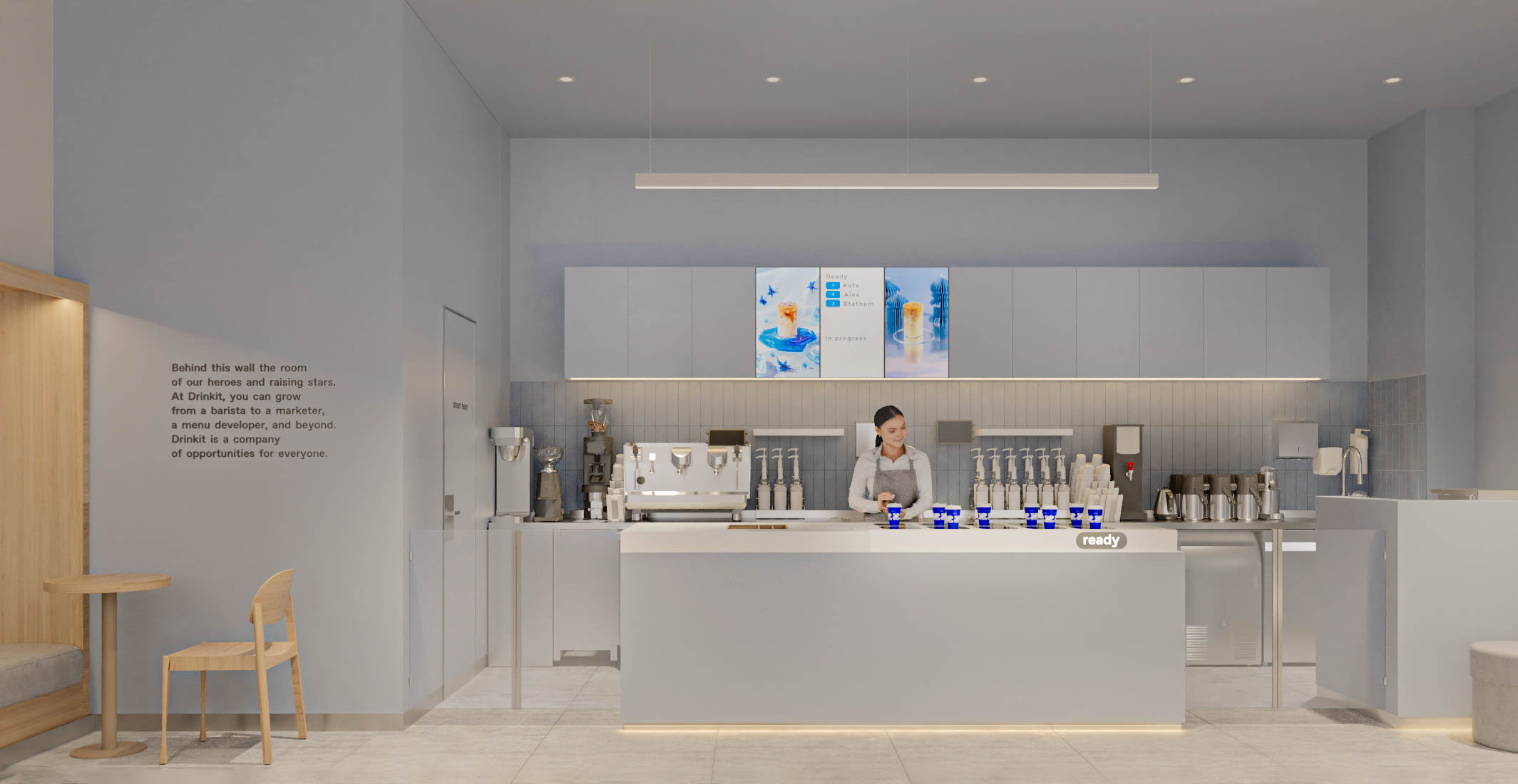
Drinkit, the UAE’s go-to digital-first coffee shop, is set to enhance its presence with five new locations opening across Dubai by the end of 2024. This expansion ensures that Drinkit’s expertly crafted, artisanal beverages are more accessible to residents and visitors, promising a premium coffee experience just around the corner. The new venues are set to launch in JLT Cluster T, Golden Mile Galleria 1 on The Palm, Mirdif City Centre Mall, and two additional exciting locations yet to be announced. Each new venue is thoughtfully designed with a stylish, cozy seating area featuring modern, neutral décor, inviting patrons to enjoy their coffee in a relaxed and welcoming atmosphere.

Offering a diverse menu of over sixty beverages, Drinkit’s coffee shops are a paradise for beverage lovers. From signature drinks to specialty coffees and more exotic selections like matcha and iced cocoa, each beverage is crafted from locally sourced ingredients, ensuring top-tier quality. Beyond beverages, Drinkit is pioneering the coffee shop experience with advanced technology that makes grabbing a coffee absolutely effortless. With the Drinkit mobile app, customers can order ahead and expect their favorite brew ready in just three minutes. The smart pickup area, equipped with a digital pad, allows for quick collection, streamlining the coffee break to mere moments and alleviating the need to wait in line.

Moreover, Drinkit empowers coffee lovers to tailor their drinks via the mobile app or in-store kiosks. Whether it’s choosing beans, milk types, or customizing temperature and sweetness, the options are endless. Guests can enjoy bespoke concoctions like the Hazelnut Raspberry Latte or the Iced Thyme Blueberry Cheesefoam Latte, alongside classics and innovative blends. The app also memorizes preferences, recommending drinks based on past selections—a feature that over 45% of customers utilize, showcasing the city’s appreciation for such personalized touches. These customization options also ensure that every customer receives the exact beverage of their choice through a smooth and seamless experience.

“The introduction of these five new locations marks a significant milestone in our expansion within the UAE and mirrors the rising demand for fast, superior coffee options across the Emirates,” said Katerina Borodich, CEO of Drinkit. “We are thrilled to extend our range of exceptional beverages and state-of-the-art technology to more neighborhoods, revolutionizing the coffee culture in the UAE. By enhancing the coffee experience with these technologies, convenience and quality, we’re committed to enriching the daily lives of UAE residents, making their daily routines easier.”

For more information about Drinkit’s new locations and to stay updated on opening dates, please visit drinkit.

About Drinkit:

Drinkit was originally founded in 2016. After being acquired by the foodservice group Dodo Brands in 2020, Drinkit expanded to launch more than 30 coffee shops across 3 countries and 5 cities, including Dubai, Moscow, and Astana. The company operates physical coffee shops where traditional cash areas have been replaced by a self-developed ordering system, run on in-store kiosks and a mobile application. Currently, 90% of the chain’s orders are placed online.

Dodo Brands also owns and franchises Dodo Pizza quick-service restaurants across 22 countries. In 2023, Dodo Brands’ system sales reached $990 million.

Drinkit app for iOS and Android.