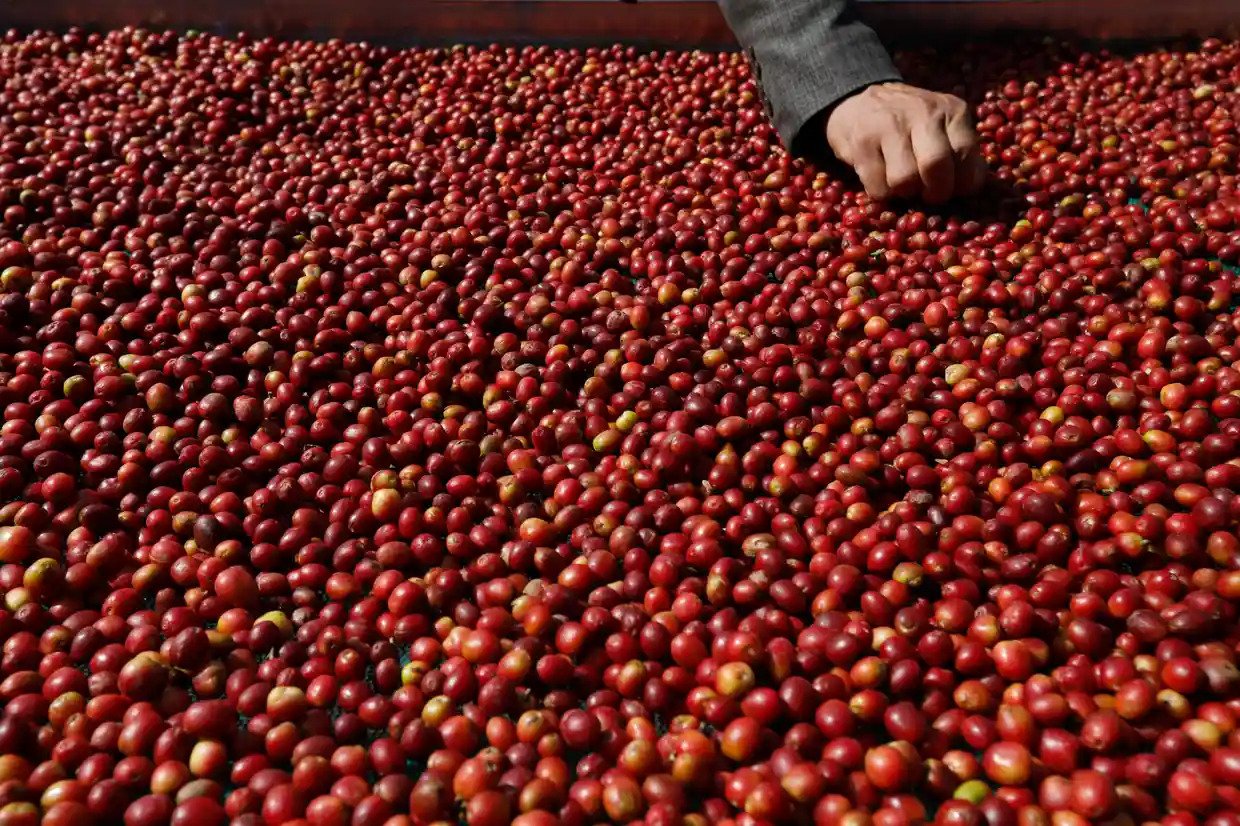
The truth about caffeine: how coffee really affects our bodies

Coffee. Go juice. Liquid gold. The one with all the psychoactive properties. Once used by Sufi mystics as an aid to concentration during religious rituals, it’s now one of the most ubiquitous drinks on the planet: we get through about 2bn cups a day.

It’s also one of the most valued and pored-over drinks. One particularly sought-after blend, Black Ivory, which is produced by encouraging elephants to digest arabica berries, retails at more than £2,000 a kilogram, while coffee-making championships attract thousands of spectators.

But what does it actually do to you? You might have a vague idea that caffeine wakes you up, wrecks your sleep and can aid sporting performance, but do you know how much you can drink safely? Considering that a typical americano contains more than 100 biologically active ingredients other than caffeine, what do you know about the drug you are glugging two or three times a day? What is happening inside your body when you have a double espresso in the morning?

How quickly does it act?

The effects may start before you even take a sip. Just inhaling the scent of coffee can improve memory and stimulate alertness, according to a 2019 study of 80 18- to 22-year-olds. Another study, from 2018, found that subjects did better in tests of analytical reasoning after a whiff of the good stuff. That said, the researchers in the 2018 study suggested that the effect probably had a placebo element, with the expectation of improved performance proving at least partly responsible.

  • A lot of people have three coffees back to back in the morning. They’re at 1,000-1,500mg before lunchtime

What about when you actually drink it? “There’s a chance that the use of any supplement will carry a placebo effect,” says Dr Mike T Nelson, a researcher and performance specialist who recently co-wrote the International Society of Sports Nutrition’s position on coffee. “Many researchers use randomised, double-blinded, placebo-controlled trials to try to ferret that out. And if you look at some of the higher-dose caffeine studies and when they have been compared with a placebo, we still see a performance-enhancing effect of caffeine.”

This is why the effects really kick in some time after you start drinking. While a 2008 study found that the effects of a cup of coffee can occur just 10 minutes after ingestion, it said peak caffeine concentration in the blood occurred after 45 minutes.

How does coffee wake you up?

Caffeine acts as a central nervous system stimulant – making you more alert and focused, but potentially also more irritable and anxious. It’s all to do with your body’s adenosine receptors, which help to regulate your heart rate, blood flow and sleep-wake cycles. When adenosine – an organic compound that occurs naturally in your body – binds to these receptors, it triggers physiological responses that lead to a decrease in cellular activity, often promoting drowsiness and sleep.

Caffeine can fool your nerve cells and bind to these instead, preventing adenosine from doing its thing. This promotes increased alertness, while also allowing the brain’s stimulating neurotransmitters (such as dopamine) to run wild. This makes it a mood-booster for many people, but can also lead to anxiety after high doses. While your body adapts to caffeine’s effects after a while, different people can have very different responses to the same amount of it.

Can it really boost athletic performance?

The amount of caffeine in seemingly similar high-street coffees can vary significantly.

It certainly can. A 2020 study of amateur cyclists found that coffee improved performance by an average of 1.7%. This may not sound like much, but it’s a big deal for even moderately competitive athletes. An older British study reported a dose-related improvement in tests of reaction times, memory and visual-spatial reasoning among coffee drinkers.

Most of these performance benefits come from caffeine, which is why coffee isn’t always the best option. A recent analysis by the consumer group Which? found that a medium cappuccino at Costa contains 325mg of caffeine, while the Starbucks equivalent has just 66mg. Even more confusingly, a 2003 study found a wide range of caffeine concentrations (259mg to 564mg a serving) in the same drink obtained from the same outlet on six consecutive days. (The NHS doesn’t give an upper limit for daily caffeine intake unless you are pregnant, but the US Food and Drug Administration suggests that 400mg is fine.)

“Beans can make a difference – standard robusta beans are higher in caffeine than arabica beans, for example,” says Nelson. “But there are other factors – roasting actually breaks down caffeine, so in general darker roasts will have a lower caffeine content. But even when outlets try to control for beans, brewing method and so on, the variability in caffeine content is still quite high.

“This is why, for athletes, if you’re using it purely for performance-enhancing effects and you want to be very specific with it, I recommend taking caffeine in a pill form, because you can control your intake better.

“I’ve worked with some endurance athletes in the past who would just stop and get a normal coffee at any shop before the race – and a lot of times their performance might be a little bit different, probably because the caffeine amount wasn’t as tightly controlled.”

When should you stop drinking it?

This is hotly contested. Caffeine has a half-life of about six hours, which means that if you have your final espresso at 4pm, half of the caffeine is still in your system at 10pm, when you should be winding down for the night. Plenty of people subscribe to the idea of a caffeine curfew – stopping at 2pm or 3pm, for instance – but that doesn’t mean it’s open season in the morning.

“It should be a nice, balanced thing,” says Nick Littlehales, a sleep coach who has worked with several high-profile football teams. “I see a lot of people who have three coffees more or less back to back in the morning. They’re at 1,000-1,500mg before they get to lunchtime – then they stop their intake. That’s not a sensible way to do things: it’s about keeping it nice and level, with no big ups and downs. Keep track of when you have a little bit of a low-energy lull, then you can actually use your caffeine intake strategically, to help you out at key times.”

Is it good for you?

This is where those other biologically active compounds come in. It’s also where the science becomes less clear. A few people suggest that excess intake may be linked to increased cancer risk or heart problems, while others say a few cups a day is fine.

It’s helpful to look at meta-analyses of many studies – or, even better, an “umbrella review”. One of the largest of these, which looked at more than 200 meta-analyses in 2017, said: “Coffee consumption seems generally safe within usual levels of intake, with summary estimates indicating the largest risk reduction for various health outcomes at three to four cups a day, and more likely to benefit health than harm.” Another from the same year found that coffee was associated with a probable decreased risk of several forms of cancer, alongside cardiovascular disease, Parkinson’s disease and type 2 diabetes.

What about coffee’s other long-term benefits? There is some evidence that its mood-elevating effects can be beneficial over the long term. In a 2016 meta-analysis of observational studies, caffeine consumption was found to decrease the risk of depression, while a Finnish study from 2010 found a similar result with coffee. In the Finnish study, the connection was weaker when other caffeinated drinks were consumed – suggesting that there is something in coffee specifically that can affect mood. One theory is that it’s the antioxidants, as these tend to correlate with reduced stress overall.

Coffee can also help with burning fat, but it’s most effective in conjunction with exercise. “In order to get rid of fat, you have to break it from the cell and then burn it,” says Nelson. “Caffeine has been shown to increase lipolysis, or the breaking part.” So, having a quick cup before your morning workout does more than just give you an energy boost.

What about the way you drink it?

Does how you drink it make a difference? In short: yes. Darker roasts, as well as being lower in caffeine, tend to contain fewer antioxidants and lower levels of chlorogenic acid, a compound that can protect the body against inflammation and cell damage. When you grind the beans doesn’t matter (unless you prefer that fresh-ground flavour), but how much you grind them probably does – a finer grind releases more polyphenols, giving fine-ground brews slightly more beneficial effects.

Coffee filtered through paper (in an Aeropress or a V60, say) may be healthier than coffee made with a metal filter (in a cafetière, for example) or no filter at all. A study published in 2020 that followed more than 500,000 healthy coffee drinkers for about two decades found that those who drank filtered coffee (as opposed to just boiling ground beans and drinking the water) had lower rates of arterial disease and death. The study’s authors concluded that the substances in coffee that can raise LDL cholesterol – the “bad” kind – can be removed using a filter; they said a cup of unfiltered coffee typically contains about 30 times the concentration of the lipid-raising substances compared with filtered coffee.

Filtering coffee through paper using a V60 or other pour-over cone is healthier than using a cafetière, research suggests. Photograph: GS Visuals/Getty Images/Image Source

The brewing temperature doesn’t matter that much; while some purists will claim that pouring boiled water directly on to your coffee grounds will “burn” the flavour, it seems to have little effect on the beneficial compounds inside.

As for which of the dizzying array of options in most coffee shops is best, surprisingly little research has been done. “I’d expect having a dose of fat – milk – with your coffee would slightly slow the effect of the caffeine, just as eating food with it would,” says Nelson. A study from 2001 looked at giving people caffeine with carbohydrates and found no additional performance-enhancing effects from taking the two together.

Obviously, if you drink half a pint of milk and two sugars in your latte, it increases the calorie count; is there any way to mitigate that? With a sprinkle of cinnamon, perhaps? “It’s probably not going to have a huge effect on fat-burning,” says Nelson. “There are some studies showing that it may help with glucose metabolism if you give it in a pretty high dose – so if you’re looking at glycemic control, it may be helpful for that. But I wouldn’t count on a little dusting doing much good.”

As for “bulletproof” coffee – the now-trademarked staple of aspiring biohackers made with butter or coconut oil – evidence of its benefits is more scarce than the marketing might make you think. Yes, it can curb cravings and stop you feeling peckish in the mid-morning lull – because it comes with a big scoop of calorific fat – but if you are using it to replace a breakfast like eggs and spinach, you may be cutting down on the nutrients you get first thing in the morning.

So, what is the prescription? Up to three cups a day is probably fine, filtered if possible, dark roasted if you are trying to cut down on caffeine, but light if you are trying to benefit from the other ingredients. Space them out in the morning and try to leave a decent gap after your last one before you go to bed. Oh, and if you want to try your hand at the Aeropress world coffee-making championships, give it a go – they let anyone in.


Drinking coffee after eating is harmful to health

A Russian nutritionist warned against drinking coffee immediately after eating.
According to Sputnik Radio, nutritionist Natalia nefedova recommended drinking coffee more than 30 minutes after a meal .
The specialist said that drinking coffee during or immediately after meals disrupts the process of assimilation of macro-and microelements.

She added that if you constantly drink coffee with food, the body will receive less zinc, iron and magnesium.

In addition, coffee is able to remove calcium from the body, so it is better to drink it with milk or with a piece of cheese. Stressing that it is important to remember that milk adds extra calories to the drink.

List of 10 countries with a unique coffee culture

Coffee is a favourite drink around the world, but each country has a unique take. Find out what to order in these countries for a taste of local life.

Coffee is a popular drink around the world with each country serving its own version. In many places, the local way of serving or consuming coffee is steeped in rich culture and tradition. Therefore, learning about the coffee culture of a country teaches visitors about the country itself.

These 10 countries have unique coffee cultures that are sure to excite travelers’ taste buds. Find out what makes them different and what drink to order when visiting for an authentic experience.

1 Turkey

Turkish coffee bears many similarities to Greek coffee in how it’s made and the small serving size. However, the role of coffee in Turkish culture is more ritualistic and centers around friendship and hospitality. Freshly roasted, high-quality beans are ground to a fine powder and then added to a pot with cold water and sometimes sugar. The pot is placed on heat and brewed slowly, so a layer of foam develops on top of the coffee. The coffee is served with a glass of water and a piece of Turkish delight.

The ritual of brewing coffee properly is passed down through families, as are the etiquettes associated with this practice. For example, guests should drink from more elaborate cups than the host to honor them. Sitting down for an authentic cup of Turkish coffee when visiting Turkey will provide travelers with a whole new appreciation for the cultural and spiritual properties of the beverage.

2 Costa Rica

Costa Rica is famous for its coffee beans, but that’s not the only advantage the country has in the coffee department. Costa Ricans enjoy a traditional method of brewing coffee called a chorreador. The chorreador consists of a sock-like bag that hangs on a wooden stand and allows hot water to pour through to a cup while filtering out the grounds. The classic method of brewing Costa Rican coffee is reminiscent of the North American “pour-over” coffee that has become popular in recent years.

Ordering a café chorreador while visiting Costa Rica is the best way to get a taste of what the local coffee culture is all about.

3 France

France might not be on many people’s radars as a country with exceptional coffee culture, but it should be. The French are responsible for the delightful drink known as Café au lait, and every traveller should order this once while visiting Paris.

Café au lait is coffee with hot milk, which is different than coffee with regular milk. In France, they call that “white coffee”. Café au lait also differs from a latte because the ratio of coffee to milk isn’t the same. A latte has a 2 to 1 ratio of milk to coffee while Café au lait has a 1 to 1 ratio.

4 Italy

Italy is integral to the world coffee scene. It’s the birthplace of the cappuccino and the world-famous espresso came from Milan. In many ways, Italy is the coffee capital of the world so coffee connoisseurs visiting this beautiful country should get a taste of these beverages in their homeland.

When ordering a coffee in Italy, espresso is the default. If you ask for a cup of coffee, you’ll receive an espresso shot. People typically drink this right at the counter, like a bar, rather than taking a table. For breakfast in Italy, order a cappuccino and a croissant for an authentic experience.

5 Australia

The land down under has high standards for a cup of coffee, so travelers must see what the fuss is about when visiting. Australians have an abundance of locally-owned coffee shops to choose from rather than flocking to massive chains like Starbucks, as Americans commonly do. Instead, Australians enjoy specialty roasts in smaller sizes and are typically stronger than coffee in America. They also add fewer sweeteners.

When in Australia, order a flat white for an authentic taste of the local coffee culture. This drink contains two espresso shots with foam and steamed milk on top.

6 Indonesia

Indonesia has a true one-of-a-kind coffee experience for travelers to try when visiting Southeast Asia. Kopi Luwak refers to coffee made from partially digested beans that are passed by a civet cat. Among tourists, it has earned the nickname “poop coffee”.

The civet cat eats the coffee cherries and doesn’t eat the bean, so it poops the bean back out with an enhanced flavor.

7 Mexico

Mexican coffee culture is not as widely known as some other nations’ traditions, but the taste is unlike any other coffee in the world. Mexicans enjoy the traditional beverage called Café de Olla, which is spiced coffee. It’s prepared in a clay pot, which is where the name comes from.

The coffee is sweetened with piloncillo, and then it’s spiced with cloves, star anise, and cinnamon. The cinnamon flavor comes through strongly when sipping a cup of a Café de Olla, making it perfect for a cool morning.

8 Sweden

Sweden is an excellent destination for coffee enthusiasts, especially since Swedes have one of the highest levels of coffee consumption per capita in the world. Swedish people enjoy a practice called Fika, which refers to a coffee break where people gather and socialize over a drink and a bite to eat.

Swedish Lapland also has a unique coffee tradition known as Kaffeost. In northern Scandinavia, Kaffeost means “coffee cheese”. The name may seem strange to some, but it’s common in northern Sweden to dip cheese into a cup of coffee before eating it.

9 Greece

Greece has incredible coffee culture and offers a unique taste for those who like to drink their caffeinated beverages hot or cold. Traditional Greek coffee is made with a strong brew using finely ground beans. The drink is unfiltered, so the grounds are at the bottom of the cup and there is a nice layer of foam on top.

For those who prefer an iced drink, the Greek frappé (also called a Nescafé frappé) is a must-try. This cold drink contains milk, sugar, ice, and instant coffee

10 Vietnam

In Vietnam, coffee isn’t just a drink to start the day; it’s something people enjoy morning, at noon, and even at night. Vietnam has some of the best coffee in the world and offers two unique beverages every traveler should try while visiting. Vietnamese iced coffee consists of medium or dark roast coffee over ice, combined with condensed milk. It’s the perfect refreshment for a hot day.

Another unique coffee order that shouldn’t be overlooked when visiting Vietnam is egg coffee. This delicious, creamy hot drink is made by combining egg yolk with condensed milk to create a frothy addition to a cup of coffee.

UAE’s Booming Coffee Trade Shines at Expo 2020 Dubai

The UAE’s coffee industry is on a rapid growth trajectory, having reached a staggering AED 3 billion in trade last year. With substantial expansion anticipated this year, Expo 2020 Dubai is witnessing marketing campaigns from major global coffee producers. The UAE is capitalizing on opportunities in its thriving coffee market, where coffee is more than just a beverage – it’s a symbol of hospitality and an economic powerhouse.

The Dubai Coffee Centre, established in 2019, has catapulted the UAE into one of the most advanced coffee markets in the region. The coffee sector in the UAE, including the wider Middle East and Africa, is projected to grow by 7.5% until 2025.

Notable among the coffee producers is Colombia, a global leader in coffee production, particularly known for its high-quality Arabica beans. The country’s unique coffee processing and roasting methods create a distinctive flavor that is beloved by coffee enthusiasts worldwide. Colombian coffee’s impact on the economy is considerable, providing employment for numerous individuals.

Brazil, the world’s top coffee producer, is facing challenges due to climate change, with droughts threatening its coffee crop. The importance of coffee to Brazil is undeniable, and any disturbances in production can have far-reaching effects on global coffee markets.

Vietnam, the second-largest coffee producer globally, focuses on robusta beans, offering an alternative to the more expensive Arabica beans. The country is strategically aiming to double its annual coffee exports to $6 billion in the next decade.

Indonesia boasts some of the rarest and most expensive coffee varieties globally, including the coveted civet or Kopi Luwak. The country holds a significant share of the world’s coffee production.

Ethiopia, known for its full-flavored, robust coffee beans, has been increasingly successful in coffee trade. The country’s coffee industry has seen historic revenues and ambitious plans for growth.

Latvia has carved a niche in the coffee industry by importing and re-exporting coffee beans after roasting them to various grades, leveraging its geographical location and roasting expertise.

Yemen, renowned for producing high-quality Arabic coffee, is exploring coffee cultivation as a vital opportunity, with a goal to reach self-sufficiency.

Saudi Arabia is celebrating the “Year of Saudi Coffee,” showcasing its rich coffee culture at Expo 2020 Dubai. Efforts are underway to boost coffee production, with numerous model farms and developments in the southwestern regions of the kingdom.

The global coffee market is dynamic, with various countries contributing their unique flavors and approaches, making coffee more than just a beverage but an economic and cultural asset.

Yemeni Coffee: History and Fame

Historically, Yemen has been associated with coffee for centuries, particularly with the city of Mocha, which represented the starting point for the fame of this beverage locally and globally. Yemeni coffee is known in many cultures as “Mocha,” referring to the port of Mocha, which was a hub for coffee exports.

Origin of the Coffee Tree:

The coffee tree is evergreen, reaching heights of approximately 4.5 to 6 meters, with deep roots and soft leaves. Coffee is used as a hot or cold beverage, prized for its stimulating effect due to its caffeine content.

Origin and History of Coffee:

Opinions vary regarding the origin of the coffee tree and its wild existence. Some believe it originated in the Arabian Peninsula and was transported to Ethiopia. Some suggest that coffee first appeared wild in the Kaffa region of southern Ethiopia, while others propose that it was likely brought to Ethiopia from Yemen due to environmental similarities between the two countries.

Yemeni Connection to Coffee:

It is believed that Yemenis became acquainted with the coffee tree in the early 5th century AD when it was planted in the Al-Dain region. Some accounts credit the Arab physician Al-Razi as the first to mention Yemeni coffee in 900 AD.

Agricultural and Commercial Development:

Coffee cultivation in Yemen has witnessed significant development since the Middle Ages, making Yemeni coffee a prominent symbol of high quality. Yemeni coffee became synonymous with the port of Mocha, renowned for its high quality, and was traded to several countries.

Coffee Growing Regions:

Coffee shrubs thrive in various regions of Yemen, including Sana’a, Hajjah, Al-Dain, Yafi, due to the considerable similarity in climatic conditions between these areas.

Coffee Varieties Cultivated in Yemen:

Yemen cultivates three varieties of coffee known as the Al-Daini, Tufahi, and Dwayri, named after the regions where they are cultivated, such as Al-Hamadi, Al-Yafi, Al-Burai, Al-Harazi, Al-Mutri, and Al-Haimi.