Starbucks Loses Coffee Battle in China and Prepares to Sell Its Unit

Beijing – September 11, 2025 – Qahwa World – Reuters has revealed that Starbucks, the world’s largest coffee chain, is preparing to sell a controlling stake in its China operations in a deal valued at around $5 billion. The decision marks one of the most dramatic turns in the company’s history as slowing sales and intensifying competition from local rivals force the Seattle-based giant to rethink its strategy in its second-largest market.

According to sources cited by Reuters, Starbucks has drawn up a shortlist of five investment firms: Carlyle Group, EQT, HongShan Capital Group (HSG), Boyu Capital, and Primavera Capital. These firms are expected to submit binding bids in early October, with a final agreement anticipated by the end of next month. Financial analysts estimate that Starbucks China will generate between $400 million and $500 million in EBITDA this year, which supports a valuation close to $5 billion.

For years, China was considered the crown jewel of Starbucks’ international growth, with the company expanding to nearly 7,800 stores, representing almost 20% of its global footprint and around 8% of group revenues. But the tide has turned. Data from Euromonitor shows the company’s market share plunged from 34% in 2019 to just 14% in 2024, as local players like Luckin Coffee, Cotti Coffee, and Lucky Cup captured millions of consumers with lower prices, digital apps, and aggressive promotions.

Despite this decline, Starbucks has no plans for a full exit. The company intends to retain a minority stake in its Chinese unit while keeping its coffee roasting facility to safeguard quality standards. This strategy will allow Starbucks to share financial and operational risks with local partners while maintaining a foothold in a market with immense long-term potential.

The shortlisted bidders bring strong experience in food and beverage operations. HSG owns a stake in Heytea, China’s 4,300-store tea chain. Carlyle Group operates South Korea’s 1,700-store A Twosome Place and previously held a stake in McDonald’s China. Primavera Capital has invested in Yum China, EQT formerly owned global foodservice operator SSP, and Boyu Capital is a backer of e-commerce giant Alibaba.

The sale of a controlling stake in Starbucks China represents more than just a financial transaction—it is a strategic turning point. Once viewed as a symbol of Western modernity in China, Starbucks now finds itself forced into a restructuring move to secure its survival in a market where domestic brands are growing at breakneck speed. For investors, the deal offers a rare chance to gain access to a multibillion-dollar coffee market that continues to expand, though marked by fierce competition and price-sensitive consumers.

Binding offers are due in early October, with a final decision expected by the end of the month. Whatever the outcome, one fact is clear: Starbucks is losing the coffee battle in China and entering a new phase of forced partnerships and strategic recalibration that could reshape not only its presence in the country but also the global coffee landscape.
Breville Eyes China’s Coffee Market as U.S. Tariffs Pressure Sales

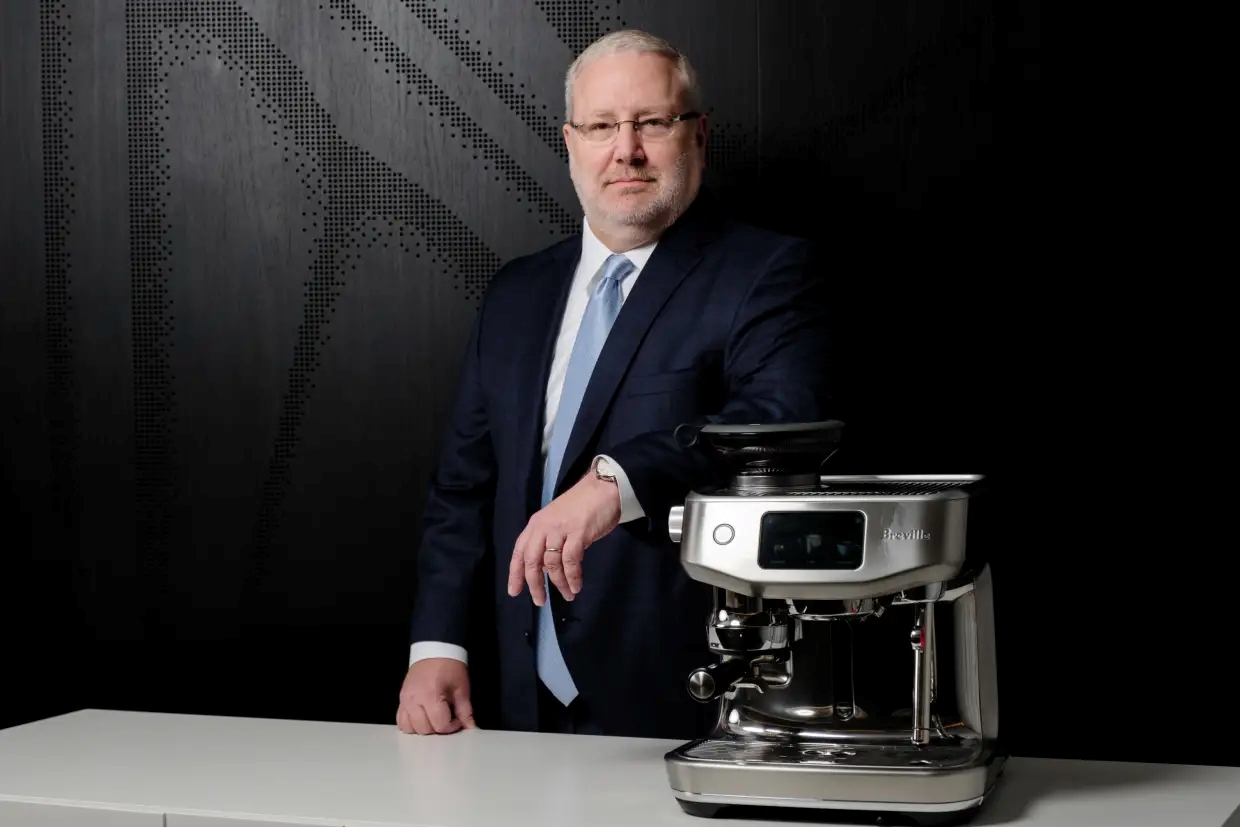
Dubai, 21 August 2025 (Qahwa World) – Breville is looking to China and the Middle East as promising new growth markets for its coffee appliances, aiming to balance the impact of U.S. tariffs on its business. Chief executive Jim Clayton said rising demand for premium coffee machines in these regions provides long-term opportunity, even as higher import duties in the United States pose near-term challenges.

The company, which generates about 40 percent of its revenue from the U.S., has shifted part of its production from China to facilities in Indonesia and Mexico. Clayton confirmed that this diversification strategy will continue through the year to reduce exposure to higher costs.

For the year ending June 30, Breville posted revenue of $1.7 billion, an increase of nearly 11 percent, while operating profit rose just over 10 percent to $204.5 million. Despite the strong performance, investor concerns about tariffs weighed on the share price. Clayton acknowledged that higher input costs remain an issue for the U.S. market but said the company would manage these pressures through supplier negotiations, selective price increases, and new product launches.

Recent highlights include the launch of the Oracle Dual Boiler coffee machine in Australia, with a new grinder and a compact smart oven scheduled for release this month. Coffee appliances remain the company’s leading category, helping Breville deliver double-digit growth across all three of its regional markets in 2025. The business has increased revenue and profit every year since 2015, even during challenging conditions.

Analyst opinions are mixed. Some warn that U.S. tariffs could affect earnings through FY27, raising questions about consensus forecasts of flat growth this year and a return to double-digit gains next year. Others view the current slowdown as temporary, pointing to Breville’s consistent record of expansion and opportunities in international markets. UBS projects that the $5 billion company could more than double sales over the next decade, driven by coffee market growth globally and particularly in China.

Founded over 90 years ago, Breville has grown into a global brand with a presence in more than 70 countries. Known under the Breville and Sage names, the company has built a reputation for innovation in small appliances and premium coffee equipment. Its teams of engineers, designers, and food technologists have helped place Breville at the forefront of its category. The company also emphasizes sustainability and ethical practices across its operations, with a focus on reducing environmental impact and contributing positively to society.

Clayton said that early results in China and the Middle East are encouraging, though still in the early stages, and that both regions represent significant long-term potential. To close out the financial year, Breville declared a final dividend of 19 cents per share, bringing the full-year payout to 37 cents, payable on October 2.