Balance in the Cup: The Hidden Science of Coffee Harmony

In the world of specialty coffee, few words are praised as often — and understood as little — as “balance.” Baristas champion it. Roasters chase it. Judges score it. But what does balance in coffee really mean?

To the untrained ear, balance may sound like neutrality, a lack of extremes. But to the sensory professional or curious enthusiast, balance is something much deeper — a dynamic harmony between opposing forces: sweet and bitter, acidic and smooth, sharp and mellow. It is not about muting flavors but orchestrating them.

From Biology to the Brew: Understanding Taste

Our experience of balance begins with biology. The human tongue detects four primary tastes: sweet, sour, salty, and bitter. Each is sensed more intensely in specific regions of the tongue — sweetness at the tip, bitterness at the back, and saltiness and sourness along the sides.

But coffee, like wine, is more than the sum of its taste parts. It is shaped by interactions — modulations — that change how we perceive those core flavors. Acidity can amplify sweetness, salt can mellow bitterness, and sugar can mask sharp sour notes. These taste interactions are where the magic of balance begins.

The Six Modulations: Crafting a Cohesive Cup

According to sensory research and practices endorsed by the Specialty Coffee Association, six primary taste interactions determine the flavor profile of a cup:

  1. Acids + Sugars → Acidy
    A bright, juicy cup — like a lightly roasted Ethiopian — where acidity enhances fruity sweetness.

  2. Salts + Sugars → Mellow
    Found in low-acid or Brazilian coffees, where natural salts soften sharpness and smooth out the flavor.

  3. Sugars + Acids → Winey
    Prominent in fermented or honey-processed coffees. Sweetness softens acidity, evoking wine or dried fruit notes.

  4. Sugars + Salts → Bland
    When sugar dominates too much, the cup feels flat and underwhelming. Complexity is lost.

  5. Acids + Salts → Sharp
    A common issue in underdosed espresso or overly bright brews. Lacking sweetness, the acidity and saltiness clash.

  6. Salts + Acids → Soury
    Overly mineral-heavy or dark roasted coffees may dampen acidity, leading to a dull finish.

These modulations aren’t just curiosities. They’re tools for roasters, baristas, and tasters who want to shape a balanced experience. And they underscore a critical truth: balance isn’t accidental — it’s engineered.

The Roaster’s Role: Designing for Balance

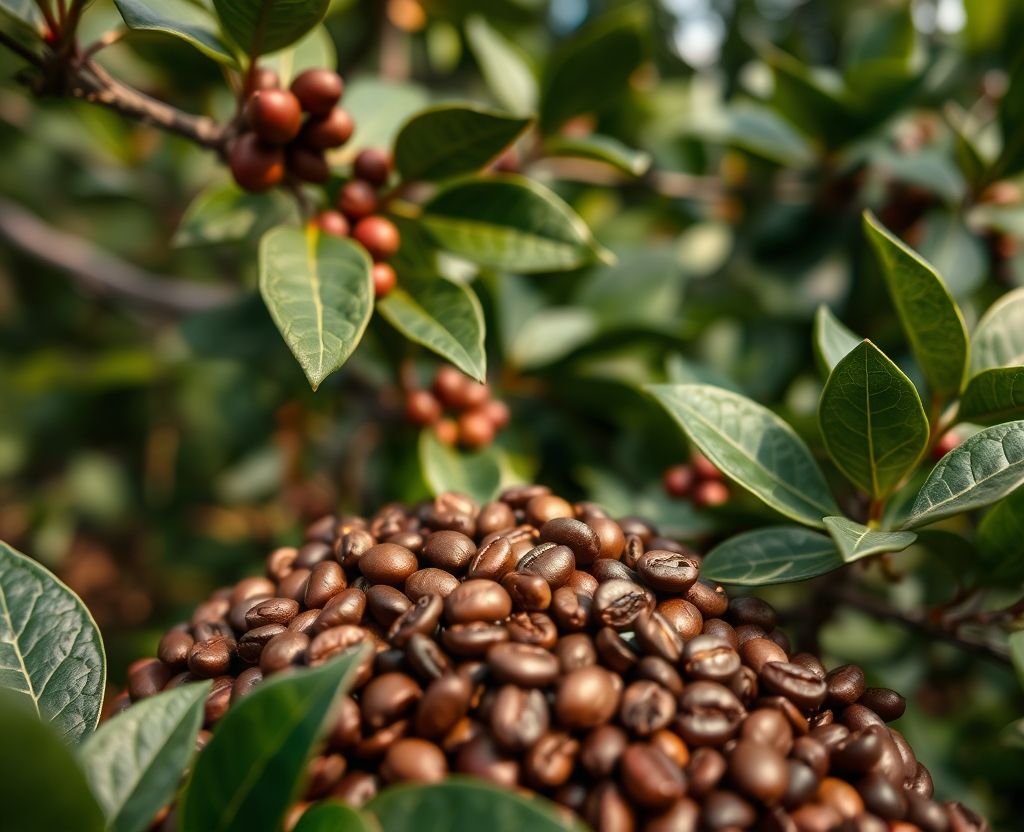
In the roastery, balance begins with green coffee selection. A washed Guatemalan coffee with bright acidity may be paired with a naturally processed Brazil for body and sweetness. Roast curves are carefully adjusted to retain or mute specific acids. Post-roast, blending becomes a strategic act of flavor engineering.

And yet, balance is not reserved for blends. A single-origin can be balanced too — if the inherent sugars, acids, and salts are in the right proportion, and the roast development nurtures their harmony.

Barista and Brewer: The Final Sculptor

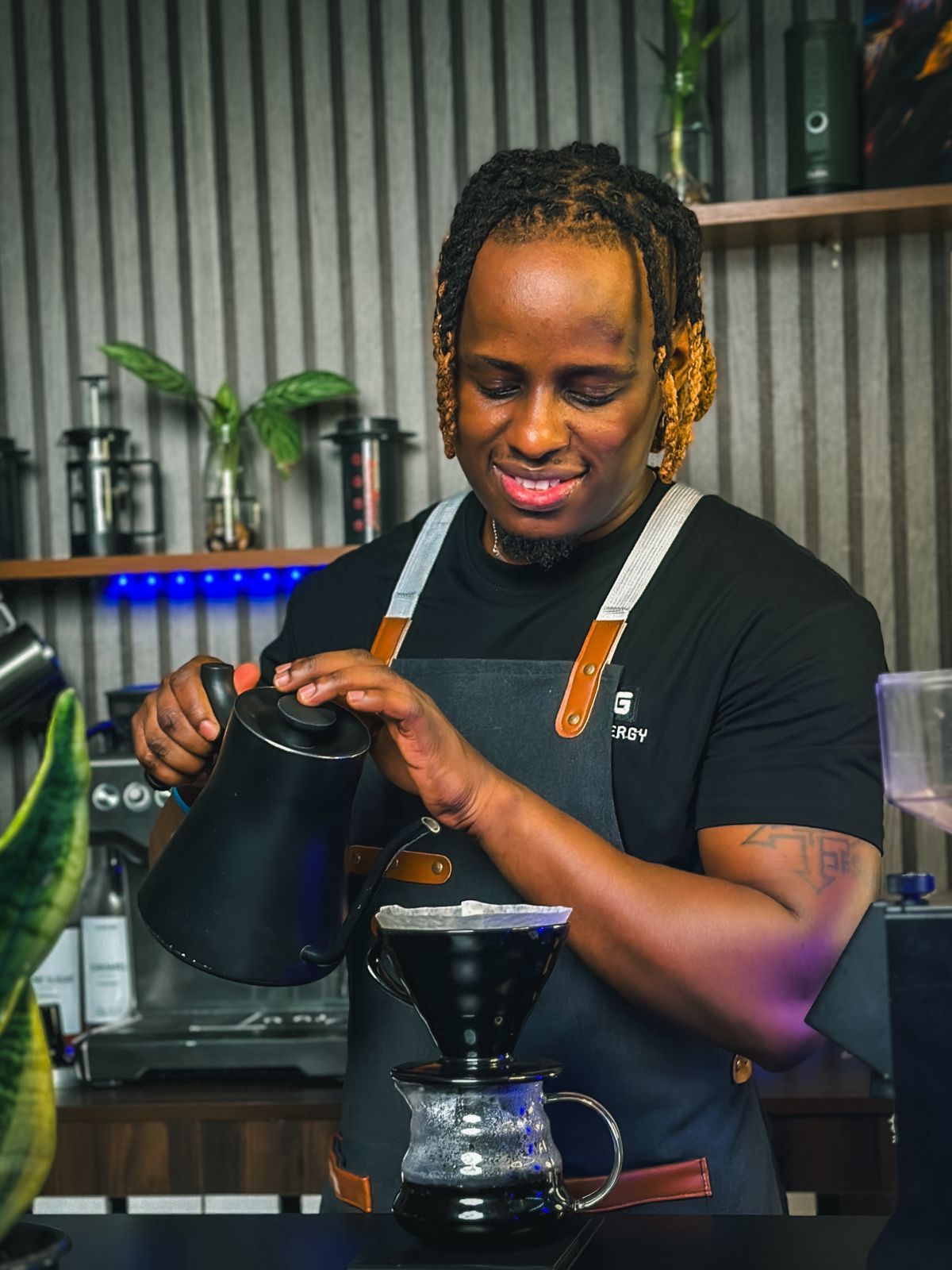
Once roasted, brewing becomes the final step in modulating balance. Brew ratio, temperature, grind size, and water quality all influence how each taste emerges. Too coarse, and sweetness is lost. Too fine, and bitterness overwhelms. A well-calibrated pour-over reveals not only the origin but also the balance that was coaxed throughout the process.

Why Balance Matters

In coffee competitions, balance is often the deciding factor between a high-quality cup and a great one. It reflects a coffee’s completeness — a seamless transition from start to finish, with no single note dominating. A balanced cup feels structured, intentional, and elegant.

For everyday drinkers, balance matters because it makes coffee enjoyable. A well-balanced brew is more forgiving, more memorable, and more emotionally satisfying. It doesn’t fatigue the palate or require explanation. It simply feels “right.”

Final Brew Thought

As coffee drinkers, we’ve learned to praise complexity and intensity. But complexity without balance can feel chaotic. True balance is the mark of craftsmanship — from farm to roastery to cup.

In the words of seasoned cuppers, the best coffee doesn’t just taste good — it feels whole.

Sharipova Coffee Launches Exclusive Sensory Skills Module with July Bundle Offer in Dubai

Sharipova Coffee, a leading name in coffee training and consulting in the UAE, has announced an exclusive Sensory Skills Module as part of its premium July training bundle. Led by renowned trainer Irina Sharipova, this immersive experience is tailored for coffee professionals seeking to deepen their understanding of sensory evaluation — a cornerstone of quality-focused coffee practice.

This hands-on course offers participants the opportunity to master the tools and techniques used to professionally assess coffee, going beyond subjective impressions to develop a precise, repeatable sensory vocabulary.

What’s Included in the July Bundle:

  • Expert-led instruction by Irina Sharipova

  • Sharipova Coffee Certificate of Completion

  • Official SCA Sensory Skills Certification

  • Curated coffee tasting sessions

  • Light snacks and refreshments

Irina Sharipova, who has built a reputation for high-end, professional coffee education across the Middle East, emphasized the importance of sensory training:

“This module trains your palate to recognize and evaluate coffee attributes objectively. It’s essential for anyone who wants to speak the language of quality.”

Core Learning Objectives:

  • Sensory analysis using smell, taste, and mouthfeel

  • Understanding basic tastes: sweet, sour, salty, bitter, umami

  • Exploring the SCA flavor wheel and coffee aroma groups

  • Learning the cupping protocol, used globally in coffee assessment

  • Identifying defects, flavor balance, mouthfeel, and aftertaste

  • Building consistency in sensory evaluation

Who Should Attend:

This course is ideal for:

  • Baristas who aim to enhance their knowledge and tasting accuracy

  • Roasters and Q Graders seeking improved quality control

  • Café owners striving to define and serve quality coffee

  • Green coffee buyers and competition judges aiming to refine their sensory judgment

Whether you’re just beginning your coffee journey or looking to certify your sensory expertise, this training provides a critical foundation for advancing in the coffee profession.

Interested professionals are encouraged to register early, as spaces are limited for this high-demand July offering.

For inquiries and bookings, c

Coffee Rust Knows No Borders: Global Study Reveals How Environment and Genetics Interact in Arabica Resistance

In an ambitious feat of scientific collaboration, World Coffee Research (WCR) and an extensive network of global partners have released the most expansive field-based evaluation of Coffea arabica varietal resistance to coffee leaf rust (CLR) in history. Published in Frontiers in Plant Science, the study represents a turning point in how the world understands the interplay between coffee genetics and diverse agroecological environments. More than just an academic endeavor, this research brings critical, field-tested knowledge directly into the hands of farmers and breeders around the globe.

Spanning 15 countries, 23 research sites, and 29 coffee varieties, the International Multilocation Variety Trial (IMLVT) was designed to tackle the mounting challenge of CLR—a fungal disease that has haunted coffee farms for more than a century. Caused by Hemileia vastatrix, CLR threatens the economic sustainability of coffee-growing communities across Latin America, Africa, and Asia, with estimated yield losses between 35% and 75% during severe outbreaks.

Dr. Tania Humphrey, Scientific Director of WCR, emphasized the urgency and significance of the trial: “No single country or institution can solve the complex challenges facing coffee on its own. This trial demonstrates the power of global collaboration. By pooling data, expertise, and resources, we’ve produced insights that no single country could have achieved in isolation.”

Understanding the Scope and Impact of Coffee Leaf Rust

Coffee leaf rust is not a new phenomenon. Since its first documentation in commercial coffee in Sri Lanka in 1869, the pathogen has marched steadily across coffee-growing regions. It reached Latin America in the 1970s and made its most recent jump to Hawaii in 2020. Its ability to adapt and evolve means traditional containment methods such as fungicides and shading are insufficient in the long term.

With over 55 known physiological races of H. vastatrix, resistance to rust is increasingly seen as a moving target. Arabica coffee’s resistance genes—designated SH1 through SH9—have been introgressed from wild coffee species like C. canephora and C. liberica into commercial varieties. But these genes alone cannot outpace a pathogen that continues to evolve in complexity and virulence.

The IMLVT: A Landmark in Coffee Research

Launched in 2015, the IMLVT program was designed to identify the best-performing Arabica varieties in real-world conditions. The trials incorporated varieties from 11 breeding programs across diverse agroclimatic zones, from the dry, high-altitude plains of Zambia to the wet, shaded plantations in Indonesia.

Of the 31 varieties originally included, 29 were ultimately analyzed based on data integrity from 23 viable research sites. The trial allowed researchers to identify both globally stable performers and those suited to specific local conditions. Importantly, the research accounted for genotype-by-environment (GxE) interactions, confirming that a coffee plant’s resistance to rust is not determined solely by its DNA, but also by where and how it is grown.

Dr. Jorge C. Berny Mier y Teran, WCR’s lead scientist on the study, noted: “This is more than a rust resistance trial—it’s a foundational step toward smarter breeding. By evaluating how genotypes behave in different environments, we’re equipping breeders and policymakers with the tools to deploy varieties where they’ll thrive.”

Key Findings: Resistance, Stability, and Adaptation

Among the most rust-resistant varieties identified were EC16 (commercially known as Mundo Maya), Ruiru 11, Parainema, Catigua MG2, and IPR107. While EC16 recorded the lowest average rust score across all sites, its performance was inconsistent in certain regions. Parainema and Kartika 1, however, combined high resistance with strong stability, making them versatile candidates for widespread cultivation.

The study highlighted that pure Arabica varieties tended to show higher susceptibility to rust, whereas interspecific hybrids—particularly those with Timor hybrid parentage—offered stronger resistance. However, no variety demonstrated absolute immunity, underscoring the need for continuous surveillance and breeding innovation.

The Environmental Variable: No One-Size-Fits-All

Resistance was also found to be deeply influenced by site-specific environmental factors. Climate, altitude, rust strain diversity, and even agricultural practices contributed to varietal performance. Using advanced statistical tools like the GGE biplot and the WAASB model, the researchers identified four macro-environments or “mega-zones” that captured the variation across regions. Each zone had its own top-performing varieties and unique challenges.

For instance, Catigua MG2 thrived in India, Indonesia, and El Salvador, while EC16 and Ruiru 11 dominated in East Africa and parts of Central and South America. This knowledge enables breeders to tailor varietal recommendations more precisely, improving outcomes for smallholder farmers.

Albertino Meza, Agricultural Research Manager at CENFROCAFE, Peru, one of the trial’s host sites, remarked: “We now have evidence that empowers farmers. They can select varieties based on actual field data, not assumptions. This improves yield, resilience, and ultimately, livelihoods.”

Practical Implications for the Global Coffee Sector

The IMLVT trial provides direct benefits to multiple stakeholders in the coffee value chain:

  • Breeders gain clear data on which parent lines offer reliable resistance.
  • Producers get tools to select the right variety for their environment.
  • Governments and NGOs can shape agricultural policies and training programs based on proven outcomes.
  • Exporters and roasters gain a more stable supply of high-quality beans.

As the effects of climate change continue to amplify disease risks in agricultural systems, the value of such international research grows. With global coffee production facing volatility from both biological and environmental stressors, strategies rooted in collaboration, science, and adaptability are no longer optional—they are essential.

Building Scientific Infrastructure and Capacity

The trial didn’t only generate scientific knowledge; it also enhanced infrastructure and human capacity in the host countries. Partner institutions received equipment, training, and support to continue advanced agronomic research, building local resilience beyond the lifespan of the project.

“We’re building more than disease resistance—we’re building networks of trust and capability,” Dr. Humphrey said. “This trial sets a precedent for how global agriculture can respond to shared threats.”

Looking Ahead: Toward Next-Generation Coffee

With rust resistance proving variable across locations, the study underscores the need for ongoing multilocation trials, deeper genetic mapping, and surveillance for rust race evolution. It also opens pathways for stacking resistance genes, as previously proposed by Eskes and others, to provide more durable protection.

The study’s GxE framework also provides a template for evaluating other key traits, such as drought tolerance, cup quality, and yield potential. The future of coffee breeding is not just about one trait or one country—it’s about designing resilient, high-performing varieties for a complex and changing world.

The data is publicly available, serving as a resource for breeders, producers, and researchers. It also serves as a call to action: the future of coffee depends not only on preserving quality but on building systemic resilience. With shared science and shared purpose, the coffee community can rise to meet that challenge.

Download the full study: Global Coffea arabica variety trials reveal genotype-by-environment interactions in resistance to coffee leaf rust (Hemileia vastatrix) published in Frontiers in Plant Science.

Instant Coffee Under Scrutiny: What Are You Really Drinking?

For millions of consumers across Russia and beyond, instant coffee is a daily companion — fast, convenient, and widely available. But behind its simplicity lies a complex product with significant variation in quality. From harmful additives to misleading labeling, not all instant coffees are created equal.

What is instant coffee, really?

Instant coffee is made by brewing ground coffee beans into a concentrated liquid, which is then dried — either through freeze-drying (sublimation) or spray-drying.

  • Freeze-dried coffee retains more aroma and flavor.

  • Spray-dried coffee is cheaper but often lower in quality.

What did recent tests reveal?

Independent studies of major instant coffee brands in Russia revealed major differences:

Trusted brands:

  • Jardin – high Arabica content and rich flavor.

  • Jacobs Monarch – consistent quality and natural ingredients.

  • Nescafe – known for advanced processing and reliability.

  • Black Card & Moskovskaya Kofeynya na Payakh – clean composition with no harmful additives.

Brands with issues:

  • Italica, Favorit, MacCoffee Favorite – found to contain fillers like chicory, artificial flavors, and trans fats, especially in “3-in-1” variants.

Why low-quality instant coffee is a health concern

  • Trans fats raise the risk of heart disease.

  • Chicory may trigger allergic reactions.

  • Artificial ingredients degrade both health and taste.

Expert Tips: How to choose quality instant coffee

  1. Read the label – Look for “100% instant coffee” with no additives.

  2. Check origin – Prefer beans from traditional coffee-producing countries.

  3. Look at texture – Freeze-dried granules are coarse and irregular.

  4. Beware of low prices – Cheap often means poor quality.

  5. Verify packaging – Ensure the seal is intact and the roast date is recent.

Market Outlook

The Russian market is evolving. Consumers are demanding more organic, additive-free, high-quality instant coffee, pushing producers toward better standards. The future of instant coffee lies in transparency, quality sourcing, and consumer awareness.

Instant coffee can be a good choice — if you know what to look for.

Level Up Your Cupping: SCA’s CVA Course Comes to Dubai This August

Dubai is set to host one of the most anticipated sensory training events in the coffee industry this summer—the Coffee Value Assessment (CVA) for Cuppers course by the Specialty Coffee Association (SCA). Taking place from August 2 to 3, 2025, this immersive two-day workshop will be held at the Victoria Arduino and Nuova Simonelli Experience Lab, located in Al Quoz Industrial Area 3.

Designed specifically for professional cuppers, Q Graders, roasters, and seasoned coffee tasters, the course introduces participants to the SCA’s updated Coffee Value Assessment methodology—an evolution that goes beyond traditional scoring systems by focusing on perception, consumer preferences, and contextual value.

Led by Authorized SCA Trainer Sitaram Napit, the course combines practical cupping sessions, expert-led lectures, and open discussions to help attendees master the newest CVA tools and techniques.

What You’ll Learn:

  • How to use the new CVA sensory references for cupping

  • Mastery of 15-point intensity scales, CATA (Check-All-That-Apply) lists, and hedonic scales

  • Practical use of Descriptive & Affective CVA Forms

  • Integration of descriptive, affective, and extrinsic evaluation into your cupping workflow

The CVA framework encourages coffee professionals to assess coffee holistically—not just in terms of flavor intensity but also in how it’s perceived, appreciated, and valued in real-world markets.

Course Details:

  • 📅 Dates: August 2–3, 2025

  • ⏰ Time: 10:00 AM – 5:00 PM (local time)

  • 📍 Location: Victoria Arduino and Nuova Simonelli Experience Lab, 139 Umm Suqeim Street, Al Quoz Industrial Area 3, Dubai, UAE

  • 🌐 Language: English

  • 🧑‍🏫 Trainer: Sitaram Napit

  • 📧 Contact: [email protected]

  • 📞 Phone: +971 56 598 9425

  • 🔗 Enrollment link: Click here to register

This course is an essential opportunity for any professional aiming to refine their sensory analysis and align with the SCA’s latest global standards. Participants will gain practical tools to elevate the quality and consistency of their evaluations—ensuring they stay competitive in a rapidly evolving coffee market.

Whether you’re cupping at origin or working in a specialty coffee bar, this course will transform the way you evaluate coffee—from the bean to the cup, and beyond.

Looking for a Midnight Blend? Yemeni-Inspired Ebreeq Coffee House Adds New Flavor to Cleveland Nights

Downtown Cleveland’s Public Square has welcomed a unique addition to its late-night scene with the arrival of Ebreeq Coffee House, a café that brings the rich flavors and traditions of Yemeni coffee culture to the city.

From the first step through its doors, visitors are met with the enticing aroma of cardamom and spices—a sensory invitation into a space that blends heritage, community, and craft. Co-founded by Dia al-Baadani, the coffee house is more than just a place to grab a cup—it’s a cultural experience rooted in centuries-old practices.

Honoring a Coffee Legacy

Ebreeq’s menu features traditional Yemeni beverages like mufawar, a smooth coffee infused with cream and cardamom, and qishr, made from coffee husks brewed with ginger and cinnamon. These specialty drinks are complemented by a curated selection of ornate pastries, offering a taste of Yemen’s rich culinary traditions.

“We wanted to give people a place to enjoy excellent coffee in a setting that reflects Yemeni hospitality—open late, welcoming, and full of character,” said al-Baadani.

The café sources its beans from Yemen’s Haraz region, known for its high-altitude terrain and ideal climate for coffee cultivation. Farmers in this area follow traditional, chemical-free growing practices. Cherries are handpicked only when ripe, sun-dried, and ground using age-old methods that preserve the beans’ distinct flavor.

Navigating Challenges from Afar

Despite Yemen’s ongoing political instability, Ebreeq continues to maintain its supply chain through trusted farming families. With limited access to export routes—primarily through the port of Aden—the business has had to adapt. “What used to take a month now takes three,” noted al-Baadani, referencing delays caused by port closures and trade restrictions.

While the well-known port city of Mokha—the namesake of the global mocha drink—remains in a conflict-prone zone, the Haraz region has so far been able to maintain production with minimal disruption, aside from logistical delays.

Late-Night Coffee Culture

Ebreeq’s extended evening hours have quickly made it a go-to destination for late-night visitors in downtown Cleveland. Currently open until 10 p.m., the café plans to stay open until midnight in the coming weeks.

“This is something we grew up with in the Middle East—gathering late at night over coffee, talking, relaxing. That’s what we’re bringing here,” said al-Baadani.

Weekend nights are especially lively, with increased foot traffic and a growing base of returning customers. “Once people try the coffee and feel the atmosphere, they come back. That’s what we aim for—one visit that turns into many,” he added.

With its deep cultural roots, handcrafted flavors, and commitment to community, Ebreeq Coffee House is quietly transforming Cleveland’s coffee scene—one cup at a time.

12 Common Mistakes When Buying Whole-Bean Coffee — Are You Making Them Too?

As specialty coffee culture continues to grow across the region, many coffee lovers—beginners and seasoned drinkers alike—still fall into common traps when buying whole-bean coffee. These small mistakes can lead to disappointing brews, wasted money, and mornings that feel just a little less magical.

Here are 12 of the most frequent mistakes coffee experts see—and how to avoid them:

1. Being Seduced by Fancy Packaging
Elegant fonts, gold lettering, “Italian roast” claims, and “Premium” labels might look appealing—but they don’t guarantee quality. Experts suggest ignoring the design and focusing instead on meaningful information like roast date, bean variety, and origin.

2. Buying in Bulk for Long-Term Use
It might seem convenient or economical to buy a full kilo at once, but coffee loses its flavor fast after opening. Ideally, buy 200–250g at a time and consume within four weeks. Smaller, fresher batches always taste better.

3. Ignoring the Roast Date
Unlike wine, coffee doesn’t improve with age. Its peak flavor emerges between two to four weeks after roasting. If the packaging has no roast date—or it’s older than a month—look for another option.

4. Overlooking Bean Origin and Variety
Each origin offers unique flavor notes. Ethiopian beans often feature floral and fruity tones, while Colombian coffee leans toward caramel and cocoa. And then there’s Yemeni coffee—one of the oldest and rarest in the world—known for its complex profile of dried fruit, dark chocolate, spice, and even tobacco or leather. Its flavor is shaped by ancient dry-processing methods and high-altitude terraced farms in regions like Haraz and Bani Matar. Exploring different origins helps refine your palate and deepen your coffee experience.

5. Not Asking for Expert Advice
Baristas and staff at specialty coffee shops are often deeply passionate and knowledgeable. Don’t hesitate to ask for recommendations—especially if you’re brewing with specific methods like pour-over or espresso. A single suggestion could lead you to your next favorite cup.

6. Settling for Pre-Ground Coffee
Ground coffee loses aroma within minutes. Experts say that freshly grinding your beans right before brewing can account for up to 70% of the cup’s flavor. If you own a grinder, you’re already halfway to café-quality coffee at home.

7. Forgetting About the Water
Even the best beans can taste dull or off if brewed with poor-quality water. Tap water with chlorine or limescale can distort flavor. Filtered or low-mineral bottled water is ideal—it can elevate your coffee significantly.

8. Choosing the Wrong Roast Level
Light roasts highlight acidity and fruitiness—great for pour-overs. Medium roasts offer balance, while dark roasts tend to be bitter and smoky, working well in milk-based drinks. Matching roast level with your brew method and taste preference is key.

9. Using the Wrong Beans for the Wrong Method
Espresso requires different bean profiles than filter coffee. A blend that shines in a moka pot might fall flat in a Chemex. Always choose beans labeled or recommended for your brewing style.

10. Underestimating the Value of “Specialty” Coffee
Some dismiss the term “specialty” as just branding—but it’s a formal classification. Beans scoring 80+ points on the Specialty Coffee Association (SCA) scale undergo rigorous quality control and grading. The difference in taste and transparency is real.

11. Storing Coffee Incorrectly
Don’t store coffee in the fridge, near heat, or in clear containers. Coffee needs a dark, dry, and airtight environment—away from light, air, moisture, and odors. A vacuum-sealed or opaque canister in a cool cupboard works best.

12. Confusing Bitterness or Smokiness with Quality
A bitter or overly roasted flavor doesn’t always mean “strong” or “authentic.” In many cases, it’s the result of over-roasting, which masks the bean’s natural character. Great coffee should offer clarity, balance, and complexity—not just burn.

Final Thought
Choosing good coffee doesn’t require years of training—just a little attention to detail. Every small adjustment—checking the roast date, grinding fresh, understanding origin—can transform your daily brew from ordinary to exceptional.

Have you made any of these mistakes? Or do you have a go-to tip or secret for buying great beans? Share it with the coffee community—you might just inspire someone’s perfect cup tomorrow morning.

Trump’s Trade Threats Could Push Australian Coffee Prices to $8 a Cup

A proposed 50% tariff on Brazilian imports by former U.S. President Donald Trump has sent ripples through the global coffee market, already grappling with record-high prices. While the immediate political focus is on the U.S., the fallout could soon hit Australian consumers—potentially pushing the cost of a regular barista-made coffee to as much as $8 by year’s end.

A recent report by espresso machine manufacturer La Marzocco reveals that the average price of coffee in Australia has risen sharply since the pandemic—from about $4 pre-2020 to $5.50 in 2025. According to La Marzocco Australia managing director Barry Moore, Trump’s tariff threats, combined with extreme weather events in major coffee-producing regions, may drive prices even higher.

“If Trump proceeds with tariffs on Brazil—and possibly Vietnam—it will affect more than just U.S. prices. It’s likely to disrupt global supply chains. Many coffee growers are small-scale, and if they’re pushed out of business, the entire supply system could tighten,” Moore told The Australian Financial Review.

Coffee futures surged last Thursday following Trump’s announcement that the new tariffs would begin August 1. Experts say these trade measures, while politically motivated, could inadvertently pressure global supply, particularly in Australia where the market relies on diverse sources.

Brazil’s coffee sector has already been strained by severe weather, which, along with surging global demand—particularly from China—has driven up arabica prices. The benchmark price for arabica surpassed $US4 per pound earlier this year, a record high compared to its pre-pandemic average of under $US1.50. Prices have since retreated slightly, but remain elevated.

Trump’s tariffs are reportedly tied to political retaliation against what he calls a “witch hunt” into Brazil’s former president Jair Bolsonaro. As a result, the Australian dollar has weakened, dipping below US65.8¢ last Friday. Analysts at the Commonwealth Bank warn that additional tariffs could trigger further currency depreciation, exacerbating import costs for Australian businesses.

Professor Vinh Thai, a logistics and supply chain expert at RMIT, noted that while tariffs might seem like a U.S.-centric issue, the interconnected nature of coffee trading makes price inflation likely for Australia as well. “The supply chain is global. If producers lose margin in one market, they’ll try to recover it in another,” Thai said.

He also speculated that some growers could shift away from coffee to other more profitable crops, such as durian, further limiting global supply.

Meanwhile, operational costs continue to climb for local cafes. Melbourne Coffee Merchants founder Fleur Studd says cafes are preparing to raise prices by 50¢ to $1 per cup in 2025. “By year’s end, we expect to see coffees priced at $7 or $7.50, and in some cases, up to $8,” she said.

According to Wes Lambert, CEO of the Australian Restaurant and Cafe Association, coffee beans account for less than 15% of the total price of a cup, but rising costs for labor, rent, utilities, and milk alternatives are squeezing margins. “Alternative milks like oat and almond are more expensive, and wage increases from the Fair Work Commission have added nearly 20% to the industry’s labor costs over the past four decisions,” Lambert explained.

Despite inflation, many cafes have hesitated to raise prices amid fears of losing customers during the ongoing cost-of-living crisis. “If we keep seeing input costs rise while prices remain capped, closures will become inevitable,” Lambert warned.

Data from the Commonwealth Bank suggests Australians are already pulling back. Real household disposable income has dropped 8% since mid-2022, and spending at hospitality venues, including cafés, is on the decline.

Interestingly, La Marzocco reports a 40% increase in home espresso machine sales in the past year, indicating that more consumers are opting to brew coffee at home to cut costs.

Still, Professor Thai doesn’t foresee a cultural shift away from café culture. “Australia ranks among the world’s top 15 coffee-consuming nations. Coffee is deeply embedded in the lifestyle. Consumption habits may slow, but they won’t disappear overnight.”

As global geopolitics, climate, and market forces continue to collide, Australia’s cherished cup of coffee could soon become a luxury rather than a daily staple.

U.S. Tariff Threats Stir Tensions, But Global Coffee Prices Fall Amid Harvest Pressure

As the United States prepares to impose 50% tariffs on Brazilian coffee imports starting August 1, fears of supply disruptions briefly buoyed arabica prices. However, market momentum quickly reversed as Brazil’s harvest accelerated and global coffee supplies continued to build, driving prices downward.

The tariff move, announced by President Donald Trump, targets Brazilian coffee, orange juice, beef, and regional aircraft. The political backdrop centers on the Brazilian Supreme Court’s ongoing trial of former President Jair Bolsonaro—a close ally of Trump—and the prosecution of U.S.-based tech firms in Brazil.

While the coffee industry initially reacted with alarm, Friday’s trading session told a different story. September arabica coffee futures (KCU25) closed down 0.45%, while robusta futures (RMU25) plummeted by 3.13%, reaching a 14-month low.

Market Fundamentals Override Political Shock

The tariff announcement caused short-term volatility but failed to offset the pressure from Brazil’s ongoing harvest. According to Safras & Mercado, 69% of Brazil’s 2025/26 harvest was completed by July 9—well ahead of the 5-year average. Notably, 88% of robusta and 58% of arabica harvests were already in. Cooxupé, Brazil’s largest coffee cooperative, reported 40% completion as of July 4.

Despite tariff fears, analysts said that plentiful supply is outweighing geopolitical risk. The USDA forecasts Brazil’s 2025/26 coffee production will reach 65 million bags, with Vietnam, the top robusta producer, expected to hit 31 million bags—a four-year high.

Meanwhile, the USDA’s global outlook remains bearish:

  • World coffee production projected to grow 2.5% year-on-year to a record 178.68 million bags.

  • Robusta output is set to rise 7.9%, while arabica may decline by 1.7%.

  • Ending stocks expected to grow by 4.9% to 22.82 million bags.

At the same time, Volcafe anticipates a widening arabica deficit of 8.5 million bags for 2025/26—the fifth consecutive year of shortfalls. However, this structural shortage has yet to outweigh the immediate impact of harvest surpluses and rising inventories.

Coffee Tariffs May Hit U.S. Consumers, Brazilian Economy

While global markets are preoccupied with supply dynamics, the diplomatic fallout from Trump’s tariff plan is still developing.

Brazil’s Coffee Exporters Council (Cecafé) warned that the 50% tariff would hurt producers and U.S. consumers alike. “This will damage jobs, income, and competitiveness in Brazil and raise prices for American consumers,” said Marcos Matos, Executive Director of Cecafé.

Brazil currently accounts for 30% of U.S. coffee imports, making it the largest supplier. Any significant shift in this flow could force American roasters to source costlier alternatives, particularly amid low global stock levels and climate-driven supply volatility.

Brazilian President Luiz Inácio Lula da Silva has vowed reciprocal action but said his administration will prioritize diplomacy. Industry leaders are urging negotiations to continue until the last moment to avoid economic damage on both sides.

Outlook: Political Risk Meets Harvest Reality

Despite political noise, coffee prices are currently being driven more by fundamentals than foreign policy. Tariff threats may escalate diplomatic tensions and stir short-term concern, but analysts point to accelerated harvests, strong Vietnamese exports, and growing global inventories as the dominant price factors.

Still, if tariffs are implemented in August, the medium-term impact on U.S. retail coffee prices could be significant—especially for major importers reliant on Brazil’s arabica beans.

As markets brace for the next move, the coffee industry finds itself at the intersection of geopolitics and global supply pressure—where diplomacy, climate, and demand will ultimately shape the cup.

Ethiopia Sets New Record with $2.65 Billion in Coffee Export Revenue

Ethiopia has reported a record-breaking revenue of 2.65 billion U.S. dollars from coffee exports during the 2024/2025 fiscal year, marking the highest annual earnings in the country’s coffee trade history, according to the Ethiopian Coffee and Tea Authority (ECTA).

The country exported 468,967 tonnes of coffee during the fiscal year that ended on July 7, surpassing the previous year’s volume by over 170,000 tonnes, the authority confirmed in a statement released on Tuesday.

“This is a remarkable achievement, but there remains significant untapped potential ahead,” said Dr. Adugna Debela, Director General of the ECTA. He emphasized that the newly formed National Coffee Platform Steering Committee is expected to play a key role in further strengthening the industry.

The export performance significantly exceeded initial targets, which were set at 326,000 tonnes and 2 billion U.S. dollars in revenue. The final figures not only highlight Ethiopia’s growing competitiveness in the global market but also reflect sweeping reforms and modernization efforts within the sector.

Growth Drivers Behind the Record

Several key initiatives contributed to the growth:

  • Direct export rights were granted to coffee farmers and cooperatives, allowing them to sell more competitively on global markets.

  • Nationwide training programs improved farming and processing techniques.

  • Old coffee trees were replaced with high-yield, disease-resistant varieties.

  • Quality control systems were upgraded to meet the standards of premium international buyers.

  • The Green Legacy Initiative, which has planted over 8.5 billion seedlings, supported sustainable cultivation and environmental resilience.

Ethiopia is widely recognized as the birthplace of Arabica coffee and remains the top coffee exporter in Africa, while also ranking among the top three coffee exporters globally.

Ethiopian coffee is renowned for its unique and diverse flavor profiles, ranging from wine-like and fruity to chocolatey notes. Demand for these distinctive coffees continues to grow, particularly in specialty markets across Europe, North America, and Asia.

In comparison, Ethiopia earned 1.4 billion U.S. dollars from coffee exports during the 2023/2024 fiscal year, indicating a nearly 90% increase in export earnings year-on-year.

A Vision Beyond Exports

Officials stress that this achievement is not merely a financial milestone, but part of a larger national vision to elevate the role of coffee in Ethiopia’s economy, environment, and identity.

“The coffee sector is at the heart of our agriculture-led economy,” Dr. Debela added. “This is not just about revenue—it’s about sustainability, empowerment, and global leadership in quality.”

The ECTA has expressed its commitment to further improve traceability, transparency, and inclusion within the coffee value chain, ensuring that benefits reach producers across all regions.

As the global coffee landscape evolves amid shifting climate and trade dynamics, Ethiopia’s approach—rooted in heritage, reform, and innovation—continues to position the nation as a key player shaping the future of coffee.

Ethiopia Launches National Coffee Stakeholder Platform to Drive Sector Transformation

Ethiopia has inaugurated a National Coffee Stakeholder Engagement Platform, a landmark initiative designed to unify efforts across the coffee industry and bolster the country’s global standing as a premier coffee origin. The official launch, held at the Skylight Hotel in Addis Ababa, marks the formation of the platform’s Steering Committee, bringing together farmers, exporters, government agencies, development partners, and private sector actors.

The initiative aims to streamline coordination across the coffee value chain, enhance productivity and quality, address persistent challenges, and improve transparency and efficiency at all levels—from farm to export.

Dr. Adugna Debela, Director-General of the Ethiopian Coffee and Tea Authority (ECTA), emphasized the platform’s critical role in mobilizing resources and aligning efforts. “This platform will not only address sectoral challenges and harness opportunities, but also ensure that progress is monitored, bottlenecks are identified early, and no region or actor is left behind,” he stated. “The Steering Committee is not just an administrative body—it is pivotal to shaping the future of Ethiopian coffee.”

Dr. Adugna added that the platform represents a shared national commitment to unlocking the full value of Ethiopia’s coffee, ensuring that its unique heritage and quality are translated into global competitiveness and sustainable income for producers.

H.E. Semereta Sewasew, State Minister of Finance and Chairperson of the Steering Committee, acknowledged the progress made in recent years, including record-breaking export figures, but noted that the sector continues to face serious headwinds. “Climate change, global market volatility, and regulatory challenges remain real threats,” she said, while praising the resilience of Ethiopian producers and the efforts of the ECTA.

UNDP Resident Representative Samuel G. Doe also addressed the gathering, stressing the significance of the platform in strengthening the sector and creating more equitable and sustainable opportunities. “The establishment of the Steering Committee is crucial for fostering collaboration, innovation, and resilience in Ethiopia’s coffee sector,” he said.

The National Coffee Stakeholder Engagement Platform is expected to provide a coordinated framework for aligning national policies, investments, and initiatives with the needs of stakeholders at every level of the value chain. By doing so, it seeks to elevate Ethiopia’s position in the global coffee market while ensuring inclusive growth and long-term sustainability.

UK Study: Coffee Proven to Be a Powerful Shield Against Liver Disease, Cuts Risk of Death by 49%

In a major breakthrough for coffee lovers, a comprehensive UK study has found that regular coffee consumption—regardless of type—can significantly reduce the risk of chronic liver disease and related deaths by up to 49%.

Published in BMC Public Health, the study tracked data from 494,585 participants in the UK Biobank over a median follow-up of 10.7 years. The results were striking: coffee drinkers had a notably lower risk of multiple liver-related outcomes, including:

  • A 21% reduction in the risk of chronic liver disease (CLD)

  • A 20% lower risk of developing fatty liver disease (steatosis)

  • A 49% reduction in the risk of dying from CLD

  • A 20% lower risk of liver cancer (hepatocellular carcinoma), although this figure did not reach statistical significance

All Coffee Types Offer Protection—With Ground Coffee Leading

The study showed that all types of coffee—ground (including espresso), instant, and decaffeinated—were linked to these protective effects. Ground coffee delivered the most powerful benefits, likely due to its higher concentration of kahweol and cafestol, two natural compounds known for their anti-inflammatory and anti-fibrotic properties.

Interestingly, decaffeinated coffee was linked to a 63% lower risk of death from liver disease, slightly outperforming caffeinated types in that specific outcome.

This suggests that caffeine alone is not the hero ingredient—rather, it is a combination of antioxidants and bioactive compounds that work together to support liver health.

How Much Coffee Is Optimal?

According to the study, the ideal intake is around 3 to 4 cups per day, where the protective effect reached its peak. Those who drank 5 or more cups still benefited, but the additional advantage plateaued, indicating diminishing returns beyond that point.

A Public Health Opportunity

Chronic liver disease is a growing global health crisis, causing more than 1.3 million deaths annually—mostly in low- and middle-income countries where access to healthcare is limited.

Lead researcher Dr. Oliver Kennedy emphasized the potential impact:
“Given coffee’s wide accessibility, our findings suggest it could offer a simple, low-cost way to reduce the risk of chronic liver disease, especially in regions with limited medical infrastructure.”

While this is an observational study and does not prove causality, the evidence aligns with a growing body of literature suggesting real-world health benefits of coffee beyond its stimulating effect.

What’s Next?

Researchers call for future randomized clinical trials to test coffee as a targeted intervention for people at risk of liver disease. There’s also increasing scientific interest in isolating the exact compounds in coffee responsible for the benefits.

Until then, your morning ritual may be doing more than giving you a boost—it could be helping protect one of your body’s most vital organs: the liver.