Brazil Challenges Vietnam’s Lead in Robusta Coffee Production

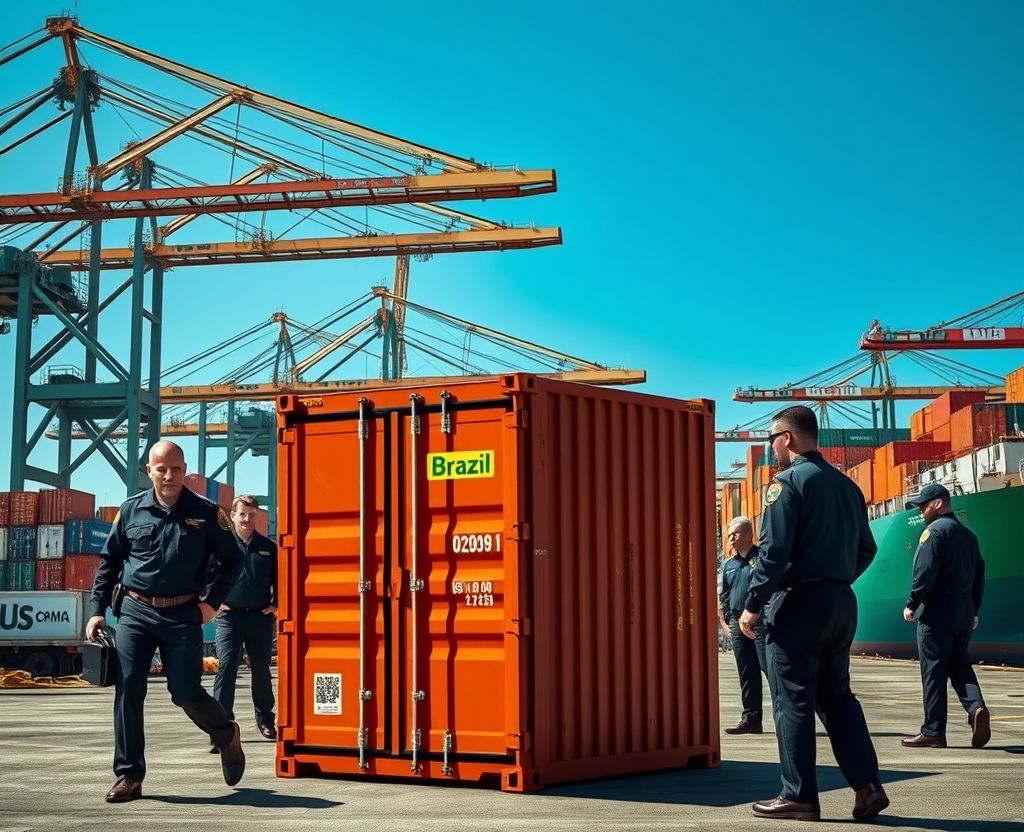
Brazil is making significant strides in robusta coffee production, narrowing the long-standing gap with Vietnam, the global leader in this coffee variety. According to recent forecasts by the U.S. Department of Agriculture (USDA), Brazil’s robusta output for the 2025/2026 season is expected to reach 24.1 million 60-kg bags—a dramatic increase from 10.5 million bags in 2016/2017, effectively more than doubling in less than a decade.

This robust growth has sparked discussions about whether Brazil might eventually overtake Vietnam as the top global producer of robusta. The topic was a focal point at the Coffee Dinner & Summit held by Brazil’s coffee exporters association, Cecafé, in São Paulo from July 2 to 4.

While Brazil dominates arabica production—supplying about 45% of the world’s arabica coffee—Vietnam has held a comfortable lead in robusta. In 2016/2017, the gap between the two countries exceeded 15 million bags. However, based on current projections, that lead may shrink to just 6 million bags by the end of the upcoming harvest.

The USDA also forecasts that Brazil’s total coffee output will rise slightly in 2025/2026, thanks to a 3.1 million bag increase in robusta, which will offset a 2.8 million bag decline in arabica.

Speaking to Reuters, David Neumann, CEO of Neumann Kaffee Gruppe—one of the world’s largest coffee trading companies—acknowledged that the pace and scale of Brazil’s robusta expansion has surprised many in the industry. While optimistic about the outlook, he also cautioned that forecasts made 14 months in advance are still vulnerable to unexpected weather events, particularly as Brazil has yet to pass through its cold season.

Analysts point to several advantages that explain Brazil’s recent gains in robusta:

  • Greater drought tolerance, especially important after last year’s severe dry spell.

  • Higher resistance to diseases such as coffee leaf rust.

  • Higher yields per hectare compared to arabica.

  • Lower susceptibility to biennial bearing, a phenomenon that causes arabica yields to fluctuate between high and low years.

As global coffee demand continues to rise and climate change disrupts traditional growing patterns, Brazil’s increasing robusta supply could help stabilize global inventories. This development not only strengthens Brazil’s role in the global coffee market but also introduces new dynamics to the competitive landscape historically dominated by Vietnam.

Neumann Kaffee Gruppe Unveils Strategic Insights from Its Double Materiality Assessment

Neumann Kaffee Gruppe (NKG) has announced the completion of its Double Materiality Assessment (DMA), a critical milestone in refining the company’s sustainability strategy in alignment with the EU’s Corporate Sustainability Reporting Directive (CSRD). The assessment not only evaluates how sustainability topics impact NKG’s business, but also how its business affects people, communities, and ecosystems across the coffee value chain.

The assessment identified five key material topics that will shape NKG’s strategic sustainability priorities going forward:
Climate Change (E1), Biodiversity and Ecosystems (E4), Producers and Workers in the Value Chain (S2), Own Workforce (S1), and Business Conduct (G1).

Insights That Shape the Future

According to the Group Sustainability Department, the DMA reveals that NKG is already on a solid path in several areas: from climate adaptation and mitigation to improved livelihoods and robust governance. Yet, the findings also underscore growing challenges—climate change is already affecting supply chains and farmer livelihoods, and biodiversity loss is becoming increasingly urgent. At the same time, the company is recommitting to the well-being of its own workforce as a strategic priority.

“This DMA is more than regulatory compliance,” said a spokesperson from NKG. “It helps us identify where we can maximize our positive impact and understand where key sustainability risks lie—both for coffee producers and for our business resilience.”

Guiding Strategy for 2025 and Beyond

As NKG sharpens its sustainability strategy for 2025, the DMA will guide the development of targeted measures and quantifiable goals. The goal is clear: to drive real, measurable change and ensure transparent reporting in all areas that matter.

NKG’s strategic framework, the Responsible Business Program (RBP), continues to steer group-wide sustainability efforts. Structured around four focus areas and nine strategic objectives, the RBP ensures that the company’s actions—from farm to cup—are consistent, measurable, and aligned with long-term impact.

“A future-proof coffee industry begins with understanding where we are and where we need to go. This assessment gives us that clarity.”

More Than 300 Staff Driving Local Change

A cornerstone of NKG’s sustainability strategy lies in its people: over 300 employees across origin countries are actively working with producers to co-create local solutions. Beyond internal strategy, NKG partners with a range of stakeholders and industry bodies to contribute to a more equitable and sustainable coffee industry.

Among its notable initiatives:

  • NKG Bloom, which empowers smallholder farmers with resources and pathways out of poverty.

  • NKG Verified, a traceability and sustainability assurance program offering verified supply chain data for customers.

Transparency and Integrity at the Core

NKG emphasizes that data-driven transparency is central to its operations, especially under regulatory frameworks such as the EUDR (EU Deforestation Regulation) and CSRD. The company’s Grievance and Due Diligence systems help maintain integrity throughout the supply chain—ensuring ethical conduct, fair treatment, and environmental accountability.

Open Resources and Next Steps

NKG invites stakeholders to explore the full findings of the Double Materiality Assessment through its official portal, where users can also download the 2024 Sustainability Report, Code of Conduct documents, and learn more about NKG’s approaches to EU regulations and supply chain integrity.

In a statement underscoring its long-term commitment, NKG said:

“Sustainability is not a buzzword for us. It is our responsibility—today and tomorrow—so that everyone along the value chain can thrive, and generations to come can continue enjoying their daily cup of coffee.”

Explore NKG’s full Sustainability Report 2024 and the Double Materiality Assessment findings here.

Katerina Borodich: Brewing a New Coffee Culture in Dubai—With Logic, Soul, and a Startup Spirit

Dubai – Ali Alzakary

Katerina Borodich calls herself “an engineer by education, a marketer at heart, and an entrepreneur in life.” That blend, as unusual as it sounds, has become the core philosophy behind Drinkit, one of Dubai’s fastest-growing coffee brands. In a market saturated with both international giants and high-end specialty players, Drinkit emerged with a different promise: to be the most reliable, uplifting, and digitally seamless coffee experience for the modern urban lifestyle.

In this exclusive interview with QahwaWorld, Katerina shares how her background across three countries shaped her leadership, how Drinkit scales without losing its soul, and why speed, empathy, and humility are her most trusted ingredients.

A Brand Built on Balance

“The combination of engineering and marketing taught me to build with both logic and emotion,” Katerina reflects. “Engineering gave me structure and problem-solving. Marketing gave me empathy and storytelling. But entrepreneurship — that taught me humility.”

It’s a defining principle at Drinkit, where every detail — from app design to how baristas greet customers — is guided by a dual commitment: clarity in systems, and warmth in relationships.

From Strategy to Reality

Before founding Drinkit, Katerina spent a decade building her career across the UAE, UK, and Russia. Each region left its imprint.

“Russia taught resilience. The UK taught systems. But the UAE taught me vision. Dubai doesn’t just welcome ambition — it demands it.”

Launching a physical F&B chain after a career in marketing wasn’t a small leap. It required a mindset shift — from crafting brand narratives to living them daily.

“In marketing, you can present ideas. In F&B, you embody them. There’s no hiding behind a slide deck. If something breaks or a guest walks away unhappy, it’s on you,” she says. “That level of accountability is intense — but it’s also empowering. You see results immediately. It’s humbling, but energizing.”

Finding the Gap Between Premium and Mass

Drinkit didn’t aim to become the most luxurious or trendiest café in town. Instead, it positioned itself to fill a noticeable gap between premium specialty cafés and large-scale global chains.

“When I moved to Dubai, I saw white space in the market — a brand that respected quality, but didn’t overcomplicate it. Something affordable, scalable, and rooted in consistency. We validated the idea with a single store, listened obsessively, and scaled step by step — one espresso shot at a time.”

Today, the brand operates eight locations across Dubai, with three more under construction.

Digital-First, Human Always

What sets Drinkit apart isn’t just the coffee — it’s how the entire experience is built for the digital age. With 99% of orders placed online, the app is more than a convenience — it’s the foundation of the business model.

“We begin every process by asking: ‘How would this work digitally?’ Whether it’s updating the menu, managing loyalty, or handling inventory, everything is optimized for clarity and speed on a screen,” Katerina explains.

But she’s quick to point out that digital-first doesn’t mean faceless.

“Even behind every click is a human being. Our baristas don’t waste time on manual entries. That time goes to eye contact, to answering questions, to making someone’s day a little better.”

Scaling with Purpose

Scaling a coffee brand in a fast-moving city like Dubai is no easy task. But what Drinkit has achieved is rare — six out of seven stores became operationally profitable by their second month. Monthly revenues average AED 143,500 per location, driven by strategic product mix, attention to throughput, and constant data-informed refinement.

“We treat every new store like a startup. We stay lean, test projections rigorously, and track every metric from day one,” she explains. “But we also invest in our team. We hire for heart, not just skill. We train for values, not just tasks.”

Katerina still visits stores weekly. She talks to baristas, tastes the product, and listens to feedback. “That closeness to the floor — it’s not negotiable. Culture doesn’t live in presentations. It lives in people.”

Data Meets Empathy

At the center of Drinkit’s success is data — not just for marketing and operations, but for understanding guest behavior.

“Data helps us listen better,” Katerina says. “We look at ordering patterns, time of day, pairings — then we ask why. Why is this breakfast item trending on Thursdays? Why does one area skip dessert?”

These insights inform everything from menu development to staffing. But it’s not all dashboards. Every member of Drinkit’s HQ team works a barista shift at least once a quarter.

“It keeps us grounded. It reminds us that behind every metric is a person.”

Designing for Better Workdays

As Drinkit opens its next round of locations, lessons from the earlier sites are being implemented — from smarter layouts to improved equipment investments.

“We’ve learned that quality costs money — and it’s worth it. Small design tweaks — a shelf in the right place, a smarter bin, a better flow behind the bar — they make a huge difference to our team. A better workday for baristas means a better experience for guests.”

Expansion on the Horizon

With three new stores under development and six franchise partners signed, Drinkit’s next chapter includes a regional footprint. Abu Dhabi and Sharjah are in focus, alongside product innovation — health-forward drinks, smarter food pairings, and a franchise network designed for long-term quality.

But growth isn’t the goal — impact is.

“We’re not here to chase trends. We’re here to build something that matters. Something sustainable. Something people trust.”

A Woman Leading with Action

As a female founder rapidly scaling a brand in the MENA region, Katerina brings a calm yet clear voice to the conversation about leadership.

“Yes, I’ve faced moments of doubt. Moments of being underestimated. But I don’t focus on that. I focus on the work. In the UAE, especially Dubai, people respect ambition. My advice? Don’t try to be louder — be better. And surround yourself with people who believe in you.”

What She Wishes She Knew Sooner

Looking back on her journey, Katerina offers one piece of advice for future founders:

“Done is better than perfect. Test, learn, adjust. Trust your gut — but bring a calculator. And take care of yourself. You’re the engine. If you burn out, nothing runs. Most of all, enjoy it. You’re not just building a company — you’re writing a story. One you’ll be proud to tell.”

How Digitalisation Is Transforming the World of Coffee — From Bean to Brew

by Dr. Steffen Schwarz, Coffee Consulate

In today’s connected kitchens, a single tap on a smartphone can activate a grinder, ignite a kettle, and tailor a brewing profile with precision. Within seconds, a notification pings: Brew ready in 1:25 – enjoy your washed Castillo from Nariño. What once relied on hands-on craftsmanship now operates through embedded algorithms and automated routines. This isn’t the future of coffee — it’s the present.

Over the last decade, the coffee industry has quietly embraced a digital transformation, distinct from the flashy world of food delivery apps or robotic kitchens. The evolution has taken root through less visible, yet powerful technologies: sensors, interfaces, cloud-based systems, and integrated data flows. From farm to café to home, the role of technology is reshaping how coffee is purchased, prepared, experienced — and ultimately valued.

A New Era for Coffee Consumers

For home brewers, the impact is tangible. Smart machines linked to mobile apps, adaptive grinders that learn user habits, and subscription services guided by consumption analytics have redefined the at-home coffee experience. Users no longer need deep expertise to achieve consistent quality. The tools themselves carry embedded knowledge. Brewing has become interactive, intuitive — and increasingly personalised.

Technology doesn’t just execute a task; it interprets preferences. It empowers consumers to engage with coffee on new levels, blending convenience with sophistication. The result is a shift in the role of the coffee drinker: no longer passive, but informed and in control.

Digital Efficiency in Cafés

In commercial settings, digitalisation is enhancing consistency and scalability. Cafés now utilise cloud-based recipe databases, tablet order management systems, automated tampers, and remote telemetry for real-time quality control. These tools allow multi-location operations to standardise recipes, monitor grinder calibrations, and track extraction variables — all from a central hub.

The benefits are clear: more consistent beverages, fewer errors, and time saved for baristas to focus on customer engagement. However, with automation comes rising expectations. Guests expect flawless experiences, precise replication of their favourite drinks, and recognition of their preferences — all of which depend on the café’s digital competency.

Farm-Level Innovation and Visibility

The digital shift is also unfolding at origin, often without headline attention. Traceability platforms are increasingly available to farmers, enabling real-time recording of harvest volumes, drying data, moisture levels, and export tracking. A QR code scanned in Berlin might retrieve detailed logs uploaded from a remote hilltop cooperative in Rwanda.

More than a logistical upgrade, this transparency empowers producers. With verifiable data, they can demonstrate consistency, validate quality, and forge direct relationships with roasters. In doing so, they gain leverage within a supply chain that has long been opaque and imbalanced.

A Digital Divide with Real Consequences

Yet, this transformation is not equally accessible. Infrastructure gaps, language barriers, and unequal access to training risk deepening the divide between those who benefit from digital tools and those left behind. While some producers build global-facing digital brands, others still rely on notebooks in areas with unstable electricity.

As the coffee sector moves forward, this digital asymmetry raises concerns about fairness and inclusion — especially in a trade where equity and sustainability are already under scrutiny.

Data as the New Currency

Across the supply chain, one constant is emerging: data. Roasters monitor roast curves, cafés track behavioural trends, machines log usage, and consumers input variables from brewing methods to mood correlations. Coffee has become quantifiable in unprecedented ways.

This wave of information offers opportunities for precision and personalisation. But it also raises the risk of reductionism — of valuing only what can be measured. Sensory elements, human interaction, and the intangible rituals of coffee drinking resist digital codification. In our drive for optimisation, we must take care not to erode the emotional and cultural value that defines coffee.

The Role of Applied Coffee Science

Technology alone cannot deliver quality. Sensor data is only useful when grounded in a deep understanding of coffee science — from solubility to terroir. Moisture charts, temperature readings, and extraction metrics require context, interpretation, and sensory alignment. Without this foundational knowledge, digital tools risk becoming superficial.

It is here that applied coffee science plays a vital role, ensuring that data enhances — rather than overshadows — the human craft behind each cup.

Designing a Fair and Human-Centric Future

Ultimately, digitalisation should enhance relationships — between producers and buyers, baristas and customers, humans and the beverage itself. But that outcome requires intentionality. Digital platforms must be inclusive. Data ownership must be shared fairly. Systems must serve the coffee value chain — not dominate it.

The future of coffee will not be offline. Nor should it be. But it must remain human at its core.

As technology becomes ever more present in how we buy, brew, and belong in coffee culture, the key questions remain: Who benefits? How is value shared? And how do we ensure the soul of coffee isn’t lost in the system that supports it?

Coffee has always connected people. Today, it connects systems too. The task before us is to ensure those connections remain transparent, equitable, and deeply human.

All Set for Latin America’s Premier Coffee Symposium in El Salvador

From Science to Sustainability, XXVI Simposio Latinoamericano de Caficultura Gathers the Region’s Coffee Leaders

The countdown has begun for one of the most anticipated events in the Latin American coffee calendar. From July 15 to 18, 2025, the XXVI Latin American Coffee Growing Symposium (Simposio Latinoamericano de Caficultura) will take place at the iconic Sheraton Presidente Hotel in El Salvador, bringing together producers, scientists, entrepreneurs, and coffee enthusiasts from across the region.

Organized under the auspices of PROMECAFE and supported by the Inter-American Institute for Cooperation on Agriculture (IICA), the four-day symposium is set to offer a dynamic program that blends cutting-edge research, technical exchange, and collaborative dialogue aimed at advancing sustainable coffee farming.

A Transformative Gathering for Coffee-Growing Communities

Positioned as more than just a conference, the event is described by organizers as a “technical-scientific high-level space” designed to empower coffee-growing territories through knowledge, innovation, and cross-sector collaboration. This year’s symposium theme emphasizes technological adoption and sustainability, reflecting the urgent need for adaptation in the face of climate change and global market pressures.

The program includes:

  • Access to keynote conferences by leading experts in agronomy, economics, and climate science.

  • Workshops and technical sessions addressing soil management, disease prevention, post-harvest processing, digital tools for traceability, and financing models.

  • A coffee exposition showcasing innovative products, tools, and services relevant to the coffee industry.

  • Networking opportunities with stakeholders from public institutions, private enterprises, academia, and civil society.

Attendees will also benefit from exclusive materials, including digital access to presentations, promotional kits, lunch and coffee breaks, and evening networking events such as the Welcome and Closing Cocktails.

Field Day and Specialized Access

In addition to the main conference, participants may opt into a Field Tour on Tuesday, July 15, which includes guided visits to model farms and research facilities—providing hands-on insight into sustainable practices and innovation at origin.

For those representing a brand or institution, there is also a dedicated pass for access to the Expo-Fair area, ideal for promoting products and establishing new partnerships.

Registration and Pricing

General Admission (Full Access) is priced at $380 USD, which includes:

  • Admission to all sessions and events

  • Digital access to presentations

  • Event materials and lunch/coffee breaks

  • Coffee tasting stations

  • Welcome and closing cocktails

  • Identification wristband for meals

Other ticket options include:

  • Field Tour: $75 USD

  • Cocktail Companion Pass: $90 USD

Participants are advised to register in advance via the official event website, where an electronic receipt is provided upon payment. As IICA is an international organization exempt from taxation, no formal invoice is issued.

A Crucial Event for Latin America’s Coffee Future

With the coffee sector facing numerous challenges—from climate threats to market volatility—the 2025 symposium arrives at a pivotal time. Organizers stress the importance of collective knowledge and innovation in protecting coffee-growing livelihoods and ensuring a resilient future.

The XXVI Simposio Latinoamericano de Caficultura is expected to draw a diverse mix of voices, bridging science and tradition, and fostering alliances that transcend borders.

For coffee professionals and enthusiasts alike, this is more than a symposium—it’s a movement for the future of coffee in Latin America.


For registration and additional information:
📩 Email: [email protected]
🌐 Website: simposiocaficultura.promecafe.net

Cup of Excellence: The World’s Most Prestigious Coffee Award Explained

Have you ever sipped a coffee so distinct, so remarkable, that it stood apart from anything you’ve tasted before? It may have been a Cup of Excellence winner — the highest accolade a coffee can receive on the global stage.

Despite being a cornerstone of the specialty coffee world for over two decades, many consumers are still unfamiliar with the Cup of Excellence (CoE). Yet this competition has reshaped how coffee is evaluated, sourced, and celebrated worldwide.

A Global Movement Rooted in Quality and Fairness

The Cup of Excellence began in 1999 as a bold initiative by the International Coffee Organization (ICO), originally as part of the Gourmet Coffee Project in Brazil. Its goal was simple but revolutionary: recognize and reward the best coffees from each origin through a rigorous competition and a global auction platform.

Coffee farmers at the time were producing exceptional beans but receiving low prices, especially in the wake of collapsing commodity markets. The Cup of Excellence sought to change that by shining a spotlight on producers and connecting them directly with international buyers willing to pay top dollar for quality.

Key figures like Marcelo Vieira, Susan Spindler, Hidetaka Hayashi, Silvio Leite, Don Holly, and George Howell played foundational roles in launching the first competition. Since then, the initiative has grown significantly, expanding beyond Latin America to include origins in Africa and Asia. Today, the competition is organized by the non-profit Alliance for Coffee Excellence (ACE), which operates out of Houston, Texas.

How the Cup of Excellence Works

The CoE is more than just a tasting competition — it’s a rigorous, multi-stage process that assesses coffee quality with scientific precision.

  1. Entry Submission
    Farmers submit their best lots — often small microlots — for evaluation. Samples are carefully prepared to standardized specifications for consistent assessment.

  2. Preselection Round
    National juries cup and score all entries using the CoE Cupping Form. Only coffees scoring 86 points or higher move on.

  3. National Jury Evaluation
    A second round of cupping by national experts narrows down the field to the top 40 coffees.

  4. International Jury Evaluation
    An elite panel of international Q Graders, roasters, and green coffee buyers conduct blind tastings over several days. Only coffees scoring above 87 qualify as Cup of Excellence winners. Coffees that score 90 or above receive the Presidential Award.

  5. Auction and Awards
    Winning coffees are sold via a global online auction. Crucially, 100% of the proceeds go to the producers, offering them not just income but visibility and long-term market opportunities.

What Judges Look For

The competition uses a standardized Cupping Form tailored for CoE. It evaluates:

  • Flavor and aftertaste

  • Body and acidity

  • Sweetness, balance, and cleanliness

  • Overall uniformity and aroma

Each coffee is blind-tasted and scored out of 100. Coffees that don’t meet the minimum 86-point standard are eliminated early — making this one of the most selective competitions in the industry.

Why the Cup of Excellence Matters

The CoE is one of the few coffee awards that significantly impacts producers’ livelihoods. Winners often gain access to direct-trade deals, secure premium prices, and receive global recognition.

For buyers, CoE streamlines the search for exceptional coffee. It identifies unique lots with transparency, traceability, and verified quality. For consumers, it opens the door to experiencing truly extraordinary coffees — many of which were previously undiscovered.

Most importantly, the CoE helps elevate the standards of the entire coffee supply chain by emphasizing clarity in flavor, traceable sourcing, and excellence in post-harvest practices.

Notable Winners

2024 Highlights:

  • Brazil – Sítio Santa Luzia, Minas Gerais
    Score: 92.32 | Variety: Yellow Catucaí | Process: Natural

  • El Salvador – La Bendición, Alotepeque-Metapan
    Score: 92.00 | Variety: Pacamara | Process: Honey

  • El Salvador – Los Morales
    Score: 91.8 | Variety: Gesha | Process: Natural

2023 Highlights:

  • El Salvador – Finca Mileydi
    Score: 91.82 | Variety: Pacamara | Process: Semi-washed

  • Honduras – Finca Pino de Oro
    Score: 91.78 | Variety: Pacamara | Process: Natural

  • Nicaragua – Finca Los Alpes
    Score: 91.6 | Variety: Gesha | Process: Natural

Coffee of Excellence FAQs

What Is Cup of Excellence Rating?
Cup of Excellence rating is a scoring system that evaluates eight core coffee attributes — including roast color, sweetness, cleanliness, aroma, acidity, balance, defects, and overall appearance — on an 8-point scale. The judges add 36 to the accumulated score, resulting in a total out of 100. To qualify as a Cup of Excellence coffee, a sample must score at least 86 points.

How To Become a Cup of Excellence Judge?
Becoming a CoE judge requires deep expertise in coffee — including cupping, roasting, importing, and quality control. Ideal candidates often have certifications from institutions such as the SCA or CQI and a track record in assessing coffee quality. Judges are selected by invitation from the Cup of Excellence organizers.

Where Is the Cup of Excellence Held?
The Cup of Excellence began in Brazil, where Central and South American countries initially dominated. Since 2020, the competition has expanded globally, with events hosted in Rwanda, Ethiopia, Indonesia, Colombia, Peru, Mexico, and more. Each year, competitions rotate among top coffee-producing nations.

New Global Tool Maps Sustainability Initiatives Across Coffee-Producing Countries

International Coffee Organization and ITC launch the Coffee Sustainability Support Database (C2SD)

The International Coffee Organization (ICO), in collaboration with the International Trade Centre (ITC) through its Alliances for Action initiative, has officially launched a powerful new digital resource: the Coffee Sustainability Support Database (C2SD).

Designed to enhance transparency, foster global collaboration, and align sustainability efforts across the coffee sector, the C2SD is an interactive platform that maps more than 440 sustainability projects in 49 coffee-producing countries, spanning both public and private initiatives.

💡 Explore the database here:
https://c2sd.ico.org/

A Centralized Platform for Collective Impact

The C2SD is an evolved version of the ICO’s original Coffee Sustainability Map and was co-created by the ICO’s Coffee Public-Private Task Force (CPPTF) – Technical Workstream 3 on Importing Countries – alongside ITC and its Coffee Guide Network, with co-funding from the European Commission and ITC Trust Fund donors.

This platform addresses a longstanding issue in the coffee sector: fragmentation of information. Despite the abundance of sustainability initiatives, the absence of a central reference tool has hindered global coordination, reduced investment efficiency, and limited collective impact.

By consolidating diverse sustainability efforts into one accessible digital map, the C2SD provides a clear overview of who is doing what, where, and how, enabling:

  • Identification of overlaps, gaps, and under-served regions

  • Collaboration and co-investment opportunities

  • Informed decision-making by governments, funders, NGOs, and industry players

  • Acceleration of impact through shared knowledge and strategic alignment

A Public Good for the Coffee Sector

The C2SD is more than a database — it’s a sector-wide resource designed to empower producers, policymakers, and private sector actors to align their efforts toward a fairer and more sustainable global coffee economy.

The platform is also deeply integrated with The Coffee Guide — the ITC’s flagship publication — where sustainability is a central theme of the fourth edition. The Coffee Guide Network helped shape the C2SD by recognizing a crucial need: a shared, up-to-date understanding of sustainability activities across producing countries.

Scope and Reliability of the Dataset

  • 440 sustainability projects

  • Covering 49 coffee-producing countries

  • Time horizon: 2017 to 2027

  • Initiatives from government bodies, multilateral institutions, development agencies, private companies, social investors, and NGOs

Although the data has been carefully reviewed, the C2SD is a living platform. Users are encouraged to submit updates or corrections to help maintain the accuracy and relevance of the map.

📍 Whether you’re a roaster, policymaker, trader, NGO, or researcher — the C2SD is your window into the sustainability landscape of the coffee world.

Strengthening Global Coordination for a Sustainable Coffee Future

As climate challenges intensify, farmer incomes stagnate, and the sector faces mounting social and environmental pressures, the launch of the Coffee Sustainability Support Database is a timely and strategic step forward.

It signals a renewed commitment by the ICO, ITC, and partners to build a coffee sector that is inclusive, transparent, and sustainable — for producers, for businesses, and for future generations.

Good News for Moms-to-Be: Coffee Doesn’t Harm Baby’s Brain Development

A new scientific study offers reassuring news to expecting mothers: drinking coffee during pregnancy does not negatively impact their child’s cognitive development.

Published in Scientific Reports as part of the China National Birth Cohort (CNBC), the study tracked over 1,400 pregnant women across all three trimesters and later assessed their children’s development at age three using the internationally recognized Bayley Scales of Infant and Toddler Development (BSID-III).

No Cognitive Risk from Coffee

Researchers found no significant association — positive or negative — between maternal coffee consumption and cognitive, language, or motor skill outcomes in toddlers. Whether the mothers drank coffee in the early months or continued into later stages of pregnancy, their children’s scores remained statistically comparable to those of non-coffee drinkers.

This result held true even after adjusting for factors such as maternal age, BMI, income, education level, smoking status, mental health, pregnancy complications, and breastfeeding practices.

Reassurance for Pregnant Coffee Lovers

This study supports previous findings from major cohorts in Norway and Japan, which also found no adverse impact of moderate caffeine intake — particularly from coffee — on child neurodevelopment. While high caffeine consumption is still discouraged, the evidence suggests that moderate coffee drinking (up to 200 mg of caffeine per day) is safe for most pregnancies.

Tea vs. Coffee: A Notable Difference

Interestingly, the same study observed a slight cognitive benefit in children whose mothers consistently drank tea — especially green tea — during the second and third trimesters. This may be due to the presence of antioxidant compounds like catechins in tea, though researchers caution that exact quantities were not measured.

In contrast, coffee showed no such positive or negative effect, leading scientists to conclude that coffee consumption is neutral in terms of early brain development — neither harmful nor beneficial.

Why It Matters

Pregnant women often receive mixed messages about what to avoid, and caffeine is high on that list. Yet this comprehensive analysis using Group-Based Trajectory Modeling (GBTM) — a method that tracks changes in consumption habits over time — adds depth to the conversation, showing that coffee need not be completely off-limits.

Limitations and Future Research

While the results are encouraging, the study was conducted in a single region of China, where coffee drinking is relatively uncommon. The amount of caffeine consumed wasn’t precisely measured, and the findings may not be universally applicable.

Still, the research team emphasized that this is one of the most detailed investigations to date examining the entire trajectory of coffee consumption across pregnancy and its effect on childhood cognitive development.

Final Thought

For moms-to-be who enjoy a daily cup of coffee, this study delivers welcome clarity: there’s no evidence that moderate coffee intake harms your baby’s brain development. As always, it’s best to stay within recommended caffeine limits — but if you’ve been wondering whether to give up your morning brew, science now says: you probably don’t have to.

Barista Terminology | Episode 7: Water & Temperature Control

We’re excited to continue our “Barista Terminology” series on QahwaWorld.com—your guide to mastering essential coffee concepts. In Episode 7, we focus on water and temperature control, two often-overlooked factors that greatly impact flavor, clarity, and consistency. From water quality and filtration to ideal brewing temperatures, this episode covers the key terms every barista must know to brew with precision.

Water is the most overlooked yet most influential ingredient in coffee — it makes up over 98% of the final cup. Along with temperature, water quality and composition play a major role in extraction, flavor clarity, and consistency. In this episode, we explore the critical terms related to water and temperature control that every barista must understand.

1. Brew Water

The water used to brew coffee. It should be clean, odorless, and within specific mineral content guidelines to avoid negatively affecting flavor.

2. Water Quality

Refers to the chemical composition of water, including minerals, pH, and contaminants. Poor water quality can ruin coffee flavor, damage equipment, and affect consistency.

3. Hardness

The amount of calcium and magnesium in water. Moderate hardness helps extraction, but excessive hardness causes scale build-up and alters taste.

4. Total Dissolved Solids (TDS)

Measures how much material (minerals, salts, metals) is dissolved in water. Ideal brew water typically has TDS between 75–150 parts per million (ppm).

5. Alkalinity

The ability of water to resist changes in pH. Alkalinity affects the balance of acidity in the cup. Too high = flat taste, too low = sourness.

6. pH Level

A measure of how acidic or basic the water is. Ideal brewing water has a pH around 7 (neutral), slightly on the acidic side.

7. Chlorine

Often found in tap water, chlorine negatively affects flavor and should be removed via filtration or charcoal.

8. Water Filtration

The process of purifying water using filters to remove unwanted substances. Essential for consistent taste and equipment longevity.

9. Reverse Osmosis (RO)

A water purification method that removes nearly all minerals and contaminants. Often used with remineralization to restore optimal composition for brewing.

10. Water Temperature

The temperature of water during brewing — a key variable. Most coffee is brewed between 90°C and 96°C for optimal extraction.

11. Temperature Stability

The ability to maintain a consistent brew temperature throughout extraction. Fluctuations can lead to poor flavor development.

12. Cool Water / Underheated Water

Water below optimal temperature causes under-extraction, resulting in weak, sour coffee with muted flavor notes.

13. Overheated Water

Water above 96°C can over-extract bitter compounds and degrade flavor, especially in lighter roasts.

14. Boiler

The internal component in coffee machines that heats water. High-end machines often have multiple boilers to separate brew and steam temperature control.

15. PID Controller

A digital system in advanced machines that precisely regulates water temperature, helping maintain thermal stability and consistency.

Related Stories:

Barista Terminology | Episode 6: Grind & Extraction Variables

Barista Terminology | Episode 5: Milk Texturing & Latte Art

Barista Terminology | Episode 4: Brew Methods Explained

Barista Terminology | Episode 1: The Coffee Bean – From Seed to Roast

Barista Terminology | Episode 2: Barista Tools & Equipment

Barista Terminology | Episode 3: Espresso Basics

Zurich Laboratory Detects Intestinal Bacteria in Coffee Machines

A recent investigation by the Zurich Cantonal Laboratory has revealed hygiene concerns in milk-based drinks dispensed from fully automatic coffee machines. The laboratory found that one in four samples tested contained excessive levels of intestinal bacteria.

The analysis, conducted last year, involved 15 samples collected from various machines located in restaurants, petrol stations, and public spaces. According to the canton’s press release, four of the samples exceeded the acceptable limits for Enterobacteria—microorganisms commonly found in the environment and in the intestines of humans and animals. Certain strains of these bacteria are known to cause gastrointestinal illnesses.

In one additional case, the machines showed elevated levels of aerobic mesophilic bacteria—a diverse group of microbes that also indicate hygiene deficiencies.

While most of these machines use pasteurized or UHT-treated milk, which is nearly sterile upon entry, the issue arises from internal contamination. Germs can thrive in milk residues that remain in the system if cleaning is neglected.

Machine operators were notified and instructed to investigate the causes and implement corrective measures. Follow-up inspections confirmed that no further hygiene limits were breached after these interventions.

This study underscores the importance of regular and thorough cleaning routines for fully automatic coffee machines, especially those that handle milk. Without proper maintenance, even advanced coffee equipment can become a breeding ground for bacteria.

Mokha 1450 Triumphs at Transform Awards MEA 2025 with Top Honors in Branding Excellence

In a moment of well-deserved recognition, Mokha 1450, the specialty coffee brand renowned for its heritage-driven philosophy and support for women coffee producers, has been celebrated at the 2025 Transform Awards MEA Gala with three major accolades for its outstanding brand development.

The Dubai-based coffee house earned Gold awards in both Best Brand Evolution and Best Creative Strategy, alongside a Bronze award for Best Visual Identity in the Food & Beverage category. The honors were presented by Transform Magazine, the global authority on brand strategy and rebranding, which recognizes excellence and innovation in branding across the Middle East and Africa.

These awards mark a significant milestone in Mokha 1450’s journey, spotlighting the brand’s ability to evolve while staying true to its origins. Over the past decade, Mokha 1450 has carved out a unique identity in the specialty coffee sector — one rooted in authenticity, traceability, and empowerment. Its recent brand evolution reflects a deeper alignment between visual storytelling and the brand’s core mission: honoring the legacy of Yemeni coffee and amplifying the voices of women coffee farmers from Yemen, Ethiopia, and beyond.

The creative strategy behind the rebrand, developed in collaboration with brand consultancy Rogue, was praised for its clarity, cohesion, and cultural relevance. Judges commended Mokha 1450’s ability to integrate tradition with modern design, resulting in a brand experience that is as refined as the coffee it serves.

“We are incredibly grateful for this recognition,” the team at Mokha 1450 shared. “It is a testament to our unwavering commitment to excellence, innovation, and purpose-driven storytelling. Our brand is not just about coffee — it is about people, places, and preserving legacy.”

The Transform Awards MEA, now in its 11th edition, has become the benchmark for celebrating the best in brand transformation. Mokha 1450’s success this year places it among the region’s top innovators in consumer branding — a remarkable feat in an increasingly competitive market.

As Mokha 1450 continues to expand its global footprint, these awards underscore its rising influence not only as a coffee brand but as a cultural ambassador for origin-based excellence.

How to Drink Coffee Without Harming Your Health — And Why Some People Should Avoid Instant Coffee Entirely

Coffee is one of the most popular beverages in the world. It enhances mood, boosts focus, and, according to medical research, may reduce the risk of several chronic illnesses. But not all coffee is equally beneficial. Its health effects depend on how it’s consumed, what’s added to it, and the specific health conditions of the individual. Medical experts share their insights on how to enjoy coffee safely — and why certain people should steer clear of instant coffee altogether.

Black Coffee Without Additives: A Longevity Drink

U.S. studies have found that people who drink plain black coffee without sugar or cream tend to live longer than those who consume sweetened versions. Nutritionist Natalia Kruglova confirms that coffee can support cardiovascular and nervous system health, aid digestion, and promote liver function when consumed in moderation.

Dr. Mariyat Mukhina, a neurologist and clinical nutritionist, adds that milk doesn’t reduce the health benefits of coffee. However, individuals with lactose intolerance should consider switching to plant-based milk, which can even be richer in calcium. Those with acid reflux or sensitive stomachs should avoid drinking black coffee on an empty stomach and are advised to add milk or drink it after meals to reduce gastric irritation.

Coffee may also lower the risk of Parkinson’s and Alzheimer’s diseases, reduce morning swelling, and deliver a powerful dose of antioxidants. But even this beneficial drink has limits.

How Much Coffee Is Too Much?

According to Dr. Mukhina, up to three cups a day before 4:00 PM is considered safe for most healthy adults. After that, it may interfere with sleep and affect blood vessels. People with hypertension or high sensitivity to caffeine should monitor their reactions closely and adjust intake accordingly.

Instant Coffee: Popular Yet Potentially Risky

While instant coffee is convenient and widely consumed, health experts raise serious concerns. Due to heavy industrial processing, instant coffee often contains artificial flavors, preservatives, and stabilizers to enhance taste and shelf life — substances that may negatively impact long-term health.

More concerning is its high acidity, which poses a threat to those with digestive conditions such as gastritis, ulcers, or irritable bowel syndrome. After drinking instant coffee, many people experience heartburn, stomach discomfort, or bloating.

Another risk is acrylamide, a chemical compound formed during the roasting of coffee beans. Its concentration is often higher in instant coffee compared to freshly brewed options. Studies suggest that acrylamide may be neurotoxic and possibly carcinogenic at high levels.

Who Should Avoid Instant Coffee?

Medical professionals have identified three categories of people who should consider eliminating instant coffee from their diets:

1. People with Digestive Issues

Those suffering from gastritis, ulcers, or IBS may experience worsened symptoms due to instant coffee’s acidity and additives. Doctors recommend switching to natural coffee in limited amounts — or better yet, opting for herbal infusions or chicory root beverages.

2. People with Heart and Circulatory Conditions

Instant coffee may contain higher doses of caffeine, which can cause sudden spikes in blood pressure, increased heart rate, and added strain on the cardiovascular system. Individuals with hypertension, arrhythmias, or ischemic heart disease are advised to avoid it completely.

3. Pregnant and Breastfeeding Women

Caffeine from instant coffee can cross the placenta and be passed into breast milk, potentially affecting the baby’s developing nervous system. In addition, industrial residues in instant coffee make it less safe. During pregnancy and breastfeeding, safer alternatives such as rosehip tea or chicory are recommended.

Coffee and Weight: What You Should Know

Dr. Mukhina stresses that adding sugar or sweet syrups to coffee negates most of its health benefits. Drinks like cappuccinos and lattes may contain only a small amount of coffee but are rich in milk, cream, and sugar — making them as calorie-dense as a full snack or breakfast.

By contrast, black coffee without sugar can help suppress appetite and boost metabolism, which may aid weight loss — although it’s not a fat-burning solution by itself.


Conclusion
Coffee can be a healthy part of your daily routine if consumed mindfully. Choosing black, natural coffee in moderate amounts, avoiding added sugar and cream, and staying alert to how your body reacts are key. For people with specific health conditions — particularly gastrointestinal, cardiovascular, or during pregnancy — instant coffee may do more harm than good and should be replaced with safer alternatives.