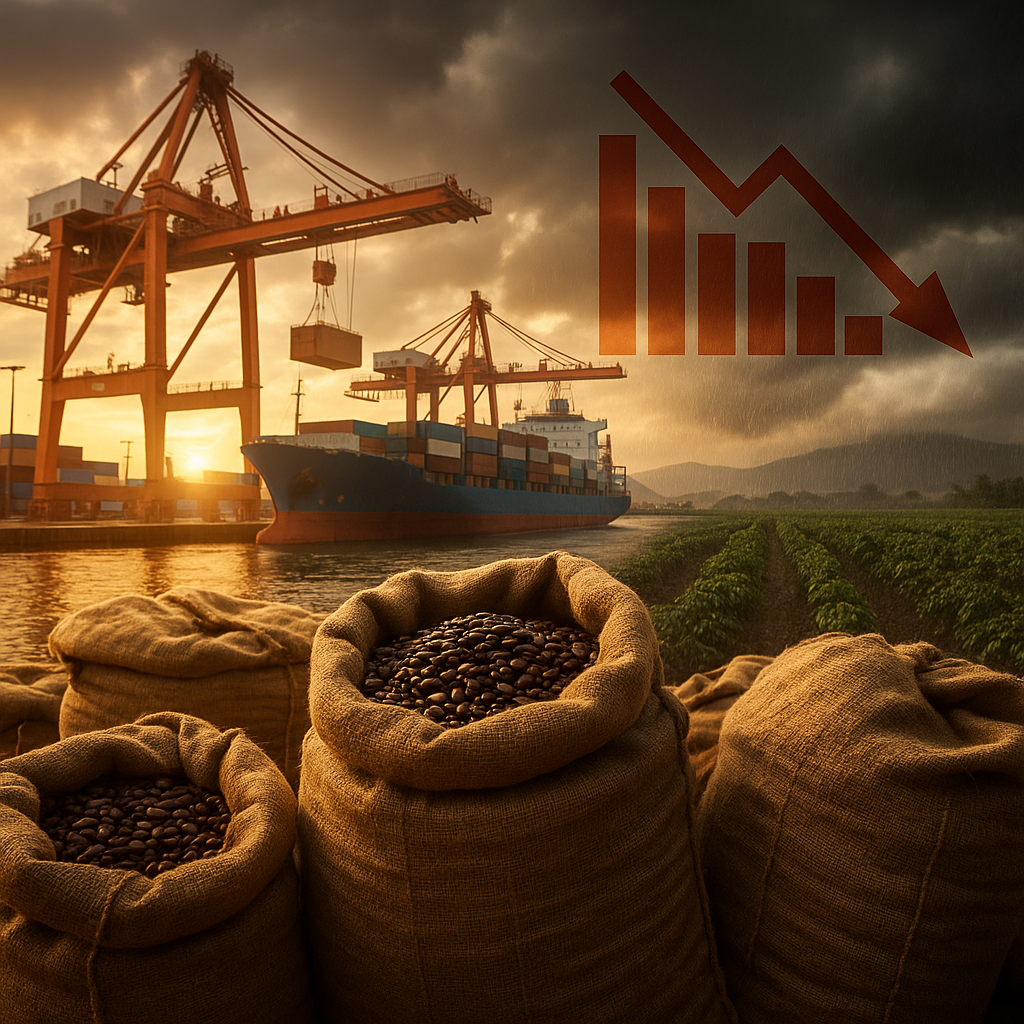
Coffee Reclaims Top Spot as America’s Most Consumed Beverage in 2025

Coffee has once again emerged as the most consumed beverage in the United States, surpassing bottled water. According to the Spring 2025 National Coffee Data Trends (NCDT) report released by the National Coffee Association (NCA), two-thirds of American adults (66%) reported drinking coffee daily—outpacing tea, juice, soda, and bottled water. This marks a nearly 7% increase in daily coffee consumption compared to 2020.

The report, conducted in January 2025 by Dig Insights on behalf of the NCA, underscores coffee’s enduring popularity and its deep integration into the American lifestyle. On average, every U.S. coffee drinker consumes about three cups per day.

Specialty Coffee Fuels Growth

Specialty coffee has been the main driver of this five-year growth trend. In January 2025, 46% of American adults reported consuming specialty coffee the previous day—up from 39% in 2020, an 18% increase. Meanwhile, traditional coffee consumption has remained stable, with 42% of adults consuming it daily in 2025, compared to 43% in 2020.

Espresso-based beverages—such as lattes, cappuccinos, flat whites, and Americanos—saw a 17% jump in past-day consumption (from 24% in 2020 to 28% in 2025). Non-espresso-based specialty drinks—such as cold brew, nitro, and frozen blended coffees—rose even more sharply by 42% (from 12% in 2020 to 17% in 2025).

Despite the rise in specialty coffee, the ratio between specialty and traditional consumption has remained consistent. For every 100 cups of coffee consumed, 59 are specialty and 41 are traditional.

“Coffee holds a unique place in Americans’ daily lives—no other beverage is such a beloved and prominent touchstone,” said Bill Murray, President and CEO of the NCA. “Coffee’s popularity brews big benefits for American coffee drinkers and the entire U.S. economy.”

Home Brewing Dominates

Home remains the preferred place for coffee preparation. In 2025, 71% of daily coffee drinkers reported preparing their coffee exclusively at home, compared to 63% in 2020. Only 16% had coffee exclusively prepared outside the home, and 13% prepared it both at home and out—down from 19% in 2020.

Shifts in Purchasing Habits

Grocery stores continue to be the top location for purchasing coffee, with 40% of past-day coffee drinkers buying coffee there. However, online purchases have doubled—rising from 7% in 2020 to 14% in 2025. Meanwhile, purchases at mass merchandisers rose from 25% to 29%, club stores declined slightly to 10%, and purchases at coffee shops remained steady at 5%.

Evolving Brewing Methods

Drip coffee makers remain the most common household brewing method (62% in 2025 vs. 58% in 2020), but other methods are gaining popularity:

  • Single-cup brewers: 42% (up from 40%)

  • Instant coffee: 35% (up from 27%)

  • Bean-to-cup machines: 15% (up from 10%)

  • Espresso machines: 12% (up from 8%)

  • Slow-drip cold brew setups: 11% (up from 7%)

  • French presses: 12% (down from 14%)

  • Pour-over makers: 6% (up from 5%)

The NCDT continues to serve as a vital indicator of evolving coffee trends in the U.S. For access to the full report, visit ncausa.org/ncdt.

About the National Coffee Association (NCA):
Founded in 1911, the NCA is the United States’ oldest and largest trade association for the coffee industry, representing companies responsible for 90% of U.S. coffee commerce. Coffee supports 2.2 million U.S. jobs and contributes nearly $350 billion annually to the American economy.

You’ve Been Brewing Coffee Wrong This Whole Time

New research reveals how pour height, grind, and roast could transform your daily cup.

Coffee lovers may want to reconsider their morning routine. New scientific findings released this week suggest that the height and speed at which hot water is poured over coffee grounds can significantly influence the flavor and quality of the brew—adding yet another dimension to the already complex world of coffee preparation.

While the perfect cup is ultimately a matter of personal preference, there’s no denying that bad coffee exists. Think overboiled diner sludge or a watery brew served with indifference. Fortunately, research continues to help coffee enthusiasts refine their techniques to bring out the best in every bean.

Experts agree that multiple variables—from the bean’s origin to water temperature—play a vital role. But recent focus has turned to pour height, a factor many overlook. Researchers have found that the distance from which water is poured affects how evenly coffee grounds are saturated, which in turn influences extraction, body, and aroma.

The Bean

At the heart of every cup is the bean. Coffee connoisseurs know that variety, altitude, and country of origin all influence flavor. Arabica beans are often favored for their complexity, while robusta—higher in caffeine—adds creaminess and strength, making it ideal for espresso.

There’s growing interest in developing new coffee varieties that not only taste better but also withstand climate change and meet rising demand. This scientific approach to coffee breeding is shaping the future of the industry.

The Roast

Roasting is another critical stage. Dark roasts are typically used in espresso, while lighter roasts highlight acidity and floral notes, especially in pour-over brewing. But it’s not just about taste—roasting also affects consistency in large-scale production.

More than any espresso machine, it’s the grinder that experts say makes the biggest difference. Coffee blogger and roaster Kev Lewis insists:

“If you spend £400 on a grinder and £100 on a machine, you’ll get better espresso than flipping those numbers.”

Uniform grind size leads to even extraction. Blade grinders can result in uneven bits that brew inconsistently, while burr grinders offer a controlled, precise grind. Scientific studies even provide formulas for optimal grind coarseness, showing that consistency yields a better, more balanced cup.

The Brew

The way you brew—whether French press, AeroPress, espresso, or stovetop moka—shapes the experience. But it’s not just the device. Water temperature, composition, and even time of day can affect taste perception.

According to Tom Saxon, founder of UK-based coffee subscription service Batch:

“The wrong grind size, water temperature, or coffee ratio can ruin great coffee. Over-extraction or under-extraction—both happen easily if you’re not careful.”

And now, pour height joins the list of subtle but impactful details. Pouring from higher up can influence turbulence, saturation, and extraction, creating a cup with better clarity or body depending on your method.

Taste is Personal

Despite all the science, preferences vary. Some drinkers are content with their daily caramel latte from a high-street chain. Others fine-tune every variable, chasing that elusive, perfect cup.

For many, making coffee is as much a ritual as it is a routine. One coffee lover shares their approach:

“I start with ground Brazilian Santos from a local roaster or a Fairtrade blend from the supermarket. I brew using a French press—boil the kettle, let it cool for a minute, pour it over the grounds, stir, wait four minutes, stir again, and plunge. Sometimes, I switch to a moka pot for a stronger hit. Either way, I drink it black—no fuss, just flavor.”

Whether you’re refining the grind or experimenting with brew methods, the journey to your ideal cup is filled with discovery. And thanks to ongoing research, the path to perfection just got even more precise.

Global Coffee Prices Slip as Markets Brace for Economic and Geopolitical Turbulence

ICO Report Reveals High Volatility, Rising Tariffs, and Regional Export Shifts Impacting the Industry

Global coffee prices saw a slight retreat in March 2025, signaling a shift in market momentum after months of elevated price levels. The International Coffee Organization (ICO), in its latest monthly report, confirmed that the industry is entering a phase of increased uncertainty—driven by economic concerns, production surges, and new trade barriers.

The ICO Composite Indicator Price (I-CIP) averaged 347.85 US cents/lb, down 1.8% from February. While still significantly higher than a year ago—up 86.6% compared to March 2024—the price drop marks the fourth short-term downturn since early 2024. Market volatility also climbed sharply, with intra-day fluctuations averaging 12.3%, underscoring growing nervousness among traders.

Economic Pressures Deepen

The report points to global macroeconomic challenges as key drivers of the price drop. Consumer confidence in the United States has declined to a 12-year low, while major central banks—including the U.S. Federal Reserve and Bank of England—have paused rate cuts amid economic uncertainty.

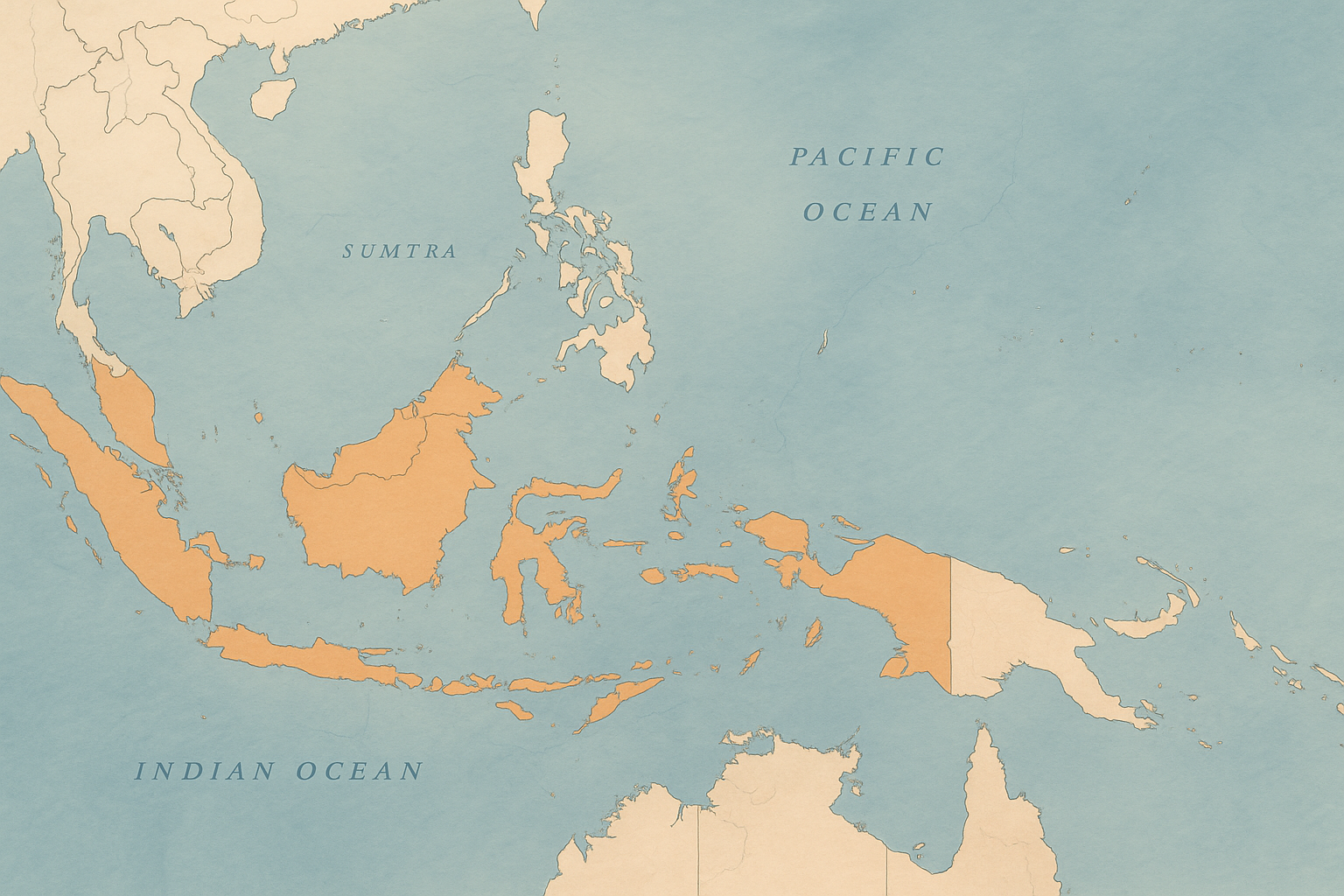
Additionally, U.S. authorities have triggered a new wave of reciprocal tariffs on coffee imports from dozens of exporting countries. Nations such as Vietnam, Indonesia, Colombia, and India now face duties of up to 47%, a move expected to disrupt trade flows and inflate retail prices in the U.S. and beyond.

Supply Up, Stocks Down

On the supply side, the market saw a strong rebound in production. Colombia recorded a 29-year high in coffee output in February, while global green coffee exports rose 6.6% year-on-year. Robusta exports grew 10.7%, largely due to sharp recoveries in Indonesia and Vietnam.

Despite these figures, inventories remain tight. Consumer stocks in importing countries fell to 15.9 million bags, their lowest since the last major drawdown, raising concerns about long-term availability. Meanwhile, certified Arabica stocks dropped 4.6% month-over-month, even as Robusta stocks in London edged higher.

Regional Trade Dynamics Shift

The report reveals shifting momentum in global export trends:

  • Asia & Oceania surged ahead with a 21.7% rise in exports, led by Vietnam’s renewed shipments and Indonesia’s robust recovery.

  • Africa posted 20.6% growth, thanks to strong performances from Ethiopia and Uganda.

  • South America, however, saw exports fall 6.9%, largely due to reduced volumes from Brazil.

  • Mexico and Central America posted a 10.6% increase, but Mexico’s green coffee shipments fell as the country continues to shift toward soluble coffee production.

Arabica Leads, Robusta Rises

Arabicas maintained dominance in the export market, representing 63.6% of green coffee exports during the first five months of the coffee year. Yet, Robustas are steadily gaining ground, driven by strong demand and favorable production cycles in Southeast Asia.

Price differentials between Arabicas and Robustas remain wide. The arbitrage between the New York and London futures markets reached 135.11 US cents/lb, its highest in over three years, reflecting market divergence between the two major varieties.

Outlook: Stability at Risk

While the ICO projects a global coffee surplus of 1 million bags for the 2023/24 season, this balance is fragile. Concerns over Brazil’s 2025/26 crop, ongoing logistical disruptions in the Red Sea, and rising geopolitical tensions suggest that the market could face renewed pressure in the coming months.

The report concludes that although prices remain historically high, the coffee sector is now caught in a tug-of-war between improving supply and softening demand. Industry stakeholders should brace for a period of continued market volatility, policy uncertainty, and climate-related risks.

5 Reasons Why You Should Add Coconut Oil to Your Morning Coffee

Many people are always looking for new ways to enhance the flavor of their morning coffee, whether by adding whipped cream, caramel, or even marshmallows. However, a new trend is gaining increasing popularity — adding coconut oil to coffee. Some consider this combination a healthy option that offers multiple benefits alongside a unique taste. But is it worth trying? Let’s explore the potential benefits of this blend based on recent scientific studies.

1- Boosting Metabolism

Coconut oil is rich in a type of saturated fat called “Medium-Chain Triglycerides” (MCTs), which studies suggest can enhance metabolism and help burn more calories. When combined with coffee, the coconut oil can increase the number of calories burned throughout the day, making it easier to manage weight. However, it’s important to consume it in moderation to avoid excessive fat intake.

2- Reducing Appetite and Supporting Weight Loss

Adding coconut oil to coffee may help reduce hunger. The ketones produced by the liver after consuming coconut oil help curb appetite. Additionally, caffeine in coffee has appetite-suppressing effects. This combination can be useful in controlling overeating when trying to lose weight. However, it’s important that this mix is part of a balanced diet rather than a meal replacement.

3- Increasing Energy Levels

While caffeine is known to promote alertness and energy, coconut oil contributes to energy in a different way. The healthy fats in coconut oil are quickly absorbed by the liver and converted into energy, providing the body with the fuel needed to function properly. However, it’s crucial not to overconsume coconut oil, as large amounts could lead to fat buildup in the liver.

4- Enhancing Heart Health and Immunity

Studies have shown that coconut oil can raise levels of “good” HDL cholesterol, which supports heart health. However, it’s worth noting that some studies also suggest that coconut oil may increase “bad” LDL cholesterol levels in certain cases. In addition, coconut oil contains lauric acid, which has antibacterial and antiviral properties, potentially strengthening the immune system and reducing the risk of various illnesses.

5- Supporting Brain Health and Mental Performance

Coconut oil’s fatty acids provide a crucial energy source for brain cells, as they are converted into ketones that boost brain performance. Some studies indicate that these ketones could help improve symptoms in Alzheimer’s patients, making coconut oil an excellent addition to coffee for enhanced mental clarity and focus at the start of the day.

How to Prepare:

To make coconut oil coffee, start by adding one tablespoon (about 14 grams) of coconut oil to your hot coffee. Stir well to ensure the oil blends completely with the coffee. If the taste or texture doesn’t suit your preference, you can increase the amount of coconut oil to two tablespoons to enjoy the mentioned benefits. Some people prefer to blend the coconut oil with coffee using an electric blender to create a frothy, creamy drink similar to those served at specialty coffee shops.

Notes:

It is important not to overdo the amount of coconut oil in your daily diet, especially if you are following a low-fat or low-calorie diet. Excessive coconut oil intake could lead to side effects such as nausea, particularly for those with sensitive stomachs. Therefore, it’s recommended to consume it in moderation and as part of a balanced diet to reap the desired health benefits.

New Study Reveals What Your Favorite Coffee Says About Your Personality

A new psychological analysis suggests that your daily coffee choice may offer more than just a caffeine boost—it could be a window into your personality. From bold black coffee to carefully customized brews, researchers have found interesting links between preferred coffee types and certain character traits.

Clinical psychologist Dr. Ramani Durvasula conducted a study involving over 1,000 individuals to explore how food and beverage choices reflect personality dimensions. One of the most intriguing findings: the type of coffee you drink can mirror how you think, act, and relate to others.

Black coffee lovers tend to value simplicity and efficiency. They’re often traditional, disciplined, and straightforward, though they may resist change. Latte and cappuccino fans are warm and friendly, but can sometimes neglect their own needs while pleasing others.

Those who enjoy iced coffee are often seen as spontaneous and creative, enjoying life in the moment. However, their impulsive nature can sometimes lead to rash decisions. On the other hand, those who prefer highly customized or decaffeinated coffee often exhibit perfectionism and a need for control, balancing that with health-conscious habits.

Perhaps most notable are the consumers of specialty coffee—individuals who demonstrate a higher degree of self-awareness, ethical consideration, and appreciation for quality and craft. According to a study published in the journal Appetite, such coffee drinkers often have strong values around sustainability and social responsibility.

Although these findings are not absolute, they provide an intriguing perspective on how daily rituals like coffee drinking can reflect deeper psychological tendencies.

A New Chapter in Coffee Processing: Are Additives Redefining Post-Harvest Identity?

As innovation surges in the specialty coffee sector, a critical debate is emerging around the use of additives and ingredients in post-harvest processes (PHP). What once was a straightforward path from cherry to green bean has become a complex web of microbial interventions, fermentation styles, and flavor engineering—raising questions about transparency, classification, and consumer expectations.

Ennio Cantergiani, Owner and Managing Director of l’Académie du Café – Switzerland, sheds light on this transformation, revealing that a dedicated meeting by the Specialty Coffee Association (SCA) is scheduled to take place in Houston at the end of April. The topic on the table: the evolving identity of green coffee and the role additives play in shaping its future.

Processing Aids or Flavor Modifiers?

At the heart of the discussion is the distinction between “processing aids” and “intentional flavor modifiers.” Processing aids are substances used to enhance efficiency and consistency in production—yet they are not meant to remain in the final product. Examples include yeasts and bacteria used to break down mucilage, enzymes that support fermentation, or antifoaming agents that prevent mechanical clogging during washing.

“If the primary intent behind using yeasts or bacteria is to increase batch consistency or improve machine performance, then these remain classified as processing aids,” Cantergiani explains. “But the moment the goal shifts toward influencing flavor, the nature of the process—and its classification—must change.”

This distinction is more than semantic. It affects traceability, labeling, and the ethical standards of the specialty coffee industry.

Fermentation Without Additives: Still a Grey Zone?

Processes like anaerobic fermentation and carbonic maceration add further complexity. Though they do not rely on external ingredients (except the controlled use of CO₂ in carbonic maceration), their primary goal is flavor modulation.

“These methods cannot be categorized under processing aids,” notes Cantergiani. “They represent deliberate fermentation strategies and must be clearly identified as such—whether anaerobic or carbonic.”

In essence, what defines the process is not the presence of microorganisms alone, but the intention behind their use.

A Need for Clearer Standards

As producers experiment with infused coffees, co-fermentation, and gas-solid interactions to create distinct flavor profiles, the need for a unified industry lexicon has become urgent. The SCA’s upcoming meeting is expected to address these ambiguities and push toward clearer definitions that separate traditional PHPs from modern, ingredient-based innovations.

Cantergiani emphasizes that further categories—such as “infused coffees,” “mosto-infused,” “co-fermented,” and “flavored coffees”—require their own criteria and discussions, which he plans to explore in future publications.

What’s at Stake?

With the specialty coffee sector striving to uphold transparency, traceability, and ethical standards, the increasing use of additives in PHPs may challenge the very identity of “natural” or “clean” coffee. At the same time, the potential to enhance flavor, value, and consistency remains an attractive prospect for producers navigating climate change, market volatility, and shifting consumer demands.

The path forward, it seems, lies not in restricting innovation—but in clarifying it.

Coffee’s “Wellness Wave” Is Underway After FDA Approval

After years of debate over its health effects, coffee has received official recognition from the U.S. Food and Drug Administration (FDA) as a healthy beverage. The decision, issued in December 2024, marks a major turning point for the coffee industry and aligns with a growing body of scientific evidence linking coffee to cognitive benefits and reduced risks of chronic conditions such as Parkinson’s disease and type 2 diabetes.

The FDA’s endorsement comes as the global wellness economy—valued at $4.5 trillion—continues to reshape consumer expectations. In this context, coffee is rapidly evolving from a source of caffeine into a functional beverage enriched with ingredients such as probiotics, antioxidants, and adaptogens. For producers and roasters, the recognition opens new opportunities for product development and brand positioning, particularly among health-conscious consumers. For younger generations, many of whom already associate coffee with positive health attributes, the FDA’s decision serves as a confirmation rather than a revelation.

Industry voices say the shift could have a lasting impact on how coffee is marketed and consumed. Ildi Revi, Chief Learning Officer at Purity Coffee, described the FDA’s decision as a “pivotal moment,” adding that it reinforces decades of research. She notes that this recognition may drive a broader understanding of coffee’s role in long-term wellness, moving it beyond its traditional image as a simple stimulant. Revi also points to recent data from the National Coffee Association indicating that younger drinkers are already factoring health benefits into their purchasing decisions.

Recent analysis from Euromonitor identifies wellness, luxury, and “permissible indulgence” as the key forces shaping the future of coffee. Brands across the sector are exploring health-driven innovations without compromising taste or quality. Organic beans rich in antioxidants, blends fortified with adaptogens, and cold brews containing probiotics or prebiotic fiber are becoming increasingly common. Some companies are even experimenting with CBD or psilocybin infusions. These offerings are gaining traction among consumers seeking more from their daily cup—whether for gut health, immune support, or mental clarity.

However, the surge in health-related innovation has also brought new challenges. A prominent example was the nationwide recall of Snapchill’s canned cold brew in 2024, prompted by concerns over botulism risk. The incident rattled the specialty coffee sector, underscoring the dangers of insufficient safety protocols in a fast-moving market. It echoed previous scares, such as Death Wish Coffee’s 2017 voluntary recall, and highlighted a broader pattern of vulnerabilities, from contaminated beans and poor sanitation to unsafe packaging.

Revi warns that the specialty coffee industry still harbors misconceptions about food safety. While some see regulatory compliance as an obstacle to creativity, she argues it should be viewed as a core component of product quality—particularly when health claims are involved. The danger posed by bacteria such as Listeria monocytogenes and Clostridium botulinum is real, especially in low-acid, anaerobic products like canned or nitrogen-infused cold brew. Although spores may remain dormant at low temperatures, any break in the cold chain—such as outdoor events or improper transport—can create ideal conditions for germination and contamination.

In response, more coffee companies are investing in quality control, third-party certification, and greater supply chain transparency. The National Coffee Association has issued safety guidance, including a green coffee food safety workbook and protocols for cold brew processing. According to Revi, measures such as pH monitoring, filtration, pasteurisation, and strict cold storage must be viewed not as burdens but as essential safeguards. She believes these standards can support—not stifle—industry innovation.

The financial consequences of safety failures are particularly severe for small and independent businesses. A single incident can erode consumer trust, result in significant financial loss, and permanently damage a brand’s reputation. This has led to growing calls for accountability and consistency in health claims. Revi urges the industry to move beyond self-regulation and to adopt practices such as publishing Certificates of Analysis (COAs) online, empowering consumers to assess whether a coffee aligns with their health goals. These documents could include compound levels, safe thresholds, and estimated extraction data, although Revi cautions against using COAs as tools for public criticism in a still-developing field.

The implications of the FDA’s decision extend beyond consumer trends. As the specialty coffee sector integrates wellness into its identity, it faces a future of increased oversight, including stricter labeling laws and limitations on additives. Yet the shift also creates space for new business models. Cafés are rebranding with hygiene-first messaging, while functional coffee products featuring collagen, nootropics, or adaptogenic herbs are entering mainstream retail.

Data from Euromonitor indicates that the health and wellness coffee market is expected to grow by 6.8% annually over the next five years, driven by demand for organic and functional beverages. Brands that embrace science-based standards, transparent sourcing, and product integrity are already seeing stronger consumer loyalty—and, in many cases, higher margins.

For Revi, the next chapter of coffee isn’t about competition but collaboration. She believes that industry players should work together to establish rigorous health benchmarks that benefit both public health and the coffee ecosystem. “There’s room for everyone in this space,” she says. “This isn’t just a trend—it’s a new frontier for coffee with the potential to improve the lives of millions.”

As the wellness wave reshapes the industry, coffee’s new designation as a healthy beverage brings with it both opportunity and obligation. From producers and roasters to cafés and retailers, every link in the supply chain will now be expected to meet rising standards for safety, transparency, and health impact. Whether the industry can maintain its momentum without compromising its credibility may define the next era of specialty coffee.

Coffee Experts Agree: This Is the #1 Mistake People Make When Brewing at Home

In a recent feature published by EatingWell, six leading U.S. coffee experts unanimously identified one simple but critical mistake that undermines the flavor of home-brewed coffee: inaccurate measurements.

As specialty coffee continues to gain popularity and home brewing becomes more sophisticated, many consumers are still puzzled when their at-home cup doesn’t match the quality of their local café. The article sheds light on the most common brewing errors and how to correct them, with insights from roasters, baristas, and trainers across the country.

“We hear this all the time—customers love our coffee in-store, but they say it tastes different at home,” said Murilo Santos, co-founder and roastmaster at Boarding Pass Coffee in Georgia. “The issue usually comes down to technique.”

The Top Three Mistakes

According to the panel of coffee professionals, the three most common mistakes in home brewing are:

  1. Inaccurate coffee-to-water ratios

  2. Inconsistent grind size

  3. Using unfiltered tap water

Measurement Is Key

Lindsey Sozio, founder of Lavender Coffee Boutique in Denver, emphasized the importance of precision. “Coffee is a science. The wrong ratio throws off the balance—too much coffee results in bitterness, while too little leads to sour, weak flavor.”

To resolve this, experts recommend using a kitchen scale to weigh both coffee and water. Kat McCarthy, Specialty Coffee Association trainer and Lavazza’s training manager, noted that “even using the same scoop each time can yield different amounts. A scale guarantees accuracy.”

While brewing ratios may vary by method and taste, most experts recommend starting with a 1:16 or 1:17 coffee-to-water ratio—meaning 1 gram of coffee to 16–17 grams of water—and adjusting from there.

Invest in a Burr Grinder

Contrary to popular belief, a high-end coffeemaker isn’t the most important investment for home brewers. The experts stress that a quality burr grinder plays a more critical role.

“People often invest in brewers but ignore the grinder,” Sozio explained. “Grind consistency is essential for proper extraction and flavor.”

Adam Kelley of Leopard Forest Coffee Co. added that grind size should match brew method: coarse for French press, fine for espresso, and medium for drip coffee.

Amy Smith from EXO Coffee recommended burr grinders over blade grinders and suggested that consumers ask their local roasters to grind beans to suit their preferred method if a grinder is not available at home.

The Water Factor

Filtered water—not tap—is another non-negotiable for quality brewing. Tap water often contains minerals and additives that alter flavor, especially in areas with older infrastructure.

“Coffee is 98% water, so what you brew with matters,” said Tayler Jackson of The Grind in Virginia. “Using filtered water makes a huge difference.”

Temperature also plays a role. Experts recommend water temperatures between 195°F and 201°F for optimal extraction. Water below 195°F can lead to sour coffee, while water hotter than 205°F can burn the grounds, creating bitterness.

Conclusion

The consensus among coffee professionals is clear: perfecting technique is the secret to a great cup at home. By weighing ingredients, using a burr grinder, selecting the correct grind size, and brewing with filtered water at the right temperature, anyone can elevate their home coffee experience.


Global Coffee Industry Faces Deepening Crisis as Production Struggles to Meet Surging Demand

The global coffee industry is approaching a critical turning point as growing consumer demand continues to outpace production, exposing long-term vulnerabilities in the supply chain. According to recent insights shared by Ennio Cantergiani, Managing Director of Switzerland-based l’Académie du Café, the world is facing an increasingly unstable balance between how much coffee it drinks and how much it can sustainably produce.

Speaking through a series of detailed market updates published on his LinkedIn profile, Cantergiani outlines a troubling pattern: while global coffee consumption is expanding steadily — driven by rising demand in emerging economies, the proliferation of specialty coffee culture, and evolving urban lifestyles — production remains volatile and increasingly constrained.

Production Under Pressure

Cantergiani identifies several structural and environmental factors putting pressure on the world’s coffee producers. These include:

  • Climate instability, particularly erratic rainfall and droughts in key producing regions

  • Aging farming populations and lack of generational renewal in rural areas

  • Low incentives and limited support for smallholder farmers

  • Persistent plant diseases such as coffee leaf rust

In addition, other macroeconomic and logistical constraints are compounding the situation. These include reduced yields in Brazil and Vietnam, supply chain disruptions such as those witnessed in the Suez Canal, increased demand from China and India, and labor shortages caused by rural-to-urban migration or immigration restrictions.

Adding to the complexity is the impact of new regulatory frameworks — particularly the European Union’s deforestation legislation — which introduces new compliance burdens on coffee-exporting countries.

Consumption Boom: China as a Case Study

Cantergiani cites China as a key example of how non-traditional markets are reshaping global consumption patterns. In the 2024/25 period, Chinese coffee consumption is estimated to have reached 6.3 million 60-kg bags — a nearly 150% increase over the past decade.

Despite rapid growth, per capita consumption in China remains far lower than in Western countries, indicating significant future potential. Market analysis also shows that China’s coffee sector grew by 31% in 2021 and is projected to maintain a compound annual growth rate (CAGR) of 9.63% through 2025.

This surge in demand from Asia and other emerging markets is placing unprecedented strain on global supply.

Market Signals: Futures Prices and Open Interest

In a separate analysis, Cantergiani examines how market dynamics are reinforcing concerns on the trading side. He highlights the importance of open interest — a measure of outstanding coffee futures contracts — as an indicator of market sentiment.

As of March 18, 2025, open interest in Arabica coffee futures stood at 168,654 contracts, up slightly from the previous week but down 21.89% compared to the same period last year. During the same window, Arabica prices traded between $3.80 and $3.90 per pound, following a historic spike above $4 in mid-February.

According to Cantergiani, price increases combined with falling open interest may indicate short covering or lack of fresh investment — potentially signaling that the rally could be unsustainable in the absence of stronger fundamentals.

The Hidden Indicator: Certified Coffee Stocks

Beyond market pricing, Cantergiani draws attention to a less frequently discussed but critical element of the coffee supply chain: certified coffee stocks held at Intercontinental Exchange (ICE) warehouses in cities such as New York, Hamburg, and Barcelona.

These stocks represent exchange-approved coffee that meets quality and grading standards, and they serve as a visible reserve for the international coffee trade.

By the end of January 2025, certified Arabica stocks had dropped to approximately 900,000 bags — their lowest level since 1999 — following a monthly decline of nearly 100,000 bags. Robusta stocks in London remained similarly tight.

This drop, Cantergiani explains, stems from a combination of drought in Brazil, logistical bottlenecks, and the increasing diversion of high-quality coffee to the specialty segment instead of exchange warehouses.

Historically, there is an inverse correlation between certified stock levels and coffee futures prices — meaning that as stocks fall, prices tend to rise.

No Return to Post-Pandemic Prices

Based on current trends, Cantergiani concludes that the global coffee market is unlikely to see a return to the low prices witnessed during and immediately after the COVID-19 pandemic. Instead, prices are expected to stabilize within a higher range — potentially between 250 to 500 US cents per pound over the coming years.

This shift carries significant implications:

  • For producers, tighter supply may present pricing opportunities — especially for those able to meet exchange or specialty standards

  • For traders and importers, monitoring open interest and certified stock levels is increasingly essential for strategic positioning

  • For roasters and retailers, elevated prices may compress margins and necessitate greater transparency and efficiency in sourcing

  • For consumers, higher retail prices and greater focus on origin traceability are likely to become the norm

A System Under Strain

Cantergiani’s analyses paint a picture of a global coffee system at a crossroads — where environmental risks, demographic shifts, financial signals, and regulatory pressures are colliding with surging demand. The result is a fragile balance that could define the industry’s next decade.

“The future of coffee,” he notes, “depends not only on how much we drink — but on how well we manage, protect, and invest in what we grow.”

What Will the Coffee Industry Look Like by 2030?

The global coffee industry is approaching a defining moment. After decades of growth driven by globalization, urbanization, and rising incomes, the sector is now facing both unprecedented opportunities and serious challenges. While coffee consumption continues to rise—especially in emerging markets—production is under threat from climate change, rising costs, and labor shifts at origin.

By 2030, the coffee business will be more technologically advanced, sustainability-focused, and geographically diverse. Power will continue to shift from traditional markets to regions like Asia, Africa, and the Middle East. This report presents a grounded, data-based forecast of the future of the coffee sector by 2030.

Global Coffee Market Trends (2024–2030)

According to the International Coffee Organization (ICO), global coffee consumption is projected to exceed 180 million 60-kg bags by 2030, up from approximately 178 million in 2023. This growth is largely driven by emerging economies like India, China, and Saudi Arabia.

  • India: Expected to join the world’s top five coffee-consuming nations due to a rising middle class.

  • China: Already the largest branded coffee shop market, leading in digital retail innovation.

  • MENA: Countries like Saudi Arabia and the UAE are investing heavily in coffee production and consumption infrastructure.

Arabica vs. Robusta: Due to climate change, the balance may tilt toward Robusta and climate-resilient hybrids, even in specialty markets.

Consumer Behavior and Preferences

The new generation of coffee consumers—especially Gen Z—demands ethical sourcing, environmental responsibility, and high customization.

Key trends:

  • Normalization of specialty coffee across urban centers

  • Functional beverages (e.g. with adaptogens or nootropics)

  • Dominance of plant-based milks

  • Growth of home brewing culture with premium grinders and machines

Technology and Innovation

By 2030, AI, robotics, and data analytics will reshape how coffee is grown, roasted, sold, and brewed.

  • At origin: AI-powered drones, smart irrigation, and predictive harvest modeling

  • In roasteries: Smart roasters that learn and optimize flavor profiles

  • In retail: Cashless stores, robotic baristas, and loyalty apps with predictive ordering

  • At home: Home roasting may become accessible to connoisseurs and hobbyists

Sustainability and Climate Impact

Climate change is the biggest long-term threat to the coffee industry. Warmer temperatures, unpredictable rainfall, and disease pressure are already reducing yields.

  • Brazil, Ethiopia, and Vietnam may lose significant arabica-suitable land

  • Climate-smart farming, shade-grown systems, and regenerative agriculture are critical

  • Blockchain and QR code traceability will become standard tools for transparency

Shifting Origins and Supply Chains

As climate change impacts traditional regions, new frontiers for coffee cultivation are emerging:

  • Southern Europe (Italy, Portugal) experimenting with high-elevation arabica

  • Australia offers a disease-free environment and strong domestic demand

  • Sub-Saharan Africa (Rwanda, Kenya, Uganda) shows long-term promise

Yemen: A Legacy of High-Altitude Resilience
With centuries of coffee cultivation at elevations of 2,000–3,000 meters and in dry conditions, Yemen’s coffee trees have developed strong drought resistance and genetic diversity. Despite war and climate challenges, production remained stable between 2014–2020, making Yemen a model for climate-resilient coffee agriculture.

South Sudan: Coffee for a Hotter Future
In South Sudan, the Excelsa variety has shown remarkable tolerance to high heat and drought. As climate extremes rise, such resilient cultivars offer a lifeline for future production in challenging environments.

Retail and Digital Evolution

The coffee shop of 2030 will be hybrid, digital, and personalized:

  • AR experiences: See coffee info through smart glasses or phone apps

  • Automated cafés: Staffless stores with robot baristas

  • Omnichannel models: In-store, app-based, and home subscriptions

  • Compact home roasting machines: Allowing direct trade and customized roasts at home

Investment and Market Opportunities

The global coffee market could exceed $600 billion by 2030.

Investment areas:

  • Sustainable production and vertical integration

  • Premium café chains and regional brands

  • Coffee tech (AI roasting, vending, apps)

  • Emerging markets: India, Nigeria, Saudi Arabia

Franchising will dominate growth in secondary cities across Asia and Africa.

Challenges Ahead

  • Climate volatility and loss of suitable land

  • Price instability and limited producer equity

  • Labor shortages at origin due to aging farming populations

  • Digital dependency risks in café operations

  • Loss of human hospitality with automation

Conclusion: The Coffee Business in 2030—Prepared or Perilous?

Coffee in 2030 will be more complex, data-driven, and digitally enabled—but also more unequal. It risks becoming a luxury item if price hikes and climate change go unchecked.

However, with strategic investments, ethical models, and collaborative innovation, coffee can remain accessible, sustainable, and global.

Study: Modern Coffee Machines May Raise Cholesterol Levels

A new Swedish study has found that coffee brewed in many modern workplace machines may contain high levels of cholesterol-raising compounds, compared to coffee prepared using traditional paper-filter drip methods.

The study, conducted by researchers from Uppsala University and Chalmers University of Technology, analyzed coffee from 14 machines in office break rooms across Sweden. It revealed that several machines produced coffee with elevated concentrations of cafestol and kahweol—naturally occurring compounds known to increase levels of LDL (low-density lipoprotein) cholesterol, often referred to as “bad” cholesterol.

Published in the journal Nutrition, Metabolism, and Cardiovascular Diseases, the research raises concerns about long-term health impacts for individuals who consume multiple cups of coffee daily, especially in professional environments where unfiltered coffee machines are commonly used.

“Given the quantity of coffee consumed in Swedish workplaces, we aimed to assess the content of cholesterol-raising compounds in machine-brewed coffee,” said lead researcher Dr. David Eeg-Olofsson from Uppsala University.

To compare brewing methods, the study examined coffee prepared using drip machines with paper filters, French press, boiled coffee, espresso, and cloth-filtered coffee. The findings showed that boiled coffee and French press preparations contained the highest levels of cafestol and kahweol. Espresso samples also varied in concentration depending on the machine.

In contrast, coffee made using paper-filtered drip machines showed significantly lower levels of the two diterpenes. Researchers concluded that paper filtration is highly effective in removing these substances and reducing their cholesterol-raising effects.

“There were substantial differences in compound levels between the machines,” Eeg-Olofsson said. “Some machines produced coffee with levels of cafestol and kahweol similar to those found in boiled coffee, which is already discouraged in Nordic dietary guidelines.”

The 2023 Nordic Nutrition Recommendations advise reducing or avoiding boiled coffee due to its established link to higher cholesterol. The current study reinforces this recommendation and highlights the health advantages of choosing filtered coffee methods, particularly for high-frequency drinkers.

The researchers emphasized the importance of filtration in mitigating the presence of these compounds and called on coffee machine manufacturers to consider better filtering mechanisms in future designs.

“For individuals who drink a lot of coffee daily, drip-brewed coffee or any coffee that is well-filtered is clearly the safer option,” Eeg-Olofsson added.

The study stops short of labeling machine-brewed coffee as harmful but urges caution over long-term exposure to high levels of these compounds. The team recommends further controlled studies involving habitual coffee drinkers to better understand the cumulative effects on cholesterol levels.

As global coffee consumption continues to rise—particularly in workplace settings—the study offers a timely reminder that brewing method matters not only for taste, but also for heart health.

FAO Releases Major Report on the Global Coffee Market in 2025

The Food and Agriculture Organization of the United Nations (FAO) has released a comprehensive report titled “Global Coffee Market and Recent Price Developments,” shedding light on critical challenges currently facing the international coffee trade. The report reveals that global coffee prices reached their highest levels in over 13 years by the end of 2024, driven by extreme weather, declining production, and rising transport costs.

Coffee, a lifeline for more than 25 million farming families, is one of the most traded agricultural commodities in the world. In 2023, the global value of coffee production stood at USD 23 billion, while international trade surpassed USD 26 billion. The industry as a whole generates over USD 200 billion annually.

For many low-income producing countries, coffee exports remain a vital source of foreign exchange. In 2023, coffee accounted for:

  • 33.8% of Ethiopia’s merchandise exports,

  • 22.6% in Burundi, and

  • 15.4% in Uganda.

In many of these nations, coffee earnings covered the majority of food import bills, underscoring its role in national food security.

Sharp Rise in Global Prices

Coffee prices rose by 38.8% in 2024 compared to 2023. Both Arabica and Robusta varieties experienced significant increases:

  • Arabica: +58% year-on-year

  • Robusta: +70% year-on-year

This has narrowed the historical price gap between the two varieties, a phenomenon not seen since the mid-1990s.

Climate-Driven Supply Constraints

Severe weather affected output in major producing countries:

  • In Brazil, drought and frost reversed growth forecasts, leading to a 1.6% production decline.

  • Viet Nam experienced a 20% drop in production, with farmers also delaying sales due to rising domestic prices.

  • Indonesia’s production fell by 16.5%, with a 23% drop in exports caused by excessive rainfall.

Rising Shipping and Fuel Costs

The FAO report highlights that higher transportation costs have played a significant role in inflating coffee prices. According to the study:

A 1% increase in global shipping costs leads to a 0.44% increase in coffee prices within 10 months, with over half the effect occurring within the first 3 months.

These dynamics were further exacerbated by global oil price volatility, affecting freight rates and logistical expenses throughout the supply chain.

Effects on Consumers and Retail Prices

Despite the global surge in commodity prices, retail impacts were relatively moderate:

  • +6.6% increase in U.S. retail coffee prices (December 2024 vs. 2023)

  • +3.8% increase in the European Union

The demand for coffee remains inelastic, meaning that consumption patterns do not change significantly with price shifts. In both the U.S. and EU, coffee accounts for less than 1% of annual household spending.

Producer Incomes: Uneven Gains

Producers in key countries benefited from higher farmgate prices in 2024:

  • +17.8% in Ethiopia

  • +13.6% in Brazil

  • +11.7% in Colombia

  • +12.3% in Kenya

  • +15.9% in Indonesia

  • +5.8% in Viet Nam

However, increased input costs and logistical challenges limited the net benefits for many smallholder farmers.

FAO Recommendations for a More Resilient Market

To address long-term instability and safeguard livelihoods, the FAO recommends:

  1. Enhancing market transparency, including better forecasting of supply and demand.

  2. Supporting value-added processing at origin, such as roasting and packaging.

  3. Reducing tariffs on processed coffee to support producer countries.

  4. Fostering international cooperation between exporters and importers.

  5. Investing in climate-resilient farming and diversified cropping systems.

Conclusion

The FAO’s 2025 report paints a clear picture: without coordinated efforts to address climate risks, supply chain fragilities, and market inequality, the global coffee sector could face heightened instability. Yet, through strategic reforms and stronger international collaboration, a more sustainable and equitable future for coffee remains within reach.