New Research Unlocks the Chemical Secrets of Stenophylla Coffee and Its Potential to Reshape the Coffee Industry

A groundbreaking study published in npj Science of Food has provided deeper insights into Coffea stenophylla, a rare West African coffee species that exhibits an Arabica-like flavor profile while demonstrating high heat tolerance. This discovery could be a game-changer for the coffee industry, offering a climate-resilient alternative as global temperatures continue to rise.

Coffee is one of the world’s most traded commodities, with over 10 billion kilograms exported annually. However, the industry is under threat as climate change increasingly limits the viability of Coffea arabica, which accounts for more than 60% of global coffee production. Arabica coffee thrives in cool tropical regions at 1,000–2,200 meters above sea level, with an optimal annual temperature of 18.7°C. However, rising global temperatures, extreme weather events, and shifting rainfall patterns are expected to drastically reduce its cultivation areas.

The study, led by researchers from the Royal Botanic Gardens, Kew, and other institutions, highlights that Coffea stenophylla thrives in significantly hotter climates—6.5°C warmer than Arabica’s comfort range—while still maintaining a high-quality cup profile. This makes it a compelling candidate for climate adaptation strategies in coffee production.

Understanding the Chemical Basis of Stenophylla’s Unique Flavor

To determine why Stenophylla coffee has an Arabica-like taste, researchers conducted a metabolomic analysis using liquid chromatography–mass spectrometry (LC-MS), comparing unroasted coffee bean samples of Stenophylla, Arabica, and Robusta. The study focused on key compounds influencing flavor, aroma, and mouthfeel.

Key Chemical Similarities to Arabica

The analysis revealed that Stenophylla shares many essential flavor compounds with Arabica, including:

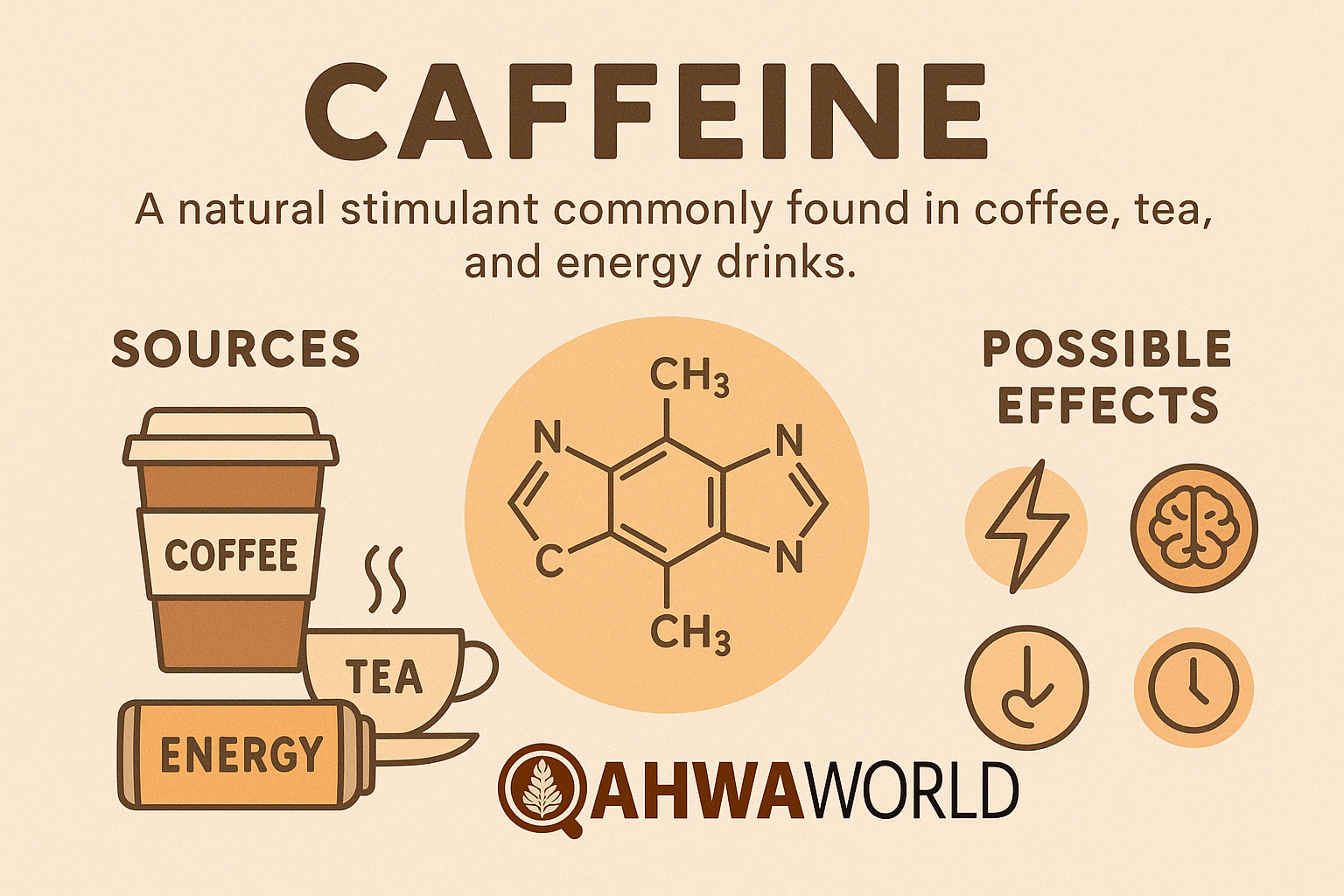
  • Caffeine – A major stimulant, found in nearly identical levels in both species.
  • Trigonelline – A precursor to nicotinic acid, contributing to bitterness and aroma.
  • Sucrose – The primary sugar in coffee, influencing sweetness and caramelization during roasting.
  • Citric acid – A crucial organic acid linked to the bright, fruity acidity of high-quality Arabica coffees.
  • Chlorogenic acids – A group of hydroxycinnamic acids that impact bitterness and astringency.

The presence of these compounds explains why sensory assessments have often found Stenophylla’s flavor profile indistinguishable from certain Arabica varieties, such as Rwandan Bourbon.

Distinct Chemical Differences Set Stenophylla Apart

While Stenophylla shares a strong chemical resemblance to Arabica, the study also identified unique differences:

  • Theacrine – One of the most significant discoveries was the detection of theacrine in Stenophylla—the first time this alkaloid has been recorded in coffee beans. Theacrine is chemically related to caffeine but is believed to enhance mood and focus without the same stimulating effects. This could offer exciting new possibilities for coffee consumers looking for an alternative energy boost.
  • Absence of Mozambioside – Unlike Arabica, Stenophylla does not contain mozambioside, a bitter diterpenoid. This could influence its bitterness perception compared to Arabica coffee.
  • Higher Levels of Certain Hydroxycinnamic Acids – Stenophylla contains distinct compounds not present in Arabica or Robusta, which may influence acidity and mouthfeel.
  • Unique Diterpenoid Profile – The study found several diterpenoid glycosides present in Stenophylla that were either absent or found at different levels in Arabica and Robusta.

Sensory and Market Implications

Stenophylla’s ability to replicate Arabica’s flavor profile in warmer climates could be revolutionary for coffee farmers. The findings suggest that farmers facing rising temperatures and declining yields may soon have a viable alternative crop that does not compromise on flavor quality.

Moreover, the discovery of theacrine introduces new possibilities for coffee product innovation, potentially creating a new category of functional coffee beverages with different stimulant effects.

The study also underscores the importance of chemical markers for coffee quality control and authenticity. If Stenophylla enters the specialty coffee market, chemical profiling (such as detecting theacrine levels) could be a useful tool to distinguish it from Arabica and Robusta, preventing fraud and adulteration.

What’s Next? The Road to Commercialization

Despite its potential, Stenophylla coffee remains wild and largely uncultivated. The next steps for its adoption include:

  • Scaling up cultivation – Currently, Stenophylla exists mostly in small wild populations. Efforts are needed to establish commercial plantations.
  • Refining post-harvest processing – How Stenophylla’s beans are processed could significantly impact its cup profile, requiring further research.
  • Market testing and consumer acceptance – While research suggests it tastes like Arabica, broader sensory trials will be crucial for market adoption.

The researchers emphasize that integrating Stenophylla into coffee production could play a key role in diversifying global coffee supply chains, improving climate resilience, and reducing dependency on Arabica and Robusta.

The discovery of Stenophylla’s Arabica-like flavor and its chemical uniqueness marks a significant milestone in coffee science. As climate change continues to threaten coffee production, Stenophylla’s resilience and high cup quality offer hope for the future. If successfully commercialized, it could

The Best Time to Drink Coffee for Heart Health, According to a New Study

A new study published in the European Heart Journal reveals that the timing of coffee consumption plays a crucial role in its health benefits. Researchers from Tulane University and Harvard T.H. Chan School of Public Health found that drinking coffee in the morning is linked to a significantly lower risk of cardiovascular disease and all-cause mortality compared to consuming coffee throughout the day.

The study analyzed data from over 40,000 U.S. adults and identified two distinct coffee-drinking patterns. The first group, labeled as morning coffee drinkers, primarily consumed their coffee between 4 a.m. and 11:59 a.m. The second group, described as all-day coffee drinkers, consumed coffee continuously throughout the day.

According to the findings, morning coffee drinkers had a 31 percent lower risk of dying from heart disease and a 16 percent lower risk of all-cause mortality compared to those who drank coffee at different times throughout the day. Researchers suggest that drinking coffee later may disrupt circadian rhythms, leading to negative effects on blood pressure, inflammation, and overall cardiovascular health.

Cardiovascular disease remains the leading cause of death in the United States, making insights into dietary habits and their impact on longevity particularly relevant.

The Impact of Coffee on Blood Pressure

Caffeine affects individuals differently, with some experiencing a temporary rise in blood pressure and heart rate. However, the Mayo Clinic states that regular coffee consumption does not cause a long-term increase in blood pressure or an elevated risk of heart disease. Habitual coffee drinkers develop a tolerance to caffeine, reducing its short-term stimulatory effects.

Studies confirm that moderate coffee intake does not contribute to hypertension. However, those who rarely consume coffee may notice an initial, brief spike in blood pressure after drinking caffeinated beverages.

Coffee’s Role in Reducing Inflammation and Disease Risk

Beyond caffeine, coffee is rich in polyphenols, which are antioxidant and anti-inflammatory compounds that contribute to overall health. Research suggests that diets high in polyphenols can help protect against conditions such as type 2 diabetes, high blood pressure, obesity, and metabolic syndrome.

By reducing inflammation, polyphenols support cardiovascular function and enhance the body’s ability to regulate metabolic processes. Since coffee is one of the richest dietary sources of these compounds, daily consumption may provide long-term health benefits.

Recommended Coffee Intake for Health Benefits

The U.S. Food and Drug Administration advises that up to 400 milligrams of caffeine per day—approximately two to three cups of brewed coffee—is considered safe for most adults. The study also found that the health benefits of coffee peak between two and three cups per day. While higher consumption does not necessarily cause harm, it may not offer additional advantages, especially for individuals sensitive to caffeine.

Researchers also caution that added sugars, syrups, and high-calorie creamers can reduce the health benefits of coffee. Experts recommend consuming coffee with minimal additives or opting for healthier alternatives such as plant-based milk or cinnamon.

Key Takeaways from the Study

This latest research highlights that the timing of coffee consumption is as important as the amount consumed. Drinking coffee in the morning is associated with a lower risk of heart disease and longer lifespan, while consuming coffee throughout the day may interfere with sleep, circadian rhythms, and cardiovascular health.

For those looking to maximize coffee’s health benefits, limiting consumption to the morning hours and maintaining a moderate intake of two to three cups per day may be the most effective approach.

Explore more insights on coffee and health here.

Global Coffee Price Challenges in 2025: Roasters’ Strategies for Adaptation

As global coffee prices soar to record highs in 2025, with Arabica surpassing $4 per pound, coffee roasting companies face significant challenges in maintaining profitability while meeting consumer expectations. Here’s a comprehensive look at the strategies these companies are adopting to navigate this volatile market:

1. Adjusting Retail Prices

  • Price Increases: Many roasters are raising retail prices to offset the rising costs of green coffee and operational expenses. Experts recommend modest increases of $2–$4 per pound of roasted coffee.
  • Transparency with Consumers: Companies selling directly to consumers are openly communicating about price changes and market fluctuations to build trust and retain customers.

2. Optimizing Sourcing Strategies

  • Futures Contracts: Roasters are securing future coffee purchases through futures contracts to stabilize costs and avoid immediate market volatility.
  • Diversifying Supply Sources: Some companies are sourcing from lower-cost origins or incorporating high-quality Robusta beans into blends.
  • Utilizing Previous Harvest Coffee: Purchasing green coffee from previous harvests, which is more affordable while still suitable for certain products.

3. Streamlining Product Offerings

  • Simplifying Coffee Menus: Reducing product variety to focus on core offerings.
  • Blending Lower-Grade Beans: Employing innovative techniques to enhance the quality of more cost-effective beans.

4. Managing Cash Flow and Financial Risks

  • Maintaining Green Coffee Inventory: Stockpiling green coffee as a hedge against sudden price spikes.
  • Reducing Capital Expenditures: Prioritizing financial flexibility to navigate the current pricing environment.
  • Negotiating Payment Terms: Extending payment periods with suppliers to manage cash flow effectively.

5. Investing in Quality and Differentiation

  • Focusing on Specialty Coffee: Continuing to prioritize high-quality offerings despite price pressures.
  • Sustainable Practices: Investing in sustainable sourcing practices to ensure long-term supply chain stability.

6. Leveraging Technology

  • Pricing Tools: Using software such as wholesale pricing calculators to determine optimal price adjustments.
  • Operational Efficiency: Implementing advanced technologies to maximize the value extracted from lower-cost beans.

7. Diversifying Revenue Streams

  • Exploring Alternative Income Sources: Introducing subscription services, selling brewing equipment, and offering coffee education workshops.

8. Preparing for Long-Term Market Shifts

  • Building More Resilient Business Models: Balancing short-term adaptations with long-term sustainability goals.
  • Consumer Education: Raising awareness about the real cost of producing high-quality coffee.

Conclusion

In 2025, coffee roasting companies face the delicate task of maintaining profitability while delivering value to customers in an era of unprecedented price volatility. By employing a combination of pricing strategies, sourcing innovations, financial planning, and quality differentiation, these companies aim to adapt not only to current challenges but also to the evolving global coffee industry. These strategies underscore the resilience and creativity that define the modern coffee sector as it navigates this transformational period.

Coffee Production Thrives Against Challenges: How Yemen, Ethiopia, and Colombia Are Defying the Odds

The World Coffee Report has published an important study titled “Against Challenges: Where Coffee Production Thrives?” written by April Hawksworth. Given the significance of this study, we at Qahwa World have decided to republish its key findings. The report explores the countries where coffee production is flourishing despite climate challenges that have significantly impacted major coffee-growing regions.

While major producers such as Vietnam and Brazil have suffered setbacks leading to soaring coffee prices, some nations have managed to defy the odds through innovation, resilience, and strategic government initiatives.

Yemen: A Genetic Lifeline for Coffee’s Future

Yemen is emerging as a crucial player in safeguarding coffee’s future, not only for its historical significance but also for its remarkable genetic coffee diversity. Despite being one of the driest regions in the world, Yemen’s coffee trees continue to thrive, offering an essential solution to climate-induced challenges.

“At least 60% of wild Arabica species are at risk due to climate stress and low genetic diversity,” explains Faris Sheibani, founder of Qima Coffee. “Yemen’s coffee plants possess a unique resilience that could hold the key to safeguarding coffee production worldwide.”

Genetic Research Unlocking a Climate-Resistant Future

Yemeni researchers, in collaboration with international scientists, are leading genetic mapping projects to study the traits of Yemeni coffee varieties, including their flavor, climate adaptability, pest resistance, and disease tolerance. These insights will shape the future of climate-resilient breeding programs, supported by the Yemeni government.

While Yemen’s official annual coffee production is estimated at 20,000 tons, experts believe the true figure is higher due to the existence of a black market trade. Yet, one thing remains certain: Yemeni coffee is gaining international recognition for its exceptional quality and genetic importance.

“Yemen’s coffee traditions date back centuries,” Sheibani adds. “Now, as climate change threatens global coffee supplies, the country’s genetic resources offer a crucial lifeline to coffee farmers worldwide.”

Ethiopia: A Coffee Giant Expanding Production Despite Droughts

As Africa’s largest coffee producer, Ethiopia continues to assert its dominance in both export markets and domestic consumption. Under the leadership of Prime Minister Abiy Ahmed, Ethiopia has doubled its coffee production over the past five years, defying extreme drought conditions.

Ethiopia’s coffee export revenue surged from US$900 million in 2018 to US$1.4 billion in 2023, with ambitions to reach US$2 billion by 2025.

Government Policies Pushing the Coffee Boom

According to Israel Degefa, CEO of Kerchanshe Trading, Ethiopia’s largest coffee exporter, the Ethiopian government’s agricultural policies have played a vital role in sustaining coffee production:

  • The Green Legacy Initiative, launched in 2019, has planted 25 billion trees, expanding coffee cultivation across new regions.
  • Farmers now have duty-free access to advanced agricultural equipment, including irrigation systems, tractors, and harvesters.
  • Export reforms have enabled Ethiopian coffee exporters to retain 50% of their foreign currency earnings, reinvesting in infrastructure and productivity.

At Kerchanshe Trading, coffee farms have undergone a major transformation, shifting from traditional rain-fed farming to high-density, fully irrigated farms. These modern techniques have significantly boosted yields, producing four to five times more coffee per hectare than conventional Ethiopian farms.

“We’ve moved away from rain-dependent farming,” says Degefa. “By adopting modern irrigation systems, we’ve secured a sustainable and profitable future for Ethiopian coffee.”

Additionally, Ethiopia has invested heavily in logistics, including a dedicated railway for agricultural exports, ensuring that Ethiopian coffee reaches global markets faster than ever before.

Colombia: A Resilient Powerhouse in the Global Coffee Market

Colombia, the world’s third-largest coffee producer, continues to strengthen its position in the global market despite ongoing climate challenges. Coffee remains a pillar of Colombia’s economy, supporting 560,000 families and employing 2.5 million people.

In 2024, Colombia’s coffee production surged by 23%, reaching 14 million 60-kilogram bags, with a total crop value of 14 trillion pesos (US$3.14 billion).

According to German Bahamon, CEO of the Colombian Coffee Growers Federation (FNC), the country’s resilience stems from its advanced pest management strategies, climate adaptation programs, and extensive replanting efforts.

“Eighty-seven percent of our coffee farms now cultivate climate-resilient coffee varieties developed by Cenicafé, ensuring greater protection against pests and unpredictable weather patterns,” Bahamon explains.

Technology-Driven Coffee Growth

Colombia has leveraged advanced geolocation technology to track and optimize farm performance, ensuring precise replanting and fertilization strategies. In 2024 alone, the FNC oversaw the replanting of 90,000 hectares, equivalent to 11% of the country’s total coffee plantation area.

Through targeted subsidies and credit programs, Colombian farmers now have greater access to fertilizers and soil enhancement techniques, leading to stronger coffee plants and higher yields.

“Our commitment to quality and sustainability is unwavering,” says Bahamon. “We’re not just focused on the U.S. market—we’re actively expanding into Europe, the Middle East, and China, where demand for Colombian coffee is on the rise.”

With nearly a century of expertise, the FNC remains a central force in ensuring Colombia remains one of the most reliable and innovative coffee producers worldwide.

The Global Coffee Industry: A Story of Resilience and Adaptation

Despite climate volatility and shifting market dynamics, the coffee industries of Yemen, Ethiopia, and Colombia stand as models of innovation and resilience. Through scientific research, government-backed programs, and modern farming techniques, these nations have not only survived but thrived.

As the world’s appetite for coffee continues to grow, these trailblazing strategies will help shape the future of sustainable coffee production for years to come.

The Chemistry of Coffee: The Secret Behind the Taste and Aroma in Your Cup

Did you know that coffee beans contain over 1,000 chemical compounds that shape their flavors, aromas, and overall body? From the sugars that caramelize during roasting to the acids that define its acidity, coffee is a complex brew of science and art.

Renowned coffee expert George Okot, a Q Grader, Coffee Trainer, and Global Coffee Educator, highlights the importance of understanding coffee chemistry, which involves compounds like caffeine, chlorogenic acids, and volatile compounds that contribute to coffee’s taste, aroma, and effects.

Key Chemical Components

  1. Caffeine: A powerful purine alkaloid that stimulates the central nervous system, giving coffee its well-known energizing effects.
  2. Chlorogenic Acids (CGA): A group of antioxidants responsible for coffee’s bitterness and health benefits.
  3. Trigonelline: This compound breaks down into pyridines during roasting, adding to coffee’s sweet and earthy taste.
  4. Quinic Acid: This acid contributes to coffee’s acidity, influencing its crispness.
  5. Volatile Compounds: These create the rich aroma of coffee, with over 800 different compounds contributing to unique flavor profiles.
  6. Lipids: Present in coffee oils, these fats contribute to the mouthfeel and smooth texture, particularly in Arabica beans.
  7. Carbohydrates & Proteins: During roasting, carbohydrates break down into sugars, adding to coffee’s sweetness, while proteins and amino acids undergo the Maillard reaction, creating nutty, toasted flavors.

Chemical Transformations in Coffee

During roasting, heat triggers chemical reactions that transform the composition of coffee:

  • The Maillard Reaction: This reaction occurs between sugars and amino acids, forming melanoidins—compounds that give coffee its brown color, body, and rich flavors.
  • Caramelization: As sugars break down, they create the sweetness and color characteristic of roasted coffee.
  • Fermentation: During coffee processing, fermentation alters proteins, carbohydrates, and chlorogenic acids, shaping the final cup’s acidity and taste.

Acidity in Coffee

Coffee has a natural pH of 5.0 to 5.5, making it mildly acidic. Different acids contribute to its vibrant flavor profile:

  • Chlorogenic Acid: Adds bitterness and antioxidant properties.
  • Citric Acid: Brings bright, fruity, citrus-like notes.
  • Malic Acid: Offers a green apple tartness.
  • Acetic Acid: Adds a sharp, tangy edge.

Interestingly, quinic acid levels increase as chlorogenic acids break down during roasting, affecting the perceived acidity and body of coffee.

The Art and Science of Coffee

Coffee is more than just a beverage—it’s a chemical symphony where heat, time, and processing methods shape every sip. From the first crack in roasting to the final aromatic brew, the chemistry behind coffee defines its depth, complexity, and sensory experience.

The Titans of Coffee: The 20 Most Influential Coffee Companies in the World 2025

The story of coffee is not merely one of a beverage but a saga of power, ambition, and cultural transformation. From the misty highlands of Ethiopia, where legend speaks of Kaldi’s dancing goats, to the grand coffee houses of Vienna, where revolutions were whispered over steaming cups, coffee has shaped civilizations.

Behind this cherished drink stands a constellation of corporate giants—companies that have forged empires, pioneered innovations, and dictated the tides of the global coffee trade. These are the titans who control the plantations, the roasting houses, and the retail empires, ensuring that every morning, in every corner of the world, coffee lovers awaken to the aroma of freshly brewed ambition.

This list of the 20 most influential coffee companies in 2025 is not merely a ranking; it is a testament to history, a reflection of economic might, and an exploration of the forces shaping the future of coffee.

  1. Nestlé S.A. – The Emperor of Instant and Capsule Coffee
  • Annual Revenue: $99.3 billion (total company revenue)
  • Headquarters: Vevey, Switzerland
  • Founded: 1866
  • Key Brands: Nescafé, Nespresso, Blue Bottle Coffee

Nestlé is the undisputed global leader in coffee, with a legacy spanning over 150 years. The introduction of Nescafé in 1938 revolutionized instant coffee, while Nespresso (1986) transformed capsule brewing into an art form. With a presence in over 180 countries, Nestlé’s influence is unparalleled, ensuring that no matter where you are, a cup of its coffee is never too far away.

  1. Starbucks – The Empire That Redefined Café Culture
  • Annual Revenue: $36.18 billion
  • Headquarters: Seattle, Washington, USA
  • Founded: 1971
  • Number of Locations: Over 35,000 stores in 80+ countries

From a single store in Seattle’s Pike Place Market, Starbucks has grown into the largest coffeehouse chain in the world. More than just a brand, Starbucks is a cultural movement, pioneering trends like third-wave coffee, sustainable sourcing, and specialty beverages.

  1. JDE Peet’s – The European Coffee Powerhouse
  • Annual Revenue: $8.7 billion
  • Headquarters: Amsterdam, Netherlands
  • Founded: 2015 (merger of Jacobs Douwe Egberts & Peet’s Coffee)
  • Key Brands: Jacobs, Senseo, Tassimo, L’OR, Peet’s Coffee

With roots tracing back to Douwe Egberts’ founding in 1753, JDE Peet’s commands a rich history in European coffee culture. The company is a leading force in coffee capsules, roasted coffee, and espresso systems, with a strong presence across Europe, North America, and Asia.

  1. Keurig Dr Pepper (KDP) – The King of Single-Serve Coffee
  • Annual Revenue: $14.1 billion
  • Headquarters: Burlington, Massachusetts, USA
  • Founded: 2018 (merger of Keurig Green Mountain & Dr Pepper Snapple Group)
  • Key Innovations: K-Cup single-serve brewing system

Keurig revolutionized single-serve coffee with the launch of K-Cups in 1998, making home brewing faster and more convenient. Despite criticism for its environmental impact, Keurig remains the dominant player in the home coffee market in North America.

  1. Lavazza – Italy’s Espresso Royalty
  • Annual Revenue: €2.24 billion
  • Headquarters: Turin, Italy
  • Founded: 1895
  • Global Presence: Operations in over 90 countries

Lavazza embodies the soul of Italian coffee culture. For over a century, it has perfected espresso blending, making it one of the most revered brands in premium coffee worldwide.

  1. Strauss Coffee
  • Annual Revenue: Part of Strauss Group’s $2.2 billion revenue
  • Headquarters: Petah Tikva, Israel
  • Founded: 1933
  • Key Brands: Elite Coffee, Fort, Pedro’s

Strauss Coffee is one of the largest roasted and instant coffee producers in Eastern Europe, Brazil, and Israel. It has strategically expanded into emerging markets, making high-quality coffee accessible to millions.

  1. Tata Consumer Products – India’s Coffee Mogul
  • Annual Revenue: $1.2 billion
  • Headquarters: Mumbai, India
  • Founded: 2020
  • Key Brands: Tata Coffee, Eight O’Clock Coffee

India, long known for its tea dominance, has rapidly embraced coffee, with Tata leading the charge. The company owns some of the largest coffee plantations in the world, supplying high-quality beans to global markets.

  1. UCC Ueshima Coffee Co. – Japan’s Coffee Authority
  • Annual Revenue: $2.5 billion
  • Headquarters: Kobe, Japan
  • Founded: 1933
  • Key Innovations: Pioneering canned coffee

UCC pioneered canned coffee, a staple of Japanese vending machines. With a legacy of craftsmanship, innovation, and precision roasting, UCC has become a dominant force across Asia and the Pacific.

  1. Massimo Zanetti Beverage Group – The Italian Coffee Conglomerate
  • Annual Revenue: Approximately $1.2 billion
  • Headquarters: Bologna, Italy
  • Founded: 1973
  • Key Brands: Segafredo Zanetti, Chock full o’Nuts, Kauai Coffee

Massimo Zanetti Beverage Group is a global coffee company that owns a diverse portfolio of over 20 consumer brands worldwide. The company operates 11 roasting plants globally and has a distribution network spanning 100 countries.

  1. Dunkin’ – America’s Coffee-on-the-Go Leader
  • Annual Revenue: $1.4 billion
  • Headquarters: Canton, Massachusetts, USA
  • Founded: 1950
  • Number of Locations: Over 12,000 stores in 40+ countries

Dunkin’ has become synonymous with coffee and donuts in the United States. Its focus on speed, convenience, and affordability has made it a staple for millions of daily commuters.

  1. Tim Hortons – Canada’s Coffee Legacy
  • Annual Revenue: $3.8 billion
  • Headquarters: Toronto, Canada
  • Founded: 1964
  • Number of Locations: Over 5,600 stores worldwide

With its legendary double-double coffee, Tim Hortons is deeply ingrained in Canadian culture, serving over 5,600 locations worldwide.

  1. Panera Bread – The Bakery-Café Hybrid
  • Annual Revenue: Approximately $6 billion
  • Headquarters: St. Louis, Missouri, USA
  • Founded: 1987
  • Key Brands: Panera Bread

Panera Bread, originally founded as St. Louis Bread Company, revolutionized the fast-casual dining experience by combining artisanal bakery offerings with specialty coffee. While primarily known for its breads and pastries, Panera’s coffee program emphasizes sustainably sourced beans and seasonal blends. With over 2,000 locations across North America, Panera has integrated digital innovations, such as rapid pick-up and delivery services, enhancing customer convenience and solidifying its position in the competitive café market.

  1. The Coffee Bean & Tea Leaf – The Californian Pioneer
  • Annual Revenue: Approximately $500 million
  • Headquarters: Los Angeles, California, USA
  • Founded: 1963
  • Key Brands: The Coffee Bean & Tea Leaf

Established in Southern California, The Coffee Bean & Tea Leaf is one of the oldest and largest privately-held specialty coffee and tea retailers in the United States. It introduced the concept of “Ice Blended” drinks, a precursor to the now-ubiquitous blended coffee beverages. With a strong presence in Asia and the Middle East, the brand emphasizes sourcing the top 1% of Arabica beans and the finest hand-plucked, whole-leaf teas, ensuring a premium experience for its global clientele.

  1. Gloria Jean’s Coffees – Australia’s Coffee Culture Ambassador
  • Annual Revenue: Approximately $202.9 million
  • Headquarters: Castle Hill, New South Wales, Australia
  • Founded: 1979
  • Key Brands: Gloria Jean’s Coffees

Historical and Geographical Insights:

Originating in Chicago, USA, Gloria Jean’s Coffees found its stride after being introduced to Australia in 1996. The brand played a pivotal role in shaping Australia’s vibrant coffee culture, known for its emphasis on espresso-based beverages. With over 1,000 coffee houses in 39 countries, Gloria Jean’s focuses on flavored coffees and specialty beverages, catering to diverse palates while maintaining a cozy café environment that encourages community gatherings.

  1. Peet’s Coffee – The Artisan’s Legacy
  • Annual Revenue: Approximately $800 million
  • Headquarters: Emeryville, California, USA
  • Founded: 1966
  • Key Brands: Peet’s Coffee

Peet’s Coffee, founded by Alfred Peet, is often credited with kickstarting the specialty coffee movement in the United States. Peet introduced darker, more flavorful roasts, influencing many future coffee entrepreneurs, including the founders of Starbucks. Concentrated primarily on the West Coast, Peet’s has expanded its reach through retail outlets and grocery store distributions. Their commitment to direct trade and meticulous roasting processes ensures a loyal customer base that appreciates high-quality, robust coffee.

  1. Caribou Coffee – The Northwoods Experience
  • Annual Revenue: Approximately $262 million
  • Headquarters: Minneapolis, Minnesota, USA
  • Founded: 1992
  • Key Brands: Caribou Coffee

Inspired by an Alaskan adventure, Caribou Coffee aims to provide an authentic coffeehouse experience reminiscent of the Northwoods. Emphasizing sustainability, Caribou was the first major U.S. coffeehouse to source 100% Rainforest Alliance Certified beans. With over 600 locations, primarily in the Midwest, Caribou offers a cozy atmosphere, complete with cabin-like décor, appealing to those seeking both quality coffee and a comfortable retreat.

  1. Dutch Bros Coffee – The West Coast’s Drive-Thru Darling
  • Annual Revenue: Approximately $739 million
  • Headquarters: Grants Pass, Oregon, USA
  • Founded: 1992
  • Key Brands: Dutch Bros Coffee

Dutch Bros Coffee began as a single pushcart by two brothers, both former dairy farmers, in Oregon. Focusing on drive-thru coffee stands, Dutch Bros has cultivated a cult-like following with its energetic staff, unique beverage names, and sweet concoctions. With over 400 locations across the western United States, the company emphasizes community involvement and philanthropy, hosting annual “Drink One for Dane” events to support ALS research, reflecting its deep-rooted commitment to social responsibility.

  1. Illycaffè – The Epitome of Italian Elegance
  • Annual Revenue: Approximately $650 million
  • Headquarters: Trieste, Italy
  • Founded: 1933
  • Key Brands: Illy

Illycaffè, founded by Francesco Illy, is renowned for its singular blend of nine pure Arabica beans, sourced from four continents. The company introduced the modern espresso machine in 1935 and continues to innovate in coffee preparation and sustainability. With a presence in over 140 countries, Illy maintains a reputation for quality and artistry, often collaborating with contemporary artists to design their iconic espresso cups, merging the worlds of coffee and art seamlessly.

  1. Death Wish Coffee – The Boldest Brew in the World
  • Annual Revenue: Approximately $42.8 million
  • Headquarters: Saratoga Springs, New York, USA
  • Founded: 2012
  • Key Brands: Death Wish Coffee

Death Wish Coffee is a modern disruptor in the coffee industry, setting itself apart with its extreme caffeine content and bold branding. Founded in 2012 by Mike Brown, the company started in a small coffee shop in Saratoga Springs, New York, with a singular goal—to create the strongest coffee in the world.

Final Thoughts

The Top 20 Coffee Companies of 2025 represent a rich tapestry of history, innovation, and global influence. From centuries-old coffee empires like Lavazza and Illy to modern disruptors like Dutch Bros and Death Wish Coffee, these companies shape the way coffee is produced, consumed, and celebrated worldwide.

Each company has left its mark on the industry—whether by pioneering new brewing techniques, expanding coffee culture globally, or championing sustainability and ethical sourcing.

One thing remains certain: coffee is not just a drink—it is a revolution in a cup.

Which of these coffee giants do you rely on for your daily brew? Let us know!


A Rare Coffee Resisting Climate Change Gains Attention

In a recent video report, the Associated Press highlighted Excelsa coffee, a rare and resilient coffee species with unique drought-resistant properties. Given the significance of this discovery, we at Qahwa World are sharing this report to explore the future potential of Excelsa in the specialty coffee industry.

A Coffee That Could Withstand the Future

As global warming increasingly threatens coffee crops worldwide, researchers and farmers are turning their attention to alternative species that can survive in extreme conditions. Excelsa, native to South Sudan and a few other African nations, has emerged as a promising solution. With deep roots, thick leaves, and natural resistance to pests, this variety has the potential to thrive where traditional Arabica and Robusta struggle.

In the lush fields of Nzara County, South Sudan, farmer Catherine Bashiama carefully inspects the branches of her Excelsa coffee trees, eagerly searching for the first signs of fruit. Three years after planting the seedlings, her efforts are finally paying off. “This coffee gives me hope,” she says, smiling as she examines the ripening cherries. “I want to provide a better future for my children.”

The Global Coffee Industry Eyes Excelsa

Discovered over a century ago, Excelsa remained largely overlooked due to the dominance of Arabica and Robusta. However, with climate change driving coffee prices to record highs and threatening traditional growing regions, Excelsa is now drawing international attention. Experts estimate that Brazil, the world’s top coffee producer, could see a 12% drop in its harvest this year due to droughts.

“Farmers worldwide are facing tough choices,” says Aaron Davis, head of coffee research at the Royal Botanic Gardens, Kew. “Excelsa might be a key part of the solution.”

A New Chapter for South Sudan’s Coffee Industry

Unlike Ethiopia or Uganda, South Sudan has not been known as a coffee-producing nation. Historical coffee cultivation declined due to decades of conflict, forcing farmers to abandon their crops. Now, companies such as Equatoria Teak are working to revive the coffee industry, distributing Excelsa seedlings to local farmers and training them in sustainable cultivation practices.

“We have been testing Excelsa for years, and it is showing strong resilience to heat,” says Ian Paterson, managing director of Equatoria Teak. “We hope to scale up production and introduce this coffee to specialty markets.”

The first commercial batches are expected to be exported to Europe this year, with major buyers expressing interest. Industry experts predict that by 2027, Excelsa could contribute millions of dollars to the local economy. However, challenges remain, including poor infrastructure and high transportation costs.

Overcoming Challenges for a Sustainable Future

Despite its potential, South Sudan’s coffee industry faces logistical hurdles. Transporting coffee to international markets requires long and expensive journeys, with shipment costs significantly higher than in neighboring countries. Additionally, political instability and a lack of investor confidence pose barriers to large-scale growth.

Nonetheless, local farmers see Excelsa as an opportunity to break free from economic hardship. “With coffee, we can be independent,” says farmer Taban John. “I want to use my earnings to buy a bicycle and send my children to school.”

Excelsa represents more than just a coffee crop—it is a chance for South Sudanese farmers to rebuild their livelihoods and for the global coffee industry to adapt to a changing climate.


View this post on Instagram


A post shared by عالم القهوة (@qahwaworld)

Kazakhstan’s Coffee Preferences: What They Drink and How Much They Pay

The cafe and restaurant automation company Poster conducted a study to determine which coffee beverages are most popular in Kazakhstan.

Top 7 Most Popular Coffee Beverages

In 2024, latte became the most popular coffee beverage in Kazakh establishments. For every cup of espresso sold, there were 68 cups of latte and 66 cups of cappuccino. Americano ranked third. Interestingly, in 2023, cappuccino held the top position, but latte has now overtaken it.

Espresso Index: Growth in Sales and Prices

Over the past year, the cost of a cup of espresso in Kazakhstan increased by 16%, while its consumption grew by 10%. In 2024, the average price of espresso was 800 tenge, which is 110 tenge more than in 2023, when it was 690 tenge.

How Much Do the Most Popular Coffee Drinks Cost?

The price of a latte increased by 13.3% over the year, with its average price in 2024 reaching 1,190 tenge. Other drinks also saw price hikes: Americano by 11.3%, flat white by 8.9%, mocha by 7.2%, cappuccino by 5%, and espresso saw the highest increase at 15.9%.

Top 3 Alternative Coffee Brewing Methods

The most popular alternative coffee brewing method in Kazakhstan in 2024 was pour-over. The average price for this manual brewing method reached 1,900 tenge. In comparison, it was 1,500 tenge in 2023.

Aeropress ranked second in popularity. However, in 2024, it was sold half as much as pour-over in coffee shops. The average price for an Aeropress coffee in 2024 was also 1,900 tenge. Over the year, coffee brewed using pour-over or Aeropress increased in price by nearly 30%.

Chemex ranked third, with an average price of 2,000 tenge.

“Coffee consumption in Kazakhstan is growing actively. Coffee is becoming not just a beverage but a part of culture and daily life, especially among the youth. Milk-based drinks like cappuccino and latte remain a priority. However, Kazakhstanis are rediscovering classic coffee options as well,” says Poster CEO and co-owner Rodion Eroshek.

How and Why the Study Was Conducted

The study is based on aggregated, non-personalized sales data from a sample of 150 establishments across the country that operated continuously from 2023 to 2024.

“Alternative” brewing methods refer to manual coffee preparation techniques, such as Chemex, Aeropress, pour-over, siphon, V60, and others.

The goal of the study is to provide a general understanding of the market situation and help business owners make more informed management decisions.


The coffee market, the f-word, and the future of quality

Like just about everyone else in the coffee world, I have been watching the market lately with more than a casual interest. I find my thoughts returning again and again to the f-word and its implications for the future of coffee quality.

No, not that f-word, although the market’s historic rally has undoubtedly wrangled that word from the lips of traders and buyers more than once in recent days. The f-word I am thinking of is less florid, not shocking on its own, but only when attached to other words like “dollar” and “market,” as in four-dollar market.

The first time I heard this term was just after the New Year in a conversation with someone very senior in the trading community who told me his team’s preparations for 2025 included scenario-planning for a four-dollar market.

I was impressed they had the vision to consider that the market’s historic rally in late 2024 – it had never gone that high for that long – could go even higher. I found myself thinking that it might be something to watch for in Q3 or Q4, and I could never have imagined that we would hit four-dollar mark less than a month later.

This extraordinary rally makes me wonder whether we will be using a different four-letter word by the end of the year: five. More importantly, it makes me worry about commitment to coffee quality at both ends of the coffee supply stream.

I have had the very good fortune in my career to work on both the buying and selling sides of the coffee trade. In both roles, I have experienced lesser rallies: I was working with growers during the market rally of 2011, the last time it broke the $3 mark, and I was sourcing green coffee during its more modest move into the $2.50s in 2022 against the backdrop of a pandemic-related logistics crisis. In both cases, high prices put coffee quality at risk. Or perhaps more precisely, they spelled trouble for commitment to trading relationships anchored in a mutual embrace of coffee quality among buyers and sellers.

For growers, high prices can lead to neglect of quality on the farm, picking indiscriminately and processing sloppily in a rush to bring coffee to market before prices fall. More importantly, it can lead producers to neglect relationships in the market, side-selling their coffee to intermediaries at today’s rates rather than delivering them against agreements with exporters or cooperatives fixed at lower rates weeks or months before. When side-selling happens at scale, it leads to contract defaults.

For buyers who have contracts with customers on the selling side but may not have formal commitments to their regular suppliers on the buying side, there is a similar temptation to move away from traditional suppliers in the search for lower prices, even if it means lower quality grades.

These behaviors are understandable on both sides, driven by uncertainty and need: sellers who see too few good markets and fear the rally won’t last rush to cash in before it ends; buyers who have commitments to customers and fear this rally will last seek ways to minimize the impact of historically high prices on their margins.

But these behaviors are also destructive: they undermine the trust that is built over time and undermine commitment to quality at a time when retail prices are likely to rise, meaning consumers may be paying more for less.

The literature on international development uses the term “negative coping strategies” to describe short-term approaches taken by poor families to survive shocks that undermine their long-term livelihoods. When negative coping strategies are adopted, it makes recovery from shocks that much harder since families must rebuild the assets depleted in the process just to get back to where they were before the shock. This conceptual framework may be relevant to this moment in coffee, as the current market has the potential to lure buyers and sellers of coffee into coping strategies that help them weather today’s storm but leave them more exposed to tomorrow’s.

This is the first significant market rally I have experienced in more than 20 years in which I am not working for an organization involved in the buying or selling of coffee, but that doesn’t mean I don’t have a professional stake in how things play out.

CQI has spent more than 20 years enabling the trade in quality-differentiated coffee: working to improve the quality of coffee, foster a common language of quality, and help producers develop trading relationships that allow them to turn improvements in coffee quality into better outcomes for themselves and their families. During that time, we have helped to develop — then support through ongoing training, testing, and certification in cupping and post-harvest processing — many of the relationships that underpin the trade in quality coffee. A resort to negative coping strategies by buyers, sellers, or both, puts the work we have done together with so many of you at risk in ways that would be a setback for the entire sector.

By privileging the relationships that have helped all of us deliver so much value and hedge so much risk over the years, we can minimize the disruption of this moment and the amount of work we need to do together to rebuild the systems that create quality and bring it to market.

If we don’t, there is a chance we will be using a that f-word when we look back on how we handled this market.

By: Michael Sheridan, CEO Coffee Quality Institute (CQI)


H&C: A Yemeni Innovation Redefining Coffee and Adding a New Dimension to the Tasting Experience

When coffee is mentioned, Yemen’s name shines as its original homeland. It was from the ports of Mokha that the first coffee beans set sail, carrying with them the secrets of flavor that shaped its history. As the global specialty coffee industry becomes increasingly competitive, the search for techniques that enhance flavor while preserving the integrity and authenticity of the beans continues.

In this context, a groundbreaking Yemeni innovation has emerged, signed by Bakr Al-Nasiri and Rashid Shaja’a, in collaboration with Durrar Specialty Coffee Company. This innovation has introduced a major shift in coffee processing through the H&C (Hot & Cold) method, which involves precise temperature control during anaerobic fermentation. This method enhances the natural flavors of coffee beans, giving Yemeni coffee an unparalleled depth and complexity.

Yemeni Coffee: A Legacy That Defies Imitation

Yemeni coffee has a unique character, not only because of its exceptional quality but also because it is cultivated in rugged terrain at high altitudes. Farmers rely on ancestral agricultural methods, giving the beans flavor profiles that are difficult to replicate elsewhere.

Today, with the shift toward specialty coffee and increasing global interest in advanced processing techniques, this innovation has placed Yemeni coffee at the forefront of this evolution, drawing upon precise scientific research and a deep understanding of the beans’ characteristics and requirements.

What Makes H&C Different?

While traditional anaerobic processing has become common in the specialty coffee industry, the H&C method introduces a new dimension by incorporating carefully controlled thermal changes during fermentation. This enhances chemical reactions within the beans, highlighting flavors that might not be as pronounced through conventional processing methods.

The technique relies on intelligent temperature control during anaerobic fermentation, where the beans undergo alternating cycles of heat and cold, stimulating beneficial microbial activity and producing aromatic compounds that enrich the flavor. The result? A perfectly balanced cup of coffee with a harmonious blend of acidity and sweetness, coupled with an intricate depth of flavor that opens new horizons in the coffee tasting experience.

How is the H&C Method Applied?

The process consists of several stages to maximize the benefits of controlled anaerobic fermentation:

  1. Initial Warm Fermentation:

    • Whole coffee cherries are placed inside tightly sealed plastic bags within specialized barrels without depulping.
    • These barrels are exposed to sunlight for 10 hours daily, with temperatures ranging between 18 and 25°C.
  2. Cold Fermentation Stage:

    • The sealed bags are transferred to cold fermentation chambers where temperatures drop below 10°C for 14 hours.
    • This thermal shock slows down fermentation, allowing for deeper flavor complexity and a balanced acidity profile.
  3. Continued Fermentation and Flavor Development:

    • The process lasts between 7 and 12 days, depending on the specific processing conditions.
    • After fermentation, the beans are moved to sun-dried raised beds to complete the natural drying phase.

Experimental Applications of the Method

Durrar Specialty Coffee Company has applied the H&C method to two distinct varieties of Yemeni coffee grown in multiple farms across two different production regions:

  1. Samara – Ibb Governorate

    • Variety: Udaini
    • Altitude: 1,900–2,100 meters above sea level
  2. Haraz – Sanaa Governorate

    • Variety: Jaadi
    • Altitude: 2,000–2,300 meters above sea level

Evaluation Results: The trials demonstrated a remarkable improvement in the quality of the coffee, particularly in aromatic clarity and fruit complexity, further solidifying its reputation among specialty coffee enthusiasts.

How Does H&C Impact Flavor?

The power of this technique lies in its ability to stimulate chemical reactions within the coffee bean itself. The controlled alternation between warm and cold temperatures releases more complex aromatic compounds, resulting in a clearer and more balanced flavor profile.

  • Enhanced Aroma Clarity: Fruity and floral notes become more pronounced.
  • Perfect Balance Between Acidity and Sweetness: Precise microbial activity regulation ensures a smooth and well-rounded cup.
  • Greater Flavor Complexity: The coffee evolves dynamically on the palate, offering a multi-layered sensory experience.

Impact on the Specialty Coffee Market

This technique has not gone unnoticed—it has had a significant impact on global markets, increasing the value of Yemeni coffee processed with this method. It has become a focal point for international buyers in high-end coffee auctions.

At the First Yemeni National Coffee Auction in 2022, coffee processed using the H&C method received exceptional ratings, showcasing the success of this approach in achieving an unprecedented level of quality.

Does H&C Represent the Future of Yemeni Coffee?

Coffee is not just a beverage—it is a sensory experience intertwined with place, history, and the meticulous journey from cultivation to processing. With the H&C method, Yemeni farmers now have a powerful tool to elevate their coffee’s competitiveness, not only by preserving its authenticity but by pushing its quality to new frontiers.

This innovation marks a transformative milestone in Yemeni coffee processing. It is not merely an enhancement but a complete redefinition of how specialty coffee flavors can be accentuated.

As demand for unique and innovative coffee processing techniques grows, the H&C method could be the key to unlocking new opportunities for Yemeni coffee, securing its place among the world’s most prestigious and sought-after coffee origins.

Conclusion

In the world of specialty coffee, where connoisseurs seek exclusivity and excellence, H&C is a testament to the fact that Yemeni coffee is not just a historical legacy—it is a future in the making.

Thanks to this technique, coffee processing is no longer a routine step—it has evolved into an art and a science, where heat and cold, microbiology, and chemistry come together to craft a cup that carries the signature of Yemen’s rich heritage, infused with the essence of its towering mountains and unbreakable spirit.

Coffee Prices Surge to 310 Cents as Global Exports Decline – ICO Report

The global coffee market is facing significant turbulence as prices hit a historic high, while exports decline sharply, according to the latest report from the International Coffee Organization (ICO).

The ICO’s Composite Indicator Price (I-CIP) surged to 310.12 US cents per pound in January 2025, marking a 3.5% increase from December 2024 and a staggering 75.8% jump compared to January 2024. This makes it the highest recorded monthly average since April 1977.

The price rally is being fueled by tightening supplies from major coffee-producing countries, particularly Brazil, where both Arabica and Robusta prices spiked by 15.2% and 6.2%, respectively, by the end of January. The price surge has also been linked to shrinking global stocks, with certified Arabica reserves in New York plunging 11.7% compared to December.

Global Coffee Exports Drop by 10.5%

Amid rising prices, global coffee exports are showing signs of strain. Green coffee bean shipments fell by 10.5% in December 2024 compared to the same month in 2023, marking the second decline in the past 14 months.

The sharpest drop came from Robusta exports, which plummeted by 19%, driven largely by Vietnam’s steep 39.5% decrease. This decline is particularly concerning as Robusta is a key ingredient in instant coffee and espresso blends, raising concerns over supply shortages.

Similarly, Brazilian Naturals—a category dominated by Brazil—saw an 11.3% drop, while Other Milds, which include coffees from Honduras, Papua New Guinea, and Peru, recorded a 12.3% decline.

Colombian Milds, however, defied the trend, surging 32% in exports, largely due to strong production gains in Colombia, Kenya, and Tanzania. Colombia’s coffee output in December alone rose 47%, reflecting a robust recovery.

Regional Export Trends Show Contrasting Fortunes

Export patterns varied significantly across regions:

  • Asia & Oceania: The hardest hit, with shipments plummeting 31.2%, mainly due to Vietnam’s supply crunch.
  • Africa: A rare bright spot, with exports climbing 8%, led by Ethiopia, Kenya, and Tanzania.
  • South America: Down 2.1%, marking the first decline in 16 months, despite Colombia’s strong performance.
  • Mexico & Central America: Barely positive, rising just 0.9%, as Honduras suffered a staggering 59.5% drop in exports.

The decline in Vietnam’s exports is particularly alarming, as it suggests tight domestic supply and potential production setbacks. Analysts warn that if supply shortages persist, global Robusta prices could continue to soar, pushing costs higher for coffee roasters and manufacturers.

Economic and Trade Uncertainties Weigh on the Market

Beyond supply issues, the ICO report also points to geopolitical and economic factors influencing the coffee market.

  • Uncertainty in U.S. trade policies has cast doubt on export conditions for Brazil, India, and Indonesia, key coffee-producing nations.
  • European Central Bank signals of possible interest rate cuts could stimulate demand, further pushing prices upward.

Meanwhile, the price gap (arbitrage) between Arabica and Robusta widened to 94.6 cents per pound, its highest level since October 2022, reflecting growing market instability.

Outlook: Coffee Market Faces an Uncertain Future

With Arabica prices at historic highs and Robusta supply shrinking, the coffee industry is entering a period of extreme volatility. Much will depend on Brazil’s upcoming harvest and how global economic conditions unfold.

For now, roasters and coffee buyers face mounting pressure, as rising costs may soon be passed on to consumers. If the current supply and demand imbalances persist, coffee lovers could see higher prices at cafés and supermarkets worldwide.

Final Thoughts

The ICO’s January 2025 report paints a picture of a coffee market in transition, driven by supply constraints, economic uncertainty, and shifting trade patterns. The coming months will be crucial in determining whether the current price surge is a temporary spike or the start of a prolonged high-cost cycle for the coffee industry.

How Political Upheaval in the U.S. Could Reshape the Coffee Industry

Recent developments in U.S. politics are sending shockwaves across multiple industries, including coffee. As the country undergoes drastic policy shifts and economic uncertainties, coffee producers, exporters, and retailers worldwide are facing potential disruptions that could redefine the industry’s future.

Since the start of the new administration, sweeping executive orders and policy overhauls have unsettled international trade relations, labor protections, and federal aid programs. These changes have had immediate ripple effects on global coffee markets, threatening funding for sustainability initiatives, disrupting supply chains, and creating price volatility.

One of the most immediate consequences of the administration’s policies is the abrupt termination of multiple international aid programs, including those supporting coffee farmers in developing regions. The U.S. Agency for International Development (USAID), a critical player in funding coffee sustainability and agricultural development projects, has seen its budget slashed.

Historically, USAID has been instrumental in supporting coffee-growing communities by funding programs that combat coffee leaf rust, improve climate resilience, and encourage sustainable farming practices. Notable past initiatives include investments in Ethiopia’s Cup of Excellence program, Colombia’s shift from coca to coffee farming, and agroforestry projects in Indonesia. With funding for such programs frozen or eliminated, many farmers are left vulnerable, potentially leading to lower yields and reduced coffee quality worldwide.

Climate action, another key area where USAID has played a role, is also at risk. Experts warn that without consistent funding, ongoing sustainability projects that help mitigate the effects of climate change on coffee production may come to a halt. This could have long-term repercussions, as coffee crops are particularly sensitive to shifting weather patterns and extreme climate events.

Trade Wars and Tariffs: The Cost of Uncertainty

Alongside aid cuts, escalating trade tensions are adding to the industry’s instability. Recent threats to impose tariffs on coffee imports from major producers like Colombia and Mexico have already contributed to price surges in the global coffee market. Colombia, which supplies approximately 30% of the U.S.’s imported coffee, was briefly targeted by a proposed 25% tariff before the decision was reversed. However, the mere possibility of such measures has caused fluctuations in coffee futures markets, with traders and roasters scrambling to adjust to the uncertainty.

Mexico, another significant supplier of high-quality coffee, also faces the prospect of increased trade barriers. If tariffs are imposed, import costs will rise, potentially leading to higher prices for consumers. Industry leaders warn that the uncertainty alone is enough to disrupt supply chains, as companies reassess sourcing strategies and explore alternative markets.

Challenges for Coffee Labor and Unionization Efforts

Domestic labor policies are also shifting, with regulatory changes that could significantly impact coffee workers across the U.S. and beyond. The rollback of federal labor protections and a weakened National Labor Relations Board (NLRB) have made unionization efforts more challenging for workers in the coffee sector. The coffee industry has seen a growing movement toward unionization in recent years, particularly among baristas and workers at major chains and specialty coffee shops. However, with recent changes in labor law enforcement, many ongoing unionization drives could be stalled or dismissed.

Additionally, coffee processing and roasting facilities that rely on labor protections for fair wages and safe working conditions may now face increased challenges. Without proper enforcement of labor laws, concerns about fair compensation and worker treatment in the industry could intensify, affecting both production efficiency and employee well-being.

The Future of Coffee in an Uncertain Market

With shifting economic policies, trade restrictions, and funding uncertainties, the global coffee industry is bracing for a turbulent period. Coffee businesses, from small specialty roasters to multinational corporations, will need to adapt swiftly to the changing landscape. Potential solutions include diversifying supply chains, increasing private investment in sustainability initiatives, and strengthening collaborations within the industry to mitigate risks.

Industry stakeholders are also calling for greater engagement in policy discussions to advocate for fair trade agreements and continued support for coffee-growing communities. While multinational coffee corporations often emphasize their social responsibility efforts, experts argue that now is the time for them to take concrete actions to support struggling farmers and ensure the long-term stability of the industry.

As the political landscape continues to evolve, the coffee sector must remain vigilant and proactive. The coming months will be crucial in determining how deeply these disruptions will impact coffee production, pricing, and global trade. One thing remains clear: the industry’s resilience will be tested as it navigates an era of uncertainty and transformation.