Peet’s Coffee Takes Flight with New Airline Partnership

Dubai, August 4, 2025 – (Qahwa World) – In a move that brings specialty coffee to new heights, Peet’s Coffee has entered into a strategic collaboration with a major U.S. airline, ensuring its signature brew will now be served on all flights operated by Southwest Airlines.

This development marks the first time Peet’s has partnered with a national carrier of this scale. With Southwest’s fleet of over 800 aircraft connecting more than 100 destinations across the U.S., Puerto Rico, Mexico, and the Caribbean, the partnership significantly expands Peet’s in-flight presence.

Peet’s Coffee President and CEO, Eric Lauterbach, expressed enthusiasm about the collaboration, highlighting its potential to create meaningful moments for travelers. “This partnership isn’t just about scale—it’s about sharing the Peet’s experience with millions of people at 30,000 feet.”

The partnership extends beyond the cabin. Peet’s coffee is already available in 25 airports frequented by Southwest passengers, including major hubs like Denver, Houston, and Phoenix.

For Southwest Airlines, the move aligns with ongoing efforts to elevate the in-flight experience. Tony Roach, Executive Vice President of Customer & Brand, emphasized that thoughtful touches like quality coffee contribute to passenger comfort and satisfaction. “We’re committed to enhancing every stage of the journey, and a well-crafted cup of coffee is a key part of that promise.”

Starting August 13, passengers will be able to enjoy the “Off the Grid” blend on board—a medium roast featuring carefully sourced beans from Colombia and El Salvador.

This partnership symbolizes a growing trend in the airline industry to bring artisanal food and beverage offerings to travelers seeking more personalized experiences in the skies.

Top 10 Cities with the Priciest Cappuccinos in 2025

Dubai – 4 August 2025 (Qahwa World) – A cappuccino might be a simple pleasure, but in some cities, it comes at a luxury price. According to Deutsche Bank’s 2025 “Mapping the World’s Prices” report, the cost of this popular coffee drink varies dramatically across the globe.

Based on average cappuccino prices sourced from Numbeo and converted into US dollars, the report shows that Zurich and Copenhagen are tied for the highest average price: $6.77 per cup. In contrast, coffee lovers in Cairo or Rome can enjoy their favorite brew for less than $2.

Top 10 Most Expensive Cities for a Cappuccino in 2025:

  1. Zurich, Switzerland – $6.77

  2. Copenhagen, Denmark – $6.77

  3. New York, USA – $5.95

  4. Abu Dhabi, UAE – $5.84

  5. Edinburgh, United Kingdom – $5.28

  6. Helsinki, Finland – $5.13

  7. Stockholm, Sweden – $5.10

  8. Hong Kong – $5.09

  9. Doha, Qatar – $5.08

  10. Vienna, Austria – $4.96

These high prices are often linked to the cost of living, labor, taxes, and even café culture. In Zurich and Copenhagen, for instance, strong wages and expensive rents contribute to the premium. In Abu Dhabi, upscale coffee shops and luxury offerings—including gold-infused drinks—play a role.

Cities Where Cappuccinos Are Surprisingly Affordable

On the other side of the spectrum, Cairo, Egypt offers the world’s most budget-friendly cappuccino at just $1.57. Rome, Italy, known for its deep-rooted espresso culture, follows with an average price of $1.79. Other wallet-friendly cities include:

  • Delhi, India – $2.07

  • Milan, Italy – $2.15

  • Mumbai, India – $2.58

Lower coffee prices in these cities are often a result of local sourcing, lower operational costs, and a cultural emphasis on accessibility.

Why Prices Differ Around the World

The variation in cappuccino prices comes down to several factors:

  • Cost of living – Higher wages and living standards increase café operating expenses.

  • Real estate and rent – Coffee shops in major cities pay premium rents, especially in tourist districts.

  • Taxes and imports – In cities that rely on imported coffee or dairy, prices rise accordingly.

  • Café type – Chain coffee shops or cafés in high-end neighborhoods often charge more than local favorites.

Smart Tips for Coffee Drinkers

If you’re traveling and want to enjoy good coffee without overspending:

  • Try locally owned cafés instead of tourist-oriented ones.

  • If you’re in a high-cost city like Zurich, brew at home when possible.

  • Use apps like Numbeo to check average local prices.

  • Consider traveling to affordable coffee cities like Rome or Cairo, where the experience is rich but the cost is not.

As global café culture continues to evolve, the price of a cappuccino remains a telling indicator of a city’s economy—and its relationship with coffee.

Towards a Scientific Understanding: Is Drinking Coffee on an Empty Stomach Really Harmful?

Moscow – 4 August 2025 (Qahwa World) – For millions of people around the world, mornings begin with a cup of coffee. This deeply rooted ritual offers both a sense of calm and a spark of energy to start the day. But one question continues to stir debate: is it harmful to drink coffee on an empty stomach? For years, conventional wisdom and online commentary have linked this habit to gastritis, heartburn, stress, and even dependence. Yet, new scientific research invites a more nuanced understanding—challenging much of the popular narrative.

Recent studies show that, for most healthy individuals, drinking coffee before breakfast does not pose a significant health risk. While caffeine does stimulate the production of gastric acid, current clinical evidence does not support the claim that coffee—consumed on an empty stomach—directly damages the stomach lining or causes digestive disorders. When adverse reactions do occur, such as mild nausea or acid reflux, they are more often linked to individual caffeine sensitivity than the absence of food in the stomach.

A peer-reviewed study published in Planta Medica found no substantial correlation between early-morning coffee consumption and gastrointestinal dysfunction. Researchers concluded that the discomfort some people report may stem from personal tolerance levels rather than from coffee itself. For the majority of coffee drinkers, the timing of consumption—before or after food—has little to no pathological consequence.

One of the most persistent concerns relates to cortisol, commonly known as the “stress hormone.” Cortisol levels naturally peak in the morning shortly after waking. Critics of early coffee intake argue that adding caffeine to this hormonal surge may stress the body. However, a clinical study conducted by the University of Oklahoma’s Health Sciences Center found that caffeine’s effect on cortisol is temporary and not harmful in the long term. Moreover, habitual coffee drinkers tend to experience a significantly reduced hormonal response, suggesting that the body adjusts over time.

The question of caffeine dependency is another area where science offers clarification. While caffeine does influence the brain’s dopamine pathways and may create a mild psychological reliance, it is not considered an addictive substance in the clinical sense. Problems such as insomnia, irritability, or elevated heart rate usually emerge when individuals exceed recommended daily limits, not merely because they drink coffee in the morning.

The European Food Safety Authority (EFSA) advises that the safe upper limit for caffeine intake is approximately 400 milligrams per day—the equivalent of four to five medium-strength cups. People who experience discomfort after drinking coffee on an empty stomach can usually resolve the issue by opting for a lighter roast, eating a small meal beforehand, or reducing the number of cups they consume.

Ultimately, there is no universal rule. Some people thrive on a shot of espresso before breakfast, while others feel better after food. The key lies in understanding your body’s unique signals and practicing moderation. Coffee, when consumed mindfully and within safe limits, remains one of the most beneficial and culturally rich beverages in the world.

Disclaimer: This article is intended for informational purposes only and does not substitute for professional medical advice. Individuals with pre-existing gastrointestinal conditions or caffeine sensitivity should consult a healthcare provider before changing their dietary habits.

China Welcomes 183 Brazilian Coffee Exporters Amid Rising U.S. Tariffs

Beijing – August 3, 2025 (Qahwa World) – China has approved 183 new Brazilian companies to export coffee to its markets, in a move widely seen as a strategic shift in the global trade map—especially as it follows the United States’ recent announcement of a 50% tariff on Brazilian coffee and several other imports, effective August 6.

The Chinese decision, announced by the Chinese Embassy in Brazil, came into effect on July 30 and grants the new export licenses a validity of five years—a valuable opportunity for Brazilian exporters impacted by the recent U.S. trade policy.

The United States is the largest importer of Brazilian coffee, purchasing around 8 million 60-kg bags annually, representing roughly one-third of U.S. coffee consumption, with a total value of nearly $4.4 billion in the 12 months ending June 2025.

However, the new U.S. tariffs have pushed Brazil—the world’s top coffee producer—to seek alternative markets. China stepped in swiftly, seizing the geopolitical moment to enhance its role as a major importer of agricultural commodities and diversify its sources, especially in the rapidly growing domestic coffee sector.

In June alone, Brazil exported approximately 440,034 bags to the U.S., compared to only 56,000 bags to China, according to data from the Brazilian Coffee Exporters Council (Cecafé). This significant gap underscores the potential for China to expand its imports and strengthen its domestic coffee culture.

According to experts, the impact of this move goes beyond the bilateral ties between Beijing and Brasília. It reflects a new global reality marked by the restructuring of supply chains amid rising trade tensions.

For Brazil, diversifying export markets is no longer optional—it is an economic necessity. China, in particular, is showing growing interest in specialty coffee, fueled by the rise of coffee culture among young people in major cities such as Beijing, Shanghai, and Guangzhou.

Companies like Starbucks China and Luckin Coffee are fueling this demand, presenting a major opportunity for Brazilian farmers and exporters—especially those engaged in sustainable production chains and offering traceable, high-quality crops.

The five-year validity of the new export licenses offers Brazilian farmers and traders a measure of stability amid market fluctuations. It also enhances their ability to plan upcoming harvests and redirect investments to meet Chinese market demands.

The Chinese decision may ease the shock of the U.S. tariffs and could mark the beginning of a fundamental shift in the global coffee trade, with the potential for large volumes of Brazilian coffee to head east instead of west.

This move is far from being a mere bureaucratic adjustment—it is a clear signal that China is emerging as a major player in the global coffee market, especially amid growing protectionist policies in the West.

While many still question China’s capacity to absorb such large volumes of Brazilian coffee, industry experts believe the future may be Asian—driven by the rise of China’s middle class and a consumer taste increasingly leaning toward specialty coffee.

Istanbul is Ready for the Coffee Festival: Wake Up the City with the Flavor of Coffee

By: Serkan Oral

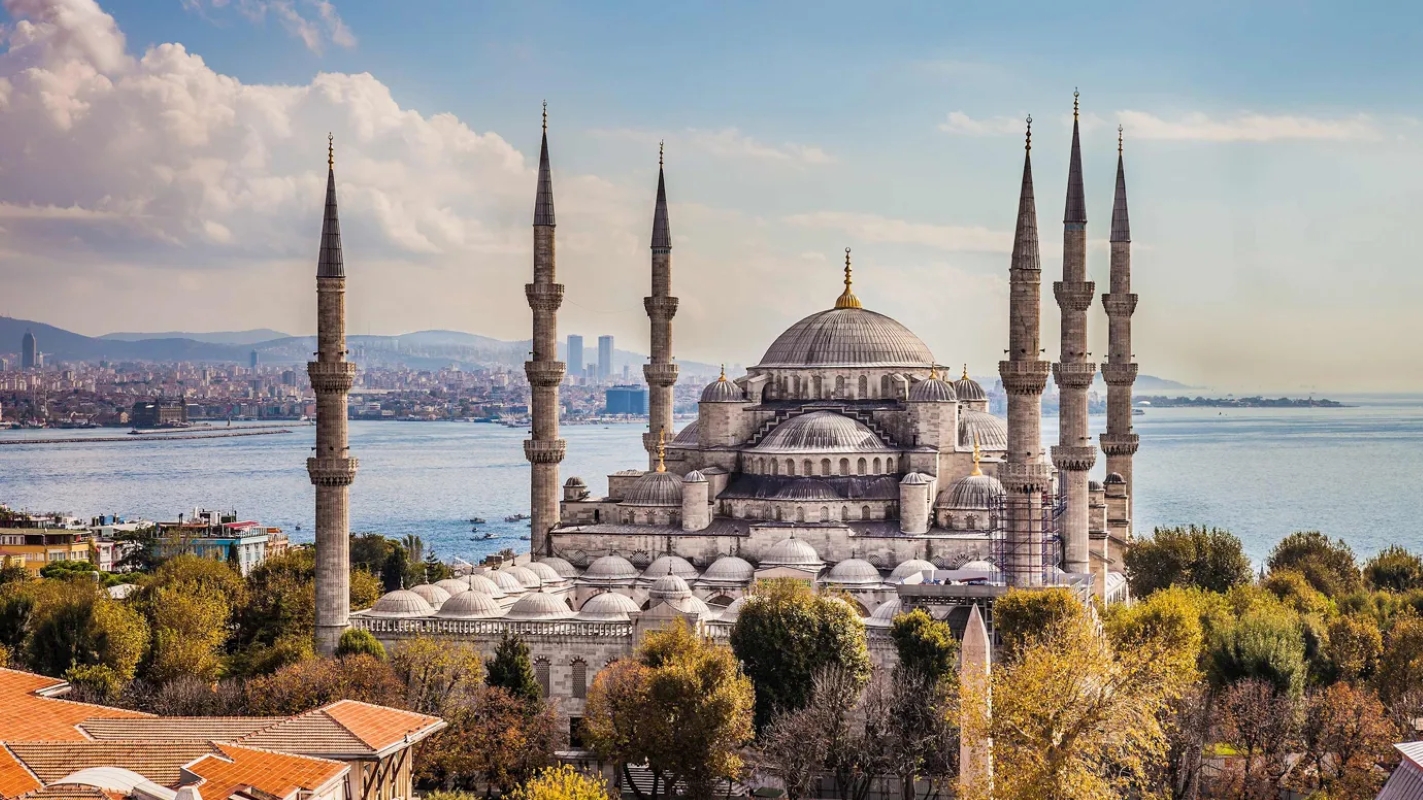
Istanbul – August 3, 2025 (Qahwa World) – There are few things more magical than enjoying a cup of coffee while watching ships and seagulls drift across the Bosphorus. This September, that everyday ritual takes center stage as the Istanbul Coffee Festival returns for another exhilarating edition, set to run from September 11 to 14, 2025, in the heart of Kadıköy, on the Asian side of the city.

Under the theme “The Festival That Awakens the City”, the event invites visitors to explore the world of coffee through taste, aroma, creativity, and culture.

A Celebration of Coffee, Culture, and Community

Now in its annual tradition, the Istanbul Coffee Festival will once again bring together leading global coffee brands, local producers, roasters, and independent cafés. Attendees will have the unique opportunity to explore hundreds of coffee varieties from around the world—through free tastings, workshops, and brand activations.

The four-day event features:

  • Artisanal and specialty coffee tastings

  • Hands-on brewing and barista workshops

  • Engaging talks on coffee sustainability and innovation

  • Live music performances and artistic showcases

  • Gastronomic experiences blending Turkish and global flavors

Visitors will not only drink coffee, but also immerse themselves in Istanbul’s evolving coffee culture—an experience made accessible in a setting designed for comfort, exploration, and connection.

From Galata to Kadıköy: A Festival With a Story

Over the years, the Istanbul Coffee Festival has taken place at some of the city’s most iconic venues, including the Galata Greek School, Haydarpaşa Train Station, KüçükÇiftlik Park, Tersane Istanbul, and Ataköy Marina. This year, Kadıköy becomes the latest neighborhood to host the celebration, adding its own vibrant energy to the festival’s legacy.

Learn, Brew & Taste: A Program Full of Discovery

For those curious to deepen their knowledge, the festival offers interactive workshops and cultural experiences, such as:

  • How to brew traditional Turkish coffee in a cezve

  • Mastering espresso and pour-over methods

  • Coffee grounds fortune-telling (fal bakma)

  • Discussions on sustainability and the future of coffee technology

Whether you’re a casual coffee drinker or a dedicated barista, the festival offers a space where coffee, culture, and creativity meet—and where every cup tells a story.

Join the Celebration

As the scent of coffee fills the air and the rhythms of Istanbul pulse through the festival grounds, one thing is clear: the Istanbul Coffee Festival 2025 is more than an event. It’s a citywide celebration of tradition, innovation, and community.

How Caffeine Protects DNA and Fights Cellular Stress

August 3, 2025 – Qahwa World -A groundbreaking study has provided fresh insight into the cellular power of caffeine—revealing that this common compound, best known for its stimulating effects, may also play a critical role in preserving the stability of our DNA. Published in the peer-reviewed journal Nutrients (Vol. 16, Issue 11, 2024), the study explores how caffeine helps cells survive under genotoxic stress by activating AMPK and inhibiting TORC1—two essential cellular pathways involved in energy balance, growth regulation, and aging.

These findings offer not only a scientific explanation for the long-suspected health benefits of coffee but also introduce caffeine as a molecule with potential implications for aging, DNA repair, and disease prevention.

Caffeine as a Guardian of the Genome

The research, conducted on Schizosaccharomyces pombe (fission yeast), focused on how caffeine influences genomic stability—especially in stressful conditions where DNA integrity is compromised. Fission yeast was chosen for its biological similarity to mammalian cells in key cellular pathways, making it a widely accepted model organism for studying genome maintenance.

The study demonstrated that caffeine triggers a dual-response mechanism that enables cells to better manage and repair DNA damage:

  • Activation of AMPK (AMP-activated protein kinase): This enzyme senses low cellular energy and triggers protective responses to help the cell adapt to stress and conserve resources.

  • Inhibition of TORC1 (Target of Rapamycin Complex 1): TORC1 is a key regulator of cell growth, aging, and nutrient sensing. By inhibiting this pathway, caffeine promotes stress resistance and shifts the cell toward a protective state.

Together, these effects enhanced cell survival under genotoxic stress, such as that caused by hydroxyurea, a chemical known to block DNA replication and damage chromosomes. More impressively, even when core DNA damage checkpoints (such as Rad3 and Cds1 kinases) were genetically knocked out, caffeine still helped the cells withstand damage by rerouting their internal survival programs.

Molecular Adaptation Beyond the Checkpoints

One of the most remarkable observations from the study is caffeine’s ability to bypass the traditional cellular checkpoints that normally monitor and respond to DNA damage. In mutant yeast strains lacking these checkpoints, caffeine still induced robust survival pathways through its interaction with AMPK and TORC1. This suggests that caffeine reprograms cells to adapt, rather than relying solely on standard DNA repair mechanisms.

This phenomenon, referred to as “checkpoint-independent survival,” represents an adaptive strategy where cells under severe stress conditions can rewire their survival logic when standard pathways fail.

The findings highlight caffeine’s role as an adaptive modulator, enhancing what scientists call the cell’s “plasticity” or ability to respond dynamically to damage—a trait essential for longevity and resilience.

Why This Matters for Human Health

Although the experiments were performed in yeast, the AMPK–TOR axis is highly conserved in mammals, including humans. These signaling pathways are at the core of human metabolism, aging, and disease defense. Numerous studies have already linked activation of AMPK and suppression of TORC1 to beneficial effects such as increased lifespan, improved mitochondrial function, and reduced risk of age-related diseases like cancer and neurodegeneration.

The Nutrients study adds weight to these hypotheses by identifying caffeine as a direct modulator of these critical pathways. It also aligns with previous research suggesting that moderate coffee consumption may be linked to lower mortality rates and reduced risks of conditions such as cardiovascular disease, type 2 diabetes, and Alzheimer’s disease.

In essence, caffeine may not only perk up your mornings—but also help protect your cells at the deepest biological level.

Reinforcing Consistency Over Hacks

For the everyday individual seeking to build a healthier lifestyle, this research underlines a powerful message: consistency matters. While popular trends often push shortcuts, pills, or extreme regimens, daily rituals like drinking black coffee—without excessive sugar or additives—may offer long-term, systemic benefits when paired with exercise, healthy nutrition, and adequate sleep.

Caffeine, when consumed mindfully, could form part of a resilience-building routine that strengthens cellular health, promotes DNA repair, and helps buffer the effects of aging and environmental stressors.

“Caffeine promotes genome stability via checkpoint-independent mechanisms,” the authors write, “primarily through activation of AMPK and inhibition of TOR pathways.”
Yamamoto et al., Nutrients, 2024

Final Thought: A Cup That Builds You From Within

Coffee has long been a cultural and sensory ritual—enjoyed for flavor, warmth, and the mental lift it provides. This new research deepens our understanding of its biological role, positioning caffeine as a molecule with life-protecting qualities that extend far beyond alertness.

As we navigate a world of increasing stress, toxic exposures, and metabolic challenges, small habits like a daily cup of coffee—anchored in scientific evidence—can serve as both comfort and armor.

Citation:
Yamamoto, R., Miyabe, I., and Matsumoto, S. (2024). Caffeine Promotes Genome Stability via a Dual Inhibition of TOR and Activation of AMPK Pathways in Fission Yeast. Nutrients, 16(11), 3232. https://doi.org/10.3390/nu16113232

Haraz Coffee to Open Soon in Wesley Chapel, Bringing a Taste of Yemen to Florida

Wesley Chapel – August 3, 2025 (Qahwa World) – Coffee enthusiasts in Wesley Chapel can look forward to a new and culturally rich café experience with the upcoming opening of Haraz Coffee House at 1722 Bruce B. Downs Blvd., in the Shoppes at New Tampa plaza, next to Fine Ink Studios. A sign at the location reads “Brewing Soon,” sparking curiosity and anticipation among locals.

Founded in Detroit in 2021 by Hamzah Nasser, Haraz Coffee is rooted in a mission to share Yemen’s legendary coffee heritage with the world. The brand prides itself on sourcing premium Yemeni beans and preserving traditional coffee-making methods to offer what it describes as “bold, authentic flavors of Yemen in every cup.”

Since its launch, the chain has rapidly expanded to 31 locations across 13 U.S. states, with 185 additional outlets reportedly in development. The Wesley Chapel location will become Florida’s second, following an existing branch in Orlando.

The Haraz menu features a diverse selection of coffee and beverages that reflect both international and Middle Eastern tastes. Options range from classic espresso drinks such as lattes and cappuccinos to traditional preparations like Turkish and Saudi coffee. Unique offerings include spiced drinks infused with cardamom, ginger, or saffron, alongside non-coffee items like matcha, green tea, and hot chocolate.

Guests can also indulge in house-made desserts such as milk cakes, cheesecake, and cinnamon rolls. Additionally, Haraz sells branded merchandise, coffeemakers, and bulk coffee, catering to both casual drinkers and at-home brewers.

While the official opening date for the Wesley Chapel location remains unconfirmed, local anticipation is high. A representative from the Orlando branch confirmed that the new shop is managed by a separate franchisee and could not provide further details on the launch timeline.

For updates, follow local news or visit HarazCoffeeHouse.com.

Coffee and the Clock: How Your Daily Cup May Slow Biological Aging

By Vincentius Liong

Coffee consumption has been associated with a slower biological aging process, potentially allowing coffee drinkers to exhibit a younger biological age compared to their chronological age. Biological age reflects the physiological state of a person’s body—shaped by factors like cellular health—rather than merely the years lived LinkedIn+2LinkedIn+2LinkedIn+2.

Antioxidants at Work
Research suggests that coffee’s rich antioxidant content—including compounds like chlorogenic acids and polyphenols—plays a key role in neutralizing free radicals. These unstable molecules cause oxidative stress, which leads to cellular damage and inflammation, both hallmarks of aging. By reducing oxidative stress, coffee may protect DNA, proteins, and lipids from damage, preserving cellular function and slowing age-related decline LinkedIn.

Fighting Inflammation
Coffee’s anti‑inflammatory properties may further mitigate chronic inflammation, a major driver of aging and age-related diseases such as cardiovascular disease and neurodegeneration LinkedIn+1PMC+1.

Measured Effects in Biomarkers
Studies analyzing biomarkers such as telomere length and epigenetic clocks indicate that regular coffee consumption correlates with improved markers of biological aging—suggesting a slower rate of physiological decline LinkedIn+1MDPI+1.

Cellular Mechanism Unearthed
Recent research from Queen Mary University of London provides insight into the molecular workings behind these effects. Scientists found that caffeine activates AMPK, an essential cellular energy sensor that helps cells cope with stress, repair DNA, and regulate healthy growth. This ancient switch is conserved across species and is also a target of anti‑aging drugs like metformin. In model organisms such as fission yeast, caffeine flipped this AMPK “fuel gauge,” helping cells stay resilient and more youthful LinkedIn+1ScienceDaily+1.

Moderation Matters
However, caffeine consumption must be balanced—excessive intake could result in increased anxiety, disrupted sleep, or other negative effects that may counteract potential benefits LinkedIn.

Additional Supporting Research

  • A longitudinal study of adults aged 55+ over seven years found habitual coffee drinking (4–6 cups daily) reduced risk of frailty, potentially through antioxidant and anti-inflammatory pathways that help maintain muscle strength and overall physical function coffeeandhealth.org.

  • Broader reviews of aging biomarkers (e.g., telomere length, Horvath epigenetic clock) consistently show strong links between biological age and external lifestyle factors—highlighting interventions that may decelerate molecular aging MDPI+3ResearchGate+3MDPI+3.

Summary

Vincentius Liong/Leong’s article expertly integrates current scientific understanding: from antioxidants and inflammation reduction to cellular energy regulation via AMPK. It offers a coherent narrative that coffee—when consumed in moderation—might support healthier longevity through multiple biological mechanisms PMC+9LinkedIn+9LinkedIn+9.

Let me know if you’d like direct links to any of the peer-reviewed studies mentioned or more detail on specific biomarkers like telomere or epigenetic clocks.

Experts Warn: Coffee Prices in Russia Could Rise by Up to 40% in 2026 Amid Climate and Supply Chain Risks

Coffee prices in Russia are expected to rise in 2026 — anywhere from 5% to 40%, depending on global market developments. Economist Lyuza Baiguzina attributes this projected increase to extreme weather conditions in producing countries, rising inflation, and shifting consumer demand.

Moscow – August 2, 2025 (Qahwa World) – Russian consumers should brace for another spike in coffee prices in 2026, warns Lyuza Baiguzina, Candidate of Economic Sciences and Associate Professor at IMES, in an interview with Gazeta.Ru. According to her, even in the most optimistic case, a price increase is inevitable.

Baiguzina points to several contributing factors:

  • Drought and extreme weather in key producing countries like Brazil and Vietnam,

  • Global inflation, increasing production and transportation costs,

  • Changing consumption patterns, with coffee becoming more of a lifestyle product.

Forecasted Scenarios for 2026:

  • Optimistic (5–10%) – if weather conditions stabilize and supply chains normalize.

  • Moderate (10–20%) – if current negative trends persist without worsening.

  • Pessimistic (20–40% or more) – if droughts, inflation, and disruptions continue or intensify.

According to the analytics platform Kontur.Market, coffee prices in Russian stores already rose by 27% over the past year, with a 150g package now averaging 379 rubles. Despite this, demand increased by 4%, showing strong consumer attachment to coffee.

Earlier in 2025, reports indicated that Arabica coffee could rise by another 40% by year-end, due to a weakening ruble, logistical delays, and droughts in Brazil — the world’s largest coffee exporter.

In mid-September 2024, global coffee prices reached a 13-year high, exceeding $2.68 per pound ($5.9 per kilogram). The spike was caused by extreme heat and low rainfall in Brazil, damaging harvests and tightening global supply.

What Lies Ahead for Russia’s Coffee Market?

Experts agree that weather conditions in producing countries will continue to play a decisive role. However, another rising factor is cultural: more Russians are viewing coffee not just as a beverage, but as a lifestyle symbol — potentially increasing long-term demand.

Meanwhile, despite global uncertainties, Indonesian coffee exports to Russia surged nearly tenfold between January and May 2025, totaling $33.4 million in trade value — indicating growing diversification in sourcing.

Global Coffee Prices Decline Sharply Amid Easing Supply Concerns

August 2, 2025 – Qahwa World – Coffee futures fell significantly on Friday, driven by reduced concerns over supply disruptions and promising harvest updates from major producing countries.

September arabica coffee (KCU25) dropped by 3.92% (-11.60 points), settling at a three-week low, while September robusta coffee (RMU25) declined by 2.09% (-71 points). The bearish trend was fueled by speculation that former U.S. President Donald Trump might exempt Brazilian coffee from potential import tariffs. Brazil’s Cecafe and the U.S.-based National Coffee Association have reportedly entered discussions with U.S. trade authorities to secure exemptions for coffee exports. U.S. Commerce Secretary Lutnick hinted earlier this week that products not manufactured domestically may be excluded from new tariff measures.

Brazil’s ongoing coffee harvest has been a key factor in the market downturn. Cooxupe, Brazil’s largest coffee cooperative and export group, reported that 67% of its harvest was completed as of July 25. Separately, Safras & Mercado estimated the national 2025/26 harvest at 84% completion by July 23—well ahead of the five-year average of 77%. The robusta harvest was 96% complete, while arabica stood at 76%.

Recent rainfall in Brazil has eased drought concerns. Somar Meteorologia reported that Minas Gerais—Brazil’s primary arabica-growing region—received 3.5 mm of rainfall during the week ending July 26, more than 200% above the seasonal average.

Coffee prices have been trending downward over the last three months due to expectations of ample supply. On June 25, the USDA’s Foreign Agricultural Service (FAS) projected a 0.5% year-on-year increase in Brazil’s 2025/26 coffee output to 65 million bags. Vietnam, the world’s top robusta producer, is expected to see a 6.9% increase to 31 million bags, the highest in four years.

Globally, the USDA forecasts that total coffee production in 2025/26 will rise by 2.5% to a record 178.68 million bags. Robusta production is set to grow by 7.9% to 81.66 million bags, while arabica output is expected to fall by 1.7% to 97.02 million bags. Ending stocks are projected to increase by 4.9% to 22.82 million bags.

Vietnam’s 2023/24 coffee production declined by 20% year-on-year due to drought, the smallest crop in four years. Total exports also dropped by 17.1% to 1.35 million metric tons. However, the Vietnam National Statistics Office reported a 4.1% year-on-year increase in coffee exports during the first half of 2025, totaling 943,000 metric tons.

While updated forecasts eliminated rainfall from the near-term outlook for Vietnam’s coffee regions, providing some support for robusta prices, ICE Europe data shows speculative funds increased their short positions in robusta futures to 5,854 contracts by July 29—the largest short position in two years—raising the potential for a short-covering rally.

ICE-monitored arabica inventories fell to a 5.5-month low of 761,453 bags on Friday, a factor supportive of arabica prices. On the other hand, ICE robusta inventories rose to a 12-month high of 7,029 lots, adding further pressure to robusta markets.

Brazil’s June green coffee exports declined 31% year-on-year to 2.3 million bags. Arabica exports fell 27% to 1.8 million bags, and robusta exports dropped 42% to 476,334 bags, according to Cecafe. These figures signal potential tightening ahead, despite the current downward trend.

Despite the USDA’s forecast for record global production, consultancy Volcafe projects an arabica coffee deficit of 8.5 million bags for the 2025/26 season—up from 5.5 million the previous year—marking the fifth consecutive year of arabica supply shortfalls.

While speculative activity and favorable weather in Brazil are pressuring prices, concerns over Vietnam’s weather and long-term arabica deficits may temper the bearish momentum in the weeks ahead.

World Coffee Championships 2026 to Spotlight Global Coffee Excellence in Bangkok and Brussels

August 2, 2025 – Qahwa World – The Specialty Coffee Association (SCA) has officially revealed the next chapter in its globally acclaimed competition series: the 2026 World Coffee Championships (WCC) will take center stage in Bangkok, Thailand, and Brussels, Belgium, marking two pivotal milestones in the calendar for the global specialty coffee community.

The WCC season will kick off with the World Latte Art Championship at World of Coffee San Diego, taking place April 10–12, 2026. From there, the spotlight moves to Southeast Asia, where Bangkok will host the World Cup Tasters Championship at World of Coffee Bangkok, May 7–9, 2026, at the Bangkok International Trade & Exhibition Centre (BITEC) — the first time the event will be held in Thailand.

The season then heads to Europe, where World of Coffee Brussels will serve as the venue for three globally recognized competitions: the World Brewers Cup (WBrC), World Coffee Roasting Championship (WCRC), and World Coffee in Good Spirits Championship (WCIGS). These events will unfold at the Brussels Expo, from June 25–27, 2026.

The championship circuit will culminate in Panama City, where the World Barista Championship will be held at World of Coffee Panama, October 23–25, 2026.

A Global Celebration of Specialty Coffee

Each WCC event is more than a competition — it is a celebration of coffee craft, community, and innovation. These championships offer a platform for the industry’s best baristas, brewers, tasters, and roasters to showcase their skills, push boundaries, and connect with an international audience.

SCA’s selection of Bangkok and Brussels for 2026 reflects a broader mission to bring specialty coffee events to culturally rich, emerging, and established coffee markets around the world.

“Each WCC event serves as a catalyst for community-building and knowledge-sharing, while providing a space where professionals can challenge the status quo and inspire the next generation of coffee leaders,” the SCA stated.

Spotlight on Bangkok and Brussels

Bangkok, a city where tradition meets innovation, offers a dynamic stage for the World Cup Tasters Championship — a competition focused on sensory skill, speed, and accuracy. As Thailand’s coffee industry grows rapidly, this event is expected to amplify the region’s influence on the global stage.

Meanwhile, Brussels, known for its rich coffee heritage and central location in Europe, will host three technically demanding championships. The Brewers Cup will showcase manual brewing and storytelling, the Roasting Championship will focus on profiling precision, and the Coffee in Good Spirits competition will celebrate the fusion of coffee and mixology.

2026 World Coffee Championships Schedule:

  • World Latte Art Championship
    📍 San Diego, USA
    📅 April 10–12, 2026
    🏢 World of Coffee San Diego

  • World Cup Tasters Championship
    📍 Bangkok, Thailand
    📅 May 7–9, 2026
    🏢 World of Coffee Bangkok – BITEC

  • World Brewers Cup, Coffee Roasting, and Coffee in Good Spirits Championships
    📍 Brussels, Belgium
    📅 June 25–27, 2026
    🏢 World of Coffee Brussels – Brussels Expo

  • World Barista Championship
    📍 Panama City, Panama
    📅 October 23–25, 2026
    🏢 World of Coffee Panama


For ongoing updates and details about the events, visit wcc.coffee or subscribe to the WCC newsletter.

“Sumseron Coffee” Opens Pre-Orders for Kenyan SL28 Lots for the 2026 Harvest Season

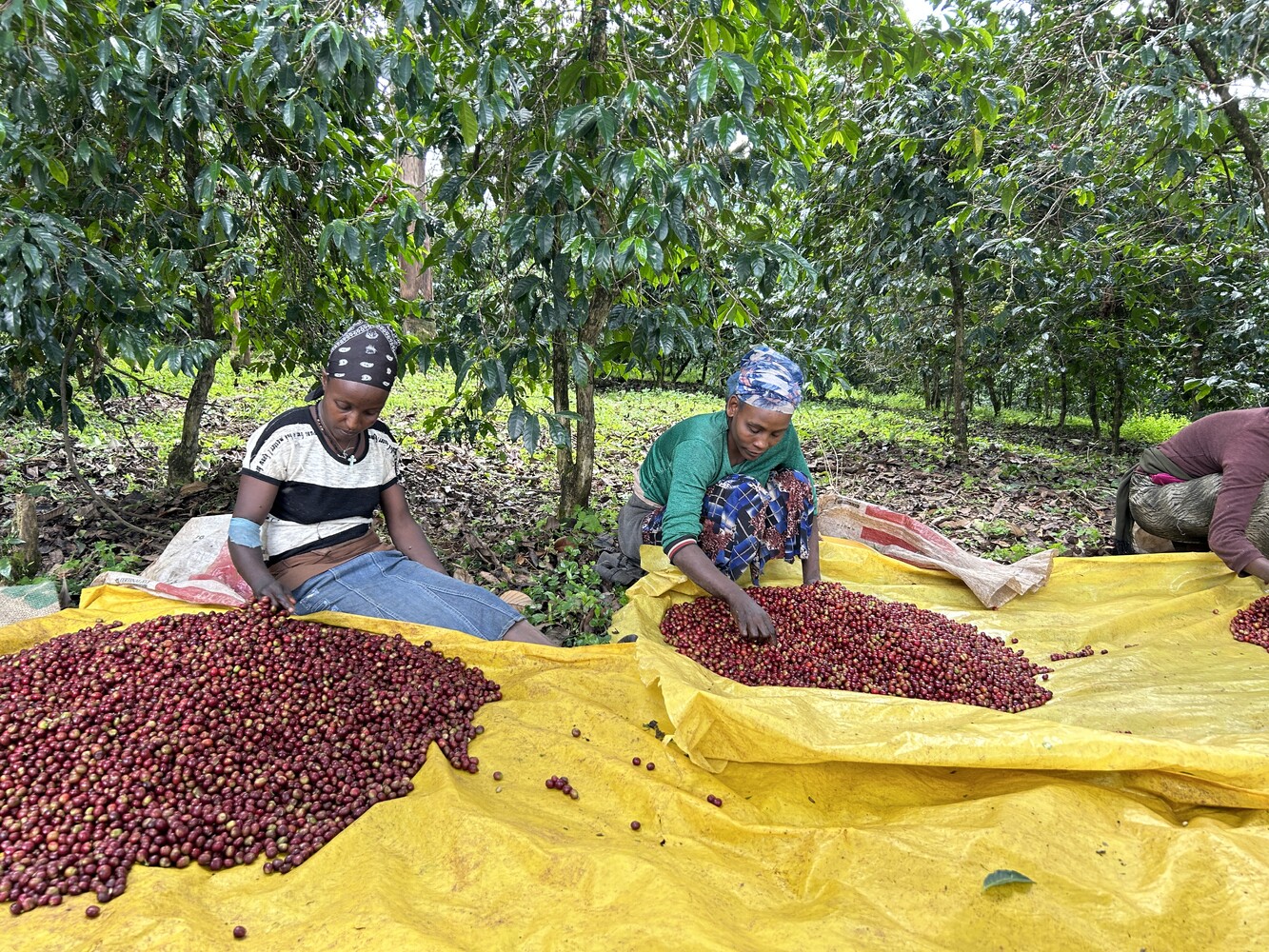
Kipkelion West – August 2, 2025 (Qahwa World) – Kenyan specialty coffee exporter Sumseron Coffee has officially opened pre-orders for its upcoming 2026 harvest of traceable SL28 lots, cultivated between 1900–2000 meters above sea level across multiple high-potential origins in Kenya. The offering includes over 15 tons of fully washed, high-cupping coffee produced under regenerative farming practices and community-led sourcing models, including women-run cooperatives.

“We don’t just export coffee; we export stories — of resilience, identity, and excellence,” said John Seroney, founder of Sumseron Coffee.

A Multi-Origin Offering with Distinct Profiles

The 2026 release includes a curated portfolio of SL28, SL34, Batian, and Ruiru 11 varieties. All lots undergo full-washing and are sun-dried on raised beds, with cupping scores ranging from 87.25 to 88.75. Full traceability is available for each lot.

Key Producing Regions:

  • Kaplelgot Coffee Estate – Kipkelion West, Kericho County
    Managed by the Seroney family, this high-elevation estate grows SL28 on volcanic soil. The resulting cups are classic Kenyan: blackcurrant, citrus, floral.

  • Kipkelion Women in Coffee – Kericho County
    A network of women smallholders cultivating SL28 and SL34. With training and direct market access, their coffees reflect resilience and remarkable quality.

  • Kimama Estate & Cheptais Cooperative – Mount Elgon, Bungoma County
    Located on Mount Elgon’s misty slopes, these producers grow SL28 and Batian, yielding coffees with berry sweetness and tea-like finishes.

  • Sirwo Coffee Estates – Trans Nzoia County
    Near the Cherangany Hills, Sirwo grows SL28 and Ruiru 11 using regenerative soil methods, producing cups with winey acidity and silky body.

  • West Pokot Cooperative – West Pokot County
    This emerging region offers vibrant lots with tropical fruit notes, red florals, and crisp acidity. Sumseron is investing in its development to unlock long-term value.

Cup Profile Summary:

  • Varieties: SL28, SL34, Batian, Ruiru 11

  • Altitude: 1900–2000 MASL

  • Processing: Fully washed, sun-dried on raised beds

  • Cupping Scores: 87.25 to 88.75

  • Flavor Notes: Blackcurrant, citrus, red berries, florals, silky body, tea-like finish

  • Sustainability: Women-led, regenerative, and community-based

  • Traceability: Full lot-level transparency

Pre-Orders Open for Global Roasters and Importers

Sumseron Coffee is now accepting orders from roasters, green coffee buyers, and importers ahead of the 2026 shipping window. Coffee is available in 60kg GrainPro-lined bags, shipped FOB Mombasa or as part of consolidated East African lots.

“We’re committed to building sourcing relationships based on transparency, consistency, and long-term impact,” added Seroney.

📦 Available Quantity: 15+ tons
📨 Contact: [email protected]
🌐 Website: www.sumseroncoffee.com